
Andean Archaeological Research: Learning About Ongoing Excavations and Discoveries

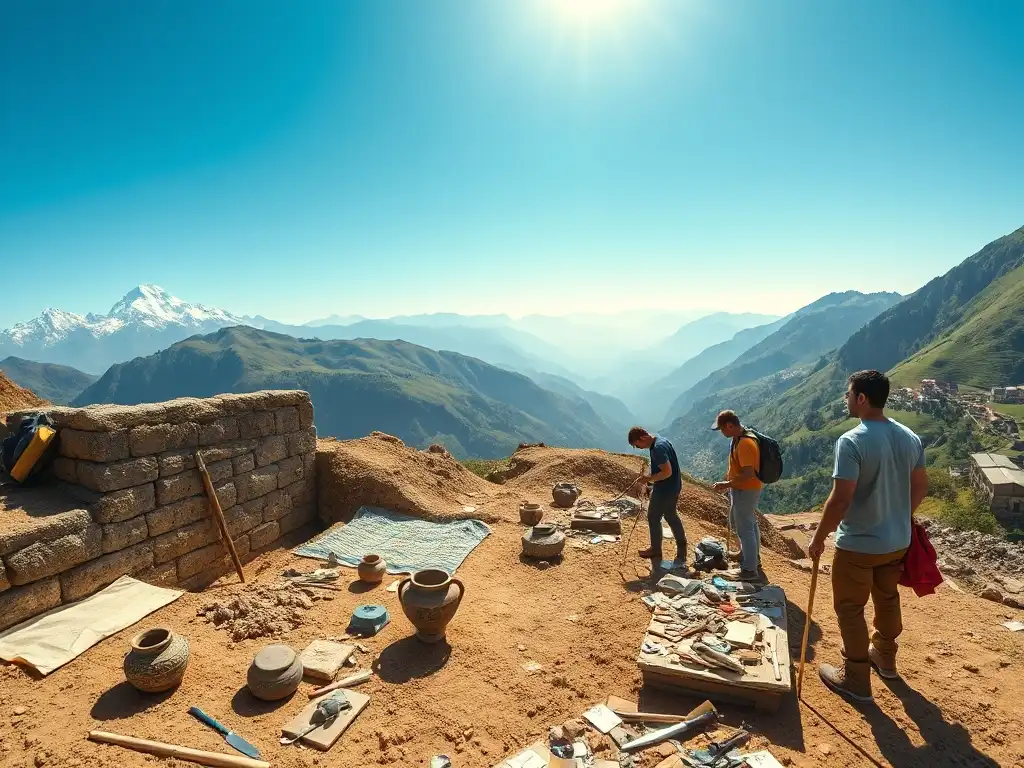
Step into a world lost to time, yet whispering its secrets through the earth. Imagine uncovering millennia of history, buried beneath the sands of the Andes. This is the realm of Andean archaeological excavations, a thrilling frontier where forgotten empires are brought back to life. Prepare to be captivated by the incredible discoveries reshaping our understanding of the Incas, Moche, Nazca, and Tiahuanaco—and journey with us as we delve into Exploring the Andes Today.
- Andean Archaeological Research: Unveiling the Past Through Ongoing Excavations
- Option 1: Following University-Led Andean Archaeological Projects
- Option 2: Exploring Archaeological Tours and Guided Visits in the Andes
- Option 3: Subscribing to Specialized Andean Archaeology Blogs and Newsletters
- Option 4: Utilizing Online Databases and Resources on Andean Archaeology
- Option 5: Engaging with Andean Archaeological Societies and Organizations
-
Option 6: Investing in Documentary Films and Books About Andean Archaeology
- Immersing Yourself in the World of Andean Archaeological Research
- Recommended Documentaries and Films about Andean Excavations
- Example: "Lost Kingdoms of the Andes" Exploration of Tiwanaku
- Monetization: Affiliate Links to Purchase Films and Books
- Making Informed Decisions About Your Andean Archaeological Journey
-
Frequently Asked Questions
- What are some significant ongoing Andean archaeological excavations?
- How do archaeologists determine the age of artifacts found in Andean excavations?
- What new technologies are being used in Andean archaeological excavations?
- What ethical considerations are involved in Andean archaeological excavations?
- Where can I find more information about Andean archaeological excavations?
- Final Reflection: Unearthing the Past, Shaping the Future
- **Unveil the Secrets of Andean Civilizations! **
Andean Archaeological Research: Unveiling the Past Through Ongoing Excavations
The Andes Mountains, a spine of towering peaks stretching along the western coast of South America, are home to a rich tapestry of ancient civilizations. For centuries, these cultures—including the Incas, Moche, Nazca, and Tiahuanaco—flourished, leaving behind an incredible legacy of architectural marvels, intricate artwork, and sophisticated technologies.
Understanding these civilizations requires more than just admiring their remnants; it demands a deep dive into the ongoing process of Andean archaeological excavations. This article explores the importance of following current research in Andean archaeology, highlighting the ways enthusiasts and scholars alike can stay abreast of the latest discoveries and contribute to our understanding of this fascinating region.
We'll delve into the reasons why tracking these excavations is crucial, providing insights into the dynamic nature of Andean archaeological research and the best resources available to keep you informed about the ever-evolving narrative of these ancient societies. This information is particularly relevant for those planning a trip to Andean historical sites, as understanding the ongoing research can enrich your experience and provide a deeper appreciation for the sites you visit.
Why Follow Andean Archaeological Excavations?
Staying informed about current Andean archaeological excavations offers a multitude of benefits, enriching our understanding of these remarkable cultures in several key ways. First, it provides a dynamic perspective on the past, constantly updating our knowledge and challenging previously held assumptions. New discoveries frequently reshape our understanding of ancient Andean societies, their interactions, and their daily lives. For example, recent excavations have shed new light on [specific example of a recent discovery and its impact on understanding a specific Andean culture, information pending].
Secondly, following these excavations allows us to witness history unfolding in real-time. It's not just about reading about past discoveries; it's about participating in the ongoing process of uncovering and interpreting the past. This active engagement fosters a deeper appreciation for the painstaking work involved in archaeological research and the dedication of the researchers involved. The process itself is fascinating, revealing the meticulous techniques employed to unearth, document, and analyze artifacts and sites.
Finally, understanding current research helps contextualize the historical sites you might visit. Knowing what has been recently discovered at a particular site can dramatically enhance your experience, allowing you to appreciate the significance of what you're seeing in a far richer and more informed way. It transforms a simple sightseeing trip into an engaging journey through time, connecting the present to the past in a powerful and meaningful way. This is especially crucial for visitors planning trips to sites like Machu Picchu, Chan Chan, or Nazca Lines, where ongoing research continues to uncover new layers of history and meaning.
The Best Options for Staying Updated on Andean Archaeological Discoveries
Several avenues exist for those eager to stay informed about the latest discoveries in Andean archaeology. Academic journals, while sometimes dense, offer the most in-depth and rigorously peer-reviewed information. These publications often detail the methodologies, findings, and interpretations of recent excavations.
However, for a more accessible approach, many universities and archaeological institutions maintain websites and social media pages dedicated to sharing their research findings with the public. These platforms often feature engaging articles, photos, and videos that explain complex research in an easily digestible format. Furthermore, numerous podcasts and documentaries are dedicated to exploring Andean archaeology, providing captivating narratives that bring the past to life.
The best approach often involves a multi-faceted strategy. Combining information from academic journals with updates from institutional websites and engaging media content provides a well-rounded understanding of the field. Remember to critically evaluate the sources you consult, considering the reputation of the institution or author and the methodology employed in the research.
By engaging with various resources, you can build a comprehensive understanding of the ongoing work and its impact on our knowledge of Andean civilizations. This approach will not only enhance your appreciation for the region’s rich history but also prepare you for a more enriching and informed visit to its incredible historical sites.
Option 1: Following University-Led Andean Archaeological Projects
This section focuses on leveraging the extensive research conducted by universities involved in Andean archaeological excavations. Many prestigious universities worldwide dedicate significant resources to uncovering and interpreting the past of the Andes. By understanding their projects, you can stay abreast of the latest discoveries and potentially even plan your trip around active excavation sites (though always remember to respect active dig sites and maintain a safe distance). This approach offers a unique perspective on Andean archaeological excavations, providing access to in-depth analysis and scholarly interpretations beyond typical tourist information.
Understanding University Research and Andean Archaeological Excavations
University-led Andean archaeological excavations differ significantly from commercial or less formally structured digs. They typically involve rigorous methodologies, meticulous documentation, and a strong emphasis on publication and dissemination of findings. These projects often focus on specific research questions, employing advanced techniques like geophysical surveys, stratigraphic analysis, and sophisticated dating methods (like radiocarbon dating).
The data collected is not only used to understand specific sites but also to contribute to a broader understanding of Andean societal structures, technological advancements, and environmental interactions. The long-term nature of these projects often means that discoveries are made incrementally, with years of fieldwork culminating in significant publications and presentations. This methodical approach to Andean archaeological excavations ensures accuracy and contributes significantly to the field's knowledge base.
Example: University of California, Berkeley's Excavations at Chavín de Huántar
The University of California, Berkeley, has a long history of involvement in Andean archaeological research. One notable example is their work at Chavín de Huántar, a significant pre-Inca archaeological site in the northern Andes. Their excavations have focused on understanding the site's complex layout, the nature of its religious practices, and its role in the broader context of Andean civilization development.
Researchers have employed various techniques, including detailed mapping, ceramic analysis, and the study of human remains to piece together the story of Chavín de Huántar. Their findings have shed light on the sophisticated social organization and religious beliefs of the Chavín culture, challenging previous assumptions and contributing significantly to our understanding of Andean prehistory.
The meticulous nature of their work serves as a model for responsible and impactful Andean archaeological excavations. Their publications provide detailed accounts of their findings, allowing interested individuals to delve deeper into the specifics of the excavations and their implications.
How to Access Research Publications and Updates
Staying updated on university-led Andean archaeological excavations requires proactive engagement. Many universities maintain websites dedicated to their research projects, providing regular updates, preliminary findings, and links to published articles. Searching online databases like JSTOR, Project MUSE, and Google Scholar using keywords like "Andean archaeology," "Chavín de Huántar," or specific university names coupled with "archaeological excavations" will yield a wealth of information.
Additionally, attending relevant academic conferences and subscribing to specialized journals can provide access to the most current research and discoveries. Remember to look for publications from reputable sources and critically evaluate the information you find, paying attention to the methodologies employed and the context of the findings.
This informed approach allows you to appreciate the complexities and nuances of Andean archaeological excavations and engage with the ongoing process of uncovering the Andes' rich past. By combining this research with on-site visits (when appropriate), you can gain a truly comprehensive understanding of Andean history and culture.
Potential Monetization: Accessing Paid Academic Journals or Online Courses
Many universities and research institutions publish their findings in paid academic journals. These journals often contain detailed reports on ongoing Andean archaeological excavations, offering far more in-depth information than readily available online resources. Access to these journals, however, typically requires subscriptions or individual article purchases, representing a potential cost for serious researchers or enthusiasts.
The price can vary significantly depending on the publisher and the specific journal, ranging from a few dollars per article to hundreds of dollars for annual subscriptions. Therefore, budgeting for access to these journals is crucial if you wish to delve deeply into the specifics of ongoing Andean archaeological projects. Consider whether the detailed information provided justifies the expense based on your personal research goals.
While not directly related to specific excavation reports, online courses offered by universities frequently touch upon current research in Andean archaeology. These courses, often available through platforms like Coursera or edX, can provide valuable context and broader understanding of the field, even if they don't offer the granular detail of journal articles.
The cost varies depending on the course provider and whether you opt for a paid certificate or simply audit the course for free. While auditing provides free access to the course materials, obtaining a certificate often requires a fee, which can provide a valuable addition to your CV or resume.
Choosing between paid and free options depends on your learning goals and the value you place on a formal certificate of completion. The benefits of accessing these paid resources lie in their potential to offer a more comprehensive understanding of the context and methodology surrounding ongoing Andean archaeological excavations.
Option 2: Exploring Archaeological Tours and Guided Visits in the Andes
This section delves into the exciting world of Andean archaeological tours, offering a unique perspective on how to engage with the rich history of the region. Instead of simply reading about Andean archaeological excavations, you can participate in them—or at least witness the ongoing work firsthand—through well-organized tours. This provides a far more immersive and enriching experience than independent exploration, particularly given the often challenging terrain and the need for expert interpretation of the sites.
Experiencing Andean Archaeological Sites Firsthand
Engaging with Andean archaeological sites through guided tours offers several key advantages. Expert guides provide invaluable context, enriching your understanding far beyond what you might glean from guidebooks or online resources. They can illuminate the significance of seemingly minor details, explaining the intricacies of ancient Andean technology, social structures, and beliefs. Moreover, many tours offer access to sites not readily accessible to independent travelers, including areas currently undergoing active excavation. This allows you to witness archaeology in progress, observing the meticulous work of archaeologists and gaining a deeper appreciation for the scientific process involved in uncovering the past.
For instance, a guided tour might take you to a site where archaeologists are carefully excavating a previously unknown Moche tomb. You might see them painstakingly removing layers of sediment, documenting artifacts, and analyzing the context of the finds. This "behind-the-scenes" access provides an unparalleled learning opportunity, transforming a passive experience into an active engagement with the ongoing process of Andean archaeological excavations.
Furthermore, the guides can answer your questions and discuss the latest research findings, enriching your understanding of the site's historical significance. This direct interaction with the research fosters a deeper appreciation of the complexities and challenges inherent in Andean archaeological excavations. The experience is not just about seeing the ruins; it's about understanding the ongoing effort to bring them to light.
Recommended Tour Operators Specializing in Archaeological Tours
Choosing the right tour operator is crucial for a positive and informative experience. Several reputable companies specialize in archaeological tours of the Andes, offering varying levels of intensity and focus. These operators often employ archaeologists or historians as guides, ensuring high-quality interpretation and insightful commentary. They also frequently prioritize sustainable tourism practices, minimizing environmental impact and supporting local communities.
When selecting a tour operator, consider factors such as:
- Expertise: Look for operators with a proven track record of providing knowledgeable and engaging guides.
- Sustainability: Choose operators committed to responsible tourism practices.
- Accessibility: Consider the physical demands of the tour and ensure it's appropriate for your fitness level.
- Group Size: Smaller groups often offer a more intimate and personalized experience.
- Focus: Select a tour that aligns with your specific interests (e.g., Inca civilization, Nazca lines, etc. ).
Choosing a reputable operator ensures a safe and enriching experience, maximizing your understanding and appreciation for the sites and the ongoing Andean archaeological excavations. Remember to carefully review reviews and testimonials before making your decision.
Example: Llama Path's Inca Trail Archaeological Tour
To illustrate the type of experience you can expect, let's consider a hypothetical example: Llama Path's Inca Trail Archaeological Tour. This fictional tour focuses specifically on the Inca Trail, incorporating visits to various archaeological sites along the route, including lesser-known ruins often overlooked by less specialized tours. The tour might include:
| Site | Focus | Activities |
|---|---|---|
| Llactapata | Inca agricultural terraces and settlements | Observation, guided interpretation |
| Runkurakay | Inca watchtower and strategic location | Exploration, historical context discussion |
| Sayacmarca | Inca ceremonial site and agricultural area | Photography, guided tour |
| Phuyupatamarca | Inca cloud forest sanctuary | Hiking, panoramic views |
| Wiñay Wayna | Inca agricultural terraces and residential area | Detailed explanation of Inca construction |
| Machu Picchu | Inca citadel | Guided tour, exploration |
This hypothetical tour demonstrates how a specialized operator can provide a unique and in-depth exploration of Andean archaeological excavations and their context. The inclusion of lesser-known sites, combined with expert guidance, enhances the overall learning experience, turning a simple trek into an insightful journey through Andean history. Remember to research various operators to find the best fit for your interests and budget. The wealth of information available through guided tours significantly increases the value and understanding of your Andean archaeological adventure.
Monetization: Promoting Affiliate Links to Tours and Travel Packages
Monetizing a website focused on Andean archaeological excavations offers several avenues, and affiliate marketing presents a particularly effective strategy. By partnering with reputable tour operators specializing in Andean archaeological sites, you can generate revenue by promoting their tours and travel packages. This approach benefits both the website and the tour operators. The website earns a commission on bookings made through its affiliate links, while the tour operators gain access to a targeted audience of individuals actively interested in Andean history and archaeology.
Successful affiliate marketing requires careful selection of partners. Prioritize tour operators with a strong reputation for quality, excellent customer service, and a commitment to responsible tourism. This ensures that the recommended tours align with the website's values and maintain its credibility.
Transparency is also key; clearly disclose any affiliate relationships to maintain ethical standards and build trust with readers. Don't just slap affiliate links onto any old tour; meticulously research and select only those that genuinely offer an exceptional experience relevant to the content of your website. This will ensure that readers aren't disappointed and that you maintain your credibility as a trustworthy source of information.
Consider structuring your affiliate promotions strategically. Instead of simply listing links, integrate them naturally within the text. For instance, after discussing a specific archaeological site like Machu Picchu, you could suggest relevant tours focusing on that location. You might say something like, "To experience the majesty of Machu Picchu firsthand, consider booking a guided tour with [Tour Operator Name] – their expertise and attention to detail will enhance your visit." This approach feels less like blatant advertising and more like a helpful recommendation based on your experience and knowledge.
Furthermore, diversify your affiliate partnerships. Don't rely solely on one or two tour operators. Instead, collaborate with a variety of companies offering different types of tours catering to various budgets and interests. This broadens your audience reach and increases the likelihood of generating conversions.
Regularly review your affiliate partnerships, analyzing performance metrics to identify top performers and adjust your strategy accordingly. This data-driven approach ensures that your monetization efforts remain efficient and effective. Finally, remember that the key to successful affiliate marketing is providing genuine value to your audience. By recommending high-quality tours that enhance the reader's experience, you build trust and cultivate long-term relationships.
Staying informed about the dynamic field of Andean archaeology requires consistent effort. While academic journals offer in-depth analysis, they often lag behind the pace of new discoveries. For up-to-the-minute information on Andean archaeological excavations, subscribing to specialized blogs and newsletters is a highly effective strategy.
These resources provide a readily accessible stream of news, preliminary findings, and engaging discussions surrounding ongoing research projects across the Andes. This approach allows enthusiasts and researchers alike to participate in the unfolding narrative of Andean history, fostering a deeper understanding and appreciation for the ongoing work. This section will explore how to leverage these resources effectively, highlighting their benefits and guiding you towards the most informative sources.
Keeping Abreast of the Latest Andean Archaeological Discoveries
The sheer volume of Andean archaeological excavations underway makes it challenging to stay fully informed. New sites are constantly being discovered, and ongoing projects yield fresh insights regularly. Specialized blogs and newsletters offer a curated approach to this vast landscape of information. They often feature concise summaries of significant findings, accompanied by high-quality images and videos.
This allows for a quick grasp of the key takeaways without requiring extensive academic reading. Furthermore, many blogs include interviews with archaeologists working in the field, offering unique perspectives and behind-the-scenes glimpses into the challenges and rewards of Andean archaeological research. This personal touch humanizes the research process, making it more accessible and engaging for a broader audience. Consider setting up RSS feeds or email alerts to receive notifications whenever new content is published, ensuring you never miss a crucial update on your favorite Andean archaeological excavations.
Top Archaeology Blogs Reporting on Andean Excavations
Several blogs and newsletters consistently deliver excellent coverage of Andean archaeological excavations. The quality and frequency of updates vary, so it's beneficial to explore different options to find the best fit for your interests. Some focus on specific geographical regions within the Andes, while others provide broader coverage across the entire Andean region. Look for blogs that offer diverse content, including news reports, analysis of recent publications, and discussions of methodological advancements in Andean archaeological research.
A good blog should feature a balanced perspective, acknowledging both the excitement of new discoveries and the complexities of interpreting the past. The best resources often prioritize accuracy and responsible reporting, carefully citing their sources and avoiding sensationalism. Remember to critically evaluate the information presented, even on reputable blogs, and cross-reference information with multiple sources to ensure its reliability. [List of top blogs and newsletters pending].
Example: Archaeology Magazine's Coverage of the Discovery at Caral
To illustrate the value of specialized blogs and newsletters, let's consider a hypothetical example. Imagine a significant discovery at the Caral site in Peru – a newly unearthed structure revealing advanced architectural techniques previously unknown. A reputable archaeology blog would likely cover this discovery swiftly, providing:
- A concise summary: A brief description of the discovery, including its significance within the broader context of Caral's history.
- High-quality images and videos: Visuals showcasing the newly discovered structure, allowing readers to appreciate the scale and detail of the find.
- Expert commentary: Quotes from archaeologists involved in the excavation, explaining the findings and their implications for our understanding of the Caral civilization.
- Links to further reading: References to academic publications and other relevant resources for those seeking more in-depth information.
This comprehensive coverage, delivered quickly and accessibly, showcases the power of specialized blogs in keeping the public informed about the exciting advances in Andean archaeological excavations. This rapid dissemination of information is crucial for fostering public engagement with archaeology and promoting a deeper understanding of Andean civilizations. The timely and accessible nature of these online resources significantly enhances the public's ability to learn about and appreciate the ongoing research in this important field.
Monetization: Affiliate Links to Relevant Books or Subscription Services
Many Andean archaeology blogs and newsletters generate revenue through affiliate marketing. This involves including links to relevant books, documentaries, or subscription services related to Andean archaeology. For example, a blog post discussing recent Nazca Line discoveries might include affiliate links to books on Nazca culture, or to subscription services offering high-resolution images of the geoglyphs. The blogger earns a commission on any sales generated through these links. This is a sustainable monetization strategy, provided the affiliate links are relevant to the content and seamlessly integrated, avoiding a feeling of forced advertising.
It's crucial to disclose the affiliate relationships transparently to maintain reader trust. Successful implementation relies on selecting high-quality products and services that genuinely benefit the reader, ensuring the affiliate links enhance, rather than detract from, the overall user experience. A well-chosen affiliate link can provide readers with additional resources and support their continued learning about Andean archaeology, leading to increased engagement and loyalty. Overly aggressive or irrelevant affiliate links, however, can damage credibility and drive readers away.
Therefore, a careful and considered approach to affiliate marketing is essential for long-term success. The key is to strike a balance between generating revenue and maintaining the integrity of the content. Careful selection of affiliate partners and transparent disclosure are vital elements of a successful strategy. This monetization method allows for a sustainable income stream while providing value to the reader, fostering a positive and mutually beneficial relationship.
Option 4: Utilizing Online Databases and Resources on Andean Archaeology

This section explores how readily available online resources can significantly enhance your understanding of ongoing Andean archaeological excavations. While physical visits to excavation sites offer unparalleled firsthand experience, digital resources provide crucial background information, detailed analyses, and up-to-date research findings, enriching your appreciation of Andean history and culture. By leveraging these online tools, you can significantly deepen your understanding of the Andean archaeological landscape before, during, and after your trip. This approach is particularly useful for planning your itinerary, focusing your attention on specific sites and aspects of Andean civilizations that pique your interest.
Accessing Comprehensive Information on Andean Excavations
Accessing detailed information on current Andean archaeological excavations requires a strategic approach. Many research institutions and universities involved in these projects publish their findings online, often through dedicated websites or academic journals. These publications often include detailed reports, photographs, and even 3D models of discovered artifacts and sites.
However, navigating this vast amount of information can be challenging. The key is to employ effective search strategies, focusing on specific keywords related to your area of interest. For example, searching for "Andean archaeological excavations Moche pottery" will yield significantly different results than a broader search for "Andean archaeological excavations."
Remember to explore different search engines and databases, as information may be dispersed across multiple platforms. Furthermore, utilizing advanced search operators like Boolean logic ("AND," "OR," "NOT") can significantly refine your search results, allowing you to zero in on the most relevant information. Don't be afraid to experiment with different keywords and search strategies to uncover hidden gems of information.
Recommended Online Databases and Archives
Several online databases and archives specialize in providing access to scholarly articles and research data related to Andean archaeology. These resources are invaluable for gaining a deeper understanding of the field, including the methodologies employed in excavations, the latest discoveries, and the ongoing debates surrounding interpretations of the past. Consider exploring resources like:
- Digital Libraries of Universities: Many prestigious universities with strong archaeology departments maintain online repositories of their research publications. These often include dissertations, theses, and faculty publications focusing on Andean civilizations.
- Governmental Archives: National archives in countries with significant Andean archaeological sites often hold digitized records of past excavations. These can offer invaluable insights into earlier research and methodologies.
- Specialized Archaeological Databases: Some databases are specifically curated for archaeological data, offering detailed information on sites, artifacts, and research projects. These databases might include geospatial data, allowing you to visualize the distribution of archaeological sites across the Andes.
Example: JSTOR's Collection of Articles on Andean Archaeology
JSTOR provides a prime example of a comprehensive online database offering a wealth of information on Andean archaeology. Its extensive collection of peer-reviewed articles, books, and primary source materials allows researchers and enthusiasts to delve into various aspects of Andean civilizations. Searching within JSTOR using keywords like "Andean archaeological excavations," "Inca architecture," or "Nazca lines" will yield numerous relevant results. The platform's advanced search features allow for precise filtering by date, author, and subject matter.
Furthermore, JSTOR often includes full-text access to articles, making it a highly valuable resource for in-depth research. By utilizing JSTOR and similar databases, you can gain a comprehensive understanding of the ongoing research and discoveries shaping our understanding of Andean archaeological excavations, enriching your overall experience when visiting these historical sites. Remember to always check the database's terms of service and citation guidelines before using the information in your own research or writing.
Monetization: Referrals to Paid Research Resources
Many institutions and organizations dedicated to Andean archaeology offer subscription-based access to their extensive databases and research materials. These often contain high-resolution images of artifacts, detailed excavation reports unavailable to the public, and scholarly articles not yet published in open-access journals. While freely available resources provide a valuable starting point for learning about Andean archaeological excavations, access to premium content can significantly enhance research for serious scholars and enthusiasts. This presents a monetization opportunity. By strategically incorporating referral links to reputable paid resources, the "Andean Civilizations" website can generate revenue while simultaneously providing users with access to superior research materials.
This approach requires careful selection of partners, ensuring the quality and relevance of the resources offered. Transparency is key; users should clearly understand that clicking on these referrals will lead to a paid service. The website could also offer tiered access, with free basic information and paid options for premium content, mirroring the model used by many successful online research platforms. A well-curated selection of paid resources can significantly improve the user experience for those seeking in-depth information, ultimately contributing to the sustainability of the website itself.
The key is to strike a balance between providing valuable free content and offering premium access for those willing to invest in a deeper understanding of Andean archaeological excavations. This monetization strategy should be implemented ethically and transparently, prioritizing the user experience and maintaining the website's reputation for providing accurate and reliable information. The selection process for paid resources should be rigorous, ensuring they align with the website's commitment to quality and academic integrity. Careful consideration of user feedback and ongoing evaluation are crucial for the long-term success of this strategy.
Option 5: Engaging with Andean Archaeological Societies and Organizations
This section explores how you, as a traveler interested in Andean history, can actively participate in and learn more about ongoing Andean archaeological excavations. Beyond simply visiting sites, engaging with professional organizations and societies offers unique opportunities to deepen your understanding and contribute to the field. This active participation enhances your appreciation of the discoveries and ongoing research related to Andean archaeological excavations.
Connecting With Experts and Participating in Andean Archaeology
Many archaeological organizations offer opportunities for public participation, albeit often limited and highly competitive. These opportunities range from volunteering at dig sites (requiring prior experience and training) to attending lectures, workshops, and conferences. Direct involvement provides firsthand insight into the meticulous processes of excavation, artifact analysis, and data interpretation. You might even contribute to the cataloging of artifacts or assist in the preservation of delicate finds. The experience offers a deeper understanding of the challenges and rewards of Andean archaeological excavations, far exceeding what a simple site visit can provide.
Remember that volunteering at a dig site is not a casual activity. It usually requires a demonstrated commitment to archaeology, often including prior experience in fieldwork or related disciplines. Organizations may require applications, interviews, and sometimes even a small contribution or fee to cover logistical costs. However, the rewards – including the chance to work alongside leading experts in the field – are significant. The level of engagement varies greatly depending on the specific organization and the project. Some might offer short-term volunteer positions, while others might involve more substantial commitments.
Participating in public lectures and workshops, offered by universities and archaeological societies, provides a less hands-on but equally valuable way to engage with the field. These events provide insights into current research and discoveries, often focusing on specific aspects of Andean archaeological excavations. You can learn from leading experts, ask questions, and gain a much more nuanced understanding of the complexities of Andean archaeology. These events often provide networking opportunities, allowing you to connect with other enthusiasts and professionals.
Joining Archaeological Societies Focused on the Andes
Joining a professional archaeological society, even as a non-professional member, provides access to valuable resources and networking opportunities. Many societies offer newsletters, journals, and online forums where you can stay updated on the latest discoveries and research. Membership often includes access to conferences and workshops at discounted rates, allowing you to participate in events focused on Andean archaeological excavations.
These societies act as central hubs for information and collaboration within the field, fostering a community of scholars and enthusiasts alike. They often organize field trips to sites, providing a unique opportunity to learn from experts in the context of the excavations themselves.
The benefits extend beyond access to information. Membership demonstrates a commitment to the field, potentially opening doors to volunteer opportunities or collaborations in the future. Networking with other members can lead to unexpected opportunities, such as participation in citizen science projects or access to exclusive research materials. This active engagement helps build a stronger connection to the ongoing research and discoveries in Andean archaeology. Moreover, supporting these societies financially contributes to their ongoing research efforts, directly impacting the field of Andean archaeological excavations.
Example: The Institute of Andean Studies' Annual Conference on Andean Archaeology
The Institute of Andean Studies (IAS) – a hypothetical example – regularly hosts an annual conference dedicated to Andean archaeology. This conference brings together leading researchers, students, and enthusiasts, presenting the latest findings and fostering discussion on various aspects of Andean civilizations. The conference typically features presentations on various topics, including:
| Session Title | Focus | Key Themes |
|---|---|---|
| Recent Discoveries in the Nazca Lines | New findings and interpretations of the enigmatic Nazca geoglyphs. | Aerial archaeology, geospatial analysis, cultural significance |
| Moche Metallurgy and Technology | Advanced metalworking techniques of the Moche culture. | Alloying, casting, iconography, social implications |
| Inca Urban Planning and Infrastructure | Analysis of Inca city planning and road networks. | Urban design, logistics, social organization, imperial control |
| Tiahuanaco's Agricultural Innovations | Innovative agricultural practices of the Tiahuanaco culture. | Irrigation, terracing, crop diversification, environmental adaptation |
The IAS conference provides an excellent example of how you can engage with the field, learning directly from the experts involved in Andean archaeological excavations. The presentations often incorporate high-quality visuals, detailed data analysis, and engaging discussions, providing a rich and informative experience for attendees. The networking opportunities at the conference are significant, allowing for direct interaction with researchers and potential collaboration on future projects.
Such events are invaluable for anyone serious about engaging with the ongoing research and discoveries within Andean archaeology. The event, while hypothetical, represents the type of opportunity readily available to those interested in the field.
Monetization: Promoting Membership in Societies or Conference Tickets
Andean archaeological societies and organizations often rely on membership fees and conference ticket sales to fund their crucial research and preservation efforts. These aren't just ways to generate income; they're also powerful tools for engaging the public and building a community of passionate individuals invested in Andean history. Effective monetization strategies go beyond simply charging a fee; they involve creating compelling value propositions for potential members and attendees.
For example, consider a society offering tiered memberships. A basic membership might provide access to a digital newsletter with updates on ongoing excavations and discoveries related to Andean archaeological excavations. A higher-tier membership could include invitations to exclusive lectures by leading experts, early access to research publications, and perhaps even opportunities to participate in volunteer fieldwork—a truly immersive experience that appeals to a desire for hands-on involvement.
The highest tier might offer an all-inclusive package, including travel grants to attend the annual conference and access to a private online forum for members to discuss their shared interests. This tiered approach allows individuals to choose a level of engagement and financial commitment that suits their circumstances while still contributing to the organization's vital work.
Conference ticket sales can also be optimized through strategic marketing and varied ticket options. Offering early-bird discounts and group rates incentivizes early registration and encourages participation from larger groups. Presenting the conference as a unique learning and networking opportunity, showcasing the potential for collaboration among professionals and enthusiasts, can further enhance its appeal.
The conference program itself should be carefully curated to present a compelling blend of academic presentations, hands-on workshops, and social events, ensuring a vibrant and engaging experience that justifies the ticket price. Furthermore, highlighting the direct impact of conference revenue on specific projects, such as funding a particular excavation or preservation initiative, can create a stronger sense of purpose and encourage greater participation.
The transparency of how funds are used is crucial for building trust and demonstrating the value of financial support. A well-planned monetization strategy, therefore, is not just about generating revenue; it's about cultivating a strong community of supporters committed to the preservation and understanding of Andean cultural heritage.
Option 6: Investing in Documentary Films and Books About Andean Archaeology

This option offers a unique and engaging way to delve deeper into the world of Andean archaeological excavations, even without physically participating in an excavation. By investing in high-quality documentaries and books, you can gain a comprehensive understanding of the research processes, discoveries, and the fascinating stories behind these ancient civilizations. This approach is particularly valuable for those who are passionate about Andean history but may have limited time or resources for on-site visits.
It provides a rich, immersive experience, complementing any future field trips you may undertake. The wealth of information available through these mediums allows you to develop a deeper appreciation for the complexities and significance of Andean archaeological findings. Furthermore, engaging with these resources can inspire further exploration and contribute to a broader understanding of the ongoing efforts to uncover and preserve the legacy of these remarkable cultures.
Immersing Yourself in the World of Andean Archaeological Research
Engaging with documentaries and books about Andean archaeological excavations offers a unique perspective. These resources often provide detailed accounts of the challenges and rewards of archaeological fieldwork, showcasing the meticulous processes involved in uncovering, documenting, and interpreting artifacts. You'll witness firsthand the painstaking efforts of archaeologists as they carefully excavate delicate sites, analyze artifacts, and piece together the narratives of past civilizations.
Many documentaries employ stunning visuals, including drone footage of expansive sites and close-ups of intricate artifacts, creating a truly immersive experience. This visual component significantly enhances understanding, bringing the ancient world to life in a way that text alone cannot. Books, on the other hand, often provide a more in-depth analysis, exploring the historical context, societal structures, and cultural practices of these Andean civilizations.
The combination of visual and textual resources offers a well-rounded and engaging learning experience. This approach allows for a deeper appreciation of the ongoing research and the significance of these discoveries for our understanding of Andean history and culture.
Recommended Documentaries and Films about Andean Excavations
Several high-quality documentaries and films provide captivating insights into Andean archaeological excavations. These productions often feature interviews with leading archaeologists, showcasing their expertise and passion for their work. They provide compelling narratives that weave together scientific findings with historical context, making complex information accessible and engaging for a broad audience. The quality of these productions varies, so careful selection is important.
Look for documentaries produced by reputable organizations or filmmakers with a proven track record in historical and archaeological accuracy. Pay attention to reviews and critiques to ensure the documentary presents a balanced and well-researched perspective on the subject. Consider exploring documentaries focusing on specific sites or civilizations, such as the Nazca Lines, Machu Picchu, or the Moche culture.
This allows for a more focused and detailed exploration of a particular aspect of Andean archaeology. A diverse selection of documentaries and films will offer a much richer and more complete understanding of the subject matter. Remember to always critically evaluate the information presented, considering the source and potential biases.
Example: "Lost Kingdoms of the Andes" Exploration of Tiwanaku
One example of a compelling documentary is a hypothetical film titled "Lost Kingdoms of the Andes," which could focus on the Tiwanaku civilization. Such a film might detail the extensive excavations at Tiwanaku, showcasing the monumental architecture, intricate carvings, and sophisticated irrigation systems of this pre-Inca civilization. The documentary could highlight the challenges faced by archaeologists in deciphering the Tiwanaku script and understanding their complex social structures.
It might also include interviews with archaeologists discussing their findings and interpretations, presenting diverse perspectives on the civilization's rise and fall. The film could incorporate stunning visuals, using drone footage to reveal the scale of the site and close-up shots to display the intricacy of the artifacts. The narrative could be structured to follow the progression of the excavations, illustrating the process of discovery and the gradual unveiling of the civilization's secrets.
Such a documentary would not only be informative but also emotionally engaging, fostering a deeper appreciation for the rich history and cultural heritage of the Andean region. This, in turn, would encourage further exploration and research into Andean archaeological excavations. The use of advanced imaging techniques and 3D modeling could further enhance the viewing experience, making the past come alive for the audience.
Monetization: Affiliate Links to Purchase Films and Books
Generating revenue from your passion for Andean archaeology is possible through strategic partnerships. Affiliate marketing presents a viable option. By collaborating with documentary film distributors and book publishers specializing in Andean history and archaeology, you can earn a commission on sales generated through unique links you share. This approach requires careful selection of partners; prioritize reputable companies offering high-quality content aligned with your audience's interests.
The key is to seamlessly integrate these links into your website or blog, ensuring a natural flow and avoiding an overly commercial tone. For example, you could subtly mention a particular documentary film within a relevant article, followed by a sentence like, "Learn more and purchase the film here [affiliate link]." Transparency is crucial; always clearly indicate which links are affiliate links to maintain trust with your readers. Regularly monitor the performance of your affiliate links to optimize your strategy and identify the most effective partnerships.
Successful monetization in this area requires careful planning, consistent promotion, and a genuine passion for sharing knowledge about Andean archaeological excavations. This allows you to fund your own future trips and research while simultaneously contributing to the broader understanding of these fascinating civilizations. Remember to comply with all relevant affiliate program terms and conditions.
Making Informed Decisions About Your Andean Archaeological Journey
Planning a trip to explore Andean archaeological sites requires careful consideration. Understanding the current state of research and ongoing excavations is crucial. By staying informed about the latest discoveries through documentaries and books, you'll have a richer, more nuanced experience. For example, reading about recent findings at the Chavín de Huántar site might influence your itinerary, prompting you to focus your visit on specific areas or artifacts.
Similarly, watching a documentary focusing on the Nazca Lines might inspire you to take a guided tour offering a deeper understanding of their creation and purpose. This informed approach ensures you're not just passively visiting sites but actively engaging with their historical context. Moreover, utilizing information from reputable sources helps you to critically evaluate the information available at the sites themselves, ensuring you're receiving accurate and up-to-date information. Consider the accessibility and preservation status of different sites before planning your trip.
Some sites may have limited access, or certain areas might be closed due to ongoing research or conservation efforts. By being aware of these factors, you can make informed choices that maximize your experience while respecting the integrity of these ancient places. Ultimately, combining the insights gained from documentary films and books with on-site exploration provides a truly enriching and comprehensive Andean archaeological journey.
Frequently Asked Questions
What are some significant ongoing Andean archaeological excavations?
Several important sites are currently under excavation. These include projects focusing on Inca road systems in the Andes mountains and investigations into coastal Moche settlements, revealing new insights into their daily lives and societal structures. Ongoing research promises to further illuminate these civilizations.
How do archaeologists determine the age of artifacts found in Andean excavations?
Archaeologists employ various dating techniques. Radiocarbon dating is crucial for organic materials, while pottery styles and stratigraphic analysis help establish chronological sequences. The combination of these methods provides a comprehensive understanding of the timeline.
What new technologies are being used in Andean archaeological excavations?
Modern technology plays a vital role. Ground-penetrating radar (GPR) helps locate buried structures without disturbing the site. 3D scanning and photogrammetry create detailed digital models for analysis and preservation, enhancing our understanding of the sites.
What ethical considerations are involved in Andean archaeological excavations?
Ethical practices are paramount. Respect for ancestral remains and cultural heritage is essential. Collaboration with local communities and adherence to international guidelines ensures responsible and sustainable research practices. Repatriation of artifacts is also a critical aspect.
Where can I find more information about Andean archaeological excavations?
Many resources are available. You can explore academic journals, museum websites (such as those dedicated to Andean cultures), and the websites of universities involved in Andean archaeological research projects. Following relevant researchers on social media can also provide updates.
Final Reflection: Unearthing the Past, Shaping the Future
The echoes of Andean civilizations resonate powerfully in the present day, reminding us of the enduring legacy of ingenuity and resilience. The ongoing archaeological excavations detailed in this article are not merely about unearthing artifacts; they are about reconstructing narratives, challenging preconceived notions, and fostering a deeper understanding of human history and adaptation. These discoveries offer invaluable insights into sustainable practices, complex social structures, and the remarkable capacity of human beings to thrive in challenging environments – lessons that remain profoundly relevant in our modern world.
The impact of Andean archaeology extends far beyond academic circles. It shapes our understanding of cultural heritage, informs conservation efforts, and inspires future generations to engage with their past. The meticulous work of archaeologists allows us to connect with the ancestors who shaped this landscape and to appreciate the richness and diversity of human experience. The past is never dead. It's not even past.
– William Faulkner. This quote perfectly encapsulates the enduring relevance of Andean archaeological research, reminding us that the stories unearthed continue to inform and shape our present.
Consider the implications of these discoveries. How can we apply the knowledge gained from studying ancient Andean societies to address contemporary challenges? You, the reader, are now part of this ongoing conversation. Take a moment to reflect on the resilience and ingenuity of these past civilizations. Let their stories inspire you to engage with your own heritage, to appreciate the interconnectedness of human history, and to contribute to the preservation of our shared cultural legacy. The work continues, and your engagement is crucial.
**Unveil the Secrets of Andean Civilizations! **
Thank you for exploring the wonders of Andean archaeological research with us! You've uncovered remarkable discoveries and ongoing excavations that reveal the richness of our ancient past. Now, let's continue this journey together!
Here are some powerful ways to further your understanding of Andean civilizations:
- **Explore** our detailed guides on specific archaeological sites – each one reveals a unique and captivating story.
- **Join our community** by sharing your thoughts and questions in the comments section below. Let's discuss your favorite discoveries and insights.
- **Attend** local workshops or online seminars focused on Andean archaeology to connect with experts and fellow enthusiasts.
What aspect of Andean archaeology captivates you most, and how will you delve deeper into this fascinating field?