
The Inca Sun Temple: A Symbol of Imperial Power

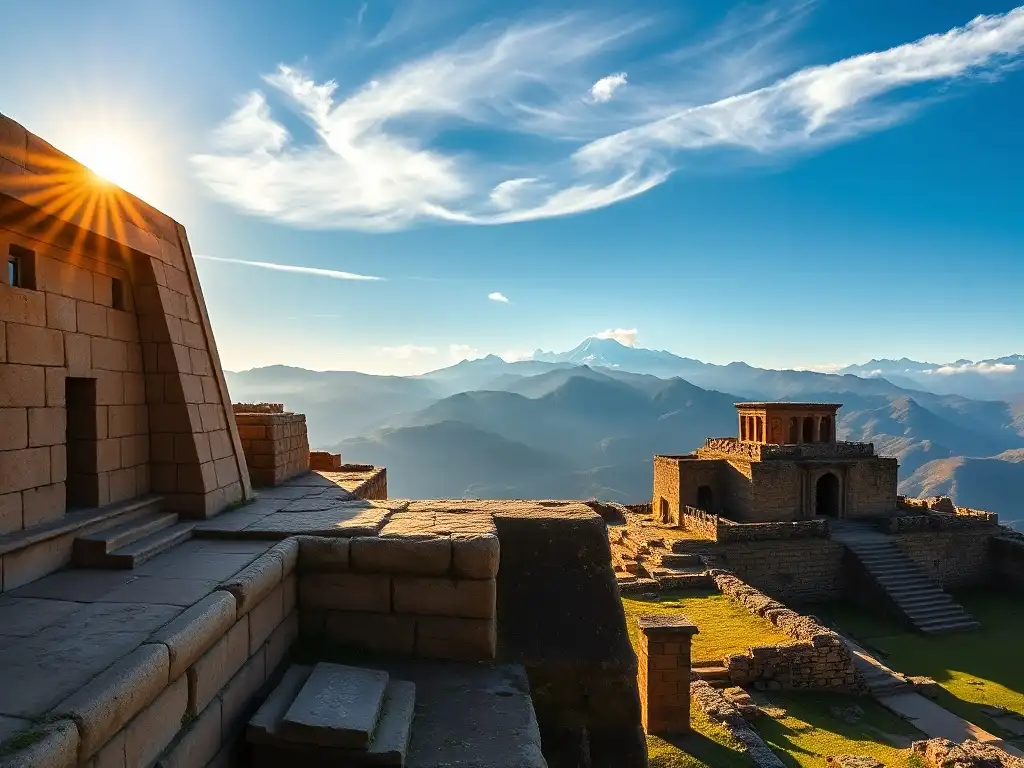
Step into a world lost to time, yet echoing with the power of a vanished empire. Discover the secrets of the Andes, a land sculpted by majestic mountains and the ingenuity of ancient civilizations. From the intricate artistry of the Nazca lines to the awe-inspiring engineering of the Moche, prepare to be captivated. But our journey begins with the Inca Sun Temple, a breathtaking monument that whispers tales of imperial power and celestial worship. Dare to uncover its hidden history...
The Inca Empire, a civilization that flourished in the Andes Mountains of South America from roughly the 15th to the 16th century, left behind a legacy of breathtaking architecture, intricate social structures, and sophisticated engineering. Among their most impressive achievements are the numerous temples dedicated to Inti, the sun god, which served not only as religious centers but also as powerful symbols of imperial power and control. This article delves into the history and significance of the Inca Sun Temple, exploring its role within the broader context of Inca religion, imperial expansion, and the empire's ultimate fate.
We'll uncover the fascinating story behind this iconic structure, examining its origins, construction, and the profound symbolism it held for the Inca people. Understanding the Inca Sun Temple provides crucial insight into the heart of Inca ideology and the mechanics of their vast, well-organized empire.
This exploration will use the available archaeological evidence and historical accounts to paint a picture of this significant site and its place within Inca history. Prepare to be transported back in time to a world of sun worship, imperial ambition, and magnificent architecture.
Understanding the Significance of the Inca Sun Temple
The Inca Sun Temple, located in [Specific Location Pending], wasn't merely a building; it was a living embodiment of Inca cosmology and imperial authority. Its construction, design, and the rituals performed within its walls were all carefully orchestrated to reinforce the Inca emperor's divine right to rule and the sacred nature of the Inca state. The temple served as a focal point for religious ceremonies, astronomical observations, and political gatherings, solidifying its position at the heart of Inca society.
The meticulous craftsmanship evident in its architecture—the precise stonework, the intricate carvings, and the strategic placement within the urban landscape—all speak to the immense importance the Inca placed upon this structure. The temple's very existence reinforced the Inca worldview, where the emperor acted as an intermediary between the divine and the earthly realms.
Its influence extended far beyond its physical walls, shaping religious beliefs, social structures, and the political landscape of the empire. The sun, as a symbol of life-giving energy and power, was deeply revered, and the temple served as a tangible manifestation of this veneration.
The Historical Context of the Inca Temple of the Sun
Understanding the Inca Sun Temple requires placing it within the broader historical context of the Inca Empire. Its construction and significance are inextricably linked to the empire's rise to power, its expansion, and the sophisticated religious beliefs that underpinned its social and political organization.
Origins and Development of Inca Sun Worship
Inca sun worship wasn't a sudden phenomenon but evolved over centuries, incorporating elements from earlier Andean cultures. [Specific details on the evolution of sun worship pending]. The emphasis on the sun god, Inti, intensified as the Inca Empire consolidated its power, becoming a central pillar of Inca ideology.
The sun's life-giving properties were seen as mirroring the emperor's role in providing for his people, strengthening the link between the divine and the earthly ruler. The development of elaborate sun temples, such as the one at [Specific Location Pending], reflects this growing importance of Inti in Inca religious practice and the increasing power of the Inca state. The temples became not only sites of worship but also repositories of immense wealth and symbols of imperial prestige.
The Inca Empire's Expansion and the Rise of Sun Temples
The construction of grand sun temples like the one under discussion directly correlates with the Inca Empire's expansion. As the Inca conquered new territories and incorporated different Andean cultures, they strategically built or adapted existing structures to serve as centers of religious power and imperial control. [Specific examples of Inca expansion and corresponding temple construction pending].
These temples served as a powerful tool to integrate conquered populations into the empire, demonstrating the Inca's power and asserting their dominance over the conquered regions. The impressive scale of these temples, along with the elaborate ceremonies performed within their walls, served to awe and impress, fostering loyalty and obedience among the diverse populations under Inca rule. The construction itself was a massive undertaking, requiring the mobilization of vast labor forces and resources, further showcasing the Inca's organizational prowess and imperial might.
The Sun Temple, therefore, represents not just a religious site but a powerful symbol of Inca imperial expansion and consolidation. The very act of constructing these magnificent structures served as a potent demonstration of Inca power and authority.
Architectural Features of the Inca Sun Temple
The Inca Sun Temple, while its precise location and form are still debated by scholars due to the limited surviving remains and the extensive later modifications, displayed several key architectural features characteristic of Inca imperial architecture. These features reflect both the Inca's mastery of stonework and their deep-seated religious beliefs. The temple likely incorporated elements of traditional Andean architecture, adapted and refined to reflect the Inca's growing power and imperial ambitions.
The use of sophisticated techniques, including precise stone fitting without mortar, is a hallmark of Inca construction. While specific dimensions and floor plans are not universally agreed upon, reconstructions based on archaeological evidence suggest a structure of significant size and complexity, reflecting its importance within the Inca religious and political system. Further research, including careful analysis of existing ruins and ongoing excavations, is crucial to fully understand the temple's architectural intricacies.
Design and Construction Techniques of Inca Sacred Sites
Inca sacred sites, including the Sun Temple, showcase remarkable engineering prowess. The Incas were masters of dry-stone masonry, fitting stones together with incredible precision without the use of mortar. This technique, requiring advanced knowledge of geometry and engineering, resulted in structures that have withstood the test of time. The stones were carefully selected and shaped to fit together perfectly, creating incredibly strong and stable walls.
The construction process likely involved a hierarchical workforce, with specialized craftspeople and laborers working under the direction of skilled architects and engineers. The precise methods employed, including the transportation of massive stones over long distances, remain subjects of ongoing scholarly investigation and debate, highlighting the advanced organizational capabilities of the Inca Empire. The precise planning and execution required for these projects underscores the significant resources and manpower dedicated to religious and political structures.
Materials Used in the Building of the Inca Sun Temple
The primary material used in the construction of the Inca Sun Temple was stone, specifically andesite and other locally sourced varieties. The selection of stone types likely reflected both availability and perceived symbolic significance. Andesite, known for its durability and strength, was a preferred material for many Inca structures, particularly those of religious or political importance.
The stones were meticulously chosen for their size, shape, and quality, ensuring the stability and longevity of the building. While the precise quantities and types of stone used are difficult to definitively determine due to the incomplete state of the ruins, evidence suggests a preference for high-quality materials, reflecting the importance of the Sun Temple within the Inca imperial context. The selection of materials wasn't arbitrary; it played a crucial role in the aesthetic and structural integrity of the temple, reflecting the Inca's sophisticated understanding of building materials.
Unique Characteristics of Inca Sun Temple Architecture
The Inca Sun Temple, if we consider the surviving evidence and scholarly reconstructions, likely possessed unique architectural characteristics that distinguished it from other Inca structures. These features might have included the use of specific decorative elements, such as intricate carvings or particular types of stonework, or the incorporation of astronomical alignments reflecting the Inca's sophisticated understanding of the cosmos. The layout of the temple itself, perhaps incorporating courtyards, platforms, or other specialized spaces, likely reflected its function as a center of religious and political power.
Furthermore, the strategic placement of the temple within the broader urban landscape would have been carefully considered, emphasizing its importance within the Inca world. Unfortunately, the limited surviving evidence makes it difficult to definitively describe these unique characteristics, highlighting the importance of further archaeological research.
The Functions and Rituals of the Inca Sun Temple
The Inca Sun Temple served multiple functions, primarily as a significant center for religious practices and political power. It was likely the site of elaborate ceremonies and rituals dedicated to the Inca sun god, Inti, and other important deities. These rituals played a critical role in maintaining the legitimacy and authority of the Inca emperor, who was considered a divine intermediary between the gods and the people.
The temple also likely served as a repository for sacred objects and treasures, further reinforcing its importance as a focal point of Inca religious life. The temple's functions extended beyond purely religious activities; it served as a place for political gatherings, reinforcing the emperor's power and control over the empire.
Religious Practices and Ceremonies in the Inca Temple
Religious practices and ceremonies at the Inca Sun Temple likely involved a complex interplay of rituals, sacrifices, and processions. These events would have involved priests, nobles, and commoners, each playing a specific role in the ceremonies. The rituals likely involved offerings of food, drink, and precious objects to the sun god, Inti, and other deities.
The ceremonies may have been timed to coincide with significant astronomical events, reflecting the Inca's deep understanding of the cosmos and their belief in the interconnectedness of the celestial and terrestrial realms. The exact details of these ceremonies remain largely unknown, but archaeological findings and historical accounts provide glimpses into the grandeur and complexity of Inca religious practices. The scale of these events likely reflected the importance of the Sun Temple as a center of religious power.
The Role of Priests and Sacrifices in the Inca Sun Temple
Priests played a central role in the rituals performed at the Inca Sun Temple. They were responsible for conducting ceremonies, interpreting omens, and maintaining the sacred objects within the temple. They held considerable power and influence, advising the emperor on matters of state and interpreting divine will. Sacrifices, both human and animal, were likely a significant part of the religious practices at the Sun Temple.
While the extent and nature of human sacrifice are still debated by scholars, evidence suggests that it did occur, though likely not on a routine basis. Animal sacrifices, on the other hand, were likely more common, serving as offerings to appease the gods and ensure the well-being of the empire. The priests were responsible for conducting these sacrifices, ensuring that they were performed correctly and according to traditional practices.
The Inca Sun Temple as a Center of Political Power
Beyond its religious significance, the Inca Sun Temple served as a powerful symbol of Inca imperial power. Its location, construction, and the rituals performed within its walls reinforced the emperor's authority and legitimacy. The temple's grandeur and complexity served to impress visitors and subjects alike, showcasing the Inca's wealth, power, and sophisticated organizational capabilities.
The temple likely hosted important political gatherings, where the emperor met with officials and ambassadors, further solidifying its role as a center of political power. By controlling access to and the rituals performed within the temple, the Inca emperor maintained a strong grip on both the religious and political lives of his subjects. The temple stood as a powerful testament to the emperor's divine right to rule and the power of the Inca state.
Key Inca Sun Temples Across the Empire
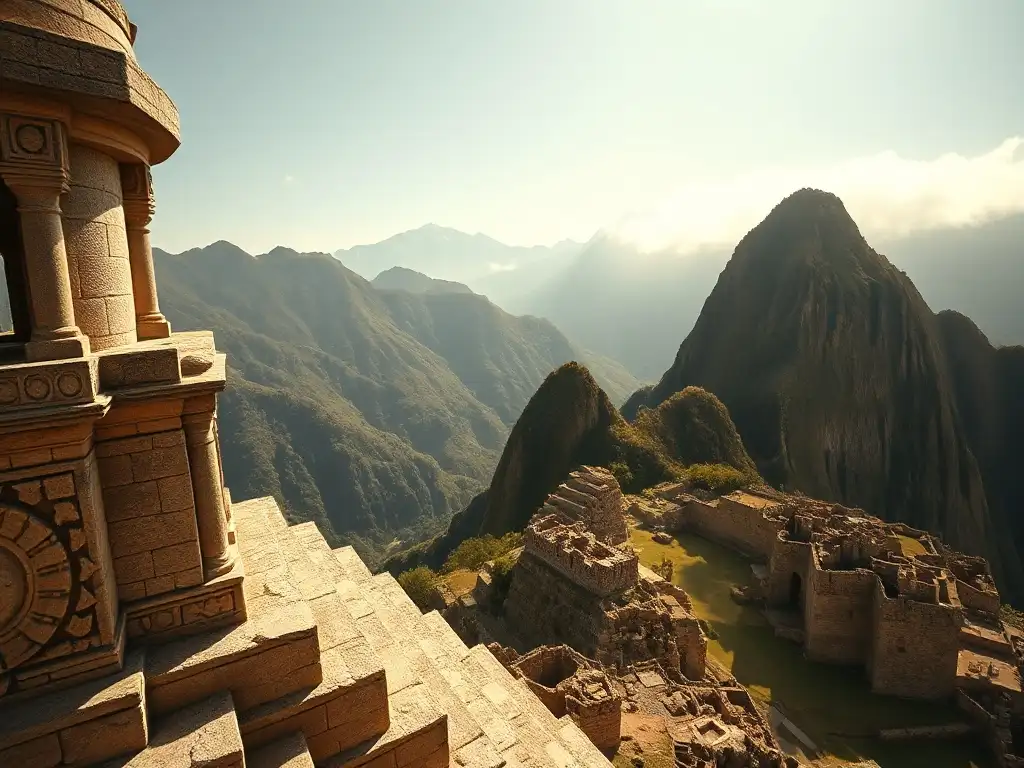
The Inca Empire, renowned for its sophisticated engineering and intricate religious beliefs, constructed numerous Sun Temples throughout its vast territory. These temples weren't merely places of worship; they served as vital centers of power, reflecting the Inca's imperial control and their deep connection to the sun god, Inti. The design and location of these temples varied, reflecting local geography and cultural nuances, yet they all shared a common thread: the reverence for the sun and the emperor's divine right to rule.
The construction techniques employed, using precisely cut stone and intricate masonry, showcased the Inca's mastery of architecture and engineering. The scale and grandeur of these structures further emphasized the Inca's power and influence, leaving a lasting impact on the landscape and our understanding of their civilization. The distribution of these temples across the empire also highlights the Inca's sophisticated administrative system, ensuring that the sun's worship was centralized and effectively controlled throughout their domains.
These temples weren't isolated structures; they were integrated into the broader urban fabric, often forming part of larger complexes that included palaces, administrative buildings, and residential areas. The construction and maintenance of these temples required significant resources and manpower, demonstrating the Inca's ability to mobilize their population for large-scale projects. This efficient organization and resource management were key factors in the Empire's success and longevity.
Coricancha: The Main Inca Sun Temple in Cusco
Coricancha, located in Cusco, the Inca capital, stands as the most significant Sun Temple within the empire. Its name, meaning "Golden Enclosure," reflects its opulent decoration with gold and precious stones. This temple wasn't just a place of worship; it was the heart of the Inca religious and political world. The main structure was meticulously constructed, showcasing the Inca's mastery of stonework.
The walls were incredibly precise, fitting together without mortar, a testament to their advanced engineering skills. Beyond the primary temple, Coricancha housed smaller shrines dedicated to other deities, demonstrating a complex religious system. The temple's immense wealth, accumulated through tribute and conquest, served as a powerful symbol of the Inca's dominion. Archaeological evidence suggests that the temple was constantly being expanded and renovated, reflecting the empire's growing power and influence.
The Spanish conquest drastically altered Coricancha, with much of the original structure destroyed to make way for a Catholic church. However, the remaining foundations and some architectural elements still provide valuable insights into the temple's original magnificence and the Inca's religious practices. The sheer scale and intricate detail of Coricancha's construction speak volumes about the Inca’s power, wealth, and dedication to their religious beliefs.
Temple of the Sun at Machu Picchu: A Royal Sanctuary
The Temple of the Sun at Machu Picchu, high in the Andes Mountains, differs significantly from Coricancha in its scale and function. While smaller than Coricancha, its location and architectural features highlight its significance. Built into the mountainside, the temple's integration with the natural landscape demonstrates the Inca's deep connection with their environment.
Unlike Coricancha's emphasis on gold and opulence, the Machu Picchu temple's beauty lies in its precise stonework and its breathtaking setting. Its strategic placement suggests a role beyond mere worship; it likely served as a royal sanctuary, a place of retreat and contemplation for the Inca elite. The temple's orientation and astronomical alignments suggest a sophisticated understanding of celestial movements, further emphasizing its religious and cosmological significance.
The relatively well-preserved state of the temple, compared to other Inca sites, offers invaluable insights into Inca architecture and religious practices. The temple's location, inaccessible to the general population, reinforces its status as a sacred and exclusive space for the Inca royalty. The surviving structures provide a glimpse into the daily life and rituals of the Inca elite, offering a unique perspective on the Inca civilization.
Temple of the Sun at Ollantaytambo: A Fortress and Ritual Center
The Temple of the Sun at Ollantaytambo presents a unique combination of religious and defensive functions. Located in a strategically important location, it served not only as a religious center but also as a significant military fortress. The massive stone blocks used in its construction, some weighing several tons, are a testament to the Inca's engineering prowess.
The site's complex layout, with interconnected terraces, walls, and temples, reveals a sophisticated urban planning system. The temple's integration within the larger fortress complex reflects the Inca's approach to integrating religious and military aspects of their society. The Ollantaytambo Sun Temple, unlike others, showcases a more utilitarian design, blending religious and defensive purposes seamlessly.
The massive terraces and impressive stonework were not only aesthetically pleasing but also served a practical purpose in defending against potential invaders. This integration of religious and military functions underscores the Inca's pragmatic approach to governance and their ability to combine spiritual beliefs with practical necessities. This unique blend makes Ollantaytambo a fascinating example of Inca ingenuity and their ability to adapt their architecture to the specific needs of the site.
The Legacy of the Inca Sun Temple
The Inca Sun Temples, despite the ravages of time and conquest, continue to hold immense historical and cultural significance. Their legacy extends far beyond their physical remains, impacting our understanding of Inca society, religion, and technology.
The Destruction and Transformation of Inca Temples During the Conquest
The Spanish conquest of the Inca Empire led to the systematic destruction of many Inca Sun Temples. The Spanish, driven by religious zeal and a desire to erase Inca culture, plundered the temples of their gold and other treasures. Many structures were deliberately demolished to make way for colonial churches and buildings. This act of cultural destruction resulted in the loss of invaluable knowledge and artifacts, forever changing the landscape of the Inca empire.
The deliberate dismantling of Inca temples underscores the brutality and far-reaching impact of the Spanish conquest, not only on the Inca people but also on their cultural heritage. The surviving structures, often incorporated into colonial buildings, offer a poignant reminder of the cultural clash and the enduring legacy of the Inca civilization. The loss of knowledge and artifacts makes it challenging to fully reconstruct the original appearance and function of many Inca Sun Temples.
The Modern Understanding and Preservation of Inca Sun Temple Sites
Modern archaeological research and preservation efforts are crucial in understanding and protecting the remaining Inca Sun Temple sites. Archaeologists utilize advanced techniques to study the remaining structures, uncovering new insights into Inca culture and technology. Preservation efforts are focused on stabilizing existing structures and preventing further deterioration. The ongoing research and preservation work are vital in ensuring that future generations can appreciate the significance of these historical sites.
International collaborations and technological advancements are playing an increasingly significant role in these efforts, allowing for a more comprehensive understanding and preservation of these invaluable sites. The ongoing efforts reflect a growing awareness of the importance of protecting cultural heritage and fostering a better understanding of past civilizations. The careful study and preservation of these temples are crucial to understanding the Inca's sophisticated civilization and their place in history.
The Cultural Significance of the Inca Sun Temple Today
The Inca Sun Temples remain powerful symbols of Inca culture and their enduring legacy. These sites serve as important tourist destinations, attracting visitors from around the world. These sites also play a significant role in the cultural identity of modern Peruvians, representing a connection to their ancestral past. Efforts to preserve and interpret these sites are crucial in maintaining cultural continuity and promoting understanding of Inca history.
The ongoing research and preservation efforts are vital in ensuring that future generations can appreciate the significance of these historical sites and connect with their cultural heritage. The Inca Sun Temples serve as a testament to the richness and complexity of Andean civilizations and their lasting impact on the world. The continued study and preservation of these sites are vital to understanding the Inca's sophisticated civilization and their place in history. ☀️
Inca Sun Temple: A Testament to Inca Engineering and Beliefs
The Inca Sun Temple, a breathtaking example of Inca architecture, stands as a testament to their advanced engineering skills and deeply ingrained religious beliefs. Its construction showcases a masterful understanding of stonework, with precisely cut stones fitting together without mortar, a technique that continues to amaze and inspire architects today. The sheer scale of the project, requiring the coordination of vast numbers of laborers and resources, underscores the Inca's sophisticated organizational capabilities.
This wasn't simply a building project; it was a statement of imperial power and religious devotion, reflecting the Inca's ability to mobilize their workforce and resources for ambitious undertakings. The precision and artistry evident in the temple's construction highlight the high level of skill possessed by Inca artisans and engineers. The intricate carvings and meticulous placement of stones are not just functional; they are artistic expressions of religious beliefs and imperial ideology.
The temple's design itself, with its strategic location and symbolic elements, reflects a deep understanding of cosmology and the Inca worldview. The use of specific stones, possibly chosen for their symbolic significance or unique properties, further emphasizes the religious and spiritual importance of the structure. The Sun Temple wasn't just a building; it was a living embodiment of Inca beliefs and power.
The Connection Between Inca Religion, Architecture and Power
The Inca Sun Temple's significance lies not only in its architectural marvel but also in its profound connection to Inca religion and the consolidation of their imperial power. The Inca religion, deeply intertwined with the natural world, viewed the sun as a central deity, Inti. The Sun Temple served as a crucial site for rituals and ceremonies dedicated to Inti, reinforcing the emperor's role as the intermediary between the divine and the human realms.
The temple's grandeur and strategic location served to visually and symbolically demonstrate the emperor's authority and divine right to rule. The elaborate ceremonies performed within its walls cemented the emperor's status as a powerful religious figure, further strengthening his political control. The construction of such a magnificent structure required enormous resources and manpower, demonstrating the emperor's control over the empire's resources and the population's capacity for organized labor.
This architectural achievement served as a potent symbol of Inca power and imperial might, both internally, consolidating loyalty and reinforcing the emperor's authority, and externally, impressing neighboring societies and potentially discouraging rebellion. The Sun Temple's influence extended beyond its physical presence; it became a powerful symbol woven into the fabric of Inca society and ideology, shaping their beliefs and social structures.
Exploring the Impact of Inca Sun Temples on Andean Civilizations
The impact of Inca Sun Temples, like the one discussed, extended far beyond the immediate surroundings. Their construction and subsequent use had a profound influence on the surrounding Andean civilizations, both culturally and politically. The impressive scale of these structures served as a powerful demonstration of Inca dominance and technological superiority, potentially inspiring awe and submission in neighboring communities.
The standardization of architectural styles and religious practices associated with the temples helped to unify the vast Inca empire, promoting a sense of shared cultural identity among diverse populations. The temples likely functioned as centers of religious and administrative activity, facilitating the integration of conquered territories into the Inca empire. The construction of these temples, often employing labor from conquered regions, contributed to economic integration and the flow of resources within the empire.
Furthermore, the religious significance of the temples likely promoted the spread of Inca religious beliefs and practices, further solidifying their cultural influence. The legacy of Inca Sun Temples can still be seen today in the architectural styles and religious traditions of the Andes, demonstrating their lasting impact on the region's cultural landscape. The temples’ influence is a testament to the Inca Empire’s ability to leave an indelible mark on the Andean civilizations.
Concluding Thoughts on the Inca Sun Temple
The Inca Sun Temple stands as a powerful symbol of Inca imperial power and religious beliefs. Its construction, a feat of engineering and artistry, reflects the Inca's advanced understanding of stonework and their ability to mobilize vast resources and manpower. The temple's religious significance, as a center for rituals dedicated to the sun god Inti, further reinforced the emperor's authority and divine right to rule.
The temple's impact extended far beyond its physical presence, shaping cultural identity, promoting political unity, and facilitating economic integration within the vast Inca Empire. Studying the Inca Sun Temple provides valuable insights into the Inca civilization's sophisticated engineering, religious beliefs, and political strategies, offering a glimpse into the complexity and grandeur of this remarkable ancient civilization.
Its enduring legacy serves as a testament to the Inca's lasting impact on the Andean region and continues to inspire awe and wonder in those who learn about its history. The Inca Sun Temple's story is an integral part of understanding the "Inca Sun Temple history" and the broader context of the Inca Empire's expansion and consolidation.
- Understanding the Significance of the Inca Sun Temple
- The Historical Context of the Inca Temple of the Sun
- Architectural Features of the Inca Sun Temple
- The Functions and Rituals of the Inca Sun Temple
- Key Inca Sun Temples Across the Empire
- The Legacy of the Inca Sun Temple
- Inca Sun Temple: A Testament to Inca Engineering and Beliefs
- Concluding Thoughts on the Inca Sun Temple
Frequently Asked Questions
What is the Inca Sun Temple, and where was it located?
The Inca Sun Temple, also known as the Coricancha or Temple of the Sun, was located in Cusco, Peru, the capital of the Inca Empire. It was the most important religious site in the Inca world.
What role did the Sun Temple play in Inca religion and society?
The Coricancha served as the main center of Inca religious life, dedicated to the worship of Inti, the Sun God. It housed sacred objects and was a place of pilgrimage and ceremony.
What architectural features made the Sun Temple significant?
The Temple was renowned for its impressive architecture, featuring meticulously crafted stonework, gold and silver ornamentation, and complex astronomical alignments. Its design reflected Inca mastery of engineering and artistry.
Was the Sun Temple only dedicated to the Sun God, Inti?
While primarily dedicated to Inti, the Coricancha also housed shrines to other deities within its complex, showcasing the Inca's polytheistic beliefs. This included shrines dedicated to the moon, stars, and other important natural forces.
What happened to the Sun Temple after the Spanish conquest?
Following the Spanish conquest in the 16th century, the Coricancha was largely destroyed and replaced with a Christian church, Santo Domingo. Parts of the Inca temple remain integrated within the church structure today.
Final Reflection: Echoes of the Sun God in the Andes
The Inca Sun Temple, a testament to architectural prowess and imperial ambition, remains a potent symbol of a civilization's enduring legacy. Its stones, meticulously fitted together centuries ago, still whisper tales of power, faith, and the intricate social fabric of the Inca Empire. Understanding its history is not merely an academic exercise; it's a key to understanding the enduring human impulse to build, to believe, and to leave a mark on the world.
The Sun Temple's influence extends far beyond its physical presence in Cusco. Its story is woven into the very fabric of Peruvian identity, a source of both national pride and a poignant reminder of a lost world. The echoes of the Inca's sophisticated understanding of astronomy, engineering, and religious practice resonate even today. The past is never dead. It's not even past,
wrote William Faulkner, and this rings profoundly true when considering the enduring impact of the Inca Sun Temple on modern Peru and our understanding of ancient civilizations.
Consider the intricate details of the Sun Temple's construction, the symbolism embedded in its design, and the stories it silently tells. Let these details inspire you to look closer at the world around you, to appreciate the artistry and ingenuity of past cultures, and to recognize the power of human creativity to shape not only the physical landscape but also the cultural and spiritual landscape of generations to come. What enduring legacy will you leave behind?
Unveil the Mysteries of the Inca Sun Temple!
Thank you for exploring the wonders of the Inca Sun Temple with us! We hope you gained valuable insights into its historical significance and the imperial power it represents. Now, let's continue your journey of discovery.
To further explore this fascinating subject:
- Take a virtual tour of the Sun Temple and other Inca sites to experience their magnificence firsthand.
- Discuss your favorite aspects of the Inca civilization with friends and family.
- Expand your knowledge by exploring books, documentaries, and other resources on Andean cultures.
What aspect of the Inca Sun Temple's history most captivates you, and how do you see its relevance to our modern world?