
The Mystery of Tiahuanaco's Undiscovered Structures: What Lies Beneath?

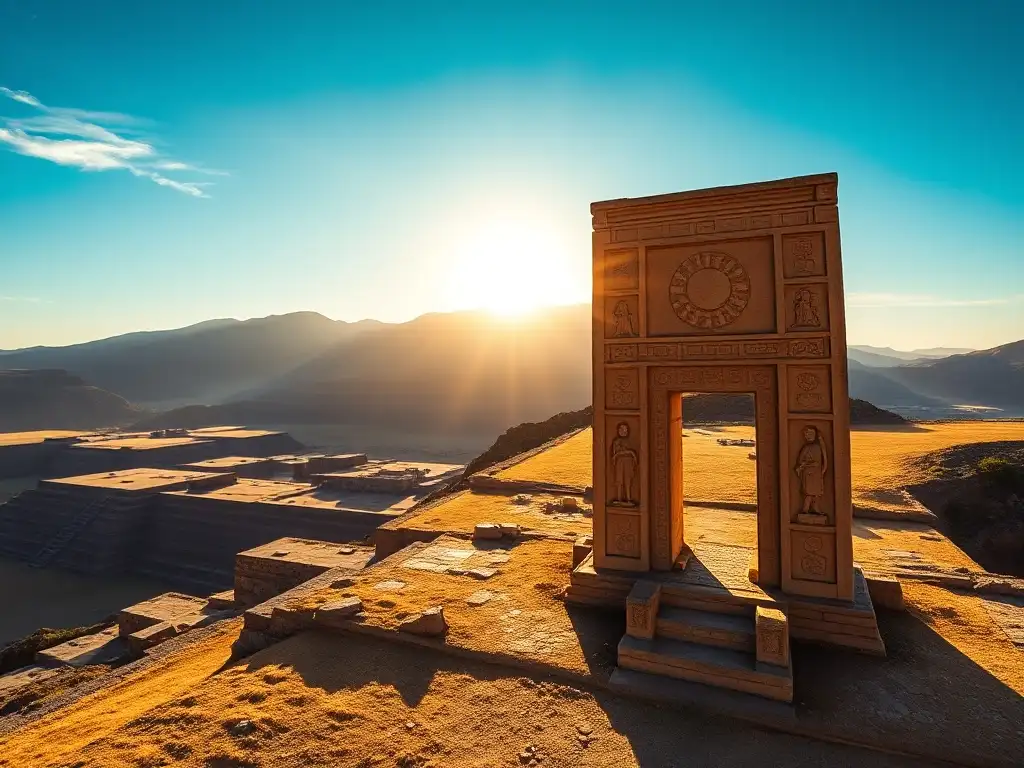
Step into a world lost to time, a world of towering monuments and enigmatic rituals. For centuries, the Andean civilizations have captivated imaginations, and now, we delve into one of their most enduring mysteries: Tiahuanaco. But what secrets lie buried beneath the already-discovered wonders? Prepare to unravel the enigma of Tiahuanaco's undiscovered structures – a journey into a past brimming with untold stories waiting to be revealed. Dare to explore?
- The Enigma of Tiahuanaco's Hidden Structures: A Geophysical Investigation
- Unveiling the Secrets of Tiahuanaco: Beyond the Known Monuments
- Locating the Undiscovered: Advanced Geophysical and Remote Sensing Techniques
-
Potential Types of Hidden Tiahuanaco Structures
- Subterranean Canals and Water Management Systems: Exploring Hydraulic Engineering
- Unexcavated Elite Residences and Administrative Centers: Evidence of Societal Organization
- Storage Facilities and Agricultural Infrastructure: Understanding Tiahuanaco's Economy
- Ceremonial Platforms and Ritual Spaces: Seeking Further Evidence of Religious Practices
- The Significance of Tiahuanaco's Hidden Architecture
- Challenges and Future Research into Tiahuanaco's Subterranean Sites
- Conclusion: The Ongoing Quest to Understand Tiahuanaco's Subterranean Complex
- Frequently Asked Questions
- Final Reflection: Unearthing Tiahuanaco's Legacy – A Journey into the Unknown
- Unveil the Secrets of Tiahuanaco Today!
Tiahuanaco, a pre-Columbian city located on the shores of Lake Titicaca in modern-day Bolivia, stands as a testament to the remarkable engineering and architectural prowess of the Andean civilizations. Its monumental structures, intricate carvings, and sophisticated water management systems continue to fascinate archaeologists and historians alike.
However, beneath the surface of this already impressive site lies a tantalizing mystery: the potential for undiscovered structures, waiting to reveal further secrets about this enigmatic culture. This article delves into the ongoing investigation into Tiahuanaco's hidden depths, exploring the geophysical techniques used to uncover its buried secrets and the potential implications of these discoveries for our understanding of Tiahuanaco's history and societal complexity.
We will examine the evidence suggesting the existence of substantial, yet unseen, structures and the challenges faced in their excavation and preservation. The quest to unearth these hidden components of Tiahuanaco promises to reshape our understanding of this pivotal Andean civilization and its enduring legacy.
Geophysical Techniques Employed at Tiahuanaco
The search for Tiahuanaco's undiscovered structures relies heavily on non-invasive geophysical techniques. These methods allow researchers to investigate the subsurface without the need for extensive excavation, minimizing damage to the existing site and preserving its fragile integrity. Several key techniques are employed, each offering unique insights into the underlying architecture.
These include:
- Ground Penetrating Radar (GPR): GPR uses high-frequency radio waves to create subsurface images, revealing variations in soil density and the presence of buried structures. The resolution of GPR data at Tiahuanaco has allowed the identification of potential walls, foundations, and other subsurface features. Analysis of the GPR data requires sophisticated processing and interpretation to differentiate between natural geological features and man-made structures.
- Magnetometry: This technique measures variations in the Earth's magnetic field caused by buried features. Differences in magnetic susceptibility between buried structures and the surrounding soil can reveal the presence of walls, ditches, or other archaeological features. At Tiahuanaco, magnetometry surveys have been particularly useful in identifying anomalies that might correspond to buried foundations or other large-scale structures.
- Electrical Resistivity Tomography (ERT): ERT measures the electrical resistance of the subsurface, which varies depending on the material's properties. This technique is useful in identifying variations in soil composition, which can indicate the presence of buried structures or changes in soil conditions related to past human activity. The application of ERT at Tiahuanaco has provided complementary data to GPR and magnetometry surveys, enhancing the overall interpretation of subsurface features.
Evidence Suggesting the Presence of Undiscovered Structures
The geophysical surveys conducted at Tiahuanaco have yielded compelling evidence suggesting the presence of significant undiscovered structures. Anomalies detected by GPR, magnetometry, and ERT consistently indicate the existence of subsurface features that extend beyond the currently visible remains. These anomalies often align with patterns suggestive of planned urban development, hinting at a larger and more complex city than previously imagined.
The scale of these potential structures—some appearing to be quite extensive—suggests a level of societal organization and engineering capability that deserves further investigation. The discovery of these structures could significantly alter our understanding of Tiahuanaco's population size, its urban planning, and its overall societal complexity. Further research is crucial to confirm these findings and understand their full implications.
Challenges and Future Directions in the Investigation
Despite the promising results of geophysical surveys, several challenges remain in the investigation of Tiahuanaco's undiscovered structures. The high altitude, harsh climate, and the delicate nature of the existing site all present significant logistical and conservation challenges. Careful planning and the use of minimally invasive excavation techniques are crucial to ensure the preservation of the site's integrity.
Furthermore, the interpretation of geophysical data requires expertise and careful consideration of multiple data sources. The integration of geophysical data with other archaeological evidence, such as surface artifacts and historical accounts, is essential for a complete understanding of the site. Future research should focus on targeted excavations guided by geophysical surveys, coupled with advanced imaging and analysis techniques.
The potential rewards, in terms of our understanding of Tiahuanaco and Andean civilization, are immense. The painstaking work of uncovering these hidden structures promises to unveil a richer, more nuanced picture of this remarkable city and its people.
Unveiling the Secrets of Tiahuanaco: Beyond the Known Monuments
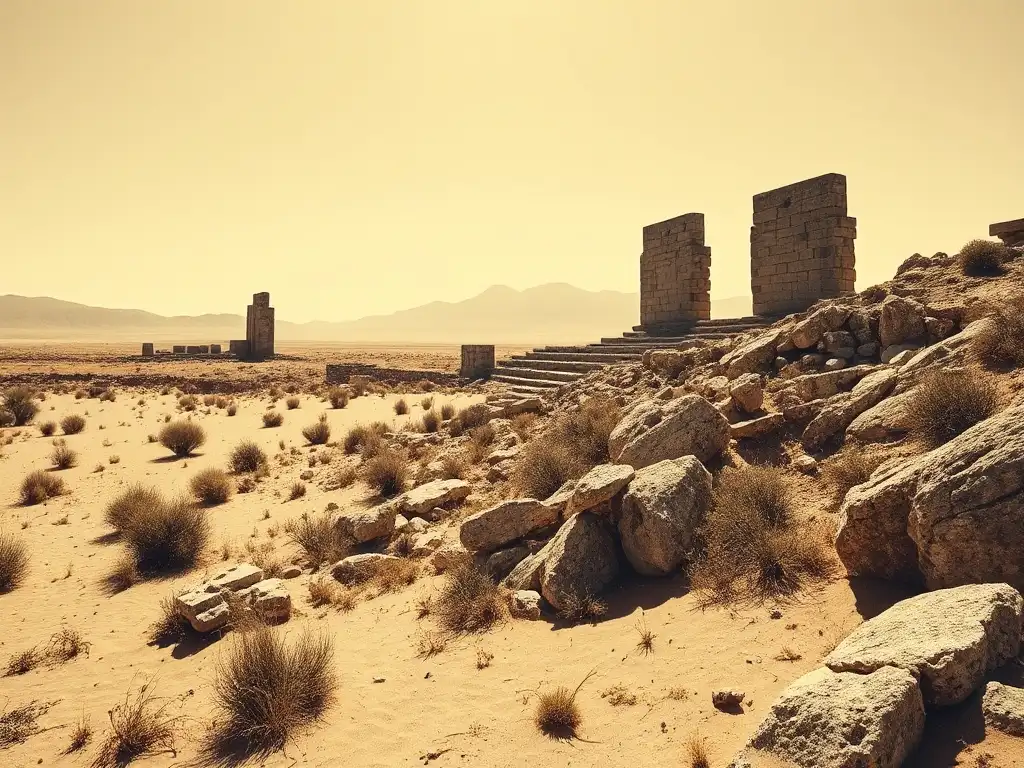
The iconic structures of Tiahuanaco, like the Akapana Pyramid and Kalasasaya Temple, have captivated researchers and visitors for centuries. Their monumental scale and intricate designs speak to an advanced understanding of engineering and urban planning, far exceeding what was previously thought possible for the time period. However, the visible structures only represent a fraction of what might lie beneath the surface.
The very ground we walk on at Tiahuanaco may conceal further evidence of a sophisticated and complex civilization, challenging our current understanding of their technological capabilities and societal organization. This section delves into the potential for undiscovered structures at Tiahuanaco, exploring both the known foundations and the intriguing possibilities hidden beneath the surface. The quest to uncover these "Tiahuanaco undiscovered structures" represents a significant frontier in Andean archaeological research.
Exploring the Akapana Pyramid and Kalasasaya Temple: A Foundation of Tiahuanaco Architecture
The Akapana Pyramid, with its multiple platforms and intricate water channels, stands as a testament to Tiahuanaco's advanced hydraulic engineering. Evidence suggests that sophisticated water management systems were crucial to the city's survival and prosperity. Analysis of the pyramid's construction reveals a meticulous use of massive stone blocks, some weighing several tons, precisely fitted together without the use of mortar. This precision, combined with the complex water channels, points to a highly organized workforce and a deep understanding of architectural principles.
Similarly, the Kalasasaya Temple, with its massive stone blocks and enigmatic carvings, presents a rich tapestry of astronomical and symbolic interpretations. The precise alignment of the temple with the solstices and equinoxes suggests a sophisticated understanding of astronomy and its integration into religious practices. Recent geophysical surveys have revealed anomalies beneath the temple's surface, hinting at the possibility of additional structures or subterranean chambers.
The careful positioning of these monumental structures within the broader urban layout of Tiahuanaco further underscores the advanced planning and organizational skills of its builders. Uncovering the full extent of this architectural achievement requires further investigation and analysis of the Tiahuanaco undiscovered structures that may still lie hidden.
The Mystery of Unseen Structures: Hypotheses of Subterranean Complexes
While the visible structures of Tiahuanaco are impressive, geophysical surveys and ground-penetrating radar studies suggest the presence of significant features beneath the surface. These anomalies hint at the possibility of extensive subterranean complexes, including tunnels, chambers, and perhaps even additional monumental structures. Several hypotheses have been proposed to explain these findings:
- Storage Facilities: The subterranean spaces might have served as storage areas for food, water, or other essential resources, crucial for the city's survival. This would align with the known importance of resource management in the Tiahuanaco civilization.
- Ritualistic Spaces: The possibility of subterranean temples or ceremonial chambers cannot be discounted. Many ancient cultures utilized underground spaces for religious rituals and ceremonies, and Tiahuanaco might have followed a similar pattern.
- Residential Areas: The complex might have housed a significant portion of the population in subterranean dwellings, offering protection from the elements and potential invaders.
- Advanced Infrastructure: The subterranean structures could represent part of a sophisticated, hidden infrastructure system, including water channels, drainage systems, or even more complex technologies that we are only beginning to understand.
The investigation of these "Tiahuanaco undiscovered structures" is vital to a more complete understanding of the Tiahuanaco civilization. Further research, including more extensive geophysical surveys and potentially limited excavations, is needed to verify these hypotheses and uncover the secrets hidden beneath the surface of this remarkable ancient city. The potential for discovery is immense, promising to rewrite our understanding of this fascinating and enigmatic Andean civilization. The mystery surrounding these potential underground complexes adds another layer of intrigue to the already impressive legacy of Tiahuanaco. 🕵️♂️
Locating the Undiscovered: Advanced Geophysical and Remote Sensing Techniques
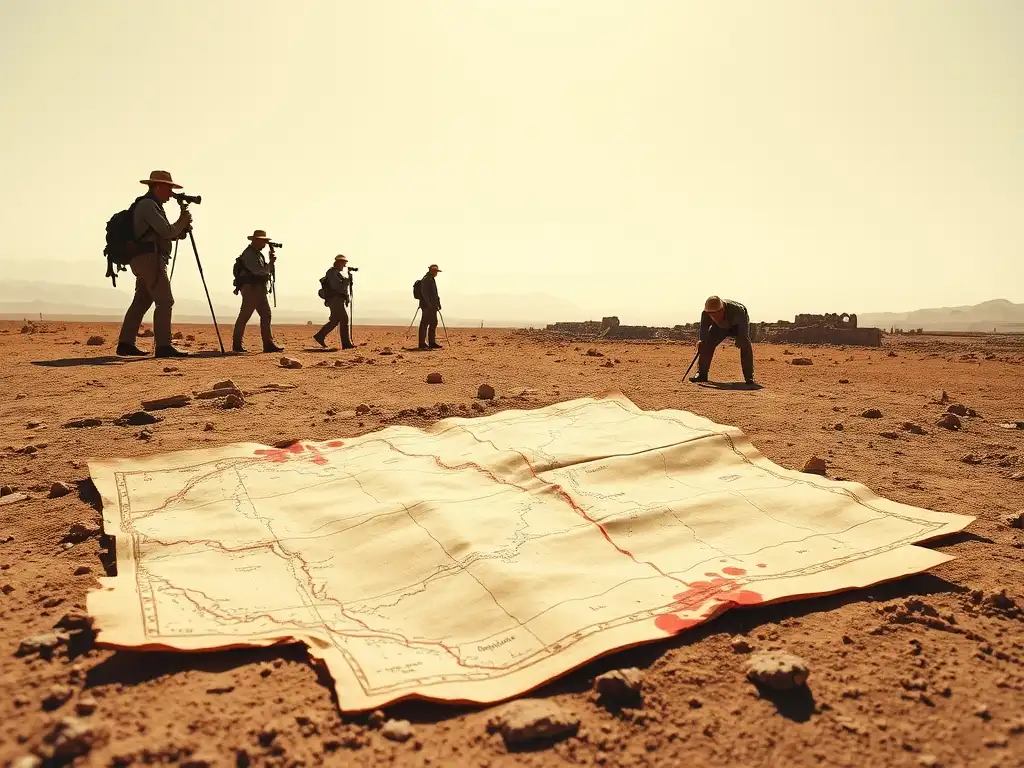
The quest to uncover Tiahuanaco's hidden structures relies heavily on non-invasive geophysical and remote sensing techniques. These methods allow archaeologists to investigate the subsurface without causing damage to the already fragile existing ruins. By analyzing subtle variations in the earth's physical properties, researchers can create detailed maps of buried features, potentially revealing the locations of previously unknown buildings, canals, or other infrastructure. The application of these techniques in Tiahuanaco is crucial, given the city's extensive history and the possibility of significant buried remains beneath the visible structures.
This exploration of the subsurface is vital in understanding the true extent of Tiahuanaco's urban planning and its sophisticated engineering capabilities. The combination of different techniques offers a more comprehensive understanding than any single method could achieve alone, significantly increasing the likelihood of successful discovery. The ongoing research promises to reveal new layers of understanding about this fascinating Andean civilization.
Ground Penetrating Radar Surveys at Puma Punku: Mapping Subsurface Anomalies
Ground Penetrating Radar (GPR) surveys have been employed at Puma Punku, the enigmatic complex known for its massive megalithic structures. GPR uses high-frequency radio waves to penetrate the ground, creating images of subsurface features based on the reflections of these waves. Analysis of GPR data from Puma Punku has revealed several anomalies beneath the surface, including possible walls, foundations, and other architectural elements not visible to the naked eye.
These anomalies are characterized by distinct changes in the dielectric properties of the subsurface materials, indicating differences in density and composition. For example, a recent survey identified a potential buried platform extending beyond the visible perimeter of the main Puma Punku complex. The dimensions and orientation of this anomaly suggest a significant architectural feature, potentially a larger platform or even a separate structure.
Further analysis is needed to determine the precise nature of these anomalies and their relationship to the existing structures. The potential discovery of subterranean structures at Puma Punku could significantly alter our understanding of the site's layout and construction techniques. The detailed mapping of these subsurface features will undoubtedly provide valuable insights into the engineering prowess of the Tiahuanaco builders.
LiDAR Data Analysis of the Tiahuanaco Plateau: Revealing Topographic Variations
Light Detection and Ranging (LiDAR) technology provides a powerful tool for mapping the Tiahuanaco plateau's topography with unprecedented accuracy. By emitting laser pulses from an airborne platform, LiDAR penetrates vegetation and other surface obstructions, creating highly detailed three-dimensional models of the terrain. Analysis of LiDAR data reveals subtle topographic variations that may indicate buried structures or altered landscapes. For instance, LiDAR surveys have identified previously unrecognized platforms and terraces subtly buried beneath the topsoil.
These features, often obscured by vegetation or erosion, could represent remnants of earlier construction phases or extensions of existing structures. The combination of LiDAR data with other geophysical techniques, such as GPR, allows for a more comprehensive interpretation of the subsurface features. By overlaying LiDAR data with GPR results, researchers can correlate surface anomalies with subsurface features, improving the accuracy of interpretations and reducing ambiguity.
This integrated approach is crucial for pinpointing the most promising locations for future excavations. The use of LiDAR in Tiahuanaco represents a significant advancement in archaeological surveying, enabling a more thorough exploration of the site and its surrounding area. The high-resolution data provides a crucial baseline for future research and preservation efforts.
Identifying Potential Areas of Undiscovered Construction: Correlating Data with Known Structures
Correlating data from geophysical surveys with the known layout of Tiahuanaco's existing structures is crucial for identifying potential areas of undiscovered construction. By comparing GPR and LiDAR data with existing architectural plans and maps, researchers can identify patterns and anomalies that suggest the presence of buried features. For example, the alignment of subsurface anomalies with known building foundations or roadways could indicate extensions or additions to existing structures.
Similarly, the presence of anomalies in areas where the existing structures abruptly end might suggest the continuation of building complexes beyond their visible boundaries. This process of correlation helps to prioritize excavation efforts, focusing resources on the areas with the highest probability of yielding significant discoveries. The careful analysis of data from multiple sources is essential for minimizing the risk of unnecessary excavation and maximizing the efficiency of research efforts.
The integration of different data sets allows for a more nuanced understanding of Tiahuanaco's urban planning and construction practices, potentially revealing previously unknown aspects of this remarkable civilization. The ongoing refinement of these correlation techniques promises to unveil even more of Tiahuanaco's hidden secrets. The meticulous comparison of data is key to unlocking the mysteries of Tiahuanaco's undiscovered structures.
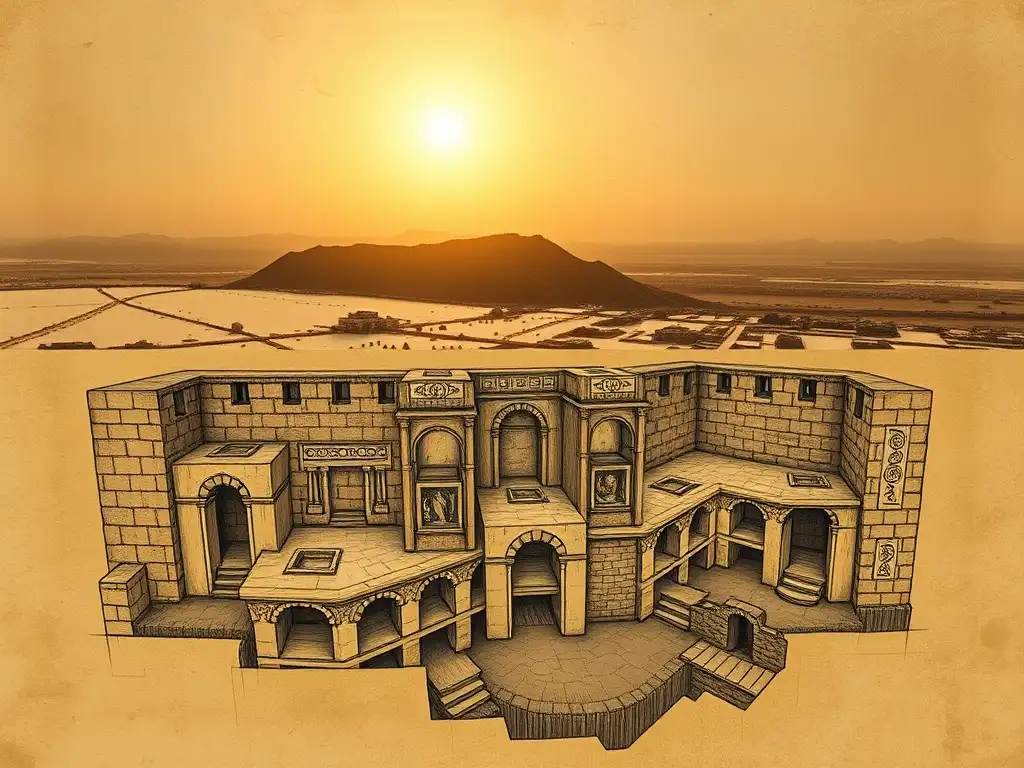
The monumental structures of Tiahuanaco, visible today, represent only a fraction of what this sophisticated civilization may have constructed. Extensive research suggests a significant portion of the city remains buried beneath the surface, waiting to reveal its secrets. The "Tiahuanaco undiscovered structures" represent a tantalizing puzzle for archaeologists, hinting at a more complex urban layout and societal organization than currently understood.
This section explores potential types of hidden structures, based on existing evidence and comparative studies of similar Andean civilizations. The sheer scale of the visible ruins suggests a much larger, more intricate city lay beneath, possibly encompassing a broader range of functions and architectural styles than we currently appreciate.
Subterranean Canals and Water Management Systems: Exploring Hydraulic Engineering
Tiahuanaco's mastery of hydraulic engineering is evident in the visible canals and aqueducts. However, the sophisticated water management system likely extended far beyond what is currently exposed. Subterranean canals, similar to those found in other Andean societies, could have played a crucial role in supplying water to the city, particularly during periods of drought.
These concealed channels might have been used to transport water to public fountains, residential areas, and agricultural fields. Evidence of sophisticated irrigation techniques in the surrounding altiplano suggests the possibility of extensive underground networks distributing water efficiently across a larger area than currently mapped. Furthermore, the presence of intricate subterranean chambers in other Andean sites, such as those associated with ritual practices, raises the possibility of the existence of similar hidden structures in Tiahuanaco, potentially linked to water sources or sacred springs.
The precise nature and extent of these potential subterranean canals remain a fascinating area for future research. Analyzing soil composition and geophysical surveys could help pinpoint their location and reveal more about Tiahuanaco’s ingenious water management strategies. The discovery of such a system would significantly enhance our understanding of the civilization’s resilience and adaptation to the challenging environmental conditions of the Altiplano.
Unexcavated Elite Residences and Administrative Centers: Evidence of Societal Organization
The existing ruins reveal evidence of monumental architecture, but the residential areas of the elite likely extended beyond the currently excavated areas. Unexcavated sections of the city may contain hidden elite residences, possibly constructed with finer materials and more elaborate designs than the structures visible today. These structures might provide valuable insights into the social stratification and daily life of the ruling class.
Furthermore, the location of administrative centers, where political and economic decisions were made, remains largely unknown. These centers may have been strategically located within the city, perhaps incorporating hidden chambers or courtyards for private meetings and ceremonies. The discovery of such structures could shed light on the organizational structure of Tiahuanaco society and the mechanisms through which power was exercised.
The analysis of architectural styles and the presence of artifacts within these hypothetical structures could help us understand the social hierarchy and the distribution of resources within the city. The potential discovery of administrative records or other forms of documentation would be invaluable for understanding Tiahuanaco's political and economic systems. This research could significantly contribute to a more nuanced understanding of Tiahuanaco's societal organization.
Storage Facilities and Agricultural Infrastructure: Understanding Tiahuanaco's Economy
Tiahuanaco’s economy relied heavily on agriculture and resource management. Hidden storage facilities, possibly located underground or within less-accessible areas of the city, could have played a vital role in food storage and distribution. These structures may have been used to store surplus agricultural products, ensuring the city’s food security during periods of scarcity.
Furthermore, evidence of sophisticated agricultural practices in the surrounding area suggests the possibility of hidden irrigation systems and agricultural infrastructure, such as underground channels or storage pits for tools and seeds. Uncovering these facilities would provide critical data on Tiahuanaco’s agricultural capabilities and its economic organization. The scale and complexity of these potential structures would indicate the level of sophistication of their agricultural production and distribution systems.
The discovery of such structures would provide a richer understanding of the sophistication of Tiahuanaco's economy and its capacity for food production and resource management, highlighting its remarkable ability to sustain a large urban population in a challenging environment. Analysis of stored materials, if any remain, could provide insights into dietary habits and trade networks.
Ceremonial Platforms and Ritual Spaces: Seeking Further Evidence of Religious Practices
The discovery of additional ceremonial platforms and ritual spaces in Tiahuanaco would significantly enhance our understanding of the civilization's religious practices. While the existing structures, such as the Kalasasaya complex and the Akapana pyramid, offer compelling evidence of elaborate rituals and ceremonies, the potential for uncovering further sites dedicated to religious activities is high. Geophysical surveys and ground-penetrating radar could reveal subterranean platforms or hidden chambers used for specific rituals, perhaps involving offerings or sacred ceremonies. The nature of these potential discoveries could range from smaller, more intimate spaces for private worship to large-scale platforms capable of accommodating significant numbers of participants in public ceremonies.
The discovery of new iconography, artifacts, or even human remains within these spaces would provide invaluable insight into the beliefs and practices of the Tiahuanaco people. For instance, the unearthing of previously unknown deities or ritualistic objects could reshape our understanding of the Tiahuanaco pantheon and cosmology. Furthermore, the discovery of carefully arranged human remains could shed light on sacrificial practices or funerary rites, offering a more nuanced perspective on death and the afterlife in Tiahuanaco society. The potential for uncovering such hidden religious spaces holds tremendous significance for enriching our understanding of Tiahuanaco's spiritual life.
Analysis of the architectural styles and materials used in these potential structures could also reveal changes or developments in religious practices over time, potentially indicating shifts in belief systems or societal structures. The possibility of finding evidence of interactions with other Andean cultures through shared religious iconography or practices would also be a significant contribution to the field. The careful excavation and analysis of any newly discovered ceremonial spaces would be crucial for avoiding damage to fragile artifacts and ensuring the preservation of this invaluable historical legacy.
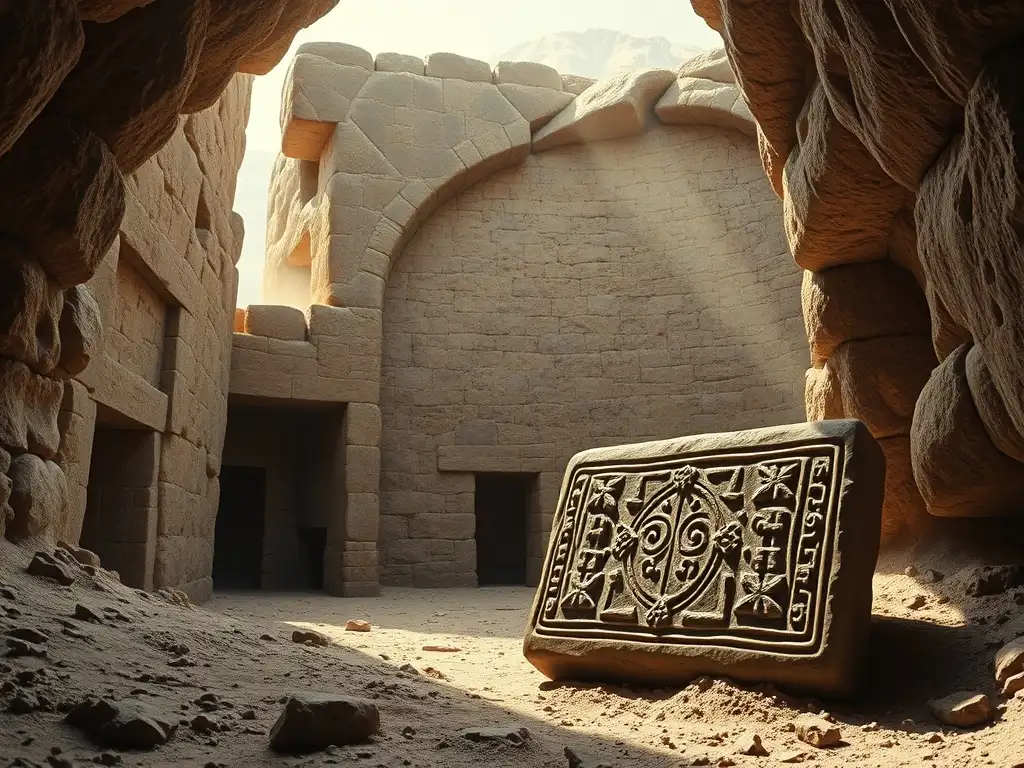
The potential discovery of undiscovered structures at Tiahuanaco holds immense significance for our understanding of this enigmatic Andean civilization. It's not simply about finding more ruins; it's about potentially rewriting our understanding of their societal structure, technological prowess, and the scale of their urban planning. The existing structures, impressive as they are, only offer a partial glimpse into the city's complexity. What lies beneath could dramatically reshape our current narratives.
The sheer scale of the already-excavated site suggests a much larger, potentially more sophisticated, urban center than previously imagined. Discovering new structures could reveal previously unknown residential areas, ceremonial spaces, or even elaborate infrastructure networks, giving us a far more complete picture of daily life in Tiahuanaco. The discovery of these hidden architectural marvels could also shed light on the city's eventual decline, perhaps revealing clues about environmental factors, internal conflicts, or external pressures that contributed to its abandonment.
Understanding Tiahuanaco's Engineering Capabilities: Insights from Undiscovered Infrastructure
The sophisticated engineering evident in Tiahuanaco's existing structures—the precise stonework of the Kalasasaya, the monumental Gateway of the Sun, and the complex water management systems—hints at a level of technological advancement that is still being fully understood. The discovery of undiscovered infrastructure could provide invaluable insights into their construction techniques and the materials they utilized. For instance, uncovering hidden aqueducts or subterranean channels would provide concrete evidence of their advanced hydraulic engineering capabilities.
Similarly, finding evidence of sophisticated building techniques, such as hidden scaffolding systems or advanced stone-cutting tools, could revolutionize our understanding of their mastery of engineering. Analysis of the materials used in any newly discovered structures—the type of stone, the binding agents, etc.—could also reveal details about their resource management and trade networks. The potential for uncovering previously unknown construction techniques would not only enhance our understanding of Tiahuanaco but could also provide valuable insights for modern engineering practices.
Imagine the possibilities: uncovering a previously unknown method of precisely aligning massive stones without advanced technology! This would be a monumental discovery for the field of archaeology and engineering.
Reconstructing Tiahuanaco's Political System: New Perspectives on Governance
The layout and organization of Tiahuanaco's urban center likely reflect its complex political and social structure. The discovery of undiscovered structures could significantly impact our understanding of Tiahuanaco's governance. For example, the uncovering of large residential compounds or palaces could reveal details about the elite class and their relationship to the broader population.
Similarly, the discovery of administrative buildings or record-keeping areas could shed light on the city's bureaucratic systems and the methods used to manage its resources and population. The presence of specific architectural styles or symbols in newly discovered structures could also provide clues about different social groups or clans within the city and their power dynamics. Furthermore, the spatial arrangement of these newly found structures in relation to existing ones could reveal the city's power structure and the distribution of authority.
Analysis of any artifacts found within these new structures could further illuminate the social hierarchy and political organization of Tiahuanaco, offering a more nuanced understanding of its governance. The potential to discover evidence of a more decentralized power structure, or perhaps even evidence of internal conflict, is a thrilling prospect for researchers.
The Impact on Our Knowledge of Andean Civilizations: Expanding the Tiahuanaco Narrative
The discovery of undiscovered structures at Tiahuanaco would have a profound impact on our understanding of Andean civilizations as a whole. Tiahuanaco's influence extended far beyond its immediate geographical area, with its architectural styles and religious beliefs impacting numerous other cultures throughout the Andes. The uncovering of new structures could provide crucial evidence of the extent of this influence and the mechanisms through which it was exerted.
It could also reveal new details about the city's interactions with neighboring cultures, including trade relationships, cultural exchange, and potential conflicts. Furthermore, the discovery of previously unknown architectural techniques or materials could challenge existing theories about the technological development of Andean civilizations. The potential for discovering new forms of art, religious iconography, or ritual practices would significantly enrich our understanding of Tiahuanaco’s cultural landscape and its place within the broader Andean world.
The uncovering of these hidden aspects could fundamentally alter our understanding of the Tiahuanaco civilization and its impact on the subsequent development of Andean societies, adding a crucial layer to the complex tapestry of Andean history. The potential for rewriting the existing narrative is immense, promising exciting new discoveries and a deeper appreciation of this fascinating civilization.
Challenges and Future Research into Tiahuanaco's Subterranean Sites
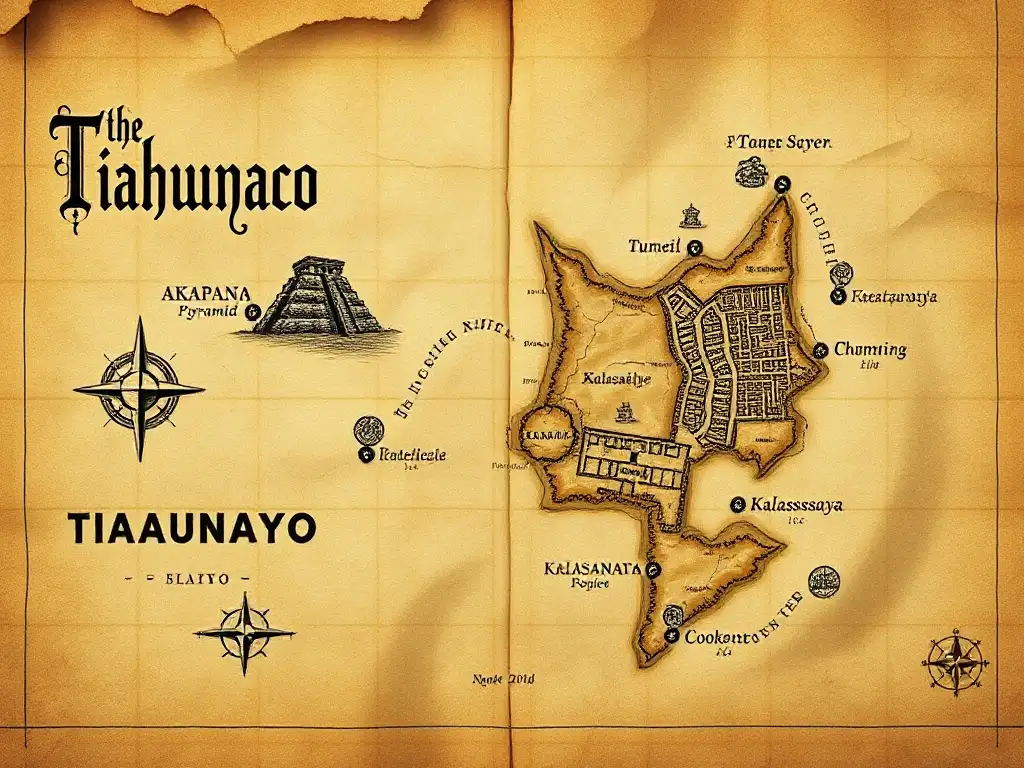
The quest to uncover Tiahuanaco's hidden structures presents numerous challenges, demanding innovative approaches and a multi-faceted strategy. The sheer scale of the potential subterranean city, coupled with the fragility of existing ruins and the harsh Andean environment, necessitates careful planning and execution. Furthermore, the limited availability of historical records and the complexities of interpreting existing archaeological data pose significant hurdles in understanding the purpose and significance of any undiscovered structures.
Successfully navigating these challenges requires a concerted effort from archaeologists, engineers, and other specialists, working in collaboration with local communities and international organizations. Uncovering the truth about Tiahuanaco's undiscovered structures will require a long-term commitment and a substantial investment in resources.
The Ethical Considerations of Excavation: Balancing Exploration with Preservation
Excavation at Tiahuanaco, particularly of potentially fragile subterranean structures, necessitates a deeply ethical approach. The primary concern is the preservation of what remains. Any excavation must minimize damage to both the discovered structures and the surrounding environment.
This requires meticulous planning, the use of non-invasive techniques wherever possible, and rigorous documentation of all findings. Furthermore, consultation with and the active involvement of local communities, who are the rightful custodians of this heritage, are paramount. Their perspectives, knowledge, and concerns must be integral to the decision-making process, ensuring that any excavation respects their cultural and spiritual connection to the site.
The ethical implications extend beyond the immediate excavation, encompassing the long-term protection and accessibility of any discoveries for future generations. A balance must be struck between the thirst for knowledge and the responsibility to safeguard this invaluable piece of Andean history. Careful consideration must also be given to the potential impact on tourism and the preservation of the site's integrity for future researchers.
Utilizing Advanced Imaging Technologies: Enhancing Subsurface Mapping
Ground-penetrating radar (GPR), magnetometry, electrical resistivity tomography (ERT), and other non-invasive geophysical techniques are crucial tools in mapping Tiahuanaco's subterranean features. These technologies allow researchers to create detailed three-dimensional models of subsurface structures without the need for extensive excavation, minimizing the risk of damage. GPR, for instance, can detect variations in soil density and composition, revealing potential buried walls, chambers, or other architectural elements.
Magnetometry measures variations in the Earth's magnetic field, which can be indicative of buried features containing materials with different magnetic properties. ERT, on the other hand, measures the electrical conductivity of the subsurface, helping identify different materials and structures. The integration of data from multiple techniques provides a more comprehensive understanding of the subsurface layout.
Advances in these technologies, coupled with sophisticated data processing and visualization software, constantly improve the accuracy and detail of subsurface mapping, offering a powerful approach to exploring Tiahuanaco's hidden secrets while preserving its integrity. Further research into utilizing these advanced techniques in the challenging Andean environment is essential.
Funding and International Collaboration: Supporting Multi-Disciplinary Research
Uncovering and understanding Tiahuanaco's undiscovered structures requires significant financial investment and a collaborative, multi-disciplinary approach. Funding is needed to support the acquisition and operation of advanced imaging technologies, the meticulous excavation and analysis of discovered features, the preservation of artifacts, and the dissemination of research findings. Securing funding from government agencies, private foundations, and international organizations is crucial.
International collaboration is equally important, bringing together experts from diverse fields – archaeology, geophysics, engineering, anthropology, and others – to leverage their respective skills and knowledge. This collaborative approach fosters innovation, ensures the application of best practices, and allows for a more comprehensive and nuanced understanding of the site. Moreover, collaboration with local communities not only ensures ethical conduct but also provides valuable insights based on local knowledge and traditions.
A successful research program requires a sustained commitment to funding and collaboration to fully realize the potential of uncovering and interpreting Tiahuanaco's hidden legacy. The potential rewards – a deeper understanding of Andean civilization and its remarkable engineering prowess – justify a significant investment in this endeavor.
Conclusion: The Ongoing Quest to Understand Tiahuanaco's Subterranean Complex
The mystery surrounding Tiahuanaco's undiscovered structures remains a compelling enigma, captivating archaeologists and historians alike. While surface explorations have revealed a remarkable city, the potential for significant finds beneath the ground presents a thrilling challenge for future research. The sheer scale of the visible structures hints at a far more extensive urban complex, possibly extending well beyond what we currently perceive.
The sophisticated engineering evident in the standing monuments strongly suggests a level of planning and organizational prowess that warrants further investigation into the subterranean aspects of the city. Uncovering these hidden elements could revolutionize our understanding of Tiahuanaco's societal structure, technological capabilities, and overall significance within the broader Andean context. The possibility of finding additional ceremonial centers, residential areas, or even elaborate irrigation systems buried beneath the surface adds another layer of intrigue to this already fascinating civilization.
The potential for discovering previously unknown artifacts and architectural features promises a wealth of new data that could reshape our current narratives of Tiahuanaco's history and societal organization. The city's secrets, buried beneath the Bolivian soil, await patient and methodical excavation.
Continued geophysical investigation is paramount to unlocking the secrets of Tiahuanaco's subterranean complex. Non-invasive techniques, such as ground-penetrating radar (GPR), magnetometry, and electrical resistivity tomography (ERT), offer a crucial pathway for identifying potential subsurface features without causing damage to the existing structures. These methods allow researchers to create detailed three-dimensional maps of the subsurface, pinpointing anomalies that suggest the presence of buried walls, foundations, chambers, or other significant architectural elements.
For example, recent GPR surveys in other Andean sites have successfully identified previously unknown structures and features, demonstrating the effectiveness of these technologies in revealing hidden aspects of ancient settlements. By systematically mapping the area surrounding the known structures, researchers can identify potential extensions of the city, uncover evidence of previously unknown settlements, or even discover entirely new complexes linked to the main site. The meticulous analysis of geophysical data, combined with careful correlation with existing archaeological knowledge, will be essential in guiding future excavation efforts and minimizing the risk of unintentional damage to valuable artifacts.
This careful, phased approach is crucial for the responsible and effective exploration of Tiahuanaco's hidden world. The application of advanced geophysical techniques, such as 3D modeling and AI-assisted data interpretation, can further enhance the accuracy and efficiency of this crucial stage of research.
The Need for Collaborative Research: Fostering a Deeper Understanding of Tiahuanaco
Unraveling the mysteries of Tiahuanaco requires a collaborative effort from a diverse team of specialists. The complexity of the site and the challenges inherent in investigating subterranean structures necessitate a multidisciplinary approach, bringing together archaeologists, geophysicists, architects, engineers, historians, and other relevant experts. This collaborative environment fosters the exchange of knowledge and expertise, leading to a more comprehensive and nuanced understanding of the site.
For instance, architects can provide valuable insights into the construction techniques and structural design of the potential buried structures, while engineers can contribute their expertise in analyzing the stability of the subsurface and planning safe excavation strategies. International collaboration is also crucial, allowing researchers from various countries to share their experiences, methodologies, and resources. This collaborative model ensures that the investigation is conducted with the highest standards of scientific rigor, ethical considerations, and preservation of the cultural heritage of Tiahuanaco.
The sharing of data and research findings through open-access publications and international conferences will further enhance transparency and contribute to the collective knowledge base on this fascinating civilization. A truly collaborative effort is paramount to unlocking the full potential of research into Tiahuanaco's undiscovered structures, safeguarding its legacy, and sharing its story with the world.
Frequently Asked Questions
What is Tiahuanaco?
Tiahuanaco is a pre-Columbian archaeological site in Bolivia, considered one of the most important centers of ancient Andean civilization. It flourished between 300 and 1000 CE, leaving behind impressive architecture and artifacts.
Why is Tiahuanaco significant?
Tiahuanaco's significance lies in its advanced architecture, complex social organization, and its influence on surrounding cultures. Its monumental structures suggest a highly developed society with sophisticated engineering skills.
Are there undiscovered structures at Tiahuanaco?
Yes, there is strong evidence suggesting the presence of undiscovered structures beneath the surface. Geophysical surveys and excavations have hinted at extensive underground complexes awaiting further investigation.
What kind of structures might be undiscovered at Tiahuanaco?
Potential undiscovered structures could include residential areas, temples, storage facilities, and elaborate irrigation systems. These could provide crucial insights into daily life and the organization of Tiahuanaco society.
How can I learn more about the search for undiscovered structures at Tiahuanaco?
Follow ongoing archaeological research and publications on the site. Many academic journals and archaeological websites provide updates on ongoing excavations and discoveries at Tiahuanaco and other Andean sites.
Final Reflection: Unearthing Tiahuanaco's Legacy – A Journey into the Unknown
The mystery surrounding Tiahuanaco's undiscovered structures isn't just an archaeological puzzle; it's a potent reminder of the vast unknowns that still shape our understanding of the past. The sheer scale of what might lie beneath the surface, hinted at by existing ruins and geophysical surveys, challenges our current narratives and compels us to reconsider the capabilities and societal structures of this remarkable civilization. The potential for groundbreaking discoveries continues to fuel the excitement and importance of further research.
The enduring allure of Tiahuanaco lies not only in its visible grandeur but also in the tantalizing whispers of what remains hidden. Its influence resonates far beyond the altiplano, impacting our understanding of pre-Columbian societies and challenging established timelines. The past is never dead. It's not even past.
– William Faulkner. This quote perfectly encapsulates the ongoing relevance of Tiahuanaco; its secrets, once unearthed, will rewrite chapters of history and reshape our perception of human potential. The ongoing debate surrounding its origins, its advanced engineering, and its sudden decline continues to inspire new research and interpretations, ensuring its legacy remains vibrant and compelling.
Consider the implications of what we might find. Imagine the technological advancements, the societal structures, the artistic expressions that could be revealed. You, the reader, are now part of this ongoing exploration. Engage with the ongoing research, support archaeological initiatives, and foster a curiosity about the mysteries that still lie buried beneath the surface of our planet. Let the enigma of Tiahuanaco inspire you to delve deeper into the wonders of our shared past, and to appreciate the enduring power of human ingenuity and resilience.
Unveil the Secrets of Tiahuanaco Today!
Thank you for exploring the captivating mysteries of Tiahuanaco and the undiscovered structures beneath its ancient surface. Your curiosity is the key to deeper understanding and exploration! Now, let's turn that intrigue into action.
- Join a local archaeological society to connect with fellow enthusiasts and learn about current research.
- Share your thoughts and theories about Tiahuanaco on social media—let's start a conversation and generate wider interest in this fascinating site!
- Consider taking a virtual tour or participating in workshops that support archaeological preservation.
What aspect of Tiahuanaco's hidden wonders most captivates you, and how might uncovering these mysteries reshape our understanding of ancient civilizations?