
Tiahuanaco's Stone Carvings: Depictions of Deities and Mythical Creatures

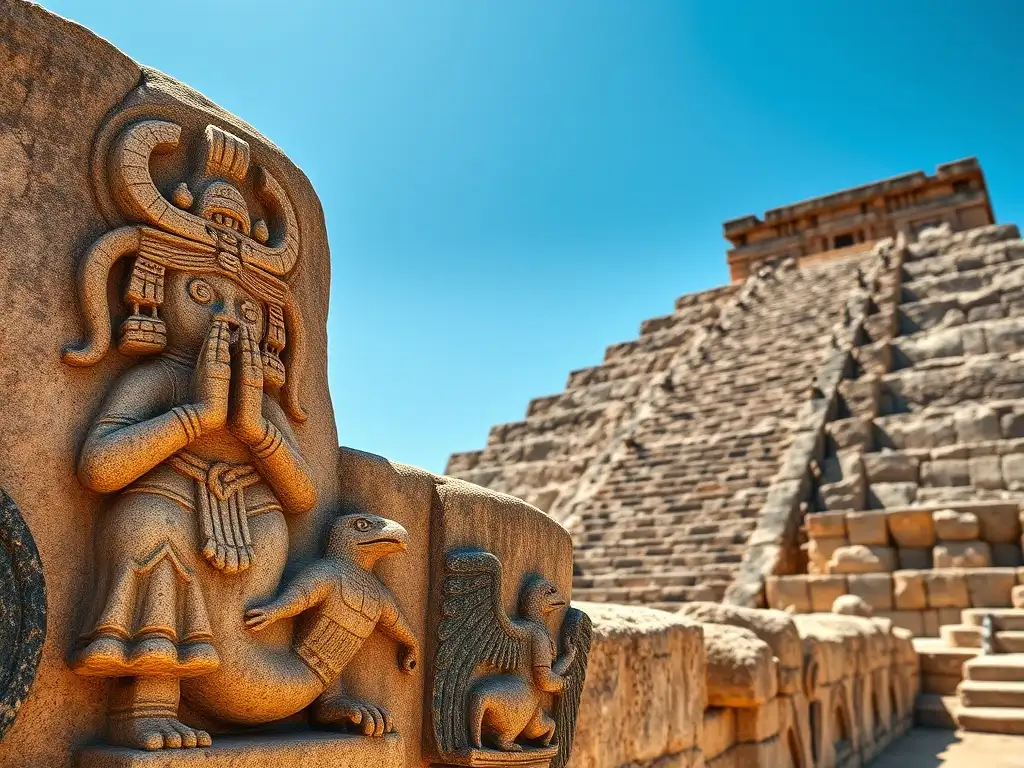
Prepare to be captivated by the enigmatic world of the Andes! Journey through millennia of history as we delve into the breathtaking artistry and complex societies of ancient Andean civilizations. But what secrets do the mysterious Tiahuanaco stone carvings hold? Unlock the meaning behind these powerful depictions of deities and mythical creatures – a journey that will challenge your understanding of these fascinating cultures and leave you wanting more.
- Tiahuanaco Stone Carvings: Unveiling Deities and Mythical Creatures
- The Enigmatic Art of Tiahuanaco Stone Sculptures
- Decoding Tiahuanaco's Iconic Stone Carvings
- Tiahuanaco Stone Carvings Meaning: Deeper Interpretations
- The Techniques and Materials of Tiahuanaco Carving
- Locations of Notable Tiahuanaco Stone Carvings
- Preserving and Studying Tiahuanaco's Stone Legacy
- Conclusion: The Enduring Legacy of Tiahuanaco Stone Carvings
-
Frequently Asked Questions
- What is the significance of Tiahuanaco stone carvings?
- What kind of deities are depicted in Tiahuanaco carvings?
- What are some common motifs found in Tiahuanaco stone carvings?
- What is the meaning behind the "Gateway of the Sun"?
- Where can I learn more about the meaning of Tiahuanaco stone carvings?
- Final Reflection: Unraveling the Whispers of Tiahuanaco
- Unveil the Mysteries of Tiahuanaco!
Tiahuanaco Stone Carvings: Unveiling Deities and Mythical Creatures
The enigmatic city of Tiahuanaco, nestled high in the Andes mountains of Bolivia, leaves behind a legacy far beyond its impressive architecture. Its true power lies in the intricate stone carvings that adorn its ruins, offering a captivating glimpse into the cosmology, beliefs, and artistic prowess of this advanced pre-Columbian civilization.
These carvings, meticulously crafted from andesite and other durable stones, depict a pantheon of deities, mythical creatures, and symbolic representations that continue to fascinate and challenge researchers today. Understanding the meaning behind Tiahuanaco's stone carvings is key to unlocking a deeper understanding of their sophisticated religious and social structures, and this article will delve into the iconography, exploring the interpretations and ongoing debates surrounding these powerful artistic expressions.
We'll examine specific examples, analyzing their stylistic features and potential symbolic meanings to shed light on the rich tapestry of Tiahuanaco's worldview. The quest to decipher the Tiahuanaco stone carvings meaning is a journey into the heart of a lost civilization, revealing fascinating insights into their beliefs and artistic achievements.
Deciphering the Iconography: Gods, Symbols, and Mythological Beings
The stone carvings of Tiahuanaco are not mere decorations; they are complex narratives woven into stone. Many depict anthropomorphic figures, often interpreted as deities or powerful figures within their religious system. These figures frequently possess stylized features: oversized heads, elongated limbs, and intricate headdresses. Some common motifs include:
- The "Gate of the Sun": This iconic structure features a central figure, often interpreted as a deity, surrounded by smaller figures and intricate geometric patterns. The meaning of this central figure is still debated, with some suggesting it represents a sun god or a creator deity. The surrounding figures may represent lesser deities or attendants. The intricate geometric designs likely held significant cosmological meaning.
- Condor Figures: The condor, a powerful bird of prey, appears frequently in Tiahuanaco art. Its depiction often symbolizes power, strength, and possibly a connection to the upper world. The size and placement of these figures within the carvings may indicate their relative importance within the religious hierarchy.
- Serpents and Other Mythical Creatures: Numerous carvings depict serpents, jaguars, and other creatures, often interwoven with human figures. These may represent mythological beings, embodying specific attributes or forces within their belief system. The combinations and interactions of these figures in the carvings offer rich material for interpreting their symbolic meaning.
Stylistic Analysis: Techniques and Materials
The technical mastery displayed in Tiahuanaco's stone carvings is truly remarkable. The artisans employed advanced techniques, including precise carving, polishing, and the use of intricate geometric designs. The most commonly used stone was andesite, a hard volcanic rock, requiring considerable skill and tools to work with.
The precision and detail achieved in these carvings demonstrate a high level of artistic skill and a sophisticated understanding of stoneworking techniques. Analysis of the tools and techniques used provides valuable insights into their technological capabilities and the level of organization required for such large-scale projects. Further research is needed to fully understand the specific tools and methods used, but existing evidence points to a highly skilled and organized workforce.
Interpretative Challenges and Ongoing Research
Despite decades of research, many aspects of Tiahuanaco's stone carvings remain enigmatic. The lack of written records makes interpretation challenging, relying heavily on comparative analysis with other Andean cultures and the careful examination of the carvings themselves. Ongoing research involves interdisciplinary collaboration between archaeologists, art historians, and anthropologists, employing various techniques, including stylistic analysis, iconographic comparisons, and advanced imaging technologies, to unlock the secrets held within these ancient stones.
The ongoing debate and the evolving interpretations highlight the complexity and enduring fascination surrounding these works of art. New discoveries and advancements in research techniques continue to shed light on the meaning and significance of these remarkable carvings. The quest to understand the Tiahuanaco stone carvings meaning is a continuous process of discovery and interpretation, leading to a richer and more nuanced understanding of this remarkable civilization.
The Significance of Tiahuanaco Stone Carvings in Andean Studies
The Tiahuanaco stone carvings hold immense significance for the broader study of Andean civilizations. They provide invaluable insights into the religious beliefs, social structures, and artistic achievements of this influential culture. Their influence can be seen in subsequent Andean cultures, highlighting the lasting impact of Tiahuanaco's artistic and ideological legacy.
The study of these carvings helps us understand the complex interplay of religious, political, and social dynamics within Tiahuanaco society, placing them within the broader context of Andean cultural history. The ongoing research and interpretation of these carvings continue to reshape our understanding of pre-Columbian Andean societies and their rich cultural heritage. The detailed study of these carvings is crucial for a comprehensive understanding of the Tiahuanaco civilization and its role in the development of Andean cultures.
The Enigmatic Art of Tiahuanaco Stone Sculptures
Introduction to Tiahuanaco's Artistic Legacy
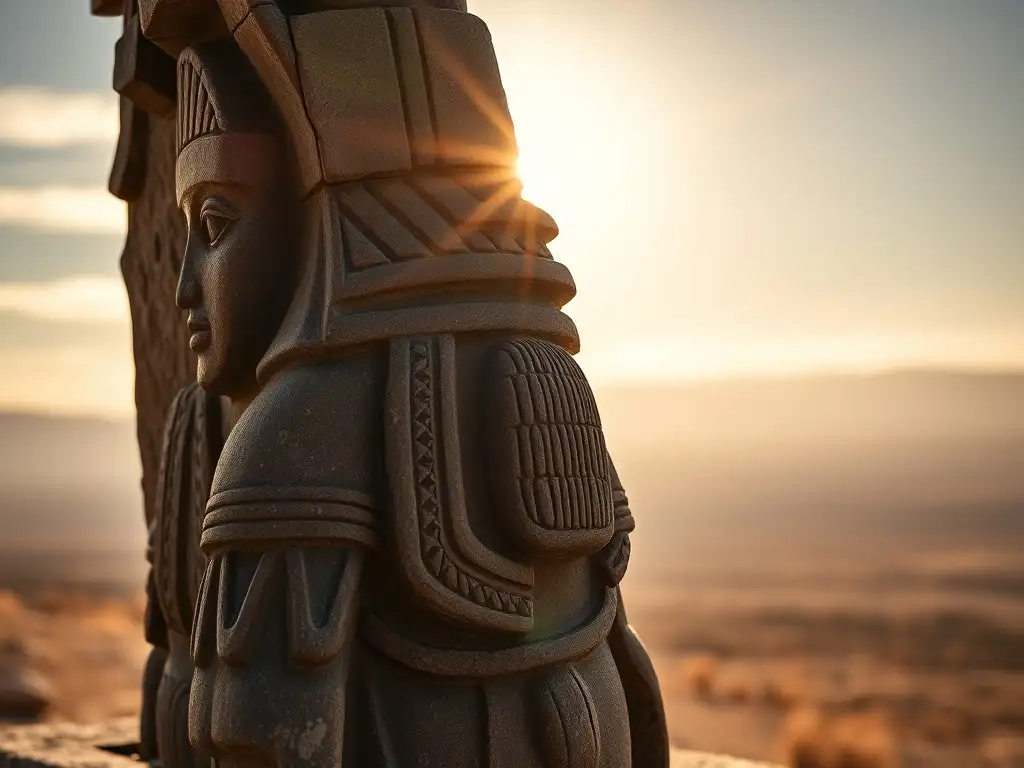
Tiahuanaco's artistic legacy is profoundly intertwined with its religious beliefs and cosmological worldview. The stone carvings, far from mere decoration, served as powerful mediums for expressing complex theological concepts, narrating mythological stories, and reinforcing social hierarchies. These weren't simply artistic endeavors; they were integral to the functioning of Tiahuanaco society, reflecting its values, beliefs, and power structures.
The meticulous craftsmanship and symbolic depth embedded within these sculptures underscore the advanced artistic skills and sophisticated understanding of the cosmos possessed by the Tiahuanaco people. Analyzing the Tiahuanaco stone carvings meaning requires careful consideration of iconography, context, and the broader socio-religious framework of the civilization. The sheer scale of some of the carvings, along with their intricate detail, suggests a highly organized and specialized workforce dedicated to their creation and placement within the city's sacred spaces.
This level of dedication speaks volumes about the importance attributed to these artistic expressions within Tiahuanaco culture. The enduring mystery surrounding many of these carvings further fuels ongoing research and scholarly debate, making the study of Tiahuanaco art a continually evolving field.
The Significance of Stone in Tiahuanaco Culture
Stone held paramount significance in Tiahuanaco culture, transcending its purely utilitarian role in construction. Its inherent durability mirrored the permanence sought in religious beliefs and social structures. The choice of specific stone types – such as andesite, known for its hardness and resistance to weathering – further emphasizes this symbolic association with longevity and divine power. The meticulous selection, quarrying, and transport of these massive blocks of stone highlight the extensive organizational capacity and technological prowess of the Tiahuanaco people.
Moreover, the act of carving these stones was not simply a technical process; it was a ritualistic one, imbued with spiritual meaning. The artists likely held a high social standing, acting as intermediaries between the earthly and spiritual realms. Consider the Puerta del Sol (Sun Gate), a prime example; its intricate carvings are not just decorative, they are a complex cosmological map, potentially depicting deities, astronomical events, and the Tiahuanaco worldview. The very act of sculpting these colossal stones, transporting them, and erecting them in specific locations within the city served as a powerful statement of the civilization's power, its connection to the divine, and its enduring legacy.
The prevalence of stone in religious architecture, monumental sculptures, and even smaller artifacts underscores its central role in the material and spiritual life of Tiahuanaco. Further research into the specific quarries used and the techniques employed in stone carving could provide even deeper insights into the Tiahuanaco stone carvings meaning and the culture that produced them. The careful consideration of these aspects is crucial for a comprehensive understanding of Tiahuanaco's artistic and religious practices.
Decoding Tiahuanaco's Iconic Stone Carvings
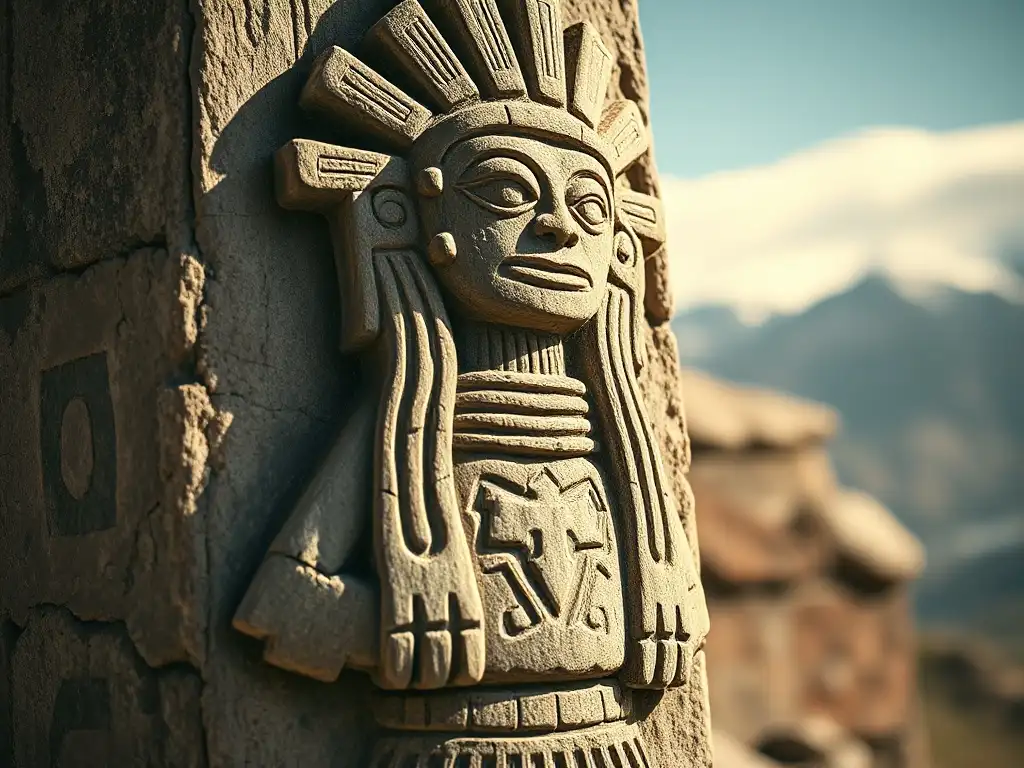
The enigmatic stone carvings of Tiahuanaco offer a captivating glimpse into the cosmology and beliefs of this sophisticated Andean civilization. These meticulously crafted sculptures, often featuring intricate details and symbolic representations, continue to fascinate archaeologists and researchers, sparking ongoing debates about their precise meanings. Understanding these carvings requires careful analysis of recurring motifs, stylistic choices, and the broader context of Tiahuanaco culture.
The sheer scale and artistry of these works underscore the advanced technological capabilities and artistic sensibilities of the Tiahuanaco people, making the study of their stone carvings a crucial aspect of understanding their worldview and societal structures. The search for the Tiahuanaco stone carvings meaning is a journey through a rich tapestry of symbolism and mythology.
Identifying Common Motifs in Tiahuanaco Art
Tiahuanaco art is characterized by a distinct stylistic coherence, with certain motifs appearing repeatedly across various sculptures and artifacts. These recurring elements are key to unlocking the meaning behind the carvings. Common motifs include:
- Stylized human figures: Often depicted with elongated heads, large eyes, and elaborate headdresses. The postures and gestures of these figures vary, suggesting different roles or statuses within the Tiahuanaco pantheon. Some appear regal and powerful, while others seem to be engaged in ritualistic activities.
- Geometric patterns: Complex geometric designs, such as stepped pyramids, frets, and interlocking spirals, frequently adorn clothing, architecture, and other elements within the carvings. These patterns likely held significant symbolic meaning, perhaps representing cosmological concepts or abstract ideas.
- Animal representations: Animals such as pumas, condors, and serpents are commonly depicted. These creatures often hold symbolic importance within Andean cultures, representing power, strength, and spiritual forces.
- Staff-bearing figures: Figures holding staffs or scepters are frequently seen. These staffs might symbolize authority, religious power, or connection to the spiritual realm. The specific iconography on the staffs themselves could provide further clues to their meaning.
Analyzing the frequency and arrangement of these motifs within individual carvings provides valuable insights into the narrative or message the artist intended to convey. The careful juxtaposition of human figures, animals, and geometric patterns suggests a complex system of symbolic communication. Further research is needed to fully understand the nuanced meanings within the intricate interplay of these elements, particularly concerning the Tiahuanaco stone carvings meaning.
The Sun God: Depictions of Wiracocha in Stone
Wiracocha, the creator god in Inca mythology, is frequently identified in Tiahuanaco iconography. While the Tiahuanaco people didn't necessarily call him Wiracocha (that name comes later, from the Inca), many scholars believe that the depictions of a supreme deity in Tiahuanaco art correspond to this powerful figure. These depictions often show a figure with a serene expression, sometimes wearing a headdress or adorned with other regalia. The emphasis on the deity's calm demeanor and symbolic attributes may reflect Wiracocha's role as a creator and sustainer of the cosmos.
The scale of some of these sculptures further emphasizes the deity's importance. Larger-than-life representations of Wiracocha, or at least figures interpreted as such, could have served to inspire awe and reverence in the populace. The meticulous detail in these carvings, including the rendering of facial features and clothing, points towards a high level of artistic skill and a deep understanding of religious iconography.
The positioning of these sculptures within the city of Tiahuanaco itself may also be significant, perhaps reflecting a deliberate attempt to connect the divine with the earthly realm. Further research is needed to definitively link specific carvings to Wiracocha, but the evidence strongly suggests his presence within the Tiahuanaco pantheon.
The Puma: Symbolism and Representation in Tiahuanaco Sculptures
The puma, a powerful and revered animal in Andean cultures, appears frequently in Tiahuanaco stone carvings. Depictions range from realistic portrayals to highly stylized representations, reflecting the varied artistic expressions of the time. The puma's symbolic significance likely encompassed strength, power, and a connection to the earthly realm. In some carvings, the puma is depicted alongside human figures, suggesting a close relationship between the animal and the human world.
The puma's association with rulership and authority is also suggested by its presence in many carvings. The powerful presence of the puma, whether depicted alone or in conjunction with other figures, likely served to reinforce the authority and legitimacy of the Tiahuanaco rulers. Its inclusion in monumental architecture could have served to link the power of the rulers to the spiritual power of the animal.
The varied depictions of the puma, from fierce and aggressive to calm and regal, suggest a complex understanding of the animal’s symbolic attributes and its multifaceted role within Tiahuanaco society. Understanding the precise nuances of the puma’s representation in these carvings requires further investigation, particularly regarding its role in the broader context of Tiahuanaco stone carvings meaning.
Condors and Felines: Exploring Tiahuanaco's Pantheon
The stone carvings of Tiahuanaco frequently depict powerful and symbolic creatures, primarily condors and felines, reflecting the civilization's complex cosmology and religious beliefs. These weren't simply artistic choices; they represented key deities and forces within their worldview, offering insights into their spiritual landscape. The representation of these animals varies in style and detail depending on the carving's age and location within the city, suggesting potential shifts in religious practices or interpretations over time. Careful study of these variations can reveal a dynamic and evolving religious system, far from static.
The condor, a majestic bird soaring high above the Andes, is frequently portrayed in Tiahuanaco art. Its association with the sun, the sky, and powerful winds likely linked it to a supreme deity or a powerful spiritual force. Some scholars suggest the condor represented a creator god or a messenger between the earthly and celestial realms.
The depictions often showcase the bird's powerful wings, sharp gaze, and imposing size, emphasizing its dominance and spiritual significance. Detailed analysis of the different condor representations across various carvings could reveal nuanced differences in their religious interpretations, perhaps reflecting different aspects of this powerful deity or even different deities altogether. Further research into specific iconographic details could unlock deeper understandings of these representations.
Felines, particularly pumas, also hold a prominent position in Tiahuanaco's iconography. These powerful predators, native to the Andean region, likely symbolized strength, power, and perhaps even the underworld. Their depictions often appear alongside other symbolic elements, such as serpents or stylized plants, adding layers of meaning to their representation. The posture and context in which the felines are depicted—whether aggressive, passive, or in conjunction with other figures—significantly influence their interpretation.
For instance, a puma depicted alongside a human figure might suggest a relationship of power, either dominance or subservience, depending on the details of the carving. The stylistic variations in these feline depictions, like those of the condors, also warrant further investigation to understand potential shifts in their symbolic meaning throughout Tiahuanaco's history. [Specific examples of puma carvings and their contexts pending further research].
The interplay between condors and felines in Tiahuanaco carvings is particularly intriguing. Sometimes they appear together, suggesting a possible duality or interconnectedness within the pantheon. This duality might represent a balance between celestial and terrestrial forces, or perhaps even a complementary relationship between different aspects of a single deity. The specific arrangement and interaction between these creatures in various carvings provide rich material for further study and interpretation.
Future research focusing on the spatial relationships between these figures in the carvings should yield valuable insights into the dynamics of the Tiahuanaco pantheon. The careful consideration of these symbolic creatures – the soaring condor and the powerful feline – provides a crucial key to unlocking the secrets of Tiahuanaco's religious beliefs and cosmology. Understanding their symbolic meanings is vital to deciphering the deeper meanings embedded within Tiahuanaco's iconic stone carvings.
Tiahuanaco Stone Carvings Meaning: Deeper Interpretations
The enigmatic stone carvings of Tiahuanaco offer a captivating glimpse into the cosmology and worldview of this sophisticated Andean civilization. Understanding their meaning requires moving beyond simple descriptions to delve into the intricate religious, social, and political contexts in which they were created. The sheer scale and artistry of these carvings, along with their consistent stylistic elements, suggest a deeply ingrained system of beliefs and practices that shaped Tiahuanaco society.
Deciphering the Tiahuanaco stone carvings meaning is a journey into the heart of a lost civilization, a process that continues to fascinate and challenge archaeologists and scholars alike. The precise meaning of many carvings remains debated, but careful analysis reveals compelling insights into their likely significance.
Religious and Spiritual Context of the Carvings
Many Tiahuanaco stone carvings depict figures that are widely interpreted as deities or supernatural beings. The most prominent is the weracocha figure, often represented with a staff and a serene, somewhat androgynous appearance. Some scholars believe this figure represents a creator god or a powerful intermediary between the human and divine realms. Other carvings depict figures with feline features, potentially representing ancestral spirits or deities associated with the animal kingdom. The prevalence of these figures suggests a polytheistic belief system, with a complex hierarchy of deities and spirits.
The style of the carvings themselves is suggestive of ritual significance. The precision of the carvings, the use of symbolic motifs, and the careful placement of the stones all point to a deliberate and highly formalized artistic tradition. The meticulous detail evident in even the smallest carvings underscores the importance attributed to these religious representations.
This level of craftsmanship speaks volumes about the resources and societal organization devoted to religious expression in Tiahuanaco society. Further research into the specific mineral compositions of the stones used and the tools employed could yield even greater insights into the techniques and rituals involved in their creation.
The Role of Tiahuanaco Stone Art in Rituals
The Tiahuanaco stone carvings were not merely decorative elements; they played a crucial role in ritual practices. Evidence suggests that many carvings were integral parts of larger architectural complexes, possibly serving as focal points for ceremonies and religious observances. The positioning of the carvings within these complexes, often in relation to astronomical alignments or significant geographical features, hints at a sophisticated understanding of cosmology and the relationship between the human world and the cosmos.
Consider, for instance, the iconic Gate of the Sun. Its intricate carvings, including the central figure often identified as the weracocha, are believed to have served as a backdrop for significant rituals. The arrangement of the surrounding figures, possibly representing constellations or other celestial bodies, suggests a connection between the earthly realm and the heavens. The scale of the Gate of the Sun itself, and the effort required to create it, implies the immense importance placed upon such ritualistic activities. Further archaeological investigations into the surrounding area could unveil more evidence of ritual practices associated with the carvings.
Tiahuanaco Iconography: A Window into Belief Systems
The iconography of Tiahuanaco stone carvings provides a unique window into the beliefs and values of this ancient civilization. Recurring motifs, such as stylized plants, animals, and geometric patterns, likely held symbolic meaning related to agricultural practices, social structures, and cosmological concepts. The repetition of these motifs across various carvings suggests a consistent and widespread understanding of their significance. The careful arrangement of these symbols within the carvings suggests a complex system of communication and a sophisticated understanding of visual language.
For example, the frequent depiction of stylized condors and other birds of prey may have symbolized power, authority, or a connection to the upper world. Similarly, representations of agricultural products, such as maize and potatoes, would have reflected the importance of agriculture to the Tiahuanaco economy and worldview. The use of geometric patterns, such as stepped pyramids and concentric circles, might have represented cosmological concepts or social hierarchies.
Further research into the possible meanings of these symbols could lead to a more comprehensive understanding of the Tiahuanaco worldview and its influence on their artistic expression. The study of Tiahuanaco stone carvings meaning is an ongoing process of discovery, with each new finding adding another layer to our understanding of this fascinating civilization.
The Techniques and Materials of Tiahuanaco Carving
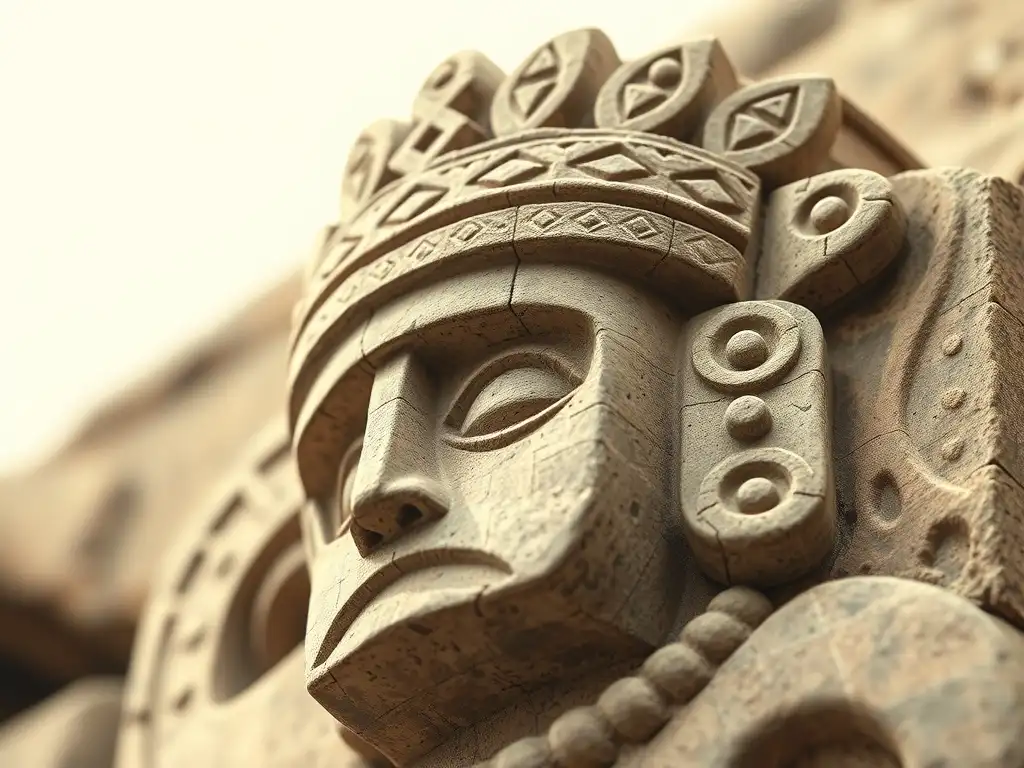
The enigmatic stone carvings of Tiahuanaco stand as a testament to the advanced technological and artistic capabilities of this pre-Columbian civilization. Understanding their creation requires delving into the specific techniques and materials employed by these master artisans. The precise methods remain partially shrouded in mystery, but archaeological evidence and careful analysis of the surviving sculptures provide valuable insights into their creation. The enduring legacy of these carvings hinges not only on their artistic merit but also on the ingenuity of their production.
This section explores the meticulous processes and resources that brought these iconic works to life. The meaning imbued in these carvings is inextricably linked to the craftsmanship behind them, highlighting the deep connection between artistry and spirituality within the Tiahuanaco culture. Understanding the how unlocks a deeper appreciation of the why.
The Types of Stone Used in Tiahuanaco Sculptures
Tiahuanaco artisans skillfully utilized various types of stone, selecting materials based on their durability, aesthetic qualities, and availability. The most commonly used stone was andesite, a volcanic rock known for its strength and resistance to weathering. This explains the remarkable preservation of many sculptures despite centuries of exposure to the elements.
The dark grey to black color of andesite provided a striking contrast for the intricate carvings. However, other stones were also incorporated, including red sandstone, which offered a vibrant color palette and a different textural quality. The choice of stone likely held symbolic meaning, with certain stones potentially associated with specific deities or rituals.
Further research is needed to fully understand the symbolic significance of the different stone types used in Tiahuanaco stone carvings. Analysis of the precise geological origins of the stones used could shed further light on Tiahuanaco trade networks and resource management strategies. This would contribute significantly to our understanding of the broader social and economic context of Tiahuanaco's artistic production.
Carving Techniques Employed by Tiahuanaco Artisans
The precise techniques used by Tiahuanaco artisans remain a subject of ongoing research. However, evidence suggests a combination of methods, including pecking, grinding, and polishing. Pecking involved using a percussive tool, likely a hammerstone, to remove small pieces of stone, creating the initial rough shape of the sculpture.
This was followed by grinding, using abrasives like sand or other stones, to refine the surface and achieve greater detail. Finally, polishing techniques were employed to create a smooth, lustrous finish. The level of precision and detail found in many Tiahuanaco carvings is astonishing, indicating a high level of skill and mastery of these techniques.
The artisans likely possessed specialized tools and considerable expertise to achieve such intricate work. The process was undoubtedly time-consuming and labor-intensive, reflecting the high value placed on these artistic creations within Tiahuanaco society. The degree of sophistication evident in the carvings suggests a well-established artistic tradition and specialized training passed down through generations.
The Use of Copper Tools in Tiahuanaco Stone Working
While stone tools were undoubtedly crucial, the use of copper tools in Tiahuanaco stone working represents a significant technological advancement. Copper, being softer than stone, allowed for finer and more precise carving. The discovery of copper chisels and other tools at Tiahuanaco sites provides direct evidence of this practice.
The incorporation of copper tools likely increased the efficiency and precision of the carving process, enabling the creation of even more intricate and detailed sculptures. Copper's relative softness also minimized the risk of damaging the stone during carving, making it a superior material for delicate work. The use of copper tools in Tiahuanaco stone carving underscores the civilization's advanced metallurgical skills and its capacity for technological innovation.
The precise methods of crafting these copper tools and their distribution within Tiahuanaco society are areas requiring further investigation. The availability and use of copper likely played a significant role in the artistic output and cultural development of the Tiahuanaco civilization. Further research into the metallurgical practices of Tiahuanaco could reveal more about the sophistication of their technology and the organization of their craftspeople.
Locations of Notable Tiahuanaco Stone Carvings
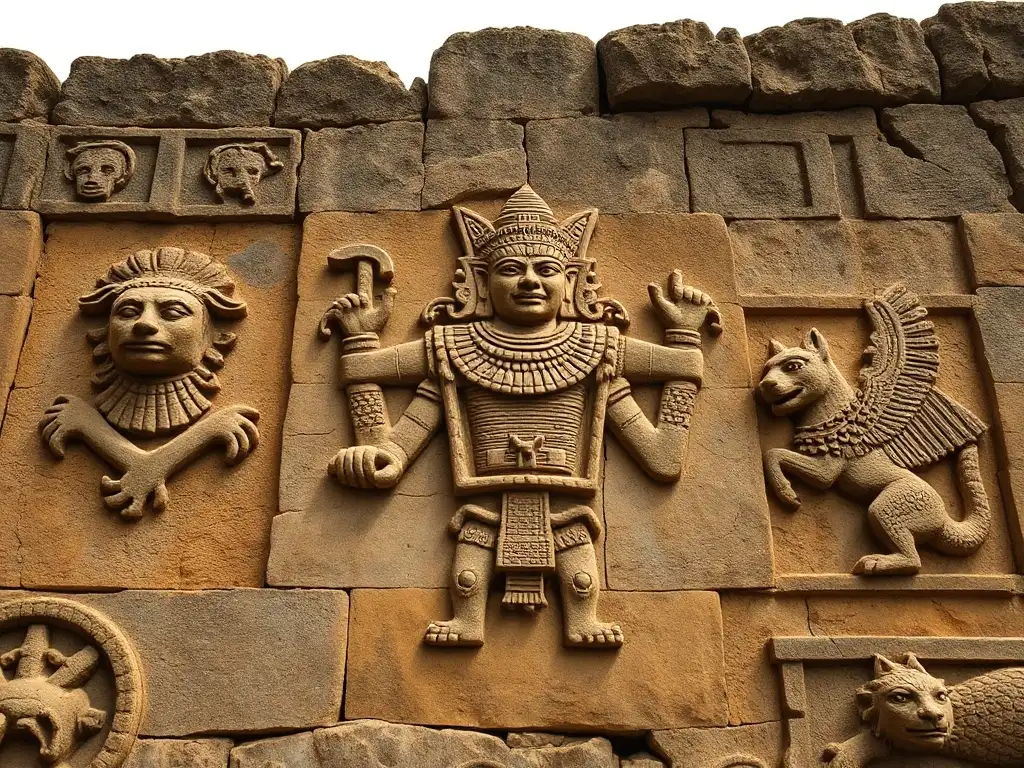
This section delves into the specific locations within the ancient city of Tiahuanaco where the most significant and well-preserved stone carvings can be found. Understanding the context of these carvings—their placement within the city's architecture—is crucial to interpreting their meaning and significance within Tiahuanaco culture. The intricate detail and symbolic representation found in these carvings offer invaluable insights into the religious beliefs, social structures, and cosmological worldview of this advanced Andean civilization.
The precise meaning of many carvings remains a subject of ongoing scholarly debate, but examining their physical locations provides critical context for interpretation. The keyword "Tiahuanaco stone carvings meaning" is intrinsically linked to the careful study of these locations.
The Gateway of the Sun and its Carved Figures
The Gateway of the Sun ( Puerta del Sol) is arguably the most iconic example of Tiahuanaco stone carving. This monolithic gateway, crafted from a single block of red andesite, stands approximately 10 feet high and 13 feet wide. Its central figure, often interpreted as a deity, is surrounded by smaller figures arranged in concentric circles.
These figures, meticulously carved with incredible precision, depict various beings, possibly representing deities, mythical creatures, or ancestral figures. The central figure's headdress is particularly striking, often interpreted as a representation of the sun or a celestial being. The intricate details, including the figures' clothing, adornments, and facial expressions, suggest a highly developed artistic skill and a sophisticated understanding of symbolic representation.
The precise meaning of each figure and the overall composition remains a subject of ongoing research and analysis, prompting further investigation into the "Tiahuanaco stone carvings meaning." The placement of the Gateway itself, within a larger complex, further complicates and enriches the interpretive possibilities. Detailed studies of weathering patterns and the gateway's original orientation also contribute to a fuller understanding.
Kalasasaya and its Stone Monoliths
The Kalasasaya complex, meaning "standing stones" in Aymara, features a large rectangular plaza surrounded by impressive stone structures. Within this complex, numerous monoliths, some intricately carved, are scattered, adding to the richness of the "Tiahuanaco stone carvings meaning." These monoliths, varying in size and style, depict various figures and symbols.
Some monoliths feature human-like figures with elaborate headdresses and adornments, while others display abstract designs and geometric patterns. The arrangement of these monoliths within the Kalasasaya plaza suggests a carefully planned layout, possibly reflecting a specific cosmological or ritualistic significance. The degree of erosion on some of the carvings makes precise interpretation challenging, but ongoing restoration and analysis are providing additional insights.
The different styles of carvings found within Kalasasaya also point towards the evolution of artistic expression over time within the Tiahuanaco civilization. Further analysis is needed to fully understand the chronological sequence of construction and the potential changes in meaning attributed to the carvings over time.
Puma Punku and its Elaborate Stone Blocks
Puma Punku, meaning "the Gate of the Puma," is renowned for its massive and precisely cut stone blocks, many of which feature intricate carvings, though less figurative than those found at the Gateway of the Sun or Kalasasaya. The blocks themselves, some weighing several tons, display an astonishing level of precision in their construction. While less overtly focused on anthropomorphic figures, the carvings on Puma Punku's stones often include geometric patterns, intricate designs, and possibly symbolic representations.
The precise meaning of these geometric and abstract carvings remains a topic of ongoing debate among researchers. Some scholars suggest these carvings represent astronomical alignments or cosmological concepts; others propose that they have more practical or structural purposes. The sheer scale and precision of the stonework at Puma Punku are undeniably impressive, adding significantly to the complexity of understanding the "Tiahuanaco stone carvings meaning."
The lack of readily apparent narrative figures, compared to other sites, suggests a different approach to symbolic expression, warranting further investigation into its unique artistic and cultural significance. The challenge of deciphering the "Tiahuanaco stone carvings meaning" at Puma Punku lies in the abstract nature of its carvings and the monumental scale of its construction.
Preserving and Studying Tiahuanaco's Stone Legacy
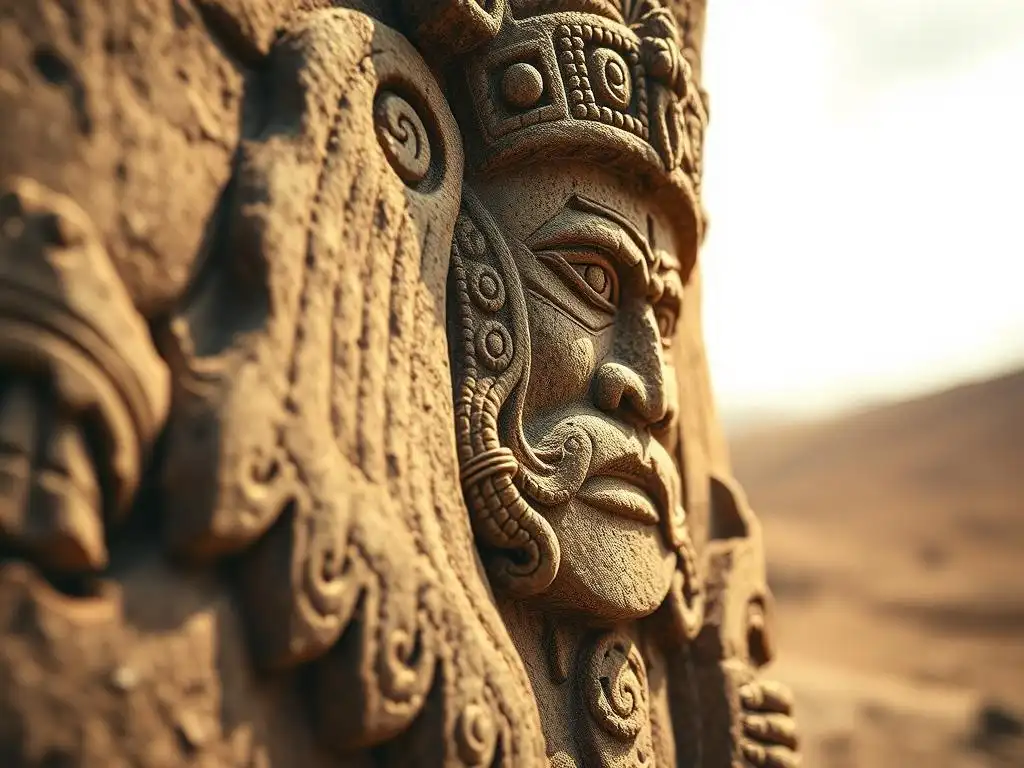
The enduring legacy of Tiahuanaco's stone carvings necessitates a concerted effort in preservation and ongoing scholarly investigation. These intricate works, weathered by centuries of exposure to the elements and human interaction, face significant threats to their long-term survival. Understanding the challenges, current research, and the broader importance of protecting this cultural heritage is crucial to safeguarding this irreplaceable part of Andean history.
The meaning behind these carvings, a key aspect of understanding Tiahuanaco culture, is inextricably linked to their physical preservation. Without careful preservation, the very essence of the carvings – their Tiahuanaco stone carvings meaning – risks being lost forever.
Challenges in the Preservation of Tiahuanaco Carvings
The fragility of the stone itself presents a primary challenge. Exposure to the harsh Andean climate, with its intense sunlight, freezing temperatures, and fluctuating humidity, causes significant weathering and erosion. This is particularly problematic for the intricate details often found in the carvings, which are susceptible to cracking, flaking, and eventual disintegration. Furthermore, salt crystallization within the porous stone expands and contracts, causing further damage.
Pollution, both atmospheric and from human activity, also contributes to the deterioration process. Specific examples include the discoloration of the stone due to air pollution and the physical damage caused by careless handling or vandalism. The sheer scale of the site also presents logistical challenges for comprehensive preservation efforts.
Protecting thousands of individual carvings scattered across a vast area requires significant resources and a well-coordinated strategy. Effective long-term preservation necessitates a multifaceted approach combining scientific analysis, conservation techniques, and community engagement. Data on the exact rate of deterioration for different types of stone used in Tiahuanaco carvings is [specific information pending], but visual inspection reveals a clear and present danger to the long-term survival of many pieces.
Research into Tiahuanaco stone carvings is a dynamic field, with ongoing discoveries continuously enriching our understanding of this ancient civilization. Scholars utilize a variety of techniques, including detailed photographic documentation, 3D scanning, and petrographic analysis (studying the stone's composition), to study the carvings. Recent research has focused on deciphering the iconography, aiming to uncover the Tiahuanaco stone carvings meaning behind the depictions of deities, mythical creatures, and complex symbolic patterns.
New discoveries frequently emerge, sometimes from unexpected sources. For example, the recent uncovering of a previously unknown carving during a routine site inspection led to new insights into Tiahuanaco's artistic techniques and religious beliefs. This ongoing research is essential not only for understanding the cultural significance of the carvings but also for informing effective preservation strategies.
The development of new, non-invasive analytical techniques promises to unlock further secrets embedded within these remarkable works of art. Moreover, anthropological studies, comparing Tiahuanaco carvings with other Andean artistic traditions, are helping to establish a broader context for understanding their meaning and significance within the wider Andean world.
The Importance of Protecting Tiahuanaco's Cultural Heritage
Protecting Tiahuanaco's stone carvings is not merely an act of preserving ancient artifacts; it is about safeguarding a vital part of humanity's cultural heritage. These carvings represent a unique window into the beliefs, artistic skills, and societal structures of the Tiahuanaco civilization. Their preservation is crucial for future generations to learn from and appreciate this rich history. The loss of these carvings would represent an irreplaceable loss to our collective understanding of the past.
Moreover, the site holds significant economic value for Bolivia through tourism, and preserving the carvings is essential for maintaining this important revenue stream. The protection of Tiahuanaco's cultural heritage also resonates with broader international efforts to preserve world heritage sites. The site's designation as a UNESCO World Heritage Site underscores its global importance and the shared responsibility to protect it.
A concerted, global effort is needed to ensure that future generations can appreciate the profound Tiahuanaco stone carvings meaning and the rich tapestry of Andean history they represent. The preservation of these carvings is, therefore, not just a matter of historical preservation, but a crucial investment in the future of cultural understanding and appreciation. 🌎
Conclusion: The Enduring Legacy of Tiahuanaco Stone Carvings
The intricate stone carvings of Tiahuanaco continue to fascinate and inspire awe, even centuries after their creation. Their enigmatic nature, coupled with the sheer scale and artistry involved, presents a compelling case study in Andean artistic achievement and technological prowess. Understanding the meaning behind these carvings is crucial to unlocking a deeper comprehension of Tiahuanaco's cosmology, social structures, and beliefs.
While much remains shrouded in mystery, ongoing research and analysis steadily shed light on these remarkable artifacts. The legacy of Tiahuanaco's stone carvings extends far beyond their physical presence; their influence reverberates through subsequent Andean cultures, shaping artistic styles and beliefs for generations to come.
The enduring questions surrounding their creation and purpose serve as a testament to the enduring power and mystery of this ancient civilization. The study of Tiahuanaco stone carvings meaning continues to be a vibrant field of research, promising further insights into this captivating aspect of Andean history.
The Influence of Tiahuanaco Art on Subsequent Andean Cultures
Tiahuanaco's artistic style, particularly its distinctive stone carving techniques and iconography, exerted a profound influence on subsequent Andean cultures. The characteristic depictions of deities, mythical creatures, and stylized figures found in Tiahuanaco's carvings are echoed in the art of later civilizations, suggesting a widespread dissemination of artistic motifs and possibly religious beliefs. For example, elements of Tiahuanaco iconography can be traced in the ceramics and textiles of the Wari and Inca empires.
This influence wasn't merely stylistic; it likely represented a transmission of cultural values and religious ideas. The adoption and adaptation of Tiahuanaco artistic conventions highlight the city's significant role as a cultural center and the lasting impact of its artistic traditions. The widespread presence of these similar motifs suggests a complex network of cultural exchange and influence across the Andean region.
Further research is needed to fully quantify the extent and nature of this artistic diffusion, but the preliminary evidence is compelling. Analyzing the stylistic variations and interpretations across different cultures can provide valuable insights into the evolution of Andean artistic expression and the processes of cultural transmission.
Understanding the Cultural Significance of Tiahuanaco Stone Carvings
The cultural significance of Tiahuanaco's stone carvings is multifaceted and complex. Scholars suggest that these carvings served multiple purposes, ranging from religious rituals and cosmological representations to social markers and expressions of power. The depictions of deities, such as the iconic "Gateway of the Sun," likely played a central role in religious ceremonies and beliefs, possibly reflecting a sophisticated understanding of the cosmos and the relationship between humans and the supernatural.
Furthermore, the elaborate carvings found on architectural elements, such as doorways and lintels, could have served as markers of social status or political power, reflecting the hierarchical structure of Tiahuanaco society. The repetition of certain motifs and symbols further suggests a carefully constructed system of communication, possibly used to convey complex religious or social narratives. The use of specific materials and techniques also holds cultural significance, reflecting the advanced technological capabilities and the importance placed on craftsmanship within Tiahuanaco society.
Unfortunately, the precise meaning of many of the symbols and figures remains debated, necessitating continued interdisciplinary research combining archaeological findings with anthropological and historical analyses. More detailed studies of the carvings themselves, using advanced imaging techniques, could also reveal hidden details and provide further clues to their meaning.
The Enduring Mystery of Tiahuanaco's Artistic Contributions
Despite extensive research, many aspects of Tiahuanaco's stone carvings remain shrouded in mystery. The precise meanings of many symbols and figures continue to be debated among scholars, leading to diverse interpretations and ongoing research. The advanced techniques used in crafting these carvings, such as the precise fitting of massive stone blocks without the use of mortar, also pose intriguing questions about Tiahuanaco's technological capabilities and knowledge.
The sheer scale and complexity of the carvings suggest a highly organized and skilled workforce, raising questions about the social organization and labor practices of the Tiahuanaco civilization. Moreover, the limited surviving written records from the period leave many aspects of Tiahuanaco's culture and beliefs open to speculation. The enduring mystery surrounding these artistic contributions adds to their allure and underscores the importance of continued research and investigation.
New archaeological discoveries, along with advancements in analytical techniques, offer the potential to unlock further secrets of this remarkable civilization and provide deeper insights into the meaning and purpose of its magnificent stone carvings. The ongoing exploration of Tiahuanaco's artistic legacy promises to reveal further insights into this fascinating and enigmatic culture.
Frequently Asked Questions
What is the significance of Tiahuanaco stone carvings?
The stone carvings of Tiahuanaco are incredibly significant as they provide valuable insights into the religious beliefs, cosmology, and social structures of this advanced Andean civilization. They depict deities, mythical creatures, and scenes of daily life, offering a glimpse into their worldview.
What kind of deities are depicted in Tiahuanaco carvings?
Tiahuanaco carvings often portray anthropomorphic deities with distinct features, such as large heads, expressive eyes, and elaborate headdresses. These figures are believed to represent important gods and goddesses within their pantheon.
What are some common motifs found in Tiahuanaco stone carvings?
Common motifs include stylized figures, geometric patterns, concentric circles, and representations of animals such as condors and pumas. These symbols likely held religious or symbolic meaning within Tiahuanaco society.
What is the meaning behind the "Gateway of the Sun"?
The Gateway of the Sun, a monumental stone structure, is one of the most famous Tiahuanaco carvings. Its meaning is still debated, but it's believed to represent cosmological concepts and possibly a central deity or a representation of the Andean worldview.
Where can I learn more about the meaning of Tiahuanaco stone carvings?
You can find more information through academic journals, books on Andean archaeology, and museum exhibits focusing on Tiahuanaco culture. Further research will provide a deeper understanding of these complex and fascinating carvings.
Final Reflection: Unraveling the Whispers of Tiahuanaco
The intricate stone carvings of Tiahuanaco continue to resonate today, not merely as ancient artifacts, but as powerful testaments to a civilization's profound spiritual and cosmological understanding. Their enduring mystery compels us to question our own place within the vast tapestry of human history and to consider the enduring power of artistic expression across millennia. The meticulous detail and enigmatic symbolism embedded within these carvings offer a glimpse into a world both familiar and utterly alien, challenging our preconceived notions of ancient societies and their capabilities.
The impact of Tiahuanaco's artistic legacy extends far beyond the archaeological site itself; its influence can be seen in subsequent Andean cultures and continues to inspire artists and scholars alike. The enduring power of these images speaks to a fundamental human need to connect with the divine and to represent our understanding of the cosmos. The past is never dead. It's not even past.
– William Faulkner. This quote perfectly encapsulates the ongoing relevance of Tiahuanaco's stone carvings, their messages echoing across time and continuing to shape our understanding of the past and its influence on the present.
Consider, for a moment, the sheer scale and precision of these carvings. Imagine the dedication and skill required to create such masterpieces, the intricate knowledge of astronomy and cosmology reflected in their design. You, the reader, are now part of this ongoing conversation.
Take a moment to reflect on the enduring power of human creativity and the profound questions these carvings pose about our own connection to the past, to spirituality, and to the mysteries that still surround us. Let the whispers of Tiahuanaco inspire you to seek out your own understanding of the world and to appreciate the enduring legacy of those who came before.
Unveil the Mysteries of Tiahuanaco!
Thank you for exploring the fascinating world of Tiahuanaco's stone carvings! These incredible depictions of deities and mythical creatures offer a glimpse into a rich and mysterious ancient civilization. Now, let's delve even deeper into this captivating history.
Here are some ways to continue your exploration:
- Visit local museums or cultural centers featuring Andean artifacts to see similar carvings and expand your understanding.
- Share your favorite Tiahuanaco carving or story on social media, using the hashtag **#AndeanTreasures** to connect with other history enthusiasts.
- Join an online forum or community dedicated to Andean civilizations to discuss interpretations and theories about these remarkable artifacts.
Which aspect of Tiahuanaco's deities or mythical creatures intrigues you the most? Let's continue the discussion!