
Ancient Migrations: Tracking the Movements of Peoples in the PreCeramic Andes

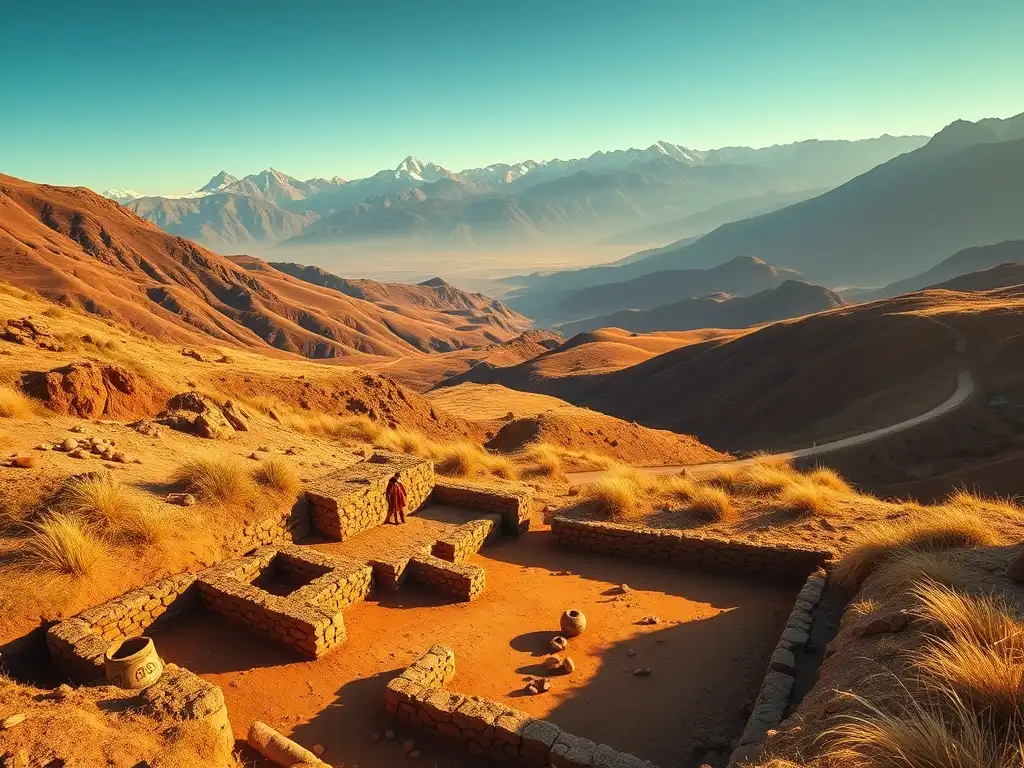
Unravel the mysteries of a lost world. For centuries, the towering Andes have guarded secrets of incredible civilizations. But what if the most intriguing story lies not in their majestic cities, but in the paths they took to build them? Discover the intriguing details of Preceramic Andean migration patterns, and prepare to rewrite your understanding of these ancient societies. Journey with us as we explore the epic movements of peoples that shaped the Andean landscape and laid the foundation for the empires to come.
The Preceramic period in the Andes (roughly 8000-1800 BCE) represents a crucial chapter in the development of Andean societies, a time of significant population movements and cultural diversification. Understanding the migration patterns of these early peoples is key to unlocking the mysteries of their social structures, technological advancements, and ultimately, the foundations of later, more complex Andean civilizations.
This article delves into the available evidence – archaeological findings, genetic studies, and linguistic analyses – to reconstruct a picture of these ancient migrations, focusing on the challenges and limitations of interpreting the fragmented records of this remote past. We will explore the various theories surrounding these movements, examining the factors that likely influenced them, such as environmental changes, resource availability, and inter-group conflict.
By tracing the paths of these early migrants, we gain valuable insights into the dynamism and resilience of human societies in the face of environmental and social pressures. The study of Preceramic Andean migration patterns offers a unique window into the very beginnings of Andean civilization, highlighting the processes that shaped the region's rich and complex cultural tapestry.
Environmental Factors and Population Shifts
The Preceramic Andes witnessed significant climatic fluctuations, including periods of both aridity and increased rainfall. These changes profoundly impacted the availability of resources, forcing populations to adapt and, in many cases, relocate. Archaeological evidence suggests a correlation between periods of drought and shifts in settlement patterns. For example, [specific archaeological site and evidence pending] shows a clear abandonment of settlements in areas that experienced prolonged drought, with subsequent occupation of more water-rich regions.
This suggests that access to water sources, crucial for both subsistence agriculture and human survival, was a primary driver of migration during this period. Furthermore, the changing distribution of flora and fauna would have also influenced the movement of hunter-gatherer groups, as they followed their primary food sources across the landscape. The interplay between human adaptability and environmental pressures shaped the migration patterns in complex and often unpredictable ways.
Technological Advancements and Their Impact on Migration
The development of new technologies in the Preceramic Andes played a crucial role in shaping migration patterns. The adoption of improved tools for hunting, gathering, and early agriculture allowed populations to exploit new resources and expand their territories. For instance, the development of more efficient grinding stones facilitated the processing of plant foods, making sedentary lifestyles more viable.
This, in turn, led to the establishment of larger, more permanent settlements and a decrease in the need for frequent nomadic movements. However, the uneven distribution of these technological innovations likely contributed to the uneven distribution of populations, with some groups benefiting more than others from access to advanced tools and techniques. The adoption of pottery, for example, significantly improved food storage and preservation, facilitating longer-distance migrations.
While environmental factors and technological advancements were significant drivers of migration, social interactions and inter-group dynamics also played a vital role. Competition for resources, territorial disputes, and the establishment of trade networks could all have spurred population movements. [Specific examples of evidence for inter-group interactions pending] The evidence suggests a complex interplay between cooperation and conflict, with alliances forming and dissolving based on shifting circumstances.
The emergence of social hierarchies and leadership structures may have also influenced migration patterns, as individuals and groups sought to improve their social standing by moving to more advantageous locations or joining larger, more powerful communities. The study of burial practices and the distribution of artifacts can provide clues to understanding these complex social dynamics.
Reconstructing Migration Routes: Challenges and Limitations
Reconstructing the precise routes and timelines of Preceramic Andean migrations presents significant challenges. The archaeological record is often fragmented and incomplete, making it difficult to establish clear patterns of movement. Furthermore, the dating of sites can be imprecise, leading to uncertainties in chronological sequences. The interpretation of archaeological data is also subject to different perspectives and theoretical frameworks.
Despite these limitations, a combination of archaeological, genetic, and linguistic data can contribute to a more comprehensive understanding of these ancient migrations, providing valuable insights into the complex processes that shaped the development of early Andean societies. Future research, particularly the application of advanced dating techniques and detailed genetic analyses, will be crucial for refining our understanding of these ancient population movements. The study of Preceramic Andean migration patterns is an ongoing process, constantly evolving as new evidence emerges and methodologies improve.
- Environmental Factors and Population Shifts
- Technological Advancements and Their Impact on Migration
- Social Interactions and Inter-group Dynamics
- Reconstructing Migration Routes: Challenges and Limitations
- Lithic Technology and Migration: Tracing Tool Traditions
- Early Settlement Sites: Analyzing Archaeological Remains
- Burial Practices and Population Movement: Insights from Mortuary Evidence
- Quebrada Jaguay: Evidence for Early Coastal Adaptation
- Asana: Evidence for Highland Settlement and Resource Use
- Tres Ventanas: Evidence for Cultural Exchange Through Movement
- What is the focus of this article on Andean civilizations?
- How do researchers track preceramic migrations in the Andes?
- Which Andean cultures are discussed in relation to preceramic migrations?
- What are some of the environmental factors that may have influenced preceramic migrations?
- What were some of the main technological advancements of the preceramic Andean societies?
Understanding Preceramic Andean Migration Patterns
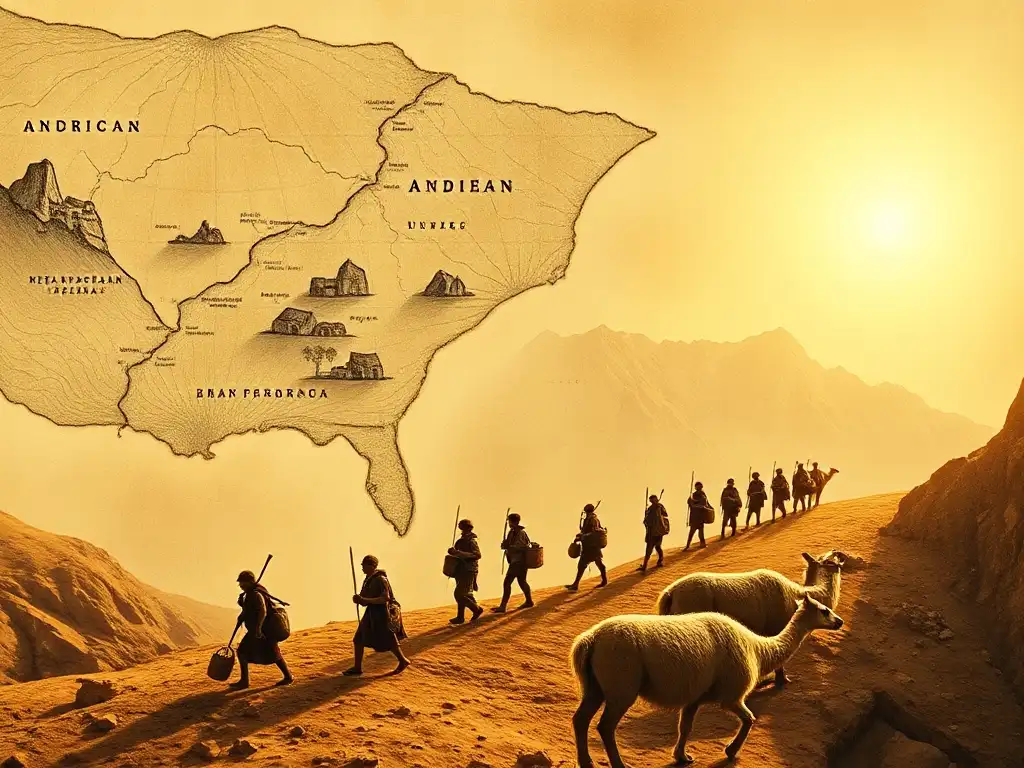
This section delves into the complexities of Preceramic Andean migration patterns, a crucial aspect of understanding the development of Andean societies. The preceramic period, preceding the widespread adoption of pottery, offers unique insights into early human adaptation and movement across the diverse Andean landscape. Analyzing the archaeological record allows us to reconstruct these ancient migrations, revealing fascinating details about the lives and journeys of early Andean peoples.
Understanding these patterns is key to comprehending the subsequent cultural developments and the remarkable achievements of later Andean civilizations. We will explore the significance of the preceramic period and the evidence for early human occupation, shedding light on the factors driving these migrations and their lasting impact.
The Significance of the Preceramic Period in Andean History
The Preceramic period, spanning roughly from 10,000 to 1800 BCE, represents a foundational stage in Andean history. This era witnessed the initial human occupation of the Andes, a process marked by adaptation to high-altitude environments, the development of sophisticated agricultural techniques, and the emergence of early social structures. The absence of pottery, a common marker in later periods, doesn't indicate a lack of cultural complexity.
Instead, it highlights the reliance on other technologies and the unique characteristics of early Andean societies. The artifacts found during this time – such as stone tools, textiles, and early evidence of plant domestication – offer valuable clues about the lifestyle, mobility, and interaction patterns of these early inhabitants. Analyzing these materials provides a window into the ingenuity and resilience of early Andean peoples who successfully navigated the challenges of this demanding environment.
The study of preceramic sites is therefore critical for understanding the roots of later Andean cultures and the long-term processes of cultural evolution in the region. The careful study of these sites unveils a rich tapestry of human adaptation and ingenuity, laying the foundation for the flourishing civilizations that followed.
Early Human Occupation of the Andes: Initial Migrations
The initial peopling of the Andes involved a complex series of migrations, likely originating from both coastal and highland regions. Archaeological evidence suggests a gradual expansion of human populations into diverse ecological zones. Early settlements were often located near water sources, reflecting the importance of access to resources for survival. The development of agriculture played a crucial role in supporting larger, more sedentary populations.
The domestication of plants such as potatoes and quinoa enabled people to establish more permanent settlements, leading to increased population density and the emergence of more complex social structures. However, migration continued even after the development of agriculture, reflecting a dynamic interplay between environmental factors, resource availability, and social interactions. For example, the spread of specific agricultural techniques and the distribution of certain types of stone tools suggest networks of exchange and interaction across significant distances.
[Specific examples of migration routes and associated archaeological evidence pending]. The analysis of ancient DNA might further illuminate the genetic relationships between different early Andean populations and offer additional insights into their movements and origins. This multifaceted approach, combining archaeological, botanical, and genetic data, paints a much more complete picture of early Andean migration patterns and their profound implications for the future development of Andean societies.
Key Migratory Routes and Settlement Patterns in the Preceramic Andes
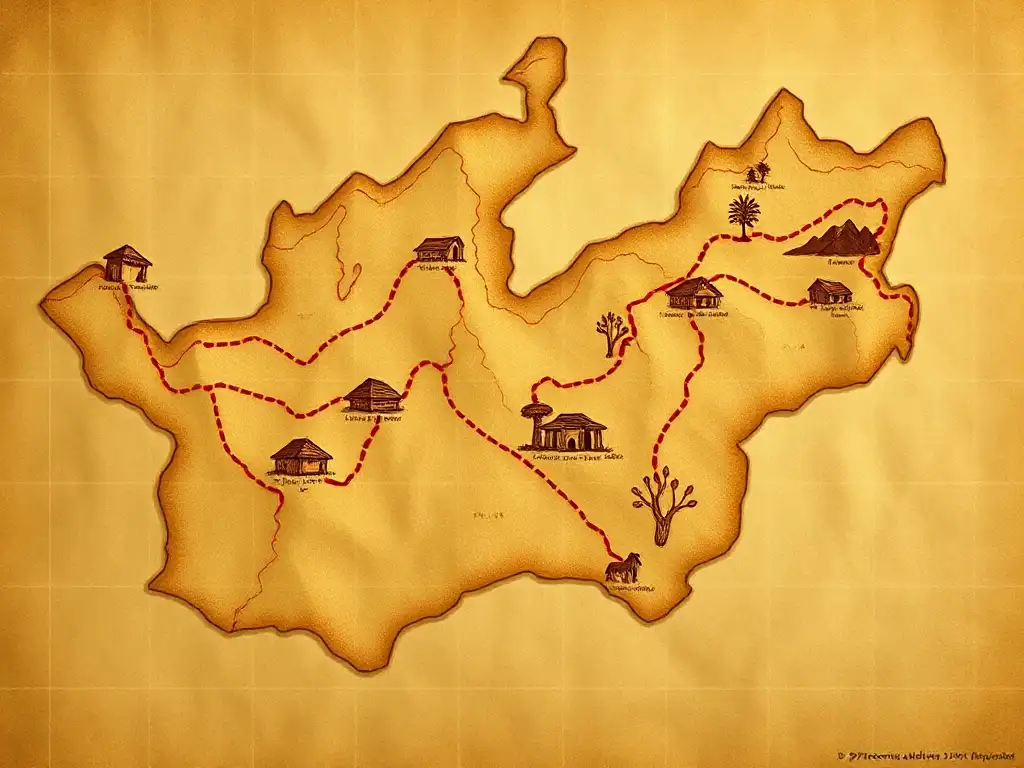
This section delves into the fascinating complexities of Preceramic Andean migration patterns, focusing on the major routes and the diverse settlement strategies employed by early Andean peoples. Understanding these movements is crucial to grasping the development of Andean societies and their remarkable adaptation to varied environments. The analysis presented here draws upon archaeological evidence, including the distribution of artifacts, settlements, and genetic studies, to reconstruct a picture of these early migrations.
The lack of extensive written records from this period necessitates a reliance on material culture to interpret these movements. Analyzing these patterns reveals much about the ingenuity and resilience of these early inhabitants.
Coastal Migrations: Following the Pacific Shoreline
Coastal migrations in the Preceramic Andes were significantly influenced by the abundance of marine resources. The Pacific coastline provided a readily available source of food, including fish, shellfish, and marine mammals. Archaeological evidence suggests a relatively continuous movement along the coast, with settlements established at strategic locations offering access to resources and protection from harsh weather conditions.
These settlements often show evidence of specialized fishing techniques and technologies, indicating a high degree of adaptation to the coastal environment. Sites like those found in the Paracas Peninsula in Peru reveal evidence of early fishing communities, with their distinctive shell middens and elaborate burial practices. Analysis of these middens provides valuable insights into dietary habits and the exploitation of marine resources over time.
The presence of similar artifact styles along extensive stretches of coastline hints at a degree of cultural exchange and interaction between coastal groups. Furthermore, the geographic limitations imposed by the Pacific Ocean may have contributed to a more linear pattern of migration compared to the more varied highland routes.
Highland Migrations: Adapting to Mountain Environments
Unlike the relatively linear nature of coastal migrations, highland migrations in the Preceramic Andes were characterized by a greater degree of complexity. The challenging terrain, including high altitudes, steep slopes, and varying climates, presented significant obstacles. Settlements were strategically located near sources of freshwater, such as rivers and springs, and often utilized existing natural features for protection.
The development of agriculture, particularly the domestication of potatoes and other Andean crops, played a vital role in enabling sustained settlement in these harsh environments. Early agricultural practices are evident in the form of terraced fields and irrigation systems, showcasing the advanced knowledge of these early Andean farmers. The distribution of specific crop varieties across different highland regions provides further evidence of migration and the spread of agricultural techniques.
For instance, the presence of specific potato cultivars in geographically distant sites suggests the movement of people and knowledge related to cultivating these crops. The adaptation to highland environments also entailed the development of specialized clothing and shelter to cope with extreme temperatures and weather conditions.
Evidence of Trans-Andean Movement: Connecting Coastal and Highland Groups
While coastal and highland migrations often occurred independently, evidence suggests increasing interaction and even movement between these regions during the Preceramic period. The exchange of goods, such as marine resources and agricultural products, points to trade networks that connected coastal and highland communities. Archaeological finds, such as the presence of coastal shellfish in highland sites and highland agricultural products in coastal settlements, provide tangible evidence of this exchange.
This trans-Andean movement likely involved the establishment of trade routes, possibly along river valleys or mountain passes. The development of specialized transport technologies, such as llamas for carrying goods, may have facilitated these exchanges. Genetic studies are also beginning to reveal patterns of population movement and admixture between coastal and highland groups.
The complexity of these interactions, however, requires further investigation and more sophisticated analysis of the existing data. Future research focusing on isotopic analysis of human remains and more detailed ceramic analyses could further illuminate the nature and extent of trans-Andean migration during the Preceramic period. Understanding this interaction is critical to building a more comprehensive picture of the development of Andean civilization.
The Role of River Valleys in Preceramic Population Movements
River valleys played a pivotal role in shaping preceramic Andean migration patterns. These weren't simply pathways; they were lifebloods, offering crucial resources that attracted and sustained burgeoning populations. The availability of fresh water for drinking and irrigation, fertile alluvial soils ideal for agriculture, and readily accessible building materials like reeds and clay, all converged to make river valleys incredibly attractive settlement locations.
This concentration of resources facilitated the growth of larger, more stable communities, which in turn, influenced migration patterns. Groups would naturally gravitate towards these oases of abundance, leading to denser populations along the major river systems. The movement of people wasn't necessarily a continuous flood; rather, it likely involved a complex interplay of gradual expansion, seasonal migrations for resource gathering, and perhaps even more dramatic shifts in response to environmental changes or conflicts.
Archaeological evidence, such as the distribution of early settlements along the coast and in the highlands, strongly supports this hypothesis. The location of these settlements often correlates directly with the proximity to reliable water sources and fertile land, underscoring the profound influence of river valleys on preceramic population distribution.
The specific river valleys varied in importance depending on the region and time period. For instance, the valleys of the coastal rivers in Peru, such as the Rimac and the Chillón, witnessed significant early settlements, attracting populations who adapted to the coastal environment and developed specialized fishing and agriculture techniques. Similarly, high-altitude valleys in the Andes, though offering different challenges, also supported thriving communities who adapted their lifestyles to the unique conditions of the highlands.
The interplay between the availability of resources in these valleys and the technological advancements of the time, such as early irrigation systems, further shaped settlement patterns and the overall migratory dynamics of preceramic Andean societies. Understanding the dynamic relationship between river valleys and human settlement is crucial to understanding the complex tapestry of early Andean migration.
Further research, particularly detailed analysis of specific valley systems and their associated archaeological sites, is needed to fully illuminate this crucial aspect of preceramic Andean history. Analyzing the technological developments of these societies, specifically those aiding in water management, will further enhance our understanding of how these civilizations managed to thrive in these environments.
Archaeological Evidence for Preceramic Andean Migrations
This section delves into the compelling archaeological evidence that illuminates the complex migration patterns of peoples in the Preceramic Andes (circa 8000-1800 BCE). Understanding these movements is crucial to reconstructing the social, economic, and cultural development of early Andean societies. Analyzing lithic technology, settlement patterns, and burial practices offers invaluable insights into the dynamics of Preceramic Andean migration. The term "Preceramic Andean migration patterns" itself highlights the focus on the movements of these early populations before the widespread adoption of pottery.
Lithic Technology and Migration: Tracing Tool Traditions
The analysis of lithic technology—the production and use of stone tools—provides a powerful lens through which to examine Preceramic Andean migration patterns. Specific tool types, manufacturing techniques, and raw material sourcing reveal significant information about population movements and cultural exchange. For example, the presence of obsidian tools in sites far from known obsidian sources strongly suggests trade networks and population dispersal along established routes. These routes, in turn, might indicate migratory pathways.
The distinctive characteristics of certain tool types can be used to trace specific groups. For instance, certain types of projectile points, scrapers, and grinding stones exhibit unique stylistic features, allowing archaeologists to identify distinct technological traditions and potentially link them to specific migrating groups. This requires meticulous cataloging and comparison of artifacts from numerous sites across the Andean region.
Detailed studies of wear patterns on tools can also offer insights into the activities and lifestyles of migrating populations, further refining our understanding of their movements and adaptations to new environments. This detailed analysis helps us move beyond simple presence/absence data to understand the how and why of tool distribution, enriching our understanding of Preceramic Andean migration patterns.
Early Settlement Sites: Analyzing Archaeological Remains
The location and characteristics of early settlement sites offer crucial evidence for understanding Preceramic Andean migration. The distribution of these sites across the landscape, their size, and the types of structures found within them reveal much about population density, settlement patterns, and the movement of people.
For instance, the presence of numerous small, dispersed settlements might indicate a more nomadic or semi-nomadic lifestyle, with populations moving seasonally in response to resource availability, a key factor impacting Preceramic Andean migration patterns. Conversely, the emergence of larger, more permanent settlements suggests a shift towards a more sedentary lifestyle, possibly driven by factors such as agricultural intensification or increased social complexity.
Careful analysis of the architectural remains, including building materials, construction techniques, and spatial organization, can reveal further details about the social structure and the technological capabilities of the migrating groups. Furthermore, the presence of specific features like storage facilities or irrigation systems can indicate the level of agricultural investment, which is closely tied to the settlement's stability and the likelihood of population movement.
We need more detailed studies on the relationship between settlement size and the presence of agriculture to improve our understanding of this aspect of Preceramic Andean migration patterns.
Burial Practices and Population Movement: Insights from Mortuary Evidence
Mortuary practices—the rituals surrounding death and burial—provide another significant source of information about Preceramic Andean migration. The types of grave goods included in burials, the manner in which bodies were interred, and the arrangement of burials within a cemetery can offer insights into social organization, kinship ties, and population movements.
For example, the presence of similar grave goods across geographically dispersed sites might suggest the movement of a specific group or the existence of shared cultural beliefs. Similarly, the analysis of skeletal remains can reveal information about the health, diet, and origin of individuals, providing clues about their migration history. Isotopic analysis of skeletal remains, for example, can pinpoint the geographical origin of individuals, thus directly tracing migration routes. However, the interpretation of mortuary data requires a nuanced approach, considering factors such as the potential for looting and the complexities of cultural change over time. Further research, particularly focusing on isotopic analysis and comparative studies of burial practices across different regions, is needed to fully understand the role of mortuary evidence in reconstructing Preceramic Andean migration patterns. The careful examination of these details offers a profound understanding of the social dynamics and population shifts inherent in Preceramic Andean migration patterns.
Quebrada Jaguay: Evidence for Early Coastal Adaptation
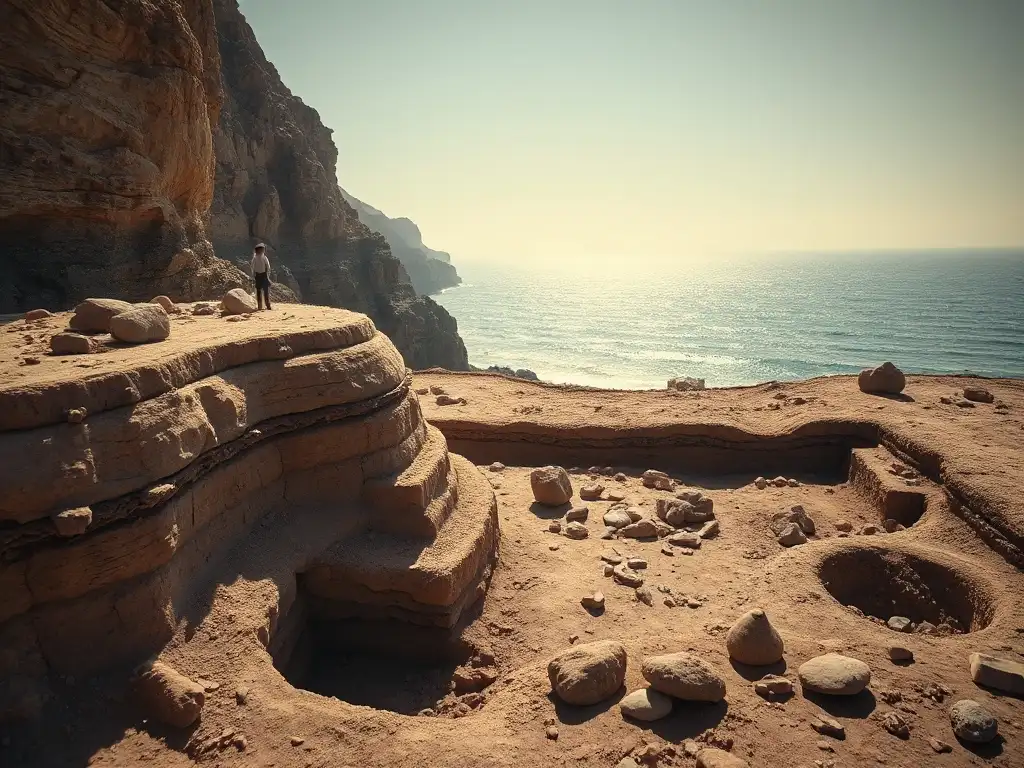
Quebrada Jaguay, located on the southern coast of Peru, offers compelling evidence of early human adaptation to the coastal environment during the Preceramic period. Archaeological excavations at this site have unearthed a wealth of information regarding the lifestyles and migratory patterns of the earliest inhabitants. The discovery of numerous shellfish remains, fishing tools, and the remnants of early settlements indicate a reliance on marine resources.
This suggests a significant coastal migration and adaptation to a marine-based subsistence strategy. Analysis of the tools found at Quebrada Jaguay reveals sophisticated techniques for harvesting and processing marine life, indicating a level of technological advancement unexpected for such an early period. Furthermore, the presence of specialized tools for processing plants suggests a diversified diet, incorporating both marine and terrestrial resources.
The chronological data derived from radiocarbon dating of organic materials places the occupation of Quebrada Jaguay firmly within the early stages of the Preceramic period, providing crucial insights into the timing and nature of early coastal settlements and the Preceramic Andean migration patterns along the Peruvian coast. The site's location, its rich assemblage of artifacts, and the detailed analysis of the human remains all contribute to a more complete understanding of the early coastal migrations and their impact on the development of Andean societies. The consistent presence of specific types of shellfish further supports the hypothesis of a relatively stable population relying on predictable marine resources, suggesting settled coastal communities rather than transient groups.
Asana: Evidence for Highland Settlement and Resource Use
In stark contrast to the coastal adaptations seen at Quebrada Jaguay, the high-altitude site of Asana in the Andes provides evidence of early human settlement and resource utilization in the challenging highland environment. The discovery of stone tools, evidence of plant processing, and the remains of structures at Asana highlight the ability of early Andean populations to adapt to drastically different ecological conditions. Unlike the marine-focused subsistence strategies seen on the coast, the Asana site reveals a reliance on highland resources, such as tubers and camelids.
This suggests a distinct migratory pattern, with populations moving into the Andes to exploit the resources available at higher altitudes. Archaeological investigations have identified different types of stone tools specialized for processing plants and hunting, indicating a diversified subsistence strategy that involved both plant gathering and animal husbandry. The presence of substantial stone structures suggests a relatively settled lifestyle, rather than a nomadic one, which is further supported by the presence of evidence of repetitive activities like tool manufacturing and plant processing.
The timing of the occupation of Asana, determined through radiocarbon dating, complements the evidence from coastal sites and contributes to a broader understanding of the Preceramic Andean migration patterns across diverse Andean environments. The successful adaptation to the harsh conditions of the highlands underscores the resilience and adaptability of early Andean populations.
Tres Ventanas: Evidence for Cultural Exchange Through Movement
Tres Ventanas, located in the central Andes, presents a fascinating case study of cultural exchange facilitated by population movement during the Preceramic period. The site's unique artifact assemblage shows a blend of coastal and highland traits, suggesting interaction and exchange between different groups. The presence of both marine shell ornaments and highland-specific stone tools indicates contact and trade between coastal and highland populations.
This mixing of cultural elements strongly suggests movement and interaction between distinct groups, potentially reflecting migration and trade networks that connected disparate regions of the Andes. Furthermore, the stylistic analysis of pottery shards reveals similarities with both coastal and highland traditions, providing further evidence for cultural exchange and diffusion. The artifacts themselves, such as the distinctive style of certain tools or the unique ornamentation of shells, can be traced to specific regions, allowing archaeologists to reconstruct the pathways of interaction and migration.
The evidence from Tres Ventanas highlights the dynamic nature of Preceramic Andean migration patterns, demonstrating that population movements were not simply a matter of one-way migrations but involved complex interactions and exchanges between different groups. The integration of distinct cultural elements at this site underscores the importance of considering the fluidity of cultural boundaries and the interconnectedness of different Andean populations in the Preceramic period. The detailed analysis of the artifacts at Tres Ventanas continues to inform our understanding of early Andean social networks and the influence of migration on cultural development.
Factors Influencing Preceramic Andean Migrations
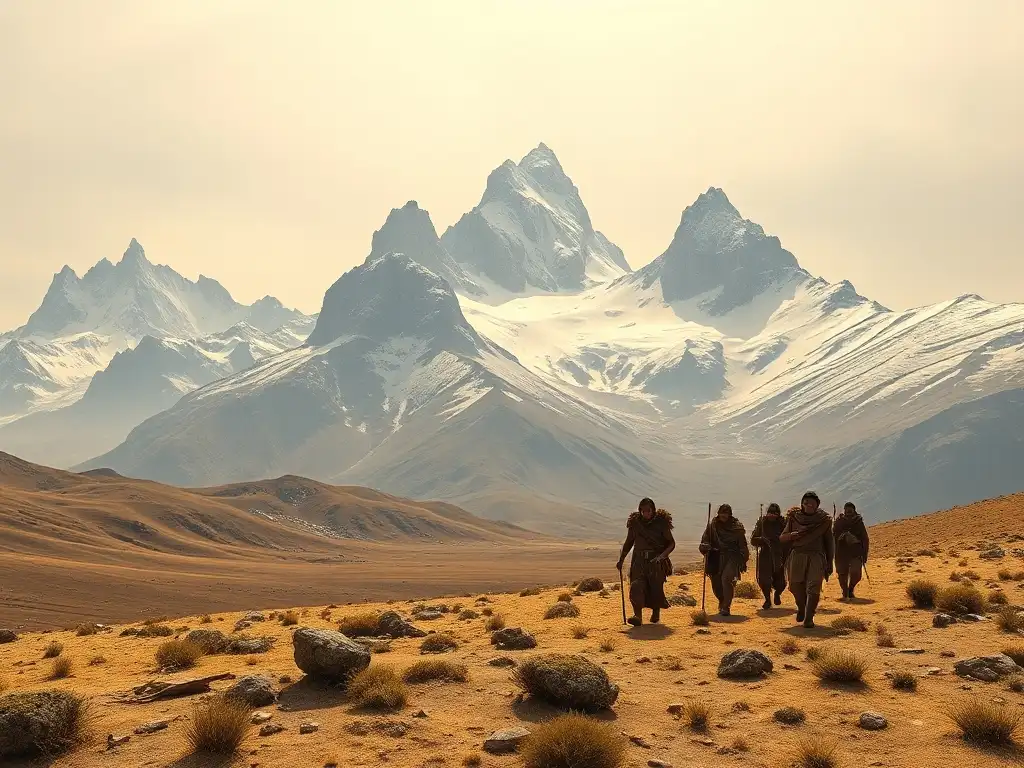
The study of Preceramic Andean migration patterns reveals a complex interplay of factors driving the movement of populations across the diverse landscapes of the Andes. Understanding these patterns requires considering the significant environmental shifts, the availability of resources, and the intricate social dynamics that shaped early Andean societies. Analyzing these elements provides crucial insights into the development and distribution of early Andean cultures.
Environmental Changes and Population Shifts
Environmental changes played a pivotal role in shaping Preceramic Andean migration patterns. Fluctuations in climate, particularly periods of drought or increased rainfall, significantly impacted the availability of resources and forced populations to relocate in search of sustenance. Evidence from paleoclimatic studies suggests periods of aridity during the Preceramic period, forcing communities to abandon established settlements in favor of more favorable ecological niches.
For example, the shift from a wetter to a drier climate in the coastal regions of Peru likely prompted migrations inland, leading to the development of new settlements in the valleys and highlands. Conversely, periods of increased rainfall might have opened up new areas for agriculture, attracting populations and leading to increased population density in previously less-populated regions. The adaptive strategies employed by these early communities, such as developing sophisticated irrigation systems or diversifying their crops, also influenced their mobility and settlement patterns.
Further research into specific paleoclimatic data from various Andean regions is needed to fully understand the precise correlation between climatic events and population movements. The interplay between human adaptation and environmental pressure is a crucial aspect of understanding Preceramic Andean migration.
Resource Availability and Movement: Following Food Sources
Resource availability was a primary driver of Preceramic Andean migration. The distribution of crucial resources, particularly food sources, dictated settlement locations and prompted movements as resources became depleted or new opportunities emerged. Early Andean communities relied heavily on foraging and, later, agriculture.
The availability of wild plants and animals influenced the seasonal movements of hunter-gatherer groups, leading to patterns of transhumance—seasonal migrations between different altitudes or environments. The development of agriculture, with its reliance on specific environmental conditions, led to more permanent settlements but also spurred competition for land and water resources. The cultivation of crops like squash, beans, and potatoes, along with the domestication of camelids like llamas and alpacas, significantly altered settlement patterns, potentially leading to both localized intensification of agriculture and larger-scale migrations in search of suitable land.
Analyzing the distribution of early agricultural sites and the presence of domesticated plants and animals helps to illuminate the relationship between resource availability and population movement in the Preceramic Andes. Detailed studies of archaeobotanical and zooarchaeological remains are crucial to reconstructing these migration patterns.
Social dynamics played a significant, albeit often less tangible, role in Preceramic Andean migration patterns. Interactions between different groups, including conflict, alliances, and trade, influenced population movements. Competition for resources might have triggered conflicts, forcing groups to relocate or expand their territories.
Conversely, alliances and trade networks facilitated the exchange of goods and ideas, potentially leading to the movement of people between different communities. The development of social hierarchies and the emergence of elite groups might have also influenced migration patterns, as populations might have moved to areas controlled by powerful individuals or groups offering protection or access to resources. Unfortunately, direct evidence of social interactions during the Preceramic period is limited.
However, the spatial distribution of settlements, the presence of shared material culture, and burial patterns can provide indirect clues about social dynamics and their impact on population movements. Further research focusing on social organization and inter-group relations is needed to better understand the complex social forces shaping Preceramic Andean migration. The development of sophisticated analytical techniques, including network analysis, may prove invaluable in deciphering these intricate social dynamics.
Climate Change and its Impact on Preceramic Mobility
Climate change played a pivotal role in shaping preceramic Andean migration patterns. Fluctuations in temperature and precipitation, particularly during the Pleistocene-Holocene transition, significantly impacted the availability of resources and forced populations to adapt and relocate. The Andean region experienced dramatic shifts in its ecological zones, altering the distribution of flora and fauna crucial for subsistence. For instance, the expansion and contraction of glaciers in the high Andes directly affected water resources available to lower-elevation settlements, forcing population movements towards more reliable water sources.
Evidence suggests that periods of increased aridity led to the abandonment of certain settlements and the migration of their inhabitants to areas with more predictable rainfall. Conversely, periods of increased humidity and warmer temperatures might have opened up new areas for occupation, attracting migration from more densely populated regions. Archaeological findings, such as the changing distribution of specific plant and animal remains across different sites and time periods, corroborate these climatic shifts and their influence on population mobility.
Detailed pollen analysis from lake sediments and the study of ancient river systems provide further insights into the environmental changes experienced by preceramic Andean communities and how these changes impacted their migration strategies. Understanding these climatic oscillations is crucial to interpreting the complex tapestry of preceramic Andean migration patterns. The impact was not merely a matter of survival; it also influenced the development of new technologies and social structures better suited to the changing environment.
Dating and Chronology of Preceramic Andean Migrations
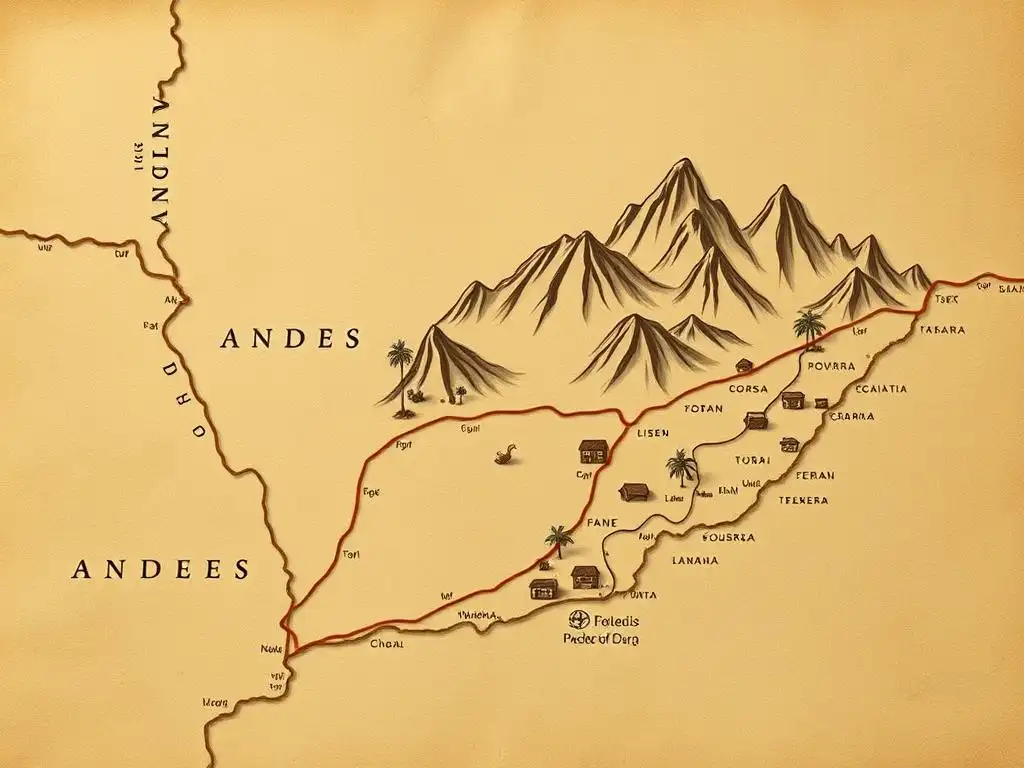
Understanding the movements of peoples in the Preceramic Andes requires a robust chronological framework. Pinpointing the exact dates of migrations is challenging, but advancements in archaeological dating techniques, combined with careful stratigraphic analysis, allow us to build a reasonably accurate timeline of these significant events. This section will explore the key methods used to date Preceramic Andean migrations and the resulting chronological framework. Precise dating of these early migrations is crucial for understanding the development of Andean societies and their interaction with changing environments. The complexity of establishing a timeline for Preceramic Andean migration patterns necessitates a multi-faceted approach.
Radiocarbon Dating and the Preceramic Timeline
Radiocarbon dating ( 14 C dating) is a cornerstone of Preceramic Andean chronology. By analyzing organic materials found in archaeological contexts – such as charcoal, bone, and plant remains – researchers can estimate the age of these materials and, by extension, the associated human activity. However, the accuracy of radiocarbon dating is affected by several factors, including sample contamination and the calibration process. Therefore, multiple 14 C dates are typically obtained from a single site to improve the reliability of the results. For instance, analysis of early settlements in the coastal regions of Peru has yielded a range of dates, suggesting a gradual process of coastal colonization rather than a single, massive migration event. Furthermore, understanding the limitations of radiocarbon dating, such as its accuracy range and the potential for contamination, is crucial for interpreting the results in the context of Preceramic Andean migration patterns.
Stratigraphy and the Sequence of Migratory Events
Stratigraphy, the study of layered deposits, plays a crucial role in establishing the relative chronology of migratory events. In many Andean sites, layers of sediment represent distinct periods of occupation, with the oldest layers at the bottom and the youngest at the top. This principle, known as the law of superposition, allows archaeologists to sequence the arrival and departure of different groups.
Careful excavation and documentation of stratigraphic sequences are essential for reconstructing the history of settlement and migration. For example, the layered deposits at the site of [Site Name Pending] reveal a succession of different cultural phases, each characterized by distinct artifact assemblages and architectural styles, indicating a series of migratory movements over time.
Analyzing these layers provides invaluable insights into the timing and nature of these migrations. It's important to note that while stratigraphy provides a relative chronology, it needs to be complemented by absolute dating techniques like radiocarbon dating to build a complete timeline.
Establishing a Chronological Framework for Early Andean Movement
Combining radiocarbon dating and stratigraphic analysis allows archaeologists to build a more comprehensive chronological framework for Preceramic Andean migrations. However, this framework is constantly being refined as new data emerge. The current understanding suggests a complex pattern of migrations, involving both coastal and highland populations, with movements occurring over extended periods rather than as single, large-scale events. The development of sophisticated technologies, such as improved ceramic production and irrigation systems, likely played a role in shaping migration patterns.
Furthermore, climatic changes and resource availability probably influenced the movement of people across the Andes. Future research, incorporating advanced dating techniques and a more nuanced understanding of environmental factors, will further refine our understanding of Preceramic Andean migration patterns. The ongoing research emphasizes the dynamic and multifaceted nature of these early movements.
The Impact of Preceramic Migrations on Later Andean Societies
The study of Preceramic Andean migration patterns reveals a profound impact on the development of later Andean societies. These early movements of people, spanning millennia, weren't simply geographical shifts; they were crucial catalysts for cultural exchange, technological innovation, and the very foundation of the complex civilizations that would later flourish in the Andes. Understanding these migrations provides a crucial lens through which to interpret the subsequent rise of iconic Andean cultures like the Incas, Moche, and Nazca.
The legacy of these early migrations is deeply embedded in the social structures, agricultural practices, and artistic traditions that characterized the Andes for centuries to come. Analyzing the archaeological evidence allows us to piece together a narrative of interconnectedness and adaptation, revealing the dynamic interplay between migrating groups and the existing populations. This intricate process shaped the cultural landscape of the Andes, laying the groundwork for the remarkable achievements of later Andean societies.
The scale and impact of these early migrations are still being uncovered through ongoing archaeological research. We are only beginning to understand the full extent of their influence on the development of Andean civilization.
Cultural Transmission and the Spread of Ideas
The movement of people across the Andes during the Preceramic period facilitated a significant exchange of cultural ideas. Archaeological evidence suggests the spread of specific artistic motifs, religious beliefs, and social practices across vast distances. For example, the emergence of similar pottery styles in geographically disparate regions hints at the transmission of techniques and aesthetic preferences through migration.
This cultural diffusion wasn't a uniform process; rather, it involved complex interactions, adaptations, and innovations as migrating groups encountered and interacted with established communities. The blending of cultures resulted in a rich tapestry of traditions, demonstrating the dynamic nature of cultural exchange in the Preceramic Andes. This process is observable in the stylistic variations found in pottery, textiles, and other artifacts across different regions.
The intricate designs and symbolic representations found in these artifacts often show a blend of styles, suggesting the assimilation and modification of existing traditions by migrating groups. Further research into these shared cultural traits could reveal deeper connections and migration routes. The spread of specific religious beliefs, evidenced by similar burial practices and ceremonial objects, further demonstrates the far-reaching impact of these early migrations on the shaping of Andean cultural identities.
The Development of Agricultural Practices after Initial Migrations
Preceramic Andean migration patterns significantly influenced the development of agricultural practices. The introduction of new crops and farming techniques by migrating groups enriched the existing agricultural systems, leading to increased food production and population growth. Evidence suggests that the domestication and cultivation of certain crops, like potatoes and quinoa, spread through these migrations, leading to a diversification of agricultural strategies.
The adaptation of crops to different ecological zones, a testament to the ingenuity of early Andean farmers, also resulted from the movement of people and the exchange of knowledge. This process of agricultural innovation was essential for supporting larger and more settled populations. The development of irrigation systems, terrace farming, and other advanced agricultural techniques, while often attributed to later Andean civilizations, likely had their roots in the innovations introduced during the Preceramic period.
For instance, the earliest evidence of irrigation systems dates back to the Preceramic period, suggesting a gradual development of these technologies over time, influenced by the exchange of knowledge and practices among migrating groups. Further research into the agricultural practices of Preceramic communities is necessary to fully understand the evolution of Andean agriculture and the impact of migration on this process. The relationship between migration and agricultural intensification in the Andes remains a vibrant area of ongoing research.
The Foundation of Andean Civilization: Legacy of Early Migrations
The Preceramic migrations laid the crucial groundwork for the development of complex Andean societies. The exchange of ideas, technologies, and agricultural practices during this era created a foundation upon which later civilizations would build. The movement of people fostered interconnectedness and facilitated the transfer of knowledge across vast distances, ultimately contributing to the rise of sophisticated social structures, impressive architectural achievements, and complex political organizations.
The early establishment of trade networks and the development of specialized crafts are directly linked to the patterns of migration and settlement during the Preceramic period. These early interactions fostered a sense of shared identity and cultural continuity, which would later be reflected in the commonalities observed across various Andean cultures. The legacy of these migrations is not merely a historical curiosity; it is a fundamental aspect of understanding the development of Andean civilization.
The continuity and evolution of cultural traditions across millennia are a direct result of these early movements of people. Further research using advanced dating techniques and detailed analysis of artifacts is needed to fully unravel the intricate connections between Preceramic migration patterns and the rise of Andean civilizations. The long-term consequences of these migrations shaped the very fabric of Andean society, leaving an enduring legacy that continues to fascinate and inspire researchers today.
Frequently Asked Questions
What is the focus of this article on Andean civilizations?
This article focuses on preceramic Andean migration patterns, exploring the movements of peoples in the Andes before the development of pottery. It examines how and why these early populations moved across the region.
How do researchers track preceramic migrations in the Andes?
Researchers use various methods, including analysis of ancient DNA, radiocarbon dating of artifacts and human remains, and comparative studies of material culture to trace migration routes and patterns.
Which Andean cultures are discussed in relation to preceramic migrations?
While not focusing on specific named cultures as they developed after the preceramic period, the article analyzes the movements of the ancestor populations that would later contribute to the development of cultures like the Incas, Moche, Nazca, and Tiahuanaco.
What are some of the environmental factors that may have influenced preceramic migrations?
Climate change, resource availability, and environmental disasters are all considered significant factors influencing the movements and settlement choices of preceramic Andean populations.
What were some of the main technological advancements of the preceramic Andean societies?
While the article focuses on migrations, it touches upon early tool development, agricultural techniques, and basic building technologies as these innovations impacted settlement patterns and the ability to move and settle in new areas.
Final Reflection: Echoes of the Past, Shaping Our Present
Understanding the intricate migration patterns of Preceramic Andean societies offers a crucial lens through which to view not only our shared human history but also the challenges of migration and societal adaptation in the modern world. The echoes of these ancient journeys resonate powerfully in contemporary discussions surrounding displacement, cultural preservation, and the enduring impact of human movement on the landscape. The lessons learned from these ancient peoples are surprisingly relevant to the complexities of our interconnected global society.
The enduring legacy of Preceramic Andean migrations is profoundly impactful, shaping the genetic, linguistic, and cultural landscapes of the region we see today. These movements, often driven by environmental shifts or the pursuit of resources, demonstrate the remarkable resilience and adaptability of human populations. The past is never dead. It's not even past.
– William Faulkner. This quote encapsulates the enduring relevance of studying these ancient migrations; they are not simply historical events, but living threads woven into the fabric of Andean identity and the broader human experience. Understanding these past movements allows us to better appreciate the complexities of human interaction and the enduring power of cultural transmission.
Consider the implications of these ancient journeys. What can we learn from the successes and failures of these early migrants? How can we apply their strategies of adaptation to the challenges of our own time?
You, the reader, are now part of this ongoing conversation. By engaging with the history of Preceramic Andean migrations, you are not simply absorbing information; you are actively participating in a dialogue that stretches across millennia, connecting the past to the present and illuminating the path towards a more informed and empathetic future. Let the echoes of these ancient footsteps inspire you to explore further, to question, and to contribute to our understanding of the human journey.
Unlock the Secrets of Ancient Migrations!
Thank you for exploring the fascinating world of ancient Andean civilizations with us! You've already learned about the remarkable migrations of early Andean peoples, and now it's time to delve even deeper. Whether you're a history enthusiast, an aspiring archaeologist, or simply curious about the past, there's much more to discover and share.
Here are a few ways to further explore this captivating subject:
- **Dive Deeper:** Visit local museums or explore online exhibits focusing on Andean history to see artifacts and learn about the cultures that shaped this incredible region. Many museums offer virtual tours and online resources.
- **Share Your Insights:** Discuss what you've learned with friends, family, or online communities. Inspire others to explore the rich history of the Andes!
- **Participate in Citizen Science:** Seek out opportunities to volunteer in archaeological projects or attend community events related to local ancient history. You might be surprised at the ways you can contribute.
What aspect of ancient Andean migrations most intrigues you, and how will you continue to explore it? Share your thoughts below!