
Vertical Farming Pioneers: Exploring the Ingenious Microclimates of the Andes


Step into a world lost in time, yet astonishingly relevant today. Imagine civilizations thriving in the seemingly impossible heights of the Andes Mountains, mastering techniques that continue to inspire us centuries later. Uncover the secrets behind the ingenuity of the ancient Andean cultures, and prepare to be amazed by their mastery of Andean vertical farming techniques. This journey into the heart of Andean agriculture will reveal a sophisticated system of food production that challenges our modern understanding of sustainable living – a legacy waiting to be explored.
-
Andean Vertical Farming Pioneers: Exploring the Ingenious Microclimates of the Andes
- Introduction to Andean Agriculture and Vertical Cultivation
- Pre-Columbian Ingenuity: Early Forms of Vertical Farming in the Andes
- The Microclimates of the Andes: A Key to Vertical Farming Success
- Ingenious Andean Vertical Farming Techniques
- Crops Suitable for Andean Vertical Farming
- Comparing Traditional Andean Vertical Farming with Modern Methods
- The Legacy of Andean Vertical Farming
- Conclusion: The Enduring Impact of Andean Vertical Farming
-
Frequently Asked Questions
- What is meant by "Andean vertical farming techniques"?
- How did the varied altitudes of the Andes impact farming practices?
- What specific crops were grown using these techniques?
- Were there any technological innovations associated with Andean vertical farming?
- How does understanding Andean vertical farming benefit us today?
- Final Reflection: Harvesting the Future from Andean Heights
- **Cultivate Your Knowledge and Get Involved! **
Andean Vertical Farming Pioneers: Exploring the Ingenious Microclimates of the Andes
The Andes Mountains, a spine of colossal peaks stretching along the western coast of South America, presented ancient civilizations with a unique challenge: cultivating food in a drastically varied landscape. From arid coastal deserts to high-altitude puna grasslands, the dramatic elevation changes created a complex tapestry of microclimates.
This article explores how Andean cultures, far from being passive inhabitants of their environment, actively shaped it through ingenious vertical farming techniques, demonstrating a sophisticated understanding of ecology and resource management centuries ahead of their time. We'll delve into the pre-Columbian ingenuity that laid the groundwork for these impressive agricultural systems, examining specific techniques and their lasting impact on Andean agriculture and the development of Andean vertical farming techniques.
Understanding these ancient practices offers valuable insights for modern sustainable agriculture, particularly in the face of climate change and growing global food security concerns. The ingenuity of these ancient Andean farmers serves as a powerful reminder of humanity's capacity to adapt and thrive in challenging environments.
Introduction to Andean Agriculture and Vertical Cultivation
Andean agriculture wasn't simply a matter of planting seeds and harvesting crops. It was a complex, integrated system deeply intertwined with the region's unique topography and climate. The Andean people, including the Incas, Moche, Nazca, and Tiahuanaco, developed sophisticated methods to maximize agricultural productivity in a challenging environment characterized by steep slopes, diverse altitudes, and varying rainfall patterns.
Vertical farming, in its broadest sense, was crucial to their survival. This wasn't a singular technique, but rather a collection of interconnected strategies that leveraged the unique microclimates found at different elevations. By understanding the nuances of their environment, Andean farmers created a remarkably productive and resilient agricultural system.
This system, encompassing a range of techniques from terracing to sophisticated irrigation systems, allowed for the cultivation of a wide variety of crops, ensuring food security for large populations. The success of Andean agriculture was not just about technological innovation; it was also deeply embedded in their social and spiritual structures, reflecting a profound understanding of the interconnectedness of humans and nature.
Pre-Columbian Ingenuity: Early Forms of Vertical Farming in the Andes
Long before the Inca Empire, Andean cultures had mastered the art of vertical farming. Evidence suggests that sophisticated agricultural practices were already in place centuries before the arrival of Europeans. These early forms of vertical farming were adapted to the specific needs and resources available in each region, resulting in a diversity of techniques.
For instance, the Nazca culture, known for its enigmatic lines, also developed intricate irrigation systems to support their agriculture in the arid coastal plains. Similarly, the Moche civilization, famous for its elaborate pottery and metalwork, implemented sophisticated water management systems to cultivate crops in the fertile valleys of the northern coast.
These early examples demonstrate that the concept of vertical farming was not a sudden invention but rather a gradual evolution shaped by centuries of experimentation and adaptation to the Andean environment. The development of Andean vertical farming techniques was a testament to the ingenuity and resilience of these ancient societies.
Terraced Agriculture: A Foundation for Andean Vertical Farming
Terracing, the creation of flat, step-like fields on slopes, is arguably the most iconic example of Andean vertical farming. This technique dramatically increased the amount of arable land available, transforming steep mountainsides into productive agricultural areas. Terraces not only provided flat surfaces for planting but also helped to control soil erosion and water runoff.
The construction of terraces was a labor-intensive process, requiring careful planning and significant community effort. The precise techniques varied depending on the terrain and the specific needs of the crops being cultivated. Some terraces were built using dry-stone walls, while others incorporated sophisticated irrigation systems to ensure adequate water supply.
The effectiveness of terraced agriculture is evident in the enduring legacy of these landscapes, many of which remain productive to this day. The scale and precision of these ancient terracing systems are a testament to the advanced engineering and agricultural knowledge of Andean civilizations. The creation of these terraces is a prime example of how Andean vertical farming techniques transformed the landscape and maximized agricultural output.
Ancient Andean Techniques for Soil Management in Vertical Spaces
Beyond terracing, Andean farmers employed a variety of techniques to manage soil fertility and prevent erosion in their vertical farms. These included practices such as crop rotation, the use of organic fertilizers (like guano), and the careful selection of crops adapted to different altitudes and microclimates. The understanding of soil types and their suitability for different crops was crucial to their success.
They also developed techniques to improve soil drainage and water retention, ensuring that crops had access to adequate water even in dry periods. The integration of diverse crops within the terraced landscapes also contributed to soil health and biodiversity. These practices, developed over centuries, demonstrate a deep understanding of ecological principles and sustainable land management.
These ancient Andean techniques for soil management are particularly relevant today, as the world grapples with the challenges of climate change and soil degradation. The legacy of Andean vertical farming techniques offers valuable lessons for modern sustainable agriculture.
The Microclimates of the Andes: A Key to Vertical Farming Success
The Andes Mountains, stretching along the western coast of South America, present a breathtaking tapestry of diverse ecosystems. This remarkable biodiversity is largely due to the dramatic variations in altitude, creating a series of distinct microclimates. These microclimates, characterized by unique combinations of temperature, humidity, sunlight, and rainfall, are not just a geographical curiosity; they are the foundation upon which the ingenious vertical farming techniques of the Andean civilizations were built.
Understanding these microclimatic variations is crucial to appreciating the ingenuity and sustainability of these ancient agricultural practices, which are increasingly relevant in modern discussions of Andean vertical farming techniques. The sharp changes in elevation, ranging from arid coastal deserts to snow-capped peaks, created a mosaic of environments, each suitable for different crops.
This natural stratification allowed for a sophisticated system of agricultural intensification, maximizing the use of available land and resources. The Andean people expertly exploited this natural verticality, creating a complex system of terraced fields, irrigation channels, and carefully selected crops adapted to the specific conditions of each microclimate.
Understanding Altitude and Temperature Variations in the Andean Region
Altitude is the primary driver of temperature variation in the Andes. As elevation increases, temperature decreases, creating distinct thermal zones. The puna, for instance, located at high altitudes, experiences frigid temperatures and short growing seasons, while the quechua zone, at lower elevations, enjoys warmer temperatures and longer growing seasons.
This significant temperature gradient, coupled with variations in rainfall and sunlight exposure, creates a wide range of microclimates across relatively short distances. For example, a single Andean valley might contain microclimates suitable for growing coca leaves in warmer, lower areas and potatoes in the cooler, higher regions. This understanding of altitudinal variations was fundamental to the success of Andean vertical farming techniques.
Farmers carefully selected crop varieties adapted to the specific temperature and sunlight conditions of each elevation band, ensuring optimal yields. This sophisticated understanding of microclimates allowed for efficient resource utilization and maximized crop production within a limited geographical area. The precise relationship between altitude and temperature wasn't just observed; it was deeply understood and incorporated into their agricultural strategies.
Harnessing Unique Microclimates for Crop Diversification
The diverse microclimates of the Andes allowed for a remarkable level of crop diversification. Different crops thrived in different zones, resulting in a rich and varied diet for Andean communities. High-altitude crops like potatoes and quinoa were cultivated in the cooler, higher elevations, while lower elevations supported the growth of maize, beans, and other warm-weather crops.
This vertical stratification of crops not only ensured food security but also provided a buffer against crop failures. If one area experienced a poor harvest due to weather or pests, other areas at different altitudes might still produce viable yields. This system of crop diversification, deeply intertwined with the unique microclimates, represents a powerful example of sustainable agriculture.
The Andean people weren't simply farming; they were actively managing and manipulating their environment to maximize its potential. This holistic approach, combining a detailed understanding of microclimates with careful crop selection, created a remarkably resilient and productive agricultural system. The diversity of crops also contributed to a balanced diet, providing essential nutrients for the population.
Ingenious Andean Vertical Farming Techniques
The Andean civilizations developed sophisticated techniques to harness the unique microclimates of their environment, maximizing agricultural productivity in challenging terrain. These techniques, often referred to as Andean vertical farming techniques, involved a complex interplay of environmental manipulation and careful crop selection. The mastery of these techniques allowed them to cultivate a wide range of crops, ensuring food security for their growing populations.
Their understanding of the environment was not simply theoretical; it was deeply embedded in their daily practices and reflected in the very structure of their agricultural landscapes. This integration of knowledge and practice resulted in a system of sustainable agriculture that was remarkably effective and resilient. The legacy of these techniques continues to inspire modern agricultural practices, particularly in the context of sustainable intensification and climate change adaptation.
Stone Walls and their Role in Creating Controlled Environments
Stone walls played a crucial role in Andean vertical farming. These walls, meticulously constructed and often integrated into terraced fields, served multiple purposes. They helped to retain soil, preventing erosion on steep slopes. Furthermore, they created microclimates within the terraces, modifying temperature and humidity levels to optimize growing conditions for specific crops. The walls acted as windbreaks, reducing the impact of strong winds and protecting delicate plants.
They also trapped solar radiation, warming the soil and extending the growing season in cooler areas. The orientation and construction of these walls were carefully planned to maximize their effectiveness, demonstrating a deep understanding of solar radiation and airflow. The precise construction techniques varied depending on the specific location and the type of crop being cultivated, demonstrating a high degree of adaptation and ingenuity. The use of stone walls is a testament to the sophistication and sustainability of Andean agricultural practices.
The Use of Water Management Systems in Vertical Agriculture
Water management was another key element of Andean vertical farming techniques. The construction of intricate irrigation canals and channels allowed farmers to efficiently distribute water to terraced fields, even on steep slopes. These systems were designed to capture and store rainwater, ensuring a reliable water supply throughout the growing season. The Andean people developed sophisticated techniques for managing water flow, including the use of reservoirs and diversion channels.
This careful control of water resources was essential for maximizing crop yields in arid and semi-arid environments. The water management systems were integrated into the overall landscape, demonstrating a holistic approach to agriculture that considered the interconnectedness of water, soil, and crops. The ingenuity of these systems is remarkable, especially considering the limited technology available to the Andean civilizations. These systems represent a powerful example of sustainable water management, providing valuable lessons for modern agriculture.
Crops Suitable for Andean Vertical Farming
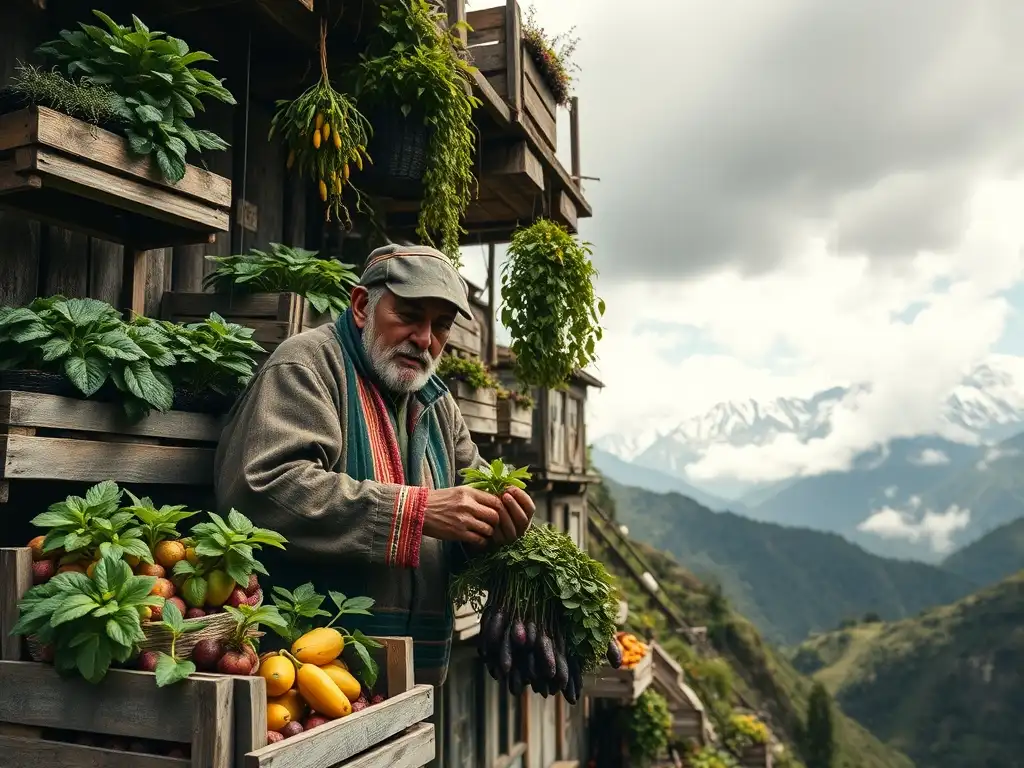
Andean vertical farming techniques, honed over millennia, showcase remarkable adaptability to diverse crops. The success of these techniques hinges on understanding the specific needs of each plant and its optimal growing conditions within the layered microclimates of the Andes. Factors such as altitude, sunlight exposure, temperature variation, and water availability all play crucial roles in determining which crops thrive in specific vertical farming systems.
Careful selection of crops is paramount for maximizing yields and ensuring efficient resource utilization. Farmers didn't randomly choose what to grow; centuries of experimentation led to the selection of species best suited to the unique challenges and opportunities presented by the Andean environment. The inherent resilience of many Andean crops further contributed to the success of these innovative farming methods.
Traditional Andean Crops Thriving in Vertical Systems
Traditional Andean agriculture demonstrates a deep understanding of the environment. Farmers strategically placed crops according to altitude and exposure, creating complex vertical farming systems that mirrored the natural layering of the Andean landscape. This approach allowed for the cultivation of a diverse range of crops within a relatively small area, maximizing resource utilization and minimizing environmental impact.
Many crops, such as potatoes, quinoa, and oca, were particularly well-suited to these systems due to their adaptability to varying conditions and their ability to thrive in relatively confined spaces. These crops, along with others like maize and beans, formed the basis of a sophisticated and resilient agricultural system that sustained Andean communities for centuries. The integration of complementary crops also played a vital role, with some plants providing support or shade for others, enhancing overall productivity.
Potatoes, Quinoa, and Oca: Adaptations for Vertical Growth
Potatoes, a staple crop of the Andes, demonstrate remarkable adaptability to vertical farming. Different potato varieties were cultivated at different altitudes, each suited to specific microclimates. Their ability to reproduce through tubers allows for easy propagation and efficient utilization of limited space. Similarly, quinoa, a highly nutritious grain, thrives in the harsh conditions of the high Andes and has shown remarkable adaptability to vertical farming.
Its resilience to drought and its ability to grow in poor soil make it an ideal candidate for this type of cultivation. Oca, a root vegetable with a slightly sweet and tangy flavor, also flourishes in these systems, demonstrating the diversity of crops that can be successfully grown using Andean vertical farming techniques. These adaptations highlight the ingenuity of traditional farming practices and the deep understanding of plant biology inherent in Andean agricultural knowledge.
Comparing Traditional Andean Vertical Farming with Modern Methods
While modern vertical farming employs sophisticated technology like hydroponics and aeroponics, its underlying principles share striking similarities with traditional Andean techniques. Both systems aim to maximize crop yields within a limited space, utilizing controlled environments to optimize growing conditions. However, traditional Andean methods relied primarily on natural resources and careful observation of the environment, while modern vertical farming often incorporates advanced technologies to control temperature, humidity, lighting, and nutrient delivery.
Traditional Andean methods prioritized sustainability and biodiversity, often integrating multiple crops within the same system to create a resilient and self-regulating ecosystem. Modern vertical farming, while potentially highly productive, often faces challenges related to energy consumption and environmental impact. Comparing these two approaches highlights the enduring wisdom of traditional Andean practices and offers valuable insights for the development of more sustainable and efficient modern vertical farming systems.
Lessons from the Past: Sustainable Practices in Andean Vertical Farming
Traditional Andean vertical farming offers valuable lessons for modern agriculture. Its emphasis on biodiversity, resource efficiency, and minimal environmental impact stands in stark contrast to many modern intensive farming practices. The careful selection of crops, the integration of complementary species, and the utilization of natural resources demonstrate a holistic approach to agriculture that minimizes reliance on external inputs.
The long-term sustainability of these systems, maintained for centuries, underscores the importance of understanding and respecting the intricate relationships between plants, soil, and the environment. By studying traditional Andean techniques, modern agriculture can learn valuable lessons about creating more resilient, sustainable, and environmentally friendly farming systems. This focus on sustainability becomes increasingly crucial in the face of climate change and the growing demand for food production.
Modern Vertical Farming Innovations Inspired by Andean Techniques
Modern vertical farming is increasingly drawing inspiration from traditional Andean practices. The concept of creating layered microclimates within vertical structures mimics the natural layering of the Andean landscape. The focus on adapting crops to specific environmental conditions within these layers reflects the traditional Andean understanding of plant biology.
Furthermore, the incorporation of diverse species within modern vertical farming systems echoes the biodiversity inherent in traditional Andean agriculture. Although modern technology allows for greater control over environmental factors, the fundamental principles of maximizing yields in a confined space and minimizing environmental impact remain central to both traditional and modern approaches. By integrating the wisdom of ancient Andean techniques with cutting-edge technology, modern vertical farming can strive towards greater sustainability and efficiency, potentially offering solutions to global food security challenges.
The Legacy of Andean Vertical Farming
Andean vertical farming techniques represent a remarkable legacy of ingenuity and adaptation to challenging environments. For centuries, Andean communities have skillfully manipulated their landscapes, creating intricate agricultural systems that thrive on the slopes of the Andes Mountains. This wasn't simply a matter of survival; it was a sophisticated understanding of microclimates, soil types, and water management, resulting in a remarkably diverse and productive agricultural system.
The terraces carved into the mountainsides, the intricate irrigation channels, and the careful selection of crops for specific altitudes all speak to a deep and nuanced relationship between humans and their environment. This knowledge, passed down through generations, allowed for the cultivation of a wide array of crops, ensuring food security even in the face of harsh conditions. The success of Andean vertical farming wasn't just about producing food; it was about building resilient communities deeply connected to their land.
This ancient practice is a testament to human adaptability and the potential of sustainable agriculture. The ingenuity of these methods is still relevant today, offering valuable lessons for modern agriculture. The understanding of microclimates, for example, is crucial for optimizing crop yields in various environments.
Preservation and Promotion of Traditional Andean Agricultural Knowledge
The preservation and promotion of traditional Andean agricultural knowledge is crucial not only for maintaining cultural heritage but also for addressing contemporary challenges in food security and sustainable agriculture. Many of these traditional techniques, honed over millennia, offer sustainable and environmentally friendly solutions to modern agricultural problems. Unfortunately, the knowledge is threatened by factors such as urbanization, migration, and the adoption of industrial farming practices. Efforts to document, preserve, and disseminate this valuable knowledge are essential.
This includes supporting community-based initiatives, creating educational programs, and fostering collaboration between researchers, farmers, and policymakers. Such initiatives can help safeguard traditional practices and ensure that future generations can benefit from the wisdom of their ancestors. Furthermore, integrating traditional knowledge with modern scientific understanding can lead to innovative and sustainable agricultural practices.
For instance, combining traditional crop rotation techniques with modern soil analysis can significantly improve soil health and crop yields. The protection of this knowledge is not merely an act of cultural preservation; it's a critical investment in the future of sustainable agriculture globally. The Andean farming legacy offers invaluable lessons in environmental stewardship and food security.
The Relevance of Andean Vertical Farming in Modern Sustainable Agriculture
The principles of Andean vertical farming hold significant relevance for modern sustainable agriculture, offering valuable insights into efficient land use, water conservation, and biodiversity. Facing growing concerns about climate change, land degradation, and food security, the world needs sustainable agricultural practices more than ever. Andean techniques, with their focus on maximizing yields in limited spaces and utilizing natural resources effectively, provide a powerful model.
The concept of microclimate management, so central to Andean agriculture, is directly applicable to modern vertical farming systems. By carefully controlling temperature, humidity, and light, farmers can optimize growing conditions and significantly increase yields. This is particularly important in urban environments where land is scarce and traditional farming is limited.
Furthermore, Andean practices often incorporate a high degree of biodiversity, reducing the reliance on monocultures and promoting resilience to pests and diseases. The integration of traditional Andean knowledge with modern technologies, such as hydroponics and aeroponics, offers a promising pathway toward creating highly efficient and sustainable food production systems. This approach not only addresses food security challenges but also contributes to environmental sustainability by minimizing land use, water consumption, and the need for chemical inputs.
Conclusion: The Enduring Impact of Andean Vertical Farming
Andean vertical farming techniques represent a powerful example of human ingenuity and adaptation, offering valuable lessons for modern sustainable agriculture. The legacy of these techniques, passed down through generations, showcases the profound understanding of Andean communities regarding their environment and its resources. The careful manipulation of microclimates, the efficient use of water, and the cultivation of diverse crops all contribute to a system that is remarkably resilient and productive.
Preserving and promoting this knowledge is crucial not only for maintaining cultural heritage but also for addressing contemporary challenges in food security and environmental sustainability. By integrating traditional Andean practices with modern technologies, we can develop innovative and sustainable agricultural systems that are both efficient and environmentally friendly. The enduring impact of Andean vertical farming lies in its ability to inspire and inform solutions to the pressing agricultural challenges of the 21st century.
It is a testament to the power of traditional knowledge and its potential to shape a more sustainable future. The study of Andean vertical farming techniques offers a pathway towards a more resilient and food-secure world.
Frequently Asked Questions
What is meant by "Andean vertical farming techniques"?
Andean vertical farming refers to the ingenious agricultural methods employed by ancient Andean civilizations. These techniques involved utilizing the varied altitudes and microclimates of the Andes Mountains to cultivate a wide range of crops. This maximized agricultural output in a challenging environment.
How did the varied altitudes of the Andes impact farming practices?
The dramatic changes in altitude created diverse microclimates, allowing for the cultivation of different crops at different elevations. This vertical layering of agricultural zones optimized land use and resource management. Different crops thrived at different altitudes due to temperature and rainfall variations.
What specific crops were grown using these techniques?
Ancient Andean farmers cultivated a vast array of crops, including potatoes, maize (corn), quinoa, beans, and various fruits. The specific crops varied depending on altitude and microclimate. Their sophisticated understanding of their environment allowed for this diverse agriculture.
Were there any technological innovations associated with Andean vertical farming?
Yes, several innovations supported vertical farming. Terracing was crucial for creating level plots on steep slopes. Irrigation systems were developed to manage water resources efficiently across varied altitudes. Specialized tools and techniques were adapted for different crops and environments.
How does understanding Andean vertical farming benefit us today?
Studying these ancient techniques offers valuable insights for modern sustainable agriculture. Their methods of water management and crop diversification provide inspiration for addressing contemporary challenges like climate change and food security. Understanding their resilience can inform future farming practices.
Final Reflection: Harvesting the Future from Andean Heights
The ingenious vertical farming techniques of the Andes, once a niche practice, are now more relevant than ever. Facing climate change, dwindling arable land, and growing global food insecurity, these ancient methods offer a powerful blueprint for sustainable agriculture in the 21st century. Their resilience and adaptability provide a compelling case study for innovative solutions to modern food challenges.
The enduring legacy of Andean vertical farming is not just about food production; it's a testament to human ingenuity and our deep connection with the environment. These techniques, passed down through generations, represent a profound understanding of ecological balance and resource management. The earth provides enough to satisfy every man's needs but not every man's greed.
– Mahatma Gandhi. This quote resonates deeply with the sustainable ethos inherent in Andean farming practices, highlighting the importance of responsible resource utilization and mindful cultivation. The impact of these techniques extends beyond the immediate food supply, influencing cultural identity and shaping the very landscape of the Andes.
Consider the implications of this knowledge. You, the reader, now possess a deeper understanding of sustainable agricultural practices that can inspire action in your own life. Will you explore ways to incorporate principles of vertical farming, even on a small scale, into your own community? Perhaps you'll advocate for more sustainable food systems, support local farmers employing innovative techniques, or simply choose to consume more consciously. The future of food security depends on our collective commitment to innovative and sustainable solutions, and the lessons learned from the Andes offer a powerful starting point.
**Cultivate Your Knowledge and Get Involved! **
Thank you for exploring the fascinating world of vertical farming and the ingenious microclimates of the Andes! This article highlights innovative sustainable agriculture with incredible potential for the future. Now, let's take action to support this vital movement!
- **Dive Deeper:** Learn more about sustainable farming practices and how to apply them in your community. Many resources are available online and through local organizations.
- **Share Your Insights:** Discuss this article and the potential of vertical farming with friends and family to raise awareness of innovative farming methods.
- **Get Hands-On:** Consider starting a small-scale vertical gardening project at home to experience these principles firsthand. Even a small herb garden can make a difference.
What innovative ideas do you have for incorporating vertical farming into your life? Let's share our thoughts and inspire each other!