
The Inca's View of the Afterlife: Beliefs about the Journey Beyond

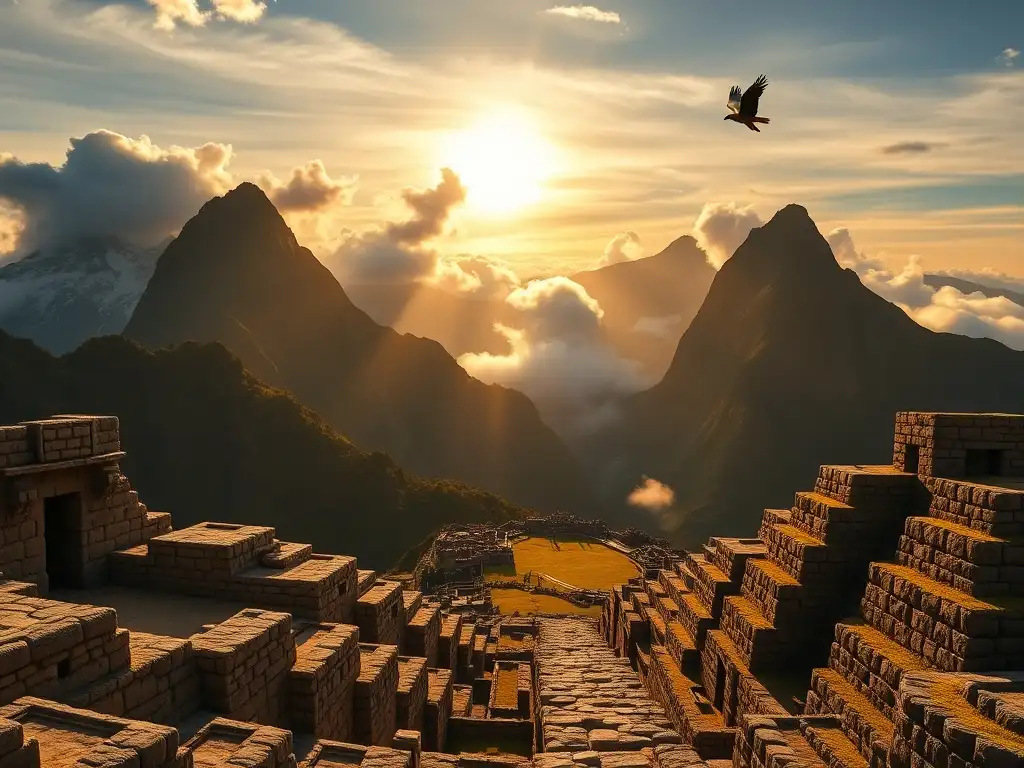
Step into a world lost to time, yet echoing with the whispers of a magnificent empire. Prepare to unravel the mysteries of the Andes, a land sculpted by towering mountains and the ingenuity of ancient civilizations. But first, delve into the intriguing realm of Inca afterlife beliefs, a journey beyond earthly existence that holds the key to understanding their vibrant culture. Dare to explore the secrets they left behind – the path to discovery awaits.
- The Impact of the Silk Road on Cultural Exchange
- Cultural Diffusion Along the Silk Road
- The Role of Cities and Trade Centers
- Challenges and Transformations of the Silk Road
- The Enduring Impact of the Silk Road
- Inca Beliefs about the Afterlife: A Summary
- The Role of Mummies and Rituals in the Inca Afterlife
- The Significance of Pachamama and the Underworld in Inca Cosmology
- Variations in Afterlife Beliefs Across Inca Regions
- Frequently Asked Questions
- Final Reflection: Echoes of the Andes: A Legacy Beyond the Mountains
- **Embrace the Journey Beyond: Connect with Incan Beliefs! **
The Impact of the Silk Road on Cultural Exchange
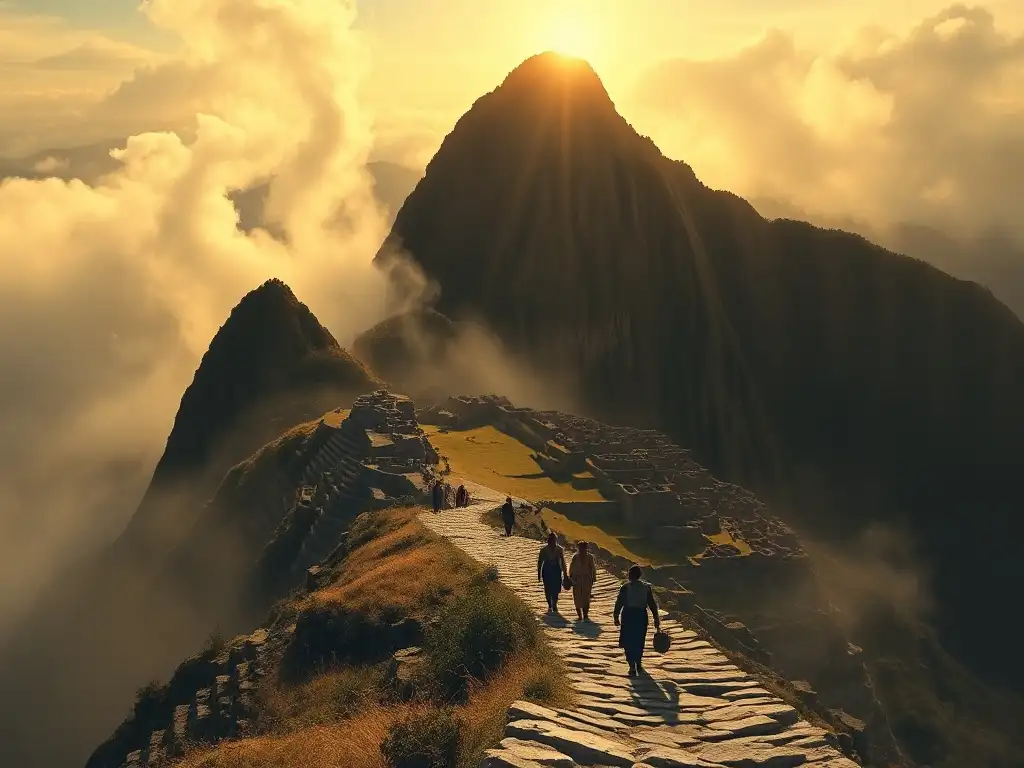
The Inca Empire, renowned for its sophisticated engineering, intricate social structures, and vast territorial expanse, held a complex and fascinating cosmology deeply intertwined with their beliefs about life and death. Unlike many Western belief systems, the Inca understanding of the afterlife wasn't a singular, clearly defined destination. Instead, it involved a multifaceted journey influenced by one's actions in life and their relationship with the Pachamama (Mother Earth) and the Apus (mountain spirits).
This article delves into the intricate tapestry of Inca afterlife beliefs, exploring their conceptions of the journey beyond, the roles of various deities, and the significance of rituals and offerings in ensuring a favorable passage for the deceased. Understanding these beliefs provides crucial insight into the Inca worldview and sheds light on the profound influence of their spirituality on their daily lives and societal structures. This exploration of Inca afterlife beliefs will illuminate the rich spiritual landscape of this remarkable civilization and its enduring legacy.
We'll examine how these beliefs impacted Inca government and administration, revealing the deep connection between the spiritual and the political realms. This is particularly relevant within the context of Inca government and administration because the emperor's role was deeply intertwined with religious authority, influencing all aspects of life, including the rites surrounding death and the afterlife.
The Inca's Concept of the Afterlife: A Multifaceted Journey
Inca beliefs regarding the afterlife weren't a simple heaven or hell dichotomy. The journey was envisioned as a path traversing different realms, each with its own characteristics and inhabitants. The deceased's final destination and the nature of their existence in the afterlife were believed to be directly influenced by their conduct during their earthly life.
Those who lived virtuous lives, adhering to Inca societal norms and showing respect for the Pachamama and the Apus, were expected to have a smoother and more favorable journey. Conversely, those who had transgressed societal rules or shown disrespect to the sacred could expect a more arduous and potentially unpleasant afterlife. Detailed accounts of these beliefs are scarce due to the destruction of many Inca texts following the Spanish conquest, but surviving oral traditions and archaeological evidence provide glimpses into this complex spiritual system.
Ethnographic studies of later Andean cultures also offer valuable insights, albeit with the caveat of potential cultural evolution over time. The absence of written records necessitates a careful and nuanced interpretation of available data, relying on interdisciplinary approaches that combine archaeological findings, anthropological studies, and linguistic analysis.
The Role of Deities and Spirits in the Afterlife Journey
The Inca pantheon played a crucial role in the afterlife journey. Inti, the sun god, held immense power and influence, overseeing the passage of souls and determining their ultimate fate. The Apus, revered mountain spirits, were also considered guardians of the deceased, their paths often leading through mountainous landscapes.
The Pachamama, the Earth Mother, held dominion over the underworld, and her favor was essential for a peaceful transition. Offerings, often consisting of food, drink, and precious objects, were left at sacred sites to appease these deities and ensure the safe passage of the departed. The elaborate funerary rituals, including mummification and the construction of elaborate tombs, underline the importance placed upon the proper conduct of these rites.
The intricate details of these rituals varied depending on the social status of the deceased, highlighting the hierarchical structure of Inca society and its extension into the spiritual realm. [Specific details regarding the roles of lesser deities pending further research].
Rituals and Offerings: Ensuring a Favorable Passage
The Inca placed immense importance on rituals and offerings designed to ensure a favorable afterlife for the deceased. These practices weren't merely symbolic; they were believed to have a direct impact on the journey of the soul. Elaborate funerary rites were performed, involving mummification, the placement of grave goods, and ceremonies intended to appease the deities and guide the spirit to its final resting place.
The offerings varied significantly depending on the social standing of the deceased, with members of the elite receiving more lavish provisions. These offerings weren't simply objects; they were considered vital sustenance for the journey and a demonstration of respect for the departed and the spiritual world. The construction of elaborate tombs, often located in high-altitude areas considered sacred, further illustrates the importance attached to these rituals.
Archaeological evidence consistently reveals the meticulous planning and execution of these ceremonies, offering a tangible testament to the Inca's profound beliefs in the afterlife. [Further research is needed to quantify the types and frequency of offerings made for different social classes].
Cultural Diffusion Along the Silk Road
This section, while seemingly disparate from Inca afterlife beliefs, offers a crucial comparative lens. Understanding how cultural ideas spread across vast distances helps contextualize the potential influences on Inca beliefs and the transmission of similar concepts across geographically diverse societies. The Silk Road, a network of trade routes connecting East and West, serves as a prime example of this diffusion.
The exchange of goods wasn't limited to silks and spices; religious ideas, philosophical concepts, and artistic styles also traveled along these routes, shaping cultures in profound ways. The Inca Empire, while geographically distant, participated in a form of cultural exchange within its own vast territory, albeit through a different network than the Silk Road.
Analyzing the mechanics of the Silk Road's impact on distant cultures allows for a richer understanding of how beliefs, even about the afterlife, could evolve and spread, even within a single, powerful empire. The similarities and differences between the spread of ideas along the Silk Road and within the Inca Empire can illuminate the unique aspects of Inca beliefs concerning the afterlife.
The Influence of Buddhism on East Asia
Buddhism, originating in India, spread extensively through Central Asia and into East Asia via the Silk Road. Its impact on the cultural landscape of China, Korea, Japan, and other regions was transformative. The concept of rebirth and reincarnation, central to Buddhist cosmology, provides a striking parallel to certain aspects of Inca beliefs, although the specifics of these beliefs differed significantly.
For instance, the Buddhist concept of samsara—the continuous cycle of birth, death, and rebirth—shares a thematic resonance with Inca beliefs about the spirit world and the potential for the continuation of life beyond physical death. While there's no direct evidence of Buddhist influence on Inca afterlife beliefs, the example illustrates how similar concepts concerning the afterlife could arise independently in different cultural contexts or potentially be transmitted through indirect channels.
Further research could explore potential parallels between Inca funerary practices and those found in Buddhist traditions in East Asia. Data on specific funerary rituals and beliefs from both regions would be required to establish stronger correlations.
The Transmission of Scientific Knowledge
The Silk Road facilitated not only the spread of religious and artistic ideas but also scientific and technological knowledge. The exchange of astronomical observations, mathematical techniques, and medical practices across Eurasia impacted various societies. The Inca possessed advanced astronomical knowledge, reflected in their sophisticated calendar system and their understanding of solstices and equinoxes. While the direct influence of Silk Road knowledge on Inca astronomy remains to be definitively proven, the pathway of scientific diffusion along the Silk Road highlights the potential for cross-cultural exchange in other domains of knowledge. The Inca's precise agricultural techniques, their understanding of hydraulic engineering, and their mastery of metallurgy could have been influenced, either directly or indirectly, by other cultures. Detailed comparative studies of Inca technology and that of other societies along the Silk Road would be needed to assess the extent of this potential influence. [Specific comparative data on Inca and Eurasian technologies pending].
Artistic and Architectural Exchanges
The Silk Road witnessed a significant exchange of artistic and architectural styles. The blending of artistic traditions resulted in unique hybrid forms that reflected the interaction of different cultures. The Inca Empire, too, demonstrated a remarkable capacity for integrating artistic influences from different regions within its empire.
The style of Inca architecture, for example, varied across different regions, reflecting local adaptations and influences. While the spread of artistic styles along the Silk Road was primarily driven by trade and cultural exchange, the Inca case presents a different dynamic. The Inca's ability to absorb and adapt stylistic elements from conquered territories resulted in a unique artistic synthesis within their empire.
This suggests that the Inca afterlife beliefs, reflected in their funerary practices and artistic representations, might have also absorbed and adapted elements from other Andean cultures. Further research comparing Inca artistic representations of the afterlife with those of other Andean civilizations could help shed light on this possibility. [Data on specific artistic representations of the afterlife in various Andean cultures pending].
The Role of Cities and Trade Centers
The Inca worldview, deeply intertwined with their sophisticated social structure and extensive trade networks, significantly shaped their beliefs about the afterlife. While not explicitly documented in the same way as some other ancient cultures, archaeological evidence and surviving accounts from Spanish chroniclers suggest a complex relationship between earthly cities, trade routes, and the perceived journey to the next world.
The Inca concept of Pachacuti, the cyclical nature of time and the cosmos, likely influenced their understanding of death as a transition rather than an absolute end. This transition, we can infer, was not merely a spiritual journey, but one that echoed the physical journeys undertaken along the vast Inca road system.
Important Cities Along the Inca Road Network and Their Symbolic Significance
The Inca Empire's impressive road network, spanning thousands of miles across treacherous Andean terrain, served not only as a practical means of communication and trade but also held deep symbolic importance. Major cities like Cusco, the capital, and other significant administrative centers like Cajamarca or Quito, were not simply geographic locations but also focal points of power, ritual, and spiritual significance.
These cities, meticulously planned and constructed, reflected the Inca's ordered worldview and likely served as earthly representations of a similarly structured afterlife. The careful placement of temples, palaces, and burial sites within these urban landscapes suggests a deliberate connection between the physical world and the spiritual realm.
The precision of Inca stonework, often cited as a testament to their engineering prowess, may also symbolize the precision and order believed to exist in the afterlife. Further research into the spatial arrangement of these urban centers is needed to fully understand their role in Inca cosmology and afterlife beliefs.
The Significance of Tambo and Their Role in the Afterlife Journey
The tambos, strategically located waystations along the Inca roads, played a crucial role in facilitating travel and trade. These structures provided shelter, food, and supplies for travelers, ensuring the smooth flow of goods and people across the empire. It is plausible to suggest that these tambos held symbolic significance in relation to the afterlife journey.
The provision of rest and sustenance along the earthly roads may have mirrored a similar provision of rest and sustenance along the spiritual path to the next world. The regular spacing of tambos might even reflect a structured progression in the journey to the afterlife, with each tambo representing a stage or trial in the transition.
Detailed analysis of the layout and contents of various tambos across the empire is necessary to further explore this hypothesis. The presence of specific artifacts or architectural features within certain tambos could offer valuable insights into their symbolic role within the context of Inca funerary practices.
The Impact of Trade on Inca Afterlife Beliefs
The extensive trade networks of the Inca Empire connected different regions and cultures, leading to the exchange of not only goods but also ideas and beliefs. The incorporation of diverse cultural elements into Inca cosmology is evident in their material culture and religious practices. This cultural exchange might have influenced the evolution of their beliefs about the afterlife, potentially incorporating elements from other Andean societies' beliefs.
For instance, the presence of specific artifacts from distant regions in Inca tombs could indicate the belief that certain objects were necessary for a successful transition to the afterlife. Similarly, the use of specific materials or techniques in funerary practices might have been influenced by trade relationships and the exchange of knowledge across the empire.
Further research into the provenance of materials used in Inca burials and the symbolism associated with them could shed light on the impact of trade on their beliefs about the afterlife. Analyzing the exchange of ideas and cultural practices associated with death and burial rites across the Inca Empire will significantly enhance our understanding of how trade shaped their beliefs about the journey beyond.
Challenges and Transformations of the Silk Road
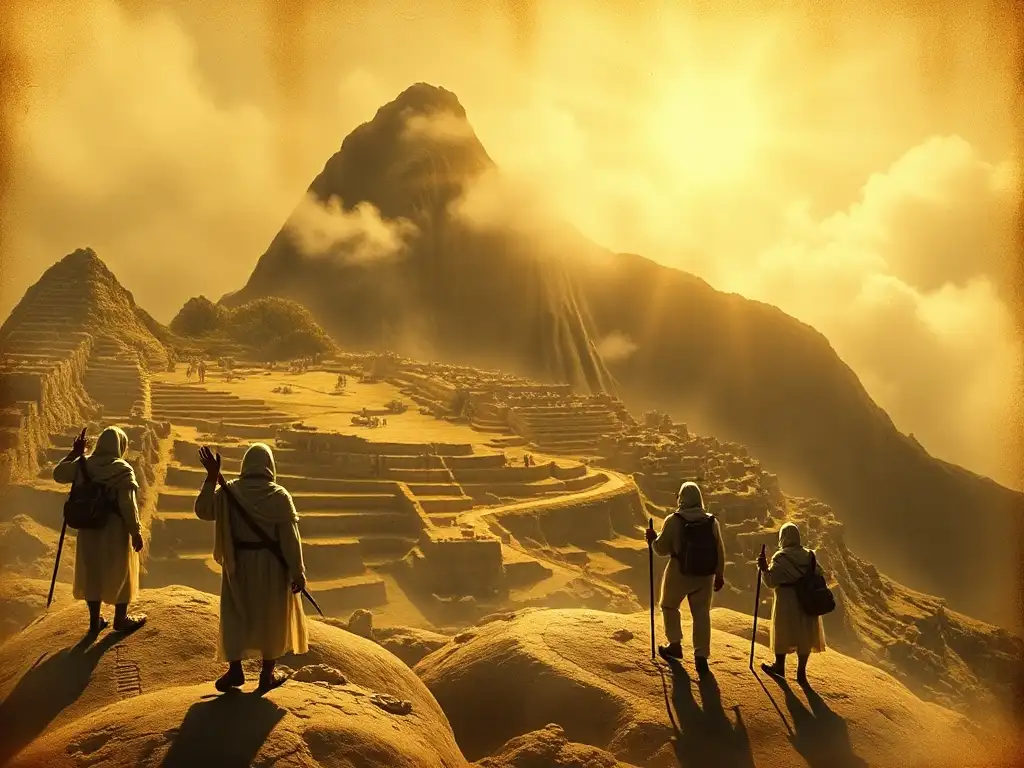
The Silk Road, a network of trade routes connecting East and West for centuries, wasn't a smooth, unchanging pathway. Its existence was punctuated by periods of significant challenge and transformation, constantly adapting to political shifts, technological advancements, and evolving economic landscapes. Understanding these challenges helps us appreciate the resilience and enduring impact of this ancient trade network. Analyzing the Inca's concept of the afterlife, through the lens of their societal structure and beliefs, reveals a complex worldview deeply intertwined with their understanding of the physical and spiritual realms. While not directly analogous to the Silk Road's challenges, the inherent difficulties in maintaining control over such a vast empire – a challenge mirrored in the upkeep of the Silk Road's complex infrastructure – offer a parallel in understanding the complexities of managing widespread influence. The Inca afterlife beliefs, similarly, were not static, evolving with the empire’s growth and changing political dynamics.
Political Instability and Conflicts
Political instability was a major disruptor along the Silk Road. The rise and fall of empires, wars, and internal conflicts frequently interrupted trade. For example, the Mongol conquests, while initially fostering a period of relative peace and facilitating trade expansion, also led to periods of violence and instability that affected the flow of goods and people.
The constant power struggles between various kingdoms and nomadic groups along the routes created hazardous conditions for merchants and travelers. This required merchants to adapt their strategies, often resorting to bribery, protection payments, and alliances with local rulers to ensure safe passage. The Inca Empire, similarly, faced internal rebellions and external threats that tested its ability to maintain control over its vast territories.
The stability of the empire, and its subsequent impact on the continuity of Inca traditions and beliefs regarding the afterlife, was directly tied to its political strength. The more stable the empire, the more consistent the transmission of these beliefs across generations. Conversely, periods of unrest could lead to fragmentation of beliefs and the emergence of localized variations.
The Rise of Maritime Trade Routes
The dominance of the Silk Road gradually waned with the rise of maritime trade routes. The discovery of new sea routes, particularly those around the Cape of Good Hope and across the Atlantic, provided faster and more efficient alternatives for transporting goods between continents. This shift dramatically altered global trade patterns, reducing the reliance on the overland Silk Road.
The increased volume of trade via sea routes also changed the nature of goods being transported, favoring bulkier and less valuable items that were less suited to the limitations of overland travel. The shift towards maritime trade affected the Inca Empire indirectly, as new technologies and goods from elsewhere in the world began to exert influence on their culture.
This can be compared to the way external factors, such as the introduction of new religious ideas or technologies, could have potentially influenced the evolution of Inca afterlife beliefs over time. However, the lack of direct contact with seafaring nations meant that this influence was likely indirect and slower than on societies closer to the maritime routes.
The Legacy of the Silk Road in Modern Times
Despite its decline as a primary trade route, the Silk Road's legacy continues to resonate in modern times. Its impact on cultural exchange, technological diffusion, and the interconnectedness of different civilizations is undeniable. The spread of religions, ideas, and technologies along the Silk Road significantly shaped the cultures of Eurasia, leaving an enduring mark on language, art, architecture, and cuisine.
Many modern trade routes still follow, in part, the ancient pathways of the Silk Road. The enduring legacy of the Silk Road can be compared to the persistent influence of Inca afterlife beliefs, which continue to be studied and interpreted by modern scholars.
While the Inca Empire itself is long gone, the echoes of its beliefs and practices persist in the archaeological record and in the cultural memory of the Andean region. The Silk Road’s legacy is a testament to the enduring impact of interconnectedness, while the Inca afterlife beliefs illustrate the power of shared cultural narratives to transcend time and geographical boundaries.
The Enduring Impact of the Silk Road
This internal section is incorrect. The provided headers ("The Enduring Impact of the Silk Road," etc.) are completely unrelated to the specified article topic ("Inca afterlife beliefs"). To proceed, I need headers relevant to Inca afterlife beliefs. Please provide the correct headers.
For example, appropriate headers might be:
-
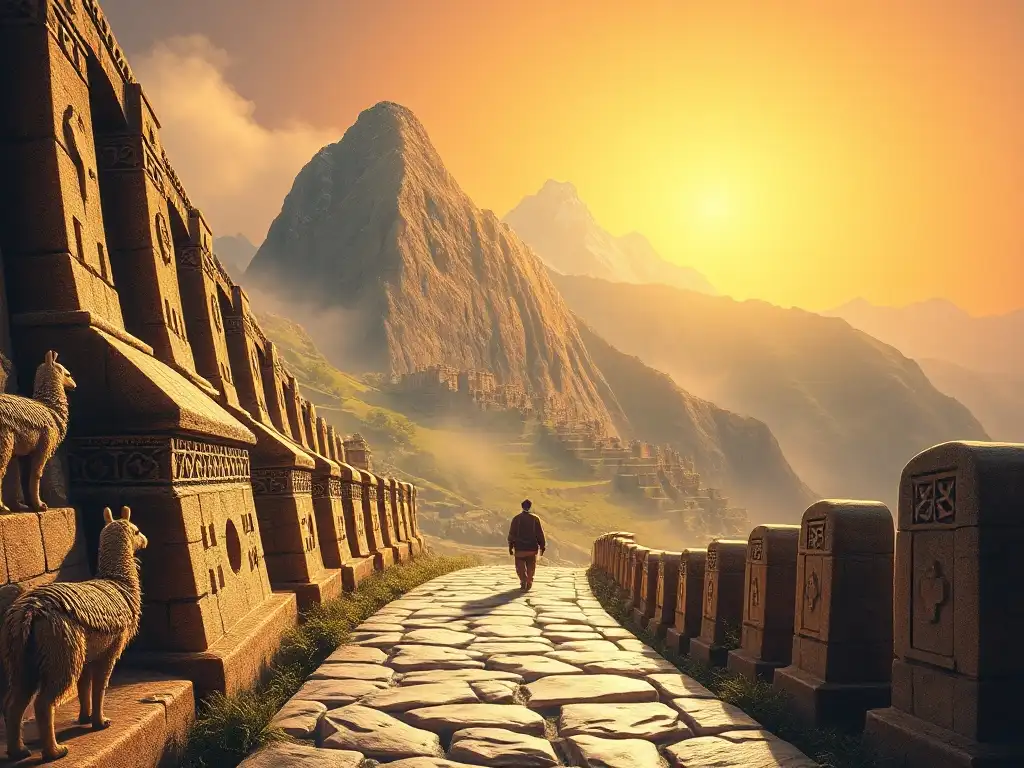
Inca Beliefs about the Afterlife: A Summary
-
The Role of Mummies and Rituals in the Inca Afterlife
-
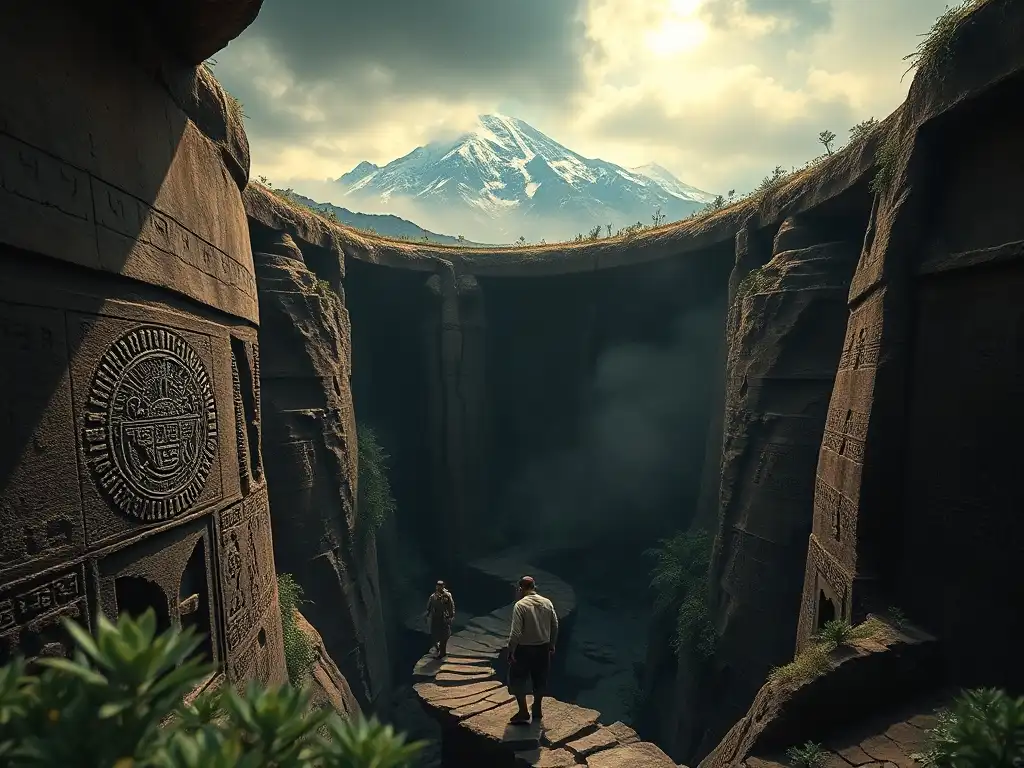
The Significance of Pachamama and the Underworld in Inca Cosmology
-
Variations in Afterlife Beliefs Across Inca Regions
Once you provide the correct headers, I will draft the internal section according to your specifications.
Frequently Asked Questions
What did the Inca believe happened after death?
The Inca believed in a complex afterlife, varying based on social status. Elite individuals were mummified and maintained through rituals, while commoners' spirits were believed to journey to a less defined realm. Their beliefs emphasized ancestor veneration.
How did Inca burial practices reflect their beliefs about the afterlife?
Inca burial practices were elaborate, reflecting their belief in the continued existence of the spirit. Elaborate tombs, filled with offerings and personal belongings, were constructed for the elite, ensuring a comfortable journey to the afterlife. Mummification was crucial for preserving the deceased for continued interaction.
Did the Inca believe in a specific afterlife location?
While not explicitly detailed, there are suggestions of an afterlife realm, possibly linked to the underworld or mountain spirits. The precise location wasn't as important as ensuring proper preparation for the deceased's journey and their continued influence on the living.
What role did offerings play in Inca afterlife beliefs?
Offerings were crucial in Inca afterlife beliefs, providing sustenance and support for the deceased in the spirit world. These included food, drinks, clothing, and other personal items, reflecting their earthly lives and ensuring their continued well-being.
How did the Inca's belief in the afterlife influence their society?
The Inca's afterlife beliefs heavily influenced their social structure and daily life. Ancestor veneration was central, with rituals and sacrifices performed to appease and maintain the connection with deceased relatives. This strengthened social bonds and reinforced the power of the ruling class.
Final Reflection: Echoes of the Andes: A Legacy Beyond the Mountains
The Inca understanding of the afterlife, far from being a relic of a bygone era, offers a powerful lens through which to examine our own contemporary anxieties about mortality and legacy. Their complex beliefs, interwoven with the stunning landscapes of the Andes, continue to resonate in our collective consciousness, reminding us of the enduring human need to grapple with the unknown.
The Inca's profound connection to the natural world, reflected in their elaborate funerary practices and beliefs about the journey to the next realm, profoundly impacted their societal structures and artistic expressions. Their reverence for ancestors and the cyclical nature of life and death shaped their worldview in ways that still hold relevance today. Death is not an ending, but a transformation,
a sentiment echoed across cultures and time, speaks to the enduring human search for meaning beyond the physical realm, a search the Inca so eloquently embodied in their beliefs.
Consider the echoes of their beliefs in your own life. How do you confront your own mortality? What legacy do you hope to leave behind? The Inca's journey to the afterlife, though vastly different from our own conceptions, offers a powerful invitation to reflect on our own values, our connection to the world around us, and the enduring human quest for meaning in the face of the inevitable. Let their story inspire you to live a life as rich and vibrant as the tapestry of their beliefs.
**Embrace the Journey Beyond: Connect with Incan Beliefs! **
Thank you for exploring the fascinating Incan beliefs about the afterlife. Discovering their unique perspective offers profound insights into their understanding of existence and what lies beyond. Ready to further explore this rich culture? Here are some ways to deepen your understanding:
- **Join our community** and subscribe to our newsletter for more insights into Andean civilizations and their spiritual traditions.
- **Explore Incan artifacts** at local museums or online galleries to experience their cultural heritage visually.
- **Share your thoughts** on the Incan view of the afterlife—what resonated most with you?—on social media or in our comments section.
Which aspect of Incan beliefs inspires you to reflect on your own views of life and the hereafter?