
The Symbolic Language of Plants: Decoding Andean Art and Iconography

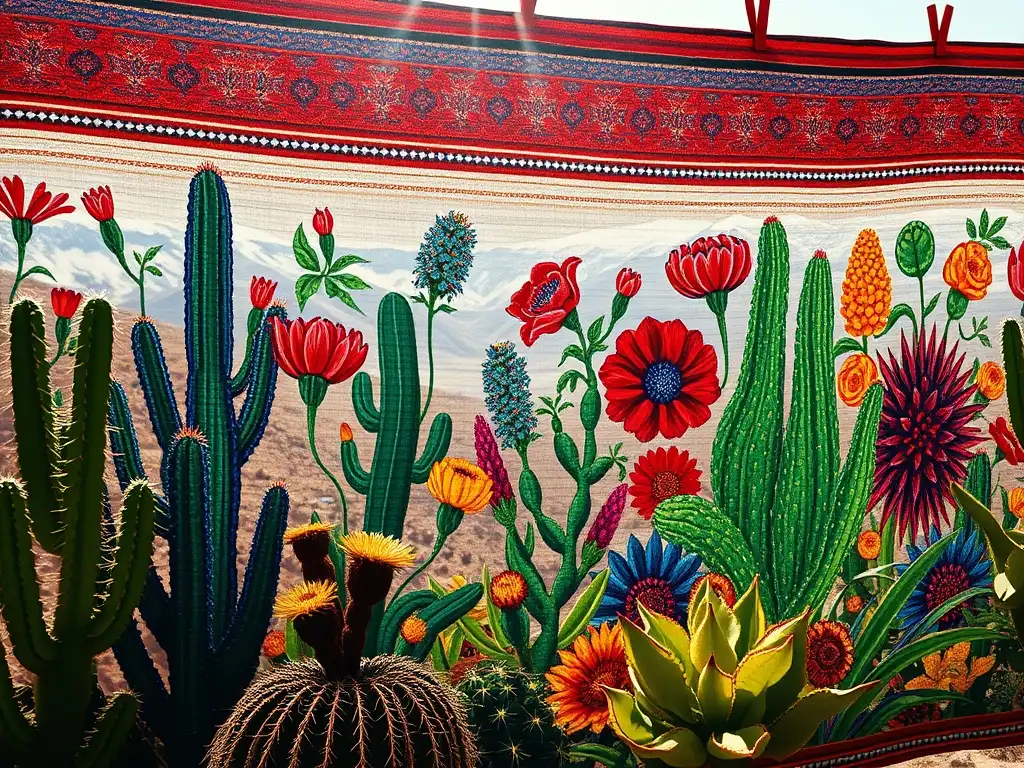
Unravel the mysteries hidden within the vibrant tapestries and intricate ceramics of the Andes! Journey through time as we delve into the captivating world of Andean plant symbolism in art. From the towering heights of the Inca Empire to the enigmatic Nazca lines, discover how plants held profound significance in the daily lives and spiritual beliefs of these remarkable civilizations. Prepare to be amazed by the hidden meanings woven into their art – a language waiting to be deciphered. Read on to unlock the secrets of this ancient botanical code.
The vibrant tapestry of Andean art, from the intricate textiles of the Nazca to the monumental stone carvings of the Inca, is interwoven with a rich and complex system of plant symbolism. Understanding this symbolic language provides a crucial key to deciphering the beliefs, rituals, and social structures of these ancient civilizations.
This article delves into the multifaceted ways plants, particularly coca and other significant species, were represented and interpreted in Andean art and iconography, offering a glimpse into the profound connection between these cultures and their environment. We will explore how the depiction of plants transcended mere representation, becoming powerful symbols embedded within religious beliefs, social hierarchies, and daily life.
This exploration of Andean plant symbolism in art will reveal how these seemingly simple botanical motifs carried layers of meaning, reflecting the sophisticated worldview of the Andean people. The significance of plants in Andean cosmology and their profound influence on their artistic expressions will be examined, highlighting the intricate relationship between nature and culture in these remarkable societies.
Coca: The Sacred Leaf in Andean Art
The coca plant ( Erythroxylum coca) holds an unparalleled position in Andean culture, its significance deeply rooted in religious practices, social interactions, and medicinal uses. Depictions of coca leaves appear frequently in Andean art, often intricately woven into textiles or sculpted into pottery. These representations are not merely botanical illustrations; they are powerful symbols of vitality, reciprocity, and connection to the spiritual world. The meticulous detail and prominent placement of coca leaves in many artworks underscore their sacred status.
For example, [specific examples of coca leaf depictions in specific artwork pieces pending]. Further research is needed to fully analyze the varying styles and contexts of coca leaf representation across different Andean cultures. The symbolic meaning of the coca leaf frequently shifted according to the specific cultural context and the artistic medium used.
Beyond Coca: Other Significant Plants in Andean Iconography
While coca undoubtedly holds a prominent place, the Andean world was rich with other plants possessing significant symbolic value. Maize, for instance, frequently appears in artistic representations, often associated with fertility, abundance, and the ancestors. Its significance is evident in the intricate maize motifs found on textiles, pottery, and even monumental architecture. [Specific examples of maize depictions in Andean art pending, including details on specific cultures and time periods].
Similarly, other plants such as potatoes, beans, and various medicinal herbs likely held symbolic importance, though further research is needed to fully understand their representation in the artistic record. The diversity of plant symbolism reflects the complex agricultural knowledge and ecological understanding of these societies. The careful observation and detailed representation of these plants in Andean art demonstrate a deep connection with the natural world and a sophisticated understanding of its power.
Interpreting the Context: Decoding the Meaning
Understanding the symbolic language of plants in Andean art requires careful consideration of context. The specific plant depicted, its artistic style, the medium used (textile, pottery, stone carving, etc. ), and the overall composition of the artwork all contribute to its meaning. For example, the depiction of a coca leaf in a funerary context might signify a connection to the afterlife or a tribute to the deceased, while its presence in a ceremonial garment might represent social status or ritual participation.
[Specific examples of differing contexts and their interpretations are needed here]. The intricate interplay of these factors makes the analysis of Andean plant symbolism a fascinating and challenging endeavor, requiring interdisciplinary approaches that integrate art history, anthropology, botany, and archaeology. The ongoing research in this field continues to uncover new layers of meaning in these remarkable works of art.
- Coca: The Sacred Leaf in Andean Art
- Beyond Coca: Other Significant Plants in Andean Iconography
- Interpreting the Context: Decoding the Meaning
- What is the significance of plants in Andean art?
- How did the Incas use plant symbolism in their art?
- Did other Andean cultures besides the Incas use plant symbolism?
- What are some common plants depicted in Andean art and what do they represent?
- Where can I learn more about Andean plant symbolism in art?
Andean Plant Symbolism in Art: An Introduction
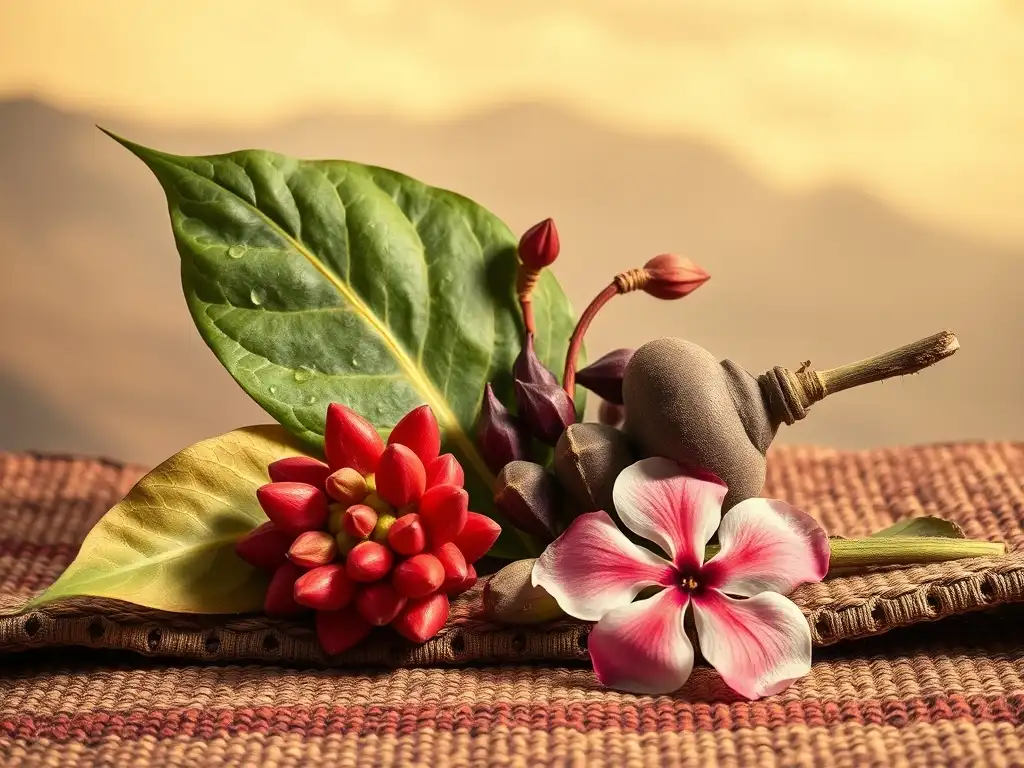
This section delves into the profound significance of plants within Andean art and iconography, exploring how these visual representations reflect the complex relationship between Andean civilizations and their environment. We will examine specific plants, their symbolic meanings, and their recurring motifs in various artistic expressions, from pottery and textiles to monumental architecture. Understanding Andean plant symbolism provides crucial insights into their cosmology, social structures, and daily life.
The intricate details woven into these artistic creations reveal a sophisticated understanding of the natural world and its profound influence on Andean culture. This exploration will focus on the rich tapestry of meaning embedded within these artistic expressions, using examples to illustrate the diverse ways plants were represented and interpreted. We'll be looking at how the symbolic meanings of these plants evolved over time and across different Andean cultures, highlighting the nuances and subtleties of their visual language.
The Intertwined World of Plants and Andean Culture
The relationship between Andean cultures and plants transcended mere sustenance. Plants were integral to their cosmology, religious practices, and social organization. The Andean worldview saw a deep interconnectedness between the human and natural worlds, with plants playing a pivotal role in maintaining this delicate balance. This is vividly portrayed in their art, where plants are not simply decorative elements but powerful symbols carrying complex meanings.
For example, the coca plant ( Erythroxylum coca) wasn't just a source of energy and sustenance; it was deeply interwoven into ritual practices and held significant spiritual connotations. Its representation in Andean art frequently signifies ritual, healing, and connection to the divine. Similarly, maize ( Zea mays), a staple crop, represented fertility, abundance, and the life-giving power of the earth. Its depiction often features prominently in ceremonial objects and textiles, highlighting its crucial role in Andean society.
The careful observation of the natural world, reflected in the precise botanical renderings in their art, underscores the profound respect and understanding these civilizations held for the plants that sustained them. The meticulous detail and symbolic layering found in Andean art demonstrate a deep appreciation for the interconnectedness of life, where humans and nature co-existed in a harmonious, yet powerful, relationship. This intricate relationship is further reinforced by the careful selection and arrangement of plants within their artistic depictions.
The Importance of Plants in Andean Cosmovision
Andean cosmovision, a complex system of beliefs and practices, placed plants at the center of their understanding of the universe. The three-world cosmology – the hanan pacha (upper world), kay pacha (this world), and ukhu pacha (underworld) – viewed plants as connecting elements between these realms. Certain plants were associated with specific deities or spirits, reflecting their power and influence.
For instance, the huayruro ( Ormosia coccinea), with its vibrant red seeds, was often associated with fertility and good fortune, and its presence in art frequently symbolized prosperity and abundance. The careful selection of plants for specific ritual contexts and their symbolic representation in art indicate a sophisticated understanding of their spiritual properties and their role in maintaining cosmic harmony. Furthermore, the use of specific plant dyes in textiles and the intricate weaving patterns themselves often encoded symbolic meanings related to their agricultural practices and spiritual beliefs.
The vibrant colors obtained from plants like achiote ( Bixa orellana) and various other indigenous plants contributed not only to the aesthetic beauty of their art but also encoded cultural and spiritual information. The intricate designs woven into textiles, for example, often depicted important agricultural practices or narratives related to their cosmovision, demonstrating the profound integration of plants into their worldview.
Decoding Visual Representations: An Overview
Analyzing Andean plant symbolism in art requires a multi-faceted approach. It involves considering the specific plant species depicted, their cultural significance, the context of the artwork (e.g., pottery, textile, architecture), and the overall composition. The style and technique employed also provide valuable clues. For example, the highly stylized representations of plants in Nazca pottery differ significantly from the more naturalistic depictions found in Inca textiles. These differences reflect not only artistic conventions but also variations in cultural beliefs and practices across different Andean civilizations.
Furthermore, the use of color plays a crucial role in conveying meaning. Specific colors were associated with particular plants and their symbolic attributes. Therefore, a comprehensive understanding necessitates a careful examination of all these visual elements. A detailed catalog of Andean plant symbolism in art, with detailed descriptions and accompanying images, would be invaluable for researchers and enthusiasts alike.
This would facilitate a deeper comprehension of the rich visual language employed by these ancient civilizations and help us better understand their intricate relationship with the natural world. Further research focusing on specific regions and time periods is needed to fully unravel the complexities of Andean plant symbolism in art. The development of a comprehensive database, incorporating photographic records and detailed descriptions, would significantly enhance our understanding of this fascinating aspect of Andean culture. The meticulous study of these visual representations offers a unique window into the minds and beliefs of the ancient Andean peoples, revealing the deep-seated spiritual and cultural significance attributed to the plants that formed an integral part of their lives.
Key Plants and Their Symbolic Meanings in Andean Art

This section delves into the profound symbolic language embedded within Andean art, focusing specifically on the representation of key plants integral to the civilizations' worldview and daily life. We will explore how these plants, far from being mere botanical subjects, served as powerful vehicles for expressing religious beliefs, social structures, and cosmological concepts. Understanding this symbolic language is key to unlocking a deeper appreciation of Andean art and culture, offering a window into the complex relationship between humans and nature in these ancient societies.
The prevalence of certain plants in their art reflects their importance not only as sustenance but also as potent symbols imbued with spiritual significance. Analyzing Andean plant symbolism in art provides invaluable insights into the beliefs and practices of these remarkable cultures.
Coca: The Sacred Leaf and its Representations
Coca ( Erythroxylum coca) holds a central position in Andean culture, extending far beyond its practical use as a stimulant. Its symbolic representation in art reflects its sacred status and multifaceted roles within Andean societies. Depictions of coca leaves, often meticulously rendered, appear across diverse artistic mediums, revealing much about Andean beliefs and rituals. The careful attention to detail in these artistic representations highlights the profound significance attributed to this plant.
Coca Leaves in Textiles and Ceramics
Coca leaves frequently appear in pre-Columbian textiles, often woven into intricate patterns within larger designs. These textiles, frequently used in ceremonial contexts, showcase coca leaves alongside other symbolic motifs, suggesting a complex interplay of meanings. For instance, the intricate designs found on Paracas textiles (ca. 200 BCE – 200 CE) show coca leaves interwoven with other sacred plants and animals, indicating the leaf's role within a broader cosmological framework.
Similarly, Moche pottery (ca. 100–800 CE) often features coca leaves depicted in realistic detail, sometimes alongside figures engaged in coca chewing. The meticulous rendering, sometimes even showing the individual veins of the leaves, suggests a reverence for the plant itself. Analysis of these ceramic pieces indicates that coca was not just a dietary supplement but also a central element in religious ceremonies.
The Ritual Use of Coca Depicted in Art
Andean art vividly portrays the ritual use of coca. Many artifacts depict individuals engaged in the act of acullico, the traditional method of coca chewing. These depictions, which vary across different cultural groups and time periods, offer valuable insights into the social and religious contexts of coca consumption. For example, the Nazca culture (ca.
100 BCE – 800 CE) depicted coca leaves in their elaborate ceramics alongside other ritual objects, suggesting their importance in religious ceremonies. The precise manner in which coca leaves are depicted, often alongside other ritual paraphernalia, reveals the significance of the plant within these rituals. Further research into the specific iconography surrounding these depictions is crucial for a complete understanding of coca's role in Andean religious practices.
Corn: The Staple of Life and Fertility
Corn ( Zea mays), a staple crop across the Andes, transcends its nutritional value to become a potent symbol of fertility, abundance, and life itself. Its representation in Andean art reflects this profound significance, appearing across numerous artistic mediums and styles. The prominence of corn in Andean art underscores its fundamental role in their agricultural economy and spiritual beliefs.
Corn Motifs in Andean Pottery
Corn motifs are ubiquitous in Andean pottery, appearing in a wide variety of forms. From simple representations of corn cobs to elaborate depictions of corn deities, these artistic expressions reveal the plant's symbolic importance. The styles vary significantly across different cultures and periods, revealing regional variations in artistic expression and symbolic interpretation.
For example, the intricate designs on Tiwanaku pottery (ca. 500–1000 CE) often incorporate stylized corn motifs alongside other agricultural symbols, suggesting a deep connection between agriculture and religious beliefs. The stylistic choices in these depictions, such as the use of geometric patterns or anthropomorphic representations, reveal the complexity of corn's symbolic meaning.
Corn Symbolism in Agricultural Rituals
Andean art often depicts corn in the context of agricultural rituals. These representations provide valuable insights into the agricultural practices and beliefs of Andean societies. The detailed portrayals of corn in conjunction with other ritual objects and figures suggest the plant's central role in ensuring a successful harvest.
Further research is needed to fully understand the specific meanings associated with different corn representations in different contexts and across various Andean cultures. Detailed analysis of the iconography surrounding these depictions will provide a more nuanced understanding of Andean agricultural rituals and their connection to the spiritual world. The prevalence of corn imagery in art serves as a powerful testament to its importance in both the material and spiritual lives of the Andean people.
Potatoes: Variety and Abundance in Andean Iconography
The potato ( Solanum tuberosum ), a staple crop of the Andes, holds a prominent place in Andean art and iconography. Its depiction extends far beyond a simple representation of food; it embodies concepts of abundance, fertility, and the very essence of Andean agricultural ingenuity. The remarkable diversity of potato varieties cultivated by Andean communities is often reflected in the artistic representations. Artists didn't simply depict a single type of potato; instead, they captured the spectrum of shapes, sizes, and colors found across the diverse Andean landscape. This visual representation speaks volumes about the deep understanding and appreciation of biodiversity inherent in Andean agricultural practices. The intricate details often included in these depictions highlight the meticulous observation of nature that characterized Andean artistry. We can see in many pieces, not just a potato, but a careful study of its texture, even the subtle variations in color within a single tuber.
Depictions of Potato Cultivation in Art
Artistic representations of potato cultivation frequently appear in textiles, ceramics, and even stone carvings. These depictions often showcase the entire agricultural cycle, from planting and tending to harvesting and storage. For example, we see in many textiles intricate scenes portraying the arduous task of harvesting potatoes from the steep Andean slopes. These scenes aren't merely decorative; they offer valuable insights into the techniques and tools used in potato farming.
The careful depiction of the ayllu (Andean community) working collaboratively in the fields highlights the social aspect of agriculture in Andean society. The collaborative nature of potato cultivation is not only a practical necessity for efficient farming in challenging terrain but also a reflection of the communal spirit that permeated Andean life. These artistic representations serve as a powerful testament to the enduring importance of the potato in Andean culture and its integration into the very fabric of Andean society.
The Symbolic Meaning of Potato Diversity
The representation of diverse potato varieties in Andean art goes beyond a simple cataloging of species. The sheer variety depicted symbolizes abundance, prosperity, and the successful mastery of agriculture in a challenging environment. Each color and shape of potato likely held specific cultural significance, possibly linked to particular ceremonies, rituals, or even medicinal properties.
The multitude of potatoes depicted together often represents the bounty of the harvest and the community's ability to provide for itself. This visual representation of plentiful harvests transcends mere sustenance; it becomes a powerful symbol of the community's connection to the land and their ability to thrive in the face of adversity. Further research is needed to fully elucidate the specific symbolic meanings associated with different potato varieties in Andean iconography.
However, the sheer number and variety represented clearly point to the potato's central role in Andean life. The potatoes weren't merely food; they were a symbol of life itself.
Quinoa: The Mother Grain and Its Significance
Quinoa ( Chenopodium quinoa), another cornerstone of Andean agriculture, holds a similarly significant place in Andean art and symbolism. Often referred to as the "mother grain," quinoa is not just a food source; it represents nourishment, health, and the life-giving power of the earth. Its depiction in Andean art reflects its crucial role in sustaining Andean communities for millennia. The enduring importance of quinoa is reflected in its frequent appearance in textiles, ceramics, and other artistic expressions. This reflects not only its nutritional value but also its deep cultural and spiritual significance.
Quinoa Depictions in Andean Art
Depictions of quinoa in Andean art often showcase the plant in its entirety, from the delicate leaves to the nutritious seeds. These representations often appear alongside other important agricultural products, emphasizing quinoa's integral role within the broader Andean agricultural system.
The careful attention to detail in these depictions highlights the deep understanding and respect that Andean people had for this vital crop. Unlike many modern representations of agriculture, the depictions of quinoa in Andean art frequently incorporate it into broader scenes of life, further illustrating its importance to the fabric of Andean society and not simply as a food source.
The Nutritional Symbolism of Quinoa
The nutritional symbolism of quinoa in Andean art likely stems from its remarkable nutritional profile. It's a complete protein, containing all nine essential amino acids, a rarity among plant-based foods. This high nutritional value likely contributed to its symbolic representation as a source of strength, vitality, and well-being.
The depiction of quinoa in art, therefore, goes beyond a simple representation of food; it becomes a potent symbol of health, resilience, and the life-sustaining power of the Andean environment. The continued cultivation and appreciation of quinoa speaks to the enduring wisdom of Andean agricultural practices and their profound understanding of nutrition and sustainability. The artistic representations serve as a powerful reminder of the importance of this crop, not only for its nutritional value but also for its deep cultural and spiritual significance within Andean societies.
Exploring Specific Art Forms and Their Plant Symbolism
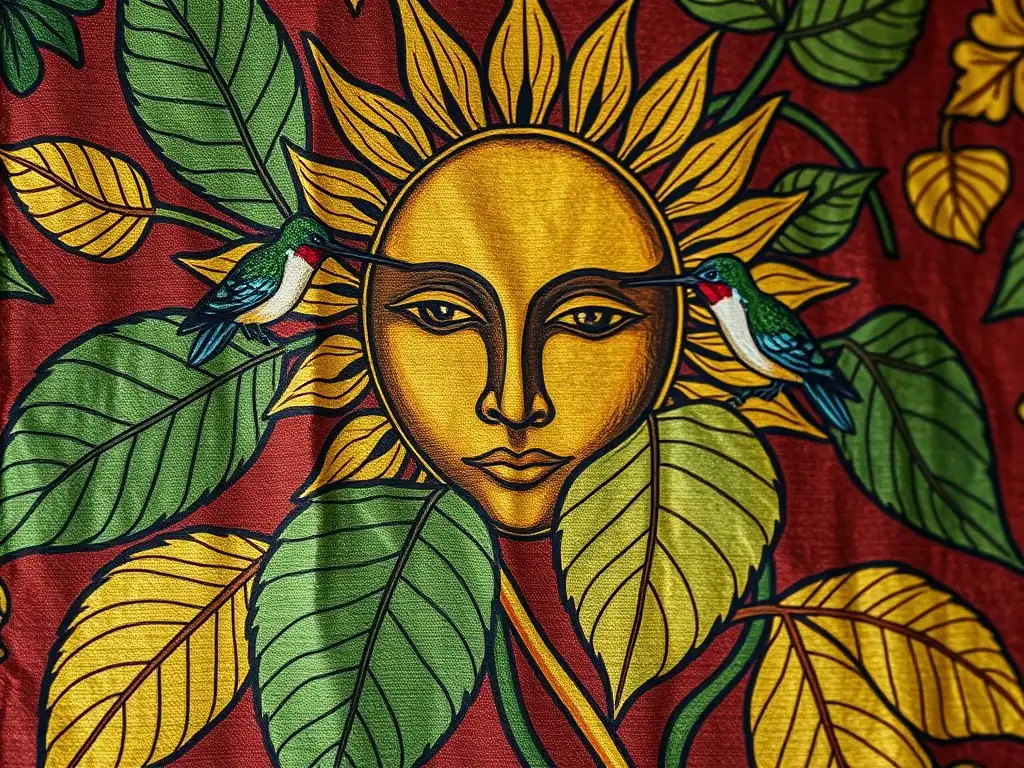
This section delves into the intricate relationship between Andean civilizations and their environment, focusing on how plants were represented in various art forms. We will explore the symbolic meanings embedded within these artistic expressions, revealing a deeper understanding of Andean worldview and agricultural practices. The vibrant tapestry of Andean art is interwoven with the very fabric of their existence, with plants acting as powerful symbols reflecting their beliefs, rituals, and daily life. Understanding Andean plant symbolism in art provides crucial insights into their complex society and its connection to the natural world.
Textile Art: Woven Narratives of the Plant World
Andean textiles, renowned for their intricate designs and vibrant colors, serve as a rich repository of plant symbolism. These woven narratives, passed down through generations, offer a glimpse into the agricultural practices and spiritual beliefs of these ancient cultures. The meticulous detail and symbolic representation found in these textiles showcase the deep connection between the Andean people and the plant world. The use of natural dyes derived from plants further emphasizes this connection, as the very colors tell a story of the land.
Plant Motifs in Andean Textiles
Plant motifs in Andean textiles are not merely decorative; they carry profound symbolic weight. For example, the coca leaf, a staple of Andean life, frequently appears in textile designs. Its representation often signifies prosperity, fertility, and spiritual connection. Other commonly depicted plants include maize (corn), symbolizing life and sustenance; potatoes, representing abundance and agricultural success; and various flowers, representing beauty, fertility, and the cyclical nature of life and death.
The precise arrangement and combination of these motifs often convey complex narratives, specific to the region and the community who created the textile. Detailed analysis of these motifs reveals a sophisticated understanding of plant life and its significance within Andean cosmology. Further research is needed to fully decode the complex narratives embedded within some of the more obscure plant representations.
The Symbolic Colors and Materials
The colors and materials used in Andean textiles also contribute significantly to their symbolic meaning. Natural dyes, derived from plants, minerals, and insects, were carefully selected to enhance the symbolic power of the designs. For instance, the deep reds obtained from cochineal insects were often associated with sacredness and power, while the vibrant yellows from various plants symbolized the sun and its life-giving energy.
The choice of fiber – alpaca, llama, or cotton – also held symbolic significance, reflecting both the social status of the wearer and the specific context of the textile. The combination of colors, materials, and plant motifs creates a layered system of meaning, requiring careful study and interpretation to fully appreciate its depth and complexity.
Ceramic Art: Depicting the Agricultural Cycle
Andean ceramic art provides another avenue for exploring plant symbolism. Pottery, often adorned with intricate designs and depictions of plants, reveals much about their agricultural practices, religious beliefs, and daily life. From the simplest utilitarian vessels to the most elaborate ceremonial objects, plants are a recurring motif, highlighting their profound significance in Andean culture. The way plants are depicted – their style, positioning, and association with other elements – offers insight into their symbolic meaning.
Plant-Based Designs on Andean Pottery
Plant-based designs on Andean pottery often depict scenes from the agricultural cycle, from planting and harvesting to the preparation and consumption of food. Maize, potatoes, and other crops are frequently represented in a stylized manner, highlighting their importance as sources of sustenance and embodying the cyclical nature of life and renewal. These depictions aren't just realistic representations; they are symbolic narratives conveying the Andean worldview.
Some designs show plants alongside deities or other sacred figures, emphasizing the sacred nature of agriculture and the spiritual significance of the plants themselves. The meticulous detail and artistic skill involved in creating these designs underscore the deep respect and reverence held for the plants that sustained their lives.
The Use of Ceramics in Plant-Related Rituals
Beyond their decorative value, Andean ceramics played a crucial role in plant-related rituals. Certain vessels were specifically designed for preparing and consuming beverages made from coca leaves or other plants with ritual significance. The shapes, sizes, and decorations of these vessels often reflected the specific ritual context.
Analyzing these ritual ceramics provides invaluable insight into the religious and spiritual practices associated with plant use. Further research into the specific chemical residues found on these vessels could reveal more about the types of plants used in these rituals and their possible psychoactive effects. The study of Andean plant symbolism in art, therefore, extends beyond mere aesthetics, providing a deeper understanding of their rich cultural and spiritual heritage.
Metalwork: Symbolism in Precious Materials
Andean metalwork, particularly that of the Moche and Inca cultures, is renowned for its exquisite craftsmanship and intricate detail. Beyond its aesthetic appeal, however, lies a rich layer of symbolism deeply rooted in the Andean worldview. The careful selection of materials—gold, silver, copper, and their alloys—already speaks volumes about the intended meaning.
Gold, for example, often represented the sun, its brilliance mirroring the celestial body's power and life-giving properties. Silver, conversely, could symbolize the moon, representing the feminine principle and cycles of regeneration. The use of these precious metals in conjunction with depictions of plants further enhances their symbolic significance.
Plant Forms in Andean Metal Art
Many examples exist where plants are meticulously rendered in Andean metalwork. We find stylized representations of maize, coca leaves, and various other flora intricately worked into ceremonial objects, jewelry, and weaponry. The maize, a staple crop central to Andean life, frequently appears in representations of fertility and abundance. Its depiction in metalwork, often alongside other symbolic elements, reinforces its importance as a sacred plant and a cornerstone of Andean society.
Similarly, coca leaves, crucial for religious rituals and everyday life, are frequently depicted in metalwork pieces associated with elite status and shamanistic practices. The detailed rendering of these plants showcases the high regard in which they were held and underscores their spiritual and social significance. The precision and artistry involved in their depiction emphasize their value and sacredness.
The Connection between Plants and Wealth
The use of precious metals to depict plants highlights the interconnectedness between the natural world and the concept of wealth in Andean societies. The materials themselves—gold and silver—were valuable commodities, reflecting the power and status of those who possessed them. By depicting plants in these precious materials, the artisans were not only showcasing their skills but also emphasizing the inherent value of the plants themselves. This association reinforces the idea that plants were not merely sources of sustenance but also held spiritual and economic significance.
The more elaborate the metalwork depicting a particular plant, the higher the perceived value of that plant within the Andean cosmology. This is evidenced by the careful selection of materials and the meticulous detail given to the representation. Furthermore, the objects themselves, often used in rituals or worn by elites, further solidified the connection between plants, wealth, and spiritual power.
Rock Art: Engravings and Paintings of Flora
Andean rock art, spanning millennia and diverse cultures, provides a fascinating window into the symbolic world of these civilizations. From the Nazca lines to the petroglyphs found across the Andes mountains, numerous examples showcase the importance of plants in their cultural landscape. These representations, etched or painted onto rock surfaces, often depict plants with a level of detail reflecting their cultural importance. The style and technique vary depending on the culture and time period, offering a rich tapestry of artistic expression and symbolic meaning. The longevity of these representations highlights the enduring significance of these plants within Andean societies.
Plant Symbolism in Andean Rock Art
The symbolism within Andean rock art is often complex and layered. Plants are not simply depicted for aesthetic reasons; they frequently serve as powerful symbols relating to fertility, spirituality, and social structures. For instance, depictions of cacti, often found in arid regions, may symbolize resilience and adaptation to harsh environments.
Similarly, representations of maize and other cultivated plants are often associated with abundance, prosperity, and the agricultural cycle. The context in which these plants are depicted—for instance, alongside human figures or other symbolic elements—further enriches their meaning. Analyzing the specific location and the overall composition of the rock art provides crucial insights into the intended message.
The Purpose and Meaning of these Representations
The purpose of these plant representations in rock art likely served multiple functions. They could have been used in rituals, serving as focal points for ceremonies and prayers. They could also have served as educational tools, transmitting knowledge about plants and their importance to subsequent generations.
Some scholars suggest that certain rock art sites may have had astronomical significance, with plant depictions aligning with celestial events. Regardless of their specific function, these representations undoubtedly played a crucial role in reinforcing the Andean worldview, reflecting the deep connection between humans and the natural world, with plants holding a central position in their cosmology. The enduring presence of these images across diverse cultures and time periods underscores their lasting impact on Andean culture and the ongoing importance of understanding their symbolic significance.
The Evolution of Andean Plant Symbolism Through Time
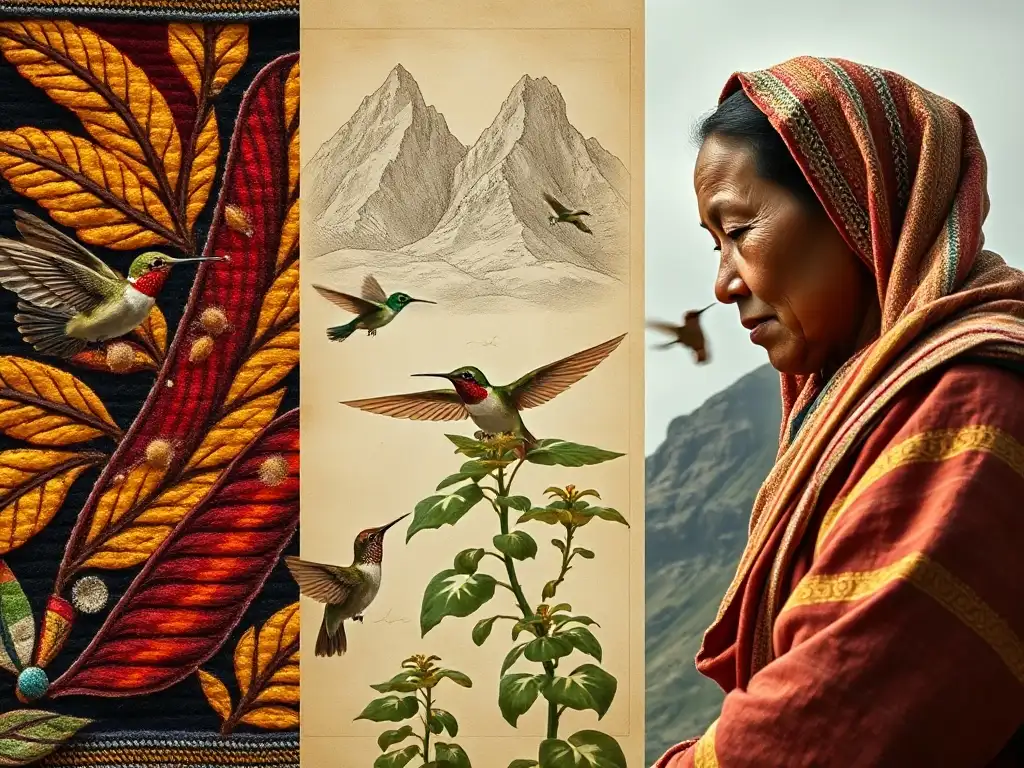
Andean plant symbolism in art is a rich and complex tapestry woven through millennia. Understanding this symbolism requires examining its evolution across different cultures and periods. From the earliest known Andean societies to the Inca Empire, plants held profound significance, representing not only sustenance but also spirituality, power, and social structures. This section explores the transformation of plant symbolism through time, focusing on key cultural shifts and artistic representations.
Early Andean Cultures and Their Plant Representations
The earliest Andean cultures, predating the Inca, already demonstrated a deep connection with the plant world. Their art, though often less elaborate than later styles, reveals a profound understanding of the natural environment and its symbolic value. This early symbolism lays the foundation for the more complex systems developed by later civilizations. The representation of plants was not merely decorative; it served as a powerful means of communication, conveying religious beliefs, social structures, and cosmological ideas. The scarcity of surviving artifacts from these early periods necessitates careful interpretation of the limited evidence available.
Chavín Culture and its Plant Iconography
The Chavín culture (900-200 BCE), known for its iconic artistic style and widespread influence across the Andes, integrated plant motifs into its religious iconography. While the precise meaning of these representations remains a subject of ongoing scholarly debate, the recurring presence of stylized plants in Chavín ceramics, textiles, and stone carvings suggests their importance in Chavín cosmology. Researchers have identified potential representations of hallucinogenic plants, such as the brugmansia, linking plant symbolism to ritualistic practices and shamanistic experiences.
The intricately carved stone sculptures often depict stylized plant forms interwoven with zoomorphic figures, creating complex narratives that are yet to be fully understood. Further research is needed to fully decipher the nuanced meanings embedded within Chavín plant iconography.
Moche Culture and its Plant Symbolism
The Moche culture (100-800 CE) is renowned for its exquisite ceramics, which vividly depict scenes of daily life, mythology, and ritual. Moche art provides a rich source of information on their plant symbolism. Unlike the more abstract representations of the Chavín, Moche artists rendered plants with remarkable realism, often including detailed depictions of fruits, flowers, and leaves.
These plants were frequently integrated into scenes depicting agricultural activities, religious ceremonies, and warfare. The representation of maize, for example, was not only a celebration of its importance as a staple crop but also a symbol of fertility and abundance. The presence of specific plants in certain contexts suggests their association with particular deities or rituals.
For instance, the depiction of certain cacti might indicate a connection to specific ceremonies or beliefs. Analysis of Moche ceramics reveals a sophisticated understanding of the symbolic language of plants, reflecting their profound connection with the natural world.
The Inca Empire and the Integration of Plant Symbolism
The Inca Empire (1438-1533 CE) inherited and expanded upon pre-existing Andean traditions of plant symbolism. The Inca integrated plants into their elaborate religious beliefs, social structures, and artistic expressions. The Inca's centralized administration and sophisticated agricultural practices further emphasized the importance of plants in their society. This integration is evident across various artistic mediums, from textiles and ceramics to architecture and monumental works.
Inca Art and the Central Role of Plants
Inca art, particularly textiles, features a wide array of plant motifs. These motifs were not merely decorative; they were carefully chosen and arranged to convey specific meanings. The use of specific colors and patterns, combined with the representation of particular plants, created a complex system of visual communication.
For example, the depiction of coca leaves, a sacred plant to the Inca, frequently appears in royal textiles, signifying wealth, power, and divine connection. The intricate weaving techniques and the symbolic use of plants demonstrate the high level of artistic skill and the profound cultural significance of these motifs. The Andean plant symbolism in art of the Inca period is significantly more documented than that of previous eras, giving us a richer and more detailed understanding of their cultural practices.
Royal Symbolism and Plant Motifs
Within Inca art, certain plants held particular significance for the royal family and the elite. These plants were often associated with specific deities or ancestral figures and were used to reinforce the Inca rulers' legitimacy and divine authority. The use of these motifs in royal garments, ceremonial objects, and architectural decorations served to distinguish the Inca elite from the rest of the population.
The carefully controlled use of these symbols underscores the Inca's sophisticated understanding of visual communication and their ability to use art to maintain power and social hierarchy. The symbolic use of plants in Inca royal contexts provides valuable insight into the Inca's political system and religious beliefs. Further research into the specific iconography associated with royal power could shed light on the evolution of Inca ideology.
Post-Conquest Interpretations of Andean Plant Symbolism in Art
The Spanish conquest of the Inca Empire in the 16th century dramatically altered the landscape of Andean society and culture. The imposition of Catholicism and the suppression of indigenous religions led to a complex interplay between pre-Columbian symbolism and newly introduced Christian iconography. Andean plant symbolism, already rich and layered, took on new meanings within this changed context. Indigenous artists, often forced to work within the confines of the colonial system, cleverly integrated their traditional motifs into religious art commissioned by the Spanish.
This resulted in a fascinating blend of styles and interpretations, where familiar plants like coca, maize, and various cacti might appear alongside Christian saints and biblical scenes. The meaning of these plants, however, often remained subtly encoded, a silent testament to the enduring power of indigenous traditions. Understanding these post-conquest representations requires careful consideration of the historical context and a nuanced approach to deciphering the multiple layers of meaning embedded within the artwork. Scholars have meticulously examined the subtle ways in which indigenous artists maintained a connection to their cultural heritage, even within the confines of colonial artistic conventions.
For example, studies have shown that while seemingly depicting religious scenes, certain details—the type of plant, its placement within the composition, or its association with specific figures—can reveal underlying Andean cosmologies and beliefs. This process of reinterpreting and recontextualizing existing symbolism demonstrates the resilience and adaptability of Andean cultures in the face of colonial oppression. The study of post-conquest Andean art, therefore, provides valuable insights into the enduring legacy of indigenous traditions and their complex interaction with the imposed colonial worldview. The subtle nuances in the artistic representations serve as a powerful reminder of the enduring cultural memory embedded within Andean art.
The Coca Leaf: A Persistent Symbol Through Time

The coca leaf, Erythroxylum coca, holds a central position in Andean symbolism, its significance persisting through various historical periods. Pre-Columbian depictions of the coca leaf often associate it with deities, rituals, and notions of fertility and abundance. Post-conquest interpretations, while sometimes overlaid with Christian symbolism, frequently retain elements of the leaf's pre-Columbian meanings. The coca leaf's continued presence in Andean art, despite attempts at suppression by colonial authorities, highlights its deep-rooted cultural importance.
Even today, the coca leaf remains a potent symbol of Andean identity and cultural heritage, representing resilience, community, and spiritual connection. Its presence in modern Andean art serves as a powerful reminder of the enduring legacy of pre-Columbian traditions. The enduring power of the coca leaf as a symbol is further evidenced by its continued use in traditional Andean ceremonies and practices.
This sustained cultural significance underlines the depth and complexity of its symbolic meaning within Andean societies. The ongoing research into coca’s representation in art across centuries further enriches our understanding of its role in Andean culture and the evolution of its symbolism. From ancient pottery to contemporary paintings, the coca leaf remains a potent and evocative symbol, inextricably linked to the history and identity of the Andes.
Maize: A Sacred Crop and Artistic Motif
Maize, or corn ( Zea mays), holds profound symbolic significance in Andean cultures, representing life, fertility, and abundance. Depictions of maize in pre-Columbian art frequently link it to agricultural deities and spiritual rituals. The plant's structure—its stalks, ears, and kernels—often served as metaphors for the cosmos and the cyclical nature of life and death.
In post-conquest art, maize continued to be a significant motif, often integrated into religious scenes or used to represent the bounty of the land. However, its symbolic meaning frequently retained its pre-Columbian connotations, suggesting a continuity of indigenous beliefs and practices despite the imposition of a new religious system. The meticulous detail in the representation of maize in Andean art, from ancient textiles to colonial-era paintings, underlines its importance as a sacred crop and a powerful symbol of Andean identity.
The diverse forms of maize representation, ranging from stylized representations to realistic depictions, provide insights into the evolving artistic styles and the enduring cultural significance of this staple crop. The continuing use of maize in contemporary Andean art reinforces its status as a key element of the region's cultural heritage.
The Enduring Legacy of Andean Plant Symbolism
The Andean region's rich tapestry of cultures—Inca, Moche, Nazca, and Tiahuanaco among them—left behind a remarkable legacy in their art. This art, far from being mere decoration, is a complex system of communication, heavily reliant on the symbolic language of plants. Understanding this symbolism provides a crucial window into their worldview, their relationship with the environment, and their sophisticated understanding of agriculture and ecology.
Andean plant symbolism in art wasn't merely decorative; it was integral to their religious beliefs, social structures, and daily life. The careful depiction of specific plants, their arrangement, and their association with other elements all hold layers of meaning, waiting to be deciphered. For example, the repeated motifs of maize, potatoes, and coca leaves aren't simply aesthetic choices; they represent fundamental aspects of their society—sustenance, prosperity, and spiritual connection.
Modern Interpretations of Ancient Plant Iconography
Modern scholars continue to unravel the intricate meanings embedded within Andean plant iconography. While much remains to be discovered, significant progress has been made in understanding the symbolism of specific plants. Researchers utilize a multidisciplinary approach, combining art history, anthropology, botany, and archaeology to interpret the complex interplay of symbolism within the artwork.
For instance, the meticulous study of textile patterns reveals not only the artistic skill of the weavers but also a sophisticated understanding of the plants' symbolic significance within their social and religious context. Detailed analysis of pottery reveals similar complexities, with specific plants often depicted alongside deities or in scenes depicting rituals and ceremonies. The use of sophisticated analytical techniques, such as pigment analysis, helps to further contextualize the imagery.
One example is the identification of specific plant dyes used in textiles, which can provide additional clues to the plant’s symbolic meaning. The discovery of new archeological sites continues to enrich our understanding, providing fresh perspectives and challenging existing interpretations. The ongoing research demonstrates the dynamic and evolving nature of interpreting Andean plant symbolism in art, with new discoveries continuously refining our understanding.
The Connection to Contemporary Andean Culture
The symbolic language of plants found in ancient Andean art is not merely a historical artifact; it remains deeply woven into the fabric of contemporary Andean culture. Many of the plants depicted in ancient iconography—such as coca, quinoa, and maize—continue to hold significant cultural and spiritual importance. Traditional practices, ceremonies, and celebrations often incorporate these plants, demonstrating the enduring power of their symbolism.
For example, the coca leaf, frequently depicted in pre-Columbian art, continues to play a vital role in Andean social interactions and spiritual rituals. Its depiction in ancient textiles and ceramics reflects its continued importance as a symbol of community, reciprocity, and spiritual connection. Similarly, maize, a staple crop in the Andean region, remains a central element in many celebrations and rituals, its symbolic significance echoing through generations.
The continuity of these traditions underscores the enduring legacy of ancient Andean knowledge and its profound impact on contemporary Andean societies. The vibrant colors and intricate patterns found in modern Andean textiles often draw inspiration directly from ancient designs, further emphasizing the connection between past and present.
Preserving and Understanding the Symbolic Language of Plants
Preserving and understanding the symbolic language of plants found in Andean art is crucial not only for historical and anthropological reasons but also for the cultural preservation of Andean communities. Efforts to document and interpret this iconography are vital for ensuring that the rich cultural heritage of the Andean region is not lost. This involves a collaborative approach, bringing together researchers, artists, and community members to safeguard and promote this unique legacy.
Documenting the traditional knowledge associated with these plants through oral histories and ethnographic studies is crucial in enriching our understanding of their symbolic significance. Furthermore, the development of educational programs and museum exhibits focused on Andean plant symbolism can help to raise awareness and appreciation for this rich cultural heritage.
The effective preservation of this heritage requires a multifaceted approach, combining academic research, community engagement, and public education initiatives to ensure that the symbolic language of plants continues to be understood and appreciated by future generations. This collaborative effort is essential for promoting cultural preservation and enhancing our appreciation for the intricate relationship between humans and the environment in the Andes.
Frequently Asked Questions
What is the significance of plants in Andean art?
Plants held immense symbolic value in Andean cultures. They represented spiritual beliefs, social structures, and everyday life, often depicting deities, ancestors, and cosmological concepts. Their depiction varied across different Andean cultures.
How did the Incas use plant symbolism in their art?
Inca art frequently employed plants to symbolize power, fertility, and the connection between the earthly and spiritual realms. Specific plants like maize and coca leaves held particular significance, often depicted in textiles, ceramics, and goldwork.
Did other Andean cultures besides the Incas use plant symbolism?
Yes, cultures like the Moche, Nazca, and Tiahuanaco all incorporated rich plant symbolism into their art. Each culture had unique iconographies and interpretations of specific plants, reflecting their own belief systems and environments.
What are some common plants depicted in Andean art and what do they represent?
Maize represented fertility and abundance, while coca symbolized ritual and medicine. Other plants, like cotton and various flowers, held diverse meanings depending on the specific culture and context. Detailed interpretations require careful study of specific artifacts.
Where can I learn more about Andean plant symbolism in art?
Further research can be conducted through academic journals, museum collections, and books specializing in Andean art history and iconography. Many museums featuring Andean artifacts provide detailed descriptions and interpretations of the plant symbolism found within them.
Final Reflection: Blooming Insights from Andean Botanical Art
The symbolic language of Andean plants, far from being a relic of the past, continues to resonate deeply within contemporary discussions of environmentalism, cultural preservation, and indigenous rights. Understanding this rich tapestry of meaning allows us to appreciate not only the artistic achievements of Andean cultures but also the profound connection between humanity and the natural world that underpins their worldview. This connection, so vividly expressed through art, holds vital lessons for our own time.
The enduring power of Andean plant symbolism lies in its ability to transcend time and communicate complex ideas with breathtaking simplicity. The vibrant depictions of coca leaves, sacred cacti, and maize, for example, speak volumes about the spiritual, economic, and social fabric of Andean societies. These images are not merely decorative; they are potent symbols of life, fertility, and the interconnectedness of all things. Art washes away from the soul the dust of everyday life.
– Pablo Picasso. This sentiment rings especially true when considering the enduring power of Andean art to connect us to a rich cultural heritage and a profound respect for nature.
Consider the implications of this knowledge. How can we, in our own lives, cultivate a deeper appreciation for the natural world and the symbolic language it speaks? I invite you to look beyond the surface of the artwork, to engage with the stories encoded within the plants themselves, and to reflect on the enduring wisdom they offer. By understanding the symbolic language of Andean plants, we can foster a greater sense of respect for diverse cultures and a renewed commitment to environmental stewardship – a legacy worthy of the vibrant artistry it inspires.
Thank you for exploring the rich tapestry of Andean art and the symbolic language of plants. We hope you've discovered the fascinating connections between nature and cultural expression. Now, let's put this knowledge to use!
Here are some ways you can further explore and share the beauty of Andean iconography:
- Deepen your understanding: Research the symbolism of specific Andean plants, comparing their meanings across different cultures. You'll uncover fascinating variations and shared interpretations.
- Create art: Illustrate your favorite plant symbols and share your creations with friends, family, or online communities. Consider exploring different artistic mediums to best express the plant's symbolism.
- Connect with others: Join online forums or local groups dedicated to Andean art and culture to share your insights and learn from others' perspectives. Engaging in discussion will enrich your understanding and appreciation.
What new insights into the relationship between plants and art have you gained, and which aspects would you like to explore further?