
The Andean Use of Stone: From Tools to Temples

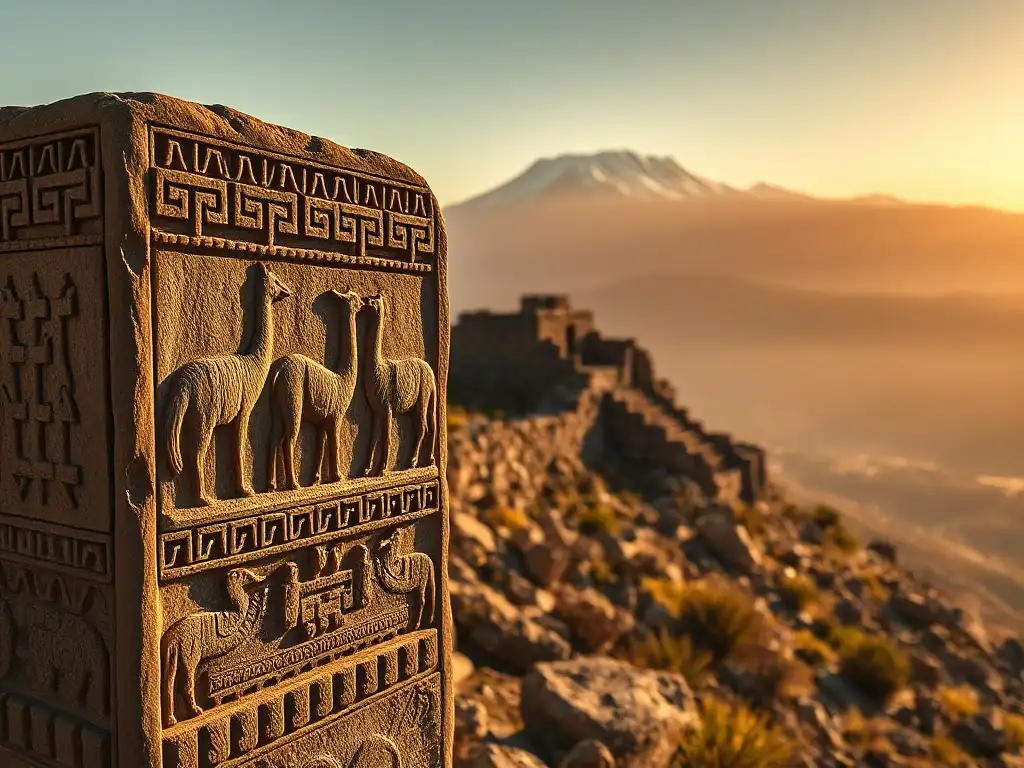
Step into a world lost in time, where the echoes of ancient empires still resonate amongst the towering Andes. Prepare to be amazed by the ingenuity and artistry of the Andean civilizations, whose mastery of stone shaped not only their tools but their very existence. Discover the secrets behind their unparalleled Andean stone carving techniques, a testament to their profound understanding of the environment and a key to unlocking the mysteries of their magnificent temples and intricate artifacts. Unravel the story—begin your journey now.
The Andes Mountains, a formidable yet breathtaking landscape, presented both challenges and opportunities to the ancient civilizations that thrived within its shadow. This article delves into the ingenious ways in which Andean cultures, including the Incas, Moche, Nazca, and Tiahuanaco, adapted to their environment by mastering the art of stone manipulation.
From rudimentary tools for survival to the awe-inspiring construction of monumental temples and cities, stone became a fundamental element shaping Andean life, society, and spirituality. We'll explore the diverse techniques employed, the symbolic significance of stone in their culture, and the remarkable legacy they left behind, demonstrating the profound relationship between Andean civilizations and their rocky surroundings.
This exploration will highlight the ingenuity and skill involved in Andean stone carving techniques, revealing the sophistication of their understanding of both geology and artistry. The mastery of stonework is a testament to their resilience and adaptability, showcasing their profound connection to the land.
Stone Tool Production: The Foundation of Andean Technology
Early Andean societies relied heavily on stone for the creation of tools essential for survival. This involved a complex process that began with the selection of suitable raw materials, often sourced from specific geological formations known for their durability and workability. Obsidian, for instance, was highly prized for its sharpness, used to create blades, knives, and arrowheads.
Other stones, like andesite and basalt, were shaped into grinding stones, pestles, and hammers, crucial for food processing and other daily tasks. The techniques involved varied depending on the desired tool and the available materials. Simple percussion techniques were used for initial shaping, followed by more refined methods like grinding and polishing to achieve the desired form and sharpness.
Evidence suggests a high level of skill and specialization in tool production, with some individuals likely dedicated solely to this craft. The efficiency and effectiveness of these tools underscore the Andean understanding of material properties and their ability to harness them for practical purposes. The development of sophisticated stone tools laid the groundwork for subsequent advancements in Andean technology and artistry.
Monumental Architecture: Shaping the Andean Landscape
The mastery of stoneworking reached its zenith in the construction of monumental architecture. The precision and scale of Andean structures, such as the impressive walls of Sacsayhuamán and the intricate carvings of Tiahuanaco, remain a testament to their advanced engineering and artistic skills. The Andean stone carving techniques used in these projects were remarkably sophisticated, involving precise cutting, shaping, and fitting of massive stone blocks.
The absence of metal tools, however, did not hinder their progress. Instead, they developed ingenious methods using stone hammers, chisels, and abrasives to achieve incredible levels of accuracy. The intricate interlocking of stones, often without the use of mortar, demonstrates a profound understanding of structural mechanics and a remarkable level of craftsmanship.
Furthermore, the symbolic meaning embedded within these structures, often linked to religious beliefs and cosmological concepts, highlights the profound significance of stone in Andean worldview. The construction of monumental buildings was not merely a feat of engineering; it was a powerful statement of cultural identity and power.
The Artistic Expression in Stone: Beyond Functionality
Beyond their practical applications, Andean civilizations also employed stone as a medium for artistic expression. The Moche culture, for instance, is renowned for its intricate ceramic work, but they also produced remarkable stone sculptures and carvings, often depicting deities, animals, and scenes from their daily lives. These carvings, frequently found in tombs and ceremonial sites, provide valuable insights into their beliefs and artistic sensibilities.
The Nazca lines, though primarily known for their geoglyphs in the desert, also incorporated stone structures and carvings into their landscape. These artistic expressions, combined with the sophisticated architectural achievements, demonstrate a holistic approach to stonework that transcended mere functionality, integrating it deeply into their cultural and spiritual practices. The artistry displayed in these creations showcases a remarkable level of skill and creativity, revealing the multifaceted role of stone in Andean society.
The Legacy of Andean Stonework: A Continuing Inspiration
The legacy of Andean stonework continues to inspire awe and wonder. The enduring strength and beauty of these structures stand as a testament to the skill, ingenuity, and cultural significance of stone in Andean civilizations. The techniques developed and perfected over centuries left an indelible mark on Andean landscapes and continue to inform our understanding of ancient technologies and artistic expressions.
The study of Andean stone carving techniques offers valuable insights into their societal structures, beliefs, and remarkable adaptation to their challenging environment. The precision and artistry involved in these works remain a source of inspiration for artists and engineers alike, highlighting the enduring power of human creativity and ingenuity in the face of adversity. The knowledge and skills passed down through generations reflect a deep connection to the land and a profound understanding of the material world.
- Stone Tool Production: The Foundation of Andean Technology
- Monumental Architecture: Shaping the Andean Landscape
- The Artistic Expression in Stone: Beyond Functionality
- The Legacy of Andean Stonework: A Continuing Inspiration
- What stone carving techniques did Andean civilizations employ?
- What types of stone were commonly used in Andean stone carving?
- How did the Incas' stone carving techniques differ from other Andean cultures?
- What tools did Andean civilizations use for stone carving?
- Where can I see examples of Andean stone carving today?
Early Andean Stone Tools and Technologies
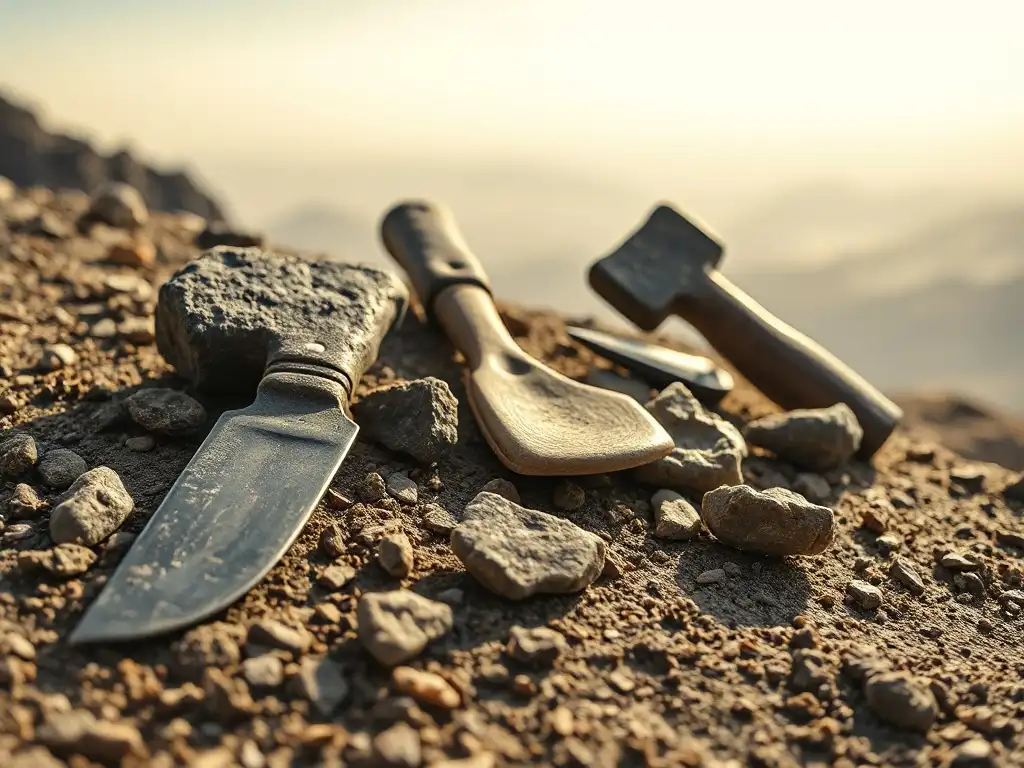
The mastery of stone working was fundamental to the survival and development of Andean civilizations. Long before the impressive monumental architecture of the Inca, sophisticated irrigation systems, or intricate textiles, Andean peoples were skillfully shaping stone into tools essential for daily life. Understanding the evolution of these early technologies offers crucial insight into the ingenuity and adaptability of these cultures.
The earliest Andean stone tools represent a significant step in technological advancement, paving the way for the more complex techniques and artistry that would define later periods. The development of these techniques was intrinsically linked to the available resources and the challenges presented by the diverse Andean environment. Analyzing these early tools allows us to better understand the relationship between humans and their environment in the Andes.
The meticulous craftsmanship evident even in the simplest tools highlights the dedication and skill of these early artisans, laying the groundwork for the remarkable stonework of later Andean civilizations. The study of "Andean stone carving techniques" in this early period reveals a deep understanding of material properties and a remarkable capacity for innovation.
The Initial Use of Stone for Basic Tools
The initial use of stone in the Andes was primarily for the creation of basic tools. These early tools, often made from readily available materials like river cobbles and quartzite, were used for tasks such as chopping, cutting, and scraping.
Analysis of archaeological sites reveals evidence of simple choppers, scrapers, and hand axes, demonstrating a rudimentary understanding of stone knapping—the process of shaping stone by striking it with another stone. These early tools, while simple in design, represent a significant technological leap, allowing early Andean peoples to efficiently process food, construct shelters, and prepare materials for clothing and other necessities.
The techniques used were likely passed down through generations, constantly refined and improved upon through trial and error. [Specific examples of early tool types and their distribution pending] The efficiency of these early tools is evident in the persistence of similar tool types across diverse Andean regions, highlighting their adaptability and success.
Development of Specialized Stone Tools for Agriculture
As Andean societies transitioned from nomadic hunter-gatherer lifestyles to settled agricultural communities, the demand for specialized stone tools increased dramatically. The development of agriculture necessitated the creation of tools suitable for cultivating the land, processing crops, and building irrigation systems. This period saw the emergence of more sophisticated stone tools, including polished axes, adzes, and hoes.
These tools, often made from harder and more durable stones like obsidian and basalt, were meticulously crafted to perform specific tasks with greater efficiency. The increased precision in stoneworking reflects a growing understanding of material properties and an increasing complexity in social organization.
The creation of these specialized tools required a higher level of skill and knowledge, suggesting the emergence of specialized craftspeople within Andean communities. [Data on the prevalence of specific agricultural tools in different Andean cultures pending] The development of these tools was crucial to the success of Andean agriculture, allowing for increased food production and supporting the growth of larger, more complex settlements.
Obsidian Blades, Grinding Stones, and Hammerstones
Among the most remarkable examples of early Andean stoneworking are obsidian blades, grinding stones, and hammerstones. Obsidian, a volcanic glass, is prized for its sharpness and ability to retain a keen edge, making it ideal for creating exceptionally sharp blades for cutting and slicing. The precision required to create these blades speaks to the advanced skills of Andean artisans. Grinding stones, on the other hand, were used for processing grains, seeds, and other foods.
These tools, often made from coarser materials like granite or basalt, were used to grind materials into flour or paste, a crucial step in food preparation. Hammerstones, typically made from rounded river cobbles, were used in conjunction with other tools, such as grinding stones, to crush and pulverize materials. The combination of obsidian blades, grinding stones, and hammerstones represents a sophisticated tool kit, reflecting a complex understanding of material properties and a high level of craftsmanship.
The widespread use of these tools across various Andean cultures indicates their importance in daily life and their contribution to the development of Andean societies. The prevalence of these tools in archaeological contexts underscores the importance of "Andean stone carving techniques" in the development of early Andean cultures. The remarkable precision and functionality of these tools serve as a testament to the ingenuity and skill of early Andean artisans.
Andean Stone Carving Techniques and Craftsmanship
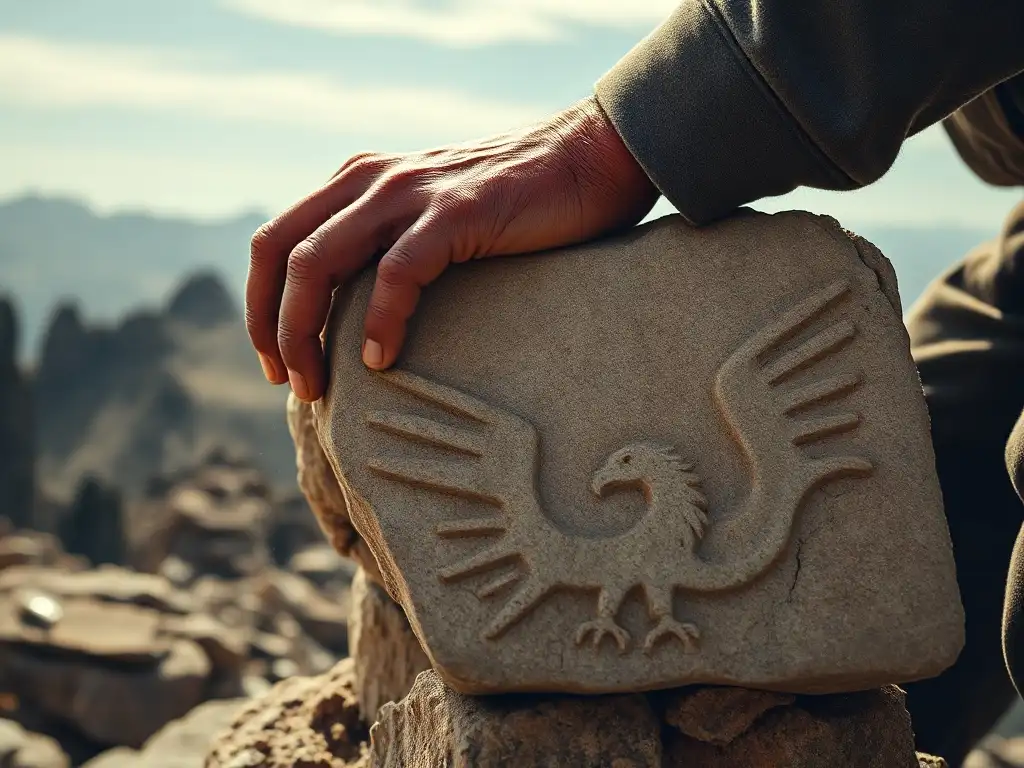
The Andes Mountains presented a unique challenge and opportunity for ancient Andean cultures. The abundance of stone, ranging from volcanic rock to granite and obsidian, spurred the development of sophisticated stone carving techniques. These techniques, passed down through generations, allowed for the creation of everything from basic tools to monumental structures, reflecting both practical ingenuity and artistic mastery.
Understanding these techniques reveals a deep connection between the Andean people and their environment, showcasing their adaptive capabilities and remarkable skill in manipulating their surroundings. The term "Andean stone carving techniques" itself encompasses a vast array of skills and knowledge, a testament to the diverse cultures inhabiting this challenging landscape.
Mastering Stone Shaping: Basic Techniques
Early Andean stoneworking likely began with rudimentary techniques, utilizing readily available materials like quartzite cobbles and river stones. Evidence suggests that percussion flaking – striking a stone with another to remove flakes – was a fundamental method. This technique, while seemingly simple, required considerable skill and precision to control the shape and size of the resulting tools or blanks.
More advanced techniques involved the use of hammerstones and punches, allowing for greater control and the creation of more refined shapes. The development of abrasive grinding and pecking, using materials like sand and harder stones, enabled the creation of smoother surfaces and more intricate forms.
Imagine the process: a craftsman carefully selecting a suitable stone, assessing its grain and potential flaws. Then, with a steady hand and years of accumulated knowledge, chipping away at the raw material, gradually revealing the intended form. This was not merely a physical process; it was a deeply spiritual one, connecting the artisan with the earth and the ancestors.
The tools themselves – hammerstones, punches, and grinding stones – were carefully crafted and maintained, reflecting the value placed upon these essential implements. Different stone types required different approaches, demonstrating a nuanced understanding of the material properties. For example, harder stones like obsidian, prized for its sharpness, required a more delicate touch than softer volcanic rock.
The Art of Fine Stone Carving: Precision and Detail
As Andean societies developed, so too did their stone carving techniques. The transition from primarily functional objects to intricately carved sculptures and architectural elements marks a significant advancement. The creation of finely detailed carvings, such as the intricate reliefs found on Moche pottery and Tiahuanaco sculptures, required exceptional skill and patience.
Techniques like drilling, sawing, and inlaying were employed to achieve remarkable levels of precision. Drilling, for example, was often accomplished using abrasive techniques, gradually widening a hole with a rotating abrasive tool, possibly powered by hand or a simple bow drill. The ability to create such minute details indicates a deep understanding of geometry and perspective, suggesting a sophisticated level of artistic training and planning.
Consider the Nazca lines, an enigmatic testament to the advanced surveying and planning capabilities of this culture. The creation of these massive geoglyphs, many visible only from the air, required a comprehensive understanding of the landscape and the ability to precisely carve into the surface to reveal the underlying lighter soil. This level of precision suggests the use of sophisticated instruments, possibly incorporating sighting tools or some form of early surveying techniques.
The accuracy and scale of these works are breathtaking, demonstrating a mastery of both engineering and artistry. The artistry extends beyond mere representation; these carvings often held symbolic or ritualistic significance, further highlighting their cultural importance.
Andean Stone Polishing and Finishing Methods
The final stage of Andean stone carving often involved a meticulous polishing process, transforming rough-hewn stone into gleaming surfaces. This process typically involved the use of progressively finer abrasives, starting with coarser materials like sand and moving to finer materials such as volcanic ash or even pulverized stone. Water was often used as a lubricant, facilitating the grinding and polishing process.
The result was a highly polished surface, capable of reflecting light and enhancing the visual impact of the finished product. This attention to detail is evident in many Andean artifacts, from finely polished ceremonial axes to the smooth surfaces of monumental structures.
Different polishing techniques were likely employed depending on the type of stone and the desired finish. Some stones, like obsidian, might have required a more delicate approach to avoid scratching or damaging the surface. Others, like granite, might have required more aggressive polishing to achieve a high gloss.
The final stage sometimes involved the application of pigments or resins to enhance the color or protect the surface from weathering. This painstaking process, requiring immense skill and patience, transformed functional objects and artistic creations into highly valued items, demonstrating the artistry and dedication of Andean craftsmen. The enduring beauty and quality of many surviving artifacts are a testament to the effectiveness of their methods.
Stone as a Building Material in Andean Architecture
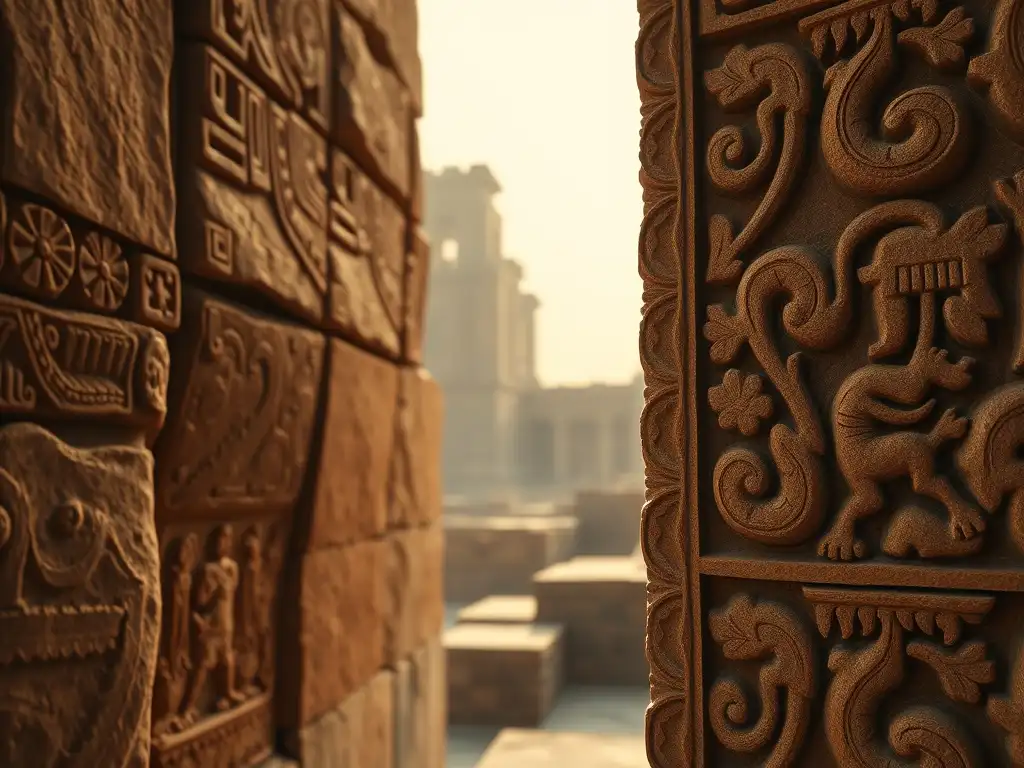
The Andes Mountains, with their formidable peaks and challenging terrain, presented both obstacles and opportunities for the ancient Andean civilizations. Stone, readily available in abundance, became a fundamental element in their architectural achievements, reflecting not only their mastery of construction techniques but also their deep understanding of the environment. Understanding Andean stone carving techniques is key to appreciating the ingenuity and artistry of these cultures.
The use of stone transcended mere practicality; it became a powerful medium for expressing religious beliefs, social structures, and artistic sensibilities. This section explores the utilization of stone as a primary building material, focusing on the impressive structures that still stand as testaments to Andean engineering prowess.
Foundations and Walls: The Strength of Andean Stone Structures
Andean builders demonstrated remarkable skill in adapting their construction methods to the diverse geological conditions of the region. Foundations, crucial for stability in the often unstable mountainous terrain, were meticulously laid, often using large, carefully selected stones. These weren't simply haphazardly placed; they were precisely fitted together, creating a robust base for the structures above. The choice of stone varied depending on local availability and the intended use of the building. For instance, harder, more resistant stones like granite were favored for foundations and load-bearing walls, while softer stones might be used for less critical areas.
The construction of walls themselves showcases a sophisticated understanding of engineering principles. Many Andean structures utilized techniques that minimized the need for mortar, relying instead on the precise fitting of stones to achieve stability. This dry-stone construction, particularly prevalent in Inca architecture, required an exceptional level of skill and precision. The stones were carefully shaped and fitted together, sometimes with such accuracy that a knife blade couldn't be inserted between them.
This intricate fitting not only enhanced the structural integrity but also contributed to the aesthetic beauty of the buildings. Evidence suggests that different Andean cultures employed slightly varied techniques, reflecting regional adaptations and stylistic preferences. The Moche, for example, might have used a different approach to stone fitting compared to the Inca, though both cultures clearly valued precision and durability.
The Precision of Inca Stonework: Ashlar Masonry
Inca stonework, particularly their mastery of ashlar masonry, stands out as a pinnacle of Andean stone carving techniques. Ashlar masonry involves the precise cutting and fitting of large, rectangular blocks of stone, often without the use of mortar. The incredibly tight joints between these stones are a testament to the Inca's advanced understanding of geometry and engineering. The scale and precision of Inca ashlar masonry are truly astonishing. Blocks weighing many tons were meticulously shaped and fitted together with such accuracy that it's difficult to discern where one stone ends and another begins.
This level of precision wasn't merely aesthetic; it significantly contributed to the structural strength and longevity of Inca buildings. The tightly fitted stones effectively distributed weight and resisted seismic activity common in the Andean region. Furthermore, the precise shaping of the stones reduced the need for mortar, making the structures more resistant to weathering and degradation over time.
The Inca's advanced knowledge of stone carving techniques, combined with their sophisticated engineering skills, allowed them to create structures that have withstood the test of time, showcasing the impressive legacy of their civilization. The techniques employed involved advanced tools and a deep understanding of the properties of different stone types.
Sacsayhuamán, Machu Picchu, and Ollantaytambo
The application of Andean stone carving techniques is vividly displayed in iconic sites such as Sacsayhuamán, Machu Picchu, and Ollantaytambo. These monumental structures are not only breathtaking examples of architectural achievement but also showcase the remarkable skill and artistry of Andean builders.
- Sacsayhuamán: This impressive fortress near Cusco exemplifies the Inca's mastery of ashlar masonry on a massive scale. The colossal stones, some weighing over 100 tons, were precisely fitted together, creating a formidable defensive structure. The sheer size and intricacy of the stonework at Sacsayhuamán are a testament to the Inca's organizational and engineering capabilities. The precise fitting, even on such a massive scale, highlights the advanced knowledge of stone carving techniques utilized.
- Machu Picchu: The famed "Lost City of the Incas" demonstrates a more refined application of ashlar masonry. While still impressive in scale, the stonework at Machu Picchu shows a greater emphasis on elegance and precision. The stones are meticulously shaped and fitted, creating a seamless and aesthetically pleasing effect. The integration of stonework with the surrounding landscape is also noteworthy, highlighting the Inca's understanding of both engineering and environmental harmony. The intricate details and delicate carving found in many of Machu Picchu's structures underscore the sophistication of their Andean stone carving techniques.
- Ollantaytambo: This impressive site, located in the Sacred Valley, showcases a variety of Andean stone carving techniques, including the use of massive stones and intricate carvings. The terraces and walls of Ollantaytambo demonstrate the Inca's ability to adapt their building techniques to the challenging topography of the region. The precision and scale of the stonework are equally impressive, highlighting the skill and knowledge of the builders. Ollantaytambo provides further evidence of the Inca’s advanced understanding and application of Andean stone carving techniques.
The enduring legacy of these structures highlights not only the impressive engineering feats but also the artistic vision and cultural significance embedded within the stone itself. These sites serve as powerful reminders of the sophisticated knowledge and skill possessed by the ancient Andean civilizations. The study of these sites continues to reveal new insights into Andean stone carving techniques and their role in shaping the unique cultural landscape of the region.
Andean Stone Temples and Sacred Sites
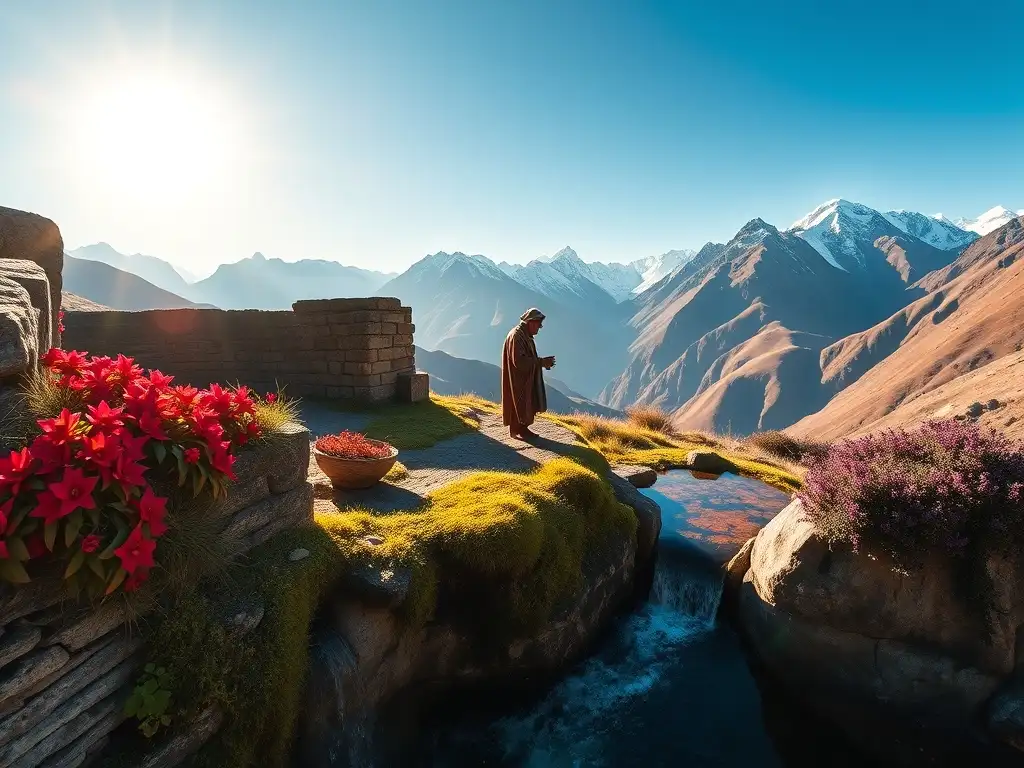
Andean stone carving techniques were not merely utilitarian; they were deeply intertwined with religious beliefs and practices. The very act of shaping stone, a material considered sacred in many Andean cultures, was imbued with spiritual significance. The precision and artistry involved in the construction of temples and sacred sites reflect a profound understanding of the cosmos and the relationship between the human and divine realms.
The choice of stone itself—often carefully selected for its color, texture, and perceived spiritual properties—was crucial in the creation of these powerful places. The meticulous craftsmanship evident in these structures suggests a highly organized and skilled workforce, dedicated to fulfilling a divinely ordained purpose.
Understanding the Andean use of stone requires appreciating its multifaceted role, moving beyond its materiality to encompass its symbolic and spiritual meaning. This section will explore the religious significance of stone in Andean societies, focusing on specific examples to illustrate the depth and complexity of this relationship.
The Significance of Stone in Andean Religious Practices
The Andean worldview was deeply intertwined with the natural world, and stone played a central role in this cosmology. Mountains, often considered sacred entities, were frequently incorporated into religious practices, with stone structures built on or near them to enhance their spiritual power. Stone was believed to possess inherent energy, connecting the living world to the ancestral realm and the divine.
Many rituals involved the use of carved stones or the manipulation of stone formations, reflecting a belief in the stone's ability to facilitate communication with the supernatural. The precise techniques employed in Andean stone carving, therefore, were not simply technical achievements, but expressions of profound spiritual beliefs.
The intricate detail and painstaking effort invested in these works suggest a reverence for the material and a deep understanding of its symbolic potential. The durability of stone also contributed to its sacred status, representing permanence and the continuity of Andean traditions across generations.
Carved Stones as Symbols of Power and Divinity
Beyond their religious function, carved stones frequently served as symbols of power and divinity within Andean societies. Elaborate stone carvings, often depicting deities or mythical creatures, were used to legitimize the authority of rulers and reinforce social hierarchies. These objects, crafted with sophisticated Andean stone carving techniques, were strategically placed in public spaces or within elite contexts to convey messages of power and control.
Monuments and sculptures, such as the iconic huacas (sacred places), served as physical manifestations of divine power, reinforcing the legitimacy of the ruling class and solidifying their connection to the supernatural realm. The artistry and precision of these carvings underscore the skilled labor and resources dedicated to the creation and maintenance of these symbols of power, further emphasizing their significance within Andean society. Analysis of these carvings provides valuable insights into the social structures, beliefs, and artistic achievements of these ancient civilizations.
Coricancha, Tiwanaku, and Chavín de Huántar
To illustrate the diverse applications of Andean stone carving techniques in religious contexts, let's examine three significant sites: Coricancha (Cusco), Tiwanaku (Bolivia), and Chavín de Huántar (Peru).
Coricancha, the "Temple of the Sun" in Cusco, was a magnificent Inca structure built primarily of finely cut and fitted stones. The precision of the masonry, achieved without the use of mortar, showcases the advanced Andean stone carving techniques of the Inca Empire. The temple's design, orientation, and the materials used reflect a sophisticated understanding of astronomy and cosmology.
Tiwanaku, a pre-Inca site in Bolivia, is renowned for its monumental architecture, including the iconic Gate of the Sun. The intricate carvings on the gate, depicting a central deity surrounded by other figures, demonstrate the advanced skills and artistic vision of the Tiwanaku people. Their mastery of Andean stone carving techniques allowed them to create structures of impressive scale and complexity.
Chavín de Huántar, a pre-Inca ceremonial center in Peru, features elaborate stone carvings depicting jaguars, serpents, and other mythical creatures. These carvings, characterized by their intricate detail and powerful imagery, are considered masterpieces of Andean art and showcase the sophisticated Andean stone carving techniques employed by the Chavín culture. The site's layout and the placement of these carvings suggest a complex religious ideology.
These three sites, while geographically distinct and representing different cultural periods, all demonstrate the central role of stone in Andean religious practices and the remarkable skill of Andean artisans in shaping this material into powerful symbols of religious and political authority. The enduring legacy of these sites testifies to the lasting impact of Andean stone carving techniques on the cultural landscape of the Andes.
Regional Variations in Andean Stone Usage
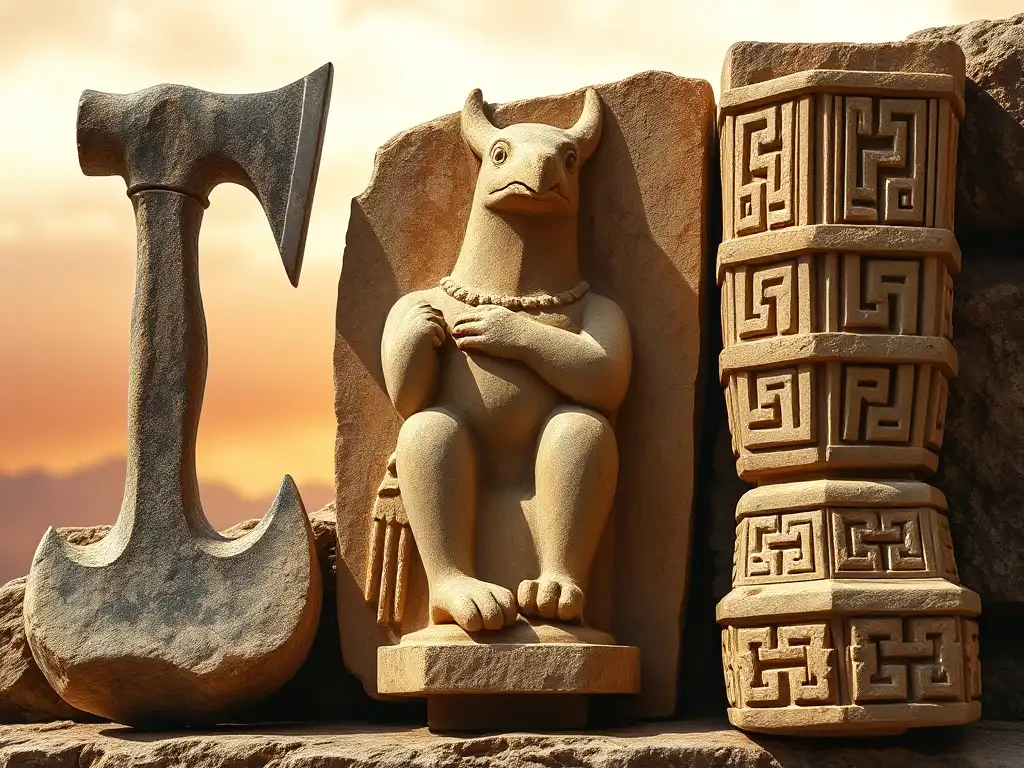
The Andes Mountains, stretching over 7,000 kilometers along the western coast of South America, presented diverse geological formations and ecological niches. This geographical diversity profoundly influenced the way Andean civilizations utilized stone, leading to regional variations in both the types of stone employed and the techniques used for their manipulation. Understanding these regional differences is crucial to appreciating the ingenuity and adaptability of Andean stoneworking.
The availability of specific stone types, coupled with cultural preferences and technological advancements, resulted in distinct styles and purposes for stone across the vast Andean expanse. Examining the northern, central, and southern regions reveals the fascinating tapestry of Andean stone usage. This section focuses specifically on the nuances of Andean stone carving techniques, exploring how local conditions shaped these practices.
Stone Carving Traditions in the Northern Andes
The northern Andes, encompassing regions like Ecuador and northern Peru, were characterized by a rich variety of igneous and metamorphic rocks. The Moche civilization (c. 100-800 CE), renowned for its sophisticated metalwork, also demonstrated remarkable skill in stone carving. Their mastery of Andean stone carving techniques is evident in the intricately carved ceremonial objects, such as the iconic portrait heads, often crafted from volcanic basalt or andesite.
These weren't merely decorative; the precise details and stylistic choices reflect complex social structures and religious beliefs. Furthermore, the Moche developed advanced techniques for polishing stone, achieving a high level of reflectivity, particularly noticeable in their ceremonial vessels and smaller figurines.
The precision of their carving, often depicting intricate scenes and figures, indicates a specialized workforce with years of training and experience. Analysis of Moche tools reveals the use of both hand-held percussive tools and abrasive techniques, demonstrating a sophisticated understanding of material properties and shaping techniques.
The subsequent Chimú civilization (c. 1300-1470 CE) continued this tradition, though their style differed. Their stonework often featured larger-scale structures, and their Andean stone carving techniques focused on achieving smooth surfaces and geometric precision, often seen in their monumental architecture.
Stone Architecture in the Central Andes
The central Andes, encompassing much of modern-day Peru, witnessed the rise of the Inca Empire (c. 1438-1533 CE). While the Incas inherited and adapted existing techniques, their scale of construction was unprecedented. Their mastery of Andean stone carving techniques is most dramatically illustrated in their monumental architecture, like Machu Picchu.
The Inca's signature style involved the precise fitting of massive stones without mortar, a feat of engineering and artistry. The incredibly tight joints, often thinner than a human hair, demonstrate exceptional skill and an intimate understanding of the stone's properties. This “dry-stone masonry” wasn't just aesthetically pleasing; it was also incredibly strong and resistant to earthquakes, showcasing a deep understanding of structural engineering principles.
The Inca's stoneworking wasn't limited to grand structures. Smaller-scale carvings, such as intricate fountains and religious objects, also demonstrate their refined Andean stone carving techniques. These smaller pieces often incorporated intricate designs and symbolic motifs, further highlighting the cultural significance of stonework within Inca society. The Inca also used different stone types depending on availability and desired properties, showcasing adaptability in their techniques alongside their mastery of specific styles. Detailed studies of Inca quarries and workshops reveal sophisticated organizational structures and specialized labor divisions, reflecting the immense scale and complexity of their projects.
Stone Use in the Southern Andes and Altiplano
The southern Andes and the Altiplano, encompassing regions of Bolivia, Chile, and Argentina, presented unique challenges and opportunities for stonework. The Tiahuanaco civilization (c. 500-1000 CE), a powerful culture of the Altiplano, is famous for its massive stone structures, including the monumental Gate of the Sun. Their Andean stone carving techniques involved the use of large blocks of andesite, expertly carved with intricate relief sculptures.
The scale of their projects required advanced planning, sophisticated quarrying techniques, and a highly organized labor force. Unlike the Inca dry-stone masonry, the Tiahuanaco structures often employed a form of rough-hewn masonry, though the precision of their carvings remains remarkable.
The harsh environment of the Altiplano likely influenced the Tiahuanaco's stoneworking practices. The scarcity of timber and other building materials may have contributed to their reliance on stone for construction. The climate also impacted the types of stone used; andesite's durability made it a suitable choice for the challenging conditions.
Further research is needed to fully understand the specific tools and techniques employed by the Tiahuanaco, but their monumental legacy stands as a testament to their mastery of Andean stone carving techniques in a challenging environment. The specific methods of transportation and lifting of such massive stones remain a topic of ongoing research and debate.
The Legacy of Andean Stone Craftsmanship
The legacy of Andean stone craftsmanship is undeniable, a testament to the ingenuity and artistry of ancient civilizations thriving in challenging environments. From meticulously crafted tools to awe-inspiring monumental architecture, the mastery of stoneworking permeates Andean history, leaving an enduring impact on subsequent cultures and our understanding of pre-Columbian societies. The skill involved in extracting, shaping, and assembling massive stone blocks, often transported over significant distances, highlights the advanced organizational capabilities and technological prowess of these societies.
The sheer scale of some projects, such as the impressive stonework at Ollantaytambo or Sacsayhuamán, continues to astound archaeologists and engineers alike. The precision and artistry displayed in smaller artifacts, such as intricately carved figurines and ceremonial objects, further demonstrate the high level of technical skill and aesthetic sensibility achieved by Andean artisans. This legacy is not merely a historical curiosity; it continues to inspire contemporary artists and craftspeople, influencing artistic styles and techniques even today.
The enduring appeal of Andean stonework lies in its unique blend of technical mastery and artistic expression, a powerful reflection of the societies that created it. Understanding the techniques employed and the cultural significance attached to stoneworking provides invaluable insight into the complexities of Andean civilizations.
Andean Stone Art and its influence on later cultures
Andean stone art exerted a profound and lasting influence on later cultures. The stylistic elements, iconography, and techniques employed by ancient Andean artisans found their way into the artistic traditions of subsequent periods. For example, the intricate carvings and symbolic representations found in Moche pottery often mirrored or echoed similar motifs found in earlier stone sculptures and carvings.
The use of specific stone types, such as andesite and basalt, favored by Inca builders, continued to be preferred by local communities long after the fall of the Inca Empire. This continuity in material selection reflects a deep-seated connection to traditional practices and a respect for the aesthetic qualities of specific stones. Even today, many contemporary Andean artisans draw inspiration from pre-Columbian stone carving techniques and styles, incorporating elements of traditional designs and motifs into their own work.
This ongoing influence underscores the enduring legacy of Andean stone art and its continued relevance in contemporary Andean artistic expressions. Furthermore, the study of Andean stone art provides valuable insights into the evolution of artistic styles and the transmission of cultural knowledge across generations.
Conservation of Pre-Columbian Stone Sites
The conservation of pre-Columbian stone sites presents significant challenges and requires a multidisciplinary approach. The vulnerability of these sites to natural weathering, erosion, and human impact necessitates careful planning and execution of conservation strategies. Factors such as seismic activity, extreme temperature fluctuations, and the effects of rainfall and wind contribute to the deterioration of stone structures.
Moreover, looting and vandalism pose ongoing threats to the preservation of these invaluable cultural heritage sites. Effective conservation requires a detailed understanding of the materials used, the construction techniques employed, and the environmental conditions affecting the sites. This understanding guides the development of appropriate intervention strategies, including the use of specialized cleaning methods, structural reinforcement techniques, and environmental monitoring programs.
The careful documentation of stonework, through detailed surveys and photographic records, plays a crucial role in informing conservation efforts and providing a baseline for assessing the condition of the sites over time. Furthermore, community involvement and educational programs are essential for raising awareness of the importance of preserving these sites for future generations. Successful conservation requires a long-term commitment and collaboration between archaeologists, conservators, local communities, and government agencies.
Understanding Andean Stone Carving Techniques Today
Understanding Andean stone carving techniques today involves a combination of archaeological research, experimental archaeology, and the study of contemporary Andean stone carving traditions. Archaeological excavations provide crucial information about the tools, materials, and methods used by ancient Andean artisans. The analysis of stone tools, such as chisels, hammers, and grinding stones, reveals insights into the techniques employed in shaping and finishing stone artifacts.
Experimental archaeology, which involves recreating ancient techniques using replica tools and materials, helps to verify hypotheses about ancient practices and provides a better understanding of the challenges and skills involved. The study of contemporary Andean stone carving traditions offers valuable insights into the continuity of certain techniques and the adaptation of traditional methods to modern contexts. For example, the use of specific types of stone, the application of particular carving techniques, and the incorporation of traditional designs into contemporary work all reflect the ongoing influence of ancient Andean practices.
By combining these different approaches, researchers can gain a more comprehensive understanding of the evolution of Andean stone carving techniques and the enduring legacy of this remarkable craft. This interdisciplinary approach is vital for accurately interpreting archaeological evidence and appreciating the full complexity of Andean stoneworking. Furthermore, this understanding can inform conservation efforts and promote the appreciation of this important aspect of Andean cultural heritage.
Frequently Asked Questions
What stone carving techniques did Andean civilizations employ?
Andean civilizations utilized a variety of techniques, including hammerstones and chisels to shape stone, followed by grinding and polishing to achieve smooth surfaces. They also expertly used pressure flaking for finer details.
What types of stone were commonly used in Andean stone carving?
The choice of stone varied regionally, but andesite, basalt, and diorite were frequently used due to their durability and availability. Obsidian, a volcanic glass, was also prized for its sharpness and used for tools.
How did the Incas' stone carving techniques differ from other Andean cultures?
While sharing some basic techniques, the Incas are renowned for their exceptional precision and fit in stonework, particularly evident in their monumental architecture like Machu Picchu. Meticulous planning and execution were hallmarks of their style.
What tools did Andean civilizations use for stone carving?
Andean stone carvers employed a range of tools, including hammerstones, chisels made from stone or metal, and abrasives for grinding and polishing. The specific tools varied based on the stone's hardness and the desired result.
Where can I see examples of Andean stone carving today?
Examples abound throughout the Andes! Visit sites like Machu Picchu (Inca), Chan Chan (Chimu), and Sacsayhuamán (Inca) to witness the masterful artistry of Andean stone carving firsthand. Many museums also house significant collections.
Final Reflection: Echoes of Stone, Whispers of Time
The masterful manipulation of stone by Andean cultures remains a testament to human ingenuity and a profound connection to the earth, a legacy that continues to resonate in contemporary art, archaeology, and our understanding of ancient civilizations. The techniques employed, from the precise chipping of obsidian blades to the monumental construction of Machu Picchu, represent not just technical skill but a deep spiritual and societal understanding. These methods weren't simply functional; they were expressions of a worldview, a way of interacting with the world and shaping it in their image.
The enduring impact of Andean stone carving techniques is undeniable. Their influence can be seen not only in the breathtaking ruins that still stand today but also in the ongoing efforts to preserve and understand these ancient practices. The artistry and precision involved continue to inspire contemporary artists and craftspeople, prompting new explorations in material and form. The past is never dead. It's not even past,
wrote William Faulkner, and this rings especially true when considering the enduring legacy of Andean stonework. Its echoes reverberate through time, shaping our understanding of history, culture, and the enduring power of human creativity.
Consider the intricate detail, the sheer scale of some of these projects. Imagine the collective effort, the generations of knowledge passed down, the unwavering dedication required to create such lasting monuments. You, too, possess the capacity for such dedication, for such creative expression. Take a moment to reflect on your own skills, your own passions, and how you might channel that energy into creating something lasting, something meaningful, something that will resonate through time, just as the Andean stone carvings continue to do.
Unveil the Secrets of Andean Stonecraft!
Thank you for exploring the fascinating world of Andean civilizations with us! We hope you've gained valuable insights into the remarkable journey of stone, from its use in simple tools to its role in creating majestic temples. Now let's delve deeper and explore how you can further connect with this incredible heritage.
Here are some suggestions to get you started:
- Visit a local museum showcasing Andean artifacts or other indigenous cultures to experience the artistry firsthand.
- Discuss the importance of cultural heritage with friends and family, sharing your newfound knowledge and sparking their interest in Andean traditions.
- Join an online community or forum dedicated to Andean history to connect with fellow enthusiasts, ask questions, and exchange insights.
What aspect of Andean stonecraft most captivates you, and how will you share this passion with others?