
Quechua's Connection to the Land: How Language Reflects Andean Geography

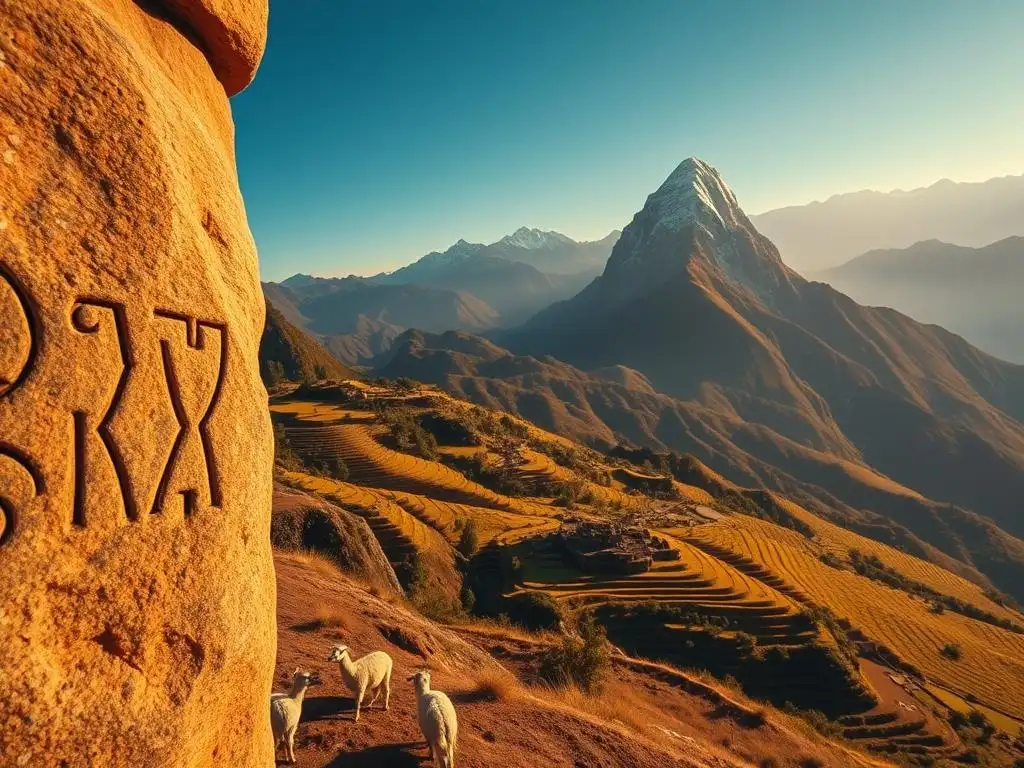
Welcome to Andean Civilizations, where the echoes of empires whisper from the mountains. Prepare to be captivated by the intricate tapestry of Andean history, art, and ingenuity. But first, consider this: how did the Quechua language shape—and reflect—the very landscape of the Andes? Discover the profound connection between Quechua language and Andean geography in our latest article, a journey into the heart of a civilization sculpted by its environment. Unravel the mysteries and delve deeper into the story; your exploration begins now.
The Quechua language, spoken by millions across the Andes Mountains, isn't merely a means of communication; it's a living testament to the intricate relationship between the Andean people and their geographically diverse environment. This article delves into the fascinating ways in which the Quechua language reflects the unique challenges and opportunities presented by the Andes' varied terrains, climates, and ecosystems.
We'll explore how specific vocabulary, grammatical structures, and even metaphorical expressions in Quechua are deeply rooted in the Andean landscape, showcasing the profound connection between language and the physical world. Understanding this connection provides invaluable insights into the cultural richness and resilience of Andean civilizations, demonstrating how language acts as a powerful tool for preserving cultural memory and adapting to environmental realities.
This exploration will showcase how the Quechua language embodies a deep understanding and respect for the Andean geography, highlighting its significance in understanding the history and evolution of Andean cultures.
The Diverse Vocabulary of Andean Terrain
The Quechua language boasts an incredibly rich vocabulary specifically dedicated to describing the diverse geography of the Andes. From towering peaks and deep valleys to rushing rivers and arid plains, each geographical feature is often designated by multiple terms, reflecting nuanced distinctions in altitude, slope, vegetation, and even microclimates. For instance, Quechua distinguishes between different types of potatoes based not only on their appearance but also on the specific altitude and soil conditions where they thrive.
This detailed terminology underscores the intimate knowledge Quechua speakers possess of their environment, a knowledge directly reflected and preserved within their language. Furthermore, the existence of numerous words for various types of rocks, minerals, and plants highlights the importance of these resources in the Andean way of life.
The intricate vocabulary surrounding agriculture, including various irrigation techniques and farming practices, further emphasizes the strong connection between language and the environment. The sheer number of words related to the Andean landscape demonstrates the importance of environmental knowledge within Quechua culture.
Grammatical Structures Reflecting Andean Life
Beyond its extensive vocabulary, the grammatical structure of Quechua itself reflects the unique challenges and adaptations of Andean life. For example, certain verb conjugations might indicate the direction of movement relative to the terrain, reflecting the importance of navigating the complex Andean topography. Similarly, the use of specific grammatical markers could highlight the relationship between humans and the natural world, emphasizing the interconnectedness between people and their environment.
This is further exemplified in the use of classifiers which categorize nouns based on their physical properties and relationship to the environment, demonstrating a deep understanding of the natural world. [Specific grammatical examples and their geographic interpretations pending]. Further research is needed to fully explore the subtle ways in which grammar reflects the Andean environment.
Metaphors and Expressions Rooted in Andean Geography
The metaphorical expressions used in Quechua often draw heavily from the Andean landscape. Mountains might symbolize strength and resilience, while rivers might represent the flow of time or the interconnectedness of communities. These metaphors aren't merely literary devices; they reflect the deep-seated cultural values and beliefs shaped by the Andean environment.
The use of such metaphors in daily conversation and storytelling underlines the profound influence of geography on Andean worldview. For example, [Specific example of a Quechua metaphor related to Andean geography and its interpretation pending]. Analyzing these metaphors provides a rich understanding of the cultural significance of the Andean environment.
Quechua's Ongoing Adaptation to the Andean Environment
The Quechua language continues to evolve, adapting to the ongoing changes in the Andean environment. New words are constantly being coined to describe new technologies, introduced species, and environmental challenges. This ongoing process of adaptation highlights the language's dynamism and its ability to reflect the ever-changing relationship between the Andean people and their environment. The ongoing incorporation of new terms related to climate change and environmental conservation showcases the language's role in navigating contemporary challenges. This ongoing evolution demonstrates the enduring connection between Quechua and the Andean landscape, ensuring its continued relevance for future generations.
- The Diverse Vocabulary of Andean Terrain
- Grammatical Structures Reflecting Andean Life
- Metaphors and Expressions Rooted in Andean Geography
- Quechua's Ongoing Adaptation to the Andean Environment
- What is the Quechua language's relationship to Andean geography?
- How did the varied geography of the Andes influence Quechua dialects?
- Are there specific Quechua words directly related to Andean features?
- How does Quechua reflect the importance of agriculture in Andean cultures?
- Can studying Quechua help us understand ancient Andean civilizations better?
The Intrinsic Link Between Quechua and Andean Landscapes
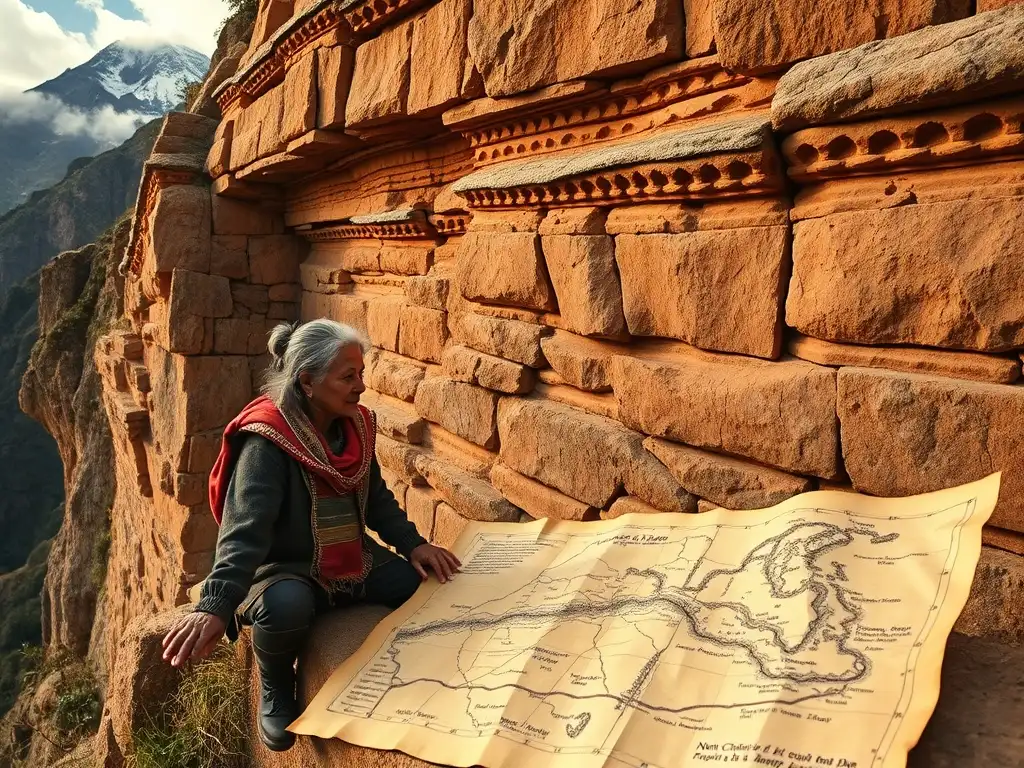
The Quechua language, far from being a mere tool for communication, is deeply intertwined with the Andean landscape. Its vocabulary, grammar, and even its poetic expressions reflect a profound understanding and intimate relationship with the geography of the Andes Mountains. This connection isn't merely coincidental; it's a testament to centuries of adaptation and co-evolution between the Quechua people and their environment.
The intricate relationship between the Quechua language and Andean geography provides invaluable insights into the worldview, societal structures, and survival strategies of the Andean civilizations. Studying this linguistic-geographic symbiosis allows us to better understand not only the language itself, but also the rich cultural tapestry of the Andean world.
This section will explore the multifaceted ways in which Quechua reflects the unique challenges and opportunities presented by the Andean terrain, highlighting the remarkable ingenuity of the Quechua speakers in adapting their language to their environment. Understanding this connection is crucial for appreciating the full depth and complexity of Quechua and its cultural significance.
The Andean Worldview Embedded in the Quechua Language
The Quechua worldview, deeply rooted in the Andean landscape, is profoundly reflected in its language. The concept of ayni, reciprocal exchange, is not just a social principle but a linguistic element. Many Quechua words relating to agriculture, for example, emphasize the symbiotic relationship between humans and nature. The intricate system of kinship terms reflects a hierarchical understanding of the Andean social structure, often mirroring the layered topography of the mountains themselves.
Consider the numerous terms for different types of potatoes, each meticulously categorized based on subtle variations in size, color, taste, and altitude of cultivation. This detailed nomenclature highlights the crucial role of agriculture in Andean life and its deep integration into the Quechua language. This isn't just about naming things; it's about understanding the intricate web of life within the Andean ecosystem.
Furthermore, Quechua's rich oral tradition, including myths, legends, and songs, are often imbued with geographic references, further cementing the inextricable link between language and landscape. These narratives often use metaphorical language that draws parallels between the human experience and the natural world, highlighting the deep spiritual connection between the Quechua people and their environment. The very structure of Quechua sentences, with their emphasis on context and relationships, mirrors the interconnectedness of the Andean ecosystem.
How the Quechua Language Maps the Andean Terrain
The Quechua language possesses a remarkable capacity to describe the Andean terrain with precision and nuance. Its vocabulary includes a vast array of terms for different types of mountains, valleys, rivers, and climates, reflecting the diverse geography of the Andes. For instance, Quechua distinguishes between various types of snow, reflecting the nuanced climatic conditions at different altitudes.
The language also incorporates detailed terminology related to agriculture, reflecting the adaptation of farming practices to diverse microclimates and soil types. Consider the precise terms for different irrigation systems, reflecting the ingenuity of Andean farmers in managing water resources in a challenging environment.
| Quechua Term | English Translation | Geographic Significance |
|---|---|---|
| Allpa | Earth, land | Fundamental element connecting Quechua to their land. |
| Yaku | Water | Essential resource, with specific terms for different sources. |
| Urqu | Mountain | Various terms for different mountain types and sizes. |
| Q'asa | High plateau | Unique ecological zone with specific flora and fauna. |
| Pachamama | Mother Earth | Reflects the spiritual connection to the land. |
The use of directional terms in Quechua also reflects the importance of spatial orientation in the Andean landscape. The vocabulary often incorporates relative directions based on the position of the sun and the surrounding mountains, demonstrating the close relationship between language and the physical environment. This spatial awareness embedded within the language is crucial for navigating the complex Andean terrain and understanding the local environment.
This intricate understanding of the geography informs their farming practices, resource management, and overall relationship with the environment. The Quechua language is, therefore, not simply a tool for communication; it's a living map of the Andean world, reflecting centuries of interaction and adaptation between language and landscape. The precise terminology and rich vocabulary related to the Andean geography demonstrate the deep connection between the Quechua people and their environment.
Quechua Vocabulary: A Reflection of Andean Topography
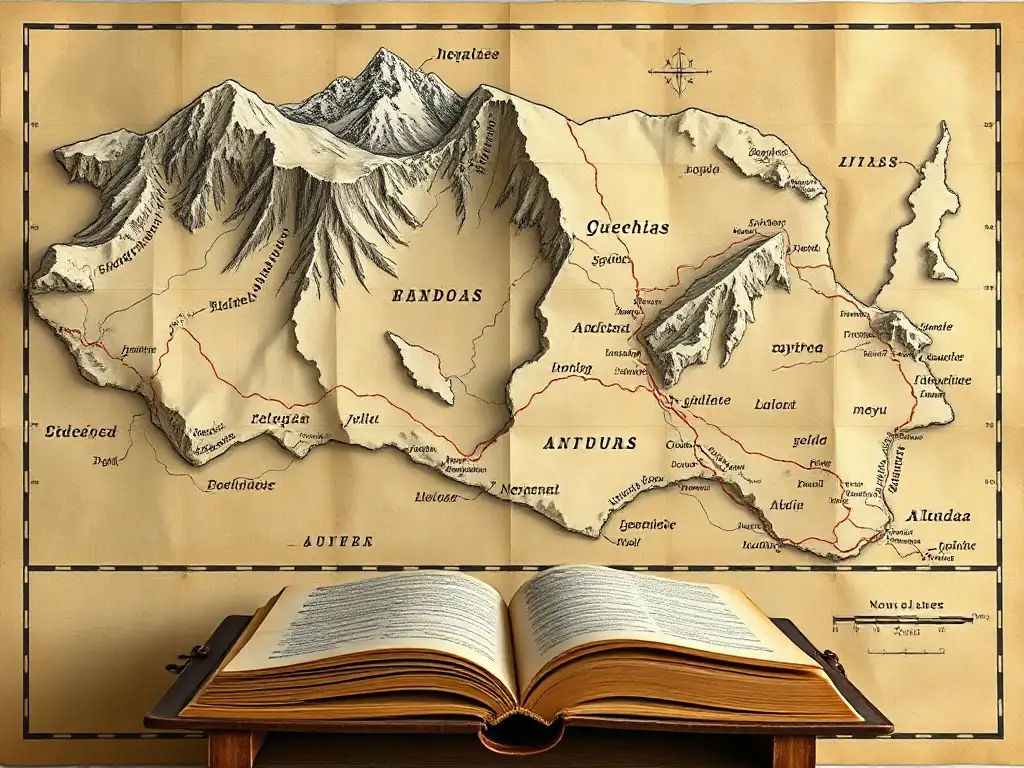
The Quechua language, spoken across the Andes Mountains for centuries, isn't merely a means of communication; it's a living testament to the profound relationship between the Andean people and their environment. The intricate vocabulary reflects the diverse and challenging geography of the region, showcasing how intimately the language is tied to the land. This section explores how Quechua words for geographical features reveal a deep understanding and appreciation of the Andean landscape.
Analyzing the Quechua lexicon provides crucial insights into the cultural values and practical knowledge of the Andean civilizations regarding their surroundings. The sheer variety of terms for seemingly similar features highlights the nuanced perception of the environment cultivated over generations. This detailed examination of Quechua vocabulary strengthens our understanding of the "Quechua language Andean geography" connection.
Terms for Mountains and Peaks in Quechua
Specific Quechua words for different types of mountains
Quechua doesn't use a single word for "mountain." Instead, it boasts a rich vocabulary that distinguishes between various types of mountains based on size, shape, and even perceived character. For example, the word allpa might refer to a generally flat-topped mountain, while urqu typically describes a more conical or pointed peak. The distinction extends further.
Smaller, rocky hills might be referred to as pampa in certain dialects, while larger, imposing mountain ranges could be designated by a completely different term, depending on the specific regional dialect. This linguistic diversity mirrors the geographical diversity of the Andes themselves. There's even differentiation based on the presence of vegetation; a mountain covered in snow might have a distinct name from one that is barren.
Consider this table illustrating some examples (note that variations exist across different Quechua dialects):
| Quechua Word | English Translation | Description | Example Dialect |
|---|---|---|---|
| urqu | Mountain, peak | Conical or pointed peak | Cusco Quechua |
| allpa | Mountain, highland | Flat-topped mountain, plateau | Southern Quechua |
| anka | Mountain pass | High mountain pass between peaks | Bolivian Quechua |
| riku | High mountain, summit | The highest point of a mountain range | Ecuadorian Quechua |
| chakrana | Hill, small mountain | Small, rocky hill | Central Quechua |
The precise meanings and usage of these terms can vary subtly depending on the specific Quechua dialect and the local context, demonstrating the intricate relationship between language and environment. Further research is needed to fully document the variations in mountain terminology across all Quechua dialects. [Specific information pending: comprehensive database of Quechua mountain terminology across dialects]
Quechua words for Rivers, Valleys, and Water Sources
The importance of water in the Andean ecosystem is clearly reflected in the richness of Quechua vocabulary related to water sources. Rivers, valleys, springs, and even specific types of glaciers all have their own unique designations, showcasing the deep understanding of hydrology possessed by Andean communities. This detailed lexicon is crucial for understanding not just the physical geography but also the cultural significance of water in Andean life. The words aren't just labels; they carry historical and cultural weight, reflecting the dependence of Andean societies on these vital resources.
The importance of water in Quechua vocabulary
The Quechua language doesn't simply name water sources; it categorizes them based on their characteristics and significance. For instance, a small, trickling stream might have a different name than a large, powerful river. The term used could also depend on the water's source – a glacial meltwater stream would likely have a different designation from a spring-fed creek.
This nuanced vocabulary reflects the vital role water plays in Andean life, from agriculture to spiritual practices. The diversity of terms reflects the variety of water sources found across the diverse Andean landscape, highlighting the close relationship between the people and their environment. The detailed vocabulary associated with water underscores the importance of water management and conservation within Andean cultures.
Further research into the specific uses and connotations of these water-related terms across various Quechua dialects would be invaluable. [Specific information pending: detailed analysis of water-related terms in various Quechua dialects and their cultural significance]. The meticulous descriptions found in Quechua demonstrate a profound understanding of the hydrological cycle and its impact on daily life, further solidifying the "Quechua language Andean geography" link.
Quechua Descriptors for High Altitude and Climate
The Quechua language, spoken across the Andes Mountains for centuries, boasts a rich vocabulary intricately woven with the tapestry of its high-altitude environment. Words don't simply describe the landscape; they embody the lived experience of inhabiting such a challenging yet breathtaking terrain. The Quechua people didn't passively observe their surroundings; their language actively shaped their understanding and interaction with the physical world, reflecting the profound influence of altitude and climate on their daily lives.
This intimate connection is evident in the nuanced terminology used to describe even the most subtle variations in altitude, temperature, and weather patterns. For instance, distinct terms exist not just for "mountain" but for different types of mountains based on their size, shape, and ecological features.
Similarly, the Quechua lexicon differentiates between various types of snow, ice, and frost, reflecting the importance of these elements in their agricultural practices and daily survival. This linguistic precision reveals a deep understanding of the Andean environment, far exceeding a simple categorization.
The vocabulary related to weather is particularly rich, demonstrating the vital role meteorology played in their agricultural cycles and community life. Quechua speakers possess specific words for different types of wind, rain, and sunshine, each carrying implications for farming, herding, and daily activities. The ability to precisely describe these conditions enabled effective communication and collaboration within communities, crucial for success in an environment where survival often depended on understanding and adapting to the unpredictable forces of nature.
The subtle distinctions within the Quechua lexicon for weather patterns highlight the keen observational skills and deep ecological knowledge that have been passed down through generations. This linguistic richness underscores the profound connection between the Quechua language and the Andean environment.
How altitude affects Quechua expressions
Altitude significantly impacts Quechua expressions, not only in the specific vocabulary used to describe geographical features but also in the way concepts are articulated. The experience of living at high altitude shapes the worldview and cultural practices of the Quechua people, which is clearly reflected in their language. For example, the Quechua concept of ayni, reciprocal exchange, is deeply intertwined with the realities of Andean agriculture and resource management.
At high altitudes, cooperation and mutual assistance are essential for survival, as individuals often rely on their neighbors for help in planting, harvesting, and other essential tasks. Ayni isn't just a social practice; it's a fundamental principle woven into the fabric of Quechua society and language, reflecting the interdependent relationship between individuals and their environment.
Furthermore, altitude profoundly affects the Quechua perception of time and space. The challenges of traversing steep, mountainous terrain influence how distances and durations are expressed. The language may incorporate references to geographical landmarks or natural phenomena when describing journeys or time intervals, reflecting the close relationship between the physical environment and the lived experience of the Quechua people.
The impact of altitude is not merely lexical; it permeates the very structure and grammar of the language, shaping the way Quechua speakers conceptualize and communicate about their world. Understanding this intricate relationship between altitude and linguistic expression is crucial to appreciating the richness and complexity of the Quechua language and its enduring connection to the Andean environment. The nuances of Quechua vocabulary, shaped by the physical challenges and cultural adaptations of high-altitude life, offer a unique window into the deep bond between language, culture, and the environment.
Quechua Grammar and its Relationship to Andean Spatial Concepts
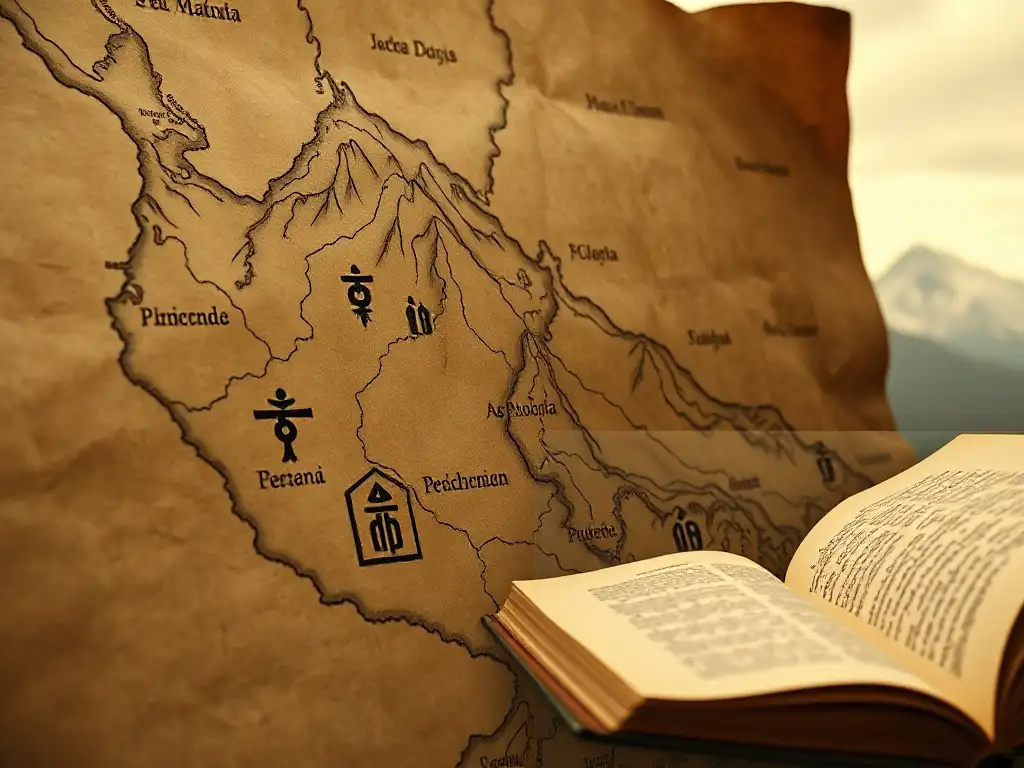
The Quechua language, spoken across the Andes Mountains for centuries, isn't merely a vehicle for communication; it's a reflection of the intricate relationship between its speakers and their environment. The grammatical structure of Quechua, particularly its handling of spatial concepts, reveals a deep-seated understanding of Andean geography, far exceeding a simple naming of places. This intimate connection between language and landscape is evident in various aspects of Quechua grammar, showcasing how the language itself is shaped by the physical world it describes.
The subtle nuances in Quechua's vocabulary and syntax highlight the importance of location, direction, and the overall relationship with the Andean ecosystem. This section will delve into specific grammatical features that illustrate this unique linguistic-geographic bond, focusing on how the language encodes and transmits a profound understanding of Andean spatial realities. Understanding this connection provides invaluable insight into the worldview and cultural practices of Quechua-speaking communities.
Quechua Spatial Markers and their Connection to the Landscape
Quechua's sophisticated system of spatial markers demonstrates a nuanced understanding of the Andean terrain. Unlike languages that rely heavily on cardinal directions (north, south, east, west), Quechua often utilizes relative spatial terms, reflecting the complex and varied topography of the Andes. For instance, instead of saying "north of the mountain," a Quechua speaker might use terms describing location relative to the mountain's slope or a specific landmark.
This system emphasizes the observer's perspective and the immediate surroundings, mirroring the importance of local knowledge and contextual understanding within Andean cultures. The use of these relative markers, instead of absolute cardinal directions, emphasizes the dynamic and ever-changing relationship between people and their environment. The variability of the terrain necessitates a flexible system of spatial reference, making the Quechua approach highly adaptable and context-sensitive.
The use of suffixes to denote location in Quechua
One key aspect of Quechua's spatial precision is its extensive use of suffixes to indicate location. These suffixes aren't simply prepositions; they often convey intricate details about the position, orientation, and even the relative elevation of an object or person. For example, suffixes can specify whether something is "on top of," "inside," "beside," "underneath," or "in front of" another object. The complexity of these suffixes reflects the intricate layering of the Andean landscape—the high peaks, the valleys, the terraced fields—and the importance of understanding these spatial relationships for daily life.
This intricate system of suffixes allows for a level of precision and detail rarely found in other languages when describing location. Further research into the specific meanings and usage of these suffixes is needed to fully understand their implications for Andean spatial cognition and cultural practices. [Specific examples of suffixes and their meanings pending].
The Quechua Concept of Pachamama and its Linguistic Expression
The Andean worldview is deeply intertwined with the concept of Pachamama, the Earth Mother, a powerful deity representing the fecundity and life-giving force of the land. This reverence for Pachamama is not merely a religious belief; it's deeply embedded in the fabric of Quechua society and culture, and is reflected profoundly in the language itself.
The vocabulary related to agriculture, resource management, and the natural world reflects a deep respect for and understanding of the interconnectedness of all living things. The very words used to describe the land and its bounty carry with them a sense of reverence and responsibility, highlighting the inherent value placed upon the natural world.
How Quechua reflects the relationship with Mother Earth
The Quechua language doesn't simply name the elements of the natural world; it embodies the relationship with them. The linguistic expressions related to farming, for example, often incorporate metaphors and imagery that highlight the symbiotic relationship between humans and Pachamama.
Words used to describe planting, harvesting, and other agricultural practices often evoke a sense of reciprocity and respect, reflecting the understanding that human survival is inextricably linked to the health and well-being of the land. This holistic perspective, deeply ingrained in the Quechua language, underscores the importance of living in harmony with nature, a principle central to Andean cultures and reflected in their rich traditions and practices.
The linguistic expression of this deep connection to Pachamama offers a unique window into the Andean worldview, demonstrating how language can shape and reflect a culture's understanding of its environment. The careful study of Quechua's agricultural vocabulary can reveal further insights into this profound relationship, showcasing the integral role of language in shaping cultural values and practices.
Quechua Place Names: Stories Encoded in the Landscape
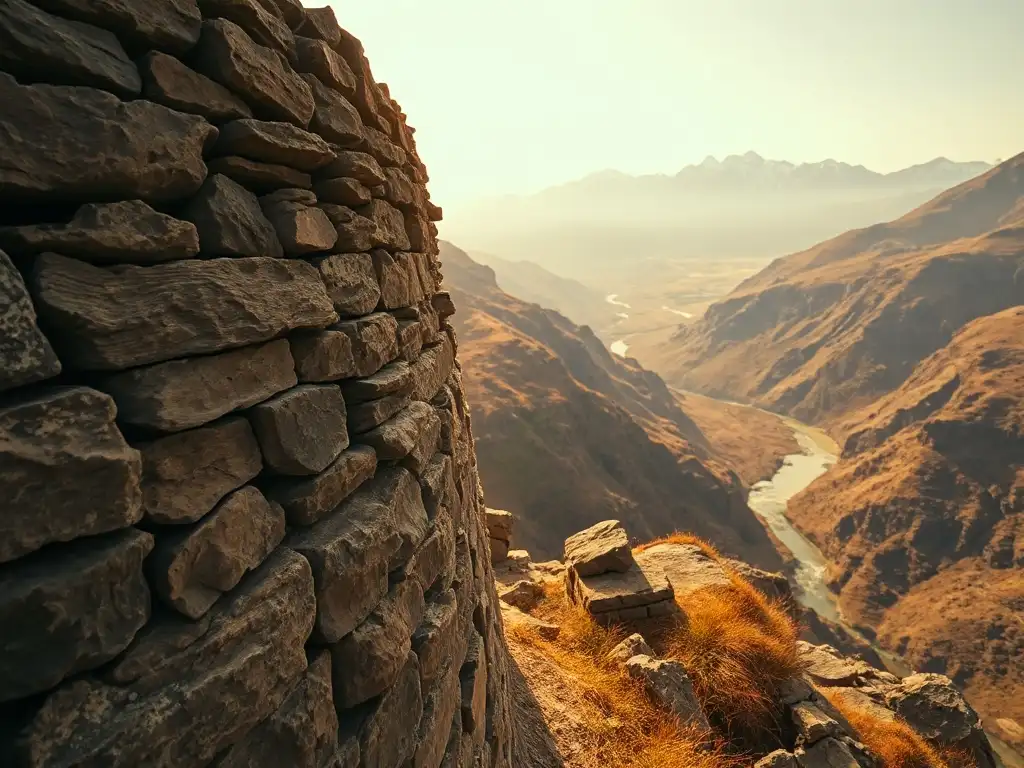
The Quechua language, spoken across the Andes Mountains for centuries, isn't just a means of communication; it's a living archive of Andean geography and history. Its intricate relationship with the landscape is vividly reflected in the countless place names— toponyms—scattered throughout the region. These names, often overlooked, provide invaluable insights into the ways ancient Andean communities interacted with their environment, revealing their understanding of the land, its resources, and its significance in their worldview.
Understanding Quechua toponyms is crucial for unlocking a deeper appreciation of the Quechua language's connection to Andean geography and the rich tapestry of Andean civilization. The meticulous observation of these place names allows for a powerful reconstruction of past societies and their relationship with the physical world.
Toponymy in Quechua: Understanding the Meaning of Place Names
Quechua toponyms are rarely arbitrary. They often incorporate descriptive elements that reflect the physical characteristics of a location, such as its altitude, vegetation, water sources, or geological features. For example, a place named Warmiqucha (woman lake) might refer to a lake shaped like a woman or located near a prominent female deity's shrine. Similarly, Uruq Urqu (red mountain) clearly designates a mountain with reddish rock formations.
The precision and descriptive power of these names demonstrate a deep understanding of the environment and a sophisticated system of geographical classification. Analyzing these names allows scholars to reconstruct ancient perceptions of the landscape and its resources, offering a unique perspective on the human-environment interaction in the Andes. The richness and complexity of Quechua place names highlight the deeply embedded connection between language and environment in Andean cultures.
Examples of Quechua place names and their significance
Let's examine a few specific examples to illustrate the richness of Quechua toponyms:
| Quechua Name | Spanish Translation | Description | Significance |
|---|---|---|---|
| Cusco | Cusco | Capital of the Inca Empire | Reflects the historical and cultural importance of the location. |
| Sacsayhuamán | Sacsayhuamán | Inca fortress overlooking Cusco | Highlights the strategic importance of the location and Inca military prowess. |
| Pachacamac | Pachacamac | Important Inca deity and site of a major temple | Shows the religious significance of the location and the importance of Pachamama. |
| Willkamayu | Sacred River | Refers to a river considered sacred by the Inca people | Demonstrates the spiritual connection between the Inca and their natural world. |
| Q'enqo | Labyrinth | Inca site with intricate stone carvings and tunnels | Shows the advanced engineering and architectural skills of the Inca civilization. |
The etymology of these place names, when combined with archeological evidence, provides a more comprehensive understanding of the Andean past. Further research into less-studied areas promises to uncover a wealth of additional information. The work is ongoing, and new discoveries continuously enrich our understanding of the Quechua language and its relationship to the Andean landscape.
The Preservation of Andean History Through Quechua Toponyms
The continued use of Quechua toponyms is vital for preserving Andean history and cultural heritage. These names represent a tangible link to the past, embodying centuries of accumulated knowledge and experience. Their preservation is crucial for maintaining cultural identity and ensuring that the stories embedded within them are not lost to time. The study of Quechua toponymy is essential for understanding the evolution of Andean societies and their intricate relationship with their environment. This linguistic landscape acts as a powerful testament to the resilience and adaptability of Andean cultures.
How place names reveal the history of the Andean region
By studying Quechua place names, we can trace the movement of populations, the evolution of agricultural practices, and the development of social structures across the Andean region. The names often reflect the dominant groups and their influence on different areas throughout history. For example, the prevalence of certain suffixes or prefixes in a region might indicate a specific historical period or cultural influence.
Moreover, the changes in place names over time can illustrate the impact of colonization, migration, and other historical events. In essence, the toponyms provide a unique and valuable perspective on the long and complex history of the Andean region, offering insights that are often unavailable through other sources.
The continued documentation and analysis of these names are essential for a complete understanding of the Andean past. The linguistic richness embedded within these place names offers a fascinating journey through time, revealing the dynamic interplay between language, culture, and the environment in the Andes.
The Influence of Andean Geography on Quechua Dialects
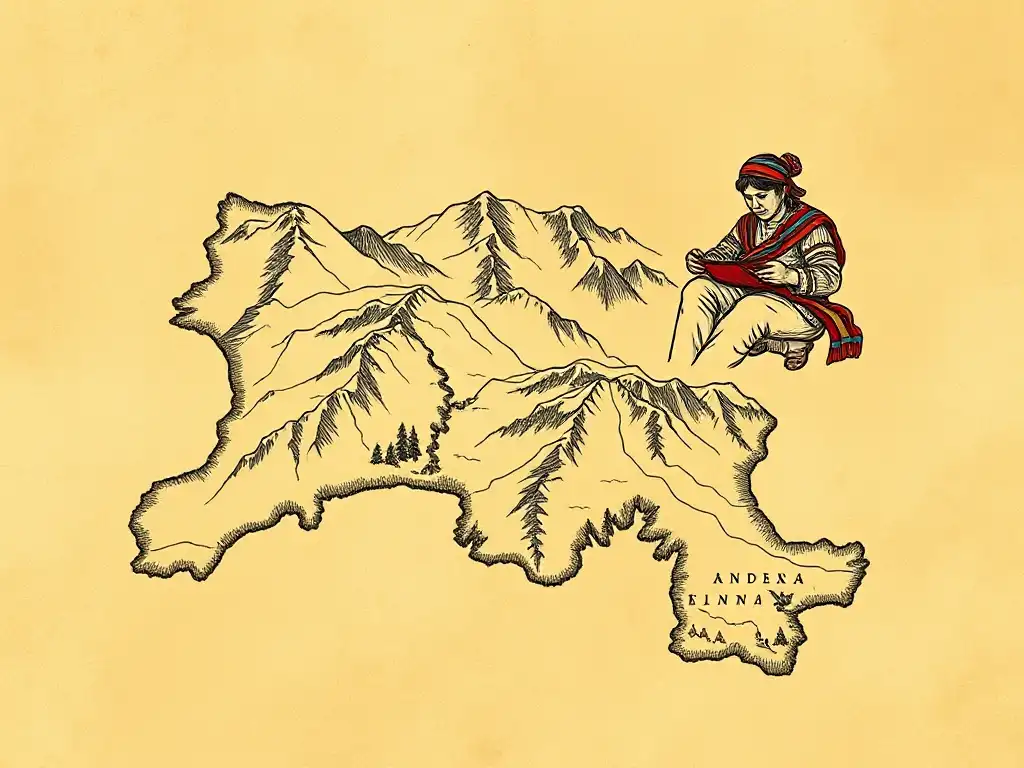
The Quechua language, far from being a monolithic entity, displays remarkable diversity across the Andes. This linguistic variation isn't random; it's deeply intertwined with the incredibly varied geography of the region. The towering peaks, deep valleys, arid coastal deserts, and lush cloud forests of the Andes have profoundly shaped the evolution and diversification of Quechua, resulting in a complex tapestry of dialects, each reflecting its unique environmental context.
Understanding this connection between Quechua and Andean geography provides crucial insight into the resilience and adaptability of both the language and the people who speak it. The sheer scale of the Andes, its diverse ecosystems, and the relative isolation of many communities have all contributed significantly to the development of distinct Quechua dialects. This section will explore this fascinating interplay.
Regional Variations in Quechua Due to Geographical Isolation
How different landscapes shaped Quechua variations
The dramatic topography of the Andes has acted as a natural barrier, isolating communities and fostering the development of unique Quechua dialects. High mountain ranges, deep canyons, and vast deserts have limited contact between different groups, leading to independent linguistic evolution. For instance, the Quechua spoken in the high altitudes of the Peruvian Andes differs significantly from the Quechua spoken in the coastal valleys.
The vocabulary related to agriculture, for example, reflects the different crops and farming techniques employed in these contrasting environments. High-altitude Quechua might have a richer vocabulary for potatoes and other cold-weather crops, while coastal Quechua may have more terms related to fishing and marine life. This geographical isolation has also influenced pronunciation and grammar, leading to further diversification.
The differences aren't merely superficial; they can sometimes make communication between speakers of different dialects challenging. Consider the case of Quechua speakers from Cusco and those from Cajamarca; while mutually intelligible to some extent, significant variations in vocabulary and grammar exist, showcasing the powerful impact of geographical isolation. Further research is needed to fully quantify the degree of mutual intelligibility across all Quechua dialects [Specific data on mutual intelligibility pending].
Linguistic Adaptations to Different Andean Environments
The Quechua language has not only been shaped by the Andean environment, but it has also adapted to it. This adaptation is evident in the vocabulary used to describe the diverse flora, fauna, and landscapes of the region. Different dialects have evolved specialized terms for plants, animals, and geographical features specific to their respective regions. For example, Quechua dialects spoken in the Amazonian foothills have a rich vocabulary for describing the rainforest's unique biodiversity, including various types of trees, insects, and birds.
In contrast, Quechua dialects spoken in the arid coastal regions focus on terms related to desert plants, marine life, and the challenges of surviving in a harsh, water-scarce environment. This vocabulary reflects not only the environment but also the intimate relationship between the Quechua people and their surroundings. The language is a living testament to their deep understanding and adaptation to the diverse ecosystems of the Andes.
The evolution of Quechua vocabulary in diverse regions
The evolution of Quechua vocabulary across diverse Andean regions provides compelling evidence of the language's adaptability. The following table illustrates examples of how vocabulary related to basic concepts can vary across different regions:
| Concept | Cusco Quechua | Cajamarca Quechua | Amazonian Quechua |
|---|---|---|---|
| Potato | papa | papa | papa |
| Maize | sara | chocho | sara/yuca |
| Mountain | orq'o | cerro | allpa/wasi |
| River | mayu | río | yana mayu/nansa |
Note the variations in terms for maize and mountain, reflecting the different types of maize cultivated and the varied landscapes across the regions. The inclusion of Spanish loanwords ("cerro" and "río") in some dialects highlights the influence of historical contact and colonial processes. These variations, however, are not arbitrary; they are deeply rooted in the specific environmental contexts of each region. Understanding these nuances is crucial for appreciating the full richness and complexity of the Quechua language and its intimate connection to the Andean landscape.
Further research into specific dialectal variations across the entire Andean range is needed to fully map this fascinating linguistic evolution. The use of advanced computational linguistics tools and the collaboration with Quechua-speaking communities are essential for this endeavour. Emoji: ⛰️ 🌽 🥔
The Importance of Preserving Quechua and its Geographic Knowledge
Quechua, far from being a mere language, acts as a living repository of Andean knowledge, intimately intertwined with the region's diverse geography. Its preservation is not simply a linguistic endeavor; it's crucial for safeguarding invaluable cultural heritage and ecological understanding. The intricate relationship between Quechua vocabulary and the Andean landscape reveals a deep connection forged over millennia, a connection that modern scientific methods are only beginning to fully appreciate.
The loss of Quechua would represent an irreplaceable loss of knowledge about sustainable practices, adaptation strategies, and a profound understanding of the environment, accumulated over generations. This loss would be particularly detrimental in a context of increasing environmental challenges, from climate change to biodiversity loss.
The continued use and study of Quechua offers a unique opportunity to understand the delicate balance between human societies and their environment in the Andes. Moreover, the preservation of Quechua helps to maintain the cultural identity of millions of Andean people, fostering a sense of pride and belonging.
The Role of Quechua in Transmitting Traditional Andean Wisdom
The necessity of keeping the language alive
The oral tradition within Quechua-speaking communities plays a vital role in preserving ancient knowledge. Stories, songs, and proverbs embedded within the language transmit practical information about agriculture, animal husbandry, and resource management specific to different Andean microclimates. For example, the Quechua word pachamama (Mother Earth) encapsulates a holistic worldview where humans are intrinsically connected to the natural world. This concept is not merely philosophical; it informs practical actions and sustainable practices passed down through generations.
Many Quechua terms describe specific varieties of potatoes, maize, and other crops adapted to particular altitudes and soil conditions – knowledge crucial for maintaining biodiversity and food security in the Andes. The decline of Quechua represents a significant risk to this invaluable knowledge base. As elders who hold this traditional wisdom pass away, the intricate details of sustainable living encoded in the language risk being lost forever.
Therefore, active efforts to revitalize and promote Quechua are not just linguistic preservation but a crucial step in safeguarding Andean cultural heritage and ecological wisdom. This includes supporting Quechua language education in schools, promoting its use in media, and documenting and archiving oral traditions. The stakes are high; the loss of this knowledge would severely impact the region's ability to adapt to environmental challenges and maintain its unique cultural identity.
Quechua: A Key to Understanding the Andean Environment
The value of Quechua for environmental studies and conservation
Quechua's rich vocabulary provides a nuanced understanding of the Andean environment, going beyond the limitations of scientific terminology. For instance, Quechua differentiates between various types of snow, ice, and water sources, reflecting the diverse hydrological systems of the Andes. These distinctions are important for understanding water management practices and predicting the impacts of climate change. Furthermore, the language incorporates detailed descriptions of different ecosystems and their associated flora and fauna, offering insights into biodiversity and ecological processes.
This detailed understanding is invaluable for conservation efforts. Researchers are increasingly collaborating with Quechua speakers to document traditional ecological knowledge (TEK) embedded within the language. This collaborative approach ensures that indigenous knowledge is not only preserved but also integrated into modern conservation strategies, potentially leading to more effective and culturally sensitive environmental management.
For example, studies utilizing Quechua terminology have helped to identify previously undocumented plant species with medicinal or agricultural value. The integration of TEK with scientific methods offers a synergistic approach to environmental research and conservation, emphasizing the importance of linguistic preservation for sustainable development in the Andes. The detailed knowledge of the Andean environment encoded within Quechua is an irreplaceable resource for both scientific research and community-based conservation initiatives.
Frequently Asked Questions
What is the Quechua language's relationship to Andean geography?
The Quechua language is deeply intertwined with the Andean landscape. Its vocabulary reflects the diverse geography, including specific terms for various altitudes, terrains, and plants. This connection highlights the close relationship between the language and its environment.
How did the varied geography of the Andes influence Quechua dialects?
The diverse geography of the Andes led to the development of numerous Quechua dialects. Geographic isolation fostered unique vocabulary and pronunciation variations reflecting the specific ecological niches and environments of different regions.
Yes, many Quechua words directly describe Andean features. For example, there are specific terms for different types of high-altitude grasslands (puna), mountain peaks (nevado), and agricultural terraces (andenes).
How does Quechua reflect the importance of agriculture in Andean cultures?
Quechua possesses a rich vocabulary related to agriculture and farming practices reflecting its crucial role in Andean societies. Terms for various crops, farming techniques, and irrigation systems showcase the deep connection between language and livelihood.
Can studying Quechua help us understand ancient Andean civilizations better?
Absolutely! Studying Quechua provides invaluable insight into the worldview and knowledge systems of ancient Andean civilizations. Analyzing its vocabulary reveals their close relationship with their environment and their intricate understanding of the Andean ecosystem.
Final Reflection: Echoes of the Andes in Quechua
The intricate relationship between the Quechua language and the Andean landscape remains profoundly relevant today, a testament to the enduring power of linguistic and geographical interconnectedness. Understanding this connection offers not only a glimpse into the rich history of the Andes but also provides crucial insights into the challenges of environmental preservation and cultural revitalization facing the region. The survival of Quechua itself is intrinsically linked to the health and sustainability of the Andean ecosystem.
The influence of Andean geography on Quechua is far more than a simple matter of vocabulary; it's a fundamental aspect of the language's very structure and worldview. The way Quechua speakers perceive and interact with their environment is deeply embedded in their linguistic patterns, shaping their understanding of time, space, and community. As the renowned anthropologist, Claude Lévi-Strauss, once observed: Language is not merely a means of communication; it is a way of being in the world.
This rings particularly true for Quechua, where the language itself acts as a living map of the Andes, reflecting the intricate relationship between its people and their environment.
Consider the implications of this connection. How can we, as global citizens, better appreciate and support the efforts to preserve both the Quechua language and the fragile Andean ecosystem? You have the power to learn more about this fascinating relationship, to support organizations working to revitalize Quechua communities, and to advocate for policies that protect the Andean environment. Let the echoes of the Andes, resonating through the Quechua language, inspire you to act, to learn, and to contribute to a future where both language and landscape thrive.
Embrace Your Andean Heritage: Take Action Today!
Thank you for exploring the profound connection between the Quechua language and Andean geography. This article offers a glimpse into the rich tapestry of culture and identity that binds people to their land. Now, let's explore how you can deepen your understanding and contribute to its preservation.
Here are a few ways to connect more deeply with Quechua culture and help ensure its survival:
- Immerse Yourself: Begin learning basic Quechua phrases. Online courses and language exchange partners offer excellent opportunities for practice.
- Share Your Knowledge: Spread the word about the importance of Quechua by sharing this article with your network. Encourage others to appreciate and respect indigenous languages.
- Explore the Culture: Attend community events and workshops celebrating Andean cultures. Discover the vibrant crafts, music, and cuisine that reflect the richness of this heritage.
What unique perspectives or stories do you have about your own cultural connection to the land? Let's start a conversation!