
Off the Beaten Path: Discovering LessKnown Andean Archaeological Treasures

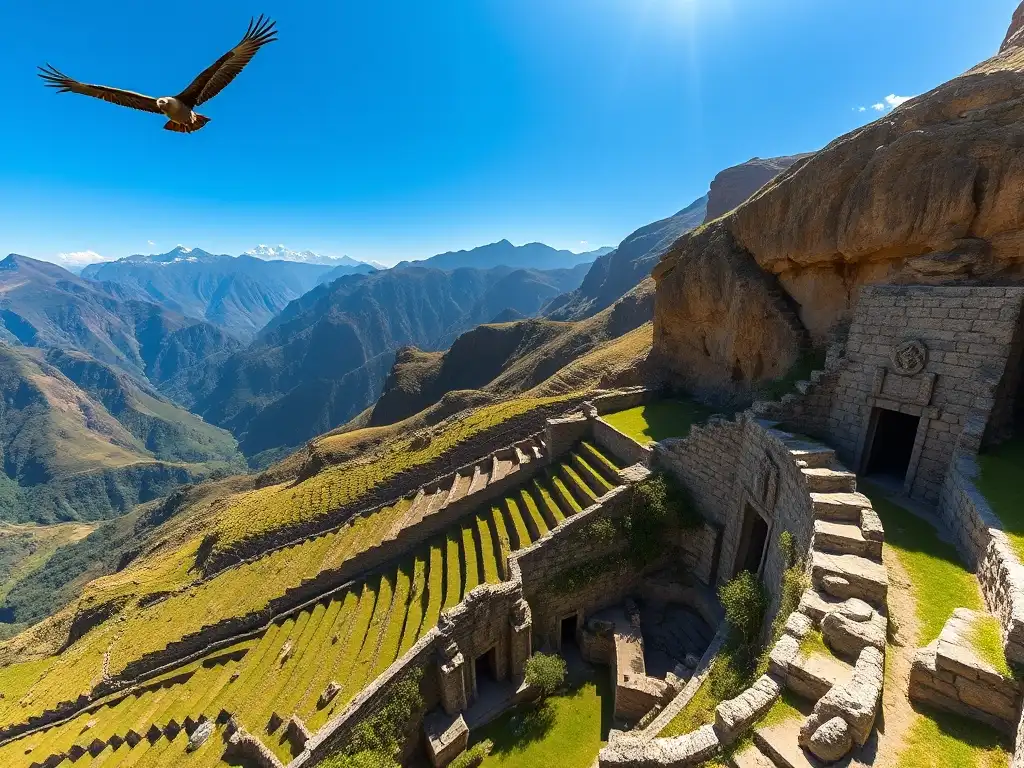
Uncover the secrets whispered on the wind across the Andes Mountains. For centuries, these majestic peaks have guarded the legacies of incredible civilizations – the Incas, Moche, Nazca, and more. But beyond the well-trodden paths lie untold stories and breathtaking discoveries. Prepare to be amazed as we delve into the mysteries of Andean archaeological sites, revealing less-known treasures and challenging your perceptions of these ancient empires. Dare to explore the Andes today – your journey begins now.
The Andes Mountains, a spine of towering peaks stretching along the western coast of South America, are home to a rich tapestry of ancient civilizations. While iconic sites like Machu Picchu draw millions of visitors annually, a wealth of lesser-known Andean archaeological sites remain relatively unexplored, offering a unique and intimate connection with the past.
This article delves into these hidden gems, providing insights into some of the most fascinating and less-visited archaeological treasures scattered throughout the Andes, enriching your understanding of the Andean archaeological sites and offering alternative destinations for those seeking a more authentic Andean experience. We'll explore locations that showcase the ingenuity and artistry of cultures like the Wari, Chimu, and others, revealing the diverse expressions of Andean civilization beyond the well-trodden tourist trails.
Prepare to embark on a journey of discovery, uncovering the secrets held within these remarkable sites and planning your own adventure among the ancient wonders of the Andes.
Machu Picchu, the iconic "Lost City of the Incas," rightfully holds a prominent place in the global imagination. However, its fame often overshadows the remarkable diversity of other Andean archaeological sites. These sites, less impacted by mass tourism, offer a more intimate and profound experience, allowing visitors to connect directly with the legacy of ancient Andean cultures.
From the intricate geoglyphs of the Nazca Lines to the monumental architecture of Tiahuanaco, the Andes conceal a vast array of archaeological wonders waiting to be discovered. This exploration will highlight sites that showcase not only the architectural prowess of these civilizations but also their complex social structures, religious beliefs, and technological advancements.
Think of it as a treasure hunt through time, revealing the vibrant history of a region often defined solely by its most famous landmark. The sheer diversity of these sites – spanning different cultures, time periods, and geographical locations – demonstrates the richness and complexity of Andean civilization, far exceeding the singular narrative often presented.
The following sections will guide you through a selection of these hidden gems, emphasizing the unique aspects of each site and offering practical information for planning your own adventure. We will focus not only on the archaeological significance but also on the logistical aspects of visiting these sites, ensuring a smooth and enriching experience. Let's venture beyond the well-trodden paths and unearth the hidden wonders of the Andes!
Best Options for Exploring Undiscovered Andean Ruins
Exploring lesser-known Andean ruins requires careful planning and research. The level of accessibility, the required permits (if any), and the best time to visit can vary significantly between sites. However, the rewards – encountering these breathtaking historical marvels in relative solitude – are well worth the effort. Below, we highlight some exceptional options, categorized for easier planning:
Northern Peru: Beyond the Coast
This region boasts sites that are less crowded than those closer to the coast, offering a quieter exploration of pre-Inca cultures. Specific details regarding access and potential tour operators are pending further research.
- Site A: [Specific site name and brief description pending]
- Site B: [Specific site name and brief description pending]
Southern Peru & Bolivia: High Altitude Adventures
The high altitude Andean sites offer breathtaking landscapes and a glimpse into the unique adaptations of ancient cultures to challenging environments. Altitude sickness is a potential concern, requiring careful preparation and potentially acclimatization time. Further research is needed to determine specific requirements and recommendations for these sites.
- Site C: [Specific site name and brief description pending, including potential altitude concerns]
- Site D: [Specific site name and brief description pending, including potential altitude concerns]
Ecuador: Unveiling Hidden Histories
Ecuador's Andean region offers a different perspective on Inca and pre-Inca history, often less explored by tourists. Further research is needed to identify specific sites and provide details on accessibility and tour options.
- Site E: [Specific site name and brief description pending]
- Site F: [Specific site name and brief description pending]
Remember to always respect the sites and local communities. Appropriate attire and behavior are crucial for a responsible and enriching experience. 🕵️♀️ Happy exploring! 🎉
- Introduction: Beyond Machu Picchu - Unearthing Hidden Andean Archaeological Wonders
- Best Options for Exploring Undiscovered Andean Ruins
- Discovering Caral: Pyramids, Plazas, and Advanced Urban Planning
- Guided Tours of Caral: Unveiling the Social and Economic Structures of the Caral Civilization
- Best Time to Visit Caral: Planning Your Trip to Avoid Crowds
- Books and Resources: "The City of Caral-Supe: The Origin of Civilization in Peru" by Ruth Shady, A Must-Read Before Your Visit
- Beyond the Train Station: Exploring the Ollantaytambo Fortress and Temples
- The Town of Ollantaytambo: Inca Architecture and Living Traditions
- Best Local Cuisine in Ollantaytambo: Apu Ausangate Restaurant Offers Authentic Andean Dishes
- Photography Tips for Ollantaytambo: Capturing the Magic of the Inca City
- Planning Your Trip: Permits, Local Guides, and Transportation
- Respecting the Sites: Preserving Andean History and Culture
- Essential Travel Gear for Exploring Andean Ruins: Neutrogena Sunscreen, Columbia Hat, and Hydro Flask Water Bottle
- Supporting Local Communities: Choosing Sustainable Tourism Options
- What are some lesser-known Andean archaeological sites mentioned in the article?
- How does the article define "off the beaten path"?
- What kind of information can I expect to find about these sites?
- Is the article suitable for someone planning a trip to the Andes?
- What makes these "Andean archaeological sites" so important?
1. Choquequirao: The "Other Machu Picchu" - A Challenging Trek to Ancient Grandeur
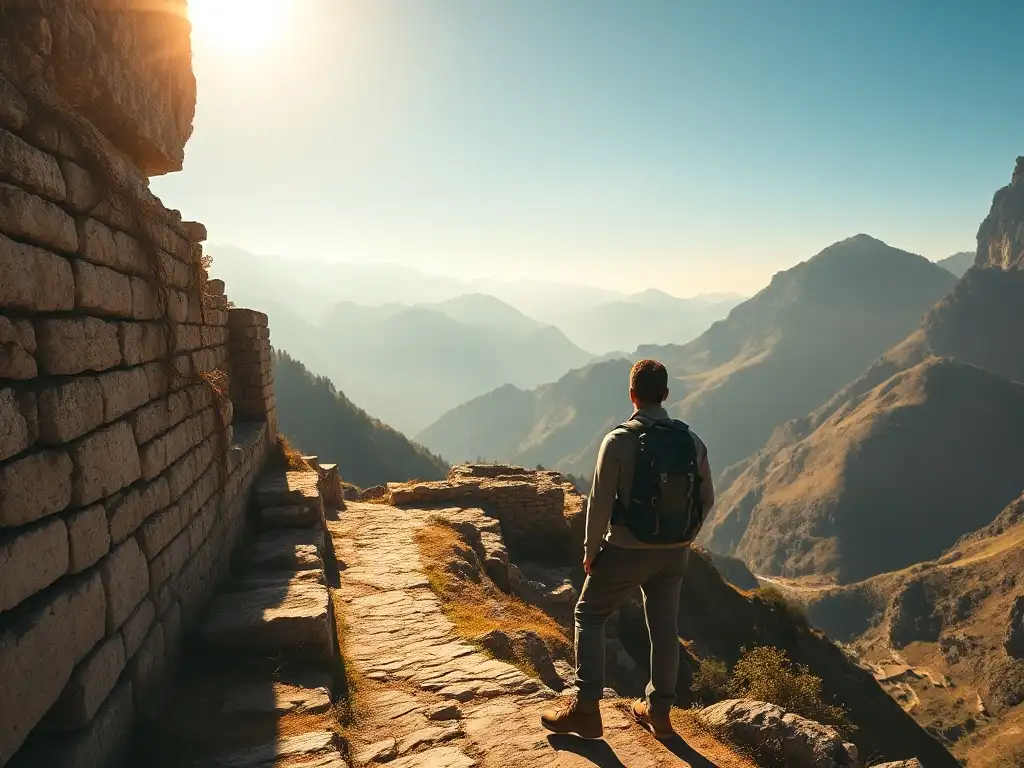
Choquequirao, often dubbed the "Other Machu Picchu," presents a compelling alternative for adventurous travelers seeking less-crowded Andean archaeological sites. Unlike its more famous cousin, reaching Choquequirao demands a significant physical commitment, a multi-day trek through stunning yet demanding Andean landscapes. This makes it a truly rewarding experience for those who appreciate a journey as much as the destination. The payoff?
A breathtaking Inca citadel nestled high in the Vilcabamba mountain range, boasting impressive stonework, intricate agricultural terraces, and a captivating history still being unearthed. This lesser-known Andean treasure offers a unique perspective on Inca ingenuity and the scale of their empire. The remoteness of Choquequirao contributes significantly to its preservation, allowing visitors a more intimate connection with the past.
The Choquequirao Trek: A Rewarding Experience for Adventurous Travelers
The trek to Choquequirao is not for the faint of heart. It's a challenging multi-day adventure, typically taking between 2 and 4 days to complete, depending on the chosen route and fitness level. The trails wind through diverse ecosystems, from lush cloud forests teeming with vibrant birdlife to high-altitude grasslands offering panoramic views of the Andes. Expect steep ascents and descents, river crossings, and varying weather conditions. Proper preparation is crucial. Many treks start from the town of Cachora, requiring a significant initial descent before the challenging ascent to the citadel begins. The journey itself is a significant part of the experience, offering unparalleled opportunities to appreciate the raw beauty of the Andes and the resilience of the Andean people who have inhabited this region for centuries. The sense of accomplishment upon reaching Choquequirao is immense, a feeling that's amplified by the relative solitude and the awe-inspiring views. Plan your trek carefully, considering your fitness level and choosing a reputable tour operator to ensure a safe and enjoyable experience. Remember, responsible tourism is key to preserving this precious Andean archaeological site for future generations.
The physical challenges are balanced by the stunning scenery and the feeling of accomplishment. The trek is a testament to the human spirit's ability to overcome obstacles, mirroring in a way the determination and ingenuity of the Inca builders themselves.
Exploring the Terraces and Temples of Choquequirao
Choquequirao's archaeological remains are spread across a significant area, requiring ample time for exploration. The site's layout is remarkably similar to Machu Picchu, featuring intricate agricultural terraces carved into the mountainside, testament to the Inca's mastery of water management and agricultural techniques. These terraces weren't just for farming; they also played a vital role in stabilizing the steep slopes and preventing erosion. The impressive stonework showcases the Inca's sophisticated knowledge of engineering and construction.
Several temples and residential structures remain, each telling a piece of the story of this once-thriving Inca settlement. The main plaza, surrounded by imposing structures, offers a sense of the social and religious life of the inhabitants. Detailed analysis of the site's architecture and layout continues to reveal new insights into Inca society and beliefs.
The sheer scale of the site, combined with its relative obscurity, makes Choquequirao a truly unique Andean archaeological experience. Careful observation reveals the meticulous planning and execution that characterized Inca construction. The precision of the stonework, the integration with the natural landscape, and the overall design demonstrate a deep understanding of both engineering principles and aesthetics.
Recommended Trekking Gear for Choquequirao: Salomon Hiking Boots and Osprey Backpacks
Choosing the right gear is paramount for a successful Choquequirao trek. Investing in high-quality, comfortable footwear is crucial. Salomon hiking boots, known for their durability, support, and grip, are a popular choice among seasoned trekkers. Their superior ankle support is essential for navigating the challenging terrain.
Similarly, a comfortable and well-fitting backpack is essential for carrying all your necessary supplies. Osprey backpacks are renowned for their ergonomic design, durability, and ample storage space. Consider a pack with a capacity of 65-75 liters to accommodate your clothing, sleeping bag, cooking equipment (if you’re not using a guided service with catered meals), and other essentials. Remember to pack layers of clothing to adapt to changing weather conditions, rain gear, sunscreen, insect repellent, a first-aid kit, and plenty of water.
A sturdy walking stick can also significantly improve stability and reduce strain on your knees and ankles. Thorough preparation and the right equipment will significantly enhance your trekking experience and contribute to a safe and memorable journey to this remarkable Andean archaeological site. Don't underestimate the importance of breaking in your boots well before the trek to avoid blisters and discomfort. Proper gear selection is an investment in a comfortable and successful expedition to Choquequirao.
2. Kuelap: The Fortress of the Clouds - Unveiling the Secrets of the Chachapoyas Culture
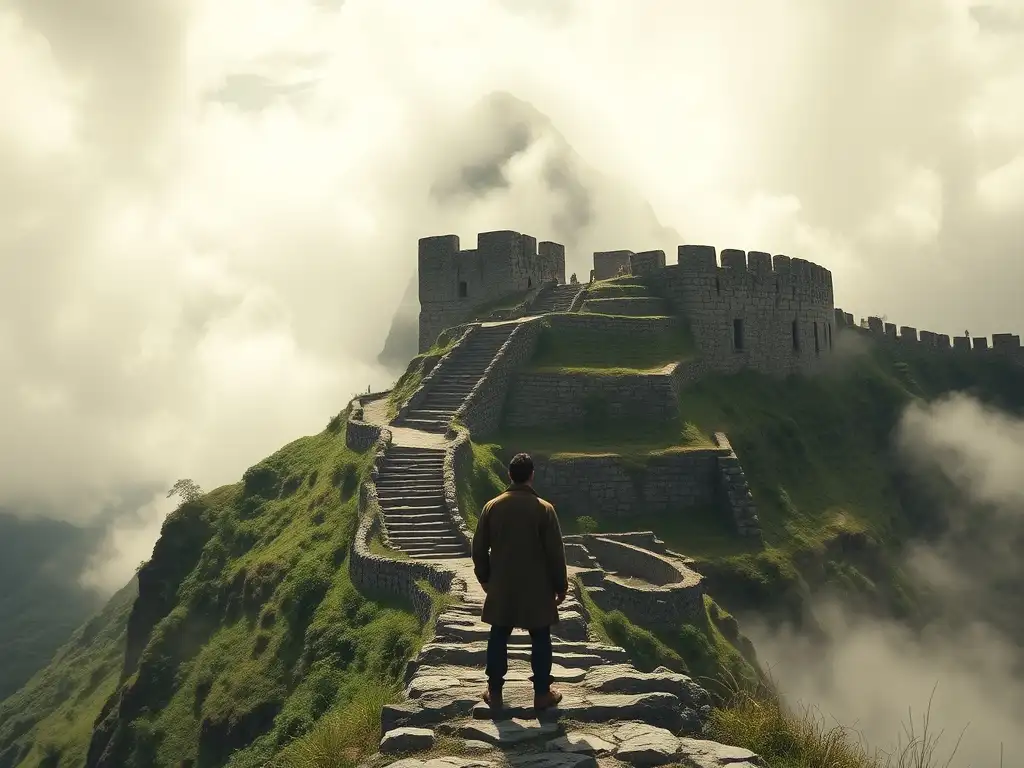
Kuelap, a majestic pre-Inca citadel perched high in the Andes mountains of northern Peru, stands as a testament to the ingenuity and resilience of the Chachapoyas culture. This impressive Andean archaeological site, often overshadowed by more widely known Inca ruins, offers a unique glimpse into a fascinating civilization that thrived centuries before the Inca Empire.
Its remote location, nestled amidst cloud forests and dramatic mountain peaks, adds to its mystique and makes exploring it a truly unforgettable experience for those seeking less-traveled Andean archaeological sites. The sheer scale of Kuelap, its intricate architecture, and the enduring mystery surrounding its purpose continue to captivate researchers and visitors alike.
Understanding the Chachapoyas' sophisticated understanding of engineering and their ability to construct such a formidable structure in a challenging environment is a key element in appreciating the significance of this incredible Andean archaeological site. The site’s strategic location, offering panoramic views and natural defenses, speaks volumes about the Chachapoyas' military prowess and their ability to adapt to their environment.
Reaching Kuelap: Cable Car vs. Hiking - Which Option is Best?
Reaching Kuelap presents a choice between two distinct approaches: a modern cable car or a challenging hike. The cable car, inaugurated in 2017, provides a breathtaking ascent, offering stunning views of the surrounding landscape and significantly reducing travel time. The journey is comfortable and relatively quick, making it an ideal option for travelers with limited time or physical limitations. However, the cable car experience, while convenient, lacks the immersive interaction with the environment that a hike provides.
Conversely, the hike to Kuelap is a strenuous but rewarding undertaking. The trail, while well-maintained in sections, requires a good level of fitness and appropriate footwear. The trek offers unparalleled opportunities to appreciate the biodiversity of the cloud forest, encounter local wildlife, and truly connect with the natural beauty of the region. The journey itself becomes part of the adventure, offering a deeper appreciation for the challenges faced by the Chachapoyas who built and maintained Kuelap.
Choosing between the cable car and hiking depends largely on personal preferences and physical capabilities. Consider factors like your fitness level, available time, and your desire for a more immersive or convenient experience when making your decision. Weighing the pros and cons carefully will help you choose the option that best suits your needs and expectations for exploring this incredible Andean archaeological site.
Inside Kuelap's Walls: Exploring Circular Structures and Defensive Architecture
Once inside Kuelap's imposing walls, visitors are greeted by a remarkable collection of circular structures, a defining characteristic of Chachapoyas architecture. These structures, built from carefully fitted stones, served various purposes, from residential dwellings to storage facilities and ceremonial spaces. The precise function of many structures remains a subject of ongoing research, adding to the site's allure and mystery.
The impressive defensive architecture of Kuelap is equally noteworthy. Its towering walls, strategically placed watchtowers, and complex network of pathways speak to the Chachapoyas' advanced understanding of defensive strategies. The ingenuity employed in the construction of Kuelap is evident in every detail, from the precise placement of stones to the overall design of the citadel.
Exploring the interior of Kuelap is a journey through time, offering a tangible connection to the Chachapoyas people and their remarkable achievements. Take your time to wander through the ruins, absorbing the atmosphere and imagining the lives of those who once inhabited this impressive Andean archaeological site. Detailed study of the architectural styles and construction techniques provides invaluable insights into the Chachapoyas' sophisticated understanding of engineering and their ability to adapt to their challenging environment.
Recommended Local Guides for Kuelap: Kuélap Tours Offers Specialized Tours
Engaging a local guide significantly enhances the Kuelap experience. Expert guides can provide invaluable context, sharing insights into the history, culture, and architecture of the site. They can illuminate the mysteries surrounding the Chachapoyas, bringing the past to life with engaging narratives and detailed explanations.
Many local tour operators offer specialized tours tailored to different interests, from historical explorations to photographic safaris and even overnight stays within the vicinity of Kuelap. Researching and selecting a reputable guide is crucial to ensure a enriching and informative experience. Look for guides with proven expertise in Andean archaeology and a commitment to sustainable tourism practices.
A knowledgeable guide can transform a simple visit into a truly immersive and educational experience, making your exploration of this remarkable Andean archaeological site even more rewarding. Kuélap Tours, for example, offers a range of specialized tours catering to different needs and preferences, ensuring a memorable journey through this fascinating historical landmark. Choosing a reputable and experienced local guide will significantly enhance your appreciation of this remarkable Andean archaeological site.
Capture the Memories: Sony Alpha Camera for Capturing Kuelap's Majesty
Photographing Kuelap requires a camera capable of handling the challenging lighting conditions and vast landscapes. The Sony Alpha series, known for its exceptional image quality and versatility, is an excellent choice for capturing the majesty of this Andean archaeological site. The high dynamic range (HDR) capabilities of many Alpha models allow you to capture details in both the bright highlights of the sunlit fortress walls and the deep shadows of the surrounding cloud forest. This is crucial for preserving the rich textures and colors of the stonework and the vibrant greens of the landscape.
The Alpha's fast autofocus system is also a significant advantage, particularly when shooting moving subjects or capturing wildlife that might be present in the area surrounding Kuelap. Whether you're using a telephoto lens to zoom in on intricate carvings or a wide-angle lens to capture the breathtaking panoramic views, the Alpha's responsiveness ensures you won't miss those fleeting, perfect moments.
Several Alpha models boast impressive low-light performance, enabling you to capture stunning images even during the early morning or late afternoon, when the light is softer and more atmospheric. This is particularly beneficial when photographing the fortress shrouded in mist, creating a truly magical ambiance.
Consider the Sony Alpha 7R IV or Alpha 7 III for their exceptional resolution and image quality. These models offer a high megapixel count, providing you with detailed images perfect for large prints or cropping without significant loss of quality. Moreover, the versatility of interchangeable lenses allows you to adapt your equipment to the specific photographic challenges presented by Kuelap.
From wide-angle lenses for expansive views to telephoto lenses for capturing intricate details, you can customize your setup to achieve the best possible results. Remember to bring extra batteries and memory cards, as you'll likely be spending several hours exploring the site and capturing its beauty from various angles. Proper planning ensures you won't miss a single opportunity to capture the magic of Kuelap with your Sony Alpha camera.
Don't forget to consider a sturdy tripod for those stunning long-exposure shots, capturing the movement of clouds or the subtle changes in light throughout the day. The breathtaking views and intricate details of Kuelap deserve to be preserved with the highest quality images possible.
3. Caral: The Oldest City in the Americas - A Journey Through Pre-Incan History
Caral, located in the Supe Valley of Peru, stands as a testament to the sophisticated urban planning and social organization of pre-Inca Andean civilizations. This remarkable archaeological site, often overlooked in favor of more widely known Inca ruins, offers a captivating glimpse into a society that flourished over 5,000 years ago, predating even the Egyptian pyramids. Its designation as one of the oldest cities in the Americas solidifies its importance in understanding the development of complex societies in the Andes, significantly enriching our understanding of Andean archaeological sites.
The sheer scale of Caral and the advanced technologies employed in its construction continue to amaze archaeologists and visitors alike. It's a crucial site for understanding the roots of Andean civilization and its lasting impact on subsequent cultures.
Discovering Caral: Pyramids, Plazas, and Advanced Urban Planning
Caral's layout is remarkably organized. The city is centered around a series of monumental pyramidal structures, which served as both religious and administrative centers. These pyramids, built from adobe bricks, are not just impressive in size but also showcase a sophisticated understanding of engineering and construction techniques. They were meticulously planned, with internal chambers and ramps indicating a complex social hierarchy and possibly ceremonial practices.
Surrounding the pyramids are large plazas, which were likely used for public gatherings and ceremonies. The arrangement of residential areas suggests a well-defined urban plan, with evidence of specialized crafts and potentially different social classes. Analyzing the layout reveals a clear understanding of urban planning far exceeding what was previously believed possible for such an early civilization. The city's layout is a testament to the advanced capabilities of Caral's inhabitants, pushing the boundaries of what we know about Andean archaeological sites and their development.
The presence of sophisticated irrigation systems further highlights the advanced knowledge of the Caral civilization. These canals and channels allowed for efficient water management, crucial for sustaining a large population in a relatively arid environment. The sophistication of these systems demonstrates a deep understanding of hydraulic engineering, a key factor in the city's success and longevity. Careful study reveals evidence of meticulously planned water distribution networks, showcasing impressive engineering skills. The mastery of this technology allowed Caral to thrive in the challenging Andean environment, highlighting the ingenuity and resourcefulness of its inhabitants.
Engaging with a guided tour at Caral is highly recommended to fully appreciate the complexity of this ancient city. Expert guides provide invaluable insights into the social and economic structures of the Caral civilization, interpreting the archaeological evidence and bringing the past to life. They can explain the various functions of the different structures within the city, from the ceremonial pyramids to the residential areas.
Furthermore, they shed light on the social hierarchy, the economic activities, and the daily life of the Caral people, providing context to the artifacts and architecture. Learning about the sophisticated social organization, the specialized crafts, and the potential trade networks is essential to understanding the Caral civilization’s significance within the broader context of Andean archaeological sites. Tours often include discussions about the unique technologies employed in construction, agriculture, and possibly textile production.
Detailed analysis of the unearthed artifacts, such as textiles, tools, and musical instruments, reveals a rich and complex culture. These artifacts provide tangible evidence of the daily life, beliefs, and artistic expressions of the Caral people, offering a fascinating window into their world. Their intricate designs and craftsmanship demonstrate a level of skill and artistry that challenges preconceived notions about early Andean societies.
The study of these artifacts, combined with the analysis of the city's layout and infrastructure, paints a more complete picture of the Caral civilization’s development and its contribution to the rich tapestry of Andean history. The information revealed by these tours further enhances our understanding of Andean archaeological sites and their diverse cultures.
Best Time to Visit Caral: Planning Your Trip to Avoid Crowds
The best time to visit Caral is during the shoulder seasons – spring (September-November) and autumn (March-May). During these months, the weather is generally pleasant, and the crowds are smaller compared to the peak tourist seasons. The climate is typically dry and sunny, ideal for exploring the archaeological site comfortably. Visiting during these periods allows for a more immersive and less crowded experience, enabling a deeper appreciation of the site's historical significance. Avoiding the peak summer months (December-February) and the cooler winter months (June-August) will greatly improve your experience.
Planning ahead is crucial, especially if you're visiting during peak season. Booking tours and accommodations in advance is highly recommended to avoid disappointment. Checking the official website for any potential closures or special events is also advisable. By carefully planning your trip, you can ensure a smooth and enjoyable visit to this remarkable Andean archaeological site, fully immersing yourself in the rich history and culture of Caral. This careful planning will enhance your experience of exploring this important contribution to Andean archaeological sites.
Books and Resources: "The City of Caral-Supe: The Origin of Civilization in Peru" by Ruth Shady, A Must-Read Before Your Visit
Ruth Shady Solis's The City of Caral-Supe: The Origin of Civilization in Peru is an indispensable resource for anyone planning a trip to Caral. Shady, the lead archaeologist on the Caral excavation and a leading expert on Andean prehistory, provides a comprehensive overview of the site's discovery, excavation, and the implications of its findings for our understanding of early Andean civilization.
The book isn't just a dry academic text; it's a captivating narrative that brings the ancient city to life. She expertly weaves together archaeological evidence with compelling storytelling, painting a vivid picture of daily life in Caral, from its sophisticated social organization to its advanced agricultural techniques.
The book's strength lies in its accessibility. While it delves into complex archaeological details, Shady presents the information in a way that is engaging and understandable for a wide audience, not just specialists. She explains the significance of the discoveries in a clear and concise manner, making the intricate details of Caral's societal structure, religious practices, and technological advancements readily comprehensible.
For instance, the detailed descriptions of the monumental architecture and the sophisticated irrigation systems used by the Caral people are particularly insightful. Understanding these aspects beforehand greatly enhances the visitor experience at Caral, allowing for a deeper appreciation of the site's scale and significance.
Furthermore, the book includes numerous photographs and illustrations of artifacts unearthed at Caral, offering a visual journey through time. These images, alongside Shady's detailed descriptions, help visitors visualize the bustling city as it once was, enriching their understanding of the daily lives and cultural practices of its inhabitants. This visual element is crucial, as it allows readers to connect with the tangible evidence of Caral's civilization, making the ancient city feel more real and less abstract.
By reading this book before your visit, you will not just be passively observing structures; you will be actively engaging with the rich history and culture of Caral, making your experience infinitely more rewarding. It's a truly essential companion for any serious traveler seeking a deeper understanding of Andean archaeological sites, especially Caral. You'll find yourself noticing details you might otherwise miss, and appreciating the enormity of this ancient civilization's achievements.
4. Marcahuamachuco: The Forgotten City of the Andes - A Glimpse into the Wari Empire
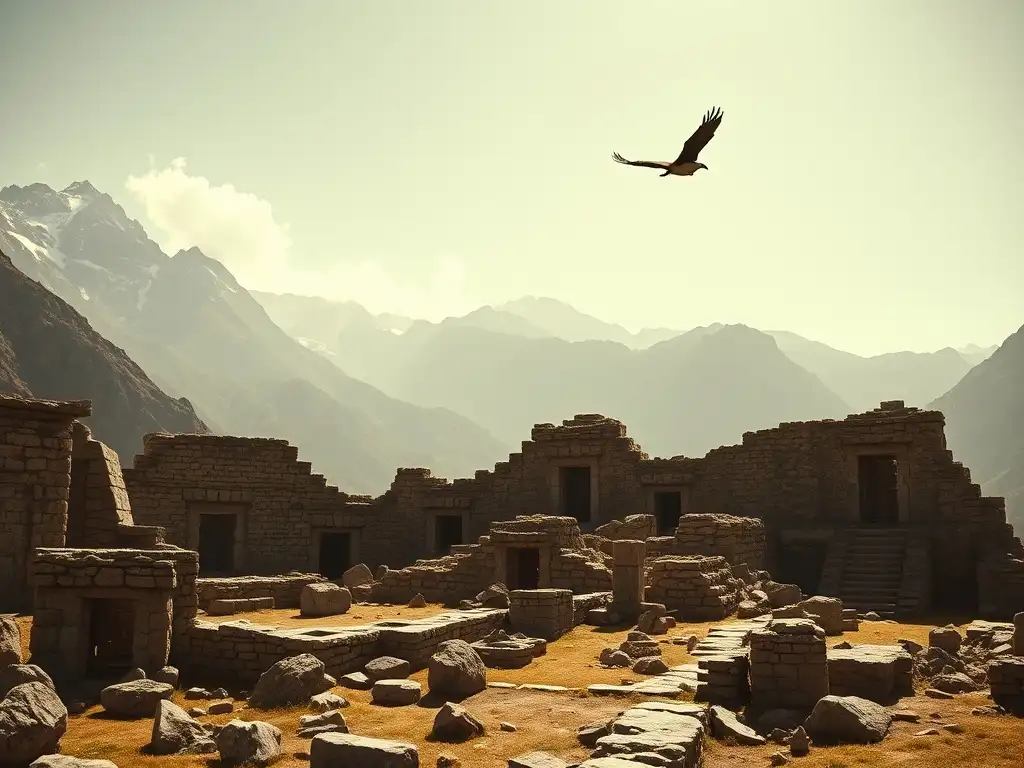
Marcahuamachuco, a sprawling Andean archaeological site nestled high in the northern Andes mountains of Peru, represents a significant, yet often overlooked, chapter in the story of Andean civilizations. Unlike the more widely publicized Machu Picchu or Chan Chan, Marcahuamachuco offers a unique window into the Wari Empire, a powerful pre-Inca civilization that flourished between 600 and 1000 CE. This lesser-known site provides invaluable insights into Wari urban planning, religious practices, and societal organization, enriching our understanding of the complex tapestry of Andean archaeological sites.
Exploring Marcahuamachuco: Massive Stone Structures and Ritual Sites
The sheer scale of Marcahuamachuco is breathtaking. Its extensive ruins, spread across several mountain ridges, encompass a vast urban center. Researchers have identified numerous impressive stone structures, including massive platforms, residential compounds, and intricate ceremonial plazas. The precision of the stonework, reminiscent of other Wari constructions, is remarkable.
Many structures exhibit evidence of sophisticated architectural planning, with carefully aligned walls and strategically placed courtyards. The site’s layout suggests a highly organized society with clearly defined residential and public areas. Furthermore, the discovery of numerous ritual objects and evidence of significant ceremonies underscores the importance of religion in Wari culture.
Archaeologists have unearthed intricately carved ceramics, stone sculptures, and evidence of elaborate rituals within specific structures, hinting at a complex cosmology and religious beliefs. The sheer size and complexity of the site continue to amaze researchers, revealing new details with each excavation. The ongoing research at Marcahuamachuco promises to further illuminate the Wari's sophisticated urban planning and complex religious practices, adding to our understanding of Andean archaeological sites.
Understanding the Wari Culture: Insights from Marcahuamachuco's Archaeological Record
Marcahuamachuco’s archaeological record offers invaluable insights into the Wari way of life. The city’s layout, with its distinct residential and administrative zones, suggests a hierarchical social structure. Analysis of the artifacts unearthed at the site, including pottery, textiles, and tools, provides further clues about their daily life, technological advancements, and artistic expressions.
The pottery, for example, displays a distinctive style characterized by fine craftsmanship and intricate designs, reflecting the Wari's artistic skills. The presence of sophisticated irrigation systems indicates their advanced agricultural techniques, enabling them to support a large population in this challenging mountainous terrain. The discovery of administrative buildings and storage facilities suggests a centralized system of governance and resource management, highlighting the empire's organizational capabilities.
Studying the material culture of Marcahuamachuco helps us understand the complexities of the Wari Empire and its influence on the subsequent development of Andean civilizations, further expanding our knowledge of Andean archaeological sites. The site also reveals evidence of trade networks, with artifacts from distant regions found within the city, pointing towards a well-established system of exchange and interaction with other Andean communities. This interconnectedness further emphasizes the Wari Empire's significant role in the broader Andean context.
Transportation Options to Marcahuamachuco: Linea Bus Offers Routes
Reaching Marcahuamachuco requires careful planning. While the site is relatively remote, it's accessible by bus. Linea bus services offer routes that pass near the site, although the final leg of the journey may involve a challenging hike, especially given the high altitude. It's crucial to check schedules and availability in advance, as bus routes can be subject to change due to weather conditions or road maintenance.
Local guides are highly recommended, not only for their knowledge of the site but also for their assistance navigating the challenging terrain. Planning for a multi-day trip is advisable, allowing ample time for exploration and acclimatization to the altitude. Remember to pack appropriately for varied weather conditions and rugged terrain.
The journey to Marcahuamachuco may be demanding, but the rewards—a glimpse into a forgotten Andean city and its fascinating history—are well worth the effort. The experience of exploring this remarkable site contributes to a deeper appreciation of the rich tapestry of Andean archaeological sites and their significance in the broader history of the region. The journey itself, with its challenges and rewards, forms an integral part of the experience of discovering this hidden gem.
Accommodation Near Marcahuamachuco: Hotel El Sol Provides Comfortable Stay
Finding comfortable lodging near the remote archaeological site of Marcahuamachuco can be a challenge, but thankfully, options exist to cater to different budgets and preferences. One establishment that consistently receives positive reviews is Hotel El Sol. Located [distance from Marcahuamachuco pending], it offers a convenient base for exploring the ruins and the surrounding area. While the exact amenities may vary, reports suggest that Hotel El Sol typically provides clean and comfortable rooms, often with private bathrooms.
The hotel's staff is frequently praised for their helpfulness and willingness to assist visitors with information about the site and local attractions. This personal touch enhances the overall experience for those seeking a more intimate and less tourist-driven Andean archaeological adventure. Keep in mind that, as with many smaller hotels in remote areas, booking in advance is highly recommended, especially during peak tourist seasons. While specific details on pricing and room types may need further research, the general consensus points to Hotel El Sol as a reliable and comfortable option for those visiting the fascinating ruins of Marcahuamachuco.
Consider checking online travel agencies or contacting the hotel directly for the most up-to-date information on availability and pricing. Remember to factor in travel time to and from the archaeological site when planning your itinerary. Exploring Andean archaeological sites often requires flexibility and a willingness to embrace the unexpected, and having a comfortable and reliable place to stay can significantly enhance your overall experience. 🗺️
5. Ollantaytambo: More than a Transit Point - Exploring the Inca Fortress and Town
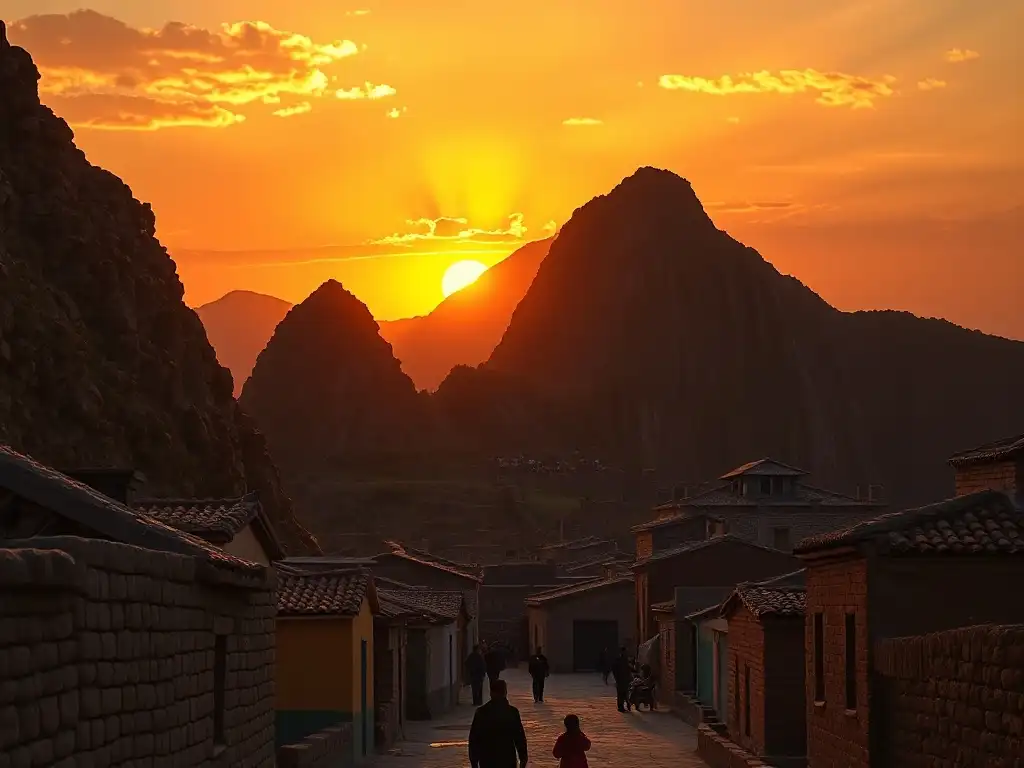
Ollantaytambo, often perceived as merely a gateway to Machu Picchu, is a treasure trove of Andean archaeological sites in its own right. This Inca town and fortress complex offers a captivating blend of history, stunning architecture, and vibrant cultural traditions, making it a must-see destination for any serious explorer of Andean heritage. Its significance extends far beyond its role as a convenient stop on the tourist trail, offering a deeper understanding of Inca ingenuity and societal structure.
Understanding Ollantaytambo provides a richer appreciation of the broader tapestry of Andean archaeological sites. The sheer scale of the site, combined with its remarkably well-preserved structures, provides unparalleled insights into Inca urban planning and agricultural practices.
Beyond the Train Station: Exploring the Ollantaytambo Fortress and Temples
Stepping away from the bustling train station, visitors are immediately confronted by the awe-inspiring Ollantaytambo fortress. This monumental complex, perched dramatically on a hillside overlooking the Urubamba Valley, is a testament to Inca engineering prowess. Massive stone blocks, some weighing many tons, were meticulously fitted together without mortar, showcasing an unparalleled mastery of stonework. The agricultural terraces, which cascade down the mountainside, are equally impressive, demonstrating the Incas' sophisticated understanding of water management and sustainable farming techniques.
These terraces, a key element of Inca agricultural strategies, are a vital aspect of understanding the Andean archaeological sites of this period. Exploring the various temples and residential areas within the fortress provides a glimpse into the daily lives of the Inca elite and the intricate social hierarchy of the empire. Detailed carvings and intricate designs adorn many of the surviving structures, adding another layer of complexity to the site's historical significance.
The sheer scale of the stonework and the precision of its construction continue to amaze archaeologists and visitors alike. Detailed studies continue to uncover new information about the construction techniques employed and the symbolic meaning embedded within the architectural designs. Many areas are still under excavation, promising even more fascinating discoveries in the years to come.
The Town of Ollantaytambo: Inca Architecture and Living Traditions
Beyond the fortress, the town of Ollantaytambo itself is a living museum of Inca architecture and traditions. Many buildings seamlessly integrate Inca masonry with more modern structures, creating a unique blend of old and new. The narrow cobblestone streets, lined with traditional adobe houses, retain much of their original character.
This harmonious coexistence of ancient and modern elements is a testament to the enduring legacy of the Inca civilization and its continued influence on the lives of the people who inhabit this region today. Observing the daily life within this town offers a valuable perspective on the continuity of Andean culture, enriching the experience of exploring the Andean archaeological sites. The vibrant market, where local artisans sell their wares, provides a chance to interact with the community and appreciate their unique craftsmanship.
The town’s layout, with its clearly defined streets and plazas, reflects the Inca's urban planning principles, offering a tangible connection to the past. Furthermore, exploring the town reveals the ongoing efforts to preserve and celebrate this rich cultural heritage.
Best Local Cuisine in Ollantaytambo: Apu Ausangate Restaurant Offers Authentic Andean Dishes
After a day exploring the Ollantaytambo fortress and town, indulging in authentic Andean cuisine is a fitting way to conclude your journey. The Apu Ausangate Restaurant, for example, offers a culinary experience that showcases the best of local ingredients and traditional cooking methods. Their menu features a variety of dishes that highlight the region's unique flavors and culinary heritage.
Dishes like cuy (guinea pig), pachamanca (meat and vegetables cooked underground), and various hearty soups and stews provide a delicious taste of Andean gastronomy. The restaurant often sources its ingredients from local farmers, supporting sustainable practices and preserving traditional agricultural methods. Dining at such establishments provides not only a satisfying meal but also a deeper appreciation for the Andean way of life, enriching the overall experience of exploring Andean archaeological sites and the cultural landscape of the region.
Sampling local cuisine is a vital part of understanding the complete picture of Andean culture, complementing the historical and archaeological discoveries. The restaurant’s setting, often incorporating traditional Andean décor, further enhances the immersive experience.
Photography Tips for Ollantaytambo: Capturing the Magic of the Inca City
Ollantaytambo offers unparalleled photographic opportunities. The dramatic interplay of light and shadow on the massive stone structures, coupled with the vibrant colors of the surrounding landscape, creates a truly breathtaking setting. To capture the magic effectively, consider these tips:
First, timing is crucial. The "golden hour," the period shortly after sunrise and before sunset, casts a warm, soft light that enhances the textures and details of the Inca stonework. Avoid midday sun, as it creates harsh shadows and washes out colors. Experiment with different times of day to discover your preferred lighting conditions. A sunrise shoot, for instance, can reveal the fortress bathed in a mystical, early morning glow, while a sunset shoot can paint the mountains in fiery hues, creating a dramatic backdrop for your photographs.
Secondly, composition is key. The scale of Ollantaytambo's structures is impressive. Utilize this to your advantage by incorporating leading lines, such as the Inca pathways or the agricultural terraces, to guide the viewer's eye through your image.
Experiment with different perspectives – try shooting from low angles to emphasize the height of the walls or from elevated viewpoints to capture the expansive layout of the site. Consider using the rule of thirds to create visually appealing compositions. Don't be afraid to get close to the intricate stonework to highlight its detail, or step back to capture the grand scale of the fortress within the broader landscape.
Thirdly, consider the weather. The Andean weather can be unpredictable. Be prepared for changes in light and even rain showers. A cloudy day can offer softer, diffused light that’s ideal for capturing details and minimizing harsh shadows. If rain is predicted, a waterproof camera bag is essential, and consider using a polarizing filter to reduce glare and enhance color saturation. Rainy days, surprisingly, can also add a dramatic atmosphere and lead to unique photographic opportunities.
Finally, respect the site. Ollantaytambo is a significant historical and cultural site. Be mindful of your surroundings and avoid disrupting the environment or disturbing visitors. Always obtain any necessary permits for professional photography, and remember that some areas might have restricted access. Photography should enhance, not detract from, the experience of this incredible Andean archaeological site. Respect the site's history and your fellow visitors while capturing its beauty. Remember to always practice responsible and ethical tourism.
Tips for Visiting Less-Known Andean Archaeological Sites
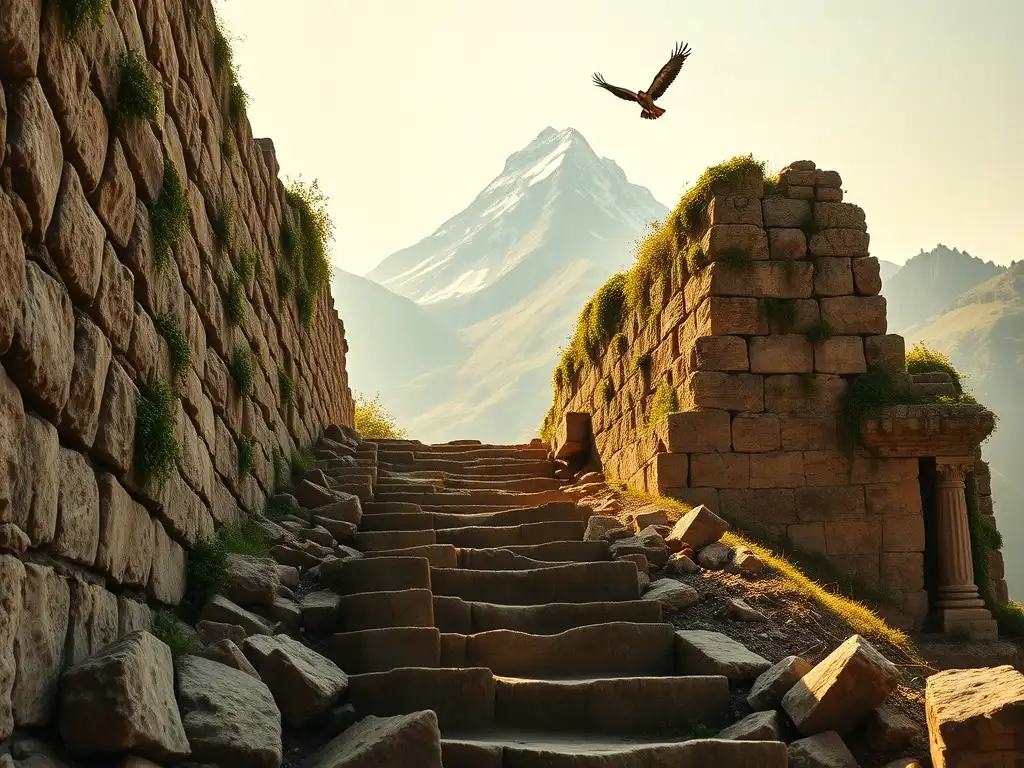
This section offers practical advice for exploring lesser-known Andean archaeological sites, enhancing your experience while minimizing your impact. Remember, responsible tourism is crucial for preserving these invaluable historical treasures for future generations. We'll cover essential planning elements, ensuring a safe and enriching journey through the Andes.
Planning Your Trip: Permits, Local Guides, and Transportation
Planning is paramount when venturing to less-traveled Andean archaeological sites. Many sites require permits, often obtained in advance from local authorities or cultural centers. Check the specific regulations for each site you plan to visit; requirements vary significantly. For instance, accessing certain remote ruins might necessitate securing permits weeks or even months in advance. Failure to do so could result in denied access.
Furthermore, consider hiring a local guide. They possess invaluable knowledge of the area, its history, and the site itself, enriching your experience immeasurably. Local guides often have established relationships with communities surrounding the sites, contributing to responsible tourism by supporting local economies. Their expertise can also ensure your safety, particularly in remote locations.
Transportation to these sites can be challenging. While some are accessible by car or bus, many require a combination of transportation modes, possibly including hiking. Assess your fitness level and travel time realistically. Hiring a 4x4 vehicle might be necessary for reaching some remote locations. Always check road conditions and weather forecasts before embarking on your journey, as conditions can change rapidly in the Andes. Pack appropriately for varying weather conditions and potential delays.
Respecting the Sites: Preserving Andean History and Culture
Responsible tourism goes beyond simply visiting; it's about actively contributing to the preservation of these incredible Andean archaeological sites. Remember, these are not just historical landmarks; they are sacred sites to many indigenous communities. Respectful behavior is crucial.
- Avoid touching artifacts: Refrain from touching any structures, stones, or artifacts. Your touch, however slight, can contribute to erosion and damage over time.
- Stay on marked trails: Stick to designated paths to prevent soil erosion and accidental damage to fragile structures.
- Pack out your trash: Leave no trace behind. Carry all your trash with you and dispose of it properly.
- Respect local customs: Be mindful of local traditions and customs. Dress modestly and ask for permission before taking photographs of people.
- Support local communities: Purchasing souvenirs from local artisans directly supports the communities surrounding the sites and promotes sustainable tourism.
Remember, your actions contribute to the long-term preservation of these invaluable Andean archaeological sites. By following these guidelines, you can ensure that future generations will be able to appreciate these wonders. Let's protect our shared heritage together. 🌎
Essential Travel Gear for Exploring Andean Ruins: Neutrogena Sunscreen, Columbia Hat, and Hydro Flask Water Bottle
The Andean climate can be unforgiving. High altitudes, intense sun, and variable weather conditions demand careful preparation. Packing the right gear is essential for a comfortable and safe exploration of Andean ruins.
| Item | Brand Example | Rationale |
|---|---|---|
| Sunscreen | Neutrogena | High-altitude sun is intense. Broad-spectrum, high SPF sunscreen is a must. |
| Wide-brimmed Hat | Columbia | Protects your face, neck, and ears from the sun. Choose a lightweight, breathable fabric. |
| Water Bottle (Insulated) | Hydro Flask | Staying hydrated is crucial at high altitudes. An insulated bottle keeps water cool. |
| Hiking Boots | [Brand Pending] | Sturdy, comfortable hiking boots with good ankle support are essential for uneven terrain. |
| Layers of Clothing | [Brands Pending] | The Andean weather is unpredictable. Pack layers to adapt to changing temperatures. |
| First-aid Kit | [Brand Pending] | Essential for minor injuries. Include bandages, antiseptic wipes, and any personal medications. |
| High-energy Snacks | [Brands Pending] | Trail mix, energy bars, and dried fruit provide sustained energy during hikes. |
Remember, preparation is key to a successful and respectful exploration of these fascinating Andean archaeological sites. Your careful planning and responsible behavior will ensure the preservation of these invaluable historical and cultural treasures for years to come.
Supporting Local Communities: Choosing Sustainable Tourism Options
Visiting less-known Andean archaeological sites presents a fantastic opportunity to support local communities directly. Choosing sustainable tourism options isn't just ethically responsible; it enriches the overall travel experience. Instead of relying on large, impersonal tour operators, consider booking guided tours through locally owned businesses.
These smaller operations often reinvest their profits directly into the community, supporting local infrastructure, education, and preservation efforts. Look for tours that highlight the cultural aspects alongside the historical, perhaps including traditional meals prepared with locally sourced ingredients or interactions with artisans showcasing their crafts. This direct engagement helps preserve traditional knowledge and livelihoods, creating a more authentic and meaningful experience for the visitor.
Consider the environmental impact of your trip as well. Many smaller Andean communities are deeply connected to their environment. By choosing eco-friendly accommodations and minimizing your carbon footprint, you contribute to the long-term preservation of these fragile ecosystems, which are intrinsically linked to the archaeological sites themselves.
Opting for walking tours or using public transportation whenever possible reduces the environmental impact compared to relying on private vehicles. Remember, responsible tourism isn't just about minimizing harm; it's about actively contributing to the well-being of the communities and environments you visit. Supporting local businesses, respecting cultural practices, and minimizing your environmental impact are key components of sustainable tourism in the Andes, allowing you to appreciate the "Andean archaeological sites" while also contributing positively to the region's future.
This mindful approach helps ensure that these invaluable sites and the cultures they represent thrive for generations to come. The economic benefits of sustainable tourism can be transformative for these communities, offering alternatives to practices that might otherwise damage the very heritage you came to see.
Conclusion: Expanding Your Andean Journey Beyond the Familiar
This exploration of lesser-known Andean archaeological sites has hopefully broadened your perspective on the rich tapestry of Andean history and culture. While iconic sites like Machu Picchu rightfully capture global attention, the true depth and diversity of Andean civilizations are revealed through the meticulous study and appreciation of these less-visited locations. These sites offer a unique opportunity to connect with the past on a more intimate level, providing a deeper understanding of the ingenuity, resilience, and cultural complexities of the Andean peoples.
Remember, venturing beyond the well-trodden paths allows for a more authentic and enriching travel experience. The rewards of exploring these hidden gems far outweigh the extra effort involved in planning and reaching them. By supporting local communities and respecting the delicate balance of these historical environments, we ensure the preservation of these invaluable Andean archaeological sites for future generations.
Why Explore Off-the-Beaten-Path Andean Archaeological Sites?
Exploring lesser-known Andean archaeological sites offers several compelling advantages over visiting the more popular destinations. Firstly, you'll encounter fewer crowds, allowing for a more contemplative and immersive experience. Imagine standing amidst the ruins of a pre-Inca settlement, feeling the weight of history without the distraction of throngs of tourists.
This solitude fosters a deeper connection with the past and allows for a more personal reflection on the lives and achievements of the ancient Andean civilizations. Secondly, these sites often offer unique and less-studied aspects of Andean culture. You might discover intricate details in architecture, pottery styles, or agricultural techniques that are less common in the more extensively researched major sites.
This provides a more nuanced understanding of the diversity and regional variations within Andean cultures. Finally, exploring these sites often directly benefits the local communities, helping to sustain their economies and preserve their cultural heritage. This responsible tourism approach contributes to the long-term preservation of these invaluable Andean archaeological sites.
Encouraging Responsible Travel and Cultural Immersion
Responsible travel is paramount when exploring any archaeological site, particularly those less frequently visited. It's crucial to respect the local communities and their cultural heritage. This means adhering to any guidelines or regulations provided by local authorities, avoiding any damage to artifacts or the environment, and supporting local businesses and guides. Remember, these sites are not just historical landmarks; they are living testaments to the enduring spirit of the Andean people.
By engaging respectfully with the local culture, you'll enhance your travel experience and contribute to the preservation of these precious sites. Consider learning a few basic phrases in Quechua or Aymara, the native languages of the Andes, to show your respect and foster a deeper connection with the local community. Always seek out locally-owned businesses for accommodation, food, and transportation, and remember that your spending habits can directly impact the economic well-being of the surrounding communities.
Final Thoughts: Unveiling the Rich Tapestry of Andean History
The exploration of Andean archaeological sites, both well-known and obscure, unveils a rich tapestry of human history and cultural achievement. The numerous sites scattered throughout the Andes Mountains stand as enduring testaments to the innovation, resilience, and artistry of the Andean civilizations. By venturing beyond the popular tourist trails and exploring these less-visited locations, you not only enrich your travel experience but also contribute to the preservation of these invaluable historical legacies.
Remember that each site holds unique stories and insights, adding layers of complexity and understanding to our knowledge of Andean history. So, embrace the adventure, embrace the challenge, and uncover the hidden gems of Andean archaeology.
The journey itself is as rewarding as the destination, offering a unique opportunity for personal growth and a deeper appreciation of this fascinating region and its captivating history. The exploration of Andean archaeological sites is a journey that continues to reveal new stories and deepen our understanding of these remarkable civilizations.
Frequently Asked Questions
What are some lesser-known Andean archaeological sites mentioned in the article?
The article highlights several lesser-known sites, moving beyond the typical Inca focus. It features examples of remarkable Moche, Nazca, and Tiahuanaco archaeological finds, encouraging exploration beyond the famous Inca ruins.
How does the article define "off the beaten path"?
"Off the beaten path" refers to Andean archaeological sites that receive comparatively fewer tourists than Machu Picchu or Cusco. The article emphasizes lesser-visited locations rich in history and cultural significance.
What kind of information can I expect to find about these sites?
The article provides information on the historical context, cultural significance, and unique architectural features of each site. Expect details about the civilizations that built them and the artifacts discovered there.
Is the article suitable for someone planning a trip to the Andes?
Absolutely! The article serves as an excellent travel guide, offering inspiration for exploring beyond the well-trodden tourist routes. It provides a starting point for researching specific locations and planning your unique Andean adventure.
What makes these "Andean archaeological sites" so important?
These sites offer a broader understanding of Andean civilization than the more famous Inca sites. They reveal the diversity and complexity of ancient Andean cultures, showcasing the achievements of different groups over centuries.
Final Reflection: Unearthing the Past, Shaping the Future
The exploration of lesser-known Andean archaeological sites isn't just about unearthing ancient artifacts; it's about unearthing a deeper understanding of our shared human history and the urgent need for its preservation. These sites, often overlooked in favor of more famous locations, hold invaluable clues to the ingenuity, resilience, and complex social structures of past Andean civilizations. Their continued existence, however, is threatened by factors ranging from climate change to unsustainable tourism practices.
The impact of these discoveries extends far beyond the academic realm. They offer a powerful counter-narrative to dominant historical perspectives, enriching our understanding of Andean cultures and challenging Eurocentric biases. These sites are living testaments to the enduring spirit of human innovation and adaptation. The past is never dead. It's not even past.
– William Faulkner. This quote resonates deeply, as the stories embedded within these archaeological treasures continue to shape our present and inform our future. The responsibility to protect and understand them is a collective one, demanding global collaboration and sustainable practices.
Consider the stories whispered by the stones, the echoes of ancient rituals carried on the wind. You, the reader, now hold a piece of this puzzle. Let the journey through these lesser-known Andean sites inspire you to seek out untold narratives, to champion the preservation of our shared heritage, and to advocate for responsible exploration that respects both the past and the future. Let us work together to ensure that these invaluable treasures remain accessible and protected for generations to come.
Embark on Your Andean Adventure!
Thank you for exploring the hidden treasures of Andean archaeology with us! You've taken the first step towards discovering fascinating, off-the-beaten-path sites. Now, let's delve deeper and experience these wonders firsthand!
Here are a few ways to begin your journey:
- Plan your trip to an lesser-known archaeological site. Whether it's a weekend getaway or a longer expedition, immerse yourself in history!
- Join our online community by subscribing to our newsletter. You'll receive exclusive insights, tips, and stories from fellow explorers who share your passion for Andean history.
- Share this article on social media or with friends who love adventure and history. Let's spread the word about these incredible sites!
We'd love to hear your thoughts: Which lesser-known Andean site excites you most, and why? Share your thoughts in the comments below!