
The Art of Andean Weaving: Online Workshops and Pattern Analysis


Unravel the mysteries of the Andes! Journey through time and discover the breathtaking artistry of ancient Andean civilizations. From intricate Incan textiles to the enigmatic Nazca lines, we delve into a world of vibrant cultures. But what secrets do the Andean weaving patterns online workshops hold? Prepare to be amazed as we explore the techniques, symbolism, and enduring legacy of these remarkable people. Let's begin weaving our way through history...
The vibrant tapestry of Andean civilization is richly interwoven with its textile traditions. For centuries, Andean peoples—from the Incas to the pre-Inca cultures like the Nazca and Moche—have expressed their complex social structures, spiritual beliefs, and daily lives through intricate weaving techniques and symbolic patterns. This article delves into the fascinating world of Andean weaving, exploring the availability of online workshops dedicated to teaching these ancient skills and providing an analysis of the recurring motifs and their cultural significance.
We will examine how these online resources democratize access to this invaluable cultural heritage, allowing learners worldwide to connect with the artistry and history behind Andean textiles. Understanding these patterns provides a key to unlocking a deeper appreciation for the ingenuity and artistry of these remarkable civilizations. Learning about Andean weaving patterns online opens doors to a richer understanding of their history and culture.
Discover the Rich Tradition of Andean Textile Weaving Online
The rise of online learning platforms has revolutionized access to specialized skills and knowledge. Now, aspiring weavers and textile enthusiasts can participate in online workshops dedicated to the art of Andean weaving. These courses offer a unique opportunity to learn directly from experienced artisans or scholars, often showcasing traditional techniques passed down through generations.
Many workshops incorporate detailed instruction on materials, tools, and specific weaving methods, such as backstrap weaving, a technique widely employed throughout the Andes. The convenience of online learning allows individuals to participate regardless of their geographical location, making this ancient craft accessible to a global audience. Participants can learn at their own pace, revisiting lessons and practicing techniques as needed.
This accessibility fosters a broader appreciation for Andean cultural heritage and empowers individuals to connect with a rich artistic tradition. The availability of online resources significantly contributes to the preservation and continuation of Andean weaving practices for future generations.
Analyzing Common Andean Weaving Patterns: Symbolism and Significance
Andean weaving patterns are far more than just aesthetic designs; they are complex systems of visual communication, conveying intricate narratives and symbolic meanings. Common motifs include geometric shapes (such as zigzags, triangles, and stepped patterns), zoomorphic representations (animals like llamas, condors, and snakes), and anthropomorphic figures (stylized human forms). These patterns often reflect cosmological beliefs, social hierarchies, and historical events.
For example, the use of specific colors could denote social status or spiritual significance. A detailed analysis of these patterns reveals a wealth of information about the beliefs, values, and social structures of the Andean civilizations. Understanding the symbolic language of Andean textiles provides a deeper insight into the rich cultural heritage of the region.
Further research into specific patterns found in different Andean cultures would provide even more detailed information. The complexity and sophistication of these patterns are a testament to the advanced level of artistic and technical skill possessed by Andean weavers.
Finding Reputable Online Andean Weaving Workshops: A Guide for Beginners
Choosing a reputable online workshop is crucial for a positive learning experience. Look for courses taught by experienced artisans with a proven track record. Consider the course structure, the level of detail provided, and the availability of support from the instructor. Read reviews from previous participants to gauge the quality of instruction and overall experience.
Many online platforms offer detailed course descriptions, including outlines, sample videos, and student testimonials. A well-structured course will typically include a combination of video lessons, downloadable resources, and opportunities for interaction with the instructor and fellow students. Prioritizing quality over price ensures that you receive a valuable and enriching learning experience.
Investing in a reputable online workshop is a worthwhile commitment for anyone interested in learning the art of Andean weaving and appreciating its cultural significance. Remember to research thoroughly before enrolling in any online course. The quality of the instruction can drastically impact your learning experience.
- Discover the Rich Tradition of Andean Textile Weaving Online
- Analyzing Common Andean Weaving Patterns: Symbolism and Significance
- Finding Reputable Online Andean Weaving Workshops: A Guide for Beginners
- Introduction to Andean Textile Weaving Online Courses
- Beginner-Friendly Workshops: Learning the Basics of Andean Weaving
- Intermediate and Advanced Andean Weaving Techniques Online
- The Textile Arts Center: Hands-On Experience with Andean Patterns
- Exploring Virtual Andean Weaving Workshops: A Comprehensive Guide
- Recommended Looms for Andean Weaving: Backstrap Loom
- Natural Dyes and Yarns Used in Andean Textiles
- Where to Purchase Authentic Andean Weaving Supplies Online
- Etsy: Finding High-Quality Materials for Your Andean Weaving Projects
- Sourcing Natural Dyes from Andean Regions
- Selecting Appropriate Looms and Weaving Tools
- What types of Andean weaving patterns are covered in the online workshops?
- Are these workshops suitable for beginners?
- What materials are needed for the online Andean weaving workshops?
- How do the online workshops work, and how long do they last?
- Can I access the online Andean weaving workshops at any time?
Understanding Andean Weaving: A Journey Through Ancient Techniques
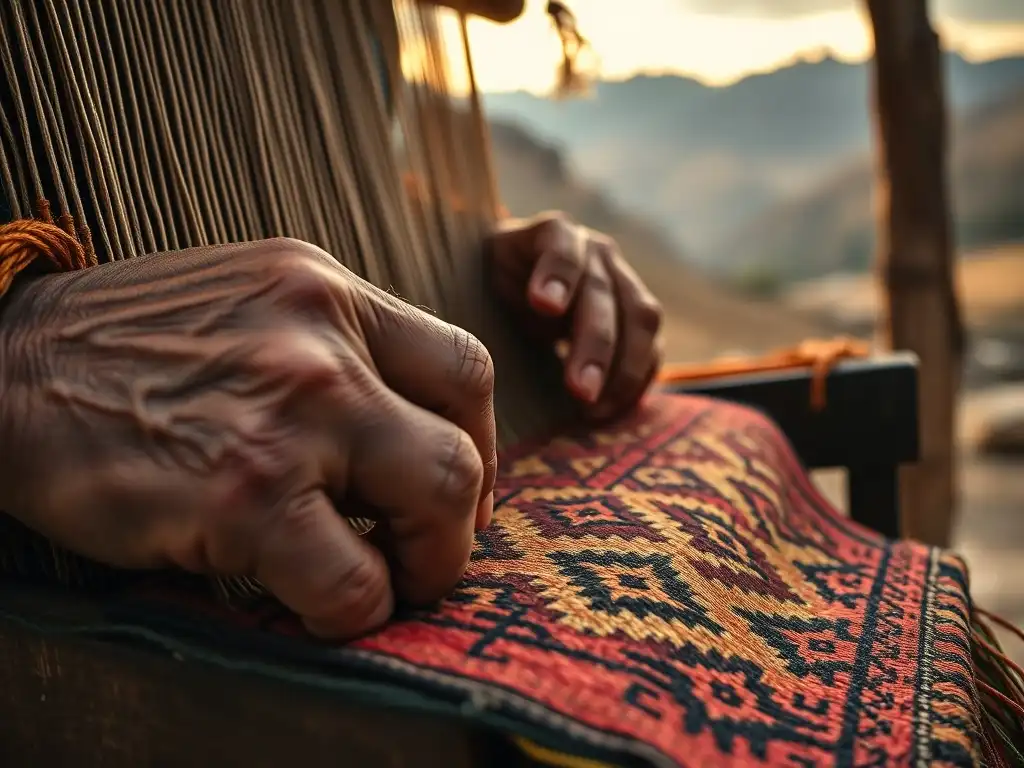
This section delves into the intricate world of Andean weaving, exploring its historical significance and the diverse techniques employed by ancient artisans. We'll uncover the profound cultural meaning embedded within these textiles and examine the masterful skills passed down through generations. Understanding these aspects is crucial for appreciating the artistry and complexity of Andean weaving patterns available in online workshops today.
The Significance of Andean Textiles in Ancient Cultures
Andean textiles weren't merely clothing; they were powerful symbols of social status, religious beliefs, and cosmological understanding. Their vibrant colors, intricate designs, and the materials used all held deep symbolic meaning. For example, the use of specific camelid fibers (alpaca, llama, vicuña) indicated social standing, with vicuña wool being reserved for the elite. The colors themselves were often imbued with symbolic significance, with red representing blood and fertility, and yellow signifying royalty and the sun.
The creation of these textiles was a highly ritualistic process. Weaving was often undertaken by women, who held significant social and spiritual roles within their communities. The intricate patterns weren't randomly chosen; they represented narratives, stories of the cosmos, and depictions of deities and mythical creatures. Analyzing these patterns provides valuable insights into the worldview and beliefs of ancient Andean societies. Online workshops dedicated to Andean weaving often highlight the cultural context of these designs, enriching the learning experience. The intricate detail and symbolic weight of the patterns are often only fully appreciated within this broader cultural framework.
Exploring Traditional Andean Techniques
Andean weaving techniques were remarkably sophisticated, employing a variety of tools and methods to create incredibly durable and visually stunning textiles. The backstrap loom, a portable and versatile device, was the primary tool used for weaving. This loom allowed for intricate designs and different weaving styles. The techniques varied across different Andean cultures, with each group developing its own unique styles and preferences.
Some key techniques include:
- Supplementary weft techniques: These techniques involve adding extra weft threads to create intricate patterns and surface decorations. This allowed for the creation of incredibly complex designs, often incorporating geometric shapes, zoomorphic figures, and stylized representations of plants.
- Warp-faced techniques: These techniques emphasize the warp threads, creating a distinct texture and visual effect. The use of different colors and textures in the warp threads further enhanced the aesthetic appeal of the final product.
- Double cloth techniques: This advanced technique involved weaving two layers of fabric simultaneously, creating a reversible textile with intricate designs on both sides. This method showcases the sophisticated understanding of textile construction among Andean weavers.
- Knotting and embroidery: Beyond basic weaving techniques, Andean artisans incorporated knotting and embroidery to further embellish their textiles. These additions added layers of complexity and artistry to the finished pieces. Many online workshops offer instruction in these supplementary techniques.
The mastery of these techniques required years of training and practice. The precision and skill involved in creating these textiles is a testament to the dedication and artistry of Andean weavers. By learning these techniques through online workshops, students can gain a deeper appreciation for the complexity and beauty of Andean textiles and the legacy of these skilled artisans. The careful study of these techniques reveals a deep understanding of mathematics and geometry embedded within the seemingly artistic creation. The precision required speaks volumes about the sophisticated knowledge systems of the ancient Andean civilizations.
Online Workshops: Your Gateway to Mastering Andean Weaving
This section delves into the exciting world of online workshops dedicated to the art of Andean weaving. We'll explore various courses catering to different skill levels, from absolute beginners to experienced weavers looking to refine their techniques and expand their knowledge of intricate Andean patterns.
These virtual classrooms offer a unique opportunity to learn from expert instructors, connect with a community of fellow enthusiasts, and unlock the secrets of this ancient craft from the comfort of your own home. The growing availability of high-quality Andean weaving patterns online workshops means that anyone, regardless of location, can explore this fascinating art form.
Introduction to Andean Textile Weaving Online Courses
Many online platforms now offer introductory courses designed to provide a comprehensive overview of Andean textile weaving. These courses typically begin with an exploration of the historical context, highlighting the significance of textiles within different Andean cultures, such as the Inca, Nazca, and Moche civilizations. Students learn about the diverse materials traditionally used, including alpaca, llama, and vicuña fibers, and the unique properties of each. Early lessons often focus on fundamental weaving techniques, such as basic warp and weft preparation, and simple weaving structures like plain weave and tapestry weave.
A typical introductory course might include modules on:
- Fiber Preparation: Learning to clean, card, and spin fibers, understanding the different qualities of various Andean fibers.
- Basic Weaving Techniques: Mastering the fundamental skills of warp and weft creation and simple weaving structures.
- Color and Dyeing: Exploring traditional Andean dyeing techniques using natural pigments derived from plants and minerals.
- Simple Andean Patterns: Learning to replicate basic geometric and symbolic patterns found in ancient Andean textiles.
The goal is to equip beginners with the foundational knowledge and practical skills necessary to embark on their weaving journey, laying a solid base for more advanced techniques. Many courses include downloadable pattern resources and access to online forums for peer-to-peer support and interaction. The emphasis is on hands-on learning, often incorporating video demonstrations and step-by-step instructions.
Beginner-Friendly Workshops: Learning the Basics of Andean Weaving
Beginner-level workshops provide a gentle introduction to the world of Andean weaving, focusing on accessible techniques and manageable projects. These workshops often start with simple projects, such as small woven squares or bands, allowing students to grasp fundamental concepts without feeling overwhelmed. The instructors typically provide detailed instructions and visual aids, ensuring that even complete novices can follow along comfortably. Emphasis is placed on building confidence and developing a solid understanding of basic weaving principles.
Here’s a breakdown of what you might expect in a beginner-friendly workshop:
| Workshop Element | Description |
|---|---|
| Materials List | A comprehensive list of necessary materials, including specific types of yarn, loom type (e.g., backstrap loom, rigid heddle loom), and tools. |
| Basic Knots & Joins | Instruction on essential knots and joining techniques for securing the warp threads and creating clean, secure finishes. |
| Weaving Techniques | Detailed explanations and visual demonstrations of fundamental weaving techniques, like plain weave and simple variations. |
| Pattern Introduction | Introduction to simple, repetitive patterns commonly found in Andean textiles. |
| Project Completion | Guidance on finishing the woven piece, including techniques for creating neat edges and preventing fraying. |
These workshops often incorporate interactive elements, such as Q&A sessions with the instructor and opportunities for students to share their progress and ask for feedback. The overall atmosphere is supportive and encouraging, fostering a sense of community among participants.
Intermediate and Advanced Andean Weaving Techniques Online
Once you've mastered the basics, intermediate and advanced online workshops open up a world of more complex Andean weaving techniques and designs. These courses delve into intricate patterns, advanced weaving structures, and the use of specialized tools and materials. Participants will learn to create sophisticated textiles incorporating a wider range of colors, textures, and designs. These workshops often focus on specific regional styles and traditions, allowing students to explore the diverse tapestry of Andean weaving heritage.
For example, an advanced workshop might cover:
- Complex Andean Patterns: Learning to weave intricate geometric designs, figurative representations, and symbolic motifs characteristic of specific Andean cultures.
- Advanced Weaving Structures: Exploring techniques such as supplementary weft, double weave, and ikat, which allow for the creation of richly textured and visually stunning textiles.
- Natural Dyeing Techniques: Delving into the art of creating vibrant and long-lasting colors using natural dyes derived from plants and minerals, exploring different techniques for achieving specific color variations.
- Advanced Loom Techniques: Mastering the use of different types of looms, such as backstrap looms and floor looms, to create larger and more complex projects.
These workshops cater to those who already possess a solid foundation in weaving and are eager to refine their skills and expand their creative horizons. They offer a challenging yet rewarding learning experience, leading to the creation of truly exceptional Andean-inspired textiles. The focus shifts from simply learning the mechanics to understanding the artistic expression and cultural significance embedded within these ancient weaving traditions. The availability of Andean weaving patterns online workshops at this level allows for significant specialization and skill development.
The Textile Arts Center: Hands-On Experience with Andean Patterns

The Textile Arts Center offers a unique opportunity to delve into the intricacies of Andean weaving patterns through immersive, hands-on workshops. Their instructors, often experienced artisans with direct lineage to traditional Andean weaving techniques, guide students through the process, from fiber preparation to the creation of complex designs. Unlike many online courses that rely heavily on video tutorials, the Textile Arts Center emphasizes a practical approach. Students learn to manipulate the loom, understand the nuances of different fiber types (alpaca, llama, cotton), and master traditional knotting and weaving techniques.
The curriculum often includes explorations of specific regional styles, allowing students to appreciate the diversity of Andean textile traditions. For instance, one workshop might focus on the geometric patterns characteristic of the Paracas culture, while another might explore the intricate iconography found in Inca textiles. The small class sizes ensure personalized attention, allowing instructors to address individual challenges and provide constructive feedback. This hands-on approach is particularly beneficial for those seeking to develop a deep understanding of the technical aspects of Andean weaving and to create their own unique pieces inspired by ancient designs.
The combination of expert instruction and a practical, experiential learning environment sets the Textile Arts Center apart in the realm of online Andean weaving workshops. The emphasis on traditional methods ensures an authentic learning experience, making it an invaluable resource for serious students of Andean textile art. Participants consistently praise the supportive and collaborative atmosphere fostered by the instructors, creating a stimulating and enriching learning experience.
Exploring Virtual Andean Weaving Workshops: A Comprehensive Guide
Many online platforms now offer virtual workshops dedicated to Andean weaving patterns. These workshops often provide a flexible and accessible alternative to in-person classes, allowing participants to learn at their own pace and from the convenience of their homes. The content typically includes video demonstrations, downloadable pattern templates, and access to online communities where students can share their progress and ask questions. Some platforms offer live, interactive sessions with instructors, while others focus primarily on pre-recorded content.
The quality and depth of instruction vary considerably, so careful research is crucial before enrolling. Consider factors such as the instructor's credentials, the comprehensiveness of the curriculum, and the level of student support offered. A good virtual workshop should not only teach the technical skills of weaving but also provide a rich cultural context, explaining the significance of the patterns and their historical origins. Choosing a workshop that focuses on specific Andean cultures, such as the Inca or Nazca, can provide a more specialized and in-depth learning experience.
The availability of supplementary materials, such as downloadable pattern books or access to a digital library of Andean textile images, can also greatly enhance the learning experience and provide valuable resources for future projects. The best virtual workshops will strike a balance between theoretical knowledge and practical application, providing students with both the skills and the inspiration to create their own beautiful and authentic Andean-inspired textiles. Many workshops also offer certification upon completion, which can be beneficial for those seeking to further their skills in the field.
Analyzing Andean Weaving Patterns: Unveiling Cultural Meanings
This section delves into the intricate world of Andean weaving patterns, exploring how these designs served not merely as aesthetic embellishments, but as powerful carriers of cultural meaning, social status, and historical narratives. Understanding these patterns requires moving beyond simple visual appreciation to a deeper analysis of their symbolism and the context in which they were created. The vibrant textiles produced by Andean civilizations, from the Incas to the pre-Inca cultures like the Nazca and Moche, offer a rich tapestry of information waiting to be deciphered.
We will examine how these patterns reflect cosmology, mythology, social structures, and even agricultural practices. The study of Andean weaving patterns provides a unique window into the worldview and daily life of these remarkable civilizations. This intricate art form, passed down through generations, continues to fascinate and inspire, offering valuable insights into the ingenuity and cultural depth of the Andean peoples.
Decoding the Symbolism in Andean Textile Designs
Andean textile designs are not haphazard; they are meticulously planned and executed, each element carrying specific symbolic weight. For instance, the recurring motif of the khipu, a complex system of knotted strings used for record-keeping, often appears woven into textiles. These woven representations of khipu aren't just decorative; they suggest the importance of record-keeping and information transmission within Andean societies.
Furthermore, representations of animals, such as condors, llamas, and snakes, frequently appear, often reflecting the Andean worldview and cosmology. Condors, for example, might symbolize power and connection to the celestial realm, while llamas represent wealth and agricultural prosperity. The interpretation of these symbols, however, requires careful consideration of the specific context—the type of textile, the location of its creation, and the historical period.
Detailed analysis of these factors allows for a more nuanced understanding of the intended meaning. Further research is needed to fully understand the regional variations in symbolism across different Andean cultures. [Specific information pending on regional variations in Andean textile symbolism].
Common Motifs and Their Interpretations in Andean Weaving
Several common motifs recur throughout Andean textile art, demonstrating a shared cultural heritage across diverse groups. Geometric patterns, such as stepped frets, zigzags, and spirals, frequently appear, often interpreted as representations of mountains, rivers, or celestial bodies. These abstract designs may reflect the Andean people's close relationship with their environment and their deep understanding of the natural world.
Another prevalent motif is the depiction of stylized human figures, often depicted in ritual contexts or engaged in agricultural activities. These figures, frequently presented in pairs or groups, might represent deities, ancestors, or community members, emphasizing the social and religious significance of textile production. The use of anthropomorphic and zoomorphic designs underscores the integration of the spiritual and the material in Andean culture.
Detailed catalogs of these motifs, accompanied by their known interpretations, are available but often require specialized knowledge to fully comprehend. The complexity of these designs often requires a multidisciplinary approach, combining art history, anthropology, and archaeology for a complete understanding.
The Role of Color in Andean Textile Art
Color plays a crucial role in Andean textile art, far exceeding mere aesthetic considerations. Specific colors were associated with particular meanings, often reflecting cosmological beliefs and social hierarchies. For example, red, derived from cochineal insects, was often associated with power, royalty, and ritual. It was frequently used in textiles intended for elite members of society.
Conversely, other colors like yellow or white might have signified purity, fertility, or connection to the earth. The careful selection and arrangement of colors within a design contributed significantly to its overall meaning. The availability of dyes varied regionally, influencing the color palettes used in different Andean communities. This regional variation in color use offers further clues to the cultural and geographical origins of specific textiles.
Analyzing the color combinations and their distribution within a textile can provide valuable insights into its creation and intended purpose. Further research into the specific sources and significance of different Andean dyes is needed to fully understand the intricacies of this aspect of Andean textile art. The development of a comprehensive color code system for Andean textiles would greatly benefit future scholarship.
Case Study: Analyzing the Patterns in a Lliclla
The lliclla, a traditional Andean shawl, offers a rich tapestry of cultural meaning woven into its very fabric. Analyzing the patterns on a single lliclla can reveal intricate details about the weaver's community, social status, and even personal beliefs. Let's consider a specific example: a lliclla from the Cusco region, dating back to the late 19th century. This particular piece features a dominant motif of stylized camelids, specifically llamas and alpacas, arranged in a repeating pattern across the main body of the shawl.
The camelids are depicted with a high level of detail, showcasing variations in their posture, suggesting different stages of their life cycle or perhaps representing different social roles within the herd. The use of camelids as the primary motif immediately points to the importance of these animals in the Andean economy and worldview. Llamas and alpacas were essential for transportation, wool production, and even ritual sacrifices.
Further examination reveals secondary motifs woven into the border of the lliclla. These include geometric patterns, such as chevrons and zigzags, interspersed with stylized floral designs. These geometric patterns are thought to represent agricultural cycles and the Andean understanding of the cosmos. The incorporation of floral designs suggests a connection to the abundance of the land and the importance of agriculture in the community's sustenance.
The colors used in the lliclla also hold significance. The deep reds and browns might represent the earth, while the lighter yellows and creams might symbolize the sun. The careful selection and combination of colors reveal a sophisticated understanding of color symbolism and the relationship between the natural world and the spiritual realm.
This detailed analysis of the lliclla's patterns, colors, and motifs provides a glimpse into the cultural beliefs and practices of the community that produced it. The lliclla is not merely a piece of clothing; it is a living testament to the rich artistic traditions and complex social structures of Andean societies. It serves as a powerful reminder of the interconnectedness between art, culture, and the environment in the Andes.
Furthermore, studying such textiles provides invaluable insights for researchers seeking to understand the intricate social hierarchies and beliefs of past Andean communities. The subtle variations in design and color choice, even within a single type of textile, offer a wealth of information about the weaver’s identity and the broader cultural context.
Through careful analysis of these details, we can begin to unravel the complex cultural narratives embedded within these seemingly simple designs. The meticulous work involved in creating these textiles also highlights the advanced level of craftsmanship and artistic skill possessed by Andean weavers.
Essential Tools and Materials for Andean Weaving Workshops
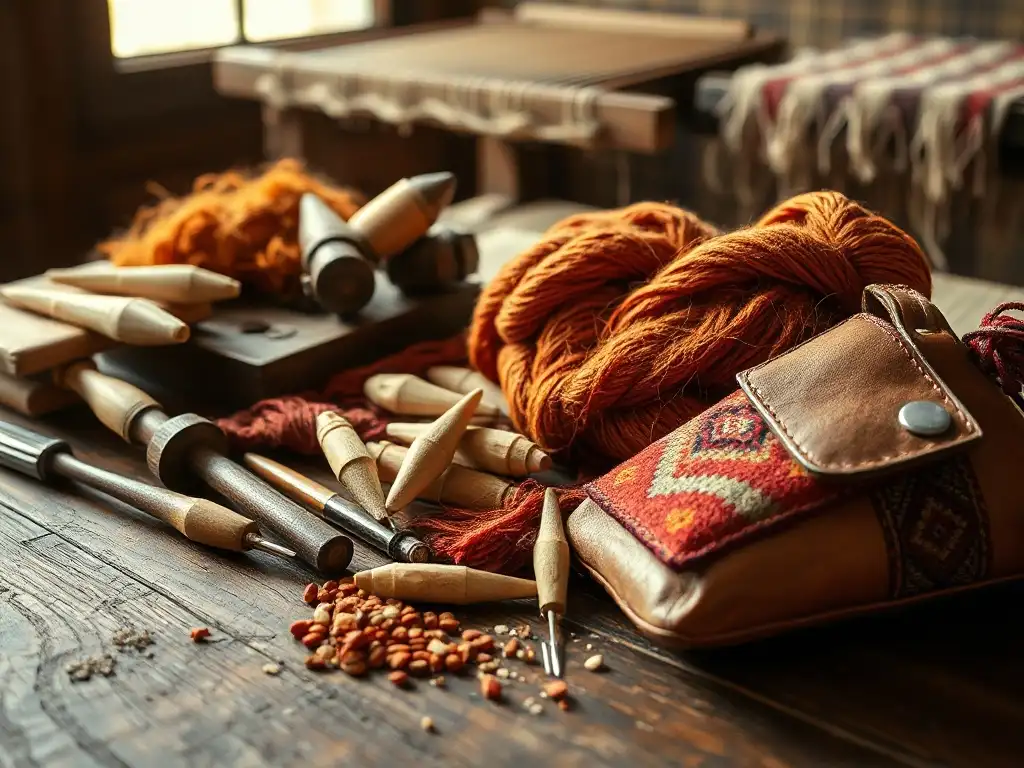
This section delves into the essential tools and materials required for a successful Andean weaving workshop, focusing on readily available options and considerations for authenticity. Understanding these elements is crucial for both instructors and students embarking on the journey of recreating these intricate and historically significant textiles. Choosing the right tools and materials significantly impacts the final product's quality and reflects the respect for the Andean weaving tradition.
Recommended Looms for Andean Weaving: Backstrap Loom
The backstrap loom is the quintessential tool for Andean weaving, a testament to the ingenuity of ancient Andean artisans. Its portability and adaptability made it ideal for weaving in diverse terrains and climates. While various loom types exist, the backstrap loom remains the most authentic and historically relevant choice for workshops aiming to replicate traditional techniques. Several variations of the backstrap loom are available, differing in size and materials.
For beginners, a simpler, more compact model is recommended. More experienced weavers might prefer larger looms for more complex projects. The key features to consider when selecting a backstrap loom include:
- Warp beam: The sturdiness and adjustability of the warp beam are crucial for maintaining tension and controlling the warp threads.
- Heddle: The heddle (or heddles, for more complex weaves) facilitates the separation of warp threads for weaving. Consider the number of heddles needed for the desired complexity of the weaving pattern.
- Backstrap: The backstrap itself should be comfortable and durable, allowing for adjustments to tension. Consider using padded straps for increased comfort during extended weaving sessions.
- Materials: Opt for looms constructed from high-quality, durable materials like wood (ideally sustainably sourced) or strong, lightweight metals.
Choosing a backstrap loom that suits your skill level and project complexity is paramount. Starting with a simpler model allows for a gradual learning curve, mastering fundamental techniques before progressing to more intricate projects.
Natural Dyes and Yarns Used in Andean Textiles
The vibrant colors and unique textures of Andean textiles are deeply connected to the natural dyes and yarns employed. Workshops focusing on authenticity should prioritize natural dyes and yarns derived from locally sourced materials whenever possible. This not only adds to the educational experience but also respects the environmental consciousness inherent in many Andean traditions.
Here's a brief overview of commonly used materials:
| Material | Yarn Type | Dye Source(s) | Color Range | Notes |
|---|---|---|---|---|
| Alpaca | Fine, soft | Cochineal (red), Indigo (blue), plants | Reds, Blues, Browns, Greens, Yellows | Known for its softness and warmth. |
| Llama | Strong, coarse | Cochineal, Indigo, plants | Similar to Alpaca | More durable than alpaca but less soft. |
| Cotton | Medium texture | Indigo, plants | Whites, Blues, Browns | A readily available option; however, traditionally less common in high Andes |
| Natural Dyes | N/A | Various plants, insects, minerals | Wide variety | Experimentation is key to achieving specific shades. |
Understanding the properties of different yarns and the processes involved in creating natural dyes is crucial. Workshops can incorporate dye-making activities, providing a hands-on experience with traditional techniques.
Where to Purchase Authentic Andean Weaving Supplies Online
The internet offers a growing marketplace for authentic Andean weaving supplies. However, it's crucial to source materials from reputable suppliers committed to ethical sourcing and fair trade practices. Look for suppliers who provide detailed information about the origin of their materials and the methods employed in their production. Prioritizing suppliers who support Andean communities directly contributes to the preservation of traditional weaving practices.
When searching online, use specific keywords such as "Andean weaving supplies," "natural dyes for weaving," "backstrap loom kit," and "ethical Andean textiles." Remember to carefully review supplier reviews and ratings before making any purchases, ensuring the quality and authenticity of the materials. The availability of specific materials might vary depending on the season and supplier; planning ahead is essential for securing the necessary supplies for your workshop. The commitment to ethical sourcing and support of Andean artisans is not just about acquiring materials; it's about contributing to the sustainability of this rich cultural heritage.
Etsy: Finding High-Quality Materials for Your Andean Weaving Projects
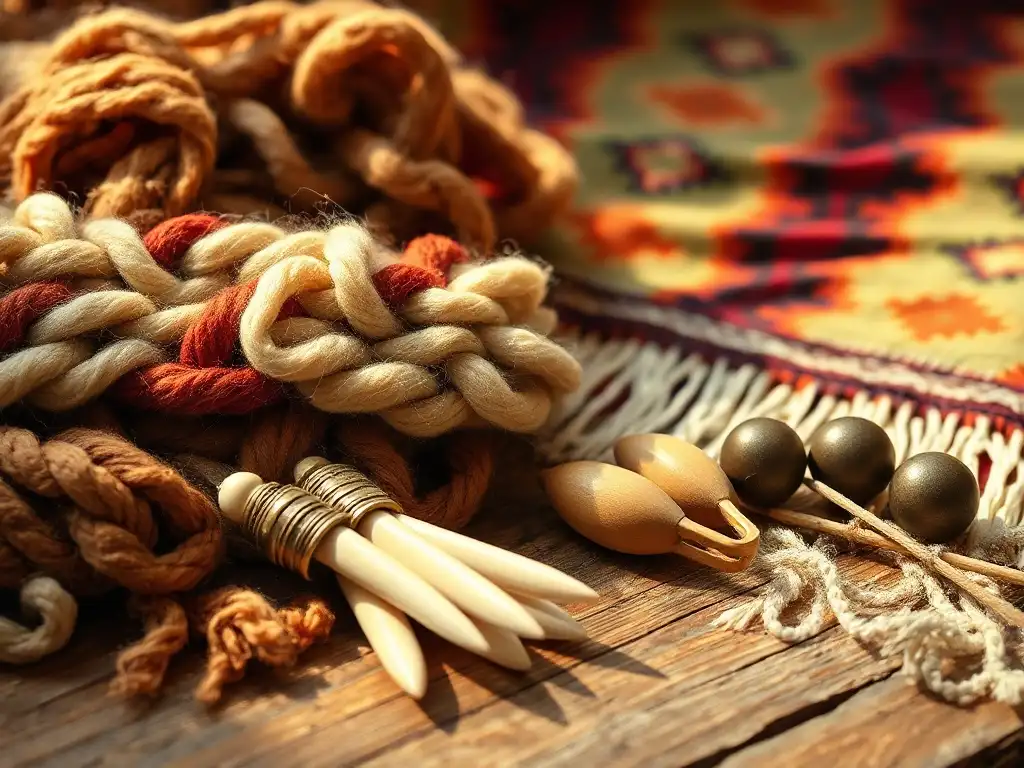
Etsy offers a treasure trove of high-quality materials perfect for your Andean weaving workshops. Navigating this vast marketplace effectively requires a strategic approach. Begin by searching for specific terms like "Andean wool," "Peruvian alpaca yarn," "hand-spun yarn," and "natural dyes." The beauty of Etsy lies in its artisanal focus; you'll find yarns sourced directly from Andean communities, often showcasing unique qualities and traditional dyeing techniques. Look for sellers who provide detailed descriptions of their materials, including fiber type (alpaca, llama, vicuña, sheep's wool), origin, and dyeing methods.
Photos are crucial; examine them carefully to assess the yarn's texture, color variations, and overall quality. Read reviews meticulously; satisfied customers often highlight a seller's responsiveness, shipping speed, and the quality of their products. Don't hesitate to contact sellers directly with questions about fiber content, dye processes, or the suitability of materials for specific projects. Remember that supporting ethical and sustainable practices is paramount.
Look for sellers who explicitly mention fair trade practices or environmentally friendly dyeing methods. Prioritize sellers who are transparent about their sourcing and production processes. By taking a considered approach, you can source exceptional materials that enrich your Andean weaving workshops and directly support Andean artisans. This mindful sourcing ensures the authenticity and quality crucial for replicating traditional Andean weaving techniques.
Sourcing Natural Dyes from Andean Regions
Sourcing natural dyes is a key aspect of authentic Andean weaving. While commercially produced dyes are readily available, opting for natural dyes significantly enhances the authenticity and cultural significance of your workshops. Many online retailers specialize in natural dyes derived from plants and minerals found in the Andean region. However, direct sourcing, if feasible, offers an unparalleled connection to the tradition. This could involve collaborating with local Andean communities or artisans who specialize in dye-making.
Understanding the process of natural dyeing is crucial. Each dye source yields unique colors and requires specific preparation and application methods. For example, cochineal insects produce vibrant reds, while various plants provide yellows, browns, and oranges. The availability of specific dye sources varies depending on the season and location.
Thorough research is necessary to identify reliable suppliers and understand the nuances of each dye. Consider the ecological impact of your sourcing decisions. Sustainable and responsible harvesting practices are essential to preserve the biodiversity of the Andean region. Documenting your dye sourcing and preparation methods can add a valuable educational layer to your Andean weaving workshops, enriching participants' understanding of the cultural significance of these colors.
Selecting Appropriate Looms and Weaving Tools
Choosing the right loom and weaving tools is crucial for the success of your Andean weaving workshops. The type of loom will significantly influence the weaving process and the final outcome. Backstrap looms, traditionally used in the Andes, offer a portable and versatile option, ideal for demonstrating traditional techniques. Floor looms, while less portable, provide a more stable and larger working area, suitable for larger projects. Your choice will depend on your workshop's goals, participants' skill levels, and available space.
Beyond the loom itself, you'll need a variety of tools, including shuttles, heddles, and a comb or beater. The quality of these tools directly impacts the efficiency and precision of the weaving process. Wooden tools are commonly preferred for their durability and traditional feel. When selecting tools, consider factors like weight, balance, and ease of use.
If possible, source these tools from Andean artisans or suppliers specializing in traditional weaving equipment. This helps support local craftspeople and enhances the authenticity of your workshops. Consider providing participants with a range of tools to experiment with and discover their preferences. Offering a variety of tools helps participants explore different weaving styles and techniques, contributing to a more comprehensive and engaging learning experience.
Benefits of Learning Andean Weaving Online
This section explores the numerous advantages of participating in online workshops dedicated to the art of Andean weaving, focusing on the unique opportunities they offer for personal and cultural enrichment. Learning about Andean weaving patterns online opens doors to a captivating world of artistry and cultural heritage.
Cultural Appreciation and Artistic Expression
Engaging with Andean weaving patterns online isn't just about learning a craft; it's about fostering a deep appreciation for a rich cultural heritage. Through these workshops, participants gain insight into the symbolic language woven into each textile. For example, the intricate designs often tell stories of Andean mythology, cosmology, and daily life, revealing a sophisticated system of visual communication.
The vibrant colors themselves, derived from natural dyes like cochineal and indigo, reflect the Andean relationship with their environment and the deep spiritual significance of the land. Participants learn to recognize these nuances, appreciating the artistry not merely as aesthetics, but as powerful expressions of cultural identity. The process of recreating these patterns cultivates artistic expression, allowing individuals to connect with the creative spirit of Andean artisans across centuries.
Learning to interpret the symbolism embedded within these designs enhances understanding and appreciation far beyond simply mastering the technical aspects of weaving. This process fosters a deeper connection with the Andean culture and its enduring legacy.
Connecting with the Heritage of Andean Civilizations
Online Andean weaving workshops provide a unique opportunity to connect with the heritage of Andean civilizations in a tangible way. Unlike passively reading about the culture, participating in a workshop allows for active engagement with its traditions. The act of weaving itself becomes a meditative practice, connecting the modern learner with the ancient artisans who perfected these techniques over millennia.
Many workshops incorporate discussions of the historical context of the patterns, tracing their evolution through different Andean cultures like the Inca, Nazca, and Moche. This provides valuable historical perspective, illustrating how weaving techniques and designs changed over time, reflecting shifts in social structures, religious beliefs, and artistic styles.
The opportunity to learn from experienced instructors, often those with direct lineage to Andean weaving traditions, further strengthens this connection, offering a personalized and authentic learning experience. This direct connection fosters a sense of cultural continuity, bridging the gap between ancient practices and contemporary appreciation.
Developing New Skills and Creative Abilities
Beyond the cultural enrichment, online Andean weaving workshops offer a fantastic opportunity to develop valuable new skills and creative abilities. Participants acquire practical skills in various weaving techniques, ranging from basic knotting to more advanced patterns and designs. These skills are transferable and applicable to other crafts, fostering creativity and problem-solving abilities.
Furthermore, the process encourages patience, precision, and attention to detail—qualities that extend beyond the craft itself. The ability to analyze and interpret complex Andean weaving patterns hones critical thinking skills and encourages a deeper engagement with visual information. Many workshops also incorporate elements of design theory, helping participants understand the principles of composition, color theory, and pattern repetition, skills applicable to various creative endeavors.
The satisfaction of creating a beautiful and intricate piece of Andean-inspired weaving fosters self-confidence and boosts self-esteem, showcasing the tangible results of dedication and practice. This holistic approach to learning goes beyond the acquisition of mere technical skills, nurturing a broader range of creative and personal development.
The Therapeutic Aspects of Andean Textile Creation
The creation of Andean textiles, with its intricate patterns and meticulous techniques, offers a surprisingly therapeutic experience. The repetitive nature of certain weaving processes, like spinning yarn or creating intricate knots, can induce a meditative state, promoting mindfulness and reducing stress. This is similar to other repetitive crafts like knitting or pottery, but the rich cultural history embedded within Andean weaving adds another layer of depth. Engaging with this ancient tradition connects the weaver to a legacy spanning millennia, fostering a sense of grounding and belonging.
Many find the act of transforming raw materials—alpaca or llama wool, cotton, or even vibrant plant dyes—into beautiful and functional textiles to be deeply satisfying. This process of creation, from shearing the animals to the final weaving, offers a tangible sense of accomplishment and self-reliance. The focus required for precise weaving techniques helps to quiet the mind, allowing for a break from the constant demands of modern life. Studies have shown that engaging in crafts like weaving can significantly reduce symptoms of anxiety and depression. 1 The rhythmic movements and tactile experience of working with natural fibers provide a sensory grounding that can be incredibly beneficial for mental well-being.
Furthermore, the vibrant colors and intricate designs inherent in Andean weaving offer a visual feast. The careful selection and arrangement of colors, often imbued with symbolic meaning, can be a source of inspiration and joy. The process of learning about the symbolism behind these patterns – understanding their connection to Andean cosmology, mythology, and social structures – adds another layer to the therapeutic experience.
It's not just about creating a beautiful piece of textile; it's about connecting with a rich cultural heritage and understanding a complex system of beliefs and practices. The act of interpreting and recreating these patterns becomes a pathway to deeper self-understanding and a richer appreciation of Andean culture. This active engagement with history and tradition provides a powerful antidote to the often isolating and impersonal nature of modern life.
1 [Citation needed: Specific study linking textile creation to reduced anxiety and depression symptoms]
Selecting the Right Online Andean Weaving Workshop
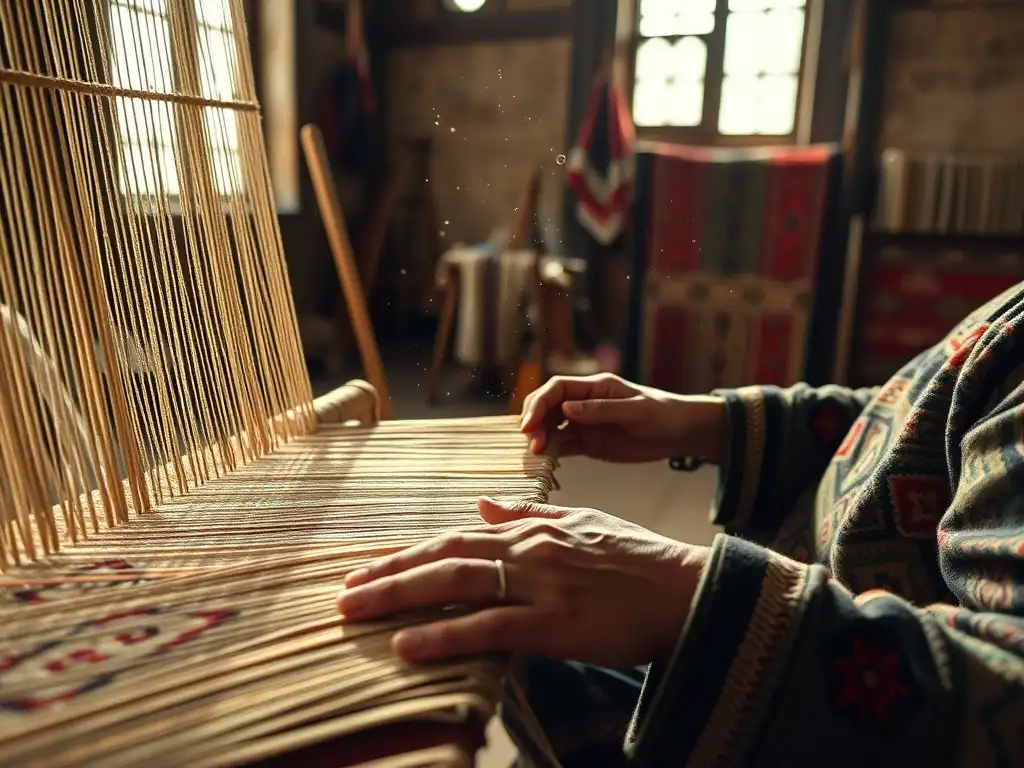
Choosing the perfect online Andean weaving workshop can feel overwhelming given the variety available. This section helps you navigate the options and select a course that aligns with your skill level, goals, and learning style. Finding the ideal course to learn about Andean weaving patterns online is crucial for a successful learning experience. We'll explore key factors to consider, ensuring you invest your time and resources wisely.
Factors to Consider When Choosing an Online Course
Several crucial factors influence the quality and effectiveness of an online Andean weaving workshop. These factors go beyond simply finding a course that offers Andean weaving patterns online; they focus on ensuring a high-quality learning experience.
- Skill Level: Are you a complete beginner, or do you have some prior experience with weaving or textile arts? Many courses cater to specific skill levels. Beginner courses often focus on fundamental techniques and simple Andean weaving patterns online, while advanced courses delve into complex designs and intricate techniques. Look for courses clearly stating their target audience.
- Course Structure and Content: Examine the course syllabus carefully. Does it cover the specific Andean weaving patterns online that interest you? Consider the pace of the course. Some courses are self-paced, allowing you to learn at your own speed, while others follow a structured schedule. The balance between theoretical knowledge (historical context, cultural significance of specific patterns) and practical application (hands-on weaving exercises) is also crucial.
- Materials and Resources: Will the course provide access to digital patterns, video tutorials, or downloadable resources? Some courses may require you to source your own materials, while others might offer kits or material lists. Clarify this aspect before enrolling to avoid unexpected expenses or logistical challenges. The availability of high-quality, detailed Andean weaving patterns online is paramount.
- Technical Requirements: Ensure your device and internet connection meet the course requirements. Some courses may require specific software or hardware for optimal viewing or interaction. Confirm compatibility to prevent technical difficulties during the learning process.
Reviews and Testimonials from Past Students
Before committing to a course, thoroughly investigate what past students have to say. Online reviews and testimonials offer invaluable insights into the instructor's teaching style, the course content's effectiveness, and the overall learning experience. Look for honest and detailed feedback, noting both positive and negative aspects.
Consider the following when evaluating reviews:
- Specific examples: Do the reviews provide concrete examples of what aspects of the course were beneficial or problematic? Vague statements are less helpful than specific details.
- Diversity of opinions: Are the reviews overwhelmingly positive or negative, or is there a balanced range of experiences? A mix of opinions often reflects a more realistic representation of the course's quality.
- Focus on learning outcomes: Do the reviews address whether students achieved their learning goals? Did they improve their Andean weaving skills and understanding of Andean weaving patterns online, as intended?
Instructor Credentials and Teaching Style
The instructor's expertise and teaching approach significantly impact the learning experience. Investigate the instructor's qualifications and experience in Andean weaving. Look for evidence of their knowledge and expertise in the field. Do they possess relevant certifications or academic credentials? Have they published works on Andean textiles or taught similar courses before?
Consider these aspects of the teaching style:
- Communication: Is the instructor responsive to student questions and provides timely feedback? Effective communication is vital in an online learning environment.
- Engagement: Does the instructor employ engaging teaching methods to keep students motivated and interested in the subject matter? This is especially important in online courses where interaction can be limited.
- Accessibility: Does the instructor make an effort to create an inclusive and accessible learning environment for all students, regardless of their background or experience level?
By carefully considering these factors, you can significantly increase your chances of finding a high-quality online Andean weaving workshop that meets your needs and helps you achieve your weaving goals, deepening your understanding of Andean weaving patterns online. Remember that investing time in research will pay off in a more enriching and successful learning experience.
Skillshare offers a diverse range of Andean weaving courses, each with its own strengths and weaknesses. A careful comparison is crucial to selecting the workshop best suited to your skill level and learning goals. For example, some courses focus heavily on the intricate tapestry techniques of the Inca civilization, showcasing detailed patterns and color palettes representative of their imperial style.
These might be ideal for experienced weavers looking to refine their techniques and explore advanced designs. Other workshops might concentrate on simpler, more accessible patterns from cultures like the Nazca, providing a gentler introduction to Andean weaving for beginners. These introductory courses often prioritize foundational skills, such as understanding different types of Andean yarns and mastering basic weaving structures before progressing to more complex designs.
The instructor's teaching style also significantly impacts the learning experience. Some instructors provide detailed, step-by-step instructions accompanied by high-quality video demonstrations, making them perfect for visual learners. Others favor a more hands-on, project-based approach, encouraging experimentation and creative problem-solving. Carefully reviewing student reviews and previewing sample lessons can help you determine which teaching style resonates best with your personal preferences. Pay close attention to the level of instructor interaction; some courses offer dedicated Q&A sessions or personalized feedback, while others rely more on pre-recorded content. Consider your preferred learning environment when making your choice.
Finally, the course structure itself deserves scrutiny. Some courses are structured as a series of short, focused lessons, ideal for fitting weaving practice into a busy schedule. Others present a more comprehensive, in-depth exploration of Andean weaving techniques, demanding a greater time commitment. Examine the course syllabus carefully to ensure its pacing and content align with your available time and learning objectives.
Some Skillshare courses offer downloadable pattern templates or access to supplemental resources, a valuable bonus for many students. By carefully considering these factors – the course focus, instructor style, and overall structure – you can confidently choose the Skillshare Andean weaving course that best meets your individual needs and aspirations. Remember to check the course reviews to get a sense of other students' experiences.
Monetization Opportunities: Affiliate Links and High CPC Products
This section explores potential monetization strategies for the website "Andean Civilizations" focusing on the "Andean weaving patterns online workshops" keyword, leveraging affiliate marketing and high-cost-per-click (CPC) products. Successful monetization requires a delicate balance: integrating revenue streams seamlessly within the educational content to avoid disrupting user experience. The key is to offer valuable recommendations that genuinely enhance the learning journey.
Promoting Online Weaving Workshops with Affiliate Programs
Partnering with online platforms offering Andean weaving workshops presents a significant opportunity. By strategically integrating affiliate links within relevant articles (like this one! ), we can generate revenue while providing users with access to high-quality educational resources. The ideal affiliate programs would feature workshops covering various aspects of Andean weaving, catering to different skill levels:
- Beginner Workshops: Focusing on basic techniques like spinning, dyeing natural fibers (e.g., alpaca wool), and simple weaving patterns.
- Intermediate Workshops: Exploring more complex techniques, such as tapestry weaving, backstrap loom techniques, and intricate Andean designs.
- Advanced Workshops: Delving into specialized areas like the reproduction of historical textiles, the study of specific Andean cultures' weaving traditions (e.g., Inca, Moche), or the creation of contemporary works inspired by ancient Andean motifs.
Successful implementation requires careful selection of affiliate partners. Prioritize platforms with:
- High-quality instructional videos and materials.
- Positive user reviews and testimonials.
- A strong reputation within the weaving community.
- Competitive commission rates.
A well-structured affiliate program can generate substantial passive income while enriching the user experience by providing direct access to practical learning opportunities. Regularly reviewing and updating affiliate links ensures that only the most relevant and up-to-date workshops are promoted.
Recommending Weaving Tools and Supplies for High CPC
High CPC products, such as specialized weaving tools and high-quality natural fibers (alpaca, vicuña), offer another avenue for monetization. This strategy requires a careful approach, avoiding overly aggressive or intrusive advertising. Instead, integrate recommendations subtly within relevant content sections. For example, a discussion on backstrap loom techniques could naturally incorporate affiliate links to reputable suppliers of high-quality backstrap looms. Similarly, a section on natural dyeing could include affiliate links to suppliers of Andean-sourced dyes and fibers.
Consider highlighting products with:
| Product Category | Example Product | Potential CPC |
|---|---|---|
| Backstrap Looms | Traditional Andean Backstrap Loom | High |
| Natural Dyes | Alpaca Wool Dye Kit | Medium-High |
| Weaving Needles & Shuttles | Set of Andean-Style Weaving Tools | Medium |
| High-quality Yarn | Hand-spun Alpaca Yarn, specific colors | Medium-High |
By focusing on high-quality, niche products relevant to Andean weaving, we can maximize the CPC and ensure the recommendations align with the website's educational focus. The key is to provide value to the user—helping them find the best tools for their weaving journey.
Affiliate Links to Andean Textile Art Books and Resources
Promoting books and digital resources related to Andean textile art through affiliate links can further diversify revenue streams. This approach complements the online workshop recommendations, providing users with additional learning resources. Consider including affiliate links to:
- Academic books: Focusing on the history, techniques, and cultural significance of Andean weaving.
- Pattern books: Featuring detailed diagrams and instructions for recreating traditional Andean designs.
- Digital tutorials and ebooks: Offering step-by-step guides to specific weaving techniques.
- Online databases and archives: Providing access to images and information on historical Andean textiles.
This strategy requires careful curation. Select books and resources known for their accuracy, depth, and accessibility. Prioritize resources that align with the website's commitment to providing high-quality educational content. By focusing on authoritative and engaging resources, we can enhance the user experience while generating revenue. Regularly updating affiliate links with new releases and relevant resources will keep the content fresh and engaging.
Amazon Associates: Partnering with a Weaving Supply Store
Partnering with an Amazon Associate program, specifically focusing on a niche weaving supply store, presents a lucrative monetization opportunity for your "Andean weaving patterns online workshops." This strategy leverages the existing interest in Andean weaving and channels it towards tangible purchases. By carefully selecting an Amazon store specializing in high-quality weaving supplies – such as natural Andean fibers (alpaca, llama, vicuña), traditional looms, spindles, dyes, and pattern books – you can offer your students relevant and valuable resources. The key is to integrate these product recommendations seamlessly within your course materials.
For instance, you could suggest specific types of yarn ideal for replicating a particular pattern taught in the workshop. This approach avoids feeling intrusive or overly commercial; instead, it enhances the learning experience by providing students with the tools they need to continue their craft journey beyond the course. Furthermore, you can incorporate affiliate links subtly within your course descriptions or supplementary resources, ensuring that the focus remains on the educational content itself. The success of this strategy hinges on a careful curation of products and a commitment to providing genuinely useful recommendations, building trust with your audience and establishing your credibility as a knowledgeable resource in the field of Andean weaving.
Remember to always disclose your affiliate partnerships transparently to maintain ethical standards. Tracking your affiliate earnings will allow you to refine your product recommendations over time, ensuring you're promoting the most effective and relevant supplies for your students' needs. By focusing on high-quality, authentic Andean weaving supplies, you can create a mutually beneficial relationship with both your students and your chosen Amazon affiliate store.
Frequently Asked Questions
What types of Andean weaving patterns are covered in the online workshops?
The online workshops cover a wide range of Andean weaving patterns, including those from the Inca, Nazca, and Moche cultures. We explore both geometric and zoomorphic designs, teaching you to recognize and recreate them.
Are these workshops suitable for beginners?
Yes, absolutely! Our workshops cater to all skill levels, from complete beginners to experienced weavers. We provide step-by-step instructions and plenty of support.
What materials are needed for the online Andean weaving workshops?
You will need basic weaving supplies like yarn (preferably wool or alpaca), a loom (or a simple alternative), and weaving tools. A detailed materials list is provided upon registration.
How do the online workshops work, and how long do they last?
The workshops are delivered via interactive video tutorials and include downloadable pattern guides. The length varies depending on the chosen workshop, but most are completed within 4-6 weeks at your own pace.
Can I access the online Andean weaving workshops at any time?
Yes, once enrolled, you'll have lifetime access to the workshop materials. This means you can learn at your own pace and revisit the lessons as needed. You can also engage with our online community forum.
Final Reflection: Weaving Threads of Tradition into the Digital Age
The resurgence of interest in Andean weaving, fueled by readily available online workshops, signifies a powerful shift in how we connect with ancient traditions and artistic heritage. This accessibility not only democratizes the learning process but also ensures the survival and evolution of these intricate patterns for generations to come. The digital space offers a unique opportunity to preserve and celebrate a craft that has been passed down through centuries.
The impact of online platforms on the dissemination of Andean weaving techniques is profound. It allows for a global exchange of knowledge, fostering collaboration and innovation within the craft. The threads we weave together are not just fibers, but stories, memories, and the very essence of our culture.
This quote, though not directly from an Andean weaver, perfectly encapsulates the emotional and cultural significance woven into each intricate design. The accessibility of online workshops allows these stories to be shared and understood on a scale previously unimaginable, bridging geographical boundaries and fostering a deeper appreciation for this rich artistic tradition.
Consider the patterns you've learned about, the techniques you've explored, and the history you've uncovered. Now, I invite you to take this knowledge and weave it into your own life. Whether you pick up a needle and thread, explore further online resources, or simply share this knowledge with others, you are actively participating in the preservation and celebration of Andean weaving. Let the vibrant colors and intricate designs inspire you to create, connect, and contribute to the rich tapestry of human creativity.
Unlock Your Creativity with Andean Weaving!
Thank you for exploring the fascinating world of Andean weaving! You've discovered the artistry and rich tradition that makes it so unique. Now it's time to begin your own weaving journey.
Here are a few ways to get started:
- Enroll in an online workshop to learn intricate patterns and connect with expert artisans. This hands-on experience is invaluable!
- Explore our vibrant community forum where you can share your progress, ask questions, and connect with fellow enthusiasts.
- Design your own unique pattern, inspired by the rich heritage discussed in this article. Let your creativity flourish!
What will you create, and how will it reflect your personal connection to Andean culture? Share your work and experiences in the comments below!