
Master the Mysteries of Moche Art: Online Workshops and Digital Archives

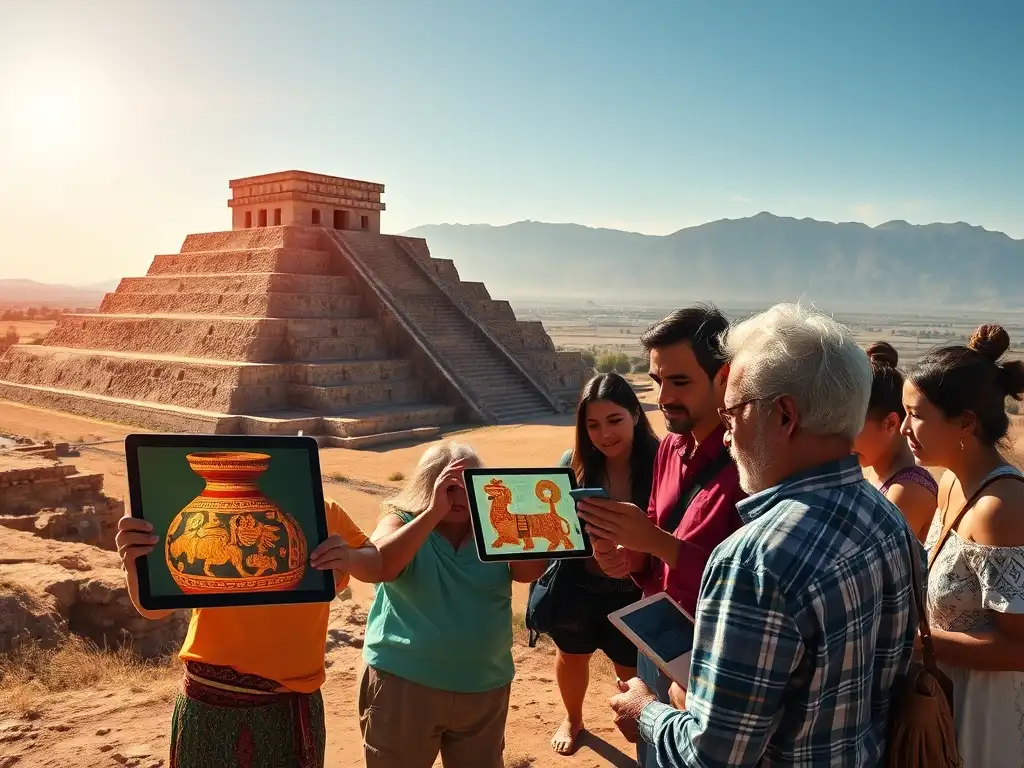
Uncover the secrets whispered on the wind from the Andes! Prepare to be captivated by the vibrant tapestry of ancient Andean civilizations, from the ingenuity of the Incas to the breathtaking artistry of the Moche. Intrigued by their mastery of metalwork, ceramics, and textile design? Then delve into our Moche art online workshops, a unique opportunity to unlock the mysteries of this fascinating culture and experience their legacy firsthand. Explore the digital archives and embark on a journey through time – the wonders of the Andes await!
- Unveiling the World of Moche Art: Your Gateway to Ancient Peru
- The Best Moche Art Online Workshops: A Comparative Overview
- Exploring Digital Archives: Complementing Your Moche Art Studies
- Maximizing Your Moche Art Learning Experience: Tips and Resources
- Frequently Asked Questions
- Final Reflection: Unlocking Moche Legacy Through Digital Access
- Unlock the Secrets of Moche Art Today!
Unveiling the World of Moche Art: Your Gateway to Ancient Peru
The Moche civilization, flourishing along Peru's northern coast from approximately 100 CE to 800 CE, left behind a breathtaking legacy of artistic expression. Their mastery of ceramics, metalwork, and textile arts offers a captivating window into their complex social structures, religious beliefs, and daily life. This article explores the fascinating world of Moche art and how you can delve into its mysteries through readily available online workshops and digital archives.
We'll examine the significance of studying Moche art, the benefits of online learning resources, and the wealth of information awaiting those eager to explore this vibrant ancient culture. Prepare to be amazed by the intricate details, vibrant colors, and powerful narratives embedded within these remarkable artifacts – a testament to the ingenuity and artistry of a civilization that continues to fascinate and inspire.
Learning about Moche art isn't just about appreciating beautiful objects; it's about understanding a pivotal period in Andean history and gaining a deeper appreciation for the human spirit's enduring capacity for creativity and innovation. This exploration will equip you with the knowledge and resources to embark on your own journey of discovery.
Discovering Moche Culture Through Online Learning
The digital age has revolutionized access to educational resources, making the study of Moche art more accessible than ever before. Numerous online platforms now offer workshops, courses, and virtual museum tours dedicated to this captivating culture. These resources cater to diverse learning styles and experience levels, from introductory overviews for beginners to in-depth analyses for seasoned scholars. Many online workshops utilize high-resolution images and 3D models of Moche artifacts, allowing for detailed examination of intricate details often missed in traditional settings.
Furthermore, interactive elements such as quizzes and discussions foster deeper engagement and knowledge retention. The flexibility of online learning allows individuals to study at their own pace and schedule, fitting seamlessly into busy lives. Consider the benefits:
- Accessibility: Learn from anywhere with an internet connection.
- Flexibility: Set your own learning pace and schedule.
- Cost-effectiveness: Often more affordable than traditional courses.
- Immersive Experience: High-quality images and 3D models enhance learning.
- Community Engagement: Participate in online discussions and forums.
The availability of these resources democratizes access to specialized knowledge, making the study of Moche art a possibility for a much wider audience. Think of the potential for global collaboration and shared learning experiences! 🌍
Why Study Moche Art? Understanding Its Significance
Studying Moche art provides invaluable insights into the social, political, and religious aspects of this remarkable civilization. Their pottery, renowned for its intricate detail and lifelike depictions, offers a unique glimpse into their daily lives, from agricultural practices to warfare and elaborate rituals. The vibrant colors and symbolic imagery reveal much about their worldview and beliefs. For example, the iconic Moche portrait vessels, depicting individuals with striking realism and often adorned with elaborate headdresses and jewelry, provide clues to social hierarchy and status.
Furthermore, the sophisticated metalwork, including gold and silver ornaments, showcases their advanced metallurgical techniques and artistic skills. Analyzing these artifacts allows us to reconstruct aspects of their society that might otherwise remain unknown. The significance of studying Moche art is multifaceted:
- Understanding a Complex Society: Uncover the social structures, beliefs, and daily lives of the Moche.
- Appreciating Artistic Mastery: Witness the unparalleled skill and innovation of Moche artisans.
- Preserving Cultural Heritage: Contribute to the appreciation and preservation of a vital part of Andean history.
- Developing Critical Thinking Skills: Analyze and interpret visual evidence to draw informed conclusions.
- Inspiring Creativity: Draw inspiration from the vibrant artistry and innovative techniques of the Moche.
The study of Moche art is not merely an academic pursuit; it's a journey of discovery that connects us to a rich and vibrant past. It allows us to appreciate the ingenuity and artistry of a civilization that, despite its distance in time, continues to resonate with us today. The wealth of online resources available makes this journey accessible and engaging for all.
The Best Moche Art Online Workshops: A Comparative Overview
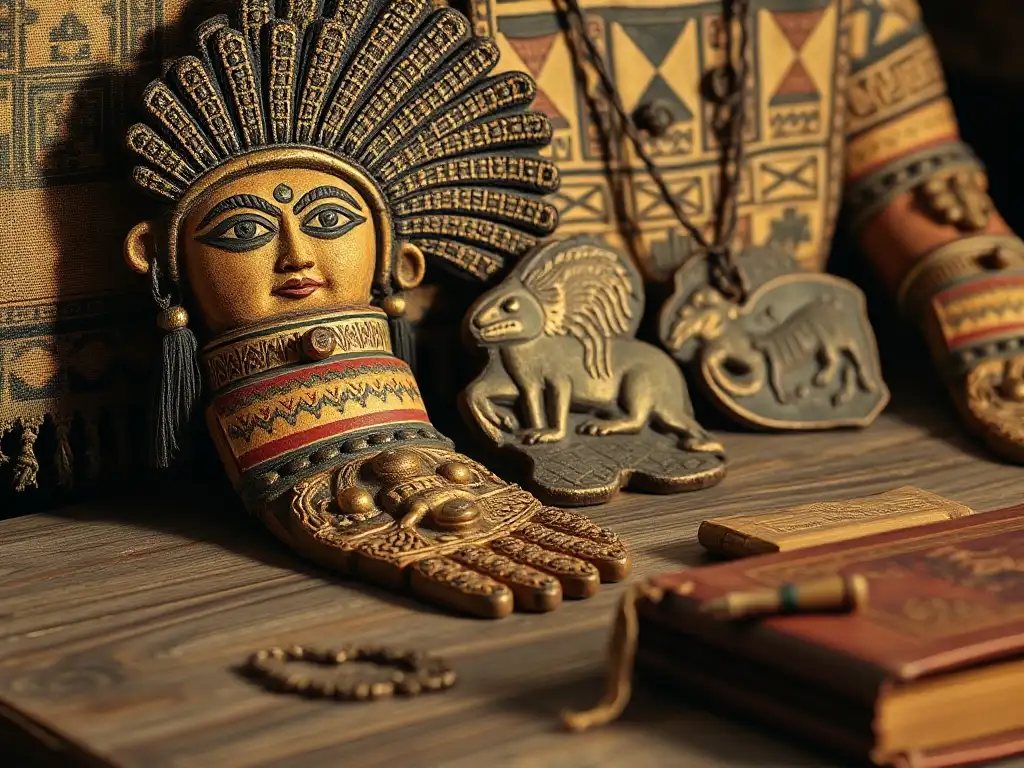
This section provides a detailed comparison of three leading online workshops focusing on Moche art, catering to diverse learning styles and skill levels. We'll examine the curriculum, instructors, and overall learning experience offered by each program, helping you choose the perfect fit for your exploration of Moche artistic mastery. Finding the right "Moche art online workshops" can be challenging, so we've done the legwork for you.
Option 1: "Advanced Moche Ceramics" Workshop by Coursera
This intensive Coursera workshop delves into the intricate techniques employed by Moche artisans in creating their renowned ceramic vessels. The course, taught by Dr. Elena Ramirez, a leading expert in pre-Columbian ceramics, provides a comprehensive understanding of Moche pottery production, from clay sourcing and preparation to firing and finishing techniques.
The curriculum covers a wide range of topics, including:
- Clay analysis and preparation: Learn about the types of clay used by the Moche and the processes involved in preparing it for pottery creation. This section includes detailed analyses of clay samples from various Moche sites.
- Moche pottery techniques: Explore the diverse techniques used in shaping, decorating, and firing Moche vessels, including modeling, molding, and the use of slip and paint. High-resolution images and 3D models of artifacts are used extensively.
- Iconography and symbolism: Decipher the complex iconography found on Moche ceramics, interpreting the meaning of various motifs and their significance within Moche society. The course incorporates examples from major museum collections.
- Conservation and restoration: Gain insights into the methods used to preserve and restore damaged Moche ceramics, understanding the challenges involved in protecting these fragile artifacts. Case studies of successful restoration projects are included.
The course incorporates interactive elements, including quizzes, assignments, and peer discussions, fostering a collaborative learning environment. Participants also have access to a dedicated online forum for questions and support. The final project involves creating a small ceramic piece inspired by Moche techniques, allowing for practical application of learned skills. The course requires a moderate time commitment, typically 6-8 weeks at 5-7 hours per week.
Option 2: "Decoding Moche Iconography" Online Course by edX
This edX course, led by Professor Ricardo Alvarez, a renowned specialist in Andean iconography, focuses specifically on interpreting the symbolic language embedded within Moche art. It's an ideal choice for those interested in the cultural and religious beliefs of the Moche civilization, using visual analysis to understand their worldview.
The course is structured around thematic modules, each exploring a specific aspect of Moche iconography:
- Mythological beings: Analyze the representations of supernatural entities, such as the Ai Apaec, and their roles within Moche mythology. Detailed descriptions and interpretations of various representations are provided.
- Ritual and sacrifice: Examine depictions of rituals and sacrificial practices, gaining insight into the religious beliefs and practices of the Moche people. The course uses high-quality images of Moche artifacts showcasing these scenes.
- Social hierarchy and power: Interpret the portrayal of social status and power dynamics within Moche society, identifying visual cues that indicate social standing. Comparisons are made between different types of Moche artifacts to highlight these variations.
- Agricultural symbolism: Understand the importance of agriculture in Moche society through the analysis of agricultural symbols and motifs in their art. The course discusses the role of water management and its symbolic representation.
This course is particularly strong in its use of high-resolution images and detailed descriptions of Moche artifacts, making it a visually rich and engaging learning experience. The course is self-paced, allowing flexibility in scheduling, and includes regular assignments and a final research paper.
Option 3: "Moche Textile Weaving" Workshop Series by The Textile Arts Center
Unlike the previous two options focusing on ceramics, this series offered by The Textile Arts Center concentrates on the less-studied, yet equally fascinating, world of Moche textile production. It provides a hands-on approach to understanding Moche textile techniques. This workshop series, taught by master weaver Isabella Vargas, offers a unique opportunity to learn traditional Andean weaving techniques inspired by Moche designs.
The series consists of three distinct workshops:
- Workshop 1: Introduction to Andean Weaving Techniques: This introductory workshop covers basic weaving techniques, including the preparation of materials and fundamental weaving patterns. Students learn to use traditional Andean tools and materials.
- Workshop 2: Moche-Inspired Designs and Patterns: This workshop focuses on recreating Moche textile designs using traditional techniques. Participants learn about the symbolism and meaning behind these designs.
- Workshop 3: Advanced Weaving Techniques and Project Development: This workshop allows students to develop their own Moche-inspired textile project, applying the skills and knowledge gained in the previous workshops. Individual guidance is provided.
This series is ideal for those interested in a hands-on, practical approach to understanding Moche art. The small class sizes ensure personalized instruction and ample opportunity for interaction with the instructor and fellow participants. The materials are provided, making it easy for beginners to participate. The total time commitment is approximately 12 weeks with 2-3 hours per workshop.
Exploring Digital Archives: Complementing Your Moche Art Studies
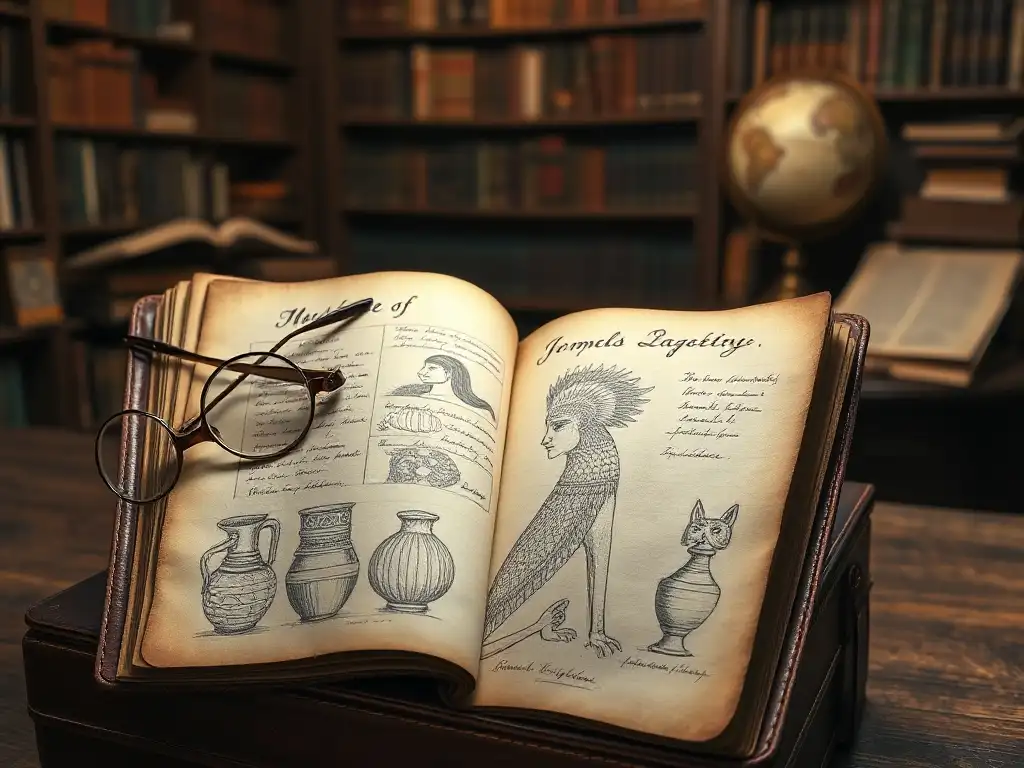
Accessing high-quality resources is crucial for a deep understanding of Moche art. While online Moche art workshops provide interactive learning, digital archives offer a complementary experience, allowing for in-depth exploration at your own pace. These archives house vast collections of artifacts, scholarly articles, and research data, enriching your learning journey beyond the structured workshop environment.
They are invaluable tools for independent study and further research, allowing you to delve into specific aspects of Moche artistry that particularly interest you. The availability of these digital resources significantly expands access to Moche art for students and enthusiasts worldwide, democratizing access to knowledge previously confined to physical museums and academic institutions.
The Larco Museum Digital Moche Collection: An Invaluable Resource
The Larco Museum in Lima, Peru, boasts one of the world's most extensive collections of Moche artifacts. Their digital archive makes a significant portion of this collection accessible online. This resource is particularly valuable for its breadth and the high-quality images provided. You can explore intricate details of pottery, goldwork, textiles, and other Moche artistic creations.
The database often includes detailed descriptions and contextual information, providing valuable insights into the cultural significance of the artifacts. Furthermore, the ease of navigation and search functionalities allows for targeted exploration of specific themes within Moche art, such as their distinctive portraiture or the depiction of ritual scenes. The online collection is regularly updated, ensuring that the latest research and discoveries are incorporated, keeping the resource dynamic and relevant for ongoing study.
This digital archive is a must-visit for anyone serious about understanding Moche art. It truly offers an immersive and engaging experience, bringing the vibrancy and complexity of Moche culture to life. The sheer volume of material available allows for countless hours of exploration and discovery.
The Dumbarton Oaks Pre-Columbian Collection: A Scholarly Approach
Dumbarton Oaks Museum and Garden Library in Washington, D.C., offers a more scholarly approach to digital archives related to pre-Columbian art, including a significant collection of Moche artifacts and related research. While perhaps not as visually extensive as the Larco Museum's collection in terms of sheer quantity of images, Dumbarton Oaks provides a strong focus on academic research and contextual information. Their online resources often include detailed scholarly articles, catalog entries with in-depth analysis, and high-resolution images of key pieces.
This resource is particularly beneficial for those pursuing advanced research or seeking deeper theoretical understanding of Moche artistic practices. The emphasis on scholarly interpretation provides a critical lens through which to view the artifacts, enriching the learning experience with expert analysis and diverse perspectives. The collection's curated nature allows for a focused and in-depth study of specific aspects of Moche art, ideal for those undertaking research projects or seeking to expand their understanding beyond the surface level.
The rigorous academic approach of Dumbarton Oaks ensures the accuracy and reliability of the information presented, making it a trustworthy source for serious study. The combination of high-quality images and scholarly analysis makes this a powerful resource for advanced Moche art studies.
Maximizing Your Moche Art Learning Experience: Tips and Resources
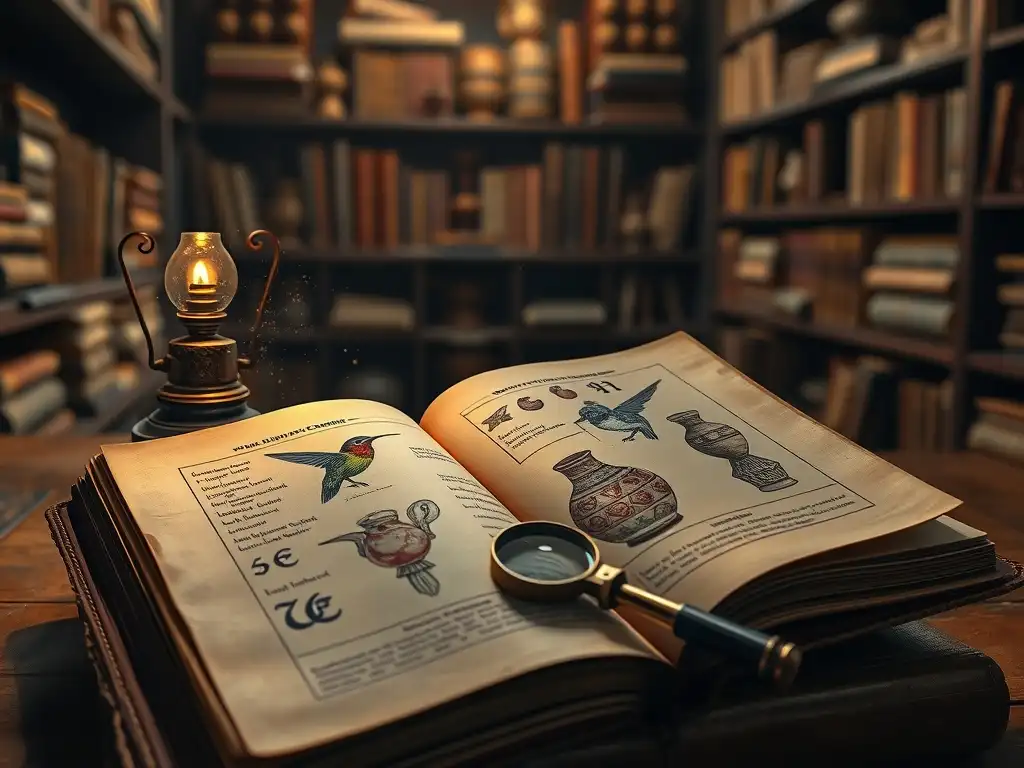
This section focuses on optimizing your learning journey into the captivating world of Moche art through online resources. We'll explore strategies for maximizing your engagement and retention of the intricate details and profound symbolism inherent in Moche artistic expressions. Understanding the context surrounding Moche art is crucial to truly appreciate its significance. This section provides actionable advice to enhance your learning experience, regardless of your prior knowledge.
Combining Online Workshops with Digital Archives: A Holistic Approach
A truly enriching experience of learning about Moche art involves a synergistic approach. Combining interactive online workshops with the exploration of digital archives allows for a comprehensive understanding. Online workshops provide dynamic, instructor-led learning, offering immediate feedback and clarifying complex techniques. Simultaneously, digital archives, such as those found in major museums' online collections, provide a vast repository of images and detailed information about specific artifacts. This dual approach allows you to actively engage with the material through practice and theoretical knowledge simultaneously.
For example, an online workshop might focus on the intricate process of Moche pottery creation, demonstrating techniques like modeling, firing, and painting. Immediately following the workshop, you can delve into a digital archive to examine high-resolution images of Moche pottery, comparing the examples shown in the workshop to the real artifacts, analyzing their stylistic variations and identifying specific motifs. This comparative study enhances understanding and retention.
The combination of hands-on learning (even virtually) and detailed visual analysis significantly boosts comprehension and appreciation for the artistry involved. Think of it as having a personal tutor and a vast library at your fingertips.
Recommended Books and Articles: "The Art of the Moche" by Christopher Donnan
Supplementing your online learning with carefully selected readings is vital for a well-rounded understanding of Moche art. Christopher Donnan's seminal work, "The Art of the Moche", remains a cornerstone text in the field. This book provides an in-depth analysis of Moche artistic production, exploring its stylistic evolution, iconography, and social context. Donnan's expertise brings the intricate details of Moche art to life, enriching your understanding of the symbolic language embedded within the artifacts.
Beyond Donnan's work, exploring scholarly articles through online databases provides access to the latest research and interpretations. Searching for keywords like "Moche iconography," "Moche metalwork," or "Moche ceramics" will unveil a wealth of academic resources. Remember to critically evaluate sources and consider the publication date and author's credentials when assessing the validity of information. This rigorous approach ensures a nuanced understanding of the ongoing scholarly discourse surrounding Moche art. The combination of established texts and current research offers a dynamic and complete perspective.
Creating Your Own Moche Art Inspired Projects: Applying Learned Techniques
The ultimate test of your learning is applying the knowledge gained to create your own Moche-inspired art. This hands-on approach solidifies your understanding and allows you to express your interpretation of Moche aesthetics. Whether you choose to work with clay, metal, or paint, the process of recreating Moche motifs and techniques fosters a deeper appreciation for the skill and artistry involved.
Remember that the goal isn't to create perfect replicas but rather to engage with the artistic principles and techniques. Experiment with different mediums and styles, perhaps exploring variations on existing motifs or creating entirely new designs inspired by Moche aesthetics. This creative exploration will not only enhance your understanding but also provide a deeply fulfilling and personally rewarding experience. Document your process!
Taking photos or creating a journal will allow you to track your progress and reflect on your learning journey. Sharing your creations with others within online communities dedicated to Moche art can provide valuable feedback and further enhance your learning. The creation of your own art becomes a testament to your successful engagement with the “Moche art online workshops” experience.
Participating in online forums dedicated to Andean art, specifically Moche art, offers invaluable opportunities for learning and connection. These digital spaces are buzzing with enthusiasts, researchers, and even experts who are happy to share their knowledge and insights. You can find answers to burning questions about Moche pottery techniques, decipher the symbolism within their intricate iconography, and even get feedback on your own artwork inspired by Moche styles. The collaborative nature of these forums fosters a sense of community, allowing you to connect with like-minded individuals from around the globe who share your passion for Moche civilization.
Don't be shy – ask questions, share your discoveries, and contribute to the ongoing conversation surrounding this fascinating culture. You might even find yourself collaborating on research projects or virtual exhibitions! The exchange of ideas and perspectives within these forums can significantly enrich your understanding of Moche art and propel your learning journey to new heights.
Remember to be respectful and contribute meaningfully to the discussions. A well-phrased question or insightful comment can spark engaging conversations and lead to unexpected discoveries. The collective knowledge within these online communities is a powerful resource for deepening your appreciation of Moche art.
Many forums offer dedicated threads for specific aspects of Moche art, such as their distinctive pottery styles, metalwork techniques, or textile designs. This allows for focused discussions on particular areas of interest, enabling you to delve deeper into topics that resonate most with you. You'll find that active participation not only enhances your own knowledge but also contributes to the wider understanding and appreciation of Moche art within the online community. The collaborative aspect is crucial; you'll learn from others' experiences and perspectives, while also sharing your own discoveries and insights.
This dynamic exchange of information is what truly elevates the learning experience within these online spaces. Moreover, these forums often serve as a platform for announcing new exhibitions, research findings, and online workshops focused on Moche art, keeping you abreast of the latest developments in the field. This continuous engagement ensures that your learning remains relevant and up-to-date.
Frequently Asked Questions
What makes your Moche art online workshops unique?
Our workshops offer a unique blend of digital learning and hands-on activities, guided by expert instructors. We utilize high-resolution images and 3D models of artifacts, providing an immersive experience. You'll learn techniques and styles directly inspired by the Moche.
Are there any prerequisites for enrolling in the workshops?
No prior experience with art is required. Our workshops are designed for all skill levels, from beginners to experienced artists. A basic understanding of Moche culture is helpful but not mandatory.
What materials will I need for the online workshops?
The specific materials will vary depending on the workshop, but generally, you'll need basic art supplies such as pencils, paper, and possibly paints or clay. A detailed supply list will be provided before each workshop.
How can I access the digital archives mentioned in the title?
Access to our extensive digital archives is included with workshop enrollment. These archives contain high-resolution images and detailed information on various Moche artifacts and techniques. You can access them anytime, anywhere.
What topics are covered in your Moche art online workshops?
Our workshops cover a wide range of topics, including Moche pottery techniques, metalworking processes, iconography, and the social context of Moche art. We explore both the artistic style and the cultural significance of their creations.
Final Reflection: Unlocking Moche Legacy Through Digital Access
The accessibility of Moche art through online workshops and digital archives is revolutionizing our understanding of this ancient Peruvian civilization, democratizing access to knowledge once confined to academic circles. This shift not only broadens our appreciation for the intricate artistry and complex societal structures of the Moche, but also fosters a deeper connection with our shared human heritage.
The impact of these digital initiatives extends far beyond the simple dissemination of information; they are actively shaping how we engage with and interpret the past. These online platforms foster a global community of learners, allowing for collaborative discussions and interpretations that enrich our understanding in ways traditional methods could not. The past is never dead. It's not even past.
– William Faulkner. This quote resonates deeply, as the digital accessibility of Moche art ensures its vibrant legacy continues to inform and inspire future generations, transcending geographical boundaries and limitations of time.
Consider the power you now hold. You have access to a world of knowledge, a window into a civilization that flourished centuries ago. Take this opportunity to explore the intricacies of Moche art, to engage with its vibrant colors and symbolic narratives. Enroll in an online workshop, delve into a digital archive, and let the artistry of the Moche ignite your imagination. Let their legacy inspire you to connect with your own heritage, and to appreciate the enduring power of art to transcend time and connect us all.
Unlock the Secrets of Moche Art Today!
Thank you for exploring the captivating world of Moche art with us. Your interest in Andean civilizations is truly inspiring! Let's delve deeper. Here are some exciting next steps:
- Join an online workshop led by leading experts to learn the techniques and create your own Moche-inspired artwork.
- Explore our extensive digital archives for an in-depth look at the history and artistry behind these remarkable masterpieces.
- Share your discoveries and creations in our vibrant online community forum, connecting with fellow enthusiasts and celebrating Moche culture together.
What aspect of Moche art most excites you, and how will you share your newfound knowledge and creations with others?