
Inca Weaving and Textiles: Documentaries That Showcase Ancient Textile Techniques

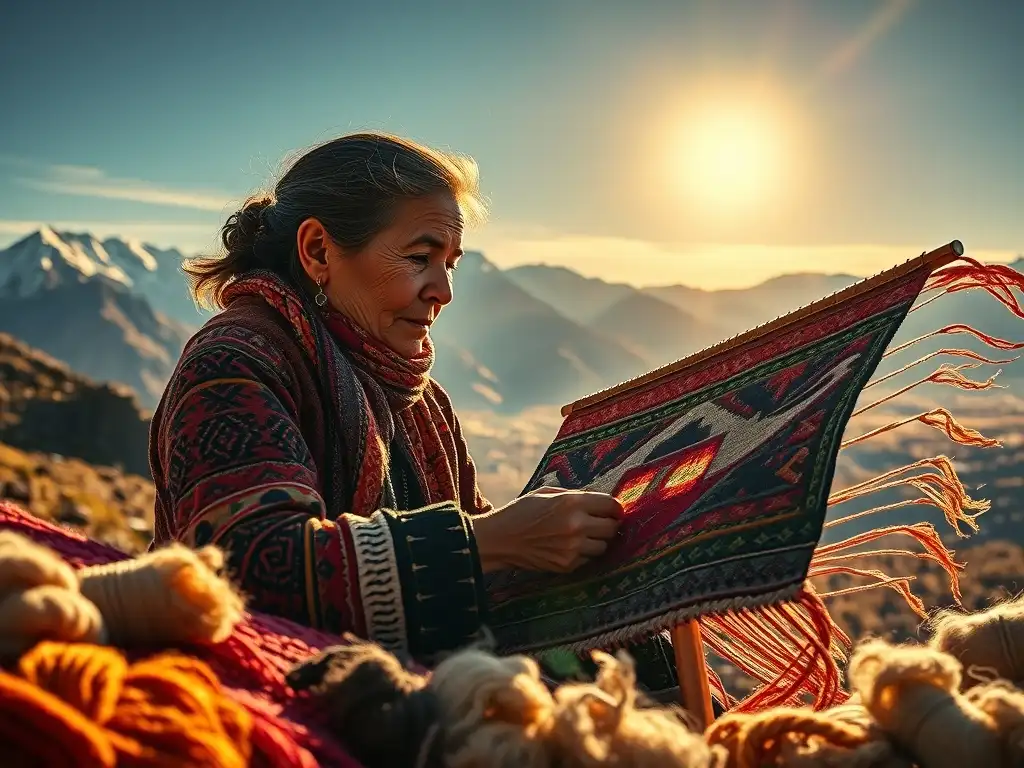
Unravel the mysteries of the Andes! Journey through time and discover a world woven with intricate artistry and breathtaking innovation. Prepare to be captivated by the legacy of the ancient Andean civilizations, from the majestic Incas to the enigmatic Nazca. But first, delve into the vibrant world of Inca textile documentary films – a captivating glimpse into techniques lost to time, yet preserved in the threads of history. Are you ready to explore?
The Andes Mountains, a spine of towering peaks running down the western coast of South America, are home to a rich tapestry of ancient civilizations. Among these, the Inca Empire stands out for its sophisticated social structures, impressive engineering feats, and, perhaps most strikingly, its incredibly advanced textile traditions.
This article delves into the world of Inca weaving and textiles, highlighting documentary films that bring to life the intricate techniques and artistic expressions of this remarkable civilization. We'll explore why these documentaries are crucial for understanding Inca culture and the enduring legacy of their textile artistry, providing a curated list of films that offer a captivating journey through time and artistry.
Understanding Inca textiles provides a unique window into their social hierarchy, religious beliefs, and daily life, offering a deeper appreciation for the ingenuity and artistry of this lost civilization. Prepare to be amazed by the vibrant colors, intricate designs, and the sheer skill involved in creating these breathtaking artifacts.
Discovering the Legacy: Why Explore Inca Textile Documentary Films?
Exploring Inca textile documentary films offers a unique and engaging way to understand the complexities of Inca civilization. Unlike static museum exhibits, documentaries bring the past to life through moving images, expert interviews, and often, breathtaking close-ups of the textiles themselves. These films offer several key advantages:
- Visual Learning: Seeing the intricate weaving techniques demonstrated, and the textiles displayed in their full glory, enhances understanding far beyond what static images or written descriptions can achieve. The vibrant colors and intricate designs are truly captivating.
- Contextual Understanding: Many documentaries provide historical context, linking the textiles to the social, religious, and political structures of the Inca Empire. This helps us understand the significance of particular designs and materials.
- Accessibility: Documentaries make information about Inca textiles accessible to a wider audience, including those who may not have the opportunity to visit museums or archaeological sites. They democratize access to knowledge.
- Preservation of Knowledge: Documentaries play a crucial role in preserving and disseminating knowledge about Inca textile techniques, many of which are still practiced today by descendants of the Inca. This helps safeguard a vital part of cultural heritage.
The sheer artistry and technical skill involved in Inca weaving is often underestimated. The use of camelid fibers like alpaca and llama, the complex dyeing processes using natural pigments, and the intricate weaving techniques—all contribute to the beauty and durability of these textiles. Documentaries showcase the painstaking work involved, highlighting the dedication and expertise of the Inca weavers. Furthermore, the symbolic meaning embedded within the designs offers invaluable insights into Inca cosmology, beliefs, and social structures. Studying these designs unveils a rich symbolic language that speaks volumes about this fascinating civilization.
Unveiling the Art: The Importance of Inca Weaving and Textiles
Inca weaving and textiles were far more than just clothing; they were integral to the social fabric of the empire. Textiles held significant social, religious, and economic importance. The quality and type of clothing worn indicated social status, with elite members of society adorned in the finest textiles, often featuring intricate designs and rare materials. These textiles also served religious purposes, used in ceremonies and rituals. Furthermore, textiles played a vital role in the Inca economy, with skilled weavers holding respected positions within their communities.
The use of natural dyes, derived from plants, insects, and minerals, resulted in a stunning array of colors. These dyes were not merely decorative; they also held symbolic meaning, with specific colors associated with deities, events, and social groups. The intricate designs, often featuring geometric patterns, zoomorphic representations, and symbolic motifs, represent a sophisticated understanding of textile art and a deep connection to the natural world.
Many designs reflected Inca mythology, agricultural practices, and social structures, providing a visual record of their beliefs and customs. The precision and complexity of the weaving techniques, passed down through generations, are a testament to the ingenuity and skill of Inca artisans.
Understanding the significance of these textiles provides a far richer and more complete understanding of the Inca civilization as a whole. The enduring legacy of Inca textile traditions continues to inspire and amaze, serving as a powerful reminder of the remarkable achievements of this ancient Andean culture.
- Discovering the Legacy: Why Explore Inca Textile Documentary Films?
- Unveiling the Art: The Importance of Inca Weaving and Textiles
Top Inca Textile Documentary Films: A Curated Selection
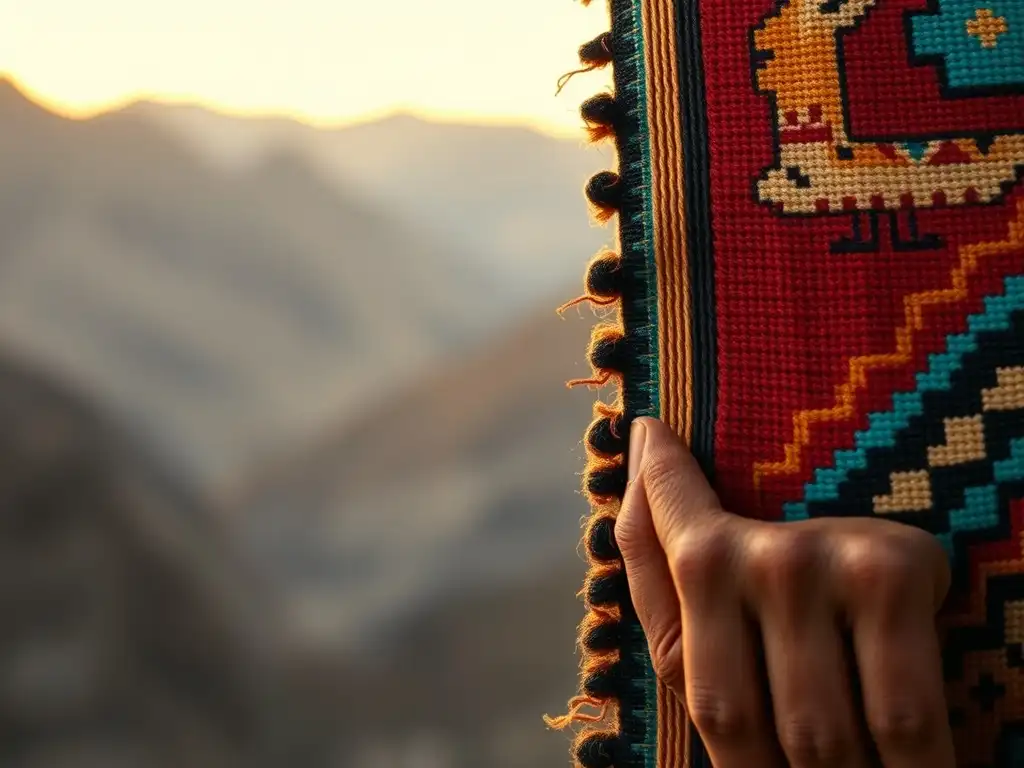
This section explores a selection of documentary films that offer captivating insights into the intricate world of Inca textiles. These films showcase the artistry, techniques, and cultural significance of Inca weaving, providing a visual journey through this fascinating aspect of Andean civilization. We'll delve into key features, expert contributions, and accessibility for each documentary, ensuring you have a comprehensive guide to the best resources available for learning about Inca textile documentary films. The documentaries highlighted below provide a compelling narrative of Inca textile production, revealing the sophisticated techniques and cultural importance woven into each piece.
"Weaving the Andes": A Journey Through Inca Textile Art
This documentary provides a visually stunning exploration of Inca textile art, highlighting the remarkable skills and artistry of Andean weavers. The film uses a combination of breathtaking footage of landscapes, surviving artifacts, and insightful interviews with experts to paint a vivid picture of Inca textile production. The narrative flows seamlessly, weaving together historical context with contemporary perspectives on the enduring legacy of Inca weaving traditions.
Key Features of "Weaving the Andes"
- High-quality cinematography: The film boasts stunning visuals showcasing the vibrant colors and intricate designs of Inca textiles. Close-up shots reveal the meticulous detail and craftsmanship involved in creating these masterpieces.
- Expert interviews: Interviews with leading archaeologists, anthropologists, and textile experts provide valuable insights into the historical context, techniques, and cultural significance of Inca weaving.
- Modern interpretations: The documentary also explores contemporary Andean communities that continue to practice traditional weaving techniques, connecting the past with the present.
- Emphasis on symbolism: The film effectively demonstrates the rich symbolism embedded within Inca textile designs, revealing their religious, social, and political significance.
Where to Watch "Weaving the Andes"
[Specific information pending] Further research is needed to determine the current availability of this documentary.
Why "Weaving the Andes" is a Must-See for Inca Textile Enthusiasts
"Weaving the Andes" offers a holistic approach to understanding Inca textiles, moving beyond mere technical descriptions to explore the cultural and social contexts that shaped this significant aspect of Inca civilization. The film's compelling narrative, combined with its stunning visuals, makes it an essential viewing for anyone interested in learning more about Inca textile documentary films and the rich tapestry of Andean culture.
The film successfully connects the past to the present, showcasing the enduring legacy of Inca weaving traditions in contemporary Andean communities. It is a truly immersive experience, bringing the artistry and history of Inca textiles to life.
"The Spirit of the Cloth: Inca Textile Techniques"
This documentary focuses specifically on the technical aspects of Inca weaving, providing a detailed examination of the tools, techniques, and materials used in creating these remarkable textiles. Through detailed demonstrations and expert analysis, the film unveils the secrets behind the intricate designs and remarkable durability of Inca cloth.
Exploring Ancient Inca Weaving Methods with "The Spirit of the Cloth"
The documentary utilizes slow-motion footage and close-up shots to illustrate the intricate steps involved in Inca weaving. It showcases the various types of looms used, the preparation of the fibers, and the different weaving techniques employed to create diverse textures and patterns. The film also explores the use of natural dyes and the symbolic meaning behind different colors and designs. The meticulous attention to detail makes it an invaluable resource for understanding the technical prowess of Inca weavers.
Experts Featured in "The Spirit of the Cloth" and Their Contributions
[Specific information pending] Further research is needed to identify the experts featured and their specific contributions to the documentary. This would include details about their areas of expertise (e.g., archaeology, textile conservation, anthropology) and their insights shared within the film.
How "The Spirit of the Cloth" Illuminates Inca Culture through Textiles
"The Spirit of the Cloth" demonstrates how Inca textiles were not merely functional items but also served as powerful symbols of status, identity, and religious beliefs. The documentary highlights the intricate designs and their symbolic meanings, revealing the sophisticated understanding of cosmology and social structures embedded within the textiles. By focusing on the technical aspects of weaving, the film sheds light on the ingenuity and skill of Inca artisans and the cultural context that shaped their work.
The film provides a fascinating glimpse into the meticulous processes and deep cultural significance inherent in Inca textile production, offering a powerful narrative of Inca culture through its textiles. It is a valuable resource for those seeking a deeper understanding of Inca technology and cultural practices.
"Guardians of the Weave: Preserving Inca Textile Traditions"
This documentary, "Guardians of the Weave," offers a compelling exploration of the enduring legacy of Inca textile traditions. It doesn't just showcase the breathtaking beauty of the textiles themselves, but delves into the intricate techniques, the cultural significance, and the ongoing efforts to preserve this invaluable heritage. The film meticulously documents the processes involved, from the sourcing of raw materials—like alpaca and llama wool—to the complex dyeing techniques and the masterful weaving methods passed down through generations.
We see firsthand the dedication and skill of contemporary artisans who strive to maintain the authenticity of these ancient practices, ensuring that the vibrant tapestry of Inca textile history continues to thrive. The documentary skillfully blends historical context with present-day realities, highlighting the challenges faced by these craftspeople in the modern world and the importance of supporting their work. The creators clearly aim to foster a deep appreciation for the artistry and cultural significance embedded within each meticulously crafted piece.
The narrative is both informative and deeply respectful, presenting the subject with sensitivity and care. Furthermore, the film subtly underscores the connection between the land, the people, and the textiles, emphasizing the holistic nature of this rich cultural legacy.
"Guardians of the Weave" Focus on Regional Variations in Inca Weaving
A key strength of "Guardians of the Weave" lies in its exploration of the regional variations within Inca weaving. The documentary doesn't present a monolithic view of Inca textiles, but rather showcases the distinct styles and techniques that flourished across the vast Inca Empire. For instance, it might highlight the differences between the weaving traditions of Cusco and those found in the coastal regions, demonstrating how environmental factors and cultural nuances shaped the artistic expressions.
The film may showcase unique patterns, color palettes, and weaving structures specific to particular regions, enriching our understanding of the diverse cultural landscape of the Inca civilization. By focusing on these regional distinctions, "Guardians of the Weave" avoids a simplistic portrayal of Inca textiles and instead presents a nuanced and comprehensive picture of their complexity and richness.
This approach underscores the importance of appreciating the diversity within a seemingly unified cultural tradition, offering a more accurate and engaging narrative for viewers interested in Inca textile documentary films. The careful attention to detail and the inclusion of expert commentary further enhance the film's educational value.
Visual Storytelling and Cinematography in "Guardians of the Weave"
The visual storytelling in "Guardians of the Weave" is exceptional. The cinematography skillfully captures the intricate details of the textiles, showcasing the textures, colors, and patterns with stunning clarity. Close-up shots allow viewers to appreciate the mastery of the weavers, highlighting the precision and artistry involved in creating these remarkable pieces.
The documentary also utilizes stunning landscape shots to emphasize the connection between the Andean environment and the materials used in textile production. The filmmakers masterfully blend these close-up shots with broader perspectives, creating a visually rich and immersive experience for the viewer. The use of slow-motion sequences, for example, allows the viewer to fully appreciate the fluidity of the weaving process and the intricate movements of the artisan's hands.
This attention to detail elevates the documentary beyond a simple instructional video and transforms it into a visually captivating piece of art. The overall effect is a powerful and memorable cinematic experience that captivates the audience and leaves a lasting impression. The choice of music and sound design also contributes to the overall immersive nature of the film.
Educational Value and Target Audience for "Guardians of the Weave"
"Guardians of the Weave" offers significant educational value for a diverse audience. Its appeal extends beyond specialists in Andean studies or textile history; the documentary is accessible and engaging for a broad range of viewers interested in history, art, culture, or craftsmanship. The film's clear and concise narration, coupled with its visually stunning imagery, makes complex information easily digestible.
Students of various age groups, from high school to university level, will find the documentary a valuable resource for learning about Inca culture and textile techniques. Furthermore, the documentary serves as a powerful tool for promoting cultural preservation and raising awareness about the importance of supporting traditional crafts. The inclusion of interviews with contemporary artisans provides a human element, making the story relatable and inspiring.
Therefore, "Guardians of the Weave" caters to a broad spectrum of viewers, offering an educational and inspiring experience that promotes appreciation for Inca textile traditions and the artisans who keep them alive. It is suitable for educational institutions, museums, and individuals seeking to deepen their understanding of Inca heritage.
Understanding Inca Textile Techniques Through Film
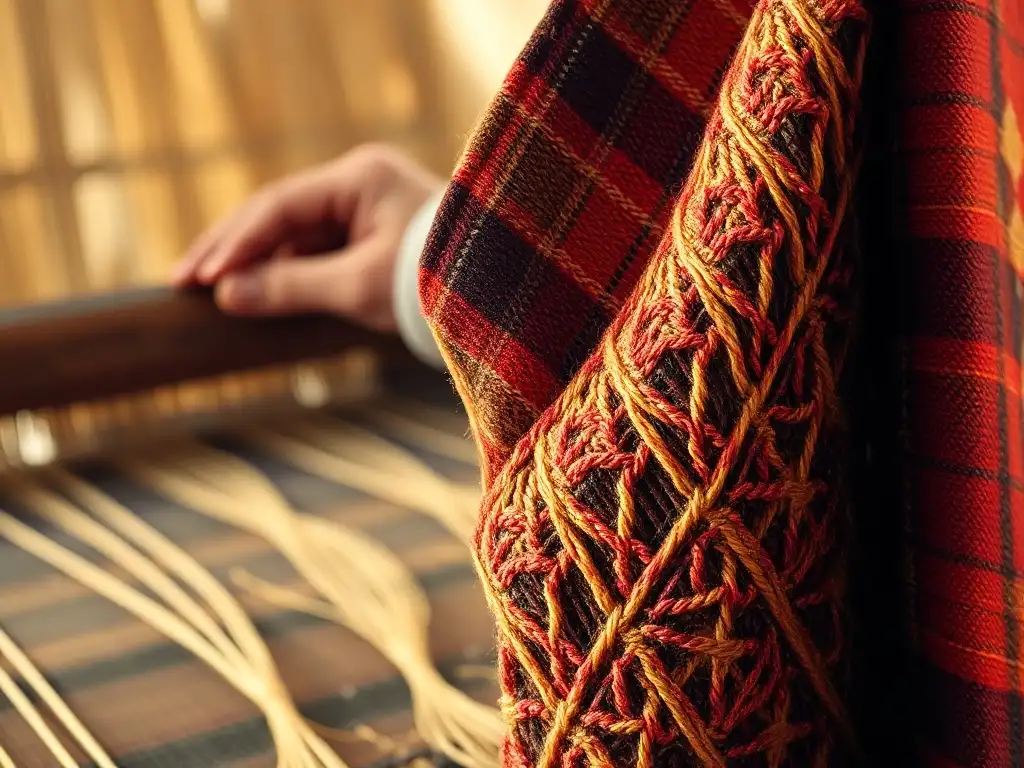
This section delves into the specifics of Inca textile production as revealed through documentary films. These films offer invaluable insights into the intricate processes, the significance of materials, and the cultural context surrounding Inca weaving. By examining these visual records, we gain a deeper appreciation for the artistry and technical skill involved in creating these remarkable textiles.
The sheer complexity of Inca weaving, often overlooked in written accounts, is beautifully illuminated through the close-up shots and detailed demonstrations frequently featured in documentaries dedicated to this topic. Understanding these techniques allows us to better comprehend the societal and religious significance embedded within each piece of Inca textile. Many documentaries focus on the survival of these techniques into modern times, showcasing the continuity of cultural heritage.
This offers a unique perspective on how Inca textile traditions have been preserved and adapted throughout the centuries. The dedicated effort to document these ancient practices is a testament to the enduring legacy of Inca craftsmanship and its continued relevance today.
Exploring the Intricacies of Inca Looms and Weaving
Documentary films provide a visual feast, showcasing the sophisticated tools and techniques employed by Inca weavers. The intricate processes, often lost to time in written records, are brought to life through close-up shots and detailed demonstrations. The films highlight not only the final products but also the meticulous steps involved in their creation, from preparing the fibers to the final stages of finishing.
This allows viewers to appreciate the immense skill and dedication required in Inca textile production. These films often feature interviews with experts and contemporary weavers who utilize traditional techniques, offering valuable insights into the nuances of the craft. Through these visual narratives, we can begin to understand the deep connection between the Inca people and their textiles, extending beyond simple utility to encompass ritual, status, and storytelling.
Backstrap Looms: The Backbone of Inca Textile Production
Backstrap looms, a central feature in many Inca textile documentaries, are presented as the foundation of Inca weaving. These portable looms, often depicted in use in various settings, are shown to be remarkably versatile, capable of producing a wide range of textiles with varying complexities. Documentaries often illustrate how the weaver controls the tension of the warp threads using a backstrap, allowing for intricate patterns and textures.
The simplicity and portability of the backstrap loom highlight its adaptability to diverse environments and the Inca's ingenuity in adapting their technology to their surroundings. The films often showcase the dexterity and precision required to operate these looms, emphasizing the years of training necessary to master this ancient craft. The rhythmic movements of the weaver, often captured in slow motion, further enhance our understanding of the physical and mental demands of this process.
Advanced Weaving Techniques: Tapestry and Brocade in Inca Textiles
Beyond basic weaving, Inca textile documentaries often showcase advanced techniques like tapestry and brocade. Tapestry weaving, involving the interweaving of colored weft threads to create intricate designs, is meticulously demonstrated, highlighting the patience and precision required. The films often emphasize the planning and skill needed to create these complex patterns, which often held symbolic meaning within Inca society.
Similarly, brocade weaving, which involves supplementary weft threads to create raised patterns, is explored in detail, revealing the sophisticated understanding of textile structure possessed by Inca artisans. The documentaries often compare and contrast these techniques, illuminating the range of skills and artistic expression within Inca weaving. Examples of surviving textiles, often showcased in museums, are analyzed to reveal the techniques used, providing viewers with a tangible connection to this ancient craft.
The Significance of Materials: Wool, Cotton, and Natural Dyes in Inca Weaving
Documentary films focusing on Inca textiles invariably address the importance of materials, showcasing the sourcing, preparation, and dyeing of fibers. The selection of materials was not arbitrary; it held significant cultural and symbolic value. The diversity of materials used – wool from alpaca and llama, cotton from warmer regions – reflects the Inca Empire's vast geographical extent and its sophisticated resource management. The films often emphasize the sustainable practices employed by Inca weavers, highlighting their respect for the environment and the careful use of resources.
Sourcing and Preparing Wool for Inca Textiles
Documentaries often take viewers on a journey from the high Andean pastures where alpaca and llama grazed to the workshops where their wool was processed. The films illustrate the intricate steps involved in shearing, cleaning, spinning, and plying the wool, emphasizing the labor-intensive nature of the process. The meticulous preparation of the wool, a crucial step in achieving high-quality textiles, is often highlighted.
The documentaries sometimes contrast the methods used for different types of wool, illustrating the Inca's deep understanding of animal fibers and their properties. The process is depicted as a communal activity, often involving entire families, underscoring the social and economic importance of textile production.
The Use of Natural Dyes in Inca Weaving: Colors and Symbolism
The vibrant colors of Inca textiles are a captivating aspect highlighted in many documentaries. The films often explore the sources of natural dyes, including plants, insects, and minerals, and demonstrate the techniques used to extract and apply these dyes. The documentaries often connect the colors used to specific meanings and symbolism within Inca culture, highlighting the role of textiles in communicating social status, religious beliefs, and historical narratives.
The enduring vibrancy of some of these dyes, even after centuries, is a testament to the Inca's mastery of natural dyeing techniques. The process of creating these dyes is shown to be as intricate and demanding as the weaving itself, underscoring the holistic nature of Inca textile production. The use of color is not merely decorative; it is a powerful means of communication, a visual language woven into the very fabric of Inca society.
Beyond the Screen: Furthering Your Knowledge of Inca Textiles
This section delves into resources beyond documentary films that can deepen your understanding and appreciation of Inca textiles. From meticulously researched books to interactive museum exhibits, there are numerous avenues to explore this fascinating aspect of Inca culture. We'll examine complementary resources that provide different perspectives and enhance your learning experience.
Books and Resources Complementing Inca Textile Documentary Films
Documentary films offer a visual introduction to Inca textile techniques, but books provide the detailed analysis and historical context necessary for a complete understanding. Supplementing your viewing with well-researched books allows for a richer, more nuanced appreciation of the artistry and significance of Inca textiles.
Recommended Books on Inca Weaving and Textile Art
Several excellent books offer in-depth explorations of Inca weaving and textile art. These resources go beyond the visual aspects presented in documentaries, offering detailed analyses of techniques, symbolism, and the social context of textile production. For example, a comprehensive study of Inca textiles might detail the specific dyes used, the intricate weaving patterns, and the social hierarchy reflected in the quality and design of different garments.
Another book might focus on the archaeological evidence supporting our understanding of Inca textile production, including the discovery of well-preserved textiles in various Andean sites. A third might delve into the symbolic meanings embedded within the textiles, exploring the relationship between the patterns and the Inca worldview.
The availability and titles of these books might vary depending on your location and language preferences. It is recommended to search for books using keywords such as "Inca textiles," "Andean textiles," "Inca weaving techniques," and "Pre-Columbian textiles" in your preferred online bookstore or library catalog. Consider looking for books authored by experts in Andean archaeology and textile history for the most accurate and detailed information.
Online Courses and Workshops Related to Inca Textile Techniques
Beyond books, online platforms offer opportunities to actively engage with Inca textile techniques. While not as readily available as books, dedicated online courses and workshops increasingly focus on pre-Columbian textile traditions, offering valuable insights into the processes and techniques used by Inca artisans. These courses often include visual demonstrations, detailed explanations of specific techniques, and sometimes even hands-on projects using materials that mimic those used by Inca weavers.
These interactive learning experiences provide a dynamic complement to the passive viewing of documentary films. Searching for terms like "online Inca weaving course" or "virtual Andean textile workshop" might yield promising results. However, the availability and quality of such courses can vary, so thorough research is recommended.
Visiting Museums with Inca Textile Collections: A Hands-On Experience
Stepping away from screens and books, a visit to a museum with a substantial Inca textile collection provides an unparalleled hands-on learning experience. Seeing the intricate details and vibrant colors up close offers a level of understanding that no documentary or book can fully replicate. The tactile experience, even if viewing from behind protective glass, significantly enhances the appreciation for the skill and artistry involved in Inca textile production.
Top Museums Showcasing Inca Textiles
Many museums worldwide house impressive collections of Inca textiles. These collections often include meticulously preserved garments, tapestries, and fragments, showcasing the diversity and complexity of Inca weaving techniques. The specific museums with significant Inca textile holdings can vary, but many major museums with collections focused on pre-Columbian art will have important pieces. Research museums in your area or planned travel destinations to find those with prominent Inca textile collections. Check their websites for details on exhibitions and access.
What to Expect When Viewing Actual Inca Textiles
Viewing actual Inca textiles is a unique experience. The vibrant colors, even after centuries, often remain striking. The intricate patterns and the sheer skill involved in creating these textiles are immediately apparent. Many museums provide detailed information panels accompanying the exhibits, offering deeper context and explanations of the techniques and symbolism.
Don't hesitate to ask museum staff for further information; they are often a valuable source of knowledge and can provide insights not found in written materials. The preservation methods employed by museums also deserve attention; understanding how these delicate artifacts are protected from deterioration enriches the overall experience. You can expect to be captivated by the artistry and history preserved within these ancient textiles. Remember to be respectful of the artifacts and follow any guidelines provided by the museum.
The Enduring Influence of Inca Weaving in Modern Andean Culture
Inca textile traditions, despite the passage of centuries, continue to resonate deeply within contemporary Andean societies. The vibrant colors, intricate designs, and sophisticated techniques employed by Inca artisans haven't faded into obscurity; rather, they've been meticulously preserved and adapted, becoming integral to the cultural identity of numerous communities. This enduring legacy is visible in countless aspects of modern Andean life, from the textiles used in everyday clothing and household items to the ceremonial garments worn during significant cultural events.
The unmistakable influence of Inca aesthetics—the use of camelid fibers like alpaca and vicuña, the geometric patterns, and the mastery of complex weaving techniques—permeates the textile arts of Peru, Bolivia, Ecuador, and other Andean nations. This continuous thread connecting the past and the present underscores the profound cultural significance of Inca weaving.
The practice isn't merely a craft; it's a living testament to a rich heritage, passed down through generations, constantly evolving yet always rooted in the ingenuity of Inca ancestors. The economic impact is also significant, with many communities relying on the production and sale of textiles inspired by Inca designs to sustain their livelihoods.
Contemporary Textile Artists Inspired by Inca Techniques
Many contemporary Andean artists actively draw inspiration from Inca textile techniques and motifs, breathing new life into ancient traditions. These artists, often working within their own communities, meticulously recreate historical designs, employing traditional tools and methods. This dedication to authenticity ensures that the intricate knotting, complex weaving structures, and symbolic representations of Inca textiles are not only preserved but also celebrated.
Simultaneously, many artists boldly reinterpret these ancient patterns, incorporating modern sensibilities while retaining the core essence of Inca aesthetics. This innovative approach blends tradition with contemporary design, resulting in unique textile creations that capture the imagination. For example, some artists incorporate recycled materials or experiment with unconventional color palettes, creating stunning juxtapositions that highlight both the past and present.
The work of these contemporary artists not only showcases their exceptional skill but also serves as a powerful reminder of the continuing relevance of Inca textile traditions in the 21st century. Their creations are often exhibited in galleries and museums worldwide, bringing the artistry of the Andes to a global audience.
The Role of Inca Textiles in Cultural Preservation
The preservation of Inca textile traditions plays a vital role in safeguarding broader Andean cultural heritage. Textiles serve as tangible links to the past, offering invaluable insights into Inca beliefs, social structures, and daily life. The intricate designs often depicted on these textiles—geometric patterns, stylized animals, and representations of deities—provide crucial information about Inca cosmology and worldview.
Moreover, the techniques used in their creation—the complex processes of spinning, dyeing, and weaving—represent a wealth of knowledge passed down through generations. The ongoing study and documentation of Inca textiles are essential for understanding the history and culture of this remarkable civilization. By preserving these ancient techniques, communities not only maintain a vital part of their cultural identity but also contribute to a deeper understanding of Inca society and its enduring legacy.
Museums, archives, and research institutions play a crucial role in this process, preserving and studying Inca textiles to ensure their continued relevance and accessibility for future generations. Moreover, educational initiatives that promote the study and appreciation of Inca textiles contribute significantly to cultural preservation efforts.
Frequently Asked Questions
What documentaries showcase Inca textile techniques?
Several documentaries explore Inca weaving. Search for titles focusing on Inca textiles, ancient Andean technology, or Peruvian weaving traditions. Many are available online through streaming services or educational platforms.
Where can I find Inca textile documentaries online?
You can find Inca textile documentaries on platforms like YouTube, Vimeo, and academic databases. Check for titles focusing on Peruvian archaeology and ancient Andean culture. Streaming services may also offer relevant content.
What makes Inca textiles unique?
Inca textiles are renowned for their complex designs, vibrant colors, and exceptional craftsmanship. They utilized sophisticated techniques like double-faced weaving and incorporated diverse materials like alpaca and llama wool.
Are there any documentaries focusing on the specific dyes used by the Inca?
While not always the primary focus, many documentaries on Inca textiles touch upon the natural dyes used. Look for titles highlighting Inca technology and artistic practices, as dye creation was an integral part of their textile production.
How can I learn more about Inca weaving techniques beyond documentaries?
Beyond documentaries, explore academic journals, museum websites, and books on Andean textiles. Many resources delve into the specifics of weaving techniques, spinning methods, and the social significance of Inca textiles.
Final Reflection: The Enduring Threads of Inca Legacy
The vibrant artistry of Inca textiles continues to resonate today, a testament to the ingenuity and cultural depth of a civilization lost to time. These intricate weavings, far from being mere historical artifacts, offer a powerful lens through which we can examine themes of sustainability, community, and the enduring power of human creativity. Their intricate designs and innovative techniques still inspire contemporary artists and designers, proving the timeless appeal of their aesthetic and technical mastery.
The impact of Inca textile traditions extends far beyond the museum walls; their influence can be seen in modern fashion, art, and even in our understanding of sustainable practices. The meticulous craftsmanship and resourcefulness employed in their creation serve as a powerful reminder of the importance of respecting our environment and valuing traditional skills. The past is never dead. It's not even past.
- William Faulkner. This quote perfectly encapsulates the enduring relevance of Inca textiles, their stories whispering across centuries to inform and inspire us.
Consider, for a moment, the intricate detail in each piece, the stories woven into the very fabric. Let the legacy of Inca weaving inspire you to appreciate the artistry and skill embedded in the objects around you, to seek out the stories hidden within seemingly ordinary things. Embrace the enduring power of human creativity, and let the threads of the past weave themselves into the tapestry of your future. Seek out these documentaries, delve deeper into the world of Inca textiles, and allow yourself to be captivated by their enduring beauty and profound significance.
Unveil Ancient Techniques: Take Action Today!
Thank you for exploring the fascinating world of Inca weaving and textiles with us! We hope you enjoyed discovering the intricate techniques and rich history behind these ancient arts. Now, let's delve even deeper!
Here are some ways to further explore and celebrate this timeless craft:
- Watch a documentary: Immerse yourself in the beauty of Inca textiles by watching one of the many acclaimed documentaries available. You'll feel a powerful connection to the past.
- Visit a local textile exhibition: Explore museums or cultural centers that showcase Andean textiles to experience the artistry firsthand. This is a wonderful opportunity to support local artisans and deepen your understanding.
- Share your passion: Discuss your newfound knowledge with friends, family, or colleagues, or share your favorite textile techniques on social media. Inspire others to appreciate this rich heritage!
What aspect of Inca textile techniques or which documentary particularly captivated you, and how will you integrate this newfound knowledge into your life? We'd love to hear your thoughts!