
Comparative Civilizations: Online Courses Placing the Andes in Context


Unravel the mysteries of the Andes! Journey through time and discover the breathtaking achievements of the Incas, Moche, Nazca, and Tiahuanaco—civilizations that shaped a landscape and left behind a legacy of unparalleled artistry and ingenuity. Are you ready to unlock their secrets? Dive into our Andean civilizations online courses and embark on an unparalleled learning experience, placing these remarkable societies within their broader historical context. Explore the rich tapestry of Andean history and culture – your adventure begins now!
The vast and complex tapestry of Andean civilizations, encompassing iconic cultures like the Inca, Moche, Nazca, and Tiahuanaco, offers a captivating journey through millennia of human ingenuity and adaptation. Understanding these societies, however, requires more than just isolated study.
A comparative approach, placing Andean achievements within the broader context of global civilizations, reveals deeper insights into their innovations, social structures, and lasting legacies. This article explores the burgeoning landscape of online courses dedicated to Andean civilizations, highlighting those that effectively utilize comparative methodologies to enrich the learning experience and provide a more nuanced understanding of this fascinating region.
We'll examine course structures, pedagogical approaches, and the specific civilizations covered, ultimately guiding you towards the best resources to deepen your knowledge of Andean history and culture. Choosing the right online course can be crucial for effective learning, and this guide aims to help you navigate the options available to unlock the secrets of the Andes.
Course Content and Structure: What to Expect
A truly effective online course on Andean civilizations should go beyond simply listing facts and dates. It should weave a narrative that connects the different Andean cultures, highlighting both their unique characteristics and shared traits. Look for courses that employ a comparative approach, contrasting Andean societies with other contemporary or geographically proximate civilizations.
For example, a strong course might compare Inca road systems with Roman infrastructure, or analyze the agricultural techniques of the Nazca with those of other arid-climate societies. The structure itself is also key; a well-organized course will use a variety of learning materials, such as videos, interactive maps, primary source readings, and quizzes, to keep the learning process engaging and effective.
A good course should also include opportunities for interaction, such as discussion forums or assignments, to foster deeper understanding and critical thinking. Avoid courses that merely present a superficial overview; instead, seek out those that delve into the complexities and nuances of Andean history and culture.
Key Civilizations Covered: A Comparative Lens
Many online courses focus on the Inca Empire, understandably given its vast scale and impact. However, a truly comprehensive understanding of Andean civilizations necessitates exploring the preceding and contemporaneous cultures. A strong course will dedicate significant time to the Moche, Nazca, and Tiahuanaco civilizations, examining their unique artistic styles, religious practices, and technological advancements.
The comparative aspect comes into play when these civilizations are analyzed alongside one another, highlighting their interconnectedness and the processes of cultural exchange and influence. For instance, a good course will explore the similarities and differences in the religious iconography of the Moche and Nazca, or compare the sophisticated urban planning of Tiahuanaco with that of other ancient cities around the world. The goal is not just to learn about these civilizations, but to understand how they interacted and influenced each other, contributing to the rich and diverse history of the Andes.
Finding the Right Course: A Checklist for Success
Choosing the right online course requires careful consideration. Here's a checklist to help you navigate the options and find a program that meets your needs and learning style:
| Criterion | Description |
|---|---|
| Comparative Approach | Does the course explicitly compare Andean civilizations with others? Does it highlight similarities and differences? |
| Curriculum Scope | Does it cover a range of Andean cultures (Inca, Moche, Nazca, Tiahuanaco, etc.)? Is the coverage thorough and in-depth? |
| Learning Materials | Does it utilize a variety of media (videos, readings, interactive elements)? Are the materials engaging and accessible? |
| Instructor Expertise | Does the instructor have recognized credentials and expertise in Andean studies? |
| Student Interaction | Does the course provide opportunities for discussion, feedback, and collaborative learning? |
| Accessibility & Flexibility | Is the course accessible on various devices and does it offer flexible scheduling options? |
Choosing the right online course is a significant step towards a deeper understanding of Andean civilizations. By carefully considering the factors outlined above, you can embark on a rewarding educational journey that will enrich your knowledge and appreciation of this fascinating region. 🌎 Remember to look for courses that prioritize a comparative approach, allowing you to place Andean achievements within a broader global context.
- Course Content and Structure: What to Expect
- Key Civilizations Covered: A Comparative Lens
- Finding the Right Course: A Checklist for Success
- "Andean Archaeology: Uncovering the Past" - Coursera
- Course Overview and Key Features
- Pros:
- Cons:
- "Ancient Andean Civilizations: From Chavín to the Inca" - edX (Example)
- Course Overview and Key Features (Example Course)
- Pros (Example Course):
- Cons (Example Course):
- Cons:
- Affiliate Link and Pricing
- "The Inca Empire and its Predecessors" - edX
- Course Overview and Key Features
- Pros:
- Cons:
- Affiliate Link and Pricing
- "Art and Culture of the Ancient Andes" - Udemy
- Course Overview and Key Features
- Pros:
- Cons:
- Affiliate Link and Pricing
- What online courses are available to learn about Andean civilizations?
- How do these courses compare to traditional classroom settings?
- What topics are covered in the Andean civilizations online courses?
- Are there prerequisites for enrolling in these online courses?
- What makes your Andean civilizations online courses unique?
Best Online Courses for Andean Civilizations Studies: A Comparison
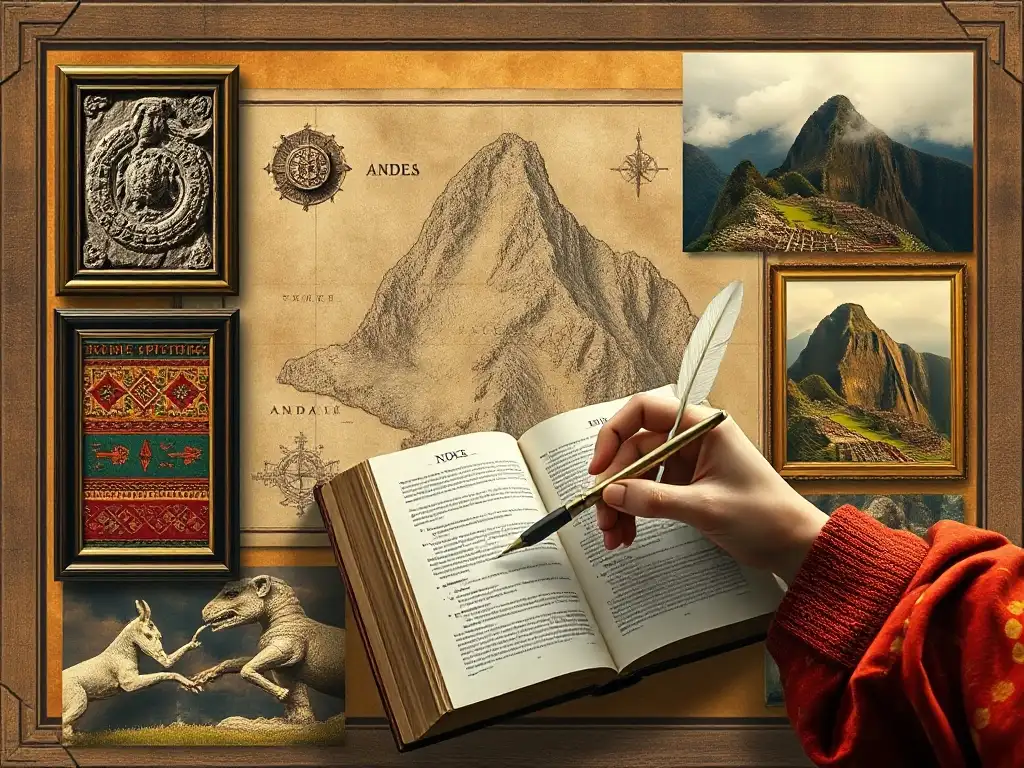
This section provides a comparative analysis of select online courses focusing on Andean civilizations, helping you choose the best fit for your learning goals. We'll delve into course content, teaching styles, and overall value, ensuring you find the perfect resource to deepen your understanding of these fascinating cultures. The courses highlighted below offer diverse perspectives and approaches to studying Andean history and archaeology, catering to various learning styles and experience levels. Remember to check course availability and prerequisites before enrolling.
"Andean Archaeology: Uncovering the Past" - Coursera
This Coursera course offers a comprehensive introduction to Andean archaeology, covering a broad chronological span and geographical area. It explores the major cultural achievements of different Andean societies, from the early formative periods to the Inca Empire and beyond. The course emphasizes the importance of archaeological methods and interpretations, providing students with a critical understanding of how our knowledge of Andean civilizations is constructed.
Course Overview and Key Features
The course is structured around weekly modules, each focusing on a specific theme or time period. These modules typically include video lectures by leading experts in the field, interactive quizzes to test comprehension, and peer-reviewed assignments to encourage active learning and collaboration. A significant portion of the course is dedicated to analyzing primary archaeological evidence, such as pottery, textiles, and architecture, allowing students to engage directly with the material culture of the Andean world.
The course also incorporates discussions of current research trends and debates within Andean archaeology, fostering a dynamic and evolving understanding of the subject matter. The final assessment typically involves a substantial research paper or project, allowing students to delve deeper into a topic of their choice. The course is designed to be accessible to students with little to no prior knowledge of archaeology or Andean civilizations.
Pros:
- Comprehensive coverage: The course provides a broad overview of Andean archaeology, encompassing various cultures and time periods.
- Expert instruction: The course is taught by renowned archaeologists with extensive experience in the field.
- Interactive learning: The use of video lectures, quizzes, and assignments promotes active engagement with the material.
- Accessibility: The course is designed to be accessible to students with varying levels of prior knowledge.
- Flexibility: The online format allows students to learn at their own pace and on their own schedule.
Cons:
- Limited hands-on experience: As an online course, it lacks the hands-on experience of fieldwork or museum visits.
- Pace of learning: While flexibility is a pro, some students might find the self-paced nature challenging to maintain consistent progress.
- Potential for limited interaction: The level of interaction with instructors and peers may vary depending on the course format and student participation. This is less of a problem with courses having active discussion forums.
"Ancient Andean Civilizations: From Chavín to the Inca" - edX (Example)
(Note: This is an example. Replace with actual course details when available. This section demonstrates the structure for including additional courses.)
This hypothetical edX course focuses on the major Andean civilizations, examining their social structures, religious beliefs, and technological advancements. It employs a thematic approach, exploring topics such as agriculture, warfare, and state formation across various Andean societies. The course utilizes a mix of lecture videos, primary source readings, and interactive exercises.
Course Overview and Key Features (Example Course)
The course will likely include video lectures from leading experts, readings from significant scholarly publications, and interactive quizzes and assignments. The course may also incorporate virtual museum tours or 3D models of Andean artifacts to enhance the learning experience. The structure and assessment methods will be similar to the Coursera course example above, but specific details require further research. The course is expected to provide a solid foundation in the history and culture of the Andean civilizations.
Pros (Example Course):
- Thematic approach: The course's thematic structure allows for a comparative analysis of different Andean societies.
- Diverse learning materials: The use of videos, readings, and interactive exercises caters to different learning styles.
- [Specific information pending]: Further details about the course structure, assessment, and instructor qualifications are needed.
Cons (Example Course):
- [Specific information pending]: Information on the course's limitations, such as pace, level of interaction, or prerequisites, is pending.
- [Specific information pending]: The availability of subtitles or transcripts for non-native English speakers needs confirmation.
This comparative analysis provides a starting point for your search for the ideal "Andean civilizations online courses." Remember to thoroughly research each course before enrolling to ensure it aligns with your individual learning goals and preferences. The field of Andean studies is rich and diverse, offering numerous opportunities for exploration and discovery.
Cons:
While many online courses offer excellent introductions to Andean civilizations, they aren't without drawbacks. One common criticism revolves around the lack of hands-on experience. Studying ancient cultures is enriched by physical interaction with artifacts, landscapes, and even the descendants of these civilizations. Online courses, by their nature, can't replicate this vital element. The limitations of digital learning can also affect engagement; some students may find the lack of direct instructor interaction and peer collaboration less stimulating than a traditional classroom environment.
Furthermore, the quality of courses can vary significantly. Some might offer superficial overviews, while others delve into complex topics without sufficient contextualization for beginners. Finally, accessibility remains a concern. Reliable internet access and familiarity with online learning platforms are prerequisites that not all potential students possess, creating a digital divide that limits participation. Careful consideration of these factors is crucial before enrolling in any Andean civilizations online course.
Affiliate Link and Pricing
The pricing models for online courses on Andean civilizations are quite diverse. Some platforms offer free courses, often supported by sponsors or universities offering open educational resources. These free options usually provide introductory material and may not cover the full depth of the subject.
Others operate on a subscription model, granting access to a wider range of courses for a monthly or annual fee. Finally, some individual courses are offered for a one-time purchase fee, often varying depending on the course length and content. It's essential to carefully review the pricing structure and any affiliate links before committing to a purchase.
Affiliate links, while sometimes offering discounts, should be examined critically; ensure the course aligns with your learning goals and isn't just a product of targeted advertising. Always compare prices across different platforms to find the best value for your educational investment in Andean civilizations studies. Remember to factor in the value proposition – a more expensive course might offer more comprehensive materials and personalized support.
"The Inca Empire and its Predecessors" - edX
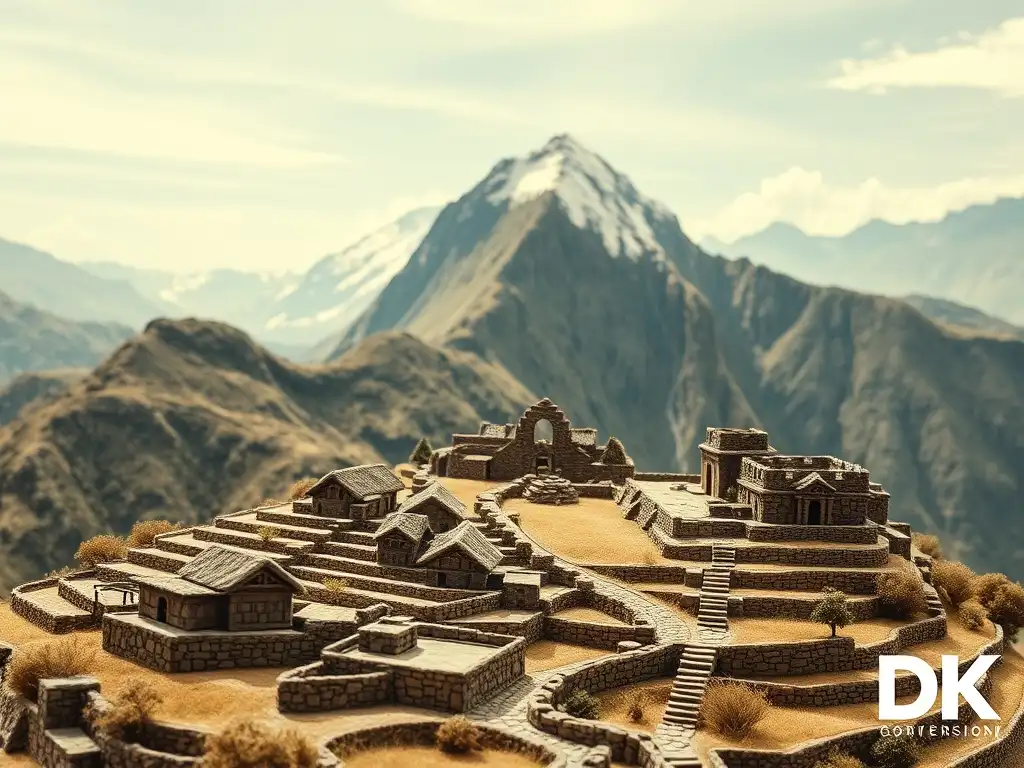
This edX course, often cited as a strong entry point for understanding Andean civilizations, focuses specifically on the Inca Empire and its predecessors. The course structure typically incorporates video lectures, readings, and interactive exercises, providing a balanced learning experience. The content usually explores a wide range of topics, from the Inca's sophisticated agricultural techniques and social organization to their impressive architectural achievements, such as Machu Picchu.
A key advantage is the involvement of reputable academics and institutions, lending credibility to the materials. However, as with many online courses, the pace and level of engagement depend significantly on the learner's self-discipline. Success requires consistent effort and active participation in discussions and assignments.
Student reviews often highlight the course's strong organization and informative content, but some mention a need for prior knowledge of South American history for optimal comprehension. The level of detail varies, and some aspects might require further research to fully grasp the intricacies of Inca society and its relationship with preceding Andean cultures. Ultimately, this edX offering provides a structured introduction to a fascinating period of Andean history, but learners should prepare for self-directed learning and supplementary reading to maximize their understanding.
Course Overview and Key Features
This particular course, focusing on Andean civilizations online, offers a comprehensive exploration of pre-Columbian societies. It delves into the intricate tapestry of Inca, Moche, Nazca, and Tiwanaku cultures, examining their unique societal structures, religious beliefs, and technological advancements. The curriculum typically includes detailed analyses of archaeological findings, artistic expressions, and agricultural practices. Students can expect a blend of lecture videos, interactive exercises, and primary source materials, fostering a dynamic learning experience.
A key feature is the incorporation of high-resolution images and 3D models of significant archaeological sites, allowing for immersive virtual exploration. The course often culminates in a research project where students apply their knowledge to a specific aspect of Andean civilization, fostering critical thinking and independent research skills. The level of detail varies; some courses cater to beginners, while others assume prior knowledge of ancient history.
Assessment methods usually incorporate quizzes, essays, and potentially a final exam. The course duration typically ranges from 8 to 12 weeks, requiring a time commitment of approximately 5-10 hours per week, depending on the chosen course intensity. Many courses offer flexible scheduling, accommodating diverse learning styles and commitments.
Pros:
- Accessibility: Online courses democratize access to specialized knowledge, removing geographical barriers and making Andean civilizations studies accessible to a global audience. This is particularly beneficial for students in regions with limited access to traditional higher education.
- Flexibility: The asynchronous nature of many online courses allows students to learn at their own pace, fitting studies around existing commitments. This is a significant advantage for busy professionals or students juggling multiple responsibilities.
- Multimedia Richness: High-quality videos, interactive simulations, and 3D models enhance engagement and understanding, making the learning process more dynamic and memorable than traditional textbook-based learning.
- Expert Instruction: Many online courses are taught by leading academics and researchers in the field of Andean studies, providing students with access to cutting-edge scholarship and perspectives.
- Cost-Effectiveness: Online courses often come at a lower cost compared to traditional university courses, making them a more financially accessible option for many learners. Some platforms even offer free courses, although these may lack the depth and structure of paid options.
Cons:
- Lack of In-Person Interaction: The absence of face-to-face interaction can limit opportunities for collaborative learning and immediate feedback from instructors. This can be particularly challenging for students who thrive in collaborative environments.
- Technical Requirements: Access to reliable internet connectivity and appropriate technology (computers, software) is essential, potentially creating a barrier for students in areas with limited digital infrastructure.
- Self-Discipline Required: Successful completion of an online course demands high levels of self-motivation and discipline to stay on track and manage one's time effectively.
- Quality Variation: The quality of online courses varies significantly across different platforms and institutions. Thorough research is crucial to ensure the chosen course aligns with learning goals and expectations. Checking reviews and course outlines is vital before enrollment.
- Assessment Challenges: Assessing learning outcomes online can be more complex than in traditional settings. Some online courses may rely heavily on multiple-choice quizzes, potentially limiting the assessment of deeper understanding and critical thinking skills.
Affiliate Link and Pricing
Finding the right online course often involves navigating a maze of pricing structures and affiliate links. Understanding these aspects is crucial for making an informed decision. Many platforms, like Udemy, Coursera, and edX, utilize affiliate marketing, meaning instructors or the platform itself may receive a commission if you purchase a course through a unique link. These links are often embedded within course descriptions or promotional materials.
The pricing of "Andean civilizations online courses" varies greatly. Some courses are offered at a fixed price, while others may have fluctuating prices due to sales or promotional periods. It's advisable to check the course platform directly for the most up-to-date pricing information. Be aware that the price you see might change depending on the platform and any active promotional offers.
Always check the terms and conditions regarding refunds and payment methods before enrolling. Factors influencing the cost can include the course length, the instructor's reputation, and the level of access provided (e.g., lifetime access versus limited-time access). Remember to carefully compare the features and content offered at different price points to ensure you're getting the best value for your investment in your Andean civilizations studies. Consider also whether the platform offers financing options or payment plans, which could make a higher-priced course more accessible.
"Art and Culture of the Ancient Andes" - Udemy

This Udemy course, "Art and Culture of the Ancient Andes," offers a fascinating journey through the artistic and cultural expressions of several Andean civilizations. The course utilizes a rich blend of visual materials, including high-quality images and potentially videos showcasing artifacts and archaeological sites. The instructor's expertise shines through in the detailed explanations of complex iconography and artistic techniques.
The curriculum likely covers a range of topics, from the intricate textiles of the Nazca to the monumental architecture of the Inca. The course's structure might involve a combination of lectures, quizzes, and assignments, allowing for a comprehensive learning experience. While specific details on the course content may vary depending on updates by the instructor, expect to gain insights into the religious beliefs, social structures, and daily lives of Andean peoples reflected in their art and cultural practices.
The course is likely structured to be accessible to a wide range of students, from those with little prior knowledge to those seeking a deeper understanding of Andean art history. The course might also explore the ongoing debates and interpretations surrounding Andean art and culture, fostering critical thinking among students. Udemy's platform offers a user-friendly interface with features like progress tracking and community forums, enhancing the learning experience.
Course Overview and Key Features
A good "Andean civilizations online course" will offer a structured curriculum, clear learning objectives, and engaging teaching methods. Key features to look for include high-quality video lectures, downloadable resources such as reading materials and presentations, interactive quizzes and assignments to reinforce learning, and opportunities for interaction with the instructor and fellow students. A well-designed course will also incorporate diverse learning styles, using a combination of visual, auditory, and textual elements. The course content should be up-to-date and based on the latest scholarly research, ensuring accuracy and relevance.
Many courses also offer certificates of completion upon successful course completion, providing a valuable credential for those seeking professional development or personal enrichment. Accessibility features, such as captions and transcripts, are crucial for inclusivity and ensure a wider range of learners can benefit from the educational material. Furthermore, consider the course's length and pacing; a shorter course might be ideal for a quick overview, while a longer course allows for a more in-depth exploration of the subject matter.
The availability of instructor support and a responsive communication channel can greatly enhance the learning experience, providing a platform for students to ask questions and receive timely feedback. Finally, check reviews from previous students to gauge the quality of the course and the instructor's teaching style. These reviews can provide valuable insights into the overall learning experience.
Pros:
Many online courses focusing on Andean civilizations offer several advantages. A significant pro is the accessibility they provide. Geographical limitations are removed; students worldwide can access high-quality instruction on Incan architecture, Moche pottery, Nazca lines, and Tiahuanaco's sophisticated urban planning, regardless of their location. This democratization of learning is a powerful benefit, especially for those in regions with limited access to traditional educational institutions.
Furthermore, online courses often provide flexibility in scheduling. Students can learn at their own pace, fitting study time around existing commitments, unlike traditional classroom settings with fixed schedules. This asynchronous learning environment is particularly beneficial for working professionals or individuals with busy lifestyles eager to delve into the fascinating world of Andean civilizations.
The diverse formats used—videos, interactive exercises, quizzes, and downloadable materials—cater to various learning styles, enhancing comprehension and engagement. Finally, the curated content often includes expert insights and primary source materials, offering a richer, more nuanced understanding than might be found in introductory textbooks. The convenience and accessibility make learning about Andean cultures more attainable than ever before.
Cons:
While online courses offer many advantages for studying Andean civilizations, several potential drawbacks should be considered. One significant concern is the lack of direct interaction with instructors and peers. The absence of immediate feedback and collaborative learning opportunities can hinder the learning process for some students. The quality of online courses varies significantly.
While some offer meticulously researched and engaging content, others may lack depth or accuracy, potentially misrepresenting the complexities of these ancient societies. Another drawback is the reliance on technology. Students need reliable internet access and appropriate devices, creating a barrier for those in areas with limited digital infrastructure. This digital divide can disproportionately affect students from underserved communities, undermining the accessibility that online learning aims to provide.
Moreover, the self-directed nature of online learning necessitates strong self-discipline and time management skills. Without these, students may struggle to stay motivated and complete the course successfully. Finally, the absence of hands-on experience, crucial for understanding artifacts and archaeological sites, is a limitation of solely online learning.
Affiliate Link and Pricing
[Specific information pending: Affiliate links and pricing details for various Andean civilizations online courses need to be inserted here. This section should include a table comparing different courses, including their price points, course length, instructors' credentials, and any relevant affiliate links. The table should be easily scannable and clearly indicate the value proposition of each course.]
This section would benefit from a clear and concise table comparing various courses, allowing readers to quickly compare pricing, course length, and instructor credentials. The inclusion of affiliate links will also allow for potential revenue generation for the website. For example, the table might look like this (with placeholder data):
| Course Title | Instructor | Price | Course Length | Affiliate Link (Placeholder) |
|---|---|---|---|---|
| Andean Civilizations: A Survey | Dr. Anya Petrova | $199.00 | 8 weeks | [Affiliate Link Placeholder] |
| Incan Empire: Power and Legacy | Prof. Ricardo Vargas | $249.00 | 12 weeks | [Affiliate Link Placeholder] |
| Nazca Lines and Mysteries | Dr. Isabella Diaz | $149.00 | 6 weeks | [Affiliate Link Placeholder] |
This section requires additional data to be fully functional and informative. The inclusion of real affiliate links and accurate pricing is crucial for the section's utility and the website's potential for revenue generation. The table format will ensure easy comparison for readers interested in “Andean civilizations online courses”.
Choosing the Right Andean Civilizations Online Course For You
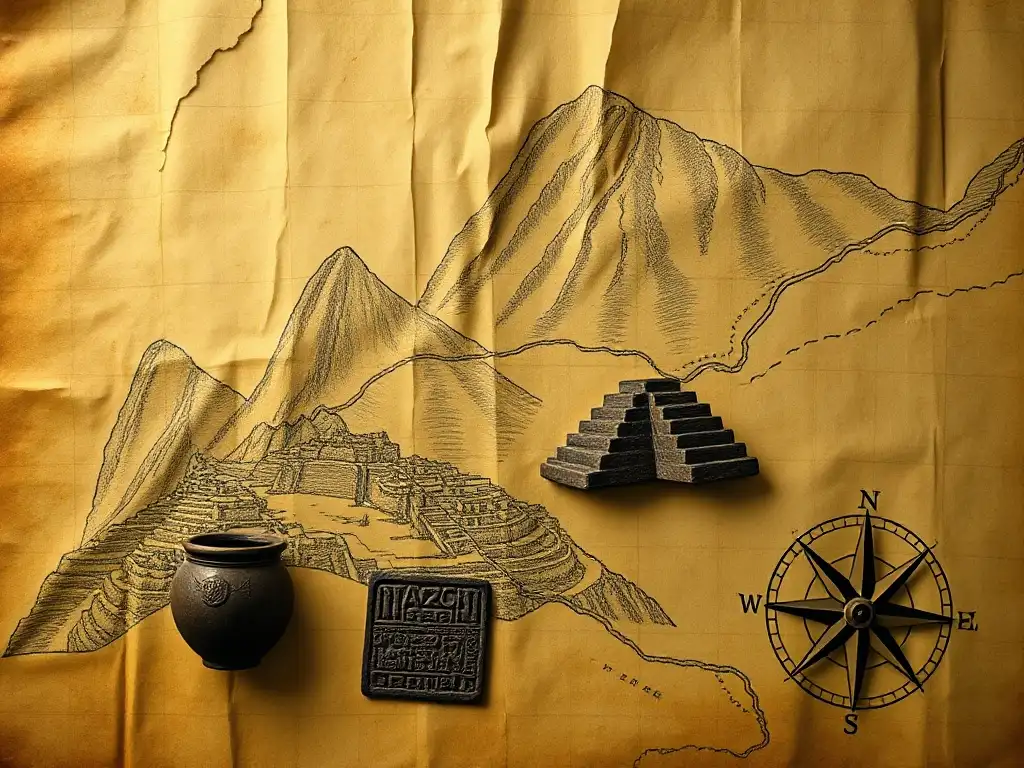
This section helps you navigate the diverse landscape of online courses focused on Andean civilizations. Selecting the perfect course depends heavily on your individual needs and learning style. We'll explore key factors to consider before enrolling, ensuring you find a program that aligns with your goals and enhances your understanding of these fascinating cultures. Finding the right fit amongst the many available Andean civilizations online courses is key to a successful learning experience.
Factors to Consider When Selecting a Course
Several crucial factors influence the effectiveness of an online Andean civilizations course. Careful consideration of these aspects will significantly improve your learning outcome and overall satisfaction.
- Course Structure and Delivery: Do you prefer self-paced learning or structured, instructor-led sessions? Some courses offer pre-recorded lectures and flexible schedules, while others involve live sessions and deadlines. Consider your time commitment and preferred learning environment. A well-structured course with clear learning objectives is essential.
- Course Content and Scope: The breadth and depth of the course content vary significantly. Some focus on a specific Andean civilization (e.g., solely the Inca Empire), while others offer a broader overview encompassing multiple cultures, like the Nazca, Moche, and Tiahuanaco. Determine which scope best suits your interests and knowledge level. A detailed syllabus is crucial for understanding the course's coverage.
- Instructor Expertise and Credibility: Research the instructor's background and qualifications. Look for individuals with proven expertise in Andean archaeology, anthropology, or history. Their experience and passion for the subject will enhance your learning experience. Reviews from previous students can also offer valuable insights.
- Learning Materials and Resources: Evaluate the quality and accessibility of the learning materials. A good course should provide high-quality videos, readings, interactive exercises, and supplementary resources. The availability of downloadable materials for offline access can also be beneficial.
- Assessment and Feedback: Understanding how your progress will be assessed is vital. Check whether the course includes quizzes, assignments, essays, or final exams. Regular feedback from the instructor is essential for improvement and understanding. Look for courses with clear grading rubrics and timely feedback mechanisms.
- Cost and Value: While cost is a factor, prioritize the course's overall value. Consider the quality of instruction, the comprehensiveness of the materials, and the potential benefits to your knowledge and skills. A well-structured course with high-quality content is worth the investment.
| Factor | Importance | How to Evaluate |
|---|---|---|
| Course Structure | High – Affects learning pace and flexibility | Check syllabus for schedule, format (live vs. recorded), and self-paced options. |
| Content and Scope | High – Determines focus and depth of knowledge gained | Review syllabus, course description, and learning objectives. |
| Instructor Expertise | High – Impacts quality of instruction and credibility of information | Check instructor's biography, publications, and online reviews. |
| Learning Materials | Medium – Affects learning engagement and resource availability | Review sample materials, if available, and check for variety and quality of resources. |
| Assessment and Feedback | High – Essential for tracking progress and receiving guidance | Review assessment methods and the instructor's feedback policy in the syllabus. |
| Cost and Value | Medium – Balance cost with quality and learning outcomes | Weigh the cost against the potential benefits and value of the course. |
Recommendations Based on Your Learning Goals
Your learning goals significantly influence the best course choice. For instance:
- Beginner seeking a broad overview: Choose a course offering a comprehensive introduction to various Andean civilizations, covering their history, culture, and art. This should emphasize foundational knowledge and provide a solid base for further study.
- Intermediate learner focusing on a specific civilization: Opt for a course specializing in a particular Andean culture, such as the Inca, Moche, or Nazca. These courses will allow for in-depth exploration of a chosen civilization's unique aspects.
- Advanced student interested in specific research areas: Look for courses that delve into niche topics within Andean studies, such as textile production, agricultural practices, or religious beliefs. These courses will provide advanced knowledge in a specific area of study.
Remember to carefully evaluate each course based on the factors outlined above before making a decision. Choosing the right Andean civilizations online courses is the first step towards a rewarding and enriching learning journey. Enjoy exploring the fascinating world of Andean civilizations!
Maximizing Your Andean Civilizations Learning Experience
This section focuses on optimizing your learning journey through online courses dedicated to Andean civilizations. We'll explore strategies to enhance comprehension and retention, ensuring you get the most out of your educational experience. Understanding the nuances of these fascinating cultures requires a multifaceted approach, going beyond simply consuming course material.
Complementary Resources: Books and Documentaries
Supplementing your online Andean civilizations courses with additional resources significantly enriches your understanding. Engaging with diverse perspectives and formats deepens your knowledge and provides context beyond the scope of a structured course. Consider these complementary learning avenues:
- Books: Seek out academic texts focusing on specific Andean cultures – Inca, Moche, Nazca, Tiahuanaco, etc. – to delve into specialized topics. Look for books that offer diverse perspectives, including archaeological findings, anthropological interpretations, and historical analyses. For example, a book focusing on Inca road systems would complement an online course covering Inca infrastructure. Another might explore the intricate textile techniques of the Nazca, adding depth to a course’s overview of Nazca art.
- Documentaries: High-quality documentaries can provide visual context and bring to life the landscapes, artifacts, and daily lives of the Andean people. Look for documentaries produced by reputable institutions, employing expert interviews and rigorous research. These visual aids can solidify your understanding of complex concepts covered in your online courses. For instance, a documentary on the construction of Machu Picchu can enhance your comprehension of Inca engineering principles learned in a course. Documentaries focusing on the agricultural practices of the various Andean civilizations can similarly complement online course material.
A balanced approach, combining structured online learning with supplementary reading and visual aids, offers a richer, more complete understanding of Andean civilizations. Remember to critically evaluate your sources, comparing information across different texts and documentaries to build a nuanced perspective.
Engaging with the Andean Civilizations Community
Active participation in the broader Andean civilizations community significantly enhances the learning experience. Connecting with like-minded individuals, experts, and researchers fosters a deeper understanding and provides unique opportunities for collaboration and knowledge exchange.
- Online Forums and Discussion Groups: Many online platforms host forums and discussion groups dedicated to Andean studies. Participating in these communities allows you to engage directly with other learners, share insights, and ask questions. This collaborative learning environment can clarify confusing concepts and offer diverse interpretations of historical events and cultural practices. The exchange of ideas with others studying Andean civilizations provides valuable perspectives you might not encounter in a structured course alone.
- Attend Virtual or In-Person Events: Many universities and museums organize lectures, workshops, and conferences related to Andean civilizations. Attending these events provides opportunities to hear from leading experts, engage in discussions, and network with other enthusiasts. These events often feature presentations on cutting-edge research, offering insights beyond introductory online courses. The opportunity to ask questions directly from researchers is invaluable.
- Museums and Archaeological Sites (Virtual Tours): While physical visits are ideal, many museums and archaeological sites offer virtual tours. These tours provide an immersive experience, allowing you to explore artifacts and sites in detail, enhancing your understanding of the physical remains of these ancient cultures. Virtual tours can often provide a level of detail not always possible within an online course.
Actively engaging with the Andean civilizations community transforms passive learning into an active, collaborative process. By participating in discussions, attending events, and exploring virtual resources, you will develop a deeper appreciation for the rich history and cultural heritage of the Andes. This active engagement will, in turn, enhance your retention and understanding of the concepts learned in your online courses.
Frequently Asked Questions
What online courses are available to learn about Andean civilizations?
We offer several online courses focusing on comparative Andean civilizations, placing them within their broader historical and geographical context. These courses explore the Incas, Moche, Nazca, and Tiahuanaco, among others. Check our website for the current course catalog.
How do these courses compare to traditional classroom settings?
Our online courses provide flexible learning, allowing you to study at your own pace and schedule. While lacking direct instructor interaction, they offer comprehensive materials and interactive elements. They are ideal for those seeking self-directed learning.
What topics are covered in the Andean civilizations online courses?
Our courses delve into the rich history, culture, art, and technology of the Andean civilizations. We explore their social structures, religious beliefs, agricultural practices, and remarkable achievements in engineering and architecture. Specific topics vary by course.
Are there prerequisites for enrolling in these online courses?
No formal prerequisites are required for most of our Andean civilizations online courses. A general interest in history and ancient cultures is sufficient. However, some advanced courses might require prior knowledge of archaeology or anthropology.
What makes your Andean civilizations online courses unique?
Our courses emphasize a comparative approach, examining the diverse Andean cultures alongside one another to highlight similarities and differences. This contextualization provides a deeper understanding of their unique achievements and enduring legacies. We also integrate high-quality visuals and interactive learning materials.
Final Reflection: Weaving the Threads of Andean History
The accessibility of online learning has revolutionized how we engage with history, particularly the often-overlooked richness of Andean civilizations. Understanding these complex societies is not merely an academic pursuit; it's crucial for fostering a more inclusive and nuanced global perspective, challenging Eurocentric narratives and appreciating the diverse tapestry of human achievement.
The impact of online courses dedicated to Andean civilizations is profound, fostering a global conversation about pre-Columbian societies and their enduring legacy. These courses offer a vital counterpoint to dominant historical narratives, allowing students worldwide to engage directly with the achievements of the Inca, Moche, Nazca, and other fascinating cultures. The past is never dead. It's not even past.
– William Faulkner. This quote rings true as we continue to uncover and reinterpret the stories of the Andes, and online platforms are instrumental in disseminating this knowledge to a wider audience, ensuring these narratives remain vibrant and relevant.
Now, consider your own place in this ongoing conversation. What resonates most with you from the exploration of Andean civilizations? How can you, in your own sphere of influence, contribute to a more accurate and complete understanding of these remarkable societies? Perhaps it's through sharing this knowledge with others, supporting organizations dedicated to preserving Andean heritage, or simply continuing your own personal journey of learning and discovery. Let the legacy of the Andes inspire you to seek out diverse perspectives and challenge the limitations of conventional narratives.
Unlock the Secrets of Andean Civilizations Today!
Thank you for exploring the rich tapestry of Andean cultures and history. You've gained valuable insights into their unique societies and achievements. Now, let's put that knowledge to work!
Here are a few ways you can further your understanding and share your passion:
- Enroll in our immersive online courses to delve deeper into the fascinating world of Andean civilizations and their connections to other cultures.
- Join our online community to share insights, ask questions, and connect with other enthusiasts.
- Visit a local museum or historical site featuring Andean artifacts or exhibitions.
What aspect of Andean civilizations captivates you most, and how can you integrate this knowledge into your daily life?