
More Than Souvenirs: Markets Where Andean Handicrafts Tell a Rich History

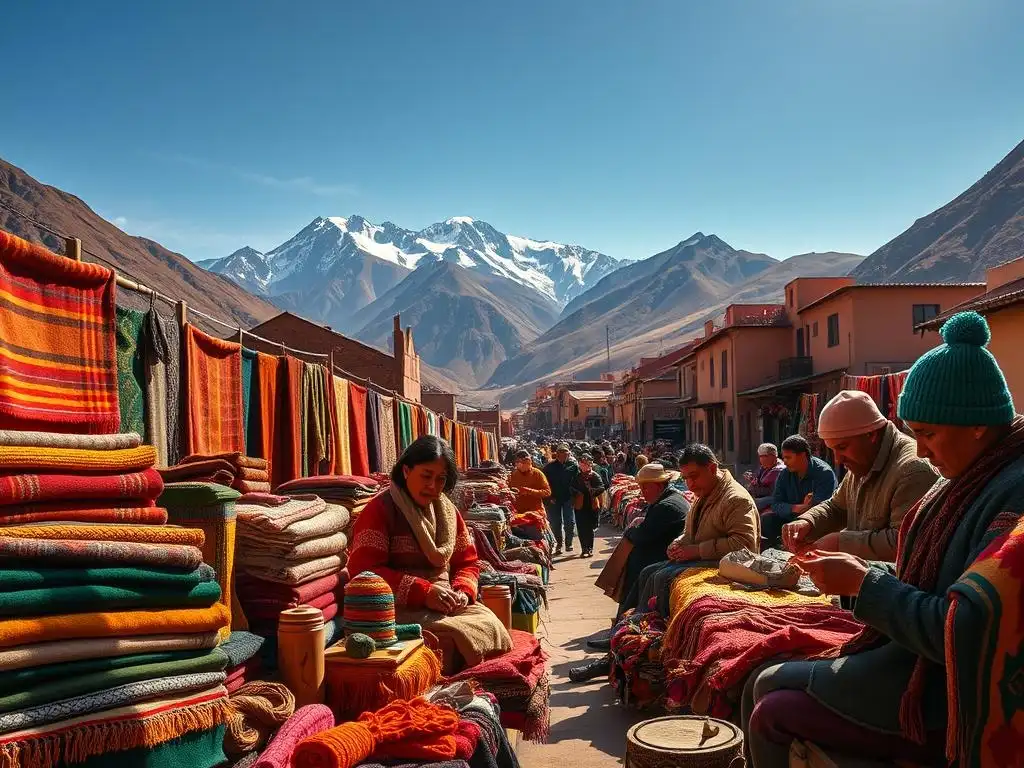
Step into a world lost in time, yet vibrantly alive. Imagine bustling marketplaces echoing with the whispers of centuries past, where intricate textiles and dazzling goldwork weren't mere souvenirs, but living testaments to a legacy of innovation. This is the heart of Andean civilization, and we invite you to uncover its secrets. Explore the fascinating history of the Andean crafts market, a vibrant thread woven into the rich tapestry of Inca, Moche, Nazca, and Tiahuanaco cultures – a story waiting to be revealed.
Exploring the vibrant tapestry of Andean culture often involves delving into its rich artistic heritage. Beyond the allure of picturesque landscapes and captivating historical sites lies a world of intricate handicrafts, each piece whispering tales of ancient traditions, innovative techniques, and enduring cultural significance.
This article explores the fascinating history embedded within Andean craft markets, revealing how these bustling hubs serve as living museums, showcasing the evolution of Andean artistry from ritualistic practices to thriving trade. We'll journey through the heart of these markets, uncovering the stories woven into every textile, ceramic, and piece of jewelry, demonstrating how purchasing Andean handicrafts is more than just acquiring a souvenir; it's participating in the preservation of a unique and invaluable cultural legacy.
Prepare to be captivated by the enduring spirit of the Andes, reflected in the exquisite craftsmanship found within its markets. This exploration focuses on understanding the "Andean crafts market history," allowing us to appreciate the deeper cultural context behind these beautiful objects.
Discovering the Soul of the Andes: An Introduction to Andean Craft Markets
Andean craft markets are not simply places to buy goods; they are vibrant social spaces where artisans connect with buyers, sharing stories and knowledge. From the bustling plazas of Cusco to the smaller, more intimate markets nestled in remote villages, each market offers a unique glimpse into the heart of Andean culture. The atmosphere is often filled with the vibrant colors of textiles, the earthy scent of pottery, and the lively chatter of vendors and customers negotiating prices.
These markets are dynamic environments where tradition meets modernity, showcasing both ancient techniques and contemporary interpretations of Andean artistry. The sheer diversity of crafts available – from intricately woven textiles to delicately carved wooden figures – reflects the rich cultural heritage of the Andes and the ingenuity of its people.
The experience of visiting these markets is as much about immersing oneself in the atmosphere and connecting with the artisans as it is about acquiring a beautiful handcrafted item. Many markets also offer workshops and demonstrations, providing visitors with a chance to learn more about the techniques and traditions behind the crafts.
Understanding the Historical Significance of Andean Crafts
The history of Andean crafts is deeply intertwined with the history of the Andean civilizations themselves. For centuries, these crafts served vital roles within Andean societies, extending far beyond mere aesthetics.
Ancient Techniques and Modern Markets: A Legacy of Andean Artistry
Many techniques used in Andean crafts today have been passed down through generations, originating in pre-Columbian times. The intricate weaving techniques used to create textiles, for instance, often incorporate designs and symbols that carry deep cultural and spiritual significance. Similarly, the pottery and ceramics found in Andean markets often reflect ancient styles and techniques, employing natural pigments and unique firing methods.
The continuity of these ancient techniques is a testament to the enduring cultural memory and resilience of Andean communities. Even today, the designs and symbols found on these crafts often reflect ancient beliefs and practices, demonstrating the enduring influence of pre-Columbian cultures. Specific examples of these techniques, such as [specific weaving techniques pending] and [specific pottery techniques pending], require further research to fully detail their historical impact.
The Evolution of Andean Handicrafts: From Ritual to Trade
Initially, many Andean crafts served primarily ritualistic and ceremonial purposes. Textiles, for example, were often used in religious ceremonies and adorned important figures. Pottery served as containers for offerings and vessels for sacred rituals. Over time, however, the role of Andean crafts evolved, with trade becoming increasingly important.
The rise of major Andean empires, such as the Inca, facilitated the expansion of craft production and trade networks. This led to the development of specialized craft centers and the emergence of distinct regional styles. The transition from primarily ritualistic objects to trade goods represents a significant shift in the social and economic landscape of the Andes, showcasing the adaptability and resilience of Andean cultures.
The exact dates and details of this transition require further investigation, but the evidence suggests a gradual evolution rather than a sudden shift. Understanding this evolution is crucial to appreciating the complex history woven into each piece of Andean craftsmanship. The impact of colonialism and globalization on the evolution of Andean craft markets also requires further detailed analysis.
- Discovering the Soul of the Andes: An Introduction to Andean Craft Markets
- Understanding the Historical Significance of Andean Crafts
- What is the significance of Andean handicrafts in understanding the region's history?
- How did ancient Andean markets function, and what role did handicrafts play?
- Which Andean civilizations are most prominently represented in contemporary craft markets?
- Where can one find authentic Andean handicrafts, and how can I ensure their authenticity?
- How do modern Andean craft markets contribute to the preservation of cultural heritage?
The Best Markets for Andean Crafts: A Journey Through History and Art
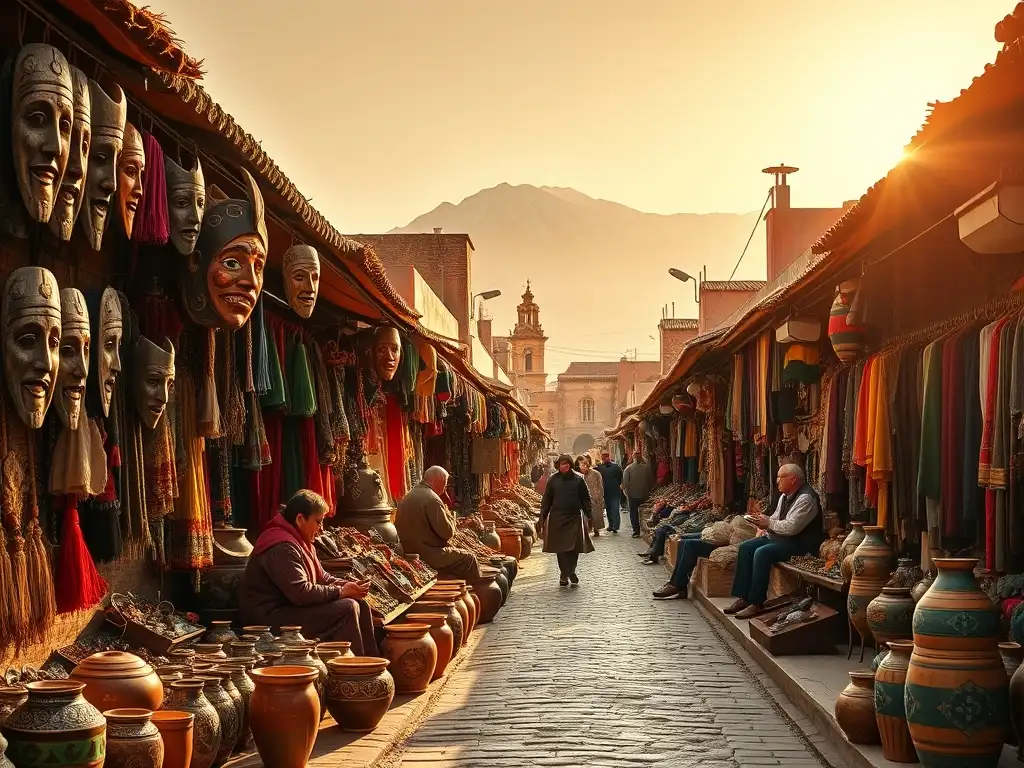
This section delves into the historical and cultural significance of two prominent Andean crafts markets: Pisac in Peru and El Alto in Bolivia. We'll explore the unique crafts offered, providing insights into their origins and offering tips for responsible shopping. Understanding the history embedded within these vibrant marketplaces enhances the appreciation of the Andean crafts themselves, transforming a simple souvenir into a piece of living history reflecting the "Andean crafts market history".
Pisac Market, Peru: A Tapestry of Tradition and Color
Pisac Market, nestled in the Sacred Valley of the Incas, is more than just a place to shop; it's a living museum showcasing the rich tapestry of Peruvian Andean heritage. The market's vibrant atmosphere, filled with the sounds of Quechua conversations and the enticing aroma of local food, offers a captivating sensory experience. The sheer variety of handcrafted goods available speaks volumes about the enduring legacy of Andean craftsmanship.
Historical Roots of Pisac Market: Tracing the Origins of its Craftsmanship
The roots of Pisac Market stretch back centuries, deeply intertwined with the Inca civilization and its sophisticated system of trade and craftsmanship. While the exact origins are difficult to pinpoint with absolute certainty, archaeological evidence suggests a long history of commerce and craft production in the region. The Inca legacy is clearly visible in the intricate designs and techniques used in many of the crafts sold today.
Even the market's layout likely echoes ancient trade practices, although much of the physical infrastructure is more recent. The continuity of tradition is remarkable, with many families carrying on ancestral craft techniques for generations, ensuring the survival of unique artistic expressions. This deep connection to the past makes each item purchased a tangible link to the "Andean crafts market history".
Featured Crafts at Pisac Market: Textiles, Ceramics, and More
Pisac is renowned for its exceptional textiles. The vibrant colors, intricate weaving patterns, and use of traditional Andean fibers like alpaca and llama wool are breathtaking. Many textiles incorporate traditional designs, depicting Andean deities, animals, and symbolic motifs. Beyond textiles, the market boasts a stunning array of ceramics, often featuring pre-Columbian-inspired designs. These range from simple utilitarian pottery to intricately decorated ceremonial pieces. Other noteworthy crafts include silver jewelry, often incorporating traditional Inca designs, and intricately carved wooden items. The sheer diversity reflects the multifaceted nature of Andean artistic expression.
Shopping Tips for Pisac Market: Haggling, Authenticity, and Ethical Sourcing
Navigating Pisac Market successfully requires a blend of savvy shopping skills and ethical considerations. Haggling is expected and often part of the fun, but remember to be respectful and fair. Authenticity is key; learn to distinguish between genuine handcrafted items and mass-produced imitations. Look for subtle details in the craftsmanship, materials, and designs.
Supporting ethical sourcing is crucial. Choosing to buy from artisans directly, rather than large retailers, ensures that the creators receive fair compensation for their work and helps preserve traditional Andean crafts. Remember that you're not just buying a souvenir; you're participating in the ongoing narrative of "Andean crafts market history".
El Alto Market, Bolivia: Where Indigenous Culture Thrives
El Alto Market, located high in the Andes outside La Paz, Bolivia, presents a distinctly different but equally captivating experience. This sprawling market is a powerful symbol of indigenous Aymara culture, showcasing a vibrant array of crafts and reflecting the resilience and creativity of the Andean people. The sheer scale and energy of the market are immediately striking.
The Cultural Heart of El Alto Market: A Glimpse into Bolivian Heritage
El Alto Market's significance extends far beyond its commercial function. It serves as a vital social and cultural hub for the Aymara community, a place where traditions are celebrated and preserved. The market's atmosphere is infused with the sounds of Quechua and Aymara, the sights of traditional clothing, and the smells of local delicacies. The crafts sold here are not merely commodities; they are expressions of cultural identity, reflecting the enduring spirit of Andean heritage and contributing significantly to the "Andean crafts market history".
Unique Crafts at El Alto Market: Wood Carvings, Jewelry, and Instruments
El Alto Market is renowned for its exceptional wood carvings, often depicting traditional Andean figures and animals. The artisans' skill is evident in the intricate detail and expressive quality of their work. The market also offers a wide variety of jewelry, often incorporating unique materials sourced locally. Traditional musical instruments, such as panpipes and charangos, are also readily available, adding to the rich cultural tapestry of the market. Many crafts incorporate distinctive Aymara designs and motifs, setting them apart from those found in other Andean markets.
Experiences Beyond the Market: Cultural Immersion Opportunities Near El Alto Market
A visit to El Alto Market provides a unique opportunity for cultural immersion. Beyond the market itself, exploring the surrounding neighborhoods offers a deeper understanding of Aymara life and traditions. Consider engaging with local communities, attending cultural events, or taking a guided tour to gain a more comprehensive appreciation of the region's rich heritage. This deeper engagement will enrich your understanding of the "Andean crafts market history" and the cultural context within which these crafts are created and sold.
Otavalo Market, Ecuador: A Fusion of Tradition and Innovation
Otavalo Market, nestled in the highlands of Ecuador, is more than just a marketplace; it's a vibrant tapestry woven from centuries of Andean tradition and modern entrepreneurial spirit. This bustling hub, known for its exceptional handicrafts and lively atmosphere, offers a unique glimpse into the enduring legacy of Andean artistry. The market's scale and influence are significant, attracting both local communities and international tourists, contributing substantially to the Ecuadorian economy and showcasing the country's rich cultural heritage to a global audience.
The sheer volume of goods traded, the diversity of artisans represented, and the enduring popularity of the market all contribute to its status as a leading example of a successful fusion of tradition and modern commerce within the Andean region. The market's enduring success is a testament to the adaptability and resilience of Andean craftsmanship.
Otavalo Market's Place in Ecuadorian History: A Crossroads of Cultures
Otavalo's market history is deeply intertwined with the indigenous Otavalo people, whose ancestral roots in the region stretch back centuries. Long before the Spanish conquest, the Otavalos established thriving trade networks, exchanging goods and ideas with neighboring communities. The market, in its current form, evolved gradually, building upon these established traditions. The Spanish colonial period brought about significant changes, yet the indigenous culture persevered, adapting and incorporating new influences while maintaining its unique identity.
Even today, the market acts as a powerful symbol of cultural continuity, a space where indigenous traditions are celebrated and preserved. The market's location, strategically situated along ancient trade routes, further underscores its historical significance as a crucial crossroads of cultures and commerce. Detailed historical records, though not readily available in English, highlight the market's continuous operation for hundreds of years, adapting to changing economic and social landscapes.
Artisan Treasures at Otavalo Market: Panama Hats (Authentic Ecuadorian), Leather Goods, and More
Otavalo Market is renowned for its incredible variety of handcrafted goods. The market's most famous export is undoubtedly the authentic Ecuadorian Panama hat, meticulously woven from toquilla straw. These hats, known for their exceptional quality and craftsmanship, represent a pinnacle of Andean weaving techniques passed down through generations. Beyond Panama hats, visitors will find an array of exquisite leather goods, from intricately carved belts and wallets to stylish bags and jackets.
The vibrant textiles, featuring traditional Andean patterns and vibrant colors, are another highlight, ranging from intricately woven blankets and ponchos to brightly colored scarves and tapestries. Silver jewelry, often incorporating indigenous designs and motifs, is also widely available, showcasing the region's skilled silversmiths. The sheer diversity of products reflects the rich artistic heritage of the region and the dedication of its artisans. [Specific data on the number of artisans and types of crafts sold pending].
Supporting Local Artisans: The Impact of Your Purchases at Otavalo Market
Shopping at Otavalo Market is more than just acquiring souvenirs; it's a direct contribution to the livelihoods of local artisans and the preservation of Andean cultural heritage. By purchasing handcrafted goods, visitors directly support the families and communities who create them, ensuring the continuation of these invaluable traditions. Many artisans rely on the market as their primary source of income, and your purchase helps sustain their craft and contributes to the economic well-being of the region.
Choosing to buy authentic handicrafts over mass-produced imitations not only supports ethical practices but also helps preserve unique artistic skills and knowledge that have been passed down through generations. The economic impact of tourism on Otavalo and the surrounding communities is significant, with the market serving as a crucial engine for economic growth and development.
Consider the positive ripple effect your purchase has on the entire community, fostering sustainable development and cultural preservation. The positive impact of responsible tourism on the preservation of Andean crafts cannot be overstated.
Beyond the Purchase: Preserving Andean Craft Market History
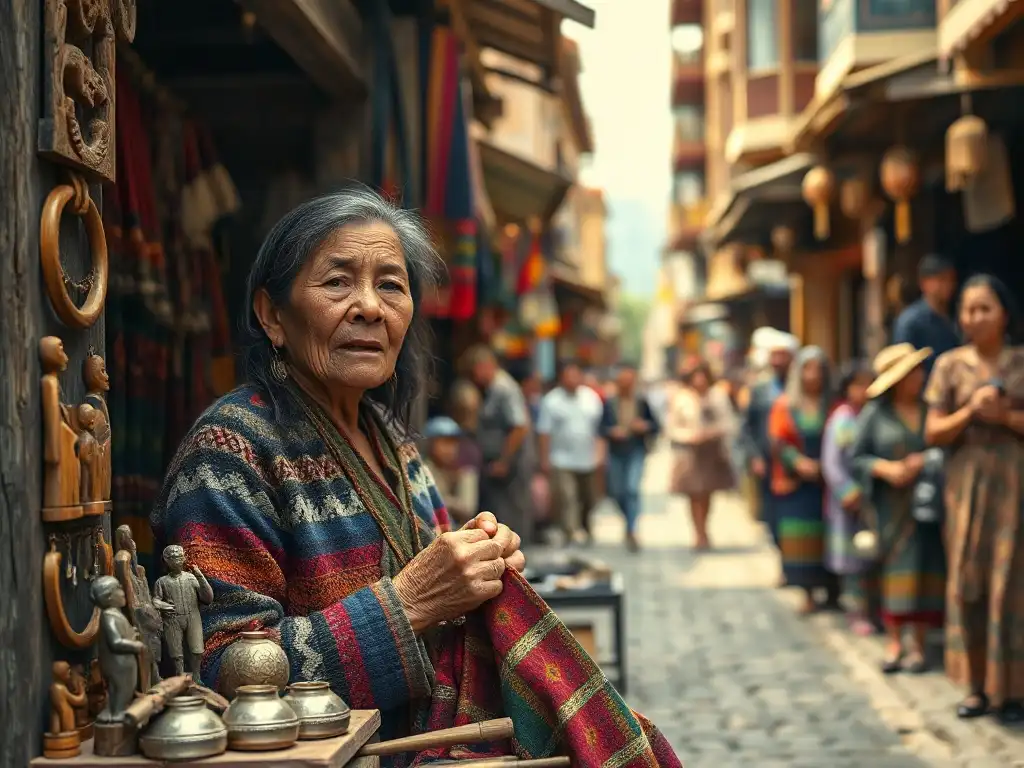
The vibrant tapestry of Andean crafts isn't merely a collection of beautiful objects; it's a living testament to centuries of tradition, innovation, and cultural resilience. Understanding the history embedded within each handcrafted item is crucial to appreciating its true value and ensuring the continuation of this rich heritage. Andean craft market history isn't just about the markets themselves—it's about the interwoven narratives of the artisans, their communities, and the evolving relationship between traditional techniques and modern demands.
The bustling markets, from the ancient bartering systems to the contemporary tourist hubs, reflect a dynamic interplay of social, economic, and artistic forces shaping Andean identity. Tracing this history allows us to connect with the past and actively participate in shaping the future of Andean craft traditions.
This deeper understanding enriches the experience of purchasing Andean handicrafts, transforming a simple souvenir into a meaningful connection with a vibrant culture. The survival of these unique crafts depends on our conscious engagement with their historical context and the communities that create them.
The Importance of Ethical Consumption in Andean Craft Markets
Ethical consumption in Andean craft markets goes beyond simply buying a beautiful item. It involves actively supporting fair trade practices, ensuring artisans receive fair compensation for their skill and labor. This means seeking out markets and vendors committed to transparency and ethical sourcing. Look for certifications or labels that guarantee fair wages and safe working conditions.
By prioritizing ethical choices, we contribute to the economic empowerment of Andean communities and help preserve their traditional craftsmanship for generations to come. Consider the story behind the craft: Did the artisan receive a fair price? Were environmentally sustainable materials used? Understanding the production process is key to making informed and responsible purchases.
Supporting ethical practices directly impacts the livelihoods of Andean artisans and fosters a more sustainable and equitable craft industry. This conscious approach transforms the simple act of shopping into a powerful act of cultural preservation. Remember, your purchase is a vote for the future of Andean craft traditions.
How to Identify Authentic Andean Handicrafts: Tips for Buyers
Navigating the world of Andean handicrafts requires discernment. Authenticity is key to ensuring you're purchasing a genuine piece of Andean heritage and not a mass-produced imitation. Several factors can help you distinguish authentic Andean crafts:
- Materials: Pay close attention to the materials used. Traditional Andean crafts often utilize natural materials like alpaca wool, vicuña, llama fiber, cotton, and various types of wood. Examine the quality of the materials; authentic pieces will typically show superior craftsmanship and attention to detail.
- Techniques: Look for evidence of traditional techniques like hand-spinning, hand-weaving, or intricate embroidery. These techniques often leave unique markings and imperfections that distinguish them from mass-produced items. Research different Andean weaving techniques (e.g., chumpi, k'eperu) to better understand the craftsmanship.
- Design: Authentic Andean designs often incorporate symbolic motifs and patterns deeply rooted in Andean cosmology and mythology. These designs may represent animals, plants, or celestial bodies, each carrying a specific cultural meaning. Be wary of generic designs lacking cultural significance.
- Origin: Inquire about the origin of the craft. Where was it made? Who made it? Supporting local artisans directly contributes to the preservation of their skills and traditions. A vendor's knowledge and willingness to share information about the craft's origin and maker are good indicators of authenticity.
Supporting Sustainable Practices in the Andean Crafts Industry
Supporting sustainable practices in the Andean crafts industry is vital for preserving both cultural heritage and the environment. This means looking for crafts made with sustainably sourced materials and produced using methods that minimize environmental impact. Consider the following:
- Eco-friendly materials: Choose crafts made from renewable or recycled materials whenever possible. Support artisans who utilize sustainable agricultural practices and avoid harmful chemicals in their production processes.
- Reduced waste: Look for crafts produced with minimal waste, reflecting a respect for resources and a commitment to environmental stewardship. This could include the use of traditional techniques that minimize waste or the repurposing of materials.
- Fair labor practices: Ensure the artisans involved are treated fairly and with respect. This includes fair wages, safe working conditions, and opportunities for professional development. Look for certifications or labels that guarantee ethical labor practices.
- Community involvement: Support crafts produced by communities that are actively involved in preserving their cultural heritage and protecting the environment. This may involve initiatives focused on sustainable resource management or community-based tourism. The preservation of Andean crafts is intricately linked to the well-being of the communities that create them. By making conscious choices, we can contribute to a more sustainable and equitable future for the Andean crafts industry. 🦙
Conclusion: Bringing Home a Piece of Andean Heritage
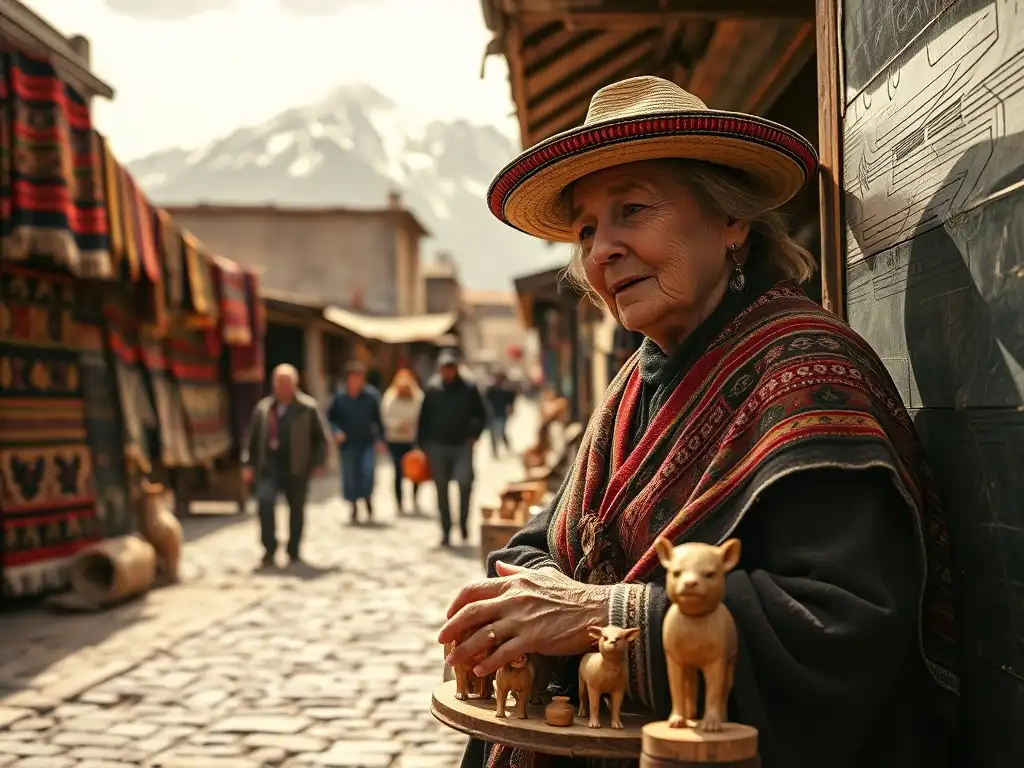
This exploration of Andean crafts markets has revealed far more than just vibrant textiles and intricate ceramics. We've journeyed through centuries of history, witnessing the enduring legacy of Andean craftsmanship and the cultural richness woven into each piece. From the intricate knotwork of the khipu to the symbolic designs on pottery, each handcrafted item holds a story, a testament to the ingenuity and resilience of Andean civilizations.
Understanding this history enriches the experience of purchasing Andean crafts, transforming a simple souvenir into a meaningful connection with a captivating past. The Andean crafts market history is not just about the exchange of goods; it's about the transmission of knowledge, the preservation of traditions, and the celebration of a vibrant cultural heritage.
By supporting these markets, we actively participate in the continuation of this legacy, ensuring the survival of these beautiful and significant crafts for generations to come. The next time you visit a market brimming with Andean handicrafts, remember the stories woven into each thread, each carving, each carefully painted detail.
Choosing a Meaningful Souvenir: More Than Just a Purchase
Selecting an Andean craft should be a considered process, reflecting the appreciation for the artistry and history embodied in each piece. Avoid impulse purchases; instead, take your time to explore the offerings, engage with the artisans if possible, and learn about the techniques and traditions involved in the creation of the item. Consider these factors:
- Authenticity: Look for pieces made with traditional techniques and materials. Beware of mass-produced imitations that lack the cultural significance of authentic Andean crafts.
- Origin and Story: Inquire about the origin of the piece and its history. Understanding the background of your purchase adds depth and meaning to your souvenir. A brief conversation with the artisan can be incredibly enriching.
- Quality and Durability: Choose well-crafted items that will last, allowing you to enjoy your purchase for years to come. This demonstrates respect for the artisan's skill and the time invested in creating the piece.
- Ethical Considerations: Support artisans who are fairly compensated for their work. Look for markets and shops that prioritize ethical sourcing and sustainable practices. This helps preserve both the craft and the livelihoods of the artisans.
Remember, the best souvenirs are not just pretty objects; they are tangible reminders of a cultural experience, carrying with them the spirit and history of the Andean region. Choosing mindfully ensures that your purchase contributes positively to the preservation of Andean heritage.
Continuing the Story: Sharing the Rich History of Andean Crafts
Bringing home an Andean craft is only the beginning. To truly appreciate your purchase, delve deeper into its history and significance. Research the specific techniques used in its creation, the symbolism embedded in its designs, and the cultural context within which it was made. Sharing this knowledge with others extends the story beyond your personal experience, contributing to a wider appreciation of Andean culture.
Here are some ways to continue the story:
- Research: Utilize books, museums, and online resources to learn more about the specific craft you purchased and the Andean civilization(s) from which it originates.
- Conversation: Share your newfound knowledge with friends, family, and colleagues. Engage them in the story of your souvenir, sparking interest and curiosity about Andean cultures.
- Documentation: Maintain a record of your purchases, noting the specifics of each item, its origin, and any information you gather about its history. This creates a personal archive of your Andean journey.
- Education: If appropriate, consider sharing your knowledge and your collection with others through informal presentations or discussions, helping to promote understanding and appreciation of Andean heritage.
By actively engaging with the history and significance of your Andean crafts, you contribute to the preservation and celebration of a rich and compelling cultural legacy. You become a custodian of the story, ensuring that these beautiful and meaningful artifacts continue to inspire and enrich lives for generations to come. The more you learn and share, the more profound your connection to the Andean crafts market history will become.
Frequently Asked Questions
What is the significance of Andean handicrafts in understanding the region's history?
Andean handicrafts offer a tangible connection to the past. They reflect the artistic traditions, beliefs, and technological advancements of various Andean civilizations across centuries, providing invaluable insights into their lives and cultures. Studying them reveals much about their social structures and daily life.
How did ancient Andean markets function, and what role did handicrafts play?
Ancient Andean markets served as vital economic and social hubs. Handicrafts were not merely goods but also symbols of status, ritual objects, and essential tools. The exchange of these goods fostered interaction and cultural exchange between different communities.
Which Andean civilizations are most prominently represented in contemporary craft markets?
Contemporary Andean craft markets reflect the heritage of many civilizations, including the Inca, Moche, Nazca, and Tiahuanaco. However, the styles and techniques often blend elements from different periods and regions, creating a unique and rich tapestry of artistic expression. Indigenous communities continue to produce these crafts.
Where can one find authentic Andean handicrafts, and how can I ensure their authenticity?
Authentic Andean handicrafts can be found in local markets and artisan workshops, particularly in Peru, Bolivia, Ecuador, and Colombia. Look for hand-made items, unique designs, and traditional materials. Supporting artisans directly helps ensure authenticity and fair trade practices.
How do modern Andean craft markets contribute to the preservation of cultural heritage?
Modern Andean craft markets play a crucial role in preserving ancient techniques and traditions. By purchasing these items, we support the continuation of these artistic practices and help ensure that the knowledge and skills are passed down through generations, keeping the cultural heritage alive.
Final Reflection: Weaving the Threads of Andean Heritage
The vibrant tapestry of Andean handicrafts isn't merely a collection of souvenirs; it's a living testament to centuries of resilience, innovation, and cultural exchange. These markets, bustling with activity and overflowing with intricate textiles, pottery, and jewelry, are not just places to shop, but portals to a rich and complex history that continues to shape the region today. Understanding this history is crucial to appreciating the artistry and the enduring spirit of the Andean people.
The enduring power of these crafts lies not only in their aesthetic beauty but also in their ability to transmit stories across generations. They are tangible links to ancestral practices, beliefs, and social structures. The intricate designs, often passed down through families for centuries, whisper tales of ancient gods, agricultural cycles, and community life. The hands that create these objects are the hands that hold the memory of a people.
This simple statement encapsulates the profound connection between the crafts and the Andean identity, a connection that continues to resonate in the modern world, even as global markets and tourism reshape the landscape.
Consider, for a moment, the next time you encounter an Andean craft. Pause, and truly see it. See the meticulous detail, the vibrant colors, the stories woven into every thread and painted onto every surface. Let it transport you to the bustling markets, the skilled artisans, the rich history that breathes life into these objects. Embrace the opportunity to learn more, to support the artisans, and to help preserve this invaluable cultural heritage for future generations. By doing so, you become part of the ongoing narrative, a thread in the vibrant tapestry of Andean history.
Unleash the Spirit of the Andes Within You!
Thank you for joining us on this journey through the vibrant markets and rich traditions of Andean handicrafts. We hope you've discovered the depth and beauty these artifacts hold, connecting you to a culture steeped in history. Now, let's put that inspiration into action!
Here are some ways you can further immerse yourself in the spirit of the Andes:
- Explore local markets this weekend for unique, handcrafted items—each tells a story, bringing a piece of the Andes into your home!
- Share your favorite Andean crafts on social media using the hashtag #AndeanArtistry to inspire others to appreciate this rich cultural heritage.
- Consider attending a local workshop or online event to learn more about Andean artisans and their techniques firsthand.
What's the most fascinating craft or story you've encountered that has impacted your understanding of Andean culture? We'd love to hear your thoughts!