
Decoding the Mysteries of the Andean Ritual Masks: A Journey into the Spirit World

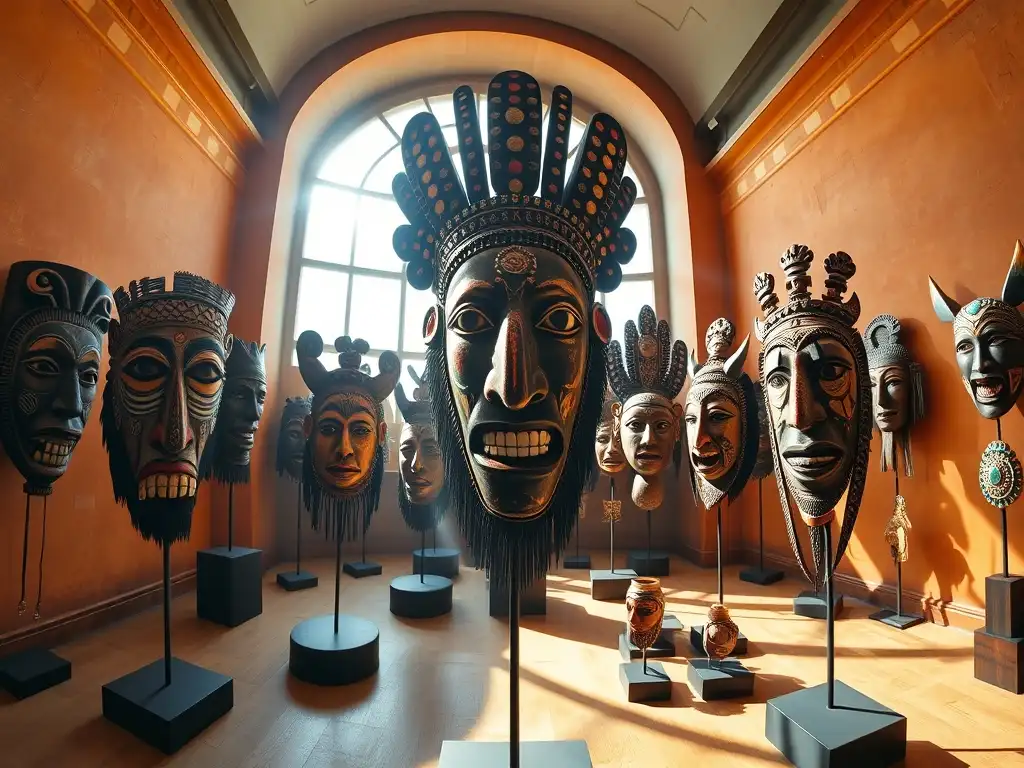
Step into a world lost to time, yet echoing with vibrant life. Imagine the intricate artistry, the profound spiritual beliefs, and the enduring legacy of the Andean civilizations. Here, we unravel the secrets held within their captivating creations, beginning with the enigmatic Andean ritual mask meanings. Prepare to be mesmerized as we delve into a fascinating exploration of their symbolic power and the spiritual world they represent. Dare to uncover the mysteries... the journey begins now.
- Decoding the Mysteries of Andean Ritual Masks: A Journey into the Spirit World
- The Significance of Masks in Andean Rituals and Ceremonies
- Exploring the Diverse Forms and Styles of Andean Ritual Masks
- The Purpose and Function of Andean Ritual Masks
- Interpreting Andean Ritual Mask Meanings: A Deep Dive
- Case Studies: Specific Examples of Andean Ritual Masks
- Preserving and Understanding Andean Mask Heritage
-
Frequently Asked Questions
- What were Andean ritual masks used for?
- What materials were typically used to create Andean ritual masks?
- How did the meanings of Andean ritual masks vary across different cultures?
- What are some common symbols found on Andean ritual masks, and what do they represent?
- Where can I learn more about the meanings of Andean ritual masks?
- Final Reflection: Unveiling the Enduring Power of Andean Ritual Masks
- Unveil the Spirit Within: Connect with Andean Culture!
Decoding the Mysteries of Andean Ritual Masks: A Journey into the Spirit World
The Andean region, a breathtaking tapestry woven across the towering peaks and fertile valleys of South America, is renowned for its rich and complex history. For centuries, sophisticated civilizations like the Inca, Moche, Nazca, and Tiahuanaco flourished in this challenging landscape, developing intricate belief systems and unique artistic expressions. Central to their spiritual practices were ritual masks, enigmatic artifacts that offer a captivating glimpse into their cosmology, social structures, and understanding of the spirit world.
This article delves into the fascinating world of Andean ritual masks, exploring their diverse forms, materials, iconography, and the profound meanings they held for these ancient cultures. We will unravel the symbolism embedded within these artifacts, shedding light on their role in ceremonies, offerings, and the broader Andean worldview, ultimately aiming to decipher the messages encoded within these captivating objects.
Understanding Andean ritual mask meanings provides a crucial key to unlocking the secrets of these remarkable civilizations and appreciating the depth of their spiritual lives. Prepare to embark on a journey through time, as we uncover the mysteries hidden behind these powerful and evocative faces.
The Diverse Iconography of Andean Ritual Masks
Andean ritual masks exhibit an astonishing diversity in their design and execution. The materials used varied widely depending on the culture and the intended purpose of the mask. Gold, silver, copper, and other precious metals were often employed by elite groups, reflecting the high status associated with ritual practices. However, masks were also crafted from simpler materials such as wood, textiles, and even human remains in certain cases 1 . The iconography is equally varied and complex. Some masks feature stylized human faces, often with exaggerated features like large eyes, prominent noses, and open mouths. These features might represent specific deities, ancestors, or shamanistic figures. Others depict animal forms, such as jaguars, condors, and snakes, which were often considered powerful spiritual entities in Andean cosmology. The combination of human and animal characteristics in some masks suggests a complex interplay between the human and supernatural realms. Detailed analysis of these features, combined with archaeological context, allows for more precise interpretations of their significance.
Materials and Techniques: A Reflection of Andean Craftsmanship
The creation of Andean ritual masks involved sophisticated craftsmanship and a deep understanding of materials. Goldsmithing, for instance, reached remarkable levels of skill among the Moche and Inca, resulting in intricately detailed masks of unparalleled beauty. The techniques employed, including hammering, soldering, and casting, demonstrate a mastery of metallurgy that was unsurpassed in the Americas.
Beyond precious metals, wood carving also played a significant role, with artisans skillfully shaping masks from various types of wood, often incorporating paint, feathers, and other adornments to enhance their visual impact. The choice of materials was not arbitrary; it often reflected the social status of the individuals involved in the rituals or the specific deities being invoked.
The meticulous attention to detail in these masks underscores the sacred nature of the rituals in which they were used. Studying the techniques employed reveals not only the artistic skill but also the cultural values and beliefs of the Andean people.
The Role of Masks in Andean Rituals and Ceremonies
Andean ritual masks were not merely decorative objects; they played a crucial role in a wide range of religious ceremonies and rituals. They served as intermediaries between the human and spiritual worlds, allowing shamans and priests to connect with deities and ancestors. Archaeological evidence suggests that masks were worn during ceremonies, performances, and funerary rites, transforming the wearer into a powerful spiritual figure.
In some cases, masks were also used as offerings, placed in tombs or deposited in sacred sites as part of appeasement rituals or to ensure the fertility of the land. The specific rituals and ceremonies in which masks were utilized varied across different Andean cultures, reflecting the diversity of their belief systems and practices.
However, the central role of masks in facilitating communication with the supernatural realm remained consistent across these cultures. Their use underscores the importance of ritual and ceremony in Andean life and the profound spiritual beliefs of these ancient societies.
Uncovering the Deeper Meanings: Interpreting Andean Mask Symbolism
The interpretation of Andean ritual mask meanings requires a multidisciplinary approach, drawing upon archaeological evidence, ethnohistorical accounts, and anthropological studies. While definitive answers are sometimes elusive, careful analysis of the iconography, materials, and context of discovery can shed light on their symbolic significance. For example, the presence of specific animal motifs might indicate a connection to certain deities or natural forces.
Similarly, the use of particular colors or patterns could reflect cosmological beliefs or social hierarchies. Further research and comparative studies are needed to fully understand the nuances of Andean mask symbolism, but preliminary interpretations already offer valuable insights into the worldview and spiritual practices of these ancient cultures. The continuing study of these objects promises to reveal even deeper layers of meaning, enriching our understanding of Andean civilization and its enduring legacy.
1 Further research is needed to provide specific examples and data about the use of human remains in mask-making.
The Significance of Masks in Andean Rituals and Ceremonies
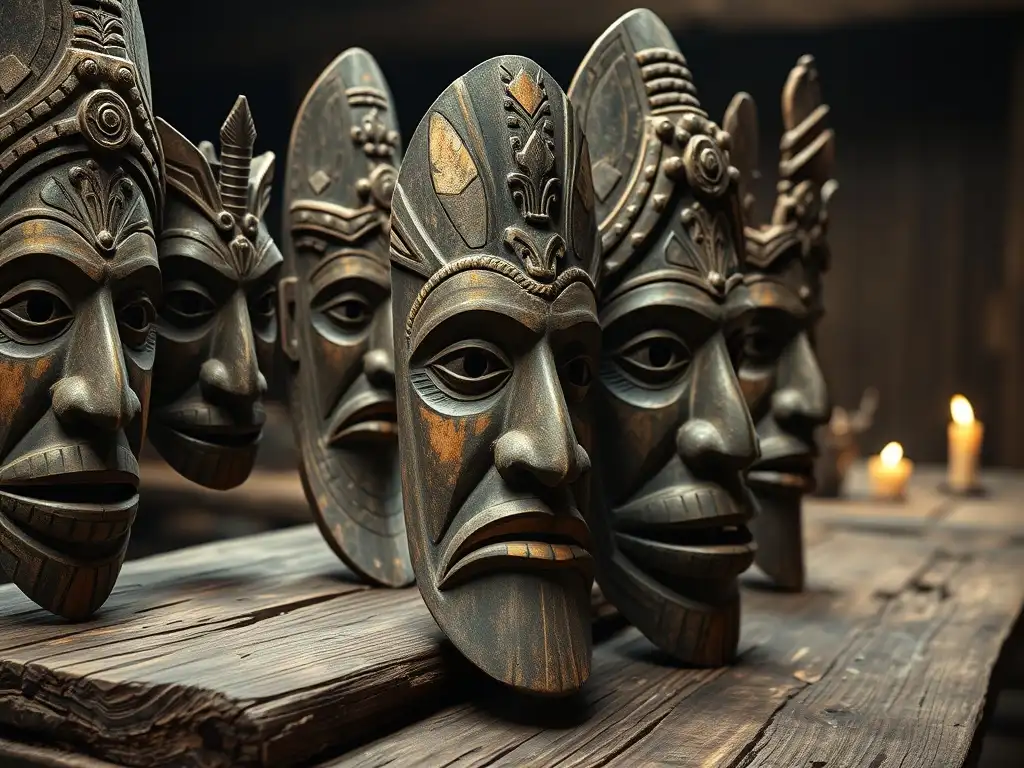
The use of masks in Andean rituals and ceremonies wasn't merely decorative; they held profound spiritual significance, acting as powerful intermediaries between the human and supernatural realms. These artifacts weren't simply worn; they were inhabited, transforming the wearer into a conduit for divine power or a representation of specific deities, ancestors, or mythological beings. The meticulous craftsmanship involved, often using precious materials like gold, silver, and feathers, underscores their sacred importance within Andean cosmovision.
The creation process itself was likely imbued with ritual, ensuring the mask's effectiveness in its intended purpose. Understanding the meaning behind Andean ritual masks requires considering their role within the broader context of Andean religious practices, including offerings, sacrifices, and the cyclical nature of life and death. The intricate designs, often featuring stylized features, animal motifs, and symbolic embellishments, offer valuable clues into the beliefs and worldview of the ancient Andean peoples.
Further research into specific mask styles from different cultures – such as the Incas, Moche, and Nazca – can reveal nuanced interpretations of their symbolic language and ritual functions. The study of Andean ritual mask meanings helps us unlock a deeper understanding of the rich tapestry of Andean spiritual life.
Understanding the Role of Masks in Andean Cosmovision
Andean cosmovision, a complex and layered system of beliefs, viewed the world as interconnected and dynamic. The human world was not separate from the supernatural, but rather inextricably linked to it through various intermediaries, including shamans, priests, and, crucially, the masks themselves. Masks weren't simply representations of deities; they were believed to embody the spirits they depicted, allowing for direct interaction during rituals. This interaction wasn't passive; the masks facilitated communication, allowing the wearer to channel the deity's power and influence the outcome of ceremonies.
The use of masks in Andean rituals reflects a deep understanding of the power of transformation and the ability to shift between different states of being. This belief system influenced various aspects of Andean life, from agriculture and warfare to healing and governance. The masks played a central role in maintaining this delicate balance between the human and spiritual worlds, ensuring the continuity of life and the prosperity of the community.
Analyzing the iconography on these masks – the specific animals, figures, and symbols depicted – provides a window into the Andean understanding of the cosmos and their place within it. For example, feline imagery often represents power and predation, while bird motifs might signify communication with the upper world. The careful examination of these details allows for a more comprehensive understanding of Andean ritual mask meanings within their broader cosmological framework.
Andean Masks as a Conduit to the Spirit World
The Andean people believed that masks served as powerful conduits to the spirit world, allowing shamans and priests to communicate with deities, ancestors, and other supernatural beings. During ceremonies, the wearer of the mask wasn't simply acting a role; they were believed to be possessed by the spirit represented by the mask, allowing for a direct and intimate interaction. This possession facilitated divination, healing, and communication with the supernatural realm. The materials used in crafting the masks further reinforced this connection.
Precious metals like gold and silver, often associated with the sun and the divine, were frequently employed, amplifying the sacred power of the mask. The intricate designs and symbolic elements further enhanced the mask's ability to channel spiritual energy. Consider, for example, the intricate headdresses and adornments often accompanying these masks; these elements added to the overall ritual effect, intensifying the connection between the wearer and the spirit world. The use of feathers, often from rare and sacred birds, also points to the ritual significance of these objects.
The process of creating these masks was likely a ritual in itself, involving specific procedures and prayers, ensuring the mask’s effectiveness as a conduit to the supernatural. The careful study of these masks, considering both their material composition and iconography, allows us to gain a deeper understanding of their role in facilitating communication with the Andean spirit world, providing vital insights into the beliefs and practices of these ancient civilizations. The detailed analysis of these artifacts offers a profound glimpse into the complex relationship between the Andean people and their spiritual beliefs, revealing the profound significance of Andean ritual mask meanings within the context of their religious practices.
Exploring the Diverse Forms and Styles of Andean Ritual Masks
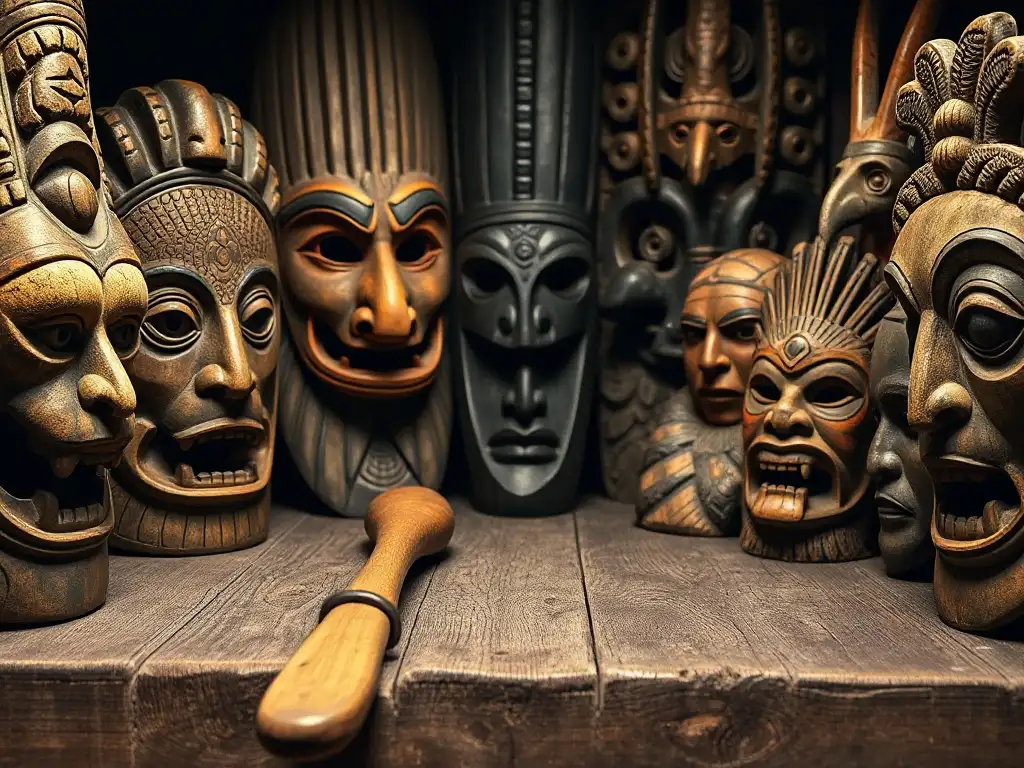
Andean ritual mask meanings are deeply intertwined with the diverse forms and styles found across different cultures and time periods. These masks weren't simply decorative objects; they served as powerful conduits to the spirit world, embodying deities, ancestors, and supernatural forces. The sheer variety reflects the rich tapestry of Andean beliefs and practices, showcasing a remarkable level of artistic skill and symbolic complexity.
From the fierce expressions of Moche masks to the intricate details of Inca gold pieces, each mask tells a unique story. Understanding this diversity is crucial to deciphering the multifaceted meanings embedded within these artifacts. The stylistic differences often correspond to specific cultural groups, geographical locations, and ritual contexts, offering valuable insights into the social and religious structures of Andean societies.
Analyzing these variations allows researchers to piece together a more complete understanding of Andean cosmovision and the role of ritual masks within it. The sheer range of materials, techniques, and iconography employed underscores the profound significance these masks held within their respective societies.
Regional Variations in Mask Design and Materials
The design and materials used in Andean ritual masks varied significantly depending on the geographical region and the cultural group that created them. Coastal cultures, such as the Moche, often favored masks made from clay, showcasing vibrant colors and dramatic expressions. These masks frequently depicted deities, shamans, or mythical creatures, reflecting the Moche's complex pantheon and their intense focus on ritual practices.
In contrast, the highland cultures, like the Tiahuanaco and Inca, utilized a wider range of materials, including wood, gold, silver, textiles, and feathers. Inca masks, for instance, often incorporated intricate goldwork, reflecting the Inca's wealth and their sophisticated metalworking techniques. This difference in materials and style reflects not only access to resources but also the distinct religious beliefs and artistic traditions of each culture.
The style of the mask itself—its features, its expression, the adornments—all contributed to its specific meaning within a particular ritual context. Further research is needed to fully document the regional variations, particularly in less well-studied areas.
Materials Used in Andean Mask Construction: A Closer Look
The choice of materials for Andean ritual masks was far from arbitrary. Each material carried its own symbolic weight, contributing to the overall meaning and power of the mask. The careful selection and meticulous craftsmanship reflect the deep reverence and spiritual significance attributed to these objects. Understanding the symbolic meaning of the materials provides a crucial key to interpreting the masks' deeper meaning. The use of specific materials often linked the mask to particular deities or rituals, reinforcing the mask's role as a powerful intermediary between the human and spirit worlds.
The Use of Wood, Metal, and Feathers in Mask Making
Wood, a readily available resource in the Andes, was frequently used in mask making, particularly in the highlands. Different types of wood might have held specific symbolic meanings, although further research is needed to definitively establish these associations. The carving techniques varied significantly across different cultures and time periods, reflecting distinct artistic styles and levels of skill.
Metal, particularly gold and silver, was highly valued in Andean societies and was often reserved for elite contexts. Gold masks, for example, were likely associated with the sun god and royal power, while silver might have represented the moon or other celestial bodies. Feathers, sourced from various birds, were another significant material, often used to adorn masks or create entire headdresses.
The specific type of bird feather held symbolic meaning, with certain feathers associated with specific deities or rituals. For example, the feathers of the Andean condor, a powerful symbol in Andean mythology, might have been particularly significant.
Exploring the Symbolic Meaning of Different Materials
The symbolic meaning of materials used in Andean ritual mask construction is complex and multifaceted. For example, the use of turquoise, a highly prized stone, likely indicated a connection to the sky, water, and fertility. Textiles, woven with intricate designs, frequently incorporated symbolic motifs, adding further layers of meaning to the mask.
The specific color of the textile also held significant meaning, with different colors associated with different deities or concepts. [Specific information pending] on the symbolic meaning of specific colors and textile designs in different Andean cultures. Further investigation into the specific sources and processing of these materials could offer additional insights into the ritual practices and beliefs of the Andean peoples.
The combination of materials itself could also contribute to the overall meaning, creating a complex interplay of symbols and associations. For example, a mask combining wood, gold, and feathers might represent a powerful deity associated with both the earthly and celestial realms. Unraveling these complex symbolic systems is key to understanding the full significance of Andean ritual masks.
Iconography and Symbolism in Andean Mask Art
Andean ritual masks are not merely decorative objects; they are powerful conduits to the spirit world, richly laden with iconography and symbolism that reflect the complex religious beliefs and cosmological views of the ancient Andean cultures. Understanding the symbolism embedded within these masks provides invaluable insights into their function and significance within ritual contexts. The meticulous detail and careful selection of materials—from precious metals and stones to feathers and textiles—underscore the sacred nature of these artifacts and the reverence with which they were crafted and used.
Scholars have dedicated years to deciphering the intricate messages encoded within these masks, revealing a fascinating tapestry of beliefs surrounding life, death, and the supernatural. The placement of specific symbols, their size relative to others, and their juxtaposition often hold specific meanings, requiring a nuanced understanding of Andean iconography to interpret correctly.
For example, the presence of feline imagery might suggest a connection to shamanic practices or nocturnal deities, while specific bird species could represent different levels of the Andean cosmos. The careful study of these details allows us to reconstruct a more complete picture of Andean religious practices.
Animal Representations in Andean Masks
Animals played a crucial role in the Andean worldview, often serving as intermediaries between the human and spirit realms. Animal representations in ritual masks are therefore highly significant, reflecting the importance of these creatures within Andean cosmology. Condor imagery, for instance, frequently appears in masks, symbolizing power, elevation, and connection to the upper world. The condor's ability to soar to great heights linked it to the sun and celestial deities.
Conversely, representations of snakes and felines often suggest connections to the underworld or nocturnal spiritual forces. The specific animal depicted, its posture, and the accompanying elements all contribute to the overall meaning of the mask. Researchers have noted regional variations in animal representation, suggesting that specific animals held different levels of significance in different Andean communities.
For instance, while the condor might be dominant in one region, a different bird or mammal might hold greater significance in another. This regional diversity highlights the rich tapestry of Andean beliefs and the nuanced expressions of their religious practices. The meticulous craftsmanship evident in these masks, with their lifelike features and attention to detail, further underlines the reverence with which these animal representations were treated.
Deities and Mythical Figures Depicted on Masks
Many Andean ritual masks depict deities and mythical figures central to the Andean pantheon. These representations are not simply portraits; they are powerful evocations of spiritual entities believed to hold sway over various aspects of life and the cosmos. The depiction of a specific deity on a mask might indicate the purpose of the ritual in which it was used.
For instance, a mask depicting a creator deity might have been employed in ceremonies related to agriculture or fertility, while a mask representing a war god might have been used in rituals associated with warfare or protection. The iconography associated with these deities—their headdresses, adornments, and accompanying symbols—can provide important clues to their identities and attributes. The study of these representations requires a detailed understanding of Andean mythology and iconography, drawing upon archaeological evidence, ethnographic studies, and textual sources where available.
The stylistic variations in the depiction of these figures across different cultures and time periods also reveal valuable insights into the evolution of Andean religious beliefs. Careful analysis allows researchers to trace the changing roles and importance of these deities within Andean society.
Geometric Patterns and their Ritual Significance
Beyond the representational imagery, geometric patterns are frequently found on Andean ritual masks, adding another layer of complexity to their iconographic meaning. These patterns are not simply decorative; they often hold profound ritual significance, representing cosmological concepts, abstract ideas, or specific events. The use of specific colors, shapes, and arrangements of these patterns can provide clues to their meaning, often linking them to specific beliefs or practices.
For example, the repetition of certain motifs might suggest an association with cycles of nature or the cyclical nature of time. Researchers have identified several recurring geometric patterns, each with potential symbolic interpretations, although the precise meaning often remains debated. The context in which a mask is found, its associated artifacts, and the broader cultural context are all crucial factors in interpreting these geometric patterns.
The study of these patterns requires a multidisciplinary approach, drawing upon expertise in mathematics, anthropology, and art history to unravel their hidden meanings and understand their role within the broader Andean worldview. The intricate precision and careful execution of these geometric designs further emphasize their importance and the sacred nature of the masks themselves.
The Purpose and Function of Andean Ritual Masks
Andean ritual masks, far from being mere decorative objects, served profound religious and social functions within the complex belief systems of various Andean civilizations. Their creation and use were deeply intertwined with the spiritual world, reflecting the intricate relationship between the living and the dead, the human and the divine, and the earthly and the cosmic realms. Understanding their purpose requires examining their diverse roles in different contexts, from elaborate religious ceremonies to intimate funerary practices.
The meaning imbued in these masks varied depending on the specific culture, the materials used, the iconography depicted, and the context of their use. This section explores the multifaceted roles of Andean ritual masks, shedding light on their significance within the broader Andean worldview.
Analyzing these artifacts provides invaluable insight into the beliefs, values, and social structures of these remarkable cultures, particularly when we consider the specific meanings associated with the iconography and materials employed. Decoding these visual narratives unlocks a deeper understanding of Andean ritual mask meanings.
Masks Used in Andean Religious Ceremonies
Religious ceremonies formed a central aspect of Andean life, and masks played a crucial role in these events. Evidence suggests that masks were used to represent deities, ancestors, or intermediary spirits. The materials used in their construction – often including gold, silver, feathers, textiles, and precious stones – further emphasized their sacred nature. The intricate craftsmanship and symbolic details depicted on these masks indicate the high level of skill and reverence involved in their creation.
For instance, Moche masks frequently portray ferocious deities or supernatural beings, possibly used in rituals related to warfare or shamanistic practices. In contrast, some Tiahuanaco masks exhibit stylized features and geometric patterns, perhaps reflecting a more abstract and cosmic worldview. The specific rituals and ceremonies in which these masks were used remain partially unknown, requiring further archeological investigation.
However, the sheer variety of masks discovered suggests a wide spectrum of uses within Andean religious life. The positioning of the masks within ceremonial contexts, often found near other ritual objects, further illuminates their ceremonial significance. Detailed studies of these associations provide valuable insights into the specific roles these masks played in various rituals.
Masks in Funerary Rites and Ancestor Veneration
Ancestor veneration was a cornerstone of Andean spirituality. Masks frequently appeared in funerary contexts, suggesting their use in rituals related to death, the afterlife, and the continued connection between the living and the dead. Many masks were found in tombs, placed on or near the bodies of the deceased, often alongside other grave goods.
This placement indicates their importance in ensuring a safe passage to the afterlife and maintaining the connection between the deceased and the living. The types of masks used in funerary rites varied depending on the social status of the deceased and the specific traditions of the particular culture. For example, elite burials might contain elaborate gold masks, while those of commoners might include simpler, less ornate examples.
The use of specific iconography, such as stylized faces or animal representations, may have held particular significance in relation to the beliefs about the afterlife and ancestor veneration. Further research focusing on the specific burial contexts and associated artifacts is crucial for a complete understanding of the role of masks in Andean funerary practices. The careful analysis of these contexts provides crucial details about Andean ritual mask meanings in the realm of death and the afterlife.
Andean Masks in Agricultural and Fertility Rituals
Agricultural practices were vital to the survival of Andean societies, and masks played an important role in rituals aimed at ensuring successful harvests and ensuring fertility of the land and its people. Many masks depict agricultural deities or spirits associated with fertility, such as those representing animals associated with agriculture, like llamas or pumas. The use of specific colors and materials also likely held symbolic meaning related to agricultural cycles and fertility.
For example, the use of vibrant colors might symbolize the vitality of the land, while the use of certain materials like wood or clay might reflect the connection to the earth. The timing of these rituals would have been closely tied to the agricultural calendar, with specific masks used during planting or harvest festivals. Archaeological evidence, including the discovery of masks in agricultural contexts or alongside agricultural tools, supports this interpretation.
The study of these masks, combined with an analysis of their contextual surroundings, provides valuable insights into the beliefs and practices surrounding agriculture and fertility in Andean cultures. The analysis of these artifacts contributes significantly to understanding the complex web of Andean ritual mask meanings related to agricultural success and the continuation of life.
The Performance and Dance Associated with Masks
Andean ritual masks weren't simply static objects; they were integral components of vibrant performances and dances. These weren't theatrical displays in the modern sense, but rather deeply spiritual enactments connecting the human world with the supernatural realm. The masks themselves, often intricately carved and vividly painted, transformed the wearer, allowing them to embody deities, spirits, or ancestors. The movements, songs, and accompanying rituals were carefully choreographed, each gesture imbued with symbolic meaning related to agricultural cycles, ancestor veneration, or appeasement of powerful forces.
Consider, for example, the dances associated with the k'apaq k'unchu festival in the Inca Empire. While specific details of many dances are lost to time, accounts from chroniclers and surviving iconography suggest that masked dancers played a crucial role, representing both benevolent and malevolent spirits. These dances, often performed during harvest festivals or solstice celebrations, served to ensure a bountiful harvest and maintain cosmic balance.
The masks themselves, often depicting animalistic features or mythical beings, helped to amplify the spiritual power of the performance, acting as conduits between the human and divine realms. The rhythmic movements and chanting further intensified this connection, creating a powerful and immersive experience for both participants and onlookers. The choice of mask, its design, and the associated dance would have been carefully selected to achieve a specific ritual purpose, whether it be to petition for rain, celebrate a successful harvest, or appease angry deities.
The use of masks in Andean ritual dance wasn't limited to the Inca; many other cultures across the Andes employed them in similar ways. The Moche culture, renowned for its sophisticated metalwork and ceramics, produced stunning examples of ritual masks, many of which likely played a central role in elaborate ceremonies and dances. These masks, often depicting fierce warriors or supernatural beings, would have been worn by select individuals during performances that may have reenacted battles, celebrated victories, or honored deceased ancestors.
The specific meanings embedded in these performances and the significance of the masks themselves are still being deciphered by researchers, relying on careful study of archaeological finds and the scant written records left by the Spanish conquistadors. However, the surviving evidence strongly suggests that dance and mask-wearing were deeply interconnected aspects of Andean spirituality, contributing significantly to the complex web of beliefs and practices that defined these societies.
Understanding the relationship between Andean ritual masks and dance provides crucial insights into the spiritual life and social structures of these ancient civilizations. The masks weren't simply decorative objects; they were active participants in rituals designed to maintain the cosmic order and ensure the prosperity of their communities.
Interpreting Andean Ritual Mask Meanings: A Deep Dive
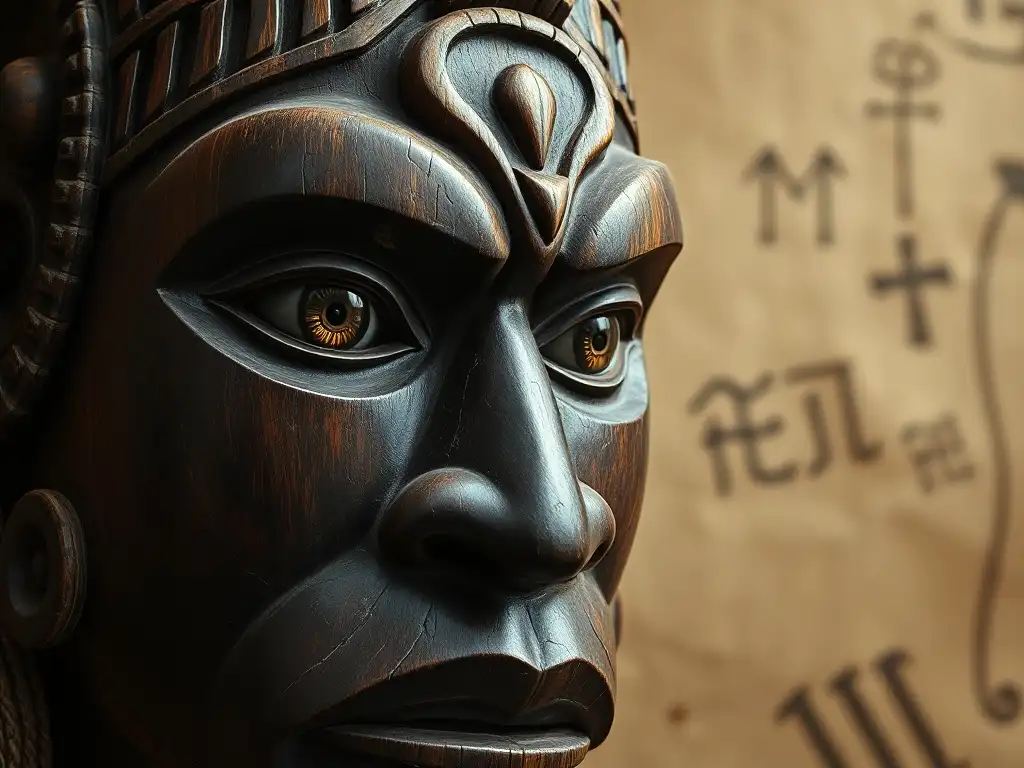
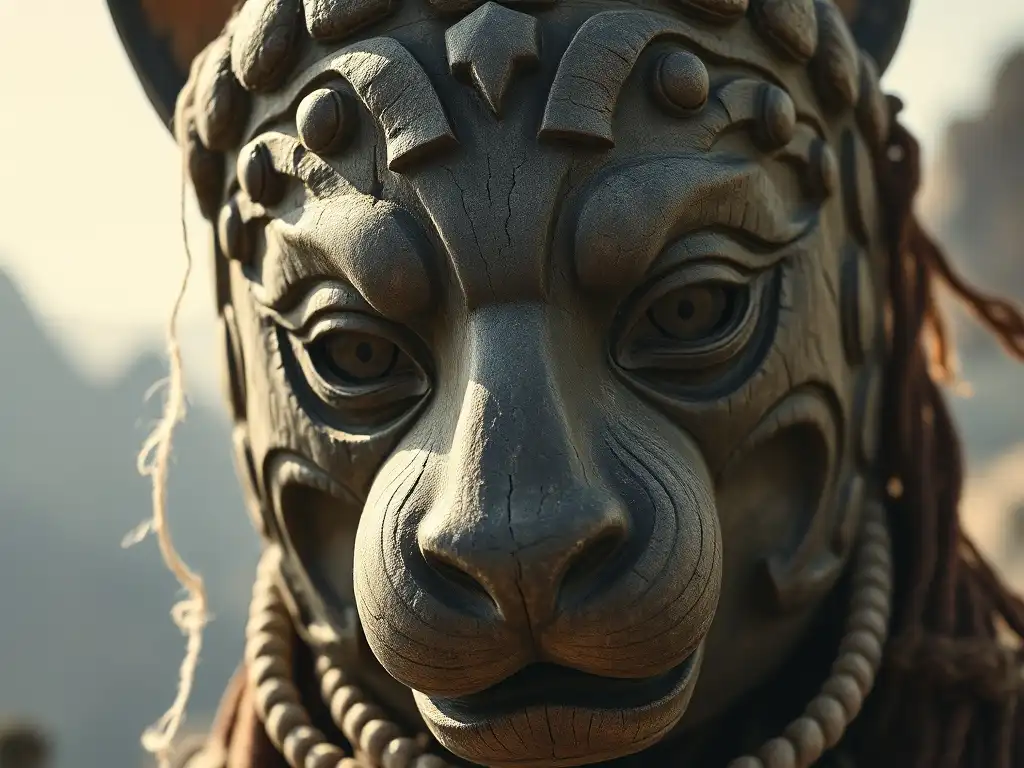
This section delves into the profound symbolism embedded within Andean ritual masks, exploring their multifaceted meanings and significance within the context of ancient Andean societies. Understanding these masks requires moving beyond superficial observation to grasp the intricate interplay of religious beliefs, social structures, and artistic expression that shaped their creation and use.
The analysis presented here focuses on the diverse interpretations offered by scholars and the ongoing debates surrounding the precise meanings of various iconographic elements. We will examine how these artifacts served as powerful tools for communication, both within the community and with the spirit world.
The rich tapestry of Andean culture is woven into the very fabric of these masks, making their study crucial for understanding the complex worldview of these ancient civilizations. The keyword, "Andean ritual mask meanings," is central to this exploration, guiding our investigation into the diverse interpretations and symbolic layers present in these remarkable objects.
The Power of Transformation Through Masks
Andean ritual masks weren't merely decorative objects; they were powerful instruments facilitating transformation and communication with the supernatural realm. The act of wearing a mask allowed the wearer to embody a specific deity, ancestor, or spirit, effectively bridging the gap between the human and divine worlds. This transformative power is evident in the meticulous craftsmanship and the often-intense expressions depicted on the masks. Consider, for example, the jaguar masks associated with certain Andean cultures.
The jaguar, a powerful symbol in many indigenous cultures, represents strength, ferocity, and shamanic abilities. Wearing a jaguar mask during rituals could imbue the wearer with these qualities, allowing them to access altered states of consciousness and interact more effectively with the spirit world. The transformative power of the mask extended beyond the ritual context. In some cases, masks may have been used in funerary rites, facilitating the transition of the deceased to the afterlife.
The mask could act as a conduit, allowing the spirit of the deceased to continue its journey into the spirit world, protected and guided by the symbolic power of the mask itself. This transformative power is a key element in understanding the profound significance of Andean ritual masks. Further research is needed to fully understand the specific rituals and contexts in which certain types of masks were utilized. [Specific ritual contexts and associated mask types pending].
Deciphering the Symbolic Language of Andean Masks
The iconography found on Andean ritual masks is incredibly rich and varied, encompassing a complex system of symbols that convey deep spiritual and social meanings. These symbols, often intricately carved or painted, represent a vast array of deities, animals, plants, and abstract concepts. For instance, feline features frequently appear, possibly representing deities associated with the underworld or shamanic power. Similarly, serpent motifs could symbolize fertility, healing, or the connection between the earthly and spiritual realms.
The use of specific colors also held significant meaning. Red, for example, could represent blood, sacrifice, or the life force, while gold symbolized the sun and its power. The precise meaning of these symbols often depends on the specific cultural context and the overall design of the mask. Understanding this symbolic language requires interdisciplinary collaboration, drawing on anthropological, archaeological, and art historical perspectives.
Unfortunately, the fragmentary nature of the archaeological record and the limited written sources available present significant challenges in fully deciphering the nuances of this complex visual language. Future research should focus on comparing and contrasting the iconography found on masks from different Andean cultures to develop a more comprehensive understanding of their symbolic meanings. A detailed catalog of Andean mask iconography with associated interpretations would be a valuable contribution to the field.
Beyond their spiritual significance, Andean ritual masks also served as powerful indicators of social roles and status within the community. The materials used in the mask's construction, the level of craftsmanship, and the complexity of its design often reflected the wearer's social standing. Masks crafted from precious metals, such as gold or silver, or adorned with elaborate feathers or semi-precious stones, were likely reserved for elite members of society, such as priests, rulers, or nobles. These masks served not only as markers of social status but also reinforced the wearer's authority and power.
The use of certain motifs or iconographic elements could also indicate specific social roles. For example, masks depicting agricultural deities or symbols of fertility might have been worn by individuals responsible for agricultural practices, emphasizing their importance within the community. The study of Andean ritual masks, therefore, provides valuable insights into the complex social hierarchies and power dynamics that shaped Andean societies.
Further research is needed to explore the correlation between mask typology and specific social roles or status within different Andean cultures. [Specific examples of social status indicators on Andean masks pending]. The careful analysis of burial contexts associated with these masks could also offer valuable clues regarding their social significance.
Case Studies: Specific Examples of Andean Ritual Masks
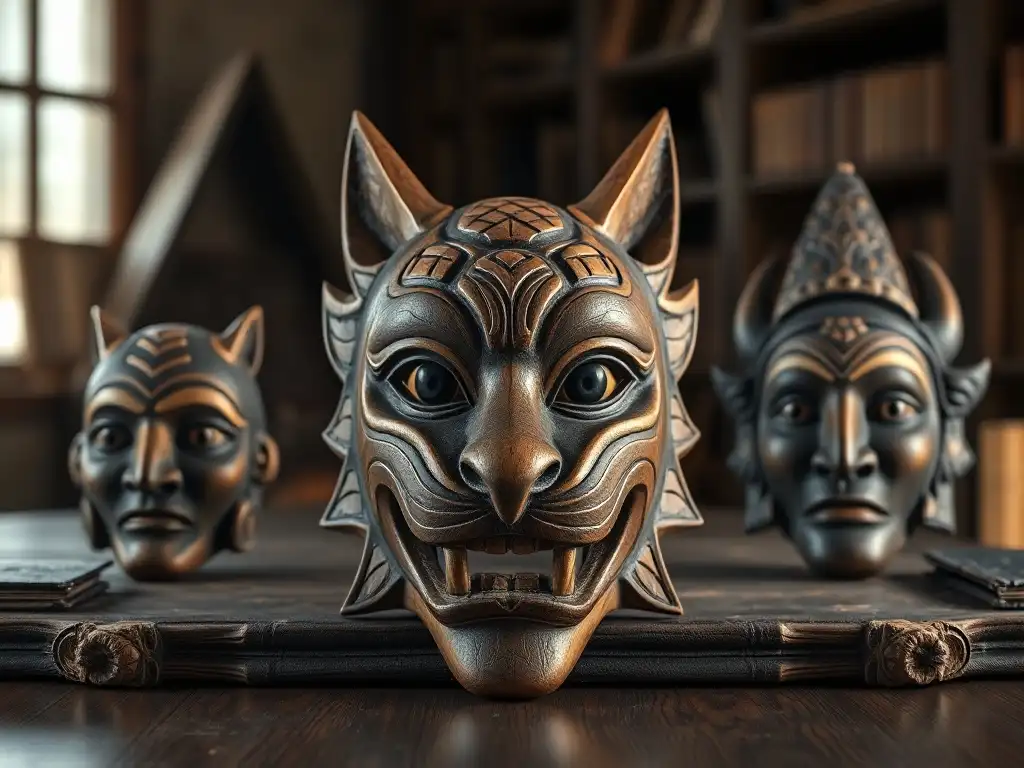
This section delves into specific examples of Andean ritual masks, exploring their unique characteristics, symbolic meanings, and ritual contexts. Understanding these individual pieces provides crucial insight into the broader tapestry of Andean religious practices and beliefs, enriching our understanding of "Andean ritual mask meanings." We will examine the intricate details and cultural significance of these artifacts, moving beyond simple descriptions to analyze their deeper symbolic layers.
The Diablada Mask of the Uru-Chipaya Culture and its Ritual Context
The Uru-Chipaya, an indigenous group inhabiting the Bolivian Altiplano, possess a rich masked tradition intimately tied to their unique cultural identity and spiritual beliefs. Their Diablada masks, far from being simple representations of the devil, embody complex symbolic layers reflecting their cosmology and relationship with the supernatural world. These masks, often made from wood and painted in vibrant colors, depict figures with exaggerated features – horns, fangs, and fiery eyes – symbolizing both fearsome and captivating aspects of the spirit world.
The ritual context of the Diablada mask is crucial to understanding its meaning. It is not merely a decorative object but a powerful instrument used during specific ceremonies, often associated with harvest festivals or ancestor veneration. The wearer, often a chosen member of the community, embodies the spirit represented by the mask, acting as a conduit between the human and spirit realms.
The performance involves elaborate dances and chants, designed to appease or interact with the supernatural forces represented. Detailed ethnographic studies are needed to further understand the specific variations in mask design and their correlation with particular rituals within different Uru-Chipaya communities. Further research into the specific pigments used and their symbolic meaning would also enhance our comprehension of "Andean ritual mask meanings."
The Ekeko Mask of the Aymara Culture: A Detailed Analysis
The Aymara people of the Andes are renowned for their Ekeko figurines, small, often comical figures carrying bundles of goods. While not always strictly masks in the traditional sense, the face of the Ekeko figurine functions as a mask-like representation, acting as a focal point for its symbolic power. The Ekeko is associated with abundance and prosperity, representing the fulfillment of desires. He is often depicted with a wide, smiling face, carrying miniature representations of material goods – food, money, houses – symbolizing the material blessings he bestows.
The Aymara believe that offering gifts and prayers to the Ekeko will bring good fortune. This practice highlights the significance of the Ekeko as a mediator between the human world and the realm of abundance. The intricate details of the Ekeko figurines, often personalized with unique features, further illustrate the individualized nature of this spiritual practice.
The materials used – often wood, textiles, and brightly colored paints – reflect the Aymara's connection to their environment and their use of readily available resources. A deeper analysis of the regional variations in Ekeko iconography would help clarify the nuanced interpretations of "Andean ritual mask meanings" within the Aymara culture.
Comparing and Contrasting Different Mask Traditions
Comparing the Diablada and Ekeko mask traditions reveals fascinating insights into the diversity of Andean spiritual beliefs. While the Diablada mask represents a more overtly powerful and potentially dangerous aspect of the spirit world, the Ekeko embodies a more benevolent force associated with material well-being. This difference highlights the complex and nuanced nature of Andean religious practices, demonstrating that the concept of "Andean ritual mask meanings" is not monolithic but instead reflects a rich tapestry of beliefs and practices that vary across different cultural groups and contexts.
Further comparative studies are needed to fully appreciate the range of Andean mask traditions. Analyzing the materials used, the iconography employed, and the ritual contexts in which these masks are used across different Andean cultures will provide a more comprehensive understanding of their symbolic significance. This comparative approach will allow us to identify common threads and unique variations, contributing to a more nuanced understanding of the spiritual world as envisioned by the ancient Andean civilizations and better defining the scope of "Andean ritual mask meanings".
The following table summarizes key differences:
| Feature | Diablada Mask (Uru-Chipaya) | Ekeko Figurine (Aymara) |
|---|---|---|
| Primary Meaning | Supernatural power, fear, respect | Abundance, prosperity |
| Typical Depiction | Fearsome figure, horns, fangs | Smiling figure, carrying goods |
| Ritual Context | Harvest festivals, ancestor veneration | Offerings for good fortune |
| Material | Wood, paint | Wood, textiles, paint |
This comparative analysis underscores the importance of considering the specific cultural context when interpreting Andean ritual masks and their significance. The diverse range of meanings and uses associated with these masks necessitates a detailed and nuanced approach to understanding their role within Andean religious practices and the overall meaning of "Andean ritual mask meanings."
Preserving and Understanding Andean Mask Heritage
This section delves into the crucial aspects of preserving and interpreting the rich legacy of Andean ritual masks, focusing on the multifaceted challenges and rewards inherent in this endeavor. Understanding these artifacts requires a multidisciplinary approach, blending archaeological findings with anthropological insights and a deep respect for the cultural heritage they represent. The significance of these masks extends beyond their artistic merit; they are powerful witnesses to complex belief systems and social structures of past Andean societies. The ongoing efforts to protect and understand these masks are essential for ensuring that their stories continue to resonate with future generations.
The Importance of Protecting Andean Cultural Artifacts
Protecting Andean cultural artifacts, including ritual masks, is paramount for several reasons. These artifacts are not merely objects; they are irreplaceable repositories of knowledge about past civilizations. Their destruction represents an irreversible loss of cultural heritage and a vital part of human history.
The illegal trafficking of these artifacts fuels a destructive cycle, often leading to looting and the damage of archaeological sites. Effective preservation strategies must be implemented to combat this illicit trade and ensure the long-term survival of these treasures. This includes strengthening legal frameworks, increasing international cooperation, and fostering public awareness about the importance of protecting cultural heritage.
Furthermore, sustainable tourism practices can provide economic incentives for communities to protect their heritage while ensuring that these sites are preserved for future generations to appreciate. The ethical implications of collecting and exhibiting these masks must also be carefully considered, ensuring that the rights and perspectives of indigenous communities are prioritized. A holistic approach, combining stringent legal measures with community engagement and educational initiatives, is essential for safeguarding Andean cultural heritage.
The Role of Museums and Research in Understanding Masks
Museums play a critical role in preserving and interpreting Andean ritual masks. They offer a safe haven for these fragile artifacts, protecting them from the elements and the threat of theft. However, their role extends beyond mere storage.
Through meticulous cataloging, scientific analysis (including material analysis, dating techniques, and 3D modeling), and detailed research, museums contribute significantly to our understanding of Andean mask meanings. The collaborative efforts of museum curators, archaeologists, anthropologists, and conservators are essential in piecing together the complex narratives embedded within these artifacts. Advanced imaging techniques, such as X-ray fluorescence (XRF) and computed tomography (CT) scans, allow researchers to analyze the composition of pigments, identify the materials used in construction, and even detect hidden features within the masks, revealing crucial information about their creation and use.
For instance, analysis of pigments can reveal trade routes and access to rare resources, while studying the construction techniques provides insights into the skills and knowledge of the artisans. This rigorous scientific approach, coupled with a sensitive and respectful approach to indigenous knowledge, is fundamental to unlocking the secrets held within these fascinating objects. The data gathered through this research is crucial for interpreting their symbolic meaning, providing a richer understanding of Andean cosmology and ritual practices.
The Continuing Legacy of Andean Mask Traditions
Even though the creation of ritual masks in the traditional Andean style might have diminished in some areas, the symbolic power and cultural significance of these artifacts persist. Contemporary Andean artists often draw inspiration from ancestral traditions, reinterpreting traditional motifs and techniques in their own work. This process of cultural transmission ensures that the legacy of Andean mask making continues to evolve.
The continued use of traditional materials and techniques, combined with contemporary artistic expressions, reflects a dynamic interplay between past and present. This contemporary artistic engagement enriches our understanding of Andean mask meanings, highlighting their enduring relevance in contemporary Andean societies. The study of these contemporary works, alongside their historical counterparts, offers a nuanced perspective on the evolution of Andean artistic traditions and their ongoing significance in shaping cultural identity.
Furthermore, the increasing global interest in Andean art and culture contributes to the preservation and dissemination of knowledge about these remarkable artifacts. This renewed appreciation, coupled with collaborative efforts between researchers, museums, and local communities, ensures that the legacy of Andean ritual masks continues to inspire and educate for generations to come. 🗺️
Frequently Asked Questions
What were Andean ritual masks used for?
Andean ritual masks served a variety of purposes, primarily in religious ceremonies and rituals. They were believed to connect the wearer with supernatural powers and ancestors, facilitating communication with the spirit world. Their use varied across different Andean cultures.
What materials were typically used to create Andean ritual masks?
Masks were crafted from a range of materials, including gold, silver, wood, textiles, and stone. The choice of material often reflected the status and significance of the ritual or deity represented. Some masks were even made from a combination of materials.
How did the meanings of Andean ritual masks vary across different cultures?
The iconography and symbolism depicted on Andean ritual masks varied greatly depending on the specific culture and time period. While some common themes emerged, the interpretation of specific symbols requires careful consideration of the cultural context.
What are some common symbols found on Andean ritual masks, and what do they represent?
Common symbols include animals, deities, and abstract designs. Animals often represented specific powers or attributes, while deities symbolized religious beliefs and cosmology. Abstract designs could represent concepts like fertility or power.
Where can I learn more about the meanings of Andean ritual masks?
To delve deeper into the rich symbolism of Andean ritual masks, explore academic journals, museum exhibits, and books focusing on Andean archaeology and anthropology. Many museums hold significant collections of these artifacts, often with detailed descriptions.
Final Reflection: Unveiling the Enduring Power of Andean Ritual Masks
The intricate artistry and profound symbolism embedded within Andean ritual masks remain powerfully relevant today, offering a window into a rich spiritual heritage that continues to resonate across cultures. These artifacts are not mere relics of the past; they are vibrant expressions of a worldview that emphasizes the interconnectedness of the human and spiritual realms, a concept that holds increasing significance in our increasingly fragmented world. Their enduring mystery compels us to question our own relationship with the unseen and the sacred.
The enduring influence of these masks extends far beyond the archaeological record; they continue to inspire artists, scholars, and spiritual seekers alike. Their ability to evoke such profound emotions speaks to the universality of the human need to connect with something larger than ourselves. The mask is not merely a covering, but a revelation; it reveals not only the face it hides, but also the soul that lies beneath.
This quote, though not directly related to Andean masks, perfectly encapsulates the power these artifacts hold to unveil deeper truths about the human condition and our relationship with the spiritual world.
Consider the intricate details, the vibrant colors, the powerful expressions etched onto these ancient faces. Let their silent stories speak to you. Take a moment to reflect on your own connection to the spiritual, to the unseen forces that shape our lives. What rituals, beliefs, or objects hold similar significance for you? By understanding the past, we gain a deeper appreciation for the present and a clearer vision for the future. Let the mysteries of the Andean ritual masks inspire you to explore your own inner world and the rich tapestry of human spirituality.
Unveil the Spirit Within: Connect with Andean Culture!
Thank you for joining us on this captivating exploration of Andean ritual masks and their profound significance in bridging the material and spiritual worlds. We hope this journey has ignited your curiosity and deepened your appreciation for these vibrant cultural artifacts. Now, let's put your new knowledge into practice!
Here are some ways to further explore the spirit of Andean civilizations:
- Visit a local museum or cultural center to see similar artifacts firsthand and experience the energy of the Andean spirit world.
- Engage with our online community to share your thoughts and insights, connecting with fellow enthusiasts and expanding your understanding of Andean traditions.
- Create your own ritual-inspired artwork at home, using your newfound knowledge to creatively honor these ancient customs.
Now, as you reflect on the rich tapestry of Andean culture, consider: What aspect of Andean rituals resonates most deeply with you, and how will you integrate that inspiration into your life?