
Mama Ocllo and Manco Capac: The Divine Founders of the Inca Civilization

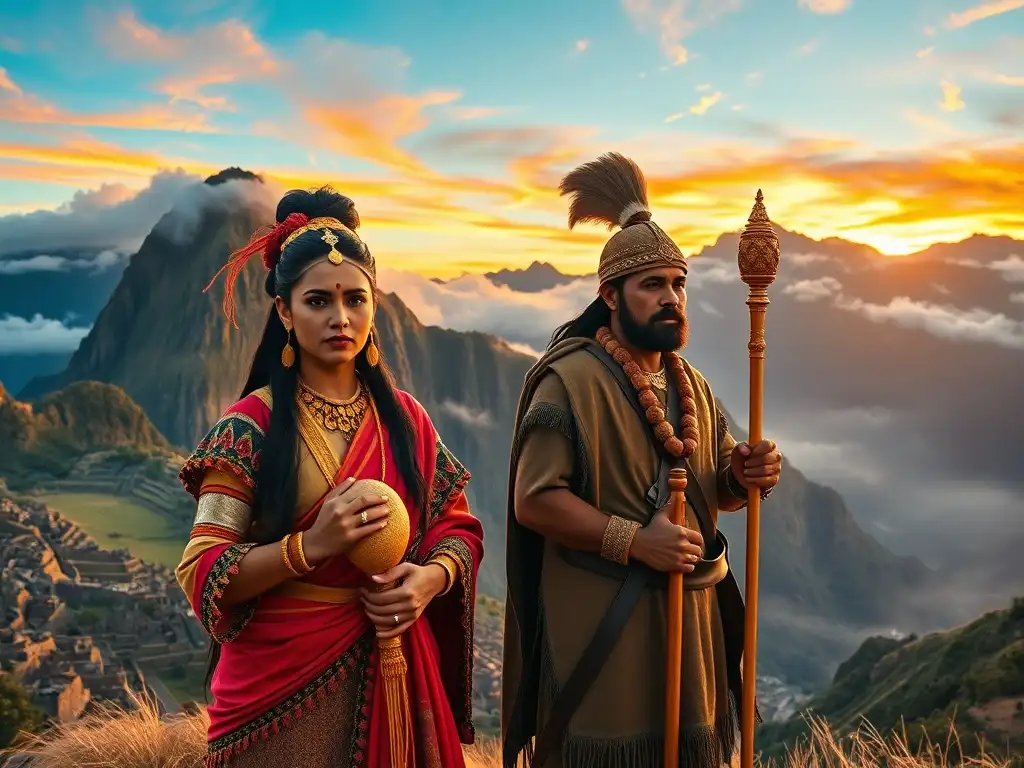
Dive into the enigmatic world of the Andean civilizations! Journey through millennia of breathtaking artistry, sophisticated engineering, and captivating mythology. But who were the very architects of this incredible empire? Unravel the mystery surrounding Mama Ocllo and Manco Capac, the legendary founders of the Inca civilization, and discover the secrets behind their divine origins. Their story is just the beginning; explore the fascinating history of the Inca Empire and its predecessors, revealing a legacy that continues to inspire awe.
- Mama Ocllo and Manco Capac: The Divine Inca Founders
- The Inca Origin Myth: Manco Capac and Mama Ocllo's Emergence
- Manco Capac: The First Inca Ruler and His Role
- Mama Ocllo: The Inca Mother and Her Contributions
- The Divine Couple: Manco Capac and Mama Ocllo's Legacy
- Variations in the Inca Founding Myths
- The Significance of the Inca Founders for Andean Culture
-
Frequently Asked Questions
- Who were Mama Ocllo and Manco Capac?
- What is the significance of Lake Titicaca in the Inca origin story?
- Were Mama Ocllo and Manco Capac historical figures or purely mythical?
- What roles did Mama Ocllo and Manco Capac play in establishing the Inca Empire?
- How does the story of Mama Ocllo and Manco Capac contribute to Inca identity?
- Final Reflection: Weaving the Threads of Inca Legacy
- Uncover Your Heritage: Dive Deeper into the Inca Legacy!
Mama Ocllo and Manco Capac: The Divine Inca Founders
The Inca Empire, a civilization that once dominated a vast swathe of the Andes Mountains, boasts a rich and complex history shrouded in myth and legend. Central to this narrative are Mama Ocllo and Manco Capac, the legendary founders credited with establishing Cusco, the imperial capital, and laying the foundation for the Inca's remarkable societal and political structure. This article delves into the intertwined stories of these divine figures, exploring their roles in Inca mythology, their significance in shaping Inca identity, and the enduring legacy of their purported achievements.
We will examine various interpretations of their origins, their journey from Lake Titicaca, and their impact on the subsequent development of the Inca Empire. Understanding their story is crucial to comprehending the very essence of Inca civilization and its enduring cultural impact. The myths surrounding Mama Ocllo and Manco Capac are not simply historical accounts; they are powerful narratives that illuminate Inca values, beliefs, and the very foundations of their imperial power.
This exploration will uncover the layers of meaning embedded within these foundational myths, revealing insights into the social, political, and religious structures of this remarkable civilization. 🎉
The Mythical Origins of Mama Ocllo and Manco Capac
The most prevalent version of the Inca origin myth depicts Mama Ocllo and Manco Capac emerging from the sacred Lake Titicaca. Different accounts vary in the specifics, but the core narrative remains consistent: they are presented as children of the Sun God, Inti, and tasked with civilizing the diverse Andean populations. Some versions place them as siblings, others as husband and wife, highlighting the ambiguity and evolving nature of these myths across different Inca lineages and historical periods.
This ambiguity itself is significant, reflecting the complex power dynamics and potentially competing narratives that existed within the Inca world. The story of their emergence from the lake itself symbolizes a divine origin, linking the Inca rulers directly to the cosmic order and legitimizing their authority.
The lake, a powerful natural feature, becomes a potent symbol of Inca identity and their connection to the spiritual realm. This narrative served to unify diverse groups under a shared origin story, strengthening the Inca Empire's political and social cohesion.
The Journey from Lake Titicaca to Cusco
The journey from Lake Titicaca to Cusco forms a crucial part of the founding myth. It is described as a challenging and arduous trek, during which Manco Capac and Mama Ocllo demonstrated their divine abilities and leadership qualities. They are depicted as teaching agriculture, weaving, and other essential skills to the indigenous populations they encountered, subtly demonstrating the superiority of Inca culture and paving the way for their eventual domination. This journey isn't merely a geographical relocation; it's a metaphorical representation of the Inca's expansion and their civilizing mission.
The obstacles they overcome symbolize the challenges faced in establishing and consolidating their rule. Each conquered group, each surmounted obstacle, strengthened their claim to divine authority and helped consolidate their power base. Detailed accounts of this journey, while varying across sources, consistently emphasize the couple's ability to persuade and integrate, rather than solely conquer, the diverse Andean peoples.
The Founding of Cusco and the Establishment of Inca Rule
Upon reaching the fertile valley of Cusco, Manco Capac and Mama Ocllo established the city, laying the foundations for what would become the imperial capital. This act, described in various accounts with varying degrees of detail, represents the culmination of their divinely ordained mission. The choice of Cusco, nestled within a strategically advantageous location, is itself significant.
The city's development is not just a matter of physical construction, but also the establishment of social, political, and religious structures. The founding of Cusco marked the beginning of the Inca Empire's expansion and consolidation of power, laying the groundwork for the sophisticated administrative, economic, and military systems that characterized the Inca civilization at its height. The construction of the city, its temples, and its infrastructure served as a powerful symbol of Inca dominance and its legitimacy, reinforcing the narrative of their divine origins and establishing a lasting legacy.
Mama Ocllo and Manco Capac: Enduring Legacy and Interpretations
The stories of Mama Ocllo and Manco Capac have endured for centuries, evolving and adapting to changing historical contexts. Their myth serves as a powerful testament to the Inca's ability to create a unifying narrative that legitimized their rule and fostered a strong sense of shared identity. Even today, their names resonate as symbols of Inca origins and the enduring power of myth-making in shaping a civilization's identity.
Different interpretations of their stories exist, highlighting the complex and nuanced nature of Inca mythology and its ongoing relevance in understanding the rich tapestry of Andean history. Their legacy transcends the realm of mere historical figures; they are foundational elements of Inca identity, shaping perceptions of their origins, their authority, and the very nature of their empire. 👑
The Inca Origin Myth: Manco Capac and Mama Ocllo's Emergence
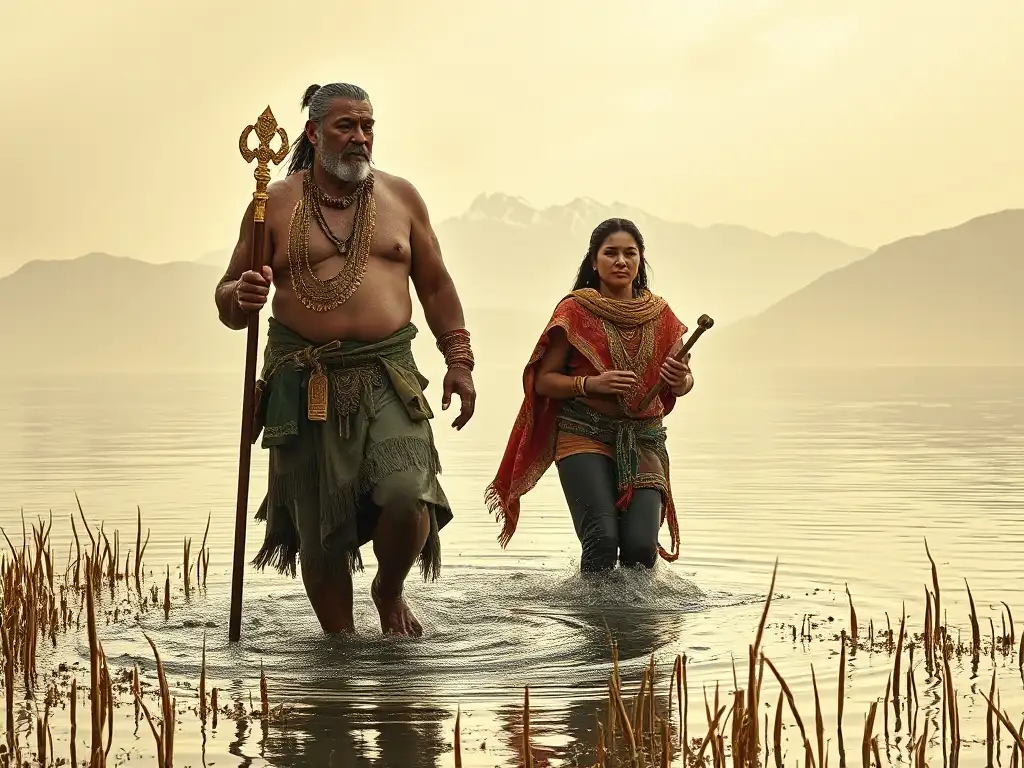
The Inca origin myth, central to their imperial ideology and deeply woven into their worldview, centers around the divine figures Manco Capac and Mama Ocllo. This narrative, passed down through generations via oral traditions and later recorded by Spanish chroniclers, explains the Inca's divine right to rule and their expansion across the Andes. Understanding this myth is crucial to grasping the Inca worldview and the foundations of their empire.
The story, while steeped in mythology, reflects the Inca's sophisticated understanding of their environment and their ability to create a cohesive narrative that unified their diverse population under a common ancestral heritage. Variations exist in the details depending on the source, but the core elements remain consistent, reinforcing the enduring power of the myth. The Inca founders, Mama Ocllo and Manco Capac, are presented not merely as historical figures, but as powerful symbols of Inca identity and legitimacy.
The Legend of Lake Titicaca and the Inca Creation
The legend begins at Lake Titicaca, the highest navigable lake in the world, located on the border of Peru and Bolivia. This sacred body of water, considered the birthplace of the Inca civilization, holds immense significance in Andean cosmology. According to the myth, Manco Capac and Mama Ocllo emerged from the lake, sent by the Sun God, Inti, to civilize the scattered groups inhabiting the Andean highlands.
They rose from the waters, fully formed and adorned with royal regalia, carrying a golden staff ( tapu )—a symbol of authority and power—and a golden plow. The tapu, according to the narrative, was divinely guided, indicating the ideal location for the establishment of the Inca capital, Cusco. The emergence from Lake Titicaca symbolizes the divine origin of the Inca lineage and its connection to the powerful forces of nature.
This narrative powerfully connected the Inca rulers to the spiritual and geographical heart of their empire. The choice of Lake Titicaca as the birthplace is not arbitrary; its geographical position and ecological importance are integral to the story’s power.
The details surrounding their emergence vary across different accounts. Some versions depict them emerging from a cave near the lake, emphasizing the connection to the earth's womb. Regardless of the specific details, the central theme remains consistent: Manco Capac and Mama Ocllo's emergence from Lake Titicaca represents a divinely ordained beginning for the Inca civilization.
The lake itself, with its vastness and spiritual significance, becomes a powerful symbol within the Inca origin story, reinforcing the divine legitimacy of the Inca rulers. The story served as a potent tool for consolidating power and unifying diverse populations under a shared, divinely ordained, ancestry.
Manco Capac and Mama Ocllo: Children of the Sun God Inti
Manco Capac and Mama Ocllo are depicted as siblings, or sometimes as husband and wife, both children of the Sun God Inti. This divine parentage cemented their legitimacy to rule and reinforced the Inca's belief in their divine right to govern. Their role wasn't merely that of founders; they were also credited with introducing fundamental aspects of Inca society, including agriculture, weaving, and social organization.
Manco Capac, as the male figurehead, is often portrayed as the leader, guiding the people and establishing the foundations of the empire. Mama Ocllo, however, was equally crucial, teaching women skills like weaving and domestic arts, establishing the social fabric of Inca society.
Her role highlights the importance of women in Inca society and their active participation in the development of the civilization. The dual nature of their roles—Manco Capac's leadership and Mama Ocllo's nurturing—symbolizes the balance and harmony that the Inca sought to achieve in their society.
The story of Manco Capac and Mama Ocllo is not simply a historical account; it’s a powerful narrative that served multiple purposes. It legitimized the Inca rule, provided a unifying origin story for a diverse population, and instilled a sense of shared identity and destiny. The myth's enduring power lies in its ability to connect the Inca people to their past, their land, and their divine heritage.
The details may vary, but the core message remains consistent: the Inca civilization was divinely ordained, its founders were chosen by the Sun God, and their descendants were destined to rule. This powerful narrative helped solidify Inca power and shape their cultural identity for centuries.
The enduring legacy of Manco Capac and Mama Ocllo underscores the importance of mythology in shaping the history and identity of a civilization. Their story continues to resonate today, offering valuable insights into the Inca worldview and the enduring power of myth-making.
Manco Capac: The First Inca Ruler and His Role
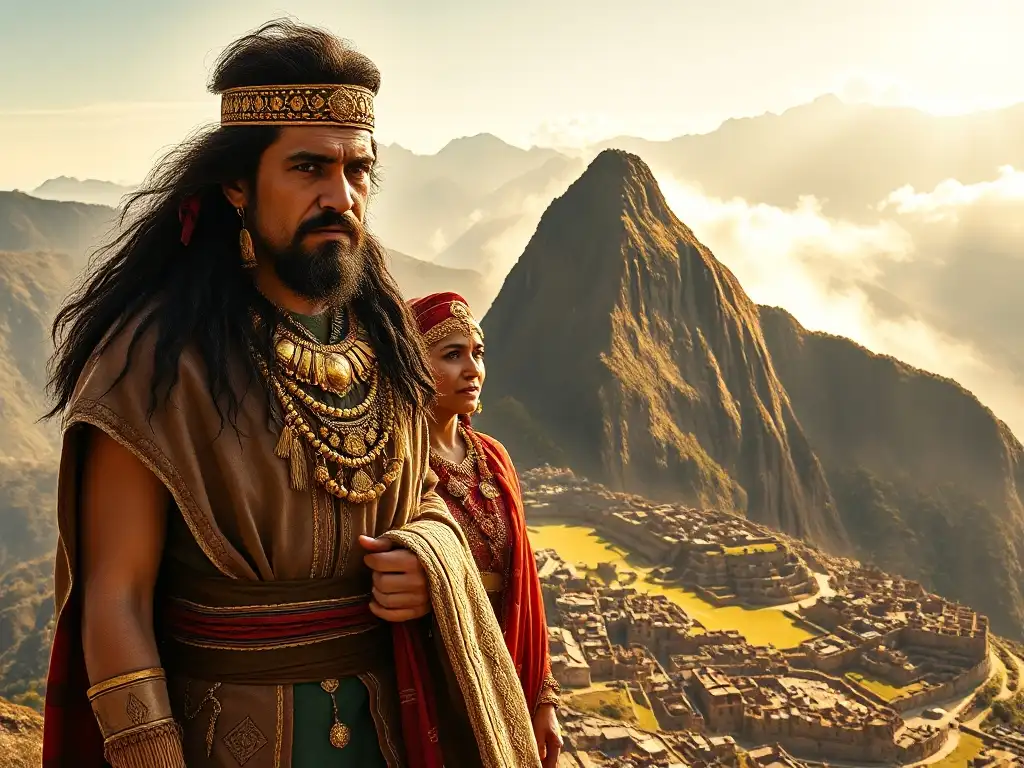
Manco Capac, often depicted alongside his sister-wife Mama Ocllo, stands as a pivotal figure in Inca mythology and the foundation of the Inca Empire. He's not merely a historical figure but a legendary hero, credited with establishing Cusco, the imperial capital, and laying the groundwork for the Inca's sophisticated social, political, and agricultural systems. Understanding Manco Capac's role requires examining his divine origins, his accomplishments in establishing Cusco, and the lasting impact of his teachings on Inca society.
The legend of Manco Capac and Mama Ocllo is central to Inca identity, shaping their understanding of their origins and the legitimacy of their rulers. The narrative of their emergence from Lake Titicaca and their subsequent civilizing mission resonates deeply within the Inca worldview.
This section will delve into the specifics of Manco Capac's contribution to the Inca civilization, separating myth from potential historical realities where possible. The very name "Manco Capac" itself is rich with meaning, often translated as "Powerful Founder" or "Strong Founder", reflecting his legendary status.
Manco Capac's Divine Mission: Founding the Inca Civilization
According to Inca mythology, Manco Capac and Mama Ocllo emerged from the sacred Lake Titicaca, tasked by the sun god Inti with civilizing the scattered and warring tribes of the Andes. Their divine mandate included not only uniting these disparate groups but also instilling a sophisticated social order and advanced agricultural practices. This mission involved overcoming significant challenges, including persuading resistant tribes to adopt Inca customs and beliefs.
The narrative emphasizes Manco Capac's strength, wisdom, and diplomatic skills, highlighting his ability to achieve this through persuasion and, when necessary, military might. The legend stresses the gradual nature of the Inca expansion, built not solely on conquest, but also on assimilation and the adoption of Inca culture by neighboring communities. The Inca creation myth serves as a powerful tool for legitimizing their rule and solidifying their authority over conquered territories.
The story reinforces the idea of a divinely ordained empire, strengthening the Inca's claim to power and influencing their governance. Detailed accounts of this founding myth vary slightly depending on the source, but the core elements remain consistent across different versions.
Establishing Cusco: The Sacred City of the Incas
Cusco, the heart of the Inca Empire, is inextricably linked to the legend of Manco Capac. The myth details his search for a suitable location to found the capital, a place blessed by the gods and strategically advantageous. The selection of Cusco was not arbitrary; it was believed to be a place of great spiritual significance, situated at the intersection of important geographical features and possessing fertile land suitable for agriculture.
The city's layout, reflecting Inca cosmology and social structure, is itself a testament to Manco Capac's vision. The construction of Cusco involved meticulous planning and engineering, showcasing the advanced skills of the Inca builders. Archaeological evidence supports the existence of an early settlement at Cusco, predating the Inca Empire, but the scale and complexity of the city developed under Manco Capac's rule are undeniable.
The careful placement of temples, palaces, and residential areas demonstrates a sophisticated understanding of urban planning and reflects the Inca's deep connection to their environment. The very stones of Cusco whisper tales of Manco Capac’s legacy, a testament to his enduring influence on the Inca civilization.
Manco Capac is credited with introducing and refining advanced agricultural techniques to the Inca people. His teachings emphasized terracing, irrigation, and crop diversification, techniques crucial for sustaining a large and growing population in the challenging Andean terrain. The Inca's success in agriculture was not simply a matter of luck; it was the result of meticulous planning, careful observation of the environment, and the application of innovative farming practices. These practices, attributed to Manco Capac's wisdom, allowed the Inca to cultivate diverse crops, ensuring food security and supporting population growth.
Beyond agriculture, Manco Capac's legacy includes the establishment of a complex social structure, characterized by a hierarchical system with the Sapa Inca at its apex. This social order, also attributed to his teachings, fostered stability and facilitated the efficient administration of the empire. [Specific details on the social structure established by Manco Capac pending]. The Inca's social organization, combined with their agricultural advancements, contributed significantly to the empire's remarkable success and longevity.
The organization was instrumental in the Inca’s ability to mobilize resources and manpower for large-scale projects such as road construction and temple building. Manco Capac's influence on Inca social and agricultural practices continues to be studied and debated by scholars today. The impact of his supposed teachings is undeniable, shaping the Inca civilization for centuries to come.
Mama Ocllo: The Inca Mother and Her Contributions
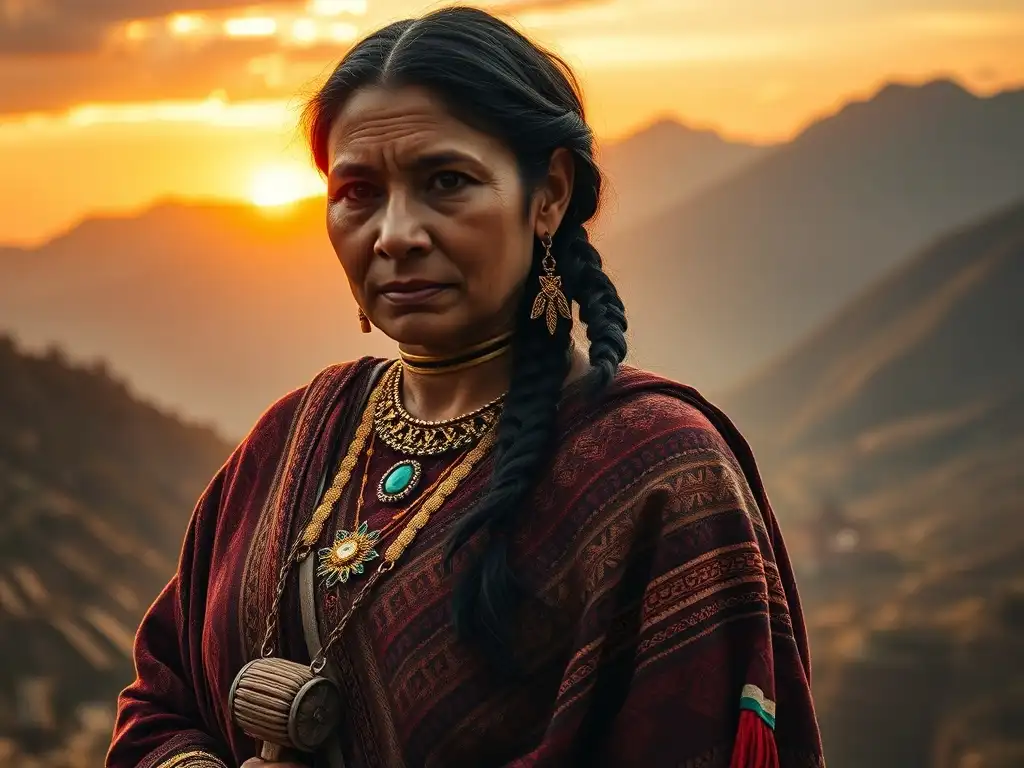
Mama Ocllo, alongside her husband Manco Capac, stands as a foundational figure in Inca mythology and the origin story of the Inca Empire. While Manco Capac is often portrayed as the primary leader and conqueror, Mama Ocllo's role was equally crucial, albeit often less emphasized in historical accounts. She wasn't simply a queen consort; she was a powerful symbol of fertility, domesticity, and the civilizing influence of the Inca. Understanding her contributions paints a fuller picture of the Inca's worldview and social structure, revealing a society where feminine power played a significant role in shaping its destiny.
The legend of Mama Ocllo and Manco Capac is a powerful narrative, deeply embedded in Inca identity and passed down through generations. It's a story that speaks to the origins of their empire, its values, and the roles of its founders in establishing its social and political order. The narrative emphasizes not just conquest, but also the establishment of social norms and cultural practices, roles in which Mama Ocllo played a crucial part.
Her legacy is woven into the very fabric of Inca civilization, reflecting a nuanced understanding of power dynamics within the empire. The combined influence of Mama Ocllo and Manco Capac shaped the Inca Empire's identity and values, providing a rich tapestry of origin myths and cultural foundations. The keyword "Inca founders Mama Ocllo Manco Capac" perfectly encapsulates this foundational duo.
Mama Ocllo's Role in Inca Society: Weaving and Domestic Arts
Mama Ocllo's legend often depicts her as a skilled weaver and a teacher of domestic arts. Weaving in Inca society wasn't merely a craft; it was deeply symbolic, representing the interconnectedness of life, the threads of community, and the intricate patterns of the cosmos. Mama Ocllo, as the legendary founder, is credited with introducing and refining these techniques, establishing a standard of excellence that permeated Inca society for centuries.
Her mastery of weaving extended beyond the practical; it was a means of communicating stories, conveying social status, and expressing spiritual beliefs. The vibrant colors and complex designs found in Inca textiles are a testament to the high regard given to this art form, a legacy directly linked to Mama Ocllo’s influence. Furthermore, her expertise extended to other domestic arts, including pottery, food preparation, and the cultivation of crops.
These skills were essential for the establishment of stable settlements and the development of a thriving agrarian society. The emphasis on domestic arts in the Inca origin story underscores their importance in the foundation and growth of the empire, highlighting the contributions of women in shaping Inca civilization. Her role was not just ceremonial; it was practical and foundational.
Mama Ocllo and the Inca Women: A Model of Feminine Power
Mama Ocllo's story serves as a powerful example of feminine power within the Inca worldview. While the Inca empire had a patriarchal structure, women held significant positions and influence. Mama Ocllo's legendary role as a teacher and leader provided a model for Inca women, inspiring them to participate actively in various aspects of society.
This is not limited to domestic roles; evidence suggests that women held positions of authority in religious ceremonies, agriculture, and even administration. The acllas, chosen women dedicated to religious service and textile production, represent a structured system that gave women agency and influence within the empire. Mama Ocllo's legacy helped establish and legitimize the roles of women beyond the domestic sphere, demonstrating that Inca society valued and utilized the skills and talents of women across different social strata.
Her image served as a powerful symbol of feminine strength and spiritual authority, challenging the simplistic narrative of a solely patriarchal society. The story of Mama Ocllo transcends a simple origin myth; it's a narrative that reveals the complex and nuanced role of women within the Inca Empire.
Mama Ocllo's Influence: Shaping Inca Culture and Tradition
Mama Ocllo’s influence extended far beyond practical skills; she’s considered a key figure in shaping Inca culture and traditions. Her role in establishing social norms and customs is integral to the Inca origin story. The emphasis on community, cooperation, and respect for the natural world, all central tenets of Inca society, are often attributed, in part, to her teachings and example.
Her legacy is not merely a historical account but a living tradition, shaping the values and beliefs of the Inca people for generations. Furthermore, her association with fertility and agriculture underscores the importance of these aspects in Inca cosmology and daily life. The reverence for the earth and the agricultural cycles, which underpinned Inca society, find their symbolic representation in Mama Ocllo's role as a founder.
The enduring impact of Mama Ocllo's influence on Inca culture is undeniable, a testament to her significance in shaping the ideology and practices of one of the most remarkable civilizations of the Andes. Her story continues to resonate, offering valuable insights into the complexities of Inca society and the multifaceted contributions of its legendary founders. The significance of Mama Ocllo in shaping Inca culture cannot be overstated, contributing to the rich tapestry of the Inca legacy and solidifying her place in the narrative of "Inca founders Mama Ocllo Manco Capac".
The Divine Couple: Manco Capac and Mama Ocllo's Legacy
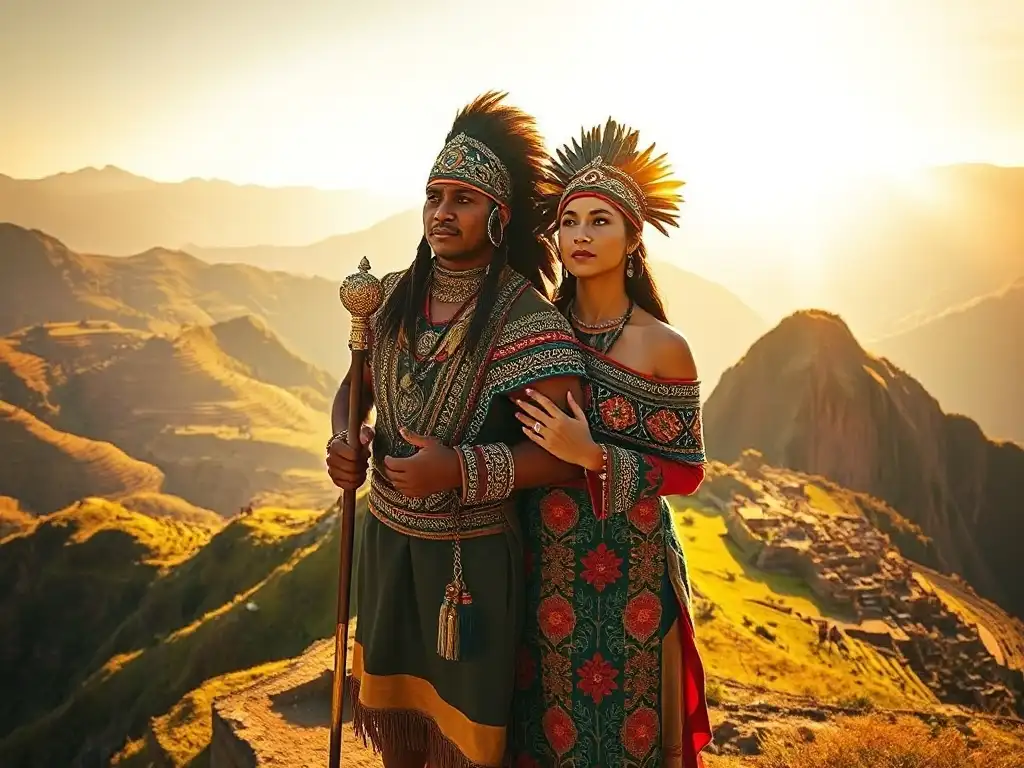
The Inca origin myth, central to their imperial ideology, centers around the divine couple Manco Capac and Mama Ocllo. Their story, passed down through generations of oral tradition and later recorded by Spanish chroniclers, explains the Inca's legitimacy to rule and their divine connection to the land. This narrative wasn't just a simple tale; it served as a powerful tool for unifying diverse Andean populations under a single banner, emphasizing shared ancestry and a common origin.
The Inca founders, Manco Capac and Mama Ocllo, weren't just historical figures; they were foundational myths, shaping the Inca worldview and political structure for centuries. Their legacy extended far beyond their supposed lifetime, influencing Inca art, religion, and social organization. Understanding their role is crucial to comprehending the Inca Empire's rise and enduring influence.
The Inca Dynasty: Descendants of Manco Capac and Mama Ocllo
The Inca dynasty directly traced its lineage to Manco Capac and Mama Ocllo. This claim of divine descent was crucial to legitimizing their rule and maintaining social order. The Sapa Inca, the emperor, held absolute power, considered a direct descendant of the sun god Inti and, through Manco Capac, a direct link to the earth.
The succession of Inca rulers was carefully managed, with the throne passing through the male line, solidifying the importance of Manco Capac's legacy. The royal family's lineage was meticulously documented, highlighting their connection to the founders and reinforcing their divine right to govern. This carefully constructed narrative ensured the stability of the Inca Empire, presenting the emperor not just as a political leader, but as a sacred figure, a divine representative on earth.
The Inca founders, Manco Capac and Mama Ocllo, thus became more than just historical figures; they were the very foundation upon which the Inca Empire's power structure was built. Their story, repeated and embellished over generations, cemented the Inca's belief in their own unique destiny and their right to rule.
The Importance of the Inca Founders in Andean Mythology
Manco Capac and Mama Ocllo's significance transcends their role as mere ancestors. They represent the very essence of Inca cosmology and the relationship between the human and divine realms. Their emergence from Lake Titicaca, a sacred site for many Andean cultures, symbolizes the creation of Inca civilization from the primordial waters.
Manco Capac's golden staff, a symbol of authority and power, highlights his divine mandate to establish order and civilization. Mama Ocllo, with her skills in spinning and weaving, embodies the nurturing and civilizing aspects of Inca culture, representing the domestic sphere and the foundation of Inca society. Their combined roles – Manco Capac's establishment of political authority and Mama Ocllo's nurturing of societal structure – created a balanced and harmonious vision of Inca society, deeply embedded in their mythology and beliefs.
The Inca founders, Manco Capac and Mama Ocllo, therefore, serve as powerful symbolic representations of the Inca worldview, illustrating the interconnectedness of the divine, the natural world, and human society. Their story is not merely a historical account but a foundational myth that shaped Inca identity and cultural values.
Manco Capac, Mama Ocllo, and the Inca Expansion
The legend of Manco Capac and Mama Ocllo also played a significant role in justifying the Inca's expansionist policies. Their story provided a narrative of divinely ordained conquest, legitimizing the Inca's subjugation of other Andean groups. The myth portrayed Manco Capac as a divinely appointed leader, tasked with spreading Inca civilization and culture throughout the Andes.
This narrative, combined with the Inca's superior military organization and advanced technology, facilitated their remarkable expansion. The Inca founders, Manco Capac and Mama Ocllo, thus became symbols of imperial ambition and the justification for a vast and powerful empire.
The story of their journey and the establishment of Cusco served as a potent ideological tool, unifying conquered populations under the banner of a shared origin and a common destiny, ultimately contributing to the Inca Empire's impressive growth and remarkable achievements. The Inca expansion, therefore, wasn't just a matter of military prowess; it was deeply intertwined with their origin myth and the symbolic power of their divine founders.
Variations in the Inca Founding Myths
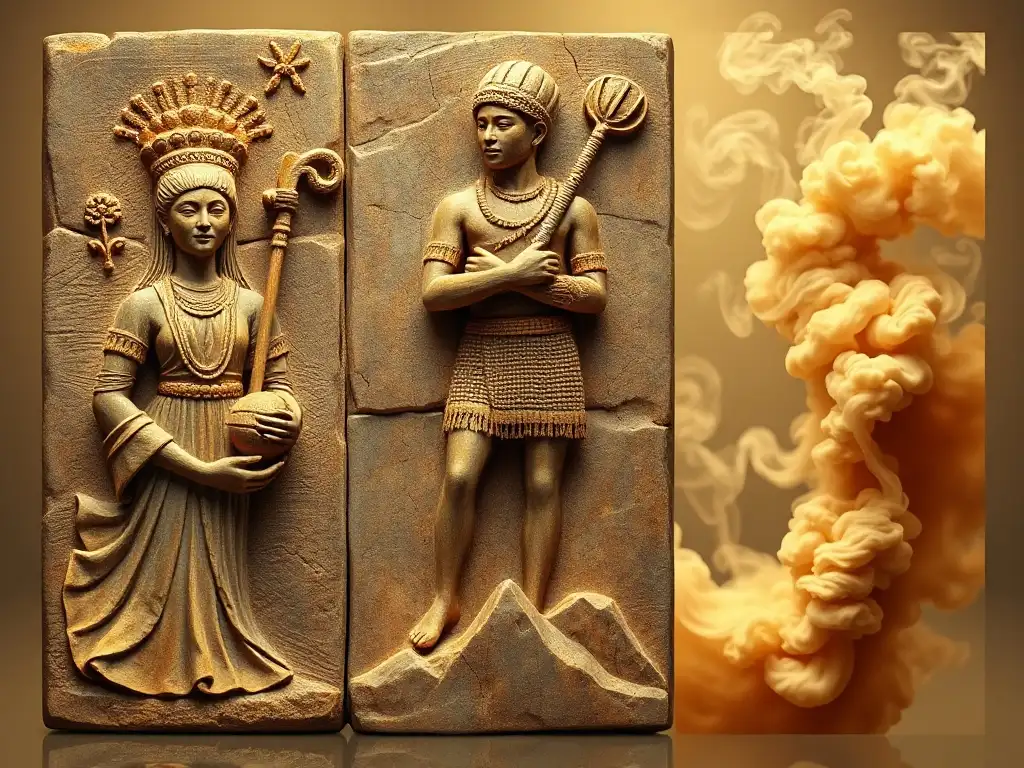
The narrative surrounding the founding of the Inca empire, specifically the roles of Manco Cápac and Mama Ocllo, isn't monolithic. While the story of their emergence from Lake Titicaca is prevalent, various interpretations and regional variations exist, reflecting the diverse cultural landscape of the Andes before the Inca's rise to dominance. Understanding these variations is crucial for a complete picture of Inca origins and the complexities of their mythology.
The Inca founders, Manco Capac and Mama Ocllo, represent more than just historical figures; they are symbolic representations of Inca ideology and power, their story shaped and reshaped by the political and social dynamics of the time. The very act of recounting their story served to legitimize Inca rule and unify disparate groups under a common narrative. Analyzing these diverse accounts allows us to grasp the nuanced ways in which the Inca constructed and maintained their imperial identity.
Different Interpretations of the Manco Capac and Mama Ocllo Story
The most common version depicts Manco Cápac and Mama Ocllo as children of the sun god, Inti, emerging from Lake Titicaca with a golden staff to found Cusco. However, some accounts differ significantly. Some versions place their origin in Pacaritambo, a cave near Cusco, suggesting a more terrestrial, less overtly divine beginning.
In these alternative narratives, their divine lineage might be less emphasized, or their role as civilizing figures might be highlighted over their divine birthright. This variation underscores the fluidity of Inca mythology, adapting to suit different political agendas or regional beliefs. The differences weren't necessarily contradictory; rather, they reflected the diverse ways in which the Inca story was localized and interpreted across their vast empire.
The emphasis on specific details, like the origin point or the nature of their divine connection, shifted depending on the context and the audience. For example, a version emphasizing Pacaritambo might have been more appealing to communities near that location, strengthening their connection to the imperial narrative.
Regional Variations in the Origin of the Inca Civilization
The Inca empire encompassed a wide range of pre-existing cultures, each with its own traditions and beliefs. These pre-Inca narratives inevitably influenced the Inca creation myth, leading to regional variations. For instance, in some regions, the story of Manco Cápac and Mama Ocllo might be interwoven with local legends and deities, creating a syncretic blend of Inca and pre-Inca beliefs.
This process of cultural adaptation highlights the pragmatic nature of Inca imperial control. By incorporating elements of local belief systems, the Inca could more effectively integrate conquered populations and legitimize their rule. This wasn't a simple imposition of Inca ideology but a complex negotiation between imperial power and local traditions.
The Inca founders, Manco Capac and Mama Ocllo, thus became adaptable figures, their story reflecting the varied cultural landscape of the empire. Further research into specific regional variations is needed to fully understand the extent of this cultural exchange and its impact on the Inca narrative. [Specific information pending on regional variations from Cuzco, Quito, and other major Inca centers.]
The Influence of Pre-Inca Cultures on the Inca Creation Myth
The Inca creation myth wasn't created in a vacuum. The sophisticated cosmology and elaborate mythologies of pre-Inca cultures, such as the Wari, Tiwanaku, and others, undoubtedly left their mark. Elements of these earlier belief systems may have been incorporated into the story of Manco Cápac and Mama Ocllo, resulting in a narrative that synthesized pre-existing Andean beliefs with the Inca's own political and religious ideology.
For instance, the concept of a divine ruler emerging from a sacred site resonates with similar narratives found in pre-Inca traditions. The use of a golden staff as a symbol of power and authority may also have roots in earlier Andean cultures. Unraveling these influences requires careful comparative analysis of Inca mythology with the mythologies of its predecessors.
This intricate interplay highlights the dynamic nature of cultural exchange and the evolution of religious and political narratives in the Andean region. Identifying specific pre-Inca motifs and their incorporation into the Inca narrative requires further investigation and interdisciplinary collaboration between archaeologists, anthropologists, and historians. The Inca founders, Manco Capac and Mama Ocllo, are thus not simply products of Inca ingenuity, but rather the culmination of a long and complex history of Andean cultural development.
The Significance of the Inca Founders for Andean Culture
The Inca origin myth surrounding Mama Ocllo and Manco Capac holds immense significance, not just as a historical narrative, but as a foundational element of Inca identity and worldview. This myth provided a powerful framework for legitimizing Inca rule, shaping social structures, and reinforcing religious beliefs. The story of their emergence from Lake Titicaca, their subsequent journey to Cusco, and the establishment of the Inca empire served as a powerful unifying narrative for a vast and diverse population.
This narrative, passed down through generations via oral traditions and later recorded by Spanish chroniclers, cemented the divine right of the Inca rulers and their connection to the cosmos. Understanding the significance of Mama Ocllo and Manco Capac requires delving into the interwoven threads of Inca religion, politics, and social organization.
Their story wasn't merely a tale; it was a living, breathing ideology that permeated all aspects of Inca life. The enduring impact of this myth is evident in the surviving Inca architecture, art, and religious practices, even centuries after the fall of the empire.
The Lasting Influence of Manco Capac and Mama Ocllo on Inca Beliefs
The Inca believed that Manco Capac, as the son of the sun god Inti, possessed exceptional skills in administration, warfare, and social organization. His legendary ability to establish order and prosperity served as a model for future Inca rulers. Mama Ocllo, equally revered, was credited with introducing agriculture, weaving, and other essential skills that fostered the development of Inca society. Her role highlights the significant contributions of women in Inca culture, far beyond the domestic sphere.
The Inca pantheon was rich and complex, but the founders occupied a unique position, acting as intermediaries between the divine realm and the human world. Their actions and attributes were constantly referenced in rituals, ceremonies, and artistic representations, reinforcing their importance in the Inca worldview. The continued veneration of these founders served to reinforce social hierarchies and the legitimacy of the Inca state.
This wasn't simply blind faith; it was a sophisticated system of belief that played a vital role in maintaining social cohesion and political stability. For example, the annual Inti Raymi festival, a major Inca celebration, incorporated elements directly related to the founding myth, highlighting the continuing importance of Manco Capac and Mama Ocllo. [Specific details on Inti Raymi and its connection to the founding myth pending].
Honoring the Divine Founders: Rituals and Ceremonies
Numerous rituals and ceremonies were dedicated to honoring Manco Capac and Mama Ocllo. These weren't simply sporadic events but integral parts of the Inca calendar, reflecting the deep-seated belief in the founders' ongoing influence. [Specific examples of rituals and ceremonies dedicated to Manco Capac and Mama Ocllo pending].
These rituals often involved offerings of food, drink, and precious objects, intended to appease and gain favor from the divine founders. The Inca believed that maintaining a good relationship with Manco Capac and Mama Ocllo was crucial for ensuring prosperity, fertility, and protection from harm. The elaborate nature of these ceremonies underscores the profound importance attributed to the founders within Inca society.
The sheer scale and complexity of some of the rituals suggest a highly organized and centralized religious system, with the founders at its apex. The continuity of these practices throughout the Inca Empire's reign demonstrates the enduring power and relevance of the founding myth. Furthermore, the location of these ceremonies often held symbolic importance, highlighting specific places tied to the founders' legendary journey from Lake Titicaca to Cusco.
The Inca Legacy: A Civilization Founded by Divine Beings
The myth of Mama Ocllo and Manco Capac provided the Inca with a powerful origin story that went beyond simple historical narrative. It was a fundamental pillar of their identity, shaping their social structures, political systems, and religious beliefs. The enduring legacy of this myth is clear in the remarkable achievements of the Inca civilization – its sophisticated agricultural techniques, its intricate road network, its impressive architectural feats, and its centralized administrative system.
The belief in their divine founders not only justified the Inca's power but also inspired a sense of unity and purpose among their subjects. The story of the founders continues to resonate today, offering a valuable insight into the beliefs, values, and worldview of one of the most remarkable civilizations of the Andes.
The Inca Empire's success can be partially attributed to the unifying power of this myth, which created a shared sense of identity and purpose across a vast and diverse population. The legacy of Manco Capac and Mama Ocllo remains a powerful symbol of Inca identity and a testament to the enduring power of myth in shaping a civilization.
Frequently Asked Questions
Who were Mama Ocllo and Manco Capac?
According to Inca legend, Mama Ocllo and Manco Capac were the divine founders of the Inca civilization. They emerged from Lake Titicaca, tasked with establishing the Inca empire. Their story is a blend of myth and history.
What is the significance of Lake Titicaca in the Inca origin story?
Lake Titicaca holds immense symbolic importance, serving as the birthplace of Mama Ocllo and Manco Capac in Inca mythology. It's considered a sacred site connected to the origins of their civilization.
Were Mama Ocllo and Manco Capac historical figures or purely mythical?
The existence of Mama Ocllo and Manco Capac as historical figures is debated among scholars. While their story is largely mythical, it reflects the Inca's belief system and their origins.
What roles did Mama Ocllo and Manco Capac play in establishing the Inca Empire?
Manco Capac is credited with leading the Inca in establishing Cusco and expanding their dominion. Mama Ocllo played a crucial role in civilizing the people, teaching them agriculture, weaving, and domestic arts.
How does the story of Mama Ocllo and Manco Capac contribute to Inca identity?
The legend of Mama Ocllo and Manco Capac provided the Inca with a powerful unifying narrative, shaping their identity and legitimizing their rule. It reinforced their beliefs about their divine origins and destiny.
Final Reflection: Weaving the Threads of Inca Legacy
The enduring myth of Mama Ocllo and Manco Capac continues to resonate, not merely as a historical narrative, but as a powerful symbol of creation, resilience, and the enduring strength of cultural identity. Their story, passed down through generations, speaks to the human need for origin myths, for narratives that explain our place in the world and provide a sense of belonging. This enduring relevance is a testament to the power of storytelling and its ability to shape collective memory.
The impact of Mama Ocllo and Manco Capac's legend extends far beyond the realm of historical accuracy; it permeates the very fabric of Andean culture. Their story, a blend of divine intervention and human endeavor, continues to inspire artistic expression, inform social structures, and shape national identity in Peru and beyond. The past is never dead. It's not even past.
– William Faulkner. This quote perfectly encapsulates the ongoing influence of these foundational figures, whose legacy continues to shape the present.
Consider, for a moment, the power of a shared narrative. How does the story of your own origins shape your understanding of yourself and your place in the world?
I invite you to reflect on the enduring power of myth and legend, and to consider how the story of Mama Ocllo and Manco Capac, despite its mythical elements, offers valuable insights into the human experience – the creation of civilizations, the forging of identities, and the enduring strength of the human spirit. Let their story inspire you to explore your own roots and to appreciate the rich tapestry of human history.
Uncover Your Heritage: Dive Deeper into the Inca Legacy!
Thank you for exploring the fascinating story of Mama Ocllo and Manco Capac, the legendary founders of the Inca Civilization! We hope you've gained valuable insights into the rich tapestry of Andean history. Now, let's take your exploration further!
Here are some exciting next steps you can take:
- **Embark on a virtual journey! ** Explore online museum collections showcasing Inca artifacts or watch documentaries that bring this incredible civilization to life. The wealth of online resources available is truly remarkable.
- **Connect with fellow history enthusiasts! ** Share your thoughts and discoveries in our forum – let's discuss the enduring influence of Inca culture on our world today.
- **Explore local resources. ** Check your local library or historical society for books and events focusing on Andean civilizations. You might be surprised by the wealth of knowledge available in your community.
What aspect of Inca heritage most captivates you, and how do you see its influence shaping our world today?