
Inca Public Works: Infrastructure Projects That Shaped the Empire

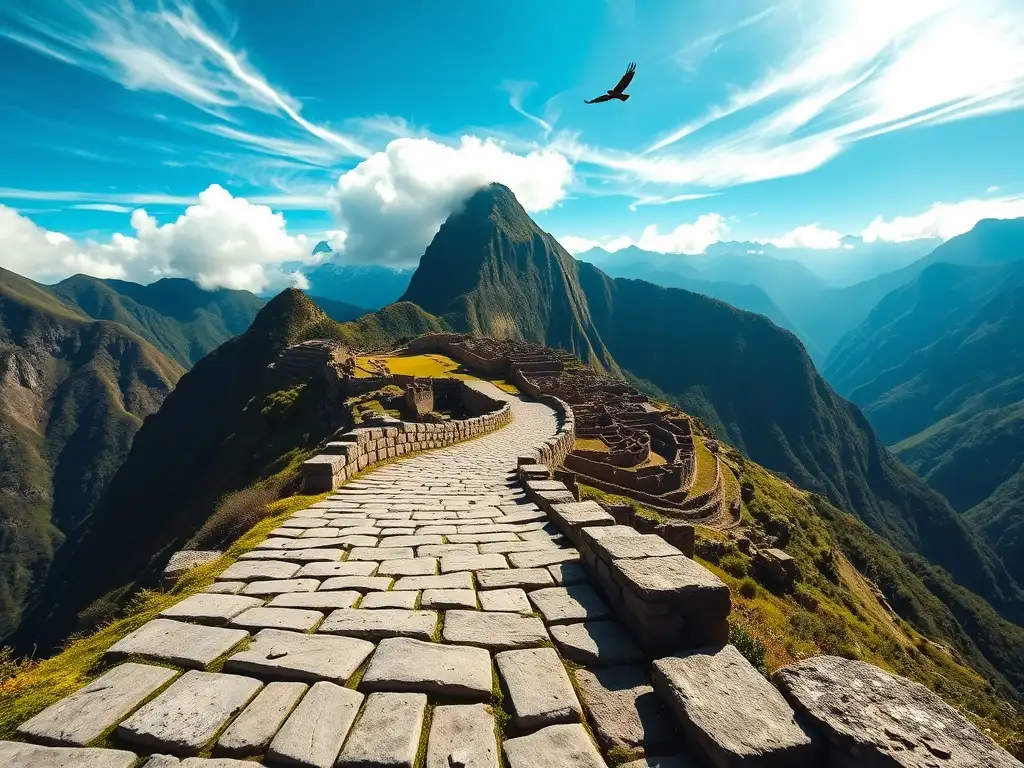
Step into a world lost to time, yet echoing with the ingenuity of giants. Prepare to be amazed by the breathtaking feats of engineering that defined the Inca Empire. We delve into the mysteries of their advanced infrastructure projects, revealing secrets hidden within their intricate road systems, awe-inspiring agricultural terraces, and monumental architecture. Uncover the stories behind the Inca Empire infrastructure projects and discover how these ambitious undertakings shaped a civilization that continues to captivate us today. Are you ready to explore?
The Inca Empire, renowned for its sophisticated social organization and remarkable achievements in art and agriculture, also possessed an unparalleled mastery of engineering and infrastructure development. This expertise wasn't merely a display of power; it was the very foundation upon which the vast Inca Empire was built and maintained. From the colossal stonework of Machu Picchu to the extensive network of roads that crisscrossed the Andes, Inca public works projects stand as testaments to their ingenuity and organizational prowess.
This article delves into the impressive infrastructure projects that shaped the Inca Empire, exploring their design, construction, and lasting impact on the empire's administration and cultural development. We will examine key examples, highlighting the ingenuity and scale of these undertakings, which continue to inspire awe and fascination centuries later.
Understanding the Inca Empire's infrastructure is key to understanding the empire's very survival and success. The keyword "Inca Empire infrastructure projects" is central to this exploration.
The Foundation of Inca Engineering: An Overview of Inca Infrastructure
The Inca approach to infrastructure was deeply intertwined with their worldview and societal structure. Their engineering feats weren't isolated projects but rather integrated components of a larger, meticulously planned system. This involved a comprehensive understanding of the Andean landscape, including its challenging terrain, diverse climates, and seismic activity. Inca engineers demonstrated an impressive ability to adapt their construction techniques to these varied conditions, resulting in structures that were both functional and aesthetically pleasing.
The empire's infrastructure can be broadly categorized into several key areas: road networks, irrigation systems, agricultural terraces, and monumental architecture. Each of these elements played a critical role in supporting the empire's economic, political, and social stability. Their impressive achievements were facilitated by a highly organized system of labor, sophisticated tools, and a deep understanding of materials science.
The scale of these projects is truly astounding, especially considering the technology available at the time. The Inca's ability to mobilize vast numbers of workers and efficiently manage resources remains a subject of ongoing study and admiration. This efficient organization, along with their innovative techniques, allowed them to overcome significant geographical challenges and build an empire that stretched thousands of miles.
The Qhapaq Ñan: The Great Inca Road System
The Qhapaq Ñan, often translated as the "Royal Road" or "Inca Road," was arguably the most impressive feat of Inca engineering. This extensive network of roads, stretching over 40,000 kilometers (25,000 miles), connected the far-flung corners of the empire, facilitating communication, trade, and military movements. Its strategic importance cannot be overstated.
Purpose and Scope of the Qhapaq Ñan
The Qhapaq Ñan wasn't simply a collection of paths; it was a sophisticated system designed to meet various needs. Its primary purpose was to efficiently connect the empire's diverse regions, enabling the swift movement of troops, messengers, and goods. The roads also facilitated the transport of essential resources, such as food, textiles, and building materials, contributing to the economic stability of the empire. The strategic placement of waystations, or tambos, along the routes provided resting places for travelers and storage facilities for supplies.
The scale of the Qhapaq Ñan is remarkable, considering the challenging terrain it traversed. It crossed high mountain passes, navigated dense forests, and traversed arid deserts, showcasing the Inca’s mastery of engineering and their understanding of the Andean environment. The road system was not just a logistical marvel; it also played a significant role in integrating the diverse populations within the empire.
Construction Techniques of the Inca Road Network
The construction of the Qhapaq Ñan involved a range of sophisticated techniques tailored to the specific geographical conditions. In mountainous areas, Inca engineers skillfully used stone paving, retaining walls, and bridges to create durable and stable pathways. They employed innovative techniques like suspension bridges made from plant fibers, showcasing their understanding of materials science and engineering principles. In flatter areas, the roads were often constructed using compacted earth and gravel.
The roads were designed with gradients that minimized the effort required for transportation, demonstrating a keen awareness of practical considerations. The precision and durability of the Inca road system are evident even today, with sections still in use centuries after their construction. The Inca's understanding of drainage and erosion control was particularly impressive, allowing them to build roads that could withstand the harsh Andean weather conditions.
Impact of the Inca Road System on Empire Administration
The Qhapaq Ñan played a crucial role in the effective administration of the vast Inca Empire. The efficient transportation network allowed for the rapid dissemination of information and the swift response to any challenges or threats. The ability to quickly move troops across the empire was essential for maintaining order and suppressing rebellions. The road system also facilitated the collection of taxes and tribute, contributing to the economic strength of the empire.
The integration of diverse populations through the Qhapaq Ñan fostered a sense of unity and shared identity within the empire. The system’s impact extended beyond mere logistical support; it played a vital role in shaping the political, economic, and social fabric of the Inca world. The Qhapaq Ñan stands as a powerful symbol of Inca ingenuity and organizational capacity, a testament to their ability to build and maintain a vast and complex empire.
Inca Agricultural Terraces: Engineering for Food Production
Andean agriculture, particularly during the Inca Empire, was heavily reliant on sophisticated terracing systems. These weren't simply haphazard slopes carved into hillsides; they represented a remarkable feat of engineering and planning, crucial to the empire's sustenance. The Incas understood the importance of maximizing arable land in a mountainous environment, and their terracing techniques allowed them to cultivate even the steepest slopes, increasing agricultural output dramatically.
The careful design and construction of these terraces not only provided more land for cultivation but also played a vital role in water management and soil conservation. The scale and precision of these projects are a testament to the Inca's advanced understanding of agriculture and their ability to mobilize large workforces for complex infrastructure projects.
The Ingenuity of Andean Terracing Systems
The Inca terracing systems were not uniform across the empire. Adaptations were made to suit the specific topography and environmental conditions of each region. For instance, terraces in the high Andes were often smaller and more closely spaced than those in lower altitudes, reflecting the need to adjust to varying slopes and soil conditions. The construction involved meticulous stonework, with precisely cut stones fitted together without mortar, creating strong and durable structures capable of withstanding erosion and seismic activity.
The terraces themselves were often built in a series of steps, with retaining walls constructed from stone or other readily available materials. These walls not only supported the soil but also helped to regulate water flow, preventing erosion and ensuring even distribution of water across the terraced fields. The expertise required to plan and execute these projects points to a sophisticated knowledge of surveying, engineering, and agricultural practices.
Techniques for Water Management in Inca Agriculture
Water management was integral to the success of Inca agriculture. The terraces themselves played a key role in this, channeling water effectively and preventing runoff. In addition to the terracing, the Incas constructed intricate systems of canals, ditches, and reservoirs to divert water from streams and rivers to the fields.
They also developed sophisticated methods for controlling water flow, using techniques such as diverting water through carefully placed channels, building small dams and reservoirs, and implementing systems of irrigation. This controlled water distribution ensured that crops received adequate moisture, even during periods of drought. The effective management of water resources was a critical factor in the empire's ability to support a large population.
The Role of Terraces in Inca Food Security
The Inca agricultural terraces played a crucial role in ensuring food security for the vast empire. By maximizing arable land and improving water management, the terraces dramatically increased agricultural yields. This increased productivity was essential to supporting the empire's substantial population and providing a surplus for storage in times of need.
The ability to grow a variety of crops, including potatoes, maize, quinoa, and beans, on these terraces contributed to a diverse and resilient food system. The terraced fields provided a reliable source of food, contributing to the overall stability and prosperity of the Inca Empire. The success of Inca agriculture underlines the importance of integrating advanced engineering with agricultural practices to achieve food security.
Inca Water Management Systems: Canals and Aquducts
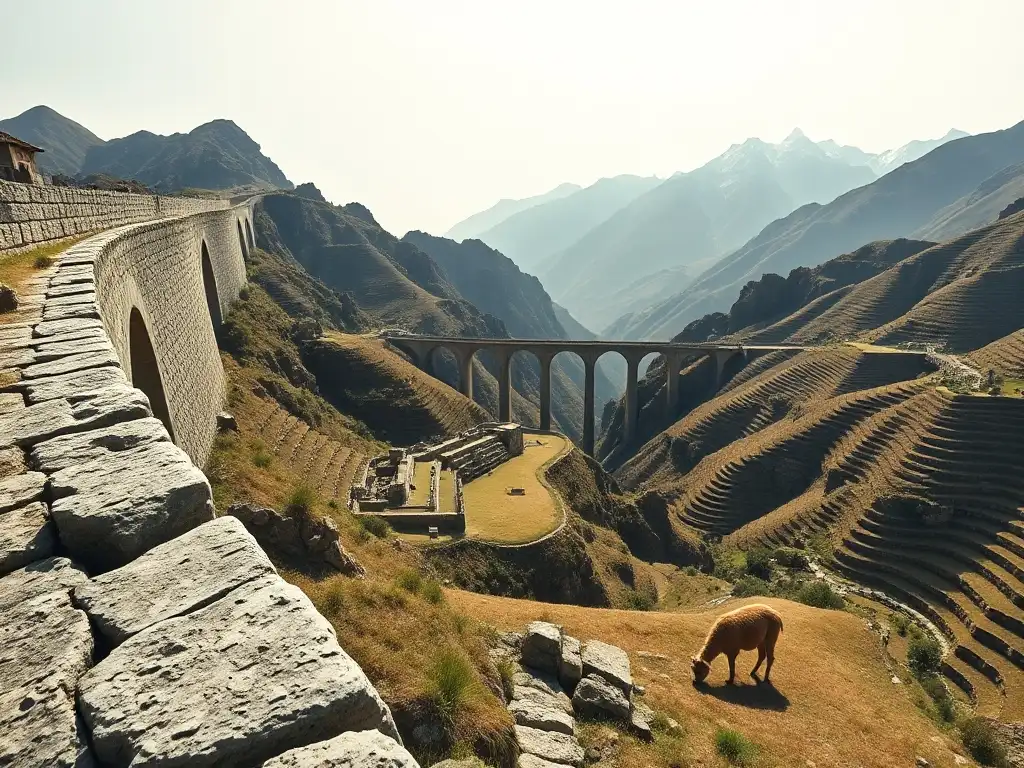
The Inca Empire's mastery of water management is evident in their extensive network of canals and aqueducts. These sophisticated systems were essential to both agriculture and urban life, providing water for irrigation, drinking, and other domestic purposes. The construction of these systems required meticulous planning, engineering expertise, and a significant mobilization of labor.
The scale of these projects, often spanning vast distances and traversing challenging terrain, underscores the Inca's organizational capabilities and their commitment to providing essential infrastructure for their communities. The ingenuity of their water management systems is a testament to their understanding of hydrology and their ability to adapt to diverse environments.
Inca Engineering of Water Channels and Aqueducts
The Inca engineers employed a variety of techniques in the construction of their water systems. Stone channels, often lined with carefully fitted stones, were used to channel water over long distances. These channels were designed with gradients that ensured a consistent flow of water, preventing stagnation and minimizing water loss. Aqueducts were constructed to carry water across valleys and other obstacles.
These structures were often built from stone, showcasing remarkable engineering skills and attention to detail. The construction methods involved meticulous planning and execution, reflecting a deep understanding of hydraulic principles and materials science. The durability and longevity of these systems are a testament to the quality of Inca construction.
Functionality of Inca Water Distribution Networks
The Inca water distribution networks were designed for both efficiency and resilience. Water was channeled from sources such as rivers and springs through a complex network of canals and aqueducts. These networks were often designed with multiple branches, allowing water to be distributed to different areas as needed.
The system also incorporated features such as reservoirs and storage tanks to regulate water flow and ensure a consistent supply, even during periods of drought. The distribution networks were carefully planned to serve both agricultural and domestic needs, reflecting a sophisticated understanding of water resource management. The reliability of these systems played a critical role in supporting the Inca Empire's population and its agricultural production.
Agricultural and Domestic Use of Inca Water Systems
The Inca water systems served a dual purpose: supporting agriculture and providing water for domestic consumption. In agricultural settings, water was channeled to terraced fields, ensuring adequate irrigation. The controlled distribution of water allowed for optimal crop yields, contributing to food security.
In urban areas, water was supplied to public fountains and household connections, serving the needs of the population. The integrated approach to water management ensured that water resources were used efficiently and equitably, supporting both agricultural productivity and the daily lives of Inca citizens. The sophisticated management of water resources reflects the Inca's ability to create a sustainable and resilient infrastructure that supported their society.
Inca Storage Facilities: Warehouses and Colcas
The Inca Empire, renowned for its sophisticated agricultural practices and centralized administration, relied heavily on an extensive network of storage facilities to manage its vast resources. These facilities, broadly categorized as warehouses and colcas, played a crucial role in ensuring food security and facilitating the empire's economic stability. The strategic placement of these structures, often situated near agricultural zones and along major transportation routes, highlights the Inca's understanding of logistical efficiency and resource management.
Their construction, utilizing locally sourced materials such as stone and adobe, reflected a deep understanding of building techniques suited to the varied Andean terrains. The meticulous design and construction of these structures ensured the preservation of stored goods, protecting them from the elements and potential pests. This sophisticated system of storage was vital for the empire's ability to withstand periods of drought or other natural disasters, ensuring the survival and well-being of its population.
The Inca's commitment to building robust and efficient storage facilities showcases their advanced understanding of infrastructure planning and its importance for societal stability. The sheer scale of the storage network underscores the empire's power and its ability to effectively manage a large and diverse population.
The Organization of Inca Storage Infrastructure
The Inca storage system wasn't haphazard; it was meticulously organized. Warehouses and colcas were strategically located throughout the empire, often in clusters near agricultural areas or along major trade routes. This strategic placement minimized transportation costs and time, ensuring efficient distribution of goods.
Different types of storage facilities were used for different purposes, with larger warehouses storing bulk goods like grains, while smaller colcas might have housed more perishable items. Records, though limited in surviving documentation, suggest a hierarchical system of management, with regional officials overseeing the distribution and maintenance of these facilities. The organization of this infrastructure was essential for the smooth functioning of the Inca economy and for ensuring the equitable distribution of resources throughout the empire.
This organizational prowess underscores the sophisticated administrative capabilities of the Inca civilization, far beyond simple agricultural techniques. The system also facilitated the redistribution of goods in times of need, supporting the social welfare programs of the Inca state.
Purpose and Design of Inca Colcas
Colcas, cylindrical or rectangular structures often built into hillsides or cliffs, were particularly notable for their unique design. Their construction frequently employed stone, adobe, or a combination of both, utilizing techniques that maximized their durability and resistance to the elements. Many colcas were equipped with ventilation systems to regulate temperature and humidity, crucial for preserving stored goods. The unique design of colcas often included internal compartments and sealed entrances, further enhancing their functionality as storage facilities.
Their precise purpose varied depending on location and size, but generally, colcas served as vital repositories for agricultural products, textiles, and other essential goods. The design of colcas speaks to the Inca's ingenuity and their understanding of engineering principles necessary for long-term preservation of resources. The careful consideration of climate and materials demonstrates a sophisticated understanding of both architecture and the local environment.
The Importance of Storage for the Inca Economy
The Inca storage system was not merely a logistical feat; it was fundamentally intertwined with the empire's economic structure. The ability to store surplus agricultural production played a critical role in stabilizing the Inca economy, mitigating the impact of fluctuating harvests and ensuring food security for the entire population. This system supported the Inca's mita labor system, providing food and supplies for large-scale public works projects. The stored goods also served as a crucial reserve during times of drought or famine, preventing widespread hardship and social unrest. The efficient management of these resources allowed the Inca state to maintain control and stability, contributing to the empire's longevity and success. The storage system thus acted as a buffer against economic shocks, a critical element in the success of the Inca Empire. The sheer scale and efficiency of the system demonstrate the importance the Inca placed on economic stability and social welfare.
Inca Bridges: Engineering Marvels for Connectivity
The Inca Empire's vast and diverse geography presented significant challenges to communication and transportation. To overcome these obstacles, the Inca developed remarkable engineering skills in bridge construction, creating a network of bridges that connected disparate communities and facilitated trade, military movements, and religious pilgrimages. These bridges, built using a variety of techniques and materials, stand as testaments to the Inca's ingenuity and adaptability.
The construction of these bridges was a complex undertaking, demanding a high level of engineering skill and organization, reflecting the sophisticated capabilities of Inca engineers and builders. The bridges were not merely functional structures; they were also significant symbols of Inca power and ingenuity, connecting people and places across the challenging Andean terrain.
Suspension Bridges: Inca Engineering and Design
Among the most impressive Inca bridges were the suspension bridges, marvels of engineering for their time. These bridges utilized a system of woven ropes, often made from fibers like ichu grass or llama wool, strung across gorges and rivers. The ropes were then secured to strong anchor points on either side of the chasm, creating a stable and surprisingly resilient structure. The design of these bridges demonstrates a deep understanding of tensile strength and weight distribution.
The Inca's ability to create such strong and durable ropes from natural materials is a testament to their advanced knowledge of material science and craftsmanship. The construction of these bridges involved considerable skill, teamwork, and ingenuity. The suspension bridges highlight the Inca ability to adapt to challenging terrain and create innovative solutions to logistical problems. Their design and construction are impressive achievements in ancient engineering.
Types of Inca Bridges and their Construction
Inca bridge construction wasn't limited to suspension bridges. They also built a variety of other bridge types, adapting their techniques to the specific geographical challenges. Stone bridges, for instance, were constructed in areas where the terrain allowed for more stable foundations. These bridges often involved intricate stonework, reflecting the Inca's mastery of stone masonry.
Other bridges utilized a combination of materials, such as wood and stone, demonstrating their adaptability and resourcefulness. The construction of these bridges involved a detailed understanding of local materials, climate conditions, and engineering principles. The variety of bridge types built by the Inca showcases their engineering flexibility and their ability to adapt to the varied landscapes of their empire. The construction techniques involved were sophisticated and required significant skill and coordination among the workers.
Role of Bridges in Facilitating Inca Travel
The network of Inca bridges played a vital role in facilitating travel and communication throughout the empire. These bridges connected previously isolated communities, allowing for the exchange of goods, ideas, and cultural practices. They also facilitated the movement of the Inca army, enabling rapid response to threats and the maintenance of control over the vast empire. Furthermore, the bridges played a role in religious pilgrimages, allowing access to sacred sites located in remote areas.
The construction and maintenance of these bridges were significant undertakings, requiring a substantial investment of resources and labor. The overall impact of the bridges on the social, economic, and political life of the Inca Empire was significant. They were integral to the empire's cohesion and its ability to govern effectively across a vast and challenging landscape. The bridges were not just engineering feats; they were essential infrastructure that supported the very fabric of Inca society.
Inca Urban Planning: The Example of Cusco
Inca City Planning Principles and Layout
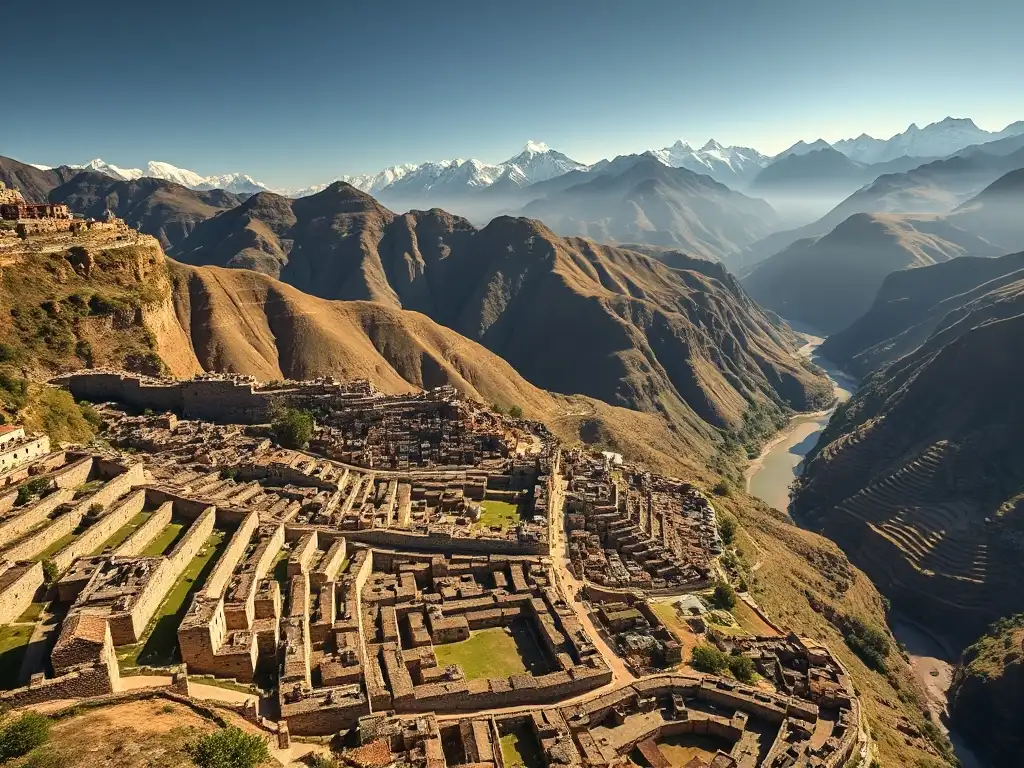
Inca urban planning reveals a sophisticated understanding of urban design, prioritizing functionality and harmony with the surrounding environment. Cities weren't haphazardly built; instead, they followed a meticulous plan. A key principle was the integration of urban spaces with the natural landscape, often utilizing existing geographical features to shape the city's layout.
Straight, intersecting streets, often aligned with cardinal directions, created a grid-like pattern, facilitating easy navigation and efficient resource distribution. This grid system, while seemingly simple, showcased a remarkable grasp of geometry and spatial organization, far surpassing the urban planning of many contemporaneous societies. The use of terraces and strategically placed plazas further enhanced the integration of urban and natural spaces.
The design also incorporated systems for water management and waste disposal, crucial for maintaining public health in densely populated areas. These principles ensured not only efficient functionality but also a sense of order and aesthetic beauty within the urban environment.
Architectural Features of Inca Cities
Inca cities were characterized by several distinctive architectural features. The use of precisely cut and fitted stones, without mortar, is a hallmark of Inca construction, demonstrating exceptional craftsmanship and engineering skills. These stones, often massive in size, were meticulously shaped to interlock perfectly, creating structures of incredible strength and durability.
The integration of stonework with other materials, such as adobe and timber, added to the diversity and adaptability of Inca architecture. Buildings were often multi-storied, with intricate internal layouts and meticulously planned courtyards. The use of ramps and stairs facilitated movement within the city, connecting different levels and sections.
The incorporation of religious and ceremonial structures within the urban fabric emphasized the spiritual significance of the city and its role as a center of power and ritual. These architectural features, combined with the overall urban planning, contributed to the unique character and functionality of Inca cities. The precision and scale of the stonework remains a testament to the skill and ingenuity of Inca builders.
The Significance of Cusco as an Inca Urban Center
Cusco, the former capital of the Inca Empire, stands as a prime example of Inca urban planning and architectural achievement. Its strategic location in a fertile valley, surrounded by mountains, provided both agricultural resources and natural defenses. The city's layout, a testament to sophisticated urban design, reflects the Inca worldview and social organization.
The central plaza, Haukaypata, served as the heart of the city, a focal point for religious ceremonies, markets, and public gatherings. From this central point, a network of streets radiated outwards, connecting different sections of the city, including residential areas, administrative buildings, and religious sites. Cusco's significance transcended its role as a mere administrative center; it served as a powerful symbol of Inca imperial authority and cultural identity.
The city's architecture, its intricate network of streets, and its strategic location all contributed to its unique significance as a major urban center and a powerful symbol of Inca power. The remains of Cusco today still bear witness to the impressive scale and sophistication of Inca urban planning.
Inca Royal Estates: Infrastructure for the Elite
Design and Purpose of Inca Royal Estates
Inca royal estates, or tambos, served a multifaceted purpose extending beyond mere residences for the elite. They functioned as strategically located administrative centers, agricultural production hubs, and resting places for the Inca ruler and his entourage during travels throughout the empire. The design of these estates often incorporated elements reflecting both practicality and symbolic power. Their locations were carefully chosen, often in areas with access to resources and commanding views of the surrounding landscape.
The estates themselves were typically composed of a complex of buildings, including residential structures, storage facilities, workshops, and agricultural terraces. The overall design emphasized functionality and efficiency, ensuring the smooth operation of the estate and its various functions. The integration of religious and ceremonial elements within the design further reinforced the estate's significance as a center of power and authority.
Infrastructure and Amenities within Royal Estates
The infrastructure and amenities within Inca royal estates were designed to meet the needs of the elite and support the estate's various functions. Sophisticated water management systems, including canals and aqueducts, provided a reliable supply of water for drinking, irrigation, and bathing. Extensive agricultural terraces maximized agricultural productivity, ensuring a steady supply of food for the inhabitants of the estate.
Storage facilities, often built into the hillside, provided ample space for storing food and other goods. Workshops facilitated the production of textiles, pottery, and other craft items. The presence of religious structures and ceremonial spaces underscored the spiritual significance of the estate and its role in reinforcing Inca power.
The comprehensive infrastructure and amenities ensured the comfort and security of the elite while also supporting the estate's broader administrative and economic functions. The level of sophistication in these systems is a testament to the Inca understanding of engineering and resource management.
Examples of Notable Inca Royal Estates: Machu Picchu, Ollantaytambo
Machu Picchu and Ollantaytambo represent two of the most well-known and impressive examples of Inca royal estates. Machu Picchu, perched high in the Andes Mountains, is renowned for its breathtaking location and meticulously preserved architecture. Its intricate system of terraces, buildings, and water channels demonstrates the sophistication of Inca engineering and urban planning. Ollantaytambo, situated in a fertile valley, showcases a different facet of Inca royal estate design, incorporating vast agricultural terraces and impressive stonework.
Both sites highlight the key features of Inca royal estates: strategic location, sophisticated infrastructure, and a blend of residential, administrative, and agricultural functions. These sites offer valuable insights into the lifestyle of the Inca elite and the broader organization of the Inca Empire. Their preservation allows for a deeper understanding of Inca architecture, engineering, and social structures. The scale and complexity of these estates remain awe-inspiring testaments to the Inca civilization's achievements.
The Legacy of Inca Infrastructure: Lasting Impact
The Inca Empire's sophisticated infrastructure wasn't merely a testament to their engineering prowess; it was a cornerstone of their societal and political success. The extensive road network, meticulously planned irrigation systems, and impressive stonework structures facilitated trade, communication, and the efficient movement of resources across vast and challenging terrain. This intricate web of interconnected systems ensured the stability and prosperity of the empire for centuries.
The impact extended beyond the purely practical; these impressive works served to solidify the Inca's power and authority, showcasing their mastery over their environment and inspiring awe and loyalty amongst their subjects. The sheer scale and complexity of their projects, even by modern standards, are remarkable, highlighting the advanced level of planning, organization, and labor management achieved by the Inca civilization.
Their achievements continue to inspire wonder and serve as a powerful reminder of the ingenuity and resilience of this remarkable civilization. The legacy of Inca infrastructure is one of enduring ingenuity and its lasting impact is still felt today in the very fabric of Andean societies.
The Enduring Influence of Inca Engineering
Even after the Spanish conquest, the enduring influence of Inca engineering is undeniable. Many Inca roads and irrigation canals continued to be used and adapted by subsequent communities. The techniques employed by Inca builders, particularly their mastery of stonework, have been studied and admired by engineers and architects for generations.
The precision and durability of their constructions stand as a testament to their understanding of materials science and construction principles. Elements of Inca engineering techniques, such as their sophisticated understanding of hydraulics and their innovative approaches to terracing, have found applications in modern engineering projects. The ingenuity displayed in their construction methods, often using readily available materials and employing simple yet effective tools, offers valuable insights into sustainable and resilient building practices.
The study of Inca engineering continues to provide inspiration and knowledge for contemporary architects and engineers seeking sustainable and efficient solutions. Their methods remain relevant in addressing modern challenges related to infrastructure development in diverse and challenging environments.
Lessons from Inca Infrastructure for Modern Times
The Inca's approach to infrastructure development offers valuable lessons for modern societies grappling with similar challenges. Their emphasis on sustainability, using local materials and minimizing environmental impact, provides a compelling model for contemporary projects. The Inca's integrated approach to infrastructure, where roads, irrigation systems, and settlements were carefully planned and interconnected, demonstrates the importance of holistic planning in infrastructure development. Their ability to mobilize a large workforce efficiently, even without sophisticated technologies, provides insights into effective project management and community engagement.
Furthermore, the Inca’s remarkable adaptability to varied terrains and environments showcases the importance of context-specific solutions in infrastructure design. By studying Inca infrastructure, we can gain a deeper appreciation for sustainable construction, community-based engineering, and the value of long-term planning in infrastructure development. Their achievements serve as a powerful reminder that even with limited technology, human ingenuity and collaborative effort can create lasting and impactful infrastructure.
Further Research on Inca Public Works
Further research into Inca public works is crucial for a comprehensive understanding of their civilization and its lasting legacy. Areas requiring more in-depth investigation include a more detailed analysis of the logistical challenges involved in constructing and maintaining their extensive infrastructure. Further research could also focus on the social and economic impact of Inca infrastructure on different communities within the empire, exploring variations in its effects across diverse geographical regions and social strata.
Advanced techniques such as geophysical surveys and digital modeling can provide insights into the construction methods and the hidden complexities of Inca structures. Finally, comparative studies with other ancient civilizations can enrich our understanding of the unique aspects of Inca engineering and its place within a broader historical context. Continued research promises to reveal further insights into the ingenuity, resilience, and societal impact of Inca infrastructure projects, enriching our knowledge of this remarkable civilization.
- The Foundation of Inca Engineering: An Overview of Inca Infrastructure
- The Qhapaq Ñan: The Great Inca Road System
- Inca Agricultural Terraces: Engineering for Food Production
- Inca Water Management Systems: Canals and Aquducts
- Inca Storage Facilities: Warehouses and Colcas
- Inca Bridges: Engineering Marvels for Connectivity
- Inca Urban Planning: The Example of Cusco
- Inca Royal Estates: Infrastructure for the Elite
- The Legacy of Inca Infrastructure: Lasting Impact
- What were some of the most impressive Inca infrastructure projects?
- How did the Inca build their roads and bridges?
- What role did irrigation play in Inca infrastructure?
- How did the Inca transport materials for their large-scale projects?
- What impact did Inca infrastructure have on the empire's growth and longevity?
Frequently Asked Questions
What were some of the most impressive Inca infrastructure projects?
The Inca Empire boasted remarkable infrastructure, including extensive road networks spanning thousands of miles, sophisticated irrigation systems vital for agriculture, and impressive stonework in cities and temples like Machu Picchu. These projects showcased their engineering prowess.
How did the Inca build their roads and bridges?
Inca roads were built using stone paving and strategically placed bridges, often made of stone or suspension techniques. Their construction required meticulous planning and an understanding of terrain. Labor was provided through the mita system.
What role did irrigation play in Inca infrastructure?
Irrigation systems were crucial for Inca agriculture, enabling them to cultivate diverse crops in varied terrains. These systems involved intricate canals, aqueducts, and terraces, maximizing water use and increasing agricultural output.
How did the Inca transport materials for their large-scale projects?
The Inca utilized their extensive road network for transporting building materials. Llamas and human porters were key to moving materials over challenging terrain. The mita system again provided the labor.
What impact did Inca infrastructure have on the empire's growth and longevity?
Inca infrastructure was essential for the empire's expansion and stability. The road network facilitated communication and trade, while irrigation systems supported a growing population. This efficient system contributed to the empire's long-lasting success.
Final Reflection: The Enduring Legacy of Inca Ingenuity
The intricate network of roads, bridges, and irrigation systems built by the Inca Empire remains a testament to their advanced engineering skills and continues to inspire awe and wonder today. Their achievements weren't merely feats of construction; they were the bedrock of a thriving civilization, a powerful demonstration of human capability in the face of challenging terrain and logistical hurdles. This sophisticated infrastructure wasn't just about practicality; it was a statement of power, unity, and a vision for the future that resonates even now.
The Inca's commitment to public works profoundly shaped their society, fostering trade, communication, and a sense of shared identity across vast distances. Their impact extends beyond the physical structures themselves; it's woven into the very fabric of the Andean landscape and the cultural memory of the region. The Inca road system was not merely a network of paths; it was a living artery, pulsating with the lifeblood of the empire.
This quote encapsulates the dynamic nature of their infrastructure, highlighting its role in facilitating social and economic exchange, a crucial element often overlooked in discussions of purely technical achievements. The enduring legacy of these projects continues to influence modern infrastructure planning and inspires ongoing archaeological research.
Consider the ingenuity of the Inca engineers, their understanding of the environment, and their ability to mobilize vast resources to achieve such ambitious goals. You too can find inspiration in their dedication to building a better future, a future shaped by collaboration, innovation, and a commitment to long-term vision. Think about the projects in your own community – what lasting impact do you want them to have? What challenges can you overcome with ingenuity and collaboration? Let the legacy of the Inca Empire inspire you to build a more connected and sustainable world.
Unveil the Legacy of Inca Ingenuity!
Thank you for exploring the fascinating world of Inca public works. You've discovered how this ancient empire's remarkable infrastructure fostered connectivity, cultural exchange, and trade. Now, let's delve deeper and embrace the spirit of Inca innovation!
Here are some ways you can continue your exploration:
- **Learn more** about Incan engineering by visiting local historical sites or museums showcasing similar architectural achievements. Consider focusing on specific aspects, such as their road systems or agricultural techniques.
- **Share** your knowledge! Discuss these incredible projects with friends and family, or post about them on social media to spark interest in Inca accomplishments.
- **Connect** with others passionate about ancient civilizations by joining a history group or online forum. Engaging with like-minded individuals can enrich your understanding and appreciation of these historical contributions.
As you reflect on these suggestions, consider this: **How can the ingenuity of the Inca inspire solutions to contemporary infrastructure challenges? **