
The Enigma of the Tiahuanaco Walls: Fortification or Symbolic Barrier?

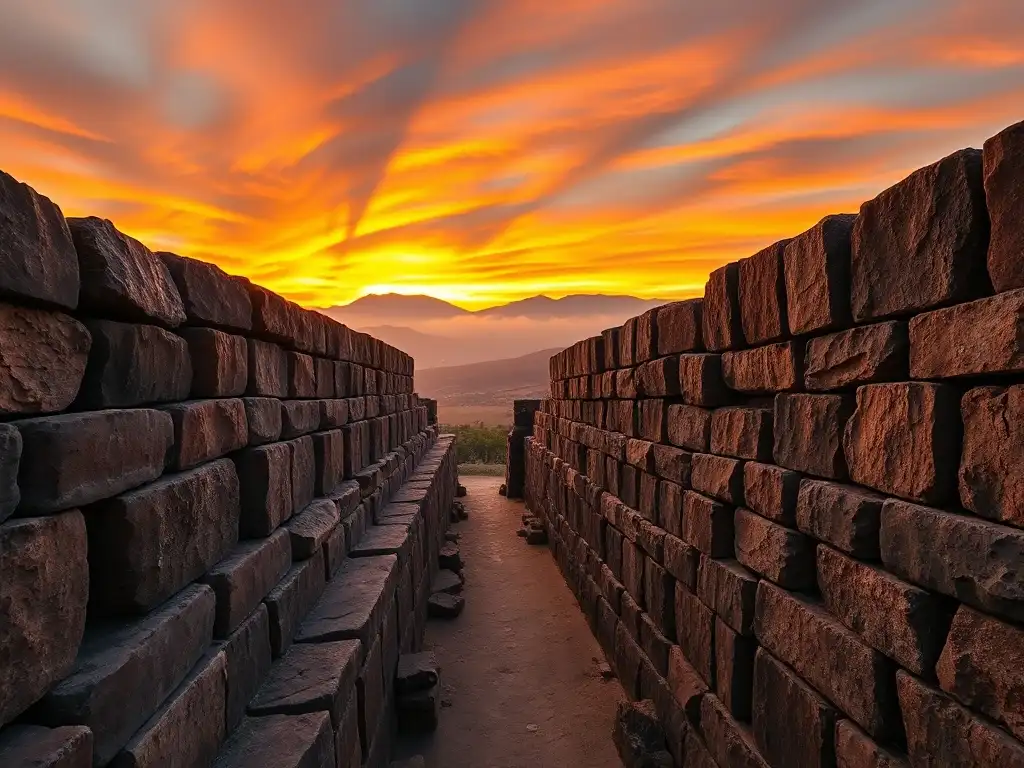
Step into a world lost to time, where majestic mountains cradled empires of unparalleled ingenuity. Dive into the captivating history of the Andean civilizations, uncovering their breathtaking artistry and advanced technologies. But what secrets lie hidden within the enigmatic Tiahuanaco walls? Were they formidable fortifications, or something far more profound – a symbolic barrier guarding sacred knowledge? Unravel the mystery and explore the fascinating possibilities within.
The imposing ruins of Tiahuanaco, a pre-Columbian city located on the shores of Lake Titicaca in modern-day Bolivia, stand as a testament to the advanced engineering and sophisticated culture of the Tiahuanaco civilization. Among the most striking features of this remarkable site are its monumental walls, crafted from massive blocks of andesite stone. These walls, however, remain shrouded in mystery, sparking ongoing debate among archaeologists and historians regarding their true purpose.
Were they primarily defensive fortifications, designed to protect the city from external threats? Or did they serve a more symbolic role, perhaps representing a boundary between the sacred and the profane, or a physical manifestation of cosmological beliefs? This article delves into the enigma of the Tiahuanaco walls, exploring the various theories surrounding their construction and meaning, and examining the evidence that supports each interpretation.
Understanding the function of these walls is crucial to gaining a deeper appreciation for the complexities of Tiahuanaco society and its place within the broader tapestry of Andean civilizations. The quest to decipher the "Tiahuanaco walls meaning" requires a meticulous examination of their architectural features, their placement within the city layout, and their relationship to other significant structures.
Introduction to Tiahuanaco Architecture and Its Walls
Tiahuanaco architecture is characterized by its monumental scale and precise craftsmanship. The city's builders demonstrated a remarkable mastery of stonework, employing techniques that remain impressive even by modern standards. The walls themselves are constructed from enormous blocks of andesite, some weighing several tons, meticulously fitted together without the use of mortar. This precision suggests a highly organized workforce and a sophisticated understanding of engineering principles.
The most prominent walls define the perimeter of the main ceremonial complex, enclosing plazas, temples, and other important structures. However, other walls are found throughout the city, suggesting a more complex network of enclosures and pathways. The sheer size and impressive nature of these walls immediately suggest a significant purpose, but the specific nature of that purpose remains a topic of ongoing scholarly discussion.
Analyzing the orientation of the walls in relation to the sun and stars also offers potential insights into the astronomical knowledge and cosmological beliefs of the Tiahuanaco people. Further investigation is needed to fully understand the techniques used in the quarrying, transportation, and placement of these massive stones, a feat of engineering that still captivates researchers today. The meticulous planning and execution evident in the construction of these walls suggest a level of societal organization and power rarely seen in other contemporary civilizations.
Exploring the Purpose of Tiahuanaco Walls: Beyond Simple Defense
While the defensive function of the Tiahuanaco walls is a plausible interpretation, evidence suggests that their purpose might have been far more multifaceted. The lack of clear defensive features, such as battlements or strategically placed towers, weakens the argument for purely military fortification. Furthermore, the walls' impressive size and the significant resources invested in their construction suggest a purpose beyond simple protection. Some scholars propose that the walls served as a symbolic boundary, separating the sacred precinct of the ceremonial center from the surrounding areas.
This interpretation aligns with the city's evident religious significance and the presence of numerous temples and monumental structures within the walled enclosure. The walls may have been intended to create a sense of sacred space, reinforcing the power and authority of the ruling elite and emphasizing the spiritual significance of the city. Another intriguing possibility is that the walls represented a physical manifestation of cosmological beliefs, reflecting the Tiahuanaco worldview and their understanding of the universe.
The precise alignment of certain walls with astronomical events further supports this hypothesis. The enigma of the Tiahuanaco walls, therefore, extends beyond a simple question of defense, encompassing broader questions about the social, religious, and cosmological beliefs of this remarkable civilization. Further research, including advanced geophysical surveys and detailed architectural analysis, is needed to shed more light on this captivating mystery.
- Introduction to Tiahuanaco Architecture and Its Walls
- Exploring the Purpose of Tiahuanaco Walls: Beyond Simple Defense
Tiahuanaco Walls: A Fortification Hypothesis
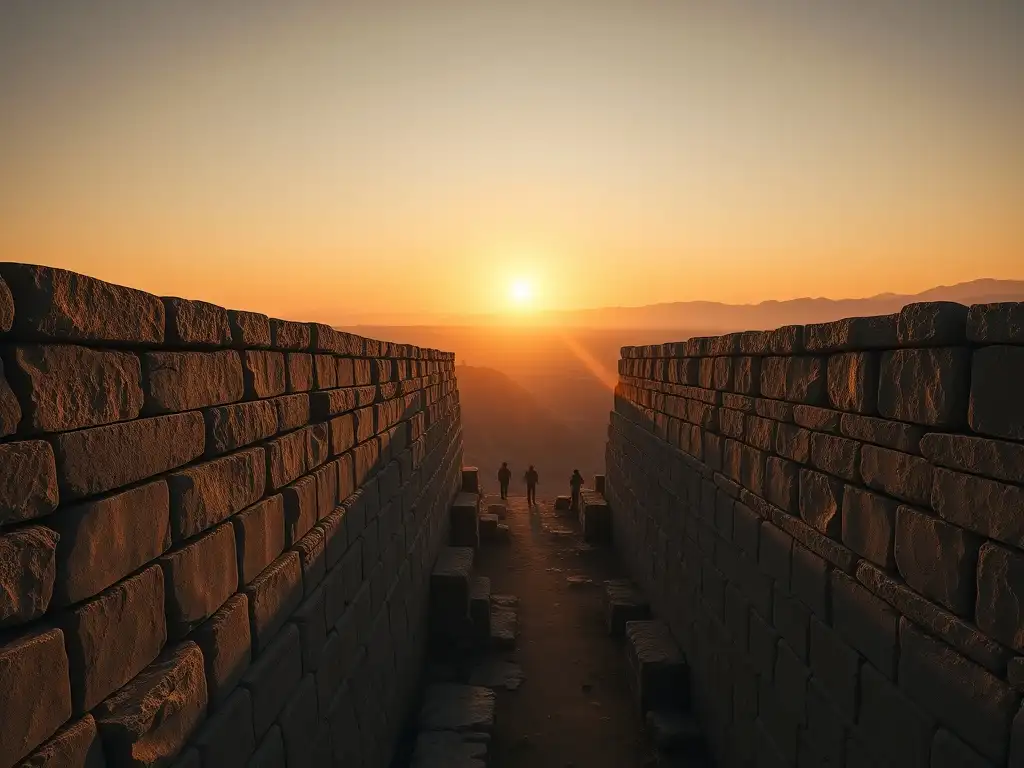
The imposing walls of Tiahuanaco have long captivated researchers, sparking debates about their true purpose. While some propose a purely ceremonial or symbolic function, the possibility that these structures served as fortifications deserves thorough investigation. This section explores the hypothesis that the Tiahuanaco walls were, at least in part, designed to protect the city and its inhabitants.
Understanding the physical characteristics of the walls, the potential for conflict in the region, and the strategic location of Tiahuanaco itself are crucial to evaluating this hypothesis. This exploration will contribute to a richer understanding of the "Tiahuanaco walls meaning" within the broader context of the civilization.
Analyzing the Physical Characteristics of Tiahuanaco Walls
The sheer scale and construction of the Tiahuanaco walls suggest a degree of planning and engineering prowess that might be associated with defensive structures. Let's delve into the specifics.
Wall Construction Techniques in Tiahuanaco
The Tiahuanaco walls weren't simply haphazard piles of stone. Evidence suggests sophisticated techniques were employed. Precision-cut stones, often massive in size, were meticulously fitted together without mortar, showcasing a remarkable understanding of engineering principles. This level of craftsmanship is rarely seen in purely symbolic structures.
The precise fitting of stones, minimizing gaps and maximizing stability, points towards a design prioritizing strength and longevity – characteristics desirable in a fortification. The techniques used might even suggest specialized labor, dedicated to the construction of these defenses. Further research into the precise methods of stone cutting and placement is needed to fully understand the technical achievements of the Tiahuanaco builders.
Materials Used in Tiahuanaco Wall Building
The choice of materials also lends credence to the fortification hypothesis. The Tiahuanaco walls primarily utilize andesite, a durable volcanic rock capable of withstanding significant impact and weathering. The selection of such a robust material, rather than a less resilient stone, suggests a focus on creating a long-lasting and resilient barrier.
The use of andesite, readily available in the region, demonstrates a practical approach to construction, further supporting the hypothesis that the walls served a practical, possibly defensive, purpose. Further analysis is needed to determine if the specific sourcing of the andesite reveals any patterns related to the construction phases of the walls.
The Argument for Military Functionality in Tiahuanaco
Beyond the physical attributes of the walls, circumstantial evidence suggests the possibility of military conflict in the Tiahuanaco region, bolstering the fortification hypothesis.
Evidence of Potential Conflict in Tiahuanaco
While direct evidence of large-scale warfare at Tiahuanaco is scarce, archaeological findings hint at potential conflict. The presence of projectile points and other weaponry in nearby sites suggests a degree of violence or at least a prepared defense against potential aggression. While it's difficult to definitively link these findings directly to the walls themselves, the possibility of conflict in the region provides a context within which the defensive nature of the walls becomes more plausible.
Further research and excavation in surrounding areas could provide clearer evidence of conflict and its relation to the Tiahuanaco walls. Analyzing the chemical composition of artifacts found near the walls could also provide clues about the types of conflicts or activities that may have taken place.
The Strategic Location of Tiahuanaco and Its Walls
The strategic location of Tiahuanaco itself adds another layer to the fortification hypothesis. Situated near crucial trade routes and resource-rich areas, Tiahuanaco's position may have made it a target for attack or a key location to control regional access. The walls, therefore, might have served to protect these vital resources and the city's inhabitants from potential invaders. The city's layout, including the positioning of the walls in relation to water sources and pathways, warrants further investigation to fully understand their strategic role, if any. A detailed map showing the relationship between the walls, water sources, and potential trade routes would be invaluable in assessing this aspect of the hypothesis. Analyzing the elevation changes and visibility from different sections of the walls could also provide further insight into their strategic design.
The enigma surrounding the Tiahuanaco walls remains, but the possibility of a defensive function cannot be dismissed. Further research and analysis are vital to unraveling the full "Tiahuanaco walls meaning" and understanding their role within the broader context of this fascinating civilization.
Tiahuanaco Walls: A Symbolic Barrier Interpretation
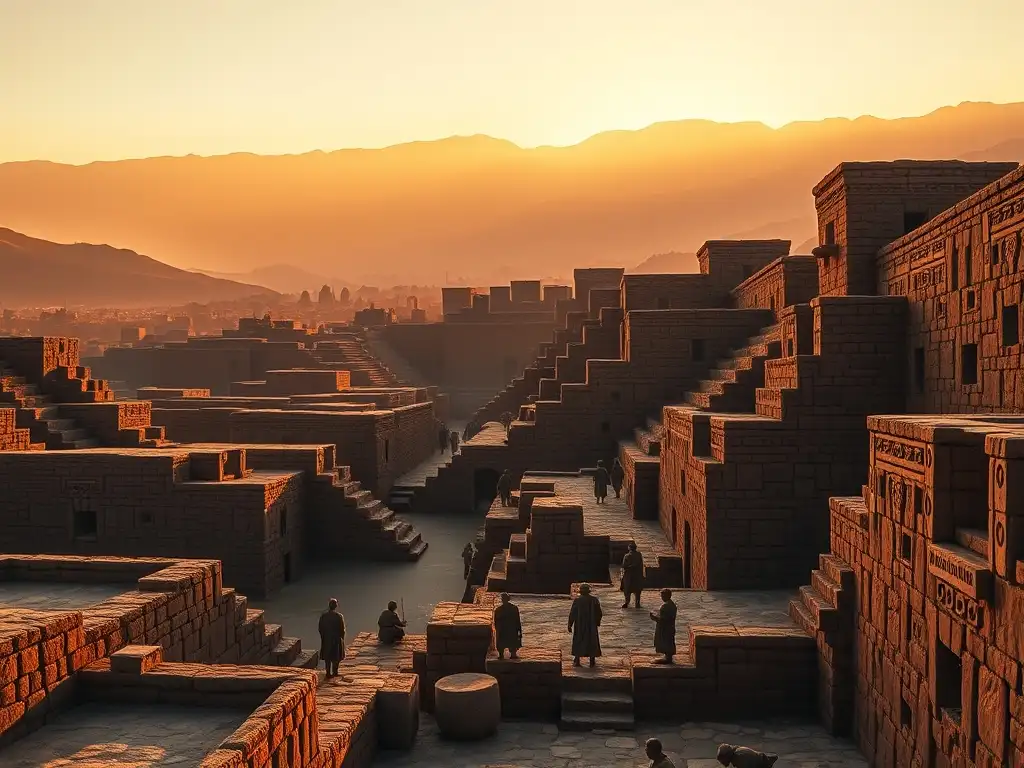
This section explores the interpretation of the Tiahuanaco walls not as purely defensive fortifications, but as powerful symbolic barriers imbued with deep religious and cosmological meaning. This perspective shifts the focus from a purely pragmatic understanding of their function to a more nuanced appreciation of their role within the broader context of Tiahuanaco culture and belief systems. Understanding the "Tiahuanaco walls meaning" requires moving beyond a simple military analysis.
The Role of Ritual and Symbolism in Tiahuanaco Culture
Tiahuanaco society was deeply invested in ritual and symbolic practices. Evidence suggests a complex system of beliefs centered around ancestor veneration, agricultural cycles, and cosmic forces. These beliefs are intricately woven into the city's architecture and urban planning. The meticulous construction of the walls, their precise placement, and the incorporation of symbolic elements all point to a deliberate design exceeding mere defensive needs.
The use of specific stones, their arrangement, and even the orientation of the walls themselves likely held significant religious connotations. For example, the alignment of certain structures with celestial events suggests a sophisticated understanding of astronomy and its integration into their worldview. Further research into the iconography found on surviving wall fragments could provide more insight into the specific symbolic meanings embedded within the structures.
Religious Significance of Tiahuanaco Structures
Many Tiahuanaco structures, including those incorporating the walls, exhibit features suggesting religious significance. The presence of intricately carved stonework depicting deities, mythical creatures, and stylized representations of nature underscores the importance of religious expression in their construction. These carved elements are not merely decorative; they are integral parts of the structures themselves, suggesting their purpose extended beyond practical considerations.
The Kalasasaya Temple, for example, with its massive stone walls and complex layout, likely served as a central religious site, with the surrounding walls acting as both a physical and symbolic boundary. The precision and scale of the construction point to a highly organized society capable of mobilizing significant resources for religious projects. Analyzing the layout of the city in relation to the placement of these walls is crucial to understanding the overall religious plan.
Tiahuanaco Walls as Boundary Markers
The Tiahuanaco walls can be interpreted as boundary markers, defining sacred space and separating the profane from the sacred. This interpretation aligns with the understanding of sacred geography in many ancient cultures, where specific locations are imbued with spiritual significance. The walls may have not only delimited the physical city but also demarcated areas associated with specific rituals or religious practices.
The careful placement of the walls, often following natural contours or significant geographical features, suggests a deliberate attempt to integrate the city's layout with the surrounding landscape. The orientation of the walls may have also played a role, perhaps aligning with cardinal directions or significant celestial alignments, further reinforcing their symbolic importance. Further studies are needed to fully ascertain the specific boundaries defined by the walls and their connection to the broader cosmological beliefs of the Tiahuanaco people.
The Concept of Sacred Space in Tiahuanaco
The concept of sacred space is central to understanding the Tiahuanaco walls. The city itself was likely conceived as a sacred landscape, with its structures and walls carefully planned to reflect their religious worldview. This is evidenced by the careful orientation of buildings, the use of specific materials, and the incorporation of symbolic motifs in the architecture.
The walls, therefore, function not simply as barriers but as integral components of this sacred landscape, actively shaping and defining the experience of the sacred within the city. Understanding the "Tiahuanaco walls meaning" requires recognizing their role in creating and maintaining this sacred environment.
Defining the Inner Sanctum Through Architecture
The Tiahuanaco walls, in their various forms and locations, helped define an inner sanctum within the city. This inner sanctum would have housed the most important religious structures and served as the focus of ritual activity. The walls, therefore, played a vital role in controlling access to these sacred spaces and enhancing their spiritual significance.
The construction techniques used, the materials employed, and the overall scale of the walls all contributed to the creation of an awe-inspiring environment that reinforced the sanctity of the enclosed area. Further research is needed to pinpoint the precise locations and boundaries of this inner sanctum and to identify the specific rituals performed within it.
The Relationship Between Tiahuanaco Walls and Cosmic Beliefs
The Tiahuanaco walls show a strong relationship with the cosmic beliefs of the civilization. The alignment of certain walls with celestial events suggests a deliberate attempt to integrate the city's layout with the cosmos. This alignment may have served to reinforce the sacred nature of the city and to connect it to the broader supernatural realm.
The walls, therefore, not only demarcated physical space but also served as a tangible link between the earthly and the divine. This connection between architecture and cosmology is a key element in deciphering the "Tiahuanaco walls meaning" and understanding the deep religious significance imbued within these structures. The precise astronomical alignments, however, require further investigation and detailed analysis.
Alternative Interpretations of the Tiahuanaco Wall Purpose
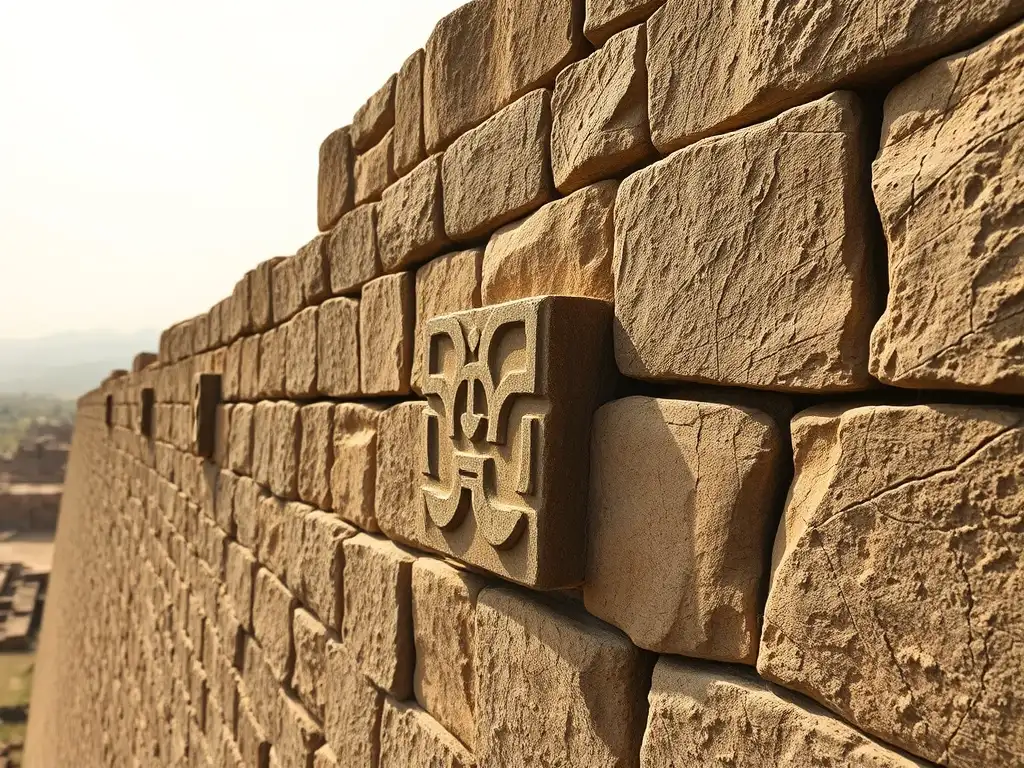
The prevailing narrative surrounding the Tiahuanaco walls often focuses on their defensive capabilities. However, a deeper investigation reveals the possibility of alternative, or even complementary, interpretations that enrich our understanding of their meaning. The sheer scale and complexity of the walls suggest a multifaceted purpose, extending beyond simple fortification. The "Tiahuanaco walls meaning" is not solely military; it's a complex interplay of social, political, and possibly even religious factors. This section explores some of these compelling alternative perspectives.
The Possibility of Multi-Purpose Walls
Combining Defensive and Symbolic Functions
The Tiahuanaco walls might not have been solely defensive structures. Instead, they could have served a dual purpose, combining practical fortification with powerful symbolic meaning. Imagine the imposing sight of these massive walls, meticulously constructed from massive blocks of stone, not only deterring potential invaders but also projecting an image of power and stability.
This dual functionality is not uncommon in ancient architecture; many structures served both practical and symbolic roles. For example, the city walls of many ancient civilizations, while providing defense, also served as a visual representation of the city's might and prosperity. The Tiahuanaco walls, with their intricate craftsmanship and monumental scale, likely played a similar role, reinforcing the social and political dominance of the Tiahuanaco elite.
Further research into the specific layout and construction techniques could reveal more about this potential dual function. We need more detailed analysis of the wall's construction materials and their sourcing to fully understand the complexity of their purpose. The precise placement of the walls, in relation to other significant structures within the city, could also offer valuable insights into their symbolic significance.
The construction of the Tiahuanaco walls was a monumental undertaking, requiring a highly organized workforce and significant resources. This process itself reflects the societal structure of Tiahuanaco. The "Tiahuanaco walls meaning" is intrinsically linked to the social hierarchy and power dynamics of the time.
The precision and scale of the construction suggest a sophisticated level of social organization and control, indicating a highly stratified society with specialized labor and centralized planning. The ability to mobilize such a large workforce and manage the logistics of transporting and placing massive stone blocks speaks volumes about the power and authority wielded by the ruling elite. This massive project wasn't just about defense; it was a demonstration of the state's capacity and the power of its leaders.
The sheer manpower required, the meticulous planning, and the immense scale of the project all point towards a strong central authority. This demonstrates not just military might, but also the capacity for large-scale organized labor, a key indicator of a powerful and centralized state.
Control and Power Displayed Through Tiahuanaco Walls
The Tiahuanaco walls weren't just physical barriers; they were powerful symbols of control and authority. Their imposing presence would have served to visually reinforce the power of the ruling elite, marking territorial boundaries and defining social spaces. The meticulous craftsmanship and monumental scale of the walls served as a constant reminder of the state's power and the social order it imposed. The alignment of the walls, their strategic placement within the city, and even the types of stone used could all have contributed to their symbolic meaning, conveying messages of power, control, and stability.
The walls were not merely functional; they were carefully designed to project a specific image and reinforce the authority of those in power. This is evident in many ancient civilizations, where monumental architecture served as a means of projecting power and legitimizing rule. The Tiahuanaco walls, therefore, were not just fortifications; they were powerful statements of political control and social dominance.
Further research into the iconography associated with the walls, if any, could shed additional light on their symbolic meaning and their role in reinforcing social hierarchy. The precise arrangement of the stones, any potential carvings or markings, and the overall aesthetic design could all hold clues to their deeper symbolic significance. The impact of these walls on the social and political landscape of Tiahuanaco requires further study to fully understand their meaning and impact.
Tiahuanaco Walls Meaning: A Synthesis of Theories
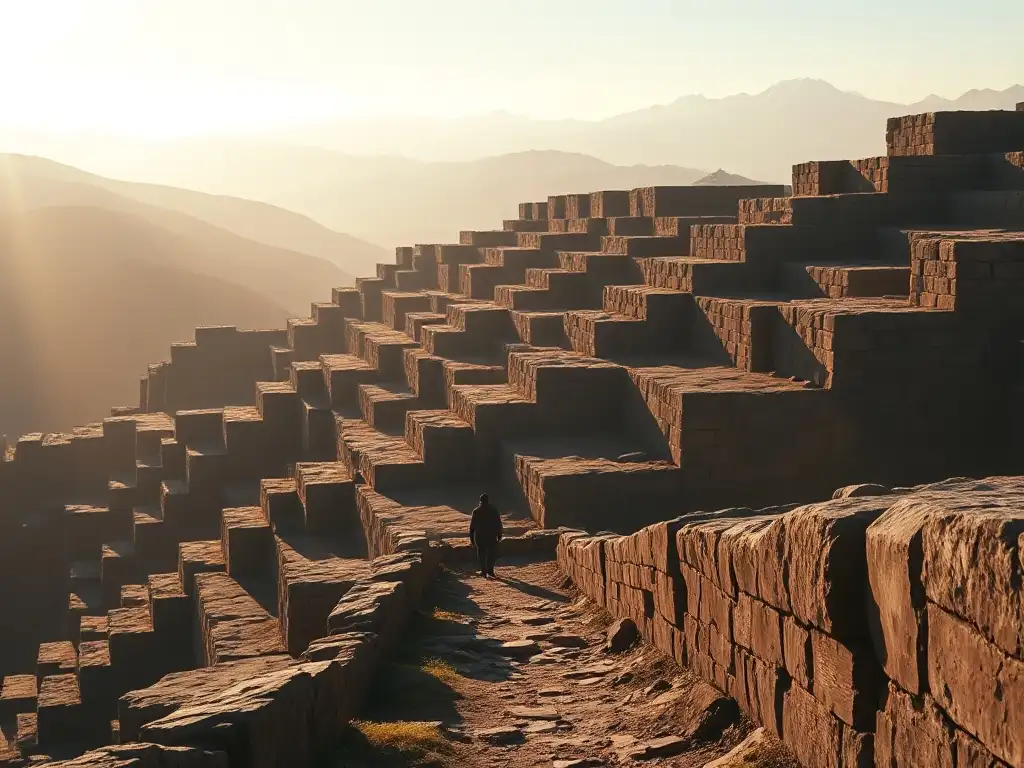
The precise meaning and function of the Tiahuanaco walls remain a subject of ongoing debate among archaeologists and historians. The monumental structures, constructed from meticulously carved and fitted stones, are a testament to the advanced engineering capabilities of the Tiahuanaco culture. However, their purpose transcends mere functionality; they likely served a multifaceted role, blending practical considerations with potent symbolic significance.
Understanding the "Tiahuanaco walls meaning" requires careful consideration of both material evidence and the socio-political context of the civilization. The sheer scale and precision of the construction point towards a project of immense social and religious importance, exceeding the needs of simple defense.
Examining the Evidence: Fortification vs. Symbolism
The debate surrounding the Tiahuanaco walls centers on two primary interpretations: fortification and symbolic demarcation. Evidence supporting a defensive function includes the walls' strategic placement around key areas of the city. Certain sections exhibit features suggestive of defensive architecture, such as strategically placed towers or bastions. However, the lack of consistent defensive features throughout the wall system weakens this argument. Moreover, the monumental scale of the construction, featuring massive stones and intricate carvings, seems disproportionate to a purely defensive purpose. The energy and resources invested would have been staggering.
Conversely, the symbolic interpretation emphasizes the walls' role in defining sacred space and reinforcing social hierarchies. The meticulous craftsmanship and astronomical alignments of some sections suggest a deliberate intention to create a powerful visual and spiritual statement. The walls may have served to demarcate different zones within the city, each with its own social or religious function.
The precise arrangement of stones, their size, and the iconography present could have encoded complex messages relating to cosmology, power, and social order. Further research into the symbolic language of Tiahuanaco art could shed light on these possible meanings. For example, the repeated motifs of stylized figures and animals may hold clues to the wall's intended symbolism.
Understanding the Complexity of Tiahuanaco Wall Function
The Tiahuanaco walls were likely not solely defensive or solely symbolic. A more nuanced interpretation suggests a complex interplay of both functions. The walls might have provided a degree of protection while simultaneously acting as a powerful statement of the Tiahuanaco's authority and cosmological worldview. The impressive scale of the construction would have served to awe and impress visitors and reinforce the power of the ruling elite.
This dual purpose is not mutually exclusive; indeed, many ancient civilizations integrated practical and symbolic elements in their monumental architecture. Think of the Great Wall of China, which served both defensive and symbolic purposes. Similarly, the Tiahuanaco walls likely served multiple purposes, reflecting the sophisticated understanding of the Tiahuanaco people.
The Interplay of Practicality and Ideology in Tiahuanaco
The Tiahuanaco civilization's sophisticated understanding of engineering and astronomy is clearly demonstrated in the construction of the walls. The precise cutting and placement of the stones, the incorporation of astronomical alignments, and the overall scale of the project point to a society with a high level of organization and technical expertise. This technological prowess was interwoven with a complex ideological system that prioritized cosmology, religious beliefs, and social hierarchy.
The walls, therefore, represent a tangible manifestation of this interplay between practicality and ideology. They were not merely functional structures; they were powerful symbols that reinforced the Tiahuanaco worldview and the authority of their ruling class. The intricate carvings and symbolic representations embedded within the walls further underscore this complex relationship between practicality and ideology.
Further research is needed to fully unravel the intricate tapestry of meanings woven into these remarkable structures. The meticulous nature of the stonework itself suggests a level of dedication and reverence that transcends purely practical concerns.
Conclusion: Deciphering the Tiahuanaco Walls Enigma
The Tiahuanaco walls, imposing structures of meticulously carved stone, remain a captivating enigma. While their sheer scale and precision of construction are undeniable testaments to the advanced engineering capabilities of the Tiahuanaco culture, the meaning behind their existence continues to fuel scholarly debate. Were they primarily defensive fortifications, intended to protect the city from external threats? Or did they serve a more symbolic purpose, perhaps marking sacred boundaries or reflecting a complex cosmology? The evidence, as we've seen, points to a nuanced answer, likely incorporating elements of both.
The analysis of architectural styles, the discovery of associated artifacts, and the study of the city's overall layout all contribute to a more comprehensive understanding of the Tiahuanaco walls' function. However, much remains unknown, and the lack of definitive written records from the Tiahuanaco period presents a significant challenge to researchers. This ambiguity, however, is precisely what makes the study of these walls so compelling.
The very uncertainty surrounding their purpose invites further investigation and encourages a multidisciplinary approach, bringing together archaeologists, anthropologists, and historians to unravel the mysteries embedded within these ancient stones. The search for the "Tiahuanaco walls meaning" continues to be a vibrant and rewarding field of study.
The Ongoing Debate About the Tiahuanaco Walls
The ongoing debate surrounding the Tiahuanaco walls reflects the complexity of interpreting archaeological evidence. Some scholars strongly advocate for the defensive function of the walls, pointing to their strategic placement and the presence of what might be interpreted as defensive structures within the city. They argue that the walls effectively protected the city from potential invaders, ensuring the safety of its inhabitants and the preservation of its resources. This perspective emphasizes the pragmatic and utilitarian aspects of Tiahuanaco architecture.
Conversely, other researchers propose a more symbolic interpretation. They emphasize the precise alignment of some wall sections with astronomical events, suggesting a possible connection to the Tiahuanaco cosmology and religious beliefs. The elaborate carvings and intricate designs on the stones themselves are also cited as evidence of a deeper, ritualistic meaning.
This viewpoint highlights the sophisticated understanding of geometry and astronomy possessed by the Tiahuanaco people, and underscores the symbolic power of their architecture. The debate is not necessarily a binary choice; rather, it's a spectrum of possibilities, with the reality likely encompassing both practical and symbolic dimensions. The "Tiahuanaco walls meaning" may well be multifaceted, reflecting the complex social, political, and religious realities of Tiahuanaco society.
Future Research Directions for Understanding Tiahuanaco Walls
Future research on the Tiahuanaco walls should focus on several key areas. First, more detailed geophysical surveys are needed to uncover hidden structures and features beneath the ground, potentially revealing more about the city's layout and the walls' relationship to other buildings. This could involve the use of advanced ground-penetrating radar and other non-invasive techniques to avoid damage to the existing structures. Second, a more systematic analysis of the stone carvings and their iconography is essential. This could involve comparing the Tiahuanaco carvings with those found in other Andean sites, potentially revealing connections and influences across different cultures.
Third, interdisciplinary collaboration is crucial. Combining the expertise of archaeologists, anthropologists, astronomers, and other specialists can provide a more holistic understanding of the walls' significance. By bringing together diverse perspectives, researchers can synthesize the available evidence and develop more nuanced interpretations. Finally, a deeper investigation into the technological aspects of the construction process itself is needed.
Understanding how the massive stones were quarried, transported, and precisely fitted together can provide valuable insights into the engineering prowess and organizational capabilities of the Tiahuanaco people. The ongoing quest to understand the "Tiahuanaco walls meaning" requires a sustained and collaborative effort, employing cutting-edge technology and interdisciplinary approaches. Only through such concerted efforts can we hope to fully unravel the secrets held within these remarkable structures.
Frequently Asked Questions
What is the main purpose of this article?
This article explores the dual interpretations of the Tiahuanaco walls, examining whether they served primarily as fortifications or as symbolic barriers, reflecting the complex nature of this ancient civilization. It delves into the enigma surrounding their true function.
Why are the Tiahuanaco walls considered enigmatic?
The Tiahuanaco walls' purpose remains debated due to a lack of definitive evidence. Their massive scale and unique construction techniques do not clearly indicate a single, straightforward function. Further research is needed to fully understand their significance.
What are some of the proposed functions of the Tiahuanaco walls?
Some theories suggest the walls served as defensive fortifications against invaders. Others propose they held symbolic or ritualistic significance, acting as boundaries or markers within the city. The exact purpose remains uncertain.
What makes the Tiahuanaco walls architecturally significant?
The walls are notable for their immense size and the precise stonework, showcasing advanced engineering and construction techniques for their time. The precise fitting of stones without mortar is particularly impressive.
How does the article contribute to our understanding of Tiahuanaco culture?
The article sheds light on the complex social and political structures of the Tiahuanaco civilization by examining the possible functions of their walls. It highlights the importance of considering multiple interpretations when studying ancient civilizations.
Final Reflection: Deciphering the Walls, Unveiling Ourselves
The enigma of the Tiahuanaco walls remains, a powerful testament to a civilization's ingenuity and a mirror reflecting our own enduring questions about purpose and legacy. While we may never definitively know their precise function, the very act of questioning, of piecing together fragmented history, speaks volumes about our persistent human drive to understand the past and its relevance to the present. The meticulous craftsmanship and the sheer scale of the structures continue to inspire awe and wonder, prompting us to consider the immense effort and societal organization required for such an undertaking.
The enduring mystery of Tiahuanaco's walls speaks to a deeper human need to find meaning in the structures we create, both physical and metaphorical. The past is never dead. It's not even past.
– William Faulkner. This quote perfectly encapsulates the ongoing influence of Tiahuanaco; its legacy continues to shape our understanding of ancient Andean civilizations and challenges our assumptions about the capabilities of pre-Columbian societies. The walls stand not only as a physical presence but as a symbol of the enduring power of human creativity and the enduring questions that bind us across time.
Consider, for a moment, the walls you build in your own life – the boundaries you set, the structures you create to protect yourself or express your identity. What stories do your walls tell? Are they fortifications against the unknown, or symbolic barriers defining your space in the world? Take the time to reflect on the meaning you ascribe to your own structures, both tangible and intangible. Let the enigma of Tiahuanaco inspire you to explore the deeper meaning behind the walls you build, both in the physical world and within yourself.
**Unveil the Mysteries of Tiahuanaco! **
Thank you for exploring the fascinating history of Tiahuanaco. You've already uncovered intriguing insights into the purpose of its massive walls, considering whether they served as fortifications or held symbolic meaning within the ancient Andean civilization. Let's delve even deeper!
Here are some ways to continue your exploration:
- **Visit Tiahuanaco:** Witness the monumental walls firsthand. Experience the awe-inspiring scale and intricate craftsmanship up close.
- **Share Your Discoveries:** Discuss your interpretations of the walls' purpose on social media or in online forums. Engage with others and learn from their perspectives.
- **Expand Your Knowledge:** Learn more about Andean civilizations and their architectural achievements through books and documentaries.
What aspect of Tiahuanaco captivates you most—its architectural mastery or its rich cultural significance? Let's discuss!