
The Andean Ritual of Pilgrimage: Seeking Spiritual Enlightenment in Sacred Places

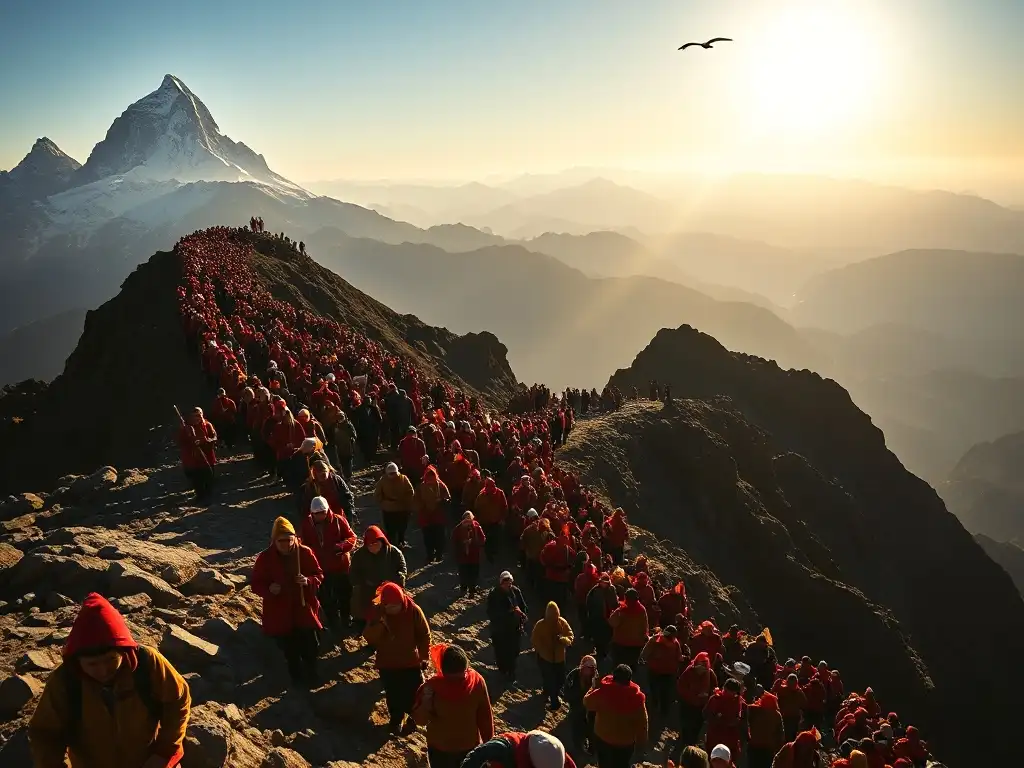
Step into a world lost to time, yet echoing with the whispers of ancient spirits. Journey with us through the breathtaking landscapes and captivating mysteries of the Andes, where the echoes of powerful Andean civilizations still resonate. Discover the profound significance of Andean pilgrimage rituals, a sacred practice that connected these cultures to the cosmos and their deities. Uncover the secrets of their spiritual beliefs and the enduring legacy they left behind – a journey that will leave you spellbound. Are you ready to embark on this incredible exploration?
The Andes Mountains, a spine of towering peaks stretching along the western edge of South America, are more than just a geographical feature; they are a sacred landscape imbued with deep spiritual significance for the Andean civilizations that thrived there for millennia. For these cultures, the mountains themselves were considered apu, powerful deities inhabiting the heights and wielding influence over the lives of the people below.
This profound connection fostered a rich tapestry of rituals and ceremonies, and among the most important were pilgrimages to sacred sites—journeys undertaken not merely for physical travel, but for spiritual transformation and communion with the divine. This article delves into the fascinating world of Andean pilgrimage rituals, exploring their purpose, practices, and enduring legacy, focusing on how these journeys offered a path to spiritual enlightenment within the unique Andean cosmovision.
We will examine specific examples across different Andean cultures, highlighting the common threads and unique variations in their approaches to this powerful spiritual practice. Understanding these pilgrimages offers invaluable insight into the complex religious beliefs and social structures of these remarkable civilizations.
Types of Andean Pilgrimages and Their Significance
Andean pilgrimage rituals varied considerably depending on the specific culture and the purpose of the journey. Some pilgrimages were undertaken individually, while others involved entire communities. The destinations themselves held diverse significance.
Some were associated with specific deities or ancestral spirits, while others were linked to natural phenomena like mountain peaks, caves, or springs considered sacred. For example, the Inca pilgrimage to the sacred city of Machu Picchu wasn't just a journey to an impressive archaeological site; it was a deeply spiritual undertaking, connecting the pilgrims to the powerful energy of the apu and reinforcing their connection to the Inca empire's origins and power. Other pilgrimages focused on specific agricultural cycles, seeking blessings for successful harvests or protection from natural disasters.
These journeys often involved arduous treks across challenging terrain, highlighting the profound commitment and devotion of the pilgrims. The intensity of the pilgrimage often reflected the seriousness of the petition or the significance of the event being celebrated.
The Role of Offerings and Material Culture in Andean Pilgrimages
The act of pilgrimage wasn't just about physical movement; it was inextricably linked to the presentation of offerings to the apu and other supernatural entities. These offerings, ranging from coca leaves and chicha (a fermented corn beverage) to intricately crafted textiles and precious metals, served as a form of communication and appeasement. They were expressions of respect, gratitude, and a plea for divine intervention.
The careful preparation and presentation of these offerings underscored their importance within the ritual. The materials themselves often held symbolic meaning, reflecting the specific needs or desires of the pilgrims. For instance, llama fetuses, sometimes found in archaeological contexts associated with Andean rituals, were believed to possess powerful apotropaic qualities, protecting against misfortune and ensuring fertility.
The Enduring Legacy of Andean Pilgrimage Rituals
While the Inca Empire and other great Andean civilizations fell centuries ago, the spiritual significance of the Andes and the practice of pilgrimage persist. Many of the sacred sites continue to be visited and venerated by indigenous communities, who maintain traditional practices and beliefs. These ongoing pilgrimages represent a powerful link to the past, a testament to the enduring spiritual power of the Andean landscape and the resilience of Andean cultures.
The modern-day practice often incorporates elements of both traditional Andean beliefs and syncretic practices, reflecting the evolving nature of Andean spirituality and its adaptation to changing circumstances. The enduring legacy of these rituals underscores their profound impact on Andean identity and the spiritual connection between the people and their sacred mountains. Further research is needed to fully understand the nuances of these evolving practices across different Andean communities.
Modern Interpretations and the Tourism Industry
The growing interest in Andean culture and spirituality has led to a rise in pilgrimage tourism. While this offers opportunities for economic development in the region, it also raises concerns about the preservation of sacred sites and the potential for cultural commodification. Striking a balance between respecting the spiritual significance of these places and facilitating responsible tourism is a crucial challenge.
Careful management and collaboration between local communities, tourism agencies, and researchers are essential to ensure the long-term preservation of these invaluable cultural and spiritual heritage sites and to prevent the erosion of authentic spiritual practice. The potential for misinterpretations and cultural appropriation also necessitates sensitive and informed engagement with these sacred spaces.
- Types of Andean Pilgrimages and Their Significance
- The Role of Offerings and Material Culture in Andean Pilgrimages
- The Enduring Legacy of Andean Pilgrimage Rituals
- Modern Interpretations and the Tourism Industry
Understanding Andean Pilgrimage Traditions
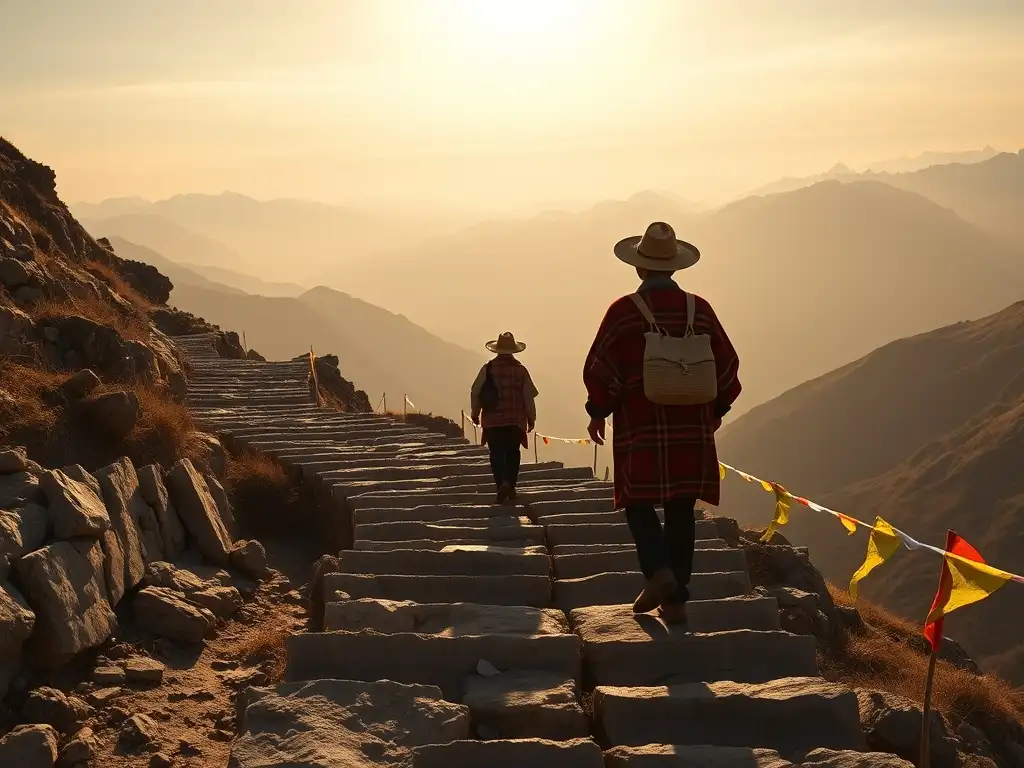
This section delves into the core beliefs and practices surrounding Andean pilgrimage rituals, exploring their significance within the complex Andean cosmovision and their enduring impact on Andean cultures. We will analyze the historical context, the spiritual purposes, and the crucial role of sacred sites in these ancient and continuing traditions. Understanding these rituals offers a deeper appreciation for the spiritual depth and resilience of Andean societies.
The Significance of Sacred Sites in Andean Cosmovision
Andean cosmovision, a holistic worldview encompassing the interconnectedness of the natural and spiritual realms, deeply informs the significance of sacred sites. These weren't merely geographical locations; they were considered huacas, powerful places imbued with spiritual energy, often associated with specific deities or ancestors. Mountains, caves, springs, and even specific rocks held immense spiritual power. The apus (mountain deities) were particularly revered, considered intermediaries between the human and divine worlds. Pilgrimages to these huacas weren't random journeys; they were purposeful acts of connecting with the spiritual essence of the landscape and strengthening the relationship between the community and the divine.
For example, the pilgrimage to the mountain Ausangate in Peru, considered a sacred apu, involves arduous treks undertaken by indigenous communities to offer prayers, coca leaves, and other offerings. This act isn't simply a physical journey; it represents a profound spiritual communion, a reaffirmation of their connection to the ancestral spirits and the life-giving forces of nature.
The specific rituals performed at these sites—such as leaving offerings, performing ceremonies, or simply meditating—vary depending on the huaca and the community's traditions, but the underlying principle remains consistent: a profound engagement with the spiritual power of the place. The selection of these sites was often guided by ancestral knowledge, passed down through generations, ensuring the continuity of these sacred traditions.
The Purpose of Andean Pilgrimages: Spiritual Renewal and Connection
Andean pilgrimages served multiple crucial purposes, extending beyond simple religious observance. They were, and continue to be, vital for spiritual renewal, community bonding, and maintaining a harmonious relationship with the natural world. The journeys themselves were acts of devotion, testing the physical and spiritual endurance of the pilgrims. The hardships faced during the pilgrimage were seen as a form of purification, stripping away worldly concerns to allow for a deeper spiritual connection.
The act of reaching the sacred site itself represented a triumph, a symbolic ascent to a higher spiritual plane. Upon arrival, pilgrims participated in various rituals, including offerings, prayers, and ceremonies, seeking blessings, healing, or guidance. These rituals were often communal, strengthening social bonds and fostering a sense of shared identity and purpose within the community.
The shared experience of the pilgrimage reinforced social cohesion and preserved cultural traditions. Furthermore, these pilgrimages acted as a form of thanksgiving, expressing gratitude for the blessings bestowed upon the community by the apus and other spiritual entities. The successful completion of a pilgrimage was seen as a sign of favor and a reaffirmation of the community's connection to the spiritual realm.
Historical Context of Andean Pilgrimage Practices
Andean pilgrimage practices possess a rich and deep history, extending back millennia. Evidence of pilgrimage routes and sacred sites can be found throughout the Andes, dating back to pre-Inca civilizations. While the specific rituals and beliefs may have evolved over time, the fundamental principles of connecting with the spiritual power of the landscape have remained remarkably consistent.
The Inca Empire, known for its sophisticated organization and religious practices, formalized and expanded upon existing pilgrimage traditions. The Inca road system, Qhapaq Ñan, facilitated access to numerous sacred sites, allowing for widespread participation in pilgrimages. The Inca state also played a significant role in regulating and standardizing certain pilgrimage practices, reinforcing their importance within the imperial ideology. However, even after the Spanish conquest, Andean pilgrimage traditions persisted, adapting to the changing socio-political landscape while retaining their core spiritual significance.
Many indigenous communities continue to practice these ancient rituals, demonstrating the enduring power and resilience of Andean spirituality. The continuity of these practices underscores the deep-rooted connection between Andean communities and their sacred landscape, highlighting the importance of these rituals in maintaining cultural identity and spiritual well-being. Further research is needed to fully document the specific variations in pilgrimage practices across different Andean regions and ethnic groups.
Key Elements of Andean Pilgrimage Rituals
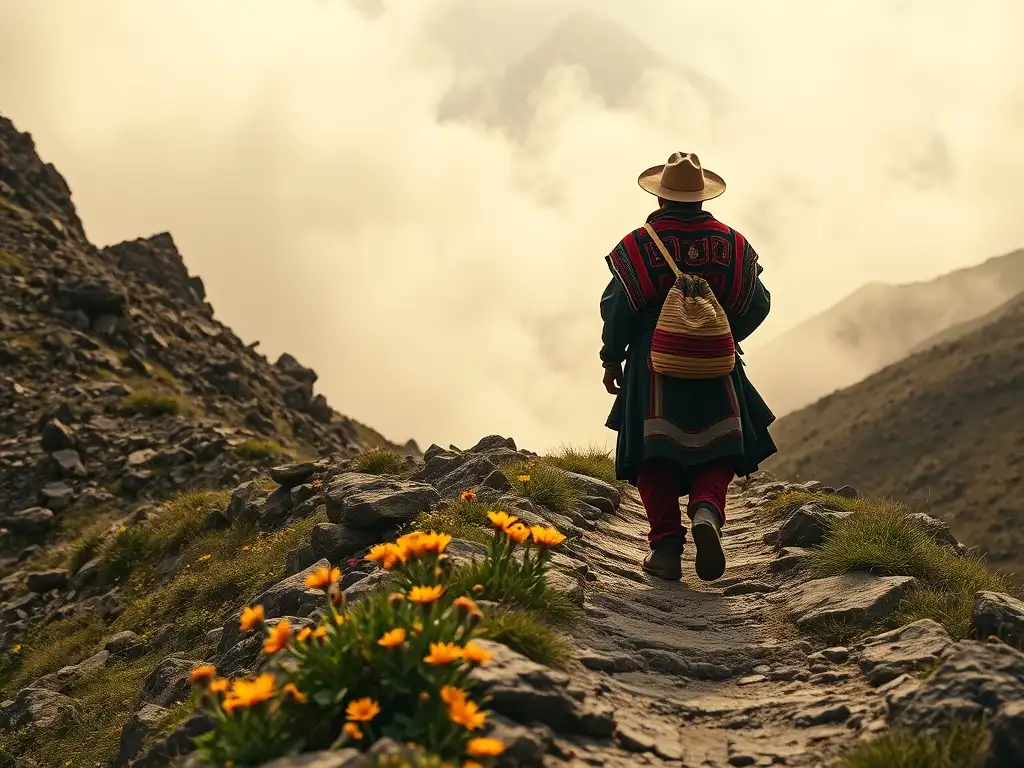
Andean pilgrimage rituals, a cornerstone of Andean religion and cosmovision, weren't simply journeys to sacred sites; they were deeply spiritual experiences involving intricate preparations, symbolic actions, and profound connections with the Andean landscape and deities. These rituals, practiced for centuries by diverse Andean cultures like the Inca, Moche, Nazca, and Tiahuanaco, reflect a complex worldview where the physical and spiritual realms intertwine. Understanding these key elements provides crucial insight into the beliefs and practices of these fascinating civilizations.
The intensity and significance of these pilgrimages varied depending on the specific site and the individual's purpose, but common threads unite these seemingly disparate practices. This section will delve into the essential components of these powerful Andean pilgrimage rituals, clarifying their significance within the broader context of Andean spirituality.
Preparation for the Journey: Purifications and Offerings
Preparation for an Andean pilgrimage was far from a simple packing process. It was a ritualistic undertaking involving significant purification and offerings aimed at ensuring a successful and spiritually enriching journey. Pilgrims often underwent a period of fasting and abstinence, cleansing their bodies and minds to approach the sacred site with purity. This preparation wasn't merely physical; it was a spiritual cleansing designed to align the individual with the sacred energy of the pilgrimage.
Specific offerings were crucial. These varied depending on the specific deity or apu (mountain spirit) being honored, but common offerings included coca leaves – chewed for energy and offered as a sign of respect – chicha (fermented corn beer), and various agricultural products. The act of offering wasn't simply about appeasement; it was a symbolic exchange, a demonstration of respect and reciprocity with the spiritual world.
The more significant the pilgrimage, the more elaborate the preparations and offerings would be. For instance, a pilgrimage to a major apu might involve community participation, with entire villages contributing offerings and participating in shared rituals before the journey began. The meticulous preparation underscored the reverence and spiritual weight attached to these journeys.
Failure to properly prepare could be seen as disrespectful and potentially jeopardize the success of the pilgrimage. This careful attention to detail highlights the profound significance of these rituals within the Andean worldview.
The Role of Music and Dance in Andean Pilgrimage Ceremonies
Music and dance played a vital role in Andean pilgrimage ceremonies, serving not merely as entertainment but as powerful tools for connecting with the spiritual realm. The rhythmic sounds of instruments like panpipes, drums, and flutes, combined with the synchronized movements of dancers, created a trance-like atmosphere conducive to spiritual communion. These weren't simply random performances; the melodies, rhythms, and dances were often deeply symbolic, narrating stories of creation myths, honoring deities, or invoking specific energies.
For example, certain dances might mimic the movements of animals sacred to a particular deity, while specific musical motifs could represent elements of nature, such as the wind or the rain. The combined effect of music and dance created a powerful synergy, generating an energy that facilitated communication with the spiritual world. Participants weren't merely observers; they actively participated in creating this energetic field, contributing their own energy and intention to the collective spiritual experience.
This active participation fostered a sense of community and shared purpose, strengthening the bonds between pilgrims and reinforcing the spiritual significance of the journey. The intensity of the music and dance could vary significantly depending on the location and the specific spiritual purpose of the pilgrimage. Further research is needed to fully understand the nuances of musical and dance variations across different Andean cultures and pilgrimage sites.
Symbolic Objects and Their Meanings in Andean Pilgrimage
Andean pilgrimage rituals involved the use of numerous symbolic objects, each imbued with specific meanings and significance. These objects served as tangible representations of spiritual concepts and facilitated communication with the divine. For instance, chasquis, messengers depicted in art and sometimes represented in effigy, played a symbolic role, representing the connection between the earthly and spiritual realms, mirroring the pilgrim's journey itself.
Another important symbol was the kero, a ceremonial drinking vessel often crafted from precious materials like silver or gold. The kero wasn't simply a container; it was a sacred object used in ritual offerings and ceremonies, symbolizing the sharing of sacred liquids and the communion with the divine. Furthermore, textiles played a crucial role, often adorned with intricate designs representing cosmological concepts or specific deities.
The vibrant colors and patterns encoded powerful spiritual messages, acting as visual representations of the spiritual energy being channeled during the pilgrimage. The specific objects and their meanings varied across different Andean cultures and pilgrimage sites, reflecting the diversity of beliefs and practices within the Andean world.
Further research into archaeological findings and ethnohistorical accounts is needed to fully elucidate the symbolic meaning of specific objects found at various pilgrimage sites. The study of these objects offers a unique window into the rich symbolism and spiritual depth of Andean pilgrimage rituals.
Prominent Andean Pilgrimage Routes and Destinations
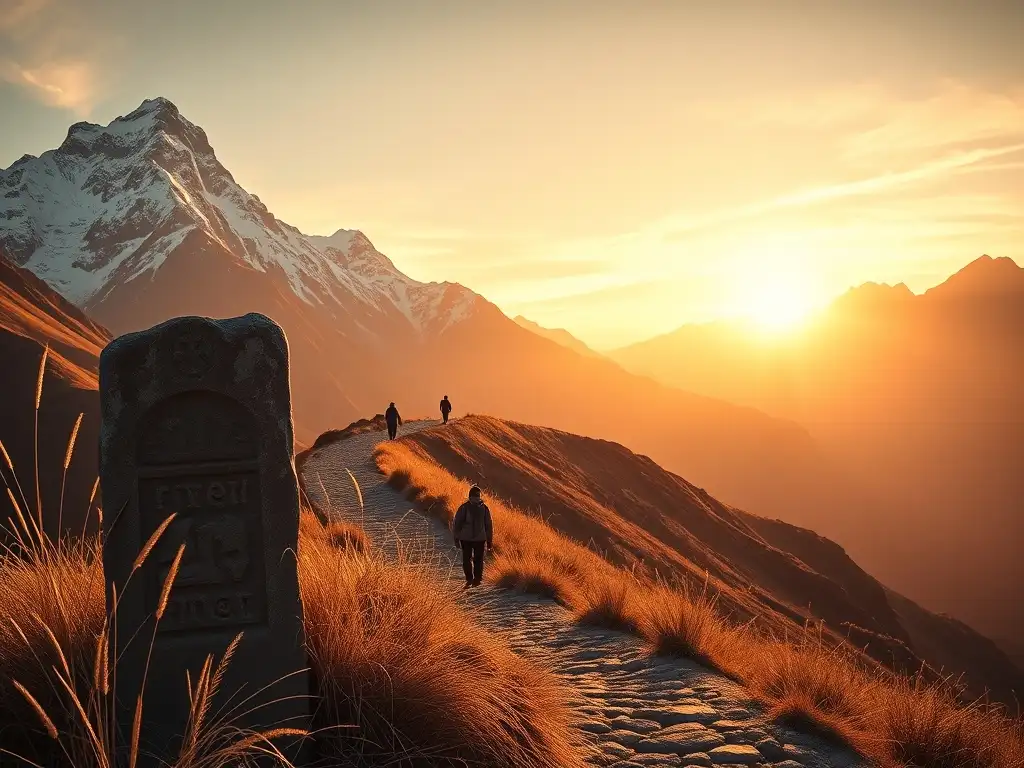
The Andes Mountains, a spine of towering peaks and breathtaking landscapes, have served as the backdrop for millennia of spiritual journeys and Andean pilgrimage rituals. These weren't mere treks; they were deeply meaningful experiences, connecting pilgrims to the sacred geography and the powerful forces believed to inhabit it. Understanding these routes and destinations offers a glimpse into the complex religious beliefs and practices of Andean cultures. The enduring legacy of these sacred paths continues to inspire awe and reverence today.
The Qhapaq Ñan: The Inca Trail and its Pilgrimage Significance
The Qhapaq Ñan, or Inca Road, wasn't simply a network of roads; it was a sacred artery connecting the vast Inca Empire, facilitating not only trade and communication but also pilgrimage. While the Inca state certainly utilized the network for administrative purposes, the Qhapaq Ñan's spiritual significance is undeniable. Many sections were considered sacred pathways, leading to significant huacas (sacred places) and pilgrimage sites.
The journey itself was a ritual, a form of offering and devotion. Pilgrims would travel long distances, often on foot, carrying offerings and engaging in prayers and ceremonies along the way. Evidence suggests that specific sections of the Qhapaq Ñan were associated with particular deities or spirits, with rituals tailored to the location and its spiritual significance.
The arduous nature of the journey itself was seen as a test of faith and devotion, mirroring the challenges faced in life and the ultimate attainment of spiritual enlightenment. The Inca's sophisticated road system, with its carefully constructed pathways and strategically placed tambos (resting places), facilitated these long and arduous pilgrimages, reflecting the importance placed upon spiritual journeys within their society. The Qhapaq Ñan remains a powerful symbol of Andean pilgrimage rituals and a testament to the enduring connection between the Inca and their sacred landscape.
Pilgrimage to Lake Titicaca: A Sacred Center for the Andes
Lake Titicaca, the highest navigable lake in the world, holds immense spiritual significance for Andean cultures. For centuries, it has been considered a sacred center, a place of creation and divine power. Pilgrimages to Lake Titicaca often involve visiting the floating islands of Uros, constructed from totora reeds, and the islands of Taquile and Amantani, renowned for their unique cultures and traditions. These islands are considered sacred spaces, imbued with spiritual energy.
Pilgrims often participate in ceremonies and rituals involving offerings to the lake's apus (mountain spirits) and the water itself, seeking blessings and spiritual purification. The lake's vastness and the stunning Andean backdrop enhance the spiritual experience, creating a powerful sense of connection to the natural world and the divine. Many indigenous communities continue to conduct ceremonies and rituals by the lake's shores, preserving the ancient traditions of Andean pilgrimage rituals associated with this sacred body of water.
The rituals often involve offerings of coca leaves, alcohol, and other items of significance, intended to appease the spirits and ensure a bountiful harvest. The lake's unique ecosystem and the rich cultural heritage of the surrounding communities further enrich the pilgrimage experience. The journey to Lake Titicaca is more than just a travel experience; it is a deeply spiritual one, offering a profound connection to the ancient Andean worldview.
Mountain Shrines: Ascending to the Apus for Spiritual Insight
The towering apus, or mountain spirits, are central figures in Andean cosmology. Pilgrimages to mountain shrines, often located at high altitudes, represent a challenging but deeply rewarding spiritual journey. These ascents are not merely physical feats; they are symbolic journeys of spiritual ascension, reflecting the arduous path to spiritual enlightenment. Pilgrims often carry offerings, such as coca leaves, alcohol, and other gifts, to appease the apus and seek their blessings.
The act of climbing itself is considered a form of offering, a demonstration of devotion and perseverance. The thin air and challenging terrain heighten the spiritual experience, creating a sense of awe and reverence for the power of nature. Many mountain shrines are associated with specific deities or spirits, and the rituals performed there vary depending on the location and its associated beliefs.
The breathtaking views from these high-altitude locations further enhance the spiritual significance of the journey, providing a sense of connection to the vastness of the Andean landscape and the power of the natural world. These Andean pilgrimage rituals involving mountain ascents offer a unique and powerful spiritual experience, embodying the profound connection between Andean cultures and their sacred mountains. The dedication and perseverance required for these climbs reflect the commitment to spiritual growth and the pursuit of enlightenment.
The Qoyllur Rit'i Festival: A Pilgrimage to the Snow Star
The Qoyllur Rit'i festival, held annually in the Ausangate mountain range in southern Peru, is arguably one of the most spectacular and significant Andean pilgrimage rituals. This vibrant celebration, blending indigenous Andean beliefs with Catholic traditions, draws thousands of pilgrims from across Peru and beyond. The name itself, "Qoyllur Rit'i," translates to "Snow Star," referencing the shining ice formations believed to be manifestations of a sacred entity.
The pilgrimage involves a strenuous trek to the Sinakara glacier, a high-altitude site considered sacred. Pilgrims, many of whom undertake the journey barefoot, demonstrate remarkable resilience and devotion. They carry offerings, often including coca leaves, candles, and food, to appease the mountain spirits and seek blessings. The journey itself is a ritualistic act, a demonstration of faith and commitment to the sacred mountain. Many pilgrims believe that completing the trek brings spiritual purification and healing.
The festival features a complex interplay of indigenous Andean cosmology and Catholic symbolism. The "paqos," or indigenous priests, play a crucial role, conducting ceremonies and guiding the participants. The festival incorporates elements of both traditional Andean rituals and Catholic practices, reflecting the syncretism that characterizes much of Andean religious life. This unique blend of traditions is a testament to the enduring power of indigenous beliefs in the face of colonization and cultural change.
The festival is a powerful display of cultural resilience and a vivid demonstration of the enduring importance of pilgrimage in Andean spiritual life. The vibrant costumes, the rhythmic music, and the overwhelming sense of community all contribute to the unique atmosphere of this extraordinary event. The Qoyllur Rit'i festival offers a fascinating glimpse into the deep spiritual significance of Andean pilgrimage and the enduring connection between the Andean people and their sacred mountains.
The rituals performed at Sinakara involve offerings and prayers to the apus (mountain spirits), seeking protection, good harvests, and well-being. Specific rituals vary among different communities and family groups participating in the pilgrimage, demonstrating the rich diversity of Andean spiritual practices even within a single festival. The unique blend of indigenous and Catholic elements in this festival showcases the ongoing adaptation and evolution of Andean religious traditions. Understanding the Qoyllur Rit'i festival provides invaluable insight into the complex tapestry of Andean spirituality and the enduring power of pilgrimage as a means of spiritual connection.
Experiencing Andean Pilgrimage: A Contemporary Perspective
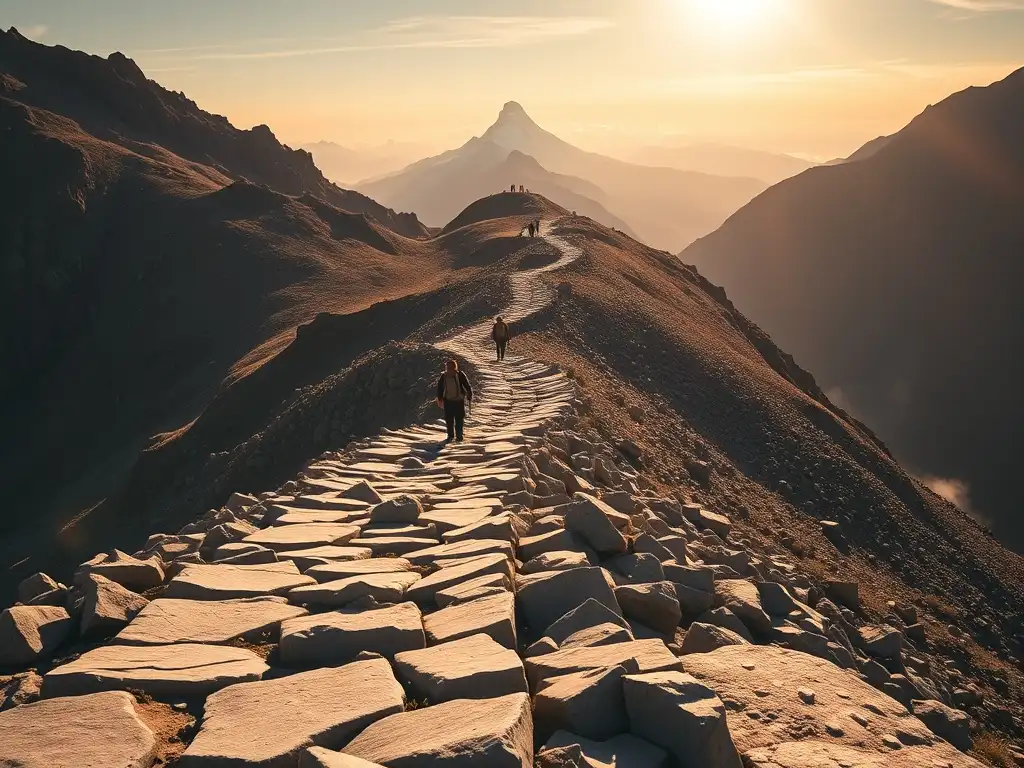
This section delves into the lived experience of Andean pilgrimage in the modern era, examining how ancient traditions persist and adapt in the face of contemporary challenges. We will explore the continuity of these rituals, the hurdles faced in maintaining them, and the impact of tourism on these sacred journeys. Understanding the present-day reality of Andean pilgrimage provides crucial context for appreciating the enduring power of these spiritual practices. The term "Andean pilgrimage rituals" itself encapsulates a complex interplay of ancient beliefs and modern realities.
The Continuity of Andean Pilgrimage Rituals in Modern Times
Despite the passage of centuries, many Andean pilgrimage rituals continue to thrive. The core beliefs and practices, passed down through generations, remain remarkably resilient. For instance, the pilgrimage to the mountain Ausangate in Peru, considered an apu (sacred mountain), continues to attract thousands of pilgrims annually.
These pilgrims, often from Quechua communities, undertake arduous treks, making offerings of coca leaves, chicha (a fermented corn beverage), and other items to appease the apu and seek blessings for their families and communities. The intricate ceremonies, involving music, dance, and prayers, echo ancient traditions, demonstrating a powerful connection to the past. Similar continuity is observed in pilgrimages to other sacred sites across the Andes, highlighting the enduring spiritual significance of these journeys.
These rituals are not mere historical relics; they are living traditions, integral to the cultural identity and spiritual well-being of Andean communities. The vibrant continuation of these practices underscores the deep-rooted connection between the Andean people and their sacred landscapes.
Challenges and Adaptations of Andean Pilgrimage Practices
While many aspects of Andean pilgrimage rituals persist, modern challenges require adaptation and compromise. One significant challenge is the encroachment of urbanization and modernization on traditional lands and sacred sites. The construction of infrastructure, mining activities, and agricultural expansion can threaten the accessibility and sanctity of pilgrimage routes and destinations. Moreover, the influence of globalization and external religious practices can lead to syncretism, blending traditional beliefs with newer ideologies. This can alter the nature of the rituals, sometimes diluting their original meaning. However, Andean communities demonstrate remarkable adaptability. They often negotiate with authorities to protect sacred sites and incorporate new elements into their rituals while retaining their core essence. For example, some communities have integrated elements of Catholic faith into their ceremonies, creating a unique blend of indigenous and external religious practices, a process often referred to as syncretism. This adaptability ensures the survival and evolution of Andean pilgrimage traditions.
The Impact of Tourism on Andean Pilgrimage
Tourism presents both opportunities and challenges for Andean pilgrimage rituals. On one hand, tourism can generate income for local communities, supporting the preservation of sacred sites and the continuation of pilgrimage practices. Increased visibility can also raise awareness about Andean culture and spirituality, fostering greater appreciation and respect for these traditions.
However, uncontrolled tourism can lead to environmental degradation and cultural commodification. The influx of tourists can disrupt the sacred atmosphere of pilgrimage sites, potentially diminishing their spiritual significance for local communities. The commercialization of rituals can also transform them into mere spectacles, stripping them of their authentic meaning and purpose.
Sustainable tourism practices that prioritize the well-being of local communities and the preservation of cultural heritage are crucial to mitigate the negative impacts and harness the positive potential of tourism in relation to Andean pilgrimage. A balance must be struck to ensure that tourism enriches, rather than erodes, the spiritual essence of these ancient journeys. Careful planning and community involvement are essential to navigate the complexities of tourism's influence on the preservation and practice of Andean pilgrimage rituals.
The Spiritual and Cultural Value of Andean Pilgrimage
Andean pilgrimage rituals hold immense spiritual and cultural significance for the indigenous communities of the Andes. These journeys, often arduous and undertaken at high altitudes, are not merely physical treks; they are deeply spiritual quests aimed at connecting with the apus (mountain spirits), ancestors, and the divine forces shaping their world. The act of pilgrimage itself is a form of prayer, a demonstration of devotion, and a powerful way to reaffirm one's identity within the Andean worldview.
The spiritual rewards sought are varied, ranging from healing and protection to enhanced spiritual understanding and a deeper connection to the cosmos. The cultural value is equally profound, serving to transmit ancestral knowledge, reinforce social bonds, and preserve a rich tapestry of traditions that have endured for centuries.
Participation in these rituals strengthens community ties and helps maintain cultural continuity across generations. The dedication and perseverance required to complete a pilgrimage underscore the deep-rooted spiritual beliefs and the importance of maintaining a harmonious relationship with the natural world.
Seeking Enlightenment Through Andean Pilgrimage
The primary goal of many Andean pilgrimages is spiritual enlightenment. Participants seek a deeper understanding of their place within the cosmos and a closer connection to the divine. This pursuit often involves intense introspection and reflection during the journey. The challenging physical aspects of the pilgrimage—the steep inclines, the thin air, the exposure to the elements—can serve as metaphors for the inner struggles and transformations that individuals undergo on their spiritual path.
For example, the pilgrimage to Ausangate, a sacred mountain in Peru, often involves days of trekking at high altitude, demanding physical endurance and mental fortitude. The hardships faced along the way are seen as tests of faith and commitment, ultimately leading to a greater sense of accomplishment and spiritual growth upon reaching the sacred site. The rituals performed at the destination, such as offerings and prayers, further solidify this spiritual connection and reinforce the sense of enlightenment achieved.
These rituals are often accompanied by ancient chants and prayers passed down through generations, solidifying the connection to ancestral knowledge and spiritual practices. The experience can be profoundly transformative, leading to personal growth, increased self-awareness, and a renewed sense of purpose. The intense physical and emotional journey fosters a deep introspection, facilitating a profound connection with the spiritual realm.
Preserving Andean Traditions: The Importance of Cultural Heritage
Andean pilgrimage rituals are not just about individual spiritual growth; they are crucial for preserving and transmitting cultural heritage. These rituals embody a rich tapestry of traditions, beliefs, and practices that have been passed down through generations. The pilgrimage itself acts as a living archive, carrying with it ancient knowledge, songs, stories, and customs. Each pilgrimage strengthens community bonds, reinforcing social structures and promoting cultural continuity.
The shared experiences and collective participation in these rituals serve to bind community members together, fostering a sense of collective identity and shared purpose. The younger generations learn from their elders, inheriting not only the physical skills needed for the journey but also the deep spiritual understanding and cultural knowledge embedded within the pilgrimage tradition. The knowledge passed down includes details about medicinal plants, astronomical observations, and traditional healing practices, all interwoven with the spiritual aspects of the pilgrimage.
The preservation of these traditions is essential for maintaining cultural diversity and understanding the complex relationship between the Andean people and their environment. Failing to preserve these traditions would mean losing a valuable part of human history and cultural heritage. The continuity of these rituals is, therefore, a testament to the resilience and adaptability of Andean culture.
The Deep Connection Between the Land and the Andean People: A Reflection
The Andean pilgrimage rituals powerfully illustrate the profound connection between the Andean people and their land. The mountains, rivers, and other natural features are not merely geographical features; they are sacred entities imbued with spiritual significance. The pilgrimage routes often follow ancient paths, traversing landscapes considered sacred and imbued with ancestral energy. The act of traversing these paths is itself a form of communion with the land, a way of honoring the Pachamama (Mother Earth) and acknowledging the interconnectedness of all living things.
The offerings made during the pilgrimage – coca leaves, alcohol, food – are symbolic gestures of respect and gratitude, demonstrating a reciprocal relationship between the human and natural worlds. The pilgrimage is not a conquest of nature, but a journey of communion and respect. The hardships endured during the pilgrimage are seen as tests of faith and commitment, reflecting the challenges faced in maintaining a harmonious relationship with the environment.
The success of the pilgrimage is seen as a reflection of this harmonious connection, bringing blessings and prosperity to the community. The deep respect for the natural world is a fundamental aspect of the Andean worldview, and the pilgrimage rituals serve as a powerful reminder of this vital connection. The cyclical nature of Andean pilgrimages, often tied to agricultural cycles or astronomical events, further emphasizes this deep-rooted symbiotic relationship between humanity and the natural world.
Frequently Asked Questions
What were Andean pilgrimage rituals?
Andean pilgrimage rituals involved journeys to sacred sites, often high in the Andes mountains, to connect with spiritual forces and deities. These journeys were often arduous and held deep religious significance.
Who participated in these Andean pilgrimages?
Pilgrimages were undertaken by a wide range of people, from commoners seeking blessings to elite members of society making offerings. Participation often reflected a person's social standing and spiritual goals.
What were the purposes of Andean pilgrimage rituals?
The primary purposes included seeking spiritual healing, requesting good harvests, expressing gratitude to deities, and ensuring community well-being. These were deeply intertwined with agricultural cycles and social structures.
What types of offerings were made during Andean pilgrimages?
Offerings varied but often included food and drink, textiles, precious metals, and coca leaves. The type and quantity of offerings reflected the importance of the request and the pilgrim's social status.
How did the Inca Empire influence Andean pilgrimage rituals?
The Inca Empire standardized and expanded existing pilgrimage practices, building extensive road networks to facilitate travel to sacred sites and integrating these rituals into their imperial ideology. This enhanced their power and control.
Final Reflection: Echoes of the Andes: A Journey Within and Without
The enduring power of Andean pilgrimage rituals resonates deeply in today's world, a testament to humanity's timeless quest for spiritual connection and meaning. These ancient practices, far from being relics of the past, offer a potent antidote to the frenetic pace of modern life and a pathway to rediscovering our inner selves amidst the chaos. The profound connection to nature, the communal spirit, and the unwavering faith demonstrated by pilgrims offer invaluable lessons for a world increasingly disconnected from both its spiritual roots and the natural world.
The impact of these rituals extends far beyond the high altitudes of the Andes; their influence permeates the cultural landscape, shaping artistic expression, inspiring narratives, and influencing contemporary spiritual movements. The enduring legacy of these pilgrimages reminds us of the importance of seeking meaning beyond material pursuits. The mountains are calling, and I must go,
echoes a sentiment felt by countless pilgrims throughout history, a yearning for something greater than ourselves that transcends geographical boundaries. This yearning, this deep-seated human need for spiritual exploration, is a universal truth that continues to shape our collective consciousness.
Consider the profound lessons embedded within these ancient practices. What aspects of your own life could benefit from the mindful intentionality, the communal support, and the profound connection to nature that characterize these pilgrimages? Embrace the spirit of the Andean pilgrimage – the journey inward, the connection to something larger than yourself, and the transformative power of seeking spiritual enlightenment. Let the echoes of the Andes inspire you to embark on your own personal journey of discovery, seeking meaning and purpose in your own life, however you define it.
Embark on Your Own Spiritual Journey!
Thank you for exploring the Andean pilgrimage tradition. You've learned how these sacred journeys foster profound spiritual growth and deeper connections with Andean culture. Now, it's your turn to embark on your own adventure!
Here are some ways to begin your personal spiritual journey:
- Plan your journey: Choose a meaningful location—perhaps a local place of worship, a national park, or a historic site—and start planning your trip. Let your spiritual curiosity guide your destination.
- Share your experience: Connect with others by sharing your reflections on social media or within a community. Your journey might inspire others to find their own path.
- Learn more: Deepen your understanding of spiritual practices by researching different traditions or participating in workshops. This exploration can unlock new avenues for personal growth.
As you plan your next steps, consider this: What does spiritual growth mean to you, and how can you integrate it into your daily life? We'd love to hear your thoughts!