
Andean Astronomy and its Impact on Daily Life

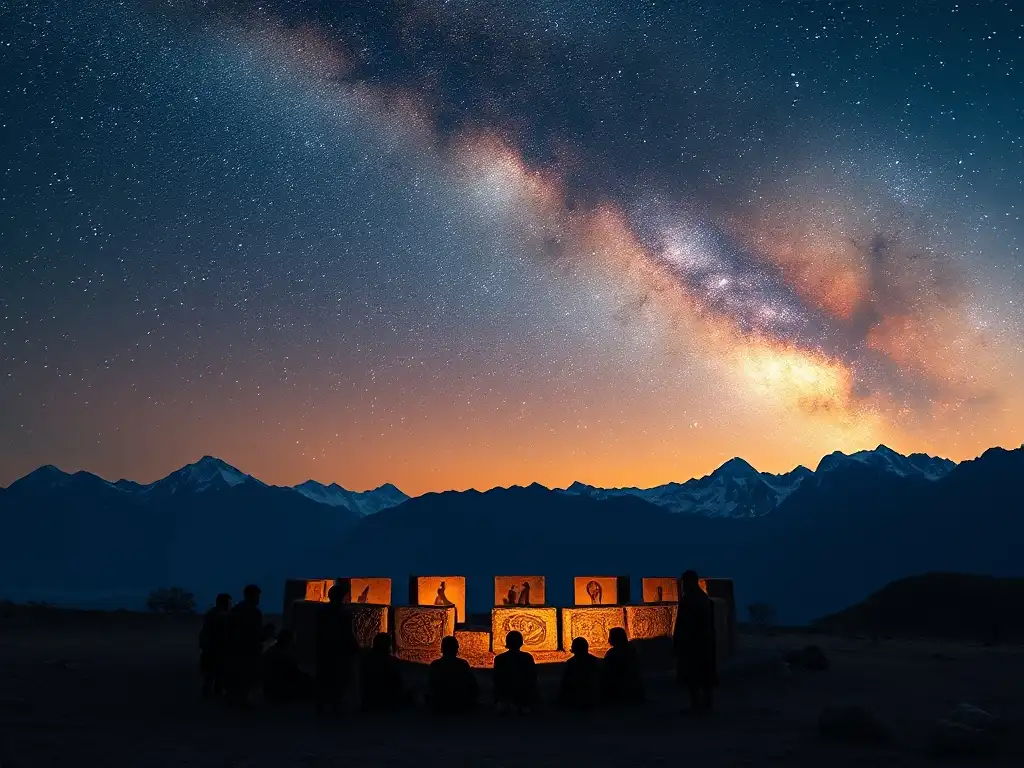
Step into a world lost to time, yet echoing with celestial whispers. For centuries, the towering Andes mountains witnessed the rise and fall of magnificent civilizations, their lives intricately woven with the tapestry of the night sky. Discover the secrets of Andean civilizations astronomy practices, a fascinating exploration revealing how these ancient cultures interpreted the cosmos and built their societies around its celestial rhythms. Prepare to be amazed by the ingenuity and profound connection to the universe that shaped their lives – a legacy that continues to resonate today. Unravel the mysteries that await.
- Andean Civilizations Astronomy Practices: An Overview
- Specific Examples of Andean Astronomical Knowledge
- Practical Applications of Andean Astronomy in Modern Times
- Conclusion: The Enduring Legacy of Andean Astronomy
-
Frequently Asked Questions
- What role did astronomy play in Andean civilizations?
- How did the Andean people track astronomical events?
- Did different Andean cultures have unique astronomical practices?
- What evidence supports the advanced astronomical knowledge of Andean civilizations?
- How did Andean astronomy impact their daily lives?
- Final Reflection: Weaving the Cosmos into Daily Life
- Unveil the Cosmic Connection in Your Life!
Andean Civilizations Astronomy Practices: An Overview
The vast and challenging Andean landscape, with its towering mountains, expansive deserts, and unpredictable weather patterns, profoundly shaped the lives and beliefs of its ancient inhabitants. Understanding how these civilizations adapted to their environment requires exploring not only their agricultural techniques and societal structures, but also their intricate relationship with the cosmos.
This article delves into the fascinating world of Andean astronomy, demonstrating how celestial observation wasn't merely a scientific pursuit but a deeply ingrained aspect of daily life, influencing everything from agriculture and social organization to religious practices and artistic expression. We will examine the sophisticated astronomical practices of various Andean cultures, including the Incas, Moche, Nazca, and Tiahuanaco, highlighting their unique approaches and the enduring impact of their cosmological worldview.
This exploration will reveal the ingenuity and profound connection these civilizations forged with the night sky, showcasing their remarkable adaptation to the Andean environment through a lens of celestial understanding. The study of Andean civilizations astronomy practices offers a compelling window into the ingenuity and complexity of these ancient societies.
The Significance of Celestial Observation in Ancient Andes
Celestial observation in the Andes wasn't a detached intellectual exercise; it was inextricably linked to the practicalities of survival and the spiritual fabric of Andean life. Accurate knowledge of the sun, moon, and stars was crucial for agricultural planning. The timing of planting and harvesting was dictated by the precise observation of solstices and equinoxes, ensuring optimal yields in a challenging climate. For example, the Incas, renowned for their sophisticated agricultural techniques, used their detailed knowledge of the celestial cycles to manage irrigation systems and optimize crop production across diverse altitudes.
The positioning of agricultural terraces, often aligned with astronomical features, further illustrates the deep integration of astronomy into their agricultural practices. Moreover, the observation of constellations and celestial events played a significant role in religious ceremonies and rituals. Specific constellations were associated with deities, and their appearance or movements were interpreted as omens or indicators of auspicious times for various activities.
The intricate calendar systems developed by Andean cultures, reflecting their advanced astronomical knowledge, were fundamental to regulating social life, coordinating communal activities, and maintaining the overall social order. These calendars, often based on solar and lunar cycles, were intricately woven into the social and religious fabric of Andean societies. The precision and complexity of these systems are a testament to their sophisticated understanding of the cosmos.
Understanding the Andean Cosmovision and its Relation to Astronomy
The Andean cosmovision, a complex worldview that integrated the earthly and celestial realms, is central to understanding the significance of astronomy in these ancient societies. The Andes were not simply viewed as a geographical location but as a living entity, interconnected with the celestial sphere. Mountains were considered sacred, often serving as sites for astronomical observations and religious ceremonies. The concept of Pachamama, Mother Earth, highlights the deep connection between the earthly and celestial realms, emphasizing the interconnectedness of all life.
This cosmological perspective profoundly shaped the way Andean people interacted with their environment and interpreted celestial events. For instance, the movements of the sun, moon, and stars were not seen as random occurrences but as manifestations of divine power, reflecting the rhythms and cycles of life itself. This understanding underpinned their agricultural practices, social organization, and religious beliefs. The intricate iconography found in Andean art, particularly in textiles and pottery, often depicts celestial bodies and constellations, further illustrating the importance of astronomy in their worldview.
The representation of celestial events and deities in artistic forms reinforces the deep integration of astronomy into the cultural and spiritual life of these societies. The study of this iconography provides valuable insights into the Andean cosmological perspective and its connection to their astronomical knowledge. Further research into specific sites and artifacts is crucial to fully understand the nuances of this complex relationship between astronomy and the Andean cosmovision.
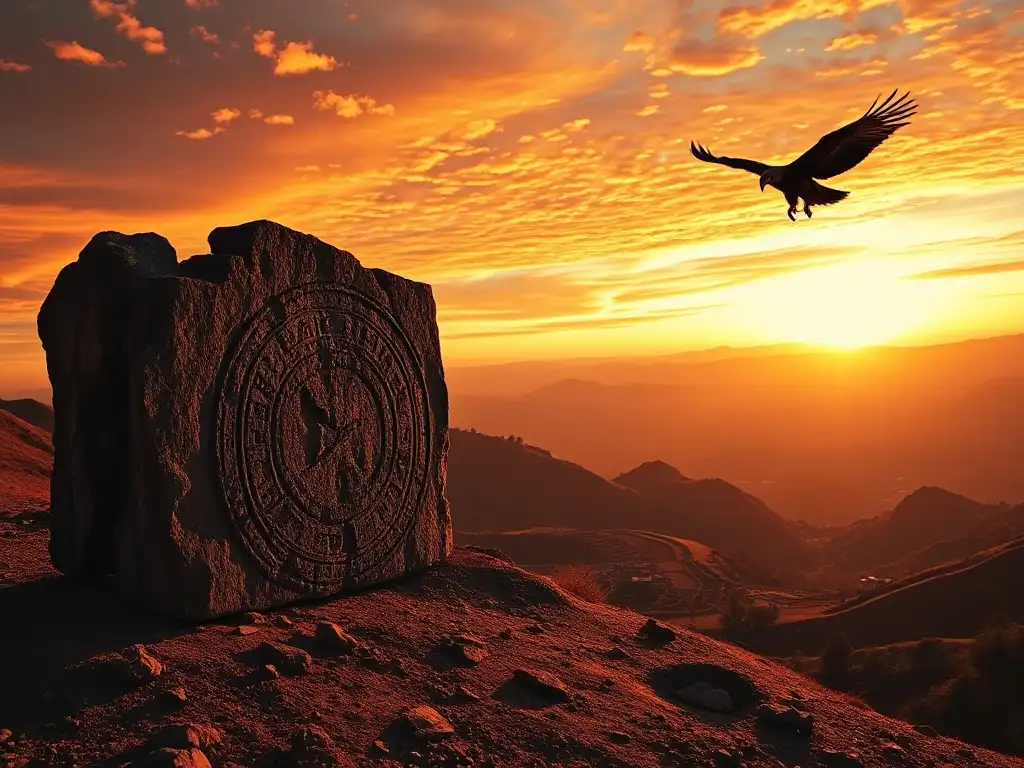
This section delves into the sophisticated astronomical knowledge possessed by various Andean civilizations and its profound influence on their daily lives. Understanding the Andean civilizations' astronomy practices reveals a deep connection between celestial events and the practical aspects of their existence, from agriculture to societal organization. The meticulous observation of the cosmos wasn't merely a philosophical pursuit; it was integral to their survival and prosperity. We'll explore how this intricate understanding of the universe shaped their calendar systems, agricultural practices, and even their architectural marvels.
Calendar Systems Based on Astronomical Observation in Andean Cultures
Andean cultures didn't rely on a single, unified calendar system. Instead, diverse methods of timekeeping emerged, each reflecting the specific needs and astronomical observations of individual groups. The Inca, for example, utilized a complex system based on a solar year of approximately 365 days, divided into twelve lunar months. This system, intricately woven into their social and religious fabric, was crucial for organizing agricultural cycles and religious festivals.
Evidence suggests the use of knotted strings, known as quipus, to record astronomical data and maintain detailed chronological records, although the exact methods of their use remain a subject of ongoing research. Other Andean cultures, such as the Moche and Nazca, developed their own unique calendar systems, often incorporating observations of specific constellations and celestial events relevant to their agricultural practices. The precision and complexity of these systems underscore the advanced level of astronomical knowledge within these societies.
Agricultural Practices Guided by Andean Astronomy
Andean agriculture, characterized by its adaptation to challenging terrains and diverse microclimates, heavily relied on astronomical observations. Farmers meticulously tracked the movements of the sun, moon, and stars to predict optimal planting and harvesting times. This wasn't a matter of simple guesswork; rather, it involved a deep understanding of seasonal variations and their correlation with celestial cycles. The success of their agricultural practices, in turn, directly impacted their survival and the stability of their societies.
The precise timing of planting and harvesting was essential for maximizing crop yields in the often-unpredictable Andean environment. The accuracy of their astronomical predictions allowed them to optimize resource allocation and ensure food security for their communities. Their deep understanding of the cosmos wasn't abstract; it was a practical tool for survival.
The Importance of Solstices and Equinoxes in Andean Agriculture
The solstices and equinoxes held particular significance in Andean agricultural practices. The winter solstice, marking the shortest day of the year, often coincided with the beginning of the rainy season in many regions. Farmers would use this celestial marker to plan the sowing of their crops, taking advantage of the upcoming rains. Conversely, the summer solstice, the longest day of the year, frequently signaled the time for harvesting.
The precise timing of these events, determined through careful astronomical observation, was critical for the success of their agricultural endeavors. The equinoxes, marking the transition between seasons, also played a role in agricultural planning, serving as important reference points in the agricultural calendar. The integration of these celestial events into the agricultural cycle demonstrates the sophisticated interplay between Andean astronomy and their practical needs.
Astronomical Alignment in the Construction of Agricultural Terraces
The construction of agricultural terraces, a hallmark of Andean engineering, was often guided by astronomical principles. Many terraces were strategically aligned with specific celestial bodies, particularly the sun, to optimize sunlight exposure and water management. This alignment wasn't accidental; it reflected a conscious effort to harness the power of the sun to enhance crop production.
Evidence suggests that the orientation of terraces, their slopes, and even their size were carefully planned based on astronomical observations. This careful planning reflects the Andean civilizations' deep understanding of both astronomy and engineering, showcasing their ability to integrate these disciplines to maximize their agricultural output. The precision and effectiveness of these terrace systems, informed by astronomical knowledge, are a testament to their advanced understanding of the environment and their ingenuity in adapting to it.
The meticulous alignment of these structures with astronomical markers demonstrates a sophisticated level of astronomical knowledge and engineering skills. This is further evidence of the deep connection between Andean astronomy and practical aspects of their daily lives.
Andean Astronomy in Rituals and Ceremonies
Andean astronomy wasn't simply a detached scientific pursuit; it was deeply intertwined with the fabric of daily life, particularly in rituals and ceremonies. The celestial bodies weren't just objects in the sky; they were active participants in the spiritual world, influencing harvests, social structures, and individual destinies. Understanding the movements of the sun, moon, and stars was crucial for predicting auspicious times for planting, harvesting, and conducting important religious rites.
This intimate connection between the cosmos and earthly events shaped the very essence of Andean religious practices. The precision with which Andean cultures tracked celestial events underscores their sophisticated understanding of astronomy and its practical applications. Their astronomical knowledge wasn't limited to a select few priests or scholars; it was a shared understanding that permeated all levels of society.
The Role of the Sun and Moon in Andean Religious Practices
The sun and moon held paramount importance in Andean religious practices. The sun, Inti, was revered as the supreme deity by the Inca, representing life, energy, and power. Its daily journey across the sky was seen as a reflection of the cyclical nature of life, death, and rebirth.
Inca religious festivals often centered around solstices and equinoxes, marking crucial points in the agricultural calendar and signifying the sun's power over the earth's fertility. Elaborate ceremonies were performed to honor Inti, ensuring his continued benevolence and the success of crops. Similarly, the moon, Killa, played a significant role, often associated with feminine principles and the cycles of nature.
Its phases were carefully observed and interpreted, influencing agricultural practices and ritual calendars. The precise timing of ceremonies, often linked to lunar cycles, highlights the advanced astronomical knowledge possessed by Andean societies. Archaeological evidence, including the precise orientation of structures and the presence of sophisticated astronomical instruments, further substantiates this advanced understanding.
Astronomical Observations in Andean Festivals and Celebrations
Many Andean festivals and celebrations were directly linked to astronomical observations. The Inti Raymi, a major Inca festival celebrating the winter solstice, is a prime example. This elaborate ceremony, involving sacrifices, feasting, and processions, marked the renewal of the sun's power and ensured a bountiful harvest.
The precise timing of the solstice was crucial, demanding accurate astronomical knowledge. Similar festivals were held across various Andean cultures, each with its unique astronomical significance. For example, the Moche civilization, known for its intricate ceramics depicting celestial events, likely incorporated astronomical observations into their own rituals and celebrations, although the specifics remain a subject of ongoing research.
These celebrations weren't merely social gatherings; they were integral components of Andean religious practices, designed to maintain the cosmic balance and ensure the prosperity of the community. The integration of astronomy into these festivals showcases the profound influence of celestial events on Andean life and highlights the sophisticated astronomical knowledge that underpinned their societal structures. The meticulous record-keeping, likely through knotted strings (quipus) and oral traditions, enabled the transmission of this vital knowledge across generations, ensuring the continuity of these astronomical-based celebrations.
Specific Examples of Andean Astronomical Knowledge
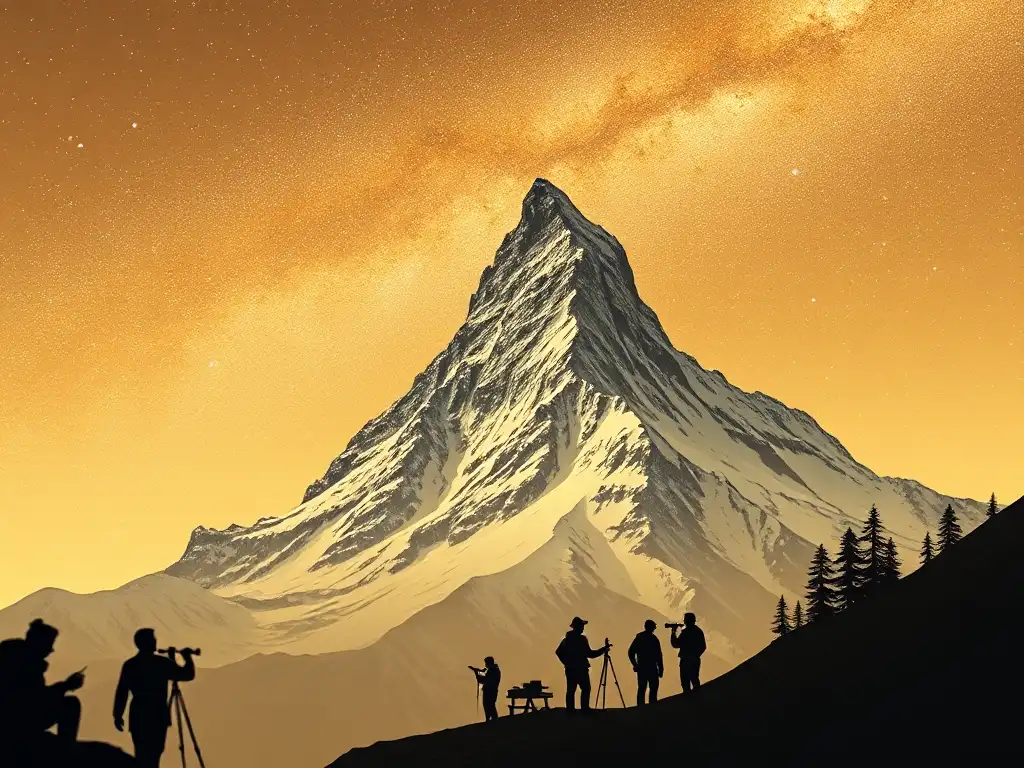
This section delves into the fascinating ways Andean civilizations integrated astronomical observations into their daily lives, showcasing their sophisticated understanding of celestial mechanics. We will explore specific examples from the Inca, Moche, and other cultures, highlighting the precision of their calendar systems, the functionality of their observatories, and the profound influence of astronomy on their rituals and iconography. Understanding these practices provides crucial insight into the ingenuity and adaptability of these Andean civilizations. The detailed analysis below showcases the depth of their astronomical knowledge and its impact on their societal structures.
The Inca and their Advanced Astronomical Understanding
The Inca civilization, renowned for its impressive architectural feats and intricate social organization, possessed a remarkably advanced understanding of astronomy. Their astronomical knowledge wasn't merely theoretical; it was deeply intertwined with their agricultural practices, religious beliefs, and political organization. This sophisticated system allowed them to predict seasons, plan agricultural cycles, and conduct complex religious ceremonies with remarkable accuracy. Their understanding of the celestial sphere directly impacted their daily lives, influencing everything from crop planting to the timing of important festivals.
Inca Calendar System and its Precision
The Inca calendar system, unlike many others, wasn't based solely on lunar cycles. Instead, it incorporated solar observations, meticulously tracking the solstices and equinoxes. This resulted in a remarkably precise calendar, allowing for accurate predictions of seasonal changes. Evidence suggests the Inca utilized a combination of methods, including:
- Solar observations: Precise markings on buildings and strategically placed stones allowed for the accurate tracking of the sun's movement throughout the year.
- Lunar observations: While not the primary basis of their calendar, lunar cycles were also incorporated, likely used for shorter-term agricultural planning and religious observances.
- Stellar observations: Certain constellations were likely used to further refine their calendar and predict specific agricultural events or religious festivals.
The accuracy of the Inca calendar system is a testament to their advanced astronomical knowledge and its practical application in managing their complex agricultural economy. Further research is needed to fully understand the intricacies of their calculations and the precision they achieved. [Specific information pending on the exact degree of accuracy achieved in Inca calendar predictions].
Inca Observatories and their Functions
Inca observatories, though not as monumental as some other structures, played a crucial role in their astronomical practices. These observatories weren't necessarily standalone buildings but rather incorporated into existing structures, often utilizing natural features like mountain peaks or strategically placed rocks to enhance observations. Examples include:
- Specific mountain peaks: Certain mountains were likely chosen for their alignment with key celestial events, allowing for precise observations of solstices and equinoxes.
- Integration into temples: Temples themselves often incorporated astronomical alignments, using windows or doorways to track the sun's path and mark significant celestial events.
- Stone structures: Some stone structures were deliberately arranged to align with specific stars or constellations, facilitating observations and potentially used for ritualistic purposes.
These observatories served not only as tools for astronomical observation but also as sites for religious ceremonies, reinforcing the deep connection between astronomy and Inca spirituality. The precise functions of some of these structures are still under investigation, highlighting the ongoing need for further research in Andean astronomy.
The Influence of Astronomy in Moche Culture
The Moche civilization, known for its exquisite pottery and intricate metalwork, also demonstrated a profound understanding of astronomy. Their astronomical knowledge, while perhaps less formally documented than the Inca, is vividly portrayed in their art and is clearly reflected in their rituals and societal practices. The Moche integrated celestial phenomena into their worldview, influencing their artistic expressions and religious ceremonies.
Moche Iconography and its Astronomical Representations
Moche pottery frequently depicts celestial bodies, including the sun, moon, and stars. These representations aren't merely decorative; they often appear in contexts that suggest a deeper, symbolic meaning. For example:
- Sun and Moon deities: Many Moche pots depict anthropomorphic representations of the sun and moon, indicating their importance in the Moche pantheon.
- Constellation depictions: Some pots depict constellations, suggesting an understanding of the celestial sphere and its cyclical nature.
- Celestial events: Certain pots may depict eclipses or other celestial events, highlighting the Moche's awareness of these phenomena.
The detailed and consistent nature of these astronomical representations in Moche iconography underlines their deep understanding and appreciation for the celestial world. This attention to detail showcases the sophisticated astronomical knowledge ingrained in their artistic traditions and religious beliefs.
Moche Rituals and their Relationship with Celestial Events
Moche rituals were closely tied to celestial events. The timing of ceremonies, offerings, and agricultural practices were likely influenced by astronomical observations. While specific details remain elusive, evidence suggests:
- Seasonal cycles: Agricultural rituals were probably timed to coincide with solstices and equinoxes, ensuring optimal planting and harvesting times.
- Eclipse rituals: The Moche may have performed specific rituals during eclipses, reflecting their understanding of these events and their potential significance.
- Astronomical alignments: The positioning of some Moche structures may have been determined by astronomical alignments, reinforcing the connection between their built environment and the celestial sphere.
Further research is crucial to fully understand the specific astronomical influences on Moche rituals and their broader societal implications. The available evidence, however, strongly suggests a complex and sophisticated relationship between Moche culture and their astronomical observations. The integration of astronomy into their daily lives was not simply coincidental; it was fundamental to their worldview and societal structures.
Nazca Lines and their Possible Astronomical Significance
The Nazca Lines, a series of geoglyphs etched into the Peruvian desert, remain one of the most enigmatic archaeological mysteries. While their exact purpose is still debated, a compelling theory suggests a significant astronomical component to their creation. The immense scale of these figures, some stretching over hundreds of meters, hints at a sophisticated understanding of the landscape and possibly, the celestial sphere.
The lines themselves, often forming intricate animal shapes and geometric patterns, are not randomly distributed. Their precise placement and orientation suggest a deep connection with the natural world, including the movements of the sun, moon, and stars. Careful analysis reveals potential alignments with solstices and equinoxes, further supporting the astronomical hypothesis.
The sheer effort required to create these lines, in a challenging and arid environment, underscores the importance they held for the Nazca culture. It suggests a profound investment in understanding and marking the passage of time and celestial events, deeply woven into their societal fabric. This intricate system of lines, possibly functioning as a giant astronomical calendar or observatory, offers a glimpse into the Nazca's advanced knowledge of astronomy and its profound influence on their worldview.
Theories About the Purpose of Nazca Lines: Astronomical Alignments
Several theories attempt to explain the purpose of the Nazca Lines, with astronomical alignments being a prominent one. Some researchers believe the lines were used to track the movements of celestial bodies, potentially predicting solstices and equinoxes, crucial events in the agricultural cycle of the Nazca. The precision of certain lines' orientations, aligned with specific points on the horizon at sunrise or sunset during key astronomical events, supports this hypothesis.
For example, some lines appear to point directly towards the rising or setting sun on the solstices, suggesting a sophisticated understanding of the sun's annual path. Other lines may align with the positions of certain stars or constellations, potentially indicating religious or ceremonial significance.
The complexity of the lines and their intricate relationships suggest a sophisticated system, potentially serving as a monumental calendar or observatory, far exceeding the capabilities previously attributed to the Nazca civilization. The ongoing research continues to refine these theories, revealing new insights into the sophisticated astronomical knowledge of the Nazca people.
The Relationship Between Nazca Lines and the Andean Sky
The Nazca Lines' relationship with the Andean sky is a crucial aspect of understanding their purpose. The arid climate of the Nazca desert provides exceptional visibility of the night sky, offering the ideal conditions for astronomical observation. The lines themselves, viewed from elevated vantage points, may have served as markers for tracking the movements of the sun, moon, and stars.
The alignment of some lines with prominent constellations could have held religious or ritualistic significance, reflecting the deep integration of astronomy into the Nazca worldview. The apparent connection between the terrestrial geoglyphs and the celestial phenomena suggests a holistic understanding of the universe, where the earthly and heavenly realms were inextricably linked.
This intricate interplay between the landscape and the cosmos demonstrates a profound astronomical knowledge, far surpassing previous assumptions about the Nazca civilization's capabilities. The research into this connection continues to unravel the secrets of this ancient Andean culture and its unique relationship with the sky.
Tiahuanaco and its Astronomical Architecture
Tiahuanaco, a pre-Columbian city located in present-day Bolivia, stands as a testament to the advanced astronomical knowledge of the Andean civilizations. The city’s monumental architecture, characterized by precisely cut stones and intricate designs, displays a remarkable integration of astronomical principles. The layout of the city, the orientation of its buildings, and the placement of specific structures all suggest a deliberate connection with celestial events.
The precision involved in the construction of Tiahuanaco's structures points to a sophisticated understanding of geometry and mathematics, essential tools for astronomical calculations. The city's monumental architecture served not only as a center of power and ritual but also as a functional astronomical observatory. The careful alignment of structures with celestial events reveals a deep understanding of the sun's and stars' movements, reflecting their profound impact on the Tiahuanaco culture and daily life.
Tiahuanaco's Calendar and its Astronomical Precision
The evidence suggests that Tiahuanaco possessed a sophisticated calendar system intricately linked to astronomical observations. This calendar, possibly integrated into the city's architecture, would have allowed the inhabitants to accurately predict seasonal changes, crucial for agricultural planning and religious ceremonies. The precision of the calendar, inferred from the architectural alignments, implies a high level of astronomical expertise.
[Specific data on the calendar's length and its correlation with astronomical cycles is pending]. However, the existing evidence strongly suggests that the Tiahuanaco calendar was a highly accurate system, reflecting a deep understanding of celestial mechanics and their influence on the terrestrial environment. This demonstrates a level of sophistication in timekeeping and astronomical understanding that was remarkably advanced for its time.
Tiahuanaco's Architectural Alignment with Celestial Events
Many of Tiahuanaco's structures exhibit precise alignments with significant celestial events. For example, the orientation of the Kalasasaya Temple, one of the city's most prominent structures, seems to be intentionally aligned with the solstices and equinoxes. This alignment would have allowed the inhabitants to mark these key astronomical events with great accuracy. Similarly, other structures within the city complex appear to be strategically positioned to track the movements of specific stars or constellations.
The precision of these alignments, achieved with relatively simple tools, highlights the Tiahuanaco people’s advanced astronomical knowledge and their ability to integrate this knowledge into their urban planning and religious practices. The meticulous planning and construction of Tiahuanaco demonstrate a remarkable understanding of astronomy and its profound impact on their societal organization and spiritual beliefs. This sophisticated integration of astronomical knowledge into their architecture underscores their advanced understanding of the cosmos.
Practical Applications of Andean Astronomy in Modern Times
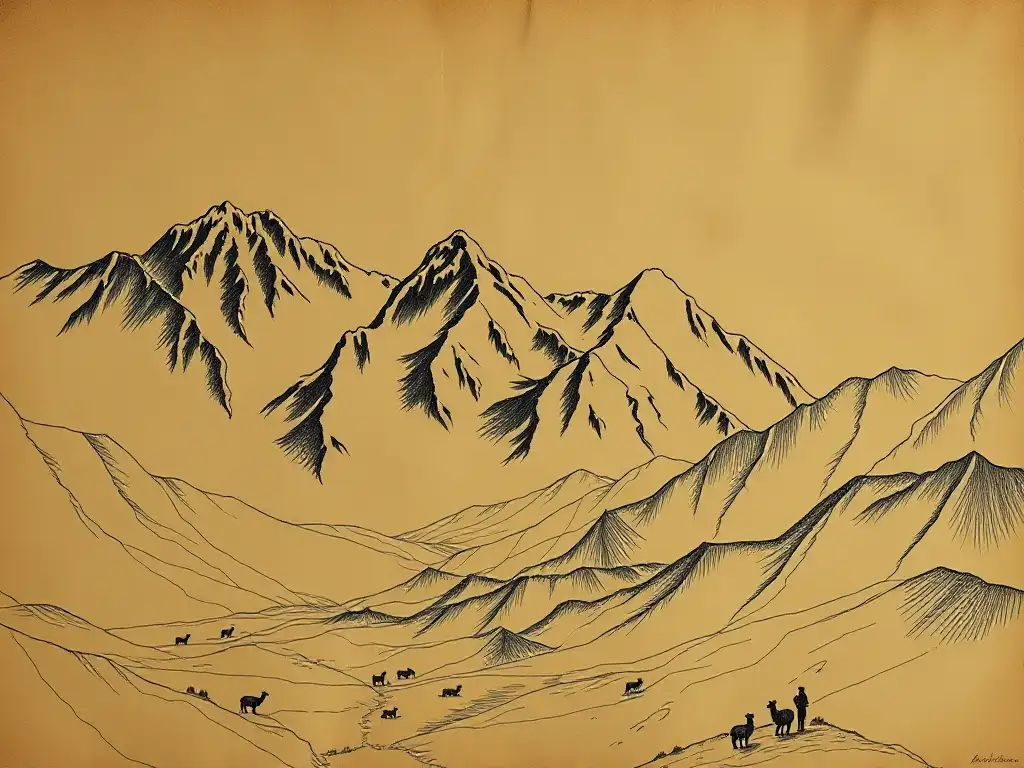
Andean civilizations astronomy practices weren't solely confined to the past; their legacy continues to resonate in contemporary society, offering valuable insights and practical applications. Understanding the sophisticated astronomical knowledge of cultures like the Inca, Nazca, and Tiwanaku allows us to appreciate their ingenuity and adapt their wisdom to modern challenges. This section explores some of the ways Andean astronomical knowledge is being preserved, reinterpreted, and utilized today.
Preserving Traditional Andean Astronomical Knowledge
The preservation of traditional Andean astronomical knowledge is crucial for maintaining cultural heritage and gaining a deeper understanding of these ancient societies. Efforts are underway to document and safeguard this knowledge through various initiatives. This includes:
- Oral Histories: Recording and analyzing the oral traditions passed down through generations within Andean communities. These accounts often contain invaluable information about astronomical observations and their significance in daily life. The detailed narratives provide a rich tapestry of knowledge, revealing subtle nuances often lost in written records. For example, specific constellations or celestial events might have been linked to agricultural cycles or ritual practices in ways that are only becoming clear through meticulous research.
- Archaeological Research: Continued excavation and analysis of archaeological sites, such as Machu Picchu and Chankillo, reveal new insights into the astronomical practices of Andean civilizations. The precision of their astronomical alignments, the construction of observatories, and the use of specific architectural features for astronomical observations highlight the advanced level of their understanding. Careful study of these sites allows for a more complete picture of their astronomical knowledge and its evolution.
- Ethnoastronomy Studies: Ethnoastronomy combines anthropological and astronomical methods to study the relationship between culture and the cosmos. By collaborating with Andean communities, researchers gain firsthand accounts of how astronomical knowledge is integrated into their contemporary lives and traditions. This collaborative approach ensures that the knowledge is preserved authentically and respectfully. For instance, studies have shown how some communities still use traditional methods for predicting weather patterns based on celestial observations.
Modern Interpretations of Andean Astronomy for Agriculture and Sustainability
Andean astronomy offers valuable lessons for sustainable agriculture and resource management. The intricate understanding of seasonal changes, based on celestial observations, allowed ancient Andean societies to optimize their agricultural practices. Today, we can draw inspiration from these methods to develop more sustainable approaches to farming and resource management:
- Precision Agriculture: The precise timing of planting and harvesting, as determined by the ancient Andean calendar, can inform modern precision agriculture techniques. This can lead to increased yields and reduced resource consumption, particularly water. For example, analyzing the relationship between specific constellations and rainfall patterns can help farmers optimize irrigation schedules.
- Sustainable Water Management: Ancient Andean communities developed sophisticated water management systems, often guided by astronomical observations. Their understanding of water cycles and seasonal variations allows for insights into efficient water usage and conservation strategies. Studying their techniques can inform the development of modern water management strategies, particularly relevant in regions facing water scarcity.
- Climate Change Adaptation: Understanding the long-term climatic patterns recorded in Andean astronomical practices can help us predict and adapt to climate change impacts. By analyzing historical observations, we can gain insights into the resilience of ancient Andean societies in the face of environmental challenges and apply this knowledge to contemporary climate change adaptation strategies.
The Cultural and Educational Value of Andean Astronomy
Andean astronomy holds immense cultural and educational value. It represents a unique and sophisticated system of knowledge, offering valuable insights into the intellectual achievements of ancient Andean civilizations. Integrating Andean astronomy into education can foster a deeper appreciation for cultural diversity and the interconnectedness of science and culture:
- Curriculum Development: Incorporating Andean astronomy into school curricula can provide students with a broader perspective on the history of astronomy and the contributions of diverse cultures. This can help challenge Eurocentric biases in science education and promote a more inclusive understanding of scientific knowledge.
- Cultural Tourism: Promoting Andean astronomical sites as cultural tourism destinations can support local communities and foster a deeper appreciation for the cultural heritage of the region. Responsible tourism initiatives can ensure the preservation of these sites while providing economic opportunities for local communities.
- Public Awareness Campaigns: Public awareness campaigns can highlight the significance of Andean astronomy and its relevance to contemporary issues, fostering a sense of appreciation and responsibility towards preserving this valuable cultural heritage. This includes showcasing the innovative techniques and sophisticated understanding of the cosmos developed by Andean civilizations. The precision of their observations and their practical application to daily life highlight the profound impact of their astronomical knowledge.
The study of Andean civilizations astronomy practices offers a fascinating glimpse into the intellectual achievements of these ancient societies and their remarkable adaptation to the Andean landscape. Preserving, reinterpreting, and applying this knowledge has immense potential for enriching our understanding of the past and shaping a more sustainable future.
Conclusion: The Enduring Legacy of Andean Astronomy
The study of Andean civilizations astronomy practices reveals a sophisticated understanding of celestial mechanics deeply interwoven with daily life. Far from being a purely academic pursuit, astronomy served as a crucial tool for agricultural planning, social organization, and religious practices. The meticulous observations and intricate calendrical systems developed by these cultures demonstrate an impressive level of scientific and technological achievement.
Their legacy continues to inspire awe and wonder, prompting ongoing research that sheds new light on their remarkable accomplishments. Understanding these advancements allows us to appreciate the ingenuity and cultural richness of Andean civilizations, challenging Eurocentric narratives of scientific progress and highlighting the diversity of human intellectual development.
The precision of their astronomical observations, reflected in the alignment of structures like Machu Picchu and the intricate designs of textiles and ceramics, remains a testament to their mastery of astronomical principles. Further research into Andean astronomical knowledge promises to unearth even more fascinating insights into their world.
The Importance of Recognizing the Contributions of Andean Civilizations to Astronomy
For too long, the contributions of Andean civilizations to the field of astronomy have been overlooked or minimized within dominant historical narratives. The focus often centers on European and Middle Eastern advancements, neglecting the sophisticated astronomical knowledge and practices developed independently in the Andes. Recognizing the achievements of the Inca, Moche, Nazca, and Tiahuanaco civilizations is crucial for a more accurate and complete understanding of the history of astronomy.
These cultures developed unique calendrical systems, intricate astronomical observatories, and a deep understanding of celestial cycles that significantly impacted their daily lives. Their innovations in astronomical observation and prediction were not simply isolated events but rather integral components of their complex social, religious, and agricultural systems. By acknowledging their contributions, we foster a more inclusive and representative history of science, highlighting the diverse pathways of human intellectual development across different cultures and geographical regions.
This recognition is not just an academic exercise; it is a matter of intellectual justice and a vital step towards a more accurate and comprehensive understanding of human history. The legacy of Andean astronomy deserves to be celebrated and studied further, enriching our understanding of the vast scope of human ingenuity and cultural achievements.
Andean Astronomy as a Source of Inspiration and Knowledge
The enduring legacy of Andean astronomy serves as a powerful source of inspiration and knowledge for contemporary societies. Their innovative approaches to astronomical observation and the integration of celestial knowledge into their daily lives offer valuable lessons for modern researchers and educators alike. The precision of their calendrical systems, the alignment of their structures, and the artistic representations of celestial events continue to fascinate and inspire.
Studying their methods allows us to appreciate the power of observation, the importance of meticulous record-keeping, and the profound impact of integrating scientific knowledge into cultural practices. Moreover, the rich tapestry of myths, legends, and rituals associated with Andean astronomy provides a deeper understanding of their worldview and cosmology. This knowledge can enrich our understanding of the relationship between science, religion, and society, offering valuable insights into the human experience across different cultures and time periods.
The enduring relevance of Andean astronomy lies not only in its historical significance but also in its potential to inspire future generations of scientists, artists, and scholars. The legacy of these ancient civilizations continues to resonate, illuminating the path towards a more holistic and inclusive understanding of the universe and our place within it. Their sophisticated practices remind us of the enduring power of human curiosity and ingenuity.
Frequently Asked Questions
What role did astronomy play in Andean civilizations?
Astronomy was integral to Andean life. It guided agricultural practices, religious ceremonies, and even political decisions, influencing almost every aspect of their society. Their understanding of the cosmos was deeply intertwined with their worldview.
How did the Andean people track astronomical events?
They used various methods, including observatories like those found at Machu Picchu, and precise calendars based on solar and lunar cycles. Careful observation of the sun, moon, and stars was crucial to their astronomical knowledge.
Did different Andean cultures have unique astronomical practices?
Yes, while there were common threads, each culture (Inca, Moche, Nazca, etc.) had its own specific astronomical traditions and interpretations. Their unique approaches reflected their distinct cultural values and beliefs.
What evidence supports the advanced astronomical knowledge of Andean civilizations?
Archaeological findings such as precisely aligned structures, sophisticated calendrical systems, and iconography depicting celestial events provide strong evidence of their advanced astronomical understanding.
How did Andean astronomy impact their daily lives?
It influenced everything from planting and harvesting crops to religious festivals and the construction of cities. The understanding of the cosmos dictated much of their social and religious organization, shaping their daily routines and societal structures.
Final Reflection: Weaving the Cosmos into Daily Life
The intricate relationship between Andean civilizations and the celestial sphere remains profoundly relevant today, offering a powerful counterpoint to our increasingly technology-driven understanding of the universe. We often forget that our connection to the cosmos is not solely a matter of scientific observation, but also one of deep cultural and spiritual significance. The sophisticated astronomical knowledge of the Andes, far from being a relic of the past, provides a vital lens through which to re-evaluate our own place within the universe.
The enduring legacy of Andean astronomy is not merely found in the impressive architectural achievements like Machu Picchu, but also in the deeply ingrained worldview that shaped their daily lives. Their intimate knowledge of the stars guided their agricultural practices, religious ceremonies, and social structures. This holistic approach, where the celestial and terrestrial realms were inextricably linked, offers a valuable lesson in mindful living. The universe is within you, as much as you are within the universe.
This ancient wisdom resonates deeply, reminding us of our interconnectedness with the cosmos and the natural world.
Consider the profound implications of this ancient wisdom. How might a deeper understanding of the Andean perspective shift your own relationship with the night sky? I urge you to look up, to marvel at the celestial tapestry above, and to reflect on the enduring power of human connection to the universe. Let the legacy of Andean astronomy inspire you to find your own place within the grand cosmic narrative, fostering a more mindful and interconnected existence.
Unveil the Cosmic Connection in Your Life!
Thank you for joining us on this celestial journey through Andean astronomy! You've gained insights into how ancient cultures connected their daily lives to the stars, and now it's time to put that knowledge into practice.
Here are some practical steps you can take to deepen your understanding and appreciation of this fascinating subject:
- **Expand Your Knowledge:** Consider taking an astronomy course, either online or in your community, focusing on the astronomical traditions of the Andes. This will significantly enhance your understanding.
- **Join a Community:** Connect with other astronomy enthusiasts, perhaps through an online forum or local astronomy club, to share your discoveries and learn from others who share your interest in Andean astronomy.
- **Experience the Night Sky:** Plan a stargazing session to observe the constellations and celestial events that held significance for Andean civilizations. This hands-on experience will bring your learning to life.
What aspect of Andean astronomy resonates most with you, and how will you integrate it into your daily life?