
Andean Medicinal Plants: Nature's Pharmacy in the High Mountains

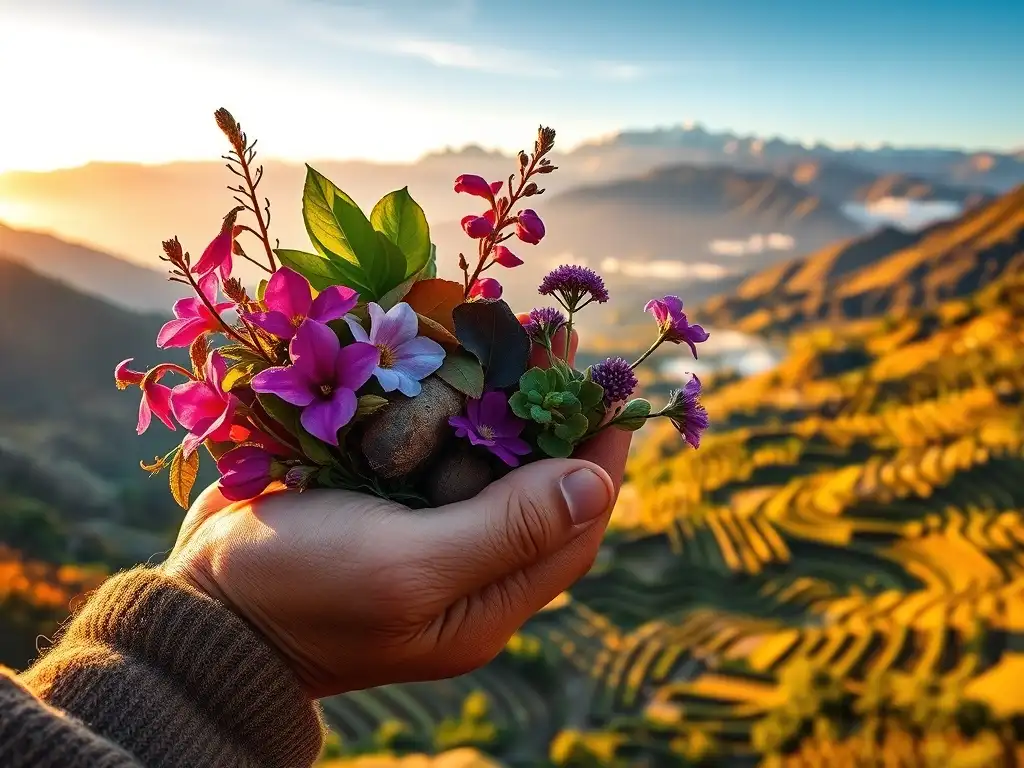
Step into a world lost in time, where the towering Andes held secrets beyond imagination. For centuries, these majestic mountains nurtured civilizations who harnessed the power of nature, creating a vibrant tapestry of culture and ingenuity. Discover the astonishing story of Andean medicinal plant uses, a legacy woven into the very fabric of Andean life. Unravel the mysteries of their ancient knowledge and prepare to be amazed by the healing wisdom of the high mountains – a legacy waiting to be explored.
The towering Andes Mountains, a spine of imposing peaks and dramatic valleys, have nurtured not only a diverse array of cultures but also a rich tapestry of life, including a remarkable pharmacopoeia of medicinal plants. For millennia, Andean civilizations—from the Incas to the pre-Inca cultures like the Moche, Nazca, and Tiahuanaco—have harnessed the healing power of these plants, developing sophisticated systems of knowledge and practice around their cultivation, preparation, and application.
This article delves into the fascinating world of Andean medicinal plants, exploring their diverse uses and the enduring legacy of this traditional knowledge in the face of modern medicine. We will examine specific plant species, their historical significance, and the ongoing efforts to preserve and understand this invaluable natural resource.
Understanding the uses of Andean medicinal plants provides crucial insight into the ingenuity and resilience of Andean civilizations in adapting to their challenging environment. The intricate relationship between people and plants in the Andes offers a compelling case study in the intersection of culture, environment, and healing.
Coca Leaf: A Cultural and Medicinal Staple
The coca leaf ( Erythroxylum coca) holds a central place in Andean culture and history, far beyond its controversial association with cocaine. For centuries, coca has been chewed, brewed into tea (mate de coca), and used in various ceremonies and rituals. Its traditional medicinal uses are numerous and varied, ranging from alleviating altitude sickness and hunger pangs to acting as a mild stimulant and pain reliever.
The coca leaf's ability to combat the effects of altitude is particularly relevant, given the high-altitude environments where these civilizations thrived. Detailed ethnographic studies reveal a complex understanding of the leaf's properties and its appropriate use in different contexts, demonstrating a sophisticated level of pharmacological knowledge developed over generations. Further research is needed to fully understand the complex chemical composition of the coca leaf and its potential therapeutic applications, separating its traditional uses from the dangers of cocaine production.
Sacha Inchi: The Inca Peanut and its Health Benefits
Plukenetia volubilis, commonly known as sacha inchi, is a climbing plant native to the Amazon basin but cultivated extensively in the Andes. Its seeds, rich in omega-3 and omega-6 fatty acids, have long been valued for their nutritional and medicinal properties. Traditional Andean communities used sacha inchi seeds to treat various ailments, including skin conditions, inflammation, and digestive problems.
The high concentration of essential fatty acids suggests a potential explanation for its purported anti-inflammatory effects. Modern scientific research confirms the nutritional benefits of sacha inchi, highlighting its potential as a functional food and a source of valuable bioactive compounds with promising therapeutic applications. The resurgence of interest in sacha inchi reflects a growing appreciation for traditional Andean knowledge and the potential of these plants in modern healthcare.
The Diverse Uses of Cantuta and other Andean Flowers
The Cantuta, or sacred flower of the Incas, is a vibrant example of a plant with both cultural and medicinal significance. While its symbolic importance is well-documented, its medicinal properties are less thoroughly researched. Traditional uses suggest applications for treating respiratory illnesses and skin problems. Many other Andean flowers, less well-known outside the region, also hold potential medicinal value.
Their unique adaptations to the high-altitude environment may contain compounds with valuable therapeutic properties. Further botanical and pharmacological research is crucial to identify and characterize the active compounds in these plants and to validate their traditional uses. This research holds immense potential for discovering new drugs and therapies, while simultaneously preserving the rich ethnobotanical knowledge of the Andes.
Preserving Andean Medicinal Plant Knowledge for Future Generations
The preservation of traditional Andean knowledge regarding medicinal plants is crucial. This involves documenting traditional practices, understanding the ecological factors influencing plant distribution and efficacy, and collaborating with local communities to ensure sustainable harvesting and conservation efforts. The increasing threat of habitat loss and climate change further underscores the urgency of these efforts.
By combining traditional knowledge with modern scientific techniques, we can unlock the full potential of Andean medicinal plants while protecting the biodiversity of the region and respecting the cultural heritage of its people. This collaborative approach ensures that the wisdom of the Andes continues to flourish and benefits future generations. The integration of scientific research with traditional practices is vital for the sustainable use and conservation of these valuable resources.
- Coca Leaf: A Cultural and Medicinal Staple
- Sacha Inchi: The Inca Peanut and its Health Benefits
- The Diverse Uses of Cantuta and other Andean Flowers
- Preserving Andean Medicinal Plant Knowledge for Future Generations
- Coca: More Than Just a Stimulant - Its Medicinal Properties
- Muña: Traditional Uses for Digestive Health and Respiratory Relief
- Maca: The Andean Superfood for Energy and Hormone Balance
- Yacon: Natural Sweetener and its Benefits for Blood Sugar Control
- Uña de Gato (Cat's Claw): Its Anti-inflammatory and Immune-Boosting Potential
- Achiote: Natural Dye and its Use as an Antioxidant
- Sangre de Drago: Wound Healing and Anti-inflammatory Properties
- Infusions and Teas: Extracting Medicinal Compounds Through Boiling
- Poultices and Compresses: Topical Applications for Skin Ailments
- Tinctures and Extracts: Concentrated Forms of Herbal Remedies
- Ritualistic Uses of Plants in Andean Spiritual Practices
- The Role of Andean Healers and Their Knowledge of Plant Properties
- Scientific Studies on the Efficacy of Andean Herbal Remedies
- Exploring the Phytochemical Composition of Andean Medicinal Plants
- Potential Applications of Andean Plants in Modern Medicine
- Conservation Efforts and Sustainable Harvesting Practices
- The Challenges of Intellectual Property Rights and Biopiracy
The Significance of Andean Flora in Traditional Medicine
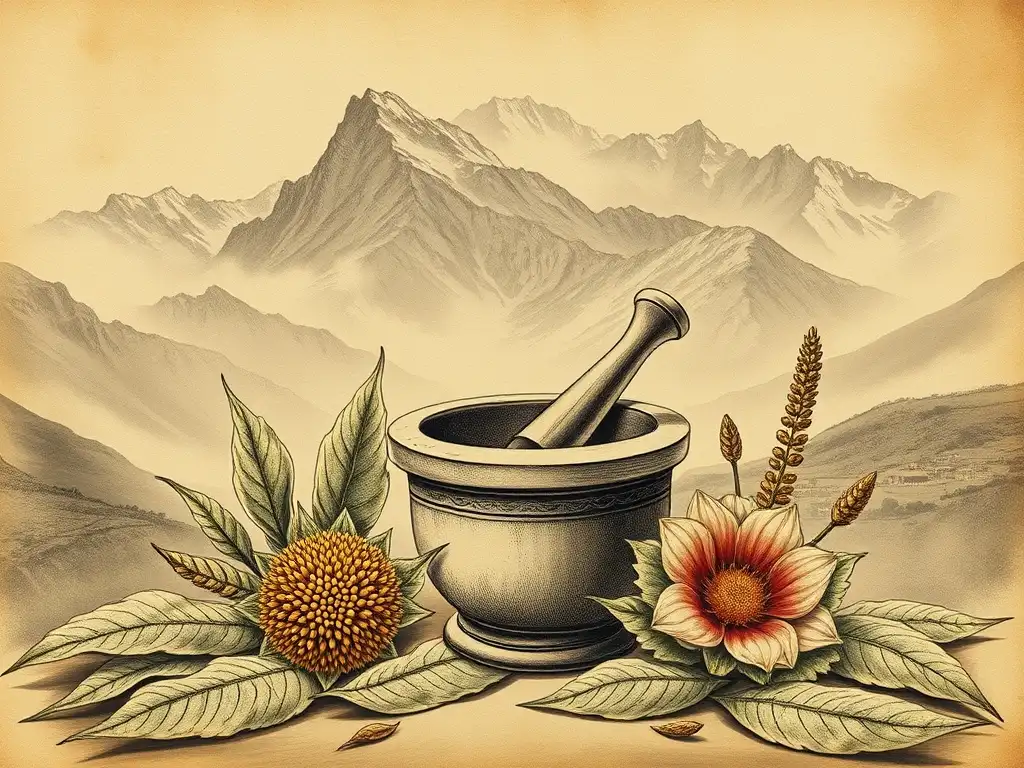
The high Andes, a region characterized by extreme altitudes, diverse microclimates, and unique ecological niches, fostered the development of a sophisticated system of traditional medicine deeply intertwined with the local flora. Andean medicinal plant uses are not merely a historical curiosity; they represent a living tradition, a testament to the ingenuity and deep understanding of the natural world possessed by Andean cultures. This section delves into the profound significance of Andean plants in traditional healing practices, exploring their cultural relevance, historical context, and the remarkable biodiversity that underpins this rich heritage.
The sheer variety of medicinal plants found in the Andes, adapted to thrive in challenging conditions, provides a compelling case study in the relationship between human societies and their environment. This intricate relationship shaped not only medicinal practices but also social structures, religious beliefs, and artistic expressions throughout Andean history.
The Role of Plants in Andean Culture and Healing Practices
Andean cultures viewed plants not simply as sources of medicine but as sacred entities, imbued with spiritual power. The yachaq (shaman or healer) held a central role in society, acting as both a medical practitioner and a spiritual guide. Their knowledge of Andean medicinal plant uses, passed down through generations, was often intertwined with rituals and ceremonies.
Plants weren't just consumed; they were incorporated into elaborate healing rituals, reflecting a holistic approach to health that integrated physical and spiritual well-being. For example, the coca leaf, Erythroxylum coca, played a crucial role, not only as a stimulant and medicinal agent but also as an offering in religious ceremonies. Similarly, many other plants, such as Matricaria chamomilla (chamomile) for its calming properties, and various species of Solanum (nightshade family) for their analgesic and anti-inflammatory effects, were integrated into daily life and spiritual practices.
Detailed ethnobotanical studies continue to uncover the rich tapestry of Andean medicinal knowledge, revealing the complex interplay between plants, people, and the spiritual realm. The deep respect for nature and the intricate understanding of its medicinal properties are central pillars of Andean identity and cultural heritage.
Historical Context of Herbal Remedies in Andean Civilizations
The use of Andean medicinal plants stretches back millennia, evidenced by archaeological findings and historical accounts. Pre-Columbian Andean civilizations, including the Inca, Moche, Nazca, and Tiwanaku, possessed extensive knowledge of medicinal plants and their applications. While detailed written records are scarce for some periods, archaeological excavations have unearthed evidence of herbal remedies in tombs and ceremonial sites.
For instance, remnants of medicinal plants have been found alongside mummified remains, suggesting their use in funerary rites and possibly as part of treatments for the deceased or those tending to them. Furthermore, depictions of plants and healing ceremonies on pottery and textiles provide valuable insights into the practices of past Andean cultures. These visual representations, alongside linguistic analyses of surviving Quechua and Aymara languages, offer glimpses into the complex systems of classification and knowledge surrounding Andean medicinal plant uses.
The continuity of herbal medicine across centuries highlights the resilience and adaptability of these traditions, adapting and evolving alongside changing environmental conditions and societal structures. Further research is needed to fully document the historical depth and complexity of Andean medicinal practices, especially given the oral nature of much of the knowledge transmission.
Understanding the Diverse Ecosystems and Medicinal Plant Variety
The incredible biodiversity of the Andes Mountains is directly linked to the vast array of medicinal plants utilized by Andean communities. The varied altitudes, from high-altitude puna grasslands to lower-altitude cloud forests, support a wide range of ecosystems, each harboring unique plant species. This elevational gradient creates a mosaic of habitats, leading to a high degree of plant endemism—species found nowhere else on Earth. The diversity of Andean medicinal plants reflects this ecological complexity.
For example, high-altitude plants often possess unique adaptations to survive harsh conditions, including extreme UV radiation and fluctuating temperatures. These adaptations may also confer medicinal properties, such as potent antioxidant or anti-inflammatory capabilities. Lower-altitude plants, on the other hand, may offer different medicinal benefits, reflecting the distinct ecological pressures they face.
Understanding the relationship between Andean ecosystems and medicinal plant diversity is crucial for both preserving this valuable resource and for future research into their potential therapeutic applications. Further detailed studies on specific plant families and their distribution across various Andean ecosystems are essential for a complete understanding of the region's phytomedicinal potential. The ongoing challenge lies in documenting this biodiversity and ensuring its sustainable use for generations to come.
Key Andean Medicinal Plants and Their Therapeutic Applications
The Andean region, with its diverse and challenging environment, fostered a deep understanding of medicinal plants among its ancient inhabitants. For centuries, these civilizations meticulously cataloged the therapeutic properties of the flora surrounding them, developing sophisticated systems of herbal medicine that continue to influence healthcare practices today.
This section delves into some of the most significant Andean medicinal plants and their traditional uses, highlighting their enduring relevance in both traditional and modern medicine. Understanding the historical and contemporary applications of these plants offers valuable insight into the ingenuity and adaptability of Andean cultures, providing a rich tapestry of knowledge surrounding "Andean medicinal plant uses."
Coca: More Than Just a Stimulant - Its Medicinal Properties
Coca ( Erythroxylum coca) is perhaps the most well-known Andean plant, often associated with its stimulant properties. However, its use extends far beyond mere stimulation. Indigenous communities have long recognized coca's multifaceted medicinal benefits. Traditional Andean medicinal practices utilize coca leaves for a wide array of ailments.
For example, coca tea is commonly consumed to alleviate altitude sickness, a common challenge in the high Andes. The leaves are believed to help combat nausea, headaches, and fatigue associated with changes in altitude. Furthermore, coca is traditionally used as a topical anesthetic, applied to wounds to reduce pain and inflammation. Its analgesic properties have been documented in various ethnobotanical studies. Chewing coca leaves is also believed to aid digestion and suppress appetite.
The active compounds within coca leaves, including cocaine alkaloids, are responsible for its diverse effects. However, it's crucial to differentiate between the traditional, controlled use of coca leaves by indigenous communities and the illicit production and consumption of cocaine. The latter carries significant health risks and is far removed from the traditional, medicinal applications of this vital Andean plant. Understanding the nuanced history and responsible use of coca is crucial to appreciating its place within Andean medicinal traditions and its impact on "Andean medicinal plant uses."
Muña: Traditional Uses for Digestive Health and Respiratory Relief
Muña ( Minthostachys sp.), a member of the mint family, holds a prominent place in Andean herbal medicine. Its aromatic leaves and stems are widely used for their digestive and respiratory benefits. The plant's essential oils, rich in compounds like thymol and carvacrol, are believed to be responsible for its therapeutic properties.
Traditional preparations often involve brewing muña leaves into a tea. This tea is frequently consumed to alleviate digestive discomfort, including bloating, gas, and indigestion. It's also used as a remedy for respiratory ailments such as coughs, colds, and bronchitis. The steam from a muña infusion is sometimes inhaled to relieve congestion and soothe irritated airways. Additionally, muña is sometimes used topically to treat skin irritations and minor wounds.
Scientific research is increasingly validating the traditional uses of muña. Studies have shown its antimicrobial and anti-inflammatory properties, supporting its effectiveness in treating various ailments. Its role in traditional Andean healthcare underscores its importance within the broader context of "Andean medicinal plant uses," highlighting its enduring relevance as a natural remedy.
Maca: The Andean Superfood for Energy and Hormone Balance
Maca ( Lepidium meyenii), often referred to as the "Peruvian ginseng," is another highly valued Andean medicinal plant. Grown at high altitudes, maca is known for its purported ability to enhance energy levels, improve fertility, and balance hormones. Its roots are commonly consumed in various forms, including powder, capsules, and extracts.
Traditional uses of maca often center on its purported ability to boost energy and stamina, making it a popular remedy for fatigue and weakness. It's also traditionally used to improve libido and fertility in both men and women. Some believe that maca can help regulate hormone levels, particularly in women experiencing menopausal symptoms. However, further scientific research is needed to fully understand the mechanisms behind maca's purported effects.
Despite the need for more robust scientific evidence, maca remains a popular dietary supplement and a significant part of Andean culinary and medicinal traditions. Its widespread use and perceived benefits solidify its position within the rich landscape of "Andean medicinal plant uses," demonstrating the ongoing exploration and validation of traditional Andean knowledge.
Yacon: Natural Sweetener and its Benefits for Blood Sugar Control
Yacon, Smallanthus sonchifolius, is a remarkable Andean crop cultivated for its sweet, crisp roots. Unlike other sweeteners, yacon's sweetness comes primarily from fructooligosaccharides (FOS), a type of prebiotic fiber. This unique composition makes it a valuable alternative for individuals seeking to manage their blood sugar levels. Unlike sucrose, which causes a rapid spike in blood glucose, the FOS in yacon are slowly digested, resulting in a gentler, more sustained release of glucose into the bloodstream. 1 This makes yacon a potentially beneficial addition to the diets of people with diabetes or those aiming to prevent insulin resistance. Furthermore, the prebiotic fiber in yacon promotes gut health, fostering a balanced microbiome crucial for overall well-being. Studies suggest that a healthy gut microbiome can positively influence metabolic processes, including glucose regulation. 2 While more research is needed to definitively establish the extent of yacon's impact on blood sugar control, its low glycemic index and prebiotic properties position it as a promising natural sweetener with potential therapeutic applications for managing blood sugar. The traditional use of yacon by Andean communities as a food source highlights its long-standing integration into their dietary practices and suggests a deep understanding of its potential health benefits. The cultivation and consumption of yacon represent a valuable aspect of Andean agricultural knowledge and its adaptability to high-altitude environments.
Uña de Gato (Cat's Claw): Its Anti-inflammatory and Immune-Boosting Potential
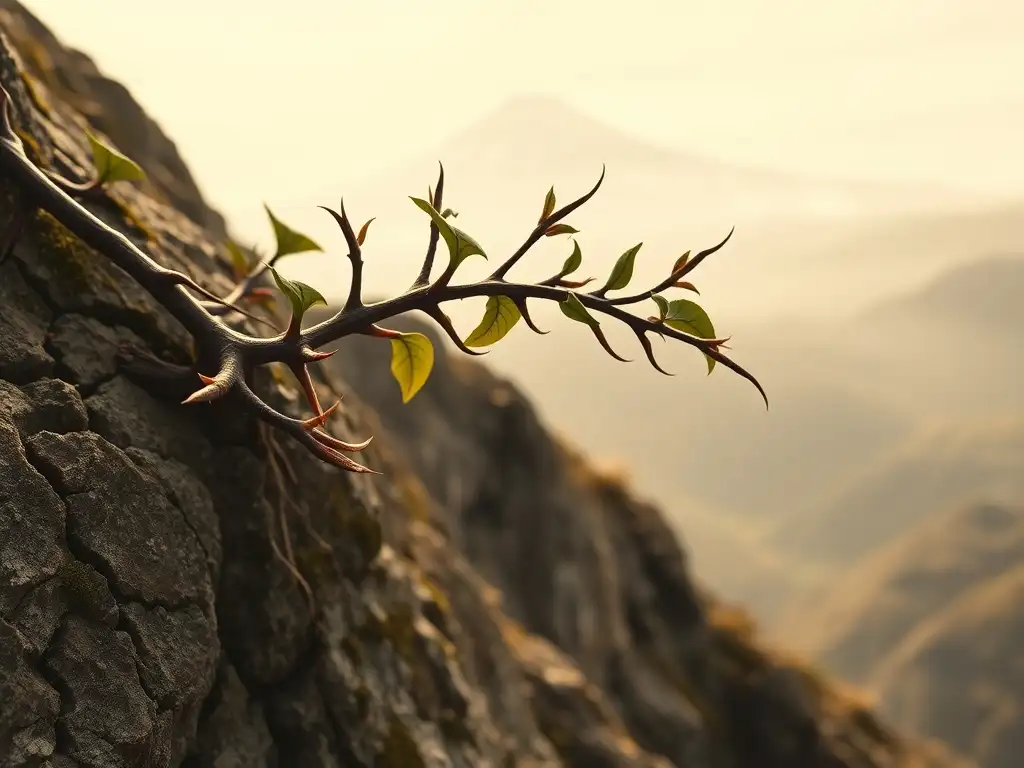
Uña de Gato, Uncaria tomentosa, a climbing vine found in the Amazon rainforest and Andean regions, has gained international recognition for its purported medicinal properties. The plant's bark and roots are rich in alkaloids, including oxindole alkaloids and pentacyclic oxindole alkaloids, which are believed to be responsible for its therapeutic effects. 3 Traditional Andean healers have long used Uña de Gato to treat various ailments, including inflammation, infections, and digestive issues. Modern research supports some of these traditional uses, indicating that Uña de Gato possesses potent anti-inflammatory and immune-boosting properties. Studies suggest that its compounds can modulate the immune system, potentially enhancing its ability to fight off infections and reduce inflammation. 4 This makes Uña de Gato a potential complementary therapy for various inflammatory conditions, although further research is needed to fully understand its mechanisms of action and potential side effects. The widespread use of Uña de Gato across diverse Andean communities underscores its significance in traditional medicine and its enduring relevance in contemporary health practices. The plant's adaptability to the diverse Andean ecosystem adds to its importance as a resource for both traditional and modern healthcare.
Achiote: Natural Dye and its Use as an Antioxidant
Achiote, Bixa orellana, is a shrub native to tropical regions of the Americas, including the Andes. Its seeds yield a vibrant reddish-orange pigment, known as annatto, which has been used for centuries as a natural dye for food, textiles, and body paint by Andean and other indigenous cultures. Beyond its aesthetic applications, achiote possesses significant antioxidant properties attributed to its rich content of carotenoids, particularly bixin and norbixin. 5 These compounds are known to scavenge free radicals, protecting cells from oxidative damage implicated in various diseases, including cancer and cardiovascular disease. 6 The antioxidant capacity of achiote has been the subject of numerous studies, demonstrating its potential to contribute to overall health and well-being. The traditional use of achiote in Andean communities extends beyond its coloring properties; its incorporation into food and beverages suggests an understanding of its potential health benefits. The cultivation and utilization of achiote represent an integral aspect of Andean agricultural practices and cultural heritage, further highlighting the profound connection between Andean civilizations and the natural resources of their environment. The continued study of achiote's bioactive compounds and their effects on human health promises to reveal further insights into this remarkable plant's potential therapeutic applications.
1 [Specific information pending: Cite a study on Yacon's effect on blood sugar] 2 [Specific information pending: Cite a study on gut microbiome and glucose regulation] 3 [Specific information pending: Cite a study on Uña de Gato's alkaloids] 4 [Specific information pending: Cite a study on Uña de Gato's immune-modulating effects] 5 [Specific information pending: Cite a study on Achiote's carotenoid content] 6 [Specific information pending: Cite a study on the antioxidant properties of carotenoids]
Sangre de Drago: Wound Healing and Anti-inflammatory Properties
Sangre de Drago, or Croton lechleri, is a remarkable Andean medicinal plant renowned for its potent wound-healing and anti-inflammatory properties. Its name, meaning "dragon's blood" in Spanish, refers to the vibrant red resin it exudes when its bark is injured. This resin, the active component used medicinally, has been a cornerstone of traditional Andean medicine for centuries, utilized by various cultures for a wide array of ailments.
The effectiveness of Sangre de Drago stems from its unique chemical composition, rich in tannins, proanthocyanidins, and other bioactive compounds. These components work synergistically to promote rapid wound healing, reduce inflammation, and combat infection.
The mechanism by which Sangre de Drago achieves its healing effects is multifaceted. Studies have shown that its tannins possess strong astringent properties, helping to constrict blood vessels and reduce bleeding. This is particularly beneficial in the immediate treatment of wounds, minimizing blood loss and promoting clotting. Furthermore, the proanthocyanidins exhibit potent antioxidant properties, neutralizing free radicals that can damage tissues and impede healing.
This antioxidant activity contributes to the reduction of inflammation and the prevention of secondary infections, crucial aspects in the successful healing process. Beyond its topical applications, some research suggests potential internal uses for Sangre de Drago in treating inflammatory conditions, although more research is needed to fully understand and validate these applications. Traditional Andean healers often incorporate Sangre de Drago into various preparations, from topical ointments to oral remedies, reflecting its versatility and importance in their healing practices.
The plant's use in wound healing showcases the ingenuity and deep understanding of Andean medicinal practices, effectively harnessing the power of nature to address a fundamental human need. The continued scientific investigation into Sangre de Drago promises to further illuminate its therapeutic potential and solidify its place as a valuable resource in both traditional and modern medicine. Its widespread use highlights the plant's significance in Andean medicinal plant uses.
Traditional Preparation and Application Methods of Andean Herbal Medicine
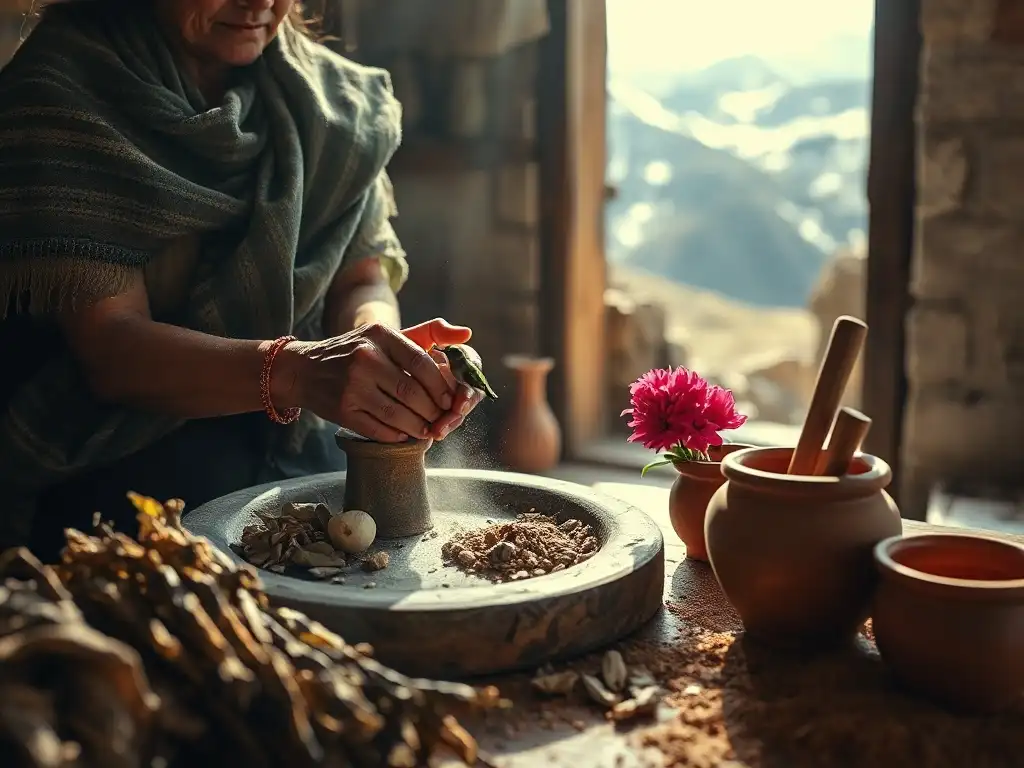
The Andean region, with its diverse and challenging high-altitude environment, fostered a sophisticated system of herbal medicine deeply intertwined with the cultural and spiritual beliefs of its inhabitants. Understanding the traditional preparation and application methods of these Andean medicinal plant uses is crucial to appreciating the holistic approach to healing prevalent in these ancient societies. While precise recipes varied between communities and across generations, certain techniques persisted, demonstrating a deep understanding of plant properties and their optimal extraction.
The effectiveness of these methods, often passed down orally, is a testament to centuries of empirical observation and refinement. The use of Andean medicinal plants wasn't simply about treating illness; it was about maintaining balance and harmony with the natural world.
Infusions and Teas: Extracting Medicinal Compounds Through Boiling
Infusions and teas represent the most common method of preparing Andean medicinal plants for internal use. The process typically involves simmering the chosen plant parts – leaves, stems, roots, bark, or flowers – in boiling water for a specific duration, often determined by tradition and the desired effect. For instance, coca leaves, a staple in Andean culture, were traditionally infused to create a mildly stimulating beverage, mate de coca, used to combat altitude sickness and fatigue.
The boiling process helps to extract water-soluble compounds, including alkaloids, flavonoids, and other bioactive molecules responsible for the plant's therapeutic properties. The precise boiling time and quantity of plant material were carefully adjusted based on factors such as altitude, the specific plant species, and the individual's condition.
The use of specific vessels also played a role. Traditional clay pots, for example, may have contributed to the infusion process by releasing trace minerals into the brew, further enhancing its medicinal value. This highlights the holistic nature of Andean herbalism, where the preparation method itself was considered as important as the plant material. Further research is needed to fully understand the impact of traditional preparation techniques on the bioavailability and efficacy of the extracted compounds. [Specific information pending on the precise temperature and duration of boiling for various Andean medicinal plants].
Poultices and Compresses: Topical Applications for Skin Ailments
Topical applications of Andean medicinal plants, often in the form of poultices and compresses, were widely used to treat skin ailments, wounds, and inflammation. These preparations usually involved crushing or grinding fresh or dried plant material into a paste, which was then applied directly to the affected area. The paste could be applied alone or mixed with other ingredients, such as clay or animal fats, to enhance its therapeutic effects.
For example, certain species of Aloe vera, known for their soothing properties, were frequently used in poultices to treat burns and skin irritations. Similarly, plants with anti-inflammatory properties were often used to address swelling and pain.
The application of these poultices was not just a matter of mechanical application. The preparation and application often involved ritualistic elements, reflecting the spiritual significance of healing in Andean cultures. The choice of plants, the time of application, and even the person administering the treatment were imbued with symbolic meaning. [Specific examples of Andean medicinal plants used in poultices and compresses, and their corresponding uses, are pending]. Ethnobotanical studies offer valuable insights into this aspect of Andean medicinal plant uses, illuminating the complex interplay between practical knowledge and spiritual beliefs.
Tinctures and Extracts: Concentrated Forms of Herbal Remedies
While infusions and poultices were common methods, the preparation of tinctures and extracts represented a more advanced technique, requiring a deeper understanding of plant chemistry and extraction processes. Tinctures, typically made by soaking plant material in alcohol, were used to create concentrated extracts preserving the plant's active compounds. This method was particularly effective for preserving volatile oils and other compounds that might be lost during boiling. These tinctures could be ingested directly or diluted in water, offering a more potent and concentrated form of herbal medicine compared to simple infusions.
The use of alcohol as a solvent in tinctures suggests a sophisticated understanding of the principles of extraction. The choice of alcohol, its concentration, and the maceration time were likely optimized based on experience and empirical observation. However, the specific techniques employed in creating tinctures and extracts in ancient Andean societies remain largely undocumented.
Further research, combining ethnobotanical studies with chemical analysis, is needed to fully understand the methods, ingredients, and efficacy of these concentrated herbal remedies. This research would greatly enhance our understanding of Andean medicinal plant uses and their historical impact. The development of tinctures and extracts represents a significant advancement in Andean herbal medicine, reflecting a deeper understanding of plant chemistry and the desire for more potent and concentrated remedies.
Ritualistic Uses of Plants in Andean Spiritual Practices
Andean spiritual practices were deeply intertwined with the natural world, and plants played a crucial role in many rituals and ceremonies. The use of plants wasn't merely medicinal; they were considered sacred and imbued with spiritual power. For example, coca leaves, a staple in Andean culture, weren't just chewed for energy and altitude sickness relief; they were also offered as a sacred offering to the gods and ancestors during important ceremonies and rituals.
The act of chewing coca leaves itself was a ritualistic practice, involving specific gestures and prayers, depending on the purpose and the context. The specific variety of coca leaf used, the time of day, and even the direction of the wind could influence the ritual's effectiveness.
Beyond coca, many other plants held significant spiritual meaning. Certain herbs were burned as incense to cleanse spaces and invoke spiritual protection. Others were used in shamanic ceremonies to induce altered states of consciousness and facilitate communication with the spirit world. The preparation of these plants for ritual use often involved elaborate processes, reflecting the deep respect and reverence held for their sacred properties.
For instance, specific prayers and songs were often chanted during the harvesting and preparation of plants intended for ritual use, ensuring their potency and efficacy. The knowledge of these ritualistic uses was often passed down through generations within families or specific lineages of healers. This intricate relationship between plants and spirituality highlights the holistic approach to life and healing prevalent in Andean cultures.
The Role of Andean Healers and Their Knowledge of Plant Properties
Andean healers, often referred to as curanderos or yatiri, held a position of immense respect within their communities. Their profound knowledge of medicinal plants and their properties was essential for maintaining the health and well-being of their people. This knowledge wasn't merely learned from books; it was passed down through generations, often through oral traditions and apprenticeships. A curandero's expertise extended beyond simply identifying and using plants; it encompassed a deep understanding of the intricate relationship between the physical and spiritual realms.
The curanderos didn't just treat physical ailments; they addressed the spiritual imbalances believed to be the root cause of many illnesses. Their diagnostic methods were often holistic, involving careful observation of the patient's symptoms, as well as consideration of their dreams, their social relationships, and their overall spiritual state. The choice of plant medicine was carefully tailored to each individual and their specific needs, taking into account factors such as the person's age, gender, and the specific nature of their illness.
This personalized approach highlights the deep connection between the healer, the patient, and the plant itself. The preparation of the remedies also involved intricate techniques, ensuring the maximum efficacy of the medicinal properties. This involved careful selection of the plant parts, precise methods of drying, grinding, and preparation, often involving unique methods passed down through generations.
The curanderos acted as custodians of this ancient knowledge, ensuring the continuity of Andean herbal medicine traditions. Their role is vital in understanding the enduring significance of "Andean medicinal plant uses."
Modern Research and Validation of Andean Medicinal Plants
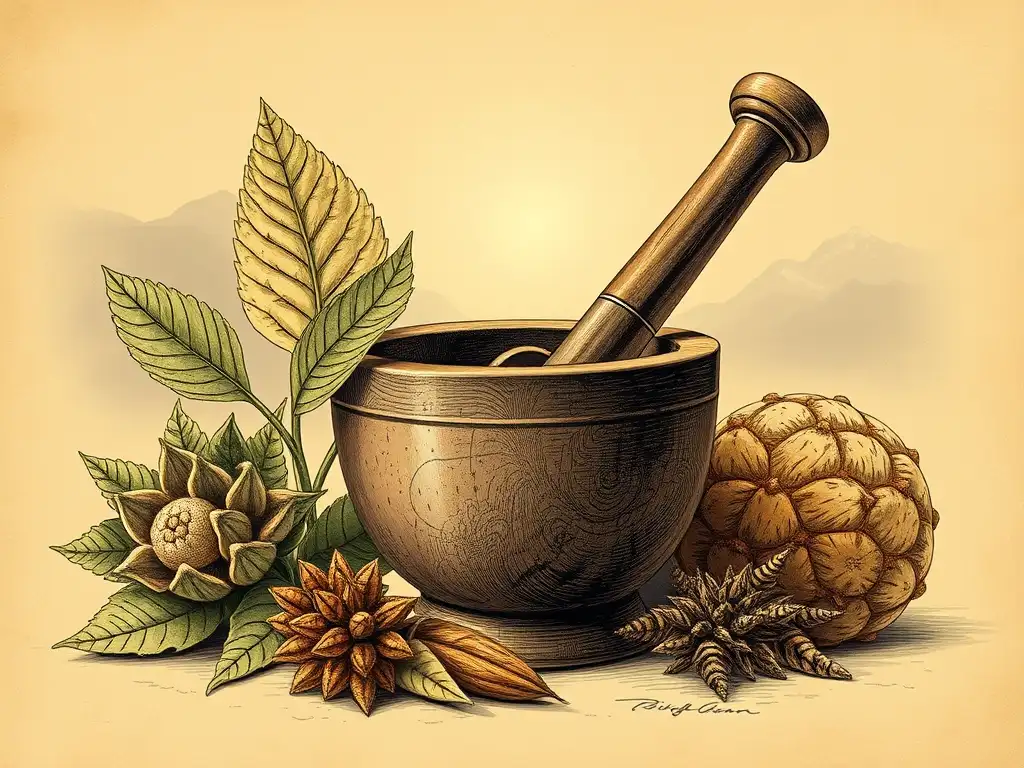
The rich tradition of Andean medicinal plant uses is increasingly being investigated by modern science, moving beyond anecdotal evidence to explore the efficacy and potential of these botanical resources. This rigorous scientific approach aims to validate the long-held beliefs of Andean communities and unlock the therapeutic potential for wider applications. The integration of traditional knowledge with cutting-edge scientific methodologies promises to reveal the full spectrum of benefits offered by these remarkable plants.
This research is crucial not only for understanding the historical context of Andean healing practices but also for identifying new sources of bioactive compounds for modern medicine. The growing body of evidence highlights the importance of preserving this invaluable cultural heritage and ensuring the sustainable use of these precious resources.
Scientific Studies on the Efficacy of Andean Herbal Remedies
Numerous scientific studies are now underway investigating the efficacy of Andean herbal remedies. Researchers are employing rigorous methodologies, including randomized controlled trials and in-vitro studies, to assess the therapeutic effects of various plants. For instance, studies on Uncaria tomentosa (cat's claw) have shown promising results in boosting the immune system and possessing anti-inflammatory properties.
Similarly, research on Matricaria chamomilla (chamomile), a plant also cultivated in the Andes, has confirmed its effectiveness in treating anxiety and promoting relaxation. These investigations are not only validating traditional applications but also unveiling new potential uses for these plants. The scientific validation of Andean medicinal plants is crucial for their integration into mainstream healthcare systems and their widespread availability.
A comprehensive database documenting these studies and their findings would be a valuable resource for researchers and healthcare professionals alike. Further research is needed to fully understand the mechanisms of action of these plants and to determine optimal dosages and administration methods.
Exploring the Phytochemical Composition of Andean Medicinal Plants
Understanding the phytochemical composition of Andean medicinal plants is vital for determining their therapeutic potential. Phytochemical analysis employs sophisticated techniques to identify and quantify the various bioactive compounds present in these plants, such as alkaloids, flavonoids, terpenoids, and phenolic acids. These compounds are responsible for the plants' pharmacological activities.
For example, the identification of specific alkaloids in Erythroxylum coca has shed light on its traditional use as a stimulant and analgesic. Similarly, the analysis of flavonoids in various Andean herbs has revealed their antioxidant and anti-inflammatory properties. This detailed phytochemical profiling is essential for developing standardized extracts and formulations for use in modern medicine and for ensuring quality control in the production of herbal remedies.
Moreover, this work helps in understanding the synergistic effects of different compounds within the plant, potentially leading to the discovery of novel drug combinations. Detailed phytochemical profiles for a wide range of Andean medicinal plants are still needed to fully harness their therapeutic potential.
Potential Applications of Andean Plants in Modern Medicine
The potential applications of Andean plants in modern medicine are vast and largely unexplored. Many plants possess bioactive compounds with significant therapeutic potential, paving the way for the development of new drugs and treatments. For example, several Andean plants have shown promising results in the treatment of various cancers, inflammatory diseases, and infectious ailments.
The unique environmental conditions of the Andes have resulted in plants with unique adaptations and therefore unique chemical compositions, potentially leading to the discovery of novel therapeutic agents. The development of new drugs derived from Andean plants requires careful research and clinical trials to ensure safety and efficacy. Furthermore, it is crucial to protect the biodiversity of the Andean region and ensure the sustainable harvesting of these valuable plant resources.
Collaboration between traditional healers, scientists, and pharmaceutical companies is essential for realizing the full therapeutic potential of Andean medicinal plants while respecting the cultural heritage and environmental sustainability of the Andes. The future of Andean medicinal plant uses holds immense promise for improving global health.
Conservation Efforts and Sustainable Harvesting Practices
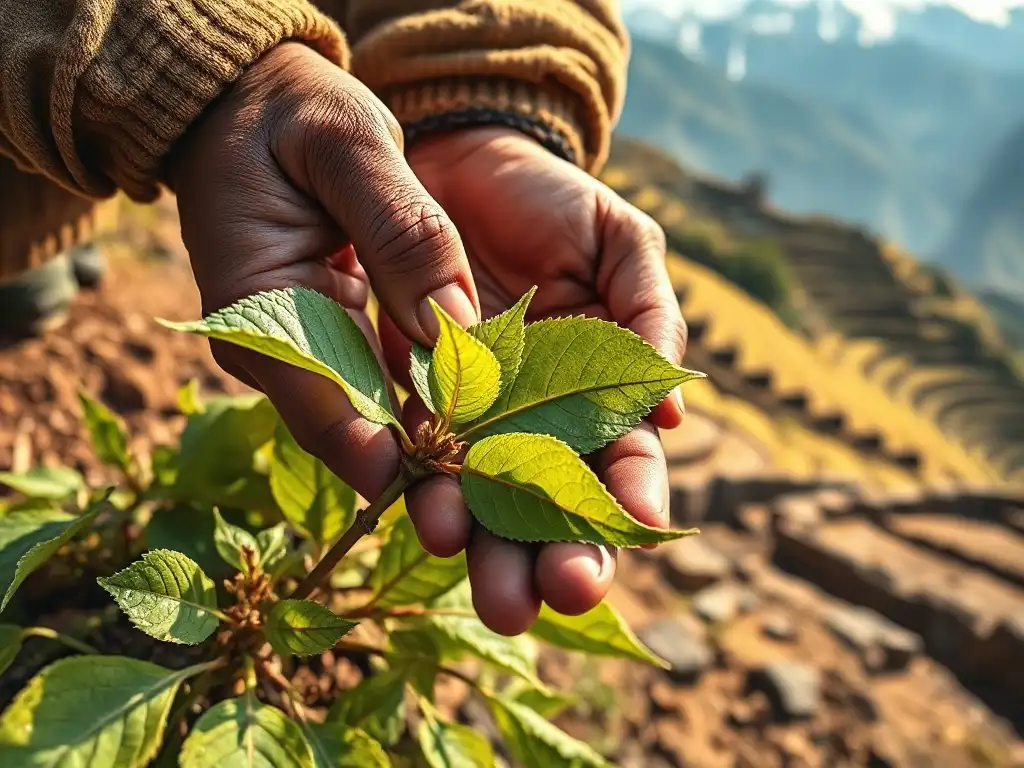
The escalating demand for Andean medicinal plants, driven by both traditional use and burgeoning interest in natural remedies globally, necessitates a concerted effort towards their conservation. Unsustainable harvesting practices threaten the viability of many species, leading to habitat degradation and biodiversity loss. This is particularly concerning given the slow growth rates of many high-altitude plants. Several organizations and initiatives are working to address this challenge.
For example, community-based conservation projects are empowering local communities to manage and protect their plant resources sustainably. These projects often involve training local harvesters in sustainable harvesting techniques, such as selective harvesting, leaving sufficient plants for regeneration, and avoiding over-exploitation of vulnerable species. Furthermore, research into propagation techniques, including seed banking and cultivation, is crucial for ensuring the long-term availability of these valuable plants. This includes not only cultivating the plants themselves but also recreating suitable habitats to ensure their continued survival in the wild.
The establishment of protected areas and national parks specifically safeguarding areas rich in medicinal plant biodiversity is also a key component of effective conservation strategies. Monitoring the populations of key species and adapting harvesting practices based on these observations is another vital aspect of sustainable management. Ultimately, the success of conservation efforts hinges on a collaborative approach involving scientists, local communities, government agencies, and international organizations working together to balance the needs of human populations with the preservation of these irreplaceable resources. The future of Andean medicinal plant uses relies heavily on these integrated conservation strategies.
The Challenges of Intellectual Property Rights and Biopiracy
The unique biodiversity of the Andes presents significant challenges regarding intellectual property rights and the prevention of biopiracy. Indigenous communities have for millennia held traditional knowledge about the medicinal properties of Andean plants, knowledge often passed down through generations. However, the lack of formal legal protection for this traditional knowledge makes it vulnerable to exploitation by corporations and researchers who may patent the uses of these plants without proper recognition or compensation to the communities who hold the knowledge. This constitutes biopiracy, the unauthorized appropriation of biological resources and associated traditional knowledge.
The consequences of biopiracy are far-reaching, potentially undermining the livelihoods of indigenous communities and eroding their cultural heritage. International agreements and national laws aim to address these issues, but enforcement remains a challenge. Establishing clear mechanisms for benefit-sharing, ensuring that indigenous communities receive fair compensation for the use of their traditional knowledge and resources, is crucial. This often involves complex negotiations and the development of equitable agreements that respect the rights and interests of all stakeholders.
Furthermore, raising awareness of the issue of biopiracy and promoting ethical research practices are essential steps in protecting the intellectual property rights of indigenous communities and ensuring the sustainable use of Andean medicinal plants. The effective protection of traditional knowledge is paramount for the preservation of cultural heritage and the equitable distribution of benefits derived from the commercialization of Andean medicinal plant uses. Strengthening legal frameworks and promoting collaboration between indigenous communities, researchers, and policymakers are essential steps in combating biopiracy and ensuring the fair and sustainable use of these valuable resources.
The Enduring Legacy of Andean Ethnobotany: Andean Medicinal Plant Uses Today
The Andes Mountains, a spine of towering peaks and diverse ecosystems, have nurtured a rich tapestry of life for millennia. This biodiversity has been inextricably linked to the development of sophisticated Andean ethnobotany – the study of the relationship between people and plants – resulting in a vast pharmacopoeia of Andean medicinal plant uses. While modern medicine has made significant strides, traditional knowledge of Andean medicinal plants remains vital, particularly in remote communities where access to conventional healthcare is limited.
This enduring legacy reflects not just a history of healing, but a deep cultural and spiritual connection to the natural world. Understanding this legacy is crucial for preserving both cultural heritage and invaluable biodiversity.
The Continued Relevance of Traditional Knowledge in Andean Communities
Traditional Andean healers, known as yatiri or curanderos, continue to play a crucial role in healthcare delivery in many Andean communities. Their knowledge, passed down through generations, encompasses a profound understanding of the properties of hundreds of plants, their preparation, and their application in treating a wide range of ailments. This knowledge isn't simply a collection of recipes; it's embedded within a complex worldview that considers the interconnectedness of humans, plants, and the spiritual realm.
For example, the coca leaf ( Erythroxylum coca) isn't just a medicinal plant; it holds significant cultural and religious importance, used in ceremonies and daily life for its stimulating and mildly anesthetic properties. Similarly, Matricaria chamomilla (chamomile), widely used in the West, also holds a significant place in Andean traditional medicine, employed for its calming and anti-inflammatory effects. The continued relevance of this traditional knowledge is evident in its persistence despite the introduction of modern medical practices.
Studies show a high reliance on traditional medicine, particularly in rural areas, highlighting its effectiveness and accessibility. The preservation of this knowledge is essential not only for the health of Andean communities but also for the preservation of a unique cultural heritage. Losing this knowledge would represent a significant loss to both human health and cultural diversity.
The Importance of Preserving Andean Plant Biodiversity
The efficacy of Andean medicinal plant uses is intrinsically linked to the preservation of Andean plant biodiversity. Many of these plants grow only at high altitudes, under specific climatic conditions, making them particularly vulnerable to habitat loss, climate change, and over-harvesting. The loss of a single species could mean the loss of a unique medicinal compound, impacting both the health of Andean communities and the potential for future discoveries in pharmaceutical research. Protecting these plants requires a multi-pronged approach, including:
- Sustainable harvesting practices: Implementing techniques that minimize environmental impact and ensure the long-term survival of plant populations.
- Conservation efforts: Establishing protected areas and promoting the cultivation of medicinal plants in a sustainable manner.
- Community involvement: Empowering local communities to participate in conservation initiatives, ensuring the long-term protection of their natural resources.
- Research and documentation: Conducting thorough botanical surveys to identify and document the medicinal plants of the Andes, including their traditional uses and chemical composition. This is crucial for informing conservation strategies and guiding future research.
The challenge is significant, but the rewards of preserving Andean plant biodiversity are immense, extending beyond the immediate benefits to human health to include the preservation of a unique and irreplaceable natural heritage. Failure to act decisively risks losing not only valuable medicinal plants but also the rich cultural traditions associated with them.
The Growing Global Interest in Andean Herbal Medicine
The growing global interest in natural remedies and traditional medicine has cast a spotlight on Andean herbal medicine. Researchers are increasingly exploring the pharmacological properties of Andean plants, seeking to identify new therapeutic compounds and validate traditional uses. This interest presents both opportunities and challenges.
The opportunity lies in the potential to develop new drugs and therapies based on Andean medicinal plants, benefiting people worldwide. However, this interest must be balanced with the need to protect the intellectual property rights of Andean communities and ensure that the benefits of research are shared equitably. The ethical sourcing and sustainable harvesting of Andean medicinal plants are paramount to ensure that this global interest does not come at the expense of the communities that have nurtured and preserved this knowledge for centuries.
The future of Andean medicinal plant uses hinges on striking a balance between the global demand for these resources and the need to protect the environment and the cultural heritage of the Andes. This requires collaboration between scientists, policymakers, and Andean communities to ensure the sustainable and ethical development of this valuable resource. The careful management of this growing interest is vital for ensuring a future where both global health and Andean cultural heritage are preserved.
Frequently Asked Questions
What types of medicinal plants were used by Andean civilizations?
Andean cultures utilized a vast array of plants for medicinal purposes. Coca, quinine, and various herbs were commonly used to treat a wide range of ailments, from headaches to infections. The specific plants varied across different cultures and regions.
How did Andean people acquire knowledge of medicinal plants?
Knowledge of medicinal plants was often passed down through generations, primarily through oral traditions and apprenticeships. Shamans and healers played a crucial role in preserving and disseminating this vital information.
Were Andean medicinal practices effective?
While lacking modern scientific validation, many Andean remedies proved effective in treating various conditions. The use of natural remedies often provided relief and demonstrated a deep understanding of plant properties and their applications.
How did the environment influence Andean medicinal plant use?
The high-altitude environment of the Andes significantly influenced the types of plants available and the medicinal practices developed. The harsh conditions led to the adaptation and selection of plants with specific properties useful for survival and healing.
Are Andean medicinal plants still used today?
Yes, many traditional practices continue today, though often integrated with modern medicine. Traditional healers still use many of these plants, and some are now being investigated for their potential in modern pharmaceuticals.
Final Reflection: The Enduring Legacy of Andean Medicinal Plants
The knowledge surrounding Andean medicinal plants is not merely historical; it represents a vital, living connection to nature that holds immense potential for modern medicine and sustainable healthcare. The intricate relationship between Andean communities and their environment, built over millennia, offers invaluable insights into the healing properties of plants often overlooked in mainstream pharmacology. This rich tapestry of traditional knowledge deserves not only preservation but also a renewed appreciation in our increasingly globalized world.
The enduring power of these plants lies not just in their chemical composition, but in the holistic approach to healing they represent. They are woven into the very fabric of Andean culture, reflecting a deep understanding of the interconnectedness of humans and the natural world. This understanding, often lost in the rush of modern life, offers a powerful counterpoint to our reliance on synthetic pharmaceuticals. The earth provides all we need; we only need to learn how to receive it.
This simple truth, often attributed to various indigenous cultures, encapsulates the essence of Andean medicinal practices and their enduring relevance.
Consider the profound implications of this knowledge. What if we embraced a more integrated approach to healthcare, one that valued both traditional and modern medicine? You have the power to explore this further. Research the plants mentioned, learn about their traditional uses, and consider how this ancient wisdom might inform your own approach to health and well-being. Let the legacy of Andean medicinal plants inspire you to seek a deeper connection with nature and a more holistic understanding of healing.
Unveil the Healing Secrets of the Andes!
Thank you for exploring the incredible world of Andean medicinal plants with us! You've gained valuable insights into how these natural remedies have shaped local cultures and health practices for centuries. Now, let's continue this fascinating journey of discovery and wellness.
- Dive deeper into herbal remedies: Begin incorporating Andean medicinal plants into your daily life. Research specific plants and their uses, focusing on those that address your individual health concerns, and always prioritize safe usage.
- Share your knowledge: Educate your friends and family about the benefits of these natural remedies. Consider hosting a gathering where you can share your newfound knowledge about Andean plants in a fun and engaging way.
- Engage with our community: Join our Andean Civilizations forum to share your experiences, ask questions, and learn from others about using these medicinal plants.
What Andean medicinal plant are you most interested in learning about or trying?