
Tiahuanaco's Building Materials: Sourcing and Transporting Massive Stones

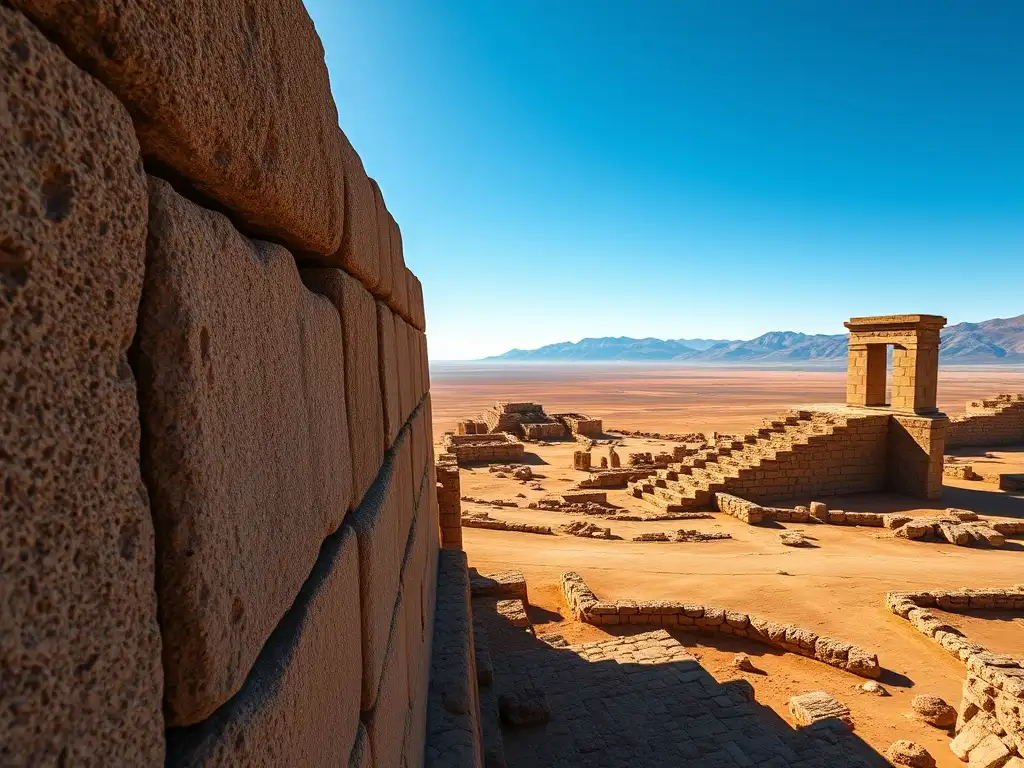
Step into a world lost to time, where colossal stones whispered secrets across the Andes. Imagine the sheer scale of the Tiahuanaco civilization, a feat of engineering that continues to baffle modern minds. How did they move such massive blocks? Uncover the mysteries surrounding Tiahuanaco stone transport methods and delve into the ingenuity of these ancient builders. Prepare to be amazed as we unravel the secrets of their monumental architecture in this exploration of the Tiahuanaco civilization.
The enigmatic city of Tiahuanaco, flourishing in the Bolivian Altiplano between 500 and 1000 CE, stands as a testament to the remarkable engineering prowess of its builders. This article delves into the fascinating puzzle of Tiahuanaco's construction, specifically focusing on the sourcing and transportation of the colossal stones used in its monumental architecture. Understanding these logistical feats provides crucial insight into the societal organization, technological capabilities, and overall complexity of this pre-Columbian civilization.
We will explore the geological origins of these massive blocks, examine the potential transport methods employed, and discuss the implications of these findings for our understanding of Tiahuanaco's rise and influence. The sheer scale of the undertaking – moving massive stones across challenging terrain at high altitude – poses questions that continue to intrigue archaeologists and engineers alike, making the study of Tiahuanaco's stone transport methods a captivating area of research.
Sourcing the Stones: A Geological Investigation
The monumental structures of Tiahuanaco, such as the Kalasasaya Temple and the Puerta del Sol, are constructed primarily from andesite, a volcanic rock known for its durability and resistance to erosion. However, the nearest readily accessible andesite quarries are located several kilometers from the city, presenting a significant challenge for transport. Geological surveys have identified specific quarries in the surrounding region, including the area near Lake Titicaca. The precise selection of quarries, and the reasons behind it, remain a subject of ongoing research. Analysis of the stone composition and its variations across different structures within Tiahuanaco could shed further light on the sourcing practices and the potential use of different quarries over time. Detailed petrographic analyses are crucial for pinpointing the exact origins of the stones and understanding the logistical choices made by the builders. This is particularly important for understanding the organization and scale of the quarrying operations themselves.
Transporting the Colossus: Theories and Evidence
The transportation of massive andesite blocks, some weighing several hundred tons, across the challenging terrain of the Altiplano presents a significant engineering challenge. Several theories have been proposed, ranging from the use of simple rollers and levers to the more complex application of ramps, sledges, and possibly even water transport.
- Ramp Systems: The construction of elaborate ramp systems, possibly incorporating earthworks and timber structures, is a plausible explanation. However, the precise location and construction of such ramps remain largely hypothetical, requiring further archaeological investigation.
- Roller and Lever Systems: The use of rollers and levers, while seemingly simple, would still have required significant manpower and sophisticated coordination. This method is supported by evidence from other ancient civilizations that employed similar techniques for moving heavy objects.
- Water Transport: Given the proximity of Lake Titicaca, the possibility of using rafts or boats for at least part of the transport process cannot be ruled out. However, this would only be feasible for smaller blocks and would still require significant overland transport.
The absence of definitive physical evidence for any specific transport method makes the reconstruction of this process challenging. Further archaeological excavations, coupled with advanced modeling and simulations, are needed to refine our understanding of Tiahuanaco's remarkable feats of stone transport. The investigation of potential pathways, the analysis of tool marks on the stones, and the study of related settlements along potential routes are crucial for unraveling this mystery.
The Socio-Political Implications of Stone Transport
The immense effort required to quarry and transport these massive stones speaks volumes about the social and political organization of Tiahuanaco society. The coordinated effort, involving potentially thousands of individuals, suggests a highly centralized and stratified society with a powerful ruling elite capable of mobilizing considerable human resources. The successful completion of such an undertaking points to a sophisticated system of labor organization, resource management, and social control.
Furthermore, the choice of materials and the scale of construction likely served symbolic purposes, reflecting the power and prestige of the Tiahuanaco state and reinforcing its control over the surrounding region. The monumental architecture of Tiahuanaco was not simply a matter of engineering; it was a powerful statement of political and religious authority. Understanding the logistical challenges involved allows us to better appreciate the social and political structures that made this monumental undertaking possible.
Further research could focus on the social implications of this labor, including potential seasonal variations and the impact on the wider population. The study of related settlements and their role in supporting the construction of Tiahuanaco could also further illuminate this aspect.
- Sourcing the Stones: A Geological Investigation
- Transporting the Colossus: Theories and Evidence
- The Socio-Political Implications of Stone Transport
- How did the Tiahuanaco people transport such massive stones?
- Where did the Tiahuanaco builders source their stone?
- What tools did the Tiahuanaco use for stone transport?
- How did the Tiahuanaco civilization manage such large-scale construction projects?
- What are the current research efforts focused on regarding Tiahuanaco's stone transport?
The Enigma of Tiahuanaco's Megalithic Architecture
The city of Tiahuanaco, located on the shores of Lake Titicaca in modern-day Bolivia, stands as a testament to the remarkable engineering prowess of its builders. Its monumental architecture, characterized by massive stone structures, has captivated archaeologists and historians for centuries, prompting intense investigation into the methods employed in their construction. The sheer scale of the undertaking and the precision of the stonework raise fundamental questions about the logistical challenges faced by the Tiahuanaco people.
How did they source, transport, and precisely place these enormous blocks of stone? This section delves into the mysteries surrounding Tiahuanaco's stone sourcing and transport methods, exploring the available evidence and the various theories proposed to explain this ancient feat of engineering.
Understanding these methods provides crucial insights into the sophisticated organization and technological capabilities of the Tiahuanaco civilization. The enigma of Tiahuanaco’s stonework continues to inspire ongoing research and debate, challenging our understanding of ancient Andean engineering.
Unveiling Tiahuanaco's Construction Techniques
Tiahuanaco's construction techniques were remarkably advanced for their time. The builders demonstrated a sophisticated understanding of stone quarrying, shaping, and transportation. Evidence suggests that the primary stone used in the construction of Tiahuanaco's structures, andesite, was sourced from quarries located several kilometers from the city.
The precise methods used for quarrying remain somewhat unclear, but it's likely that the Tiahuanaco people employed techniques involving wedges and levers, possibly coupled with fire-setting to fracture the rock. Once quarried, the stones were shaped and fitted with incredible precision, using tools made from stone, copper, and possibly other materials. The intricate joinery evident in many Tiahuanaco structures, with minimal mortar used, indicates a high level of craftsmanship and planning.
This level of precision further complicates the already challenging task of transporting these immense blocks. The precise methods used for shaping and fitting these stones remain an area of active research, with new discoveries constantly refining our understanding of Tiahuanaco's construction expertise. Analysis of tool marks on the stones, coupled with experimental archaeology, is gradually shedding light on these processes.
The Scale of Tiahuanaco's Stone Structures
The sheer size of some of Tiahuanaco's stones is truly awe-inspiring. The Gateway of the Sun, for instance, is carved from a single block of andesite weighing an estimated 10 tons. Other structures feature stones weighing many tons more. Consider the Kalasasaya Temple, whose massive walls are composed of enormous andesite blocks.
The sheer weight and dimensions of these stones present a significant challenge for any explanation of their transport. The distance between the quarries and the city, coupled with the mountainous terrain, further complicates the logistical challenges. Several theories have been proposed to explain how the Tiahuanaco people moved these stones, ranging from the use of ramps and rollers to the possibility of more sophisticated techniques involving sledges and even water transport. The lack of conclusive evidence, however, means that the precise methods remain a topic of ongoing debate and research among archaeologists.
Further investigation, including geophysical surveys and detailed analysis of existing structures, is crucial to unlocking the secrets of Tiahuanaco's impressive stone transport methods. The scale of the undertaking underscores the advanced organizational capabilities and remarkable engineering skills of the Tiahuanaco civilization, making it a truly unique and fascinating case study in ancient construction. The ongoing research into Tiahuanaco's stone transport methods is crucial for a deeper understanding of Andean engineering and its impact on the development of urban centers in the region. Understanding the logistics involved in moving such massive stones would help us better understand the society that built Tiahuanaco, its resource management, and its overall social organization.
Identifying the Sources of Tiahuanaco's Building Stones
The monumental architecture of Tiahuanaco stands as a testament to the engineering prowess of its builders. Understanding how they achieved this feat requires a detailed examination of the building materials themselves, specifically their sourcing and transportation. This section focuses on identifying the origins of the stones used in Tiahuanaco's constructions, a crucial aspect in comprehending the logistical challenges overcome by this ancient civilization.
The sheer scale of the structures, with their massive blocks of stone, raises intriguing questions about resource management and the sophisticated techniques employed in their acquisition and movement. The precise methods used remain a subject of ongoing research and debate, but evidence points towards a combination of careful selection of readily available materials and impressive organizational capabilities. The following sections delve into the specifics of the stones' geological origins and properties.
Geological Analysis of Tiahuanaco's Construction Materials
Geological analysis is key to pinpointing the quarries that supplied Tiahuanaco's builders. The predominant stone used is andesite, a type of extrusive igneous rock known for its durability and strength. Studies have identified specific petrographic characteristics of the andesite used in various structures, allowing researchers to trace them back to potential source locations.
This involves analyzing the mineral composition, texture, and the presence of specific inclusions within the stone samples. For instance, the presence of certain feldspar minerals or unique trace elements can act as "fingerprints," helping to match stones from structures to specific geological formations. This detailed analysis is crucial for understanding the logistical implications of transporting materials from distant quarries, providing insights into the sophisticated knowledge and planning required by Tiahuanaco's engineers.
Further research is needed to fully map the precise geological sources of all the different stone types used, as variations in color and texture suggest the utilization of multiple quarries. This underscores the complex resource management system employed by the Tiahuanaco civilization.
Quarry Locations Near Tiahuanaco and Their Characteristics
While precise locations of all quarries remain under investigation, evidence suggests that some stone was sourced from relatively close proximity to Tiahuanaco. This proximity likely reduced the overall transport distance and logistical complexity. However, the sheer volume of stone used in the city's construction indicates that several quarries, possibly located at varying distances, likely contributed to the building effort.
The characteristics of these quarries, including the accessibility of the stone, the size and quality of the available blocks, and the ease of extraction, would have played a significant role in the selection process. Researchers are currently investigating potential quarry sites in the surrounding altiplano region, focusing on areas with geological formations matching the andesite found in Tiahuanaco's structures.
Detailed mapping of these areas, combined with geochemical analysis of samples, is essential for a complete understanding of the sourcing strategies employed. The identification of these quarries will also help shed light on the organization and workforce involved in the extraction and transport of these massive blocks.
The Composition and Properties of Andesite and Other Stones
The primary building material of Tiahuanaco, andesite, possesses several properties that made it ideal for large-scale construction. Its hardness and durability ensured the longevity of the structures, while its relatively uniform composition facilitated efficient shaping and fitting of blocks. The specific composition of Tiahuanaco's andesite, including its mineral content and grain size, influenced its workability and resistance to weathering.
Beyond andesite, other stones, though less prevalent, were also employed in Tiahuanaco's constructions. These included various types of sedimentary and metamorphic rocks, possibly chosen for their aesthetic qualities or specific functional properties. Understanding the precise composition and properties of all the stones used is essential for a holistic understanding of Tiahuanaco's construction techniques and the engineering challenges they overcame.
Further research into the specific properties of these materials, including their compressive strength and resistance to erosion, will allow for a more comprehensive appreciation of the technological advancements of the Tiahuanaco civilization and its mastery of stonework. This detailed analysis will contribute significantly to our understanding of Tiahuanaco stone transport methods.
Tiahuanaco Stone Transport Methods: An Engineering Marvel
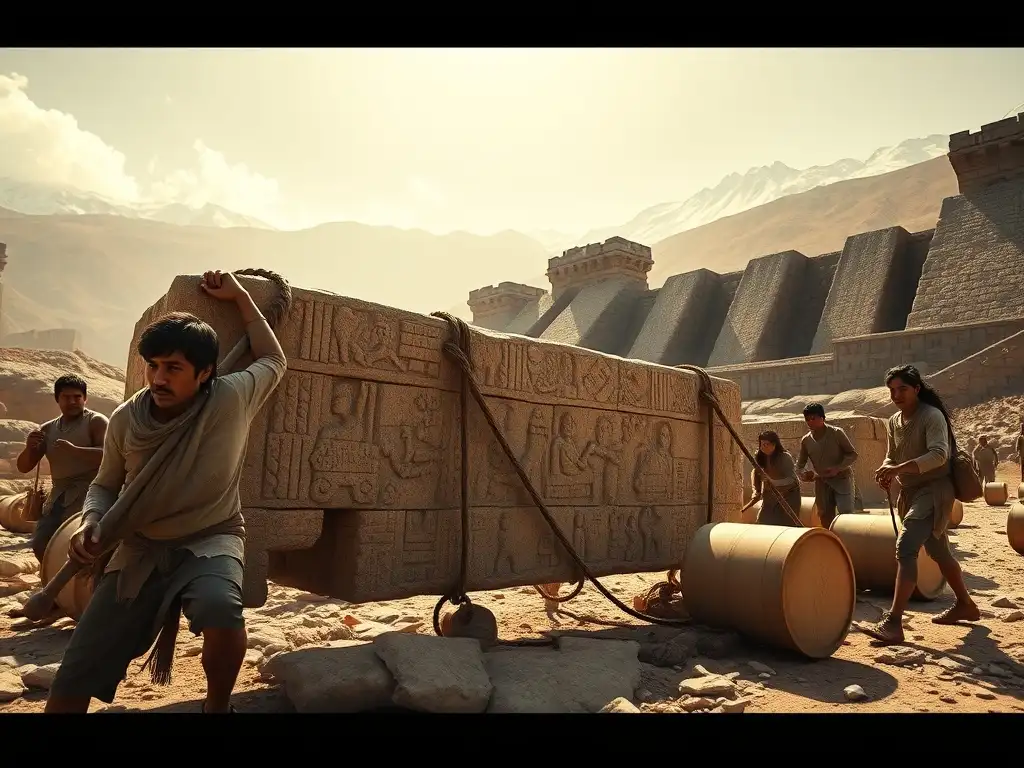
The transport of massive stones to the Tiahuanaco site remains one of the most intriguing and debated aspects of its construction. The sheer scale of some of the stones, weighing many tons, coupled with the challenging Andean terrain, presents a significant engineering puzzle. Understanding the methods employed by the Tiahuanaco people offers invaluable insight into their technological capabilities and organizational prowess.
This section delves into the challenges, the proposed solutions, and the existing evidence regarding Tiahuanaco's remarkable stone transportation feats. The ingenuity displayed in overcoming these logistical hurdles highlights the advanced level of engineering and societal organization within the Tiahuanaco civilization. The keyword "Tiahuanaco stone transport methods" is central to this discussion.
Challenges of Moving Massive Stones in the Andes
Moving massive stones across the rugged Andean landscape presented numerous formidable challenges to the Tiahuanaco builders. The high altitude, steep inclines, and lack of readily available wheeled vehicles significantly complicated the process. Consider the sheer weight of some of the stones used in the construction of Akapana and other structures – some blocks weigh upwards of 100 tons! This weight, combined with the challenging terrain, necessitates an advanced understanding of leverage, traction, and potentially, sophisticated tools and techniques.
The environmental factors also played a crucial role. The unpredictable weather patterns of the Andes, including periods of heavy rainfall and frost, could have easily disrupted transportation efforts. Furthermore, the lack of readily available timber in some areas may have limited the options for constructing ramps or other temporary structures needed to facilitate transport. The difficulty of this undertaking is underscored by the fact that even with modern technology, moving such massive stones across similar terrain would be an exceptionally complex undertaking. The Tiahuanaco people, lacking our modern tools, achieved this feat, a testament to their skills and planning.
Speculation on Tiahuanaco's Transportation Technology
Several theories attempt to explain how the Tiahuanaco people transported their massive stones. These range from the use of simple ramps and levers to more complex systems involving rollers, sledges, and possibly even water transport. The absence of definitive written records leaves much to speculation, but careful analysis of the site itself, along with comparative studies of other ancient civilizations' construction methods, offers clues.
One prominent theory suggests the use of inclined ramps constructed from earth and stone, potentially lubricated with water or mud to reduce friction. This method, while labor-intensive, is plausible given the evidence of similar techniques employed by other ancient cultures. Another theory proposes the use of wooden rollers placed beneath the stones, allowing for easier movement across relatively flat surfaces. However, the scarcity of timber in some areas challenges this hypothesis.
Some researchers even suggest the possibility of water transport, utilizing rafts or barges to move stones along sections of navigable waterways, although evidence for this remains scarce. Further research and potentially, archaeological discoveries, are needed to definitively confirm or refute these hypotheses. The mystery surrounding these methods continues to fuel ongoing debate and research in the field of Andean archaeology.
Evidence of Stone Transportation Routes and Infrastructure
While definitive proof of specific transportation methods remains elusive, evidence suggests the existence of organized transportation routes and infrastructure. Analysis of the stone quarries, from which the building materials originated, reveals a potential correlation between quarry locations and the orientation of the city's layout. This suggests a planned approach to material sourcing and transport, minimizing travel distances and logistical complexities.
Moreover, some researchers have identified potential traces of roadways or pathways near the Tiahuanaco site, although their exact purpose and age remain uncertain. These potential routes could have served as dedicated pathways for the transport of building materials. The discovery of stone tools and implements near these potential routes could further support the theory of organized transportation.
However, more detailed investigation, including geophysical surveys and further excavations, is necessary to fully understand the nature and extent of these potential transport routes. The ongoing study of these potential routes is crucial for unraveling the mysteries surrounding Tiahuanaco's impressive construction methods. The meticulous analysis of the landscape continues to reveal new clues about the efficient and technologically advanced systems used by the Tiahuanaco civilization for stone transport.
Manpower and Organization in Tiahuanaco Stone Transport
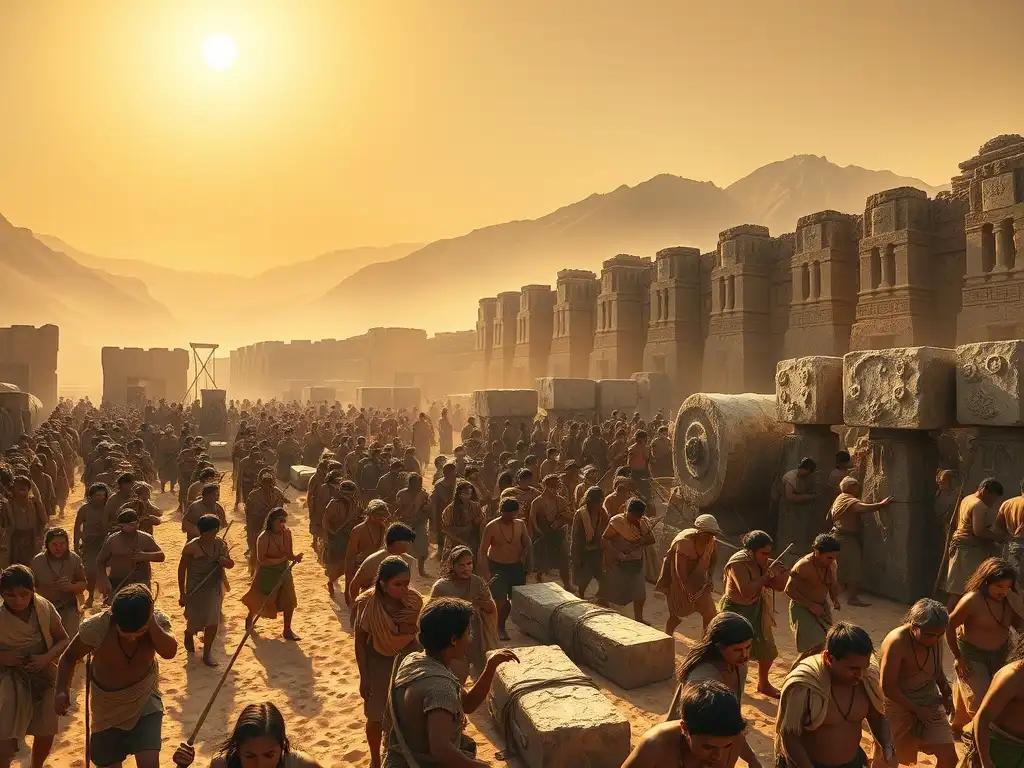
The sheer scale of Tiahuanaco's monumental architecture necessitates a deep dive into the manpower and organizational prowess required for its construction. Moving the colossal stones, some weighing tens of tons, across significant distances demanded meticulous planning and a highly structured workforce. Understanding the logistical challenges helps us appreciate the sophisticated social and engineering capabilities of the Tiahuanaco civilization. The question of how they achieved this feat is as fascinating as the structures themselves. The efficient transport of these materials was not a simple task, but a testament to their advanced understanding of engineering and project management.
The Role of Labor in Tiahuanaco's Construction Projects
The construction of Tiahuanaco involved a vast workforce, likely comprising specialized groups with distinct roles. While the exact nature of their social structure remains a subject of ongoing research, evidence suggests a hierarchical system with specialized labor divisions. Archaeological findings, including tools and settlements near quarries, hint at a dedicated workforce responsible for extracting, shaping, and transporting the stones. This suggests a significant portion of the population was directly involved in these monumental projects, possibly organized through a system of corvée labor or specialized guilds.
The sheer volume of material moved points to a well-organized and sustained effort, spanning potentially generations. Further research into settlement patterns and the distribution of tools could reveal more about the daily lives of these workers and the organizational structure that governed them. Analysis of skeletal remains might also provide insights into the physical demands placed on these individuals and their health.
The successful transport of Tiahuanaco's massive stones was not solely a matter of physical strength; it demanded sophisticated social organization. The scale of the undertaking implies a hierarchical system capable of mobilizing and coordinating vast numbers of people. This could have involved a centralized authority overseeing the project, allocating resources, and managing labor.
The existence of elaborate religious structures at Tiahuanaco suggests a strong connection between religious belief and the construction effort, possibly involving ritualistic aspects to the movement of stones, imbuing the task with spiritual significance. Understanding the social dynamics and power structures of Tiahuanaco is crucial to fully grasping their engineering achievements. Further investigation into social stratification, evidenced through burial practices and artifact distribution, could illuminate the organizational structure responsible for this remarkable feat of stone transport.
Was it a system of tribute, conscripted labor, or a more voluntary, communal effort? The answer lies in further detailed archaeological study.
Logistics and Planning of Tiahuanaco's Megalithic Constructions
The logistical challenges of transporting massive stones over considerable distances are immense. Evidence suggests that the Tiahuanaco people utilized a combination of methods, likely adapting their techniques to the specific challenges of terrain and the size of the stones. This involved careful planning, including the selection of optimal routes, the construction of ramps and pathways, and the development of sophisticated lifting and moving mechanisms.
The meticulous placement of stones in the structures also testifies to a high level of precision and planning. Analyzing the routes and identifying potential temporary structures used in the transport process would provide valuable insights into the logistical planning involved. Furthermore, understanding the methods used for lifting and maneuvering the stones, including the possible use of levers, rollers, ramps, and possibly even water-based transportation for some materials, is key to deciphering the engineering ingenuity of the Tiahuanaco.
Detailed analysis of the stone quarries, transport routes, and construction sites is needed to fully understand the logistical complexities of this remarkable feat of engineering. The precise methods employed remain partially unknown, leaving room for further study and the potential for exciting new discoveries related to Tiahuanaco stone transport methods.
Detailed Analysis of Tiahuanaco's Stone Transport Techniques
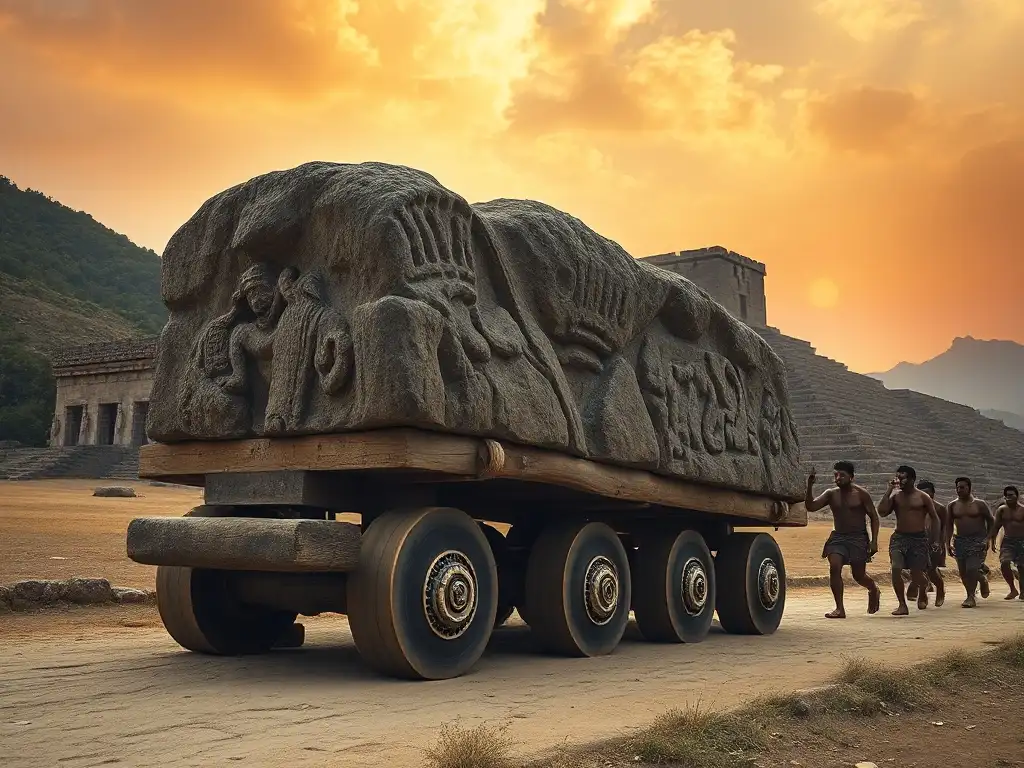
The precise methods employed by the Tiahuanaco people to transport massive stones across significant distances remain a subject of ongoing research and debate. However, several compelling theories, supported by archaeological evidence and experimental archaeology, offer plausible explanations. The sheer scale of the undertaking—moving blocks weighing many tons—suggests a sophisticated understanding of engineering principles and a highly organized workforce.
The ingenuity displayed in overcoming these logistical challenges highlights the advanced technological capabilities of the Tiahuanaco civilization. Understanding their stone transport methods provides crucial insights into their societal structure, resource management, and technological prowess. The keyword "Tiahuanaco stone transport methods" directly reflects this central theme.
The Use of Ramps, Levers, and Rollers in Stone Movement
The most widely accepted hypothesis suggests the Tiahuanaco utilized a combination of ramps, levers, and rollers to move the massive stones. Ramps, constructed from earth and possibly reinforced with wood, would have reduced the angle of ascent, lessening the force required for movement. The inclination of these ramps would have been carefully calculated to minimize the risk of slippage.
Levers, made from wood or other strong materials, would have provided additional leverage, allowing smaller teams to manipulate larger stones. Rollers, likely made from logs, would have been placed beneath the stones to reduce friction and facilitate movement along the ramps.
This system, while seemingly simple, required careful planning and coordination. The construction and maintenance of the ramps themselves would have been a significant undertaking, demanding considerable manpower and resources. The precise placement and rolling of the logs would have also demanded skill and precision to prevent the stones from tilting or becoming stuck.
Evidence of potential ramp systems has been found near some of the Tiahuanaco structures, although further research is needed to confirm their exact function and extent. The efficiency of this system would have been directly impacted by factors such as the size and weight of the stones, the terrain, and the available manpower.
Experimental Archaeology and Reconstructions of Tiahuanaco's Transport Methods
Experimental archaeology plays a crucial role in testing and validating hypotheses regarding Tiahuanaco's stone transport methods. Researchers have conducted numerous experiments, attempting to replicate the movement of large stone blocks using techniques inferred from archaeological evidence. These experiments often involve recreating scaled-down versions of the potential transport systems, using materials similar to those available to the Tiahuanaco people. The results of these experiments provide valuable insights into the feasibility and efficiency of different methods.
For example, studies have shown that even relatively small teams of people, using ramps, levers, and rollers, could successfully move surprisingly large stone blocks. These experiments have helped refine our understanding of the logistical challenges faced by the Tiahuanaco builders and the level of sophistication required in their engineering solutions. While these experiments provide strong support for the ramp-and-roller hypothesis, they also highlight the importance of further research to fully understand the intricacies of their techniques. Further experimentation, focusing on different terrain types and stone sizes, is crucial to fully understand the range of methods employed.
Potential Use of Animals in Tiahuanaco's Construction
While ramps, levers, and rollers were likely the primary methods, the possibility of animal assistance in the transport of some stones cannot be entirely ruled out. The use of llamas, alpacas, or even domesticated camelids could have aided in the initial stages of transport, particularly over relatively flat terrain or for moving smaller stones. However, the sheer weight of the largest stones presents a significant challenge to this theory. The load-bearing capacity of even the strongest camelids would likely have been insufficient for many of the massive blocks found at Tiahuanaco.
The potential role of animals is a complex issue requiring further investigation. While direct evidence of animal usage in stone transport is currently lacking, the possibility of supplementing human labor with animal power for certain tasks remains a valid area of inquiry. Further research into Tiahuanaco's agricultural practices and animal husbandry could shed light on the availability and potential use of animals in construction projects.
Analyzing the distribution of animal bones near construction sites could also provide valuable insights into this aspect of their building methods. The potential use of animal power would have significantly impacted the efficiency and scalability of the overall construction project.
The Legacy of Tiahuanaco's Stone Transport and Construction
The sheer scale of Tiahuanaco's architecture continues to inspire awe and wonder. The meticulous planning and execution involved in quarrying, transporting, and precisely placing massive stones across vast distances remain a testament to the advanced engineering capabilities of the Tiahuanaco culture. Understanding their methods offers invaluable insights into their societal organization, resource management, and technological prowess.
The precision with which these stones were cut, shaped, and fitted together speaks volumes about their sophisticated understanding of geometry and engineering principles. The legacy of Tiahuanaco's stone transport and construction extends far beyond the impressive ruins themselves; it represents a significant chapter in the broader history of Andean engineering and its influence on subsequent civilizations.
The challenges overcome by the Tiahuanaco people in moving and placing these colossal stones serve as a powerful reminder of human ingenuity and resilience. Their achievements stand as a beacon of innovation, pushing the boundaries of what was considered possible in their time.
Tiahuanaco's Influence on Later Andean Civilizations
Tiahuanaco's monumental architecture and innovative building techniques left an indelible mark on subsequent Andean civilizations. The Inca, for instance, likely drew inspiration from Tiahuanaco's mastery of stonework, incorporating similar techniques in their own impressive constructions, such as Machu Picchu and Sacsayhuamán. Evidence suggests a continuity of knowledge and expertise in stone-cutting and construction across different Andean cultures, with Tiahuanaco acting as a crucial source of inspiration and technological transfer.
The precise methods used by the Tiahuanaco, while not entirely replicated, undoubtedly influenced the development of Andean building practices for centuries to come. The impact of Tiahuanaco's legacy can be seen in the refinement and adaptation of their techniques throughout the Andean region, demonstrating a lasting impact on the architectural landscape. This influence isn't just limited to architectural styles; it extends to the organization of labor and resource management, highlighting the profound societal impact of Tiahuanaco's achievements.
Lessons Learned from Tiahuanaco’s Engineering Achievements
Studying Tiahuanaco's engineering achievements offers valuable lessons for modern engineering and construction practices. The precision and scale of their stonework, achieved without modern machinery, highlight the importance of meticulous planning, skilled craftsmanship, and efficient resource management. Analyzing their techniques can provide insights into sustainable building practices and innovative approaches to material handling and construction.
Understanding how the Tiahuanaco people managed to move and place such massive stones across challenging terrain can inform modern logistical solutions and construction strategies. For example, the potential use of ramps, rollers, or even water-based transport systems by the Tiahuanaco could inspire the development of more efficient and sustainable methods for moving heavy materials in modern construction projects.
The detailed study of Tiahuanaco's stonework continues to reveal new insights into their engineering prowess, offering valuable lessons for contemporary engineers and architects alike. Further research could uncover even more efficient methods employed, leading to breakthroughs in modern construction techniques.
The Ongoing Research and Discovery in Tiahuanaco
Research into Tiahuanaco's stone transport methods is an ongoing process, with new discoveries and interpretations constantly emerging. Archaeological excavations continue to unearth valuable information about the quarries used, the tools employed, and the logistical challenges overcome. Advanced technologies, such as 3D modeling and geophysical surveys, are providing increasingly detailed insights into the city's layout and construction methods, shedding new light on the Tiahuanaco's engineering capabilities.
Ongoing research is also focusing on analyzing the chemical composition of the stones to determine their precise origin and transport routes. This interdisciplinary approach, combining archaeology, geology, and engineering, is crucial to unraveling the mysteries surrounding Tiahuanaco's remarkable stonework.
The ongoing exploration of Tiahuanaco promises to further refine our understanding of this remarkable civilization and its lasting contributions to Andean engineering and the broader history of human innovation. The mysteries surrounding the exact Tiahuanaco stone transport methods continue to fascinate and inspire researchers, promising further revelations in the years to come.
Frequently Asked Questions
How did the Tiahuanaco people transport such massive stones?
The exact methods remain a mystery, but theories involve sophisticated ramps, sledges, and human power, possibly aided by waterways and seasonal conditions. Further research is needed to fully understand their engineering feats.
Where did the Tiahuanaco builders source their stone?
The stones came from various quarries, some located many kilometers away. Andesite was a prevalent material, sourced from geographically diverse locations. The precise locations and extraction techniques are still under investigation.
What tools did the Tiahuanaco use for stone transport?
While no definitive tools survive, evidence suggests the use of rope, wood, and potentially stone rollers. The absence of metal tools is significant, highlighting the ingenuity of their methods.
How did the Tiahuanaco civilization manage such large-scale construction projects?
The organizational skills and labor management required were remarkable. A centralized authority likely coordinated resources and manpower for these massive undertakings. Specialized labor likely also played a crucial role.
What are the current research efforts focused on regarding Tiahuanaco's stone transport?
Current research focuses on geological analysis of stones to pinpoint quarries, and experimental archaeology, recreating potential transport methods to test their feasibility. 3D modeling and remote sensing are also employed.
Final Reflection: Unraveling the Enigma of Tiahuanaco's Megaliths
The ingenious methods employed by the Tiahuanaco people to source and transport colossal stones remain a testament to their advanced engineering skills and organizational prowess, a challenge to our modern understanding of ancient civilizations. Their achievements continue to inspire awe and fuel ongoing research, pushing the boundaries of our knowledge about pre-Columbian engineering and societal structures. The sheer scale of their undertaking, from quarrying to precise placement, underscores a level of societal organization and technological sophistication rarely seen in other contemporary cultures.
The enduring mystery surrounding Tiahuanaco's construction continues to fascinate and provoke debate, shaping our understanding not only of this specific civilization but also of the broader capabilities of ancient societies. The sheer audacity of their project, the meticulous planning and execution, speaks volumes about their cultural values and societal cohesion. The stones themselves are silent witnesses to a lost world, whispering tales of ingenuity and perseverance across millennia.
This quote, though fictional, encapsulates the profound impact of Tiahuanaco's legacy on our perception of ancient engineering and the enduring power of human ingenuity.
Consider, for a moment, the implications of this ancient feat. What can we learn from the Tiahuanaco people's resourcefulness and collaborative spirit? How can we apply their dedication to problem-solving to the challenges we face today? I urge you to reflect on the ingenuity and determination demonstrated by the builders of Tiahuanaco, and to consider how their story inspires us to overcome seemingly insurmountable obstacles in our own lives and strive for collaborative solutions to modern challenges. Let their legacy serve as a reminder of the incredible potential of human collaboration and innovation.
Uncover the Secrets of Tiahuanaco Today!
Thank you for exploring the fascinating world of Tiahuanaco and its monumental achievements! You've learned about the ingenious methods used to quarry and transport the massive stones that shaped this incredible civilization. Now, let's put that knowledge to work!
Here are some ways you can continue your exploration:
- **Join an online forum** dedicated to Andean archaeology and share your insights – connect with fellow enthusiasts and deepen your understanding.
- Visit a museum featuring Andean artifacts to see similar building techniques and materials firsthand.
- **Start a blog or research project** documenting your discoveries about ancient civilizations and how their innovations influenced modern techniques. Consider focusing on a specific aspect of Tiahuanaco's construction, such as their stone-cutting methods or their understanding of astronomy.
What inspired you most about Tiahuanaco? We'd love to hear your thoughts and how this knowledge might influence your future projects or studies!