
The Andean Ritual of the Duck: Connecting with Water and the Spirit World

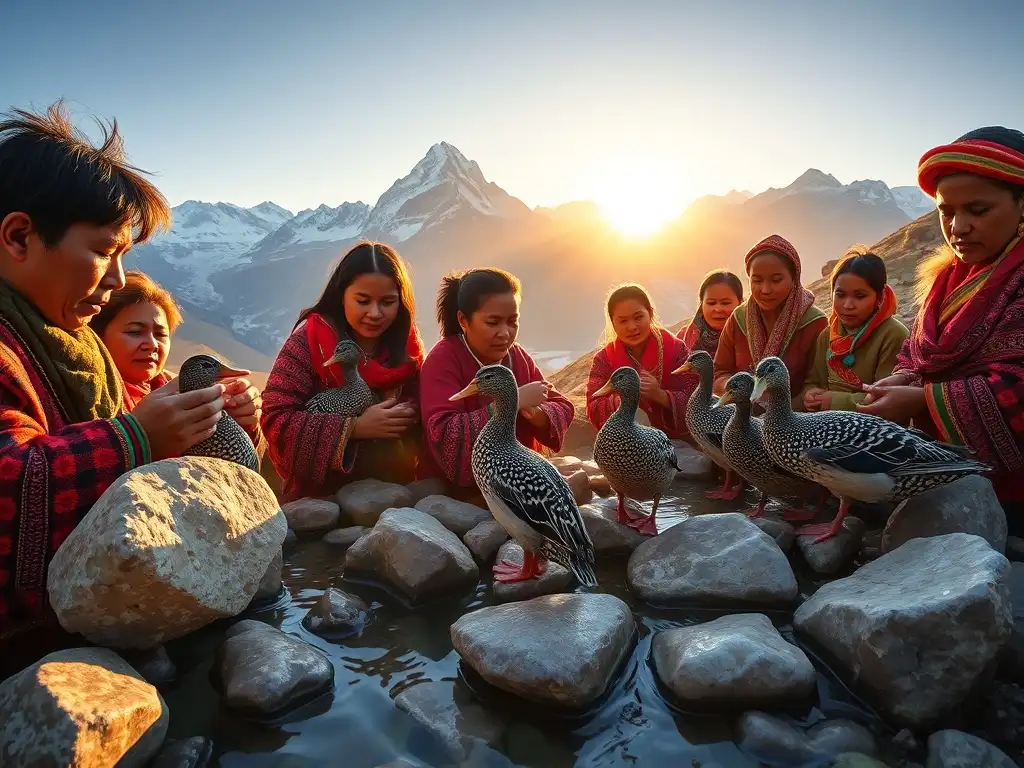
Step into a world lost to time, yet echoing with vibrant life. Imagine a civilization where the very fabric of existence was woven from the threads of water, mountains, and celestial power. Here, on Andean Civilizations, we unravel the mysteries of the Andes, from the majestic Incas to the enigmatic Nazca. But first, prepare to be captivated by the secrets held within the Andean duck ritual meaning, a profound ceremony revealing the intricate connection between the earthly and spiritual realms. Dare to delve deeper and uncover the astonishing legacy of these ancient cultures?
- The Andean Duck Ritual: Exploring its Meaning and Significance
- Decoding the Andean Duck Ritual: Practices and Beliefs
- The Andean Duck Ritual Meaning: Interpretations and Significance
- Variations and Regional Differences in Duck Rituals
- The Andean Duck Ritual Today: Preservation and Modern Interpretations
- Frequently Asked Questions
- Final Reflection: Echoes of the Andean Duck: A Legacy of Water and Spirit
- Embrace the Spirit: Connect with Water Today!
The Andean Duck Ritual: Exploring its Meaning and Significance
The Andes Mountains, a spine of towering peaks and fertile valleys, cradle a rich tapestry of ancient cultures whose spiritual beliefs were deeply intertwined with the natural world. This article delves into one particularly fascinating ritual practice: the offering of ducks to the Andean deities.
Understanding the Andean duck ritual requires exploring the broader context of Andean cosmovision, a worldview that saw the mountains, rivers, and animals as sacred entities, intimately connected to the spiritual realm. We will examine the symbolic importance of the duck itself, its connection to water and fertility, and the rituals surrounding its offering, revealing how this seemingly simple act offered a profound pathway to connect with the spirit world and ensure the well-being of the community.
This exploration aims to illuminate the rich symbolism and meaning behind this captivating Andean practice, offering a deeper understanding of "Andean duck ritual meaning." We will uncover the intricacies of this ritual, moving beyond a simple description to analyze its profound spiritual and societal significance within the context of Andean civilization.
Introduction to Andean Rituals and their Connection to Nature
Andean rituals were not merely ceremonial performances; they were integral aspects of daily life, deeply rooted in the cyclical rhythms of nature and the belief in a vibrant, interconnected cosmos. The Andean worldview recognized the sacredness of the natural world, viewing mountains ( apus), rivers, and animals as possessing spiritual power and agency. Many rituals focused on maintaining a harmonious relationship with these powerful entities, ensuring the continuation of life-giving resources and the well-being of the community.
These rituals often involved offerings – pagos – presented to the deities and spirits to appease them, express gratitude, or seek their intervention. The choice of offering was rarely arbitrary; it held symbolic meaning, carefully selected to reflect the nature of the request or the deity being honored. For instance, offerings of coca leaves, a sacred plant, were common, symbolizing reciprocity and respect.
Similarly, the offering of animals, like the duck, carried profound symbolic weight, reflecting specific aspects of the Andean worldview. The frequency and type of ritual varied widely across different Andean cultures, from the Inca Empire to smaller, regional groups, each possessing unique traditions and practices. However, the underlying principle of maintaining balance and harmony with the natural world remained a constant.
The Sacred Role of Water in Andean Cosmovision
Water held paramount importance in the Andean cosmovision, representing life, fertility, and the very essence of creation. Rivers and springs were not simply sources of hydration; they were considered sacred veins pulsating with life-giving energy, connecting the earthly realm to the spiritual one. Many Andean deities were associated with water, embodying its power and abundance.
The duck, a creature intimately associated with water, therefore took on a significant symbolic role in Andean rituals. Its ability to navigate both the earthly and watery realms mirrored the Andean understanding of the interconnectedness between the visible and invisible worlds. The duck's presence in rituals, especially those involving water sources, reinforced the connection between the natural world and the spiritual realm, emphasizing the importance of maintaining the purity and flow of water for the continued prosperity of the community.
Evidence suggests that different species of ducks may have held varying symbolic meanings, depending on their specific characteristics and habitat. Further research is needed to fully understand the nuances of these distinctions and the specific roles different duck species played in various rituals. The importance of water in Andean agriculture further underscores its sacred significance; reliable water sources were essential for successful harvests, thus linking water directly to the survival and prosperity of the Andean communities.
The Duck as a Symbol in Andean Culture
The duck, seemingly an unassuming creature, held a position of profound symbolic importance within various Andean cultures. Its significance wasn't solely based on its practicality as a food source, though that undoubtedly played a role. Rather, the duck's symbolic weight stemmed from its close association with water, a life-giving element central to Andean cosmology and spirituality.
Depictions of ducks appear frequently in Andean art, from pottery and textiles to stone carvings, suggesting a widespread reverence for this bird. The prevalence of these images indicates that the duck wasn't just a random motif; it represented deeply held beliefs and values within the societies that produced them.
Further research into specific regional variations in the depiction and interpretation of ducks could reveal nuances in their symbolic meaning across different Andean communities. For example, the specific posture of the duck in a piece of artwork, or the accompanying iconography, might hint at a particular aspect of the bird's symbolic significance.
Significance of Ducks in Andean Mythology
Andean mythology is replete with narratives that feature animals, often imbuing them with supernatural powers or symbolic meanings. While specific myths explicitly centered on the duck might be scarce in readily available documentation, the bird's consistent presence in artistic representations strongly suggests its integration into the mythological framework. It's likely that the duck, owing to its association with water and fertility, featured in creation myths, or in stories related to the origins of specific Andean communities. The duck might have been linked to deities associated with water, such as the rain gods prevalent in many Andean pantheons.
Further investigation into lesser-known myths and oral traditions could unearth more detailed information regarding the duck's role in Andean mythology. This could provide a more complete understanding of the ritualistic significance attributed to the animal. The challenge lies in accessing and interpreting these often-fragmented and sometimes inaccessible sources.
The Duck's Connection to Water and Fertility
The duck's strong association with water is undeniable. Its aquatic nature, its dependence on water for survival, and its ability to thrive in wetland environments directly link it to this vital resource. In the Andean context, where water is scarce in many regions, its value is amplified.
Water was not simply a necessity for survival; it was a sacred element, a source of life and fertility, intimately connected to agricultural cycles and the prosperity of Andean communities. The duck, therefore, became a symbol of this life-giving force. Its presence in rituals likely served to invoke the blessings of the water deities, ensuring plentiful rains and fertile lands.
The association with fertility extends beyond agriculture; it likely encompassed human fertility and the continuity of Andean societies. The duck, as a symbol of abundance and renewal, could have played a significant role in rituals aimed at ensuring the prosperity and continuation of the community. This connection to fertility is particularly relevant when considering the importance of agricultural success in the Andean worldview.
Decoding the Andean Duck Ritual: Practices and Beliefs
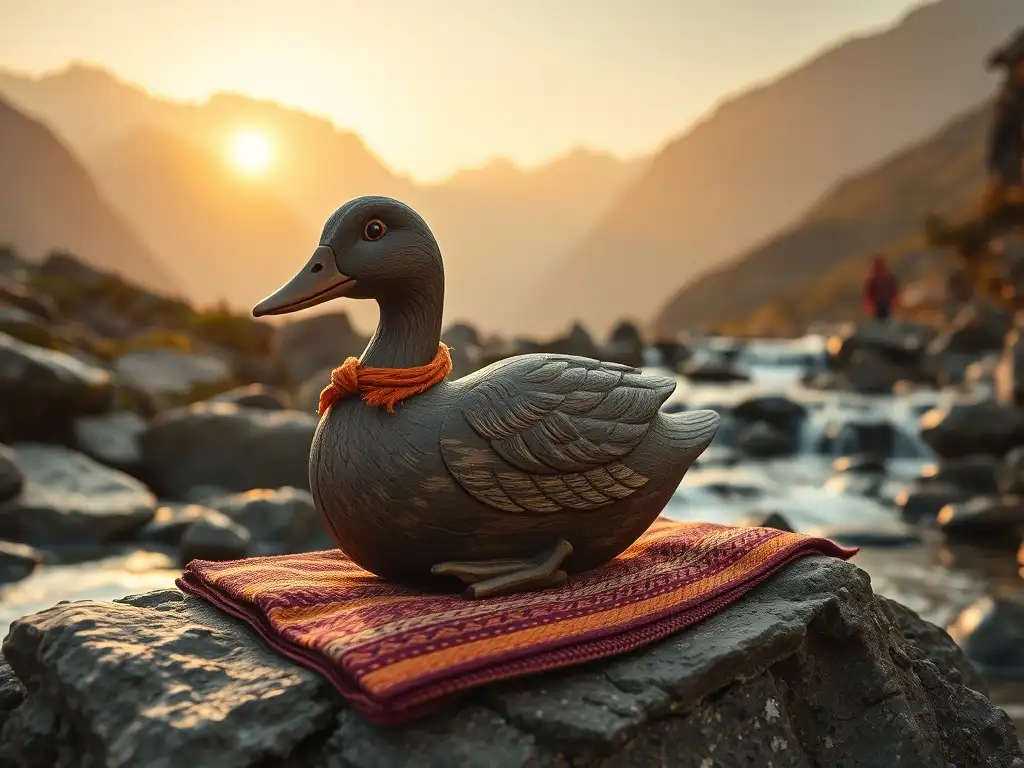
This section delves into the intricacies of Andean duck rituals, exploring the practices and beliefs surrounding this significant ceremony. Understanding the Andean duck ritual meaning requires examining not only the mechanics of the ritual itself but also the deeply ingrained cosmological beliefs that underpinned it. The ritual wasn't merely a symbolic act; it was a vital connection between the earthly and spiritual realms, reflecting a complex relationship with water, fertility, and the spirit world.
The specific details of the rituals varied across different Andean cultures and time periods, but common threads reveal a consistent pattern of meaning and purpose. The use of ducks, in particular, highlights the importance of water and its association with life, abundance, and the divine. We will examine these aspects in detail, shedding light on the profound significance of this often-overlooked Andean practice.
The Ritual Process: A Step-by-Step Guide
The Andean duck ritual, while varying in specifics across different cultures and time periods, followed a general structure. Archaeological evidence, combined with ethnohistorical accounts, allows us to reconstruct a plausible sequence of events. The ritual was not a casual affair but a carefully orchestrated ceremony requiring meticulous preparation and profound reverence.
Preparation of the Ritual Space
The selection of the ritual space was crucial. Ideally, it would be a location associated with water – a lake shore, a riverbank, or even a carefully prepared water basin. The space was meticulously cleaned and purified, often using specific herbs and incantations.
This purification aimed to create a sacred zone, a liminal space where the boundaries between the human and spirit worlds blurred. Evidence suggests that specific arrangements of stones or other natural elements might have been used to delineate the sacred space. The meticulous preparation of the space reflects the Andean emphasis on order and balance, mirroring the cosmological harmony they sought to achieve through the ritual.
The Offering of the Duck
The offering itself was not simply a matter of killing a duck. The chosen duck, often a specific breed or color, was considered a sacred emissary, a conduit for communication with the spirit world. The act of killing the duck was carefully performed, often with specific tools and gestures, reflecting a deep respect for the animal and its role in the ceremony.
The killing was not an act of violence but a sacrifice, an offering intended to appease or honor the spirits. [Specific details regarding the method of killing pending]. The blood of the duck, a vital life force, was often considered particularly potent in connecting with the spiritual realm.
Prayers and Invocations to the Spirits
After the sacrifice, prayers and invocations were recited, often by a shaman or religious leader. These prayers were not standardized but varied depending on the specific community and the intention of the ritual. The prayers would invoke specific deities or spirits associated with water, fertility, and abundance.
[Specific examples of prayers and invocations pending]. The use of musical instruments, such as flutes or drums, often accompanied these invocations, enhancing the spiritual atmosphere and creating a powerful connection between the participants and the spirit world. The rhythm and sounds helped to achieve a state of altered consciousness, facilitating communication with the supernatural realm.
The Spiritual Meaning of the Duck Sacrifice
The Andean duck ritual was far more than a simple act of sacrifice; it was a complex symbolic representation of Andean beliefs and cosmological understanding. The duck itself held a significant symbolic meaning, representing various aspects of Andean life and cosmology.
Understanding the Andean Concept of Ayni
The concept of ayni, reciprocity, is central to understanding the Andean duck ritual. The offering of the duck was not a one-way transaction but an act of exchange between the human and spiritual worlds. By offering a sacrifice, the community hoped to receive blessings of fertility, abundance, and protection from the spirits.
This reciprocal relationship was fundamental to Andean cosmology, emphasizing the interconnectedness of all things and the importance of maintaining balance and harmony. The act of offering the duck was a way of fulfilling their obligations within this cosmic exchange, ensuring the continued flow of blessings and good fortune.
Connection with the Spirit World through Offerings
The duck sacrifice served as a powerful means of communication with the spirit world. The offering wasn't just about appeasing the spirits; it was a way of establishing a dialogue, a connection between the living and the dead. The act of sacrifice, combined with the prayers and invocations, created a powerful link between the earthly and spiritual realms.
The duck, as a sacred emissary, carried the community's offerings and petitions to the supernatural world, ensuring that their voices were heard. The ritual reinforced the Andean belief in a vibrant, interconnected cosmos, where humans were not isolated entities but integral parts of a larger, dynamic system.
The success of the ritual was measured not just by the immediate outcome but by the ongoing well-being of the community and the continued flow of spiritual blessings. The Andean duck ritual, therefore, represents a profound engagement with the spiritual world, reflecting a sophisticated and nuanced understanding of the cosmos.
The Andean Duck Ritual Meaning: Interpretations and Significance
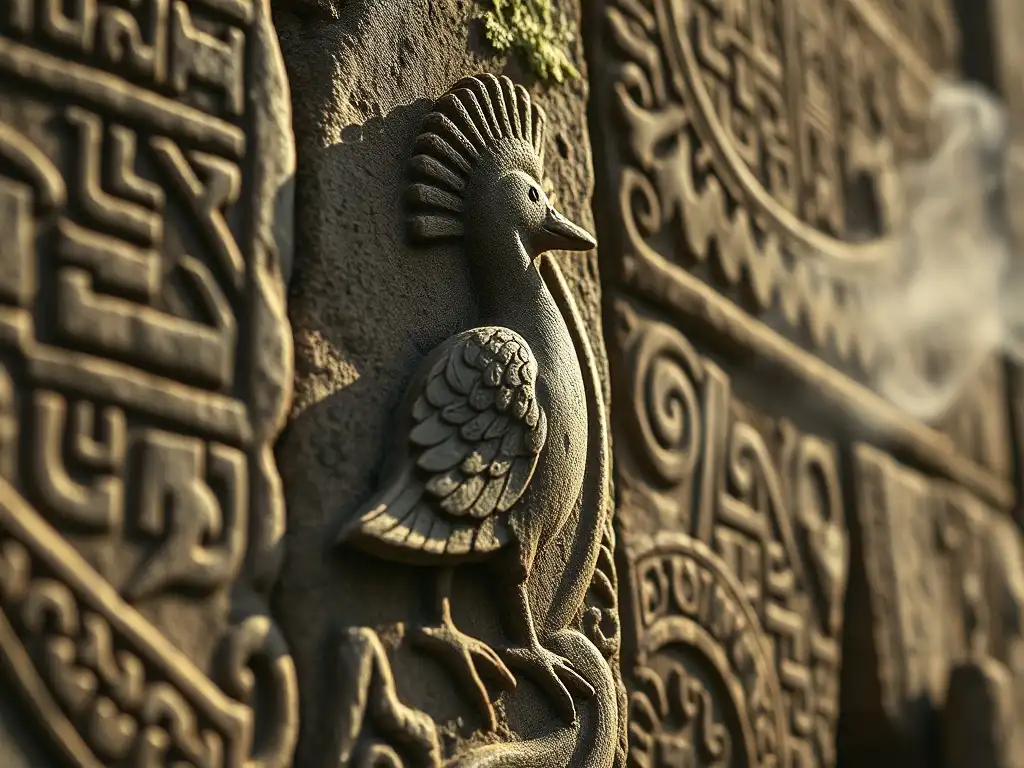
The Andean duck ritual, while multifaceted and varying across different cultures and time periods, consistently reveals a profound connection between the Andean peoples and their environment, particularly their relationship with water and the spirit world. Understanding the "Andean duck ritual meaning" requires examining the symbolism of the duck itself, its role within the broader Andean cosmovision, and the specific actions undertaken during these ceremonies. The significance extends beyond a simple offering; it represents a complex interplay of reciprocity, respect, and a deep-seated belief in the interconnectedness of all living things.
Connecting with the Apus and Pachamama
The Andean worldview centers on the veneration of powerful deities and spirits. The Apus, mountain spirits considered sacred and powerful, and Pachamama, the Earth Mother, are central to this cosmology. The duck, often associated with water sources originating in the mountains and nourishing the land, serves as a crucial intermediary in connecting with these divine entities.
The Role of the Duck in Mountain Worship
The duck's association with the Apus stems from its presence in high-altitude lakes and streams, places considered sacred and the dwelling places of these powerful spirits. Offering ducks during ceremonies aimed at appeasing or honoring the Apus demonstrates respect for their domain and a recognition of their influence over water resources, crucial for Andean agriculture and survival. The flight of the duck, soaring to great heights, might also have been interpreted as a symbolic connection between the earthly realm and the spiritual world inhabited by the Apus.
Archaeological evidence, though limited in directly depicting duck offerings in Apus worship, supports this interpretation through the discovery of duck bones in proximity to mountain shrines and ceremonial sites. [Specific archaeological findings pending].
Honoring the Earth Mother through the Ritual
The duck's connection to Pachamama is equally significant. Water, the lifeblood of the Andean landscape, is considered a manifestation of Pachamama's generative power. The duck, living in and dependent on water, becomes a symbolic offering to this life-giving force. By offering ducks, Andean communities express gratitude for the bounty of the land and seek to maintain a harmonious relationship with Pachamama.
This offering isn't simply a sacrifice; it's an act of communion, recognizing the interconnectedness between humanity, the earth, and the spiritual realm. The ritual may involve specific preparations of the duck, perhaps involving symbolic adornments, before its release or offering to the earth. [Specific preparation details pending].
The Ritual as a Form of Reciprocity and Balance
The Andean duck ritual is not a one-way transaction but rather an exchange, an embodiment of the principle of ayni, the concept of reciprocity that governs Andean social and spiritual life. The offering of the duck is seen as a way to maintain balance and harmony within the cosmos.
Maintaining Harmony with the Natural World
By offering a part of the natural world back to the natural world, the Andean peoples sought to maintain equilibrium. The offering of the duck symbolized a recognition of their dependence on the natural world and a commitment to living in harmony with it. The act of offering reinforces the idea that humans are not separate from nature but an integral part of it.
This understanding is crucial to comprehending the "Andean duck ritual meaning" within a broader ecological context. The health and well-being of the duck population itself, therefore, might have been a factor considered in the frequency and scale of these rituals. [Data on duck population management practices pending].
Seeking Blessings and Abundance
The ritual’s purpose wasn't solely about maintaining balance; it also aimed to secure blessings and abundance. The offering of the duck was a way to beseech the divine for bountiful harvests, plentiful water supplies, and protection from natural disasters. The success of the harvest, the health of livestock, and the overall prosperity of the community were all believed to be influenced by the successful performance of these rituals.
The expectation was that the offering would elicit a reciprocal blessing from the Apus and Pachamama, ensuring the continued well-being of the community. This concept of reciprocal exchange, fundamental to Andean spirituality, is a key element in understanding the "Andean duck ritual meaning" and its impact on Andean society. The ritual served not only as a religious practice but also as a mechanism for social cohesion and community resilience.
Variations and Regional Differences in Duck Rituals
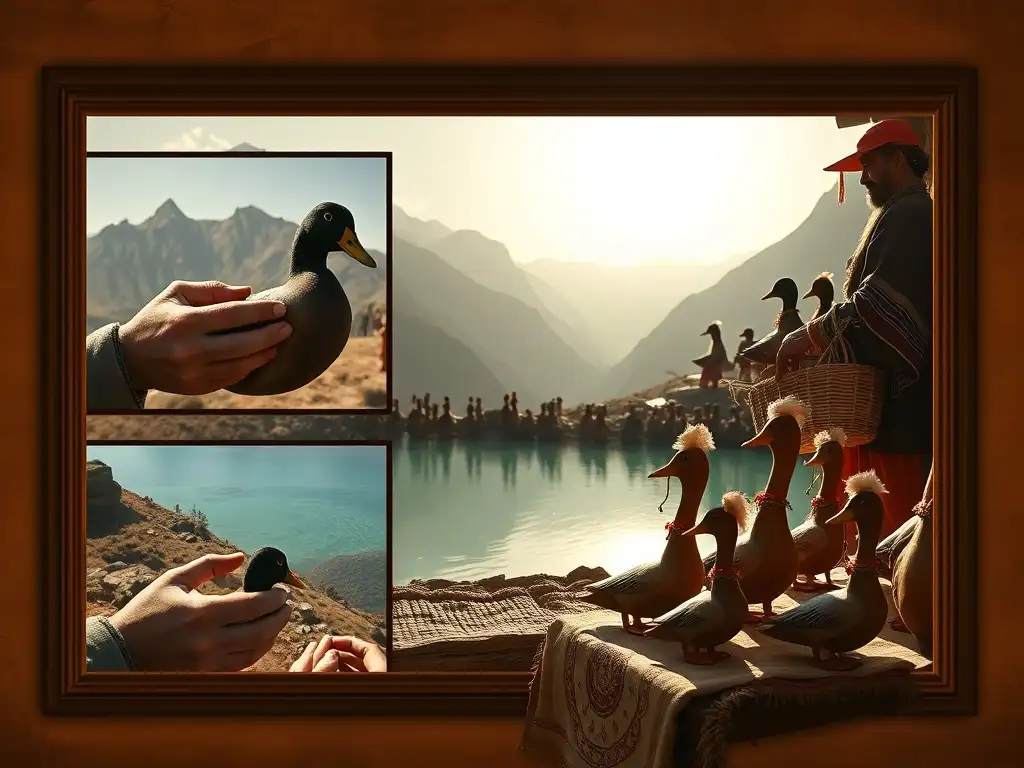
The Andean duck ritual, while sharing a core symbolism connecting water, fertility, and the spirit world, manifested differently across various Andean cultures. Understanding these variations reveals the nuanced ways in which Andean communities interacted with their environment and spiritual beliefs. The meaning of the "Andean duck ritual" wasn't monolithic; instead, it was a tapestry woven from diverse threads of practice and belief, reflecting the unique characteristics of each region and community.
The significance of the duck, as a symbol of life-giving water and its connection to the supernatural realm, remained central, but the specific rituals, offerings, and interpretations varied considerably. This section will explore some of these regional differences, focusing on specific communities and their unique approaches to duck rituals.
The Kallawaya People of Bolivia: Duck Offerings for Healing
The Kallawaya, renowned for their traditional medicine, incorporated duck offerings into their healing practices. Their rituals weren't solely focused on agricultural fertility, but also on restoring balance and well-being within individuals and the community. The selection of ducks, the accompanying offerings, and the incantations all held specific significance in the context of healing.
Selection of Ducks based on Color and Gender
The Kallawaya meticulously selected ducks for their offerings, paying close attention to color and gender. White ducks, for instance, were often associated with purity and healing, while black ducks might be used to absorb negative energies or illnesses. The gender of the duck also held symbolic weight, with males sometimes representing strength and vitality, and females representing nurturing and fertility. [Specific details on the symbolic meaning of different duck colors and genders within Kallawaya traditions pending]. This careful selection process underscores the deliberate and meaningful nature of their offerings.
Use of Coca Leaves and Ritual Music
Beyond the duck itself, coca leaves played a crucial role in Kallawaya duck rituals. Chewed coca leaves, known for their stimulating and spiritual properties, were offered alongside the duck, facilitating communication with the spirit world and enhancing the efficacy of the healing ritual. Specific types of coca leaves might be selected, depending on the nature of the illness or the desired outcome.
The rituals were often accompanied by traditional Kallawaya music, believed to influence the spirits and guide the healing process. The rhythmic chanting and instrumental music helped to create a sacred atmosphere conducive to spiritual communication. The overall impact of these elements created a complex and powerful healing ritual that went beyond simple appeasement.
The Q'ero Community of Peru: Duck Rituals for Agricultural Success
In the high Andes of Peru, the Q'ero community employs duck rituals primarily to ensure the success of their agricultural endeavors. Their rituals are intricately linked to the agricultural cycle, with specific ceremonies performed at crucial times throughout the year. The Q'ero people’s deep connection to the land is evident in the way they integrate their beliefs about the spirit world into their daily lives, particularly in agriculture.
Ritual Timing aligned with Planting and Harvest Seasons
The timing of Q'ero duck rituals is precisely aligned with the planting and harvesting seasons. Offerings are made to ensure abundant harvests and to protect the crops from frost, pests, and other threats. These rituals aren't performed randomly; they are meticulously scheduled to coincide with the agricultural calendar and the movements of the sun and stars. [Precise dates and times of these rituals pending further research]. This precise timing highlights the Q'ero people's profound understanding of the natural world and their ability to integrate spiritual practices with agricultural realities.
Specific Incantations invoking Agricultural Deities
The Q'ero duck rituals involve specific incantations and prayers directed towards agricultural deities. These prayers seek blessings for the crops and protection against harmful forces. The language used in these incantations is often Quechua, the ancestral language of the Andes, further emphasizing the ritual's connection to the ancient traditions of the region.
The specific phrases used in these incantations are often kept secret and passed down through generations within the community, highlighting the sacred and esoteric nature of the rituals. The effectiveness of the ritual is believed to be dependent on the proper performance of these incantations, underscoring the importance of preserving the cultural heritage and traditional knowledge within the community. The Andean duck ritual, therefore, is far more than a simple offering; it is a complex act of communication with the supernatural world, aimed at ensuring both individual and communal well-being.
The Andean Duck Ritual Today: Preservation and Modern Interpretations
The Andean duck ritual, while deeply rooted in pre-Columbian practices, continues to resonate in contemporary Andean communities, albeit in adapted forms. Understanding its modern manifestations requires acknowledging the complex interplay between ancient beliefs and the pressures of globalization and modernization. The enduring significance of this ritual highlights the tenacious nature of cultural heritage and its ability to adapt while retaining its core essence. This section delves into the contemporary significance of these ancient practices, the efforts underway to preserve them, and the reinterpretations emerging as symbols of environmental stewardship.
Contemporary Significance of Ancient Rituals
The Andean duck, specifically species like the Anas specularis (Andean crested duck) and others found in high-altitude lakes, remains symbolically important in many communities. While the elaborate ceremonies of the past might not be universally replicated, the symbolic connection between ducks, water, and the spirit world persists. Many communities still associate ducks with fertility, abundance, and the cyclical nature of life and death – mirroring the ancient beliefs.
For example, in some communities, the appearance of a duck near a farm or field is still considered an auspicious omen, suggesting a bountiful harvest. This shows a subtle but powerful continuation of the cultural significance of the bird, even without direct replication of the ancient ritualistic practices. The persistence of these beliefs underscores the enduring power of traditional Andean cosmovision, subtly influencing daily life and shaping cultural perceptions.
Further research is needed to fully document the varying expressions of this enduring connection across different Andean communities and regions. [Specific data on regional variations pending]
Efforts to Preserve Andean Traditions
Recognizing the importance of preserving this cultural heritage, several initiatives are underway to document and protect the remaining vestiges of the Andean duck ritual. These efforts range from anthropological studies meticulously recording oral histories and traditional practices to community-based projects that aim to revitalize traditional ceremonies. Many indigenous communities are actively involved in these preservation efforts, ensuring the accurate transmission of knowledge to younger generations.
This proactive approach not only safeguards a unique aspect of Andean culture but also helps maintain a sense of cultural identity and pride within these communities. The success of these initiatives hinges on collaboration between researchers, community leaders, and governmental organizations, all working towards a common goal of cultural preservation. [Specific examples of preservation projects and their impact pending]
Reinterpretations of the Ritual as a Symbol of Environmental Stewardship
In recent years, there’s been a growing awareness of the ecological significance of the Andean duck ritual. The ritual's focus on water and its connection to the spirit world can be reinterpreted through a lens of environmental stewardship. The ducks themselves, as indicators of wetland health, become symbols of the delicate balance of the Andean ecosystem.
This modern interpretation emphasizes the importance of protecting water resources and the biodiversity of high-altitude lakes and wetlands. The ritual, therefore, transcends its purely religious significance and becomes a powerful metaphor for environmental responsibility. This reinterpretation fosters a renewed appreciation for the interconnectedness of Andean culture and the environment, promoting sustainable practices and conservation efforts.
This evolving understanding of the ritual's meaning underscores the adaptability of cultural traditions and their potential to inspire modern ecological consciousness. The “Andean duck ritual meaning” is thus enriched with a layer of environmental awareness, adding a new dimension to its significance.
Conclusion: The Enduring Legacy of the Andean Duck Ritual
The Andean duck ritual, though its precise historical forms may be lost to time, continues to resonate in the cultural memory of Andean communities. Its symbolism, deeply intertwined with water, fertility, and the spirit world, persists in various contemporary expressions. While elaborate ceremonies involving the sacrifice of ducks might be less common, the symbolic significance of the duck itself remains. We see echoes of this ancient practice in modern Andean art, folklore, and even in certain agricultural practices.
The imagery of the duck, often depicted in textiles, pottery, and other crafts, serves as a potent visual reminder of the enduring connection between Andean people and the natural world, particularly the vital resource of water. The enduring legacy of the ritual isn't just about a specific ceremony; it's about the continuing spiritual and cultural significance of the duck as a powerful symbol. Understanding this enduring legacy offers a deeper appreciation for the complex relationship between Andean communities and their environment, highlighting the continuity of their cultural traditions across centuries. The enduring power of the symbol underscores the importance of preserving and understanding these ancient rituals, not just as historical events, but as living traditions that continue to shape Andean identity and worldview.
Further research into contemporary Andean communities and their practices could illuminate the subtle ways in which this ancient ritual continues to influence their lives and beliefs. The ongoing study of Andean art and folklore will undoubtedly reveal further clues about the lasting impact of this fascinating ritual. 🐔
Frequently Asked Questions
What is the significance of ducks in Andean cultures?
Ducks held symbolic importance in various Andean cultures. They were often associated with water, fertility, and the spirit world, reflecting their close connection to these vital elements. Their presence in rituals highlighted these themes.
Why were ducks used in Andean rituals?
The use of ducks in Andean rituals likely stemmed from their association with water sources crucial for survival and agriculture. They also served as mediators between the human and spirit worlds, facilitating communication and offerings.
What specific rituals involved ducks in Andean cultures?
While details vary across cultures and time periods, evidence suggests ducks were offered as sacrifices or used in ceremonial contexts related to water management, agriculture, and ancestor veneration. Specific rituals are still being researched and understood by archaeologists.
How did the Andean people view the relationship between ducks and the spirit world?
Andean cosmologies often linked water and birds to spiritual realms. Ducks, being aquatic birds, became powerful symbols connecting the living with the deceased and the earthly with the supernatural. This connection is seen in burial sites and artwork.
Where can I learn more about the Andean duck ritual meaning?
Further research into the iconography and archaeological findings related to Andean cultures will provide a more complete understanding. Explore academic journals, museum exhibits, and reputable websites focusing on Andean archaeology and anthropology.
Final Reflection: Echoes of the Andean Duck: A Legacy of Water and Spirit
The Andean duck ritual, far from being a relic of the past, offers a potent metaphor for our contemporary relationship with nature and spirituality. Its enduring power lies in its ability to remind us of the interconnectedness of all things, a lesson desperately needed in our increasingly fragmented world. The ritual's emphasis on respect for water, a precious resource under growing threat, resonates deeply with the urgent environmental challenges we face today.
The profound impact of this ritual extends beyond its immediate geographical context. It speaks to a universal human need to connect with something larger than ourselves, to find meaning and purpose in the natural world. The earth laughs in flowers.
This simple truth, often overlooked in our modern lives, is at the heart of the Andean duck ritual. Its enduring legacy is a testament to the enduring power of ancient traditions to offer profound insights into the human condition and our place within the cosmos. The ritual’s emphasis on community and shared experience also serves as a powerful reminder of the importance of collective action in addressing the challenges of our time.
Consider, for a moment, the significance of water in your own life. Reflect on the ways in which you interact with the natural world, and ask yourself: how can you cultivate a deeper sense of respect and reverence for the life-giving forces that sustain us? Embrace the spirit of the Andean duck ritual – a spirit of reverence, community, and connection – and discover the transformative power it holds for your own journey. Let the echoes of this ancient practice inspire you to live a life more deeply connected to the earth and to the spirit within.
Embrace the Spirit: Connect with Water Today!
Thank you for exploring the rich Andean tradition of honoring water! Your interest demonstrates a deep respect for the cultural practices that connect us to water and the spiritual world. Now, let's deepen your connection. Here are some ways to fully immerse yourself in this transformative experience:
- Participate in a local water blessing ceremony. Many communities hold events celebrating water's importance; search online or contact local environmental groups to find one near you.
- Share your newfound appreciation. Discuss the significance of water with friends and family, or share your insights on social media to inspire others.
- Spend time in nature. Visit a nearby river, lake, or ocean to connect with the natural world and contemplate the powerful role of water in our lives.
How will you honor and connect with the spirit of water in your daily life? We'd love to hear your ideas and reflections in the comments below!