
Nazca Lines: Celestial Pathways or Sacred Dance Floors?

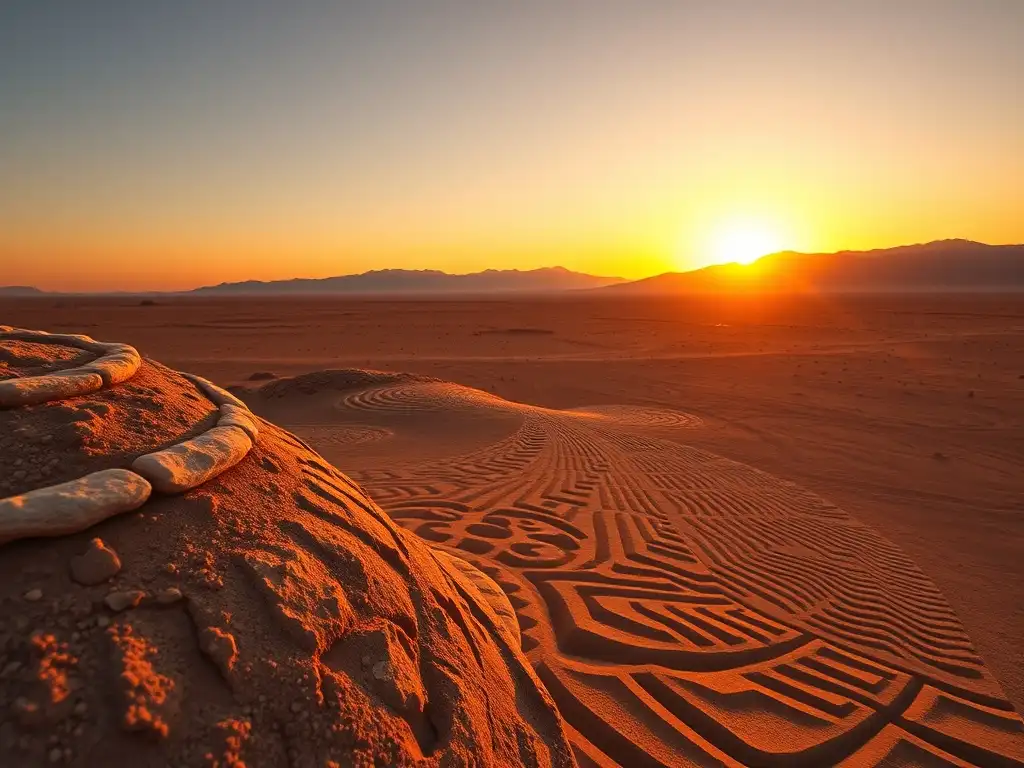
Welcome to Andean Civilizations, where the echoes of a lost world whisper secrets of ingenuity and spiritual depth. Prepare to be captivated by the enigmatic tapestry of Andean history, art, and technology. But first, let's unravel one of the region's most enduring mysteries: the Nazca Lines. What were these colossal geoglyphs—celestial pathways or sacred dance floors? Dive in and discover the compelling theories surrounding their meaning and purpose, a journey that will transport you to the heart of Andean religion and cosmovision.
- Nazca Lines: Celestial Pathways or Sacred Dance Floors? Exploring the Meaning and Purpose
- The Enigma of the Nazca Geoglyphs: An Introduction
- Decoding the Nazca Lines: Theories and Interpretations
- The Iconography of the Nazca Lines: Analyzing the Figures
- The Construction Techniques of the Nazca Lines
- The Legacy of the Nazca Lines: Today and Beyond
- Frequently Asked Questions
- Final Reflection: Unraveling the Enigma of the Nazca Lines
- Unveil the Mysteries of the Nazca Lines!
Nazca Lines: Celestial Pathways or Sacred Dance Floors? Exploring the Meaning and Purpose
The Nazca Lines, etched into the arid plains of southern Peru, remain one of the world's most enduring enigmas. These geoglyphs, vast figures and intricate designs visible only from the air, have captivated researchers and sparked countless theories for decades.
This article delves into the ongoing debate surrounding the meaning and purpose of the Nazca Lines, examining the leading hypotheses and considering the rich tapestry of Andean cosmology that provides a crucial context for their interpretation. We'll explore the evidence supporting interpretations ranging from astronomical alignments and celestial calendars to ritualistic practices and sacred landscapes, ultimately aiming to shed light on the significance of these mysterious creations within the broader context of Nazca culture and Andean religion.
Understanding the Nazca Lines requires not only analyzing their physical characteristics but also immersing ourselves in the spiritual beliefs and societal structures of the people who created them. This journey will illuminate the fascinating intersection of art, astronomy, and religion in ancient Andean civilizations.
Astronomical Alignments and Celestial Calendars
One prominent theory suggests that the Nazca Lines served as a vast astronomical observatory. Many lines and figures appear to align with significant celestial events, such as solstices and equinoxes. Detailed studies have shown correlations between certain geoglyphs and the rising and setting points of stars and constellations. This suggests a sophisticated understanding of astronomy, used perhaps to track seasonal changes crucial for agricultural practices and religious observances.
The precision of these alignments is remarkable, hinting at advanced knowledge of celestial mechanics and a deep connection between the Nazca people and the cosmos. However, critics argue that the alignments are not precise enough to definitively prove an astronomical purpose, and that other interpretations should be considered. Further research, including more detailed astronomical analysis, is needed to fully assess this hypothesis.
Ritualistic Practices and Sacred Landscapes
Another compelling hypothesis posits that the Nazca Lines were integral to ritualistic practices and served as a sacred landscape. The sheer scale of the geoglyphs and their location in a remote, desolate area suggest a significant symbolic importance beyond mere practical applications. The creation of the lines themselves would have been a monumental undertaking, requiring significant community involvement and potentially signifying collective rituals and communal identity.
Furthermore, the presence of other archaeological features, such as ceremonial sites and burial grounds, in the vicinity strengthens the argument for a ritualistic interpretation. The lines may have served as pathways for processions, pilgrimage routes, or even as stages for ritualistic performances. This interpretation is supported by the discovery of artifacts and evidence of ritual activities near the geoglyphs themselves.
Water Management and Fertility Rites
Some scholars propose a link between the Nazca Lines and water management practices. Given the arid environment of the Nazca desert, access to water was paramount for survival. It's been suggested that some lines might represent channels or conduits for water, or that the figures themselves symbolize water sources or deities associated with fertility.
This interpretation connects the lines to the practical needs of the Nazca people while also acknowledging the symbolic importance of water in Andean cultures. This ties into the broader concept of fertility rites, with the lines potentially representing a ritualistic attempt to influence rainfall and ensure successful harvests. Further research into hydrological patterns and the correlation between lines and water sources is needed to fully explore this intriguing possibility.
The Ongoing Debate and Future Research
The meaning and purpose of the Nazca Lines remain a subject of ongoing debate. While astronomical alignments and ritualistic practices seem likely contributing factors, the full significance of these remarkable geoglyphs is yet to be fully understood. Future research should involve a multidisciplinary approach, combining archaeological findings, astronomical data, anthropological insights, and advanced technologies such as remote sensing and GIS mapping.
By integrating these diverse perspectives, we can hopefully unveil more secrets hidden within these enigmatic celestial pathways or, perhaps, sacred dance floors. The mysteries surrounding the Nazca Lines continue to intrigue and inspire, reminding us of the enduring power of human creativity and the rich cultural heritage of the ancient Andes.
The Enigma of the Nazca Geoglyphs: An Introduction
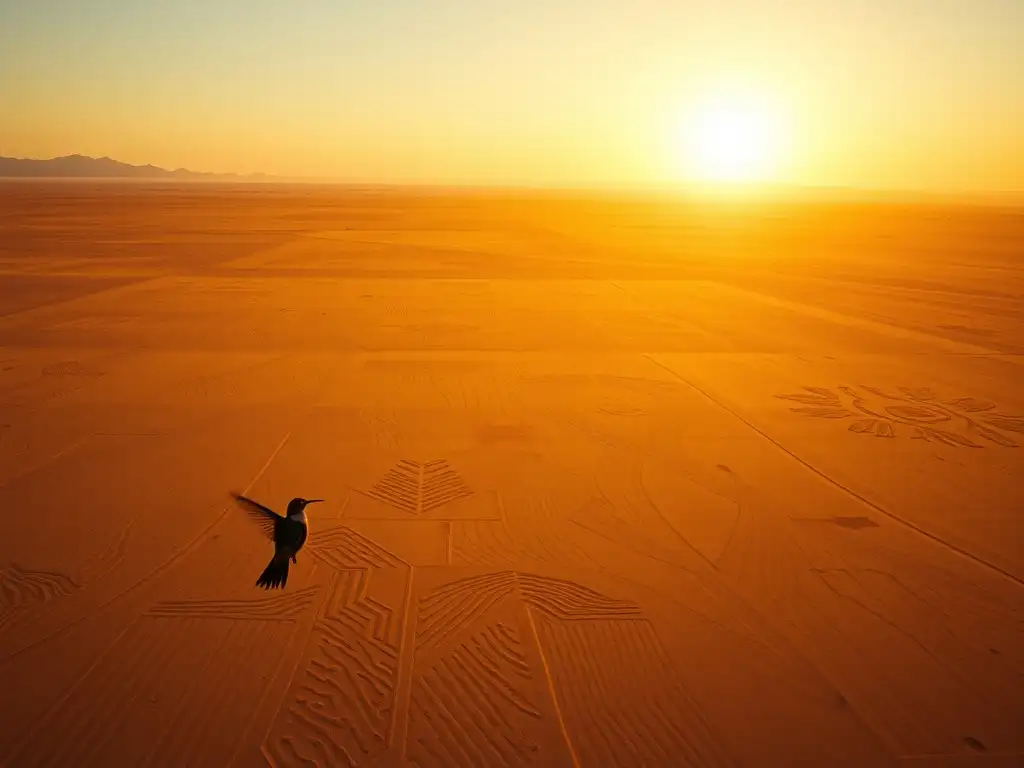
The Nazca Lines, sprawling across the arid Pampas of southern Peru, remain one of archaeology's most enduring mysteries. These enigmatic geoglyphs, etched into the earth's surface, depict a vast array of figures: stylized animals like hummingbirds, monkeys, and lizards; geometric shapes; and even human-like forms. Their sheer scale and complexity have captivated researchers and fueled countless theories regarding their Nazca Lines meaning and purpose. Were they celestial pathways, reflecting a sophisticated understanding of astronomy?
Or were they elaborate sacred dance floors, used in ritual ceremonies and offerings to appease the gods? The debate continues, with evidence pointing towards a multifaceted interpretation that encompasses both cosmological and ritualistic significance. Understanding the Nazca Lines requires delving into their creation, their potential purpose, and the cultural context in which they emerged.
This exploration aims to shed light on the possible meanings behind these iconic symbols of Andean civilization, contributing to a more nuanced understanding of their role in Nazca society and religion. Their creation involved immense effort and precision, raising questions about the technology and social organization of the Nazca culture. The sheer number of geoglyphs, their diversity, and their intricate details suggest a deep-seated cultural and religious importance.
Location and Scale of the Nazca Lines in Peru
The Nazca Lines are located in the coastal desert of southern Peru, specifically within the Pampas de Jumana, a vast expanse of arid plains. This unique geographical location, characterized by its exceptionally dry climate and stable soil, has been crucial in the preservation of these ancient geoglyphs for centuries. The lines themselves extend over an area of approximately 500 square kilometers, showcasing the immense scale of this undertaking.
The figures themselves vary significantly in size, with some spanning hundreds of meters in length. For instance, the hummingbird geoglyph measures approximately 100 meters long, while other animal figures reach even greater proportions. This vastness underscores the significant labor and planning involved in their creation, implying a level of social organization and cooperation that is remarkable for the time period.
The precise location within the Pampas de Jumana, often along river valleys, suggests a possible connection to water sources and agricultural practices, further complicating the interpretation of their purpose. The lines themselves are created by removing the dark reddish-brown surface stones to reveal the lighter-colored subsoil beneath, creating a stark contrast visible from above. This technique, while seemingly simple, required an incredible level of precision and coordination.
The Discovery and Early Interpretations of the Nazca Figures
The Nazca Lines were not fully appreciated until the advent of aviation in the 20th century. While local populations were aware of their existence, their true scale and complexity remained hidden until aerial surveys revealed their breathtaking scope. Early interpretations, often lacking a deep understanding of Andean cultures, frequently attributed the lines to various improbable explanations, including landing strips for extraterrestrial spacecraft – a theory that, despite its lack of evidence, remains popular in some circles. However, more rigorous archaeological research, beginning in the mid-20th century, has gradually shifted the focus towards a more culturally grounded understanding.
Researchers like Maria Reiche dedicated decades to studying the lines, proposing that they were linked to astronomical events and water management systems. Her work, while influential, has also been subject to scrutiny, with some aspects of her interpretations challenged by subsequent research. Early interpretations often lacked the nuanced understanding of Andean cosmology and ritual practices that current research emphasizes.
The shift towards a more holistic approach, incorporating anthropological and archaeological data, has led to more plausible explanations that consider the lines within the broader context of Nazca society and belief systems. This evolution in understanding highlights the importance of interdisciplinary research in interpreting complex archaeological sites and artifacts. The ongoing research continues to refine our understanding of the Nazca Lines meaning and purpose, revealing new insights into the ingenuity and spirituality of the Nazca civilization.
Decoding the Nazca Lines: Theories and Interpretations
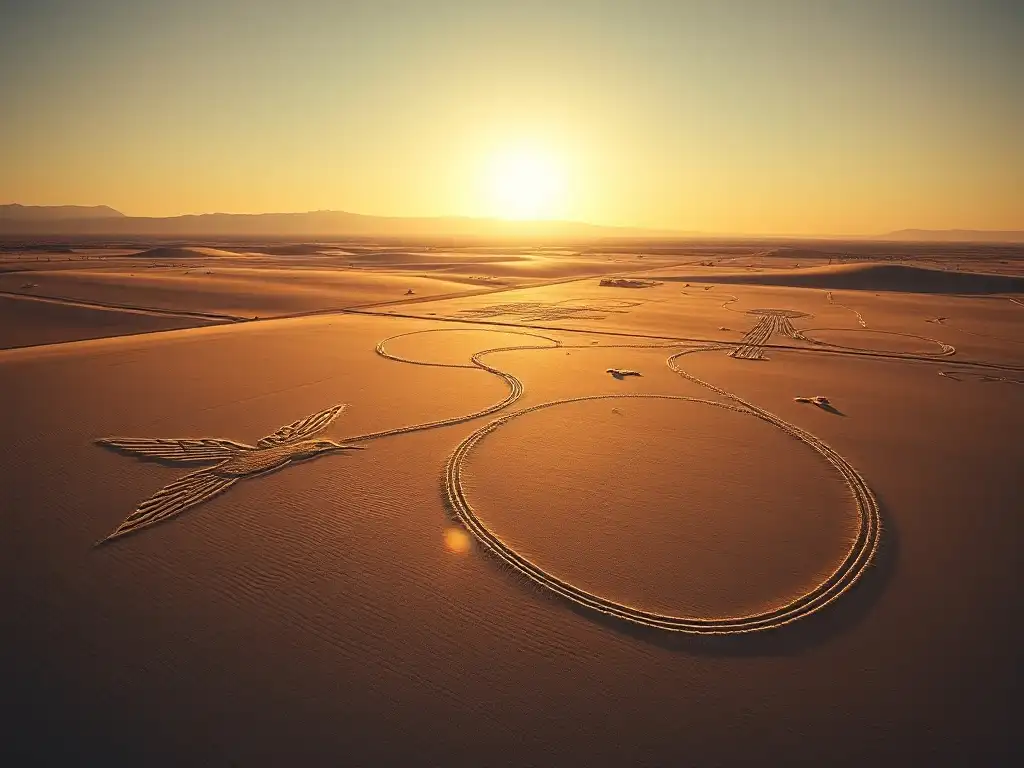
The Nazca Lines, enigmatic geoglyphs etched into the Peruvian desert, continue to captivate researchers and spark debates about their meaning and purpose. While a definitive answer remains elusive, exploring the various theories surrounding their creation offers valuable insights into the complex worldview of the Nazca culture. The "Nazca Lines meaning and purpose" is a question that has fueled countless studies, leading to several compelling hypotheses, which we will examine in detail.
Understanding these interpretations requires delving into the astronomical, ritualistic, and potentially even practical aspects of these extraordinary creations. The sheer scale and precision of the lines suggest a level of societal organization and technological sophistication far beyond what was previously believed.
Astronomical Significance: Nazca Lines as a Celestial Calendar
One prominent theory proposes that the Nazca Lines served as a sophisticated astronomical calendar, aligning with significant celestial events. The precision with which many lines are oriented suggests a deep understanding of astronomy and its relationship to the agricultural cycle. This theory aligns with evidence of advanced astronomical knowledge in other Andean cultures.
Alignments with Solstices and Equinoxes
Several studies have identified potential alignments between certain Nazca Lines and the solstices and equinoxes. These alignments, if confirmed, would provide compelling evidence for the astronomical interpretation. For instance, some researchers suggest that the orientation of specific geoglyphs correlates with the rising and setting positions of the sun on these key dates. However, further research is needed to definitively establish these correlations, as some alignments are debated. Precise measurements and advanced astronomical modeling are crucial to validate these claims. The potential for error in interpretation, due to geological changes over centuries, is also a factor needing careful consideration.
The Role of Astronomy in Ancient Andean Cultures
The importance of astronomy in ancient Andean cultures is well-documented. Many Andean societies, including the Nazca, demonstrated a sophisticated understanding of celestial movements and their impact on agriculture and daily life. This knowledge was likely interwoven with their religious beliefs and rituals.
The integration of astronomical observations into their worldview suggests that the Nazca Lines could have served a dual purpose, functioning both as a practical calendar and a sacred representation of their cosmic understanding. This intertwining of the practical and the sacred is a recurring theme in Andean cosmology. Further research into related sites and artifacts could help illuminate the connection between astronomical knowledge and the creation of the Nazca Lines.
Ritualistic Purposes: Nazca Lines as Sacred Dance Floors
Another compelling theory suggests that the Nazca Lines served a ritualistic purpose, possibly acting as pathways or dance floors for religious ceremonies. This interpretation is supported by evidence of ceremonial activities at nearby Nazca sites. The scale and layout of some geoglyphs suggest they were intended for large gatherings, possibly involving ritualistic processions or performances.
Evidence of Ceremonial Activities at Nazca Sites
Archaeological excavations at various Nazca sites have uncovered evidence of ceremonial activities, including offerings of artifacts and human remains. These findings suggest a strong connection between the Nazca Lines and religious practices. The presence of burial sites near some geoglyphs further supports the idea that the lines played a role in funerary rituals or other sacred ceremonies.
The discovery of specific artifacts like pottery and textiles bearing celestial motifs strengthens the connection between ritual and astronomical observations. This interweaving of the symbolic and the practical is a defining characteristic of Nazca culture. [Specific details on artifact types and locations pending further research].
Offerings and Rituals Associated with the Geoglyphs
The presence of offerings near some geoglyphs points towards the possibility of ritualistic processions or ceremonies taking place along the lines. These offerings might have been intended to appease deities, mark important events, or ensure the continued fertility of the land. Understanding the types of offerings and their placement relative to the geoglyphs is crucial for deciphering their ritualistic significance.
This requires detailed analysis of archaeological findings and a deeper understanding of Nazca religious beliefs. The discovery of more offerings would undoubtedly enrich our understanding of the rituals associated with the Nazca Lines. The potential for finding further evidence is significant, given the vast expanse of the Nazca desert and the limited extent of current archaeological investigations.
Other Interpretations: Alternative Theories on the Nazca Designs
Beyond the dominant astronomical and ritualistic interpretations, several alternative theories attempt to explain the Nazca Lines' meaning and purpose. These perspectives, while sometimes less widely accepted, offer valuable insights into the complexity of the geoglyphs and the ingenuity of the Nazca culture. They highlight the multifaceted nature of Nazca society and its relationship with its environment. Understanding these alternative viewpoints enriches our comprehension of the lines' significance and challenges us to consider a broader range of possibilities. The Nazca Lines meaning and purpose, therefore, isn't confined to a single, easily defined answer.
Water Management and Irrigation Theories
Some researchers propose that the lines played a crucial role in the Nazca's sophisticated water management system. The arid coastal desert presented significant challenges for agriculture, and the Nazca people developed intricate methods of water harvesting and distribution. The theory suggests that certain lines might have served as channels guiding water runoff, or that the geoglyphs themselves were somehow involved in improving the efficiency of irrigation systems.
This theory aligns with the practical needs of a society surviving in a harsh environment, emphasizing the Nazca’s remarkable engineering skills and their deep understanding of their surroundings. Further research into the geological features surrounding the lines and the hydrology of the Nazca region could potentially offer stronger evidence to support or refute this interpretation of the Nazca Lines meaning and purpose. The precise relationship between the lines and water management remains a subject of ongoing debate among archaeologists and specialists.
Artistic Expression and Social Organization
Another compelling theory posits that the Nazca Lines represent a monumental form of artistic expression and a reflection of the society's social organization. Creating these enormous geoglyphs required significant coordination and labor, suggesting a highly structured society with a centralized authority capable of mobilizing large groups of people for extended periods. The sheer scale and complexity of the designs hint at a sophisticated understanding of geometry and engineering.
Moreover, the variety of designs, from stylized animals to geometric patterns, might reflect different aspects of Nazca culture, beliefs, and social hierarchies. This interpretation shifts the focus from solely religious or astronomical meanings to encompass the social and artistic dimensions of the Nazca civilization.
The Nazca Lines meaning and purpose, in this context, becomes intertwined with the very fabric of Nazca society, its power structures, and its artistic capabilities. The intricate designs could represent clan symbols, social status markers, or even artistic expressions of cosmological concepts.
The Iconography of the Nazca Lines: Analyzing the Figures
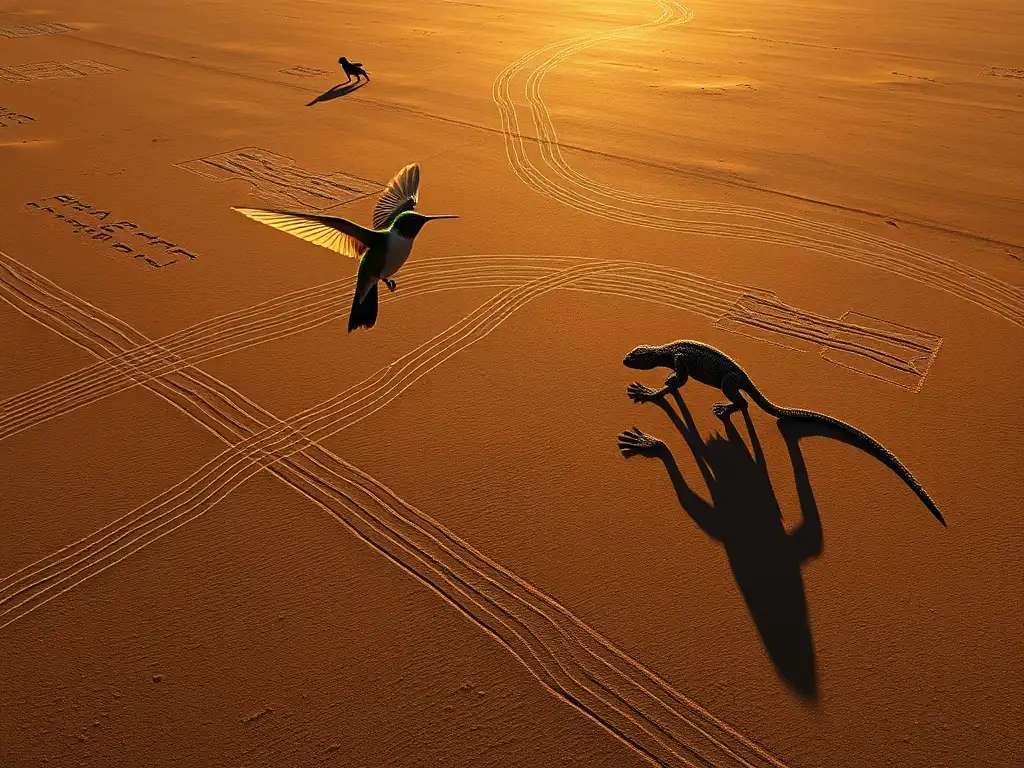
The Nazca Lines, etched into the Peruvian desert, are not merely enigmatic geoglyphs; they are a complex tapestry of iconography that reflects the sophisticated cosmology and worldview of the Nazca culture. Understanding the meaning and purpose of the Nazca Lines requires a careful examination of the figures themselves, their arrangement, and their potential symbolic significance within the broader context of Nazca religion and society. This section delves into the iconography, focusing on both the zoomorphic and geometric components of these remarkable creations.
The diverse range of imagery, from intricate animal representations to geometric patterns, offers clues to the Nazca Lines' meaning and purpose, potentially revealing aspects of their celestial beliefs, ritual practices, and societal structures. The intricate detail and scale of these figures suggest a profound investment of time and resources, highlighting their importance to the Nazca people.
Zoomorphic Figures: Animals and Their Symbolic Meaning
The Nazca Lines feature a remarkable array of zoomorphic figures, primarily depicting animals native to the region. These are not mere artistic representations; their selection and depiction likely carry significant symbolic weight, reflecting the Nazca people's relationship with their environment and their spiritual beliefs. The precise meaning of each animal remains a subject of ongoing research and debate, but several interpretations have emerged based on archaeological findings and ethnographic parallels.
The Significance of the Hummingbird, Monkey, and Spider
The hummingbird, with its rapid flight and association with the sun and fertility, may represent swiftness, energy, and the life-giving power of nature. The monkey, known for its agility and intelligence, could symbolize adaptability and cunning. The spider, often associated with weaving and creation myths in various cultures, might represent the interconnectedness of life and the intricate nature of the cosmos.
These interpretations are supported by the prominence of these animals in other Nazca artifacts, such as pottery and textiles, reinforcing their cultural importance. Further research, particularly comparative analysis with other Andean cultures, could potentially shed more light on the precise connotations of these animals within the Nazca worldview.
The Significance of the Condor, Lizard, and Dog Figures
The condor, a majestic bird of prey, frequently appears in Andean iconography as a symbol of power, royalty, and the upper world. Its inclusion in the Nazca Lines could represent the connection between the earthly realm and the celestial sphere. Lizards, often associated with the earth and fertility in many cultures, might symbolize the connection to the land and its life-giving properties.
The presence of canine figures could reflect the importance of dogs in Nazca society, possibly as companions, hunting aids, or even spiritual guides. The precise meaning of these figures, however, warrants further investigation, particularly considering their context within the larger geoglyph complex. Detailed analysis of the stylistic variations and the surrounding landscape could provide valuable insights into their specific roles within the Nazca cosmology.
Geometric Shapes: Lines, Spirals, and Trapezoids
Beyond the zoomorphic figures, the Nazca Lines also incorporate a significant number of geometric shapes, including straight lines, spirals, and trapezoids. These geometric elements, often interwoven with the animal figures, add another layer of complexity to the interpretation of the lines. Their function and symbolism are not fully understood, but various hypotheses have been proposed based on astronomical alignments, ritual practices, and societal structures.
The Function and Symbolism of Geometric Patterns
The prevalence of straight lines might suggest a connection to astronomical observations or pathways connecting sacred sites. Spirals, common in many ancient cultures, are often associated with cyclical processes, such as the sun's journey across the sky or the life-death-rebirth cycle. Trapezoids, with their structured form, could represent architectural elements, agricultural plots, or even social divisions within Nazca society. Analyzing the spatial relationships between the geometric shapes and the zoomorphic figures could reveal further insights into their integrated meaning and purpose. The precision and scale of these geometric forms suggest a high degree of planning and technical skill.
Explanation of the Function of Rectangles and Triangles
Rectangles, with their clear boundaries, might represent organized spaces, perhaps reflecting the structured layout of Nazca settlements or agricultural fields. Triangles, with their pointed apex, could represent mountains, peaks, or even the forces of nature. The interplay between these shapes, their sizes, and their orientations within the overall design of the Nazca Lines requires further study to fully comprehend their significance within the Nazca cosmology.
A detailed analysis of the mathematical ratios and proportions used in these geometric figures could unveil deeper symbolic meanings and connections to other aspects of Nazca culture. The potential relationship between these geometric forms and the celestial events observed by the Nazca people remains a topic of ongoing research and debate.
Anthropomorphic Figures: Human-like Representations
The Nazca lines feature a significant number of anthropomorphic figures, depictions of human-like forms that vary considerably in size, style, and detail. These figures are not simply stick figures; many exhibit intricate details, such as headdresses, elaborate clothing, and even apparent adornments. Some are depicted in seemingly dynamic poses, suggesting movement or ritualistic action. The level of detail varies wildly; some are highly stylized and almost abstract, while others possess a remarkable degree of realism, particularly in their rendering of limbs and posture.
The size disparity is also striking, with some figures spanning hundreds of meters, dwarfing others that are significantly smaller. This variation suggests a potential complexity in their meaning and purpose, possibly reflecting different social statuses, deities, or even a chronological evolution in artistic representation. The sheer number of these figures, coupled with their diverse characteristics, presents a significant challenge for researchers attempting to decipher their meaning within the broader context of Nazca culture.
Further investigation into the specific iconographic elements, such as the types of headdresses and clothing depicted, might offer clues to their individual identities and roles within Nazca society. Careful analysis, comparing and contrasting these figures with other artifacts from the Nazca culture, will be crucial to unlocking their secrets. The use of advanced imaging techniques could also reveal subtle details not visible to the naked eye, potentially enriching our understanding of these enigmatic representations.
Discussion about the Meaning of the Astronaut Figure
One of the most debated and visually striking anthropomorphic figures is often referred to as the "astronaut." This figure, with its seemingly helmet-like headgear and elongated limbs, has fueled much speculation, particularly among those who subscribe to fringe theories about ancient astronauts. However, a more grounded interpretation suggests that the "helmet" might represent a specific type of headdress worn by a shaman or a prominent figure within Nazca society. The elongated limbs could be a stylistic choice, not necessarily a literal representation of an extraterrestrial being.
The context in which this figure appears within the larger landscape of Nazca lines is crucial. Is it isolated, or is it associated with other figures or geoglyphs? Analyzing its proximity to other lines and figures could provide critical context for its interpretation.
Comparing its stylistic features to other anthropomorphic figures might reveal similarities or differences that shed light on its potential meaning. It's essential to approach such interpretations with a critical eye, avoiding sensationalism and focusing on rigorous analysis based on archaeological evidence and anthropological understanding of Nazca culture. The "astronaut" figure, like other anthropomorphic representations, likely held a significant symbolic meaning within the context of Nazca cosmology and social structure, a meaning we are only beginning to understand.
Analysis of Their Possible Role in Nazca Society
The anthropomorphic figures likely played a multifaceted role within Nazca society. Their sheer size and prominent placement suggest they were not created lightly; they required significant planning, labor, and resources. This points to their importance as symbols of power, religious significance, or possibly both. Some scholars suggest that these figures represent deities, ancestors, or other important figures from Nazca mythology.
Others propose that they might be linked to rituals or ceremonies, perhaps marking sacred spaces or serving as focal points for communal gatherings. The diversity in their styles and details might reflect different social strata within Nazca society, with larger, more elaborately designed figures representing elites or powerful individuals. The potential connection between these figures and other aspects of Nazca culture, such as their pottery, textiles, and religious practices, requires further investigation.
By studying these figures in conjunction with other archaeological findings, we can begin to unravel their significance within the broader social and religious context of Nazca civilization. The possibility that these figures served multiple functions, representing both religious and social aspects of life, cannot be dismissed. Further research into the social organization and religious beliefs of the Nazca people is vital to fully understanding the role these fascinating figures played in their lives.
The Construction Techniques of the Nazca Lines
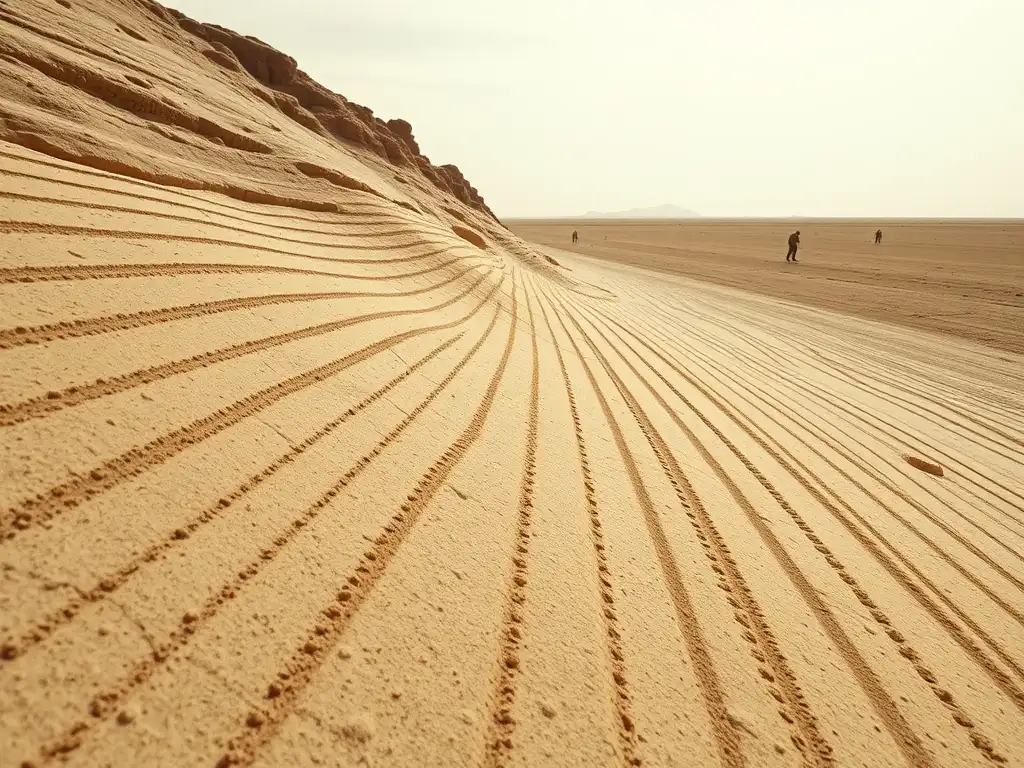
The creation of the Nazca Lines remains a testament to the ingenuity and precision of the Nazca civilization. Understanding how these monumental geoglyphs were constructed requires examining the techniques employed, the materials used, and the immense labor involved. The enduring mystery surrounding their meaning is inextricably linked to the practical challenges of their creation – challenges that the Nazca people successfully overcame. This section delves into the fascinating details of their construction, exploring the "Nazca Lines meaning and purpose" through the lens of their practical creation.
How the Nazca Geoglyphs Were Created
The Use of Simple Tools and Surveying Methods
The Nazca, lacking advanced technology, relied on surprisingly simple tools to create these vast designs. Evidence suggests that wooden stakes, ropes, and possibly rudimentary surveying instruments were used to lay out the lines and figures. The precision achieved is remarkable, considering the scale of the project and the tools available. Archaeological findings indicate the use of simple, sharpened stakes to mark the boundaries of the geoglyphs.
These stakes, often made from local wood, were driven into the ground to define the outline of the design. The lines themselves were then created by removing the dark reddish-brown pebbles and exposing the lighter subsoil beneath. The process involved meticulous removal of the surface material, a labor-intensive task requiring considerable planning and coordination.
The straight lines, in particular, display an astonishing accuracy, suggesting a sophisticated understanding of geometry and surveying, even without advanced instruments. Some theories propose that the Nazca utilized a form of visual triangulation or sighting along lines of sight to achieve such accuracy. Further research is needed to fully understand their surveying methods, a key aspect to understanding the "Nazca Lines meaning and purpose".
Preserving the Nazca Lines for Future Generations
The longevity of the Nazca Lines is a testament not only to the construction techniques but also to the environmental conditions of the Nazca Desert. The arid climate, with minimal rainfall and wind erosion, has played a crucial role in preserving these geoglyphs for centuries. However, modern threats, such as human activity and climate change, pose significant risks to their preservation.
Efforts are underway to protect the lines from damage. This includes limiting access to certain areas, implementing sustainable tourism practices, and ongoing monitoring and research to better understand the factors influencing their degradation. Understanding the environmental factors that contributed to their preservation is vital for developing effective conservation strategies, ensuring that this incredible legacy is maintained for future generations to continue to ponder the "Nazca Lines meaning and purpose."
The Materials and Labor Involved in the Nazca Construction
The Role of the Nazca People in the Creation of the Geoglyphs
The creation of the Nazca Lines was not the work of a few individuals but a massive communal undertaking. Thousands of Nazca people, likely organized into work groups or teams, must have been involved in the process. The scale of the project suggests a highly structured society with a centralized authority capable of mobilizing and coordinating such a large workforce.
The lines were not created haphazardly; they required planning, collaboration, and substantial human effort. The social organization required to undertake this colossal project is a fascinating aspect of Nazca culture, providing valuable insights into their societal structure and worldview. The meticulous nature of the work highlights the importance of the project within Nazca society and adds another layer to the question of "Nazca Lines meaning and purpose."
Discussion About the Social Implications of the Construction
The construction of the Nazca Lines had profound social implications for the Nazca civilization. It demonstrates a high level of social organization, planning, and cooperation. The mobilization of such a large workforce suggests a powerful centralized authority capable of directing labor and resources.
The project likely served as a unifying force, fostering a sense of collective identity and shared purpose among the Nazca people. Furthermore, the sheer scale of the endeavor reflects the importance of the geoglyphs within their culture and religious beliefs. The resources dedicated to their creation, including labor and materials, suggest a significant investment, underlining the profound significance of the "Nazca Lines meaning and purpose" within their society.
The lines themselves might have served as a powerful symbol of social cohesion and cultural identity, visible from afar and representing a shared cultural heritage. The social organization required to create these lines is a significant indicator of the complexity and sophistication of Nazca society.
The Legacy of the Nazca Lines: Today and Beyond
The Nazca Lines, enigmatic geoglyphs etched into the Peruvian desert, continue to captivate and inspire awe centuries after their creation. Their enduring legacy extends far beyond their physical presence; they represent a profound connection between ancient Andean cosmology and modern-day appreciation for cultural heritage. Understanding this legacy requires examining both the ongoing efforts to preserve these remarkable works and the persistent mysteries that continue to fuel research and speculation. The meaning and purpose of the Nazca Lines remain a topic of intense debate, enriching their mystique and ensuring their continued relevance in discussions of Andean culture and history.
The Importance of Preserving the Nazca Lines
The preservation of the Nazca Lines is paramount not only for their historical significance but also for their potential to reveal further insights into Nazca culture and beliefs. These fragile geoglyphs, etched into the desert surface, are vulnerable to both natural and human-induced damage. Their preservation is crucial for future generations to appreciate and study this unique expression of Andean artistry and spirituality.
The Nazca Lines meaning and purpose are inextricably linked to their physical existence; their destruction would represent an irreplaceable loss to our understanding of Andean civilization. The delicate balance of the desert ecosystem must be carefully maintained to ensure the lines' longevity. Furthermore, responsible tourism practices are essential to minimize the impact of visitors on the fragile geoglyphs.
Threats to the Nazca Lines: Natural and Human Impact
The Nazca Lines face numerous threats. Natural erosion from wind and rain gradually degrades the lines over time. Unpredictable weather events, such as flash floods, can cause significant damage. Human impact, however, poses an even greater challenge.
Illegal construction, off-road driving, and even the simple act of walking near the lines can contribute to their deterioration. Furthermore, the growth of nearby settlements and agricultural activities can also indirectly threaten the site's integrity. The delicate balance of the desert ecosystem, crucial for the lines' preservation, is frequently disrupted by human activities. Understanding these threats is critical for developing effective conservation strategies.
Conservation Efforts and UNESCO World Heritage Status
Recognizing the importance of preserving this unique cultural heritage, the Peruvian government, along with international organizations, has implemented various conservation efforts. The Nazca Lines' designation as a UNESCO World Heritage Site in 1994 provides crucial international recognition and support for preservation initiatives. These efforts include:
- Monitoring and surveillance: Regular monitoring helps identify and address threats promptly.
- Restricted access: Designated viewing areas and restricted access zones limit the impact of tourism.
- Erosion control: Techniques are employed to mitigate the effects of wind and rain.
- Public awareness campaigns: Educating the public about the fragility of the site is crucial.
The success of these conservation efforts depends on continued collaboration between government agencies, researchers, local communities, and international organizations. The preservation of the Nazca Lines is a testament to the global commitment to protecting cultural heritage for future generations.
The Enduring Mystery of the Nazca Lines
Despite decades of research, the precise meaning and purpose of the Nazca Lines remain shrouded in mystery. While various theories abound – from astronomical alignments to ceremonial pathways – a definitive answer continues to elude researchers. The sheer scale and complexity of the geoglyphs, coupled with the limited written records from the Nazca culture, contribute to the enigma. The Nazca Lines meaning and purpose are likely multifaceted, reflecting the complex spiritual and societal structures of the Nazca civilization.
Reflections on the Lasting Impact and Intrigue of the Nazca Lines
The enduring mystery surrounding the Nazca Lines is a testament to their enduring power and fascination. Their enigmatic nature fuels ongoing research and inspires countless interpretations, ensuring their continued relevance in archaeological and anthropological studies. The lines represent a powerful link to a lost civilization, stimulating our imagination and prompting us to question our understanding of ancient societies and their beliefs. Their survival through centuries speaks to the resilience of both the Nazca people and their remarkable creation.
Future Research and New Discoveries
Ongoing research employing advanced technologies, such as aerial photography and satellite imagery, continues to provide new insights into the Nazca Lines. Future studies may reveal previously unknown geoglyphs or offer fresh perspectives on existing interpretations. The application of new technologies and interdisciplinary approaches promises to shed further light on the Nazca Lines meaning and purpose.
The potential for new discoveries remains a powerful incentive for continued research and investigation, ensuring that the mystery of the Nazca Lines will continue to captivate and inspire for years to come. The ongoing unraveling of the Nazca Lines' secrets promises to enrich our understanding of Andean civilization and its enduring legacy.
Frequently Asked Questions
What are the Nazca Lines?
The Nazca Lines are geoglyphs—giant figures and lines etched into the Peruvian desert—created by the Nazca culture between 500 BC and 500 AD. Their immense size is only truly appreciated from the air.
What is the most popular theory about the meaning of the Nazca Lines?
While no single theory is universally accepted, a leading hypothesis suggests the lines served as ceremonial pathways or were connected to astronomical observations, possibly marking solstices or equinoxes.
Are there any other theories about the purpose of the Nazca Lines?
Yes, other theories propose they were used for ritual purposes, possibly linked to water sources or as part of a complex religious system. Some suggest they were even giant calendars.
How were the Nazca Lines created?
The Nazca people carefully removed the dark reddish pebbles from the desert surface, revealing the lighter subsoil underneath. This painstaking process created the massive images and lines we see today.
Why are the Nazca Lines so well-preserved?
The extremely dry climate of the Nazca desert has been crucial in preserving the lines. The lack of erosion and minimal vegetation has allowed the geoglyphs to endure for centuries.
Final Reflection: Unraveling the Enigma of the Nazca Lines
The enduring mystery of the Nazca Lines continues to resonate today, a powerful testament to humanity's enduring quest for meaning and connection with the cosmos. These vast geoglyphs, etched into the Peruvian desert millennia ago, challenge our understanding of ancient civilizations and their capabilities, reminding us of the vast unknown that still surrounds us. Their existence compels us to question our assumptions about the past and to appreciate the ingenuity and artistry of cultures long gone.
The impact of the Nazca Lines extends far beyond their physical presence; they represent a powerful symbol of cultural expression and a testament to the enduring human desire to leave a mark on the world. Their continued fascination speaks to our innate curiosity and our need to decipher the narratives embedded within these ancient forms. The Nazca Lines are a window into a lost world, a world of profound spiritual and cosmological beliefs that continue to inspire awe and wonder.
This quote encapsulates the enduring power of these enigmatic figures to capture our imagination and challenge our understanding of history.
Consider the Nazca Lines not just as historical artifacts, but as a mirror reflecting our own search for purpose and meaning. What enduring mark do you wish to leave on the world? What stories do you wish to tell through your actions and creations? Let the mystery of the Nazca Lines inspire you to explore your own creative potential and to leave your own unique imprint on the tapestry of human experience. Embrace the unknown, and let your own journey be as compelling and enduring as the celestial pathways etched in the Peruvian desert.
Unveil the Mysteries of the Nazca Lines!
Thank you for exploring the fascinating world of the Nazca Lines! We hope you've discovered the wonder and significance of these enigmatic symbols stretching across the Peruvian desert. Now, let's delve deeper into the rich tapestry of Andean civilization.
Here are some ways to further your exploration:
- Join an online forum to discuss the Nazca Lines and connect with fellow enthusiasts.
- Visit a museum or explore an online exhibit showcasing Andean artifacts to experience the culture firsthand.
- Share this article with friends and family to spark conversations about these ancient mysteries.
What aspect of the Nazca Lines captivates you most, and how do you believe they connect us to the ancient past? Share your thoughts in the comments below!