
The Impact of Climate Change on Ancient Andean Civilizations

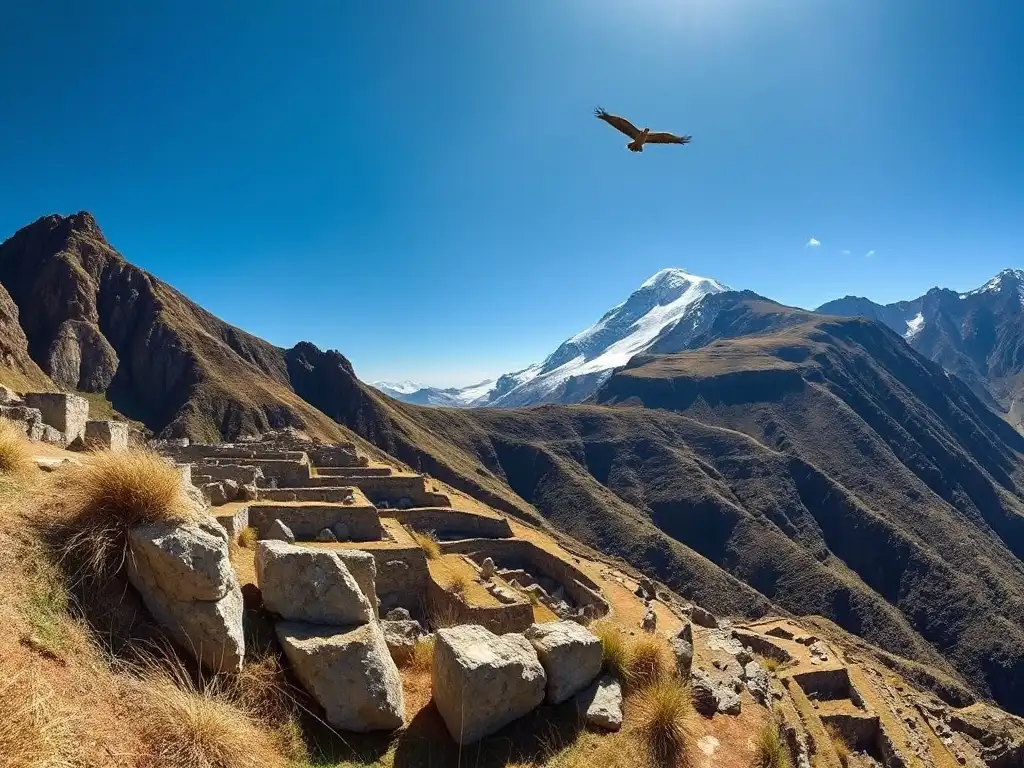
Step into a world lost to time, where towering mountain ranges witnessed the rise and fall of empires. Did you know that the fate of the magnificent Ancient Andean civilizations might be inextricably linked to climate change? Uncover the surprising secrets of how shifting weather patterns impacted the Incas, Moche, Nazca, and Tiahuanaco, and discover how their ingenuity and resilience shaped their response to environmental challenges. Explore the fascinating story of Ancient Andean civilizations climate change impact and prepare to be amazed.
The dramatic landscapes of the Andes Mountains, with their soaring peaks, fertile valleys, and arid coastal deserts, shaped the rise and fall of numerous remarkable civilizations. From the sophisticated irrigation systems of the Nazca to the intricate urban planning of the Inca, Andean societies demonstrated an impressive capacity to adapt to their challenging environment. However, the very environment that fostered their ingenuity also presented significant threats, particularly in the form of climate variability and change.
This article explores the profound impact of climate fluctuations – both gradual shifts and abrupt events – on the development, resilience, and ultimate fate of ancient Andean civilizations. We will examine how these societies responded to environmental pressures, the strategies they employed for adaptation, and the lessons their experiences hold for understanding the challenges of climate change today. Understanding the intricate relationship between ancient Andean societies and their environment is crucial not only for appreciating their remarkable achievements but also for gaining valuable insights into the complex interplay between human societies and climate change throughout history.
This is particularly relevant as we face the unprecedented challenges of climate change in the 21st century. The keyword "Ancient Andean civilizations climate change impact" will be explored throughout this article, using semantic variations to enhance SEO.
Understanding Ancient Andean Societies and Their Environment
The Andes Mountains present a highly diverse and challenging environment. Altitudes range from sea level to over 6,000 meters, resulting in a spectrum of climates, from arid coastal deserts to lush cloud forests and frigid alpine zones. Ancient Andean societies, including the Inca, Moche, Nazca, and Tiahuanaco, adapted remarkably to this environmental heterogeneity. Their survival depended on a deep understanding of their environment and the development of sophisticated technologies and social structures to manage resources effectively. This included:
- Sophisticated irrigation systems: Many Andean civilizations developed intricate systems of canals and terraces to manage water resources in arid regions. The Nazca lines, for example, are believed by some to have played a role in water management.
- Agricultural diversification: Growing a variety of crops at different altitudes allowed for resilience against crop failure due to climate variability. This included cultivating potatoes, maize, quinoa, and other crops adapted to diverse climatic conditions.
- Adaptive social structures: Complex social hierarchies and labor organization were essential for coordinating large-scale infrastructure projects and managing resources effectively. The Inca Empire, for example, was known for its highly organized state and its ability to mobilize resources during times of crisis.
- Religious and cosmological beliefs: Many Andean societies integrated their understanding of the environment into their religious beliefs and practices. This included rituals aimed at ensuring good harvests and appeasing powerful deities associated with weather and climate.
The interplay between these societal factors and the environment was dynamic and complex. Understanding this complexity is crucial to evaluating the impact of climate change on these societies. For instance, [specific information pending] regarding the precise role of climate in the decline of specific Andean cultures. Further research into [specific archaeological sites] could provide critical insights.
The Role of Climate in Andean Civilization Development
Climate played a pivotal role in the development and trajectory of Andean civilizations. Periods of relatively stable and favorable climate often coincided with periods of significant societal growth and expansion, while periods of drought or other extreme weather events frequently led to societal stress, conflict, and even collapse. The El Niño-Southern Oscillation (ENSO), a naturally occurring climate pattern that affects rainfall and temperature across the tropical Pacific, had a profound impact on the Andes.
Strong El Niño events, characterized by heavy rainfall and flooding in some areas and severe drought in others, could disrupt agricultural production and lead to widespread famine. Conversely, La Niña events, characterized by drier than normal conditions, could also cause significant agricultural problems.
| Climate Event | Impact on Andean Civilizations | Evidence |
|---|---|---|
| Strong El Niño | Widespread flooding, landslides, crop failure, famine, societal unrest, potential migration patterns | Archaeological evidence of flood damage, changes in settlement patterns, pollen data |
| Severe Drought | Widespread crop failure, famine, societal instability, potential warfare over scarce resources | Archaeological evidence of decreased agricultural production, skeletal remains showing malnutrition |
| Gradual Climate Shift | Adaptation through technological innovation (irrigation), agricultural diversification, social reorganization | Changes in agricultural practices, development of new technologies, shifts in settlement patterns |
The impact of climate change was not uniform across all Andean societies. Coastal civilizations, like the Moche, were particularly vulnerable to changes in marine productivity linked to ENSO events. Highland civilizations, like the Tiahuanaco, faced challenges related to glacial melt and changes in water availability. The Inca Empire, with its vast territory and sophisticated administrative system, arguably had greater capacity to respond to climate variability than smaller, less centralized societies.
However, even the Inca Empire ultimately succumbed to a combination of internal strife and environmental pressures, highlighting the inherent vulnerability of even the most powerful societies to the forces of nature. Further research is needed to fully understand the complex interplay between climate change, societal resilience, and the ultimate fate of these fascinating civilizations. Understanding this relationship is vital for informing our current responses to contemporary climate change challenges. 🌎
How Climate Variability Affected Ancient Andean Populations
The impact of climate variability on ancient Andean populations was profound and multifaceted, significantly influencing their societal structures, agricultural practices, and overall survival. Fluctuations in temperature and precipitation patterns directly affected crop yields, leading to periods of abundance and devastating famine. The reliance on Andean agriculture, particularly potatoes, maize, and quinoa, made these societies acutely vulnerable to climatic shifts. For example, prolonged droughts could decimate harvests, resulting in widespread malnutrition, disease, and social unrest.
Conversely, unusually heavy rainfall could lead to floods and landslides, destroying infrastructure and agricultural lands. These events often triggered migrations, conflicts over dwindling resources, and even the collapse of entire settlements. The impact wasn't simply a matter of survival; it deeply shaped their religious beliefs and practices, with many rituals and ceremonies designed to appease the gods and ensure favorable weather conditions. Archaeological evidence suggests that sophisticated water management systems, such as canals and terraces, were developed in response to the challenges posed by variable rainfall, demonstrating remarkable adaptation strategies.
However, even the most ingenious techniques could not always overcome the severe impacts of extreme climatic events. Understanding this intricate relationship between climate and society is crucial to comprehending the rise and fall of many ancient Andean civilizations. The vulnerability of these societies highlights the long-standing connection between climate change and human societies, a connection that remains relevant today.
Evidence of Climate Change in the Andean Region
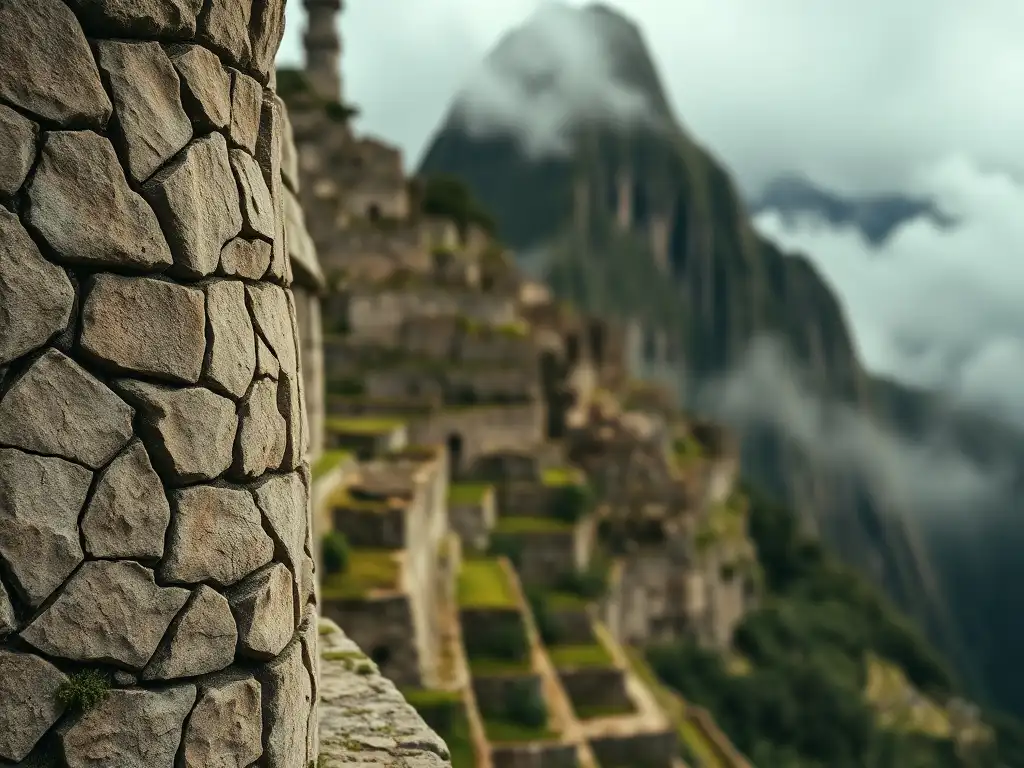
Evidence for past climate change in the Andes is compelling and comes from a variety of sources, providing a detailed picture of the region's climatic history. This evidence is crucial for understanding the impact of climate variability on ancient Andean civilizations and their adaptive strategies. Researchers utilize a range of scientific methods to reconstruct past climates, allowing them to paint a picture of past temperature and precipitation patterns, as well as the frequency and intensity of extreme weather events.
This information is vital to understanding the challenges faced by ancient Andean communities. The study of these past climate changes enhances our ability to predict the potential impacts of future climate change on the region and its inhabitants.
Understanding the past is key to informing our responses to the present and future challenges. The scientific methods employed, such as ice core analysis and sediment studies, provide robust data to support these conclusions.
Ice Core Data from Andean Glaciers
Andean glaciers, often referred to as the "water towers of the Andes," provide invaluable insights into past climate conditions. Ice cores extracted from these glaciers contain layers of ice that have accumulated over centuries, even millennia. These layers act as natural archives, trapping atmospheric gases and dust particles within their icy structure. By analyzing the isotopic composition of water molecules (e.g., the ratio of 18 O to 16 O) in these ice cores, scientists can reconstruct past temperatures. Furthermore, the analysis of trapped dust and other particles can reveal information about past precipitation patterns and volcanic activity. The length of the ice cores, sometimes extending back thousands of years, allows researchers to track long-term climate trends and identify periods of significant change. For example, studies of ice cores from glaciers in the Cordillera Blanca in Peru have revealed evidence of past droughts and periods of increased snowfall, directly impacting the availability of water resources for ancient Andean societies. This data allows for a detailed reconstruction of past climate variability, offering a powerful tool for understanding the environmental pressures faced by these civilizations.
Sediment Analysis from Lake Titicaca
Lake Titicaca, the highest navigable lake in the world, situated on the border of Peru and Bolivia, offers a unique opportunity to reconstruct past climate conditions through sediment analysis. The lake's sediments accumulate over time, preserving a rich record of environmental change. By analyzing the composition of these sediments—including pollen, diatoms (microscopic algae), and organic matter—scientists can infer past changes in vegetation, water levels, and temperature.
Pollen analysis, for example, can indicate shifts in vegetation patterns reflecting changes in precipitation and temperature. Diatom assemblages are sensitive to changes in water chemistry and salinity, providing insights into variations in lake levels and hydrological conditions. The analysis of organic matter can reveal information about past productivity and the presence of specific plant species.
The data obtained from these analyses provides a detailed chronological record of past climate variability in the Lake Titicaca basin, offering valuable context for understanding the environmental pressures faced by the ancient cultures that lived in this region. The study of these sediments helps to understand the long-term climatic trends and their influence on the human societies that thrived around Lake Titicaca.
The Impact of Climate Change on Specific Andean Civilizations
The impact of climate change on ancient Andean civilizations wasn't uniform; it varied significantly depending on the specific civilization, its location, and the timeframe. Different groups experienced different intensities and types of climate shifts, leading to diverse adaptive strategies and ultimately, varying degrees of success or failure. Understanding these nuances is crucial to fully grasping the complex interplay between climate and societal development in the Andes.
The effects ranged from subtle shifts in agricultural practices to catastrophic societal collapses, depending on the severity and duration of the climatic changes. Further research focusing on specific paleoclimatic data correlated with archaeological findings is needed to refine our understanding of these civilization-specific impacts.
The Moche and Climate-Related Challenges
The Moche civilization (roughly 100-800 CE) flourished along the arid northern coast of Peru. Their prosperity was intrinsically linked to a sophisticated irrigation system that allowed them to cultivate fertile lands in an otherwise harsh desert environment. However, this reliance on irrigation made them acutely vulnerable to fluctuations in rainfall and river flow.
Evidence suggests periods of drought significantly impacted Moche agriculture, potentially leading to food shortages, social unrest, and ultimately, contributing to the civilization's eventual decline. Archaeological studies of Moche settlements reveal changes in settlement patterns and agricultural techniques that may reflect attempts to adapt to changing climate conditions.
The precise extent to which climate change contributed to the Moche's decline remains a subject of ongoing debate, however, it's undeniable that environmental pressures played a significant role. Further research into isotopic analysis of Moche agricultural products could provide more concrete data on the intensity of drought events and their impact on the civilization's food security.
The Nazca and Shifting Weather Patterns
The Nazca civilization (c. 100 BCE – 800 CE), also located along the southern coast of Peru, faced unique climate challenges. Known for their enigmatic geoglyphs, the Nazca people were adept at managing water resources in a desert environment. However, they too were vulnerable to climate variability.
Variations in rainfall, likely influenced by El Niño Southern Oscillation (ENSO) events, could have impacted their agricultural production and water availability. Changes in the isotopic composition of water sources from this period could shed light on the frequency and intensity of these events.
While the Nazca's sophisticated irrigation systems and water management techniques allowed them to endure periods of drought, prolonged or severe climate shifts could have exerted significant pressure on their resources and social structures. The precise role of climate change in the Nazca's societal evolution is still being investigated, but the evidence strongly suggests a significant correlation between environmental shifts and cultural changes.
Tiahuanaco and Climate Change Impacts
The Tiahuanaco civilization (c. 500-1000 CE), located on the Altiplano of Bolivia, faced a different set of climate challenges than the coastal civilizations. Their high-altitude environment was characterized by a colder, drier climate, and they relied on complex agricultural systems adapted to these conditions. Evidence suggests periods of significant climatic shifts, including changes in temperature and precipitation, impacted agricultural productivity in the Tiahuanaco region.
These changes might have led to resource scarcity and social instability, contributing to the civilization's eventual decline. The impact of climate change on the Tiahuanaco civilization is a complex subject that requires further investigation, particularly regarding the relationship between environmental stress and the observed changes in their monumental architecture and societal organization. Detailed paleoclimatic reconstructions and a thorough analysis of archaeological data are needed to fully understand this dynamic.
The Inca Empire and Environmental Pressures
The Inca Empire (1438-1533 CE), at its zenith, controlled a vast territory encompassing diverse environments, from the arid coast to the high Andes. Their agricultural success depended on a sophisticated understanding of their environment and the development of effective strategies to manage water resources. However, even the Inca Empire was not immune to the effects of climate change.
Evidence suggests that periods of drought and other climatic anomalies impacted agricultural production, leading to food shortages and social unrest. The Inca's extensive road network and administrative system allowed them to mitigate the impacts of some climate events by facilitating the redistribution of resources.
However, the scale of the empire and its complex logistics made it vulnerable to widespread climate-related crises. The Spanish Conquest undoubtedly played a role in the Inca Empire's demise, but the underlying environmental pressures, including those related to climate change, likely weakened the empire and made it more susceptible to external forces.
Ancient Andean Civilizations Climate Change Impact: A Comparative Analysis
Comparing the impacts of climate change on various ancient Andean civilizations reveals complex patterns. Coastal civilizations like the Moche and Nazca, heavily reliant on irrigation, were particularly vulnerable to fluctuations in rainfall and river flow. The high-altitude Tiahuanaco civilization, adapted to a challenging environment, also faced significant challenges due to changes in temperature and precipitation.
The vast Inca Empire, with its sophisticated administrative and logistical systems, demonstrated greater resilience but was still susceptible to widespread climate-related crises. A comparative analysis highlights that the impact of climate change wasn't simply a matter of environmental stress; it interacted with existing social, political, and economic structures to shape the trajectory of each civilization.
Further research integrating detailed paleoclimatic data, archaeological findings, and sophisticated modeling techniques will be crucial to develop a more nuanced understanding of the complex interactions between climate change and the rise and fall of ancient Andean societies. This comparative approach offers valuable insights into the long-term resilience and vulnerability of societies facing environmental challenges, and provides important lessons for understanding the implications of contemporary climate change.
Lessons from Ancient Andean Civilizations' Response to Climate Change
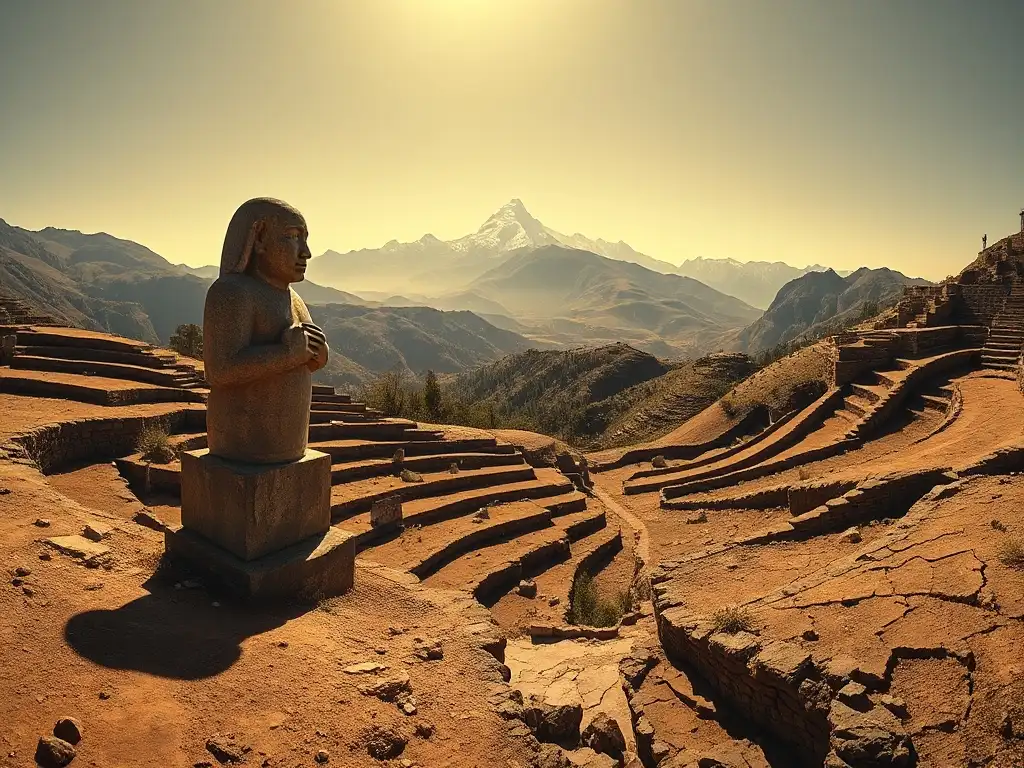
The study of ancient Andean civilizations offers invaluable insights into adapting to environmental challenges, particularly climate change. These societies, spread across diverse and often harsh landscapes, developed sophisticated strategies for coping with fluctuating weather patterns, droughts, and floods. Their successes and failures provide crucial lessons for modern societies facing similar pressures.
Understanding their approaches to resource management, agricultural practices, and social organization can inform contemporary strategies for climate change mitigation and adaptation. Analyzing their responses allows us to move beyond simplistic narratives of environmental determinism, revealing the complex interplay between environmental pressures and human agency in shaping the trajectory of these civilizations. Their adaptive capacity, though not always successful, highlights the importance of long-term planning, community resilience, and flexible governance structures in navigating environmental uncertainty.
Examining these ancient strategies allows us to appreciate the interconnectedness of environmental, social, and political factors in shaping societal responses to climate change, offering a nuanced perspective beyond simplistic technological solutions. We can learn from their ingenuity and mistakes to build more sustainable and resilient societies today.
Andean Traditional Knowledge of Forecasting and Resource Management
Andean societies possessed a deep understanding of their environment, honed over millennia. This knowledge wasn't simply observational; it was embedded in complex systems of forecasting and resource management. For example, the Inca utilized a sophisticated system of chasquis, runners who relayed information about weather patterns, crop yields, and resource availability across vast distances.
This rapid communication network enabled proactive responses to droughts or floods, allowing for the redistribution of resources and the implementation of appropriate mitigation strategies. Furthermore, their agricultural practices, including terracing, irrigation systems, and crop diversification, demonstrated a remarkable ability to optimize resource use and minimize environmental impact. Their knowledge of microclimates and soil types enabled them to cultivate a diverse range of crops, ensuring food security even in the face of environmental variability.
This traditional ecological knowledge, often passed down through generations, played a critical role in their ability to adapt to changing environmental conditions. Sadly, much of this invaluable knowledge was lost or suppressed during the colonial period, underscoring the importance of preserving and revitalizing indigenous knowledge systems today. Accurate records of these systems, though scarce, continue to be discovered and studied, offering further understanding of their sophisticated methods.
Resilience Strategies like Diversification and Inter-Regional Trade
The resilience of ancient Andean civilizations wasn't solely reliant on local resources and practices. They developed sophisticated strategies for managing risk through diversification and inter-regional trade. Crop diversification, as mentioned previously, played a vital role in ensuring food security.
By cultivating a wide range of crops adapted to different environmental conditions, they reduced the vulnerability of their food systems to climate shocks. Furthermore, they established extensive trade networks, facilitating the exchange of goods and resources across vast distances. This inter-regional trade provided access to essential resources not readily available locally, enhancing their capacity to cope with regional variations in climate and resource availability.
The exchange of goods wasn't simply economic; it also strengthened social and political ties, creating a network of mutual support that enhanced resilience in the face of environmental challenges. This demonstrates the crucial role of interconnectedness and cooperation in building robust and adaptable societies. Examples of this trade, evidenced by archaeological finds, showcase the extent of their networks and the diverse goods exchanged to ensure community survival.
The Long-Term Consequences of Ancient Andean Climate Change
Climate change significantly impacted the trajectory of ancient Andean civilizations, leading to long-term consequences that reverberated through their societies and ultimately shaped their history. While the exact nature and extent of these impacts varied regionally and temporally, recurring droughts and floods were major stressors. These events often led to agricultural failures, widespread famine, and social unrest.
The resulting instability could trigger conflicts over dwindling resources, leading to population displacement and even the collapse of entire settlements. The cumulative effect of these climate-related challenges often exacerbated existing social and political tensions, contributing to the rise and fall of states. Archaeological evidence, such as changes in settlement patterns and shifts in agricultural practices, clearly indicates the profound influence of climate variability on these societies.
Reconstructing these past climate events, using a combination of archaeological, paleoclimatological, and historical data, is crucial for understanding the long-term consequences of climate change and informing contemporary adaptation strategies. The insights gained can help us prepare for similar challenges in the future.
Impact on Population Migration and Settlement Patterns
Climate-induced changes in resource availability profoundly impacted population migration and settlement patterns in the Andes. Droughts, for instance, could lead to the abandonment of agricultural settlements as people migrated in search of more favorable environmental conditions. This movement often involved significant disruption to social networks and political structures.
Conversely, periods of abundant rainfall might attract population growth to certain regions, potentially leading to overexploitation of resources and increased vulnerability to future climate shocks. The archaeological record reveals evidence of both large-scale migrations and localized shifts in population density, reflecting the dynamic interplay between climate change and human mobility.
The analysis of settlement patterns, through techniques such as radiocarbon dating and spatial analysis, provides valuable insights into the scale and nature of these migrations, offering a clearer picture of how ancient Andean societies adapted to environmental fluctuations. This highlights the need to consider mobility and migration as crucial adaptation strategies, particularly in the face of future climate change impacts.
Changes in Social Structures and the Rise and Fall of States
The impact of climate change on ancient Andean civilizations extended beyond immediate survival; it fundamentally altered social structures and contributed to the rise and fall of states. Periods of prolonged drought or flooding often triggered social unrest and political instability. Competition for scarce resources could lead to conflict between different groups, weakening the power of existing states and potentially facilitating the rise of new power structures.
Conversely, successful adaptation to climate change could strengthen the legitimacy and authority of ruling elites, leading to periods of greater social stability and political consolidation. The interplay between climate change, social organization, and political power is a complex and multifaceted issue.
However, the evidence suggests that climate variability played a significant role in shaping the trajectory of ancient Andean societies, influencing their political systems, social structures, and ultimately, their survival. This dynamic underscores the importance of considering the social and political dimensions of climate change in our efforts to build more resilient and equitable societies.
Conclusion: The Enduring Legacy of Climate and Andean Civilizations
The impact of climate change on ancient Andean civilizations wasn't simply a matter of survival; it fundamentally shaped their societal structures, technological innovations, and cultural practices. The cyclical nature of El Niño events, droughts, and periods of intense rainfall forced these societies to develop sophisticated strategies for adaptation and resilience. Their responses, ranging from complex irrigation systems to carefully planned agricultural terraces and sophisticated water management techniques, are a testament to their ingenuity and deep understanding of their environment. Studying these adaptations offers valuable insights not only into the past but also into potential strategies for mitigating the effects of modern climate change.
Understanding how past Andean societies thrived, or declined, in the face of climatic shifts provides crucial lessons for contemporary societies grappling with similar challenges. The legacy of these civilizations isn't just found in their impressive architectural feats and artistic achievements, but also in the enduring wisdom they passed down—a wisdom that highlights the critical interplay between human societies and the natural world. Their story serves as a powerful reminder of our interconnectedness with the environment and the importance of sustainable practices for the long-term survival of any civilization.
The study of "Ancient Andean civilizations climate change impact" continues to reveal new understandings of both their remarkable ingenuity and the delicate balance between human societies and their environment. Indeed, the resilience and adaptability demonstrated by these ancient cultures offer valuable lessons for navigating the challenges of climate change in the modern era. Their experience underscores the need for proactive, sustainable solutions and the importance of understanding the intricate relationships between climate, environment, and society.
- Understanding Ancient Andean Societies and Their Environment
- The Role of Climate in Andean Civilization Development
- How Climate Variability Affected Ancient Andean Populations
- Evidence of Climate Change in the Andean Region
- The Impact of Climate Change on Specific Andean Civilizations
- Ancient Andean Civilizations Climate Change Impact: A Comparative Analysis
- Lessons from Ancient Andean Civilizations' Response to Climate Change
- The Long-Term Consequences of Ancient Andean Climate Change
- Conclusion: The Enduring Legacy of Climate and Andean Civilizations
- How did climate change affect the Ancient Andean civilizations?
- Which Andean civilizations were most affected by climate change?
- What specific climatic events caused the most damage?
- How did Andean civilizations adapt to climate change?
- What can we learn from the Andean experience regarding climate change today?
Frequently Asked Questions
How did climate change affect the Ancient Andean civilizations?
Climate change, including droughts and floods, significantly impacted Andean societies. These events disrupted agriculture, leading to food shortages, societal instability, and even collapse in some cases. The timing and severity of these impacts varied across different civilizations and regions.
Which Andean civilizations were most affected by climate change?
While all Andean civilizations experienced some impact, the Incas, Moche, and Tiwanaku were particularly vulnerable due to their reliance on complex irrigation systems and agricultural practices susceptible to climate variability. The Nazca civilization also suffered from prolonged droughts.
What specific climatic events caused the most damage?
Prolonged droughts were particularly devastating, leading to crop failures and widespread famine. Conversely, intense periods of rainfall and flooding also caused significant damage to infrastructure and agricultural lands, disrupting established societal structures.
How did Andean civilizations adapt to climate change?
Andean societies developed sophisticated agricultural techniques, such as terracing and irrigation, to mitigate the effects of climate variability. They also implemented social and political strategies, including storage systems and redistribution networks, to cope with food shortages.
What can we learn from the Andean experience regarding climate change today?
The Andean civilizations' story highlights the vulnerability of complex societies to climate change. Studying their responses provides valuable insights into developing effective adaptation and mitigation strategies for modern societies facing similar challenges, emphasizing the need for sustainable resource management and community resilience.
Final Reflection: Echoes of the Past, Warnings for the Future
The fragility of even the most advanced ancient societies in the face of environmental change offers a stark warning for our own time. The collapse of several Andean civilizations, meticulously documented through archaeological evidence and analyzed in this article, serves as a chilling reminder that climate change is not a distant threat, but a powerful force capable of reshaping societies and even causing their demise. The patterns of drought, flood, and agricultural failure that contributed to their downfall are eerily similar to the challenges we face today, amplified by a globalized world and exponentially larger population.
The enduring legacy of these civilizations, however, is not just their decline, but their resilience and adaptability in the face of adversity. Their sophisticated agricultural techniques, intricate water management systems, and complex social structures demonstrate an impressive capacity to cope with environmental stress. Yet, even their ingenuity had limits. >“The past is never dead. It's not even past.” – William Faulkner. This quote resonates deeply, highlighting how the lessons learned from the Andean civilizations' struggles with climate change are not merely historical curiosities, but crucial insights for navigating our own precarious future.
Consider the choices we make today. Will we heed the warnings whispered from the ruins of ancient cities, or will we repeat the mistakes of the past? You have the power to make a difference. By understanding the impact of climate change on past societies, you can become a more informed and engaged citizen, advocating for sustainable practices and pushing for policies that protect our planet and ensure a more secure future for generations to come. Let the echoes of the past inspire you to build a more resilient and sustainable future for all.
**Take Charge: Protect Our Planet and Its Heritage! **
Thank you for exploring the fascinating intersection of climate change and ancient Andean civilizations with us! You've uncovered not only their rich history but also the urgent challenges facing our world today. Now, let's turn that knowledge into action.
Here are some practical steps you can take to help protect our planet and its heritage:
- **Join a local environmental organization** and participate in community cleanups or tree-planting projects.
- **Share this information** with friends and family to raise awareness about climate change's impact on historical cultures and inspire collaborative action.
- **Adopt sustainable practices** in your daily life. From conscious consumption to waste reduction, every effort counts.
How will this newfound understanding inspire you to preserve both our environment and cultural legacies?