
The Significance of the Condor, Puma, and Serpent in Inca Mythology

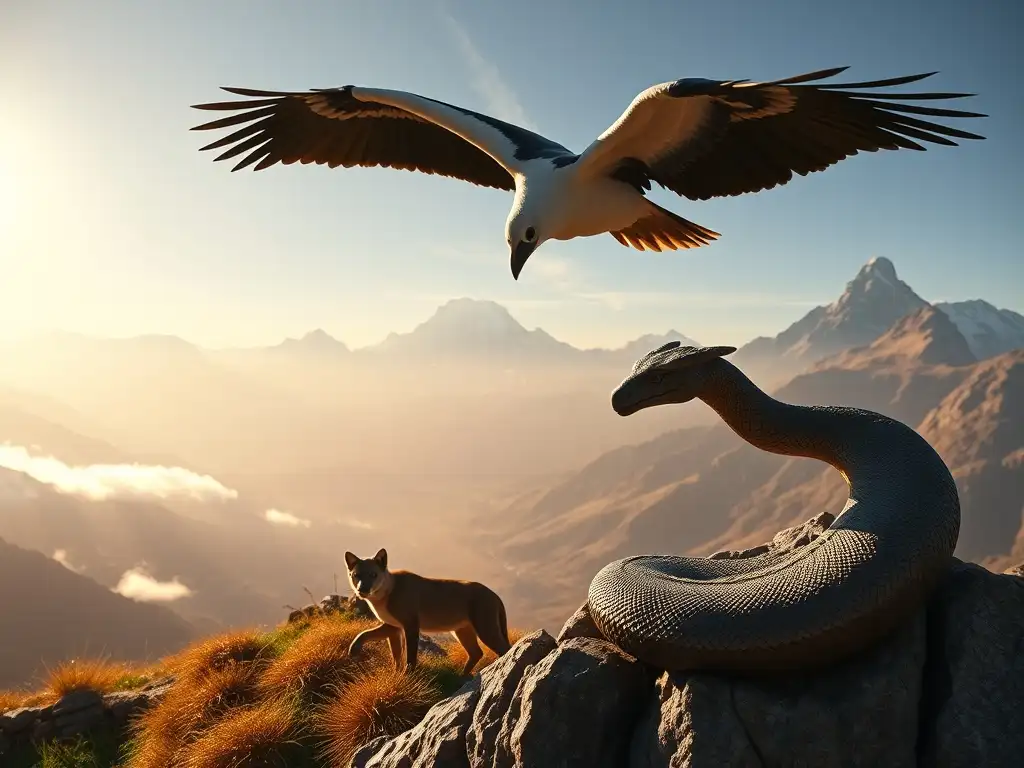
Unravel the mysteries of the Andes! Journey through time and discover the captivating world of ancient Andean civilizations, from the intricate artistry of the Nazca lines to the sophisticated engineering of the Incas. But first, prepare to be amazed by the powerful symbolism woven into the fabric of Inca culture. What secrets do the condor, puma, and serpent hold within their ancient forms? Delve into the rich tapestry of Inca mythology symbols meaning and uncover the hidden narratives behind these legendary creatures. Prepare to be captivated...
The Inca Empire, a civilization that flourished in the Andes Mountains from the 15th to the 16th century, left behind a rich tapestry of cultural and spiritual beliefs. Understanding Inca mythology is key to unlocking the secrets of their sophisticated society and their intricate relationship with the natural world. This article delves into the symbolic meaning of three powerful animals central to Inca cosmology: the condor, the puma, and the serpent.
These creatures weren't merely animals; they represented fundamental aspects of the Inca worldview, reflecting their understanding of the cosmos, power structures, and spiritual life. We will explore how these symbols were interwoven into Inca art, religion, and daily life, offering a glimpse into the fascinating beliefs of this remarkable civilization.
By examining the symbolism behind these animals, we gain a deeper appreciation for the complexity and richness of Inca mythology and its enduring legacy. This exploration will illuminate the core tenets of Inca beliefs and provide insight into the meaning behind "Inca mythology symbols meaning".
Understanding Inca Cosmology Through Animal Symbolism
Inca cosmology was deeply intertwined with the natural world. The Andes Mountains, with their towering peaks and dramatic landscapes, served as a powerful backdrop for their spiritual beliefs. The Incas visualized the cosmos as three distinct realms: the Hanan Pacha (upper world), the Kay Pacha (present world), and the Uku Pacha (underworld).
Animals played a crucial role in representing and connecting these realms. The condor, soaring high above the mountains, symbolized the Hanan Pacha; the puma, powerful and terrestrial, embodied the Kay Pacha; and the serpent, dwelling in the depths of the earth, represented the Uku Pacha.
These three animals, along with others, formed a complex system of symbols that helped the Incas understand their place within the universe and their relationship with the divine. The intricate interplay of these symbols is crucial to understanding the depth and complexity of Inca beliefs, offering a compelling answer to the query "Inca mythology symbols meaning".
The Condor: Messenger of the Gods and Symbol of the Upper World
The Andean condor, with its majestic size and soaring flight, held a position of immense reverence in Inca culture. Its ability to reach the highest altitudes made it the perfect embodiment of the Hanan Pacha, the celestial realm of the gods.
The Andean Condor's Role in Inca Beliefs
The condor was more than just a bird; it was a powerful symbol of strength, power, and divine connection. Inca mythology often depicted the condor as a messenger of the gods, carrying messages between the heavens and the earth. Its image frequently appeared in Inca art, adorning textiles, ceramics, and gold objects. The condor's presence in these artifacts served as a reminder of the Inca's connection to the spiritual world and the power of the celestial realm. Specific examples of this iconography, while requiring further research [specific examples pending], would further illustrate its importance.
Condor as a Link to the Hanan Pacha (Upper World)
The condor's association with the Hanan Pacha is evident in its depiction in Inca iconography. Its powerful wings, capable of reaching unimaginable heights, symbolized the vastness and mystery of the upper world. The condor's ability to fly beyond the reach of ordinary mortals reinforced its divine status and its role as a conduit between the earthly and celestial realms.
Its image served as a constant reminder of the power and majesty of the Hanan Pacha, a realm that held both awe and reverence for the Inca people. The sheer scale of the condor's flight also helped to visually represent the vastness and mystery of the upper world, further solidifying its symbolic importance.
Condor's Connection to Power and Spirituality
Beyond its connection to the Hanan Pacha, the condor also symbolized power and spirituality within Inca society. The Inca elite often associated themselves with the condor, using its image to legitimize their rule and reinforce their connection to the divine. The use of condor imagery in royal regalia and ceremonial objects underscored the Inca rulers' claim to power and their divine right to govern.
This association between the condor and power highlights the significant role that animal symbolism played in reinforcing the Inca social hierarchy and maintaining social order. The condor, therefore, was not just a religious symbol; it was also a political one, deeply embedded in the fabric of Inca society.
The Puma: Strength, Courage, and the Power of the Earth
The puma, a majestic feline inhabiting the Andes Mountains, held a position of profound significance in Inca mythology. Its powerful build, stealthy movements, and nocturnal habits all contributed to its symbolic representation as a creature embodying strength, courage, and the raw power of the earth itself. Inca people revered the puma not just as a fierce predator, but as a spiritual entity deeply connected to the Andean landscape and its inherent energies. The animal's agility and cunning were seen as reflections of the Inca's own strategic prowess in both hunting and warfare.
Furthermore, the puma's association with the night, a time of mystery and hidden power, added another layer to its symbolic complexity. This connection to the unseen world amplified the puma's mystical aura within Inca beliefs. The puma's role transcended mere animal symbolism; it became a potent emblem interwoven into the very fabric of Inca culture and worldview.
The Puma's Symbolic Representation in Inca Culture
Inca art and iconography are replete with depictions of the puma, showcasing its multifaceted symbolic meaning. Textiles, pottery, and metalwork frequently feature puma imagery, often alongside other significant motifs like the condor and serpent. The puma's presence in these artifacts underscores its importance in Inca society and its integration into their daily lives.
For example, puma-shaped vessels were likely used in ceremonies or rituals, while clothing adorned with puma designs may have indicated high social status or affiliation with specific clans. The consistent recurrence of the puma in diverse forms of Inca artistic expression serves as a powerful testament to its enduring cultural significance and its deep embedding within the Inca worldview. The careful artistry and detail dedicated to these representations highlight the reverence with which the Inca regarded this powerful creature.
Puma as a Symbol of the Kay Pacha (Middle World)
The Inca cosmology divided the universe into three realms: the Hanan Pacha (upper world), the Kay Pacha (middle world), and the Uku Pacha (underworld). The puma was primarily associated with the Kay Pacha, the earthly realm where humans lived and interacted with their environment. This association highlights the puma's grounded nature and its connection to the tangible world.
Its prowess as a hunter, its mastery of the Andean terrain, and its intimate relationship with the land solidified its role as a powerful symbol of the Kay Pacha's vitality and strength. The puma's embodiment of earthly power served as a reminder of the Inca's dependence on and respect for the natural world, fostering a deep sense of harmony between human life and the environment. This symbolic connection reinforced the Inca's belief in the interconnectedness of all things.
Puma's Association with Inca Leadership and Warfare
The puma's strength, ferocity, and hunting prowess directly linked it to Inca leadership and military might. Rulers and warriors often adopted the puma as a symbol of their power and authority. Clothing, weaponry, and even the architecture of Inca structures sometimes incorporated puma motifs, reflecting the animal's association with strength, dominance, and strategic thinking.
The Inca believed that embodying the puma's qualities – courage, cunning, and unwavering determination – were essential attributes for successful leadership and military campaigns. This association served to inspire warriors, bolster morale, and reinforce the legitimacy of the Inca leadership, presenting them as powerful and divinely appointed protectors of the empire. The puma, thus, became a powerful emblem of both earthly and spiritual authority.
The Serpent: Wisdom, Knowledge, and the Underworld
The serpent, a creature often associated with mystery and the unknown, held a complex and multifaceted symbolic meaning within Inca mythology. Unlike the more straightforward symbolism of the condor and puma, the serpent's significance was more nuanced, encompassing both positive and negative attributes. While sometimes perceived as a dangerous and unpredictable force, the serpent also represented wisdom, knowledge, and the hidden powers of the underworld.
This duality reflects the Inca's understanding of the complexities of the natural world and their appreciation for the balance between opposing forces. The serpent's frequent appearance in Inca art and mythology speaks to its profound influence on their beliefs and worldview.
The Serpent's Place in Inca Mythological Narratives
Inca mythology features numerous narratives involving serpents, highlighting their diverse roles and symbolic interpretations. These stories often depict serpents as guardians of sacred sites, possessors of magical powers, or intermediaries between the human world and the underworld. Some tales may portray serpents as benevolent beings offering guidance or protection, while others depict them as formidable adversaries representing chaos or destructive forces.
The variety of roles attributed to serpents in Inca mythology reflects the multifaceted nature of this powerful symbol and its ability to represent both positive and negative aspects of the natural world. This richness in narrative underscores the depth and complexity of Inca beliefs. [Specific examples of Inca narratives featuring serpents pending]
Serpent as a Symbol of the Uku Pacha (Underworld)
The serpent's strong association with the Uku Pacha, the Inca underworld, stems from its subterranean habitat and its connection to the earth's depths. The underworld, in Inca cosmology, was not simply a place of darkness and death, but a source of powerful energies and hidden knowledge. The serpent, inhabiting this realm, became a symbol of the unseen forces that shaped the world and influenced human lives.
Its association with the Uku Pacha also highlighted the importance of understanding and respecting the cyclical nature of life and death, a central theme in Inca beliefs. The serpent's presence in the Uku Pacha added another dimension to its symbolic representation – that of transformation and renewal.
Serpent's Connection to Cycles of Life, Death, and Rebirth
The serpent's ability to shed its skin served as a potent symbol of renewal and rebirth in Inca mythology. This process of transformation mirrored the Inca's understanding of the cyclical nature of life, death, and regeneration. The serpent's shedding of its skin represented the continuous cycle of decay and renewal that permeated the Inca worldview, emphasizing the interconnectedness of life and death.
This symbolism reinforced the Inca belief in the impermanence of earthly existence and the continuous cycle of creation and destruction. The serpent, therefore, served as a powerful reminder of the ongoing process of transformation and the eternal renewal of life. This understanding of cyclical processes was deeply ingrained in Inca agricultural practices and their spiritual beliefs.
The Triad of Animals: A Unified Vision of Inca Cosmology
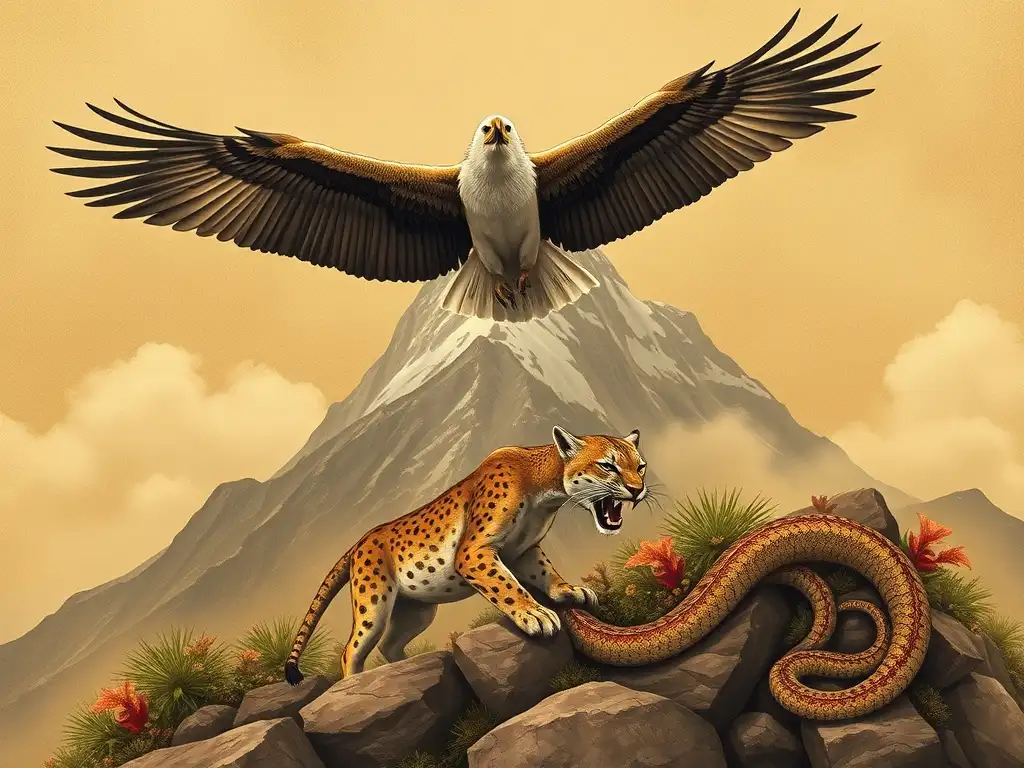
The Inca worldview was deeply intertwined with the natural world, and animals played a crucial role in their cosmology. Central to this cosmology was a triad of powerful animals: the condor, the puma, and the serpent. This sacred triad wasn't merely a collection of individual symbols; it represented a unified vision of the Inca cosmos, connecting the earthly realm with the celestial and the underworld. The Inca believed these animals embodied the essential forces and energies that shaped their existence.
This powerful symbolism permeated every aspect of Inca life, from religious rituals and political power structures to artistic expressions and everyday objects. The careful study of these animal representations offers a fascinating glimpse into the intricate tapestry of Inca beliefs and practices. Understanding the interplay of these three animals is key to unlocking a deeper comprehension of Inca mythology and its enduring significance.
How the Condor, Puma, and Serpent Represent the Three Realms
The Inca cosmos was structured around three distinct realms: the Hanan Pacha (upper world), the Kay Pacha (middle world or earthly realm), and the Uku Pacha (underworld). The condor, with its majestic flight soaring high above the Andes, symbolized the Hanan Pacha, representing the sun, the sky, and the celestial deities. Its sharp vision and powerful presence reflected the Inca's reverence for the sun god, Inti, a vital force in their lives.
The puma, a powerful predator inhabiting the mountains, embodied the Kay Pacha, the earthly realm where humans lived. Its strength, agility, and connection to the Andes mountains highlighted the importance of earthly power and the close relationship between the Inca and their environment.
The serpent, often associated with water sources and the depths of the earth, represented the Uku Pacha, the underworld. It symbolized fertility, hidden knowledge, and the cyclical nature of life and death, mirroring the Inca's understanding of the interconnectedness of all things.
Interconnection of the Inca Cosmic Levels
The significance of the condor, puma, and serpent triad lies not only in their individual representation of the three realms but also in their interconnectedness. The Inca believed that these realms were not isolated but rather intricately interwoven, influencing and interacting with one another. The animals themselves became powerful metaphors for this interconnectedness. For instance, the serpent's association with water sources, crucial for life in the Andes, linked the underworld's fertility to the earthly realm's sustenance.
Similarly, the condor's flight connected the celestial world to the earthly realm, conveying the influence of heavenly bodies on terrestrial events. This understanding of interconnectedness is reflected in Inca art, architecture, and mythology, highlighting the holistic and integrated nature of their worldview. The triadic representation emphasized the cyclical nature of life, death, and rebirth, a central theme in Inca cosmology.
The Significance of the Triad in Inca Art and Architecture
The condor, puma, and serpent triad is prominently featured in Inca art and architecture, serving as powerful visual representations of their cosmology. We find these animals depicted in intricate textiles, elaborate pottery, monumental stone carvings, and even the layout of Inca cities. For example, the design of Machu Picchu, with its strategic placement amidst the mountains, mirrors the puma's connection to the earth. Similarly, the precise astronomical alignment of some structures suggests a deliberate connection to the condor's celestial domain.
The appearance of serpent motifs in water features and underground channels underscores its association with the underworld. The consistent presence of this triad throughout Inca artistic and architectural endeavors solidifies its importance as a cornerstone of their cultural identity and spiritual beliefs. The meticulous detail and symbolic significance imbued in these representations demonstrate the Inca's deep understanding and reverence for their cosmology.
Exploring the Deeper Meanings of Inca Animal Symbols
Beyond their representation of the three cosmic realms, the condor, puma, and serpent held deeper symbolic meanings within Inca mythology. These meanings were often layered and nuanced, reflecting the complexity of Inca beliefs. The condor, for instance, was not only a symbol of the sky but also of royalty, power, and spiritual leadership.
Its ability to soar above the earthly realm connected it to the divine, making it a fitting symbol for the Inca emperor, considered a descendant of the sun god. The puma, in addition to representing the earthly realm, symbolized strength, courage, and protection. Its association with the Andes mountains made it a powerful guardian, protecting the Inca from external threats and ensuring the fertility of the land.
The serpent, while often associated with the underworld, also held positive connotations, symbolizing fertility, healing, and the cyclical nature of life. Its connection to water sources reflected its vital role in sustaining life.
Variations in the Interpretation of Inca Animal Symbolism
While the condor, puma, and serpent triad formed a central element of Inca cosmology, the interpretation of these animal symbols could vary depending on context and specific artistic representation. Different regions within the vast Inca Empire might have developed unique interpretations or regional variations on the core symbolism. Additionally, the meaning of these symbols could shift depending on the specific artistic medium used, such as textiles, pottery, or stone carvings.
For instance, a condor depicted in a ceremonial context might carry a different symbolic weight than one found on a domestic object. The interpretation of these nuances requires a careful consideration of the historical and archaeological context surrounding each artifact or representation. Scholars continue to explore these variations to gain a richer understanding of the diversity and complexity of Inca beliefs.
Inca Textiles and Pottery Featuring the Condor, Puma, and Serpent
Inca textiles and pottery provide rich visual evidence of the prominence of the condor, puma, and serpent in their culture. Intricate weaving techniques and detailed ceramic designs showcase these animals in diverse artistic styles and contexts. Textiles often featured the animals in symbolic patterns, incorporating them into garments worn by the elite or used in ceremonial rituals. The vibrant colors and meticulous craftsmanship highlight the cultural significance attached to these representations.
Similarly, pottery frequently depicted the animals in narrative scenes, illustrating myths, legends, or rituals. The stylistic variations in the depiction of these animals across different regions and time periods reflect the evolving nature of Inca beliefs and artistic expression. Analyzing these artifacts offers invaluable insights into the role of these symbols in everyday life and religious practices.
The Enduring Legacy of These Powerful Inca Symbols
The condor, puma, and serpent triad continues to hold deep significance in Andean cultures today. These powerful symbols remain an integral part of the cultural heritage of Peru and other Andean nations. Their enduring legacy is evident in contemporary art, literature, and popular culture.
The animals continue to inspire artistic expression, representing national pride and cultural identity. Understanding the rich history and symbolic meaning of these animals provides a deeper appreciation for the Inca civilization and its lasting impact on the Andean world. The study of Inca mythology, particularly the symbolism of these three animals, remains a vital area of research, continually enriching our understanding of this remarkable ancient civilization.
Inca Mythology Symbols Meaning: A Summary of Key Concepts
Inca mythology, rich in symbolism and deeply connected to the Andean landscape, utilized animals to represent powerful forces and concepts. Understanding the meaning behind these symbols offers a crucial window into the Inca worldview. The condor, puma, and serpent, in particular, held prominent positions within this complex system of beliefs, representing different aspects of the Inca cosmology and social structure.
Their representation in art, textiles, and religious ceremonies underscores their immense importance in Inca society. This exploration of Inca mythology symbols meaning will delve into the specific roles and significance of these three powerful creatures. The intricate interplay between these symbols reflects the Inca's deep understanding of their environment and their sophisticated social hierarchy.
Understanding these symbols helps us appreciate the depth and complexity of Inca spiritual beliefs and their connection to the natural world. Deciphering these symbols requires careful consideration of their context within Inca art, architecture, and religious practices.
Recapitulating the importance of the condor in Inca lore
The condor, a majestic bird soaring high above the Andes, symbolized power, strength, and the ability to connect the earthly realm with the celestial world. Its ability to fly at great heights linked it to the sun god, Inti, representing his power and dominion. In Inca iconography, the condor frequently appears alongside the sun, reinforcing this association.
Furthermore, the condor's keen eyesight was seen as a symbol of wisdom and foresight. Rulers and elite members of Inca society often associated themselves with the condor, adopting its imagery to legitimize their authority and connect themselves to the divine power of the sun. The condor's role in Inca mythology extended beyond mere symbolism; it also played a part in ceremonies and rituals, often depicted in sacrifices and offerings.
In short, the condor was far more than just a bird; it was a potent symbol of divine power, royal authority, and the connection between the earthly and spiritual realms. Its image served as a constant reminder of the Inca's connection to the cosmos and their belief in a divinely ordained social order. The majestic presence of the condor in Inca art and religion underlines its profound significance in their culture.
Summarizing the symbolic power of the puma
The puma, a powerful and elusive feline inhabiting the Andean mountains, represented strength, agility, and earthly power. Unlike the condor's celestial associations, the puma was firmly rooted in the terrestrial world, symbolizing the Inca's connection to the land and its resources. It was often associated with the apus, the mountain spirits believed to protect and guide the Inca people.
The puma's nocturnal nature also connected it to the underworld and the forces of darkness, highlighting the Inca understanding of the duality present in the natural world. The puma's fierce nature and hunting prowess were admired and revered, making it a fitting symbol for warriors and leaders. The imagery of the puma is frequently found on textiles and ceramics, reflecting its importance in daily life and religious practices.
The puma’s symbolic power was not limited to its physical attributes; it also represented the Inca’s ability to conquer and control their environment. Its stealth and power reflected the Inca’s military prowess and their ability to expand their empire.
Underscoring the significance of the serpent in Inca beliefs
The serpent, a creature associated with both life and death, held a more ambiguous position in Inca mythology compared to the condor and puma. While sometimes representing fertility, abundance, and healing due to its connection to water sources vital for agriculture, it also symbolized the underworld and the forces of chaos. The dual nature of the serpent mirrors the Inca understanding of the balance between opposing forces in the cosmos.
In some representations, the serpent is depicted as a protective deity, guarding sacred sites and ensuring the continuation of life. In other instances, it represents the potential for destruction and the unpredictable nature of the natural world. The serpent's connection to water and underground springs highlights its importance in maintaining life-sustaining resources, while its association with the underworld suggests its role in the cyclical nature of life and death.
Unlike the condor and puma, the serpent's symbolism is more nuanced and multifaceted, reflecting the Inca’s complex understanding of the natural world and its inherent contradictions. Its portrayal in Inca art often depends on the specific context and the message the artist sought to convey.
- Understanding Inca Cosmology Through Animal Symbolism
- The Condor: Messenger of the Gods and Symbol of the Upper World
- The Puma: Strength, Courage, and the Power of the Earth
- The Serpent: Wisdom, Knowledge, and the Underworld
- The Triad of Animals: A Unified Vision of Inca Cosmology
- Exploring the Deeper Meanings of Inca Animal Symbols
- Inca Mythology Symbols Meaning: A Summary of Key Concepts
- What is the significance of the condor in Inca mythology?
- What does the puma represent in Inca mythology?
- How is the serpent depicted and interpreted within Inca beliefs?
- What other symbols are important in Inca mythology besides the condor, puma, and serpent?
- Where can I learn more about Inca mythology and its symbols?
Frequently Asked Questions
What is the significance of the condor in Inca mythology?
The condor, a powerful bird of prey, symbolized power, strength, and altitude. It represented the connection between the earthly and spiritual realms, often depicted in art and ceremonies. Its flight represented reaching the heights of the Andes.
What does the puma represent in Inca mythology?
The puma, a fearsome feline, represented ferocity, strength, and fertility. It was associated with the underworld and was considered a powerful protector. Its nocturnal nature linked it to mystery and hidden knowledge.
How is the serpent depicted and interpreted within Inca beliefs?
Serpents, particularly the fertile and life-giving ones, symbolized water, fertility, and healing. They were often connected to earthly forces and could represent both destruction and renewal. Different types of serpents held different meanings.
What other symbols are important in Inca mythology besides the condor, puma, and serpent?
Other significant symbols include the sun, moon, and stars, representing celestial order and power. The Inti (Sun God) was of paramount importance and many symbols related to him. Agricultural symbols, such as maize and potatoes, were also crucial.
Where can I learn more about Inca mythology and its symbols?
You can find more information through academic research papers, books on Andean civilizations, and reputable museum websites. Many museums showcasing Andean artifacts provide detailed information about their cultural significance. Exploring sites dedicated to Inca history and culture will also be helpful.
Final Reflection: Echoes of the Andes: A Legacy of Power, Wisdom, and Mystery
The enduring power of Inca mythology continues to resonate today, reminding us of the intricate connection between humanity and the natural world. These ancient symbols, far from being relics of a bygone era, offer profound insights into the human experience, reflecting our enduring fascination with power, spirituality, and the mysteries of existence. Their influence transcends time, shaping our understanding of Andean culture and inspiring awe in the face of a rich and complex past.
The condor's soaring flight, the puma's stealthy grace, and the serpent's cyclical journey through life and death – these are not merely images, but potent metaphors for the human condition. They represent the interconnectedness of all things, a worldview that feels increasingly relevant in our modern, often fragmented society. The mountains are our mothers, the rivers our veins, and the stars our guides.
This ancient Andean wisdom speaks to a deep respect for the environment and a holistic understanding of life that we would do well to re-embrace.
Consider the symbolism of these creatures, their power, their vulnerabilities, their roles within the Inca cosmology. Let their stories inspire you to seek deeper meaning in the world around you, to appreciate the interconnectedness of all living things, and to find your own path towards understanding the profound mysteries that surround us. Embrace the legacy of the Inca, and let their wisdom guide your journey.
Embrace the Spirit of the Andes: Take Action Today!
Thank you for joining us on this journey through the rich tapestry of Inca mythology! You've uncovered the powerful symbolism of the condor, puma, and serpent, and now it's time to apply that knowledge.
Here's how you can deepen your connection to these magnificent creatures and their symbolic meanings:
- **Engage with Nature:** Take a moment to explore your local environment. Seek out wildlife or natural elements that evoke the power and majesty of the condor, the grace and stealth of the puma, or the wisdom and mystery of the serpent. Record your experience in a journal or through photography.
- **Share Your Discoveries:** Discuss the significance of these animals with friends, family, or online. Share your reflections on how their symbolism relates to modern life and invite others to share their perspectives.
- **Expand Your Knowledge:** Visit a local museum or library to learn more about Inca mythology and its enduring relevance. You might discover unexpected connections to your own cultural heritage!
Which of these powerful Andean symbols resonates most with you, and how do you see its significance reflected in your life today?