
The Andean Understanding of Ecology and Interconnectedness


Step into a world lost to time, yet echoing with wisdom far ahead of its era. Imagine civilizations that not only thrived in the harsh Andes but shaped their environment with an unparalleled understanding of ecological balance. This isn't just history; it's a revelation. Discover the secrets of Andean civilizations' ecological knowledge, and prepare to be amazed by their profound connection to the natural world – a connection that holds vital lessons for our time. Unravel the mysteries of their ingenuity and sustainable practices within the breathtaking landscapes they inhabited. Let's begin exploring!
The Andes Mountains, a spine of towering peaks and deep valleys stretching along the western coast of South America, presented ancient civilizations with an environment of unparalleled diversity and challenge. Understanding this environment wasn't merely a matter of survival; it was deeply interwoven with their spiritual beliefs, social structures, and agricultural practices.
This article delves into the sophisticated ecological knowledge possessed by Andean civilizations, exploring how their understanding of interconnectedness shaped their relationship with the natural world and enabled their remarkable achievements in agriculture, water management, and sustainable living. We'll examine the evidence demonstrating their profound grasp of ecological principles, far surpassing a simple utilitarian approach to resource management, and highlighting the enduring relevance of their wisdom for contemporary ecological challenges.
This exploration will focus on key Andean civilizations, including the Incas, Moche, Nazca, and Tiahuanaco, illustrating the common threads and regional variations in their ecological philosophies and practices. The term "Andean civilizations ecological knowledge" encapsulates a rich tapestry of interconnected understandings, revealing a profound respect for the environment and a sophisticated understanding of its intricate workings.
Andean Civilizations: A Legacy of Harmony with Nature
The Andean worldview wasn't anthropocentric; rather, it emphasized a reciprocal relationship between humanity and nature. The mountains, rivers, and animals weren't simply resources to be exploited but were considered sacred entities, possessing inherent power and deserving of respect. This animistic perspective permeated all aspects of Andean life, influencing their agricultural techniques, water management systems, and even their social organization.
Evidence suggests a deep understanding of ecological processes, such as the impact of altitude on climate and vegetation, the importance of biodiversity for resilience, and the interconnectedness of different ecosystems. For example, the intricate terrace systems built by various Andean cultures weren't just ingenious agricultural solutions; they were also carefully designed to manage water flow, prevent erosion, and maintain soil fertility—a testament to their integrated understanding of ecological processes. These systems demonstrate a remarkable ability to adapt to the challenging Andean environment and to work with nature, rather than against it.
The Inca, for example, implemented a sophisticated system of mit'a, a form of labor tax, to maintain these vital infrastructure projects, ensuring their long-term sustainability. This wasn't simply about food production; it was about maintaining the balance and harmony of the entire ecosystem. The meticulous planning and execution of these projects, often over vast distances and across diverse terrains, underscore the sophistication of their ecological understanding and their commitment to long-term sustainability.
The Core of Andean Ecological Knowledge
The Andean understanding of ecology wasn't codified in written texts in the way familiar to Western scientific traditions. Instead, it was transmitted orally through generations, embedded within their myths, rituals, and practical skills. This knowledge encompassed a wide range of ecological principles, including:
- Understanding of altitude zones ( verticality ): Andean civilizations recognized the distinct ecological zones that exist at different altitudes, each with its unique climate, vegetation, and fauna. They adapted their agricultural practices to these zones, cultivating different crops at different elevations to maximize productivity. This concept of verticality is fundamental to understanding their ecological knowledge.
- Water management: The efficient management of water resources was crucial for survival in the Andes. Andean civilizations developed sophisticated irrigation systems, reservoirs, and canals to harness and distribute water effectively, demonstrating a profound understanding of hydrology and water cycles.
- Soil conservation: The construction of terraces and other soil conservation techniques prevented erosion and maintained soil fertility, allowing for sustainable agriculture over long periods. Their understanding of soil properties and the importance of organic matter in maintaining soil health was remarkable.
- Biodiversity: The Andean civilizations valued biodiversity, recognizing the importance of maintaining a variety of crops and livestock to ensure resilience against environmental changes and pests. Their agricultural practices actively promoted biodiversity, rather than relying on monocultures.
The integration of these principles into their daily lives and social structures highlights the holistic nature of their ecological knowledge. It wasn't a separate body of knowledge but was integral to their worldview and their way of life. Their success in adapting to and thriving in the challenging Andean environment serves as a powerful testament to the wisdom and effectiveness of their ecological understanding.
Further research is needed to fully unravel the nuances of their ecological knowledge, but the available evidence clearly suggests a level of sophistication that continues to inspire and inform contemporary ecological thinking. The legacy of Andean civilizations offers valuable lessons for sustainable practices in the face of modern environmental challenges.
- What is the Andean understanding of ecology?
- How did Andean civilizations interact with their environment?
- What role did religion play in Andean ecological knowledge?
- What evidence exists to support the Andean understanding of ecology?
- How does the Andean ecological knowledge compare to modern approaches?
Andean Worldview and the Concept of Interconnectedness

The Andean civilizations didn't view themselves as separate from their environment; rather, they understood themselves as deeply interwoven with it. This perspective, fundamentally different from many Western worldviews, shaped their social structures, agricultural practices, and even their spiritual beliefs. Understanding their ecological knowledge requires acknowledging this profound interconnectedness, a concept central to their survival and prosperity in the challenging Andean landscape.
The Andean understanding of "Andean civilizations ecological knowledge" wasn't simply a practical approach to resource management; it was a deeply ingrained philosophy reflecting a holistic worldview. This section will explore key elements of this worldview, revealing the intricate relationship between Andean societies and their environment.
Pachamama: The Earth as a Living Entity
Pachamama, often translated as "Mother Earth," is not merely a metaphor in Andean cosmology. She is a powerful, living entity, a divine force deserving of respect and reciprocity. This wasn't a passive reverence; it was an active engagement with the land, recognizing its agency and influence on human life.
The fertility of the soil, the abundance of crops, the flow of water—all were seen as gifts from Pachamama, and consequently, maintaining her health and well-being was paramount. Rituals, offerings, and careful agricultural practices were all designed to ensure a continued harmonious relationship with Pachamama, demonstrating the deep understanding of the interconnectedness between human actions and environmental outcomes. Failure to honor this relationship was believed to result in natural disasters or crop failures, highlighting the practical implications of their ecological beliefs.
The concept of Pachamama underscores the Andean understanding of the environment not as a resource to be exploited, but as a living entity worthy of respect and sustained stewardship, a core tenet of their "Andean civilizations ecological knowledge." This perspective fostered sustainable practices that allowed for thriving civilizations across millennia.
Ayni: The Principle of Reciprocity and Balance
Ayni, a Quechua word meaning "reciprocity," is a fundamental principle governing Andean social and ecological interactions. It emphasizes the need for balance and mutual exchange between individuals, communities, and the natural world. This wasn't simply a matter of fairness; it was a recognition that all elements of the ecosystem are interdependent.
For example, farmers would offer a portion of their harvest to Pachamama, not just as a religious act, but as a recognition of the land's contribution to their prosperity. Similarly, the labor exchanged between communities, the sharing of resources, and the collaborative management of irrigation systems all reflected the principle of Ayni. The concept also extends to the environment, emphasizing that taking from nature requires giving back—a sustainable practice reflected in their careful management of resources and minimal environmental impact.
The principle of Ayni demonstrates the sophisticated understanding of "Andean civilizations ecological knowledge," emphasizing the balance and reciprocity needed for a thriving ecosystem and society. The failure to maintain this balance was seen as disrupting the natural order, leading to negative consequences.
The Concept of Suyu: Interconnected Ecosystems
The Andean landscape is remarkably diverse, characterized by distinct ecological zones or suyu. The Inca Empire, for example, recognized four suyu: Chinchaysuyu (northwest), Antisuyu (northeast), Contisuyu (southwest), and Collasuyu (southeast). Each suyu possessed unique characteristics, from altitude and climate to flora and fauna. However, the Andean understanding of these suyu wasn't as isolated units; instead, they recognized the interconnectedness between these diverse ecosystems.
The movement of goods, people, and resources between the suyu fostered a complex network of ecological exchange. For instance, goods from the coastal suyu were traded for highland products, creating a system of interdependence that ensured the survival of all communities. This understanding of interconnected ecosystems highlights the sophisticated "Andean civilizations ecological knowledge" and their ability to manage resources effectively across a vast and diverse landscape.
They didn't view the suyu in isolation; rather, they understood the intricate relationships between them, ensuring the resilience of the entire system. This sophisticated understanding of ecological interconnectedness stands as a testament to their advanced ecological knowledge. The careful management of resources and the recognition of the interdependence of different ecosystems showcase their remarkable ability to thrive in a challenging environment.
Practical Applications of Andean Ecological Knowledge
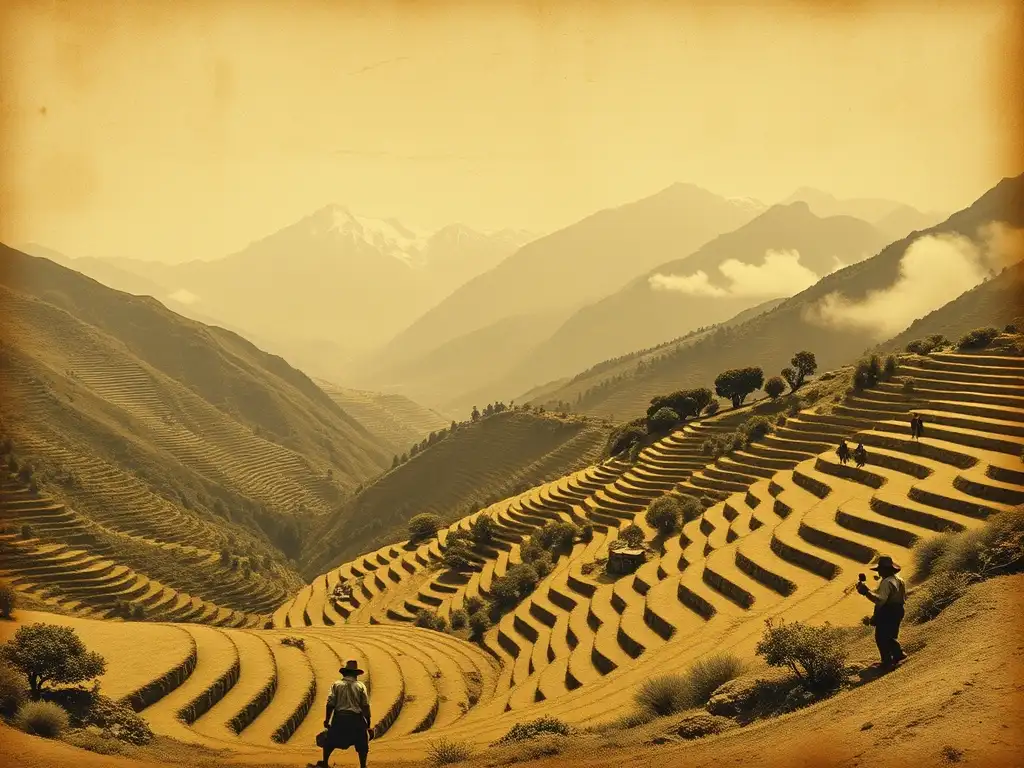
The Andean civilizations weren't just passive inhabitants of their challenging environment; they were active participants, developing sophisticated systems to harness its resources sustainably. Their deep understanding of Andean ecology, a nuanced awareness of interconnectedness within their environment, wasn't merely philosophical; it was the bedrock of their survival and prosperity. This knowledge, passed down through generations, manifested in practical applications across various aspects of their lives, demonstrating a remarkable level of ecological stewardship.
The effectiveness of these systems, many of which are still relevant today, showcases the enduring wisdom embedded within Andean ecological knowledge. Understanding these practices offers valuable insights into sustainable resource management and resilient community building.
Agricultural Practices and Terracing
Andean agricultural practices were remarkably adapted to the steep slopes and diverse microclimates of the Andes. The most striking example is the widespread use of terracing. This wasn't simply a matter of carving steps into hillsides; it was a complex system designed to optimize water retention, reduce soil erosion, and maximize arable land. Terraces were meticulously constructed, often with retaining walls made of stone, creating a series of level platforms where crops could be grown. The size and orientation of the terraces varied depending on factors such as slope gradient, sunlight exposure, and soil type. This careful consideration reflects a detailed understanding of the interplay between topography, hydrology, and agricultural productivity.
The effectiveness of Andean terracing is evident in its longevity. Many terraced fields remain in use today, a testament to their enduring practicality. Moreover, the techniques employed demonstrate a keen awareness of soil conservation, a crucial aspect of sustainable agriculture. By reducing erosion, terracing ensured the long-term fertility of the land, enabling generations of Andean communities to thrive. The intricate network of terraces, often integrated with irrigation systems, represents a sophisticated approach to land management that is still studied and emulated in contemporary sustainable agriculture practices.
Water Management and Irrigation Systems
Water scarcity is a defining characteristic of the Andes. However, Andean civilizations developed ingenious water management systems to overcome this challenge. These systems ranged from simple canals to complex networks of aqueducts and reservoirs, demonstrating a deep understanding of hydrology and water distribution. The canals, for instance, weren't just haphazardly dug; they were carefully planned to optimize water flow, utilizing gravity and topography to their advantage. More complex systems involved the construction of reservoirs to store water during the rainy season for use during drier periods. This foresight highlights an understanding of seasonal variations and the need for water storage to ensure agricultural productivity throughout the year.
Furthermore, the integration of water management systems with agricultural practices, particularly terracing, was crucial. The carefully constructed terraces acted as natural reservoirs, capturing and retaining rainwater for use by crops. This integrated approach highlights the holistic nature of Andean ecological knowledge, where different systems were interconnected and mutually reinforcing. The sophisticated water management techniques employed by Andean civilizations provide a valuable lesson in efficient water use, crucial in today's world facing increasing water stress. These ancient systems offer insights for the development of modern water management strategies, particularly in arid and semi-arid regions.
Understanding and Utilizing Biodiversity
The Andean civilizations possessed a remarkable understanding of biodiversity and its importance for their survival. They recognized the interconnectedness of different plant and animal species and developed sustainable practices to manage and utilize this biodiversity. This knowledge wasn't limited to domesticated crops; they also utilized a wide range of wild plants and animals for food, medicine, and other purposes.
Their approach to agriculture was characterized by a high degree of crop diversity, reducing dependence on any single species and minimizing the risk of crop failure. This diversification also contributed to the overall resilience of their agricultural systems. The use of intercropping, for example, involved growing multiple crops together, maximizing land use and promoting ecological balance. Furthermore, they employed a deep understanding of plant properties, utilizing various species for their medicinal and other uses. This intricate knowledge of biodiversity showcases a profound respect for the natural world and a practical understanding of its interconnectedness. The Andean approach to biodiversity management offers valuable lessons for modern conservation efforts, emphasizing the importance of biodiversity for ecosystem resilience and human well-being. Their practices demonstrate the potential for sustainable resource management based on a deep understanding of ecological interactions.
Sustainable Resource Management in the Andes
Sustainable resource management was not merely a practice for Andean civilizations; it was deeply interwoven into their worldview and spiritual beliefs. Their understanding of ecological interconnectedness directly translated into sophisticated techniques for managing resources like water, land, and animals, ensuring their long-term availability. This wasn't a passive relationship; rather, it involved active participation and a deep respect for the environment's cyclical nature.
The Inca, for instance, implemented intricate systems of ayllus—communal land management units—that carefully allocated resources based on seasonal needs and the carrying capacity of the land. This prevented overexploitation and ensured equitable distribution among community members. Evidence suggests that this system, though varying in specifics across different Andean cultures, was remarkably effective in maintaining biodiversity and preventing environmental degradation over centuries.
The success of these methods hinged on a profound understanding of the delicate balance within their ecosystems and the consequences of disrupting it. This holistic approach to resource management stands as a compelling example of sustainable practices that could inform contemporary ecological strategies. Their understanding wasn't limited to immediate gains; it considered the long-term health and resilience of the environment, a perspective often lacking in modern approaches.
The intricate waru waru agricultural system of the Tiwanaku culture provides another striking example. This raised-field agriculture technique involved creating raised beds separated by canals, which acted as efficient irrigation channels and microclimates, allowing for increased crop yields even in challenging environments. The system also played a crucial role in regulating water levels, preventing soil erosion, and enhancing biodiversity.
The canals not only provided irrigation but also served as breeding grounds for fish and other aquatic life, adding another layer of resource sustainability to the system. This integrated approach to agriculture showcases a deep understanding of hydrology and soil science, demonstrating how Andean civilizations adapted their agricultural practices to maximize resource efficiency while minimizing environmental impact.
The resilience of the waru waru system in the face of climate change, as evidenced by archaeological findings, further underscores its effectiveness as a sustainable agricultural model. The legacy of these sophisticated techniques continues to inspire modern sustainable agricultural practices.
Furthermore, the Andean civilizations demonstrated a remarkable ability to adapt their resource management strategies to specific ecological conditions. The diverse landscapes of the Andes—ranging from arid coastal deserts to high-altitude grasslands—necessitated flexible approaches to resource utilization. Instead of imposing uniform practices, Andean communities tailored their methods to the unique characteristics of their local environment. This localized approach to resource management not only ensured the long-term sustainability of their resources but also fostered a deep connection between the people and their environment.
The knowledge and practices were passed down through generations, creating a dynamic and adaptable system that evolved alongside the changing environment. This capacity for adaptation is particularly relevant in the context of contemporary climate change, where flexible and context-specific solutions are essential for ensuring environmental sustainability. The Andean experience highlights the importance of understanding local conditions when developing and implementing sustainable resource management strategies.
The Impact of Andean Ecological Knowledge
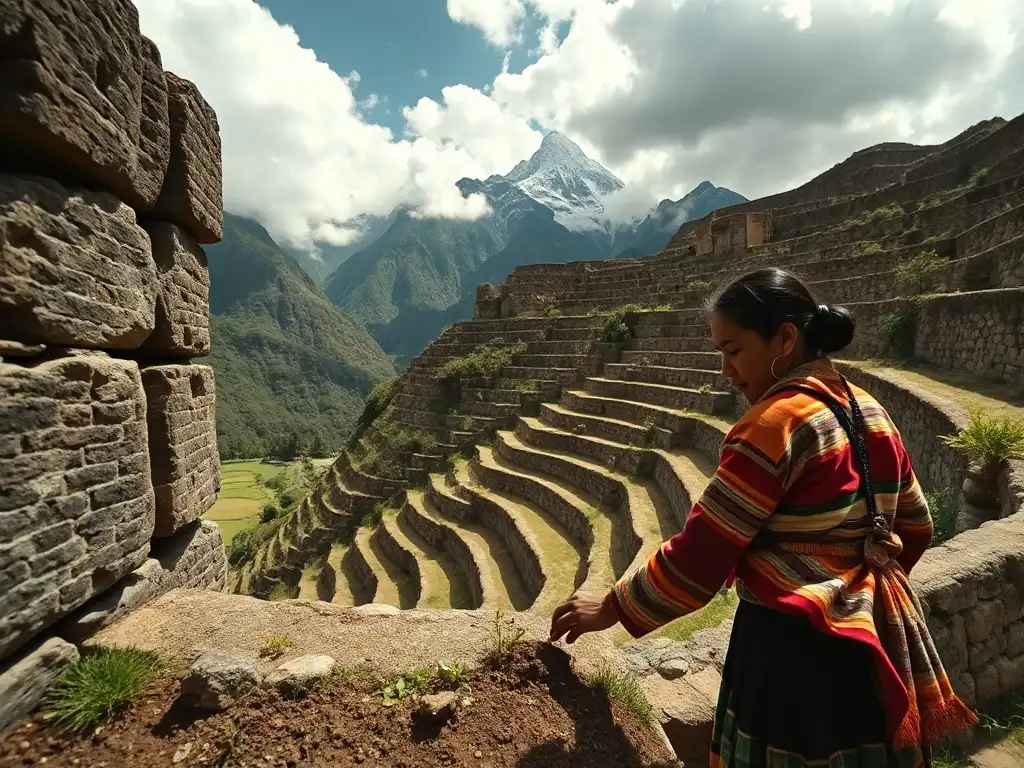
The Andean civilizations, renowned for their impressive architectural feats and sophisticated social structures, also possessed a deep and nuanced understanding of their environment. This ecological knowledge, developed over millennia of interaction with the challenging Andean landscape, was not merely a passive observation but an active engagement that shaped their worldview, agricultural practices, and societal organization.
Understanding this intricate relationship between the Andean people and their environment is crucial to comprehending the remarkable resilience and longevity of these cultures, and offers valuable lessons for contemporary sustainable practices. The term "Andean civilizations ecological knowledge" itself encompasses a vast array of interconnected practices, beliefs, and technologies, all aimed at achieving a harmonious coexistence with nature.
Resilience to Climate Change and Natural Disasters
The Andes are a region characterized by extreme environmental variability. High altitudes, steep slopes, and unpredictable weather patterns presented significant challenges to the inhabitants. However, instead of succumbing to these hardships, Andean civilizations developed sophisticated strategies to mitigate risks and build resilience.
For example, the intricate Andean terrace systems dramatically increased agricultural productivity by modifying slopes to create level platforms for cultivation. This ingenious approach not only maximized arable land but also minimized soil erosion and water runoff, crucial adaptations in a region prone to landslides and flash floods. Furthermore, their deep understanding of water management, evidenced by the construction of canals, aqueducts, and reservoirs, allowed them to control water resources and ensure agricultural success even during periods of drought.
These systems, often integrated with sophisticated agricultural techniques like crop rotation and intercropping, demonstrably increased the resilience of Andean communities to climate variability and natural disasters. Analysis of archaeological data shows a remarkable continuity in these practices across different Andean cultures, highlighting their long-term effectiveness in responding to environmental challenges. The ability to adapt to changing climatic conditions, a skill honed over centuries, is a testament to the ingenuity and foresight of these civilizations.
Lessons for Modern Sustainable Practices
The ingenuity of Andean ecological knowledge offers invaluable lessons for contemporary sustainable practices. Their approach, grounded in a holistic understanding of interconnected ecological systems, contrasts sharply with many modern agricultural models that prioritize short-term gains over long-term sustainability. For example, the Andean emphasis on agroforestry, the integration of trees and shrubs into agricultural landscapes, provides a powerful model for carbon sequestration and biodiversity conservation.
This practice not only enhances soil fertility but also reduces reliance on chemical fertilizers and pesticides, minimizing environmental impact. Similarly, the intricate water management systems developed by Andean civilizations can inspire modern water resource management strategies, promoting efficient water use and reducing water stress in increasingly arid regions.
By studying and adapting these traditional practices, modern societies can move towards more sustainable and resilient agricultural systems, reducing their ecological footprint and mitigating the impact of climate change. The wisdom embedded in Andean ecological knowledge presents a powerful counterpoint to unsustainable practices, offering a pathway towards a more harmonious relationship between humans and their environment.
The Importance of Preserving Andean Traditions
The preservation of Andean traditions and ecological knowledge is not merely an academic pursuit; it holds profound practical significance. These traditions represent a wealth of invaluable information that can contribute to solving contemporary environmental challenges. However, the rapid pace of globalization and modernization threatens to erode these invaluable practices, leading to a loss of both cultural heritage and ecological wisdom.
The disappearance of traditional agricultural techniques, for instance, could result in a diminished capacity to adapt to climate change and a reduction in biodiversity. Therefore, supporting initiatives aimed at documenting, preserving, and disseminating Andean ecological knowledge is crucial. This includes fostering collaboration between indigenous communities, researchers, and policymakers to ensure that this vital knowledge is integrated into modern sustainable development strategies.
The ongoing effort to preserve Andean traditions is not only essential for cultural preservation but also vital for building a more sustainable and resilient future for all. The legacy of Andean civilizations offers a powerful reminder of the importance of respecting and learning from the wisdom of indigenous communities in addressing the pressing environmental challenges of our time. Protecting this knowledge is protecting our collective future.
Andean Cosmology and its Relationship with the Environment
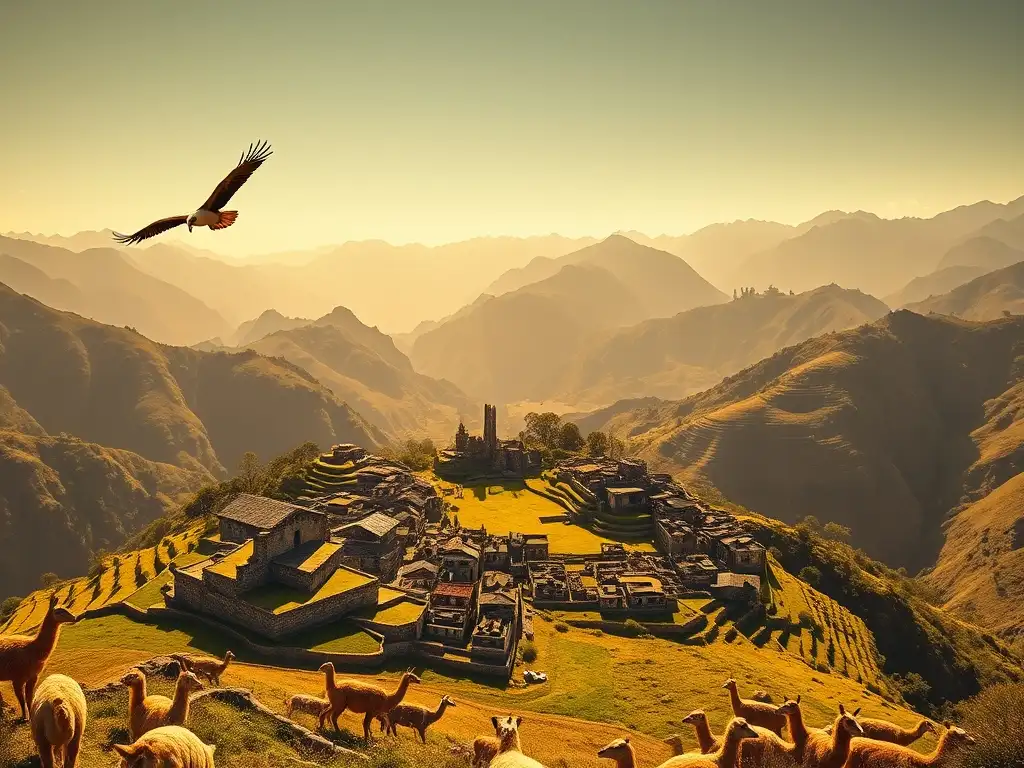
The Andean worldview, far from separating humanity from nature, saw them as inextricably linked. This deep interconnectedness, a fundamental tenet of Andean cosmology, profoundly influenced their relationship with the environment and shaped their remarkable adaptations to the challenging Andean landscape. Understanding this cosmology is crucial to appreciating the sophisticated ecological knowledge of Andean civilizations.
Their understanding wasn't merely practical; it was deeply spiritual, imbuing their agricultural practices, resource management, and social structures with a profound respect for the natural world. This holistic perspective, where the physical and spiritual realms intertwined, fostered a sustainable relationship with the environment that endured for centuries. The concept of Ayni, reciprocal exchange, permeated all aspects of Andean life, extending from human interactions to the relationship between humans and the environment.
This principle emphasized balance and sustainability, ensuring the continued flourishing of both people and nature. The Andean civilizations' ecological knowledge was not simply a collection of practical techniques; it was a lived philosophy, a way of being in the world.
The Role of Mountains in Andean Beliefs
Mountains, towering figures in the Andean landscape, held immense spiritual significance. They were not merely geographical features but considered apu, sacred entities, powerful deities inhabiting the peaks and influencing the lives of the people below. This reverence for the apu extended to a profound respect for the entire mountain ecosystem.
The Andean people recognized the interconnectedness of the mountain's different zones—from the snow-capped peaks to the fertile valleys—and understood the vital role each played in maintaining ecological balance. Their agricultural practices were meticulously adapted to these different zones, reflecting a deep understanding of altitude, microclimates, and the delicate balance of the mountain ecosystem. For instance, the careful terracing of slopes, a testament to their engineering prowess, wasn't just for efficient farming; it was also a way of showing respect for the apu and maintaining the integrity of the mountain's ecosystem.
The preservation of these ecosystems wasn't just a matter of survival; it was a spiritual obligation, a way of honoring the sacred beings that sustained them. The intricate relationship between the Andean people and their mountain deities shaped their sustainable practices, ensuring the long-term health of both the environment and their communities.
Sacred Sites and their Ecological Significance
Many sacred sites in the Andes were strategically located in places of ecological importance. These weren't simply places of worship; they were integral parts of the landscape, functioning as hubs for resource management and ecological monitoring. For example, springs and water sources, often associated with deities, were carefully protected and managed to ensure a reliable supply of water for agriculture and human consumption.
The location of certain agricultural fields near sacred groves or shrines wasn't coincidental; it reflected a belief that these sites possessed a spiritual power that enhanced fertility and productivity. The preservation of these sacred sites, therefore, played a crucial role in maintaining the ecological balance of the region. Their reverence for these locations extended beyond mere superstition; it served as a practical mechanism for environmental conservation.
By protecting these sites, the Andean people inadvertently protected vital ecosystems and resources, showcasing a sophisticated understanding of the interconnectedness between spiritual practices and environmental sustainability. The careful management of these areas exemplifies the deep integration of their ecological knowledge and spiritual beliefs, highlighting the holistic nature of their worldview.
The Interplay of Astronomy and Agriculture
Andean civilizations possessed an advanced understanding of astronomy, which played a vital role in their agricultural practices. By observing celestial cycles, they could predict seasonal changes, planting times, and the best times for harvesting. This knowledge wasn't simply a matter of observation; it was integrated into their religious and social structures.
The precise alignment of certain agricultural terraces with celestial bodies suggests a deliberate attempt to harness the power of the cosmos to enhance agricultural productivity. This intricate relationship between astronomy and agriculture demonstrates a sophisticated understanding of the interconnectedness between the celestial and terrestrial realms, highlighting the depth of their ecological knowledge. The detailed observations and meticulous record-keeping required for this level of astronomical knowledge further underscore their commitment to sustainable agricultural practices.
This ability to predict and adapt to environmental changes, guided by astronomical observations, allowed them to thrive in a challenging environment for centuries. The precision and sophistication of their astronomical knowledge were crucial to their success, demonstrating the profound interplay between their understanding of the cosmos and their mastery of the land.
Modern Relevance of Andean Ecological Thought
The Andean civilizations' profound understanding of their environment offers invaluable lessons for addressing contemporary ecological challenges. Their intricate knowledge systems, developed over millennia in response to the harsh yet rewarding Andean landscape, provide a rich framework for sustainable practices and a more harmonious relationship with nature. This understanding, often overlooked in Western narratives, presents a powerful alternative to anthropocentric models that have contributed significantly to current environmental crises.
The enduring relevance of Andean ecological thought lies in its holistic approach, emphasizing the interconnectedness of all living things and the importance of respecting ecological balance. This section explores how this ancient wisdom can inform and inspire modern approaches to environmental stewardship and sustainable development. Analyzing this legacy can help us develop more resilient and equitable societies in the face of climate change and biodiversity loss.
The core principles of Andean ecological knowledge are not merely historical curiosities; they are vital tools for navigating the complexities of the 21st century. Understanding this intricate web of relationships between humans and nature, as viewed by these ancient Andean societies, offers a potent counterpoint to the exploitative relationship frequently seen today.
Reviving Traditional Practices
Many traditional Andean agricultural practices, honed over centuries, demonstrate remarkable sustainability. Techniques like waru waru (raised-field agriculture), qocha (artificial wetlands), and terracing showcase sophisticated water management and soil conservation methods. These practices not only increased agricultural yields but also mitigated the impact of environmental variability, such as droughts and floods. Reviving and adapting these traditional techniques in modern contexts could significantly enhance food security and resilience in the face of climate change.
For example, the application of waru waru in areas prone to drought has shown promising results, increasing crop yields while conserving water resources. Furthermore, the integration of indigenous knowledge with modern scientific approaches can lead to innovative and sustainable solutions. This involves not simply replicating historical methods, but critically examining their underlying principles and adapting them to contemporary challenges.
The revival of these practices also offers significant socio-economic benefits, supporting local communities and preserving cultural heritage. This is not merely about restoring ancient techniques; it’s about actively integrating them into a sustainable future. This holistic approach considers the cultural and social implications of such practices, ensuring that their revival benefits the communities involved.
Integrating Andean Wisdom into Modern Science
The Andean understanding of ecological interconnectedness can enrich modern scientific disciplines, particularly ecology, environmental science, and biodiversity conservation. By incorporating indigenous knowledge systems into scientific research, we can gain a more comprehensive understanding of complex ecological processes. For example, the detailed ethnobotanical knowledge of Andean communities regarding medicinal plants and their interactions with the environment provides valuable insights for drug discovery and conservation efforts.
Furthermore, analyzing traditional Andean land management practices can inform the development of more effective conservation strategies. Scientific studies are increasingly demonstrating the effectiveness of traditional Andean approaches to sustainable land use, validating the wisdom embedded in these practices. The integration of Andean ecological perspectives can challenge the dominant scientific paradigms and lead to more holistic and culturally sensitive approaches to environmental management.
This collaboration can create a richer, more comprehensive understanding of Andean ecosystems and their resilience. This interdisciplinary approach is crucial for developing effective and sustainable solutions to modern environmental problems.
A Model for Sustainable Development
The Andean civilizations' approach to resource management offers a compelling model for sustainable development. Their emphasis on reciprocity, respect for nature, and community-based resource governance stands in stark contrast to many modern, exploitative models. Understanding the principles of ayni (reciprocity) and minga (community work) can inform the development of more equitable and sustainable development projects.
These principles highlight the importance of collaboration and mutual benefit in resource management, providing valuable insights for community-based conservation initiatives and sustainable resource use. The Andean model emphasizes long-term sustainability over short-term gains, offering a crucial lesson for contemporary societies obsessed with immediate economic growth. By adopting a more holistic and long-term perspective, informed by Andean ecological wisdom, we can move towards a more sustainable and equitable future.
The principles of Andean ecological knowledge are not only relevant to environmental conservation, but also provide a valuable framework for building more resilient and equitable societies. This ancient wisdom offers a path toward a future where human well-being is inextricably linked to the health of the planet. The integration of Andean ecological principles into modern sustainable development strategies holds the potential to transform our relationship with the environment and create a more harmonious future for all.
Frequently Asked Questions
What is the Andean understanding of ecology?
The Andean understanding of ecology is deeply rooted in a worldview that emphasizes interconnectedness between humans, nature, and the spiritual world. It's not a separate study of nature, but an integral part of their daily lives and beliefs. This understanding guided their sustainable practices.
How did Andean civilizations interact with their environment?
Andean civilizations developed sophisticated agricultural techniques, such as terracing and irrigation, to adapt to diverse and challenging environments. They also practiced sustainable resource management, carefully utilizing resources like water and land to ensure long-term viability. Their relationship was one of respect and reciprocity.
What role did religion play in Andean ecological knowledge?
Religion played a crucial role, shaping their understanding of the environment and their relationship with it. Sacred mountains, water sources, and other natural features were deeply revered and integrated into their spiritual practices. This belief system helped reinforce sustainable practices.
What evidence exists to support the Andean understanding of ecology?
Evidence includes extensive irrigation systems, terraced agriculture, and the preservation of biodiversity in various Andean ecosystems. Archaeological findings and ethnobotanical studies also reveal a profound knowledge of plants and animals and their interconnectedness.
How does the Andean ecological knowledge compare to modern approaches?
While modern ecology employs scientific methods, the Andean approach emphasizes holistic understanding and spiritual connection. Both offer valuable insights, and modern approaches can learn from the sustainable practices developed and maintained by Andean civilizations for centuries.
Final Reflection: Weaving the Threads of Andean Wisdom
The Andean understanding of interconnectedness, far from being a relic of the past, offers a vital framework for navigating the ecological crises of our present. This ancient wisdom, emphasizing a reciprocal relationship between humanity and nature, provides a powerful counterpoint to the exploitative models that have dominated modern society, leading to widespread environmental degradation. The insights gleaned from studying Andean civilizations' ecological knowledge are not simply historical curiosities; they are essential tools for building a more sustainable future.
The profound respect for Pachamama, Mother Earth, ingrained in Andean cosmology, continues to resonate deeply, challenging our anthropocentric worldview. This holistic perspective, where the well-being of the community is inextricably linked to the health of the environment, offers a compelling alternative to the dominant paradigm of endless growth and resource extraction. As the Inca proverb states: Do not take more than you need, and leave enough for the next generation.
This simple yet profound statement encapsulates the essence of sustainable living, a lesson we desperately need to relearn in our increasingly resource-constrained world.
Consider the implications of this ancient wisdom for your own life. How can you integrate a more reciprocal and respectful relationship with the natural world into your daily actions? Can you find ways to reduce your ecological footprint, to consume more consciously, and to foster a deeper connection with the environment around you? The path towards a sustainable future begins with individual choices, and the insights offered by the Andean understanding of ecology and interconnectedness provide a powerful compass to guide us on this journey.
Embrace the Andean Wisdom of Nature!
Thank you for exploring the profound insights of Andean ecological understanding and interconnectedness. This rich heritage offers a transformative relationship with nature and the world. Now, let's put this knowledge into practice!
Here are some ways to engage further with this vital wisdom:
- Embrace sustainable practices in your daily life. Start with small changes, like reducing waste and planting native species in your garden.
- Join or start a community initiative focused on environmental sustainability. This will help spread awareness and foster stronger community bonds.
- Consider exploring traditional Andean methods, such as crop rotation and natural healing techniques, to gain a unique perspective on sustainable living.
How will you integrate the Andean principles of interconnectedness into your life today?