
The Sacred Peaks: Climate and Andean Religious Beliefs

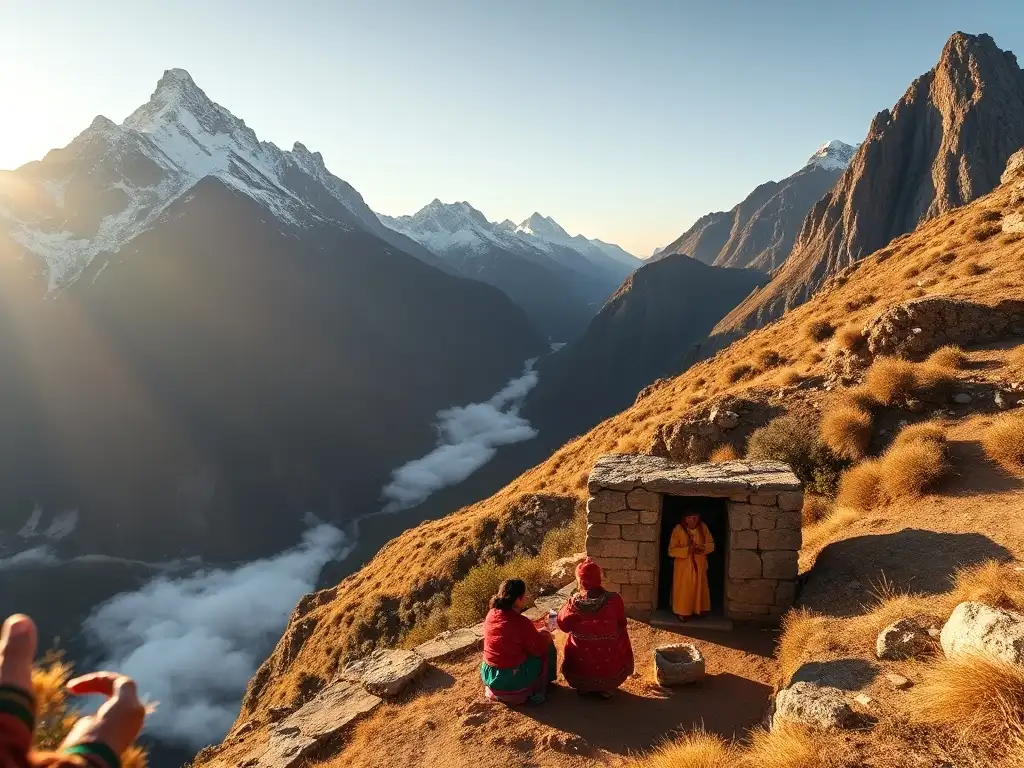
Step into a world lost to time, yet echoing through the ages. Imagine the towering Andes, their sacred peaks witnessing millennia of vibrant civilizations. We delve into the fascinating interplay between Andean religious beliefs and the ever-changing climate, revealing how these ancient cultures adapted and thrived – or perished – in the face of environmental challenges. Discover how the shifting landscapes shaped their spiritual practices and explore the profound connection between faith and survival in the heart of the Andes. Uncover the secrets held within "The Sacred Peaks: Climate and Andean Religious Beliefs" and prepare to be amazed.
The Andes Mountains, a colossal spine running down the western coast of South America, are far more than just a geographical feature; they are the very foundation of Andean cosmology and spirituality. For millennia, the inhabitants of this diverse region—from the Incas to the pre-Inca cultures like the Moche and Nazca—have viewed the towering peaks, the apus, and the fluctuating climate as inextricably linked to their existence, shaping their religious beliefs and practices in profound ways. This article explores the intricate relationship between the Andean climate, particularly its variability and the impacts of climate change, and the deeply rooted spiritual beliefs of these remarkable civilizations.
We will delve into how the cyclical nature of weather patterns, droughts, floods, and even the subtle shifts in microclimates, influenced their worldview, rituals, and agricultural practices. Understanding this connection provides crucial insight into the resilience and adaptability of Andean societies in the face of environmental challenges, a resilience that holds valuable lessons for our modern world grappling with the consequences of anthropogenic climate change.
The impact of climate change on these beliefs and practices is also a crucial area of study, as it threatens to disrupt centuries-old traditions and spiritual connections. The study of Andean religious beliefs in the context of climate change offers a unique lens through which to understand the complex interplay between human spirituality and the natural world.
The Intertwined Worlds: Andean Cosmology and Environmental Factors
Andean cosmology presents a holistic view of the universe, where the human world is deeply interwoven with the celestial and terrestrial realms. The apus, the snow-capped mountain peaks, are not merely geographical landmarks; they are considered sacred entities, powerful deities that influence the lives of the people living in their shadows. Their snowmelt feeds the rivers and sustains agriculture, making them vital for survival.
Consequently, the climate—the patterns of rain, snow, frost, and sunshine—directly impacts the well-being of both the people and the apus. A bountiful harvest is seen as a blessing from the mountain gods, while drought or floods are interpreted as signs of displeasure or imbalance. This understanding is not merely metaphorical; it's deeply embedded in their agricultural practices, social structures, and religious rituals.
For example, the Inca developed sophisticated irrigation systems and agricultural terraces to adapt to the diverse microclimates of the Andes, reflecting a profound understanding of the environment and its capricious nature. Evidence from archaeological sites reveals elaborate ceremonies and offerings made to the apus to ensure favorable weather conditions, demonstrating the direct link between religious beliefs and the need for climatic stability. The complex interplay between human activity and environmental forces is clearly evidenced in the intricate systems of water management and agricultural practices developed by these civilizations.
Mountains as Deities: The Significance of Apus in Andean Spirituality
The apus are central figures in Andean spirituality. They are not simply mountains; they are powerful, sentient beings, considered ancestors and protectors. Each apu possesses unique characteristics and is associated with specific localities and communities. People make pilgrimages to these sacred mountains, offering coca leaves, food, and other gifts to appease and honor them.
These offerings are not merely symbolic; they are seen as essential to maintaining a harmonious relationship with the apus and ensuring the continued prosperity of the community. The health of the apus, particularly the presence of snow and the flow of water from their slopes, is directly linked to the well-being of the people. Changes in climate, such as glacial retreat or altered rainfall patterns, are viewed as disruptions of this sacred balance, potentially leading to conflict, disease, and hardship.
The rituals and ceremonies associated with the apus are deeply intertwined with agricultural cycles and weather patterns, highlighting the profound influence of climate on Andean religious beliefs and practices. The decline in glacial ice due to climate change presents a significant threat to this worldview, impacting not only the physical environment but also the spiritual fabric of Andean communities. The loss of glacial ice is more than just an environmental issue; it is a spiritual crisis.
Climate Variability and the Shaping of Andean Religious Practices
The Andes Mountains, a geographically diverse region, experienced significant climate variability throughout history. This variability, encompassing fluctuations in temperature, precipitation, and glacial activity, profoundly influenced the development and evolution of Andean religious practices. The unpredictable nature of the climate fostered a deep reverence for the forces of nature, personified in powerful deities associated with weather phenomena. For example, the Inca worshipped Inti, the sun god, whose benevolence was crucial for successful harvests and overall societal prosperity.
Conversely, the appeasement of deities associated with storms and earthquakes was paramount to avoid natural disasters. The intricate relationship between climate and religious practices is evident in the sophisticated agricultural techniques developed by Andean cultures, coupled with elaborate rituals aimed at ensuring the continuity of life-sustaining resources. These practices weren't merely superstitious; they were integral strategies for survival in a challenging environment.
The cyclical nature of Andean agriculture, deeply intertwined with the annual climatic cycles, further reinforced the importance of religious rituals aimed at maintaining the delicate balance between humanity and the natural world. Understanding this intricate interplay is key to appreciating the complexity of Andean religious beliefs and their adaptive responses to environmental challenges. This connection also highlights the resilience and ingenuity of Andean societies in the face of environmental uncertainty.
Ancient Weather Patterns and Their Impact on Andean Rituals
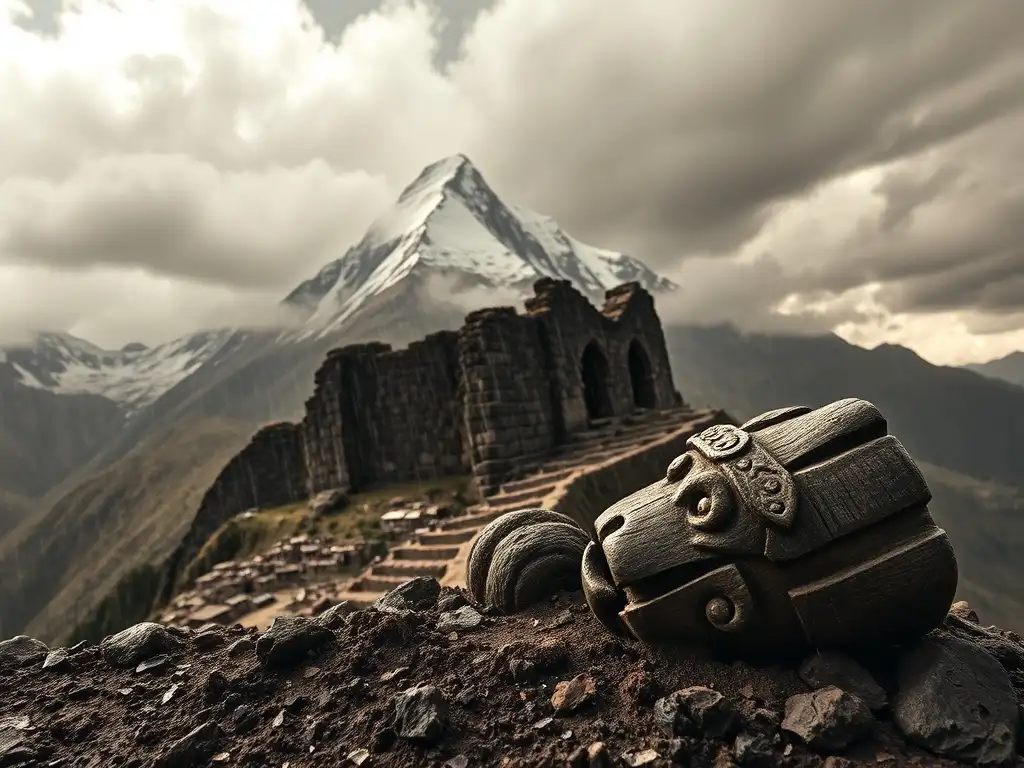
Reconstructing ancient weather patterns in the Andes is a complex undertaking, reliant on a combination of archaeological evidence, paleoclimatological studies, and ethnohistorical accounts. However, the available data points to significant variations in climatic conditions throughout different periods, directly influencing the rituals and ceremonies of Andean cultures. For instance, evidence suggests that periods of prolonged drought were often associated with intensified religious activities, including human sacrifice in some cases, aimed at appeasing angry deities and imploring for rainfall.
Conversely, periods of abundance might have been marked by celebratory rituals, expressing gratitude for bountiful harvests and favorable weather conditions. The specific rituals varied between different Andean cultures, reflecting their unique cosmologies and interpretations of climate-related events. Analyzing the archaeological record, including the iconography found on pottery and textiles, offers valuable insights into the ways in which ancient Andean people perceived and responded to climatic changes.
The intricate carvings depicting deities associated with weather phenomena, such as mountain spirits or rain gods, reflect the central role that climate played in their religious beliefs and rituals. Furthermore, the construction of sophisticated irrigation systems and the careful management of water resources underscore the importance of adapting to variable climatic conditions.
The Role of Drought in Andean Religious Observances
Drought, a recurring feature of the Andean climate, played a significant role in shaping Andean religious observances. Prolonged periods of water scarcity were often interpreted as a sign of divine displeasure, requiring immediate action to appease the angered deities. This often manifested in intensified religious rituals, including processions, sacrifices (both animal and, in some cases, human), and offerings to appease the gods associated with water and fertility.
The Moche civilization, known for its elaborate religious iconography, provides compelling examples of drought-related rituals depicted in their ceramics. These images often depict scenes of sacrifice and supplication, underscoring the desperation and the profound impact that droughts had on their society. Furthermore, the construction of underground storage systems (such as qochas) demonstrates the practical measures taken to mitigate the effects of drought, while simultaneously highlighting the belief that divine intervention was crucial for long-term survival.
The complex interplay between practical adaptation and religious belief is a recurring theme in understanding the Andean response to environmental challenges, particularly drought. The severity and duration of drought significantly influenced the intensity and nature of these religious practices.
Floods and Their Interpretation in Andean Belief Systems
Conversely, floods, while destructive, also held significant symbolic meaning within Andean belief systems. While devastating to crops and infrastructure, floods were often interpreted as powerful manifestations of divine power, highlighting the unpredictable nature of the natural world. Some Andean cultures viewed floods as a form of purification, washing away impurities and renewing the land.
This perspective is reflected in certain rituals and myths associated with water deities and the cyclical nature of life and death. The Inca, for example, had elaborate rituals and ceremonies to manage and control water resources, reflecting both their respect for the power of water and their need to mitigate the destructive potential of floods. The construction of sophisticated irrigation systems and terraces demonstrates a practical approach to managing water resources, but these actions were also interwoven with religious beliefs and ceremonies.
The interpretation of floods varied across different Andean cultures and specific contexts, but generally, they were seen as powerful events that demanded respect and acknowledgement of the forces of nature. The response to floods, therefore, was not solely a practical matter of disaster relief, but also an integral part of their religious worldview. Understanding this nuanced perspective is crucial to a complete understanding of Andean religious practices and their relationship to the environment.
The Influence of Climate Change on Present-Day Andean Spirituality
The dramatic changes in the Andean climate are deeply impacting the spiritual lives of communities who have long held a profound reverence for the mountains, glaciers, and water sources. The shrinking glaciers, erratic rainfall, and increasingly frequent extreme weather events are not merely environmental challenges; they are spiritual crises. Many indigenous communities view these changes as disruptions to the sacred balance of Pachamama, the Earth Mother, and perceive them as a direct consequence of human actions that have upset the harmony of nature.
This disruption manifests in anxieties about the future, questioning the continuity of ancestral traditions deeply intertwined with the environment. The loss of sacred sites, the alteration of traditional agricultural practices, and the disruption of annual ceremonies all contribute to a sense of spiritual disharmony and uncertainty. The spiritual connection to the land is not merely symbolic; it's fundamental to their identity and survival.
The changing climate forces a reassessment of their relationship with the natural world and necessitates a search for new ways to maintain their spiritual integrity in the face of profound environmental upheaval. This is leading to a complex interplay of adaptation and resistance, as communities grapple with the implications of climate change on their spiritual beliefs and practices.
Glacial Melt and the Loss of Sacred Sites
The melting of glaciers, a stark symbol of climate change, is profoundly affecting Andean spirituality. Glaciers are not merely sources of water; they are considered sacred entities, embodying power and divinity in many Andean cultures. Their retreat is perceived as a loss of spiritual power, a weakening of the sacred landscape.
Many sacred sites, including pilgrimage routes and ceremonial locations, are directly linked to glaciers. As glaciers recede, these sites become inaccessible or lose their symbolic significance, disrupting traditional religious practices and pilgrimage routes that have been followed for generations. For example, the shrinking of specific glaciers in the Cordillera Blanca range in Peru has impacted the spiritual practices of communities that rely on these glaciers for ritual purification and offerings.
The loss of these sites represents more than just a physical change; it's a disruption to the spiritual fabric of Andean communities, leading to anxieties about the future and a sense of loss that extends beyond the physical realm. This loss necessitates the adaptation of traditional practices and a search for new ways to maintain the connection to sacred spaces amidst a changing landscape.
Changes in Precipitation Patterns and Their Effect on Andean Ceremonies
The alteration of precipitation patterns – including more intense rainfall, prolonged droughts, and unpredictable weather – significantly impacts the timing and execution of many Andean ceremonies. These ceremonies, often tied to the agricultural cycle and the availability of water, are deeply embedded in Andean religious traditions. Changes in rainfall affect agricultural yields, impacting the availability of crops and other resources needed for offerings and ceremonies.
Unpredictable weather can disrupt the planning and execution of these events, creating uncertainty and frustration. For instance, the Fiesta de la Mamacocha in some regions, traditionally held during a specific time of year marked by abundant rainfall, may be delayed or altered if rainfall is insufficient. This disruption affects not only the practical aspects of the ceremony but also its spiritual meaning, as the timing and specific elements are often carefully synchronized with natural cycles.
The unpredictable weather patterns introduce an element of uncertainty into the spiritual realm, challenging the traditional understanding of the relationship between humanity and nature. This uncertainty forces communities to adapt their practices, seeking new ways to honor their deities and maintain the spiritual integrity of their traditions.
Adapting to Shifting Climates: Resilience in Andean Religious Traditions
Despite the challenges posed by climate change, Andean religious traditions demonstrate remarkable resilience. Communities are adapting their practices to incorporate the new realities they face. This adaptation is not simply a matter of modifying existing rituals; it involves a deeper re-evaluation of their relationship with Pachamama and a search for new ways to maintain harmony with the environment.
Some communities are developing new rituals and ceremonies that address the specific challenges posed by climate change, while others are re-interpreting existing traditions in light of the changing environment. There's a growing emphasis on environmental stewardship and sustainable practices, reflecting a deeper understanding of the interconnectedness between spiritual well-being and environmental health. This adaptation involves a blend of traditional knowledge and innovative approaches, demonstrating the ability of Andean communities to navigate profound environmental changes while preserving their cultural and spiritual heritage.
The resilience of Andean religious traditions in the face of climate change showcases the adaptability and wisdom of these communities and their profound connection to the land. Their experiences provide valuable lessons for understanding the complex relationship between environmental change, spiritual beliefs, and cultural adaptation.
The Preservation of Andean Religious Beliefs in the Face of Environmental Challenges
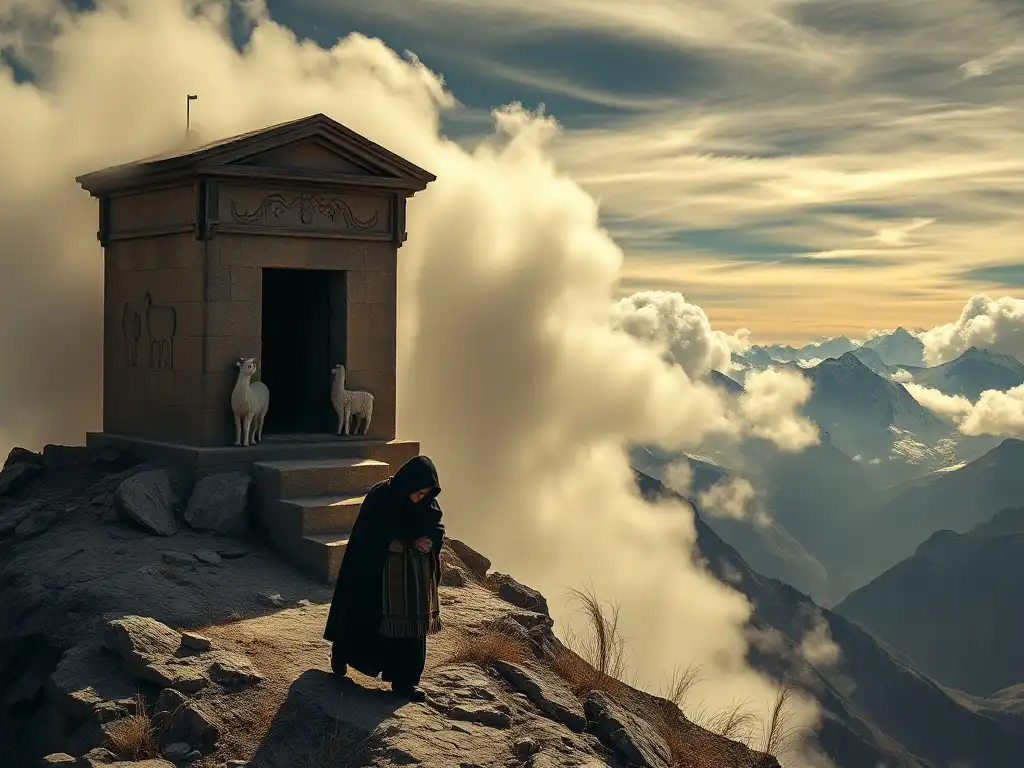
Andean religious beliefs, deeply intertwined with the natural world, face significant challenges due to climate change. The changing climate patterns, including erratic rainfall, glacial melt, and increasingly frequent extreme weather events, directly impact the agricultural practices and livelihoods that are central to many Andean communities' religious practices. For example, the coca leaf, a sacred plant used in numerous ceremonies and rituals, is highly sensitive to changes in temperature and precipitation.
Reduced yields or crop failures due to climate change can disrupt traditional ceremonies and potentially lead to a decline in the practice of these deeply rooted beliefs. Furthermore, the shrinking glaciers, considered sacred sources of water and life by many Andean communities, threaten not only water security but also the spiritual connection these communities have with these vital resources. The preservation of these beliefs requires a multifaceted approach that addresses both the environmental and socio-cultural dimensions of the issue.
This necessitates a collaborative effort between indigenous communities, researchers, and governmental bodies to develop sustainable adaptation strategies that respect and integrate traditional knowledge with modern scientific understanding. The challenge is to find a balance between preserving ancient traditions and adapting to the realities of a changing climate. Failure to do so could lead to the erosion of a rich cultural heritage inextricably linked to the Andean landscape.
Sacred Peaks and the Future of Andean Culture
The sacred peaks of the Andes, Apus, are central to many Andean religious beliefs and cultural practices. These mountains are not merely geographical features; they are revered as powerful deities, protectors, and providers. Their snow-capped summits, once a symbol of permanence and abundance, are now receding at an alarming rate due to climate change. This glacial melt impacts water resources, agriculture, and the overall ecological balance, directly affecting the spiritual and material well-being of the communities that depend on them.
The future of Andean culture is intrinsically linked to the health of these sacred mountains. The loss of glaciers, therefore, represents not only an environmental catastrophe but also a profound cultural loss. The diminishing snow cover alters the landscape, affecting traditional pilgrimage routes and access to sacred sites. Furthermore, the changing climate patterns threaten the biodiversity of the high-altitude ecosystems, impacting the availability of medicinal plants and other resources crucial to many Andean traditions.
The preservation of these sacred peaks requires a concerted effort to mitigate climate change and implement sustainable practices that protect these vital ecosystems and the cultural heritage they sustain. This includes promoting sustainable agriculture, protecting water resources, and educating communities about the importance of environmental conservation. Failing to address these challenges risks irreversible damage to both the environment and the cultural fabric of Andean societies.
Case Study: The Q'ero People of the Peruvian Andes
Specific Rituals and Beliefs Related to Climate
The Q'ero people, an indigenous community in the Peruvian Andes, exemplify the deep connection between Andean religious beliefs and climate. Their worldview is deeply rooted in the cyclical nature of life and the interconnectedness of all living things. Their agricultural practices are intimately tied to the timing of the rainy season and the cycles of the Apus.
Important rituals, such as the paqos' (shamans) ceremonies to appease the mountain spirits and ensure good harvests, are directly influenced by climatic conditions. For instance, specific rituals are performed during periods of drought to implore the Apus for rain. These rituals aren't merely symbolic; they're integral to their agricultural practices and survival.
The Q'ero also hold beliefs about the importance of maintaining a harmonious relationship with nature. This includes respecting the environment, avoiding wasteful practices, and recognizing the sacredness of all living beings. Their cosmology deeply emphasizes the interconnectedness of the human world and the spiritual realm, and this belief system directly informs their responses to environmental changes.
Adaptation Strategies and Challenges
Facing the impacts of climate change, the Q'ero are adapting their traditional practices while preserving their core beliefs. They are adopting some modern agricultural techniques to improve water management and crop yields. However, these adaptations are carefully integrated with their traditional knowledge and spiritual practices.
The challenge lies in balancing the need for adaptation with the preservation of their unique cultural heritage. The introduction of external influences, such as new agricultural technologies or development projects, can sometimes clash with their traditional beliefs and practices. Maintaining their cultural identity while adapting to the changing climate requires careful consideration and a collaborative approach that respects their traditions and empowers them to make informed decisions.
The Q'ero community's experience highlights the complex interplay between Andean religious beliefs, environmental challenges, and the need for sustainable adaptation strategies that respect cultural integrity. Their resilience and adaptability serve as an example of how indigenous communities can navigate environmental change while preserving their rich cultural heritage.
- The Intertwined Worlds: Andean Cosmology and Environmental Factors
- Mountains as Deities: The Significance of Apus in Andean Spirituality
- Climate Variability and the Shaping of Andean Religious Practices
- Ancient Weather Patterns and Their Impact on Andean Rituals
- The Influence of Climate Change on Present-Day Andean Spirituality
- Adapting to Shifting Climates: Resilience in Andean Religious Traditions
- The Preservation of Andean Religious Beliefs in the Face of Environmental Challenges
- Sacred Peaks and the Future of Andean Culture
- Case Study: The Q'ero People of the Peruvian Andes
- How did climate change affect Andean religious beliefs?
- What role did mountains play in Andean religious beliefs?
- Were there specific deities associated with climate in Andean religions?
- How did Andean people adapt their religious practices to climate variability?
- What evidence exists linking Andean religious beliefs to climate change adaptation?
Frequently Asked Questions
How did climate change affect Andean religious beliefs?
Changes in climate, such as droughts and floods, significantly impacted agricultural practices and resource availability. This directly influenced Andean religious beliefs, leading to new rituals and deities associated with weather control and agricultural abundance.
What role did mountains play in Andean religious beliefs?
Mountains were considered sacred entities, embodying powerful deities and spirits. Their importance in water cycles and agriculture made them central to religious practices, shaping rituals and beliefs surrounding fertility and the well-being of communities.
Were there specific deities associated with climate in Andean religions?
Yes, many Andean cultures had deities associated with weather phenomena, such as rain, storms, and the sun. These deities were crucial figures in religious practices aimed at ensuring favorable climatic conditions for agriculture and survival.
How did Andean people adapt their religious practices to climate variability?
Andean communities demonstrated remarkable adaptability. They developed complex ritual systems to appease deities and ensure favorable climate conditions, including ceremonies, offerings, and the construction of elaborate irrigation systems.
What evidence exists linking Andean religious beliefs to climate change adaptation?
Archaeological evidence, such as agricultural terraces and irrigation canals, along with textual and oral traditions, demonstrates the close relationship between Andean religious beliefs and their adaptation to climate variability and environmental challenges.
Final Reflection: Echoes of the Apu in a Changing World
The interconnectedness of Andean religious beliefs and the climate crisis is not merely an academic observation; it is a stark reality shaping the lives and futures of millions. The melting glaciers, erratic weather patterns, and increasingly frequent natural disasters are not just environmental events; they are deeply felt spiritual crises, challenging the very foundation of Andean cosmovision. This disruption demands our immediate attention and understanding.
The profound spiritual connection between the Andean people and their sacred mountains (Apus) is being profoundly altered by climate change. This isn't simply a matter of environmental degradation; it's a spiritual erosion, a fracturing of a worldview that has sustained communities for millennia. The Apus, seen as powerful deities and protectors, are visibly changing, impacting the spiritual well-being and cultural practices of those who rely on them. The mountains are not just rocks; they are the living body of the Pachamama, and when she suffers, we suffer.
This sentiment encapsulates the deep-seated spiritual and existential anxieties arising from the changing climate.
Consider the implications of this for a moment. How can we, as global citizens, better understand and support the communities grappling with these intertwined environmental and spiritual challenges? You have the power to learn more, to advocate for climate action, and to amplify the voices of those on the frontlines of this crisis. Let the echoes of the Apu inspire you to act, to become a steward of this precious planet, and to ensure that the sacred connection between humanity and nature endures for generations to come.
Embrace the Spirit of the Sacred Andes!
Thank you for exploring the fascinating interplay between climate change and Andean spiritual beliefs. You've discovered the rich tapestry of how nature and spirituality are interwoven in these majestic mountains. Now, let's translate that inspiration into action!
- Connect with nature's sacredness: Find a local mountain, park, or natural area. Take a hike, meditate, or simply appreciate the beauty around you.
- Share your experience: Post about your connection with nature on social media, using the hashtag #SacredAndes to inspire others to explore similar spiritual connections.
- Join a community: Engage in local discussions about climate change and indigenous spirituality. Share your insights and learn from others who share your passion.
As you reflect on these sacred beliefs and their vital connection to our shared environment, consider this important question: **How can we integrate respect for the Andean spirit into our daily lives? **