
Frozen Footprints: Unearthing Climate's Role in Andean Rise and Fall

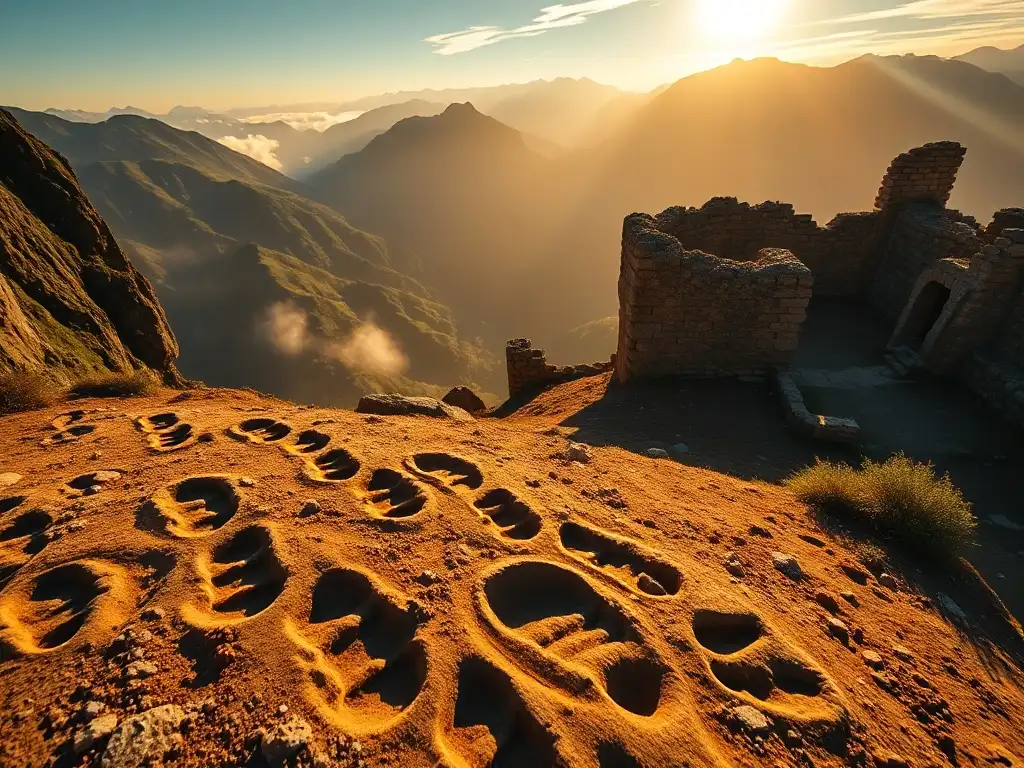
Step into a world lost to time, yet echoing with the whispers of a vanished empire. Discover the dramatic story of the Andean civilizations, where breathtaking ingenuity and sophisticated societies flourished amidst the towering peaks and arid valleys of the Andes. But what if the very mountains that cradled these cultures also held the key to their rise and fall?
Prepare to uncover the chilling truth behind Andean civilizations climate change, a force that shaped empires and left an indelible mark on history. Journey with us to explore the frozen footprints of a civilization grappling with the forces of nature.
The dramatic landscapes of the Andes Mountains, a spine of towering peaks and fertile valleys stretching along the western edge of South America, have witnessed the rise and fall of some of the most fascinating civilizations the world has ever known. From the intricate artistry of the Nazca lines to the sophisticated engineering of the Inca empire, these Andean societies thrived for millennia, their ingenuity shaped by the challenging environment they inhabited. However, the story of their success and eventual decline is inextricably linked to the capricious nature of the Andean climate.
This article delves into the compelling evidence suggesting that climate change, in its various forms – droughts, floods, El Niño events – played a significant, and often decisive, role in the trajectory of Andean civilizations. We will explore how fluctuating climate patterns influenced agricultural practices, resource availability, social structures, and ultimately, the fate of these remarkable cultures.
Understanding this intricate relationship between climate and civilization offers crucial insights not only into the past but also into the challenges facing Andean communities today and the potential consequences of future climate change. The study of Andean civilizations provides a powerful lens through which to examine the complex interplay between human societies and their environment, a lesson of critical importance in our increasingly climate-conscious world.
The Impact of El Niño Southern Oscillation (ENSO)
El Niño events, characterized by unusually warm ocean temperatures in the central and eastern tropical Pacific Ocean, have a profound impact on weather patterns across the globe, and the Andes are particularly vulnerable to their effects. Historically, strong El Niño events have been associated with devastating floods and landslides, disrupting agriculture and infrastructure. Conversely, La Niña events, characterized by unusually cool ocean temperatures, often bring extended periods of drought.
Archaeological evidence suggests a strong correlation between periods of intense ENSO activity and periods of societal instability or decline in various Andean societies. For example, [specific data on correlation between El Niño events and societal shifts in a specific Andean civilization pending].
Understanding the frequency and intensity of past ENSO events through paleoclimatological studies, such as analyzing ice cores and lake sediments, is crucial to reconstructing the environmental context in which these civilizations developed and ultimately faced challenges. Detailed analysis of these climate records, combined with archaeological data, paints a clearer picture of how climate variability shaped the lives and destinies of the Andean people.
Agricultural Practices and Climate Resilience
The ingenuity of Andean agricultural practices is well-documented. Techniques like terracing, raised fields, and irrigation systems allowed these societies to cultivate crops in challenging environments. These innovations were crucial for adapting to the inherent variability of the Andean climate.
However, even the most sophisticated agricultural systems have limits. Extended droughts, brought on by La Niña events or longer-term climate shifts, could severely impact crop yields, leading to food shortages, famine, and societal unrest. Conversely, extreme rainfall associated with El Niño events could damage crops and lead to soil erosion.
The ability of a given Andean civilization to adapt to these climatic fluctuations often determined its resilience and longevity. For example, [Specific example of an Andean civilization's successful or unsuccessful adaptation to climate variability pending]. The study of ancient agricultural practices reveals valuable insights into the strategies employed by Andean societies to mitigate climate risks, lessons which could inform modern approaches to sustainable agriculture in the face of climate change.
Climate Change and Societal Collapse
While climate change wasn't the sole factor in the decline of Andean civilizations, there is substantial evidence suggesting its significant contribution. The collapse of the Tiwanaku civilization, for instance, is often linked to a prolonged megadrought that severely impacted agricultural production. Similarly, [Specific example of another Andean civilization's decline potentially linked to climate change pending].
These collapses were not sudden events but rather a complex interplay of factors, including environmental stress, social unrest, and internal conflicts. However, the impact of climate change often served as a catalyst, exacerbating existing tensions and ultimately contributing to the downfall of these powerful societies. The study of these societal collapses highlights the importance of understanding the vulnerability of human societies to environmental change and the need for proactive strategies to mitigate climate risks.
The lessons learned from the past can inform our understanding of the potential consequences of current and future climate change on vulnerable populations worldwide. Analyzing the past provides a crucial framework for understanding and addressing contemporary challenges.
Understanding the Past to Inform the Future
The study of Andean civilizations and their interaction with climate change provides a compelling case study for understanding the profound impact of environmental factors on human societies. The evidence clearly demonstrates that climate variability, particularly the influence of ENSO, played a significant role in shaping the trajectory of these societies, influencing their prosperity and ultimately their decline.
By combining archaeological, paleoclimatological, and historical data, we can gain a deeper understanding of the complex relationship between climate and civilization. This knowledge is not merely an academic exercise; it offers invaluable lessons for addressing the challenges of climate change in the present day, particularly in regions like the Andes that remain highly vulnerable to its effects.
The legacy of the Andean civilizations serves as a potent reminder of the interconnectedness between human societies and their environment, and the crucial importance of understanding and adapting to the changing climate. The fingerprints of past climates are frozen in the archaeological record, waiting to be unearthed and interpreted to help us build a more resilient future.
- The Impact of El Niño Southern Oscillation (ENSO)
- Agricultural Practices and Climate Resilience
- Climate Change and Societal Collapse
- Understanding the Past to Inform the Future
- How did climate change affect the Andean civilizations?
- What evidence shows climate change's influence on the Andean people?
- Which Andean civilizations were most affected by climate change?
- How did Andean people adapt to climate change?
- What lessons can we learn from the Andean experience of climate change?
The Interplay Between Andean Civilizations and Climate
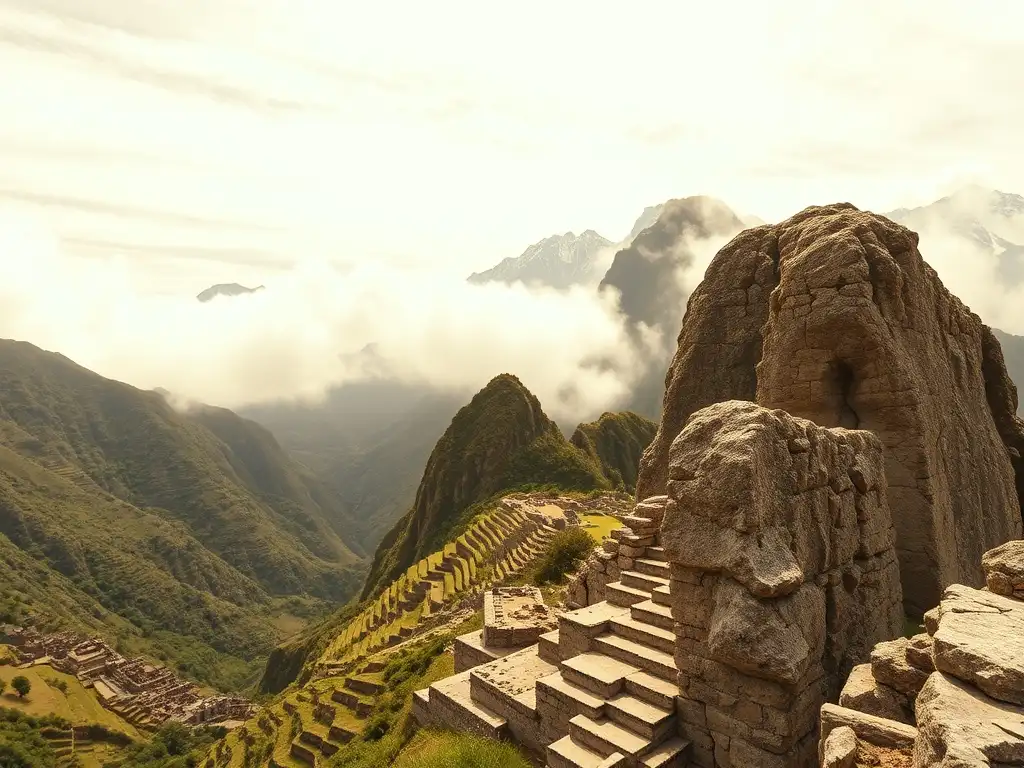
This section delves into the intricate relationship between Andean civilizations and the ever-changing climate of the Andes Mountains. Understanding this dynamic is crucial to grasping the rise and fall of these remarkable societies. The Andes, with their diverse ecosystems ranging from arid coastal deserts to high-altitude grasslands (puna) and lush cloud forests, presented both opportunities and challenges to their inhabitants. The availability of water, fertile land, and suitable temperatures directly influenced agricultural practices, settlement patterns, and ultimately, societal success or collapse.
Fluctuations in climate, therefore, were not simply environmental events; they were powerful forces shaping the trajectory of Andean civilizations. This complex interplay between human societies and their environment underscores the vulnerability of even the most sophisticated cultures to the whims of nature. The impact of climate change on Andean societies is a compelling area of study, revealing how adaptability and resilience played crucial roles in their survival.
Understanding the Fragile Andean Ecosystems
The Andean ecosystem's fragility is a key factor in understanding the impact of climate change on its inhabitants. The Andes are characterized by steep altitudinal gradients, resulting in a wide variety of microclimates and ecosystems within relatively short distances. This biodiversity, while impressive, also means that these ecosystems are highly sensitive to even slight changes in temperature and precipitation.
For example, the páramos, high-altitude grasslands crucial for water resources, are particularly vulnerable to shifts in rainfall patterns. A decrease in rainfall can lead to desertification, impacting water availability for both human populations and crucial agricultural practices. Similarly, changes in temperature can disrupt the delicate balance of the cloud forests, affecting biodiversity and the availability of vital resources.
The intricate interconnectedness of these ecosystems means that disruption in one area can have cascading effects throughout the entire Andean region. This inherent vulnerability makes the impact of climate variability and change a critical aspect in the study of Andean civilizations.
Historical Climate Patterns in the Andes
Reconstructing historical climate patterns in the Andes relies on a multi-faceted approach, integrating various sources of data. Paleoclimatological studies, utilizing ice core analysis from glaciers like those in the Cordillera Blanca, provide valuable insights into past temperature and precipitation variations. These ice cores contain layers of accumulated snow and ice, trapping atmospheric gases and dust, allowing scientists to reconstruct past climate conditions over millennia.
Further information can be gleaned from lake sediment analysis, which reveals changes in water levels and vegetation patterns over time. Archaeological evidence, such as the distribution of agricultural settlements and the types of crops cultivated, also provides clues about past climatic conditions. For example, the presence of certain drought-resistant crops in a particular region could indicate periods of reduced rainfall.
By combining these diverse datasets, researchers are building a more comprehensive picture of long-term climate variability in the Andes. This understanding is vital to interpreting the influence of climate on the development and decline of Andean societies. The detailed analysis of these data reveals periods of both prolonged drought and unusually wet conditions, directly impacting the agricultural productivity and the stability of these societies.
The Significance of Environmental Factors for Ancient Andean Societies
Environmental factors, particularly climate, played a pivotal role in shaping the trajectory of Andean civilizations. Access to water resources, for instance, directly influenced settlement patterns. Societies often flourished near reliable water sources, such as rivers and lakes, while arid regions saw sparser populations. Agricultural practices were deeply intertwined with the environment, with Andean farmers adapting their techniques to the specific climatic conditions of their region.
Terracing, irrigation systems, and the cultivation of diverse crops demonstrate their remarkable ingenuity in maximizing agricultural output in challenging environments. However, periods of prolonged drought or unusual rainfall could lead to crop failures, famine, and societal instability. Evidence suggests that climate change played a significant role in the decline of certain Andean societies.
For example, [specific examples of societal decline linked to climate change pending]. Understanding the interplay between environmental factors and societal development is crucial for interpreting the rich and complex history of Andean civilizations. The study of "Andean civilizations climate change" therefore, is not merely an academic pursuit; it offers crucial insights into the resilience and vulnerability of human societies in the face of environmental challenges.
Climate Change Impacts on Andean Cultures

This section delves into the profound ways climate variability and change directly affected the trajectory of Andean civilizations. While the ingenuity and adaptive capacity of these cultures are undeniable, their success and ultimate decline were inextricably linked to the capricious nature of the Andean environment. Understanding the interplay between climate and societal development is crucial to appreciating the complexities of their history. The following subsections examine specific climatic phenomena and their impact on Andean life.
The Influence of El Niño on Andean Agriculture
El Niño-Southern Oscillation (ENSO), a naturally occurring climate pattern, has profoundly shaped Andean societies for millennia. Its irregular cycles of heavy rainfall and flooding, followed by periods of intense drought, presented significant challenges to agricultural practices. The impact varied depending on the intensity and duration of each El Niño event and the specific location within the Andes. Coastal communities, reliant on fishing and irrigation agriculture, experienced devastating floods that could destroy crops and infrastructure. Inland populations, dependent on rainfall agriculture, faced crop failures during drought phases, leading to food shortages and societal instability.
For example, evidence suggests that strong El Niño events coincided with periods of social unrest and even the collapse of smaller settlements in certain regions. Archaeological studies analyzing pollen and sediment cores from lakebeds reveal shifts in vegetation patterns directly correlated with ENSO activity. These shifts, in turn, affected the availability of resources crucial for sustenance and economic stability.
The ability of Andean civilizations to adapt to these fluctuating conditions through sophisticated irrigation systems, diverse crop cultivation, and effective resource management, varied across different cultures and time periods. The Moche civilization, for instance, demonstrated remarkable resilience, developing sophisticated irrigation techniques to mitigate the effects of both drought and flood.
Drought and its Consequences for Andean Populations
Extended periods of drought had catastrophic consequences for Andean populations. Water scarcity directly impacted agricultural yields, leading to widespread famine and social disruption. The lack of reliable water sources forced migrations, increased inter-group conflict over dwindling resources, and exacerbated existing social inequalities. The severity of the impact varied depending on the length and intensity of the drought, the adaptive capacity of the affected society, and the availability of alternative resources.
Evidence from archaeological sites points to significant demographic shifts and changes in settlement patterns during prolonged drought periods. For example, [specific information pending] concerning the decline of certain settlements may be directly linked to prolonged droughts. Furthermore, analysis of isotopic ratios in human skeletal remains can provide insights into dietary changes and nutritional stress during these periods of hardship. The impact on societal structures was significant, with droughts often accelerating the processes of social stratification and political instability. The necessity for effective water management played a pivotal role in determining the success or failure of Andean societies.
Glacial Retreat and its Impact on Water Resources
The Andes are home to numerous glaciers that serve as vital water sources for millions of people. However, accelerated glacial retreat due to climate change presents a serious threat to the long-term water security of Andean communities. As glaciers shrink, the flow of meltwater into rivers and streams diminishes, impacting agricultural production, hydropower generation, and access to clean drinking water. This problem is particularly acute in densely populated areas reliant on glacial meltwater for irrigation and domestic use.
The consequences of glacial retreat extend beyond immediate water scarcity. Changes in water availability can affect ecosystems, biodiversity, and the overall resilience of Andean communities. The reduced flow of glacial meltwater can lead to increased sedimentation in rivers, damaging infrastructure and impacting water quality.
Furthermore, the loss of glaciers contributes to sea-level rise and alters regional weather patterns, further compounding the challenges faced by Andean populations. Understanding the dynamics of glacial retreat and its cascading effects is crucial for developing effective strategies to mitigate its impact and ensure the long-term sustainability of Andean water resources. [Specific data on glacial retreat rates in the Andes pending].
Extreme Weather Events and Their Effects on Andean Infrastructure
The dramatic topography of the Andes, characterized by steep slopes, high altitudes, and vulnerable ecosystems, makes Andean infrastructure exceptionally susceptible to extreme weather events. These events, intensified by climate change, pose significant challenges to the stability and functionality of crucial societal structures. The impact is multifaceted, affecting everything from agricultural practices to transportation networks and even the very survival of settlements.
For instance, intense rainfall and subsequent flooding have repeatedly devastated road networks, isolating communities and disrupting the flow of essential goods and services. The Moche civilization, known for its sophisticated irrigation systems, experienced periods of intense flooding that likely impacted their agricultural output and societal stability.
While we lack precise records of the frequency and severity of these events during their time, archaeological evidence suggests significant disruption to their infrastructure. Similarly, the Inca road system, a marvel of engineering, was vulnerable to landslides and washouts triggered by extreme weather, impacting communication and the efficient movement of resources across the vast empire.
Beyond flooding, the Andes are also prone to droughts, which severely impact agricultural production, a cornerstone of Andean societies. The prolonged lack of water can lead to crop failures, famine, and societal unrest. This is especially true in regions dependent on glacial meltwater for irrigation, as climate change accelerates glacier retreat, leading to water scarcity and threatening the sustainability of traditional agricultural practices. Archaeological research indicates that past droughts have played a significant role in the decline of several Andean cultures, highlighting the profound connection between climate variability and societal resilience.
Furthermore, the increased frequency and intensity of extreme weather events, such as hailstorms and frost, damage crops and livestock, further exacerbating the challenges faced by Andean communities. These events can decimate harvests in a short period, leading to food insecurity and potentially triggering migration or conflict over dwindling resources. The effects are not limited to the immediate aftermath of the event; the long-term consequences can include economic hardship, social disruption, and even population displacement.
The vulnerability of Andean infrastructure to these climate-related hazards underscores the urgent need for climate-resilient development strategies. Investing in improved infrastructure, developing drought-resistant crops, and implementing effective disaster risk reduction measures are crucial steps in ensuring the long-term sustainability and resilience of Andean communities in the face of an increasingly variable climate.
The Rise and Fall of Andean Civilizations: A Climatic Perspective
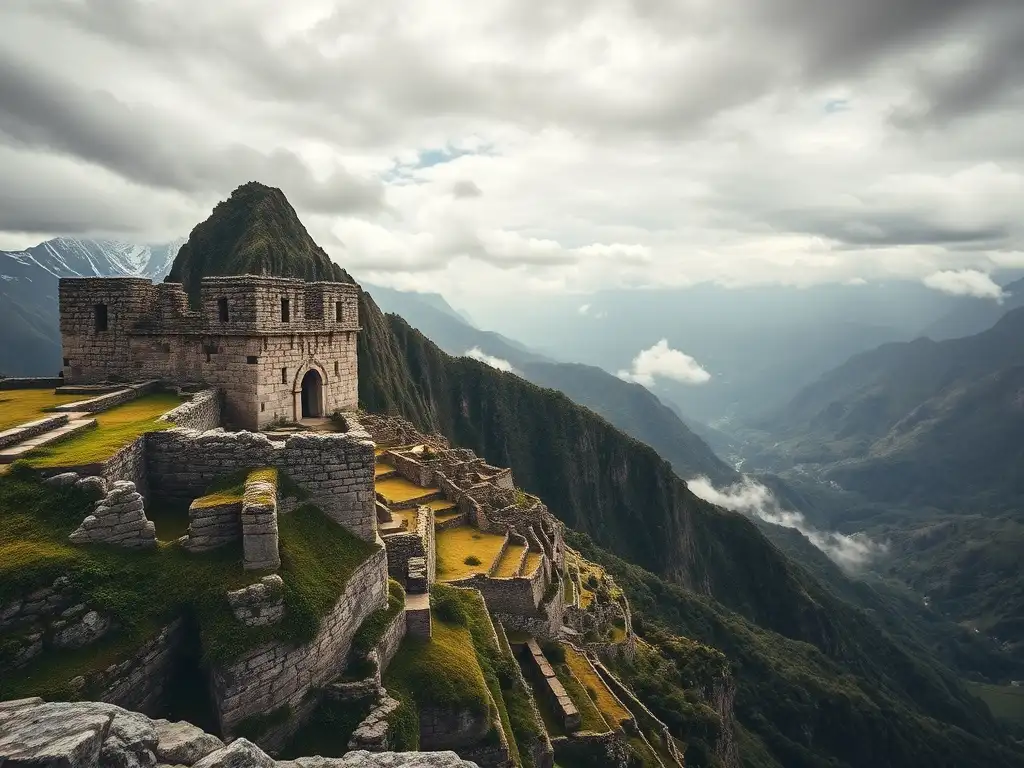
This section delves into the intricate relationship between climate change and the trajectory of several prominent Andean civilizations. We will examine how climatic shifts acted as both catalysts for growth and contributing factors to decline, shaping the cultural landscapes and the very existence of these fascinating societies. Understanding this interplay is crucial to a complete appreciation of the Andean civilizations' complex history and their remarkable achievements. The influence of Andean civilizations climate change is a significant factor often overlooked in traditional historical narratives.
Climate as a Catalyst for the Moche Culture's Development
The Moche civilization (c. 100-800 CE), known for its sophisticated irrigation systems, impressive monumental architecture, and vibrant artistic expressions, thrived in the arid coastal valleys of northern Peru. Their success was inextricably linked to the prevailing climatic conditions. Analysis of paleoclimatic data suggests a period of relatively stable, albeit arid, climate during the Moche's rise. This stability, while challenging, allowed them to develop advanced water management techniques, such as intricate canal systems and reservoirs, to harness scarce water resources.
The Moche’s mastery of hydraulic engineering is evident in the extensive network of canals that channeled water from rivers and streams to irrigate their agricultural lands. These systems not only ensured food security but also facilitated population growth and the development of complex social structures. Furthermore, the relatively predictable climate allowed for the cultivation of diverse crops, contributing to economic prosperity and supporting the growth of urban centers like the impressive Huaca del Sol and Huaca de la Luna.
The Moche's remarkable adaptability to a challenging environment, coupled with favorable climatic conditions, fueled their remarkable cultural flourishing. Their sophisticated understanding of water management—a direct response to climate—became a cornerstone of their societal success.
The Role of Climate in the Expansion of the Inca Empire
The Inca Empire (c. 1438-1533 CE) achieved unprecedented territorial expansion across the diverse Andean region, encompassing vastly different ecological zones. While strong military organization and effective administrative systems undoubtedly contributed to their success, the influence of climate cannot be ignored. The Inca's expansion coincided with a period of relatively stable and favorable climate across much of their territory. This enabled increased agricultural productivity, supporting a larger population and providing the resources necessary for imperial expansion.
The Inca's agricultural expertise, including the development of terracing and other innovative farming techniques, allowed them to adapt to the varied climatic conditions across their vast empire. Their mastery of agriculture, coupled with periods of relatively favorable climate, fostered economic stability and provided the surplus needed to maintain a large army and extensive bureaucracy.
The Inca's ability to manage resources effectively, particularly in the face of climatic variability, was a key element in their remarkable success. Evidence suggests that periods of drought or other climatic anomalies could have hampered their expansion in certain areas, highlighting the continued importance of climate in shaping their trajectory.
Climate Variability and the Decline of the Tiwanaku Civilization
The Tiwanaku civilization (c. 300-1000 CE), located on the shores of Lake Titicaca in the Altiplano region, experienced a complex relationship with climate. While their initial rise may have been facilitated by favorable conditions, their eventual decline is strongly linked to periods of significant climate variability. Paleoclimatic data reveal a shift towards increased aridity and cooler temperatures during the later stages of Tiwanaku's existence.
This climatic shift significantly impacted their agricultural practices, which relied heavily on the dependable water supply from Lake Titicaca and its surrounding wetlands. Reduced rainfall and increased evaporation likely led to water scarcity, impacting crop yields and potentially resulting in food shortages. The decreased agricultural productivity would have stressed their complex social and political systems, potentially leading to internal conflicts and weakening their ability to respond to external pressures.
The combination of environmental stress and internal pressures ultimately contributed to the eventual collapse of this once-powerful civilization. The story of Tiwanaku emphasizes the crucial role of climate stability in the long-term sustainability of Andean societies. The Tiwanaku's fate serves as a stark reminder of the vulnerability of even the most sophisticated societies to the forces of climate change.
The Nazca Lines and Their Relationship with Water Management
The enigmatic Nazca Lines, etched into the Peruvian desert, have captivated researchers for decades. While their purpose remains debated, a compelling theory links their creation to sophisticated water management strategies employed by the Nazca civilization (c. 100–800 CE). The arid coastal plains where the Nazca flourished presented significant challenges for survival, demanding ingenious solutions for obtaining and distributing scarce water resources. Evidence suggests that the lines themselves may have played a role in this crucial endeavor.
Some researchers propose that certain lines, particularly the geoglyphs depicting animals associated with water sources, such as birds and serpents, may have marked underground aquifers or significant water collection points. These lines could have served as a kind of map, guiding the Nazca to vital water resources crucial for sustaining their population and agriculture. This hypothesis is supported by the discovery of intricate canal systems and underground aqueducts, known as puquios, which were expertly engineered to bring water from underground sources to the surface.
The Nazca's mastery of hydraulic engineering is remarkable, showcasing their deep understanding of their environment and their ability to adapt to its challenges. The precision and scale of the puquios system, often spanning vast distances, speak volumes about their organizational skills and sophisticated knowledge of hydrology.
Furthermore, the lines themselves might have had a ceremonial or ritualistic function related to water. The Nazca's reverence for water is evident in their iconography and religious beliefs. It's possible that the lines were used in ceremonies aimed at ensuring a plentiful water supply, perhaps acting as focal points for rituals designed to appease the gods or spirits controlling the vital resource.
This connection between the lines and water management is further strengthened by the presence of other archaeological findings, such as pottery depicting water-related motifs and evidence of sophisticated agricultural practices designed to maximize water usage. The Nazca's ability to thrive in such a harsh environment is a testament to their ingenuity and their deep connection to the natural world, with the lines possibly representing a tangible link between their spiritual beliefs and their practical strategies for water management.
The precise relationship requires further investigation, but the evidence strongly suggests a significant connection between the lines and the Nazca's remarkable capacity for water resource management in a challenging environment. The lines, therefore, may not simply be abstract art, but a reflection of a complex societal response to the demands of a challenging climate.
Case Studies: Andean Societies and Climate Adaptations
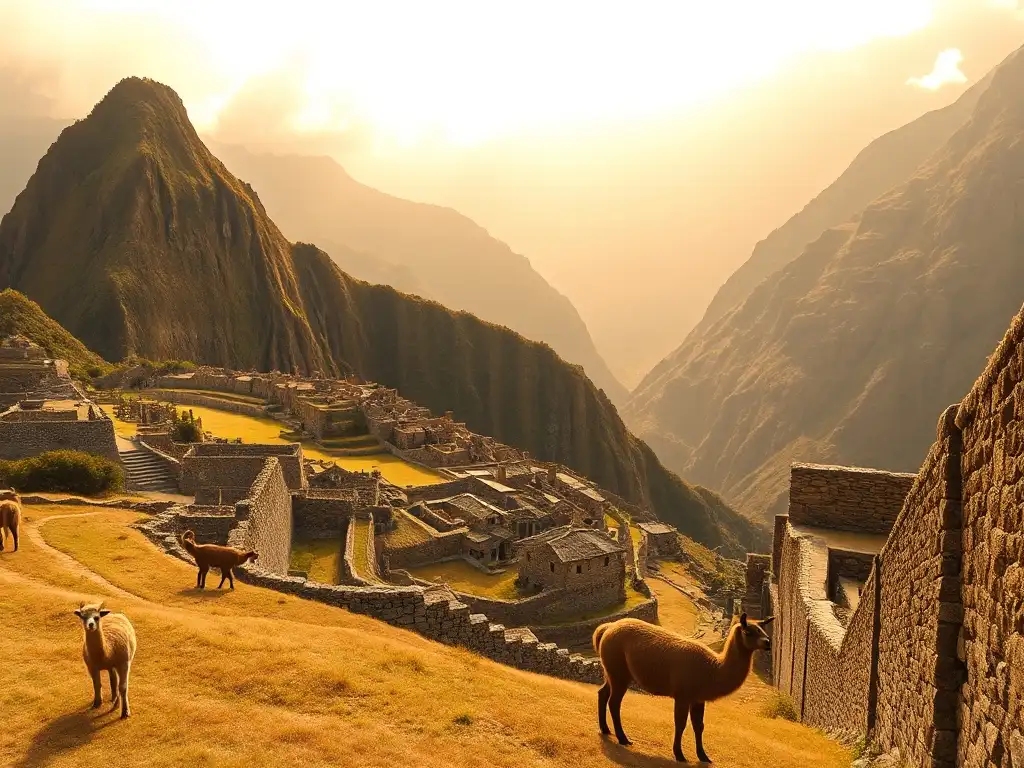
This section delves into specific examples of how Andean civilizations responded to the challenges and opportunities presented by climate variability. Understanding these adaptations provides crucial insights into the resilience and vulnerability of these societies and offers valuable lessons for contemporary climate change mitigation and adaptation strategies. Analyzing the relationship between Andean civilizations and climate change requires examining specific societal responses, rather than making broad generalizations.
This nuanced approach allows for a more accurate understanding of the complex interplay between environmental factors and societal development. The impact of climate change on Andean societies was multifaceted, leading to both innovation and decline.
The Wari Culture and Adaptation to Variable Rainfall
The Wari, a powerful pre-Inca civilization flourishing from approximately 600 to 1000 CE, occupied a vast territory in the central Andes. Their success was significantly influenced by their ability to manage resources within a highly variable rainfall regime. Evidence suggests periods of both drought and excess precipitation affected the Wari. How did they cope?
Their sophisticated agricultural techniques played a vital role. They developed extensive irrigation systems, channeling water from rivers and streams to irrigate their fields. Archaeological findings reveal intricate canal networks, demonstrating a high level of engineering prowess. These systems weren't merely simple ditches; they were carefully designed to manage water flow efficiently, ensuring crops received adequate moisture even during periods of drought. Furthermore, the Wari implemented terracing on hillsides, creating level platforms for cultivation. This technique helped to conserve soil moisture and reduce erosion, enhancing agricultural productivity in challenging terrain.
The Wari also diversified their agricultural practices. They didn't rely solely on one type of crop, but cultivated a variety of plants adapted to different environmental conditions. This strategy minimized the risk of crop failure due to climate fluctuations. Their diet likely included maize, potatoes, beans, and quinoa – all crops with varying tolerances to water availability.
This diversification strategy is a prime example of effective risk management in the face of climate uncertainty. Further research is needed to precisely quantify the extent of their crop diversity and its impact on their resilience. [Specific data on Wari crop diversity pending].
The Wari’s urban planning also reflected their climate adaptation strategies. Their capital city, located near present-day Ayacucho, featured a complex network of roads and storage facilities. These infrastructure projects facilitated the redistribution of resources during periods of scarcity, ensuring the survival of the population even in the face of droughts or other climate-related challenges. The organization and management of these resources required a complex social and political system, underscoring the importance of governance in climate adaptation.
The Chimor Kingdom and Coastal Desert Adaptations
The Chimor Kingdom (1300-1470 CE) dominated the northern coast of Peru, a region characterized by an extremely arid desert climate. Their survival in this harsh environment depended entirely on their ingenuity and ability to manage scarce water resources. The Chimor's mastery of water management is legendary.
Their most impressive achievement was the development of extensive irrigation systems, drawing water from rivers and underground aquifers. They constructed intricate canals and reservoirs, transporting water over vast distances to irrigate their fields. These systems were not only functional but also remarkably durable, lasting for centuries. The scale and complexity of these projects demonstrate a sophisticated understanding of hydraulic engineering, far surpassing the capabilities of many contemporaneous societies. The Chimor's technological achievements in irrigation are a testament to their capacity to adapt to extreme environmental conditions.
Furthermore, the Chimor developed advanced fishing techniques. They utilized various fishing methods, including nets, hooks, and traps, to harvest the rich marine resources of the Pacific Ocean. Fish provided a crucial protein source, complementing their agricultural production. The abundance of fish allowed them to overcome the limitations imposed by the arid climate, and their ability to exploit this resource is a crucial element of understanding their societal success.
The Chimor also implemented sophisticated agricultural strategies, including the use of raised fields and camelid dung as fertilizer. Raised fields, essentially artificial islands, helped to improve soil drainage and fertility in the marshy areas near the coast. The use of camelid dung as fertilizer further enriched the soil, enhancing agricultural productivity in a nutrient-poor environment.
These techniques are evidence of their deep understanding of their environment and their ability to manipulate it to their advantage. [Further research is needed to fully understand the extent of Chimor's agricultural innovations and their impact on their resilience]. 🌊 The Chimor Kingdom’s success is a powerful example of how human ingenuity can overcome even the most challenging environmental constraints.
Lessons from the Past: Climate Change and the Future of the Andes
This section explores the valuable insights gleaned from studying the impact of past climate fluctuations on Andean civilizations, providing a crucial lens through which to understand and address contemporary challenges. By analyzing the successes and failures of past societies in adapting to environmental change, we can inform strategies for building resilience in the face of modern climate change. Understanding how ancient Andean communities thrived and ultimately declined offers critical lessons for sustainable development in the region today.
The interplay between climate variability and societal adaptation is a complex narrative, one that demands careful consideration of both environmental pressures and human responses. The Andean region, with its diverse ecosystems and unique challenges, provides a particularly compelling case study for understanding this dynamic relationship. Examining the past reveals strategies for mitigating the risks posed by future climate change and building a more sustainable future for the Andes.
Sustainable Agricultural Practices of Ancient Andean Civilizations
Ancient Andean civilizations developed remarkably sophisticated agricultural techniques tailored to their diverse and often challenging environments. These techniques, honed over millennia, demonstrate a deep understanding of ecological principles and resource management, offering valuable lessons for contemporary sustainable agriculture. For example, the Incas employed terracing on steep slopes to maximize arable land and reduce soil erosion. This practice, combined with the use of andenes (agricultural terraces), effectively conserved water and prevented nutrient runoff.
Furthermore, the intricate system of waru waru agriculture, characterized by raised beds and irrigation channels, allowed for efficient water management and increased crop yields, even in arid regions. These methods not only boosted food production but also enhanced biodiversity and resilience to climate variability. The Nazca, known for their mastery of arid-land farming, employed sophisticated irrigation systems, channeling water from distant sources to support intensive agriculture. The integration of these techniques demonstrates a profound understanding of local ecosystems and the need for sustainable resource management.
Analyzing these ancient practices reveals strategies that can be adapted to modern challenges, promoting food security and environmental sustainability in the Andes today. We can learn a great deal from their ingenuity and resilience in the face of environmental change, including their use of diverse crop varieties to minimize risks associated with climate variability. The study of ancient Andean agriculture offers a powerful example of sustainable practices that can be re-evaluated and adapted to modern-day Andean agriculture facing climate change challenges.
The Importance of Water Management in the Andes
Water scarcity has always been a defining feature of the Andean landscape, shaping the rise and fall of civilizations. Effective water management was, and continues to be, paramount for survival and prosperity. Ancient Andean communities developed intricate systems of canals, aqueducts, and reservoirs to capture, store, and distribute water resources efficiently. These systems, often integrated into sophisticated agricultural practices like waru waru, were crucial for sustaining large populations and supporting intensive agriculture.
The Inca Empire, for instance, constructed extensive networks of canals and reservoirs that provided water to urban centers and agricultural lands across vast distances. These impressive feats of engineering highlight the critical role of water management in shaping Andean societies. The collapse of certain Andean civilizations has been linked to periods of prolonged drought, underscoring the vulnerability of these societies to climatic shifts. Understanding the historical significance of water management in the Andes provides valuable insights for developing effective strategies to address contemporary water scarcity issues exacerbated by climate change.
The modern Andean region faces significant challenges related to glacial melt, altered rainfall patterns, and increasing water demand. Studying the ingenuity of past water management systems can help inform the development of more resilient and sustainable water resource management strategies for the future. The resilience of ancient Andean societies often hinged on their ability to manage water resources effectively, a lesson that remains profoundly relevant today.
Modern Climate Change Challenges in the Andean Region
The Andean region is acutely vulnerable to the impacts of modern climate change. Rising temperatures, altered precipitation patterns, and glacial melt pose significant threats to water resources, agriculture, and biodiversity. Glacial retreat, for example, is reducing water availability for downstream communities and impacting hydropower generation. Changes in rainfall patterns are affecting agricultural productivity, leading to crop failures and food insecurity.
Rising temperatures also increase the frequency and intensity of extreme weather events, such as floods and droughts, further exacerbating existing vulnerabilities. These challenges disproportionately affect vulnerable populations who rely heavily on ecosystem services for their livelihoods. The Andean region's unique biodiversity is also at risk, with many species facing extinction due to habitat loss and changing climatic conditions. Addressing these challenges requires a multi-faceted approach, integrating traditional knowledge with modern scientific understanding.
Effective adaptation strategies must consider the interconnectedness of environmental and social systems, recognizing the complex interplay between climate change, poverty, and inequality. Sustainable development initiatives must prioritize water conservation, agricultural diversification, and disaster risk reduction to build resilience within Andean communities. The legacy of past Andean civilizations, with their remarkable adaptations to environmental challenges, offers valuable lessons for navigating the complexities of modern climate change in the region. Understanding the historical context of climate change in the Andes is essential for developing effective strategies to mitigate its impacts and secure a sustainable future.
Applying Ancient Wisdom to Contemporary Environmental Issues
The study of Andean civilizations and their relationship with climate change offers invaluable lessons for addressing contemporary environmental issues. Understanding how past societies adapted to, and ultimately succumbed to, climatic shifts provides crucial insights into building resilience in the face of modern challenges. For example, the sophisticated agricultural techniques employed by the Inca, such as terracing and irrigation, represent sustainable practices that can be adapted to modern agriculture in the Andes and beyond.
These methods significantly reduced erosion, optimized water usage, and increased crop yields, even in challenging terrains. By studying and implementing these ancient techniques, we can enhance food security and mitigate the impacts of climate change on modern Andean communities.
The Inca's understanding of water management, in particular, is a remarkable feat of engineering and resourcefulness that deserves careful consideration in the context of today's water scarcity issues. Their intricate systems of canals, aqueducts, and reservoirs provided a reliable water supply for their vast empire, a feat of hydrological engineering that continues to inspire awe and admiration.
Furthermore, the Inca's emphasis on community-based resource management offers a powerful model for collaborative environmental stewardship. Their ayllu system, a form of social organization based on kinship and reciprocal obligations, fostered collective responsibility for resource allocation and environmental protection. This approach contrasts sharply with the often individualistic and exploitative approaches to resource management that characterize many modern societies. By learning from the Inca's collective approach, we can foster a more sustainable and equitable relationship with the environment.
The integration of traditional ecological knowledge (TEK) with modern scientific approaches is crucial for effective environmental management. This integrated approach can leverage the deep understanding of local ecosystems possessed by Andean communities alongside the analytical tools and technological advancements of modern science. The combined knowledge base can lead to more effective and culturally appropriate solutions to contemporary environmental challenges.
Ignoring the accumulated knowledge of Andean communities would be a significant oversight, hindering the development of truly effective and sustainable solutions. The wisdom of the past, combined with the technology of the present, provides a powerful pathway towards a more sustainable future in the Andes and globally. The resilience and adaptability demonstrated by Andean civilizations throughout history serve as a potent reminder of the importance of both proactive planning and community-based solutions in mitigating the effects of climate change.
Frequently Asked Questions
How did climate change affect the Andean civilizations?
Climate change significantly impacted Andean civilizations. Droughts and floods, linked to El Niño events, caused agricultural failures and societal disruption, contributing to the rise and fall of various empires.
What evidence shows climate change's influence on the Andean people?
Archaeological findings like abandoned settlements and changes in crop cultivation demonstrate the effects of climate shifts. Ice core data and paleoclimate reconstructions provide further evidence of past climate variability.
Which Andean civilizations were most affected by climate change?
Many Andean civilizations experienced climate change's impact, but particularly vulnerable were the Inca, Moche, and Tiwanaku, whose agricultural systems were heavily reliant on predictable weather patterns.
How did Andean people adapt to climate change?
Andean societies developed sophisticated irrigation systems and agricultural techniques to cope with fluctuating water availability. They also implemented social structures to manage resources and redistribute food during times of scarcity.
What lessons can we learn from the Andean experience of climate change?
Studying the Andean civilizations offers crucial insights into the vulnerability of societies to climate change and the importance of sustainable practices. Understanding their adaptations can inform our strategies for mitigating future climate impacts.
Final Reflection: Echoes of Ice and Stone: A Legacy of Climate and Civilization
The intricate dance between Andean civilizations and their environment, as explored throughout this article, remains a stark warning in our era of accelerating climate change. The fragility of societies built upon delicate ecological balances is not a relic of the past; it's a mirror reflecting our own precarious present. Understanding the past offers crucial insights into building a more resilient future.
The cyclical rise and fall of Andean empires, profoundly shaped by shifts in climate, serves as a poignant reminder of humanity's vulnerability to environmental forces. The subtle yet devastating impacts of glacial melt, altered rainfall patterns, and unpredictable weather events resonate deeply, echoing in the challenges we face today. The past is never dead. It's not even past.
– William Faulkner. This quote encapsulates the enduring relevance of understanding past climate shifts and their impact on societies, allowing us to learn from history and avoid repeating its mistakes.
Consider the lessons learned from the ingenuity and resilience of Andean civilizations in the face of adversity. Their sophisticated agricultural techniques, intricate water management systems, and adaptable social structures offer valuable blueprints for navigating the uncertainties of a changing climate. You, the reader, hold the power to translate this knowledge into action. Engage in informed discussions, support sustainable practices, and advocate for policies that prioritize environmental stewardship. Let the echoes of ice and stone inspire a future where human societies thrive in harmony with the planet.
Embrace the Journey of Discovery!
Thank you for exploring the fascinating history of Andean civilizations and their complex relationship with climate change. Your interest is crucial to understanding how environmental shifts have profoundly impacted human societies. Let's delve deeper into this captivating subject!
- Join the Conversation: Share your thoughts and perspectives on our forum. Your contributions are vital to a richer understanding of the Andean experience.
- Expand Your Knowledge: Explore our extensive resource section, featuring scholarly articles, documentaries, and personal accounts detailing the effects of climate change on early Andean societies.
- Share Your Discoveries: Spread the word! Share this article with friends and on social media to inspire others to learn from the past.
Consider how studying the rise and fall of Andean civilizations might inform our approach to contemporary climate challenges. What lessons can we glean from their experiences?