
Tiahuanaco's Tides: Climate's Role in a LakeBased Empire

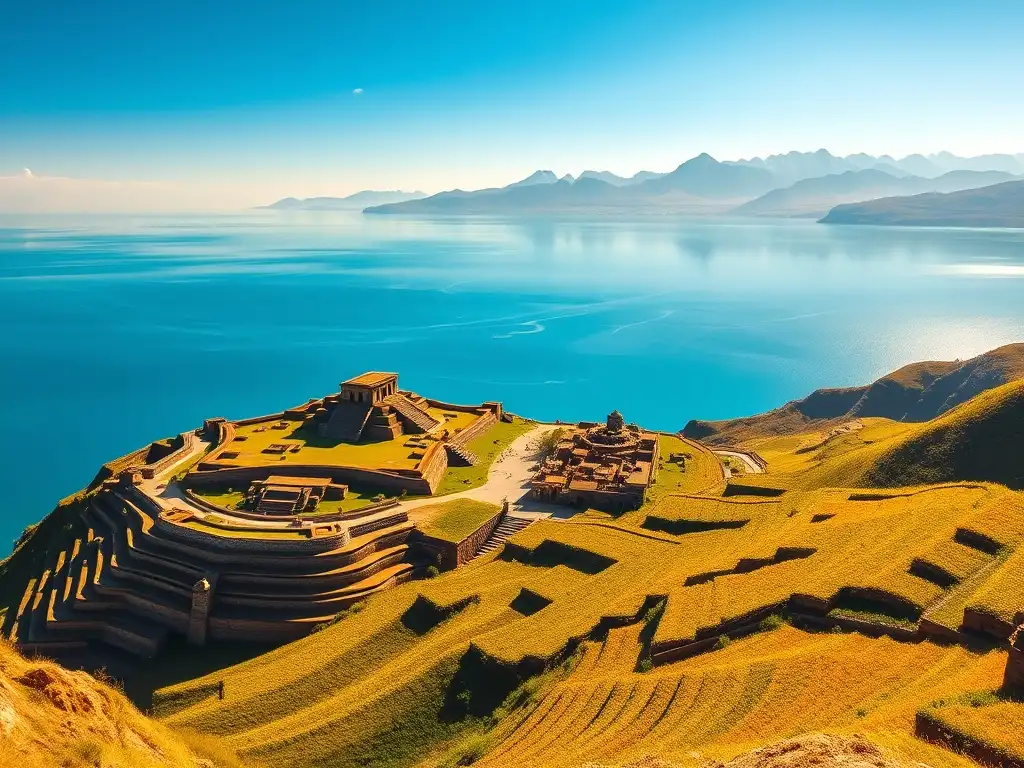
Welcome, explorer! Prepare to delve into the enigmatic world of the Andean civilizations. Beyond the majestic Incas, a complex tapestry of cultures thrived, each leaving behind a legacy of breathtaking artistry and ingenious engineering. But what forces shaped their rise and fall? Our investigation into Tiahuanaco's climate impact on empire unveils a surprising story of environmental influence on a lake-based civilization – a story that will reshape your understanding of this fascinating region. Discover how the tides of climate change dramatically altered the fate of a powerful Andean empire. Dare to uncover the secrets hidden within Tiahuanaco's Tides...
The rise and fall of the Tiahuanaco civilization, a powerful Andean empire flourishing between 500 and 1000 CE, remains a captivating enigma. While their sophisticated agricultural techniques, intricate artistry, and monumental architecture are well-documented, the influence of environmental factors, particularly climate change, on their trajectory is a subject of ongoing research and debate.
This article delves into the crucial role Lake Titicaca and its fluctuating water levels played in shaping the fortunes of the Tiahuanaco empire, exploring how climate variability impacted their agricultural practices, societal structures, and ultimately, their decline. We will examine evidence suggesting that shifts in precipitation patterns and lake levels were not merely coincidental but directly contributed to the empire's successes and failures, offering a compelling case study of the intricate relationship between climate and societal development in the Andes.
Understanding Tiahuanaco's vulnerability to climatic shifts provides valuable insights into the resilience and fragility of ancient societies and offers crucial lessons for contemporary societies facing the challenges of a changing climate.
Lake Titicaca: The Lifeline of Tiahuanaco
Lake Titicaca, the highest navigable lake in the world, served as the lifeblood of the Tiahuanaco civilization. Its fertile shores provided ample opportunities for agriculture, supporting a dense population and fueling the empire's growth. The lake also played a vital role in transportation, facilitating trade and communication throughout the empire.
However, the lake's water levels were not static; they fluctuated significantly in response to variations in precipitation patterns, influenced by both short-term weather events and long-term climatic shifts. Archaeological evidence, including the discovery of submerged agricultural terraces and settlements, points to periods of both high and low lake levels throughout Tiahuanaco's history. Detailed analysis of sediment cores from the lake bed provides further insights into past hydrological conditions, revealing a complex interplay of wet and dry periods that directly impacted the availability of water resources for the Tiahuanaco people.
Agricultural Practices and Climatic Variability
Tiahuanaco's sophisticated agricultural techniques were crucial to their survival and prosperity. They developed raised fields, suka kollus, and intricate irrigation systems to maximize agricultural output in the challenging Andean environment. These systems, however, were heavily reliant on the availability of water from Lake Titicaca and its tributaries.
Periods of prolonged drought, linked to shifts in regional climate patterns, would have severely impacted agricultural yields, potentially leading to food shortages, social unrest, and ultimately, weakening the empire's power. Conversely, periods of increased rainfall and higher lake levels would have boosted agricultural production, contributing to the empire's expansion and prosperity. The precise relationship between specific climatic events and agricultural productivity needs further investigation, but the interconnectedness is undeniable.
Societal Impacts of Climate Change
The impact of climate variability extended beyond agriculture. Fluctuations in Lake Titicaca’s levels likely influenced trade routes, patterns of settlement, and even the empire's political organization. Periods of drought might have led to increased competition for resources, potentially triggering conflicts within and between communities.
The construction of monumental architecture, such as the famous Kalasasaya temple, might have served multiple purposes, including water management and ritual practices aimed at appeasing deities or influencing the climate. Analyzing the distribution of settlements and the types of artifacts found at different sites across the Tiahuanaco heartland can shed light on how the population responded to changing environmental conditions. Further research into social stratification and political organization is needed to fully understand the societal ramifications of climate change on Tiahuanaco.
The Decline of Tiahuanaco: A Climatic Contribution?
While the precise reasons for the decline of the Tiahuanaco empire remain debated, there is growing evidence pointing to the role of climate change as a significant contributing factor. A prolonged period of drought, possibly exacerbated by broader climatic shifts, could have severely weakened the empire's agricultural base, leading to food shortages, social instability, and ultimately, its collapse. The combination of environmental stress with other factors, such as internal conflicts or external pressures, likely contributed to the empire's demise.
However, the evidence strongly suggests that climate change was a major stressor that significantly weakened the Tiahuanaco civilization, making it vulnerable to other challenges. Further research, incorporating multiple lines of evidence, is crucial to fully unravel the complex interplay of factors that led to its decline. The Tiahuanaco story serves as a potent reminder of the vulnerability of even the most advanced societies to the forces of nature.
Further Research Areas
- More precise dating of climatic events and their correlation with archaeological findings.
- Detailed analysis of isotopic data from human remains to assess dietary changes related to climate.
- Comparative studies with other Andean civilizations to understand regional climate patterns and their impacts.
- Lake Titicaca: The Lifeline of Tiahuanaco
- Agricultural Practices and Climatic Variability
- Societal Impacts of Climate Change
- The Decline of Tiahuanaco: A Climatic Contribution?
- What role did Lake Titicaca play in the Tiahuanaco empire?
- How did climate change affect the Tiahuanaco civilization?
- What evidence suggests a link between climate and the Tiahuanaco's fall?
- Were there any technological adaptations to cope with climate variability?
- How does the study of Tiahuanaco's climate impact contribute to our understanding of ancient civilizations?
The Rise of Tiahuanaco: A High-Altitude Civilization
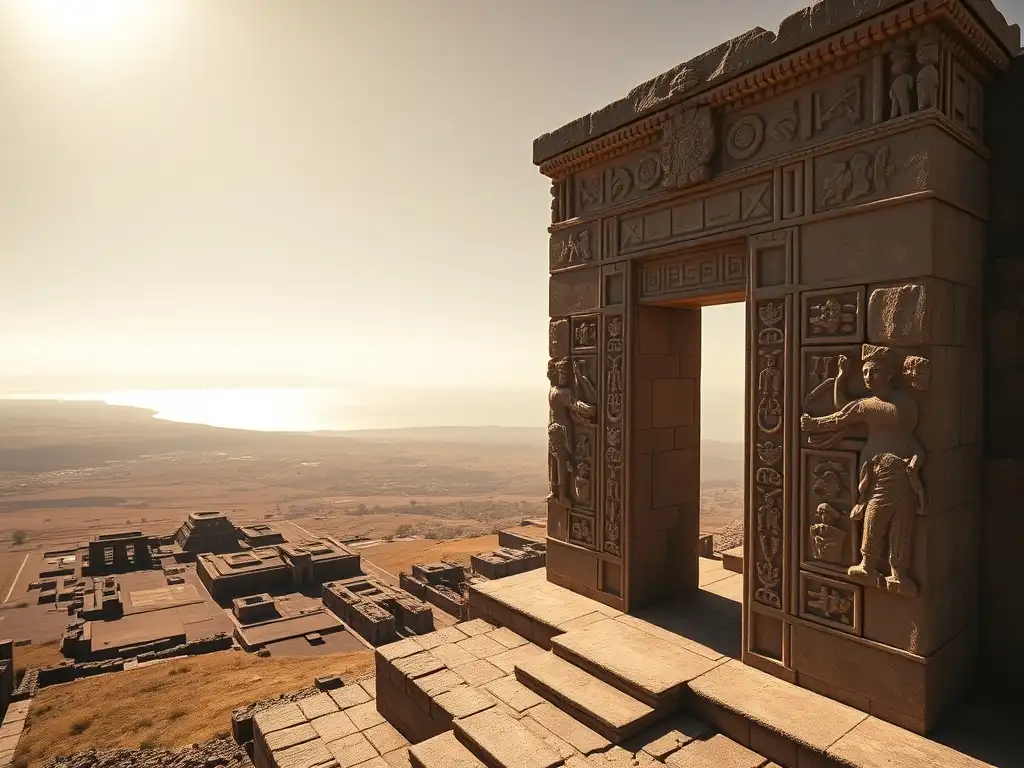
The rise of Tiahuanaco, a powerful Andean civilization flourishing between 500 and 1000 CE, is inextricably linked to its mastery of its challenging environment. Located on the shores of Lake Titicaca, at an altitude exceeding 12,500 feet (3,800 meters) above sea level, Tiahuanaco faced unique environmental pressures that shaped its societal structures, agricultural practices, and ultimately, its legacy. Understanding the impact of Tiahuanaco's climate on its empire requires examining the delicate balance between environmental adaptation and societal resilience.
The civilization's success wasn't merely a matter of conquering its surroundings; it was about developing sophisticated strategies to thrive within them – a testament to the ingenuity of its people in the face of considerable climatic challenges. The interplay between the availability of water resources, fluctuating temperatures, and agricultural yields directly impacted the empire's growth, stability, and eventual decline.
Analyzing these factors reveals a complex picture of a civilization deeply intertwined with its environment. The very essence of Tiahuanaco’s power and prosperity was directly tied to its ability to manage and adapt to a fluctuating climate.
The Geographic Setting of Tiahuanaco: Lake Titicaca's Influence
Lake Titicaca, the highest navigable lake in the world, played a central role in Tiahuanaco's development. Its waters provided a crucial source of sustenance, facilitating fishing and irrigation. However, the lake's ecosystem is sensitive to climatic variations. Fluctuations in rainfall directly affected the lake's water levels, impacting both agricultural production and the availability of fish.
Evidence suggests periods of both abundant water and severe drought throughout Tiahuanaco's history. These climatic shifts significantly influenced the availability of resources, potentially leading to periods of prosperity and hardship within the empire. The proximity to the lake also dictated the city's layout and infrastructure, with water management systems likely playing a key role in urban planning.
Archaeological findings, such as sophisticated canal systems, indicate a profound understanding and manipulation of the lake's resources. The relationship between Tiahuanaco and Lake Titicaca was symbiotic, but also inherently precarious, highlighting the empire's constant negotiation with a dynamic and unpredictable environment. Understanding this relationship is key to understanding the Tiahuanaco climate impact on the empire.
Tiahuanaco's Agricultural Innovations: Raised Fields and Water Management
Tiahuanaco's success was largely dependent on its ability to overcome the challenges of high-altitude agriculture. The thin air, harsh frosts, and unpredictable rainfall made cultivating crops a significant undertaking. To address these difficulties, the Tiahuanaco people developed ingenious agricultural techniques, most notably the construction of raised fields. These artificial islands, built in the shallows of Lake Titicaca, provided a warmer microclimate, better drainage, and protection from frost. The raised fields also allowed for efficient water management, utilizing the lake's resources effectively.
This sophisticated system demonstrates a deep understanding of hydrology and ecological principles. Furthermore, the Tiahuanaco people likely implemented diverse crop rotation strategies and cultivated frost-resistant varieties to maximize yields. The success of their agricultural innovations directly contributed to the empire's growth and stability. The impact of climate change on Tiahuanaco's agricultural practices is a critical area of study. Periods of drought could have severely affected crop yields, potentially leading to food shortages and societal instability.
Conversely, periods of abundant rainfall could have enhanced agricultural productivity, contributing to periods of growth and expansion. Analyzing the interplay between Tiahuanaco's agricultural innovations and fluctuating climatic conditions offers valuable insights into the empire's resilience and its vulnerability to environmental change. The evidence strongly suggests that the empire's ability to adapt its agricultural practices to the prevailing climatic conditions was crucial to its survival and prosperity. Analyzing pollen samples and other paleoclimatic data alongside archaeological evidence of agricultural techniques is crucial to fully understanding the Tiahuanaco climate impact on the empire.
Climate Change and the Tiahuanaco Empire: A Shifting Landscape
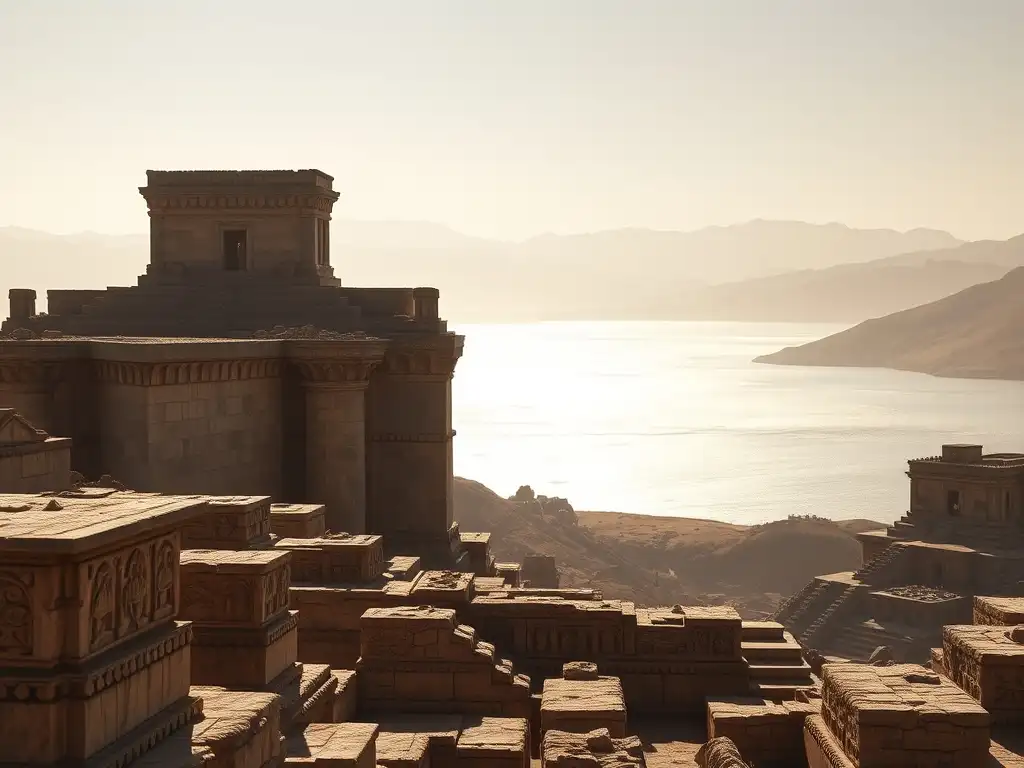
The rise and fall of the Tiahuanaco empire, a powerful civilization that flourished around Lake Titicaca between 500 and 1000 CE, is a complex story intertwined with the environmental conditions of the region. While sophisticated engineering and social organization played crucial roles in Tiahuanaco's success, the impact of climate change on the empire's stability and eventual decline is increasingly recognized as a significant factor. Understanding the interplay between Tiahuanaco's societal structures and the fluctuating climate of the Altiplano is key to deciphering the full narrative of this fascinating civilization.
The influence of Tiahuanaco climate on its empire is a subject of ongoing research, with new evidence constantly refining our understanding. This section explores the crucial role of climate variability, specifically drought, in shaping the trajectory of the Tiahuanaco state.
Evidence of Past Climate Variations in the Titicaca Basin: Pollen Records and Sediment Analysis
Reconstructing past climates in the Titicaca Basin relies heavily on paleoclimatological techniques. Analysis of pollen records extracted from lake sediments provides invaluable insights into vegetation changes over time. Shifts in pollen assemblages, reflecting changes in plant communities, indicate variations in precipitation and temperature.
For example, a decrease in the pollen of aquatic plants alongside an increase in drought-tolerant species would strongly suggest a period of prolonged dryness. This is corroborated by sediment analysis, which can reveal changes in lake levels, sediment composition, and the presence of specific minerals indicative of drier or wetter conditions. These analyses paint a picture of significant climate fluctuations during the Tiahuanaco period, with evidence suggesting periods of both increased aridity and relatively wetter conditions.
The precise timing and intensity of these fluctuations are still being refined, but the overall pattern is clear: the Tiahuanaco empire experienced considerable climatic variability, impacting its agricultural base and overall stability. Analyzing these fluctuations helps us understand the Tiahuanaco climate impact on empire's development and eventual decline.
The meticulous study of sediment cores from Lake Titicaca, for instance, has revealed distinct layers corresponding to periods of high and low lake levels. These fluctuations are directly correlated with changes in regional precipitation patterns. Furthermore, isotopic analysis of these sediments provides additional information about past temperatures and hydrological conditions. The combination of pollen data, sediment analysis, and isotopic studies offers a powerful tool for understanding the specific climate challenges faced by the Tiahuanaco civilization. This multifaceted approach allows researchers to create a more nuanced and comprehensive understanding of the relationship between Tiahuanaco climate and its societal development.
The Impact of Drought on Tiahuanaco's Agricultural System: Reduced Crop Yields
The agricultural system of Tiahuanaco was highly sophisticated, relying on intricate irrigation networks to cultivate crops such as potatoes, quinoa, and maize in the high-altitude environment. However, this system was vulnerable to variations in rainfall. Prolonged droughts, as evidenced by paleoclimatic data, would have severely impacted crop yields, leading to food shortages and potentially social unrest.
Reduced agricultural productivity could have weakened the empire's capacity to support its large population and maintain its complex social and political structures. The severity of the impact would have depended on the duration and intensity of the drought, as well as the empire's ability to adapt and mitigate the effects.
Evidence suggests that Tiahuanaco's sophisticated irrigation systems, while impressive, may not have been sufficient to completely offset the effects of severe and prolonged droughts. The reliance on a relatively limited range of crops, particularly those susceptible to drought, further exacerbated the vulnerability of the agricultural system. The consequences of agricultural failure would have been far-reaching, potentially leading to famine, disease, and social instability, ultimately contributing to the decline of the empire.
The combination of a sophisticated but ultimately fragile agricultural system and a variable climate created a precarious situation for Tiahuanaco, highlighting the significant Tiahuanaco climate impact on empire sustainability. Further research is needed to fully quantify the effects of drought on specific crop yields and to assess the empire's capacity for adaptation. Understanding the nuances of this agricultural vulnerability is crucial for a complete understanding of the empire's history.
Tiahuanaco's Decline: Climate as a Contributing Factor
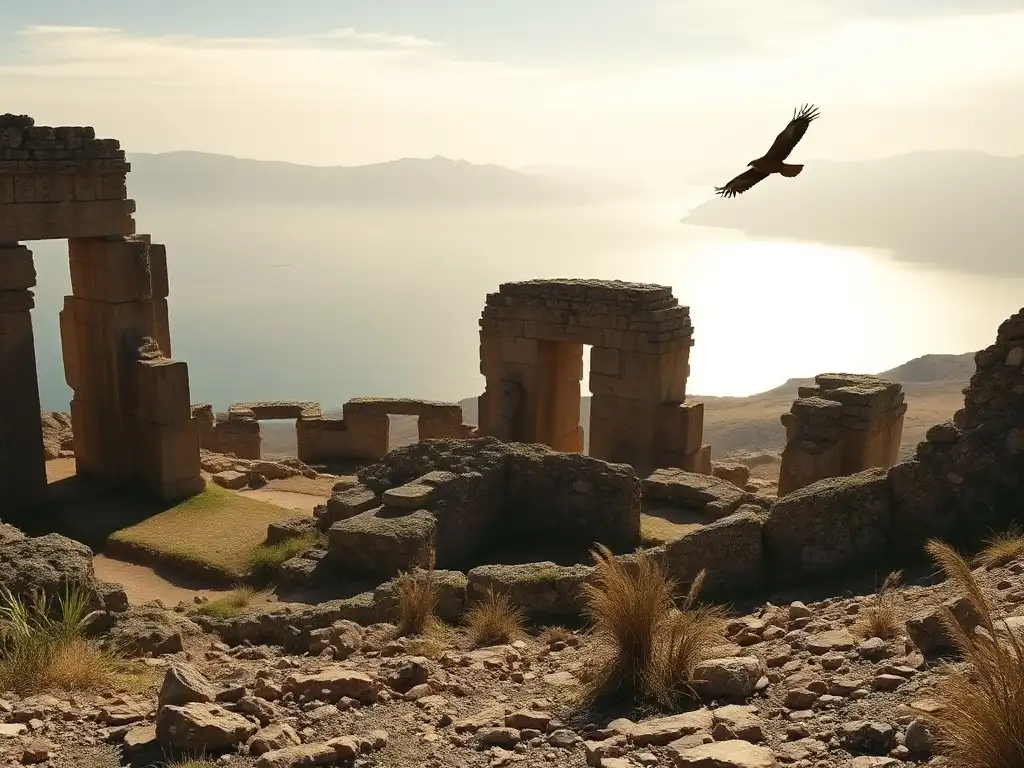
The rise and fall of the Tiahuanaco empire, a powerful civilization that flourished in the Altiplano region of the Andes between 500 and 1000 CE, is a complex historical puzzle. While internal factors undoubtedly played a role, mounting evidence suggests that climate change significantly impacted Tiahuanaco's trajectory, contributing to its eventual decline. Analyzing the interplay between environmental shifts and societal responses reveals a compelling narrative of a civilization grappling with the consequences of a changing climate.
Understanding the specific climatic pressures faced by Tiahuanaco is crucial to comprehending the full scope of its history and the vulnerabilities of complex societies in the face of environmental instability. The impact of Tiahuanaco climate on the empire's fate cannot be overstated.
Reduced Lake Levels and Their Effects on Tiahuanaco's Economy: Decreased Fish Stocks
Lake Titicaca, a vital resource for the Tiahuanaco people, experienced fluctuating water levels throughout the empire's existence. Evidence from sediment cores and paleoclimatic reconstructions points to periods of significantly reduced lake levels, particularly during the later phases of Tiahuanaco's dominance. This directly affected the empire's economy, which relied heavily on fishing.
Reduced lake levels would have led to a decrease in fish stocks, impacting food security and potentially triggering economic hardship. The decline in fish availability would have forced the Tiahuanaco people to rely more heavily on other food sources, potentially straining agricultural resources already challenged by changing rainfall patterns. Archaeological evidence, such as changes in dietary remains found in settlements, could provide further insights into the extent of this dietary shift. [Specific dietary evidence pending analysis of archaeological findings]. The resulting economic stress likely contributed to social instability and weakened the empire's resilience to other challenges.
Beyond lake levels, shifts in rainfall patterns significantly impacted Tiahuanaco's agricultural productivity. The Altiplano's arid climate is inherently vulnerable to variations in rainfall, and even minor fluctuations could have had dramatic consequences for a society heavily reliant on intensive agriculture. Periods of drought would have resulted in crop failures, leading to food shortages and famine. These shortages, in turn, could have triggered social unrest, competition for resources, and potentially even internal conflict.
Evidence of social upheaval during this period might be reflected in archaeological findings such as changes in settlement patterns, the presence of defensive structures, or variations in burial practices. [Specific archaeological evidence regarding social unrest pending further research]. The combination of economic hardship from reduced fish stocks and the disruption of agricultural production likely created a perfect storm of instability that weakened the empire's political and social structures. The consequences of these climate-induced stresses were far-reaching, impacting all aspects of Tiahuanaco society.
The Role of Climate Stress in the Collapse of Tiahuanaco: Population Migration
The cumulative effect of reduced lake levels, altered rainfall patterns, and the resulting social and economic instability likely played a significant role in the eventual collapse of the Tiahuanaco empire. Facing mounting pressures, populations may have migrated outwards, seeking more favorable environmental conditions. Evidence of population movement during this time could be found through analysis of changes in settlement density and the distribution of Tiahuanaco-style artifacts in surrounding regions. [Specific data on population migration patterns pending further research and analysis of archaeological findings].
The gradual decline and eventual abandonment of the Tiahuanaco capital city could be viewed as a culmination of these long-term environmental stresses, ultimately contributing to the empire's fragmentation and the rise of new power centers in the region. While internal factors undoubtedly played a role, the impact of climate change on Tiahuanaco's decline should not be underestimated.
The story of Tiahuanaco serves as a powerful reminder of the fragility of even the most sophisticated societies in the face of environmental challenges. The study of "Tiahuanaco climate impact on empire" continues to reveal crucial insights into the complex interplay between climate, society, and the rise and fall of civilizations.
Understanding the Tiahuanaco Climate Impact on Empire
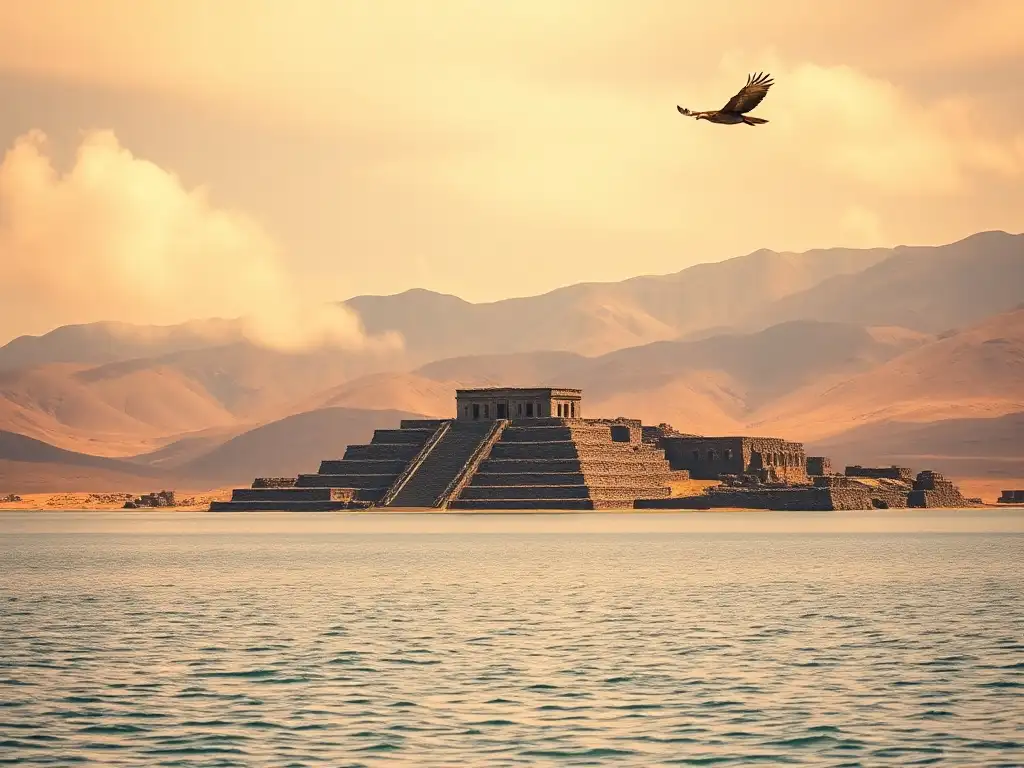
This section delves into the crucial role climate played in the rise and fall of the Tiahuanaco empire, focusing specifically on how environmental shifts directly impacted its societal structures and ultimate decline. The Tiahuanaco climate impact on empire is a complex issue, requiring a nuanced understanding of their reliance on Lake Titicaca and the surrounding altiplano. We will explore the empire's vulnerability to environmental fluctuations and analyze strategies, or lack thereof, employed to mitigate climate-related risks. The ultimate goal is to understand how lessons from Tiahuanaco can inform our understanding of climate resilience in ancient, and modern, societies.
Tiahuanaco's Vulnerability to Environmental Fluctuations: Dependence on a Single Ecosystem
The Tiahuanaco civilization thrived in a challenging high-altitude environment, heavily reliant on the resources provided by Lake Titicaca and its surrounding ecosystem. Their agricultural practices, water management systems, and overall societal structure were intricately woven into this single, fragile environment. This dependence created significant vulnerability to even minor climatic shifts. Evidence suggests that fluctuations in precipitation, lake levels, and temperature directly impacted agricultural yields, impacting food security and potentially triggering social unrest.
For example, analysis of paleoclimatic data, including lake sediment cores and ice cores from the region, reveals periods of significant drought during the Tiahuanaco period. These droughts, even relatively short-term ones, would have had a devastating impact on the empire's ability to sustain its large population. The intricate canal systems, designed to irrigate crops, would have been less effective during extended dry periods, leading to crop failures and famine. Furthermore, changes in the lake's water level could have impacted fishing yields, another crucial source of protein for the population.
The interconnectedness of these factors highlights the empire's precarious position, entirely dependent on a single, highly sensitive ecosystem. The vulnerability to even minor climate shifts underscores the importance of diversifying resources for societal resilience. The failure to diversify likely contributed significantly to the empire's eventual decline.
Lessons from Tiahuanaco: Climate Resilience in Ancient Societies: Diversification of Resources
The Tiahuanaco experience offers valuable lessons about the importance of climate resilience in ancient societies. While the empire demonstrated remarkable engineering prowess in its water management systems, its over-reliance on a single ecosystem proved to be its Achilles' heel. The lack of diversification in resource acquisition strategies left the empire profoundly vulnerable to climate variability.
A more resilient approach might have involved:
- Developing alternative agricultural practices: Exploring drought-resistant crops or implementing more sophisticated irrigation techniques that could withstand fluctuations in water availability.
- Expanding trade networks: Establishing stronger trade relationships with neighboring regions to ensure access to a wider variety of resources, mitigating the impact of local crop failures.
- Implementing social safety nets: Developing robust social structures to support populations during periods of drought or famine. This could involve centralized grain storage, redistribution of resources, or other mechanisms to ensure social stability.
The Tiahuanaco case study underscores the critical need for diversification in resource management and the development of flexible societal structures capable of adapting to environmental change. The lack of these strategies in Tiahuanaco ultimately contributed to the empire's fragility and eventual collapse, highlighting a crucial lesson for both ancient and modern societies facing the challenges of a changing climate.
The study of Tiahuanaco’s downfall offers a stark warning: a society’s prosperity is inextricably linked to its ability to anticipate and adapt to environmental pressures. The "Tiahuanaco climate impact on empire" narrative thus serves as a potent reminder of the profound consequences of environmental vulnerability.
The Legacy of Tiahuanaco: A Cautionary Tale of Environmental Change
The rise and fall of the Tiahuanaco empire, a powerful civilization flourishing in the Altiplano region of the Andes from approximately 500 to 1000 CE, serves as a compelling case study in the intricate relationship between human societies and their environment. While sophisticated agricultural techniques and impressive urban planning contributed significantly to Tiahuanaco's success, evidence strongly suggests that climate change played a crucial, perhaps even decisive, role in its eventual decline.
Understanding this interplay is critical to comprehending the complexities of Tiahuanaco's history and offers valuable insights into the vulnerability of ancient societies to environmental shifts – a lesson particularly relevant in our contemporary era of accelerating climate change. The impact of Tiahuanaco's climate on its empire is a multifaceted narrative woven from archaeological discoveries, environmental reconstructions, and ongoing scientific research.
The empire’s sophisticated water management systems, initially a source of strength, ultimately proved inadequate against the pressures of a changing climate. This highlights the importance of considering environmental factors when studying the rise and fall of ancient societies, specifically the Tiahuanaco climate impact on empire.
Archaeological Findings Supporting Climate Impact: Abandoned Settlements and Irrigation Systems
Archaeological investigations around Lake Titicaca and the surrounding Altiplano reveal a compelling picture of societal adaptation and eventual collapse linked to environmental stress. The discovery of abandoned settlements, once thriving centers of agricultural production and population, provides tangible evidence of the challenges faced by the Tiahuanaco people. These abandoned sites are not randomly distributed; rather, their location often correlates with areas particularly vulnerable to fluctuations in water availability.
For instance, settlements situated further from Lake Titicaca, relying heavily on intricate canal systems for irrigation, show signs of earlier abandonment compared to those closer to the lake's shores. This suggests a progressive decline, potentially driven by increasing aridity and reduced water resources.
Furthermore, the analysis of Tiahuanaco's extensive irrigation systems reveals evidence of both ingenuity and eventual failure. Initially, the sophisticated network of canals and aqueducts allowed the Tiahuanaco to cultivate crops in a challenging high-altitude environment. However, as climate conditions shifted towards greater aridity, the capacity of these systems to provide sufficient water for agriculture was likely overwhelmed.
Sedimentological studies of the canals reveal changes in water flow, indicating periods of reduced water availability coinciding with the observed decline in population and the abandonment of peripheral settlements. This illustrates a direct link between the Tiahuanaco climate impact on empire and the effectiveness of their water management strategies. The decline wasn't sudden; it was a gradual process marked by adaptation and ultimately, unsustainable pressure.
Further Evidence: Agricultural Practices
The types of crops cultivated also offer clues. Analysis of pollen and plant remains suggests a shift in agricultural practices towards more drought-resistant crops in the later phases of the Tiahuanaco empire. This adaptation, while demonstrating resilience, also indicates a growing struggle for survival in the face of diminishing water resources. The evidence points to a complex interaction between climate change and human adaptation, where ingenuity eventually reached its limits.
Future Research Directions on Tiahuanaco and Climate: Isotopic Analysis and Paleoclimatic Modeling
While archaeological findings provide strong circumstantial evidence linking Tiahuanaco's decline to climate change, further research is needed to refine our understanding of the specific mechanisms involved and the precise timing of environmental shifts. Future research should focus on integrating various approaches to achieve a more comprehensive picture.
One promising avenue is the application of isotopic analysis to reconstruct past climate conditions and their impact on water availability. Analyzing stable isotopes (like oxygen and carbon) in ancient plant and animal remains can provide detailed information about past precipitation patterns, temperature fluctuations, and water sources. This data can be used to create more precise timelines of climate change and correlate them with the archaeological record of Tiahuanaco's expansion and decline, providing further insight into the Tiahuanaco climate impact on empire.
Additionally, paleoclimatic modeling offers the potential to simulate past climate scenarios and assess their impact on water resources in the Lake Titicaca basin. By combining climate models with hydrological data and archaeological evidence, researchers can generate more robust predictions of the environmental pressures faced by the Tiahuanaco civilization. This integrated approach holds the key to a more nuanced understanding of the relationship between climate change, resource management, and societal collapse in the Tiahuanaco empire.
Such research will not only shed light on the past but will also offer valuable lessons for managing the challenges of climate change in the present and future. The ongoing investigation into the Tiahuanaco climate impact on empire continues to unveil fascinating details about this remarkable civilization and its interaction with its environment.
Frequently Asked Questions
What role did Lake Titicaca play in the Tiahuanaco empire?
Lake Titicaca was essential to Tiahuanaco's survival, providing water for agriculture and supporting a thriving fishing industry. Its location also facilitated trade and communication across the empire.
How did climate change affect the Tiahuanaco civilization?
Climate fluctuations, particularly droughts, significantly impacted Tiahuanaco's agricultural base and water resources. This led to food shortages and potentially contributed to the empire's decline.
What evidence suggests a link between climate and the Tiahuanaco's fall?
Archaeological evidence, such as changes in agricultural practices and shifts in settlement patterns, alongside paleoclimatological data, supports the theory that climate change played a role in Tiahuanaco's collapse.
Were there any technological adaptations to cope with climate variability?
Tiahuanaco developed sophisticated irrigation systems to manage water resources. However, the severity and duration of some climate shifts likely overwhelmed even these advanced technologies.
How does the study of Tiahuanaco's climate impact contribute to our understanding of ancient civilizations?
Studying Tiahuanaco's relationship with climate change provides valuable insights into the vulnerability of ancient societies to environmental pressures and the importance of resource management in sustaining large-scale empires.
Final Reflection: The Enduring Legacy of Tiahuanaco's Climatic Crossroads
The intricate dance between civilization and climate change, as witnessed in the rise and fall of Tiahuanaco, remains profoundly relevant today. Our own era grapples with the escalating consequences of a changing climate, mirroring the challenges faced by this ancient Andean empire. Understanding Tiahuanaco's vulnerability offers crucial insights into our own capacity for adaptation and resilience in the face of environmental upheaval.
The story of Tiahuanaco is not merely a historical account; it's a cautionary tale etched in the very landscape of the Altiplano. The empire's dependence on Lake Titicaca, its vulnerability to fluctuating water levels, and the ultimate impact on its societal structures serve as a stark reminder of our interconnectedness with the natural world. The past is never dead. It's not even past,
wrote William Faulkner, and the echoes of Tiahuanaco's struggles resonate deeply in our contemporary anxieties about climate change and resource management. This resonates deeply with me, highlighting the urgent need for sustainable practices and proactive environmental stewardship.
Consider the lessons learned from Tiahuanaco's experience. How can we, as individuals and as a global community, build more resilient societies? How can we learn from past mistakes to mitigate the impacts of climate change and ensure a sustainable future for generations to come? Let the story of Tiahuanaco inspire you to engage actively in the conversation surrounding climate change, to advocate for responsible environmental policies, and to build a future where human progress and environmental sustainability coexist.
Unveiling the Climate Secrets of Tiahuanaco
Thank you for exploring the fascinating world of Tiahuanaco and its intricate relationship with climate! Your interest in how environmental factors shaped this ancient lake-based civilization highlights the depth of our shared history. Let's now put this knowledge to practical use!
- Explore the rich archaeological evidence by taking a virtual tour or visiting a museum showcasing Andean civilizations.
- Connect with fellow history enthusiasts through online forums or social media groups dedicated to ancient empires and climate history.
- Share your insights! Write a blog post or share a social media update to educate others about Tiahuanaco and spark discussion.
How might understanding Tiahuanaco's relationship with its climate inform modern environmental policy?