
The Whispering Stones: Climate Stories Told by Andean Ruins

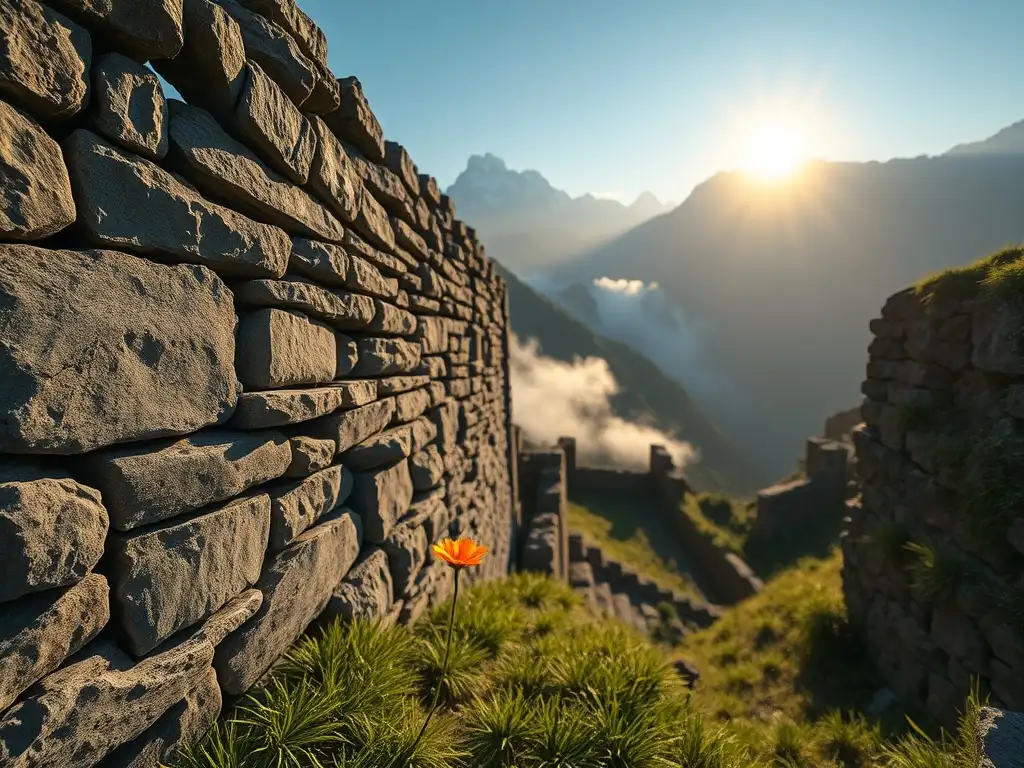
Step into a world lost to time, yet whispering secrets to those who listen. The Andean Civilizations website unveils the mysteries of the Incas, Moche, Nazca, and Tiahuanaco, revealing a tapestry of ingenuity and resilience. But what silenced these powerful empires? Discover how the Andean ruins themselves hold the key to understanding the impact of climate change on their history, a story told not in words, but in stone. Prepare to be captivated by "The Whispering Stones: Climate Stories Told by Andean Ruins"—your journey into this fascinating world begins now.
The towering ruins of Machu Picchu, the enigmatic lines of Nazca, the monumental structures of Tiahuanaco – these iconic Andean sites are more than just breathtaking testaments to ancient ingenuity; they are also invaluable archives of past climates. By studying the architecture, agricultural practices, and settlement patterns preserved within these ruins, archaeologists and climatologists are piecing together a fascinating narrative of how Andean civilizations thrived, adapted, and sometimes succumbed to the fluctuating forces of nature.
This article delves into the intricate relationship between Andean societies and climate change throughout history, exploring how these ancient cultures responded to environmental challenges and what their stories can teach us about our own relationship with the changing world. Understanding the impact of climate change on Andean societies is crucial not only for appreciating their remarkable resilience but also for informing our strategies to mitigate the effects of climate change today.
The "whispering stones" of Andean ruins hold vital clues, revealing a complex history deeply intertwined with environmental shifts, offering valuable lessons for the future. This exploration will focus specifically on how evidence from Andean ruins helps us understand the historical impact of climate change, focusing on the keyword "Andean ruins climate change history".
Unveiling the Past: Andean Ruins as Climate Archives
Andean ruins serve as remarkably detailed climate archives. The very construction materials, the location of settlements, and the types of agricultural terraces built all provide clues about past climates. For example, the choice of stone type used in construction could reflect the availability of resources influenced by rainfall patterns.
Similarly, the orientation and design of agricultural terraces reveal sophisticated techniques used to optimize crop yields in specific climatic conditions. Analysis of pollen and other organic matter trapped within the ruins also provides valuable insights into vegetation changes over time, reflecting shifts in temperature and precipitation. Furthermore, the abandonment or modification of settlements can be directly correlated with periods of drought or other extreme weather events, offering compelling evidence of the impact of climate on ancient Andean societies.
The study of these ruins provides a multi-faceted approach to reconstructing past climates, far surpassing the limitations of solely relying on written records, which are often incomplete or biased. This interdisciplinary approach, combining archaeology, climatology, and other scientific disciplines, allows for a more complete and nuanced understanding of the interplay between climate and human societies in the Andes.
Ancient Andean Civilizations and Environmental Challenges
The Andean region is characterized by its diverse and often extreme climates, ranging from arid deserts to high-altitude grasslands and lush rainforests. Ancient Andean civilizations faced a constant challenge in adapting to these varied and often unpredictable environments. The impact of climate change manifested in various ways, including changes in precipitation, temperature fluctuations, and increased frequency of extreme weather events such as droughts and floods.
These climatic shifts had profound consequences for agriculture, water resources, and overall societal stability. Evidence suggests that periods of drought, for instance, led to crop failures, famine, and population migrations. Conversely, periods of increased rainfall could have led to flooding and damage to infrastructure.
Understanding the specific ways in which these civilizations responded to these challenges provides valuable lessons for modern societies facing similar threats. The resilience and adaptability shown by ancient Andean cultures in the face of environmental adversity serves as a compelling case study for contemporary climate change mitigation and adaptation strategies. The emojis below illustrate some of the challenges and adaptations faced: ☀️🥵🌧️🌾⛰️
The Pre-Incan Climate: Insights from Archaeological Sites
Archaeological sites predating the Inca Empire, such as those of the Moche and Nazca cultures, reveal evidence of significant climatic variability. For example, the extensive irrigation systems developed by the Moche civilization along the northern Peruvian coast suggest a need to manage water resources in an arid environment. The sophisticated Nazca lines, though their purpose remains debated, may also reflect a deep understanding of astronomical cycles and their relationship to agricultural practices and water availability.
Analysis of sediment cores from lake beds and coastal areas near these sites provides further insights into past climatic conditions, revealing periods of drought and wetter intervals that likely influenced the development and decline of these civilizations. The intricate interplay between societal organization, technological innovation, and environmental adaptation is clearly visible in these pre-Inca societies.
Further research is needed to fully understand the specific climatic triggers that shaped their trajectories. [Specific information pending: detailed analysis of climatic data from Moche and Nazca sites.]
Inca Adaptation Strategies to Shifting Climates
The Inca Empire, renowned for its sophisticated engineering and administrative prowess, demonstrated remarkable adaptability to a range of climatic conditions. Their mastery of terrace farming, for example, allowed them to cultivate crops at different altitudes and slopes, maximizing agricultural productivity even in challenging terrains. The construction of sophisticated irrigation systems and storage facilities further ensured water security, mitigating the impact of droughts.
Evidence suggests that the Inca also implemented sophisticated strategies for managing resources and responding to environmental changes, such as relocating populations or adjusting agricultural practices in response to changing conditions. The Inca's ability to maintain a vast empire across diverse climates highlights their understanding of environmental dynamics and their ability to adapt their strategies accordingly.
The resilience of the Inca empire, despite facing significant climatic challenges, is a testament to their ingenuity and organizational capacity. The study of Inca ruins, therefore, offers valuable insights into sustainable resource management and effective climate change adaptation strategies.
Climate Change Impacts on Andean Societies: A Historical Perspective
The Andes Mountains, a spine of towering peaks running along the western edge of South America, have witnessed dramatic climate shifts throughout history. These fluctuations profoundly impacted the development and decline of Andean societies, leaving behind a rich tapestry of archaeological evidence that helps us understand the complex interplay between climate and civilization. Studying Andean ruins provides invaluable insights into how past societies adapted to, and sometimes succumbed to, climate variability.
The impact wasn't simply about temperature changes; shifts in rainfall patterns, glacial melt, and the frequency of extreme weather events all played crucial roles in shaping the trajectory of these cultures. Understanding these past impacts is crucial for predicting and mitigating the effects of present-day climate change on the region and its people. The legacies of these ancient civilizations offer cautionary tales and potential solutions for the challenges we face today.
The study of Andean ruins offers a unique opportunity to learn from the past and build a more resilient future. By examining the successes and failures of past adaptation strategies, we can inform contemporary efforts to address climate change in the vulnerable Andean region.
Evidence of Past Climate Variability in Andean Ruins
Archaeological investigations of Andean ruins reveal compelling evidence of past climate variability. Analysis of sediment cores from lake basins near significant sites like Tiwanaku and Cusco reveals changes in pollen and diatom assemblages, reflecting shifts in vegetation and water availability. These changes correlate with periods of societal prosperity and decline, suggesting a strong link between climate and cultural development.
For example, periods of increased aridity are often associated with reduced agricultural yields and societal stress, while periods of more abundant rainfall correlate with periods of expansion and growth. Further evidence is found in the very construction of the ruins themselves. Changes in building materials, architectural styles, and agricultural techniques reflect adaptations to changing environmental conditions.
The careful study of these changes allows researchers to reconstruct past climate conditions and their impact on Andean societies with remarkable precision. The meticulous record-keeping, although indirect, offers a window into the past, allowing us to better understand the long-term effects of climate variability on human societies.
Tiwanaku: Evidence of Societal Collapse Due to Drought
The Tiwanaku civilization, flourishing in the Altiplano region of Bolivia between 500 and 1000 CE, provides a stark example of societal collapse potentially linked to prolonged drought. Evidence suggests that the civilization's sophisticated irrigation systems, initially successful in managing water resources, were eventually overwhelmed by a period of severe and sustained aridity. Isotopic analyses of human remains reveal a shift towards a diet increasingly reliant on less nutritious resources, indicating widespread food shortages.
The decline of Tiwanaku's agricultural productivity likely contributed to social unrest and ultimately led to the abandonment of its impressive urban center. This collapse serves as a cautionary tale, illustrating the vulnerability of even sophisticated societies to the impacts of climate change.
While other factors, such as internal conflict, may have also played a role, the evidence strongly suggests that drought was a significant contributing factor to Tiwanaku's decline. The ruins themselves stand as a testament to the power of climate change to reshape human societies.
Machu Picchu: Terracing as an Adaptation to Heavy Rainfall
In contrast to Tiwanaku, Machu Picchu, the iconic Inca city nestled high in the Andes, showcases remarkable adaptations to a different climate challenge: heavy rainfall. The Incas' sophisticated agricultural techniques, particularly their extensive terracing systems, allowed them to cultivate crops on steep slopes while preventing soil erosion and managing water runoff effectively. These terraces played a critical role in ensuring food security in a region characterized by intense rainfall and steep topography.
The precise engineering and careful placement of the terraces demonstrate a deep understanding of hydrological processes and a commitment to sustainable agricultural practices. Machu Picchu's success stands as a testament to the ingenuity of Inca engineers and their ability to adapt to challenging environmental conditions.
The city's survival, despite its vulnerable location, highlights the effectiveness of well-planned and implemented adaptation strategies in mitigating the negative impacts of climate change. The lasting legacy of Machu Picchu’s agricultural system continues to inspire sustainable land management practices today.
Andean Ruins: Decoding the Climate History
The ruins of Andean civilizations offer a unique archive of climate history. By carefully studying these sites, we can piece together a more complete understanding of past climate variability and its impact on human societies. The information gleaned from these ruins is not just about the past; it provides crucial context for understanding the present and future challenges related to climate change in the Andes.
The insights gained from studying Andean ruins offer a valuable perspective for developing more effective strategies for climate change adaptation and mitigation. The careful, interdisciplinary approach required to decipher the messages embedded within these ancient stones helps us to understand not only the past but also the present and the future. This understanding is crucial for building resilience in a region that remains highly vulnerable to climate change.
Analyzing Architectural Adaptations to Climate
Architectural features of Andean ruins provide valuable insights into how past societies adapted to different climatic conditions. For instance, the orientation of buildings, the use of specific materials, and the design of ventilation systems all reflect adaptations to temperature, sunlight, and precipitation patterns. In drier regions, we often see architectural features designed to maximize water collection and storage, whereas in wetter regions, features designed to manage water runoff and prevent erosion are prevalent.
Analyzing these adaptations allows researchers to infer past climate conditions and the challenges faced by past societies. The study of building techniques, materials, and orientations provides crucial data for reconstructing past climates and understanding the ingenuity of ancient Andean engineers. This approach provides a unique perspective on the relationship between human ingenuity and environmental adaptation.
Ceramics and Artifacts as Climate Indicators
Ceramics and other artifacts found in Andean ruins also offer valuable clues about past climate conditions. Changes in pottery styles, the types of crops depicted on ceramics, and the presence of certain materials all can reflect shifts in agricultural practices and resource availability, indirectly indicating climate variability. For example, a shift towards depicting drought-resistant crops on pottery might suggest a period of decreased rainfall.
Similarly, changes in the types of materials used in pottery making could reflect changes in the availability of specific resources. The careful analysis of these artifacts, in conjunction with other lines of evidence, contributes to a more comprehensive understanding of the relationship between climate and Andean societies. The wealth of information contained within these seemingly mundane objects provides a powerful and often overlooked source of climate data.
The Modern Relevance of Andean Ruins Climate Change History
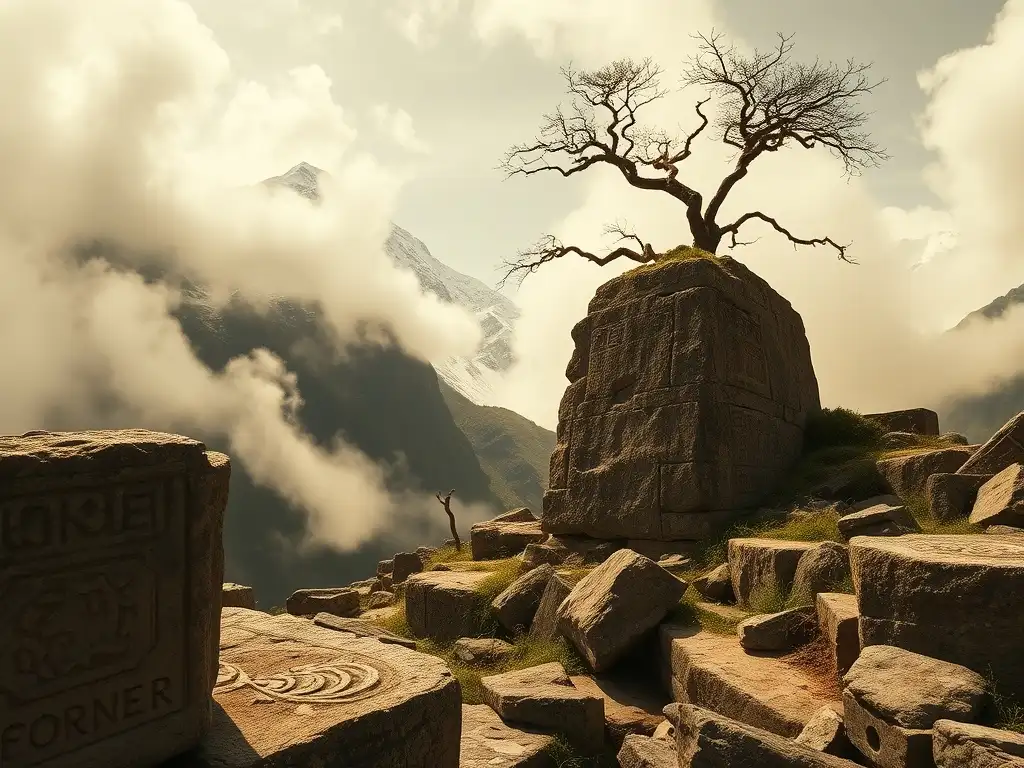
The study of Andean ruins offers a crucial lens through which to understand the complex interplay between climate change and societal collapse. By examining the archaeological record—from shifts in agricultural practices reflected in pottery styles to the abandonment of entire settlements—we gain invaluable insights into how past civilizations adapted to, and ultimately succumbed to, environmental pressures. This knowledge is not merely historical; it possesses profound contemporary relevance.
Understanding how past Andean societies responded to drought, flooding, and other climate-related challenges provides critical data for informing modern strategies for climate change mitigation and adaptation. The lessons learned from their successes and failures can directly impact our ability to navigate the challenges of a rapidly changing climate.
Analyzing the resilience and vulnerability of ancient Andean communities provides a powerful case study for modern societies facing similar environmental threats. For example, the sophisticated irrigation systems developed by the Inca, while ultimately unable to withstand prolonged drought, offer valuable insights into water management techniques applicable to contemporary arid and semi-arid regions.
Lessons from the Past: Applying Ancient Solutions
Ancient Andean societies developed innovative agricultural techniques to cope with variable climate conditions. Terracing, for instance, not only increased arable land but also helped to conserve water and prevent soil erosion. These techniques, honed over centuries, offer valuable lessons for modern sustainable agriculture. Similarly, the intricate network of roads and storage facilities built by the Inca Empire demonstrates a sophisticated understanding of logistics and resource management, crucial for preparing for and mitigating the effects of climate variability.
These ancient strategies, though adapted to specific Andean environments, contain broader principles applicable to modern efforts to build climate resilience. By studying the successes and failures of these past strategies, we can develop more effective, sustainable, and context-specific solutions for present-day challenges. This includes re-evaluating and potentially reimplementing aspects of traditional Andean agricultural practices in conjunction with modern technologies.
The Impact of Current Climate Change on Andean Heritage
Current climate change poses a significant threat to the preservation of Andean ruins. Increased frequency and intensity of extreme weather events, such as landslides, floods, and droughts, are accelerating the deterioration of these fragile archaeological sites. Glacial melt, a direct consequence of rising global temperatures, is destabilizing mountain slopes, increasing the risk of landslides that can damage or destroy invaluable archaeological remains. Moreover, changing precipitation patterns are impacting the stability of adobe structures, causing erosion and structural damage.
The combination of these factors poses a serious challenge to the long-term preservation of Andean cultural heritage. Urgent action is needed to develop effective conservation strategies that address these specific climate-related threats. This necessitates a multidisciplinary approach involving archaeologists, climatologists, and engineers.
Andean Ruins: A Call for Climate Action
The story etched into the stones of Andean ruins serves as a powerful call for climate action. These sites stand as silent witnesses to the devastating consequences of environmental instability, offering a stark reminder of the fragility of human civilizations in the face of climate change. Their preservation is not merely an issue of historical preservation; it is a crucial part of a broader effort to protect our shared future.
The vulnerability of Andean ruins to climate change underscores the urgency of global efforts to reduce greenhouse gas emissions and mitigate the effects of a warming planet. By understanding the past, we can better prepare for the future. The silent testament of these ruins should inspire both a renewed commitment to environmental stewardship and the development of effective strategies for climate change adaptation and mitigation, protecting both cultural heritage and human well-being.
The Importance of Understanding Andean Climate History
Understanding the climate history of the Andes is critical for interpreting the rise and fall of Andean civilizations. Archaeological evidence, combined with paleoclimatological data such as ice core samples and pollen records, reveals a history of significant climate variability. This variability profoundly impacted agricultural productivity, water availability, and societal stability. Reconstructing past climate patterns and their effects on Andean societies helps us to identify crucial tipping points and thresholds of environmental change that led to societal shifts and collapses.
This knowledge is essential for predicting future climate-related risks and developing effective adaptation strategies. By understanding the past relationship between climate and society in the Andes, we can better anticipate and respond to the challenges posed by present-day climate change. This includes developing early warning systems and implementing preventative measures to protect vulnerable communities.
Protecting the Legacy: Future Research and Conservation
Preserving the Andean ruins requires a multifaceted approach involving rigorous scientific research, innovative conservation techniques, and community engagement. Further research is needed to refine our understanding of past climate variability and its impact on Andean societies. This includes integrating advanced dating techniques, high-resolution climate modeling, and detailed archaeological investigations to build a more comprehensive picture of past environmental conditions and their influence on human activity. Moreover, the development and implementation of effective conservation strategies are crucial.
This involves addressing specific climate-related threats such as erosion, landslides, and water damage. Finally, engaging local communities in conservation efforts is vital for ensuring the long-term protection of these invaluable sites. This participatory approach ensures that preservation efforts are culturally sensitive and sustainable. The collaborative effort of scientists, conservationists, and local communities is essential for safeguarding the legacy of Andean civilizations for future generations.
Conclusion: The Enduring Climate Messages of Andean Ruins
The study of Andean ruins offers a powerful and poignant narrative of humanity's complex relationship with climate change. These structures, meticulously crafted and strategically placed, whisper tales of adaptation, resilience, and ultimately, vulnerability in the face of environmental shifts. The evidence gleaned from archaeological investigations, coupled with paleoclimatological data, paints a vivid picture of societal responses to changing weather patterns, ranging from sophisticated irrigation systems to shifts in agricultural practices and even population migrations. The collapse of certain societies, like the evidence suggests may have happened to some coastal cultures due to the El Niño Southern Oscillation, serves as a stark reminder of the potentially devastating consequences of neglecting environmental factors.
Understanding these historical patterns is not merely an academic exercise; it provides invaluable insights for mitigating the impacts of contemporary climate change and building more sustainable communities in the Andes and beyond. The lessons embedded within the stones are timeless and urgently relevant, reminding us that environmental stewardship is not just a modern concern, but a fundamental requirement for long-term societal stability. The whispers of the past urge us to listen carefully and act decisively in the face of the present climate crisis.
The Andean ruins stand as silent witnesses, their enduring legacy a testament to both human ingenuity and the powerful forces of nature. Their stories serve as a crucial reminder of our interconnectedness with the environment and the profound consequences of ignoring the warnings etched into the very landscape. Preserving these sites is not only a matter of cultural heritage; it's a vital step in safeguarding our collective future.
The careful analysis of Andean ruins, therefore, provides more than just a glimpse into the past; it offers a critical lens through which to examine the present and shape a more sustainable future. The "whispering stones" continue to speak, their message a potent blend of caution and hope, urging us to learn from the past and build a more resilient future for all. The challenges faced by Andean civilizations in the face of climate variability provide valuable lessons for contemporary societies grappling with the impacts of climate change.
By understanding the past, we can better prepare for the future and create more sustainable and equitable societies that are resilient to the inevitable challenges ahead. The enduring legacy of the Andean ruins is not simply one of architectural marvels, but also a powerful testament to the importance of environmental stewardship and the enduring power of human adaptation.
- Unveiling the Past: Andean Ruins as Climate Archives
- Ancient Andean Civilizations and Environmental Challenges
- Climate Change Impacts on Andean Societies: A Historical Perspective
- Andean Ruins: Decoding the Climate History
- The Modern Relevance of Andean Ruins Climate Change History
- Andean Ruins: A Call for Climate Action
- Conclusion: The Enduring Climate Messages of Andean Ruins
- How did climate change affect the Andean civilizations?
- What specific Andean ruins reveal climate change impacts?
- How did Andean people adapt to climate variability?
- What technologies did Andean civilizations use to monitor climate?
- What can the study of Andean ruins teach us about climate change today?
Frequently Asked Questions
How did climate change affect the Andean civilizations?
Climate change significantly impacted Andean societies. Droughts and floods, linked to shifts in the El Niño Southern Oscillation, caused agricultural failures and societal upheaval, contributing to the rise and fall of various empires.
What specific Andean ruins reveal climate change impacts?
Many sites show evidence. Machu Picchu's agricultural terraces reveal adaptations to changing water availability, while lake sediments near Tiwanaku show evidence of drought cycles impacting the civilization.
How did Andean people adapt to climate variability?
Andean cultures developed sophisticated irrigation systems and agricultural techniques to cope with variability. They also practiced diverse farming strategies, reducing reliance on single crops.
What technologies did Andean civilizations use to monitor climate?
While lacking modern instruments, they used observational knowledge of weather patterns, animal behavior, and astronomical cycles to predict and prepare for climate shifts. Agricultural yields served as key indicators.
What can the study of Andean ruins teach us about climate change today?
The study of Andean ruins offers valuable insights into the vulnerability of societies to climate change. Their successes and failures provide crucial lessons for mitigation and adaptation strategies in the modern world.
Final Reflection: Echoes of the Past, Warnings for the Future
The whispers of the Andean ruins are not merely echoes of a bygone era; they are urgent warnings echoing in the face of our current climate crisis. These ancient stones, silent witnesses to centuries of human interaction with the environment, now offer invaluable lessons on the fragility of ecosystems and the devastating consequences of unchecked environmental degradation. Their crumbling structures serve as stark reminders of civilizations lost, not to conquest or disease, but to the slow, insidious creep of climate change.
The impact of shifting weather patterns, evidenced in the abandoned terraces and eroded settlements, continues to resonate deeply within the Andean landscape and beyond. The stories etched into these ruins are not confined to the mountains; they are a universal narrative, a cautionary tale for all societies grappling with the realities of a changing climate. The past is never dead. It's not even past.
– William Faulkner. This quote perfectly encapsulates the enduring relevance of these ancient sites, reminding us that the consequences of past actions continue to shape our present and future. Understanding their history is crucial to understanding our own trajectory.
Consider the lessons whispered by these stones. Consider the ingenuity of past Andean civilizations in adapting to their environment, and the devastating consequences of their eventual inability to cope with environmental shifts. You, the reader, hold the power to shape a different future. Let the whispers of the Andean ruins inspire you to act, to advocate for sustainable practices, and to become a steward of our planet. Let us learn from the past to build a more resilient and sustainable future, before the silence of these ruins becomes the silence of our own civilization.
Unearth Your Connection to Andean Wisdom Today!
Thank you for joining us on this journey through the remarkable stories etched into the Andean ruins. We hope you now understand how these ancient sites offer valuable lessons for our lives today and in the future. It's time to take action and honor this rich heritage!
Here are some ways you can engage with the vibrant culture of the Andes and help preserve its legacy:
- Join a local conservation group dedicated to protecting Andean archaeological sites and sharing their stories with future generations.
- Explore local history. Research the history of your own region and share the stories you uncover with your community.
- Share this article on social media and encourage your friends and family to learn about the fascinating history of the Andean civilization.
What steps will you take to help protect the legacy of the Andes and build a sustainable future?