
Climate's Canvas: How the Environment Shaped Andean Art

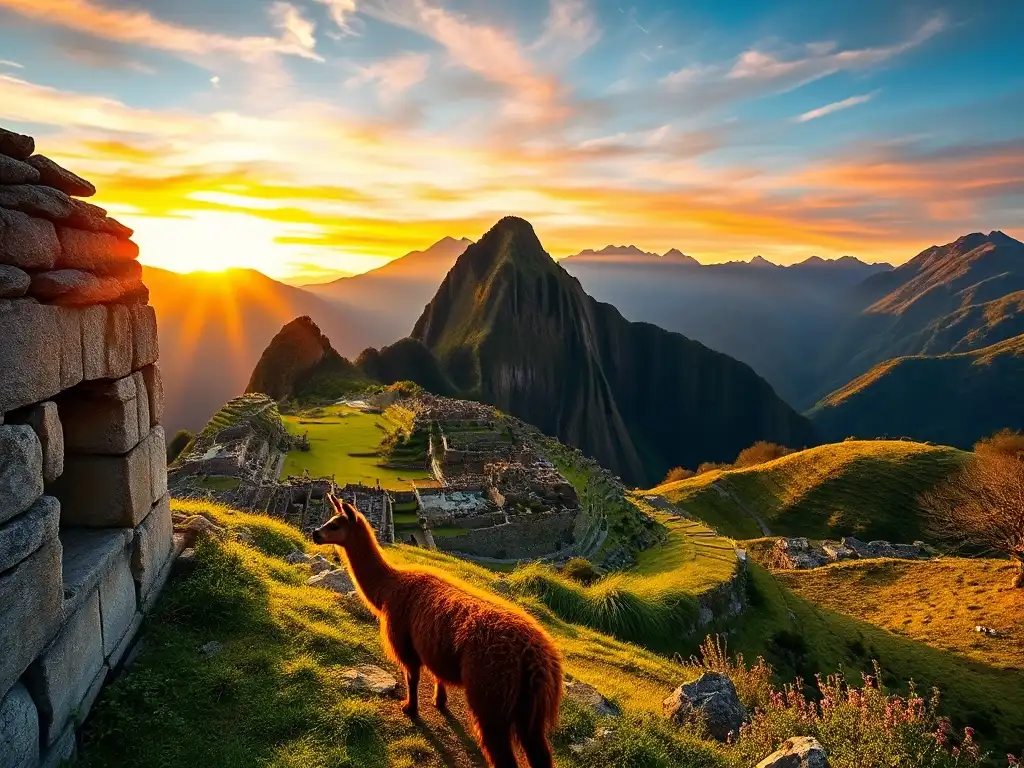
Step into a world where towering mountains meet breathtaking artistry. Discover how the dramatic Andean landscape – a canvas of soaring peaks and unforgiving valleys – profoundly influenced the vibrant cultures that thrived there. Unravel the mysteries behind Andean art climate impact, a captivating story woven into the very fabric of Inca, Moche, Nazca, and Tiahuanaco societies. Prepare to be amazed by the ingenuity and resilience of these ancient civilizations, as we explore the indelible mark left by their environment on their remarkable artistic legacy. What secrets will the mountains reveal? Continue reading to find out...
The Andes Mountains, a spine of towering peaks running down the western coast of South America, are not merely a geographical feature; they are a crucible of civilization. For millennia, diverse Andean cultures—from the sophisticated Inca empire to the enigmatic Nazca and the masterful Moche—have flourished within this dramatic landscape. Their art, a vibrant tapestry woven from diverse materials and techniques, wasn't created in a vacuum.
This article delves into the profound impact of the Andean environment – its volatile climate, diverse ecosystems, and readily available resources – on the artistic expressions of these remarkable civilizations. We will explore how climate directly influenced artistic styles, subject matter, and the very materials used to create the breathtaking works that survive today.
Understanding this interplay between climate and creativity provides a deeper appreciation for the ingenuity and resilience of Andean societies and offers valuable insights into the relationship between humanity and its environment. This exploration of "Andean art climate impact" will reveal how environmental factors shaped not only the survival but also the artistic legacy of these ancient cultures.
Introduction: The Interplay of Climate and Creativity in the Andes
The Andes' climate is famously diverse, ranging from arid deserts to lush cloud forests, from high-altitude puna grasslands to the Amazonian rainforest on its eastern slopes. This extreme variability directly impacted the lives and artistic practices of Andean peoples. Scarcity of resources in some areas, such as the coastal deserts, fostered innovation in water management and agriculture, themes frequently reflected in their pottery and textiles.
In contrast, the abundance of resources in other regions, like the fertile valleys, might have fueled a more exuberant artistic style, as evidenced by the elaborate metalwork and monumental architecture of certain cultures. The availability of specific materials—clay for pottery, fibers for textiles, precious metals for adornment—was directly dictated by the local climate and geography, shaping the aesthetic possibilities open to Andean artists.
Consider, for example, the vibrant colors found in Nazca textiles, likely derived from plants and minerals specific to their desert environment. This section will lay the groundwork for understanding this complex relationship, setting the stage for a deeper exploration of specific examples.
Agricultural Abundance and Artistic Flourishing: The Case of the Inca
The Inca Empire, known for its sophisticated agricultural techniques, utilized the waru waru system – raised fields – to maximize crop yields in challenging climates. This agricultural success directly contributed to their artistic output. The surplus of food allowed for specialization of labor, with some individuals dedicated solely to artistic production. Inca art, characterized by its refined gold and silver work, intricate textiles, and monumental stone architecture, reflects this prosperity.
The intricate designs found on Inca textiles, often depicting agricultural scenes and deities associated with fertility, serve as a testament to the profound connection between their art and their agricultural success, heavily influenced by the climate's impact on their food supply. Detailed records, though fragmented, suggest a direct correlation between periods of favorable climate and increased artistic production. [Specific data on Inca artistic output correlating with climate cycles pending].
Desert Adaptations and Artistic Innovation: The Nazca Lines and Pottery
The Nazca culture, inhabiting the arid coastal plains of southern Peru, faced extreme climatic challenges, including scarce rainfall and unpredictable weather patterns. Their artistic response was remarkable. The iconic Nazca Lines, vast geoglyphs etched into the desert surface, remain a mystery, but their creation likely reflects a deep understanding of the desert landscape and its subtle variations in climate.
Their elaborate pottery, often depicting stylized plant and animal life, may also reflect a desire to celebrate the life-sustaining resources available in their harsh environment. The use of vibrant colors in their textiles, derived from locally sourced minerals and plants, further showcases their ability to adapt to and creatively utilize the resources provided by their challenging climate. [Specific examples of Nazca pottery depicting climate-related themes pending].
Coastal Climates and the Moche's Mastery of Metalwork
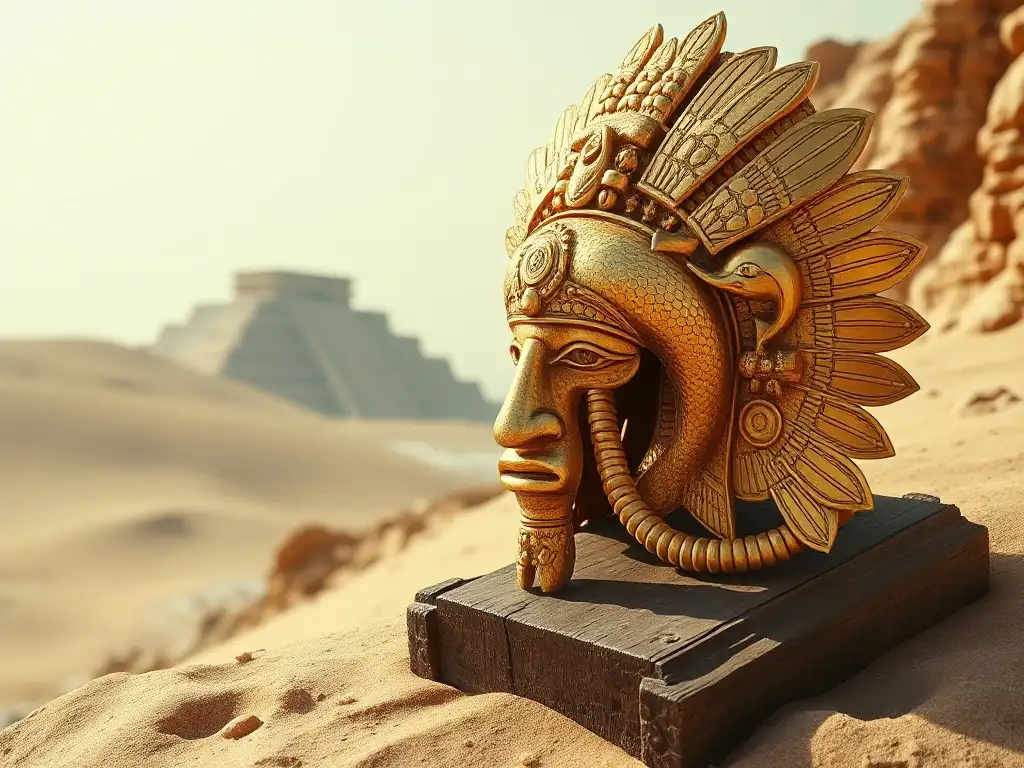
The Moche civilization, flourishing on the northern coast of Peru, developed a sophisticated understanding of metallurgy. The availability of copper and other metals, possibly influenced by geological formations and the climate's effect on their accessibility, fueled their impressive metalwork. Their intricate gold and silver objects, often depicting scenes of ritual and warfare, showcase a remarkable level of craftsmanship.
The Moche also created elaborate pottery, often depicting realistic scenes of daily life, including agricultural practices and the impact of El Niño events. The stylistic variations in Moche art across different coastal regions might also be linked to the subtle differences in their local climates and available resources. [Data on specific Moche metalwork techniques and their relation to climate-influenced resource availability pending].
Conclusion: A Legacy Etched in Clay, Metal, and Stone
The Andean civilizations left behind a legacy of breathtaking art, deeply intertwined with the challenges and opportunities presented by their diverse and often volatile climate. From the Inca's agricultural mastery reflected in their textiles to the Nazca's adaptation to the desert reflected in their geoglyphs, and the Moche's metalworking prowess fueled by coastal resources, the environment shaped their artistic expressions in profound ways.
Further research, particularly the integration of climate data with archaeological findings, promises to reveal even more nuanced connections between the Andean climate and the art that continues to captivate and inspire us today. The study of "Andean art climate impact" is an ongoing journey of discovery, illuminating the resilience and ingenuity of these remarkable cultures.
- Introduction: The Interplay of Climate and Creativity in the Andes
- Agricultural Abundance and Artistic Flourishing: The Case of the Inca
- Desert Adaptations and Artistic Innovation: The Nazca Lines and Pottery
- Coastal Climates and the Moche's Mastery of Metalwork
- Conclusion: A Legacy Etched in Clay, Metal, and Stone
- How did the climate affect Andean art?
- What specific Andean civilizations were most impacted by climate change?
- Are there specific examples of art reflecting climate change?
- How did the Andean people adapt their art to climate challenges?
- What is the relationship between Andean art and agriculture in the context of climate?
Andean Art and Environmental Influences: An Overview
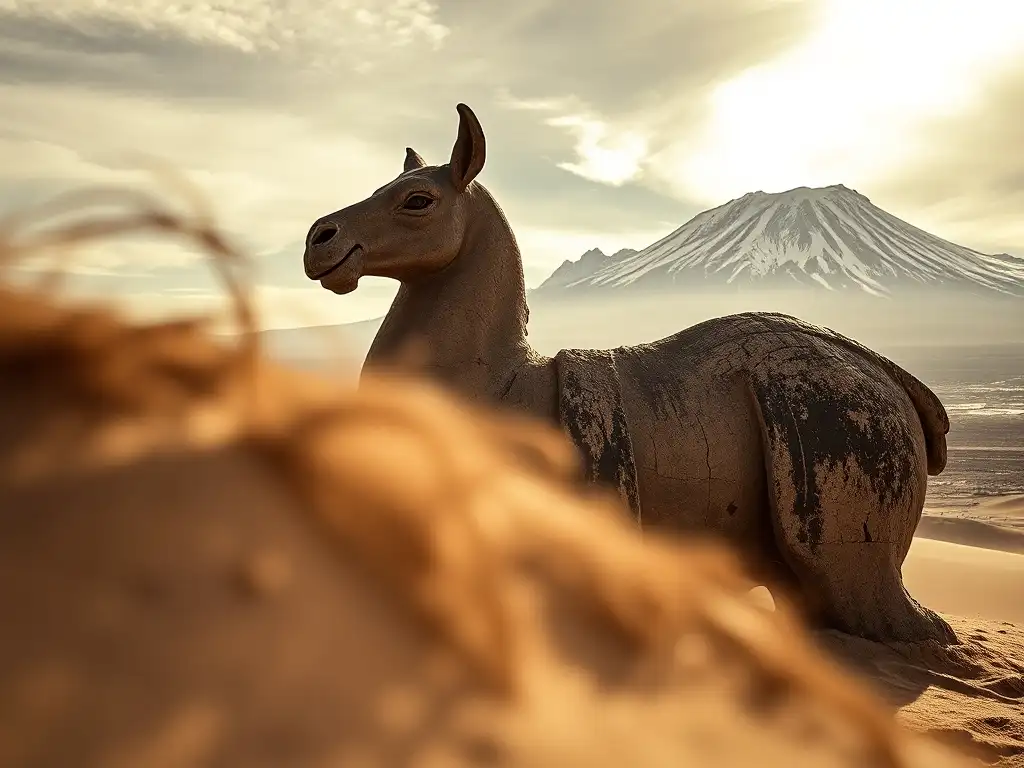
The relationship between Andean art and the environment is not merely coincidental; it's deeply intertwined, a complex tapestry woven from the threads of survival, adaptation, and spiritual belief. The dramatic Andean landscape, with its soaring peaks, arid deserts, lush valleys, and unpredictable weather patterns, profoundly impacted the artistic expressions of its inhabitants. Understanding this connection is key to deciphering the meaning and symbolism embedded within Andean art, revealing a sophisticated understanding of their environment and its impact on their lives.
The influence of climate on Andean art is evident across various cultures and time periods, from the early pottery of the Norte Chico to the intricate textiles of the Inca Empire. This section explores how climatic conditions—ranging from the extreme aridity of the Atacama Desert to the high-altitude challenges of the Altiplano—shaped artistic styles, materials, and thematic representations.
Analyzing this "Andean art climate impact" allows for a richer appreciation of the ingenuity and resilience of Andean civilizations. The vibrant colors, intricate designs, and symbolic imagery found in Andean art often reflect not only aesthetic choices but also a profound connection to the natural world and its cyclical rhythms.
The Diverse Climates of the Andes and Their Artistic Manifestations
The Andes Mountains boast an incredible diversity of climates, creating distinct ecological niches that significantly influenced the artistic output of different Andean cultures. The coastal deserts, such as the Atacama, presented challenges of scarcity, forcing artistic expression to focus on resources like readily available minerals and limited water sources. This led to a preference for certain materials and colors in their art, such as the use of muted earth tones in ceramics and textiles, reflecting the arid landscape.
In contrast, the high-altitude Altiplano, characterized by its harsh, cold climate, encouraged the development of practical textiles that provided warmth and protection. The intricate weaving techniques and use of vibrant colors in Altiplano textiles, often depicting llamas and other animals crucial for survival in this challenging environment, are testament to this adaptation. The more temperate valleys, on the other hand, offered a wider range of resources, leading to a greater diversity of artistic materials and styles.
This diversity is evident in the rich variety of ceramics, metalwork, and textiles found in these regions. For example, the fertile valleys of the north coast supported vibrant agricultural societies, resulting in art that often depicted abundant harvests and bountiful landscapes, a stark contrast to the more austere art of the arid regions. The impact of microclimates within these larger regions also played a significant role, influencing the choices of materials and artistic styles at a very localized level.
Early Andean Art and the Initial Adaptation to Environmental Conditions
Early Andean art provides compelling evidence of how communities adapted to their environment. The Norte Chico civilization, one of the earliest complex societies in the Americas, developed sophisticated irrigation systems to cope with the arid coastal climate. This ingenuity is reflected in their art through representations of water management systems and the use of durable materials such as stone and clay, capable of withstanding the harsh environmental conditions. The Nazca culture, famed for their geoglyphs, similarly demonstrates a deep understanding of their environment.
The creation of these massive earthworks required a significant investment of labor and resources, suggesting a close relationship between the Nazca people and their arid landscape. Their pottery often depicts stylized plants and animals, reflecting the limited resources available in their desert environment and likely representing a spiritual connection to the scarce water and limited vegetation. The stylistic choices in their art, including the use of specific colors and motifs, may be linked to the seasonal patterns of rainfall and the crucial importance of water for survival.
Further research is needed to fully understand the subtle ways in which early Andean art reflects the challenges and opportunities presented by the diverse climates of the Andes. [Specific information pending] on the correlation between rainfall patterns and stylistic variations in early Andean pottery. The initial adaptation to environmental conditions in the Andes showcases the remarkable ability of these early societies to not only survive but also thrive in a challenging environment, expressing their relationship with nature through their art.
The Impact of Climate on Andean Artistic Materials and Techniques
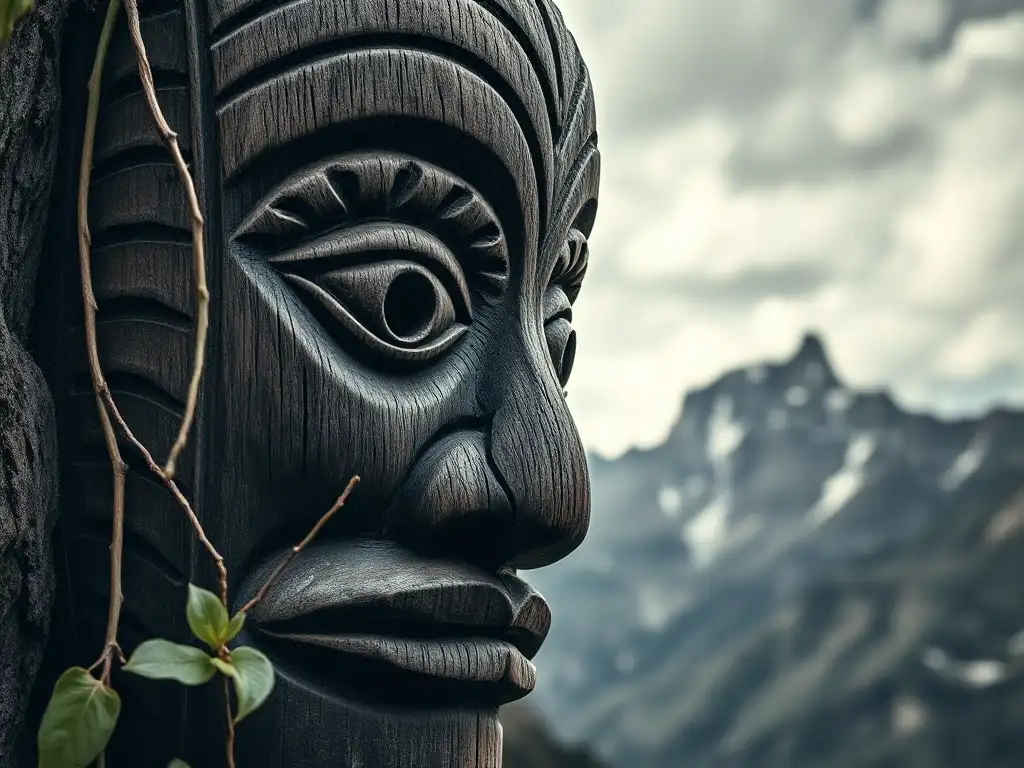
The Andean region's diverse and challenging climate profoundly impacted the artistic production of its ancient civilizations. The availability of raw materials, the development of specific artistic techniques, and even the long-term preservation of artworks were all inextricably linked to environmental factors. Understanding this relationship offers crucial insights into the ingenuity and adaptability of Andean artists, and sheds light on the challenges they faced in creating their remarkable legacy. The keyword phrase "Andean art climate impact" is central to this understanding.
Sourcing Materials: How Climate Influenced the Availability of Resources
The availability of raw materials for Andean art was directly dictated by the prevailing climate. For example, the production of pottery relied heavily on clay deposits, whose quality and abundance varied across different ecological zones. In arid coastal regions, like those inhabited by the Nazca culture, artists had to carefully manage scarce water resources for clay preparation and firing.
This scarcity likely influenced the development of their distinctive style of fine, polished pottery, requiring efficient use of materials. Conversely, in the more humid highlands, where the Tiahuanaco culture flourished, abundant clay sources facilitated the creation of larger, more elaborate ceramic pieces.
The sourcing of pigments also demonstrates the climate's influence. Ochres, derived from iron oxides, were prevalent throughout the Andes, but their specific hues and availability varied depending on local geological formations and weathering processes. The vibrant reds and yellows characteristic of many Andean artworks reflect the abundance of these iron-rich minerals in certain areas.
Other pigments, such as those derived from plants or minerals like azurite (a blue pigment), were likely more regionally restricted, influencing the palette of artists in different zones. The challenging terrain and varying climates of the Andes necessitated a deep understanding of local resources and their seasonal availability. This impacted not only the materials used but also the logistical challenges of transporting them to workshops.
Climate-Specific Techniques in Andean Pottery and Textile Production
Andean artisans developed ingenious techniques to overcome the challenges posed by their environment. In pottery production, firing methods were adapted to local climates. In high-altitude areas, where fuel could be scarce, artists might have employed smaller kilns or less energy-intensive firing techniques. The choice of kiln design and firing temperature directly impacted the final product's appearance and durability, reflecting a deep understanding of the interplay between material properties and climatic conditions. For example, the Moche culture's mastery of high-fired ceramics, creating incredibly durable and detailed pieces, demonstrates their sophisticated understanding of thermal processes.
Textile production, too, was significantly shaped by climate. The availability of different fibers, such as cotton in warmer valleys and alpaca or llama wool in the highlands, determined the types of textiles produced. The choice of fiber directly impacted the texture, durability, and aesthetic qualities of the final product. Furthermore, the techniques used for spinning and weaving were adapted to the local climate.
In colder, drier regions, techniques were likely developed to protect the fibers from moisture damage and ensure the durability of the finished product. Detailed analysis of ancient textiles frequently reveals evidence of such adaptations. The intricate weaving techniques and the use of specific dyes are prime examples of how Andean artisans skillfully adapted their craft to the environment.
The Role of Weather Patterns in the Preservation of Ancient Andean Art
The Andean climate's impact extends beyond the creation of art to its preservation. The arid conditions of the coastal deserts, for instance, have contributed to the remarkable preservation of Nazca lines and pottery. The lack of moisture has significantly slowed down the degradation processes, allowing these artworks to survive for millennia. In contrast, the more humid highland regions have presented greater challenges for the preservation of organic materials like textiles and wood. However, even in these regions, certain microclimates within caves or tombs have provided unexpectedly favorable conditions for the preservation of fragile artifacts.
The effects of extreme weather events, such as floods, earthquakes, and landslides, have also played a significant role in both the destruction and accidental preservation of Andean art. While such events have undoubtedly caused considerable damage, they have also, in some cases, led to the accidental burial and protection of archaeological sites, preserving valuable artifacts from further degradation. The unpredictable nature of the Andean climate presents a complex interplay of destructive and protective forces, significantly shaping the survival and accessibility of ancient Andean art for modern study.
Further research is needed to fully understand the long-term effects of climate variability on the preservation of these invaluable cultural treasures. This understanding is crucial for developing effective strategies for the conservation and protection of Andean art for future generations.
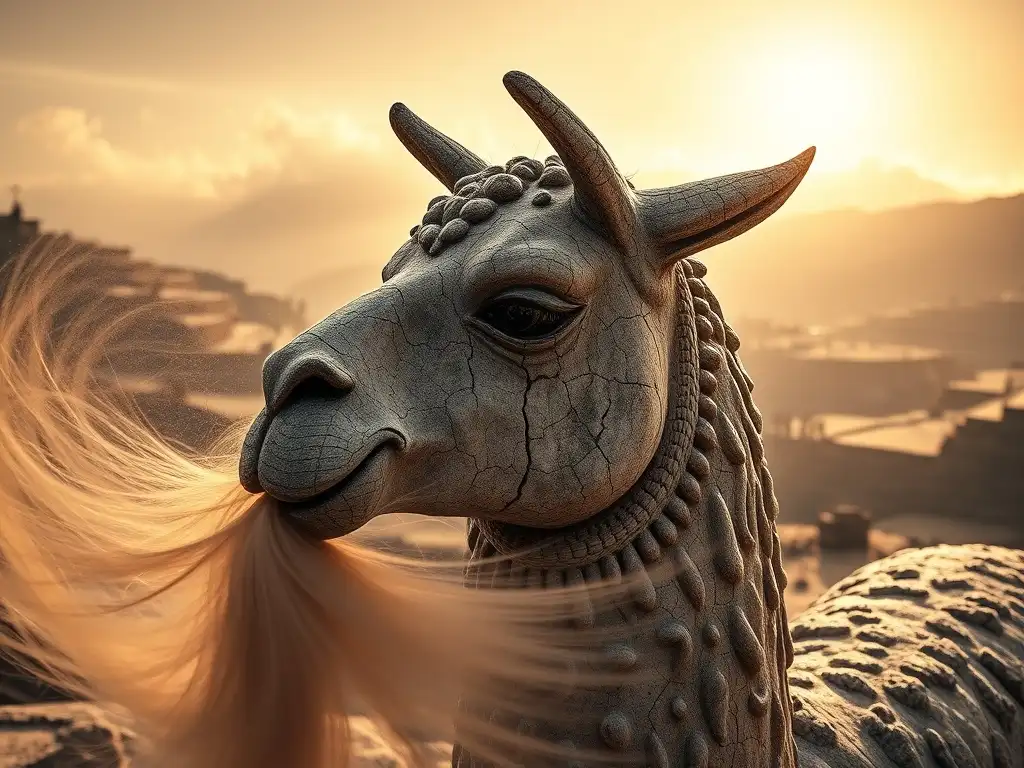
The intricate tapestry of Andean art, far from being a mere aesthetic expression, serves as a powerful chronicle of the profound impact of climate on these ancient societies. Analyzing Andean art through the lens of environmental influence reveals a deep understanding of their relationship with the natural world, particularly their vulnerability to its capricious nature.
The recurring motifs, stylistic choices, and even the materials used reflect a constant negotiation with the challenges posed by the Andean environment – a dynamic interplay between human ingenuity and the forces of nature. The very survival of these cultures hinged on their ability to adapt to fluctuating weather patterns, and this struggle is vividly depicted in their artistic legacy.
This section will explore how Andean art acts as a visual diary, documenting both the bounty and the hardships imposed by the climate, offering invaluable insight into the resilience and adaptability of these remarkable civilizations. The keyword "Andean art climate impact" is central to understanding this intricate relationship.
Depictions of Drought and Floods in Andean Iconography
Many examples exist within Andean iconography directly depicting the devastating effects of both drought and flood. Consider the Nazca Lines, for instance. While their exact purpose remains debated, some scholars suggest that certain geoglyphs, especially those representing stylized rivers or flowing water, could represent a prayer for rain during periods of prolonged drought.
The stark contrast between the arid desert landscape and the intricate water imagery highlights the life-giving importance of water and the anxieties surrounding its scarcity. Conversely, depictions of overflowing rivers or torrential rains, though less common, are present in some ceramic artifacts and textiles, suggesting the equally destructive power of extreme weather events. These visual narratives, far from being mere decorative elements, serve as powerful reminders of the precarious balance between life and death within the Andean ecosystem.
The frequency of drought imagery, significantly higher than flood imagery, suggests that drought was a more persistent and pervasive threat to these societies, shaping their worldview and artistic expressions accordingly. Further research into the specific chronological distribution of these images could reveal crucial information about the frequency and intensity of these climatic events over time, providing valuable data for understanding the long-term impact of climate variability on Andean societies.
Art as a Response to Environmental Instability: The Moche Culture's Response to El Niño
The Moche civilization (100-800 CE) of northern Peru provides a compelling case study of how Andean art reflects adaptation to environmental instability. Their art, particularly their elaborate pottery, frequently depicts scenes of both abundance and catastrophe, directly linked to the cyclical influence of El Niño. During El Niño events, torrential rains and floods could devastate crops and infrastructure, while conversely, prolonged droughts between El Niño cycles could lead to widespread famine.
Moche ceramics vividly portray both the bountiful harvests following El Niño rains and the devastating consequences of subsequent droughts. The depiction of overflowing rivers, lush vegetation, and abundant marine life contrasts sharply with images of skeletal figures, parched landscapes, and struggling communities. This dualistic portrayal isn't merely aesthetic; it's a visual record of the Moche's intimate understanding of the cyclical nature of El Niño and their attempts to mitigate its impacts.
The sophisticated irrigation systems developed by the Moche, which are sometimes depicted in their art, stand as testament to their ability to adapt to and manage the environmental challenges posed by El Niño. Analyzing the stylistic changes in Moche pottery across different periods could provide further insights into how their artistic expression evolved alongside the changing climate.
The Symbolic Representation of Natural Elements in Andean Art
Andean art frequently employs symbolism to represent natural elements, reflecting a deep-seated reverence for the environment and a profound understanding of its power. Mountains, for example, are often depicted as sacred entities, representing fertility, stability, and the connection between the earthly and spiritual realms. The representation of mountains in different styles and contexts may also reflect changes in environmental conditions, such as the impact of glacier retreat or shifts in agricultural productivity.
Similarly, the sun, moon, and stars are recurring motifs, emphasizing the importance of celestial cycles in regulating agricultural practices and shaping the Andean worldview. Animals, particularly llamas, alpacas, and condors, hold symbolic significance, representing different aspects of the Andean ecosystem and its relationship to human society. The careful observation and detailed representation of these animals in Andean art indicate a profound knowledge of their ecological roles and their importance to the survival of the Andean communities.
Further research is needed to fully understand the nuanced meanings embedded in these symbolic representations and how they changed over time in response to environmental shifts. A comparative analysis of different Andean cultures and their artistic representations of these natural elements could reveal further insights into the diverse ways in which they interacted with their environment. This deeper understanding of the symbolism woven into Andean art enriches our understanding of the "Andean art climate impact" and the intricate relationship between culture and environment.
Regional Variations in Andean Art Due to Climate Differences
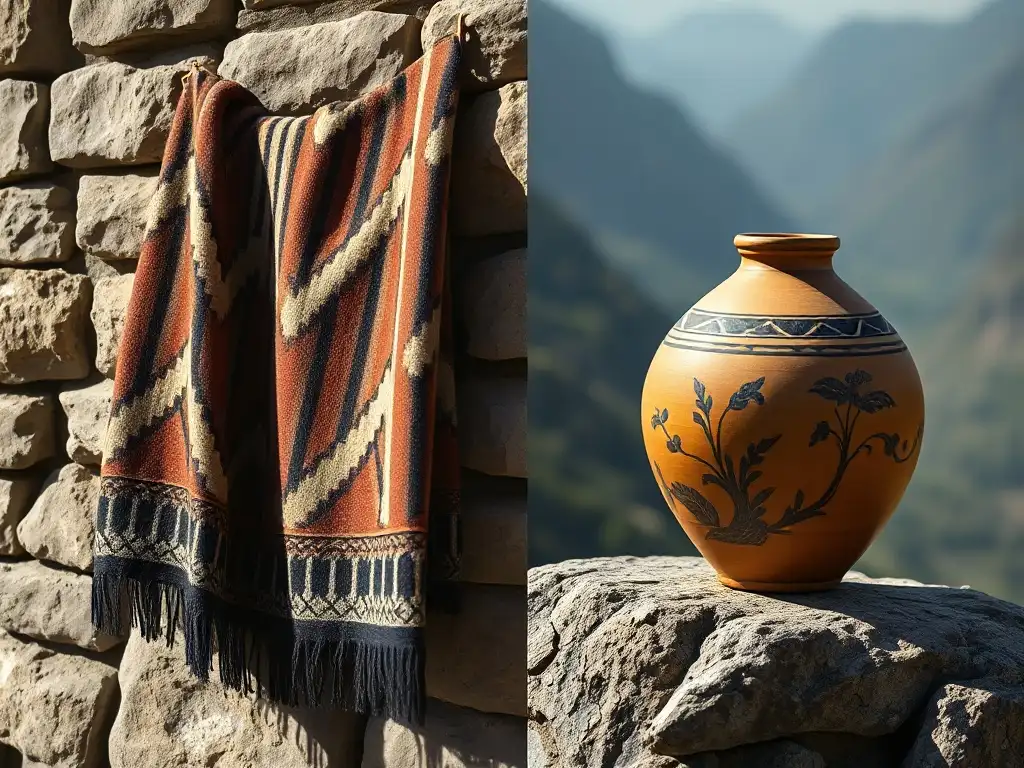
The diverse geography of the Andes Mountains—from arid coastal deserts to high-altitude plains and lush Amazonian rainforests— profoundly influenced the artistic expressions of the various Andean cultures. Understanding the interplay between climate and artistic production provides crucial insights into the ingenuity and adaptability of these civilizations. The variations in available resources, agricultural practices, and even the very visual landscape itself shaped the aesthetic preferences and technical innovations observed across different Andean regions.
Analyzing these regional differences allows us to appreciate the nuanced relationship between the environment and the vibrant tapestry of Andean art. This section will explore the impact of climate on Andean art through a regional lens, focusing on the coastal, highland, and Amazonian zones.
Coastal Andean Art: Adapting to Arid Environments
The coastal regions of Peru, characterized by arid deserts and limited water resources, presented unique challenges and opportunities for artistic expression. The scarcity of readily available materials led to innovative techniques and the utilization of readily accessible resources. For instance, the Moche culture (c. 100-800 CE), inhabiting the northern coastal region, is renowned for its exquisite ceramics, often depicting scenes of daily life, mythology, and ritual practices.
The arid climate dictated the use of durable materials like clay, which could withstand the harsh conditions. The vibrant colors and intricate details of Moche pottery, achieved through sophisticated firing techniques, stand as a testament to their mastery of ceramic artistry in a challenging environment. Furthermore, the scarcity of wood and stone in coastal areas led to a greater emphasis on portable art forms, like textiles and pottery, which were easier to transport and store.
These portable artworks often served as important ceremonial objects or personal adornments. The limited vegetation also affected the palette of the artists; the predominantly earthy tones of many coastal artworks reflect the colors of the surrounding landscape. The Moche's mastery of pottery, a technology perfectly suited to a dry climate, demonstrates how environmental constraints could spur artistic innovation.
Highland Andean Art: Representing Mountainous Landscapes
In contrast to the coastal regions, the Andean highlands presented a different set of environmental influences on artistic production. The mountainous terrain, characterized by high altitudes, dramatic landscapes, and fluctuating weather patterns, inspired art that reflected the awe-inspiring beauty and the challenging realities of this environment. The Inca Empire (c. 1438-1533 CE), which controlled a vast territory spanning the Andes, produced art that often incorporated motifs related to the mountain landscape, such as stylized depictions of mountains, condors, and llamas.
The use of stone, readily available in the highlands, was central to Inca architecture and sculpture. The precision and scale of Inca stonework, exemplified by Machu Picchu, showcase their advanced engineering skills and their profound connection to the mountainous landscape. The harsh climate of the highlands also influenced the types of textiles produced.
Alpaca and llama wool, well-suited to the cold weather, were used to create warm, durable textiles, often adorned with intricate patterns and designs representing Andean cosmology and mythology. The highland Andean art, therefore, showcases a deep connection between human ingenuity and the challenging, yet awe-inspiring, mountainous environment.
Amazonian Influences: The Impact of Rainforest Climate on Art
The Amazonian rainforest, with its abundant resources and humid climate, provided a vastly different context for artistic production compared to the coastal and highland regions. While less extensively documented than the coastal and highland artistic traditions, the Amazonian cultures developed unique art forms that reflected their environment. The abundance of wood, fibers, and colorful pigments from the rainforest resulted in diverse artistic expressions. For example, many Amazonian cultures created intricate carvings from wood, often depicting animals and spirits integral to their beliefs.
The humid climate, however, presented challenges to the preservation of these artworks, which often deteriorated more rapidly than those created in drier climates. Textiles played a significant role in Amazonian cultures, with weaving techniques adapted to the available plant fibers. The vibrant colors and patterns found in Amazonian textiles reflect the biodiversity of the rainforest, demonstrating a close relationship between art and the natural environment. Further research is needed to fully understand the extent and diversity of Amazonian art, given the challenges in accessing and preserving artifacts from this region.
The limited research available, however, suggests a unique artistic tradition shaped by the abundant resources and humid climate of the Amazon. More archaeological investigation is crucial to better understand the impact of the rainforest climate on the development of Andean art in this region. 🕵️
The Legacy of Climate-Shaped Andean Art
The Andean region, a geographically diverse tapestry of soaring mountains, arid deserts, and lush valleys, presented both opportunities and challenges to its inhabitants. The impact of climate on Andean societies is undeniable, profoundly shaping their lives, economies, and, crucially, their art. This section explores how the ever-changing Andean climate left its indelible mark on the artistic expressions of various cultures, from the intricate textiles of the Nazca to the monumental architecture of the Inca.
Understanding this relationship is key to deciphering the narratives woven into Andean art and appreciating the ingenuity of these civilizations in adapting to their environment. The keyword "Andean art climate impact" is central to this discussion, highlighting the inextricable link between artistic production and environmental conditions.
We will delve into specific examples demonstrating how environmental factors directly influenced artistic styles, materials, and themes. The analysis will move beyond simple observation to explore the deeper symbolic meanings embedded within the art, revealing a sophisticated understanding of the interplay between human society and the natural world.
How Environmental Understanding is Encoded in Andean Artistic Traditions
Andean artistic traditions weren't merely aesthetic pursuits; they were sophisticated responses to environmental realities. Consider the intricate textile designs of the Nazca culture. These textiles, often depicting stylized flora and fauna, weren't simply decorative.
Detailed studies reveal that many motifs represent specific plants and animals crucial to Nazca survival, reflecting their deep understanding of their arid environment and its resources. The depiction of specific cacti, for instance, might indicate the availability of water sources or the timing of planting cycles. Similarly, the vibrant colors used in Nazca textiles, derived from natural pigments, often mirrored the hues of the surrounding landscape, further emphasizing the close relationship between art and environment.
This wasn't a passive reflection; the artistic expression itself became a tool for transmitting crucial ecological knowledge across generations. The precise representation of these elements indicates a keen awareness of the delicate balance of their ecosystem, a knowledge essential for survival in a challenging climate. The meticulous detail in these works, passed down through generations, ensured the continuity of vital environmental knowledge within the Nazca society.
The Significance of Andean Art in Understanding Ancient Climatic Conditions
Andean art serves as a valuable archive of past climatic conditions. By analyzing artistic representations of flora, fauna, and agricultural practices, researchers can reconstruct past environments and identify significant climatic shifts. For example, changes in the depicted species or the prevalence of certain agricultural motifs in pottery or textiles can indicate alterations in rainfall patterns or temperature fluctuations.
The absence of certain plants or animals in later artwork might suggest environmental degradation or resource scarcity. This approach, coupled with scientific analysis of materials like pigments and the dating of artifacts, provides a multifaceted understanding of the dynamic relationship between climate and Andean societies. The study of Andean art, therefore, extends beyond art history; it becomes a vital tool in paleoclimatology, offering unique insights into past environmental changes.
This interdisciplinary approach, combining artistic analysis with scientific data, allows for a more comprehensive understanding of the "Andean art climate impact", providing a richer narrative of the past and potentially informing future environmental management strategies. Further research, particularly in the detailed analysis of specific artistic motifs across different time periods, could reveal even more nuanced patterns of climate change.
Contemporary Relevance: Learning from the Relationship Between Andean Art and Climate
Understanding the historical relationship between Andean art and climate holds significant contemporary relevance. As the world grapples with climate change, studying how Andean societies adapted to environmental fluctuations can offer valuable lessons for modern sustainability efforts. The ingenuity of Andean civilizations in managing resources and adapting to changing conditions provides a rich case study for developing strategies to mitigate the impacts of climate change.
Analyzing the artistic expressions of past societies can offer insights into resilient agricultural practices, resource management techniques, and community-based adaptation strategies. Moreover, the enduring beauty and cultural significance of Andean art serve as a powerful reminder of the importance of preserving cultural heritage in the face of environmental challenges. The intricate relationship between Andean art and climate underscores the deep interconnectedness between human societies and the natural world, a lesson that resonates powerfully in our contemporary context.
By continuing to research and interpret Andean art, we can gain valuable knowledge that will inform both our understanding of the past and our efforts to build a more sustainable future. The continued study of the "Andean art climate impact" is therefore not just a historical exercise but a vital contribution to contemporary environmental discourse and action.
Frequently Asked Questions
How did the climate affect Andean art?
The climate significantly impacted resource availability for Andean artists. Droughts could limit access to pigments and materials, influencing artistic styles and subject matter. Conversely, abundant resources fueled artistic production.
What specific Andean civilizations were most impacted by climate change?
All Andean civilizations felt the effects of climate fluctuations, but the Inca and Moche civilizations, with their large-scale agricultural projects, were particularly vulnerable to droughts and floods. Their art often reflects these environmental challenges.
Are there specific examples of art reflecting climate change?
Yes! Depictions of drought and flooding are seen in various forms of Andean art, including pottery and textiles. Changes in agricultural practices are also reflected in artistic motifs, showing adaptation to environmental pressures.
How did the Andean people adapt their art to climate challenges?
Andean artists demonstrated remarkable adaptability. During periods of scarcity, they might have used alternative materials or focused on smaller-scale projects. Their art often reflects both the challenges and the resilience of their communities.
What is the relationship between Andean art and agriculture in the context of climate?
Andean art and agriculture are deeply intertwined. The success of agriculture, heavily reliant on predictable weather patterns, directly influenced the scale and style of artistic production. Art often celebrates bountiful harvests and reflects anxieties concerning climate-related crop failures.
Final Reflection: The Enduring Legacy of Andean Art and Climate
The intricate relationship between Andean art and its environment isn't just a historical curiosity; it's a stark warning echoing in our climate-changed present. The vibrant colors, intricate designs, and symbolic representations found in Andean art weren't merely aesthetic choices; they were deeply rooted in the realities of a landscape profoundly shaped by climate and its fluctuations. Understanding this connection provides crucial insight into the fragility of our own relationship with the natural world.
The enduring power of Andean art lies in its ability to transcend time, reminding us of the profound impact climate has on human societies and artistic expression. It forces us to confront the consequences of environmental disregard, a lesson tragically relevant today. The earth is what we all have in common.
– Wendell Berry. This simple statement encapsulates the core message woven into the very fabric of Andean art: our shared responsibility for the planet's well-being. The cyclical patterns depicted in their textiles and ceramics, mirroring the rhythms of nature, serve as a powerful counterpoint to our current era of unsustainable practices.
Consider the artistry, the resilience, the deep connection to the land reflected in these ancient works. You too possess the power to create a legacy, to leave your own mark on the world, but in a way that respects and protects the environment that sustains us. Let the vibrant colors and intricate designs of Andean art inspire you to act, to make conscious choices that foster a harmonious relationship between humanity and nature. Let us learn from the past to build a sustainable future, a future where art and environment thrive together.
Unveil the Vibrancy of Andean Art and Nature!
Thank you for exploring the captivating connection between the Andean environment and its unique artistic expressions. You've discovered how nature profoundly influences Andean creativity and is integral to the culture itself. Now, let's delve deeper!
Here are some ways to further explore and connect with Andean art and nature:
- Participate in a hands-on workshop focusing on traditional Andean art techniques. Experience firsthand how nature inspires artistic creation.
- Share your newfound appreciation for Andean culture with friends and family, discussing the profound impact of the environment on its art.
- Visit a museum or online exhibition showcasing Andean art. Discover the diverse styles and inspirations that bring these vibrant works to life.
Which aspect of Andean art resonates most with you, and how do you believe the environment continues to shape artistic expression in the region today?