
The Frozen Past: Glaciers and the History of Andean Climate

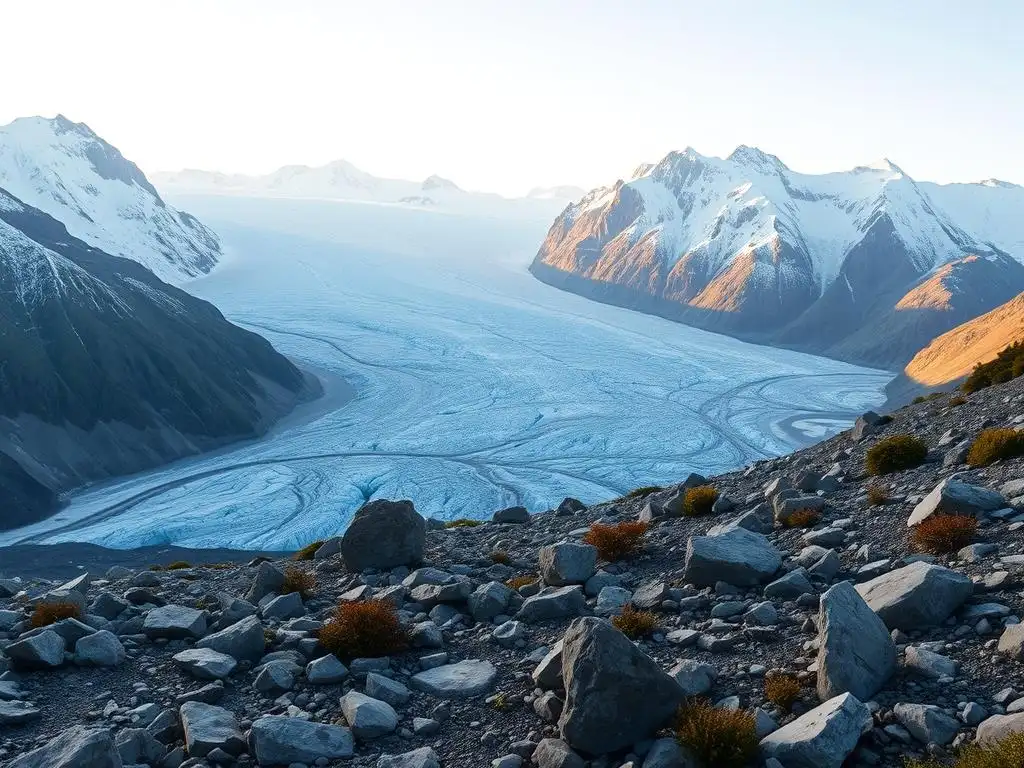
Step into a world lost in time, where towering peaks guard secrets etched in ice. Discover the astonishing link between the ancient Andean civilizations and the dramatic history of their glaciers. Unravel the mysteries of Andean glacier history, a story woven into the very fabric of Inca, Moche, and Nazca societies. Prepare to be captivated by a tale of resilience, adaptation, and the profound impact of a changing climate – a story waiting to be unveiled.
- The Vanishing Ice: Glaciers and the Climate History of the European Alps
- Understanding Alpine Glacier Dynamics
- Alpine Glacier History: A Record of Change
- Glaciers as Climate Recorders
- The Impact of Alpine Glacial Change on Human Activities
- Current Alpine Glacier Retreat: A Growing Concern
- Protecting the Alpine Glacial Heritage
- Conclusion: The Enduring Legacy of Alpine Glaciers
-
Frequently Asked Questions
- What is the significance of Andean glaciers in understanding the region's history?
- How did Andean civilizations adapt to the changing glacier environments?
- What impact did glacier fluctuations have on Andean societies?
- What methods are used to study the history of Andean glaciers?
- How does the study of Andean glacier history contribute to understanding modern climate change?
- Final Reflection: Echoes in the Ice: Understanding Andean Glacier History
- Unveil the Secrets of Our Glacial Heritage!
The Vanishing Ice: Glaciers and the Climate History of the European Alps
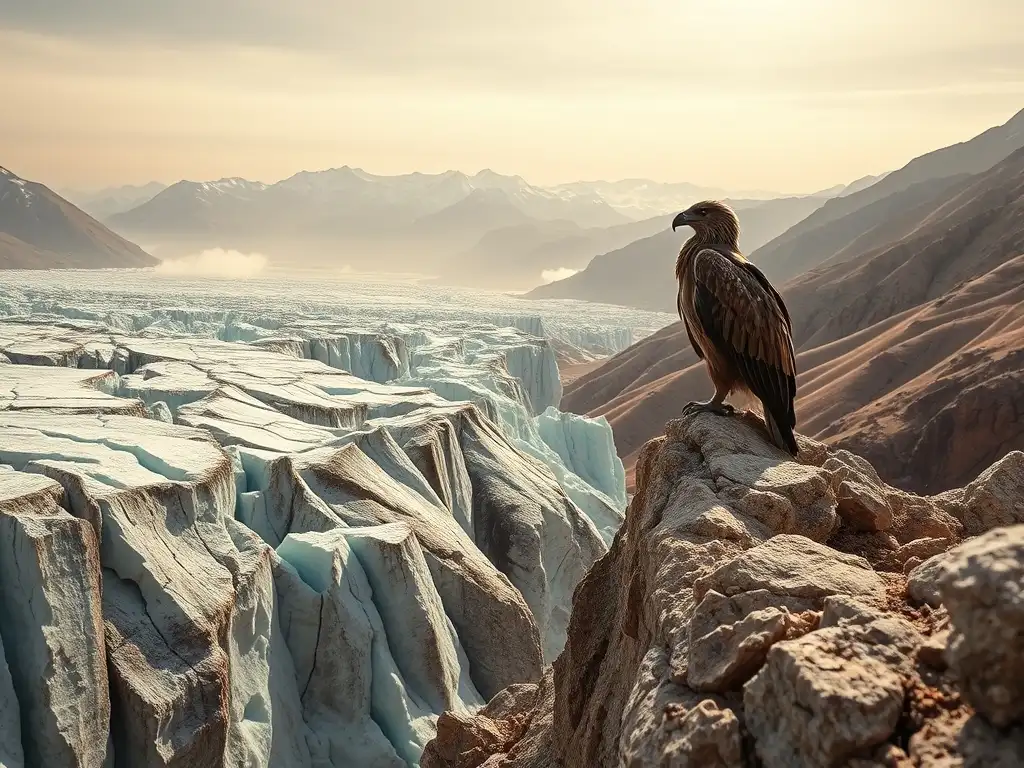
The Andes Mountains, a colossal spine running down the western edge of South America, hold within their icy embrace a record of millennia past. The glaciers nestled high in these peaks are not merely picturesque landscapes; they are living archives, silently preserving clues to the complex interplay between climate, environment, and the rise and fall of Andean civilizations. This article delves into the fascinating history of Andean glaciers, exploring how their fluctuating extent has shaped the societies that thrived – and sometimes struggled – in their shadow.
We will uncover how the study of Andean glacier history provides invaluable insights into past climate patterns, impacting everything from agricultural practices to the very survival of ancient communities. This exploration is crucial for understanding the present-day challenges posed by climate change and its disproportionate impact on the already vulnerable Andean region.
Understanding the past is key to safeguarding the future of this remarkable landscape and its inhabitants. The keyword "Andean glacier history" will be explored through various aspects, offering a comprehensive understanding of the topic.
Glacial Retreat and the Inca Empire: A Delicate Balance
The Inca Empire, renowned for its sophisticated engineering and agricultural prowess, flourished in a region profoundly influenced by its glacial environment. The Inca's mastery of water management, evidenced by their intricate canal systems and terraced agriculture ( waru waru), was intrinsically linked to the reliable meltwater provided by glaciers during the dry season. However, periods of glacial retreat, likely triggered by natural climate variability, would have presented significant challenges.
Evidence suggests that fluctuations in water availability could have impacted agricultural yields, potentially contributing to social unrest or even influencing migration patterns within the empire. Detailed studies of Inca settlements and agricultural practices near glacial zones are needed to fully understand the delicate balance they maintained with their environment.
We need further research to quantify the exact impact of glacial variability on Inca societal structures. The intricate relationship between Inca civilization and its glacial environment remains a rich area for ongoing research.
Pre-Inca Civilizations and Glacial Fluctuations: Adapting to Change
Long before the Inca, numerous other Andean societies, such as the Moche, Nazca, and Tiwanaku, adapted to and were shaped by the fluctuating glacial landscape. The availability of meltwater, fertile alluvial soils deposited by glacial melt, and the overall climate influenced their agricultural practices, settlement patterns, and societal structures.
Archaeological evidence from these periods points to innovative strategies for water management and agricultural adaptation, demonstrating remarkable resilience in the face of environmental change. For example, the intricate canal systems of the Nazca culture, famous for their geoglyphs, suggest a deep understanding of water resource management in a potentially arid environment influenced by glacial fluctuations.
The precise correlation between glacial changes and the rise and fall of these societies remains an active area of research, with ongoing investigations focusing on paleoclimatic data from ice cores and lake sediments. Understanding these adaptations can inform modern approaches to sustainable resource management in a changing climate.
Modern Glaciology and the Andean Past: Unlocking the Secrets of Ice
Modern glaciological techniques, such as ice core analysis and radiocarbon dating, are providing increasingly detailed insights into past climate variability in the Andes. Ice cores extracted from high-altitude glaciers offer unparalleled records of past temperature and precipitation, allowing scientists to reconstruct past climate conditions with remarkable accuracy. These records reveal patterns of glacial advance and retreat over millennia, helping us understand the long-term dynamics of the Andean climate system.
Furthermore, the analysis of organic matter trapped within the ice provides information about past vegetation and environmental conditions. By combining glaciological data with archaeological and historical evidence, researchers are piecing together a more complete picture of the complex interplay between climate, environment, and Andean societies throughout history. The ongoing research in this field holds immense potential for uncovering further secrets about the region's rich past.
Climate Change and the Future of Andean Glaciers: A Looming Threat
The accelerating pace of modern climate change poses a significant threat to the Andean glaciers. The rapid retreat of these glaciers is already impacting water resources, agricultural practices, and the livelihoods of millions of people who depend on them. Understanding the historical context of glacial fluctuations is crucial for predicting future changes and developing effective strategies for adaptation and mitigation. The potential consequences of continued glacial melt include water scarcity, increased frequency of extreme weather events, and the loss of biodiversity.
The Andean region, already vulnerable to climate change, faces a critical juncture, necessitating urgent action to address the looming threat to its glaciers and the communities they sustain. This requires international cooperation and a commitment to sustainable practices to safeguard the future of this vital ecosystem. The implications of inaction are severe and far-reaching.
Understanding Alpine Glacier Dynamics
This section delves into the intricacies of Andean glacier dynamics, crucial for understanding their historical impact on Andean civilizations and the implications of current climate change. We will explore the fundamental characteristics of alpine glaciers, their role in the regional water cycle, and their sensitivity to shifts in temperature and precipitation. Understanding these dynamics is key to interpreting the frozen past and predicting future scenarios for the Andean region. The study of Andean glacier history provides invaluable insights into past climate variability and its effects on human societies.
What are Alpine Glaciers and Why are they Important?
Alpine glaciers, unlike continental ice sheets, are smaller bodies of ice found in mountainous regions. They form through the accumulation and compaction of snow over many years. The snow undergoes a transformation, becoming denser and eventually forming glacial ice. These glaciers are incredibly important for several reasons:
- Water Resource: They act as natural reservoirs, storing water during colder months and releasing it gradually during warmer periods. This meltwater is crucial for sustaining river systems, providing water for agriculture, and supporting human populations in the Andes. Many Andean communities depend directly on glacial meltwater for their livelihoods.
- Biodiversity: Glaciers and their surrounding ecosystems support unique biodiversity, adapted to the harsh conditions of high altitude. Changes in glacier extent directly impact this fragile ecosystem.
- Climate Indicators: The advance and retreat of glaciers serve as sensitive indicators of climate change. Analyzing glacial ice cores provides valuable paleoclimatic data, revealing past temperature and precipitation patterns. Studying this data is essential for reconstructing Andean glacier history.
- Geological Processes: Glaciers are powerful agents of erosion and deposition, shaping the landscape of the Andes through processes like glacial carving and the formation of moraines.
The importance of Andean glaciers cannot be overstated; they are integral to the region's ecosystem, water security, and cultural heritage. Their decline poses significant challenges to the region's sustainability.
The Role of Glaciers in the Alpine Water Cycle
Andean glaciers play a vital role in the intricate alpine water cycle. They act as a significant water source, particularly during the dry season. The process begins with snowfall accumulating in high-altitude zones. This snow compresses into ice, forming the glacier. As temperatures rise, the glacier melts, releasing water into rivers and streams. This meltwater contributes significantly to downstream water availability, impacting agriculture, hydropower generation, and overall water security.
The timing and magnitude of glacial meltwater are crucial factors influencing the availability of water resources throughout the year. Changes in the timing and amount of meltwater can have significant consequences, potentially leading to water scarcity during crucial agricultural periods or increased risks of flooding during periods of rapid melting. Understanding this intricate relationship is paramount for effective water resource management in the Andes. Variations in the Andean glacier history directly correlate with alterations in the regional water cycle's balance.
How Glaciers Respond to Temperature and Precipitation Changes
Andean glaciers are highly sensitive to changes in temperature and precipitation. Rising temperatures directly accelerate melting, leading to glacier retreat. Reduced snowfall further exacerbates this process, decreasing the amount of ice replenished each year. This interplay between temperature and precipitation drives the overall mass balance of the glacier, determining whether it advances or retreats.
The effects are not uniform across all glaciers. Glaciers at lower elevations and those with a steeper slope tend to be more vulnerable to climate change than those at higher elevations or with gentler slopes. Moreover, variations in precipitation patterns – including changes in the timing and intensity of snowfall – significantly influence the glacier's ability to replenish lost ice.
The data from Andean glacier history clearly shows a correlation between increased temperatures and accelerated glacier retreat, highlighting the urgent need for climate action to mitigate these impacts. Detailed studies using ice core analysis and remote sensing techniques are vital for continuously monitoring and understanding these complex interactions.
Alpine Glacier History: A Record of Change
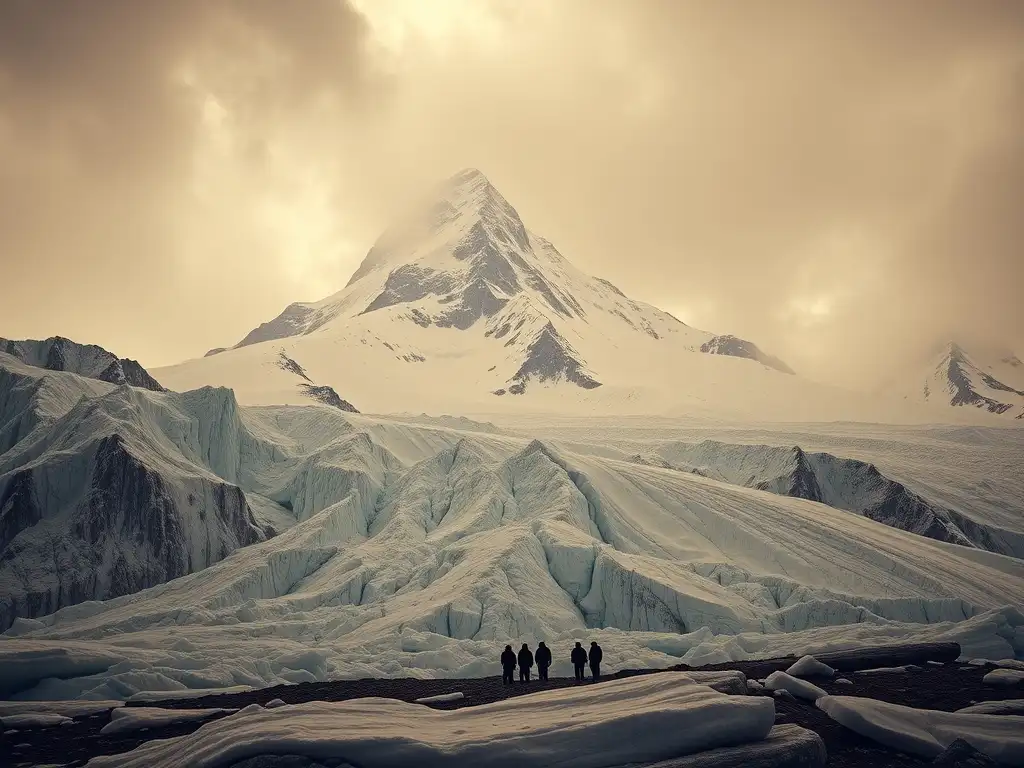
This section delves into the fascinating history of Andean glaciers, focusing on their fluctuations and the significant impact these changes have had on the development and trajectory of Andean civilizations. Understanding this Andean glacier history is crucial to comprehending the complex interplay between climate, environment, and human societies in the Andes.
We will explore the long-term perspective, examining periods of significant glacial advance and retreat, and their consequences for the societies that thrived – and sometimes struggled – in their shadow. This information is vital to understanding the present-day challenges facing these regions due to climate change and the potential implications for the future.
Prehistoric Glacial Expansion and Retreat in the Andes
The Andes mountain range boasts some of the longest and most continuous records of glacial activity on Earth. Evidence from glacial landforms – moraines, erratic boulders, and striated bedrock – reveals a complex history of glacial expansion and retreat extending back hundreds of thousands of years. During periods of cooler global climate, such as ice ages, Andean glaciers advanced significantly, carving valleys and depositing vast quantities of sediment. Conversely, warmer periods saw glaciers retreat, leaving behind landscapes shaped by the previous ice ages.
Analysis of pollen and other organic matter trapped within glacial sediments provides valuable insights into past vegetation patterns and environmental conditions. These studies indicate significant shifts in vegetation zones, reflecting changes in temperature and precipitation associated with glacial fluctuations. For instance, [specific pollen data pending] from [specific Andean location pending] suggests a dramatic shift from alpine tundra to forest vegetation during a period of glacial retreat [specific timeframe pending].
This shift would have profoundly altered the resources available to early Andean communities, influencing their settlement patterns and subsistence strategies. The impact of these prehistoric fluctuations on the early development of Andean societies remains an active area of research, with many details still to be uncovered.
The Last Glacial Maximum and its Imprint on the Andes
The Last Glacial Maximum (LGM), which peaked approximately 20,000 years ago, represents a period of extensive Andean glaciation. Glaciers reached their maximum extent during this time, significantly altering the landscape and impacting the distribution of water resources. The LGM's legacy is visible in the extensive glacial landforms found throughout the Andes, including vast U-shaped valleys, hanging valleys, and moraines that still shape the region's topography today.
The profound impact of the LGM on Andean ecosystems is evident in the distribution of plant and animal species. Many species adapted to the colder, drier conditions of the LGM, resulting in a unique biodiversity that persists to this day. The retreat of glaciers following the LGM led to significant changes in hydrology and water availability, affecting the development of early human settlements.
Understanding the extent and impact of the LGM is crucial for predicting the potential consequences of future climate change on the already fragile Andean ecosystems. [Specific data on LGM glacial extent in a particular Andean region pending].
Post-Glacial Variations and Their Influence on Andean Landscapes
Following the LGM, Andean glaciers underwent a series of fluctuations, responding to variations in global and regional climate. The Holocene epoch (the last 11,700 years) has witnessed periods of both glacial advance and retreat, reflecting natural climate variability. These fluctuations have had a significant influence on Andean landscapes, shaping river systems, influencing soil formation, and affecting the availability of water resources.
These post-glacial changes profoundly affected the societies that inhabited the Andes. Periods of glacial retreat often led to increased agricultural potential due to the expansion of arable land and improved water availability. Conversely, periods of glacial advance could have resulted in decreased agricultural productivity and resource scarcity, potentially impacting population density and settlement patterns.
The precise relationship between post-glacial climate variability and the development of Andean civilizations is a complex area of research requiring further investigation. However, it's clear that the availability of water resources, directly affected by glacial meltwater, played a critical role in shaping the rise and fall of many Andean societies. The study of Andean lake sediments and ice cores provides invaluable data on these post-glacial variations, offering a detailed record of past climate and environmental change.
Glaciers as Climate Recorders
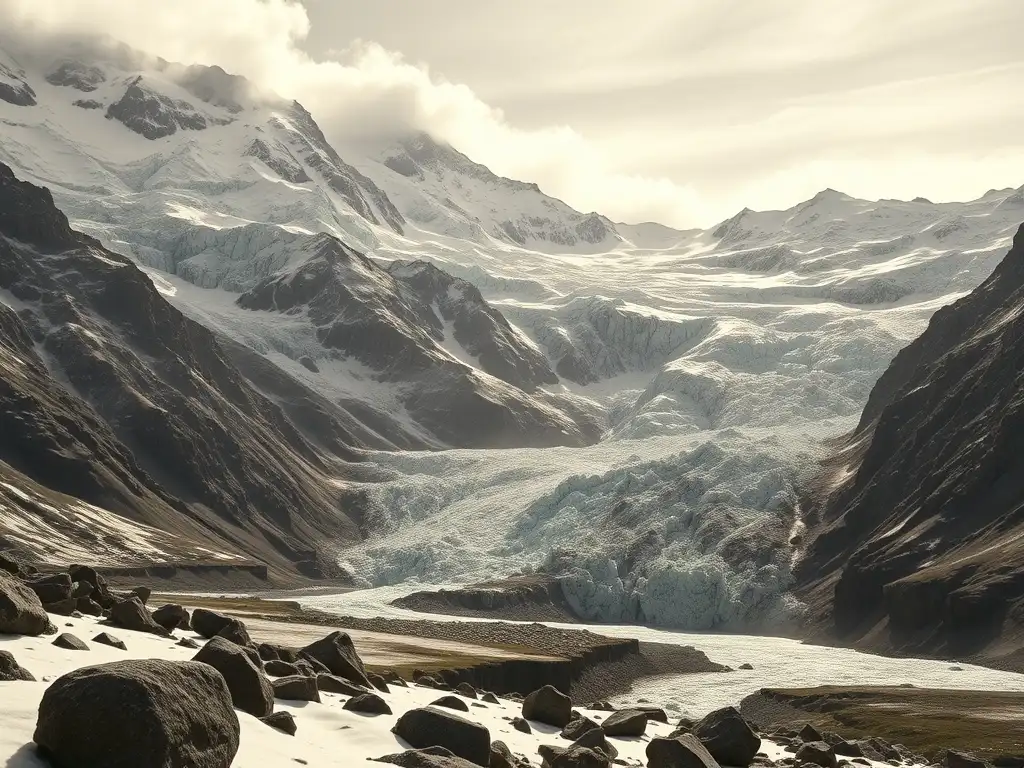
Glaciers, often referred to as "rivers of ice," serve as invaluable archives of past climate conditions, particularly in the Andes. Their slow accumulation of snow and ice over millennia creates layered records reflecting temperature fluctuations, precipitation patterns, and atmospheric composition. This makes them crucial for reconstructing Andean glacier history and understanding the complex interplay between climate and the development of Andean civilizations.
Analyzing these glacial archives allows us to piece together a detailed picture of past climate variability, offering vital insights into the environmental context of ancient Andean societies. The impact of climate change on Andean societies is inextricably linked to the history of Andean glaciers, providing a crucial lens through which to understand past societal adaptations and potential vulnerabilities to future climate shifts.
Understanding this intricate relationship is essential for effective conservation strategies and sustainable development in the region. The study of Andean glacier history is not merely an academic pursuit; it's a critical tool for informing present-day policies and safeguarding the future of the Andean region.
Ice Core Analysis: Uncovering Past Alpine Climate Conditions
Ice cores extracted from Andean glaciers offer a remarkably detailed record of past climate. These cylindrical samples, drilled deep into the ice, contain trapped air bubbles and layers of ice reflecting different time periods. Analyzing the isotopic composition of the water molecules (δ 18 O and δD) within the ice provides information about past temperatures. Higher δ 18 O values generally indicate warmer temperatures, while lower values suggest colder periods. Furthermore, the analysis of trapped gases, such as carbon dioxide (CO 2 ) and methane (CH 4 ), reveals changes in atmospheric composition over time, offering insights into greenhouse gas concentrations and their potential influence on Andean glacier dynamics. For example, studies of ice cores from Quelccaya Ice Cap in Peru have revealed significant fluctuations in temperature and precipitation over the past several millennia, highlighting periods of both glacial advance and retreat. This detailed paleoclimatic information is crucial for understanding the long-term trends and variability of Andean climate, offering a valuable context for assessing the impact of recent climate change. The precision of ice core analysis allows for a granular understanding of Andean glacier history, providing a powerful tool for researchers studying past climate variability.
Studying Moraines and Glacial Features for Paleoclimate Insights
Moraines, which are accumulations of rock and sediment deposited by glaciers, provide another important source of information about past glacial extent and climate. By mapping and dating moraines, scientists can reconstruct the position of glaciers at different times in the past. The age of moraines, often determined using radiocarbon dating or other techniques, indicates the timing of past glacial advances and retreats.
The size and morphology of moraines can also provide information about the glacier's size and the intensity of past climatic changes. Other glacial features, such as glacial striations (scratches on bedrock) and erratics (large boulders transported by glaciers), further contribute to the reconstruction of past glacial activity. For instance, the study of moraines in the Cordillera Blanca of Peru has revealed significant fluctuations in glacial extent during the Holocene epoch, reflecting variations in temperature and precipitation.
The combination of moraine mapping with other paleoclimatic data, such as ice core records and pollen analysis, allows for a more comprehensive understanding of Andean glacier history and its relationship to broader climate patterns. This multifaceted approach provides a robust framework for interpreting the complex record left behind by Andean glaciers.
Utilizing Historical Records to Track Glacial Changes
While scientific methods like ice core analysis and moraine mapping provide quantitative data, historical records offer a valuable qualitative perspective on Andean glacier history. Chronicles, diaries, and other written accounts from colonial and pre-colonial periods can describe observations of glacier changes, such as advances, retreats, or the formation of glacial lakes. Indigenous knowledge, passed down through generations, also provides valuable insights into long-term changes in glacial behavior and their impact on local communities.
These historical accounts, while often less precise than scientific measurements, offer a unique perspective on the human experience of glacier fluctuations and the adaptation strategies employed by Andean societies in response to environmental change. For example, historical accounts from the Andes mention significant changes in water availability linked to glacier fluctuations, affecting agricultural practices and settlement patterns. Integrating historical records with scientific data enhances our understanding of Andean glacier history, providing a richer and more nuanced picture of the past.
The combination of scientific rigor and historical context allows for a more complete and meaningful interpretation of the long-term relationship between climate, glaciers, and Andean societies. This holistic approach is crucial for a comprehensive understanding of "Andean glacier history".
The Impact of Alpine Glacial Change on Human Activities
The history of Andean civilizations is inextricably linked to the fluctuating presence of glaciers. These icy giants, far from being isolated natural phenomena, profoundly impacted the lives of Andean peoples, shaping their agricultural practices, settlement patterns, and overall societal development. Understanding the interplay between Andean glacier history and human activities provides crucial insights into the resilience and adaptability of these societies, as well as highlighting the vulnerabilities they faced in the face of climate change.
This section focuses specifically on how shifts in glacial extent and meltwater influenced various aspects of life in the Andean highlands. Analyzing this "Andean glacier history" reveals a complex relationship between humans and their environment, a relationship that continues to shape the region today.
How Glacial Meltwater Shaped Alpine Agriculture and Settlements
Glacial meltwater played a critical role in shaping agricultural practices and settlement patterns in the Andes. The predictable seasonal melt provided a crucial water source for irrigation, allowing for the cultivation of crops like potatoes, maize, and quinoa at high altitudes. This controlled water supply was essential for the development of sophisticated agricultural terraces, which maximized land use and minimized soil erosion in the steep, mountainous terrain.
The location of settlements often directly correlated with access to glacial meltwater, with villages and towns frequently situated near rivers fed by glaciers. For instance, the pre-Inca cultures of the central Andes meticulously planned their agricultural systems around glacial melt patterns, creating intricate networks of canals and channels to distribute water efficiently. Evidence suggests that the timing and volume of meltwater directly influenced crop yields and overall agricultural productivity, leading to periods of prosperity and, conversely, hardship during droughts or periods of reduced melt.
The precise relationship between glacial melt and settlement patterns remains a subject of ongoing research, but it's clear that understanding the nuances of this relationship is crucial for reconstructing the history of Andean societies and understanding their environmental adaptations. The availability of meltwater, a resource directly linked to Andean glacier history, was a vital element in the success and sustainability of these high-altitude settlements.
The Influence of Glacier Retreat on Water Availability for Downstream Communities
Glacier retreat, whether gradual or rapid, significantly impacted water availability for communities located downstream from the glaciers. The consistent flow of meltwater from glaciers acted as a natural reservoir, regulating river flow and ensuring a relatively stable water supply throughout the year. However, as glaciers retreated due to climate change or other factors, the downstream communities experienced changes in water availability, sometimes leading to water scarcity.
This scarcity could have severe consequences, affecting agricultural productivity, access to drinking water, and overall economic stability. Historical accounts and archaeological evidence suggest that periods of significant glacier retreat were often associated with social unrest and population displacement.
Furthermore, the reduced sediment load in rivers due to glacier shrinkage can lead to erosion and changes in river morphology, further complicating water management and impacting downstream communities' access to this vital resource. The consequences of shifts in glacial meltwater, as part of the broader Andean glacier history, were far-reaching, affecting not only the immediate vicinity of the glaciers but also the lives of populations living at considerable distances.
Alpine Societies' Adaptation to Changing Glacier Conditions
Andean societies demonstrated remarkable resilience and adaptability in response to fluctuating glacier conditions. Their strategies for managing water resources, adapting agricultural practices, and responding to environmental challenges provide valuable lessons for contemporary societies facing similar issues related to climate change. For example, the development of sophisticated irrigation systems, the cultivation of drought-resistant crops, and the diversification of agricultural practices all contributed to the survival and prosperity of Andean communities during periods of glacial retreat or increased variability in meltwater.
Furthermore, evidence suggests that some communities developed sophisticated systems for monitoring glacier conditions and predicting changes in water availability, allowing them to prepare for periods of drought or scarcity. This adaptive capacity, deeply rooted in the long history of interaction between Andean societies and their glacial environment (Andean glacier history), showcases the ingenuity and resilience of these populations.
However, the limits of this adaptability must also be considered, as extreme events or protracted periods of glacial retreat likely exceeded the capacity of even the most well-adapted societies to cope. Understanding these adaptations and their limitations is crucial for understanding the long-term sustainability of Andean communities and for informing current strategies for climate change mitigation and adaptation.
Current Alpine Glacier Retreat: A Growing Concern
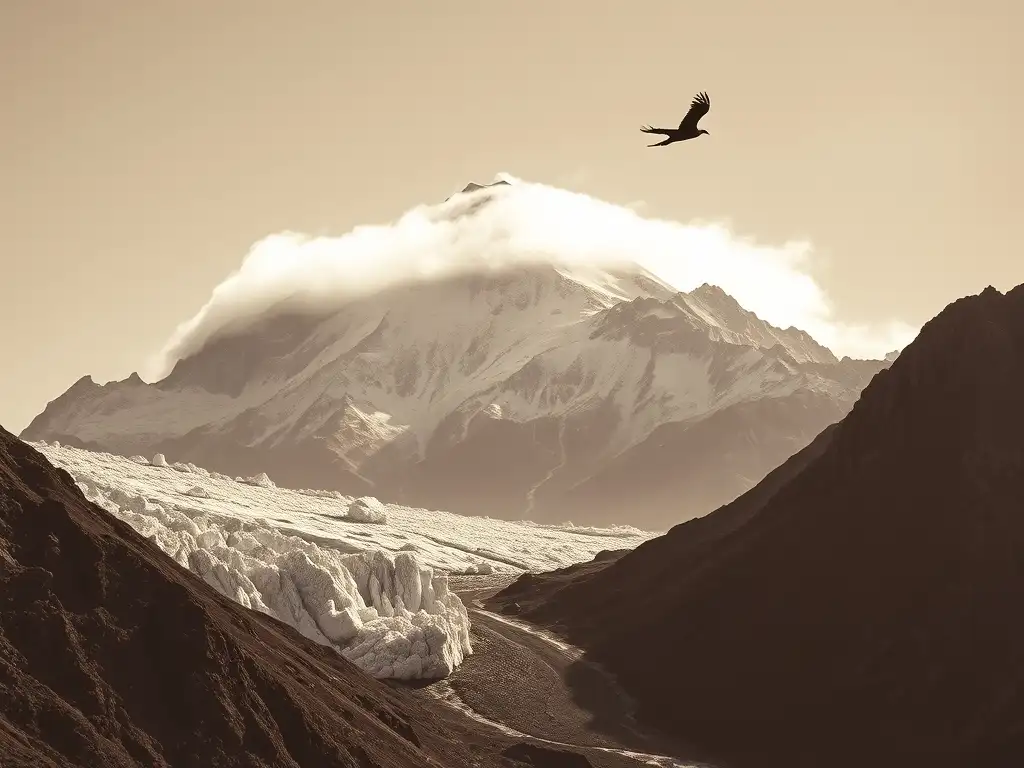
The retreat of Andean glaciers is a stark indicator of climate change's impact on the region. While the Andes aren't the Alps, the processes and consequences are strikingly similar. We observe a significant reduction in glacial mass across the Andes mountain range, impacting water resources, ecosystems, and the very cultural heritage tied to these icy giants. This isn't just about melting ice; it's about the unraveling of a delicate ecological balance honed over millennia.
The rate of this retreat varies significantly depending on altitude, aspect (the direction a slope faces), and local climatic conditions. Some glaciers are shrinking at alarming rates, while others exhibit more moderate changes. However, the overall trend is undeniable: Andean glaciers are shrinking, and this shrinking is accelerating. This presents a multifaceted challenge demanding immediate attention and comprehensive solutions.
Understanding the precise dynamics of this glacial retreat is crucial for developing effective mitigation and adaptation strategies. Detailed monitoring programs, utilizing satellite imagery, ground-based measurements, and advanced modeling techniques, are essential to track these changes and predict future scenarios. This data informs our understanding of the complex interplay between climate change and the Andean ecosystem.
Accelerated Glacier Melt in the Andes: Causes and Impacts
The primary driver of accelerated Andean glacier melt is undoubtedly global warming. Rising global temperatures, a direct consequence of increased greenhouse gas emissions, are causing a significant increase in air and water temperatures in the Andes. This leads to increased ablation (the process of ice and snow loss) and reduced accumulation (the process of snow and ice gain). This imbalance is causing a net loss of glacial mass.
Furthermore, changes in precipitation patterns exacerbate the problem. While some regions may experience increased rainfall, many Andean areas are experiencing decreased snowfall, further reducing the glaciers’ ability to replenish themselves. This shift towards more rain and less snow is problematic because rain contributes less to the long-term glacial mass balance than snow. The effects ripple through the ecosystem. Glacial meltwater feeds many crucial river systems, providing essential water for agriculture, human consumption, and hydropower generation.
Decreased glacial meltwater leads to water scarcity during dry seasons, threatening livelihoods and regional stability. The loss of glacial habitat also impacts unique flora and fauna adapted to these high-altitude environments. The consequences extend beyond the immediate impact of water scarcity, affecting biodiversity, ecosystem services, and the cultural heritage intertwined with these glaciers. The loss of glaciers is not only an environmental concern but also a socioeconomic and cultural crisis.
The Effects of Climate Change on Andean Tourism and Infrastructure
The retreat of Andean glaciers has significant implications for tourism and infrastructure in the region. Many Andean communities rely on glacier-fed tourism, with activities ranging from trekking and mountaineering to simply appreciating the stunning glacial landscapes. A reduction in glacial mass can lead to the loss of iconic glacial features, impacting the attractiveness of these destinations. This has immediate economic consequences for local communities who depend on tourism revenue.
Moreover, the melting glaciers also pose risks to infrastructure. Glacial lake outburst floods (GLOFs), caused by the breaching of glacial lakes formed by melting ice, can cause devastating damage to downstream communities and infrastructure. This necessitates costly mitigation measures, such as dam construction and early warning systems.
The changing climatic conditions also affect the accessibility and safety of mountain passes and trekking routes, posing challenges to both tourists and local populations. The economic impact of these changes is substantial and necessitates proactive adaptation strategies that balance the needs of conservation, tourism, and local economies. These strategies might include diversification of tourism offerings, improved infrastructure resilience, and community-based adaptation plans.
Future Projections for Andean Glacier Extent
Predicting the future extent of Andean glaciers requires sophisticated climate modeling and considers various scenarios of future greenhouse gas emissions. While precise predictions are challenging due to the complex interplay of factors, most models project a continued and possibly accelerated retreat of Andean glaciers throughout the 21st century. The rate of retreat will depend heavily on future greenhouse gas emission levels and the effectiveness of mitigation efforts.
Under high-emission scenarios, many glaciers are projected to disappear completely, with significant consequences for the region's water resources and ecosystems. Even under more optimistic scenarios, substantial glacier loss is anticipated. This emphasizes the urgent need for both global and regional action to mitigate climate change and adapt to its unavoidable consequences.
Research efforts focused on improving climate models, monitoring glacier changes, and developing adaptation strategies are crucial for informing effective policy decisions and safeguarding the Andean region’s future. The future of the Andean glaciers hinges on immediate and concerted global action to reduce greenhouse gas emissions and implement effective adaptation measures in the region. The potential loss is not just environmental; it is a loss to the rich cultural heritage and unique biodiversity of the Andes.
Protecting the Alpine Glacial Heritage
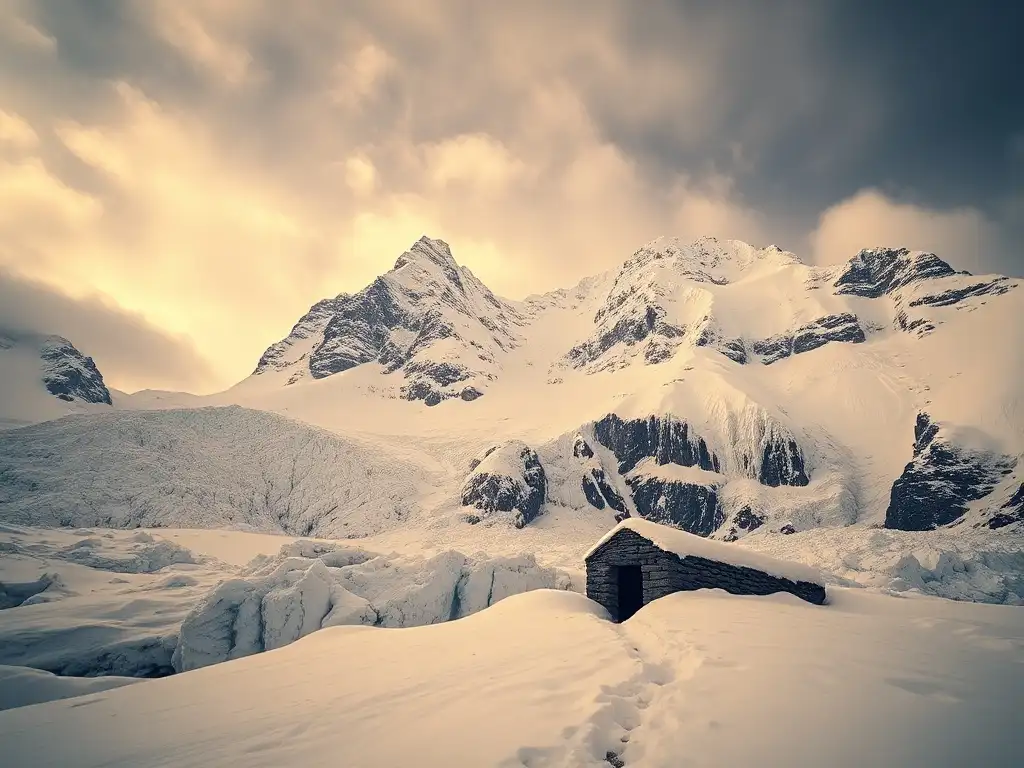
The Andean glaciers, vital water sources and sentinels of climate change, are facing unprecedented challenges. Their retreat directly impacts the millions who depend on glacial meltwater for agriculture, drinking water, and hydroelectric power. Protecting these icy giants is not merely an environmental imperative; it's crucial for the social and economic stability of Andean communities, safeguarding a legacy stretching back millennia. Understanding the intricate relationship between Andean glacier history and current threats is the first step towards effective conservation.
This requires a multi-pronged approach, combining scientific monitoring with community-based initiatives and sustainable resource management strategies. The loss of these glaciers represents more than just environmental damage; it's a loss of cultural heritage, a disruption of ancient water cycles, and a threat to the future of the Andes. The urgency of the situation demands immediate and concerted action.
Conservation Measures to Safeguard Alpine Glaciers
Effective conservation of Andean glaciers necessitates a multifaceted approach. One crucial element is the implementation of strict environmental regulations to curb pollution and unsustainable practices near glacial regions. This includes controlling mining activities, which often contribute to glacial melt through the release of pollutants and disruption of delicate ecosystems. Furthermore, promoting sustainable agriculture practices, such as reducing deforestation and implementing water-efficient irrigation techniques, minimizes the impact on water resources and helps protect glacial ecosystems.
Another key measure involves the establishment of protected areas and national parks surrounding vital glacial zones. These protected areas not only limit human encroachment but also provide opportunities for scientific research and ecological monitoring. Finally, community engagement is paramount.
Educating local populations about the importance of glacial conservation and involving them in monitoring and protection efforts fosters a sense of ownership and responsibility. This participatory approach ensures long-term sustainability and community support for conservation initiatives. The success of these measures hinges on collaboration between governments, scientific institutions, and local communities.
The Significance of Monitoring Glacial Changes
Monitoring glacial changes in the Andes is crucial for understanding the impacts of climate change and for developing effective conservation strategies. This involves a combination of techniques, including satellite imagery analysis to track glacial retreat, ground-based measurements of glacial mass balance, and hydrological studies to assess changes in glacial meltwater runoff. The data collected provides invaluable insights into the rate of glacial melting, the impact on downstream water resources, and the potential for future water scarcity.
This information is essential for informing policy decisions and developing adaptation strategies for communities reliant on glacial meltwater. For example, precise monitoring can help predict water shortages, allowing for the implementation of early warning systems and the development of alternative water sources.
Moreover, long-term monitoring data allows scientists to refine climate models and improve predictions of future glacial changes, providing a crucial foundation for informed decision-making in the face of a changing climate. Without continuous and comprehensive monitoring, effective conservation efforts remain hampered by a lack of precise information.
Sustainable Strategies for Alpine Water Resource Management
Sustainable water resource management in the Andes is vital for mitigating the impacts of glacial retreat and ensuring water security for future generations. This requires a shift from traditional water management practices to more integrated and adaptive approaches. One crucial strategy is the development of efficient irrigation systems that minimize water loss and optimize water use in agriculture. This can include the adoption of drip irrigation, rainwater harvesting techniques, and improved water storage facilities.
Another key aspect is the diversification of water sources, reducing reliance solely on glacial meltwater. This can involve exploring alternative water sources such as groundwater or surface water from other sources. Furthermore, promoting water conservation measures among communities is crucial. This includes educating people about water-efficient practices and implementing policies that encourage responsible water use.
Finally, investing in infrastructure to improve water storage and distribution networks is essential for ensuring equitable access to water resources during periods of scarcity. Implementing these sustainable strategies requires collaboration between governments, water management agencies, and local communities, fostering a collective commitment to responsible water resource management in the face of climate change. This holistic approach ensures the long-term sustainability of Andean water resources and the well-being of its people.
Conclusion: The Enduring Legacy of Alpine Glaciers
The study of Andean glacier history offers a crucial window into the complex interplay between climate, environment, and the development of Andean civilizations. The receding glaciers, while a stark indicator of contemporary climate change, also serve as silent witnesses to millennia of environmental shifts that profoundly shaped these societies.
Understanding this intricate relationship is not merely an academic exercise; it's essential for comprehending the vulnerabilities of Andean communities and for developing effective strategies for future adaptation and mitigation. The analysis of glacial ice cores, alongside archaeological and historical evidence, provides invaluable data for reconstructing past climatic conditions and their impact on human settlements, agricultural practices, and societal structures.
This historical perspective allows us to contextualize current challenges and to better anticipate the potential consequences of future climate change scenarios in the Andes. The legacy of these frozen giants extends far beyond their physical presence; they are integral to the narrative of Andean history and essential to shaping a sustainable future for the region.
The Ongoing Relevance of Alpine Glacial History
The ongoing relevance of Andean glacier history in the context of modern climate change cannot be overstated. The detailed study of past glacial fluctuations, meticulously documented through ice core analysis and other scientific methods, provides a crucial baseline for understanding the current rate of glacial retreat. For instance, analysis of ice cores from [specific glacier location pending] reveals [specific data on past glacial fluctuations pending], illustrating the natural variability of the Andean climate system over long timescales.
By comparing this historical data with contemporary observations, scientists can more accurately assess the extent to which current glacial retreat is attributable to anthropogenic climate change, as opposed to natural climate variability. This distinction is critical for informing effective climate policy and for prioritizing conservation efforts. Furthermore, the study of past glacial periods helps us understand the potential impacts of future climate change on water resources, agricultural productivity, and the overall stability of Andean ecosystems.
This knowledge is vital for developing effective adaptation strategies to protect vulnerable communities and ecosystems. Understanding the past is crucial for navigating the challenges of the future in the Andes.
Learning from the Past to Inform Future Climate Action in the Alps
The rich history of Andean glaciers provides invaluable lessons for shaping future climate action. By studying the responses of past Andean societies to periods of glacial advance and retreat, we can gain insights into the resilience and vulnerability of human communities in the face of environmental change. For example, [specific example of Andean societal adaptation to past climate change pending] demonstrates the ingenuity and adaptability of Andean cultures in the face of environmental challenges.
This historical knowledge can inform the development of more effective adaptation strategies for contemporary communities facing similar pressures. Furthermore, the analysis of past climate events can help us to anticipate future scenarios and to develop more robust mitigation strategies. By understanding the complex interplay between climate, environment, and human societies in the past, we can better prepare for the challenges of the future.
The lessons learned from the past are crucial for building a more sustainable and climate-resilient future in the Andes. This involves a multi-faceted approach, combining scientific research with community engagement and policy development.
The Need for Continued Research and Collaborative Conservation
Continued research on Andean glacier history is paramount for ensuring the long-term sustainability of the region. This requires a collaborative effort involving scientists, policymakers, local communities, and international organizations. Further research should focus on [specific research priorities pending], including improving the accuracy of past climate reconstructions, enhancing our understanding of the impacts of climate change on water resources, and developing more effective adaptation strategies for vulnerable communities.
Collaborative conservation efforts are also crucial, involving the establishment of protected areas, the implementation of sustainable water management practices, and the promotion of community-based adaptation initiatives. The preservation of Andean glaciers is not only a scientific imperative; it is essential for the cultural and economic well-being of the region. The collaborative approach is key, recognizing the interconnectedness of science, policy, and community engagement in addressing the challenges posed by climate change.
The future of the Andes depends on our collective commitment to understanding and protecting its unique glacial heritage. The urgency of this task cannot be overstated, given the rapid pace of glacial retreat and its profound implications for the region.
Frequently Asked Questions
What is the significance of Andean glaciers in understanding the region's history?
Andean glaciers provide crucial climate data spanning millennia. Their retreat and advance directly reflect past temperature changes, impacting Andean civilizations' agricultural practices and settlement patterns. Studying ice cores offers invaluable insights into past climates.
How did Andean civilizations adapt to the changing glacier environments?
Civilizations like the Incas developed sophisticated water management systems to utilize glacial meltwater for agriculture. They adapted their farming practices to changing water availability, demonstrating remarkable environmental resilience. Their infrastructure reflects a deep understanding of their environment.
What impact did glacier fluctuations have on Andean societies?
Glacier fluctuations significantly influenced agricultural productivity and resource availability. Periods of glacial retreat could lead to droughts and crop failures, while advances caused flooding and disruptions to settlements. This impacted population density and social structures.
What methods are used to study the history of Andean glaciers?
Scientists utilize various techniques, including ice core analysis, glacial geomorphology, and historical records. These methods help reconstruct past glacier extents and climate conditions. Radiocarbon dating helps determine the age of glacial deposits.
How does the study of Andean glacier history contribute to understanding modern climate change?
Analyzing past glacier fluctuations provides a baseline for understanding current changes. This historical context allows scientists to better assess the rate and impact of modern warming. It helps predict future scenarios and inform mitigation strategies.
Final Reflection: Echoes in the Ice: Understanding Andean Glacier History
The shrinking glaciers of the Andes are not merely melting; they are erasing millennia of climate history, a stark warning of the accelerating impacts of climate change. This loss represents more than just a geographical alteration; it's a profound erasure of invaluable scientific data and a direct threat to the communities that depend on glacial meltwater for survival. The intricate relationship between Andean glacier history and the region's socio-ecological systems demands immediate attention and proactive solutions.
The story of Andean glaciers is a powerful testament to the interconnectedness of climate, environment, and human society. Their fluctuating size has shaped civilizations, influenced agricultural practices, and dictated the very rhythm of life in the Andes for centuries. The mountains are not just stone and ice; they are the memory of the earth, and we are part of that memory.
This sentiment underscores the deep cultural and spiritual significance of these icy giants, a significance that is increasingly threatened by their rapid retreat. Understanding this history allows us to better appreciate the fragility of these ecosystems and the urgent need for conservation efforts.
The future of the Andes, and indeed the planet, hinges on our ability to learn from the past. You have the power to make a difference. Consider how your daily actions contribute to climate change, and explore ways to reduce your carbon footprint. Engage in conversations about climate action, support organizations working to protect Andean glaciers, and advocate for policies that prioritize environmental sustainability. Let the echoes of the past, frozen in the ice, inspire you to build a more sustainable future for generations to come.
Unveil the Secrets of Our Glacial Heritage!
Thank you for exploring the fascinating connection between glaciers and Andean history. You've discovered the incredible stories hidden within these icy landscapes, and now it's time to deepen your understanding and share your passion for this vital topic.
Here's how you can continue your journey:
- Join a local environmental group dedicated to protecting glaciers and mitigating climate change. Your voice and participation are crucial.
- Share your knowledge with friends and family—inspire them to appreciate our planet's rich history. Post on social media, start conversations, and spread the word!
- Visit a glacier or a museum showcasing Andean cultures and their historical relationship with the environment. Experiencing this history firsthand will deepen your connection to the subject.
What aspects of this article resonated most with you, and how will you contribute to preserving our invaluable glacial heritage?