
Whispers of the Wind: Climate Stories from the Andean Past

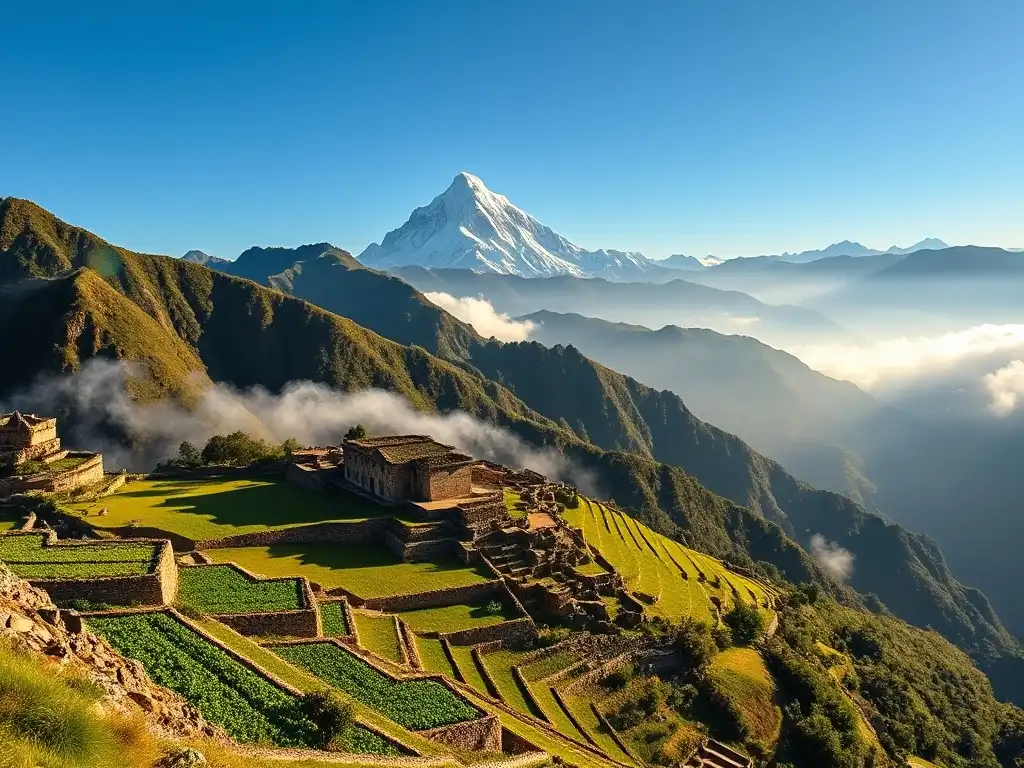
Step into a world lost to time, yet echoing with the whispers of the wind. Discover the intricate relationship between the Andean civilizations and their environment, a story woven into the very fabric of their existence. Unravel the mysteries of Andean civilizations climate history, revealing how climate shaped their triumphs and their falls. Prepare to be captivated by a narrative far richer and more complex than you ever imagined. Journey with us as we delve into the fascinating legacy of these remarkable cultures.
The towering Andes Mountains, a spine of rock and ice running down the length of South America, have witnessed millennia of human history intertwined with dramatic climatic shifts. This article delves into the fascinating and complex relationship between the Andean civilizations and their environment, exploring how climate change shaped their societies, their innovations, and ultimately, their legacies.
We will uncover how fluctuations in temperature and precipitation patterns influenced agricultural practices, urban planning, and even the rise and fall of entire empires. Understanding this intricate interplay between climate and culture is crucial not only for appreciating the achievements of these remarkable civilizations but also for informing our present-day understanding of climate change and its impact on vulnerable populations.
This exploration of Andean civilizations' climate history provides a unique lens through which to examine the resilience and adaptability of human societies in the face of environmental challenges, offering valuable lessons for the future. We'll examine specific examples from various Andean cultures, including the Incas, Moche, Nazca, and Tiahuanaco, showcasing the diverse ways in which they responded to the unpredictable forces of nature.
Understanding Andean Civilizations' Climate History
The Andean region's climate is notoriously complex and variable, characterized by significant altitudinal gradients, diverse microclimates, and cyclical weather patterns like El Niño-Southern Oscillation (ENSO). Understanding the impact of climate on Andean societies requires acknowledging this inherent variability and recognizing that different civilizations experienced different climatic conditions depending on their geographical location and the specific time period. Detailed paleoclimatological studies, using techniques such as ice core analysis, pollen records, and sediment cores, have revealed significant climatic fluctuations throughout Andean history.
These fluctuations ranged from prolonged droughts to intense rainfall events, impacting agricultural yields, water availability, and overall societal stability. For instance, evidence suggests that periods of drought were often associated with societal upheaval and even the collapse of certain settlements. Conversely, periods of increased rainfall could lead to population growth and expansion.
These climatic shifts were not merely background noise; they were active agents shaping the trajectories of Andean civilizations. The ingenuity and adaptability of these societies in responding to these challenges are truly remarkable, and studying their strategies offers invaluable insights for addressing contemporary climate change issues. We'll explore specific examples of how these societies adapted to these variations in the following sections.
The Inca Empire and Climate Variability
The Inca Empire, at its zenith, controlled a vast territory spanning diverse ecological zones. Their success depended heavily on their ability to manage resources and adapt to varying climatic conditions. [Specific data on Inca agricultural techniques and their response to droughts pending].
The Inca's sophisticated infrastructure, including extensive irrigation systems and terraced agriculture, allowed them to mitigate the effects of drought and optimize agricultural production across different elevations. Their centralized administration further facilitated resource redistribution during times of scarcity, demonstrating a remarkable level of societal organization and resilience. However, even the Inca Empire was not immune to the devastating effects of prolonged droughts.
[Specific examples of Inca societal responses to major droughts pending]. This highlights the inherent vulnerability of even the most powerful societies to the unpredictable forces of nature. The study of Inca societal structures and their responses to climate change underscores the importance of robust governance and adaptive strategies in the face of environmental challenges.
The Moche Civilization and Coastal El Niño Events
The Moche civilization, known for its impressive artistic achievements and sophisticated irrigation systems, thrived along the arid northern coast of Peru. Their prosperity was intrinsically linked to the complex interplay between coastal El Niño events and their agricultural practices. [Specific data on the frequency and intensity of El Niño events during the Moche period pending].
While El Niño events could bring devastating floods, they also brought periods of increased rainfall, crucial for sustaining Moche agriculture. The Moche developed sophisticated irrigation systems to manage water resources, ensuring a reliable water supply even during periods of drought. [Specific examples of Moche irrigation technology and their effectiveness pending].
However, the unpredictable nature of El Niño events also presented significant challenges, potentially leading to crop failures and societal disruption. The Moche's response to these climatic events highlights the importance of adaptability and resource management in coastal environments. Their intricate understanding of their environment and their innovative solutions offer a compelling case study in human resilience.
Nazca Lines and Climatic Influences
The enigmatic Nazca Lines, etched into the desert plains of southern Peru, remain one of the world's greatest archaeological mysteries. While their precise purpose continues to be debated, their creation and preservation are inextricably linked to the region's arid climate. [Specific data on the climate conditions during the Nazca culture's flourishing period pending].
The lines' survival over centuries is a testament to the stability of the desert environment, which minimized erosion and degradation. However, even subtle climatic changes could have impacted the Nazca culture, influencing their agricultural practices and potentially contributing to their eventual decline. [Specific evidence of climatic influence on Nazca culture pending].
The Nazca Lines, therefore, serve not only as a remarkable artistic achievement but also as a silent witness to the long-term interaction between human societies and their environment in a fragile ecosystem. Further research is needed to fully uncover the intricate relationship between the Nazca Lines and the climatic conditions of their time.
- Understanding Andean Civilizations' Climate History
- The Inca Empire and Climate Variability
- The Moche Civilization and Coastal El Niño Events
- Nazca Lines and Climatic Influences
- How did climate affect the development of Andean civilizations?
- What role did agriculture play in relation to the climate in the Andes?
- Were there any major climate events that impacted Andean civilizations?
- How did Andean civilizations adapt to the challenging Andean climate?
- What can the study of Andean climate history tell us about modern climate change?
The Environmental Tapestry of Ancient Andean Societies
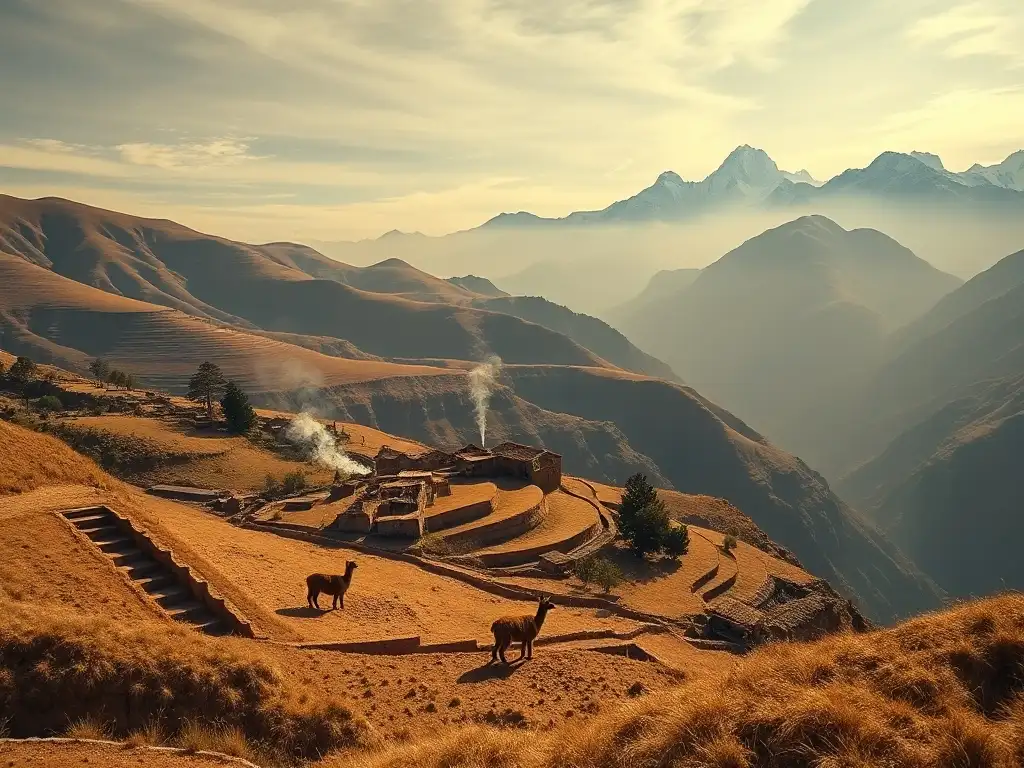
This section delves into the intricate relationship between ancient Andean civilizations and their environment, focusing on how climatic conditions profoundly shaped their societal structures, agricultural practices, and overall survival. Understanding this complex interplay is crucial for comprehending the rise and fall of these remarkable cultures and for drawing parallels with contemporary challenges related to climate change. The Andean region, with its diverse ecosystems and dramatic altitudinal variations, presented both opportunities and formidable obstacles to its inhabitants.
Analyzing the environmental tapestry reveals a nuanced picture of adaptation, resilience, and vulnerability. The keyword "Andean civilizations climate history" is central to understanding this complex narrative.
The Diverse Ecosystems of the Andes and their Influence
The Andes Mountains boast an extraordinary array of ecosystems, each with its unique characteristics and challenges. From the arid coastal deserts to the high-altitude puna grasslands and the lush cloud forests, the verticality of the Andes created a mosaic of environmental zones. This verticality, known as verticality, dictated the agricultural strategies of Andean societies.
Different altitudes offered different crops and resources. For instance, the lower valleys were ideal for cultivating maize, squash, and beans, while higher elevations supported the cultivation of potatoes and quinoa, crops uniquely adapted to harsh conditions. This agricultural diversity, a direct response to the environmental variability, was essential for the sustenance of these large populations.
The influence of these diverse ecosystems extended beyond agriculture. Access to water resources, such as rivers and springs, dictated settlement patterns and the development of sophisticated irrigation systems. The availability of specific minerals and building materials also influenced technological innovations and artistic expression. For example, the abundance of certain clays in particular regions contributed to the development of distinct pottery styles, reflecting the close relationship between environment and cultural production. Understanding the specific ecosystems and their unique limitations is key to unraveling the story of Andean civilizations climate history.
Climate Variability and its Impact on Andean Life
Climate variability, encompassing fluctuations in temperature, rainfall, and glacial melt, played a significant role in shaping the trajectory of Andean societies. Evidence suggests that periods of drought and prolonged cold spells had devastating consequences, leading to crop failures, famine, and societal upheaval. Conversely, periods of favorable climatic conditions fostered population growth and cultural flourishing. Analyzing paleoclimatic data, such as ice core samples and pollen records, helps reconstruct past climate patterns and their impact on human societies.
For example, the collapse of some Andean societies has been linked to prolonged droughts, as evidenced by archaeological findings and studies of ancient water management systems. These droughts would have severely impacted agricultural production, potentially leading to social unrest and migration. Conversely, periods of increased rainfall are often associated with periods of significant expansion and development within various Andean civilizations.
This intricate dance between climate and society underscores the need for a deeper understanding of Andean civilizations climate history to accurately interpret the archaeological record and understand the long-term sustainability of these remarkable cultures. Further research, particularly in areas such as [specific information pending on detailed paleoclimatic data for specific Andean regions], is crucial to refine our understanding of these complex interactions. The impact of El Niño events, for instance, needs more detailed analysis within the broader context of Andean civilizations climate history.
Decoding the Climate Record: Evidence from the Past
Understanding the intricate relationship between Andean civilizations and their environment requires deciphering the whispers of the wind – the climatic stories etched into the landscape over millennia. Reconstructing past climates in the Andes, a region characterized by extreme altitudinal variation and diverse microclimates, presents unique challenges but also offers rich rewards.
By piecing together diverse lines of evidence, we can begin to understand how climate variability impacted the rise and fall of these remarkable societies. This section focuses on the key methods used to reconstruct Andean climate history, vital for comprehending the influence of environmental factors on the development and resilience of Andean civilizations.
The analysis of climate data provides crucial context for understanding the complex interplay between human societies and their environment in the Andes, a relationship that continues to shape the region today. This detailed understanding of past climate variability is not only crucial for understanding past Andean civilizations but also for predicting and mitigating the impacts of future climate change in the region.
Ice Cores and the Secrets of Andean Glaciers
Andean glaciers, towering sentinels of the mountain range, serve as invaluable archives of past climatic conditions. Ice cores, cylindrical samples drilled from these glaciers, contain trapped air bubbles and layers of ice that record atmospheric composition and temperature fluctuations over centuries, even millennia. Analysis of these ice cores reveals crucial information regarding past precipitation levels, temperature variations, and volcanic activity – all factors significantly influencing Andean societies and their agricultural practices. For instance, studies of ice cores from the Quelccaya Ice Cap in Peru have revealed detailed records of past climate variability extending back thousands of years, providing insights into the El Niño Southern Oscillation (ENSO) patterns and their impact on the region's water resources. The isotopic composition of the ice (e.g., the ratio of 18 O to 16 O) is particularly important, as it provides a direct measure of past temperatures. Furthermore, the concentration of dust and other aerosols in the ice layers can reveal information about past changes in vegetation cover and land use. The meticulous analysis of these ice cores, coupled with advanced dating techniques, offers a remarkably precise reconstruction of past Andean climates, providing a crucial framework for understanding the environmental context of ancient Andean civilizations. This detailed paleoclimatic record is essential for assessing the vulnerability of these societies to climate fluctuations and for predicting future impacts of climate change on the region's water resources and agricultural productivity.
Archaeological Findings: Unveiling Past Climatic Conditions
Archaeological evidence provides another crucial window into the past climates of the Andes. The distribution of settlements, the types of crops cultivated, and the construction techniques employed all reflect adaptations to prevailing environmental conditions. For example, the presence of irrigation systems in arid coastal regions indicates a need to manage scarce water resources, likely reflecting periods of drought.
Similarly, changes in agricultural practices, such as shifts in crop types or the adoption of new farming techniques, may indicate responses to changing climatic conditions. The analysis of ancient human remains can also provide valuable information, offering clues regarding diet and health, which are often strongly influenced by environmental factors. Isotopic analysis of bone collagen can reveal information about past dietary habits and water sources, providing insights into the availability of resources and the impact of climatic variability on subsistence strategies.
The meticulous excavation and analysis of archaeological sites, combined with the study of ancient artifacts and human remains, offer a rich tapestry of clues about past climates and their influence on Andean societies. This evidence, when combined with other paleoclimatic data, provides a more complete picture of the complex interplay between climate and human activity in the Andes.
Analyzing Pollen and Sediments for Environmental Clues
Pollen analysis (palynology) and the study of lake and marine sediments provide invaluable information about past vegetation patterns and environmental change in the Andes. Pollen grains, remarkably resistant to decay, are preserved in sediments and provide a detailed record of past plant communities. Changes in pollen assemblages over time can reflect shifts in vegetation zones due to temperature and precipitation changes.
For example, the presence of high-altitude pollen species at lower elevations might indicate a warming trend, while an increase in arid-adapted plants could signal a drying period. Similarly, the analysis of lake sediments reveals changes in water levels, sediment composition, and the presence of specific organisms (e.g., diatoms), providing further evidence of past climatic conditions. The chemical composition of lake sediments can also reveal information about past nutrient levels and water chemistry, reflecting changes in precipitation and runoff.
Combining pollen data with sediment analysis provides a comprehensive picture of past environmental changes, allowing researchers to reconstruct past climates with remarkable detail. This approach allows for a nuanced understanding of the environmental context of Andean civilizations, helping to explain societal adaptations and vulnerabilities to past climate variability. The integration of this data with other lines of evidence, including ice core data and archaeological findings, offers a powerful tool for understanding the long-term relationship between Andean societies and their environment.
The Rise and Fall of Andean Civilizations: A Climate Perspective
The history of Andean civilizations is inextricably linked to the capricious nature of the Andes' climate. Understanding the interplay between societal development and climatic shifts is crucial to interpreting the rise and fall of these remarkable cultures. This section explores how fluctuations in rainfall, temperature, and the frequency of extreme weather events profoundly impacted Andean societies, shaping their agricultural practices, social structures, and ultimately, their destinies.
Analyzing past climate conditions allows us to reconstruct a more nuanced picture of these civilizations, moving beyond narratives focused solely on political and military factors. The impact of climate change on Andean societies forms a recurring theme, underscoring the vulnerability of these communities to environmental pressures – a vulnerability that resonates even today. This perspective offers invaluable insights into the resilience and adaptability of Andean peoples, but also highlights the devastating consequences of prolonged climate instability.
The study of paleoclimatology, using techniques like ice core analysis and pollen studies, has provided crucial data for understanding past climatic shifts and their impact on Andean civilizations. This data, combined with archaeological evidence, paints a vivid picture of how these societies adapted, thrived, and ultimately, in some cases, succumbed to the challenges posed by their environment. The keyword, "Andean civilizations climate history," encapsulates this vital area of study.
Climate Change and the Development of Early Andean Cultures
Early Andean cultures, predating the Inca, demonstrated remarkable ingenuity in adapting to diverse and often harsh climates. The development of sophisticated irrigation systems, such as those found in the coastal valleys of Peru, allowed for intensive agriculture in arid regions. These systems weren't merely technological achievements; they represented a deep understanding of water management and hydrological cycles.
Changes in rainfall patterns, even subtle ones, would have had a significant impact on agricultural yields and consequently, on societal stability. For example, periods of increased rainfall may have facilitated the expansion of agricultural production and population growth, while droughts likely led to resource scarcity and social unrest. The evidence suggests a complex relationship: while climate change posed challenges, it also stimulated innovation and adaptation.
The development of terrace farming, for instance, is a direct response to the mountainous terrain and its variable precipitation. These early societies understood the importance of environmental stewardship and resource management, creating sustainable practices that allowed them to flourish for centuries. The analysis of ancient agricultural remains and the study of soil erosion patterns provide valuable insights into the long-term impact of both favorable and unfavorable climatic conditions on these early communities.
The Role of El Niño in the Collapse of Moche Society
The Moche civilization, known for its stunning artistry and complex social organization, flourished along the northern coast of Peru from approximately 100-800 CE. However, evidence suggests that a series of powerful El Niño events played a significant role in their eventual decline. El Niño, a climate pattern characterized by unusually warm ocean temperatures in the Pacific, brings torrential rains to some coastal regions and severe droughts to others. For the Moche, this meant devastating floods in some areas, while other regions suffered from prolonged water shortages.
This climatic variability severely disrupted agricultural production, leading to food shortages and social instability. Archaeological findings, such as the abandonment of settlements and evidence of widespread malnutrition, support this hypothesis. Furthermore, the collapse of the Moche irrigation systems, possibly due to the destructive force of El Niño floods, further exacerbated the situation.
The Moche, despite their sophisticated engineering skills, were ultimately vulnerable to the unpredictable forces of nature. The study of sediment layers and the analysis of ancient plant remains provide further evidence of the disruptive impact of El Niño on the Moche ecosystem and, consequently, their society. The frequency and intensity of El Niño events during the Moche period are still under investigation, but preliminary data points towards a possible correlation between increased El Niño activity and the civilization's decline.
Droughts and the Decline of the Tiwanaku Empire
The Tiwanaku Empire, located on the shores of Lake Titicaca, dominated the Andean highlands from approximately 500 to 1000 CE. Its sophisticated urban planning and impressive agricultural techniques allowed it to support a large population. However, a prolonged megadrought, lasting several decades, significantly weakened the empire's ability to sustain itself. The lack of rainfall drastically reduced agricultural yields, leading to widespread famine and social unrest.
This drought, evidenced by reduced lake levels and changes in the isotopic composition of ancient plant remains, severely strained the Tiwanaku's intricate water management system. The empire's extensive network of canals and aqueducts, once a source of strength, proved inadequate in the face of such prolonged aridity. The resulting food shortages and social upheaval likely contributed to the empire's eventual fragmentation and decline. Evidence suggests that the drought may have also led to increased conflict between different groups within the empire, further destabilizing the political landscape.
The Tiwanaku's story serves as a stark reminder of the vulnerability of even the most powerful empires to the unpredictable forces of climate change. Further research into the precise timing and intensity of this megadrought, combined with a deeper understanding of Tiwanaku societal structures, will provide a more complete picture of the factors contributing to the empire's downfall. The impact of this climatic event highlights the critical role of water resources in shaping the trajectory of Andean civilizations, emphasizing the importance of considering climate history when studying the rise and fall of these societies.
Andean Adaptation Strategies to Climate Fluctuations
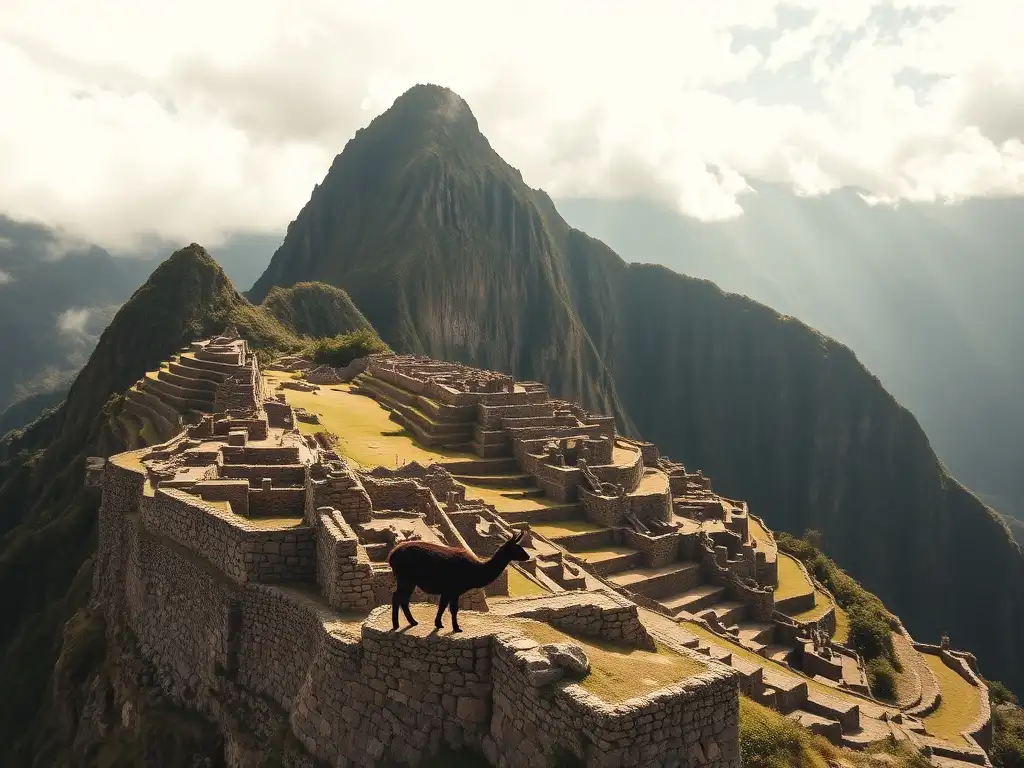
The Andean civilizations, renowned for their ingenuity and resilience, faced significant challenges posed by the volatile climate of the Andes Mountains. Their survival depended on adapting to fluctuating rainfall, unpredictable frosts, and extreme altitude variations. Understanding their strategies offers valuable insights into the complex interplay between human societies and their environment, crucial for comprehending the impact of climate change on Andean societies and for informing modern sustainable practices. The keyword "Andean civilizations climate history" is central to understanding this adaptation. A deep dive into their responses reveals remarkable ingenuity and a profound connection to their environment.
Agricultural Innovations: Terraces and Irrigation Systems
Andean agricultural practices were masterpieces of adaptation, showcasing remarkable innovation in the face of environmental constraints. The most striking examples are the extensive terrace systems and intricate irrigation networks that transformed steep, mountainous slopes into productive farmland. Terraces, meticulously carved into hillsides, not only increased arable land but also significantly improved water management. They slowed water runoff, preventing erosion and allowing for better water retention in the soil. This was particularly crucial in areas with erratic rainfall patterns. The effectiveness of this approach is evident in the enduring agricultural productivity of regions still utilizing these ancient systems today.
The sophisticated irrigation systems further enhanced agricultural resilience. Canals, aqueducts, and reservoirs were constructed to divert water from rivers and streams to fields, ensuring a consistent water supply even during dry periods. The ingenuity of these systems is highlighted by their ability to navigate challenging terrain and distribute water efficiently across vast areas.
For example, the Nazca civilization's sophisticated irrigation networks, which allowed them to cultivate a desert environment, stand as a testament to their understanding of hydraulic engineering and their ability to harness scarce resources. These systems weren't merely functional; they were integral to the social and economic fabric of Andean societies, reflecting a deep understanding of the environment and the importance of water management for societal stability.
The integration of these systems with other techniques, such as crop diversification and crop rotation, further enhanced the resilience of Andean agriculture. This holistic approach ensured that even in the face of climate variability, sufficient food production was maintained. Detailed archaeological evidence supports these claims, revealing the extensive scale and sophistication of these systems across various Andean cultures.
Resource Management and Sustainable Practices
Beyond agricultural innovations, the Andean civilizations practiced sustainable resource management techniques that ensured long-term environmental stability. Their understanding of ecological principles was deeply ingrained in their worldview and social structures. Evidence suggests a careful consideration of carrying capacity, avoiding overexploitation of resources and implementing practices that promoted regeneration. This included strategies like controlled burning of vegetation to promote pasture growth and careful management of forests to ensure sustainable timber supplies.
The concept of ayllu, a communal system of land ownership and resource management prevalent among many Andean societies, played a vital role in promoting sustainability. This system fostered collective responsibility for resource management, ensuring that individual interests did not overshadow long-term environmental considerations. The allocation of resources and labor was often dictated by environmental conditions, reflecting a dynamic adaptation to changing circumstances.
The ayllu system demonstrated a remarkable ability to adapt to climate fluctuations through communal planning and resource sharing, enhancing the community's resilience. The success of these methods is reflected in the longevity of many Andean communities and their ability to thrive in challenging environments. This highlights the importance of community-based approaches to environmental management.
Furthermore, the use of locally adapted crops and livestock breeds played a crucial role in ensuring food security. This diversification minimized the risk associated with crop failures due to climate variability. The selection of drought-resistant crops, for example, reduced the impact of periods of low rainfall, ensuring continued food production.
Environmental stress often triggered significant social and political changes within Andean societies. Periods of drought or extreme weather events could lead to conflicts over scarce resources, migrations, and even the collapse of entire settlements. However, these challenges also spurred innovation and adaptation, leading to the development of new social structures and political strategies. The ability of Andean civilizations to adapt to these challenges underscores their resilience and adaptability.
For instance, the development of sophisticated systems of storage and redistribution of food surpluses was critical in mitigating the effects of environmental shocks. Granaries and storehouses were strategically located to ensure access to food during times of scarcity. These systems not only prevented widespread famine but also played a key role in social stability, demonstrating the importance of centralized authority in managing environmental risks.
The role of religious and ritual practices in coping with environmental stress should also be considered. Rituals and ceremonies often aimed to appease deities associated with weather and agriculture, reflecting the importance of the environment in the Andean worldview.
The evidence suggests that the Andean civilizations did not passively react to climate change; rather, they actively shaped their social and political structures to cope with environmental challenges. Their responses highlight the complex interplay between environmental factors and societal organization, offering valuable lessons for understanding the impact of climate change on human societies. The study of these past adaptations provides crucial insights for developing effective strategies to cope with the challenges of climate change in the Andean region and beyond. Analyzing the interplay between the Andean civilizations climate history and societal responses is crucial for future sustainability.
Lessons from the Past: Climate Change and Modern Andes
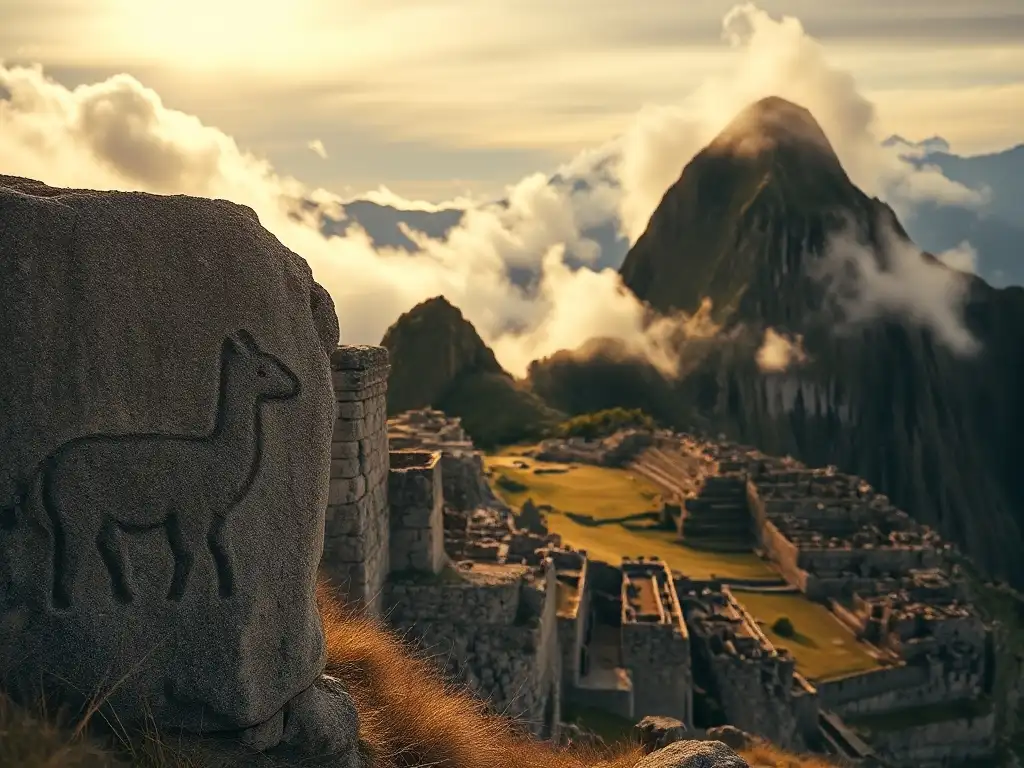
This section explores the parallels between past and present climate challenges in the Andes, highlighting the valuable lessons we can learn from the ingenuity and resilience of Andean civilizations in the face of environmental adversity. Understanding the historical context of climate change in the region is crucial for developing effective strategies to mitigate its impact today. The study of Andean civilizations climate history provides vital insights into long-term climate variability and its influence on societal structures, agricultural practices, and overall sustainability.
Parallels Between Ancient and Contemporary Climate Challenges
The Andes have always been a region of climatic extremes, characterized by high altitude, steep topography, and El Niño-Southern Oscillation (ENSO) driven variability. Ancient Andean societies, like the Inca, Moche, and Nazca, experienced periods of both drought and intense rainfall, impacting their agricultural systems and societal organization. These fluctuations, often abrupt and severe, forced these civilizations to develop sophisticated adaptive strategies.
For example, the Inca Empire, renowned for its advanced engineering, constructed intricate irrigation systems – acequias – to manage water resources effectively, even during prolonged droughts. These systems, often carved into mountain slopes, were incredibly efficient in diverting water to agricultural terraces, ensuring food security. Similarly, the Nazca people, known for their geoglyphs, developed sophisticated water harvesting techniques in a hyper-arid environment, demonstrating remarkable adaptability to scarce resources.
Today, the Andes face similar, and in some cases exacerbated, challenges. Climate change is intensifying existing weather patterns, leading to more frequent and severe droughts, floods, and glacial melt. These events threaten agricultural productivity, water security, and the stability of Andean communities.
The parallels between the past and present are striking: ancient societies faced unpredictable weather; modern Andes face unpredictable and intensified weather due to climate change. Understanding how ancient Andean societies responded to these challenges provides a valuable framework for developing resilient strategies today. The analysis of past climate impacts on Andean civilizations offers valuable lessons for modern climate adaptation.
The Importance of Indigenous Knowledge in Climate Adaptation
Indigenous communities in the Andes possess a wealth of traditional ecological knowledge (TEK) accumulated over millennia of living in close relationship with their environment. This knowledge, often passed down orally through generations, provides invaluable insights into climate patterns, resource management, and sustainable practices. Ignoring this knowledge is a critical mistake in addressing present-day climate challenges.
For instance, indigenous communities have developed sophisticated techniques for water management, soil conservation, and crop diversification tailored to the specific conditions of their regions. These methods often prove more sustainable and resilient than modern approaches, particularly in the face of climate change. The integration of TEK with scientific research is crucial for developing effective and culturally appropriate adaptation strategies.
A concrete example is the use of qochas (Andean water reservoirs) which are still actively managed by indigenous communities. These reservoirs, often built using traditional techniques, play a vital role in regulating water supply during droughts and providing irrigation for crops. The knowledge embedded in their construction and management represents a valuable resource for modern water management strategies. The preservation and application of this indigenous knowledge are paramount in building climate resilience in the Andes. This approach acknowledges the importance of a holistic understanding, combining ancient wisdom with modern scientific approaches.
Protecting the Cultural Heritage of the Andes in a Changing Climate
The cultural heritage of the Andes, including archaeological sites, traditional settlements, and sacred landscapes, is increasingly threatened by climate change. Melting glaciers, landslides, and extreme weather events pose significant risks to these invaluable resources, which are not only historically significant but also vital to the identity and livelihoods of Andean communities.
Protecting this heritage requires a multi-faceted approach. This includes strengthening infrastructure to protect vulnerable sites, implementing early warning systems for extreme weather events, and engaging local communities in conservation efforts. Furthermore, climate change mitigation strategies are crucial, as reducing greenhouse gas emissions will help to slow the pace of environmental degradation and reduce the risks to cultural heritage.
The preservation of Andean cultural heritage is intrinsically linked to climate change adaptation and mitigation. These sites are not just static monuments; they are living testaments to the resilience and adaptability of Andean societies. Their preservation is not only a matter of historical preservation but also a crucial element in safeguarding the cultural identity and sustainable development of the Andean region. This requires a collaborative effort between governments, researchers, and local communities to implement comprehensive strategies that address both the immediate threats and the long-term challenges posed by climate change.
The Legacy of Andean Climate History
The Andean region boasts a complex and fascinating climate history, deeply intertwined with the rise and fall of its celebrated civilizations. Understanding this history is crucial not only for appreciating the ingenuity and resilience of past Andean societies but also for informing contemporary responses to climate change. The legacy of Andean climate history is one of adaptation, innovation, and ultimately, vulnerability in the face of environmental shifts.
This section explores the key aspects of this rich and nuanced past. The study of "Andean civilizations climate history" reveals a dynamic interplay between human societies and their environment, a story etched in archaeological remains, paleoclimatological data, and the very fabric of Andean cultures.
The Importance of Studying the Climate of Past Andean Societies
Studying the climate of past Andean societies offers invaluable insights into the resilience and vulnerability of human populations in the face of environmental variability. By analyzing paleoclimatic data – such as ice core records, lake sediment analyses, and pollen records – researchers can reconstruct past climate conditions and their impact on agricultural practices, settlement patterns, and social organization. For instance, the study of El Niño-Southern Oscillation (ENSO) events throughout history reveals how these periodic climate fluctuations significantly affected agricultural yields, leading to periods of both prosperity and hardship for Andean civilizations.
This understanding is paramount for predicting future impacts of climate change and developing effective mitigation and adaptation strategies. Furthermore, understanding past societal responses to climate variability provides crucial context for interpreting contemporary challenges and informs more effective strategies for sustainable development in the region. The intricate relationship between climate and societal stability in the Andes underscores the importance of this research.
The detailed reconstruction of past climate events, coupled with archaeological evidence, allows us to better understand the adaptive capacities of past Andean societies, and to identify factors that contributed to their successes and failures. This knowledge is directly applicable to modern challenges, offering valuable lessons for building more resilient communities in the face of future climate uncertainties. Ignoring this rich history risks repeating past mistakes.
Future Research Directions in Andean Climate History
Future research in Andean climate history needs to focus on several key areas. Firstly, integrating diverse data sources is crucial. This includes combining paleoclimatic data with archaeological, historical, and ethnohistorical records to create a more holistic understanding of human-environment interactions. Secondly, high-resolution climate reconstructions are needed to better understand the timing and magnitude of past climate changes and their impacts on Andean societies.
This requires employing advanced techniques like isotopic analysis and detailed pollen studies. Thirdly, interdisciplinary collaborations are essential. Bringing together climate scientists, archaeologists, historians, and anthropologists will allow for a more nuanced and comprehensive interpretation of the complex interplay between climate and society. Finally, developing predictive models that integrate climate projections with socio-economic factors will be vital for assessing future risks and developing effective adaptation strategies.
The goal is to move beyond simply documenting past climate changes to understanding their societal consequences and using this knowledge to build more resilient communities in a changing world. For example, future research could focus on the specific impact of glacial melt on water resources and agricultural practices in different Andean regions, or investigate the role of climate variability in the emergence and decline of specific Andean states. This will require significant investment in research infrastructure and collaborative projects involving international teams of researchers.
Broader Implications for Understanding Human-Environment Interactions
The study of Andean civilizations climate history has broader implications for understanding human-environment interactions globally. The Andes provide a unique case study of a region where human societies have been profoundly shaped by environmental variability for millennia. The lessons learned from the Andes can be applied to other mountainous regions around the world facing similar challenges related to climate change, water scarcity, and agricultural productivity.
The adaptive strategies employed by past Andean societies, such as sophisticated irrigation systems, terracing, and crop diversification, offer valuable insights for contemporary sustainable development initiatives. Understanding how past Andean societies responded to climate shocks, including droughts, floods, and extreme temperatures, can inform the development of early warning systems and disaster preparedness strategies. Moreover, the Andean experience highlights the importance of considering both environmental and socio-economic factors when assessing vulnerability and building resilience to climate change.
The Andean case study underscores the need for a holistic and integrated approach to understanding the complex interplay between human societies and their environment, a critical perspective for navigating the challenges of a rapidly changing world. The study of Andean civilizations' response to climate change offers a valuable template for addressing global climate change issues, emphasizing the need for proactive adaptation strategies and sustainable development practices. This research is not only valuable for understanding the past but also crucial for shaping a more sustainable future.
Frequently Asked Questions
How did climate affect the development of Andean civilizations?
The climate of the Andes was a crucial factor in shaping Andean societies. Varied altitudes created diverse microclimates, influencing agriculture and settlement patterns. Climate change events often led to societal shifts and migrations.
What role did agriculture play in relation to the climate in the Andes?
Agriculture was intimately linked to the Andean climate. Civilizations developed sophisticated irrigation and terracing techniques to adapt to varied rainfall and altitudes. Crop failures due to climate fluctuations had significant social consequences.
Were there any major climate events that impacted Andean civilizations?
Yes, El Niño events and periods of drought significantly impacted Andean societies. These events caused famine, social unrest, and sometimes even the collapse of entire settlements. Evidence of these climate shifts is found in archaeological records.
How did Andean civilizations adapt to the challenging Andean climate?
Andean peoples developed remarkable adaptive strategies. These included sophisticated irrigation systems, terraced farming, and the cultivation of diverse crops suited to different altitudes and climates. Animal domestication also played a crucial role.
What can the study of Andean climate history tell us about modern climate change?
The study of past Andean climates provides valuable insights into the impact of climate change on societies. Understanding past adaptations can inform strategies for mitigating the effects of modern climate change in vulnerable regions.
Final Reflection: Echoes of the Andes, Whispers of the Future
The intricate relationship between Andean civilizations and their environment, as detailed in this exploration of their climate history, remains profoundly relevant today. The challenges faced by these ancient societies – adapting to droughts, floods, and shifting agricultural patterns – resonate deeply with the climate crisis we confront in the 21st century. Their resilience, ingenuity, and ultimately, their vulnerability, serve as a stark warning and a powerful example.
Understanding the Andean past offers a crucial lens through which to view our present predicament. The stories woven into the fabric of their societies – from sophisticated irrigation systems to intricate agricultural practices – highlight the profound interconnectedness between human societies and the natural world. These ancient narratives underscore the fragility of our ecosystems and the urgent need for sustainable practices. The past is never dead. It's not even past.
– William Faulkner. This quote rings especially true when considering the lessons embedded within the climate history of the Andes, lessons that continue to shape our understanding of climate change and its impact on human civilization.
Consider the ingenuity of the Andean people, their deep understanding of their environment, and their ability to adapt to changing conditions. Now, armed with this knowledge, you have the power to make a difference. Reflect on your own relationship with the environment. What steps can you take, however small, to contribute to a more sustainable future? Let the whispers of the wind from the Andean past inspire you to act, to become a steward of our planet, and to ensure that the echoes of resilience resonate for generations to come.
**Unleash Your Curiosity and Take Action! **
Thank you for exploring the fascinating world of Andean history and its connection to our climate's past. You've gained valuable insights into how ancient civilizations successfully adapted to and thrived within their environment. Now, let's put that knowledge to practical use!
Here are some ways you can continue your exploration and contribute to our community:
- **Join our online forum** to discuss conservation and climate resilience strategies inspired by Andean techniques. Your participation is invaluable!
- Share this article with friends and family to raise awareness about these crucial historical lessons. It can spark important conversations.
- Deepen your understanding by exploring our collection of articles on ancient Andean innovations and sustainable practices. You might discover some surprising and inspiring ideas.
What new understanding did you gain from this exploration, and how will it shape your perspective on our current climate challenges?