
From Highlands to Coast: Climate's Impact on Andean Trade

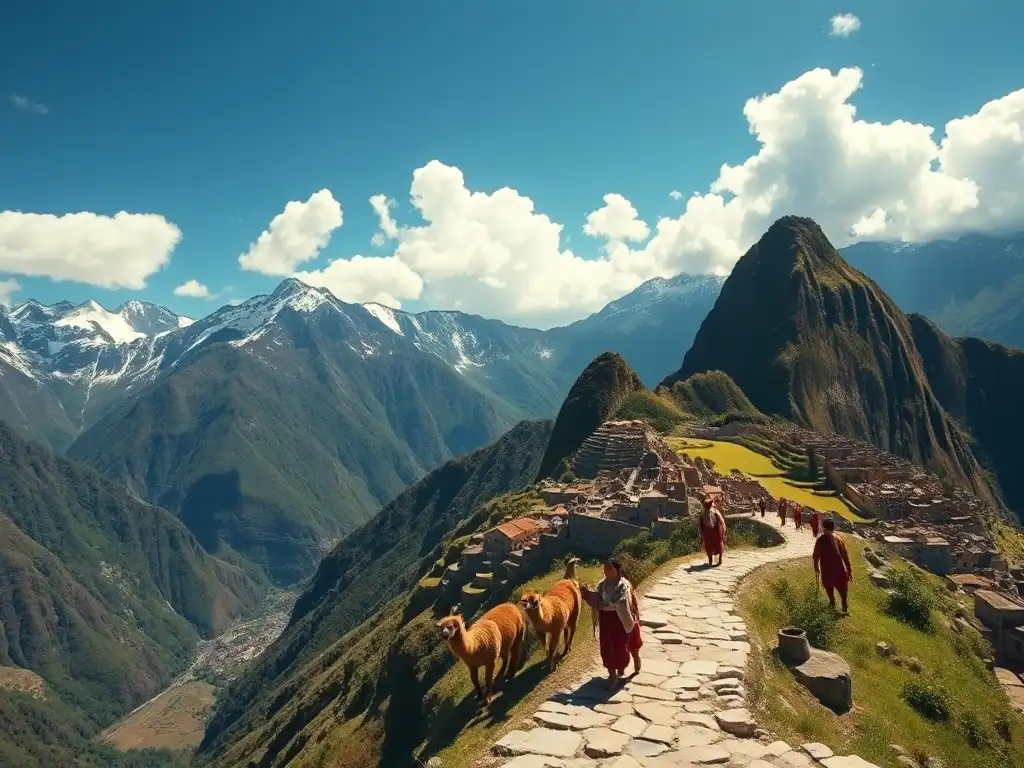
Unravel the mysteries of the Andes! For centuries, towering mountains and vast deserts shaped not only the landscapes of South America, but also the destinies of its incredible civilizations. Discover how the volatile climate of the Andes profoundly impacted the intricate trade networks connecting the Incas, Moche, Nazca, and Tiahuanaco – a story woven into the very fabric of their existence. Delve into the fascinating relationship between Andean civilizations climate impact trade and uncover the secrets hidden within the heights and depths of this ancient world. Prepare to be amazed.
The remarkable Andean civilizations, including the Incas, Moche, Nazca, and Tiahuanaco, thrived in one of the world's most geographically diverse regions. Their ingenuity and adaptability are legendary, but their success was inextricably linked to the complex interplay between their sophisticated societies and the challenging Andean climate.
This article delves into the crucial role climate played in shaping Andean trade networks, highlighting how environmental conditions both facilitated and hindered the exchange of goods and ideas across the vast altitudinal and geographical gradients of the Andes Mountains and the Pacific coast. Understanding this intricate relationship is key to appreciating the resilience and complexity of these fascinating ancient cultures.
We will explore how variations in climate across different Andean zones impacted resource availability, agricultural practices, and the very structure of their trade routes, ultimately contributing to the rise and fall of these powerful empires. The impact of climate on Andean trade is a multifaceted subject, and this analysis will shed light on its significant influence on the development and dynamism of Andean societies.
Introduction: Andean Civilizations and the Climate Challenge
The Andes Mountains present a dramatic tapestry of diverse ecosystems, ranging from arid coastal deserts to snow-capped peaks and lush cloud forests. This extreme environmental variability profoundly influenced the development of Andean civilizations. These societies were not simply passive recipients of their environment; they actively adapted to and shaped it through sophisticated agricultural techniques, intricate water management systems, and carefully planned trade routes.
However, climate variability, including droughts, floods, and El Niño events, presented constant challenges, impacting agricultural yields, impacting resource availability, and directly influencing the stability and prosperity of these civilizations. The study of the relationship between climate and Andean trade offers valuable insights into their resilience, ingenuity, and the ultimate factors that contributed to their historical trajectories. Understanding this dynamic relationship is crucial for a comprehensive understanding of Andean history and its lasting legacy.
The Diverse Climates of the Andes and Their Influence
The Andes' diverse climates significantly shaped the economic and social structures of its ancient inhabitants. The dramatic changes in altitude and proximity to the Pacific Ocean created microclimates with vastly different characteristics, leading to a mosaic of ecological zones and specialized agricultural practices. This geographical diversity directly influenced the types of goods produced in different regions and, consequently, the nature and extent of the trade networks that connected them.
The resulting economic interdependence fostered complex social interactions and political alliances across the Andean region. The availability of resources, dictated by climate, was not only a factor of production but also a key driver of political power and social stratification.
Vertical Zonation: Climate and Altitude in Andean Regions
The concept of vertical zonation is fundamental to understanding Andean agriculture and trade. As altitude increases, temperatures decrease, resulting in distinct ecological zones, each supporting different crops and livestock. The quechua zone, for example, with its temperate climate, was ideal for growing maize, potatoes, and other staple crops, while the higher puna zone, with its colder temperatures and shorter growing seasons, was suitable for grazing llamas and alpacas. This vertical distribution of resources created a system of reciprocal exchange between communities inhabiting different altitudinal zones.
Highland communities, for example, traded alpaca wool and other highland products for coastal fish and other goods. This intricate system of trade, facilitated by the diverse climates along the altitudinal gradient, played a crucial role in supporting the population and maintaining social stability. The precise quantities of goods exchanged are unfortunately still under research, but the system's overall impact is undeniable.
Coastal Deserts and Their Impact on Trade Routes
The arid coastal deserts of the Andes presented a unique set of challenges and opportunities for trade. While the lack of rainfall limited agricultural production, the coastline provided access to abundant marine resources, including fish, shellfish, and guano (bird droppings used as fertilizer). Coastal communities developed specialized fishing techniques and established trade routes that connected them to highland populations.
The transport of goods across these deserts required careful planning and adaptation, likely involving the use of pack animals and strategically located oases. The logistical complexities of navigating the desert environment further emphasized the importance of well-established trade networks and the economic interdependence between coastal and highland communities. The exact methods of transport and preservation of goods across such distances remain an area of ongoing research and discovery.
Highland Plateaus and Their Agricultural Significance
The high-altitude plateaus of the Andes, despite harsh environmental conditions, were crucial for agriculture and livestock. The cultivation of potatoes and other Andean crops adapted to cold climates was a significant achievement, providing sustenance for large populations. These plateaus also served as important grazing grounds for llamas and alpacas, providing essential sources of wool, meat, and transportation. The agricultural productivity of the highlands was directly influenced by climate factors, such as rainfall patterns, frost, and the frequency of El Niño events.
Variations in these climatic factors could lead to crop failures, impacting the availability of food and the stability of the trade system. Specific data on crop yields and their correlation with climate patterns require further detailed analysis using archaeological and climatological data. However, the importance of the highland plateaus as the backbone of the Andean food system is undeniable.
Climate Variability and its Effects on Andean Trade Networks
The Andean region, characterized by its diverse geography ranging from arid coastal deserts to high-altitude Andean plains, experienced significant climate variability. This variability, encompassing fluctuations in temperature, precipitation, and the frequency of extreme weather events like El Niño and La Niña, profoundly impacted the intricate trade networks that connected different Andean societies. The availability of resources, crucial for sustaining these networks, was directly tied to climatic conditions.
For instance, successful harvests in the highlands, providing essential staples like potatoes and quinoa, were contingent upon sufficient rainfall and favorable temperatures. Conversely, coastal communities relied heavily on marine resources and agriculture in fertile valleys, both vulnerable to the unpredictable nature of El Niño events. The impact of these climate fluctuations rippled through the entire trade system, affecting the production, transportation, and distribution of goods.
A poor harvest in one region could lead to shortages and price increases in others, potentially triggering social unrest or even conflict over scarce resources. Understanding the intricate relationship between climate and trade is therefore key to comprehending the dynamics of Andean societies. The resilience and adaptability of these civilizations in the face of such challenges are testaments to their sophisticated understanding of their environment and their ability to manage risk.
El Niño and La Niña: Disrupting Coastal Trade
El Niño and La Niña events, characterized by unusual warming and cooling of the Pacific Ocean respectively, had significant impacts on coastal Andean communities. El Niño years often brought torrential rains and flooding, damaging coastal infrastructure and disrupting fishing activities. The resulting scarcity of fish, a primary source of protein and trade commodity, severely impacted coastal economies and trade networks.
Conversely, La Niña events frequently led to droughts, which impacted agricultural production in coastal valleys. These climatic extremes created significant instability in the supply of coastal goods, affecting trade routes and the overall economic well-being of coastal societies.
The Moche civilization, for example, heavily reliant on maritime resources, developed sophisticated irrigation systems to mitigate the effects of droughts, but even these systems were sometimes overwhelmed by the unpredictable nature of El Niño-Southern Oscillation (ENSO) events. The impact of these events on the Moche's trade networks is evident in archaeological records showing fluctuations in the availability of coastal goods in inland settlements during these periods.
Droughts and Floods: Challenges to Highland Agriculture
Highland agriculture, the backbone of many Andean economies, was particularly vulnerable to the vagaries of climate. Droughts, often prolonged and severe, led to crop failures, resulting in food shortages and famine. The Inca Empire, known for its advanced agricultural techniques, implemented strategies like terracing and irrigation to mitigate these risks, but even these measures were insufficient during exceptionally severe droughts.
Conversely, floods, often triggered by intense rainfall associated with El Niño, could devastate crops and damage vital infrastructure, such as irrigation canals and storage facilities. These climatic extremes significantly affected the production of vital highland crops, including potatoes, maize, and quinoa, disrupting trade networks and impacting the availability of these essential goods in both highland and coastal regions. The severity of these events often led to social unrest and the redistribution of resources, highlighting the crucial role of climate in shaping Andean societies.
The Impact of Weather Patterns on Supply Chains
The Andean trade system relied on complex supply chains, often spanning vast distances and diverse ecological zones. Weather patterns significantly influenced the efficiency and reliability of these chains. For example, heavy snowfall in the Andes could block mountain passes, disrupting the transportation of goods between highland and coastal regions.
Similarly, prolonged periods of rain could damage roads and trails, making travel difficult and increasing transportation costs. These disruptions impacted the timely delivery of goods, leading to shortages, price fluctuations, and potentially social instability. The availability of pack animals, like llamas and alpacas, crucial for transporting goods across challenging terrain, was also affected by climatic conditions.
Disease outbreaks, sometimes linked to unusual weather patterns, could decimate livestock populations, further disrupting trade. The Inca Empire's sophisticated road system, while impressive, was still susceptible to the disruptive forces of extreme weather, highlighting the inherent challenges of managing supply chains in a geographically diverse and climatically variable region.
The Role of Climate in Shaping Andean Trade Strategies
Climate variability played a crucial role in shaping the trade strategies of Andean societies. The need to mitigate climate-related risks led to the development of sophisticated strategies aimed at ensuring the availability of essential goods. This included diversification of crops and livestock, the development of resilient agricultural practices, and the creation of robust storage facilities. The establishment of extensive trade networks, connecting different ecological zones, allowed Andean societies to access a wider range of resources, reducing their vulnerability to localized climate shocks.
For example, coastal communities could access highland crops during droughts, while highland communities could obtain fish and other coastal products during periods of crop failure. This interconnectedness, driven by the need to cope with climate variability, fostered economic interdependence and social cohesion across the Andean region. The resilience of these trade networks, in the face of significant climatic challenges, demonstrates the adaptability and ingenuity of Andean civilizations.
Adaptation to Climate Variability: Andean Ingenuity
Andean civilizations demonstrated remarkable ingenuity in adapting to the challenges posed by climate variability. They developed sophisticated agricultural techniques, such as terracing, irrigation systems, and raised fields, to optimize crop production in diverse environments. These techniques increased agricultural yields and reduced the vulnerability of crops to droughts and floods. Moreover, they developed advanced storage facilities, like qollqas (Inca storehouses), to ensure food security during periods of scarcity.
The management of water resources was another key aspect of their adaptation strategies. They constructed canals, reservoirs, and aqueducts to efficiently manage water distribution, ensuring sufficient water for both agriculture and domestic use. These adaptive strategies, developed over centuries, allowed Andean societies to thrive in a challenging environment, highlighting their deep understanding of their environment and their ability to innovate in the face of adversity.
Development of Specialized Crops for Different Climates
The diverse climates of the Andes led to the development of specialized crops adapted to specific ecological zones. The highlands, characterized by cold temperatures and short growing seasons, saw the cultivation of cold-hardy crops like potatoes and quinoa. These crops were not only nutritious but also remarkably resilient to harsh climatic conditions. In contrast, the warmer, lower altitudes supported the cultivation of crops like maize, beans, and squash.
Coastal valleys, with their unique microclimates, supported a range of crops, including cotton and various fruits. This specialization, driven by climatic conditions, fostered trade between different ecological zones, as each region produced goods that were in demand elsewhere. The exchange of these specialized crops was a vital component of the Andean trade system, contributing to economic diversification and resilience.
Complex Trade Systems to Mitigate Climate Risks
Andean civilizations developed intricate trade systems to mitigate the risks associated with climate variability. These systems connected different ecological zones, allowing for the exchange of goods and resources between regions. This exchange helped to buffer against localized climate shocks, ensuring the availability of essential goods even in the face of crop failures or other disruptions.
The Inca Empire's vast road network, for example, played a crucial role in facilitating trade and the distribution of resources throughout the empire. This infrastructure allowed for the efficient movement of goods, even across challenging terrain, ensuring that resources could be effectively allocated to regions affected by climate-related disasters. The effectiveness of these complex trade networks in mitigating climate risks is a testament to the sophisticated organizational and logistical capabilities of Andean societies.
Specific Examples of Climate Impact on Andean Trade
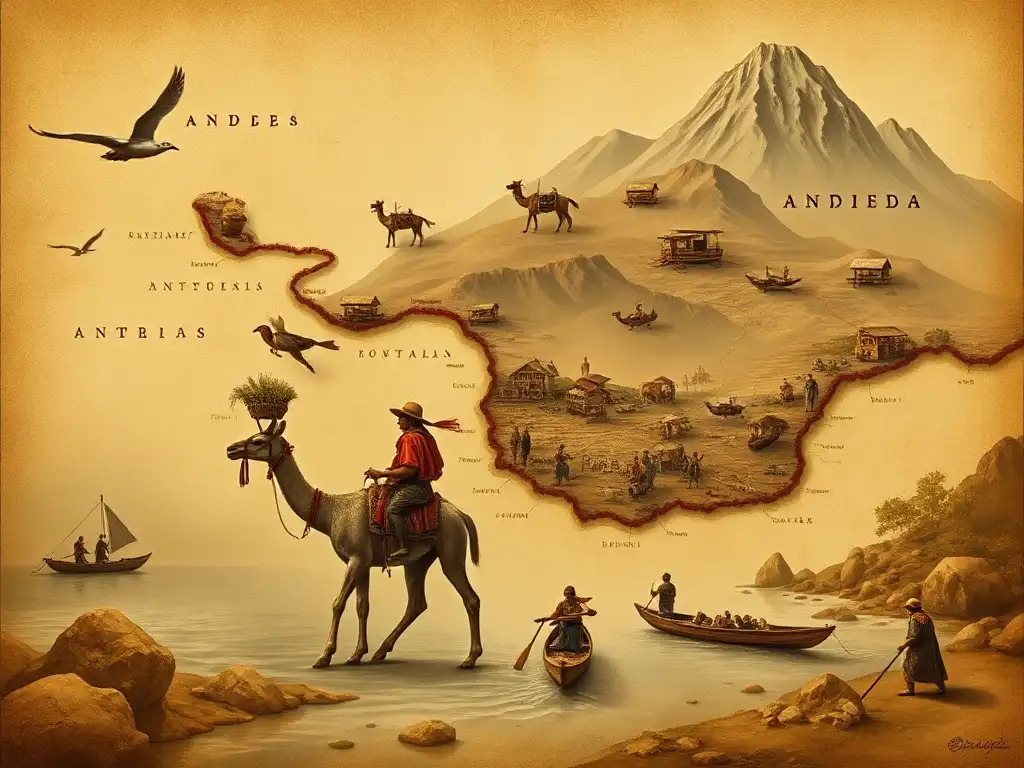
The impact of climate on Andean trade routes and practices was profound, shaping economic strategies and societal structures across various civilizations. The varied geography of the Andes, from arid coastal deserts to high-altitude plains and lush Amazonian foothills, presented both opportunities and challenges. Understanding the relationship between climate and trade requires examining specific examples across different Andean cultures and time periods.
The availability of resources, the feasibility of transportation, and the overall success of trade networks were all heavily influenced by prevailing climatic conditions. For instance, periods of drought could severely restrict agricultural production, impacting the availability of goods for trade and potentially leading to conflict over scarce resources. Conversely, periods of abundant rainfall could boost agricultural yields, leading to increased trade activity and economic prosperity.
The intricate interplay between climate and trade is a key factor in understanding the rise and fall of many Andean civilizations. Analyzing these interactions provides crucial insights into the complexities of ancient Andean societies and their remarkable adaptability.
The Moche Civilization and Coastal Trade Resilience
The Moche civilization (circa 100-800 CE), flourishing along the arid northern coast of Peru, developed sophisticated irrigation systems to overcome the challenges of a desert environment. Their mastery of water management allowed for intensive agriculture, producing surplus crops like maize, beans, and cotton. These surpluses fueled a thriving coastal trade network, connecting Moche settlements with other communities along the coast and potentially even extending to inland regions.
However, the Moche were not immune to the impacts of climate variability. El Niño events, characterized by unusually warm ocean temperatures and heavy rainfall, could disrupt agricultural production and damage coastal infrastructure. Evidence suggests that the Moche adapted to these climatic fluctuations by developing resilient agricultural practices and diversifying their trade networks.
Their sophisticated understanding of their environment enabled them to mitigate the negative effects of climate variability and maintain a relatively stable economy for centuries. The resilience of Moche coastal trade serves as a compelling example of adaptation to climate challenges.
The Inca Empire and its Adaptation to Diverse Environments
The Inca Empire (1438-1533 CE), spanning a vast and diverse territory across the Andes, faced a significant challenge in managing trade across drastically different climatic zones. From the high-altitude puna grasslands to the Amazonian rainforest and the coastal deserts, the Inca Empire implemented sophisticated logistical systems to facilitate the movement of goods and resources. The mit'a system, a form of labor taxation, played a vital role in constructing and maintaining extensive road networks, storage facilities, and relay stations across the empire.
This infrastructure enabled efficient trade and resource distribution, connecting different regions and fostering economic integration. The Inca's intricate understanding of their environment allowed them to adapt their agricultural practices to suit the specific conditions of each region, ensuring food security and supporting trade.
For example, the waru waru agricultural technique, featuring raised fields and irrigation channels, was particularly effective in the high-altitude regions. The Inca's success in managing trade across such diverse environments highlights their remarkable organizational and adaptive capabilities in the face of climatic challenges.
Case Study: The 1982-83 El Niño and its Impact on Peruvian Fisheries
The 1982-83 El Niño event stands out as a significant example of how extreme climate events can dramatically impact Andean economies. This exceptionally strong El Niño caused widespread flooding and landslides, significantly damaging agricultural lands and infrastructure. The event also had a devastating impact on Peruvian fisheries, a crucial component of the Peruvian economy. The changes in ocean temperatures and currents disrupted fish populations, leading to a sharp decline in fish catches.
This had profound social and economic consequences, impacting livelihoods and food security for coastal communities. The event highlighted the vulnerability of Andean economies to extreme climate events and underscored the need for better disaster preparedness and adaptation strategies. The scale of the damage illustrated the interconnectedness of climate, environment, and economic stability in the Andean region. The recovery process was long and arduous, emphasizing the far-reaching effects of these climatic disruptions.
Climate Change and Modern Challenges to Andean Trade
Modern climate change poses significant and evolving challenges to Andean trade. The region is highly vulnerable to the effects of a warming planet, facing increased risks of droughts, floods, glacial melt, and changes in precipitation patterns. These shifts have far-reaching consequences for various sectors, impacting the livelihoods of millions and posing substantial obstacles to sustainable economic development.
The interconnectedness of climate, environment, and economic stability in the Andes is more critical than ever before. Understanding these challenges and developing effective mitigation and adaptation strategies is paramount for ensuring the region's future prosperity. The need for sustainable solutions is urgent, requiring collaborative efforts between governments, communities, and international organizations.
Current Climate Change Impacts on Andean Agriculture
Andean agriculture, the backbone of many rural communities, is acutely vulnerable to the impacts of climate change. Changes in temperature and precipitation patterns are altering growing seasons, reducing crop yields, and increasing the risk of crop failures. Droughts are becoming more frequent and intense, impacting water availability for irrigation, while increased rainfall and flooding can damage crops and infrastructure.
These changes pose significant threats to food security and livelihoods, particularly for smallholder farmers who rely on rain-fed agriculture. The consequences extend beyond food security, affecting the availability of agricultural products for trade and impacting the overall economic stability of the region. Adapting to these challenges requires innovative approaches to water management, drought-resistant crop varieties, and climate-smart agricultural practices.
Threats to Traditional Trade Routes and Practices
Climate change poses a significant threat to traditional Andean trade routes and practices. Melting glaciers and changing precipitation patterns are affecting the availability of water resources, impacting transportation and access to markets. Increased frequency of extreme weather events, such as landslides and floods, can damage infrastructure and disrupt trade networks.
These disruptions can disproportionately affect remote communities that rely on traditional trade routes, hindering access to essential goods and services and exacerbating existing inequalities. Preserving and adapting traditional trade practices while mitigating the risks posed by climate change is crucial for ensuring the sustainability of Andean communities and their unique cultural heritage. A deeper understanding of the specific vulnerabilities of traditional trade routes is necessary to develop effective adaptation strategies.
Future Adaptations for Andean Communities
Adapting to the challenges of climate change requires a multi-faceted approach that integrates various strategies. Improving infrastructure resilience, developing early warning systems for extreme weather events, and diversifying livelihoods are crucial steps. Investing in climate-smart agriculture, promoting sustainable water management practices, and strengthening community-based adaptation initiatives are also essential.
Collaboration between governments, local communities, and international organizations is vital for effectively addressing the challenges of climate change and building resilience in Andean communities. The future of Andean trade and the well-being of its people depend on proactive and collaborative efforts to mitigate the impacts of climate change and build a sustainable future. The focus should be on empowering local communities to take ownership of their adaptation strategies, fostering innovation, and preserving the rich cultural heritage of the Andes.
Conclusion: The Enduring Legacy of Climate's Influence on Andean Trade
The intricate relationship between climate, agriculture, and trade in the Andes profoundly shaped the rise and fall of numerous civilizations. From the meticulous terracing of the Inca to the sophisticated irrigation systems of the Nazca, Andean societies developed remarkable adaptive strategies to overcome the challenges posed by diverse and often unpredictable climatic conditions. The impact of El Niño events, for example, serves as a stark reminder of the vulnerability of these societies to climatic fluctuations.
Periods of drought could cripple agricultural production, leading to social unrest and potentially triggering conflicts over scarce resources – a dynamic clearly reflected in archaeological evidence and historical accounts. Conversely, periods of abundant rainfall could boost agricultural output, fostering economic prosperity and facilitating the expansion of trade networks.
Understanding the impact of climate on Andean trade requires a nuanced perspective, acknowledging the complex interplay of environmental factors, technological innovations, and social organization. The ability of Andean societies to adapt to changing environmental conditions was a crucial factor determining their success. This adaptability wasn't simply about reacting to climate change; it was about proactively shaping their environments through ingenious agricultural practices and sophisticated infrastructure.
The legacy of these adaptations, visible in the enduring landscapes and archaeological remains, continues to inspire awe and wonder. The ingenuity and resilience of Andean civilizations in the face of climatic challenges offer valuable lessons for contemporary societies grappling with the impacts of climate change. Studying their strategies provides insights into sustainable resource management and the importance of understanding the deep interconnectedness between climate, environment, and human societies.
The study of Andean civilizations and their relationship with climate change is not merely an academic exercise; it holds practical implications for understanding and mitigating the challenges of a changing world. The sophisticated systems developed by these ancient societies remain relevant today, reminding us of the crucial need for sustainable practices and adaptation in the face of environmental uncertainty. Their story is one of both vulnerability and remarkable resilience, a testament to human ingenuity and adaptability in the face of nature's powerful forces.
- Introduction: Andean Civilizations and the Climate Challenge
- The Diverse Climates of the Andes and Their Influence
- Climate Variability and its Effects on Andean Trade Networks
- The Role of Climate in Shaping Andean Trade Strategies
- Specific Examples of Climate Impact on Andean Trade
- Climate Change and Modern Challenges to Andean Trade
- Conclusion: The Enduring Legacy of Climate's Influence on Andean Trade
Frequently Asked Questions
How did climate affect trade in the Andes?
The varied climates of the Andes, from coastal deserts to high-altitude plains, significantly impacted trade. Resource distribution dictated trade routes and the exchange of goods vital for survival. Environmental challenges, like droughts or floods, disrupted trade networks.
What goods were traded among Andean civilizations?
Andean civilizations traded a wide variety of goods. Coastal communities offered fish and shellfish, while highland groups provided potatoes, llama wool, and metals. Luxury goods, like textiles and precious stones, also circulated extensively.
How did the Inca Empire manage trade in diverse climates?
The Inca Empire, with its sophisticated road system and administrative structure, effectively managed trade across diverse climates. They implemented storehouses (qollqas) for storing surplus goods and facilitated the movement of goods and people. This helped maintain stability even during climatic fluctuations.
Did climate change affect Andean civilizations negatively?
Yes, climate change and variability significantly impacted Andean civilizations. Droughts and El Niño events caused crop failures and social unrest, contributing to the decline of certain societies. Adaptability to climatic shifts was crucial for survival.
How did Andean civilizations adapt to different climates?
Andean civilizations developed diverse agricultural techniques adapted to different altitudes and climates. They cultivated terraces, irrigation systems, and freeze-drying techniques to optimize food production in varied environments. This adaptive capacity was essential for their survival and prosperity.
Final Reflection: Echoes of the Andes: Climate's Enduring Legacy on Trade
The intricate dance between climate and commerce in the Andes continues to resonate today, a stark reminder of the fragility of even the most resilient societies. The historical patterns of trade disruption and adaptation detailed in this article offer crucial insights into our current struggles with climate change and its impact on global supply chains. Understanding the past is not merely an academic exercise; it's a vital tool for navigating the uncertain future.
The vulnerability of Andean civilizations to climatic shifts underscores the interconnectedness of our world, a lesson profoundly relevant in an era of increasingly volatile weather patterns and globalized markets. The cyclical nature of El Niño and its devastating consequences, as witnessed throughout Andean history, serves as a cautionary tale. The past is never dead. It's not even past.
– William Faulkner. This quote rings particularly true when considering the enduring impact of climate on Andean trade routes and the echoes of these historical events in our contemporary challenges. We must learn from these past struggles to build more resilient and sustainable systems.
Consider the lessons learned from the ingenuity and adaptability of Andean civilizations. Their sophisticated agricultural techniques, complex trade networks, and capacity for innovation in the face of adversity offer valuable inspiration. You, the reader, hold the power to shape a more sustainable future. By understanding the profound impact of climate on trade, both historically and presently, you can become a more informed and engaged citizen, advocating for policies that prioritize climate resilience and sustainable economic practices. Let the echoes of the Andes inspire you to act.
Unlock the Secrets of Andean Trade!
Thank you for exploring the fascinating interplay between climate and Andean trade! You've gained valuable insights into how geography and weather patterns have shaped this vibrant exchange. Now, let's delve even deeper!
Here are some ways to further your understanding and appreciation of Andean civilizations:
- Visit a local market or cultural event celebrating Andean heritage to witness trade practices firsthand. Interact with artisans and learn about their craft and the stories behind their products.
- Share this article with friends and family, sparking a conversation about the influence of climate on trade, both historically and in your own region.
- Explore online resources and documentaries about Andean civilizations to enrich your understanding of their complex economic history.
What aspect of Andean trade most captivates you, and how do you anticipate climate change will continue to influence it in the future?