
Andean Echoes: How Ancient Climate Shifts Shaped Civilizations

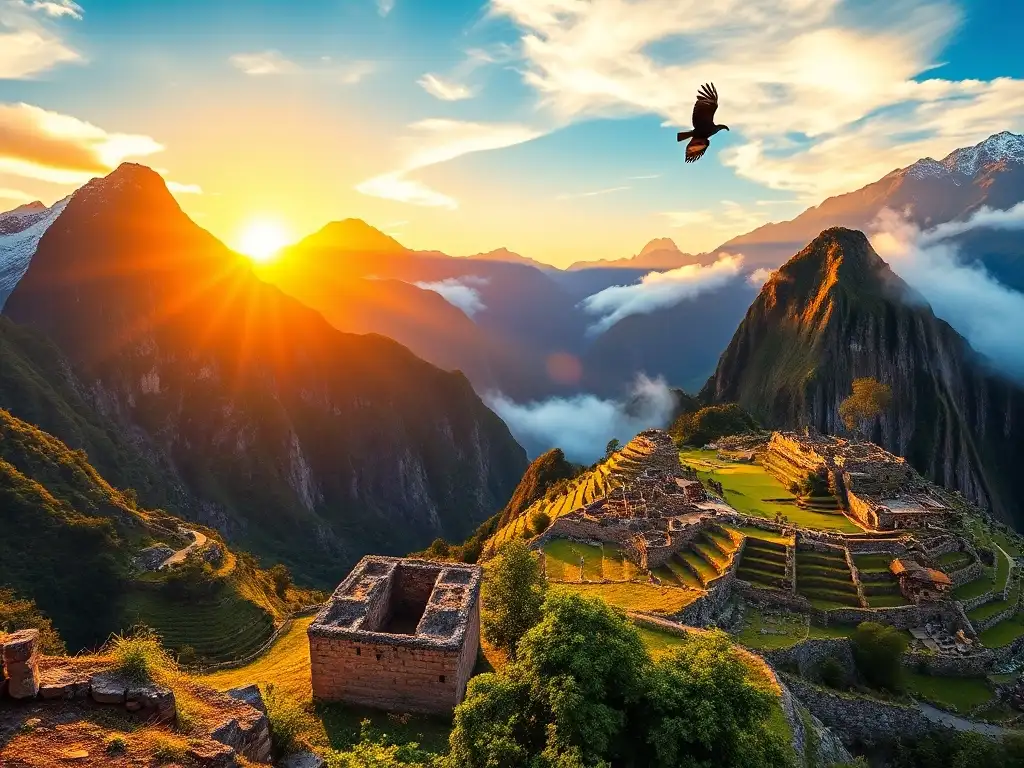
Welcome to Andean Civilizations, where the echoes of a lost world resonate with the power of a thousand sunrises. Prepare to journey through a tapestry of breathtaking artistry, ingenious engineering, and profound cultural achievements. But what truly shaped the rise and fall of these magnificent empires? Uncover the surprising influence of ancient Andean climate change – a story of resilience, adaptation, and ultimate transformation that will rewrite your understanding of these captivating societies. Dive in and discover the secrets held within the Andes.
The Andes Mountains, a spine of towering peaks traversing the western edge of South America, have witnessed millennia of human ingenuity and adaptation. This dramatic landscape, however, is not static; its climate has fluctuated dramatically over time, profoundly impacting the rise and fall of the ancient Andean civilizations.
This article explores the intricate relationship between ancient Andean climate change and the trajectory of societies like the Inca, Moche, Nazca, and Tiahuanaco, demonstrating how environmental shifts acted as both catalysts for innovation and agents of societal upheaval. We will delve into specific climatic events, examining their archaeological and paleoclimatic evidence to reveal a compelling narrative of human resilience and vulnerability in the face of environmental change.
Understanding this complex interplay is crucial not only for appreciating the rich tapestry of Andean history but also for informing our understanding of contemporary climate challenges and their potential impact on vulnerable communities today. The study of "ancient Andean climate change" provides invaluable lessons for navigating our own era of environmental uncertainty.
The El Niño-Southern Oscillation (ENSO) and its Impact
The El Niño-Southern Oscillation (ENSO) is a naturally occurring climate pattern characterized by fluctuations in sea surface temperatures in the tropical Pacific Ocean. These fluctuations have cascading effects on global weather patterns, profoundly influencing rainfall and temperature regimes across the Andes. Evidence suggests that unusually strong or frequent El Niño events during the pre-Columbian era brought devastating consequences to Andean societies.
For example, prolonged droughts associated with El Niño likely contributed to the decline of the Moche civilization, evidenced by decreased agricultural yields and societal instability reflected in archaeological findings. Conversely, periods of increased rainfall, also linked to ENSO variability, could have fostered agricultural abundance and population growth, potentially fueling expansion and prosperity for other cultures. Detailed analysis of sediment cores, ice cores, and archaeological data continues to refine our understanding of the precise impacts of ENSO on specific Andean societies and their timelines.
Droughts, Floods, and the Agricultural Strategies of Andean Civilizations
The Andes are characterized by highly variable rainfall patterns, even in normal years. The interplay of altitude, topography, and ENSO variability creates environments ranging from arid deserts to lush cloud forests. Ancient Andean civilizations developed sophisticated agricultural techniques to cope with this variability, including terracing, irrigation systems, and the cultivation of diverse crops adapted to different altitudes and microclimates.
However, extreme events like prolonged droughts or catastrophic floods could overwhelm even the most ingenious agricultural strategies. The construction of extensive irrigation systems, for example, while a testament to engineering prowess, could also become liabilities during periods of extreme drought, potentially leading to water scarcity and conflict. Archaeological evidence suggests that such events played a significant role in the restructuring of Andean societies, forcing adaptations, migrations, and even societal collapses.
Climate change wasn't simply an environmental phenomenon; it profoundly shaped the political and social landscape of the Andes. Periods of drought or resource scarcity often led to increased competition for dwindling resources, potentially fueling conflicts between different groups. Conversely, periods of abundance could strengthen centralized power structures, as rulers controlled access to vital resources and agricultural production. The Inca Empire, for example, may have benefited from a period of relatively stable climate during its expansion, allowing for the efficient organization of labor and resource distribution across its vast territory.
However, even the Inca, with their sophisticated administrative systems, were not immune to the impacts of climate change. Evidence suggests that fluctuations in agricultural yields and resource availability contributed to internal tensions and ultimately played a role in the empire's vulnerability to Spanish conquest. Further research needs to be conducted to understand the nuances of these complex interactions.
Lessons for the Present: Understanding Past Climate Impacts to Inform Future Strategies
The study of past climate change in the Andes offers invaluable insights for contemporary societies facing similar challenges. The ingenious adaptation strategies employed by ancient Andean civilizations, such as sophisticated water management techniques and diverse agricultural practices, provide models for sustainable resource management in the face of climate variability. Understanding the vulnerabilities of past societies to extreme climatic events also highlights the importance of proactive measures to mitigate the risks of future climate change.
By analyzing the long-term consequences of climate shifts on Andean societies, we can gain a deeper appreciation of the interconnectedness between human societies and their environment, informing more effective strategies for adapting to and mitigating the effects of climate change in the Andes and beyond. The echoes of past climate changes continue to resonate today, reminding us of the urgent need for sustainable practices and proactive planning.
- The El Niño-Southern Oscillation (ENSO) and its Impact
- Droughts, Floods, and the Agricultural Strategies of Andean Civilizations
- The Influence of Climate Change on Political and Social Structures
- Lessons for the Present: Understanding Past Climate Impacts to Inform Future Strategies
The Interplay of Climate and Andean Societies
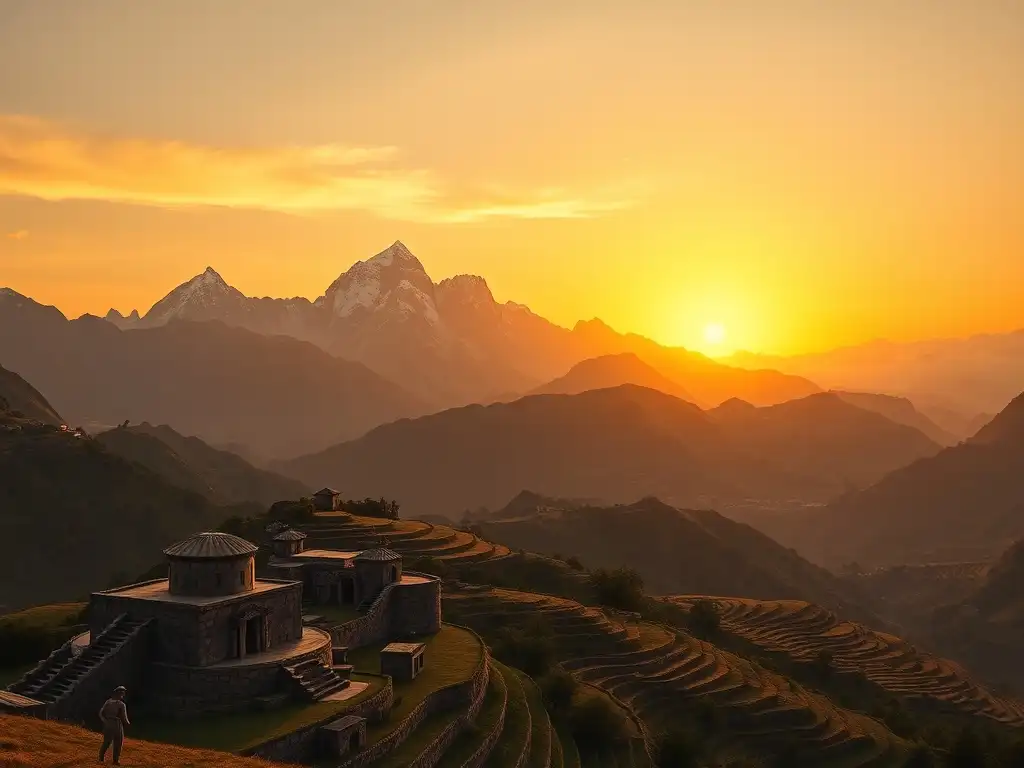
The Andes Mountains, a spine of towering peaks and deep valleys stretching along the western coast of South America, presented both incredible opportunities and formidable challenges to the ancient civilizations that thrived there. The relationship between these societies and their environment was profoundly intertwined, a complex dance between human ingenuity and the capricious nature of the Andean climate. Understanding this dynamic is crucial to grasping the rise and fall of empires like the Inca, Moche, Nazca, and Tiahuanaco.
The availability of water, the predictability of rainfall, and the frequency of extreme weather events directly impacted agricultural practices, societal structures, and ultimately, the longevity of these remarkable cultures. Ancient Andean climate change, therefore, wasn't simply a backdrop; it was a central actor in their historical narratives.
Studying paleoclimatic data, archaeological evidence, and ethnohistorical accounts reveals a compelling story of adaptation, innovation, and, at times, devastating collapse. The impact of climate change on Andean societies was multifaceted, influencing everything from urban planning to religious beliefs.
Understanding Ancient Andean Climatic Variations
Reconstructing ancient Andean climatic variations requires a multi-pronged approach, integrating diverse sources of information. Ice core samples from glaciers high in the Andes provide invaluable data on past precipitation levels and temperature fluctuations. These cores act like natural archives, preserving layers of ice that reflect climatic conditions over millennia.
Analysis of oxygen isotopes within the ice allows scientists to determine past temperatures with remarkable precision. Additionally, sediment cores from lakes and coastal regions offer insights into past hydrological changes, revealing fluctuations in lake levels and the intensity of monsoonal rainfall. Pollen analysis from these sediment cores helps reconstruct past vegetation patterns, offering clues about the prevalence of different plant communities and the impact of climate change on ecosystems.
Furthermore, archaeological evidence plays a crucial role in understanding past climate impacts. For example, the distribution of settlements across different altitudes and the types of agricultural practices employed can reflect adaptations to changing climatic conditions. The construction of sophisticated irrigation systems by the Nazca, for instance, suggests a response to periods of water scarcity.
Similarly, the abandonment of certain settlements may coincide with periods of prolonged drought or other extreme weather events. The study of ancient Andean agricultural techniques, such as terracing and raised fields, illustrates ingenious adaptations to the challenging terrain and variable climate. These techniques not only increased agricultural productivity but also helped mitigate the risks associated with climate variability.
The intricate relationship between ancient Andean societies and their environment is further illuminated by ethnohistorical accounts, oral traditions, and colonial records, offering valuable qualitative data to supplement the quantitative insights gleaned from scientific analyses. These combined approaches allow for a more holistic understanding of ancient Andean climate change and its profound influence on the region's inhabitants.
The Vulnerability of Andean Civilizations to Climate Fluctuations
The Andean civilizations, despite their remarkable engineering feats and sophisticated social structures, were undeniably vulnerable to climate fluctuations. Their agricultural systems, largely dependent on rainfall and meltwater from glaciers, were particularly susceptible to droughts and floods. Periods of prolonged drought, for instance, could lead to crop failures, famine, and societal unrest. The collapse of certain Andean societies has been linked to such climatic events, highlighting the critical role of environmental factors in shaping their trajectories.
The Moche civilization, known for its elaborate irrigation systems, experienced periods of both prosperity and decline that appear correlated with fluctuations in rainfall patterns. Similarly, the Inca Empire, despite its impressive infrastructure and sophisticated administrative system, was not immune to the impacts of climate change. Evidence suggests that periods of drought and other climate-related stresses contributed to the empire's eventual decline.
The impact of ancient Andean climate change extended beyond agricultural production. Changes in water availability could also affect access to essential resources, leading to conflicts and migrations. The distribution of settlements and the location of key infrastructure were often influenced by climatic factors, reflecting a constant negotiation between human needs and environmental constraints.
Moreover, climate change could have had a significant impact on the health and well-being of Andean populations, increasing the vulnerability to diseases and malnutrition. The interconnectivity of these factors underscores the complex and multifaceted nature of the relationship between ancient Andean societies and their environment.
The study of "ancient Andean climate change" therefore requires a nuanced understanding of the ways in which climatic variations interacted with other social, political, and economic factors to shape the destinies of these remarkable civilizations. Further research, particularly focused on [specific information pending: detailed analysis of specific case studies of societal collapse linked to climate events], is needed to fully elucidate this complex interplay.
Major Climatic Events and Their Impact on Andean Peoples
This section delves into the significant climatic events that profoundly shaped the trajectory of ancient Andean civilizations. Understanding these shifts is crucial to comprehending the resilience, adaptation, and, at times, the collapse of these remarkable societies. The interplay between human ingenuity and environmental pressures is a recurring theme, highlighting the complex relationship between ancient Andean peoples and their ever-changing environment.
The impact of climate change on these communities wasn't just about survival; it fundamentally altered their social structures, agricultural practices, and even their artistic expressions. Analyzing these events offers invaluable insights into the intricate dynamics of ancient Andean climate change and its lasting consequences.
El Niño and La Niña: Disrupting Andean Agricultural Practices
El Niño-Southern Oscillation (ENSO), encompassing both El Niño and La Niña events, significantly impacted agricultural practices in the Andes. El Niño, characterized by unusually warm ocean temperatures in the equatorial Pacific, brought torrential rains to some coastal regions and severe droughts to others. This unpredictability wreaked havoc on carefully cultivated agricultural systems, leading to crop failures and food shortages.
For example, the Moche civilization, renowned for its sophisticated irrigation systems, likely experienced periods of both devastating floods and crippling droughts linked to ENSO variability. Evidence suggests that their intricate canal networks, while impressive feats of engineering, were not always sufficient to mitigate the extreme variations in rainfall brought on by El Niño events.
Conversely, La Niña events, characterized by cooler-than-normal ocean temperatures, often resulted in drier-than-average conditions across much of the Andes. This could lead to prolonged droughts, impacting the availability of water for irrigation and severely affecting crop yields. The impact of these alternating extremes was not merely a matter of reduced harvests; it could trigger social unrest, migrations, and even contribute to the decline of certain settlements.
The ability of Andean societies to adapt to these recurring climatic oscillations played a critical role in their long-term survival. Archaeological evidence, combined with paleoclimatological data, continues to reveal the complex interplay between ENSO and the evolution of Andean societies.
The Effects of Drought on Ancient Andean Cultures
Prolonged droughts represent a significant threat to any agrarian society, and the ancient Andean civilizations were no exception. The impact of these extended dry periods varied depending on the specific location and the adaptive capacity of the affected communities. Some cultures, like the Nazca, developed highly sophisticated water management techniques, including underground aqueducts ( puquios) to access groundwater sources. These ingenious systems allowed them to endure relatively prolonged droughts, though even these advanced strategies could be overwhelmed by exceptionally severe and persistent dry spells.
However, other groups, particularly those reliant on rainfall agriculture in less-favored regions, were far more vulnerable. Evidence suggests that prolonged droughts contributed to social instability, warfare over scarce resources, and even the abandonment of settlements. The impact on population density and the distribution of settlements is clearly visible in archaeological records.
Analysis of skeletal remains from this period often reveals signs of malnutrition, further corroborating the effects of widespread drought on the health and well-being of ancient Andean populations. The vulnerability of these communities underscores the critical importance of water resources in shaping the development and resilience of ancient Andean societies. The study of ancient drought events provides crucial insights into the challenges faced by these communities and the strategies they employed to cope with environmental adversity.
Ice Core Data: Unveiling Past Climate Patterns in the Andes
Ice cores extracted from high-altitude glaciers in the Andes provide invaluable insights into past climate patterns, offering a detailed record of temperature fluctuations, precipitation levels, and atmospheric composition extending back millennia. Analysis of these ice cores reveals a complex history of ancient Andean climate change, including periods of both prolonged drought and unusually heavy rainfall. The isotopic composition of the ice, for example, can be used to reconstruct past temperature variations, while the concentration of dust particles provides information about the intensity of past winds and the extent of aridity.
Furthermore, the analysis of trapped air bubbles within the ice allows scientists to determine the concentration of greenhouse gases in the atmosphere during different periods, offering a glimpse into the past atmospheric composition. These data are crucial for understanding the relationship between climate change and the development of ancient Andean societies, providing a more nuanced understanding of the environmental pressures they faced and the adaptive strategies they employed.
The information derived from ice core analysis provides a powerful tool for reconstructing past climates and offers a unique perspective on the long-term impact of climate change on the Andes. The continued study of these ice cores promises to further illuminate the intricate relationship between climate and the rise and fall of ancient Andean civilizations.
Case Studies: Climate Change and Specific Andean Civilizations
This section delves into the impact of ancient Andean climate change on specific civilizations, examining how environmental shifts influenced their development, adaptation strategies, and ultimate fates. We'll explore concrete examples, highlighting the ingenuity and resilience of these societies in the face of adversity, while also acknowledging their vulnerabilities. Understanding these specific case studies provides crucial context for comprehending the broader narrative of ancient Andean climate change and its profound legacy.
The Moche Civilization: Adaptation Strategies to Environmental Change
The Moche civilization (circa 100-800 CE), flourishing along the arid northern coast of Peru, faced significant challenges from fluctuating climate patterns. Evidence suggests periods of intense drought punctuated by occasional torrential rains, dramatically impacting agricultural production and resource availability. Their survival hinged on sophisticated adaptation strategies, showcasing remarkable engineering prowess and societal organization.
Moche Irrigation Systems: Responding to Water Scarcity
The Moche's response to water scarcity was nothing short of ingenious. They developed extensive irrigation systems, harnessing limited water resources from rivers and ephemeral streams. These systems were not simply canals; they involved complex networks of reservoirs, aqueducts, and terraced fields, meticulously engineered to maximize water efficiency. Detailed archaeological findings reveal sophisticated techniques, including the construction of subterranean canals ( puquios) that tapped into underground water sources, ensuring a reliable water supply even during prolonged droughts.
The scale and complexity of these systems demonstrate the Moche's deep understanding of hydrology and their commitment to sustainable water management. The effectiveness of these systems is evidenced by the Moche's impressive agricultural output, supporting a large and relatively dense population for centuries. However, even these advanced systems were vulnerable to extreme climate events, such as prolonged El Niño-Southern Oscillation (ENSO) events, which could disrupt water flow and cause catastrophic flooding.
The Tiwanaku Empire: Climate and the Rise and Fall of a Power
The Tiwanaku Empire (circa 300-1100 CE), located on the Altiplano of the Andes, provides a compelling case study of a civilization deeply affected by ancient Andean climate change. Situated at high altitude, Tiwanaku's environment was inherently challenging, characterized by cold temperatures, limited rainfall, and intense solar radiation. Understanding the interplay between climate and the Tiwanaku's rise and decline requires examining their agricultural practices and their ability to adapt to environmental shifts.
Tiwanaku Agriculture: Innovations and Limitations in Highland Farming
Tiwanaku's agricultural success relied on innovative techniques adapted to the harsh Altiplano environment. They developed raised-field agriculture, creating artificial islands of fertile soil in shallow lakes. This method improved soil drainage, reduced frost risk, and increased agricultural productivity. They also employed sophisticated irrigation systems, channeling water from streams and lakes to their fields.
However, Tiwanaku's agricultural system was not immune to climate variability. Archaeological and paleoclimatic data suggest that periods of drought significantly impacted crop yields, potentially contributing to social unrest and the empire's eventual decline. The reliance on a relatively fragile system, despite its innovations, highlights the vulnerability of even advanced civilizations to long-term climate shifts.
Further research is needed to fully understand the precise role of climate change in Tiwanaku's history, particularly in disentangling the impact of climate from other contributing factors such as internal political conflicts and external pressures. Analyzing isotopic data from ancient crops and human remains could provide further insights into the dietary changes and population dynamics associated with periods of drought. The study of ancient Andean climate change offers a rich tapestry of interconnected factors that require a multifaceted approach to unravel.
The Inca Empire: Managing Resources in a Diverse Climate
The Inca Empire, renowned for its sophisticated political and social organization, faced the considerable challenge of managing resources across a geographically diverse and climatically variable landscape. The empire stretched along the Andes Mountains, encompassing a range of altitudes, from arid coastal deserts to high-altitude puna grasslands and lush cloud forests. This diversity presented both opportunities and significant obstacles.
The Incas' success stemmed from their ability to develop sophisticated agricultural techniques, intricate water management systems, and a robust logistical network capable of distributing resources effectively across this vast and varied terrain. Their understanding of and adaptation to ancient Andean climate change was crucial to their survival and expansion. Fluctuations in rainfall, temperature, and glacial melt significantly impacted agricultural yields and the availability of water, necessitating innovative solutions.
The Inca Empire's agricultural prowess is well-documented. They developed terracing techniques on steep slopes to maximize arable land and reduce soil erosion. These terraces, often meticulously constructed with stone retaining walls, allowed for the cultivation of diverse crops at various altitudes, optimizing the use of available resources and mitigating the risks associated with localized climate variations. For example, the high-altitude regions might yield potatoes and quinoa, while lower altitudes were suitable for maize and other crops.
This agricultural diversification proved critical in buffering against climate-related crop failures. Furthermore, the Incas employed sophisticated irrigation systems, channeling water from rivers and streams to irrigate their fields. These systems, often involving complex networks of canals and aqueducts, were vital in regions with unpredictable rainfall patterns, ensuring a reliable water supply for agriculture even during periods of drought.
Beyond agriculture, the Inca's understanding of ancient Andean climate change is reflected in their urban planning. Cities like Machu Picchu, strategically located in the Andes, demonstrate an impressive adaptation to the challenging terrain and climate. The city's design, incorporating features like intricate water management systems and carefully placed buildings to maximize sunlight and minimize wind exposure, showcases the Incas' deep understanding of their environment.
Their ability to anticipate and respond to climatic shifts was paramount to their ability to sustain their large population and maintain control over their extensive empire. The empire's collapse, while multifaceted, undoubtedly involved the inability to fully mitigate the effects of increasingly erratic weather patterns and resource scarcity linked to climate change.
Inca Engineering: Adapting to Variable Andean Weather
Inca engineering marvels stand as testaments to their deep understanding of and adaptation to the variable Andean weather. Their mastery of stonework, particularly evident in their irrigation systems and agricultural terraces, allowed them to create resilient infrastructure capable of withstanding the challenges of earthquakes, floods, and landslides – all exacerbated by climate variability. The precision and durability of their construction methods underscore their commitment to long-term sustainability in the face of ancient Andean climate change.
The intricate network of canals and aqueducts constructed by the Inca demonstrates their advanced hydraulic engineering. These systems were not merely functional; they were carefully designed to manage water flow efficiently, minimizing water loss and ensuring equitable distribution across diverse agricultural zones. The use of carefully selected materials, such as durable stone and expertly crafted channels, minimized the impact of erosion and ensured the longevity of the irrigation systems.
This engineering prowess is especially impressive given the challenging terrain and the unpredictable nature of Andean rainfall. Their understanding of water flow dynamics, coupled with their advanced construction techniques, allowed them to create irrigation systems that were both effective and sustainable.
Beyond irrigation, the Incas' mastery of stonework extended to the construction of agricultural terraces. These terraces, carved into steep mountain slopes, served not only to increase arable land but also to control soil erosion and regulate water flow. The construction of terraces involved sophisticated engineering techniques, including the use of retaining walls, drainage systems, and carefully graded surfaces. These terraces provided a stable platform for agriculture, even in areas prone to landslides and soil erosion. The terracing systems, in combination with their crop diversification strategy, ensured a relatively stable food supply, even during periods of drought or other climatic extremes. This highlights the Inca's proactive approach to mitigating the risks associated with ancient Andean climate change, demonstrating a sophisticated understanding of environmental challenges and a remarkable capacity for engineering solutions. The legacy of Inca engineering continues to inspire, showcasing a level of technological sophistication rarely seen in other ancient civilizations.
The Long-Term Consequences of Ancient Andean Climate Change
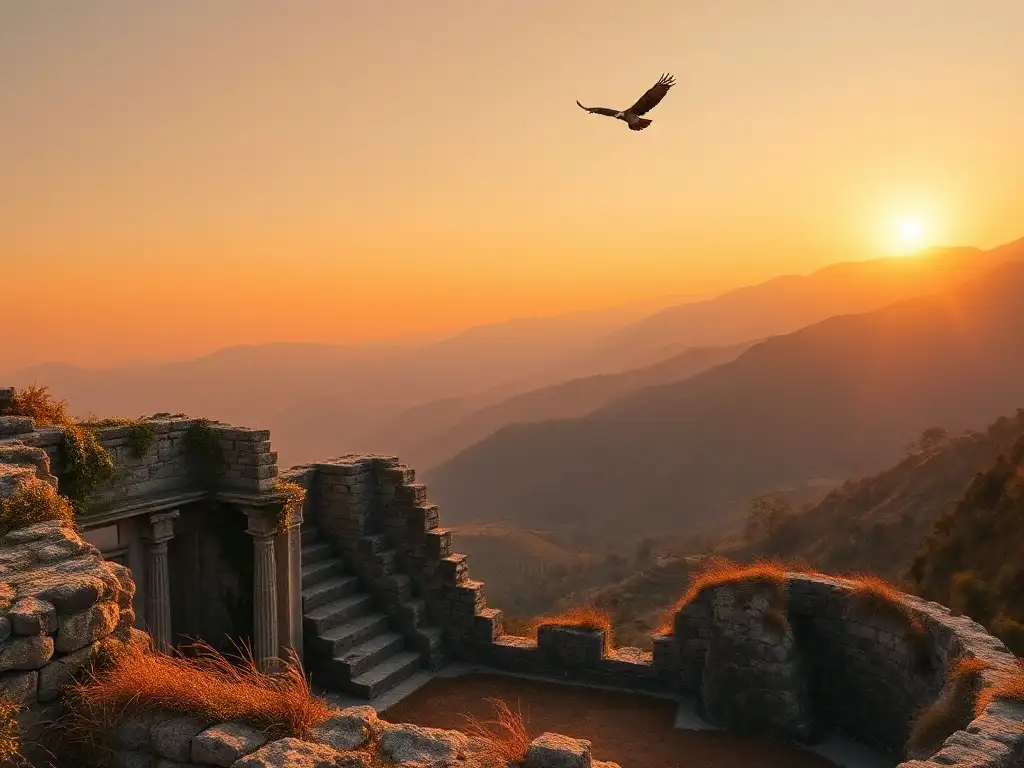
The impact of ancient Andean climate change reverberates through millennia, leaving an indelible mark on the trajectory of these remarkable civilizations. Understanding these long-term consequences is crucial to appreciating the resilience and adaptability, but also the vulnerability, of Andean societies in the face of environmental pressures. This section delves into the profound and lasting effects of climatic shifts, moving beyond immediate impacts to examine the generational consequences that shaped the cultural landscape of the Andes.
We'll explore how shifts in precipitation patterns, temperature fluctuations, and glacial melt influenced migration patterns, societal structures, and the enduring legacy of these ancient societies. The study of ancient Andean climate change provides invaluable insights into the intricate relationship between humans and their environment, offering lessons for our own time.
Migration and Population Shifts due to Environmental Pressures
Fluctuations in the availability of water resources, a direct consequence of ancient Andean climate change, were a major driver of population displacement and migration. Periods of prolonged drought forced communities to abandon established settlements in search of more fertile lands and reliable water sources. Evidence suggests that these migrations were not always orderly or peaceful, potentially leading to increased competition for resources and even conflict between groups.
For example, archaeological evidence from the Nazca region shows a clear correlation between periods of intense drought and the abandonment of major settlements. Analysis of isotopic ratios in human remains reveals changes in dietary patterns, suggesting a shift to less diverse food sources during these periods of scarcity. This dietary shift points to a struggle for survival and the adoption of more precarious agricultural strategies.
The resulting population movements likely contributed to the dynamic and ever-shifting political landscape of the Andes. Studies of ancient Andean settlement patterns reveal a complex interplay between environmental stress and population mobility, highlighting the adaptive strategies employed by Andean societies in response to climate variability. Understanding these ancient population dynamics provides crucial context for evaluating the long-term consequences of environmental pressures.
Societal Restructuring and Cultural Transformations
Ancient Andean climate change wasn't merely a physical phenomenon; it profoundly impacted the social and cultural fabric of these societies. Periods of drought or extreme weather events often led to societal restructuring, prompting changes in governance, social hierarchies, and religious beliefs. The need to manage scarce resources and cope with environmental uncertainty fostered innovation in agricultural techniques, water management systems, and social organization.
For instance, the Inca Empire, known for its sophisticated administrative system, implemented complex irrigation networks and terraced farming techniques to mitigate the risks associated with climate variability. These innovations, born out of necessity, not only ensured food security but also strengthened the centralized power of the Inca state.
Conversely, periods of relative climate stability could lead to increased population density and the emergence of more complex social structures. The development of monumental architecture, like the impressive structures at Tiahuanaco, could be linked to periods of relative climatic stability, allowing for greater investment in large-scale projects.
The interplay between environmental conditions and societal development showcases the remarkable capacity of Andean civilizations to adapt and transform in response to environmental challenges, while also highlighting the vulnerability of these societies to shifts in climate patterns. Further research into the specific social and cultural changes associated with different climatic episodes is needed to fully understand the long-term impact of ancient Andean climate change.
The Legacy of Climate Change on Andean Civilizations
The legacy of ancient Andean climate change extends far beyond the immediate experiences of past populations. The adaptations, innovations, and societal transformations prompted by environmental pressures have left a lasting imprint on the region's cultural landscape, influencing patterns of settlement, agricultural practices, and even spiritual beliefs. Understanding this legacy is critical for comprehending the resilience and adaptability of Andean societies, providing a valuable perspective for addressing contemporary environmental challenges.
The enduring impact of these past climate shifts is evident in the sophisticated agricultural techniques still practiced in the Andes today, many of which are rooted in pre-Columbian innovations. Furthermore, the intricate relationship between Andean communities and their environment continues to shape cultural identities and worldviews.
The study of ancient Andean climate change provides a rich case study for understanding the long-term consequences of environmental variability and its impact on human societies, offering valuable lessons for navigating the challenges of climate change in the 21st century. Careful analysis of historical data, combined with ongoing archaeological research, offers promising avenues for improving our understanding of this complex interplay between climate, society, and culture in the Andean region.
Lessons from the Past: Climate Resilience in the Andes
The ancient Andean civilizations weren't simply passive recipients of climate change; they were active participants in adapting to its challenges. Their survival, spanning centuries, hinged on sophisticated strategies that demonstrate remarkable ingenuity and a deep understanding of their environment. Studying these strategies provides invaluable insights into building climate resilience, not only for Andean communities today, but also for societies globally facing similar pressures. The impact of ancient Andean climate change on their societal structures serves as a powerful case study.
Ancient Andean Ingenuity: Insights for Modern Challenges
The ingenuity of ancient Andean societies in the face of fluctuating climates is breathtaking. Consider the intricate waru waru agricultural system employed by various cultures across the Andes. This raised-field agriculture involved creating elevated planting beds separated by canals. This system offered several advantages: improved water management during both droughts and floods, enhanced soil fertility through nutrient cycling, and microclimatic regulation, protecting crops from frost and strong winds. The effectiveness of waru waru is evidenced by its continued use in some Andean communities today, demonstrating its long-term sustainability.
Another example of their adaptation is the sophisticated water management systems, like the canals and aqueducts that channeled water from distant sources to agricultural lands. These weren't simple ditches; they involved complex engineering, including the use of tunnels and siphons, showcasing a deep understanding of hydraulics. The Nazca culture, renowned for their geoglyphs, also developed elaborate irrigation systems crucial for their survival in the arid coastal region.
These systems demonstrate a profound understanding of water scarcity and the need for efficient water distribution. The precise details of some of these systems, particularly their maintenance and repair procedures, remain to be fully understood, indicating the need for further archaeological research on ancient Andean climate change mitigation.
The ancient Andean response to climate variability wasn't limited to agriculture. Their architectural innovations, like the use of stone and adobe construction techniques adapted to seismic activity and extreme weather, reflect a deep understanding of environmental risks. These buildings often featured features that minimized the impact of earthquakes and protected inhabitants from harsh weather conditions. The resilience of these structures, some of which stand to this day, is a testament to their careful planning and construction. The detailed analysis of these structures reveals much about their understanding of building materials and their responses to environmental challenges.
The Importance of Understanding the Relationship Between Climate and Culture
Understanding the intricate relationship between climate and culture in the Andes is crucial for interpreting the rise and fall of ancient societies. Climate shifts weren't simply background factors; they were active agents shaping social structures, political systems, and even religious beliefs. Periods of drought, for example, could lead to conflicts over scarce resources, triggering social unrest and even warfare. Conversely, periods of abundance could foster economic growth and cultural flourishing.
The impact of ancient Andean climate change is clearly visible in the archaeological record. Changes in agricultural practices, settlement patterns, and even artistic styles often reflect responses to climatic fluctuations. For instance, evidence suggests that periods of drought coincided with shifts in political power, as communities struggled to adapt to changing conditions. Conversely, periods of favorable climate often saw the emergence of powerful empires, such as the Inca, that could effectively manage resources and maintain social order.
Analyzing ancient Andean climate change requires a multidisciplinary approach. Archaeological data, paleoclimatological records (such as ice core samples and pollen analysis), and ethnohistorical accounts must be integrated to create a comprehensive picture. This integrated approach provides a richer understanding of how past Andean societies adapted to climate variability and how these adaptations shaped their cultures and societies.
The interdisciplinary nature of this research highlights the interconnectedness of climate, environment, and culture, providing valuable lessons for understanding the complex challenges faced by societies today. Further research into the specific mechanisms of adaptation, such as the social organization and governance structures related to resource management during times of climate stress, is needed to fully grasp the resilience strategies employed by these ancient civilizations.
Frequently Asked Questions
How did climate change affect the ancient Andean civilizations?
Ancient Andean civilizations were profoundly impacted by climate variability. Droughts and floods significantly affected agriculture, leading to social unrest and even the collapse of some societies. Adaptability to these changes was crucial for survival.
What specific climate events impacted the Andean region?
The Andes experienced several significant climate shifts, including the Medieval Climate Anomaly and the Little Ice Age. These periods brought periods of both intense drought and unusually heavy rainfall, impacting water resources and agricultural yields. El Niño-Southern Oscillation (ENSO) events also played a significant role.
Did the Andean people adapt to climate change?
Yes, Andean societies developed remarkable strategies to cope with climate variability. These included sophisticated irrigation systems, terraced agriculture, and diverse crop cultivation to mitigate the impacts of drought and flood. They also developed sophisticated social structures to manage resources.
How did climate change influence the rise and fall of Andean empires?
Climate fluctuations were a major factor in the rise and fall of several Andean empires. Periods of favorable climate often coincided with periods of expansion and prosperity, while periods of drought or other climate extremes often led to social instability and decline. This is particularly evident in the Inca Empire.
What evidence is used to study ancient Andean climate change?
Scientists use various sources to reconstruct past climates, including ice core samples, lake sediment analysis, and archaeological evidence such as changes in agricultural practices and settlement patterns. These methods provide valuable insights into the relationship between climate and human societies in the Andes.
Final Reflection: The Enduring Legacy of Andean Climate
The intricate dance between Andean civilizations and their environment continues to resonate today, a stark reminder of humanity's profound vulnerability to climate shifts. Understanding the past's climatic upheavals isn't just an academic exercise; it's a crucial lens through which we can better comprehend and address the climate challenges facing us now. The lessons learned from the rise and fall of Andean societies offer invaluable insights into resilience, adaptation, and the devastating consequences of environmental mismanagement.
The impact of climate change on the Andes, from the collapse of the Tiwanaku to the adaptations of the Inca, underscores the deep interconnectedness between human societies and their ecological surroundings. These ancient societies, despite their remarkable ingenuity, were ultimately shaped—and sometimes shattered—by forces beyond their control. The past is never dead. It's not even past.
– William Faulkner. This quote rings particularly true when considering the enduring legacy of Andean climate change, which continues to inform our understanding of both past and present societal vulnerabilities. The echoes of these ancient struggles are heard in the contemporary challenges faced by Andean communities today, highlighting the urgent need for sustainable practices and global cooperation in the face of a changing climate.
Consider the resilience of these ancient cultures, their innovative solutions to environmental challenges. Now, imagine applying that same spirit of innovation and collaboration to the climate crisis we face. You, the reader, hold the power to make a difference. Learn from the past, engage in informed discussions about climate change, and support initiatives that promote sustainability and environmental stewardship. Let the echoes of the Andes inspire you to build a more resilient and sustainable future for all.
Unveil the Secrets of Andean Civilizations!
Thank you for exploring the fascinating relationship between ancient climate change and the remarkable civilizations of the Andes. Your interest in this complex history deepens our understanding of how environmental factors shape societies. Now, let's take the next step!
- Expand your knowledge by visiting local museums or archaeological sites showcasing Andean culture. You'll be amazed by the discoveries you make!
- Share this article with friends and family, or post it on social media to spark discussions about the impact of climate on civilizations and raise broader awareness.
- Connect with our community by subscribing to our newsletter for more insights, event announcements, and opportunities to engage with Andean history.
How can the lessons learned from ancient Andean societies help us address today's climate challenges?