
Andean Adaptation: Ingenuity in the Face of Climate Change

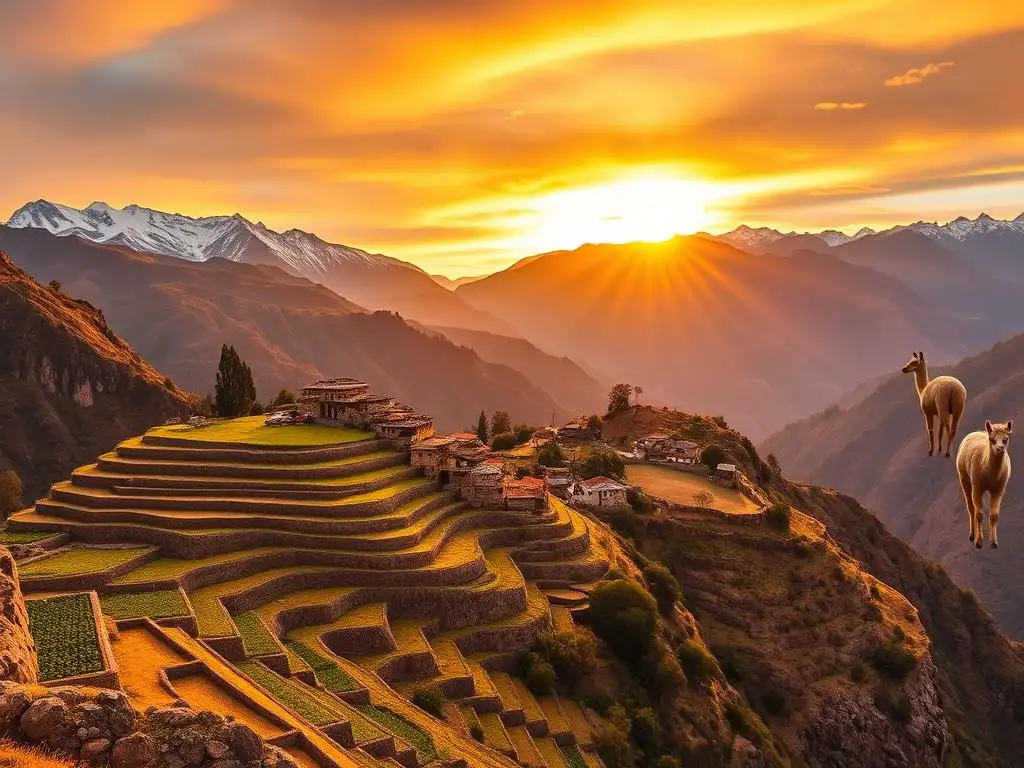
Unravel the mysteries of the Andes! For centuries, these towering peaks witnessed the rise and fall of magnificent civilizations. But how did the Incas, Moche, and other Andean societies survive and thrive in a landscape constantly shaped by climate change? Prepare to be amazed by their ingenuity and resilience as we delve into the fascinating world of Andean civilizations climate change adaptation. Discover the secrets behind their remarkable strategies and learn how their legacy continues to inspire us today.
The Andes Mountains, a spine of towering peaks stretching along the western edge of South America, presented ancient civilizations with a formidable challenge: a diverse and often unforgiving environment characterized by extreme altitude variations, dramatic climatic shifts, and unpredictable weather patterns. This article explores how the ingenuity of Andean societies, including the Incas, Moche, Nazca, and Tiahuanaco, allowed them to not only survive but thrive in the face of these environmental pressures, demonstrating remarkable adaptation strategies in response to climate change.
We will delve into specific techniques and innovations that highlight their deep understanding of their environment and their capacity for sustainable resource management, offering valuable insights into resilience and adaptation in the face of environmental change. Understanding their successes and failures provides a crucial historical lens through which to view contemporary challenges related to climate change and sustainable development in the Andes region.
The study of Andean civilizations climate change adaptation offers crucial lessons for modern societies grappling with similar issues today.
Agricultural Innovations in the Andes
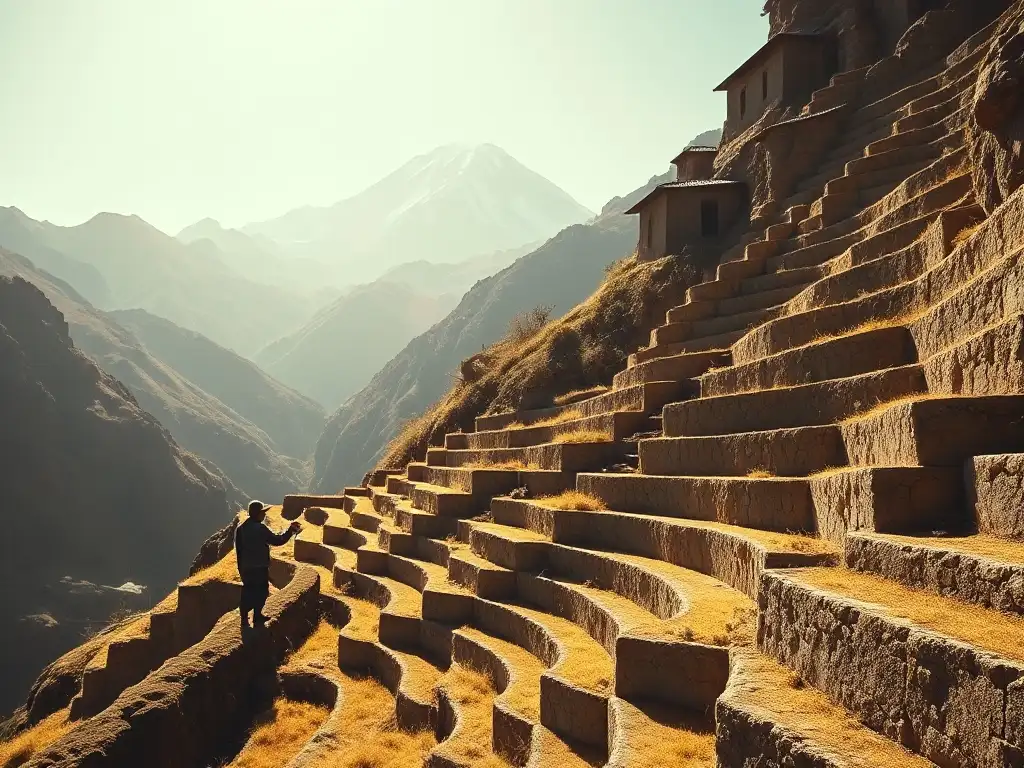
The success of Andean civilizations was intrinsically linked to their mastery of agriculture in diverse and challenging environments. They developed sophisticated techniques to overcome the limitations imposed by altitude, aridity, and steep slopes. Terracing, for example, was a widespread practice allowing for the creation of level agricultural plots on steep hillsides, maximizing arable land and minimizing soil erosion.
This involved meticulous planning and labor-intensive construction, but the resulting increase in food production was crucial for sustaining large populations. Furthermore, the development of waru waru, raised-field agriculture, in areas like the Titicaca Basin, allowed for efficient water management and improved soil fertility. This system involved creating raised beds separated by canals, optimizing water retention and reducing the impact of frost.
These innovative techniques exemplify the Andean people's profound understanding of hydrology and soil science, allowing them to cultivate crops even in seemingly inhospitable terrains. The integration of diverse crops, including potatoes, maize, quinoa, and beans, further ensured resilience against crop failures due to climate variability.
Water Management Systems: A Legacy of Sustainability
Water scarcity was a constant concern in the Andes, particularly in the drier coastal regions. Andean civilizations developed impressive water management systems, demonstrating remarkable engineering skills and a deep understanding of hydrological processes. The construction of canals, aqueducts, and reservoirs allowed for the efficient distribution of water to agricultural fields and urban centers, even across considerable distances.
The Nazca lines, while famous for their enigmatic nature, are also thought to have played a role in water management, possibly aligning with underground water sources. The intricate network of canals and reservoirs built by the Inca empire, like those found in Cusco and Machu Picchu, are testament to their sophisticated hydraulic engineering.
These systems not only provided a reliable water supply but also helped to mitigate the impacts of droughts and floods, crucial for the survival and prosperity of Andean societies. The long-term sustainability of these systems underscores the Andean peoples' commitment to responsible resource management.
Architectural Adaptations to Extreme Climates
Andean architecture displays a remarkable adaptation to the diverse climatic conditions of the region. From the adobe brick houses of the warmer coastal areas to the stone structures of the high Andes, building materials and techniques were carefully chosen to withstand the specific challenges of each environment. The use of stone in high-altitude constructions, such as the impressive stonework of Machu Picchu, provided insulation against extreme temperatures and seismic stability.
The integration of natural ventilation and sun exposure in building design further optimized thermal comfort, minimizing energy consumption for heating and cooling. The design of Inca roads and pathways, often carved into mountain slopes, facilitated communication and trade, even across challenging terrains.
These architectural adaptations, alongside the development of resilient building materials, showcase the Andean civilizations' ability to create comfortable and sustainable living spaces in extremely diverse and challenging environments. The ingenuity demonstrated in their architecture continues to inspire architects and engineers today.
The success of Andean civilizations in adapting to climate change was not solely dependent on technological innovations but also on their social and political structures. Strong centralized governments, like that of the Inca Empire, played a crucial role in coordinating resource management, infrastructure development, and disaster response. The ayllu, a traditional community-based system of social organization, fostered cooperation and mutual support, particularly crucial during times of environmental stress. This system ensured equitable distribution of resources and facilitated collective action in the face of challenges like droughts or floods.
The ability of Andean societies to effectively organize and mobilize their populations was a key factor in their resilience to climate change. The emphasis on community and collaboration provided a strong foundation for effective adaptation strategies. The legacy of these social structures continues to inform contemporary approaches to community-based resource management and disaster preparedness.
- Agricultural Innovations in the Andes
- Water Management Systems: A Legacy of Sustainability
- Architectural Adaptations to Extreme Climates
- Social and Political Organization: Resilience Through Collaboration
- How did Andean civilizations adapt to climate change?
- What role did altitude play in Andean adaptation strategies?
- Did the Incas have specific methods for adapting to climate change?
- How did Andean agriculture adapt to changing weather patterns?
- What can we learn from Andean civilizations' responses to climate change?
Understanding the Environmental Challenges Faced by Andean Civilizations
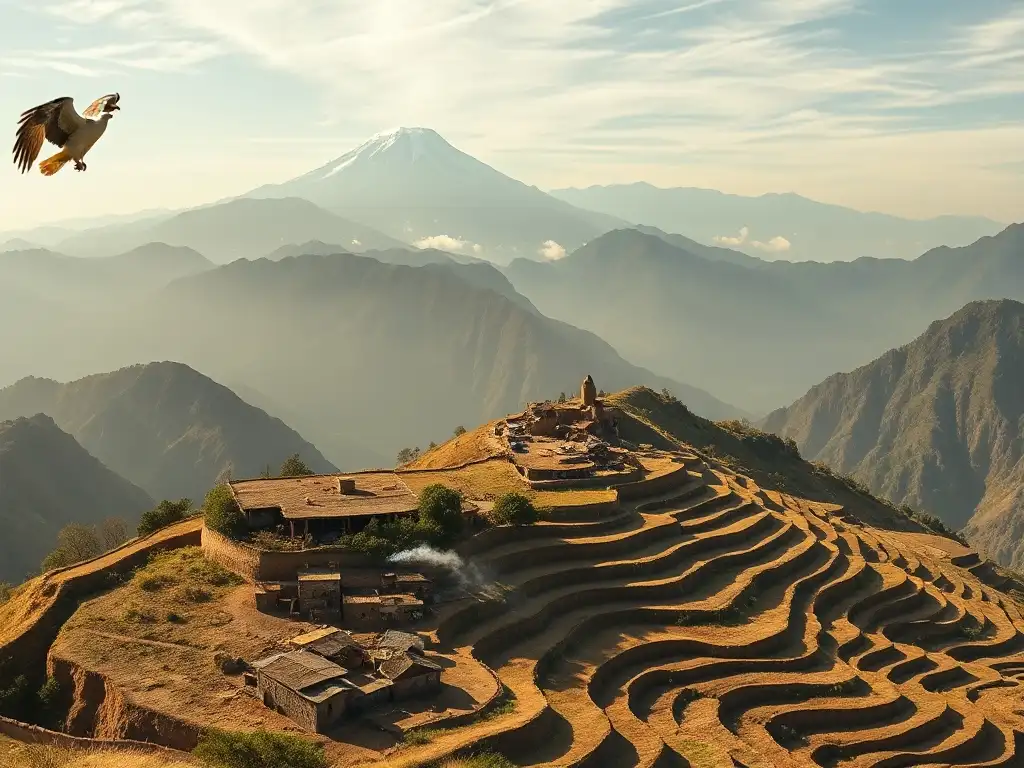
This section delves into the complex relationship between Andean civilizations and their environment, focusing specifically on the challenges posed by climate variability and the ingenious strategies employed to adapt. Understanding the environmental pressures faced by these societies is crucial to appreciating their remarkable achievements in engineering, agriculture, and social organization. The Andes, a geographically diverse region, presented a unique set of environmental hurdles that shaped the trajectory of these ancient cultures.
Their success in navigating these challenges highlights the resilience and adaptability of human societies in the face of environmental change, providing valuable lessons for contemporary climate change adaptation strategies. Analyzing their experiences offers a rich case study for understanding the interplay between human societies and the environment, particularly in regions vulnerable to climate variability.
The Diverse Andean Ecosystems and Their Vulnerability
The Andes Mountains boast a remarkable array of ecosystems, each with its own unique vulnerabilities to climate change. From the arid coastal deserts to the high-altitude puna grasslands and the lush Amazonian foothills, the environmental diversity of the Andean region is striking. This diversity, however, also translates into a range of vulnerabilities to climate-related shifts.
For example, the coastal deserts, reliant on limited rainfall and fog, are highly susceptible to prolonged droughts. The puna grasslands, crucial for pastoralism, are vulnerable to changes in temperature and precipitation patterns, impacting livestock and grazing resources. Similarly, the agricultural terraces found at various altitudes, a hallmark of Andean ingenuity, are susceptible to both drought and flooding events, influenced by changes in glacial melt and rainfall intensity.
The interplay between altitude, precipitation, and temperature creates a complex web of interconnected ecosystems, where changes in one area can have cascading effects throughout the region. Understanding these intricate ecological relationships is paramount to comprehending the challenges faced by Andean civilizations and their adaptation strategies.
The fragility of these ecosystems is further highlighted by the limited availability of arable land suitable for agriculture. The steep slopes and uneven terrain of the Andes necessitated sophisticated agricultural techniques, such as terracing and irrigation, to maximize land use. These systems, while ingenious, were also vulnerable to disruptions caused by climate variability.
Changes in rainfall patterns could lead to crop failures, impacting food security and potentially triggering social unrest. The complex interplay between the environment and human activity in the Andes underscores the need for a holistic understanding of the challenges faced by ancient Andean societies and the innovative solutions they developed.
Historical Climate Variability in the Andes
The Andes have experienced significant climate variability throughout history, with periods of both drought and intense rainfall. Paleoclimatological data, derived from ice core samples, lake sediments, and pollen records, reveal a complex history of climate fluctuations. These fluctuations weren't merely random events; they occurred in discernible patterns, often tied to larger-scale climate phenomena like El Niño-Southern Oscillation (ENSO).
For instance, evidence suggests that periods of intense El Niño events correlated with increased rainfall and flooding in some regions, while causing severe droughts in others. Conversely, La Niña events often led to drier conditions. Understanding the frequency and intensity of these past climatic shifts is crucial for evaluating the impact on Andean societies and their adaptation responses.
Studies indicate that the frequency and severity of these events have varied across different time periods, with some epochs showing greater climate instability than others. This variability influenced agricultural practices, settlement patterns, and even the rise and fall of certain civilizations. Reconstructing these past climate patterns using various proxy data provides a crucial context for assessing the resilience of Andean societies.
Moreover, the impact of volcanic eruptions on the Andean climate cannot be overlooked. Major volcanic eruptions injected large amounts of aerosols into the atmosphere, leading to short-term cooling and changes in precipitation patterns. These events had significant consequences for agriculture and the overall stability of Andean societies. The timing and scale of these eruptions, combined with the existing climate variability, created a dynamic and challenging environment for Andean populations. The cumulative effect of these natural climate fluctuations – ENSO cycles, volcanic activity, and long-term shifts – shaped the environmental context within which Andean civilizations developed their adaptation strategies.
Impact of Past Climate Shifts on Andean Societies
The impact of past climate shifts on Andean societies was profound and multifaceted, influencing their agricultural practices, social structures, and even their political organization. Periods of drought, for example, often led to crop failures and food shortages, potentially causing social unrest and conflicts over scarce resources. Archaeological evidence reveals instances of societal reorganization and even the abandonment of settlements during periods of prolonged drought.
Conversely, periods of increased rainfall could lead to flooding and damage to agricultural infrastructure, such as irrigation canals and terraced fields. These events required significant investments in infrastructure repair and maintenance, placing a strain on societal resources.
The societal response to these challenges varied depending on the specific context and the resilience of the affected communities. Some societies developed sophisticated water management systems, such as reservoirs and canals, to mitigate the effects of drought. Others adapted their agricultural practices, switching to drought-resistant crops or developing more efficient irrigation techniques.
The development of complex social structures and political institutions also played a crucial role in managing resources and responding to climate-related crises. Evidence suggests that some Andean societies established centralized systems for resource allocation and disaster relief, highlighting the importance of social organization in adapting to environmental challenges. Analyzing the specific strategies employed by different Andean civilizations during periods of climate stress provides valuable insights into the complex interplay between environment, society, and adaptation.
The study of Andean civilizations offers a compelling example of how human societies can respond to climate variability, emphasizing both the potential for resilience and the vulnerabilities inherent in human-environment interactions. This historical perspective provides a valuable framework for understanding the challenges of climate change adaptation in contemporary Andean communities and other vulnerable regions globally.
Ancient Andean Strategies for Climate Change Resilience
The Andean civilizations, renowned for their sophisticated societies and impressive architectural feats, also displayed remarkable ingenuity in adapting to the challenging and ever-changing climate of the Andes Mountains. Their survival hinged on a deep understanding of their environment and the development of innovative strategies to mitigate the impacts of climate variability, including droughts, floods, and temperature fluctuations. This section delves into some of their key adaptations, showcasing their remarkable resilience in the face of environmental pressures.
Understanding these historical strategies offers valuable insights for contemporary climate change adaptation efforts. The keyword phrase "Andean civilizations climate change adaptation" highlights the critical link between past practices and modern challenges.
Agricultural Innovations of Andean Cultures
The success of Andean civilizations was intrinsically linked to their agricultural prowess. Facing diverse and often harsh environmental conditions, they developed sophisticated techniques to maximize food production and ensure societal stability. This innovative approach to agriculture was crucial for their survival and prosperity, demonstrating a profound understanding of environmental sustainability long before the concept was widely recognized. These advancements are a testament to their deep understanding of their environment and their ability to adapt their practices to meet the demands of a changing climate.
Terracing Techniques for Sustainable Farming
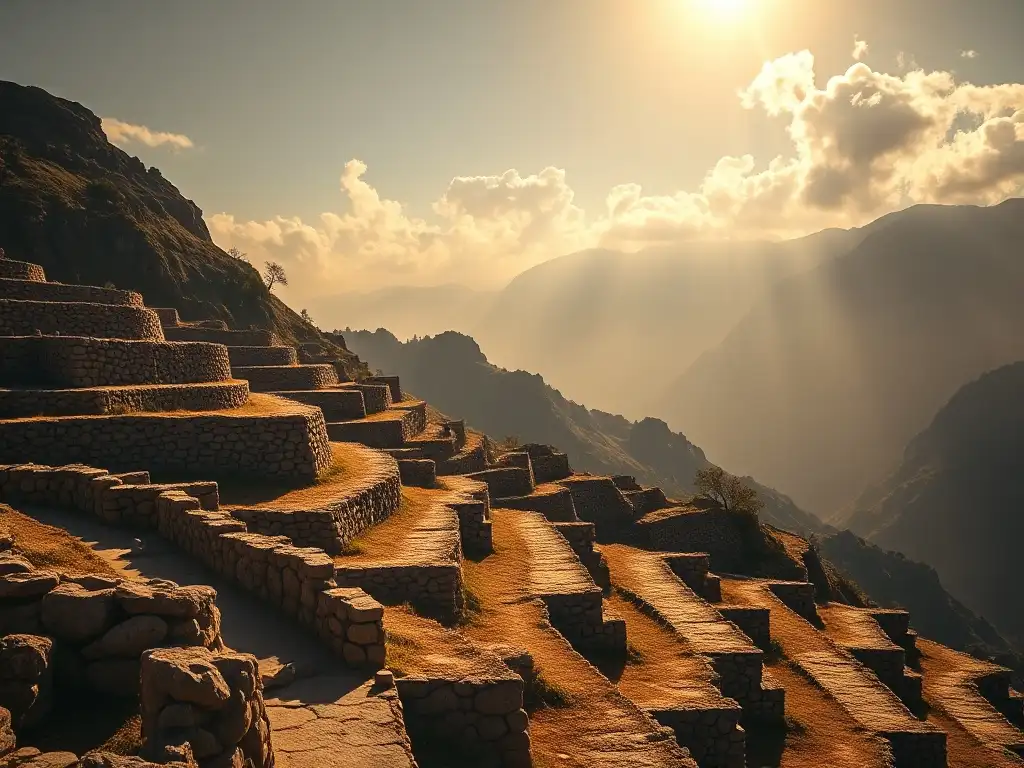
Terracing, the creation of step-like formations on hillsides, was a cornerstone of Andean agriculture. This technique not only increased arable land but also helped to prevent soil erosion and retain moisture, crucial in arid and mountainous environments. The precision and scale of some terraces are breathtaking, showcasing an advanced understanding of hydrology and soil science.
For example, the extensive terrace systems found in the Sacred Valley of the Incas provided fertile land for cultivating crops even on steep slopes. The effectiveness of these terraces in mitigating the impact of rainfall variability and reducing erosion made them a vital component of Andean climate change adaptation strategies.
Advanced Irrigation Systems in the Andes
Beyond terracing, the Andes witnessed the development of complex irrigation systems. These systems, often involving canals, aqueducts, and reservoirs, allowed farmers to control water distribution, ensuring a consistent supply even during periods of drought. The Nazca culture, famous for its geoglyphs, also engineered impressive canals to irrigate their arid coastal lands, illustrating the ingenuity required to cultivate crops in challenging environments. These irrigation systems didn't just provide water; they also helped regulate water flow, preventing flooding during heavy rains. This careful management of water resources was fundamental to the resilience of Andean societies.
Crop Diversification and Adaptation to Altitude
Andean agriculture was characterized by a remarkable diversity of crops, each adapted to specific altitudes and microclimates. This diversification minimized the risk of crop failure due to climate variability. By cultivating a range of crops – from potatoes and maize at lower elevations to quinoa and other high-altitude crops – Andean farmers created a resilient food system capable of withstanding climatic shocks. This sophisticated understanding of agro-ecology allowed them to exploit the diverse environmental niches available in the Andes. The strategic planting of different crops at varying altitudes exemplifies a sophisticated response to climate change challenges.
Water Management and Conservation in Ancient Andes
Water was, and continues to be, a precious resource in the Andes. The ingenuity of Andean civilizations in managing and conserving water is particularly noteworthy, reflecting a deep understanding of its vital role in sustaining life and agriculture. Their water management techniques were integral to their survival and underscore their proactive approach to climate change adaptation.
The Importance of Water in Andean Agriculture
Water scarcity has always been a significant constraint in the Andes, making efficient water management crucial for agricultural success. Andean societies developed intricate systems to capture, store, and distribute water, reflecting a profound understanding of the importance of water conservation. Their strategies went beyond simple irrigation; they involved careful planning and community cooperation to ensure equitable access to this vital resource. The importance of water in Andean agriculture cannot be overstated; it underpins their entire societal structure and adaptation strategies.
Ingenious Water Storage Methods
Andean societies employed a range of ingenious methods to store water. These included building reservoirs, creating artificial lakes (e.g., cochas), and constructing intricate systems of canals and channels to direct water flow. The construction of these structures required significant engineering skill and community effort, demonstrating a strong commitment to water conservation and long-term sustainability. The strategic placement of these water storage systems further highlights their sophisticated understanding of hydrological cycles and their ability to anticipate and respond to periods of water scarcity.
Andean Water Resource Management Practices
Andean water resource management wasn't simply about engineering; it was also about social organization and community participation. The equitable distribution of water was crucial for social stability and preventing conflict. This involved the development of complex social structures and institutions that governed access to and use of water resources. These social mechanisms ensured that water was used sustainably and fairly, promoting long-term resilience in the face of climate variability. These sophisticated social structures, combined with their advanced engineering feats, illustrate a holistic approach to climate change adaptation.
Architectural and Infrastructure Adaptations
The Andes Mountains presented ancient civilizations with a formidable challenge: adapting to a diverse and often harsh environment characterized by dramatic variations in altitude, temperature, and precipitation. Their response was a remarkable display of ingenuity in architectural and infrastructural design, demonstrating a deep understanding of their environment and a sophisticated capacity for adaptation to climate change pressures. This understanding wasn't just about survival; it was intricately woven into their worldview, shaping their social structures and belief systems. The strategies they employed were not only effective but also aesthetically pleasing, reflecting a holistic approach to environmental management.
Their legacy continues to inspire modern approaches to sustainable design and resilient infrastructure. Understanding these ancient techniques provides invaluable insights into creating resilient communities in the face of modern climate change challenges. The ability to learn from past successes is crucial in mitigating future risks.
Building with Locally Sourced Materials
The choice of building materials was paramount in Andean architectural adaptation. Using locally sourced materials minimized environmental impact and transportation costs, while also ensuring structural integrity within specific climatic conditions. For instance, the Incas extensively used stone, readily available throughout the Andes, crafting durable structures capable of withstanding seismic activity and weathering.
Different stone types were selected based on their properties – strength, water resistance, and aesthetic appeal – reflecting a detailed understanding of material science. Adobe, a sun-dried brick made from clay and other local materials, was another widely used building material, particularly in lower altitudes. The use of thatch for roofing in certain regions provided insulation and was readily renewable.
This reliance on readily available, sustainable resources demonstrates a profound connection between the people and their environment, minimizing their ecological footprint and maximizing the resilience of their settlements. This approach is a stark contrast to many modern unsustainable building practices.
Construction Techniques for Earthquake Resistance
The Andes are highly seismically active, presenting a significant challenge to construction. Ancient Andean builders developed sophisticated techniques to mitigate earthquake risks, resulting in structures that have withstood the test of time. Their mastery of stonework, including precise cutting and fitting of stones without mortar in many cases (as famously seen in Machu Picchu), allowed for flexibility and energy absorption during seismic events. The interlocking nature of the stones, combined with the use of carefully placed supporting structures, distributed seismic forces effectively, preventing catastrophic collapse.
The integration of architectural features like terraces and retaining walls further enhanced stability on steep slopes, reducing the risk of landslides triggered by earthquakes. These techniques are still studied today by engineers seeking to design earthquake-resistant structures, highlighting the remarkable foresight and engineering skills of ancient Andean builders. Their understanding of structural mechanics was far ahead of its time.
Adaptation to Extreme Temperatures and High Altitudes
Adapting to extreme temperatures and high altitudes required innovative solutions. The Incas, for example, employed ingenious ventilation systems in their buildings, using strategically placed windows and air shafts to regulate internal temperatures. Thick walls provided insulation against both heat and cold, while the orientation of buildings maximized solar gain in winter and minimized it in summer.
In high-altitude settlements, the design of houses often incorporated features to protect against strong winds and intense solar radiation. The use of specific materials with high thermal mass, such as stone, helped to moderate temperature fluctuations. Additionally, the layout of settlements often took into account factors such as wind patterns and sunlight exposure, optimizing the environment for human habitation.
These adaptations demonstrate a deep understanding of microclimates and the ability to manipulate the built environment to create comfortable and sustainable living conditions in challenging environments. The ingenuity of these solutions continues to be relevant in contemporary sustainable design.
Case Studies of Andean Climate Change Adaptation
This section delves into specific examples of how Andean civilizations successfully adapted to the challenges posed by climate change, highlighting their ingenuity and resourcefulness. Understanding these historical adaptations offers valuable insights for contemporary societies facing similar environmental pressures. The focus will be on two prominent cultures: the Inca and the Moche, examining their strategies for mitigating the impacts of climate variability and extreme weather events.
Analyzing these historical responses provides a unique perspective on the resilience of Andean civilizations and offers valuable lessons for modern climate change adaptation strategies. The keyword "Andean civilizations climate change adaptation" is central to this analysis.
The Inca Empire and its Adaptation Strategies
The Inca Empire, renowned for its sophisticated organization and infrastructure, developed a complex array of strategies to cope with the diverse and often harsh Andean climate. Their success stemmed from a combination of centralized planning, advanced engineering, and a deep understanding of their environment. These strategies ensured the empire's stability and prosperity for centuries, even in the face of significant environmental fluctuations.
The Inca Road System as a Tool for Resource Management
The extensive Inca road network, spanning thousands of kilometers across diverse terrains, served not only as a communication and military artery but also as a crucial instrument for resource management in the face of climate variability. The roads facilitated the rapid transport of essential goods, including food, building materials, and livestock, enabling swift responses to droughts, floods, or other climate-related emergencies. For example, during periods of crop failure in one region, resources could be quickly mobilized from more productive areas, preventing widespread famine.
This sophisticated logistical system highlights the Inca's proactive approach to climate risk management. The efficient movement of resources across the vast empire demonstrates a sophisticated understanding of climate variability and its potential impact on food security.
Inca Agricultural Policies and Food Security
Inca agricultural practices were remarkably advanced for their time, incorporating a variety of techniques designed to enhance food security in a challenging environment. Terracing, irrigation systems, and the cultivation of diverse crops were crucial elements of their agricultural strategy. Terracing, in particular, allowed them to cultivate steep slopes, increasing arable land and reducing soil erosion.
The implementation of diverse crops minimized the risks associated with crop failures due to climate-related events. The integration of these techniques showcases the Inca's deep understanding of their environment and their ability to adapt their agricultural practices to minimize climate-related risks. Their strategies ensured a relatively stable food supply, even during periods of climatic instability.
Resilience of the Inca Empire to Environmental Stress
The Inca Empire's longevity, spanning several centuries, is a testament to its remarkable resilience in the face of environmental stress. While specific data on the frequency and intensity of extreme weather events during the Inca period is limited, archaeological evidence suggests that the empire successfully navigated periods of drought, frost, and other climate-related challenges. Their ability to adapt their agricultural practices, manage resources efficiently, and maintain social order contributed significantly to their resilience.
The integration of climate adaptation strategies into their governance structure was a key factor in their enduring success. This inherent adaptability underscores the importance of proactive climate change adaptation strategies in ensuring societal stability.
The Moche Culture and Responses to Climate Change
The Moche civilization, flourishing on the arid northern coast of Peru, developed innovative strategies to thrive in a challenging desert environment characterized by significant climate variability, including the cyclical El Niño Southern Oscillation (ENSO) events. Their mastery of irrigation and their understanding of coastal ecology allowed them to adapt to the unpredictable nature of their environment.
Moche Irrigation Systems and Coastal Agriculture
The Moche are renowned for their sophisticated irrigation systems, which were essential for supporting their intensive agriculture in the otherwise arid coastal region. These systems involved intricate networks of canals and reservoirs that channeled water from rivers and streams to irrigate fields. The precise engineering and skillful management of these systems allowed the Moche to cultivate a variety of crops, ensuring a relatively stable food supply despite the challenges of a desert climate.
Their ingenuity in harnessing scarce water resources demonstrates a remarkable ability to adapt to environmental limitations. These systems were crucial for the Moche's economic and social stability.
The Moche Response to El Niño Events
El Niño events, characterized by unusually warm ocean temperatures and heavy rainfall, have historically caused devastating floods and droughts along the Peruvian coast. While the precise nature of the Moche's response to El Niño events is still being researched, archaeological evidence suggests they developed strategies to mitigate the impacts of these events. This might have involved the construction of flood defenses, the diversification of crops, and the development of resilient agricultural practices.
Further research is needed to fully understand the extent and effectiveness of their adaptive strategies. Understanding the Moche response to El Niño events is crucial for developing effective modern climate adaptation strategies.
Lessons from the Moche for Modern Climate Adaptation
The Moche's success in adapting to a harsh and unpredictable climate offers valuable lessons for contemporary societies facing similar challenges. Their mastery of water management, their understanding of coastal ecology, and their ability to anticipate and respond to climate variability provide valuable insights. Their sophisticated infrastructure and adaptive strategies demonstrate the importance of proactive planning and investment in climate resilience. The Moche's experience highlights the need for integrated approaches to climate change adaptation, combining technological innovation with a deep understanding of local ecological conditions. The principles of diversification and resilience, central to their success, remain highly relevant today.
The Tiahuanaco Civilization and its Climate Resilience
The Tiahuanaco civilization, flourishing in the Altiplano region of the Andes from approximately 500 to 1000 CE, stands as a testament to human ingenuity in adapting to a challenging high-altitude environment characterized by significant climatic variability. Their success, spanning centuries, hinged on sophisticated agricultural techniques, effective water management strategies, and a deep understanding of their environment.
Evidence suggests that Tiahuanaco experienced periods of both drought and increased rainfall during its existence, requiring the population to develop flexible and robust responses to ensure their survival and prosperity. Understanding their achievements offers valuable insights into sustainable practices relevant to contemporary challenges of climate change adaptation in the Andes and beyond.
The impressive scale of their societal organization, coupled with their remarkable engineering feats, points to a sophisticated understanding of resource management and societal planning, crucial elements in successfully navigating environmental fluctuations. Their legacy continues to inspire research into ancient Andean practices and their potential relevance to modern sustainable development.
Tiahuanaco Raised Fields and Agricultural Productivity
One of the most remarkable achievements of the Tiahuanaco civilization was the development of extensive raised field agricultural systems. These artificial platforms, built from earth and stone, elevated crops above the naturally waterlogged and often frost-prone soils of the Altiplano. This ingenious system served multiple purposes. First, it improved drainage, protecting crops from water damage during periods of heavy rainfall.
Secondly, it enhanced soil aeration, promoting healthier plant growth. Thirdly, the dark earth within the raised fields absorbed more solar radiation, accelerating warming and extending the growing season, particularly crucial at high altitudes. The raised fields were meticulously designed and maintained, suggesting a deep understanding of hydrology and soil science.
Archaeological evidence shows that these fields supported the cultivation of a variety of crops, including potatoes, quinoa, and other Andean staples, ensuring dietary diversity and resilience against crop failures. The productivity of these raised fields was crucial to supporting the large population of Tiahuanaco, demonstrating a remarkable adaptation to the challenging agricultural conditions of the Altiplano. The efficiency and longevity of this system highlights its effectiveness as a climate-resilient agricultural strategy.
Adaptation to the High Altitude Environment of Tiahuanaco
The high altitude of the Altiplano presented numerous challenges to the Tiahuanaco, including harsh climatic conditions such as intense solar radiation, freezing temperatures, and limited growing seasons. To overcome these obstacles, the Tiahuanaco developed a range of sophisticated adaptations. Their architecture, for instance, incorporated features designed to mitigate the effects of extreme temperatures.
Thick walls and strategically placed windows helped regulate internal temperatures in buildings, creating comfortable living spaces despite the harsh external conditions. Clothing technologies likely involved the use of textiles made from alpaca and llama wool, providing insulation against the cold. Furthermore, their understanding of local microclimates allowed them to optimize agricultural practices and settlement locations to maximize productivity and minimize the impact of extreme weather events.
This deep understanding of their environment, combined with innovative technological and social solutions, allowed the civilization to thrive in a challenging and unpredictable climate. Their success underscores the importance of adapting to local environmental conditions when developing sustainable strategies for survival and prosperity.
Tiahuanaco Strategies for Water Management and Food Security
Water scarcity is a perennial challenge in the Altiplano, and the Tiahuanaco civilization developed ingenious strategies to manage this precious resource. Their sophisticated understanding of hydrology is evident in their complex canal systems, which efficiently channeled water from rivers and streams to irrigate their fields. These canals were not only used for irrigation but also for flood control, protecting crops from damage during periods of heavy rainfall.
The integration of raised fields with the canal systems further enhanced water management efficiency. The raised fields acted as reservoirs, storing water for use during dry periods, and the canals provided a reliable source of irrigation water. Furthermore, their advanced understanding of agricultural techniques, including crop diversification and the use of frost-resistant crops, ensured food security even in the face of fluctuating climatic conditions.
This integrated approach to water management and agricultural practices was crucial to the long-term survival and prosperity of the Tiahuanaco civilization, offering valuable lessons for modern-day climate change adaptation strategies in water-scarce regions. Their achievement serves as a powerful example of sustainable resource management and food security in a challenging environment.
Lessons from the Past: Applying Andean Adaptation Strategies Today
The remarkable resilience of Andean civilizations in the face of fluctuating climates offers invaluable lessons for contemporary societies grappling with the impacts of climate change. For centuries, these cultures developed sophisticated strategies to manage scarce resources and mitigate the effects of environmental variability. Understanding and applying these historical adaptations can inform modern approaches to sustainable development and climate change mitigation, making the concept of "Andean civilizations climate change adaptation" a crucial area of study. This section will explore some key strategies and their potential relevance today.
Sustainable Agriculture Practices Inspired by Andean Cultures
Andean agricultural practices were, and remain, incredibly sophisticated, demonstrating a deep understanding of local ecosystems and climate patterns. The ingenious techniques employed by these civilizations, honed over millennia, offer a wealth of inspiration for modern sustainable agriculture. Consider the waru waru system, a raised-bed agricultural technique used by pre-Inca cultures in the Altiplano.
This system, characterized by interconnected raised beds and irrigation canals, significantly improved water management, soil fertility, and crop yields, even in harsh, high-altitude environments. The system's effectiveness stems from its ability to regulate temperature and moisture levels, minimizing the impact of frost and drought. This contrasts sharply with modern, often unsustainable, large-scale monoculture farming which contributes significantly to soil degradation and water depletion.
Furthermore, the Andean peoples developed a wide array of crops adapted to diverse altitudes and microclimates. The cultivation of potatoes, quinoa, and other resilient crops showcases a profound understanding of biodiversity and its role in ensuring food security. These crops' adaptability to varying environmental conditions makes them particularly relevant in a changing climate.
Modern agriculture could benefit greatly from incorporating these diverse crop varieties and implementing water-efficient irrigation techniques inspired by Andean traditions. The integration of traditional knowledge with modern agricultural science offers a powerful pathway towards building climate-resilient food systems. For example, the revival of ancient crop varieties and the use of traditional soil management techniques are proving to be crucial in improving yields and reducing the environmental footprint of agriculture in many Andean communities today.
Community-Based Approaches to Climate Change Adaptation
Andean societies thrived on strong community structures and collaborative resource management. This collaborative ethos played a vital role in their ability to adapt to environmental change. The ayllu, a traditional Andean community system, exemplifies this approach. The ayllu fostered collective action in managing resources like water and land, ensuring equitable distribution and sustainable use. This contrasts with individualistic approaches to resource management, often prevalent in modern societies, which can lead to overexploitation and environmental degradation.
The success of the ayllu system highlights the importance of community participation and local knowledge in addressing climate change. Modern climate change adaptation strategies would benefit from incorporating community-based approaches that empower local communities to participate in decision-making and resource management. This includes fostering dialogue and collaboration between government agencies, scientists, and local communities to develop context-specific solutions.
The focus should be on building local capacity and promoting self-reliance in adapting to climate change. This participatory approach ensures that adaptation strategies are both effective and culturally appropriate, leading to more sustainable and equitable outcomes. The integration of traditional governance structures with modern climate adaptation policies is crucial for success.
The Importance of Traditional Knowledge in Addressing Climate Challenges
Traditional ecological knowledge (TEK) accumulated by Andean civilizations over generations provides a wealth of valuable insights into climate adaptation. This knowledge, often passed down orally through generations, encompasses a deep understanding of local ecosystems, climate patterns, and resource management techniques. Ignoring this valuable resource would be a significant oversight.
The integration of TEK with modern scientific methods can significantly enhance our understanding of climate change impacts and inform the development of effective adaptation strategies. For instance, indigenous knowledge about the phenology of plants and animals can provide early warning signals of climate change impacts, allowing for timely interventions. Furthermore, traditional practices of water management, soil conservation, and crop diversification can offer valuable insights for developing sustainable agriculture practices and building climate resilience. The recognition and respect for TEK are essential for ensuring that climate change adaptation strategies are both effective and equitable.
This requires actively engaging with indigenous communities, recognizing their rights, and incorporating their knowledge into decision-making processes. Failure to do so risks undermining local communities' ability to adapt and exacerbating existing inequalities. Recognizing the crucial role of indigenous knowledge in "Andean civilizations climate change adaptation" is paramount for effective and sustainable solutions.
The Relevance of Andean Ingenuity for Contemporary Societies
The ingenuity displayed by Andean civilizations in adapting to the challenging climatic conditions of the Andes Mountains holds profound relevance for contemporary societies grappling with the impacts of modern climate change. Their innovative solutions, developed over millennia, offer valuable lessons and potential strategies for mitigating the effects of a changing climate globally. Understanding their approaches to water management, agriculture, and urban planning provides a rich source of inspiration for sustainable practices in the 21st century.
For example, the sophisticated terrace farming techniques employed by the Incas, which involved intricate systems of irrigation and soil management, are being studied and re-implemented in various parts of the world to improve agricultural yields and conserve water resources in arid and semi-arid regions. These ancient methods, adapted to modern contexts, demonstrate a remarkable capacity for resilience and sustainability.
The Andean civilizations’ deep understanding of their environment and their capacity to work collaboratively to overcome environmental challenges offer a powerful model for collective action in the face of climate change. Their success wasn't solely based on technological innovation, but also on a deep-rooted respect for the environment and a sophisticated understanding of ecological interdependencies. This holistic approach, which considered the interconnectedness of human societies and their natural surroundings, is crucial for effective climate change adaptation strategies today.
Modern societies, often characterized by fragmented approaches to environmental management, could benefit greatly from adopting a more integrated and community-based approach, similar to the collaborative efforts seen in Andean societies. This would involve incorporating traditional ecological knowledge alongside scientific advancements to develop more effective and equitable solutions.
The study of Andean adaptation strategies also highlights the importance of long-term planning and foresight in addressing climate change. The impressive infrastructure projects undertaken by these civilizations, such as the extensive road networks and irrigation systems, demonstrate a commitment to sustainable development that spanned generations. This contrasts sharply with the often short-term perspectives that dominate modern decision-making, particularly in relation to climate change policies.
By adopting a long-term perspective and investing in sustainable infrastructure, contemporary societies can significantly enhance their resilience to the impacts of climate change and ensure the well-being of future generations. The enduring legacy of Andean ingenuity serves as a powerful reminder that sustainable development requires not just technological innovation, but also a commitment to long-term planning and community engagement. The lessons learned from the past can guide us towards a more sustainable and resilient future.
Conclusion: The Enduring Legacy of Andean Climate Adaptation
This exploration of Andean civilizations' climate change adaptation reveals a remarkable tapestry of ingenuity and resilience woven throughout millennia. Facing fluctuating weather patterns, unpredictable water availability, and challenging terrains, these societies developed sophisticated strategies that allowed them to not only survive but thrive. Their achievements serve as a powerful testament to human adaptability and offer invaluable lessons for contemporary societies grappling with the intensifying impacts of climate change.
Understanding their successes and failures provides a crucial framework for developing sustainable practices in the face of modern environmental challenges. The intricate water management systems, agricultural innovations, and societal structures implemented by the Incas, Nazca, Moche, and Tiahuanaco, among others, represent a rich legacy of knowledge waiting to be rediscovered and applied. The Andean civilizations climate change adaptation strategies weren't merely reactive; they were proactive, demonstrating a deep understanding of their environment and a commitment to long-term sustainability.
The Resilience of Andean Civilizations in the Face of Climate Change
The Andean region's diverse ecosystems and challenging geography fostered a remarkable level of adaptation in its ancient inhabitants. The Inca Empire, for instance, implemented a sophisticated system of terracing on steep slopes, maximizing agricultural output while minimizing soil erosion. This wasn't a single, uniform approach; rather, it was tailored to specific microclimates and terrain characteristics.
In arid coastal regions, the Nazca people developed intricate irrigation canals, channeling water from distant sources to support their intensive agriculture. Their understanding of water management is evidenced by the impressive scale and precision of their canal systems, some of which remain functional even today. Similarly, the Moche civilization, known for its elaborate irrigation techniques and sophisticated agricultural practices, thrived in a challenging desert environment.
Their mastery of water management allowed them to cultivate fertile lands and support a large, complex society. These examples highlight the resilience of Andean civilizations, demonstrating their capacity to adapt to environmental variability and ensure their survival in the face of climatic challenges. The ingenuity displayed in their agricultural practices, coupled with their sophisticated social structures, enabled them to successfully manage resources and sustain their populations for centuries.
The Importance of Learning from the Past to Shape the Future
The strategies employed by Andean civilizations offer valuable insights for contemporary societies facing the escalating threats of climate change. Their emphasis on sustainable resource management, integrated water systems, and adaptable agricultural techniques provides a blueprint for environmentally responsible practices. Studying their successes and failures allows us to identify effective strategies for mitigating the impacts of climate change and building more resilient communities.
For example, the Inca's mit'a system, a form of rotational labor, ensured the maintenance of vital infrastructure, including irrigation canals and terraced fields. This system highlights the importance of community involvement and collective action in addressing environmental challenges. By understanding the societal structures that supported these adaptive strategies, we can better design collaborative approaches to climate change mitigation and adaptation in modern contexts.
The legacy of Andean civilizations provides a powerful reminder that human ingenuity, when combined with a deep understanding of the environment, can lead to remarkable achievements in the face of adversity. This historical perspective is crucial for navigating the challenges of the 21st century.
Andean Civilizations Climate Change Adaptation: A Model for Sustainable Development
The sophisticated strategies employed by Andean civilizations provide a compelling model for sustainable development in the modern era. Their emphasis on resource efficiency, community-based management, and integrated systems offers valuable lessons for creating more resilient and environmentally responsible societies. Their achievements demonstrate the potential for human ingenuity to overcome significant environmental challenges and build thriving communities in harmony with nature. The development of sustainable agricultural practices, such as terraced farming and sophisticated irrigation systems, allowed these civilizations to maximize food production while minimizing environmental impact.
This approach stands in stark contrast to many modern agricultural practices, which often prioritize short-term gains over long-term sustainability. Furthermore, the integration of these agricultural practices within broader societal structures, including intricate social hierarchies and labor systems, highlights the importance of holistic approaches to environmental management. The Andean experience underscores the critical need for integrating environmental considerations into all aspects of development, ensuring that economic progress does not come at the expense of environmental sustainability.
The legacy of Andean civilizations serves as a powerful reminder that sustainable development is not just an environmental imperative; it is essential for the long-term well-being and prosperity of human societies. Their example offers a path towards a future where economic progress and environmental stewardship go hand in hand. Understanding and applying the principles of Andean civilizations climate change adaptation can pave the way for a more sustainable and resilient future for all.
Frequently Asked Questions
How did Andean civilizations adapt to climate change?
Andean civilizations employed various strategies, including terracing for agriculture, irrigation systems for water management, and specialized crop selection suited to different altitudes and microclimates. These methods ensured food security even with fluctuating weather patterns.
What role did altitude play in Andean adaptation strategies?
Altitude significantly influenced adaptation. Different crops and techniques were used at various elevations, demonstrating a deep understanding of environmental zones and their unique challenges. Verticality was key to their survival.
Did the Incas have specific methods for adapting to climate change?
Yes, the Inca Empire implemented impressive infrastructure projects, such as sophisticated irrigation canals and storehouses (qollqas) for food storage, to mitigate the impacts of droughts and other climate-related events. Their empire-wide organization facilitated resource distribution.
How did Andean agriculture adapt to changing weather patterns?
Andean farmers developed diverse agricultural practices, including crop rotation, intercropping, and the use of frost-resistant varieties. This biodiversity was crucial for resilience against unpredictable weather.
What can we learn from Andean civilizations' responses to climate change?
Studying Andean adaptation offers valuable lessons for modern societies facing climate change. Their ingenuity in resource management, agricultural innovation, and community organization provides sustainable models for the future.
Final Reflection: Echoes of Ingenuity in a Changing World
The ingenious adaptations of Andean civilizations to climate change offer not just a historical lesson, but a vital blueprint for our own survival. Their strategies, honed over millennia, resonate powerfully in a world grappling with the escalating impacts of a warming planet. Understanding their successes and failures provides crucial insights as we navigate the challenges of the 21st century.
The enduring legacy of Andean ingenuity continues to shape our understanding of sustainable living and resource management. Their sophisticated agricultural techniques, intricate water systems, and deep connection to their environment offer a powerful counterpoint to modern, often unsustainable practices. The earth does not belong to us; we belong to the earth.
– This ancient wisdom, though its precise origin is debated, encapsulates the profound respect for nature that underpinned Andean societies' resilience. Their approach serves as a stark reminder of the interconnectedness of humanity and the natural world, a lesson we must urgently relearn.
Consider the innovative solutions employed by these ancient cultures. Reflect on how their deep understanding of their environment, their community-based approaches, and their respect for ecological balance can inform our own responses to climate change. You too can be a steward of the earth, embracing sustainable practices and advocating for change in your own community. Let the echoes of Andean ingenuity inspire you to build a more resilient and sustainable future for all.
Embrace the Andean Spirit – Take Action Today!
Thank you for exploring the incredible ingenuity of Andean civilizations in the face of climate change. Your interest in their resilience is inspiring, and it empowers you to adopt more sustainable practices. Let's turn that inspiration into action!
- Learn from Andean traditions: Experiment with sustainable gardening techniques at home; you'll be surprised by the positive impact on your garden and the environment.
- Share your knowledge: Discuss climate adaptation strategies with friends and family. A simple conversation can make a big difference in raising awareness.
- Connect with others: Join local environmental groups or online communities dedicated to sustainability. This will provide opportunities to learn more and contribute to collective action.
How can you integrate the principles of Andean adaptability into your daily life to combat climate change? We'd love to hear your ideas!