
Nazca Lines and the Sky: Decoding Climate Through Ancient Art

Unravel the mysteries woven into the very fabric of the Andes! Journey through millennia of innovation and artistry as we explore the remarkable Andean civilizations, from the Inca's ingenuity to the Moche's breathtaking artistry. But what secrets do the enigmatic Nazca Lines whisper about the changing climate? Discover how these ancient geoglyphs might hold the key to understanding the impact of climate change on this extraordinary civilization – a story etched in the earth itself, waiting to be deciphered. Dive in and explore the fascinating connection between the Nazca Lines and climate change.
The Nazca Lines, etched into the Peruvian desert, represent one of the most enduring mysteries of ancient South America. These vast geoglyphs, depicting animals, plants, and geometric shapes, have captivated researchers and the public alike for decades. While their exact purpose remains debated, a growing body of evidence suggests a strong connection between the lines and the environmental conditions, particularly the impact of climate change, faced by the Nazca culture.
This article delves into the intricate relationship between the Nazca Lines and the climate, exploring how these remarkable creations may offer valuable insights into the societal responses to environmental shifts experienced by this fascinating civilization. We will examine how the Nazca people, masters of adaptation and ingenuity, may have used these massive earthworks as a form of record-keeping, reflecting the fluctuating climate and its influence on their agricultural practices and societal structures.
Understanding this connection not only sheds light on the Nazca Lines themselves but also provides a crucial lens through which to examine the broader impact of climate change on Andean societies. The study of the Nazca Lines and their relationship with climate change offers a unique opportunity to better understand the resilience and vulnerability of past civilizations in the face of environmental pressures, knowledge that holds significant relevance for our present-day challenges.
Introduction to the Nazca Lines and their Enigmatic Nature
The Nazca Lines, sprawling across the arid coastal plains of southern Peru, consist of hundreds of figures and lines stretching for miles. These colossal geoglyphs, created between 500 BCE and 500 CE, are so vast that their true scale can only be fully appreciated from the air. Their creation remains a puzzle.
While theories abound—ranging from astronomical calendars to ritualistic pathways—the sheer scale and precision of the lines suggest a sophisticated understanding of engineering and surveying, indicative of a highly organized society. The aridity of the region itself plays a crucial role in their preservation: the lack of vegetation and minimal rainfall have helped to protect these fragile earthworks from erosion for centuries. However, the very forces that preserved them—the aridity and often unpredictable climate of the Nazca desert—also posed significant challenges to the Nazca people, shaping their lives and, potentially, influencing the creation of the lines themselves.
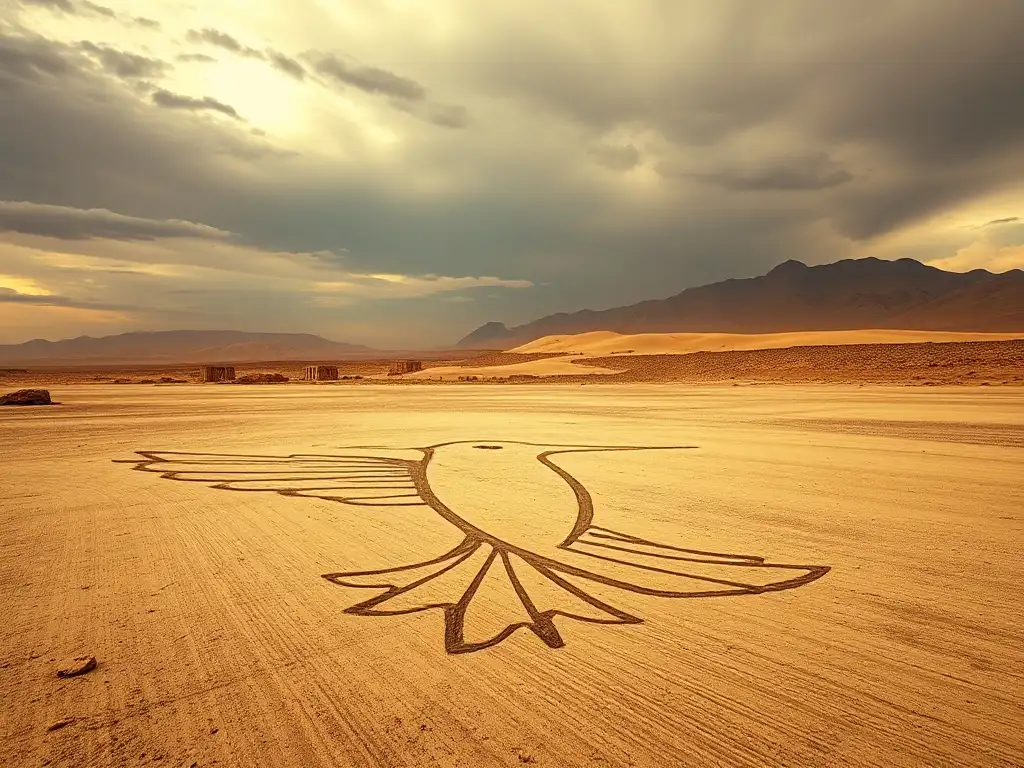
The intricate details of some figures, like the hummingbird or the monkey, suggest a deep connection to the natural world, hinting at the importance of environmental factors in Nazca culture. The lines themselves, therefore, may not simply be decorative; they could be a visual record of the Nazca interaction with their environment.
The Nazca Culture: A Society Shaped by the Environment
The Nazca civilization thrived in a challenging environment characterized by scarce rainfall and unpredictable weather patterns. Their mastery of water management, including the development of sophisticated irrigation systems like canals and aqueducts, was crucial for their survival. Evidence suggests that the Nazca people were highly skilled agriculturalists, cultivating crops such as cotton, beans, and maize in this harsh landscape.
Their ability to adapt to the limitations of their environment is evident in their agricultural techniques and their intricate understanding of water resources. Archaeological findings reveal that periods of drought and environmental stress were not uncommon. These periods may have significantly impacted agricultural production, leading to societal adjustments and potentially influencing the development of specific rituals or artistic expressions, such as the creation of the Nazca Lines.
Analyzing the types of plants and animals depicted in the lines, alongside the analysis of paleoclimatic data from the region, can provide valuable insights into the environmental conditions experienced by the Nazca people and how these conditions might have been reflected in their artistic creations. The Nazca lines, therefore, may serve as a visual record of their environmental challenges and triumphs, offering unique insights into the resilience of this ancient Andean society.
- Introduction to the Nazca Lines and their Enigmatic Nature
- The Nazca Culture: A Society Shaped by the Environment
- How did climate change affect the Nazca people?
- What role did climate play in the creation of the Nazca Lines?
- How do the Nazca Lines reflect the climate of the time?
- What evidence links the Nazca Lines to climate change effects?
- Can studying the Nazca Lines help us understand current climate change?
Nazca Lines as a Reflection of Ancient Climate Knowledge
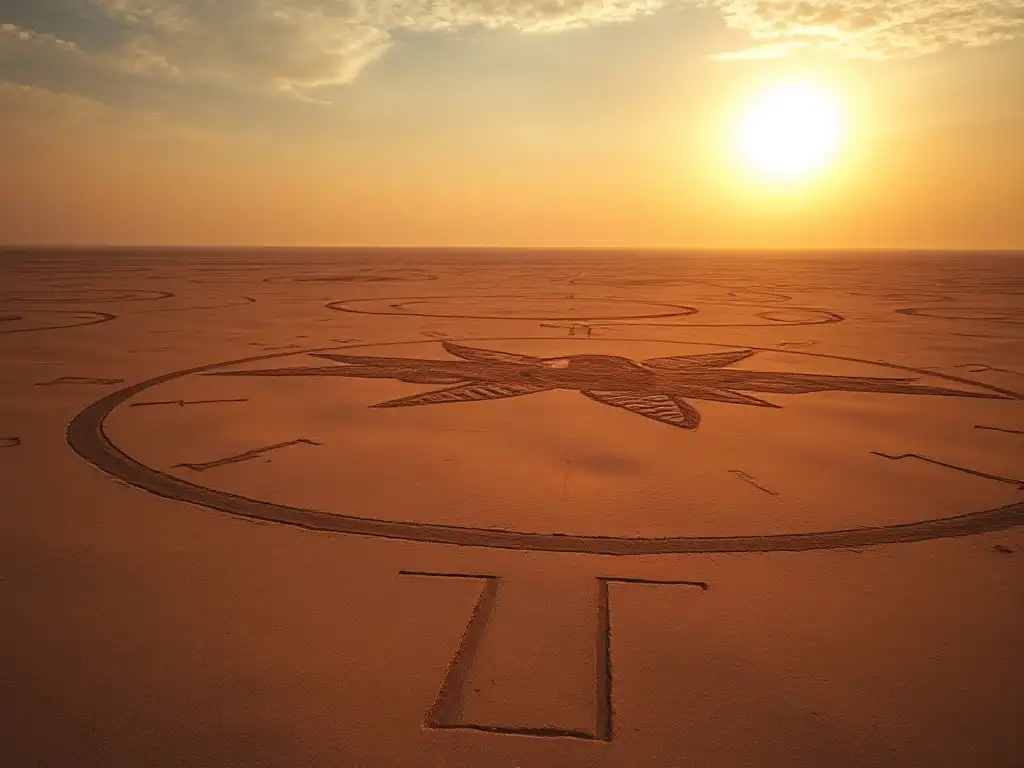
The Nazca Lines, a vast collection of geoglyphs etched into the Peruvian desert, have captivated researchers and the public alike for decades. While their exact purpose remains a subject of ongoing debate, a growing body of evidence suggests a significant link between these enigmatic figures and the ancient Nazca people's deep understanding of their environment, particularly their nuanced awareness of climate patterns and water management. This section explores how the lines might serve as a unique record of past climate conditions, offering invaluable insights into the challenges and adaptations of this remarkable civilization.
Understanding the Nazca Lines through the lens of "Nazca lines climate change" reveals a sophisticated society acutely attuned to the vagaries of their arid environment. The intricate relationship between the lines and climate provides a compelling narrative of resilience and ingenuity in the face of environmental adversity.
The prevailing theories regarding the purpose of the Nazca Lines encompass a multitude of interpretations. While some suggest a purely ritualistic function, connecting the lines to celestial events and deities, others propose a more pragmatic approach, emphasizing their role in water management and social cohesion. The lines' proximity to underground water sources, combined with the evidence of sophisticated irrigation systems in the Nazca region, suggests a possible connection between the geoglyphs and water resource management.
The immense scale of the project itself implies a significant investment of labor and resources, pointing to a highly organized society capable of mobilizing large-scale collective efforts. This social organization, crucial for survival in a harsh desert environment, could have been reinforced and symbolized by the creation of the Nazca Lines. The intricate designs, possibly depicting animals and plants crucial to their survival, might represent a collective understanding of their environment and its resources.
This understanding, in turn, would have been vital for anticipating and adapting to variations in climate and water availability. The lines, therefore, could be viewed as a tangible manifestation of the Nazca's collective knowledge, reflecting both their spiritual beliefs and their practical strategies for survival.
Nazca Geoglyphs and Astronomical Alignments: A Connection to the Sky
Many Nazca lines exhibit intriguing astronomical alignments, suggesting a sophisticated understanding of celestial cycles and their relationship to seasonal changes. The positioning of some geoglyphs in relation to the solstices and equinoxes, for instance, might indicate the Nazca people's ability to predict seasonal variations, including the onset of rainy seasons or periods of drought. This knowledge would have been crucial for planning agricultural activities and managing water resources effectively.
Furthermore, the depiction of certain constellations or celestial bodies in the geoglyphs could represent a calendrical system that helped the Nazca track climate patterns over longer periods. By analyzing the precise alignments of these lines, researchers hope to unravel further clues about the Nazca's astronomical observations and their application to agricultural practices and water management strategies.
This connection between the Nazca Lines and the sky highlights the civilization's profound connection to the natural world and its capacity to decipher environmental cues from the cosmos. The precision of these alignments speaks volumes about their observational skills and their ability to predict and adapt to long-term climate variations.
How Nazca Lines May Have Reflected Past Climate Patterns: Drought Cycles and Water Availability
The Nazca region is characterized by a hyper-arid climate, punctuated by infrequent and unpredictable rainfall. Evidence suggests that the Nazca people experienced periods of intense drought, which would have significantly impacted their agricultural practices and overall survival. The creation and maintenance of the Nazca Lines, a monumental undertaking requiring considerable resources, may have been influenced by these climatic fluctuations.
For example, periods of relative abundance might have allowed for larger-scale construction projects, while prolonged droughts could have led to a cessation of work or a shift in focus towards water conservation strategies. The style and density of the lines themselves might reflect periods of greater or lesser water availability. Further research, combining archaeological findings with paleoclimatic data, is crucial to establish a clearer correlation between the construction phases of the Nazca Lines and specific climate events.
Analyzing sediment layers, pollen samples, and other environmental indicators in the region can provide a more comprehensive picture of past climate conditions and their impact on the Nazca civilization. This interdisciplinary approach offers the potential to unlock the secrets hidden within the Nazca Lines, revealing a deeper understanding of the intricate relationship between this ancient society and its challenging environment. The study of "Nazca lines climate change" offers a powerful lens through which to examine the resilience and ingenuity of the Nazca people.
Deciphering Climate Change Through the Nazca Lines
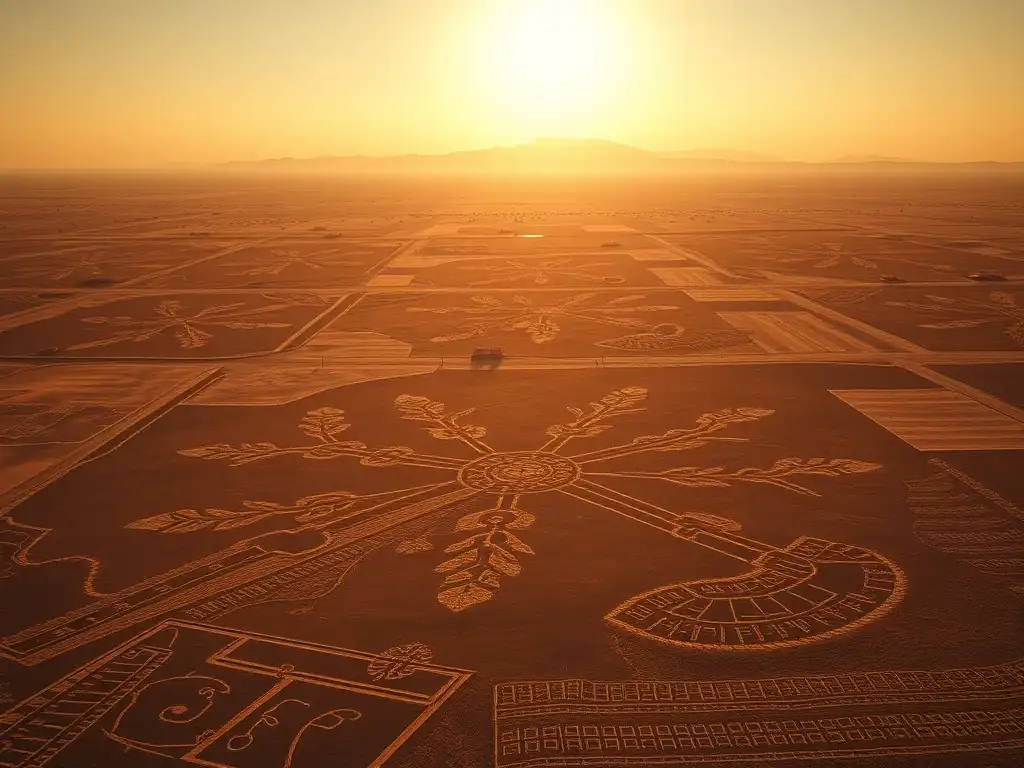
The Nazca Lines, enigmatic geoglyphs etched into the Peruvian desert, offer a unique perspective on the relationship between ancient Andean societies and their environment. While primarily known for their immense scale and mysterious nature, a closer examination reveals potential insights into how the Nazca people (c. 100 BCE – 800 CE) perceived and responded to climate change.
By analyzing the lines themselves, alongside archaeological evidence from the region, we can begin to piece together a picture of how fluctuating environmental conditions may have influenced Nazca culture and possibly contributed to their societal shifts. The integration of various scientific methods, including palynological and sedimentological studies, alongside an interpretation of the lines' symbolism, allows for a more nuanced understanding of "Nazca lines climate change."
Evidence of Environmental Shifts in the Nazca Region: Palynological and Sediment Studies
Palynological studies, focusing on pollen analysis from sediment cores extracted from the Nazca region, provide crucial evidence of past vegetation changes. These changes directly reflect shifts in rainfall patterns and overall climate. Analysis reveals fluctuations in the abundance of different pollen types over time, indicating periods of increased aridity punctuated by periods of relatively higher precipitation.
For example, a decrease in the pollen of plants requiring significant moisture, coupled with an increase in drought-tolerant species, might point to a prolonged drought. Similarly, sediment cores can reveal changes in soil composition and the presence of flood deposits, further supporting the reconstruction of past climatic conditions. This data provides a concrete timeline of environmental shifts, allowing us to correlate these changes with the creation and evolution of the Nazca Lines themselves, offering valuable insights into the "Nazca lines climate change" relationship.
Detailed analysis of specific pollen types, such as those from Prosopis (mesquite) trees, known for their resilience in arid conditions, can help researchers pinpoint the severity and duration of dry periods. The precise dating of these sediment layers, using radiocarbon dating techniques, allows for a chronological framework within which to analyze the correlation between climate change and cultural developments.
Nazca Lines and the Understanding of Water Resources: Aqueducts and Underground Canals
The Nazca people were masters of water management, developing sophisticated irrigation systems, including extensive aqueducts and underground canals, to cope with the naturally arid environment. The construction and maintenance of these complex systems required a deep understanding of hydrology and an ability to adapt to fluctuating water availability. The location and orientation of certain Nazca Lines, especially those near known water sources or irrigation channels, suggest a possible connection between the lines and water resource management.
Some researchers propose that certain lines may have served as markers indicating the location of subterranean water sources or as alignments related to the seasonal flow of water. This hypothesis suggests that the lines were not merely artistic expressions but also served a practical purpose, aiding in the efficient allocation and utilization of scarce water resources.
The study of these ancient hydraulic systems, in conjunction with the analysis of the Nazca Lines, provides a compelling case study of how a society adapted to and possibly mitigated the effects of climate variability. Further research into the engineering techniques employed in the construction of these water systems, and their correlation with periods of drought and abundance indicated by the pollen and sediment studies, can significantly enhance our understanding of "Nazca lines climate change."
Interpreting Nazca Figures as Indicators of Climate Variability: Symbolism and Rituals
The iconic Nazca figures – ranging from stylized animals to humanoids – may also hold clues to the impact of climate change on Nazca society. Many of these figures are associated with animals and plants crucial to their survival, such as birds, fish, and various plants. Changes in the frequency or style of depictions of these figures over time might reflect shifts in their relative importance, possibly indicating changes in resource availability due to climatic fluctuations.
For instance, a decrease in the depiction of fish could suggest periods of drought affecting the local water sources. Further analysis of the ritualistic contexts in which these figures were created, based on archaeological evidence from associated sites, could shed light on the symbolic significance of these depictions in relation to climatic events.
The combination of iconographic analysis with the environmental data provides a holistic approach to understanding the Nazca people's response to environmental changes, offering a powerful lens through which to examine the complex interplay between culture and climate in the Nazca region and further our knowledge of "Nazca lines climate change." Future research should focus on comparing the stylistic changes in the figures with the precise timelines of environmental shifts established through palynological and sedimentological data.
The Impact of Climate Change on Nazca Society
The Nazca civilization, renowned for its enigmatic lines etched into the desert plains of southern Peru, thrived between 100 BCE and 800 CE. However, their sophisticated culture wasn't immune to the pressures of environmental fluctuations.
Evidence suggests that periods of significant climate change, including droughts and possibly increased El Niño events, profoundly impacted Nazca society, influencing their agricultural practices, social structures, and ultimately, their decline. Understanding the interplay between the Nazca's ingenuity and the challenges posed by a changing climate offers valuable insights into the resilience and vulnerability of ancient Andean societies, and provides a compelling case study for understanding the “Nazca lines climate change” connection.
How climate changes affected Nazca agriculture and living conditions: Crop Failures and Resource Competition
The Nazca were masters of irrigation, developing intricate canal systems to cultivate crops in the arid coastal desert. Their agricultural success depended heavily on predictable water sources and suitable rainfall patterns. Paleoclimatological studies, analyzing pollen, sediment cores, and isotopic data from Nazca archaeological sites, indicate periods of severe drought during the Nazca period. These droughts likely led to significant crop failures, impacting the food supply and potentially causing famine. The limited availability of water also intensified competition for resources, potentially leading to social unrest and conflict between different settlements or social groups.
For example, analysis of ancient plant remains shows a shift in cultivated crops during periods of inferred drought. There's evidence suggesting a move towards more drought-resistant species, showcasing the Nazca's adaptability. However, even with these adaptations, prolonged drought would have severely strained their resources.
This scarcity likely contributed to increased social stratification, as access to water and fertile land would have become a crucial factor in determining wealth and power within the society. Archaeological evidence, such as changes in settlement patterns and the size of domestic structures, might reflect these adjustments to changing environmental conditions. Further research into the isotopic composition of human remains from this period could reveal more information about nutritional stress and its impact on the population's health.
The impact of climate change on the Nazca wasn't solely limited to agricultural production. Environmental stress likely acted as a catalyst for significant social and cultural changes. The need to adapt to unpredictable rainfall and water scarcity spurred innovation in water management techniques. The complexity of their canal systems, constantly being improved and expanded, testifies to their ingenuity and ability to respond to environmental challenges.
However, the pressure of resource scarcity could also have had destabilizing effects. Competition for dwindling resources might have led to increased social hierarchies and the emergence of powerful elites who controlled access to vital resources. This is supported by the evidence of elaborate tombs and monumental architecture, suggesting a concentration of wealth and power in the hands of a few.
Additionally, the construction of the iconic Nazca Lines themselves might be viewed through the lens of climate change. Some theories suggest that the lines served as ritualistic sites related to water worship or as attempts to influence the weather, reflecting the population's deep concern about water scarcity.
The eventual decline of the Nazca civilization is a complex issue with multiple contributing factors. While climate change wasn't the sole cause, it undoubtedly played a significant role. The combination of prolonged droughts, increased social inequality, and potential internal conflicts weakened the society, making it more vulnerable to collapse.
Further research into the environmental history of the Nazca region, coupled with detailed archaeological analysis, is needed to fully understand the intricate relationship between climate change and the rise and fall of this remarkable civilization. This understanding could also enhance our appreciation of the “Nazca lines climate change” connection, and aid in our current efforts to address the challenges of modern climate change.
Modern Relevance: Lessons from the Nazca Lines
The Nazca Lines, enigmatic geoglyphs etched into the Peruvian desert, offer more than just artistic intrigue. Their creation and preservation provide invaluable insights into the complex relationship between ancient Andean societies and their environment, offering crucial lessons for understanding and addressing contemporary climate challenges. By studying the ingenious water management strategies employed by the Nazca, and analyzing the impact of climatic shifts on their civilization, we can glean practical knowledge applicable to modern sustainable development and environmental conservation.
The very existence of the lines, their continued visibility, and the civilization that created them, all stand as testaments to both human ingenuity and environmental vulnerability – a powerful message resonant in our era of accelerating climate change. Analyzing the Nazca Lines through the lens of "Nazca lines climate change" reveals a compelling narrative of adaptation, resilience, and ultimately, the consequences of environmental disregard.
Applying Nazca's Climate Knowledge to Contemporary Issues: Sustainable Water Management
The Nazca civilization thrived in one of the world's most arid regions. Their survival depended entirely on sophisticated water management techniques. Archaeological evidence reveals extensive canal systems, underground aqueducts ( puquios), and sophisticated reservoir systems.
These weren't simply feats of engineering; they were carefully planned responses to the unpredictable nature of rainfall in the coastal desert. Understanding the Nazca's approach to water harvesting and distribution offers valuable lessons for modern arid and semi-arid regions facing water scarcity. For example, the design and maintenance of the puquios, with their intricate network of shafts and tunnels, demonstrate a deep understanding of groundwater hydrology.
This knowledge could inform the development of sustainable groundwater management strategies in contemporary contexts, reducing reliance on unsustainable water extraction methods. The Nazca's success highlights the importance of community-based water management, collaborative resource planning, and long-term vision in ensuring water security, a crucial aspect of mitigating the effects of climate change. Their legacy underscores the need for integrated water resource management plans that balance human needs with environmental sustainability.
The Nazca Lines as a Reminder of Environmental Vulnerability: The Fragility of Arid Ecosystems
The Nazca Lines themselves serve as a stark reminder of the fragility of arid ecosystems. The geoglyphs' longevity depends on the delicate balance of the desert environment. Increased rainfall, erosion, or even subtle shifts in wind patterns can gradually obscure or damage these delicate features.
The Nazca civilization's eventual decline may have been partially attributable to periods of prolonged drought or climatic shifts that disrupted their carefully balanced water management systems. This underscores the vulnerability of societies heavily reliant on limited water resources in arid and semi-arid regions. The impact of climate change, including increased frequency and intensity of droughts and extreme weather events, poses a significant threat to similar communities today.
The Nazca Lines stand as a powerful visual representation of this vulnerability, a tangible link to a past where environmental instability had profound societal consequences. Analyzing the "Nazca lines climate change" connection emphasizes the need for proactive measures to protect vulnerable ecosystems and build resilience against future climate shocks.
Preserving the Nazca Lines in the Face of Modern Climate Challenges: Erosion and Tourism Impacts
Preserving the Nazca Lines in the face of modern climate change presents significant challenges. Increased erosion due to unpredictable rainfall and wind patterns poses a constant threat. Furthermore, the growing popularity of tourism, while beneficial for the local economy, also contributes to environmental degradation through increased foot traffic and potential damage to the fragile desert surface.
Sustainable tourism practices are essential to mitigate these negative impacts. This includes developing alternative viewing platforms, restricting access to sensitive areas, and implementing strict environmental regulations. Moreover, understanding the precise impact of climate change on the geoglyphs requires ongoing research, including monitoring soil erosion rates, analyzing changes in wind patterns, and assessing the effects of extreme weather events.
This data-driven approach will inform the development of effective preservation strategies and allow for proactive intervention to protect this invaluable cultural and historical heritage. The Nazca Lines, a crucial part of the "Nazca lines climate change" discussion, require a multifaceted strategy that balances conservation efforts with the economic needs of the surrounding communities. A holistic approach that prioritizes both preservation and sustainable development is critical for securing their future.
Frequently Asked Questions
How did climate change affect the Nazca people?
The Nazca Lines' creation coincided with a relatively stable climate, but evidence suggests later periods saw droughts and environmental shifts, possibly impacting their agricultural practices and contributing to societal changes. These changes are thought to have influenced their artistic expressions.
What role did climate play in the creation of the Nazca Lines?
While the exact purpose remains debated, some theories link the lines to ceremonial practices related to water management and fertility, reflecting the Nazca's dependence on a predictable climate and their response to its variability. Agricultural cycles likely played a significant role.
How do the Nazca Lines reflect the climate of the time?
Some researchers believe the lines themselves, or their arrangement, might reflect astronomical observations related to seasonal changes and predicting rainfall patterns, vital for survival in a desert environment. Further research is needed to confirm this connection.
What evidence links the Nazca Lines to climate change effects?
Studies of geological layers and paleoclimate data from the Nazca region show periods of both wet and dry spells, corroborating theories linking the decline of the Nazca culture to prolonged drought. The impact of El Niño is also being investigated.
Can studying the Nazca Lines help us understand current climate change?
By examining the Nazca's responses to past climate variability, we can gain insights into societal adaptation strategies and the potential consequences of environmental instability. This understanding can inform our approach to current climate change challenges.
Final Reflection: Echoes of the Past, Warnings for the Future
The intricate artistry of the Nazca Lines isn't merely a testament to ancient ingenuity; it's a powerful, albeit silent, chronicle of climate change's enduring impact on human civilization. The evidence presented—from the depiction of water sources to the potential correlation between line construction and shifting weather patterns—reveals a society deeply intertwined with its environment, a society forced to adapt and respond to the whims of nature. This resonates deeply today, as we grapple with the consequences of our own actions on the climate.
The Nazca people's profound connection to their land, as reflected in their monumental artwork, serves as a poignant reminder of our own interconnectedness with the planet. Their story underscores the fragility of ecosystems and the long-term consequences of environmental shifts. The earth has music for those who listen.
This quote, often attributed to William Shakespeare, takes on a new meaning when considering the Nazca Lines; they whisper tales of a past shaped by climate, offering a cautionary narrative for our present. Their legacy compels us to consider the lasting impact of our choices on future generations.
Consider the implications of this ancient wisdom. What steps can you take to become a more responsible steward of our planet? How can we, as a global community, learn from the past to build a more sustainable future? The Nazca Lines, silent witnesses to centuries of environmental change, urge us to listen closely to the earth's whispers and act decisively to protect its delicate balance. Let their enduring legacy inspire you to make a difference.
Unveil the Secrets of the Nazca Lines!
Thank you for exploring the fascinating intersection of ancient art and climate through the study of the Nazca Lines! Your exploration has revealed invaluable insights into the relationship between our ancestors and their environment. Let's delve even deeper into this captivating subject.
Here are some ways to further your engagement:
- Take a virtual tour of the Nazca Lines to experience these ancient geoglyphs from a unique perspective and appreciate their scale.
- Share your thoughts and most surprising discoveries in the comments section below.
- Learn more about Andean civilizations and their adaptations to environmental change by visiting our main page, where you'll find additional resources.
What aspect of the Nazca Lines intrigues you most: their artistic merit, their environmental context, or the enduring mysteries they hold?