
The Mountain's Memory: Climate Change and Cultural Adaptation

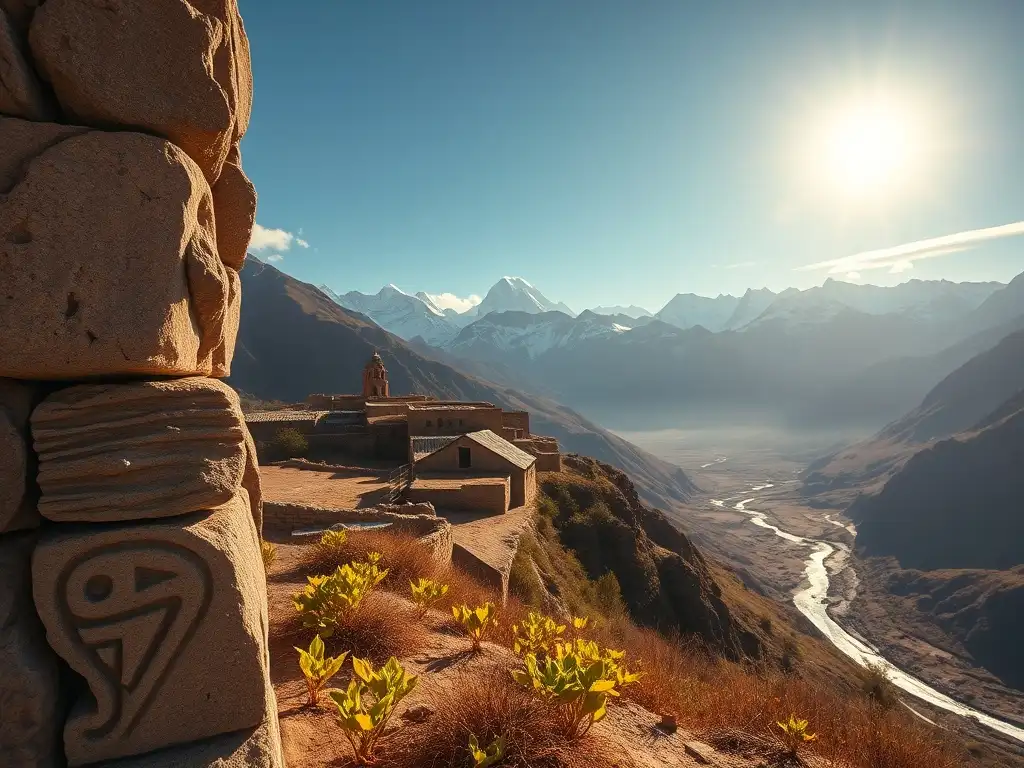
Step into a world lost to time, yet echoing in the mountains themselves. For centuries, the Andean civilizations thrived, crafting breathtaking artistry and complex societies amidst the towering peaks. But what secrets do the Andes hold about their past? Discover how climate change impacted Andean civilizations, a story woven into the very fabric of their existence, and learn how their resilience shaped the future. Uncover the fascinating details in our in-depth exploration of "The Mountain's Memory: Climate Change and Cultural Adaptation" – a journey into the heart of a vanished world.
- The Mountain's Memory: Climate Change and Cultural Adaptation in Andean Civilizations
- The Impact of Climate Change on Andean Societies
- Cultural Adaptation Strategies in the Andes
- The Long-Term Legacy of Climate Adaptation in the Andes
-
Frequently Asked Questions
- How did climate change affect the Andean civilizations?
- What adaptations did Andean civilizations make to climate change?
- Were the Incas particularly vulnerable to climate change?
- How did climate change influence the art and religion of Andean cultures?
- What can we learn from the Andean civilizations' responses to climate change?
- Final Reflection: Echoes of the Andes, Whispers of the Future
- Unlock the Power of Cultural Resilience!
The Mountain's Memory: Climate Change and Cultural Adaptation in Andean Civilizations
The Andes Mountains, a spine of towering peaks stretching along the western edge of South America, have witnessed the rise and fall of countless civilizations. For millennia, Andean societies thrived in this challenging environment, developing sophisticated agricultural techniques, intricate social structures, and remarkable engineering feats to adapt to the region's unique conditions. However, the delicate balance between these societies and their environment was constantly tested by the inherent variability of the Andean climate.
This article explores the profound impact of climate change on Andean civilizations, examining how they responded to environmental challenges and the lessons their resilience offers us today. We will delve into the specific ways in which climate fluctuations, both natural and anthropogenic, shaped the trajectory of these remarkable cultures, focusing on their innovative strategies for survival and adaptation, and ultimately considering the relevance of their experiences in the face of modern climate change.
Understanding the past provides a crucial lens through which to view the present and future challenges facing the Andes region and its people. The keyword "Andean civilizations climate change impact" is central to this exploration.
Introduction: Andean Civilizations and Environmental Challenges
The Andes are characterized by extreme environmental diversity, ranging from arid coastal deserts to lush cloud forests and high-altitude páramos. This heterogeneity created both opportunities and challenges for the development of Andean societies. While the fertile valleys provided ideal locations for agriculture, the unpredictable nature of weather patterns, including droughts, floods, and extreme temperatures, posed constant threats.
Ancient Andean civilizations, including the Incas, Moche, Nazca, and Tiahuanaco, developed remarkable strategies to mitigate these risks, showcasing their deep understanding of their environment and their ingenuity in adapting to its vagaries. Their solutions, often interwoven with their religious and social beliefs, offer invaluable insights into the complex interplay between human societies and their environment, particularly relevant in the context of contemporary climate change. The impact of climate change on the Andean civilizations was far-reaching, influencing everything from agricultural practices to political organization and social structures.
Understanding the Ancient Andean Environment
The Andean environment, while offering fertile pockets for agriculture, presented significant obstacles to human settlement and prosperity. Understanding this environment is key to appreciating the ingenuity of the Andean civilizations in adapting to its unique challenges.
The Diverse Ecosystems of the Andes
The Andes boast a remarkable array of ecosystems, each with its own distinct climate and challenges. From the hyper-arid Atacama Desert in the north to the humid Amazonian foothills in the east, the environmental diversity is striking. The high-altitude páramos, characterized by cold temperatures and unique flora, presented different challenges compared to the warmer, more temperate valleys. This diversity forced Andean civilizations to develop highly localized adaptations, resulting in a rich tapestry of cultural practices and technological innovations.
The agricultural systems they developed were finely tuned to the specific conditions of their environment, reflecting a deep understanding of local ecosystems. For example, the ingenious terrace farming techniques employed throughout the Andes maximized arable land and minimized soil erosion in the steep mountain slopes. The intricate systems of canals and irrigation channels further demonstrate their mastery of water management in a region characterized by both abundance and scarcity.
Climate Variability in the Andean Region
The Andean climate has always been characterized by significant variability. El Niño-Southern Oscillation (ENSO) events, for example, have historically caused major disruptions to rainfall patterns, leading to periods of drought and flooding. These unpredictable fluctuations placed enormous pressure on Andean societies, requiring them to develop robust strategies for coping with environmental uncertainty.
Evidence suggests that some civilizations, such as the Moche, experienced periods of significant societal upheaval linked to prolonged droughts. These climate-driven crises often had profound social and political consequences, reshaping power structures and leading to migrations and conflicts. Understanding the historical patterns of climate variability in the Andes is crucial for assessing the impact of contemporary climate change on the region and for developing effective adaptation strategies.
The frequency and intensity of extreme weather events appear to be increasing, posing new challenges for the Andean communities that continue to inhabit this remarkable landscape. Analyzing the past responses to climate variability provides a valuable framework for understanding and addressing these contemporary challenges.
The Impact of Climate Change on Andean Societies
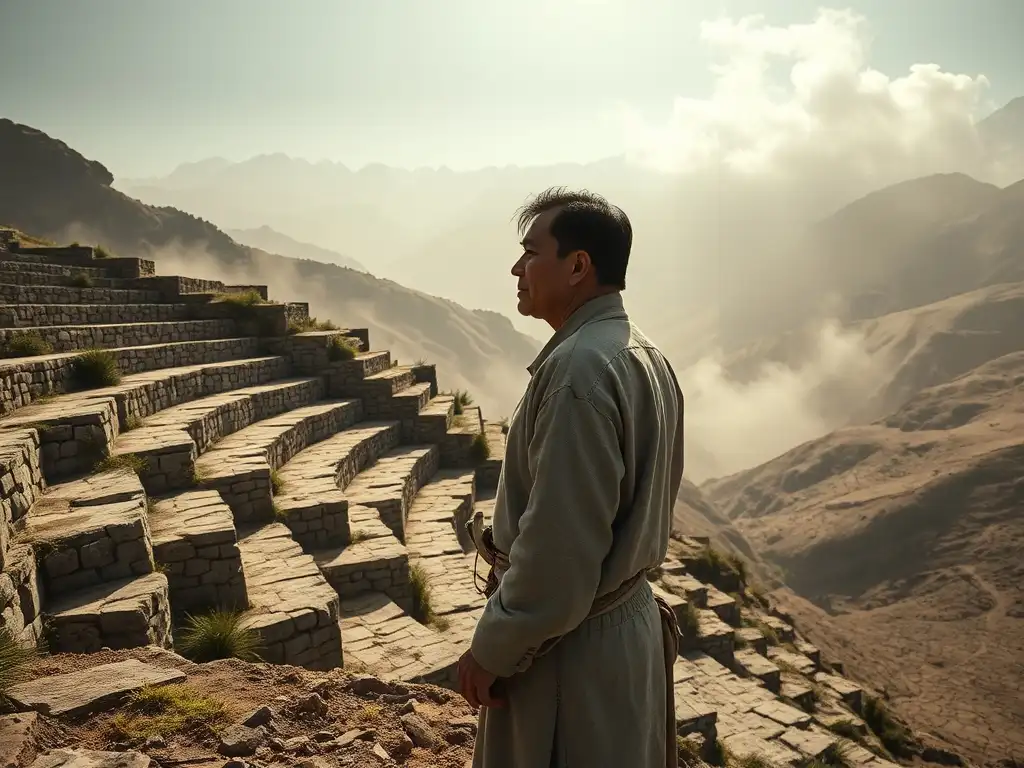
The Andes Mountains, a spine of towering peaks stretching along the western edge of South America, have witnessed dramatic shifts in climate throughout history. These fluctuations profoundly shaped the trajectory of Andean civilizations, forcing ingenious adaptations and, at times, leading to societal upheaval. Understanding the interplay between climate change and Andean societies is crucial for comprehending their remarkable resilience and the challenges they faced.
This section will explore the historical context of climate change in the Andes and its specific impacts on various Andean cultures, focusing on their responses and adaptations to environmental pressures. The analysis will center on the keyword "Andean civilizations climate change impact" and its semantic variations.
Historical Climate Fluctuations and Andean Responses
Evidence of Past Climate Shifts in the Andes
Paleoclimatological data, including ice core analysis from glaciers like Quelccaya in Peru, reveal a complex history of climate variability in the Andes. These studies show evidence of significant fluctuations in temperature and precipitation patterns over millennia. For example, the Medieval Warm Period (roughly 950-1250 CE) is documented in Andean ice cores as a period of relatively warmer temperatures and altered precipitation regimes.
Conversely, the Little Ice Age (roughly 1300-1850 CE) brought cooler temperatures and increased glacial advance, impacting agricultural practices and water availability for various Andean communities. Analyzing pollen records from lake sediments provides additional insights into vegetation changes, reflecting shifts in climate and their effect on the environment.
These shifts were not uniform across the vast Andean region; variations in altitude and geography resulted in localized differences in climate impacts. The impact of these climate shifts on Andean civilizations varied, depending on their location, adaptive strategies, and the intensity of the climatic event.
Cultural Adaptations to Environmental Change
Andean societies, known for their sophisticated agricultural techniques and intricate social structures, demonstrated remarkable adaptability in the face of fluctuating climates. Their responses were often multifaceted, involving adjustments to agricultural practices, water management systems, and even social organization. The development of terracing on steep slopes, for example, allowed for increased agricultural productivity in challenging terrain and reduced soil erosion, mitigating the effects of both droughts and floods.
The construction of canals and irrigation systems, visible in the remains of various Andean cultures, further demonstrates their capacity for water resource management. These systems allowed for the cultivation of crops even in arid environments, enhancing food security during periods of drought. Furthermore, evidence suggests that some Andean communities adapted their cropping patterns, shifting to more drought-resistant crops during drier periods.
The Inca Empire, in particular, implemented sophisticated administrative systems to manage resources and respond to climatic variability. This adaptive capacity, often influenced by their religious and spiritual beliefs, enabled them to thrive despite environmental challenges.
Specific Impacts of Climate Change on Andean Civilizations
Agriculture and Water Management
Agriculture formed the backbone of Andean societies. Climate change significantly impacted agricultural productivity, influencing crop yields and impacting food security. Changes in precipitation patterns, such as prolonged droughts or intense rainfall events, directly affected crop production. Droughts led to crop failures and famine, while excessive rainfall caused soil erosion and damage to irrigation systems. The impact varied significantly depending on the specific location and the type of crops cultivated.
Coastal communities, relying heavily on fishing, also faced challenges due to changes in marine ecosystems caused by climate change, affecting their food sources. The ability to manage water resources effectively became crucial for survival. Evidence suggests that some Andean societies developed sophisticated water management systems, including reservoirs, canals, and aqueducts, to mitigate the impacts of droughts and floods. However, even these systems were not always sufficient to prevent widespread hardship during extreme climatic events.
Social and Political Transformations
Climate change acted as a significant stressor on Andean societies, often leading to social and political transformations. Periods of drought and famine could lead to social unrest, conflict over resources, and even the collapse of entire settlements. The scarcity of resources could exacerbate existing social inequalities, leading to power struggles and changes in leadership. In some cases, climate change may have contributed to the decline of certain Andean civilizations.
For instance, some scholars argue that prolonged droughts played a role in the decline of the Tiwanaku civilization. Analyzing archaeological evidence, such as changes in settlement patterns and the abandonment of agricultural fields, can shed light on the social and political consequences of climate change. Further research is needed to fully understand the complex interplay between climate variability and social and political change in the Andes.
Religious and Spiritual Beliefs
Andean religious and spiritual beliefs were deeply intertwined with the natural environment. Mountains, rivers, and other natural features were often considered sacred, and climate change significantly impacted these beliefs. Changes in weather patterns could be interpreted as signs of displeasure from the gods or spirits, leading to changes in religious practices and rituals. For example, ceremonies aimed at appeasing deities associated with rain or fertility might have become more frequent or elaborate during periods of drought.
The integration of climate-related beliefs into religious practices highlights the significance of the environment in shaping Andean spiritual life. Further research exploring the iconography and textual evidence related to climate in Andean religious practices would further illuminate this complex relationship. Understanding this connection provides vital insight into the cultural responses to environmental changes and the resilience of Andean spiritual systems in the face of adversity.
Case Studies: Examples of Andean Civilizations and Climate Change
The impact of climate change on Andean civilizations wasn't a singular event but a series of adaptations and challenges spanning millennia. Understanding these challenges requires examining specific examples, revealing the ingenuity and resilience of these societies in the face of environmental pressures. The diverse geography of the Andes, ranging from arid coastal deserts to high-altitude plains and lush cloud forests, meant that different civilizations faced unique climatic threats.
Analyzing these individual responses helps us appreciate the complex interplay between climate and culture in shaping Andean societies. The effects of climate change, specifically concerning water availability, agricultural practices, and societal organization, varied greatly depending on the specific civilization and its location within the Andes. The following case studies illustrate the diverse ways in which Andean populations responded to these fluctuating environmental conditions.
The Moche and the El Niño Phenomenon
The Moche civilization (circa 100-800 CE), flourishing along the northern coast of Peru, was intimately connected to the sea. Their economy depended heavily on fishing and agriculture, which were significantly affected by the El Niño Southern Oscillation (ENSO). El Niño events, characterized by unusually warm ocean temperatures and heavy rainfall, could cause devastating floods and damage to agricultural lands.
Conversely, La Niña events, characterized by cooler ocean temperatures and drier conditions, led to droughts and crop failures. Evidence suggests that the Moche developed sophisticated irrigation systems and water management techniques to mitigate the effects of these climate fluctuations. Their monumental architecture, including elaborate irrigation canals and reservoirs, demonstrates their ability to adapt to the unpredictable nature of the El Niño phenomenon.
Furthermore, their art, particularly their ceramics, often depicts scenes of both abundance and scarcity, hinting at their awareness and adaptation to the cyclical nature of the climate. The Moche's resilience in the face of these climatic extremes speaks to their advanced understanding of their environment and their capacity for innovation in water resource management. Their story highlights the crucial role of climate variability in shaping the trajectory of this influential coastal civilization.
The Tiahuanaco and Drought Cycles
The Tiahuanaco civilization (circa 500-1200 CE), located on the Altiplano of Bolivia, faced a different set of climatic challenges. The Altiplano is a high-altitude plateau characterized by a harsh, arid climate. Tiahuanaco's agricultural success hinged on their ability to manage water resources effectively in the face of frequent and intense drought cycles.
Archaeological evidence suggests that they developed sophisticated agricultural techniques, including raised fields and intricate canal systems, to optimize water usage and enhance crop yields. These systems allowed them to capture and store water, ensuring a relatively stable food supply even during periods of drought. The monumental architecture of Tiahuanaco, including the iconic Gate of the Sun, likely served not only religious purposes but also played a role in regulating water flow and managing agricultural resources.
The civilization's longevity, despite the challenging climatic conditions, underlines the effectiveness of their adaptive strategies and their understanding of the intricate relationship between climate and agricultural production in the high Andes. The Tiahuanaco case provides a compelling example of how advanced agricultural technologies enabled a civilization to thrive in a challenging, drought-prone environment.
The Inca Empire and Resource Management under Pressure
The Inca Empire (circa 1438-1533 CE) controlled a vast and diverse territory across the Andes. Its success depended on efficient resource management and the ability to respond to climatic variability across different ecological zones. The Inca implemented a sophisticated system of vertical archipelago, exploiting the varied altitudes and microclimates to maximize agricultural production. This strategy allowed them to mitigate the risks associated with localized crop failures due to droughts or frosts.
They also developed advanced irrigation systems and storage facilities to ensure food security. Furthermore, the Inca's centralized administrative structure facilitated the redistribution of resources across the empire, enabling them to cope with regional climate-related crises. However, even the Inca Empire's sophisticated systems were not immune to the effects of significant climate change.
Evidence suggests that prolonged droughts and other climate-related events contributed to social unrest and ultimately weakened the empire, making it more vulnerable to Spanish conquest. The Inca case study highlights the importance of effective governance and resource management in adapting to climate change, even on a large, complex scale. Their story underscores that even the most advanced societies can be vulnerable to the consequences of extreme climatic events.
Cultural Adaptation Strategies in the Andes
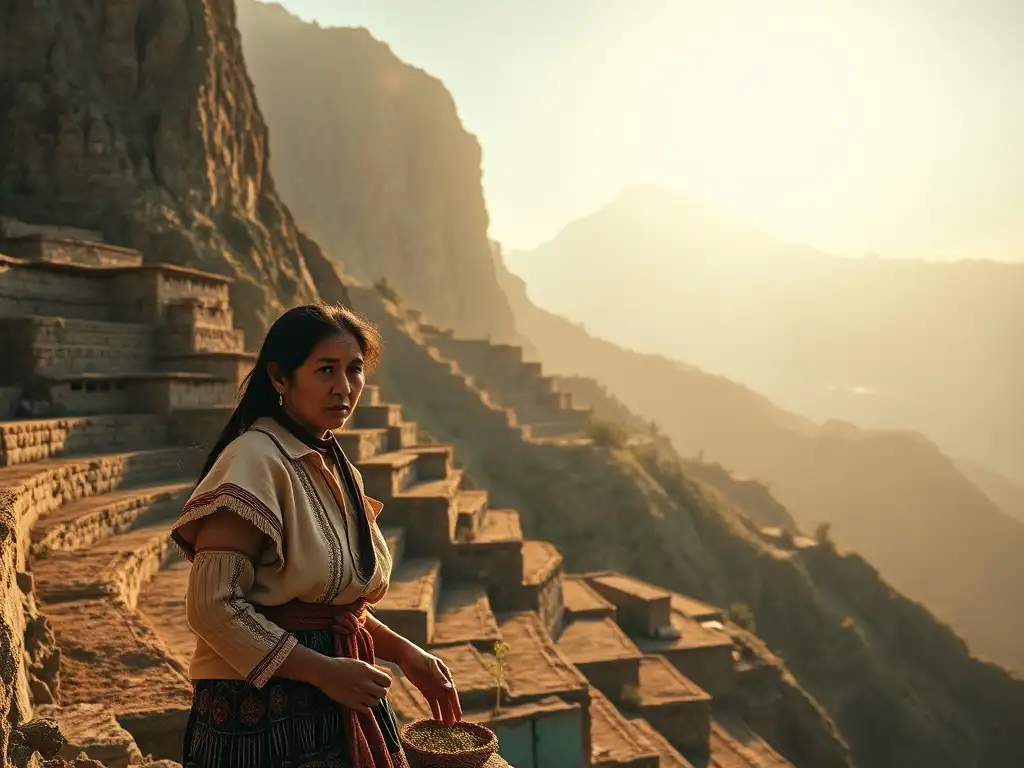
The Andes Mountains, a spine of towering peaks stretching along the western coast of South America, have witnessed millennia of human adaptation to dramatic environmental fluctuations. The impact of climate change on Andean civilizations is a complex narrative woven from both ancient ingenuity and modern challenges. Understanding the strategies employed by past Andean societies offers crucial lessons for navigating the current climate crisis and building resilience for the future.
This section explores the remarkable cultural adaptations developed over centuries, focusing on traditional knowledge and its application to contemporary issues. The keyword "Andean civilizations climate change impact" is central to understanding this dynamic interplay between culture and environment.
Traditional Knowledge and Practices for Climate Resilience
Andean societies, including the Incas, Moche, Nazca, and Tiahuanaco, developed sophisticated strategies to cope with the inherent variability of the Andean climate. Their success stemmed from a deep understanding of their environment and a profound respect for its rhythms. This knowledge, passed down through generations, formed the bedrock of their cultural resilience. This deep understanding allowed them to anticipate and mitigate the effects of droughts, floods, and other climate-related events.
Ancient Techniques for Water Conservation
Water scarcity has always been a defining feature of life in the Andes. Ancient Andean communities implemented ingenious water management systems, including:
- Extensive canal networks: These intricate systems diverted water from rivers and streams, irrigating vast agricultural terraces carved into the steep mountain slopes. These canals, often built using sophisticated stonework, channeled water efficiently, minimizing loss through evaporation.
- Reservoirs and storage systems: Communities constructed reservoirs and storage facilities to capture rainwater and meltwater, ensuring a reliable water supply during dry periods. The size and complexity of these systems varied depending on the local topography and the needs of the community.
- Terracing: The construction of terraced fields significantly increased arable land and reduced soil erosion, optimizing water retention and preventing runoff. This technique, still practiced today, showcases the enduring wisdom of ancient Andean agricultural practices.
Agricultural Innovations for Variable Climates
Andean agriculture was not only efficient in terms of water management but also remarkably adaptable to the region's diverse climates and microclimates. Farmers developed:
- Crop diversification: Cultivating a wide range of crops, including potatoes, maize, quinoa, and beans, ensured food security even in the face of crop failures due to climate variability. This minimized the risk associated with relying on a single crop.
- Frost protection techniques: Innovative techniques were employed to protect crops from frost, a significant threat in the high Andes. These included the use of smoke screens and the construction of protective shelters.
- Altitudinal zonation: Andean farmers utilized the diverse altitudinal zones of the Andes to cultivate different crops at optimal elevations, maximizing yields and minimizing the impact of climate change.
Community-Based Adaptation Strategies
Adaptation to climate variability in the Andes was not solely a matter of technological innovation. It was deeply embedded in the social fabric of Andean communities. Effective strategies included:
- Collective labor: Large-scale infrastructure projects, such as canal construction and terracing, were undertaken through collective labor, demonstrating the importance of community cooperation in ensuring resilience.
- Resource sharing: In times of scarcity, communities shared resources and supported vulnerable members, ensuring the survival of the group as a whole.
- Religious and ritual practices: Religious ceremonies and rituals played a crucial role in fostering community cohesion and reinforcing the importance of environmental stewardship. These practices often incorporated elements related to water and agricultural fertility.
Contemporary Challenges and Lessons from the Past
While ancient Andean societies successfully adapted to climate variability for centuries, modern climate change presents unprecedented challenges. The rate and intensity of environmental change are far exceeding anything experienced in the past.
Modern Climate Change and its Effects on Andean Communities
Contemporary Andean communities face a range of climate change impacts, including:
- Increased frequency and intensity of extreme weather events: Glacier melt, droughts, floods, and landslides are becoming more frequent and severe, threatening lives, livelihoods, and infrastructure.
- Loss of biodiversity: Climate change is impacting biodiversity, threatening the very foundation of Andean agriculture and ecosystems.
- Water stress: Glacier melt initially increases water availability, but long-term, it leads to decreased water resources, exacerbating water scarcity.
Applying Ancient Wisdom to Modern Environmental Problems
The traditional knowledge and practices of ancient Andean societies offer valuable lessons for confronting modern climate change challenges. By integrating ancient wisdom with modern science and technology, we can develop more effective and sustainable adaptation strategies. This includes:
- Reviving traditional agricultural techniques: Reintroducing traditional crop diversification and water management techniques can enhance resilience to climate change impacts.
- Promoting community-based adaptation: Empowering local communities to participate in the design and implementation of adaptation projects is essential for ensuring success.
- Protecting and restoring ecosystems: Protecting and restoring Andean ecosystems is crucial for maintaining biodiversity and ensuring the long-term sustainability of the region.
The Importance of Indigenous Knowledge in Climate Change Adaptation
Indigenous knowledge holds the key to effective climate change adaptation in the Andes. Respecting and incorporating this knowledge into policy and practice is crucial for building a more resilient and sustainable future. Ignoring this invaluable resource would be a grave mistake, undermining the potential for effective climate action. The wisdom of generations, embedded in practices and beliefs, provides crucial insights for navigating the complexities of a changing climate. The integration of Indigenous knowledge with scientific methodologies is essential for developing holistic and culturally appropriate solutions to the challenges posed by climate change in the Andes.
The Long-Term Legacy of Climate Adaptation in the Andes
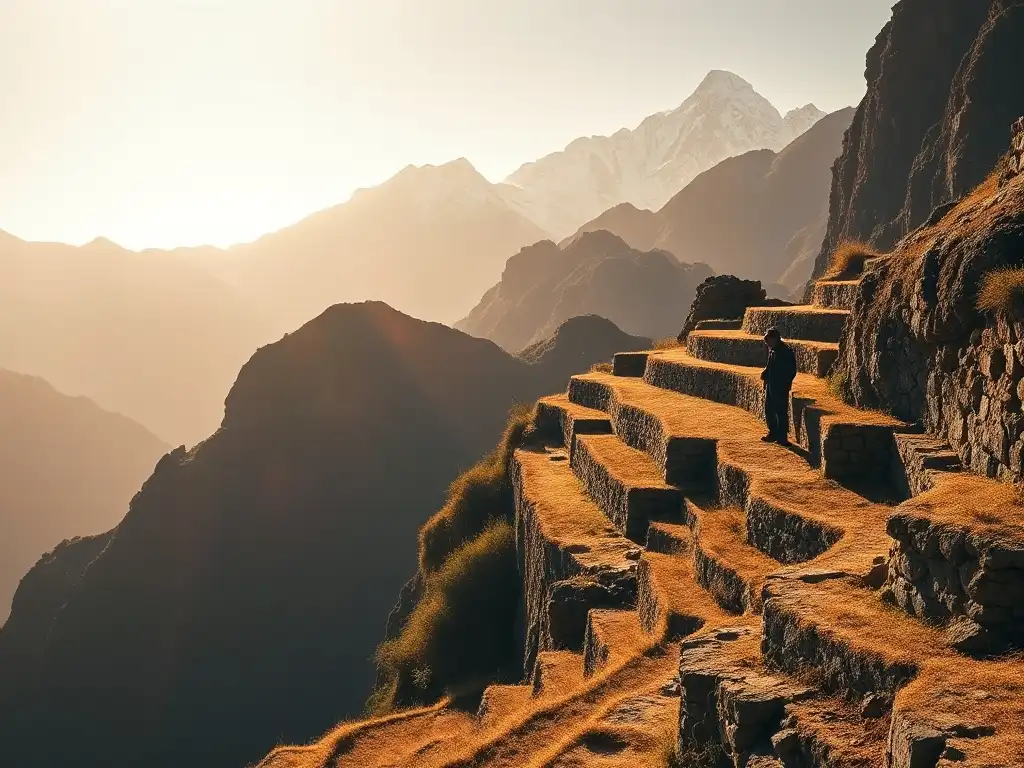
The impact of climate change on Andean civilizations is a complex issue, extending far beyond simple environmental shifts. It's a story interwoven with resilience, ingenuity, and a deep-seated cultural understanding of the Andean environment. Understanding the long-term legacy of climate adaptation requires examining how Andean societies not only survived but thrived in the face of fluctuating climates for millennia. This wasn't merely a matter of reacting to immediate challenges; it involved the development of sophisticated strategies that became embedded within their cultural fabric, shaping their social structures, technologies, and spiritual beliefs.
The evidence suggests a remarkable capacity for adaptation, a legacy that continues to influence contemporary Andean communities. Analyzing this legacy offers crucial insights into how human societies can navigate future climate challenges. The keyword "Andean civilizations climate change impact" is central to understanding this complex interplay.
Continuity and Change in Andean Culture
The Andean region's diverse ecosystems, ranging from arid coastal deserts to high-altitude grasslands (puna) and Amazonian rainforests, have always presented significant climatic challenges. Variations in rainfall, temperature, and glacial melt have profoundly influenced agricultural practices, settlement patterns, and social organization across different Andean cultures.
For instance, the sophisticated irrigation systems developed by the Nazca civilization, evident in their intricate canal networks, demonstrate a proactive response to water scarcity. These systems weren't merely technological marvels; they were integrated into a complex social and religious framework, reflecting a deep understanding of water management and its societal implications.
Similarly, the Incas' mit'a system, a form of labor taxation, allowed for the mobilization of large workforces for infrastructure projects like terraced farming (which mitigated erosion and optimized water use), further highlighting the interconnectedness of climate adaptation and social organization. The impact of climate change on Andean civilizations was thus not solely environmental; it profoundly shaped cultural practices and social structures.
Preserving Cultural Heritage in a Changing Climate
Preserving the cultural heritage of Andean civilizations in the face of modern climate change presents unique challenges. The very landscapes that nurtured these cultures are now threatened by accelerated glacial melt, increased frequency of extreme weather events, and land degradation. This necessitates a multifaceted approach that combines scientific research with traditional ecological knowledge (TEK). Understanding the historical methods of adaptation employed by past Andean societies can inform contemporary strategies for climate change mitigation and adaptation.
For example, studying the Inca's agricultural techniques, such as terracing and crop diversification, can provide valuable insights for modern sustainable farming practices in the Andes. Furthermore, efforts to preserve archaeological sites and cultural artifacts are crucial for safeguarding the tangible legacy of these civilizations, ensuring their stories continue to inspire and inform future generations. This requires collaborative efforts between governments, local communities, and international organizations to prioritize conservation and sustainable tourism initiatives.
The Enduring Spirit of Adaptation in Andean Societies
The enduring spirit of adaptation in Andean societies is perhaps their most remarkable legacy. Facing centuries of climatic variability, Andean communities developed a profound understanding of their environment and a remarkable ability to adjust their practices accordingly. This adaptability wasn't simply reactive; it was proactive, involving careful observation, experimentation, and the transmission of knowledge across generations. This cultural memory, often passed down through oral traditions and ritual practices, has been crucial in navigating both past and present environmental challenges.
Contemporary Andean communities continue to demonstrate this resilience, adapting their agricultural practices, water management systems, and even their social structures to cope with the impacts of modern climate change. Their experiences provide invaluable lessons for other communities facing similar challenges globally. The continued study of Andean adaptation strategies is vital to understanding the potential for human resilience in a rapidly changing world.
Conclusion: The Resilience of Andean Civilizations in the Face of Climate Change
The impact of climate change on Andean civilizations underscores the profound interconnectedness between human societies and their environment. The long history of adaptation in the Andes demonstrates a remarkable capacity for resilience, shaped by sophisticated technologies, social structures, and a deep understanding of the natural world. However, the scale and speed of modern climate change present unprecedented challenges, demanding a collaborative and innovative approach to conservation and sustainable development.
Preserving the invaluable cultural heritage of these civilizations while mitigating the effects of climate change is a critical task, one that requires recognizing and leveraging the enduring wisdom of Andean communities. The study of Andean civilizations offers not only a rich historical perspective but also vital lessons for navigating the future impacts of a changing climate on a global scale. Understanding the historical "Andean civilizations climate change impact" is key to building a more sustainable and resilient future.
Frequently Asked Questions
How did climate change affect the Andean civilizations?
Climate change, including droughts and floods, significantly impacted Andean societies. These events disrupted agriculture, leading to food shortages and societal instability, forcing adaptations in farming techniques and settlement patterns.
What adaptations did Andean civilizations make to climate change?
Andean civilizations developed sophisticated irrigation systems and terracing techniques to manage water resources and optimize agriculture in challenging environments. They also adapted their social structures and belief systems to cope with environmental fluctuations.
Were the Incas particularly vulnerable to climate change?
While all Andean civilizations faced climate challenges, the Inca Empire's extensive infrastructure and centralized organization allowed for some resilience. However, severe climate events still posed significant threats to their food production and political stability.
How did climate change influence the art and religion of Andean cultures?
Many Andean artistic expressions, such as textiles and ceramics, may reflect responses to climate change. Changes in religious practices and rituals likely occurred as communities sought to appease deities and ensure successful harvests during periods of environmental stress.
What can we learn from the Andean civilizations' responses to climate change?
Studying the Andean civilizations' adaptive strategies offers valuable lessons for modern societies facing similar challenges. Their ingenuity in water management, agricultural innovation, and community resilience provides insights for addressing contemporary climate change impacts.
Final Reflection: Echoes of the Andes, Whispers of the Future
The melting glaciers of the Andes are not just a geological phenomenon; they are a stark warning, a testament to the devastating impact of climate change on human civilizations. The intricate relationship between Andean communities and their environment, detailed throughout this article, highlights a vulnerability shared by countless cultures worldwide facing the escalating consequences of a warming planet. The fragility of this delicate balance underscores the urgent need for global action and localized adaptation strategies.
The enduring legacy of Andean civilizations, their profound connection to the mountain's rhythms, serves as a poignant reminder of our own interconnectedness with the natural world. Their innovative adaptation strategies, passed down through generations, offer valuable lessons for navigating the challenges of our time. The mountains are our mother, our provider, our teacher. If she suffers, we suffer.
This sentiment, echoing through centuries, speaks to the deep-seated understanding of environmental stewardship that must guide our response to the climate crisis. We must learn from their resilience and wisdom to build a more sustainable future.
Consider the stories shared within these pages. Reflect on the ingenuity of past generations and the struggles faced by present-day communities. Let the echoes of the Andes inspire you to become a steward of our planet, to advocate for change, and to contribute to solutions that protect both our cultural heritage and the environment that sustains us. The future of our planet, and the countless cultures it supports, depends on our collective action, our shared commitment to a more sustainable and equitable world.
Unlock the Power of Cultural Resilience!
Thank you for exploring the fascinating connection between climate change and the adaptability of Andean cultures. Your interest in this crucial topic illuminates not only the past, but also helps pave the way for a more sustainable future. Now, let's take action!
Here's what you can do next:
- Become a champion for climate resilience: Share this article with friends and family to raise awareness about climate change's impact on cultural heritage. Your voice can inspire others to consider their environmental impact.
- Learn from Andean wisdom: Explore local Andean traditions and sustainable practices that can enrich your own life. Consider joining a community garden or participating in workshops focused on traditional crafts and farming techniques.
- Join the movement: Engage with local environmental groups or online forums to share your ideas and learn from others. Your perspective can strengthen the network of advocates working to protect both culture and the environment.
Reflecting on the past, how do you believe the rich cultural heritage of the Andes can inform our approach to today's environmental challenges?