
Ice Age Legacy: Glacial Cycles and Andean Civilization

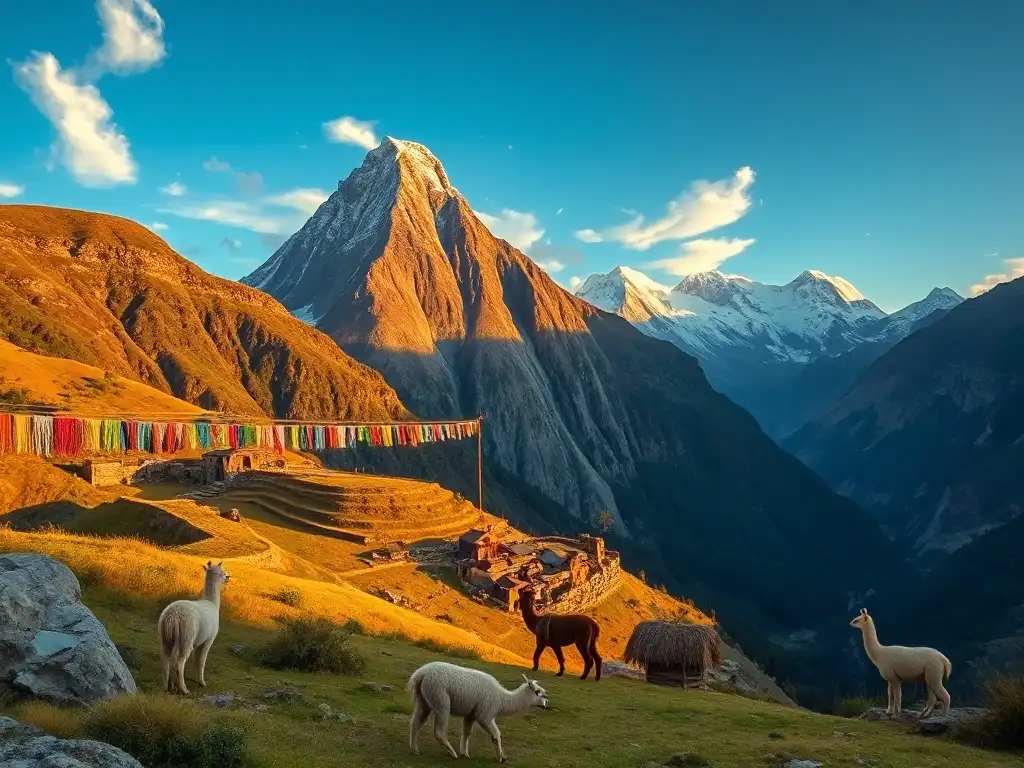
Uncover the secrets whispered on the wind across the Andes! For millennia, these majestic mountains have witnessed the rise and fall of incredible civilizations. But what role did the glacial cycles of the Ice Age truly play in shaping their destinies? Journey with us into the heart of Andean history as we explore the profound impact of Andean civilization ice age impact, revealing a story of resilience, innovation, and adaptation that will leave you breathless. Prepare to be amazed.
The dramatic landscapes of the Andes Mountains, home to some of the most fascinating and influential ancient civilizations in the world, bear the indelible mark of millennia of glacial cycles. Understanding the impact of these ice ages is crucial to comprehending the development, adaptation, and ultimately, the successes and challenges faced by Andean societies like the Inca, Moche, Nazca, and Tiahuanaco.
This article explores the profound relationship between the fluctuating glacial periods and the rise and fall of Andean civilizations, examining how the changing environment shaped their agricultural practices, settlement patterns, and technological innovations. We will delve into the specific effects of glacial advances and retreats on the Andean landscape, revealing how these powerful forces profoundly influenced the trajectory of these remarkable cultures.
The interplay between human ingenuity and the relentless power of nature provides a compelling narrative of resilience, adaptation, and the enduring legacy of the Andean civilizations. This exploration of the "Andean civilization ice age impact" reveals a complex and fascinating story of human interaction with a dynamic environment.
Understanding the Ice Age and its Global Effects
The Pleistocene Epoch, commonly known as the Ice Age, was a period characterized by repeated cycles of glacial advance and retreat. These cycles, driven by variations in Earth's orbit and solar radiation, profoundly impacted global climate and sea levels. During glacial maxima, vast ice sheets covered significant portions of the Northern Hemisphere, leading to lower global temperatures and altered precipitation patterns.
These changes were not uniform across the globe; some regions experienced increased aridity, while others faced intensified rainfall and glacial activity. Understanding the timing and severity of these fluctuations is key to interpreting the specific effects on the Andean region and its inhabitants. The precise timing and extent of glacial advances and retreats varied across different regions of the world and require detailed analysis of geological records.
For example, the timing and intensity of glacial events in the Andes was different from that in the Alps or the Himalayas. This variability is crucial to consider when studying the impact on different Andean cultures.
The Andean Region During the Last Glacial Maximum
The Last Glacial Maximum (LGM), which peaked approximately 20,000 years ago, significantly altered the Andean environment. Lower temperatures resulted in the expansion of glaciers, dramatically reshaping the landscape. The high altitude regions experienced particularly significant changes, with glaciers extending far down the slopes, creating vast ice fields and altering drainage patterns.
Lower elevations likely experienced changes in precipitation, potentially leading to shifts in vegetation zones and impacting the availability of resources for early human populations. The extent of these changes varied across the Andes, influenced by factors such as altitude, latitude, and proximity to the Pacific Ocean. Detailed paleoclimatic reconstructions, based on ice core data, pollen records, and lake sediment analysis, are essential to understand the precise nature of these environmental shifts.
These reconstructions help us paint a picture of the environment in which Andean societies developed their unique strategies for survival and prosperity. Evidence suggests that the LGM was a period of significant environmental stress, forcing adaptations in human populations and influencing their settlement patterns.
Glacial Impact on the Andean Landscape: Shaping the Terrain
The glacial cycles of the Pleistocene Epoch profoundly shaped the Andean landscape, creating the dramatic topography that characterizes the region today. Glacial erosion carved deep valleys, U-shaped valleys, and sculpted peaks, leaving behind distinctive features such as moraines, cirques, and hanging valleys. These features provide valuable clues about the past extent of glaciers and the timing of glacial advances and retreats.
The deposition of glacial sediments, including till and outwash, created fertile plains and alluvial fans in valleys, providing favorable conditions for agriculture. However, the same glacial activity also created hazards, such as glacial lake outburst floods (GLOFs), which posed significant risks to human settlements. The availability of water resources was also profoundly impacted; glacial meltwater fed rivers and streams, providing crucial water sources for agriculture and human consumption, but the timing and availability of this water varied significantly with glacial fluctuations.
Understanding the processes of glacial erosion and deposition is crucial to interpreting the distribution of archaeological sites and the development of agricultural practices in the Andes. The interaction between the dynamic glacial landscape and human adaptation is a key theme in understanding the long-term history of Andean civilizations.
Andean Glacial Retreat: Evidence and Timeline
The impact of glacial cycles on Andean civilizations is a complex and fascinating topic, evidenced by a significant body of research. Understanding the timeline of Andean glacial retreat is crucial to interpreting its influence on these societies. Scientists utilize various methods to reconstruct past glacial extents and fluctuations, including analysis of glacial landforms (moraines, erratic boulders), lake sediment cores containing glacial flour, and radiocarbon dating of organic material found within glacial deposits. These studies reveal a dynamic interplay between glacial advance and retreat, significantly impacting water resources, agricultural practices, and settlement patterns throughout Andean history.
For instance, studies of the Quelccaya Ice Cap in Peru—one of the largest tropical glaciers in the world—provide a detailed record of glacial fluctuations over millennia. Ice cores extracted from Quelccaya show clear evidence of periods of significant glacial advance and retreat, correlating with known climatic shifts.
These data, combined with analyses of other glacial features across the Andes, paint a picture of a fluctuating landscape, with periods of relative stability interspersed with dramatic changes in ice extent. The timing of these fluctuations is crucial, as it allows researchers to correlate glacial events with the rise and fall of specific Andean cultures.
Evidence suggests that the last glacial maximum (LGM), approximately 20,000 years ago, saw glaciers extending significantly lower in elevation than they do today. As the climate warmed during the Holocene epoch (the current interglacial period), glaciers gradually retreated, creating new landscapes and influencing the availability of water resources. This retreat wasn't uniform; periods of accelerated melting and slower retreat punctuated the overall trend, leading to variations in water availability that likely influenced agricultural practices and settlement choices.
Understanding the precise timing of these fluctuations is an ongoing area of research, with new data continually refining our understanding of the Andean glacial history. The precise dating of specific glacial advances and retreats is crucial to linking these events to the development and decline of different Andean cultures.
Further research utilizing advanced dating techniques and integrating diverse datasets will further illuminate this intricate relationship. The detailed chronological framework created by this research will allow for a more nuanced understanding of the impact of glacial cycles on Andean societies.
- Understanding the Ice Age and its Global Effects
- The Andean Region During the Last Glacial Maximum
- Glacial Impact on the Andean Landscape: Shaping the Terrain
- Andean Glacial Retreat: Evidence and Timeline
- How did the Ice Age affect the development of Andean civilizations?
- What specific technologies did Andean civilizations develop in response to the Ice Age's challenges?
- Did the Ice Age influence the location of Andean cities and settlements?
- How did climate change during and after the Ice Age impact Andean societies?
- What evidence exists to demonstrate the Ice Age's impact on Andean civilizations?
How Glacial Cycles Influenced Andean Civilizations
The Andean region, home to a diverse array of ancient civilizations, experienced significant climatic shifts during the Pleistocene epoch, commonly known as the Ice Age. These glacial cycles, marked by periods of glacial advance and retreat, profoundly impacted the development and trajectory of Andean societies. Understanding the interplay between glacial activity and human settlements is crucial for comprehending the rise and fall of these remarkable cultures. The availability of water, directly influenced by glacial melt and precipitation patterns, was a primary factor determining the location, prosperity, and even the collapse of Andean communities. Further research into ice core samples and paleoclimatic data continues to refine our understanding of these complex interactions. The impact wasn't simply about water scarcity; shifts in temperature and precipitation also affected agricultural practices, settlement patterns, and resource management strategies, creating both opportunities and challenges for Andean populations. This section delves into the specifics of these influences.
The Role of Glacial Meltwater in Andean Agriculture
Glacial meltwater played a vital role in shaping Andean agriculture. The meltwater provided a consistent and reliable source of irrigation for crops, particularly in arid and semi-arid regions. The intricate canal systems developed by Andean civilizations, such as the Incas, were ingeniously designed to harness this meltwater, channeling it to agricultural fields often located at significant distances from the glaciers themselves.
This sophisticated water management was essential for the cultivation of staple crops like potatoes, maize, and quinoa, which formed the backbone of the Andean diet and supported large populations. The timing and volume of meltwater, however, were not always predictable. Periods of increased glacial melt could lead to flooding, while prolonged droughts, associated with glacial retreats, could severely impact crop yields and threaten food security.
Evidence suggests that some Andean societies developed sophisticated strategies to mitigate these risks, including the construction of reservoirs and the diversification of crops to withstand varying climatic conditions. The precise relationship between specific glacial events and agricultural productivity requires further investigation, but the overall impact is undeniable.
Water Resources and the Rise of Early Andean Societies
The availability of water resources, directly linked to glacial melt and precipitation patterns, played a pivotal role in the development of early Andean societies. Many significant settlements arose in areas with access to reliable water sources, often near glacial lakes or rivers fed by glacial meltwater. The abundance of water not only supported agriculture but also facilitated the development of complex social structures and urban centers.
The control and management of these water resources became a source of power and influence, shaping political and social hierarchies within these societies. For example, the development of sophisticated irrigation systems, evident in the remains of ancient canals and terraces, speaks to the importance of water management in the growth and stability of Andean civilizations. These systems were not only engineering marvels but also crucial for maintaining social order and economic prosperity.
The absence of readily available water, conversely, constrained the expansion of settlements and limited population growth. This correlation between water availability and societal development is a crucial aspect of understanding the Andean civilization ice age impact.
The Impact of Ice Age Climate Shifts on Andean Settlement Patterns
Fluctuations in glacial activity during the Ice Age significantly impacted Andean settlement patterns. Periods of glacial advance, characterized by colder temperatures and reduced water availability, often led to the abandonment of higher-altitude settlements and a shift towards lower-lying areas with more reliable resources. Conversely, periods of glacial retreat, accompanied by warmer temperatures and increased meltwater, allowed for the expansion of settlements into previously uninhabitable regions.
Archaeological evidence reveals a dynamic relationship between climate change and the movement of Andean populations. The location and size of settlements often reflect the prevailing climatic conditions, suggesting a high degree of adaptability and resilience in the face of environmental challenges. The analysis of ancient settlements, combined with paleoclimatic data, provides valuable insights into the strategies employed by Andean societies to cope with fluctuating environmental conditions.
Understanding these adaptive strategies is crucial for comprehending the long-term sustainability and resilience of Andean civilizations. The evidence points to a complex interplay between climate change, resource availability, and the spatial organization of human settlements in the Andes.
Adapting to Environmental Change: Andean Strategies
Andean civilizations, renowned for their ingenuity and resilience, developed sophisticated strategies to adapt to the fluctuating environmental conditions imposed by glacial cycles. These strategies weren't simply reactive responses to immediate crises; they were integrated into their societal structures, agricultural practices, and even their belief systems. The constant interplay between glacial advances and retreats shaped their worldview and fostered a deep understanding of their environment. For example, the Incas, facing the challenges of high-altitude agriculture in a volatile climate, implemented a complex system of terracing.
This wasn't just about increasing arable land; it was a carefully designed approach to managing water resources, soil erosion, and microclimates. Terraces slowed the flow of water, preventing erosion and allowing for more efficient irrigation. They also created distinct microclimates within the terraces, allowing for the cultivation of a wider variety of crops.
The impact of the Andean civilization ice age is clearly visible in their agricultural innovations. Beyond terracing, they employed techniques like waru waru, raised-field agriculture, particularly effective in areas prone to flooding. These elevated fields retained moisture during dry periods and drained excess water during the rainy season, mitigating the risks associated with unpredictable rainfall patterns linked to glacial fluctuations.
Their understanding of water management extended to the construction of sophisticated irrigation systems, canals, and aqueducts, showcasing a remarkable capacity for engineering and environmental adaptation. These weren't just technical feats; they were crucial for ensuring food security and social stability in the face of climate variability. The success of these agricultural strategies allowed for population growth and the development of complex urban centers.
Furthermore, the Andean peoples’ adaptations weren't limited to agriculture. Their understanding of the environment extended to resource management and animal husbandry. The selection of specific crops and livestock adapted to high-altitude conditions demonstrates a deep knowledge of ecological processes.
They also developed intricate systems for storing food, such as qollqas, which were strategically located to ensure the preservation of harvests throughout the year. These storage facilities played a crucial role in mitigating the impact of droughts and other climate-related challenges. This forward-thinking approach to resource management ensured the survival of communities during periods of environmental stress, highlighting the crucial link between environmental awareness and social stability in the Andes.
The legacy of these adaptive strategies is still visible today, a testament to the ingenuity and resilience of Andean societies in the face of challenging environmental conditions. Understanding these adaptations offers valuable insights into effective climate change mitigation strategies relevant even in our modern context.
Specific Andean Civilizations and Ice Age Adaptations
This section delves into the specific ways in which several prominent Andean civilizations adapted to the challenges and opportunities presented by glacial cycles during the Ice Age. Understanding these adaptations provides crucial insight into the resilience and ingenuity of these societies, and how their understanding of their environment shaped their development. The impact of glacial cycles on Andean civilizations is a complex and fascinating area of study, revealing a deep connection between human societies and their environment. The term "Andean civilization ice age impact" itself encapsulates this complex interplay.
The Impact of Glaciation on the Caral Civilization
The Caral civilization, flourishing in the Supe Valley of Peru between 3000 and 1800 BCE, predates the Inca by millennia. While not directly experiencing the full extent of the last glacial maximum, Caral's development coincided with a period of fluctuating climate conditions, likely influenced by glacial meltwater patterns. Evidence suggests a sophisticated understanding of water management crucial for survival in a region characterized by seasonal variations.
The Caral civilization's monumental architecture, including large plazas and pyramids, required immense labor and resource coordination. This points to a strong social organization capable of responding to environmental challenges. Their agricultural practices, relying on irrigation systems and terraces, were likely adapted to cope with varying water availability linked to glacial meltwater runoff.
Further research is needed to precisely quantify the influence of glacial fluctuations on Caral's agricultural yields and societal structure. However, the impressive scale of their achievements suggests a remarkable capacity to adapt to a changing environment; an ability that directly countered the potential negative impacts of glacial cycles on their food supply and resource availability. Understanding their water management systems is key to deciphering the complete impact of the Andean civilization ice age impact on their development.
The Moche and Water Management in a Glacial Context
The Moche culture (100-800 CE) thrived along the northern coast of Peru, a region characterized by aridity and unpredictable rainfall. The Moche people faced the significant challenge of securing water resources in a landscape impacted by glacial processes, both directly and indirectly. While not directly impacted by the last glacial maximum, post-glacial climate fluctuations directly influenced their water availability.
Their ingenuity is evident in their sophisticated irrigation systems, canals, and reservoirs. These infrastructural marvels allowed them to harness water from rivers and streams, supplementing their agricultural needs. Evidence suggests that they understood the seasonal variations in water flow, influenced by glacial meltwater, and adapted their farming practices accordingly.
The Moche's ability to manage water resources efficiently was critical to their prosperity. This is evidenced by their complex social hierarchy, supported by surplus agricultural production. Their artistic representations frequently depict water-related motifs, highlighting the central role of water in their worldview and their adaptation to a glacially-influenced environment.
The Moche's mastery of water management, in the face of glacial related environmental variability, stands as a testament to their understanding of and adaptation to their surroundings. The strategic use of water resources, a direct response to the challenges posed by a changing climate impacted by glacial cycles, allowed this Andean civilization to flourish.
The Nazca Lines and their Relationship with Aquifer Recharge
The enigmatic Nazca Lines, created between 500 BCE and 500 CE, remain a subject of ongoing research. While their precise purpose is still debated, their relationship to water resources, particularly groundwater, has gained traction. Some researchers suggest a link between the lines and the management of aquifers, potentially influenced by glacial meltwater over time.
The Nazca region is characterized by aridity, making groundwater a crucial resource. The Nazca people developed sophisticated techniques for accessing and managing this water. The theory posits that some of the lines might have served as markers indicating locations of springs, wells, or underground water channels.
The timing of the line creation coincides with a period of climate change, possibly linked to glacial fluctuations. Understanding how the lines might have aided in aquifer management could reveal a deeper understanding of Nazca's adaptation to an environment shaped by the effects of glacial cycles. This hypothesis suggests a sophisticated understanding of hydrology, directly responding to the challenges of water scarcity in a landscape impacted by the legacy of glacial periods.
Further research, including geophysical surveys, is necessary to confirm this hypothesis and fully understand the Andean civilization ice age impact on this remarkable cultural legacy. The study of the Nazca Lines offers a unique perspective on the intricate relationship between ancient Andean societies and their environment, particularly the lasting effects of glacial cycles.
Tiahuanaco's Adaptation Strategies in a Changing Climate
Tiahuanaco, a powerful pre-Columbian civilization flourishing in the Altiplano region of the Andes between roughly 300 and 1000 CE, faced significant climatic challenges. Evidence suggests periods of both increased aridity and increased precipitation during its existence, demanding sophisticated adaptation strategies for survival. Their mastery of water management stands out as a testament to their ingenuity. The civilization developed intricate canal systems and sophisticated irrigation techniques to harness the limited water resources of the high-altitude plateau. These systems weren't just for agriculture; they were crucial for sustaining their urban centers, which were remarkably large for their time.
Archaeological findings reveal extensive networks of channels and reservoirs, carefully designed to optimize water distribution and storage. This sophisticated hydraulic engineering allowed Tiahuanaco to support a large population despite the unpredictable nature of the Andean climate. Furthermore, their agricultural practices were finely tuned to the altiplano's environment. They likely employed techniques like terracing and crop diversification to maximize yields and mitigate the risks associated with climate variability. The cultivation of frost-resistant crops and the development of storage facilities were also vital to their resilience.
Tiahuanaco's eventual decline, while still debated among scholars, is likely linked to a complex interplay of factors, including environmental change and internal social dynamics. However, their impressive water management systems and agricultural innovations demonstrate an exceptional ability to adapt to a fluctuating climate, providing valuable insights into the resilience of Andean societies. Analyzing their strategies offers crucial lessons for understanding climate change adaptation in high-altitude environments today. The legacy of Tiahuanaco’s ingenuity continues to inspire modern approaches to sustainable water management and agricultural practices in the Andes.
The Inca Empire and the Legacy of Glacial Melt
The Inca Empire, at its zenith between the 15th and 16th centuries, demonstrated a remarkable understanding of its environment, particularly the impact of glacial melt on their agricultural practices and infrastructure. The empire’s extensive road network, the Qhapaq Ñan, wasn't solely for military purposes; it also facilitated the movement of goods and resources, crucial for managing the challenges posed by glacial meltwater. The Incas developed sophisticated systems for diverting and channeling meltwater to irrigate their terraced fields, ensuring a reliable water supply even during periods of drought. These terraced fields, carved into the steep Andean slopes, were a marvel of engineering, significantly increasing arable land and mitigating the risk of erosion caused by glacial meltwater runoff. The Incas' understanding of water management extended beyond irrigation.
They built impressive reservoirs and aqueducts to capture and store glacial meltwater, ensuring a consistent supply for their urban centers and agricultural needs. Their ability to predict and manage the effects of glacial meltwater fluctuations was crucial for the empire's success and stability. However, the impact of glacial melt wasn't always positive. Catastrophic floods and landslides, triggered by periods of accelerated glacial melting, posed significant threats to Inca settlements and infrastructure. Evidence suggests that the Incas implemented strategies to mitigate these hazards, including the construction of protective walls and the careful planning of settlements in locations less prone to flooding.
The legacy of Inca adaptations to glacial melt is evident today. Modern Andean communities continue to employ many of the same water management techniques, highlighting the enduring relevance of Inca knowledge and ingenuity in the face of ongoing climate change. Understanding the Inca's response to glacial melt provides valuable insights for contemporary efforts to manage water resources and mitigate the risks associated with glacial retreat in the Andes. The study of Inca infrastructure and agricultural practices offers a powerful case study in adapting to a changing environment.
The Long-Term Effects of Glacial Cycles on Andean Culture
The impact of glacial cycles on Andean civilizations wasn't a singular event; it was a continuous, shaping force across millennia. Understanding this long-term influence requires moving beyond simple cause-and-effect narratives and acknowledging the complex interplay between environmental change, societal adaptation, and cultural evolution. The Andean region's unique geography, characterized by high altitudes, dramatic topographic variations, and diverse microclimates, amplified the effects of glacial advances and retreats.
These fluctuations significantly altered water availability, agricultural potential, and settlement patterns, leaving an indelible mark on Andean societies and their cultural expressions. The legacy of these glacial cycles is not just about past survival; it's a crucial component of understanding the present-day challenges facing the Andes.
Studying this history offers valuable insights into the resilience and adaptability of Andean communities in the face of environmental instability, a lesson increasingly relevant in our era of accelerating climate change. The profound influence of these cycles continues to resonate in contemporary Andean life, shaping societal structures, resource management, and cultural practices.
The Influence of Ice Age Environmental Memory in Andean Mythology
Andean mythology is replete with narratives that reflect a deep understanding of environmental cycles, particularly those related to glacial activity. Many myths and legends incorporate stories of floods, droughts, and catastrophic events that can be interpreted as reflecting past glacial periods and their impacts. For example, [Specific mythological examples pending] demonstrate how communities preserved knowledge of past climatic shifts through oral traditions and symbolic representations.
These stories weren't just entertaining tales; they served as vital tools for knowledge transmission, guiding future generations in adapting to environmental variability. The recurring themes of creation and destruction, often linked to powerful deities associated with water and mountains, highlight the central role of environmental forces in shaping Andean worldviews.
The persistence of these myths underscores the profound and lasting influence of glacial cycles on Andean cultural memory and identity. Analyzing these narratives provides valuable insights into the ways Andean communities understood and responded to the challenges posed by environmental change, offering a rich lens through which to examine the complex relationship between humans and their environment.
Glacial History and Andean Agricultural Practices
The cyclical nature of glacial advances and retreats profoundly shaped Andean agricultural practices. The availability of water, crucial for cultivating crops at high altitudes, was directly influenced by glacial meltwater. Communities developed sophisticated irrigation systems, terraced farming techniques, and crop diversification strategies to optimize their agricultural output in response to fluctuating water supplies.
For instance, the Incas' mastery of water management, evidenced by their extensive canal networks and intricate agricultural terraces, was a direct response to the challenges posed by glacial variability. These systems not only ensured food security but also played a crucial role in shaping settlement patterns and social organization. Evidence suggests that the location of Inca cities and agricultural centers was carefully chosen based on factors such as proximity to glacial meltwater sources and the suitability of the terrain for terrace construction.
The efficiency and sustainability of these ancient agricultural systems stand as a testament to the ingenuity and adaptive capacity of Andean civilizations in managing resources under conditions of environmental uncertainty. The impact of glacial cycles on their agricultural practices remains relevant today, as modern Andean communities continue to grapple with challenges related to water scarcity and climate change.
The Enduring Legacy: Lessons from Andean Resilience
The enduring legacy of glacial cycles on Andean civilizations lies not just in the archaeological record but also in the resilience and adaptability demonstrated by Andean communities over millennia. Their ability to thrive in a highly variable environment offers valuable lessons for contemporary societies facing similar challenges. The sophisticated agricultural techniques, water management systems, and cultural adaptations developed in response to glacial cycles highlight the importance of long-term planning, community collaboration, and environmental stewardship.
Understanding the ways in which Andean societies adapted to past climatic changes provides crucial insights for developing effective strategies to mitigate the impacts of current climate change. The preservation of traditional ecological knowledge (TEK) and the integration of indigenous perspectives are essential for building climate resilience in the Andes today.
The study of Andean civilization's response to past glacial cycles offers a powerful reminder that human societies are not passive recipients of environmental change but active agents in shaping their own destinies. By learning from the past, we can better equip ourselves to navigate the challenges of a changing climate and create a more sustainable future.
Modern Challenges: Climate Change and Andean Water Resources
The legacy of glacial cycles continues to shape the Andes today, but in a dramatically altered context. The impact of anthropogenic climate change is exacerbating pre-existing vulnerabilities related to water resources, a critical factor in Andean life since the earliest settlements. The rapid retreat of glaciers, accelerated by rising global temperatures, directly threatens the water supply for millions of people and vital agricultural systems.
This is particularly acute in the high Andes, where glacial meltwater forms a significant portion of river flow during dry seasons. As glaciers shrink, these rivers face reduced flows, leading to water scarcity and increased competition for dwindling resources.
This water scarcity isn't just a matter of reduced volume; it also impacts water quality. The melting glaciers release sediment and debris into the rivers, altering their chemical composition and potentially impacting the health of downstream ecosystems and human populations dependent on the water for drinking and irrigation. The consequences can be severe, leading to agricultural losses, conflicts over water rights, and increased vulnerability to drought and famine. Furthermore, changes in rainfall patterns, another consequence of climate change, further complicate the situation, creating unpredictable water availability and challenging traditional water management practices.
The Andean region is particularly susceptible due to its complex topography and reliance on glacial meltwater. Many communities have developed sophisticated systems for managing water resources over centuries, adapting to the natural variability of glacial cycles. However, the unprecedented rate of glacial retreat caused by climate change is overwhelming these traditional systems, necessitating innovative and sustainable solutions.
These solutions must address not only the immediate challenges of water scarcity but also the long-term implications for food security, economic stability, and social cohesion within Andean communities. Effective strategies will require a combination of technological advancements, improved water management policies, and community-based initiatives that promote water conservation and sustainable resource use.
The future of Andean water resources, and indeed the well-being of millions, hinges on addressing this urgent challenge effectively. Ignoring the interconnectedness of glacial retreat, climate change, and water resources in the Andes risks exacerbating existing inequalities and undermining the resilience of Andean societies.
Frequently Asked Questions
How did the Ice Age affect the development of Andean civilizations?
The Ice Age's glacial cycles significantly impacted Andean civilizations. Melting glaciers created fertile valleys suitable for agriculture, while also causing flooding and instability. This influenced settlement patterns and resource management.
What specific technologies did Andean civilizations develop in response to the Ice Age's challenges?
Andean societies developed sophisticated irrigation systems to manage water resources efficiently, vital due to unpredictable glacial melt. They also mastered terracing to cultivate steep slopes and stone architecture to withstand harsh weather conditions.
Did the Ice Age influence the location of Andean cities and settlements?
Absolutely. Settlements were strategically located near reliable water sources provided by glacial meltwater, but also in areas protected from potential flooding and landslides. The availability of suitable agricultural land was also a key determinant.
How did climate change during and after the Ice Age impact Andean societies?
Fluctuations in glacial melt caused periods of both abundance and scarcity, impacting food production and societal stability. Droughts and floods were major challenges, leading to societal adaptations and, in some cases, collapse.
What evidence exists to demonstrate the Ice Age's impact on Andean civilizations?
Archaeological evidence, such as irrigation canals, terraced fields, and settlement patterns, alongside paleoclimatological data, reveals the significant impact of glacial cycles on Andean societies and their adaptation strategies.
Final Reflection: Echoes of the Ice Age in Andean Civilization
The rhythmic pulse of glacial cycles, once a distant geological force, profoundly shaped the trajectory of Andean civilization, leaving an indelible mark on its development and resilience that resonates even today. Understanding this intricate relationship is not merely an academic exercise; it's crucial for comprehending the vulnerabilities and adaptive strategies of societies facing environmental change in our own era of accelerating climate shifts. The lessons learned from the Andes offer a powerful, and potentially vital, perspective on our own future.
The enduring legacy of glacial fluctuations on Andean societies is a compelling testament to human adaptability in the face of environmental pressures. The ingenuity displayed in harnessing water resources, developing sophisticated agricultural techniques, and adapting to fluctuating climates serves as a powerful example for contemporary societies grappling with similar challenges. The mountains are not just a backdrop, but an active participant in the story of human civilization.
This quote encapsulates the profound interconnectedness between the Andean people and their environment, a relationship that continues to inform our understanding of human-environment interactions. The impact of the ice age is not a relic of the past; it's a living narrative woven into the fabric of Andean culture and identity.
Consider the intricate interplay between glacial meltwater, agricultural practices, and societal structures detailed throughout this article. Now, reflect on how this knowledge can inform your own understanding of environmental challenges. What parallels can you draw between the adaptive strategies of Andean civilizations and the solutions needed to address modern climate change?
Let the echoes of the Ice Age in the Andes inspire you to engage with the environmental issues of our time, fostering a deeper appreciation for the delicate balance between human societies and the natural world. The future depends on our ability to learn from the past, and the Andes offer a rich tapestry of lessons waiting to be discovered.
Unveil the Secrets of Andean Resilience!
Thank you for exploring the fascinating world of Andean civilizations and their remarkable adaptations to fluctuating glacial cycles. We hope you've gained valuable insights into how these ancient cultures thrived despite harsh environmental conditions. Now, let's put your newfound knowledge to practical use!
- **Dive Deeper:** Learn more about the ingenious agricultural techniques employed by the Andean people by visiting local museums, exploring online resources, or delving into academic publications.
- **Join the Conversation:** Share your perspectives on the parallels between climate change and the challenges faced by ancient Andean societies. Engage in online discussions, participate in social media conversations using the hashtag #AndeanResilience, or contribute to relevant academic forums.
- **Experience Firsthand:** Immerse yourself in the legacy of these civilizations by planning a trip to the Andes. Visit archaeological sites, attend cultural events, and interact with local communities to gain a deeper understanding of their rich history and enduring traditions.
How have the innovative strategies and resilience of Andean civilization inspired you to address environmental challenges within your own community?