
The Sun's Shadow: Climate Change and the Fate of Andean Empires

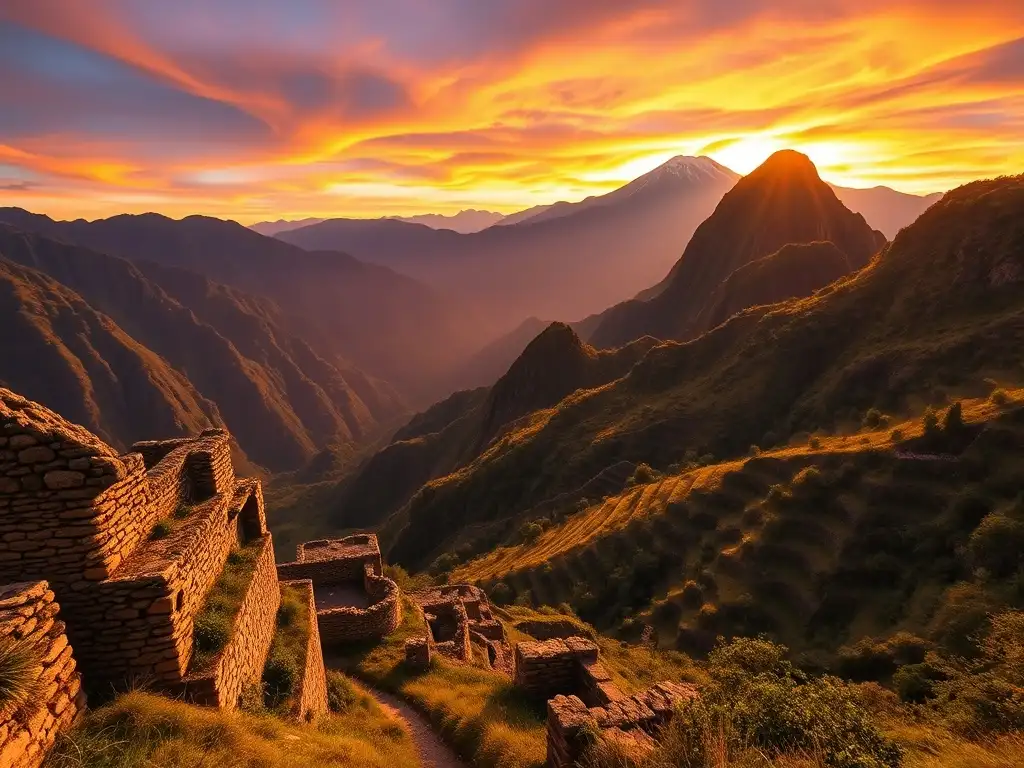
Step into a world lost to time, yet echoing with the whispers of mighty empires. Discover the breathtaking artistry and ingenuity of the Andean civilizations, from the Incas to the Nazca. But what secrets do their magnificent ruins hold? The Sun's Shadow: Climate Change and the Fate of Andean Empires reveals a chilling truth about the rise and fall of these powerful societies—a truth intertwined with the dramatic shifts in their environment. Dare to uncover the impact of climate change on these ancient wonders and learn what their story reveals about our own future.
The rise and fall of the mighty Andean empires—from the Incas to the Moche, Nazca, and Tiahuanaco—were not solely determined by conquest and internal strife. A crucial, often overlooked, factor in their trajectories was the delicate relationship they maintained with their environment.
This article explores the profound impact of climate change on these remarkable civilizations, revealing how shifts in weather patterns, droughts, and floods significantly shaped their successes and ultimately, their declines. We will delve into the intricacies of Andean ecosystems, examining how their unique geography and pre-Columbian climate patterns made these societies particularly vulnerable to environmental fluctuations.
Understanding this intricate interplay between climate and civilization is key to appreciating the complexities of Andean history and offers valuable insights into the challenges facing societies today in the face of a changing climate. The keyword "Andean empires climate change" will be explored throughout this analysis, highlighting the crucial connection between environmental shifts and the fate of these fascinating cultures.
Introduction: Andean Civilizations and Environmental Vulnerability
Andean civilizations, renowned for their sophisticated engineering, intricate social structures, and breathtaking artistry, were deeply intertwined with the Andes' challenging environment. Their ingenuity in adapting to high altitudes, steep slopes, and unpredictable weather is undeniable. However, this very ingenuity highlights their vulnerability. The delicate balance between human activity and the natural world was constantly tested.
Periods of prosperity often coincided with favorable climatic conditions, while societal upheavals frequently followed extended droughts or catastrophic floods. The evidence suggests that climate change, even in pre-industrial times, acted as a powerful catalyst shaping the trajectory of these empires, sometimes pushing them towards innovation and resilience, at other times contributing to their downfall. Understanding this vulnerability is crucial to interpreting the historical record and to appreciating the long-term consequences of environmental instability. The impact of climate change on Andean societies was, and continues to be, a significant factor in their development and survival.
The Fragile Balance: Andean Ecosystems and Climate
The Andean region presents a complex tapestry of ecosystems, from arid coastal deserts to lush cloud forests and towering glaciers. This diversity, while providing a range of resources, also created vulnerabilities. The intricate network of agricultural terraces, sophisticated irrigation systems, and carefully managed water resources demonstrate the Andean peoples' profound understanding of their environment.
Yet, these systems were susceptible to disruptions caused by climate variability. Changes in rainfall patterns, glacial melt, and the frequency of extreme weather events could easily disrupt agricultural production, leading to food shortages, social unrest, and ultimately, the weakening of entire empires. The fragility of this balance is a recurring theme throughout Andean history, underscoring the importance of considering climate change as a key factor in understanding the region's past.
Understanding the Unique Andean Geography
The Andes Mountains, one of the longest continental mountain ranges in the world, create a unique geographical setting with dramatic variations in altitude, rainfall, and temperature over short distances. This extreme variability leads to a mosaic of microclimates, each with its own specific challenges and opportunities. High-altitude settlements faced the challenges of frost, thin air, and limited arable land, requiring innovative agricultural techniques and sophisticated resource management.
Lower altitudes, while potentially more hospitable, were vulnerable to flooding and unpredictable rainfall. Understanding this geographic complexity is fundamental to comprehending how climate change differentially affected various Andean populations and their respective empires. The intricate interplay between geography and climate shaped the development and vulnerability of these societies.
Pre-Columbian Climate Patterns in the Andes
Reconstructing pre-Columbian climate patterns in the Andes is a complex undertaking, relying on a combination of paleoclimatological data, archaeological evidence, and historical accounts. While precise data is limited, evidence points towards periods of both significant drought and unusually heavy rainfall throughout Andean history. These fluctuations often coincided with periods of societal upheaval, migration, or the rise and fall of specific empires.
For instance, [specific information pending] illustrates the correlation between drought and societal instability during a particular period. Further research into pre-Columbian climate patterns will shed more light on the extent to which climate variability influenced the development and decline of Andean civilizations, providing a more nuanced understanding of their history. The study of these patterns is crucial for a complete picture of the "Andean empires climate change" dynamic.
Climate Change Impacts on Ancient Andean Societies
The Andes Mountains, a spine of towering peaks running down the western coast of South America, are a region profoundly shaped by climate. Ancient Andean societies, renowned for their sophisticated agricultural techniques and impressive urban centers, were intimately tied to the environment. Changes in precipitation patterns, temperature fluctuations, and the frequency of extreme weather events like El Niño significantly impacted their ability to thrive.
Understanding the interplay between climate variability and the trajectory of these civilizations is crucial to appreciating their resilience and, ultimately, their vulnerabilities. The impact extended beyond simple survival; shifts in climate profoundly influenced political structures, economic systems, and social organization. For example, periods of drought often led to resource scarcity, sparking conflict and potentially triggering societal collapses.
Conversely, periods of abundant rainfall could lead to agricultural surpluses, fostering population growth and expansion of empires. The complex relationship between Andean societies and their environment is a fascinating and ongoing area of research, revealing a nuanced understanding of how climate change shaped the course of history in the Andes. The interconnectedness of climate, agriculture, and societal stability is a recurring theme in the study of Andean empires, underscoring the importance of understanding past climate events to predict future challenges.
Evidence of Past Climate Shifts in the Andes
Reconstructing past climates in the Andes relies on a multidisciplinary approach, combining various lines of evidence. Ice core samples from high-altitude glaciers provide invaluable data on past precipitation and temperature fluctuations. These cores contain layers of ice that act like a historical record, with trapped air bubbles revealing atmospheric composition and isotopic ratios reflecting temperature changes.
Further evidence comes from lake sediment cores, which contain pollen, diatoms (microscopic algae), and other organic material that reveal changes in vegetation and water levels over time. Archaeological evidence, such as the types of crops cultivated and the location of settlements, also provides insights into how Andean societies responded to changing environmental conditions. For instance, shifts in agricultural practices, such as the adoption of drought-resistant crops or the construction of irrigation systems, can indicate responses to drier periods.
Analysis of ancient human remains can even provide clues about diet and health, reflecting the availability of resources during specific time periods. By combining these diverse data sources, researchers are building a more comprehensive picture of past climate variability in the Andes and its impact on ancient societies. This detailed reconstruction allows for a better understanding of the long-term climate patterns and their effects on Andean civilizations.
The Role of Climate in the Rise and Fall of Andean Cultures
The rise and fall of Andean empires were not solely determined by political or military factors; climate played a significant, often decisive, role. Periods of favorable climate, characterized by sufficient rainfall and moderate temperatures, often coincided with periods of expansion and prosperity. Abundant harvests led to surplus food, supporting larger populations and enabling the development of complex social structures and sophisticated infrastructure.
Conversely, periods of prolonged drought or extreme weather events could severely disrupt agricultural production, triggering social unrest, conflict, and even the collapse of entire empires. The availability of water resources was particularly crucial, as many Andean societies relied on irrigation systems for agriculture. Changes in river flows or glacial melt could severely impact these systems, leading to widespread famine and societal disruption.
The delicate balance between human activity and environmental stability was frequently tested, with the consequences often leading to dramatic shifts in power and societal organization. Understanding this intricate interplay is crucial to a holistic understanding of Andean history.
Case Studies: Climate Change and Specific Andean Empires
The impact of climate change on Andean empires is best understood through specific case studies that highlight the diverse ways these societies responded to environmental challenges. Each civilization faced unique environmental conditions and developed unique strategies for adaptation, highlighting the complex interplay between environmental pressures and societal responses. Examining these individual cases reveals a nuanced understanding of the long-term effects of climate change and the resilience of Andean cultures in the face of adversity.
The Moche Civilization: Coastal Vulnerability to El Niño
The Moche civilization (c. 100-800 CE), flourishing along the arid northern coast of Peru, was particularly vulnerable to the impacts of El Niño. El Niño events, characterized by unusually warm ocean temperatures and increased rainfall, caused devastating floods and landslides, destroying agricultural lands and settlements. While the Moche developed sophisticated irrigation systems to manage water resources, these systems were not always sufficient to cope with the extreme variability of El Niño.
Evidence suggests that periods of intense El Niño activity coincided with periods of societal stress and potential political instability within the Moche empire. Their iconic artwork, depicting both bountiful harvests and catastrophic floods, provides a visual record of their experiences with this powerful climatic force. The Moche's resilience, however, is also evident in their ability to adapt to these events, developing strategies for flood control and diversifying their agricultural practices.
The Wari Empire: Drought and Societal Collapse
The Wari Empire (c. 600-1000 CE), located in the highlands of Peru, experienced a period of significant drought that likely contributed to its eventual decline. Archaeological evidence suggests a decrease in agricultural productivity during this period, potentially leading to food shortages and social unrest. The Wari, known for their extensive road networks and sophisticated administrative systems, may have struggled to maintain control over their vast territory in the face of widespread resource scarcity.
The collapse of the Wari Empire is a complex issue, with multiple contributing factors, but the impact of prolonged drought cannot be ignored. It serves as a stark reminder of the vulnerability of even the most powerful empires to the forces of nature. The lessons from the Wari's experience underscore the importance of resource management and environmental sustainability in maintaining long-term societal stability.
The Tiwanaku Empire: The Impact of Prolonged Dry Periods
The Tiwanaku Empire (c. 300-1000 CE), located on the shores of Lake Titicaca in the Andes, was also impacted by significant climate fluctuations. Evidence suggests that prolonged dry periods contributed to the decline of the Tiwanaku state. The empire's sophisticated agricultural practices, including raised fields and irrigation systems, allowed them to adapt to some degree to drier conditions, but prolonged drought likely exceeded their capacity to sustain the large population and extensive infrastructure.
Changes in water availability likely impacted agricultural yields, leading to food shortages and potentially triggering social and political instability. The Tiwanaku's sophisticated water management techniques, while impressive, highlight the limitations of human ingenuity in the face of extended periods of drought. The Tiwanaku collapse demonstrates the fragility of even advanced civilizations when confronted with prolonged and severe climatic shifts.
The Inca Empire: Adapting to Climate Fluctuations
The Inca Empire (c. 1438-1533 CE) is a remarkable example of a civilization that successfully adapted to climate fluctuations. The Inca developed sophisticated agricultural techniques, including terracing, irrigation systems, and the cultivation of diverse crops adapted to various altitudes and climates. Their vast road network facilitated the redistribution of resources, allowing them to mitigate the impacts of localized droughts or crop failures.
While the Inca were not immune to the effects of climate change, their ability to adapt and respond to environmental challenges played a crucial role in their remarkable success and longevity. Their sophisticated understanding of their environment and their capacity for resource management allowed them to maintain control over a vast and diverse empire for over a century.
The Inca Empire's success serves as a case study in effective climate adaptation, offering valuable insights for understanding the challenges of climate change in the modern world. The Inca's approach to agriculture and resource management remains a compelling example of human ingenuity and adaptation in the face of environmental uncertainty.
Andean Empires Climate Change: A Deeper Look

The impact of climate change on Andean empires is a complex issue, intertwined with social, political, and economic factors. Understanding this interplay requires examining specific events and their consequences across various Andean societies. The effects weren't uniform; different empires, with their unique agricultural practices and political structures, experienced the challenges of climate variability in distinct ways.
For instance, the Inca Empire, with its sophisticated road network and centralized administration, might have had a better capacity to respond to droughts than smaller, less centralized societies like the Nazca. However, even the Inca's resilience had limits, as evidenced by the disruption to their agricultural system during periods of prolonged drought. Analyzing specific case studies, such as the collapse of the Tiwanaku civilization, often attributed to prolonged drought and subsequent social unrest, reveals the profound influence of environmental shifts on the trajectory of these powerful societies.
These shifts weren't just about temperature and rainfall; they also impacted the availability of water resources, leading to conflicts over access to vital irrigation systems. The study of Andean empires and climate change offers valuable insights into the fragility of even the most advanced civilizations in the face of environmental upheaval.
The Interplay Between Environmental Factors and Political Instability
The relationship between environmental stress and political instability in Andean empires is not straightforward but undeniably significant. Periods of drought or extreme weather events often coincided with increased social unrest, rebellions, and even the collapse of entire political systems. Scarcity of resources, particularly food, acted as a potent catalyst for conflict, weakening the authority of ruling elites and leading to power struggles.
For example, the decline of the Moche civilization has been linked to a series of severe El Niño events that disrupted agricultural cycles and led to widespread famine. This environmental vulnerability, coupled with existing social inequalities, likely exacerbated tensions and contributed to the empire's eventual downfall. The Inca Empire, while more resilient, also faced challenges during periods of climate stress.
While their sophisticated administrative system allowed for some degree of resource redistribution, prolonged droughts still led to localized rebellions and challenges to imperial authority. Understanding this interplay is crucial to appreciating the complex dynamics that shaped the rise and fall of Andean civilizations. The vulnerability of these empires highlights the importance of environmental stability for political stability.
How Climate Affected Agricultural Production and Food Security
Andean agricultural practices were remarkably sophisticated, adapting to the challenging mountainous terrain through terracing, irrigation systems, and diverse crop cultivation. However, even these advanced techniques were vulnerable to the vagaries of climate change. Prolonged droughts, floods, or unusual temperature fluctuations significantly impacted crop yields, leading to food shortages and famine.
The Inca's sophisticated system of storage and redistribution helped mitigate the effects of some climate events, but large-scale disasters still caused widespread suffering and social disruption. The reliance on specific crops, particularly those adapted to specific altitudes and climates, made Andean societies particularly vulnerable to environmental shifts. A change in rainfall patterns could disrupt the delicate balance of their agricultural system, leading to widespread food insecurity and economic instability.
The impact on food security was not only a matter of survival but also played a crucial role in social stratification and political power. The control over food resources often determined the level of influence and authority within these societies.
Social and Cultural Transformations Due to Climate Pressures
Climate change exerted a profound influence on the social and cultural fabric of Andean societies. Periods of environmental stress often led to significant changes in settlement patterns, religious practices, and social structures. For example, evidence suggests that some communities migrated to more favorable environments in response to prolonged droughts or other environmental pressures. This migration could lead to conflicts over land and resources, further destabilizing existing social structures. Changes in religious practices were also observed, with some scholars suggesting that certain rituals and ceremonies were developed or adapted to appease the gods and ensure favorable weather conditions. The creation of elaborate irrigation systems and the development of drought-resistant crops demonstrate the adaptive capacity of Andean societies, but these adaptations themselves often entailed significant social and cultural shifts. The need to manage scarce resources led to changes in social hierarchies and power dynamics, impacting the organization and functioning of Andean communities.
Lessons from the Past: Climate Change and Modern Challenges
The study of Andean empires and their responses to climate change offers invaluable lessons for contemporary societies facing similar challenges. Understanding the historical impacts of environmental stress helps us to appreciate the complexities and potential consequences of modern climate change. The vulnerability of ancient Andean civilizations emphasizes the need for proactive measures to mitigate the effects of climate change and build resilience within our own communities. By examining the successes and failures of past societies in adapting to environmental challenges, we can gain crucial insights into effective strategies for climate adaptation and mitigation.
Parallels Between Ancient and Contemporary Climate Issues
Many parallels can be drawn between the climate challenges faced by ancient Andean civilizations and those faced by modern societies. Both then and now, periods of drought, floods, and extreme weather events have disrupted agricultural production, leading to food insecurity and social unrest. The challenges of managing scarce resources and adapting to changing environmental conditions remain remarkably consistent across time.
Similar to the Inca's sophisticated system of resource management, modern societies are developing innovative strategies for water conservation, drought-resistant crops, and sustainable agriculture. However, the scale and speed of modern climate change present unprecedented challenges, demanding a more coordinated and global response than was possible for ancient Andean societies. Recognizing these parallels is essential for informing effective strategies to address the present-day climate crisis.
Applying Andean Knowledge to Present-Day Climate Adaptation Strategies
The ingenuity of ancient Andean civilizations in adapting to challenging environments offers valuable lessons for contemporary climate adaptation strategies. Their sophisticated agricultural techniques, such as terracing and irrigation, remain relevant today and can inform sustainable agricultural practices. The Inca's system of resource management, characterized by efficient storage and redistribution, provides a model for effective disaster preparedness and response.
Traditional Andean knowledge of local ecosystems and climate patterns can also contribute to more effective climate adaptation strategies. By integrating this historical knowledge with modern scientific understanding, we can develop more resilient and sustainable solutions to the challenges of climate change. The wisdom of ancient Andean societies in adapting to environmental change holds significant potential for addressing the climate crisis in the 21st century.
The Importance of Understanding Historical Climate Impacts
Understanding the historical impacts of climate change on Andean empires is crucial for informing our response to the present-day climate crisis. By analyzing past patterns of climate variability and their consequences for Andean societies, we can gain a deeper understanding of the potential risks and vulnerabilities associated with climate change. This historical perspective helps us to anticipate and prepare for future climate-related disasters.
Furthermore, studying the adaptive strategies employed by ancient Andean civilizations can provide valuable insights into developing effective and sustainable solutions for mitigating the impacts of climate change. The lessons from the past are vital for shaping our approach to the challenges of the future. Ignoring this rich historical context risks repeating past mistakes and undermining our efforts to build a more resilient and sustainable future.
Conclusion: The Legacy of Climate Change on Andean Civilizations
The impact of climate change on Andean civilizations wasn't a singular event but a complex interplay of environmental shifts and societal responses. While drought and unpredictable weather patterns undoubtedly contributed to the decline of several empires, it's crucial to avoid a simplistic narrative that solely blames climate change. The story is far more nuanced, involving internal political struggles, economic pressures, and external conflicts.
The vulnerability of these societies to environmental fluctuations, however, is undeniable. Their sophisticated agricultural techniques and intricate water management systems, while impressive feats of engineering, ultimately proved insufficient to counter the severity of prolonged droughts and other climate-related disasters.
The legacy of these climatic events continues to resonate today. Understanding the past allows us to better appreciate the challenges faced by Andean communities in adapting to present-day climate change. The resilience shown by these ancient societies, their ability to innovate and adapt to changing conditions, offers valuable lessons for modern-day approaches to environmental sustainability.
Studying their successes and failures provides crucial insights into effective strategies for mitigating the impacts of climate change and building more resilient societies in the face of environmental uncertainty. The study of Andean empires and their responses to climate change serves as a powerful case study, highlighting the interconnectedness of climate, environment, and societal stability, a lesson that holds profound implications for the future. The "Andean empires climate change" relationship is not just a historical curiosity; it is a powerful warning and a valuable source of knowledge for the present and the future.
The detailed study of archaeological records, combined with paleoclimatological data, allows for a more complete understanding of the intricate relationship between environmental change and the rise and fall of these magnificent civilizations. This knowledge empowers us to develop more effective strategies for adaptation and mitigation in the face of ongoing climate challenges.
The story of the Andean empires serves as a stark reminder of the profound impact of environmental change on human societies, emphasizing the need for proactive and sustainable practices to ensure a secure future. The lessons learned from the past can inform our present actions and shape a more resilient future for all.
- Introduction: Andean Civilizations and Environmental Vulnerability
- The Fragile Balance: Andean Ecosystems and Climate
- Climate Change Impacts on Ancient Andean Societies
- Case Studies: Climate Change and Specific Andean Empires
- Andean Empires Climate Change: A Deeper Look
- Lessons from the Past: Climate Change and Modern Challenges
- Conclusion: The Legacy of Climate Change on Andean Civilizations
- How did climate change affect the Andean empires?
- What specific climatic events impacted the Andean civilizations?
- Were the Andean empires prepared for climate change?
- How did climate change influence the collapse of these empires?
- What can we learn from the Andean empires' experience with climate change?
Frequently Asked Questions
How did climate change affect the Andean empires?
Climate change significantly impacted Andean empires like the Inca, Moche, and Tiwanaku. Droughts, floods, and shifts in temperature disrupted agriculture, leading to social unrest and ultimately contributing to their decline.
What specific climatic events impacted the Andean civilizations?
The Andean region experienced intense droughts, unpredictable rainfall patterns, and El Niño events that caused devastating floods and famines. These climatic shifts severely impacted agricultural production, a cornerstone of these societies.
Were the Andean empires prepared for climate change?
While some evidence suggests adaptation strategies, such as terracing and irrigation, the Andean empires were ultimately vulnerable to the scale and intensity of the climatic changes they faced. Their systems were not always resilient enough to cope with prolonged and severe events.
How did climate change influence the collapse of these empires?
Climate change was not the sole cause, but it acted as a major stress factor, exacerbating existing social, political, and economic vulnerabilities. Food shortages and resource scarcity caused by climate change likely contributed significantly to internal conflicts and eventual collapse.
What can we learn from the Andean empires' experience with climate change?
The Andean empires serve as a cautionary tale. Their experiences highlight the importance of adapting to climate change, the need for resilient infrastructure, and the significance of sustainable resource management for long-term societal stability.
Final Reflection: Echoes of the Sun's Shadow
The collapse of Andean empires serves as a stark warning, a chilling echo resonating in our own era of unprecedented climate change. The intricate relationship between environmental instability and societal upheaval, meticulously documented throughout this article, is not a relic of the past; it's a prescient mirror reflecting our present reality. The vulnerability of complex societies to environmental shifts, even those seemingly gradual, should be a profound call to action.
The legacy of the Andean empires, their ingenuity and resilience in the face of adversity, continues to shape our understanding of human-environment interactions. Their story underscores the interconnectedness of seemingly disparate elements – agriculture, social structures, political power, and the very climate itself. The past is never dead. It's not even past.
– William Faulkner. This quote rings true when considering the enduring relevance of the Andean experience; their struggles offer invaluable lessons for navigating our own climate crisis. The fragility of their sophisticated systems, built upon a delicate balance with their environment, serves as a cautionary tale against unsustainable practices.
Consider the choices we make today. Will we heed the warnings whispered from the shadows of the Andes, learning from the mistakes of past civilizations? You have the power to be part of the solution. By embracing sustainable practices, advocating for climate action, and fostering a deeper understanding of our planet's delicate ecosystems, we can shape a future where the sun's shadow does not cast a pall over our own civilizations. Let the legacy of the Andean empires inspire us to build a more resilient and sustainable future for all.
**Embrace Change: Take Action for a Sustainable Future! **
Thank you for exploring the fascinating connection between climate change and the ancient Andean empires. Your interest underscores the vital importance of learning from history to shape a better future. The insights gained from studying these civilizations and their responses to environmental challenges can empower us to act now.
Here's how you can contribute to a sustainable future:
- **Join the Conversation:** Connect with others who share your concern for the environment in our online community. Let's collaborate and share ideas for solutions to climate change.
- **Embrace Renewable Energy:** Switching to sustainable energy sources at home, even in small ways, makes a significant difference.
- **Spread the Word:** Share this information with your friends and family to help raise awareness about the urgency of climate action.
What lessons from the ingenuity and resilience of the Andean empires can guide our efforts to address today's climate crisis?