
When the Mountains Wept: Andean Societies Under Climatic Stress

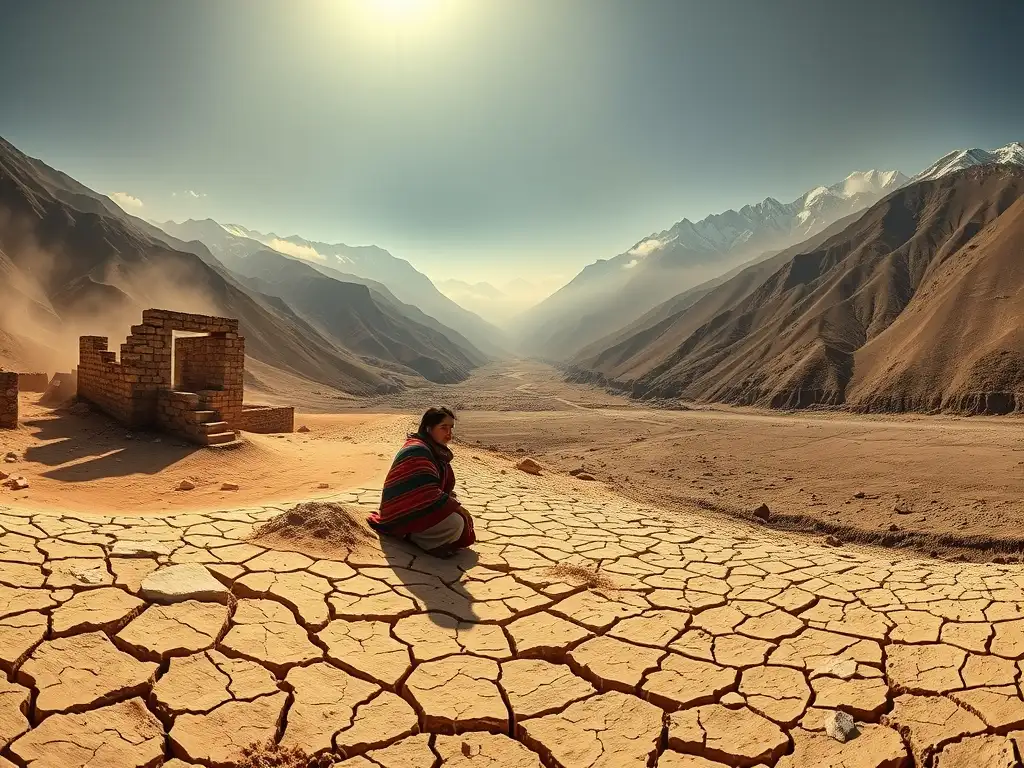
Uncover the secrets whispered on the wind across the Andes! For centuries, these majestic mountains have witnessed the rise and fall of incredible civilizations. But what happened when the very climate that nurtured them turned against them? Dive into the fascinating story of Andean civilizations climate change impacts, and discover how these ancient societies adapted, thrived, and ultimately, faced the consequences of a changing world. Prepare to be captivated by the resilience and ingenuity of a people shaped by the dramatic forces of nature.
The Andes Mountains, a spine of towering peaks running down the western coast of South America, have witnessed millennia of human civilization. From the sophisticated irrigation systems of the Nazca to the sprawling empire of the Inca, Andean societies thrived in this challenging environment, developing remarkable adaptations to its unique geography and climate. However, the relationship between these civilizations and their environment was not always harmonious.
This article explores the profound impact of climate change on Andean societies, examining how fluctuations in weather patterns, droughts, and floods shaped their trajectories, leading to societal shifts, migrations, and even collapses. We will delve into specific examples across various Andean civilizations, revealing how their ingenuity and resilience were tested – and sometimes overcome – by the capricious forces of nature.
Understanding this complex interplay is crucial not only for appreciating the resilience of past Andean societies but also for informing our understanding of the contemporary challenges posed by climate change in the region. The keyword "Andean civilizations climate change impacts" is central to this exploration, highlighting the vulnerabilities and adaptive strategies employed by these remarkable cultures.
The Moche and the Coastal Deserts: A Dance with El Niño
The Moche civilization (c. 100-800 CE), famed for its intricate pottery depicting vibrant scenes of life and death, flourished along the arid northern coast of Peru. Their success was intricately linked to their mastery of water management, utilizing sophisticated irrigation systems to cultivate the fertile valleys amidst the desert. However, the Moche were not immune to the devastating effects of El Niño events – periodic climate shifts that bring torrential rains and flooding to the normally dry coast.
Archaeological evidence suggests that these extreme weather events caused widespread damage to irrigation systems, leading to crop failures and societal disruption. The frequency and intensity of El Niño during the Moche period may have contributed to the eventual decline of their civilization, highlighting the vulnerability of even advanced societies to the unpredictable forces of nature.
Analysis of sediment layers and skeletal remains provides further insight into the impact of these events on Moche population density and health. The intricate details found in Moche pottery itself may even contain subtle clues about the societal responses to these climatic stresses, though further research is needed to fully unravel this complex relationship.
The Tiwanaku and the Altiplano: Adapting to Altitude and Aridity
The Tiwanaku civilization (c. 300-1100 CE), located on the high-altitude Altiplano of Bolivia, faced a different set of climatic challenges. This region is characterized by its high elevation, thin air, and fluctuating rainfall patterns. The Tiwanaku developed remarkable agricultural techniques, including raised fields and intricate canal systems, to optimize water usage and maximize crop yields in this harsh environment.
However, prolonged droughts, evidenced by reduced lake levels and changes in plant pollen profiles, likely impacted agricultural production and contributed to the decline of the Tiwanaku state. These droughts, combined with potential social unrest and internal conflicts, may have weakened the Tiwanaku, making them more vulnerable to external pressures and ultimately leading to their decline. Further research into the isotopic composition of ancient crops and human remains can provide a more detailed understanding of the dietary shifts and health impacts associated with these climatic events.
The Inca and the Challenges of Empire Management under Variable Climate
The Inca Empire (c. 1438-1533 CE), at its zenith, controlled a vast territory spanning diverse ecological zones, from the arid coast to the high Andes. This vast empire faced significant challenges in managing resources and responding to regional variations in climate.
While the Inca developed effective administrative structures and sophisticated agricultural techniques to mitigate the effects of droughts and floods, evidence suggests that climate variability played a role in internal conflicts and rebellions. For example, periods of drought may have exacerbated existing social tensions, leading to unrest and weakening the empire's control over peripheral regions.
Detailed accounts from Spanish chroniclers, combined with paleoclimatic data, offer valuable insights into the Inca's strategies for coping with climate change, illustrating both their remarkable adaptability and the limitations of their power in the face of extreme weather events. The Inca's sophisticated road system, while facilitating communication and resource distribution, could not entirely overcome the challenges posed by widespread droughts or localized floods.
Conclusion: Lessons from the Past for the Future
The experiences of Andean civilizations offer crucial lessons for understanding the impact of climate change on human societies. The vulnerability of even advanced and sophisticated cultures to the unpredictable forces of nature is clearly demonstrated. The adaptive strategies employed by these civilizations, from sophisticated irrigation systems to resilient social structures, provide valuable insights for contemporary societies facing similar challenges.
However, the eventual decline of many of these empires also underscores the importance of proactive planning and sustainable resource management in mitigating the impacts of climate change. The study of Andean civilizations and their interaction with their environment underscores the enduring relevance of their history in addressing the pressing environmental concerns of our time. Understanding how past societies responded to climate variability can help inform strategies for building more resilient communities in the face of future climatic uncertainties.
- The Moche and the Coastal Deserts: A Dance with El Niño
- The Tiwanaku and the Altiplano: Adapting to Altitude and Aridity
- The Inca and the Challenges of Empire Management under Variable Climate
- Conclusion: Lessons from the Past for the Future
- How did climate change affect Andean civilizations?
- Which Andean civilizations were most affected by climate change?
- What evidence exists to support the impact of climate change on Andean societies?
- How did Andean societies adapt to climate change?
- What lessons can we learn from the Andean experience regarding climate change?
The Fragile Balance: Andean Civilizations and Environmental Vulnerability
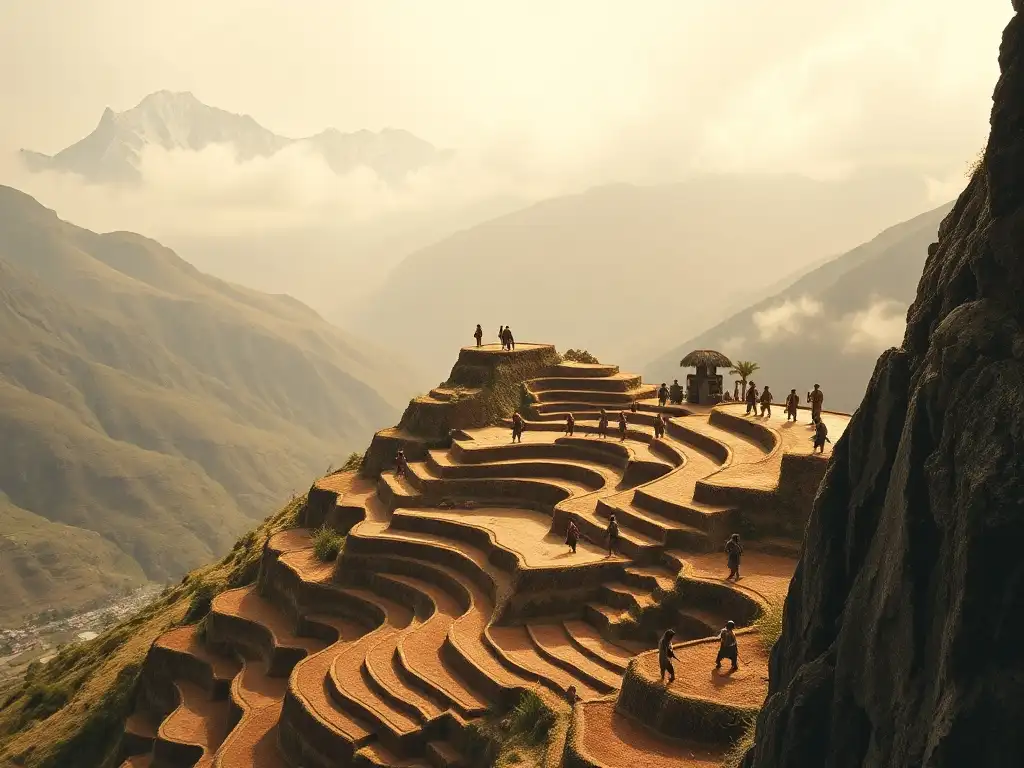
Andean civilizations, renowned for their sophisticated engineering and societal structures, were inextricably linked to their environment. Their prosperity and survival were profoundly dependent on a delicate balance with the Andes' complex ecosystems. Understanding this intricate relationship is crucial to grasping the impacts of climate change on these remarkable societies. The very survival of these cultures hinged on predictable weather patterns, reliable water sources, and fertile agricultural lands – all elements susceptible to significant disruption.
The consequences of environmental instability were far-reaching, impacting everything from agricultural production and food security to social structures and political stability. Analyzing the impact of climate change on Andean civilizations requires a nuanced approach, considering the specific vulnerabilities of each culture and the varied environmental challenges they faced. The effects weren't uniform; some societies adapted more effectively than others, showcasing a range of resilience strategies and responses to environmental stress.
The Interconnectedness of Andean Societies and Their Environment
The Andean worldview was deeply intertwined with the natural world. Mountains were revered as sacred entities, and agricultural practices were often imbued with spiritual significance. This spiritual connection fostered a profound understanding of environmental rhythms and cycles.
For example, the Inca's sophisticated ayllu system, a form of social organization based on kinship and reciprocal labor, was directly tied to agricultural needs and resource management. The ayllu ensured the equitable distribution of resources and coordinated communal efforts in irrigation, terracing, and crop cultivation. Their intricate water management systems, including canals, aqueducts, and reservoirs, demonstrated a remarkable ability to harness and control water resources, vital for agriculture in the challenging Andean terrain.
The success of these systems depended on a predictable water cycle, making them highly vulnerable to shifts in rainfall patterns. Similarly, the Nazca lines, though their purpose remains debated, suggest a sophisticated understanding of astronomy and its connection to agricultural cycles, further highlighting the close relationship between Andean societies and their environment. The disruption of these carefully balanced systems by climate change had cascading effects throughout Andean society.
Understanding the Pre-Columbian Andean Ecosystems
Pre-Columbian Andean ecosystems were characterized by high biodiversity and significant variations in altitude and climate. This created a mosaic of distinct ecological zones, each supporting unique flora and fauna, and each crucial to the survival of different Andean groups. The puna, for example, a high-altitude grassland, provided grazing for llamas and alpacas, crucial for wool and transportation. The lower valleys, with their more temperate climates, were ideal for cultivating maize, potatoes, and other staple crops.
Coastal regions supported fishing communities and different agricultural practices. Understanding the fragility of these ecosystems is critical to assessing the impact of climate change. Even small shifts in temperature or precipitation could have significant consequences for agricultural production and the availability of resources.
For instance, prolonged droughts could lead to crop failures, while increased rainfall could cause devastating floods and landslides, threatening settlements and infrastructure. Evidence from pollen analysis, ice core samples, and archaeological findings increasingly suggests that fluctuations in climate played a significant role in the rise and fall of various Andean civilizations, underscoring the crucial need for further research to fully understand the complex interplay between climate change and the trajectory of Andean societies. The long-term impact of these climatic shifts, coupled with other societal factors, continues to be a subject of ongoing investigation and debate among researchers studying Andean civilizations climate change impacts.
Climate Variability and its Impact on Ancient Andean Cultures

The Andes Mountains, a spine of towering peaks running down the western coast of South America, have witnessed millennia of dramatic climate shifts. These fluctuations, ranging from intense droughts to devastating floods, profoundly shaped the trajectory of Andean civilizations.
Understanding the intricate relationship between climate variability and the rise and fall of these societies is crucial for comprehending their complex history and offers valuable insights into the vulnerability of human societies to environmental change. The impact of climate change on Andean civilizations is a multifaceted issue, requiring a detailed examination of specific climatic events and their consequences.
This section explores several key aspects of this dynamic interplay, focusing on the devastating effects of El Niño events, the cyclical nature of droughts, and the consequences of glacial retreat on water resources. The study of these historical climate impacts provides a crucial lens through which to view the challenges facing modern Andean communities.
El Niño Events and their Devastating Effects on Andean Agriculture
El Niño-Southern Oscillation (ENSO) events, characterized by unusually warm ocean temperatures in the equatorial Pacific, have profoundly impacted Andean societies for centuries. These cyclical events disrupt normal weather patterns, leading to unpredictable rainfall and devastating consequences for agriculture, the backbone of Andean economies. For instance, during strong El Niño years, coastal regions might experience torrential rains and flooding, destroying crops and infrastructure.
Conversely, highland areas, typically reliant on predictable rainfall, might suffer severe droughts, leading to crop failures and widespread famine. Archaeological evidence suggests a strong correlation between periods of intense El Niño activity and societal upheaval, including population migrations and even the collapse of smaller settlements.
The impact on agricultural practices was significant; terrace farming, a sophisticated Andean technique, while mitigating some of the risks, could not entirely prevent the devastating effects of extreme weather events associated with El Niño. Analyzing pollen records and sediment cores from various Andean lake basins reveals a clear link between El Niño intensity and changes in vegetation patterns, providing further evidence of the impact on agricultural productivity and the subsequent challenges for Andean civilizations.
Drought Cycles and the Collapse of Andean Civilizations
Beyond the episodic devastation of El Niño, prolonged drought cycles have played a critical role in shaping the destiny of Andean societies. These extended periods of water scarcity severely stressed agricultural systems, triggering social unrest, conflict, and even the collapse of entire civilizations. Evidence from paleoclimatology, such as isotopic analysis of ancient plant remains and lake sediments, points to multiple instances of severe multi-year droughts throughout Andean history.
These droughts often coincided with periods of political instability and societal decline, suggesting a strong causal link between climatic stress and societal vulnerability. For example, some scholars posit that prolonged drought contributed to the decline of the Tiwanaku empire, a powerful civilization that flourished in the Altiplano region.
The intricate canal systems and sophisticated water management techniques employed by Tiwanaku, while impressive, proved insufficient during exceptionally severe and prolonged droughts, leading to widespread agricultural failure and ultimately, societal collapse. The impact of these droughts extended beyond agriculture, impacting water availability for drinking and domestic use, exacerbating social tensions and contributing to societal instability.
Glacial Retreat and its Consequences for Water Resources in the Andes
The Andes are home to some of the world's largest tropical glaciers, which serve as vital water reservoirs for millions of people. However, these glaciers are rapidly receding due to climate change, posing a serious threat to water security in the region. Glacial meltwater contributes significantly to river flows, particularly during the dry season, supporting irrigation and providing drinking water for densely populated areas.
The accelerated retreat of Andean glaciers, accelerated by rising global temperatures, is causing a decrease in glacial meltwater runoff, impacting both the quantity and timing of water availability. This reduced water availability can lead to water shortages, conflicts over resources, and increased vulnerability to drought. Furthermore, the consequences extend beyond immediate water scarcity.
The loss of glacial ice also impacts downstream ecosystems, affecting biodiversity and agricultural productivity. Understanding the historical relationship between glacial fluctuations and Andean societies provides valuable context for assessing the potential impacts of ongoing glacial retreat and developing effective adaptation strategies for the future. The long-term implications of glacial melt for Andean communities are severe and require immediate attention and proactive mitigation strategies.
Case Studies: Specific Examples of Climatic Stress in Andean History
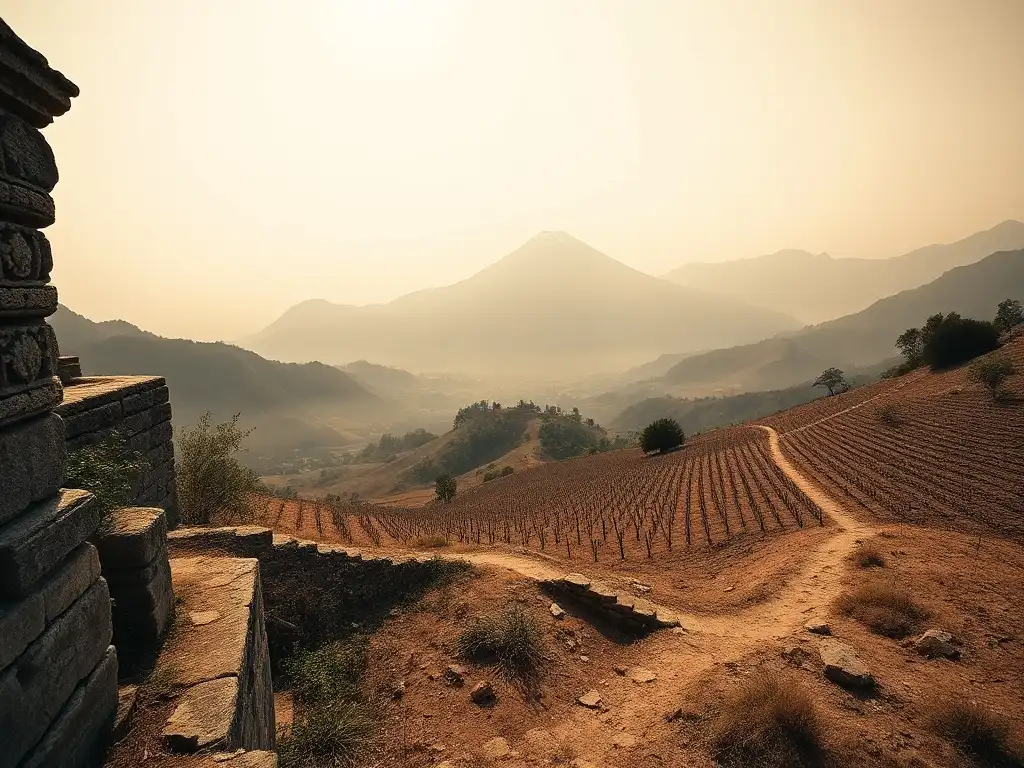
This section delves into specific examples of how Andean civilizations grappled with the impacts of climate change, showcasing their resilience and ingenuity in the face of environmental adversity. Understanding these historical responses provides crucial insights into the vulnerability of Andean societies and the potential consequences of future climate shifts.
The analysis focuses on the Moche, Nazca, and Tiahuanaco cultures, highlighting their diverse adaptations and ultimate fates in relation to climatic stress. Analyzing these case studies offers a valuable perspective on the long-term interplay between Andean civilizations and their environment, enriching our understanding of the keyword "Andean civilizations climate change impacts."
The Moche Civilization: Adapting to Coastal Climate Changes
The Moche civilization (c. 100-800 CE), flourishing along the arid north coast of Peru, developed sophisticated irrigation systems to manage water resources. Their mastery of hydraulic engineering is evident in the intricate canals and reservoirs that channeled water from rivers and streams to support intensive agriculture. However, the Moche weren't immune to the vagaries of coastal climate. Evidence suggests periods of both intense rainfall and prolonged drought that significantly impacted their agricultural output and societal stability.
The Moche response to these climate shifts involved a remarkable degree of adaptation. Archaeological findings reveal a diversification of agricultural practices, including the cultivation of drought-resistant crops and the development of sophisticated water storage techniques. Furthermore, their social organization, characterized by a powerful elite and a stratified society, likely played a role in managing resources during times of scarcity.
While the exact mechanisms are still under investigation, it's clear the Moche employed a range of strategies to mitigate the effects of climate variability. The ultimate decline of the Moche civilization, however, remains a complex issue debated by scholars, with climate change possibly being one contributing factor among many. Further research is needed to fully understand the interplay between environmental pressures and societal collapse.
The Nazca Culture: Water Management Strategies in an Arid Environment
The Nazca culture (c. 100 BCE – 800 CE), known for its enigmatic geoglyphs, inhabited one of the most arid regions of the world. Their survival depended entirely on their ability to harness scarce water resources. The Nazca developed incredibly sophisticated water management systems, including extensive underground canals ( puquios ) that tapped into underground aquifers. These intricate networks allowed them to access a reliable water source, even during extended periods of drought.
Their ingenuity extended beyond simple canal construction. The Nazca implemented sophisticated agricultural techniques, such as raised fields and terraced farming, to maximize water use efficiency. These techniques allowed them to cultivate crops even in the extremely arid environment.
The Nazca's success in managing water resources is a testament to their understanding of their environment and their ability to adapt to its challenges. The impact of climate change on the Nazca is less well understood compared to other Andean cultures, but the sophistication of their water management strategies suggests a remarkable capacity to withstand environmental fluctuations. Further investigation into paleoclimatic data and archaeological evidence is crucial to fully assess the influence of climate change on the Nazca's trajectory.
The Tiahuanaco Empire: The Impact of Prolonged Drought on a Highland Society
The Tiahuanaco empire (c. 500 – 1000 CE), located in the high Andes of Bolivia, faced different climatic challenges compared to the coastal cultures. Their civilization thrived in a relatively high-altitude environment, characterized by fluctuating temperatures and precipitation patterns. Evidence suggests that prolonged droughts played a significant role in the eventual decline of the Tiahuanaco empire.
The impact of drought on Tiahuanaco agriculture was severe. Their reliance on intensive agriculture, supported by sophisticated irrigation systems, made them highly vulnerable to prolonged periods without sufficient rainfall. The decline in agricultural production likely contributed to social unrest and ultimately, the empire's fragmentation. This highlights the vulnerability of large-scale, centralized societies in the face of significant climate change.
While the fall of Tiahuanaco was a multi-faceted process, the role of drought and its cascading effects on food production, social stability, and political power cannot be ignored. Further research integrating archaeological, paleoclimatic, and historical data is vital to fully elucidate the interplay between climate change and the collapse of this influential Andean empire. Understanding this relationship is vital to comprehending the long-term implications of "Andean civilizations climate change impacts".
The Inca Empire: Mitigation Strategies and Resilience in the Face of Climate Challenges
The Inca Empire, at its zenith between the 15th and 16th centuries, faced significant climatic challenges, including droughts, floods, and frosts. Their sophisticated understanding of Andean environments, however, allowed them to develop impressive mitigation strategies and exhibit remarkable resilience. This wasn't a passive acceptance of nature's whims; rather, the Inca actively managed their resources and adapted their agricultural practices to lessen the impact of climatic variability. Their success wasn't merely a matter of luck, but a testament to their advanced knowledge and organizational prowess.
One key strategy was their mastery of terracing. Across the steep Andean slopes, they carved intricate terraces, creating level fields for agriculture. These terraces not only increased arable land but also helped to conserve water and reduce soil erosion.
The precise orientation of these terraces, often aligned with the sun's path, maximized solar radiation and minimized water loss, crucial in a region prone to both drought and intense rainfall. The meticulous construction of these terraces, some of which still stand today, showcases their engineering ingenuity and their deep understanding of the local topography and climate. The construction itself, a massive undertaking requiring coordinated labor, speaks to the social organization that underpinned Inca resilience.
Furthermore, the Inca employed sophisticated irrigation systems. They channeled water from mountain streams and rivers, using canals and aqueducts to distribute water to their terraced fields. These systems, often remarkably complex, allowed them to irrigate even the most arid regions, ensuring agricultural productivity even during periods of drought.
The ingenuity of these systems is evident in their ability to manage water flow effectively, minimizing water loss and maximizing its use across vast distances. Archaeological evidence reveals the extent of their investment in these crucial water management systems, highlighting their commitment to ensuring food security in the face of climatic uncertainty.
Beyond engineering marvels, the Inca also demonstrated adaptability in their agricultural practices. They cultivated a diverse range of crops, including potatoes, maize, quinoa, and beans, each adapted to different altitudes and climatic conditions. This diversification minimized the risk of crop failure due to climatic events.
If one crop failed due to drought or frost in one area, other crops in different microclimates might thrive. This strategy, combined with their sophisticated storage techniques, ensured a degree of food security even in the face of challenging conditions. The meticulous record-keeping of harvests and the distribution of surpluses across the empire further enhanced their resilience.
However, the Inca’s resilience was not without its limits. While their strategies were effective in mitigating the impact of many climate-related challenges, exceptionally severe events, such as prolonged and widespread droughts, could still have devastating consequences. The limitations of their strategies highlight the inherent risks associated with relying on even the most sophisticated adaptation methods in the face of extreme climatic shifts.
Evidence suggests that even the Inca Empire, known for its adaptability, was not immune to the effects of climate change, demonstrating the power of extreme climate events to impact even the most well-organized societies. The lessons learned from the Inca's experience remain relevant today, offering valuable insights into the complexities of building resilient societies in the face of climate change.
Andean Adaptations and Innovations in the Face of Climatic Change
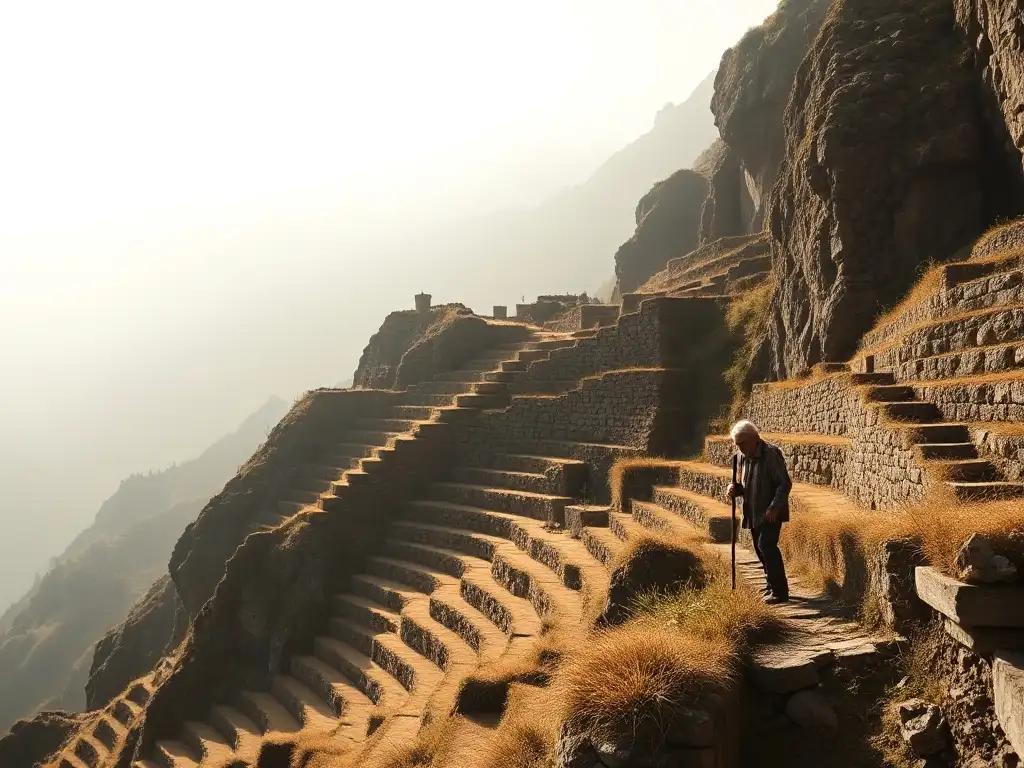
The impact of climate change on Andean civilizations wasn't simply a matter of survival; it spurred remarkable ingenuity and adaptation. Facing fluctuating rainfall, droughts, and unpredictable weather patterns, Andean societies developed sophisticated strategies to mitigate environmental risks and ensure resource security. These adaptations, deeply intertwined with their cultural and religious beliefs, showcase the resilience and innovative spirit of these ancient communities in the face of significant climatic stress.
Understanding these responses offers valuable insights into the complex interplay between human societies and their environment, particularly relevant in the context of contemporary climate change challenges. The study of Andean civilizations climate change impacts reveals a rich tapestry of human ingenuity.
Advanced Agricultural Techniques to Combat Water Scarcity
Andean agricultural practices were not merely subsistence farming; they represented a sophisticated understanding of their environment and a remarkable capacity for innovation in water management. Water scarcity, a recurring theme throughout Andean history, necessitated the development of techniques to maximize water use efficiency. These included the careful selection of drought-resistant crops like quinoa and potatoes, adapted to thrive in high-altitude, arid conditions.
Furthermore, sophisticated crop rotation strategies were employed to maintain soil fertility and prevent depletion. The use of raised fields, waru waru, in some regions, provided excellent drainage and water retention, enhancing crop yields even during periods of reduced rainfall. This method, still practiced in some areas today, demonstrates the long-term sustainability of these ancient agricultural practices.
Detailed archaeological evidence, including the discovery of intricate irrigation systems and terraced fields, further underscores the importance of water management in Andean agricultural strategies. The impact of these innovations on food security and societal stability was profound, allowing Andean communities to withstand periods of climatic instability. The ingenuity demonstrated in these techniques is a testament to the ability of Andean societies to adapt to environmental challenges.
Terracing and Irrigation Systems: Engineering Solutions for Environmental Challenges
The construction of extensive terracing systems across the Andean slopes stands as a monumental achievement in engineering and environmental management. These terraces, meticulously carved into hillsides, served multiple purposes. They not only increased arable land but also significantly reduced soil erosion and improved water retention. By creating a series of level platforms, terraces slowed the flow of rainwater, preventing runoff and allowing water to seep into the soil, nourishing crops.
The design of these systems varied depending on the local topography and climate, demonstrating a deep understanding of hydrological processes. In areas with limited water resources, ingenious irrigation canals and channels were constructed to divert water from rivers and streams to the terraced fields. These canals were often built with remarkable precision, utilizing sophisticated techniques to manage water flow and distribute it evenly across the agricultural landscape.
The scale and complexity of these irrigation systems, some spanning vast distances, highlight the organizational capabilities and engineering prowess of Andean societies. The enduring legacy of these terracing and irrigation systems is visible even today, showcasing the long-term sustainability of these remarkable engineering feats. The sophisticated understanding of hydrology and engineering displayed in these systems is a crucial aspect of understanding Andean civilizations climate change impacts.
The Role of Andean Religion and Rituals in Managing Climatic Uncertainty
Religion and ritual played a crucial role in the Andean response to climatic uncertainty. The unpredictable nature of weather patterns led to the development of complex religious beliefs and practices aimed at appeasing the gods and ensuring bountiful harvests. Many Andean deities were associated with weather phenomena, such as rain, sun, and storms. Elaborate ceremonies and rituals were performed to honor these deities and seek their favor in times of drought or other climatic hardships.
These rituals often involved offerings, sacrifices, and prayers, intended to influence the weather and ensure the prosperity of the community. The construction of sacred sites, such as temples and shrines, located at strategic points in the landscape, underscores the importance of these religious practices in managing climatic risks. Furthermore, the observation of natural phenomena, such as the movements of stars and constellations, played a significant role in predicting weather patterns and scheduling agricultural activities.
This close relationship between religion, ritual, and agricultural practices highlights the integrated nature of Andean societies’ response to climatic variability. Analyzing the religious and ritualistic aspects alongside technological innovations provides a complete picture of the Andean civilizations climate change impacts and their responses. The intricate connection between spirituality and practical adaptation showcases the holistic approach of these societies to environmental challenges.
Lessons Learned: The Relevance of Andean History for Modern Climate Change
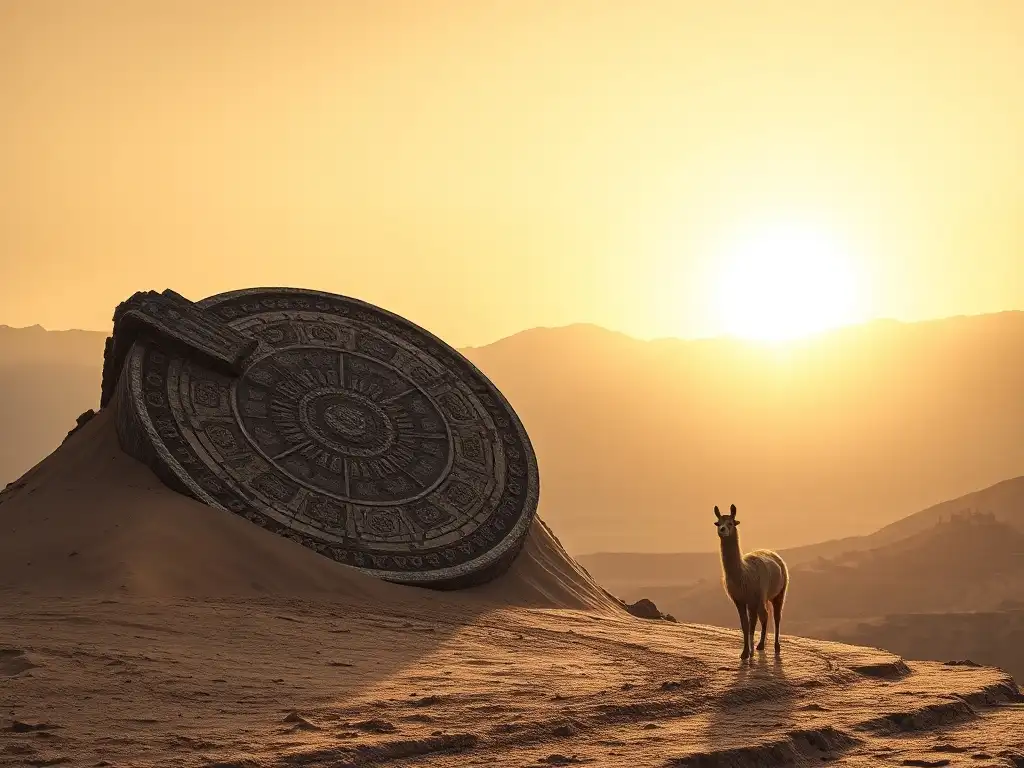
The study of Andean civilizations offers invaluable insights into the complex interplay between human societies and environmental change. Understanding how past Andean societies adapted to, and sometimes succumbed to, climatic shifts provides a crucial lens through which to examine contemporary challenges posed by climate change. The historical record, etched in archaeological findings, agricultural practices, and even oral traditions, reveals a remarkable capacity for resilience but also underscores the devastating consequences of environmental mismanagement. This section explores key lessons from the past, highlighting the critical relevance of this historical knowledge for navigating the present and future.
Insights from Ancient Andean Civilizations for Sustainable Resource Management
Ancient Andean societies, despite lacking the technological advancements of today, developed sophisticated strategies for sustainable resource management. Their understanding of their environment was deeply intertwined with their spiritual beliefs and social structures. For instance, the intricate terrace farming systems employed by the Inca and other Andean groups maximized agricultural output while minimizing erosion and soil degradation.
These terraces, often built on steep slopes, captured rainwater and managed water flow efficiently, demonstrating a profound understanding of hydrological principles. Furthermore, the Inca mit'a system, a form of labor taxation, facilitated large-scale public works projects like irrigation canals and road networks, crucial for resource distribution and community resilience in the face of fluctuating climate conditions. Analysis of pollen samples and other paleoecological data from sites across the Andes reveals a long history of experimentation with diverse crop varieties, showcasing their adaptive capacity to changing environmental conditions.
The careful management of resources, coupled with a deep understanding of ecological interconnectedness, allowed these societies to thrive for centuries, a testament to the effectiveness of sustainable practices. This contrasts sharply with modern unsustainable practices that are accelerating the impacts of climate change.
The Importance of Understanding the Impacts of Climate Change on Vulnerable Societies
The Andean region's unique geography and climate make it highly vulnerable to the effects of climate change. Changes in precipitation patterns, glacial melt, and increased frequency of extreme weather events directly threaten water security, food production, and human livelihoods. Studying the collapse or decline of past Andean societies, often linked to prolonged droughts or other climatic stresses, provides stark warnings about the potential consequences of inaction.
The collapse of the Tiwanaku civilization, for example, has been linked to a prolonged megadrought, highlighting the vulnerability of even sophisticated societies to significant environmental shifts. Examining the archaeological record reveals how these societies responded to these challenges, offering valuable insights into the social, political, and economic consequences of climate-related stress.
Understanding these historical patterns is crucial for developing effective adaptation and mitigation strategies in contemporary Andean communities, many of which still rely heavily on agriculture and are highly susceptible to environmental instability. This historical perspective underscores the importance of strengthening community resilience and promoting equitable access to resources in the face of increasing climate risks.
Preserving Andean Cultural Heritage in the Face of Modern Environmental Challenges
The impacts of climate change threaten not only the physical environment of the Andes but also the rich cultural heritage of its people. Glacial retreat, for example, is endangering archaeological sites previously protected by ice. Similarly, changes in precipitation patterns affect the preservation of ancient textiles and other artifacts.
The preservation of Andean cultural heritage is inextricably linked to the preservation of the environment itself. This necessitates a holistic approach that integrates environmental protection with cultural preservation efforts. This requires collaborative efforts between scientists, archaeologists, local communities, and policymakers to develop strategies that protect both the physical and intangible aspects of Andean cultural heritage.
Such efforts must prioritize community participation, ensuring that local knowledge and perspectives are central to decision-making. By recognizing the interconnectedness of environmental and cultural preservation, we can work towards a more sustainable and equitable future for the Andean region, safeguarding its unique heritage for generations to come. The ongoing challenges highlight the urgency of developing comprehensive strategies that address both environmental and cultural preservation needs simultaneously.
Conclusion: The Enduring Legacy of Andean Resilience in a Changing Climate
The impact of climate change on Andean civilizations is a complex and multifaceted issue, demanding a nuanced understanding of the intricate relationship between human societies and their environment. While periods of drought and flooding undoubtedly caused hardship and societal upheaval, the story isn't simply one of collapse and decline. Rather, the narrative reveals a remarkable capacity for adaptation and resilience, a legacy that continues to inform our understanding of sustainable living in the face of environmental challenges.
The ingenuity displayed in water management systems, agricultural practices, and social structures provides invaluable lessons for contemporary societies grappling with the consequences of a changing climate. The Andean experience underscores the crucial importance of understanding the long-term impact of climate variability on human societies and the critical need for proactive measures to mitigate future risks. Analyzing past responses to climatic stress offers a unique opportunity to learn from the successes and failures of past generations, ultimately informing the development of more effective and sustainable strategies for the future.
The study of Andean civilizations offers a powerful case study for understanding the dynamics between climate change and societal adaptation, showcasing both the vulnerability and the remarkable resilience of human societies in the face of environmental adversity. Understanding this intricate interplay is not merely an academic exercise; it holds the key to building a more sustainable and resilient future for all.
Reflecting on the interplay between Andean civilizations and climate
The relationship between Andean civilizations and their environment was far from passive. These societies actively shaped their landscapes through sophisticated agricultural techniques like terracing and irrigation, demonstrating a deep understanding of their ecological context. Their resilience wasn't simply a matter of luck; it was the product of centuries of accumulated knowledge and adaptive strategies honed through experience.
For example, the Nazca's intricate canal systems, built to manage scarce water resources, exemplify their remarkable engineering prowess and adaptive capacity in the face of arid conditions. Similarly, the Inca's sophisticated mit'a system, a form of labor taxation, allowed for the rapid mobilization of resources in times of crisis, whether it be drought, flood, or other natural disasters. The evidence suggests that Andean societies were not merely victims of climate change, but active agents in shaping their environments and mitigating its impacts.
This active engagement highlights the importance of human agency in navigating environmental challenges, a lesson particularly relevant in our current era of accelerating climate change. The ability to adapt, innovate, and collaborate proved crucial for survival, leaving a lasting legacy of ingenuity and resilience.
The significance of past experiences for the future of environmental sustainability
Understanding the impacts of past climate change on Andean civilizations provides crucial insights for addressing present-day challenges. The lessons learned from their successes and failures in managing resources, adapting to changing conditions, and building resilient societies are invaluable for modern-day sustainability efforts. Their sophisticated water management systems, for instance, offer valuable lessons in efficient water use and drought mitigation. The Inca's emphasis on community-based resource management could inform contemporary approaches to collaborative environmental governance.
By studying the ways in which Andean societies responded to climate variability, we can identify effective strategies for building resilience in the face of future environmental stresses. This includes developing early warning systems for extreme weather events, promoting sustainable agricultural practices, and fostering community-based adaptation strategies. The Andean experience serves as a potent reminder that sustainable development requires a holistic approach that integrates ecological knowledge with social and economic considerations.
The enduring legacy of Andean civilizations is not just one of impressive achievements in engineering and social organization, but also a testament to the enduring power of human adaptation and resilience in a changing world. Their story offers a powerful message of hope and a valuable roadmap for navigating the challenges of the 21st century. The study of Andean civilizations and their responses to climate change is therefore not just a historical endeavor; it is a crucial step towards building a more sustainable and equitable future.
Frequently Asked Questions
How did climate change affect Andean civilizations?
Climate change significantly impacted Andean societies. Droughts and floods, caused by shifts in weather patterns, disrupted agriculture, leading to food shortages and societal instability. This often triggered conflict and migration.
Which Andean civilizations were most affected by climate change?
Many Andean civilizations faced challenges, but the impact varied. The Inca Empire, due to its size and reliance on complex agricultural systems, was particularly vulnerable. However, the Moche and Nazca also experienced significant disruptions linked to climate fluctuations.
What evidence exists to support the impact of climate change on Andean societies?
Archaeological evidence, such as changes in settlement patterns and agricultural practices, provides strong support. Analysis of ice cores and lake sediments reveals past climate shifts. Changes in crop yields reflected in ancient records also corroborate the impact.
How did Andean societies adapt to climate change?
Andean communities developed impressive adaptive strategies. They utilized terracing and irrigation systems to optimize water use. They also diversified crops and developed sophisticated storage techniques to mitigate the effects of droughts.
What lessons can we learn from the Andean experience regarding climate change?
The Andean civilizations demonstrate the vulnerability of societies to climate change, even advanced ones. Their adaptive strategies highlight the importance of resource management, diversification, and community resilience. Studying their responses provides valuable insights for modern societies facing similar challenges.
Final Reflection: Echoes of the Andes: A Legacy of Resilience and Warning
The challenges faced by Andean societies in the face of climatic shifts are not merely historical footnotes; they are chillingly prescient echoes in our own era of accelerating climate change. The vulnerability of these sophisticated civilizations, their ingenious adaptations, and ultimately, their struggles against overwhelming environmental pressures offer a stark warning about the fragility of even the most advanced societies in the face of a changing climate. The lessons learned from their experiences are more vital now than ever before.
The enduring impact of climate change on Andean cultures is profoundly moving. It underscores the interconnectedness of human societies and their environment, a relationship often overlooked in modern, industrialized contexts. The ingenuity and resilience displayed by these communities in adapting to shifting weather patterns, while ultimately insufficient to prevent societal upheaval, serves as a powerful testament to human adaptability. The mountains themselves are witnesses to the passage of time, and their silence speaks volumes about the enduring impact of climate change on human civilizations.
This quote encapsulates the profound weight of history and the urgent need for proactive measures in the face of our current climate crisis.
Consider the ingenuity of the Andean civilizations, their intricate water management systems, and their deep understanding of their environment. These are not just historical details; they are blueprints for sustainable practices that we can, and must, learn from. You, the reader, hold the power to shape a different future. Engage with the challenges of climate change, advocate for sustainable practices, and support initiatives that promote environmental stewardship. Let the echoes of the Andes inspire you to act, to build a more resilient and sustainable world for generations to come.
Rediscover Resilience: Take Action for Our Planet!
Thank you for exploring the inspiring story of Andean communities and their remarkable ability to overcome the challenges of a changing climate. Your engagement deepens your understanding of these issues and contributes to broader efforts toward environmental sustainability and the protection of our vital resources. Let's now translate this knowledge into concrete actions.
Here's how you can make a difference:
- Champion climate action: Support local environmental organizations working to protect Andean ecosystems and promote sustainable practices. Consider volunteering your time or donating to a cause you believe in.
- Share the story of Andean resilience: Tell your friends and family about the profound impact of climate change on indigenous cultures. Raising awareness is a crucial first step towards positive change.
- Embrace sustainable practices: Incorporate simple, yet impactful changes into your daily life, such as conserving water, choosing eco-friendly products, and reducing your carbon footprint.
What kind of future do you want to create for generations to come in the face of climate change? Let's discuss in the comments below!