
El Niño's Grip: Decoding Ancient Weather Patterns in the Andes

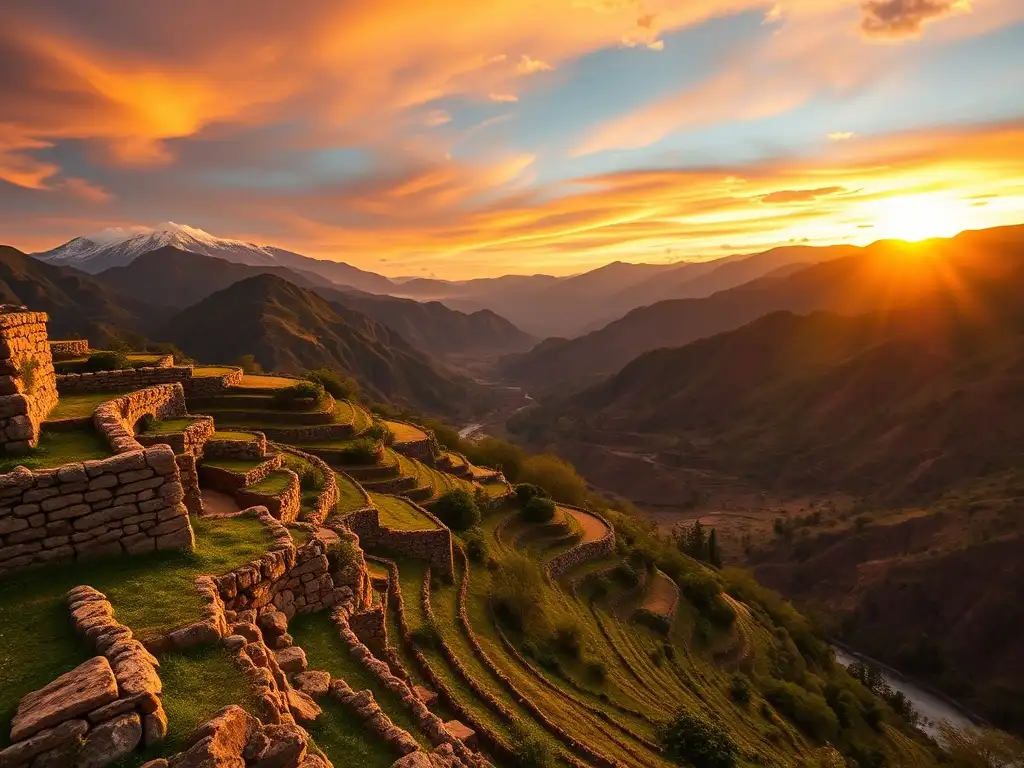
Welcome to Andean Civilizations, where the echoes of a lost world resonate with modern intrigue. Journey with us through millennia of breathtaking artistry, innovative engineering, and captivating cultural practices. But prepare to be surprised: Did you know that the rise and fall of these powerful empires might be intricately linked to the unpredictable dance of Ancient Andean El Niño impacts? Uncover the secrets hidden within the ancient weather patterns and discover how this powerful force shaped the destinies of the Andes. Explore further to unravel the mysteries!
The Andes Mountains, a spine of towering peaks traversing the western edge of South America, have witnessed millennia of dramatic climatic shifts. Understanding the impact of these changes on the vibrant Andean civilizations that thrived in this challenging environment is crucial to comprehending their rise, fall, and remarkable adaptations.
This article delves into the profound influence of El Niño – a climate pattern characterized by unusually warm ocean temperatures in the central and eastern tropical Pacific Ocean – on ancient Andean societies. We will explore how this powerful phenomenon shaped their agricultural practices, social structures, and ultimately, their destinies, providing insights into the complex interplay between climate and civilization in one of the world's most geographically diverse regions.
By examining archaeological evidence, paleoclimatological data, and the rich tapestry of Andean oral traditions, we aim to decode the long-term impacts of El Niño, offering a nuanced perspective on the resilience and vulnerability of these remarkable cultures in the face of environmental adversity. The study of "Ancient Andean El Niño impacts" reveals a fascinating story of human adaptation and the enduring power of nature.
Understanding El Niño's Influence on Andean Climates
El Niño events, occurring irregularly every 2-7 years, trigger significant alterations in the Andean climate. Normally, the Humboldt Current, a cold, nutrient-rich ocean current, flows northward along the South American coast, creating a relatively dry and stable climate in coastal regions. However, during an El Niño event, this current weakens or reverses, leading to warmer sea surface temperatures. This warming triggers changes in atmospheric circulation patterns, resulting in increased rainfall in some areas and severe droughts in others.
The impacts are not uniform across the Andes; coastal regions might experience devastating floods, while the highlands might face prolonged droughts, impacting agricultural yields and water resources dramatically. The intensity and geographical distribution of these effects vary considerably depending on the strength of each El Niño event and the specific location within the Andean region. Archaeological evidence suggests that these fluctuations had profound consequences for the societies inhabiting the Andes.
Archaeological Evidence of El Niño's Impact
Archaeological investigations across various Andean sites reveal compelling evidence of El Niño's influence. For example, studies of sediment layers in coastal areas have identified periods of intense flooding corresponding to known El Niño events. These floods left behind layers of sediment containing marine shells and other debris, providing a clear record of past extreme weather events.
Similarly, analyses of ancient agricultural terraces and irrigation systems reveal adaptations designed to mitigate the effects of both drought and flooding. The construction of sophisticated water management infrastructure suggests a deep understanding of El Niño's cyclical nature and the need for preparedness. Furthermore, the analysis of pollen and plant remains from archaeological sites offers insights into changes in vegetation patterns associated with El Niño-induced climate fluctuations.
The presence or absence of specific plant species provides valuable clues about the prevailing climatic conditions during different periods. The meticulous study of these diverse archaeological indicators allows for a more complete picture of how Andean societies responded to El Niño's unpredictable nature.
Societal Adaptations and Responses to El Niño
Faced with the unpredictable nature of El Niño, Andean civilizations developed sophisticated strategies to cope with its impacts. These strategies varied across different regions and time periods, reflecting the unique environmental challenges faced by each society. Some societies focused on developing resilient agricultural practices, such as diversifying crops and employing advanced irrigation techniques.
Others developed elaborate social structures and institutions to manage resources and distribute goods during periods of scarcity. For instance, the Inca Empire's extensive network of roads and storehouses facilitated the efficient movement of food and supplies during El Niño-induced crises. The development of sophisticated record-keeping systems, possibly involving quipu (knotted strings), allowed for the monitoring of weather patterns and the prediction of future events, enabling proactive responses to mitigate potential disasters.
The degree of societal resilience varied, with some societies demonstrating remarkable adaptability while others experienced periods of significant hardship and even collapse during particularly severe El Niño events. Understanding these diverse adaptations is crucial to appreciating the complexity of Andean societies and their remarkable ability to navigate the challenges of a highly variable climate.
El Niño and the Decline of Andean Civilizations 🤔
While Andean societies demonstrated remarkable resilience in the face of El Niño, there is evidence suggesting that prolonged or exceptionally intense El Niño events contributed to the decline or collapse of certain civilizations. The exact role of El Niño in these societal shifts remains a subject of ongoing research and debate.
However, several studies suggest a correlation between periods of intense El Niño activity and societal instability, leading to increased conflict, famine, and population decline. This highlights the critical relationship between environmental change and societal stability, underscoring the importance of understanding past climate variability to inform present-day strategies for climate change adaptation.
Further research, including more detailed paleoclimatological studies and refined archaeological analyses, is needed to fully unravel the complex interplay between El Niño and the trajectory of Andean civilizations. The investigation into the specific mechanisms and timelines linking El Niño and societal collapse remains a crucial area of future study in understanding "Ancient Andean El Niño impacts".
- Understanding El Niño's Influence on Andean Climates
- Archaeological Evidence of El Niño's Impact
- Societal Adaptations and Responses to El Niño
- El Niño and the Decline of Andean Civilizations 🤔
- How did El Niño affect ancient Andean civilizations?
- What evidence reveals the impact of El Niño on ancient Andean societies?
- Did ancient Andean people predict or adapt to El Niño events?
- How do scientists study the history of El Niño in the Andes?
- What is the significance of studying past El Niño impacts in the Andes?
The Ancient Andean World and Climate Variability
The Andes Mountains, a spine of towering peaks traversing the western edge of South America, presented ancient civilizations with a unique and challenging environment. High altitudes, steep slopes, and diverse microclimates created pockets of habitable land interspersed with harsh, unforgiving terrain. Understanding the impact of climate variability, particularly the El Niño-Southern Oscillation (ENSO) cycle, is crucial to deciphering the rise and fall of these impressive cultures.
Ancient Andean El Niño impacts were profound, shaping agricultural practices, societal structures, and ultimately, the trajectory of entire civilizations. The frequency and intensity of El Niño events throughout history significantly influenced the availability of water resources, impacting agricultural yields and potentially leading to periods of famine and social unrest.
Analyzing evidence from archaeological sites, paleoclimatological data, and historical accounts allows us to piece together a more complete picture of how these societies coped with—and sometimes succumbed to—the capricious nature of the Andean climate. The study of ancient Andean El Niño impacts provides valuable insights not only into the past but also into the challenges facing modern Andean communities in the face of climate change.
The Vulnerability of Andean Societies to Climatic Shifts
Andean societies, despite their impressive engineering feats and agricultural innovations, remained highly vulnerable to climatic shifts. Their economies were largely agrarian, heavily reliant on predictable rainfall patterns for successful harvests. The intricate waru waru agricultural system, for example, while ingenious in its water management capabilities, was still susceptible to the extreme variations in rainfall associated with strong El Niño events.
Prolonged droughts, caused by the weakening of the trade winds and altered precipitation patterns during El Niño years, resulted in crop failures and food shortages. Archaeological evidence suggests that these periods of scarcity often coincided with social instability, internal conflict, and even the collapse of entire settlements. Analysis of sediment cores from lake basins in the Andes reveals fluctuations in water levels directly correlated with ENSO events, providing a tangible record of the environmental stress experienced by these ancient communities.
The impact of these climate-driven crises was far-reaching, impacting not only food production but also access to resources, trade networks, and ultimately, the very survival of these civilizations. Further research is needed to quantify the precise relationship between the magnitude of El Niño events and the societal consequences for different Andean cultures. [Specific data on societal collapse correlated with El Niño intensity pending].
Pre-Columbian Adaptations to Environmental Challenges
Despite the inherent vulnerability, Andean societies developed remarkable strategies to mitigate the risks associated with climate variability. These adaptations, born out of necessity and honed over centuries, demonstrate a deep understanding of their environment and its complexities. The development of sophisticated irrigation systems, like those found in the Nazca region, allowed for the controlled distribution of water resources, helping to buffer against periods of drought. The construction of terraces on steep slopes increased arable land and reduced soil erosion, enhancing agricultural productivity.
Furthermore, evidence suggests the diversification of crops and livestock, a strategy designed to minimize the impact of crop failures. The cultivation of a variety of drought-resistant crops, combined with the domestication of camelids like llamas and alpacas for both meat and fiber, created a more resilient food system. These adaptations, however, were not uniformly effective across all Andean societies.
The scale and sophistication of these adaptations varied significantly depending on factors such as altitude, access to water resources, and the specific characteristics of each culture. Understanding the success and limitations of these pre-Columbian strategies offers valuable lessons for contemporary approaches to climate change adaptation in the Andes. The ingenuity displayed by these ancient cultures serves as a reminder of human resilience in the face of environmental challenges and provides a rich source of inspiration for future solutions.
El Niño Events and Their Manifestations in the Andes
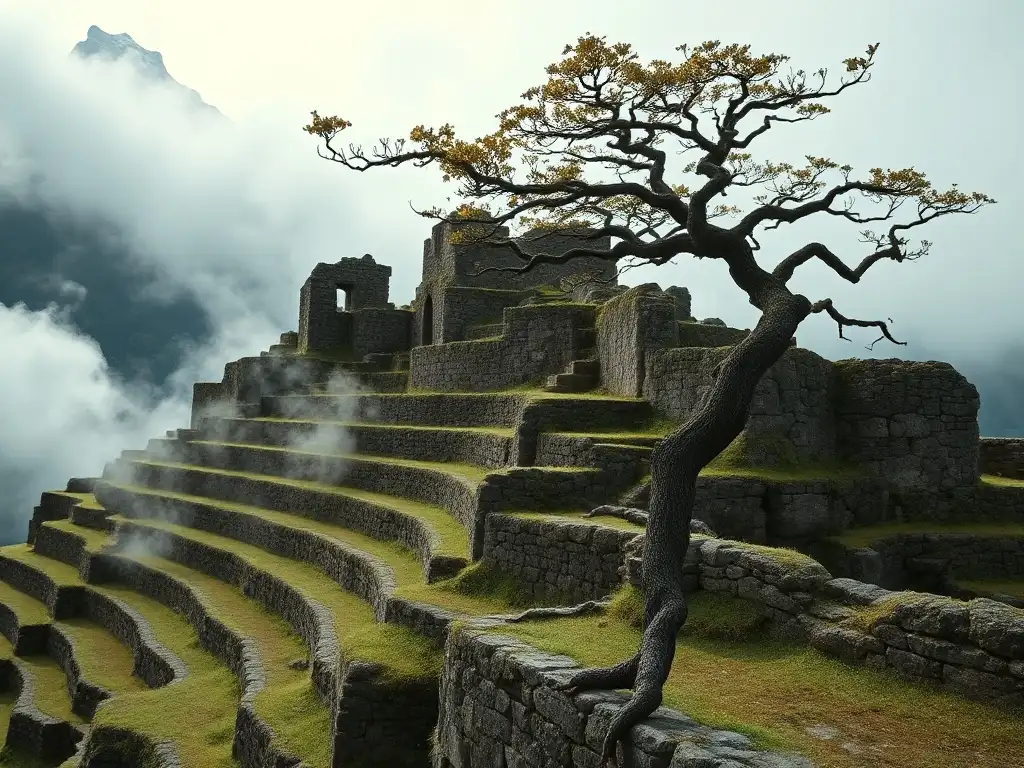
The El Niño-Southern Oscillation (ENSO) phenomenon, characterized by fluctuations in sea surface temperatures in the tropical Pacific Ocean, has profoundly shaped the climate of the Andes for millennia. Understanding the impacts of past El Niño events is crucial for comprehending the resilience and vulnerability of ancient Andean societies. These impacts weren't merely subtle shifts; they were dramatic alterations to the very fabric of life, triggering cascading effects that influenced agriculture, water resources, and societal structures.
The intensity and frequency of these events have varied over time, leaving behind a complex tapestry of evidence for researchers to unravel. Analyzing this evidence offers invaluable insights into the intricate interplay between climate and civilization in the Andes. The study of "Ancient Andean El Niño impacts" reveals a dynamic relationship, one where adaptation and innovation were often crucial for survival.
Identifying Evidence of Ancient El Niño Impacts
Identifying the fingerprints of past El Niño events in the Andean region requires a multidisciplinary approach. Researchers utilize a variety of proxies to reconstruct past climates, each offering unique perspectives on the intensity and duration of these events. These proxies include:
- Paleoclimatological data: Analysis of ice cores from Andean glaciers provides valuable information on past precipitation levels and temperature fluctuations. The isotopic composition of the ice reveals details about past atmospheric conditions, directly reflecting the influence of El Niño events. For example, analysis of the Quelccaya ice cap in Peru has revealed significant variations in isotopic ratios linked to strong El Niño events.
- Sedimentary records: Lake sediments and coastal deposits contain valuable clues about past hydrological changes. Changes in the types and abundance of pollen, diatoms, and other microfossils reflect shifts in vegetation and water levels, indicating the impacts of El Niño-induced floods and droughts. These layers act as a chronological record, allowing scientists to date the occurrences of past El Niño events and their associated impacts.
- Archaeological evidence: Archaeological sites often bear witness to the consequences of extreme weather. For instance, shifts in settlement patterns, changes in agricultural practices, and the abandonment of settlements can reflect the societal responses to El Niño-induced droughts and floods. The study of ancient irrigation systems and storage facilities provides further insights into the strategies employed by Andean societies to mitigate the effects of climate variability. Evidence of societal collapse in certain periods might correlate directly with periods of intense and prolonged El Niño events.
The integration of these diverse data sources provides a more complete picture of the history of El Niño's influence on the Andes, allowing for a more nuanced understanding of the challenges and adaptations of ancient Andean civilizations. Further research focusing on [specific locations with promising data] is crucial to refine our understanding.
Extreme Weather Patterns: Floods, Droughts, and Their Consequences
El Niño events in the Andes manifest as extreme weather patterns, predominantly characterized by intense floods and prolonged droughts. These events had devastating consequences for the populations inhabiting the region.
Floods, often catastrophic in scale, resulted in widespread destruction of agricultural lands, infrastructure, and settlements. The sudden influx of water could overwhelm irrigation systems, causing damage to crops and impacting food security. The resulting displacement of populations could lead to social unrest and conflict over dwindling resources.
Conversely, prolonged droughts, often a consequence of El Niño's suppression of rainfall, led to crop failures and widespread famine. The lack of water also impacted livestock, further exacerbating food shortages. These conditions could weaken communities, making them more susceptible to disease outbreaks and internal conflict. Archaeological evidence suggests that many ancient Andean societies developed sophisticated water management systems, including irrigation canals and reservoirs, in an attempt to mitigate the effects of droughts. However, even these advanced systems were sometimes overwhelmed by the intensity of El Niño-induced droughts.
Geological and Archaeological Records of Past El Niño Events
The geological record provides compelling evidence of the long-term impacts of El Niño on the Andean landscape. Coastal erosion, changes in river courses, and the formation of alluvial fans are all indicators of past flood events. These geological features, often visible today, act as tangible reminders of the power of El Niño. For example, the extensive alluvial deposits found in certain river valleys clearly demonstrate the frequency and intensity of past floods.
Archaeological evidence, such as the remains of settlements buried by floodwaters or the abandonment of agricultural terraces due to prolonged drought, offers insights into the human response to these extreme events. The analysis of ancient artifacts and human remains can reveal details about the health and well-being of populations during periods of intense El Niño activity. For example, the isotopic composition of human bones can reflect dietary changes associated with drought conditions.
The study of ancient Andean art and iconography also reveals potential representations of extreme weather events, suggesting that these events held significant cultural and religious importance. The meticulous documentation and analysis of these diverse records are vital for a comprehensive understanding of "Ancient Andean El Niño impacts" and their lasting consequences. Further research into [specific archaeological sites with relevant data] is warranted to strengthen our understanding of the societal responses to El Niño events.
Specific Case Studies of Ancient Andean El Niño Impacts
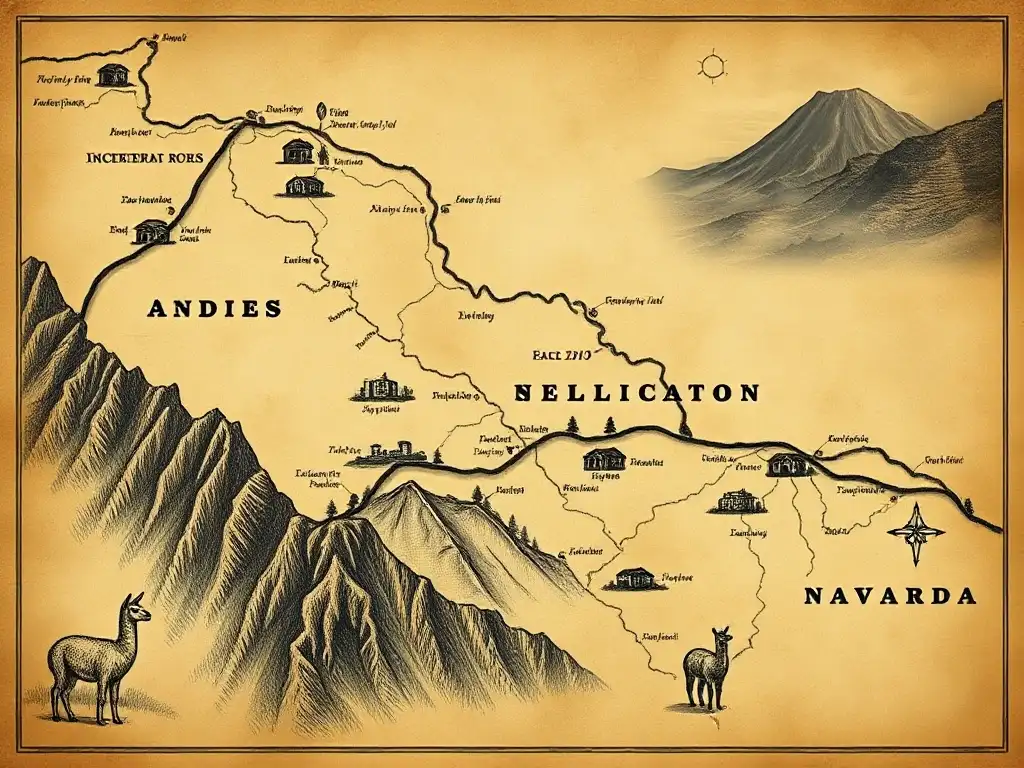
This section delves into specific examples of how El Niño events impacted various ancient Andean civilizations. Understanding these localized effects allows for a more nuanced understanding of the broader influence of climate change on these societies and provides crucial insights into their resilience and adaptability, or lack thereof, in the face of environmental challenges. The analysis below focuses on the Moche, Nazca, and Tiwanaku cultures, highlighting the diverse ways in which El Niño's unpredictable weather patterns shaped their destinies.
The recurring theme across these case studies is the critical dependence of these advanced societies on predictable water resources for agriculture and infrastructure maintenance. Variations in the intensity and frequency of El Niño events likely played a significant role in the rise and fall of these powerful Andean cultures, demonstrating the inextricable link between climate and civilization.
The Moche Civilization and El Niño: Collapse of Irrigation Systems
The Moche civilization (c. 100-800 CE), known for its sophisticated irrigation systems and elaborate artistic achievements, was heavily reliant on predictable rainfall and river flows. El Niño events, characterized by unusually heavy rainfall followed by periods of drought, severely disrupted the delicate balance of their agricultural practices. Archaeological evidence suggests that intense El Niño-related floods damaged extensive sections of their canal networks, leading to crop failures and widespread famine.
The Moche, while possessing advanced engineering skills evident in their monumental constructions and intricate irrigation systems, were vulnerable to the unpredictable nature of El Niño. The collapse of their complex irrigation infrastructure, coupled with the resulting societal instability, likely contributed to the eventual decline of the Moche state.
Further research is needed to quantify the exact impact of specific El Niño events on Moche population numbers and societal structures. This would involve detailed analysis of sediment layers in archaeological sites to correlate flood events with population changes and shifts in settlement patterns.
The Nazca Culture and El Niño: Disruption of Geoglyph Construction
The Nazca culture (c. 100 BCE – 800 CE), famed for its enigmatic geoglyphs etched into the desert plains, also experienced the disruptive effects of El Niño. While the precise impact is still debated, evidence suggests that periods of intense rainfall during El Niño events could have hindered the construction and preservation of these massive earthworks. The Nazca relied on a delicate balance of aridity to maintain the visibility of their geoglyphs.
Prolonged periods of heavy rainfall could have eroded the surface, obscuring the intricate designs. Furthermore, the availability of labor for the construction of these monumental works may have been affected by agricultural disruptions caused by El Niño-related flooding and subsequent droughts, potentially leading to periods of reduced activity in geoglyph creation.
More detailed paleoclimatological studies are needed to precisely correlate specific El Niño events with periods of geoglyph construction or abandonment. This research could involve analyzing the chemical composition of sediments near the geoglyphs to identify periods of increased moisture.
The Impact of El Niño on the Tiwanaku State: Agricultural Failures and Migration
The Tiwanaku state (c. 300-1100 CE), a powerful Andean civilization located on the shores of Lake Titicaca, was also profoundly impacted by El Niño events. The state's sophisticated agricultural techniques, including raised field agriculture, were designed to manage water resources effectively. However, unusually heavy rainfall during El Niño events could have led to flooding of these raised fields, damaging crops and disrupting agricultural production.
Conversely, the subsequent drought phases could have resulted in water scarcity, further impacting agricultural yields. These climatic fluctuations likely contributed to periods of social unrest and population displacement. Evidence suggests that significant population migrations occurred during periods of prolonged drought, possibly linked to El Niño-induced agricultural failures.
Further research into Tiwanaku settlement patterns and isotopic analysis of human remains could provide more detailed insights into the impact of El Niño-related climate variability on population dynamics and societal resilience. This would provide a more comprehensive understanding of "Ancient Andean El Niño impacts" on this major civilization.
The Inca Empire, renowned for its sophisticated infrastructure and centralized governance, developed ingenious strategies to mitigate the devastating impacts of El Niño events. Their approach wasn't simply reactive; it was a proactive system interwoven into their societal fabric, demonstrating a deep understanding of their environment and its cyclical patterns. Evidence suggests a multi-pronged strategy combining agricultural diversification, water management infrastructure, and social safety nets.
One key aspect was their mastery of agricultural techniques adapted to varying climatic conditions. They employed a diverse range of crops, some more resilient to drought, others to flooding, ensuring some yield even during extreme El Niño events. Terracing on steep slopes, alongside sophisticated irrigation systems, allowed them to manage water resources effectively, minimizing both drought and flood risks.
These weren't simple canals; they were intricate networks designed to capture and redistribute water efficiently, with reservoirs and diversion channels strategically placed to control water flow. The extensive use of waru waru agriculture – raised fields – further enhanced their resilience. These fields acted as sponges, absorbing excess water during floods and releasing it slowly during dry periods, creating a more stable microclimate for crops.
Beyond agricultural practices, the Inca state played a crucial role in disaster management. Centralized storage facilities, known as qollqas, served as crucial buffers against famine. These storehouses, strategically located throughout the empire, accumulated surplus agricultural production during normal years.
During El Niño events, these stores provided vital food supplies to affected populations, preventing widespread starvation. This centralized system, combined with effective record-keeping, allowed the Inca government to anticipate and respond to crises with remarkable efficiency. The Inca's understanding of the cyclical nature of El Niño, combined with their sophisticated logistical capabilities, is evident in their ability to effectively manage the risks associated with these climate events.
Their societal structures and infrastructure, adapted to the challenges of the Andean environment, underscore the resilience of the Inca civilization in the face of significant climatic variability. The sophistication of their response serves as a testament to their advanced understanding of both agriculture and societal organization. Further research into Inca record-keeping systems could reveal even more detailed insights into their specific responses to particular El Niño events.
Long-Term Effects of El Niño on Ancient Andean Civilizations
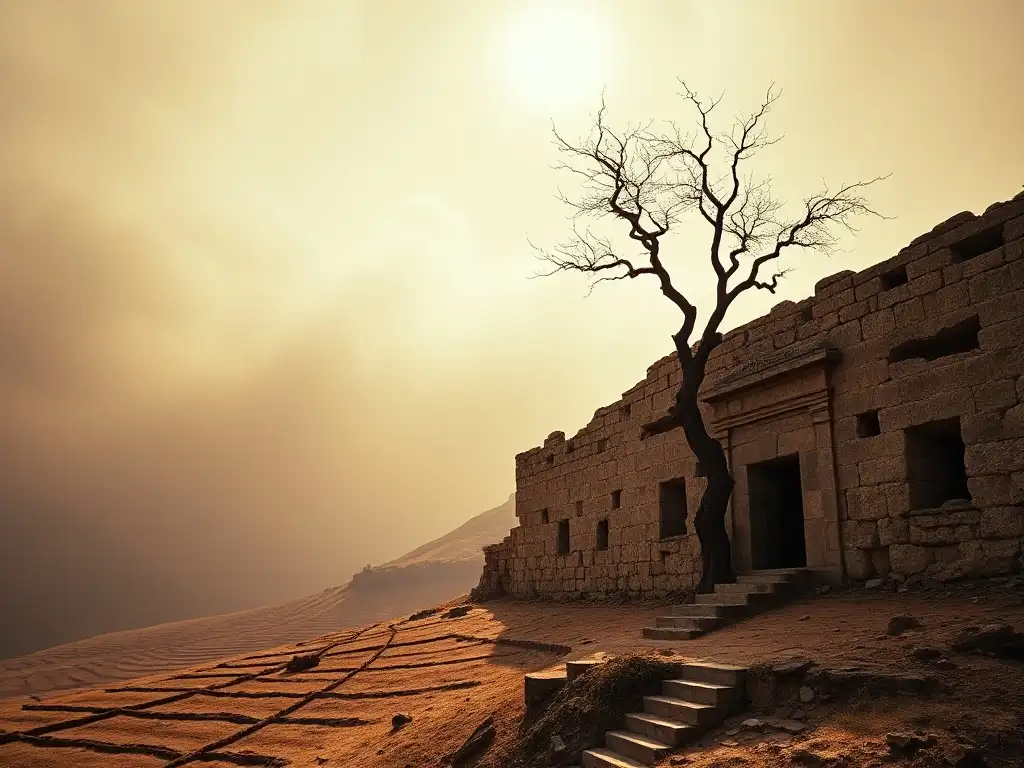
The impact of El Niño events on ancient Andean societies extended far beyond immediate flooding or drought. These cyclical climate shifts, occurring irregularly but with significant intensity, exerted profound and lasting pressure on the development, stability, and eventual transformations of numerous Andean civilizations. Understanding these long-term effects requires moving beyond simple cause-and-effect narratives and recognizing the complex interplay between climate variability, societal organization, and adaptive strategies.
The consequences of El Niño were not simply catastrophic; they also spurred innovation, migration, and shifts in cultural practices. The frequency and severity of El Niño events, coupled with the inherent vulnerabilities of agrarian societies reliant on predictable water cycles, shaped the trajectory of Andean history in profound ways.
Analyzing archaeological data, such as shifts in settlement patterns, agricultural techniques, and the construction of irrigation systems, reveals the long-term adjustments made by Andean communities in response to these recurring climatic challenges. The legacy of El Niño is woven deeply into the fabric of Andean civilization, influencing its resilience and its ultimate vulnerability.
The Role of El Niño in Societal Collapse and Transformation
The relationship between El Niño and societal collapse in the Andes is a complex one, often debated among scholars. While it's inaccurate to attribute the downfall of any single civilization solely to El Niño, evidence suggests a strong correlation between severe El Niño events and periods of significant societal upheaval. For example, the collapse of the Moche civilization (circa 100-800 CE) coincides with a period of intense El Niño activity, indicated by archaeological findings of widespread flooding and evidence of disrupted agricultural practices.
Similarly, the decline of other Andean societies, such as the Tiwanaku, may have been partially influenced by prolonged periods of drought associated with El Niño Southern Oscillation (ENSO) variations. However, it's crucial to emphasize that climate change was rarely the sole factor. Internal societal pressures, such as warfare, population growth, or resource depletion, often played significant roles in exacerbating the effects of El Niño and contributing to societal collapse.
The interaction between these factors created a cascading effect, with climate acting as a significant stressor that weakened already vulnerable societies. Further research, including detailed paleoclimatological data and sophisticated modeling, is needed to fully understand the intricate interplay between climate and societal change in the Andes.
Adaptation and Resilience: Lessons from Ancient Andean Responses
Despite the destructive potential of El Niño, ancient Andean societies displayed remarkable resilience and adaptability in the face of recurrent climatic challenges. Their survival depended heavily on their capacity to adjust their agricultural practices, social structures, and belief systems. The development of sophisticated irrigation systems, such as the canal networks of the Nazca civilization, stands as a testament to their ingenuity in managing water resources.
These systems, while not entirely El Niño-proof, significantly mitigated the impact of both floods and droughts. Furthermore, the diversification of crops and the adoption of drought-resistant varieties further enhanced their resilience. Social organization also played a crucial role; evidence suggests the existence of complex systems of resource management and social safety nets that helped communities cope with periods of scarcity.
The development of religious beliefs and practices often centered on the appeasement of deities associated with water and fertility, reflecting the importance of climate in their worldview. The capacity for adaptation and innovation, demonstrated by these ancient societies, offers valuable lessons for contemporary societies grappling with the challenges of climate change. Their strategies highlight the importance of proactive planning, diversification, and robust social safety nets in building resilience to climate variability.
How Ancient El Niño Impacts Shaped Andean Culture and Beliefs
Ancient Andean cultures didn't simply react passively to El Niño; they actively integrated it into their worldview, shaping their beliefs, rituals, and artistic expressions. The cyclical nature of El Niño, with its unpredictable shifts between abundance and scarcity, likely influenced the development of complex religious systems focused on appeasing powerful deities controlling water and fertility. Archaeological findings, such as depictions of floods and droughts in pottery and textiles, provide insights into the cultural significance of climate events.
Many Andean myths and legends likely reflect the profound impact of El Niño on their lives, portraying it as a powerful force that demanded both respect and appeasement. The construction of monumental architecture, such as the elaborate temples and irrigation systems, may also have served a symbolic purpose, reinforcing the societal response to the power of nature and the importance of collective action in the face of climatic uncertainty. Understanding the intertwined relationship between El Niño and Andean culture provides a richer, more nuanced perspective on the societies that flourished in this challenging environment.
The integration of climate into their belief systems highlights the deep connection between ancient Andean societies and their environment and serves as a reminder of the profound ways in which climate shapes human culture and worldview. The study of ancient Andean art and mythology offers a unique window into the human experience of navigating a world deeply impacted by the unpredictable forces of nature.
Modern Implications: Understanding Ancient El Niño for Today
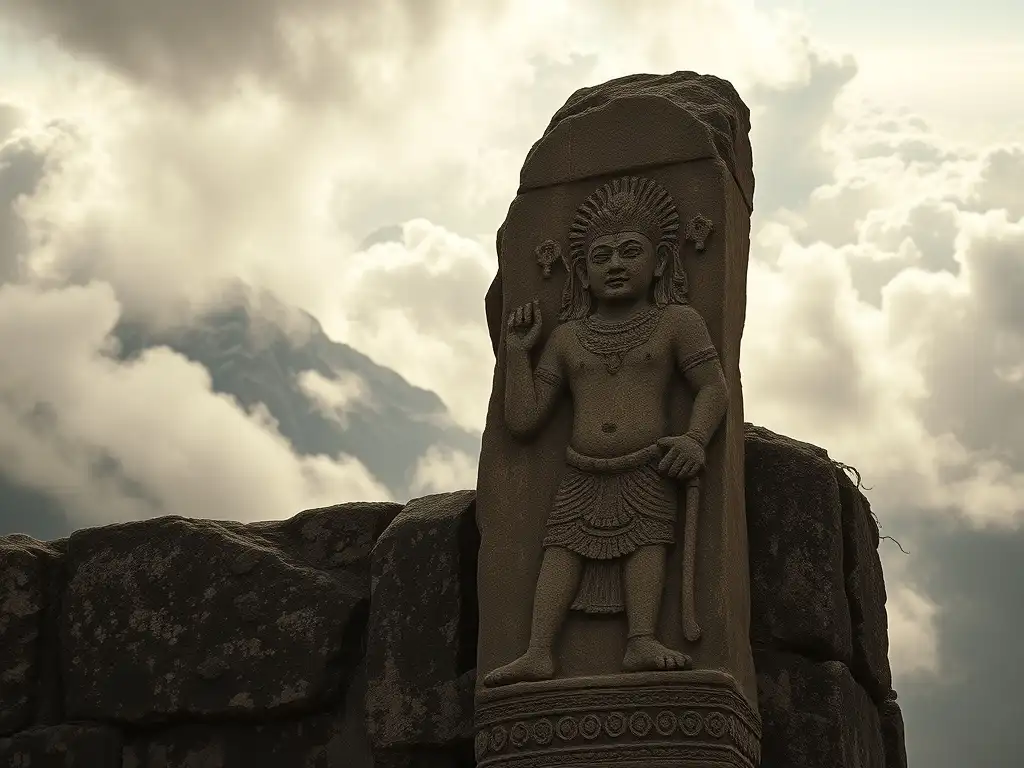
Applying Knowledge of Ancient Weather Patterns to Modern Climate Change
Understanding the impact of past El Niño events on ancient Andean societies offers invaluable insights into how these civilizations adapted to and mitigated climate variability. This knowledge is directly applicable to modern climate change challenges. By analyzing archaeological evidence, such as changes in agricultural practices, settlement patterns, and the construction of irrigation systems in response to past El Niño events, we can develop more effective strategies for climate change adaptation today.
For instance, the intricate irrigation systems developed by the Nazca civilization, designed to withstand both drought and flooding, demonstrate sophisticated water management techniques that could inform contemporary water resource management strategies in the face of increasingly erratic rainfall patterns. Furthermore, studying the societal responses to past droughts and floods reveals valuable lessons in community resilience and disaster preparedness. The analysis of ancient societal responses to climate shocks can help us build more resilient communities capable of weathering future climate-related disasters.
This includes better understanding the social and economic impacts of extreme weather events, which can inform the development of early warning systems and effective disaster relief plans. The study of ancient Andean societies' responses to El Niño provides a crucial historical perspective on the complex interplay between climate, society, and environment, informing modern strategies for adaptation and mitigation.
The Importance of Studying Past Climatic Impacts for Future Resilience
The study of Ancient Andean El Niño impacts is not merely an academic exercise; it's crucial for building climate resilience in contemporary Andean communities and beyond. By examining how past societies coped with prolonged droughts and devastating floods associated with El Niño, we can identify successful adaptation strategies and avoid repeating past mistakes. For example, the abandonment of certain agricultural practices or settlements during periods of intense El Niño activity highlights the vulnerability of specific strategies to climate variability.
This understanding allows us to diversify agricultural practices, explore alternative water sources, and develop more resilient infrastructure. Moreover, analyzing the social and political responses to past climatic crises – including changes in governance, trade networks, and social hierarchies – provides crucial insights into the potential social and political consequences of future climate change. This knowledge is essential for developing effective policies and strategies to mitigate the potential negative impacts on contemporary Andean communities.
Essentially, the past serves as a powerful laboratory for understanding the future, offering valuable lessons in adaptation, mitigation, and community resilience in the face of climate change. Ignoring this historical perspective would be a significant oversight in our efforts to build a sustainable future.
Ancient Andean El Niño Impacts and Lessons for Contemporary Societies
Ancient Andean El Niño Impacts and Lessons for Contemporary Societies
The impact of El Niño on ancient Andean societies varied greatly depending on the intensity and duration of the event, as well as the specific location and the societal adaptations in place. For example, while some coastal communities benefited from increased fish stocks during certain El Niño events, others suffered from devastating floods that damaged agricultural lands and infrastructure. Similarly, highland communities experienced both increased rainfall and subsequent flooding in some instances, while others faced prolonged droughts, impacting agricultural yields and leading to food shortages. The Moche civilization, known for its sophisticated irrigation systems, demonstrated remarkable resilience to El Niño-related droughts and floods.
However, even their advanced water management techniques were not always sufficient to prevent societal disruption during particularly intense El Niño events. Archaeological evidence suggests that periods of intense El Niño activity were often associated with social unrest, population displacement, and even the collapse of entire settlements. These historical patterns highlight the critical need for proactive and multifaceted adaptation strategies in the face of increasing climate variability.
The lessons learned from the past emphasize the importance of diversification, innovation, and community collaboration in building resilient societies capable of withstanding the challenges of a changing climate. The analysis of ancient Andean responses to El Niño underscores the interconnectedness of climate, society, and environment, providing valuable insights for contemporary societies grappling with similar challenges. Understanding how past societies adapted to and mitigated the impacts of El Niño is essential for building a more sustainable and resilient future.
Frequently Asked Questions
How did El Niño affect ancient Andean civilizations?
El Niño events brought devastating floods and droughts to the Andes, impacting agriculture and leading to societal upheaval. The severity of these impacts varied depending on the strength of the El Niño and the specific location. Crop failures were a common consequence.
What evidence reveals the impact of El Niño on ancient Andean societies?
Archaeological evidence, such as sedimentary layers in lakebeds and changes in settlement patterns, reveals the effects of El Niño-related climate fluctuations. Analysis of ancient artifacts also provides valuable insights.
Did ancient Andean people predict or adapt to El Niño events?
There's evidence suggesting some level of adaptation and prediction. For example, some agricultural practices might have been designed to mitigate the effects of variable rainfall. However, the extent of their understanding remains a topic of ongoing research.
How do scientists study the history of El Niño in the Andes?
Scientists use a variety of methods, including paleoclimatology (study of past climates), analyzing ice cores, tree rings, and lake sediments. These provide records of past climate variability, revealing the frequency and intensity of past El Niño events.
What is the significance of studying past El Niño impacts in the Andes?
Understanding past El Niño impacts helps us predict future climate changes and their potential effects on Andean communities. This knowledge is crucial for developing effective mitigation and adaptation strategies in a changing climate.
Final Reflection: Echoes of El Niño: A Legacy Etched in Andean Stone
Understanding the ancient impacts of El Niño on the Andes is not just an academic pursuit; it's a crucial lens through which we view the present and prepare for the future. The intricate relationship between climate variability and societal resilience, as revealed through archaeological evidence, offers invaluable insights into our own vulnerability to extreme weather events in a rapidly changing world. The past holds the key to unlocking more sustainable strategies for the future.
The enduring legacy of El Niño in the Andes is profoundly evident in the archaeological record, shaping not only the physical landscape but also the cultural narratives and societal structures of ancient Andean civilizations. The cyclical nature of these events, their capacity to both nurture and devastate, has left an indelible mark on the region's history. The past is never dead. It's not even past.
– William Faulkner. This quote rings especially true when considering the persistent influence of El Niño, reminding us that the challenges faced by ancient Andean communities resonate deeply with the complexities we grapple with today.
Consider the lessons learned from past El Niño events. How did ancient Andean societies adapt? What strategies did they employ to mitigate the impacts of drought and flooding? You, the reader, hold the power to apply this knowledge to your own life. By understanding the interconnectedness of climate, society, and history, we can foster a more informed and proactive approach to environmental challenges, building resilience and ensuring a more sustainable future for all. Let the echoes of El Niño inspire us to act, to learn, and to build a more resilient world.
Unveil the Secrets of Ancient Weather Patterns!
Thank you for exploring the fascinating relationship between ancient civilizations and El Niño weather patterns. We hope you've gained valuable insights into how these climatic phenomena shaped the Andean landscape and its cultures. Now, let's build on this knowledge!
Here are some engaging next steps:
- Dive Deeper: Research how local weather patterns have historically impacted your region. Consider how these patterns have influenced your community's development and growth.
- Share Your Insights: Discuss your findings with friends, family, or online communities. Spark a conversation about how ancient civilizations adapted to climate change and what we can learn from them.
- Join the Community: Connect with others who share your passion for Andean history or climatology—whether online forums, local history groups, or scientific societies.
How can understanding these ancient approaches to climate adaptation inspire solutions to today's climate challenges?