
Beyond the Crops: Climate's Impact on Andean Technology

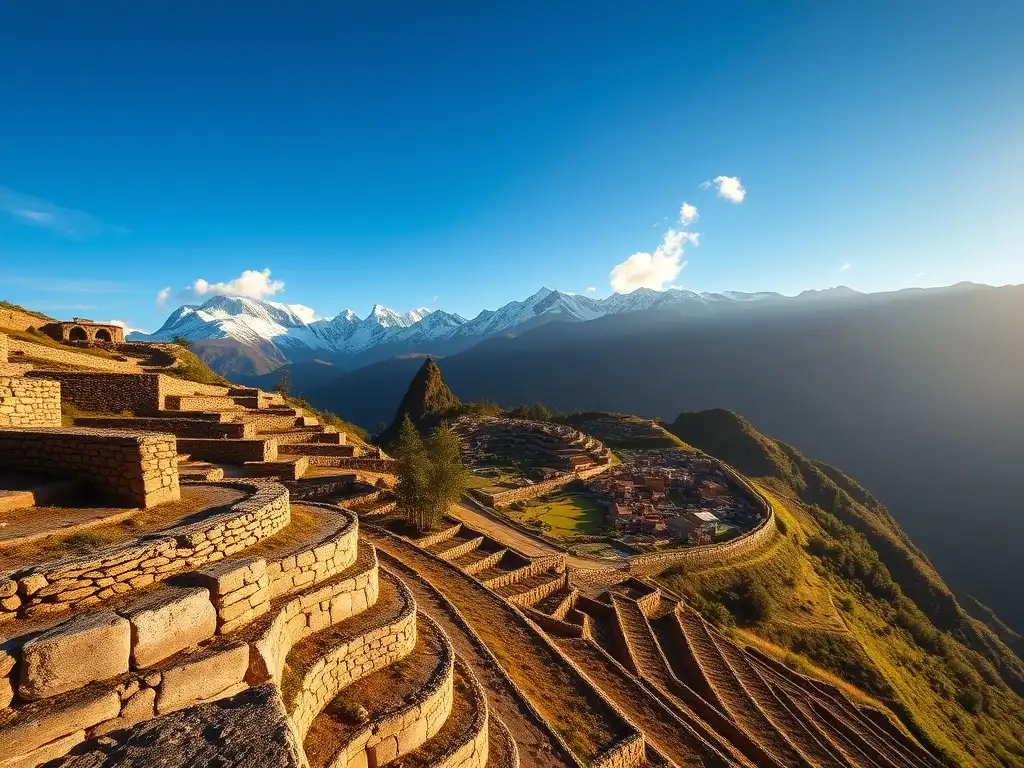
Step into a world lost to time, yet echoing with innovation. For centuries, the towering Andes shaped not only the landscapes of South America, but also the ingenuity of its inhabitants. But what happens when the very climate that nurtured these remarkable Andean civilizations turns against them? Discover how environmental shifts profoundly impacted their technological advancements in our exploration of Andean civilizations climate impact. Unravel the mysteries and prepare to be amazed.
The Andes Mountains, a spine of towering peaks stretching along the western coast of South America, provided a breathtaking yet challenging landscape for the development of numerous sophisticated civilizations. While the rich agricultural practices of the Incas, Moche, Nazca, and Tiahuanaco are often highlighted – their mastery of terracing, irrigation, and crop diversification – a deeper understanding reveals a more intricate relationship between these Andean civilizations and their environment.
This article delves into the profound impact of climate, encompassing both its variability and its extremes, on the technological innovations of these remarkable societies. We will explore how environmental pressures spurred ingenuity, forcing these cultures to develop sophisticated solutions in areas beyond agriculture, shaping their societal structures and ultimately, their legacy.
Understanding this complex interplay is crucial to appreciating the resilience and adaptability of Andean civilizations and offers valuable insights into the challenges faced by societies in the face of environmental change, a topic of increasing global relevance in the context of modern climate change. The keyword "Andean civilizations climate impact" is central to this exploration, providing a lens through which to examine the intricate relationship between environmental pressures and technological advancements.
Andean Civilizations and Climate Change: An Introduction
The Andes are characterized by extreme climatic variability. Altitudinal zones, ranging from arid coastal deserts to frigid high-altitude puna grasslands, created diverse microclimates. This variability, coupled with the cyclical occurrence of El Niño events (which bring significant changes in rainfall and temperature patterns), presented continuous challenges to Andean societies.
These challenges weren't merely about the availability of water for agriculture; they encompassed issues of resource management, infrastructure design, and societal organization. For example, the unpredictable nature of rainfall necessitated the development of sophisticated water management systems, such as the intricate canal networks of the Nazca culture, famous not only for their geoglyphs but also for their advanced irrigation techniques. The impact of climate wasn't static; it fluctuated over time, influencing population density, agricultural practices, and the very fabric of Andean societies.
Understanding these fluctuations is key to interpreting the archaeological record and appreciating the full extent of Andean technological prowess. The impact of climate change on Andean societies is a complex topic, demanding an interdisciplinary approach combining archaeology, climatology, and anthropological perspectives.
The Interplay Between Environment and Andean Ingenuity
The harsh Andean environment fostered remarkable technological innovation, extending far beyond agricultural techniques. The need to adapt to fluctuating temperatures and unpredictable weather patterns drove the development of sophisticated building techniques, evidenced by the impressive stonework of Machu Picchu and other Inca sites. These structures, often built at high altitudes, were designed to withstand seismic activity and extreme weather conditions. Furthermore, the scarcity of resources in certain regions led to innovations in material science and engineering.
For example, the Inca utilized a variety of materials, including stone, wood, and metal, adapting their construction methods to the specific characteristics of each material and the environmental conditions. The development of textiles, too, was significantly influenced by climate. The diverse range of Andean fibers, from alpaca and llama wool to cotton, reflects the adaptation to different ecological niches. The intricate weaving techniques not only produced beautiful and durable fabrics but also served practical purposes, providing warmth in cold climates and protection from harsh weather conditions.
The intricate relationship between Andean societies and their environment is a testament to human resilience and adaptability in the face of environmental challenges. The ingenuity displayed in their technological innovations serves as a valuable lesson for contemporary societies grappling with the impacts of climate change. The development of durable, climate-resistant infrastructure and the sustainable use of resources remain pertinent issues, highlighting the enduring legacy of Andean knowledge.
- Andean Civilizations and Climate Change: An Introduction
- The Interplay Between Environment and Andean Ingenuity
- How did climate affect Andean agricultural practices?
- What technological innovations were driven by climate challenges?
- Did climate change affect the rise and fall of Andean civilizations?
- How did Andean people adapt their clothing and shelter to the climate?
- What evidence reveals the impact of climate on Andean societies?
Pre-Incan Climate Vulnerability and Technological Responses
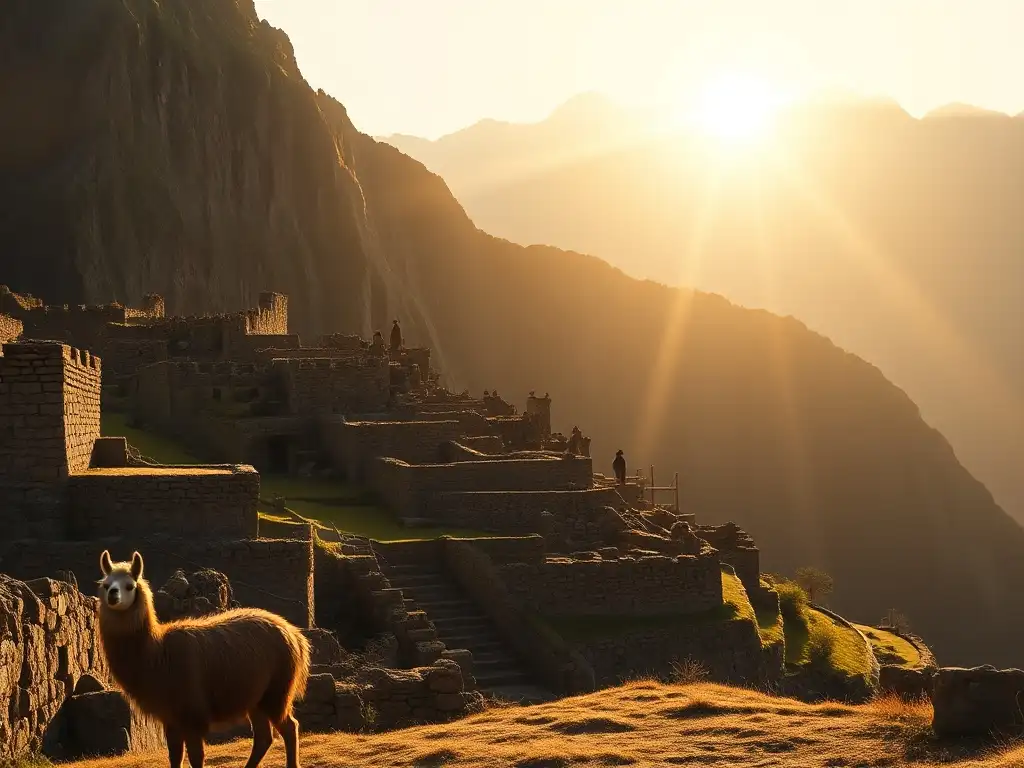
The Andean region, even before the Inca, presented significant environmental challenges to its inhabitants. Varied and extreme climates, ranging from arid coastal deserts to high-altitude alpine environments, demanded sophisticated technological adaptations for survival. Understanding the pre-Inca response to climate variability is crucial for comprehending the ingenuity of Andean civilizations and their remarkable ability to thrive in diverse and often unforgiving landscapes.
The impact of climate on Andean civilizations wasn't simply a matter of adapting to rainfall; it fundamentally shaped their technological innovation, social structures, and even their spiritual beliefs. Analyzing the technological innovations developed in response to these climatic pressures provides insights into the resilience and adaptability of these early societies. The study of pre-Inca technology reveals a deep understanding of their environment and a remarkable capacity to engineer solutions to survive and flourish.
This ability to harness resources and adapt to changing conditions allowed for the development of complex societies long before the Inca Empire. The legacy of these pre-Inca innovations is still visible today, underscoring the long-term impact of climate on Andean technological development.
Early Andean Societies and Environmental Challenges
Early Andean societies, like the Chavín and Paracas cultures, faced significant climatic challenges. The coastal deserts, characterized by extreme aridity and unpredictable rainfall, demanded innovative water management strategies. Evidence suggests that these early societies relied heavily on localized irrigation systems, likely utilizing simple canals and terraces to capture and distribute scarce water resources.
The mountainous regions, while offering fertile valleys, experienced dramatic temperature fluctuations and unpredictable weather patterns, including frost and hailstorms, which could devastate crops. These societies developed frost-resistant crops and storage techniques to mitigate the impact of these climatic events. Furthermore, the need for reliable food sources drove advancements in agricultural techniques, including the domestication of camelids (llamas and alpacas) for wool and meat, and the cultivation of diverse crops adapted to varying altitudes and climates.
The ingenuity displayed in these early adaptations laid the foundation for the more sophisticated technologies developed by later Andean civilizations. Archaeological evidence, such as remnants of irrigation canals and storage facilities, points to a sophisticated understanding of water management and agricultural practices tailored to the specific climatic conditions of different regions.
Moche Irrigation Systems: Adapting to Arid Conditions
The Moche civilization (circa 100-800 CE) flourished along the arid north coast of Peru. Their remarkable success was largely due to their mastery of irrigation technology. Moche irrigation systems were far more sophisticated than those of their predecessors, utilizing extensive canal networks to divert water from rivers and streams to irrigate vast agricultural lands. These canals, often carved into hillsides and across valleys, were incredibly complex engineering feats, requiring advanced surveying and construction techniques.
The Moche also developed sophisticated techniques for managing water flow, including the use of check dams and reservoirs to regulate water distribution and prevent erosion. These systems allowed the Moche to cultivate a wide range of crops, supporting a large and densely populated society. The impact of climate on the Moche civilization is evident in their technological innovations, which were directly tailored to the challenges of an arid environment.
The Moche's success demonstrates the crucial role of technological advancement in enabling human societies to thrive in challenging environments. Detailed analysis of Moche irrigation systems reveals a deep understanding of hydrology and engineering principles. Their sophisticated water management techniques significantly impacted the agricultural capacity and the overall success of the Moche civilization.
Nazca Aqueducts and Water Management Techniques
The Nazca civilization (circa 100 BCE – 800 CE), also located on the arid south coast of Peru, developed a unique and ingenious system of underground aqueducts known as puquios. These subterranean channels tapped into underground water sources, channeling water to surface reservoirs for irrigation. The construction of puquios required an advanced understanding of hydrology and engineering, as well as meticulous planning and labor. The puquios were not simply simple tunnels; they incorporated ventilation shafts and cleaning access points, demonstrating a remarkable level of sophistication.
These aqueducts, often extending for kilometers, provided a reliable source of water even during periods of drought. The Nazca's mastery of underground water management enabled them to cultivate crops in a region characterized by extreme aridity and scarce surface water resources. The development of puquios showcases the ingenuity and resilience of the Nazca civilization in the face of challenging climatic conditions.
The impact of climate on Nazca technological development is undeniable, as their innovative water management strategies were essential for their survival and prosperity. The puquios stand as a testament to the enduring legacy of Andean ingenuity in adapting to the harsh realities of their environment. The study of these aqueducts continues to fascinate researchers and engineers alike, providing valuable insights into sustainable water management techniques.
Inca Empire: Engineering for a Variable Climate
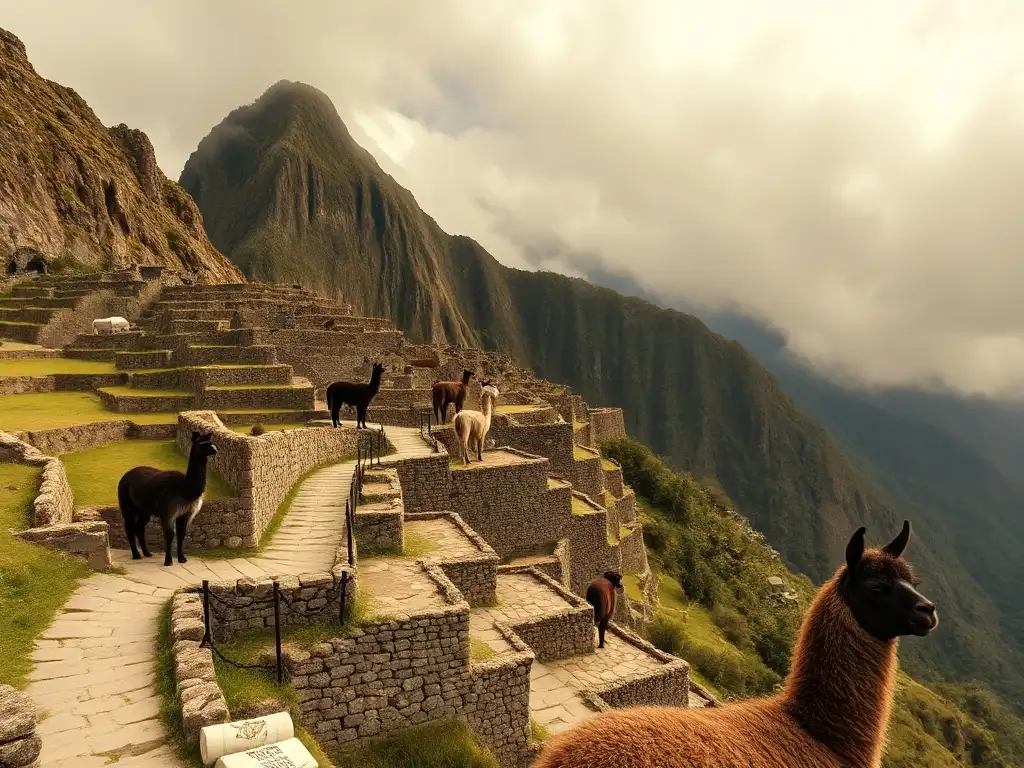
The Inca Empire, renowned for its sophisticated social structures and vast territorial expanse across the Andes Mountains, demonstrated remarkable adaptability to a highly variable climate. Their success wasn't solely based on political prowess or military might; rather, it was fundamentally intertwined with ingenious engineering solutions tailored to the diverse and often challenging environmental conditions.
Understanding the Inca's approach to climate variability offers valuable insights into the resilience of Andean civilizations and the profound impact of climate on their technological advancements. The keyword "Andean civilizations climate impact" is central to this analysis, highlighting the crucial role climate played in shaping Inca society and technology.
Inca Agricultural Innovation and Climate Resilience
Inca agricultural practices were a masterpiece of adaptation to diverse Andean climates. Facing steep slopes, arid valleys, and high-altitude plains, the Incas developed innovative techniques to maximize crop yields and ensure food security. They weren't simply farmers; they were climate engineers, meticulously manipulating their environment to enhance productivity. This included the development of:
- Warping: A technique of creating artificial wetlands to cultivate crops in otherwise unsuitable environments. This was particularly crucial in arid regions, allowing the cultivation of water-intensive crops.
- Raised fields: Elevated planting beds that improved drainage, reduced frost damage, and regulated soil temperature – essential in the variable climates of the Andes. The precise dimensions and spacing of these fields varied based on local microclimates.
- Andenes (terraces): These terraced agricultural fields significantly increased arable land, reduced erosion, and created microclimates suitable for a wider range of crops. The construction of andenes was a massive undertaking, requiring significant labor and technical expertise, reflecting the importance of agricultural productivity in Inca society. Detailed studies of andene construction reveal sophisticated understanding of water management and soil conservation.
The Inca's success in agricultural innovation directly stemmed from their deep understanding of the local climate and its impact on crop production. Their methods were not static; they were constantly refined and adapted based on observed climatic patterns and regional variations. This adaptability is a key factor in explaining the empire's longevity and resilience.
Terracing and Water Diversion Strategies of the Incas
The Inca's mastery of water management was integral to their agricultural success and overall societal well-being. Their terracing systems, or andenes, weren't just about creating more arable land; they were a complex hydrological engineering feat. The terraces were carefully designed to capture and channel rainwater, preventing erosion and providing a consistent water supply for crops. This involved:
- Sophisticated canal systems: These intricate networks diverted water from rivers and streams to irrigate the terraces, ensuring even distribution of water resources across large areas. The canals were often lined with stone to prevent leakage and erosion.
- Reservoirs and storage systems: The Incas constructed reservoirs to store excess water during the rainy season, providing a vital source of irrigation during drier periods. This ensured a reliable water supply even in the face of unpredictable rainfall patterns.
- Understanding of water flow and topography: The construction of the terraces and water management systems demonstrates a profound understanding of hydrology and topography. The Inca engineers skillfully adapted their techniques to suit the specific characteristics of each location, demonstrating an impressive level of knowledge and expertise.
The effectiveness of the Inca's water management strategies is evidenced by the sustained agricultural productivity in diverse and challenging environments. Their ability to harness and control water resources was critical to their ability to support a large and complex population.
Road Networks and Resource Distribution in a Diverse Landscape
The vast Inca road network, spanning thousands of kilometers across the Andes, played a crucial role in facilitating resource distribution and responding to climate-related challenges. This network wasn't just a transportation system; it was a vital component of their climate adaptation strategy. The roads ensured:
- Efficient movement of goods: The ability to quickly transport food, water, and other essential resources was critical, particularly in times of drought or other climate-related emergencies. The road network facilitated rapid response to regional variations in climate and agricultural productivity.
- Communication and information sharing: The roads also facilitated communication between different regions, allowing for the rapid dissemination of information about climate conditions and potential threats. This enabled proactive responses to climate variability and ensured effective resource allocation.
- Regional specialization and trade: The efficient transportation network supported regional specialization in agriculture and other economic activities. This allowed for the efficient distribution of goods and resources, mitigating the risks associated with localized climate impacts.
The Inca road system's effectiveness in facilitating resource distribution across diverse and often challenging climates is a testament to their sophisticated understanding of logistics and their ability to adapt to environmental variability. The roads were a critical component of their broader strategy for climate resilience, ensuring the stability and prosperity of their vast empire.
Climate's Influence on Andean Materials and Construction
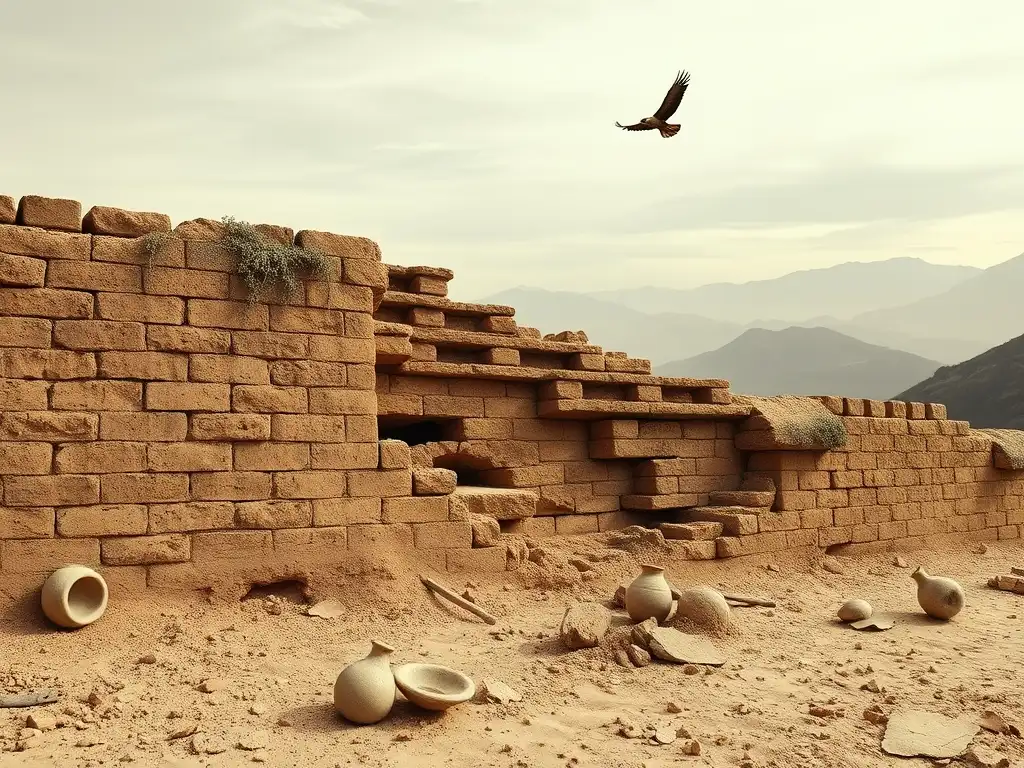
The Andean civilizations, renowned for their impressive architectural feats, faced significant challenges posed by the diverse and often harsh climates of the Andes Mountains. Understanding the impact of climate on the selection and utilization of building materials is crucial to appreciating the ingenuity and resilience of these societies. The availability of resources, influenced directly by altitude, temperature, and precipitation, dictated construction choices. The relationship between Andean civilizations climate impact and their building practices is a complex interplay of adaptation and innovation. This section will explore how climatic factors shaped the very fabric of Andean architecture and engineering.
Impact of Altitude and Temperature on Andean Building Materials
Altitude significantly affected the availability of building materials. At higher elevations, where temperatures are consistently lower and vegetation sparse, stone became the predominant building material. The durability of stone made it ideal for structures exposed to harsh weather conditions, including freezing temperatures, intense solar radiation, and strong winds.
Conversely, in lower, warmer valleys, adobe – a sun-dried brick made from clay, water, and organic materials – was more readily available and became a common construction material. The choice between stone and adobe wasn't simply a matter of preference; it was a direct response to the limitations and opportunities presented by the local climate and geography.
The temperature variations also influenced the curing process of adobe bricks. Higher temperatures and lower humidity accelerated the drying process, while cooler, wetter conditions required longer curing times, potentially impacting construction schedules and the overall durability of the structures. Careful observation of weather patterns was essential for successful adobe construction. Furthermore, the type of clay used varied with altitude and soil composition, influencing the strength and longevity of the resulting adobe bricks. This intricate relationship between climate, material availability, and construction techniques showcases the deep understanding Andean builders had of their environment.
Adaptation in Construction Techniques for Seismic Activity
The Andes are a seismically active region, subject to frequent earthquakes. The Andean civilizations, acutely aware of this danger, incorporated ingenious adaptations into their construction techniques to mitigate seismic risk. These adaptations were often directly influenced by climate. For instance, the use of lighter materials, such as adobe in lower altitudes, helped to reduce the overall weight of structures, making them less susceptible to collapse during earthquakes. Conversely, the use of stone in higher altitudes, although heavier, often involved techniques that enhanced stability.
One such technique was the incorporation of interlocking stones, creating a more flexible structure capable of withstanding seismic forces. The precise fitting of stones, requiring meticulous craftsmanship, minimized the reliance on mortar, further enhancing the structural integrity. The specific techniques employed also varied according to the climate.
In drier regions, where mortar might dry quickly and become brittle, the emphasis was on the precise interlocking of stones. In wetter regions, where the mortar could retain its flexibility for longer, a combination of interlocking and mortar might have been used. This demonstrates a nuanced understanding of how climate interacted with structural engineering to achieve seismic resilience.
The Use of Stone and Adobe in Andean Architecture
The choice between stone and adobe profoundly influenced the architectural styles of different Andean cultures. Stone architecture, prevalent in higher altitudes, often resulted in monumental structures characterized by their solidity and grandeur. Examples include the impressive stonework of Machu Picchu and other Inca sites. The precise cutting and fitting of stones, reflecting both engineering skill and an intimate knowledge of the material’s properties, allowed for the construction of impressive walls and terraces, capable of withstanding the rigors of the high-altitude climate.
In contrast, adobe architecture, common in lower altitudes, often resulted in structures that were more organic and adaptable. Adobe buildings, while potentially less durable than stone structures in the long term, could be more easily constructed and repaired. The flexibility of adobe, while making it vulnerable to seismic activity, also allowed for greater architectural freedom.
The use of organic materials in adobe construction also reflected the availability of resources in different climatic zones. This diversity in architectural styles underscores the adaptability and resourcefulness of the Andean civilizations in responding to the specific challenges of their diverse environments. The careful selection and utilization of materials, dictated by climate, directly shaped the aesthetic and structural characteristics of Andean architecture, providing a powerful testament to their sophisticated understanding of building science and their environment.
The Legacy of Andean Technology in the Face of Climate Change
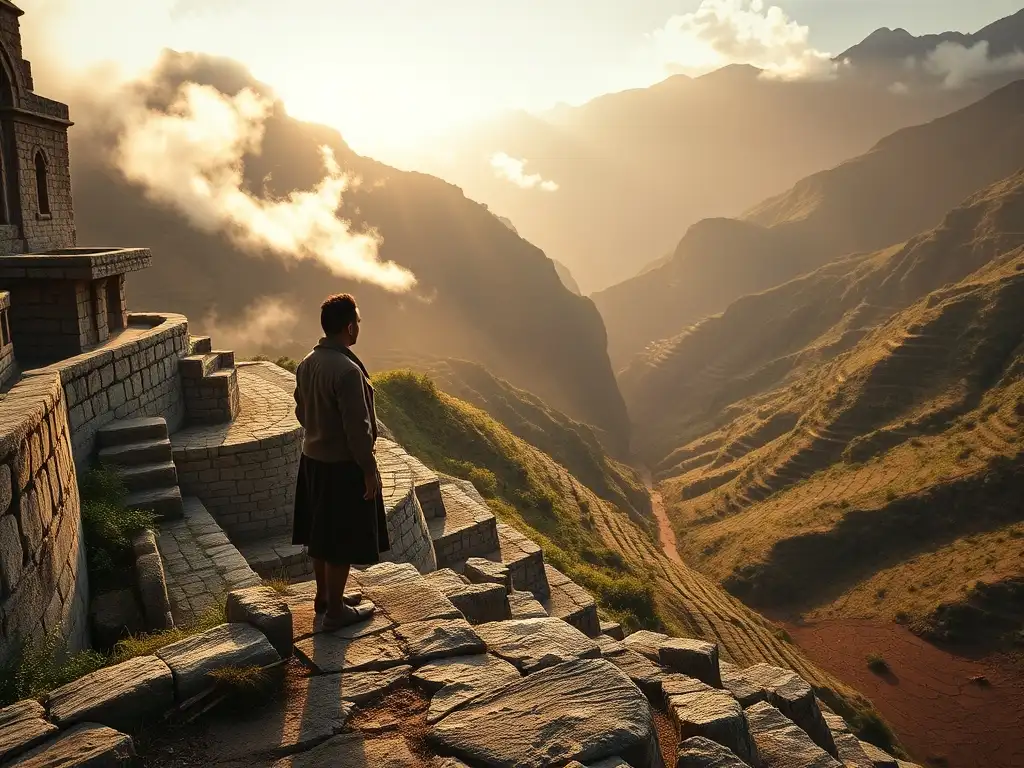
The Andean civilizations, renowned for their sophisticated agricultural techniques and architectural marvels, developed ingenious technologies in direct response to the challenging and variable climate of the Andes Mountains. Their innovations weren't merely about survival; they represented a deep understanding of their environment and a commitment to sustainable practices. This section explores how these ancient technologies offer valuable lessons for modern societies grappling with the impacts of climate change, particularly focusing on water management and the preservation of traditional knowledge.
The impact of climate change on Andean civilizations is a complex issue, but understanding their past provides crucial insights for the future. This is particularly relevant when considering the "Andean civilizations climate impact" keyword and its related search queries.
Lessons from Ancient Andean Practices for Modern Water Management
Ancient Andean societies implemented sophisticated water management systems to thrive in arid and semi-arid environments. These systems, often integrated into their agricultural practices, demonstrate remarkable ingenuity and foresight. For instance, the waru waru agricultural technique, still practiced in some areas, involved creating raised beds separated by irrigation canals. This system not only improved drainage and water retention but also moderated soil temperatures, enhancing crop yields even in challenging climates.
The efficiency of water use in waru waru systems is significantly higher than many modern irrigation methods, reducing water waste and promoting sustainable agriculture. Furthermore, the intricate network of canals and aqueducts built by the Inca, such as those found in Cusco and Moray, showcased their mastery of hydraulic engineering. These systems efficiently channeled water from high-altitude sources to lower-lying agricultural areas, supplying water to vast swathes of farmland.
The Inca's understanding of water flow, pressure, and gravity allowed them to create sustainable irrigation systems that could withstand years of drought. Analyzing these ancient systems provides valuable insights for modern water resource management, particularly in regions facing water scarcity due to climate change. The careful planning and community-based management inherent in these systems are critical lessons for today.
Preserving Andean Knowledge and Sustainable Practices
The preservation of traditional Andean knowledge is crucial for mitigating the effects of climate change. This knowledge, passed down through generations, encompasses not only agricultural techniques like waru waru but also a deep understanding of local ecosystems and climate patterns. Indigenous communities possess invaluable insights into sustainable resource management, biodiversity conservation, and adaptation strategies that have proven effective over centuries.
However, this knowledge is increasingly threatened by factors such as globalization, migration, and the loss of traditional languages. Efforts to document and preserve this knowledge through community-based initiatives are paramount. These initiatives should not only focus on recording traditional practices but also on empowering local communities to adapt and innovate based on their ancestral wisdom.
The integration of traditional ecological knowledge with modern scientific approaches offers a powerful pathway towards developing climate-resilient strategies. For example, understanding traditional methods of crop diversification and pest control can inform modern agricultural practices, leading to more sustainable and climate-resilient farming systems. The loss of this invaluable knowledge would represent a significant setback in the fight against climate change, especially considering the "Andean civilizations climate impact" and the need for innovative solutions.
The Future of Andean Communities in a Changing Climate
The future of Andean communities is inextricably linked to their ability to adapt to a changing climate. While ancient Andean technologies provide valuable lessons, modern challenges require innovative solutions that combine traditional knowledge with cutting-edge science and technology. This includes developing climate-resilient crops, improving water management infrastructure, and strengthening community-based adaptation strategies.
Investing in research and development that focuses on the specific needs of Andean communities is crucial. This research should not only address the immediate impacts of climate change but also focus on long-term sustainability and resilience. Furthermore, supporting policies that promote equitable access to resources and empower local communities to participate in decision-making processes is essential.
The challenge lies in creating a future where the rich cultural heritage of the Andes is preserved while simultaneously building resilience to the escalating impacts of climate change. Understanding the historical "Andean civilizations climate impact" provides a vital foundation for creating effective and sustainable strategies for the future. The survival and prosperity of Andean communities depend on a holistic approach that integrates traditional knowledge, modern science, and effective policy-making.
Andean Civilizations Climate Impact: Key Takeaways
This section delves into the profound impact of climate variability and change on the technological advancements of Andean civilizations. We will explore how environmental pressures, ranging from droughts to El Niño events, directly shaped innovation and adaptation strategies across various Andean cultures. Understanding this intricate relationship is crucial to appreciating the ingenuity and resilience of these societies. The keyword phrase "Andean civilizations climate impact" will be explored in depth, demonstrating how climate significantly impacted the development and evolution of Andean technologies.
Summary of Climate's Role in Andean Technological Development
The Andean region's diverse and challenging geography, characterized by high altitudes, steep slopes, and unpredictable weather patterns, acted as a powerful catalyst for technological innovation. The need to survive and thrive in such an environment spurred the development of remarkable agricultural techniques, sophisticated water management systems, and resilient architectural designs.
For example, the terracing techniques employed by the Incas, Nazca, and other cultures were not merely aesthetic; they were crucial for maximizing arable land in mountainous terrain and mitigating the effects of erosion and water runoff. These terraces, often meticulously constructed along steep slopes, significantly increased agricultural yields, helping to buffer against the impacts of drought and fluctuating rainfall.
Similarly, the waru waru agricultural system, found in the Titicaca Basin, harnessed the region's unique environmental conditions, using raised beds and channels to regulate water and soil temperature, thereby improving crop yields even in the face of climatic variability. This highlights the direct link between "Andean civilizations climate impact" and the development of sophisticated agricultural practices.
The unpredictable nature of the El Niño Southern Oscillation (ENSO) cycle, which brings periods of intense rainfall and flooding followed by drought, also profoundly influenced Andean technological development. Evidence suggests that Andean societies developed sophisticated forecasting systems, possibly based on observations of natural phenomena like bird migrations or changes in river flow, to anticipate the impacts of ENSO events. These predictions, although rudimentary by modern standards, allowed communities to implement proactive measures, such as storing food and water in anticipation of droughts or preparing for potential floods.
This proactive approach to climate risk management is a testament to the Andean civilizations' deep understanding of their environment and their ability to adapt to its challenges. The impact of ENSO on Andean societies is a critical aspect of understanding "Andean civilizations climate impact".
The Enduring Influence of the Andean Environment
The impact of climate on Andean technological development was not limited to agriculture and water management. Architectural innovations also reflect a deep adaptation to the harsh environmental conditions. The construction of stone structures, such as those found at Machu Picchu, demonstrates remarkable engineering skill and an understanding of seismic activity and the need for stability in mountainous regions.
The precise fitting of stones without mortar, a technique that minimized the risk of collapse during earthquakes, showcases a profound understanding of both engineering principles and the local geological context. This architectural expertise, honed over centuries of interaction with a challenging environment, is another clear example of the "Andean civilizations climate impact" on technological development.
Furthermore, the Andean civilizations developed advanced textile technologies, creating durable clothing and textiles adapted to the varying climatic conditions across the region. The use of alpaca and llama wool, for instance, provided insulation in the cold high-altitude regions, while other materials were selected for their breathability and resilience in different climates.
The intricate weaving techniques and dyeing processes demonstrate not only artistic skill but also a practical understanding of materials science and adaptation to climate-related needs. The development of these resilient textiles further underscores the significant influence of the environment on Andean technological innovation, reinforcing the link between "Andean civilizations climate impact" and technological adaptation.
Concluding Remarks on Resilience and Adaptation
The study of Andean civilizations offers invaluable insights into human adaptation to environmental change. The technological innovations developed in response to climate variability demonstrate remarkable ingenuity and resilience. From sophisticated agricultural practices to resilient architecture and advanced textile technologies, the Andean civilizations' legacy underscores the importance of understanding the intricate relationship between human societies and their environment.
The phrase "Andean civilizations climate impact" serves as a reminder of the lasting influence of climate on technological advancements and the importance of studying these adaptations for informing our own responses to climate change today. The ability of these societies to adapt and thrive in the face of environmental challenges provides a powerful lesson for modern societies grappling with the complexities of climate change.
Further research is needed to fully understand the intricacies of this relationship, particularly concerning the specific impacts of different climatic events on various Andean cultures and the long-term consequences of these interactions. The enduring legacy of Andean ingenuity and adaptation serves as a powerful testament to human resilience in the face of environmental challenges.
Frequently Asked Questions
How did climate affect Andean agricultural practices?
Andean civilizations developed ingenious irrigation systems and terracing techniques to adapt to diverse climates and altitudes. The availability of water, influenced by climate patterns, directly impacted crop yields and food security.
What technological innovations were driven by climate challenges?
The harsh Andean climate spurred the development of advanced building techniques, like stonework and complex water management systems. These innovations were crucial for survival and societal development in challenging environments.
Did climate change affect the rise and fall of Andean civilizations?
While not the sole factor, climate variability, including droughts and floods, significantly impacted the stability and sustainability of many Andean societies. These events could lead to social unrest and even collapse in some cases.
How did Andean people adapt their clothing and shelter to the climate?
Andean civilizations created diverse textiles and housing styles tailored to different altitudes and climates. The use of specific materials and construction methods demonstrated a deep understanding of their environment.
What evidence reveals the impact of climate on Andean societies?
Archaeological findings, such as irrigation canals, storage facilities, and settlement patterns, provide crucial evidence of how Andean societies adapted to and were impacted by climate fluctuations throughout history.
Final Reflection: Echoes of the Andes: A Legacy of Adaptation and Resilience
The intricate relationship between Andean civilizations and their environment remains profoundly relevant today. As climate change accelerates, understanding how past societies adapted to environmental shifts offers crucial lessons for our own survival and sustainable development. The ingenuity and resilience demonstrated by Andean communities in the face of dramatic climatic fluctuations serve as a powerful reminder of humanity's capacity to overcome adversity.
The impact of climate on Andean technology continues to resonate in the region's cultural landscape, shaping its agricultural practices, social structures, and even its artistic expressions. The innovative irrigation systems, terraced farming techniques, and sophisticated understanding of microclimates developed over millennia are not merely historical artifacts; they are living legacies. The mountains are not just a backdrop; they are the very foundation of our existence,
a Quechua elder once told me, encapsulating the deep-seated connection between Andean people and their environment. This interconnectedness underscores the urgency of preserving traditional knowledge and incorporating it into modern climate adaptation strategies.
Consider the ingenuity of the past, the challenges faced by Andean civilizations, and the lessons they hold for us today. You, too, can be a part of building a more resilient future. By embracing sustainable practices, supporting indigenous knowledge, and advocating for climate action, we can honor the legacy of Andean resilience and ensure a thriving future for generations to come. Let the echoes of the Andes inspire us to act.
Embrace Change: Take Action for a Sustainable Future!
Thank you for exploring the fascinating intersection of climate change and technology in the Andean region! We hope this article has helped you understand how climate change impacts not only agriculture, but also the very foundation of Andean society. Let's now translate this understanding into action and inspire a brighter, more sustainable future.
Here's how you can make a difference:
- Educate Yourself and Others: Learn more about sustainable technologies and practices. Share your knowledge with friends, family, and your community to raise awareness about the importance of environmental stewardship.
- Support Local Initiatives: Seek out Andean organizations and projects focused on developing technological solutions to climate challenges. Your support can help these vital efforts to flourish.
- Engage with Nature: Explore the local Andean ecosystems. Witness firsthand how climate change affects these environments, and share your experiences to encourage broader conversations about environmental protection.
What steps will you take to ensure the vibrant culture and heritage of the Andes thrive in the face of climate change? Let's discuss!