
Lost Cities, Shifting Climates: Uncovering the Truth in Ruins

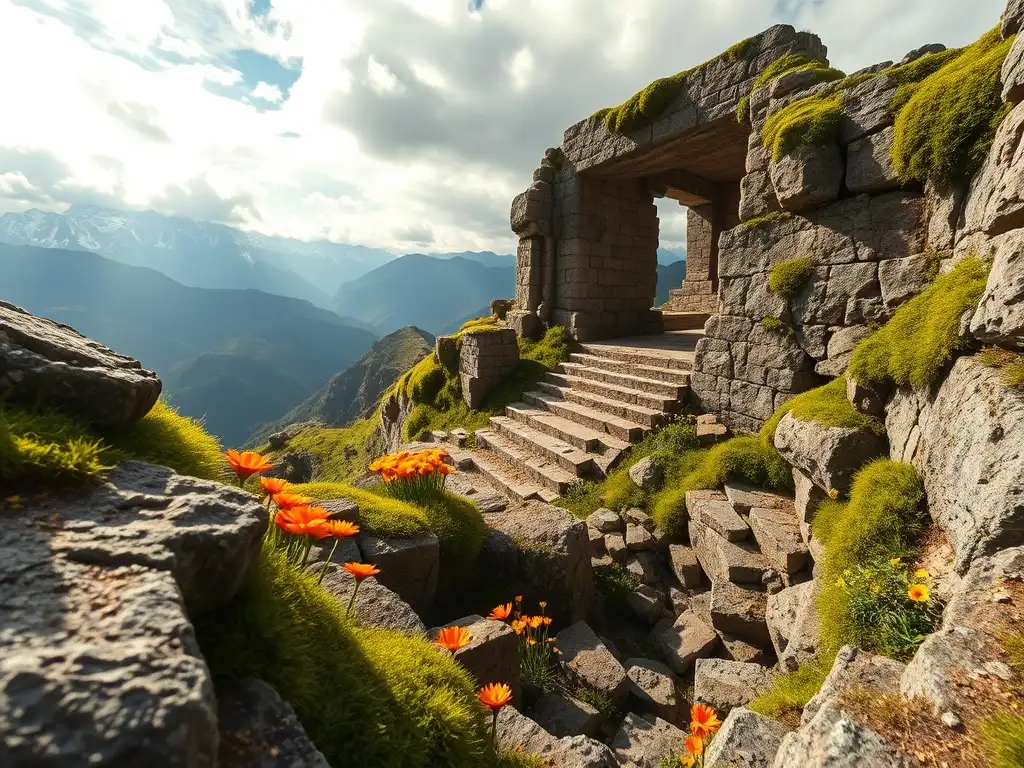
Dive into a world lost to time, yet echoing with relevance today. Ancient Andean civilizations faced a challenge as profound as any we face now: climate change. Discover how shifting landscapes and unpredictable weather shaped the rise and fall of empires like the Inca, Moche, and Nazca. Were these societies truly victims of their environment, or did their ingenuity and resilience allow them to adapt and thrive? Uncover the answers within, and explore the fascinating interplay between civilization and the changing climate in the heart of the Andes.
The rise and fall of the magnificent Ancient Andean civilizations—from the Inca Empire's sprawling cities to the intricate artistry of the Nazca Lines—were profoundly shaped by their interaction with the environment. This article delves into the complex interplay between climate change and the trajectory of these remarkable societies, exploring how shifts in weather patterns, droughts, and other environmental pressures influenced their development, prosperity, and ultimate decline. We will examine specific examples from various Andean cultures, highlighting the resilience and adaptability of these populations while also acknowledging the devastating consequences of environmental instability.
Understanding this intricate relationship offers crucial insights not only into the past but also into the challenges facing modern Andean communities and the global implications of climate change. This exploration of "Ancient Andean civilizations climate change" will reveal how sensitive these societies were to environmental fluctuations and how their responses offer valuable lessons for today.
The Interplay of Environment and Ancient Andean Societies
The Andes Mountains, a spine of towering peaks and fertile valleys, provided a breathtaking yet challenging landscape for the development of human societies. Ancient Andean civilizations weren't simply passive inhabitants of this environment; they actively shaped and were shaped by it. Their agricultural practices, sophisticated water management systems, and even their urban planning were all deeply intertwined with the prevailing climate.
Evidence suggests a dynamic relationship, with periods of relative stability punctuated by dramatic shifts that triggered significant societal changes. For example, the construction of elaborate terrace farming systems demonstrates a remarkable level of understanding of the environment and a commitment to sustainable agriculture in the face of variable rainfall.
Conversely, periods of prolonged drought are strongly correlated with societal upheaval and the abandonment of settlements, underscoring the vulnerability of these societies to environmental stress. The impact of climate change on the Ancient Andean civilizations wasn’t a singular event but rather a series of interactions playing out over centuries.
Case Study: The Moche Civilization and El Niño Events
The Moche civilization (100-800 CE), known for its stunning metalwork and elaborate funerary practices, flourished along the arid northern coast of Peru. Their prosperity was heavily reliant on predictable seasonal rains and irrigation systems. However, their history was punctuated by devastating El Niño events—powerful climate oscillations that brought torrential rainfall and flooding, followed by prolonged droughts. Archaeological evidence reveals the impact of these events on Moche settlements, with some sites showing signs of catastrophic destruction and abandonment after major floods.
The resilience of the Moche is also evident, as they adapted their agricultural practices and infrastructure to mitigate the effects of these climate shifts, at least for a time. However, the cumulative effects of repeated El Niño events likely contributed to the eventual decline of the Moche civilization, demonstrating the long-term consequences of climate instability. This highlights the vulnerability of even advanced societies to the unpredictable forces of nature.
The Inca Empire and Climate-Driven Migration
The Inca Empire (1438-1533 CE), at its height, controlled a vast territory spanning much of the Andes. Their success was built upon a sophisticated system of administration, infrastructure, and resource management, which included strategies to adapt to diverse environmental conditions. However, even the Inca Empire was not immune to the effects of climate change. Evidence suggests that periods of drought and famine contributed to social unrest and internal conflicts within the empire.
Furthermore, climate-driven migration, as populations sought more favorable environments, likely played a role in the empire's eventual weakening and vulnerability to Spanish conquest. The Inca’s impressive ability to manage resources and adapt to diverse environments was ultimately challenged by the scale and severity of climate shifts that occurred during their reign. Their story underscores the limitations even the most powerful societies face when confronted with significant environmental upheaval.
Long-Term Implications and Modern Parallels
The study of Ancient Andean civilizations and their relationship with climate change provides valuable insights into the challenges facing modern Andean communities and the world at large. Understanding how past societies adapted to and were impacted by climate variability is crucial for developing effective strategies to mitigate the effects of contemporary climate change. The lessons learned from the past emphasize the importance of sustainable resource management, resilient infrastructure, and proactive adaptation strategies in the face of an uncertain environmental future.
The vulnerability of Andean societies to climate change, past and present, serves as a stark reminder of the interconnectedness between human societies and the environment. The challenges faced by these ancient civilizations resonate powerfully with the issues confronting us today, highlighting the urgent need for global cooperation and sustainable practices.
- The Interplay of Environment and Ancient Andean Societies
- Case Study: The Moche Civilization and El Niño Events
- The Inca Empire and Climate-Driven Migration
- Long-Term Implications and Modern Parallels
- How did climate change affect the Ancient Andean civilizations?
- Which Andean civilizations were most affected by climate change?
- What evidence exists to support the link between climate change and the decline of Andean civilizations?
- How did Andean civilizations adapt to climate change?
- What can we learn from the Andean civilizations' experience with climate change?
Climate Change and the Decline of Andean Civilizations
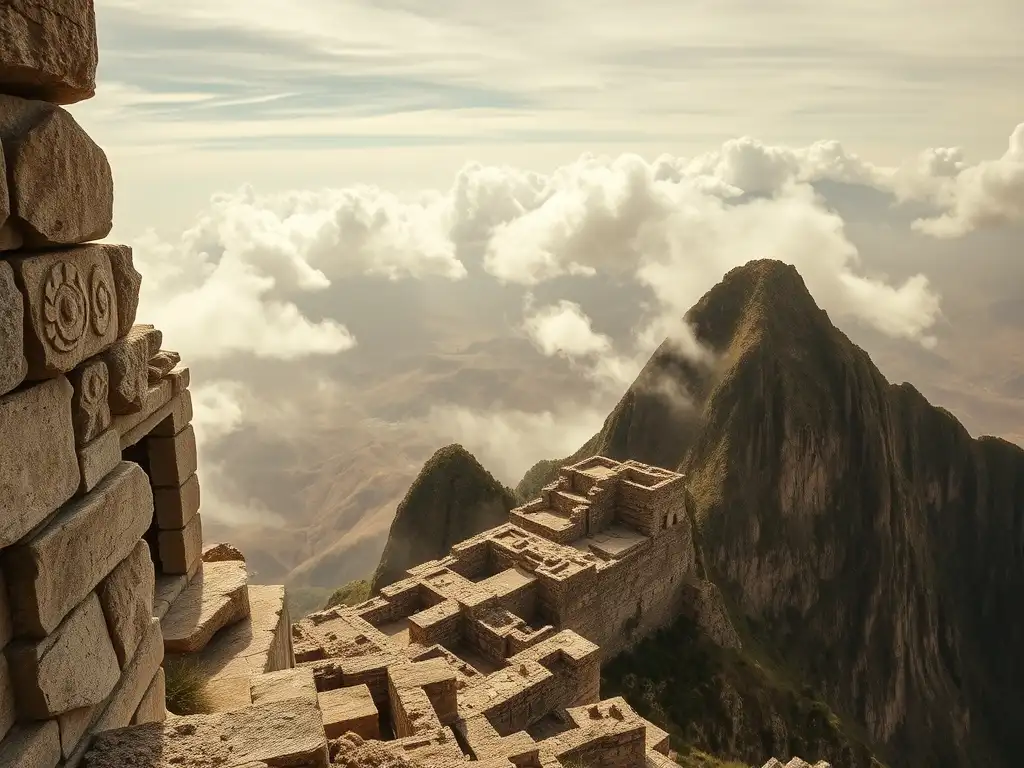
The impact of climate change on Ancient Andean civilizations is a complex and multifaceted topic, requiring a nuanced understanding of the interplay between environmental shifts and societal responses. While it's inaccurate to solely attribute the decline of any single civilization to climate change, mounting evidence suggests that fluctuating climate patterns played a significant, often decisive, role in shaping the trajectory of these remarkable societies. This section explores how shifting climates directly influenced the agricultural practices, settlement patterns, and ultimately, the survival of several prominent Ancient Andean cultures.
Understanding these dynamics is crucial to interpreting the archaeological record and gaining a more complete picture of these fascinating societies. The evidence points to a complex relationship where climate change acted as a stressor, exacerbating existing vulnerabilities and contributing to societal upheaval.
Understanding the Environmental Pressures on Pre-Incan Cultures
Pre-Inca societies in the Andes, such as the Moche, Nazca, and Tiwanaku, developed sophisticated agricultural techniques to thrive in a challenging environment. However, their success was intrinsically linked to the stability of the climate. These cultures relied heavily on predictable rainfall and meltwater from the Andes for irrigation.
Evidence from paleoclimatology, including ice core analysis and pollen records, reveals periods of significant climate variability during the time these civilizations flourished. For instance, studies show that the Nazca civilization (100-800 CE) experienced periods of intense drought interspersed with periods of more abundant rainfall. These fluctuations directly impacted agricultural yields, leading to food shortages and potentially contributing to social unrest and the eventual decline of the culture.
The Tiwanaku civilization (400-1000 CE) faced similar challenges, with evidence suggesting that prolonged droughts weakened their ability to sustain their large, complex urban center. These examples highlight the vulnerability of even advanced pre-Inca societies to climate variability. Further research, particularly focusing on isotopic analysis of ancient crops and human remains, could provide a more detailed understanding of dietary changes and their relationship to climate fluctuations.
How Climate Fluctuations Affected Agriculture in the Andes
Agriculture was the backbone of Ancient Andean civilizations. Their sophisticated irrigation systems, terraced farming techniques, and innovative crop domestication were testaments to their ingenuity in adapting to the Andean environment. However, even these impressive achievements couldn't completely buffer the effects of extreme climate variability.
Prolonged droughts, for example, severely impacted crop yields, leading to famine and societal instability. Conversely, periods of unusually heavy rainfall could cause devastating floods, destroying crops and infrastructure. The impact wasn't uniform across all Andean regions; variations in microclimates and the specific agricultural practices employed influenced the degree to which communities were affected.
For example, coastal communities reliant on marine resources may have been less vulnerable to drought than those primarily dependent on highland agriculture. The interplay between climate change and agricultural practices is a key area of ongoing research in the field of Andean archaeology. Detailed analyses of ancient agricultural terraces, irrigation canals, and crop remains are vital for reconstructing past agricultural practices and understanding their resilience to climate stress.
The Role of Droughts in the Collapse of Andean Settlements
Numerous archaeological studies suggest a strong correlation between prolonged droughts and the decline or abandonment of several Andean settlements. The evidence often involves a combination of factors: depleted water sources, decreased agricultural yields reflected in pollen and isotopic data, and the abandonment of settlements as indicated by archaeological surveys. For example, the collapse of the Wari Empire (600-1000 CE) has been linked to a severe megadrought. The empire's sophisticated administrative system and extensive irrigation network were unable to fully compensate for the prolonged lack of rainfall.
This led to widespread famine, social unrest, and ultimately, the fragmentation of the empire. Similarly, the decline of other significant Andean settlements, including those in the coastal regions, has been associated with periods of intense aridity. It's important to note that drought wasn't the sole factor; internal conflicts, disease outbreaks, and other social and political factors also contributed to societal collapse.
However, the evidence strongly suggests that climate change acted as a powerful catalyst, pushing already stressed societies over the brink. Further research focusing on the integration of paleoclimatic data with archaeological evidence is crucial for a more complete understanding of the role of droughts in the transformations of Ancient Andean civilizations. This integrated approach will allow for a more comprehensive understanding of the complex interplay between environmental change and societal response.
Evidence of Climate Impact on Specific Andean Cultures
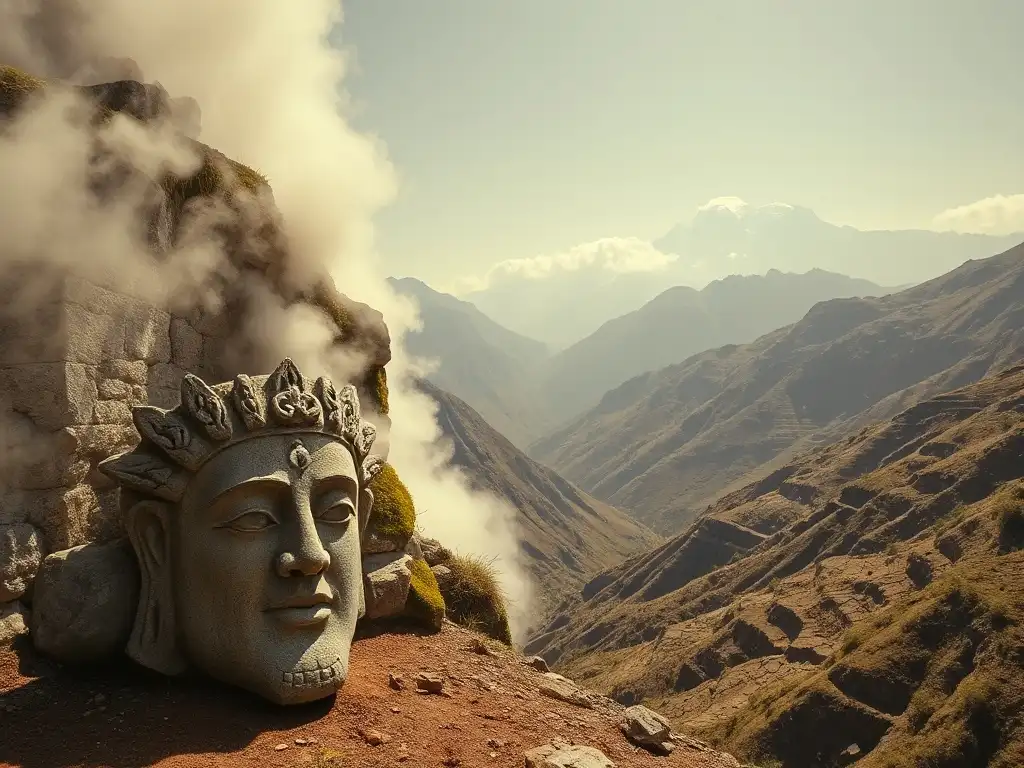
This section delves into the specific ways climate change impacted various Ancient Andean civilizations, examining archaeological and environmental evidence to understand their responses to shifting weather patterns. The effects weren't uniform; different cultures faced unique challenges depending on their location and agricultural practices. Analyzing these distinct experiences provides a richer understanding of the complex interplay between Ancient Andean civilizations and climate change. Understanding these past adaptations can also offer valuable insights for addressing modern climate challenges in the region.
The Moche and the El Niño Phenomenon: A Case Study
The Moche civilization (c. 100-800 CE), flourishing along the arid northern coast of Peru, was profoundly influenced by the El Niño Southern Oscillation (ENSO). While El Niño events brought periods of intense rainfall and flooding, they were interspersed with prolonged droughts. Archaeological evidence reveals a sophisticated Moche response to these climatic fluctuations.
Their intricate irrigation systems, exemplified by the extensive canal networks discovered near [specific location pending], demonstrate remarkable engineering prowess designed to manage water resources effectively, both during periods of abundance and scarcity. The Moche also developed a robust agricultural system capable of adapting to variable rainfall. Their mastery of terracing and water storage techniques allowed them to cultivate crops even in the driest periods.
However, the impact of extreme El Niño events is evident in the archaeological record. Some Moche settlements show signs of catastrophic flooding, leading to abandonment or relocation. Analysis of sediment layers and pollen samples from these sites can help to reconstruct the timing and intensity of these events, correlating them with periods of societal stress or upheaval.
The frequency and severity of these events may have contributed to the eventual decline of the Moche civilization, highlighting the vulnerability of even advanced societies to the unpredictable forces of nature. The study of Moche pottery also reveals depictions of both bountiful harvests and devastating floods, suggesting a deep awareness of the power of climate.
The Nazca and the Struggle for Water Resources
The Nazca culture (c. 100 BCE – 800 CE), known for its enigmatic geoglyphs, inhabited the extremely arid coastal plains of southern Peru. Their survival depended entirely on accessing scarce water resources. The Nazca's ingenuity in developing complex water management systems is a testament to their ability to adapt to an extremely challenging environment.
They constructed extensive underground aqueducts, known as puquios, which channeled groundwater from the Andes to their settlements. These remarkable feats of engineering involved digging intricate networks of tunnels and shafts, often extending for kilometers. The puquios not only provided a reliable source of water but also helped to regulate water flow, preventing both floods and droughts.
However, even with these advanced technologies, the Nazca faced periods of severe drought. Analysis of isotopic ratios in plant remains and human bones indicates periods of significant water stress, suggesting that the population may have experienced dietary changes or even migration during these times. The decline of the Nazca may have been partly attributed to prolonged drought, demonstrating the fragility of even the most sophisticated water management systems in the face of extreme climate variability. The Nazca's story underscores the vital importance of water security for Ancient Andean civilizations and the profound consequences of its scarcity.
Tiahuanaco: Adapting to a Changing Climate in the Altiplano
Tiahuanaco (c. 500-1000 CE), located on the high-altitude Altiplano of Bolivia, faced different climatic challenges than its coastal counterparts. Instead of aridity, the Altiplano experienced fluctuations in temperature and precipitation, impacting agricultural productivity and the availability of resources.
The Tiahuanaco people developed sophisticated agricultural techniques adapted to the harsh conditions of the Altiplano. They built raised fields, known as suca collcas, to improve soil drainage and create a more favorable microclimate for crops. These agricultural innovations, combined with effective water management strategies, allowed them to cultivate crops such as potatoes and quinoa, which are well-suited to high-altitude environments.
However, evidence suggests that periods of drought and cold significantly affected Tiahuanaco. Analysis of lake sediments and ice cores from the region has revealed periods of reduced rainfall and lower temperatures, correlating with changes in Tiahuanaco settlement patterns and agricultural practices.
The abandonment of certain settlements and the decline in agricultural productivity could be linked to these climatic shifts, illustrating the vulnerability of even highly organized societies to long-term climate change. The resilience of Tiahuanaco, however, is also evident in their ability to adapt to a changing climate for several centuries, showcasing the ingenuity and adaptability of Ancient Andean civilizations in the face of environmental adversity.
Archaeological Evidence and Climate Reconstruction
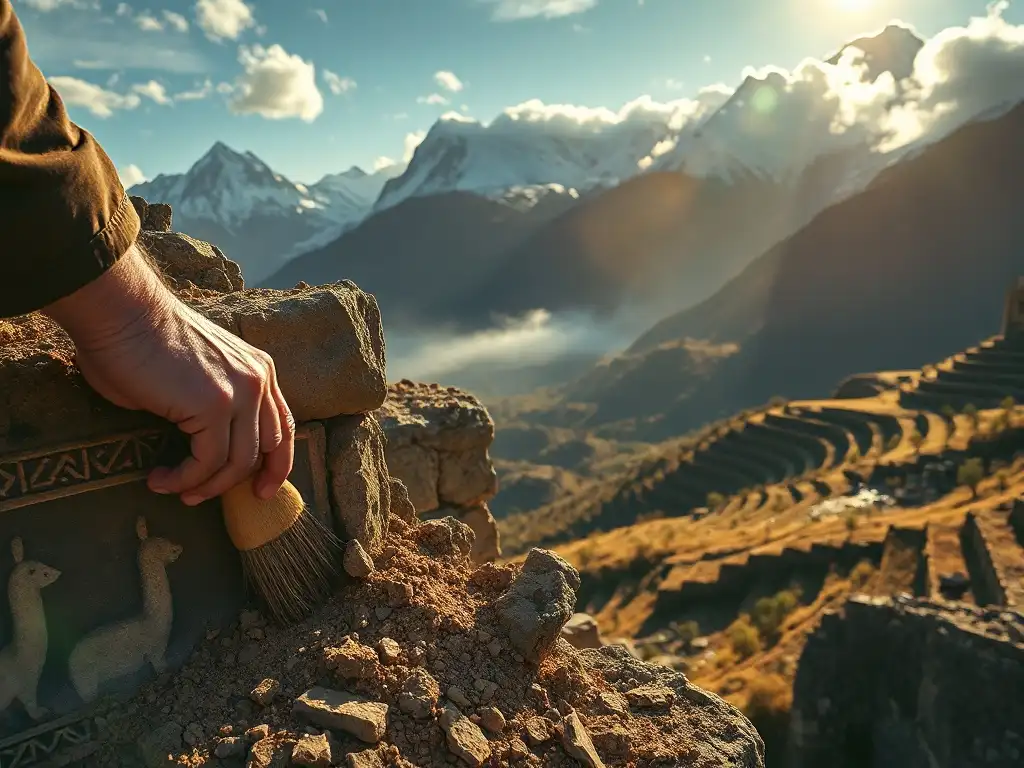
The impact of climate change on Ancient Andean civilizations is a complex issue, requiring a multi-faceted approach to understanding its effects. Archaeological evidence, when coupled with climate reconstruction techniques, offers a powerful lens through which to examine past environmental shifts and their societal consequences. By analyzing various environmental proxies, researchers can piece together a detailed picture of past climates and their influence on the rise and fall of these fascinating cultures.
This section will delve into three key methods of climate reconstruction: sediment analysis, pollen records, and ice core data. Understanding these methods allows us to better appreciate the resilience and vulnerabilities of Ancient Andean civilizations in the face of environmental change. The careful study of these ancient societies provides valuable insights into how human societies adapt to – and are impacted by – climate variability, offering crucial lessons for our present-day challenges.
Analyzing Sediments to Understand Past Climatic Conditions
Sedimentary layers, accumulated over millennia in lakes and coastal regions, act as natural archives of past environmental conditions. The composition of these sediments—including the types and proportions of minerals, organic matter, and pollen—provides clues about past climates. For example, the presence of specific minerals like clay minerals can indicate periods of increased rainfall and erosion, while the abundance of organic matter might suggest wetter conditions favorable for plant growth.
Analyzing the isotopic composition of oxygen and carbon within the sediment further refines our understanding of temperature and precipitation patterns. Studies of lake sediments in the Titicaca Basin, for instance, have revealed significant shifts in water levels correlating with periods of drought and increased aridity, directly impacting the agricultural practices and settlement patterns of societies inhabiting the region.
These shifts, often abrupt and dramatic, highlight the vulnerability of Andean societies to climate fluctuations and their adaptive strategies. Detailed analysis of sediment cores allows for precise dating of these climatic shifts, providing a chronological framework for understanding the interplay between climate and societal development in Ancient Andean civilizations.
Pollen Records and their Insights into Ancient Vegetation
Pollen grains, remarkably resistant to decay, are preserved within sediment layers, offering invaluable insights into past vegetation patterns. The types and abundance of pollen species reflect past climatic conditions, as different plant species thrive under specific temperature and precipitation regimes.
For example, the presence of pollen from high-altitude grasses might indicate drier conditions, while the predominance of pollen from trees and shrubs suggests a wetter, more forested environment. By analyzing pollen records from different locations across the Andes, researchers can reconstruct the spatial distribution of vegetation over time, revealing shifts in vegetation zones and their impact on human settlements.
The decline of certain plant species, crucial for agriculture or resource provision, can be directly linked to periods of drought or other climate-related stressors, highlighting the significant influence of climate on the agricultural systems and economic structures of Ancient Andean civilizations. Furthermore, the shifts in vegetation patterns can be correlated with archaeological evidence, providing a more comprehensive understanding of the relationship between climate change and societal adaptation.
Ice Core Data and the History of Andean Glaciers
High-altitude glaciers in the Andes act as natural climate recorders, trapping atmospheric gases and dust within their ice layers. By analyzing the isotopic composition of water molecules in ice cores, scientists can reconstruct past temperatures and precipitation patterns. The length and depth of ice cores, some extending back millennia, allow for the reconstruction of long-term climate trends, including periods of drought, increased snowfall, and glacial advance or retreat.
These data are particularly valuable for understanding the impact of climate change on water resources, a critical factor for the survival and prosperity of Ancient Andean civilizations. For example, evidence from ice cores has shown periods of glacial retreat coinciding with societal shifts and population movements, suggesting that changes in water availability were a significant driver of human adaptation and migration in the Andes.
The analysis of dust and other impurities within ice cores also provides information about past wind patterns and the intensity of storms, further enriching our understanding of the complex interplay between climate and societal development in the Ancient Andean civilizations. This data provides critical context for understanding the vulnerabilities and resilience of these societies in the face of past climate variability, and offers valuable lessons for contemporary climate change adaptation strategies.
The Resilience and Adaptation of Andean Civilizations
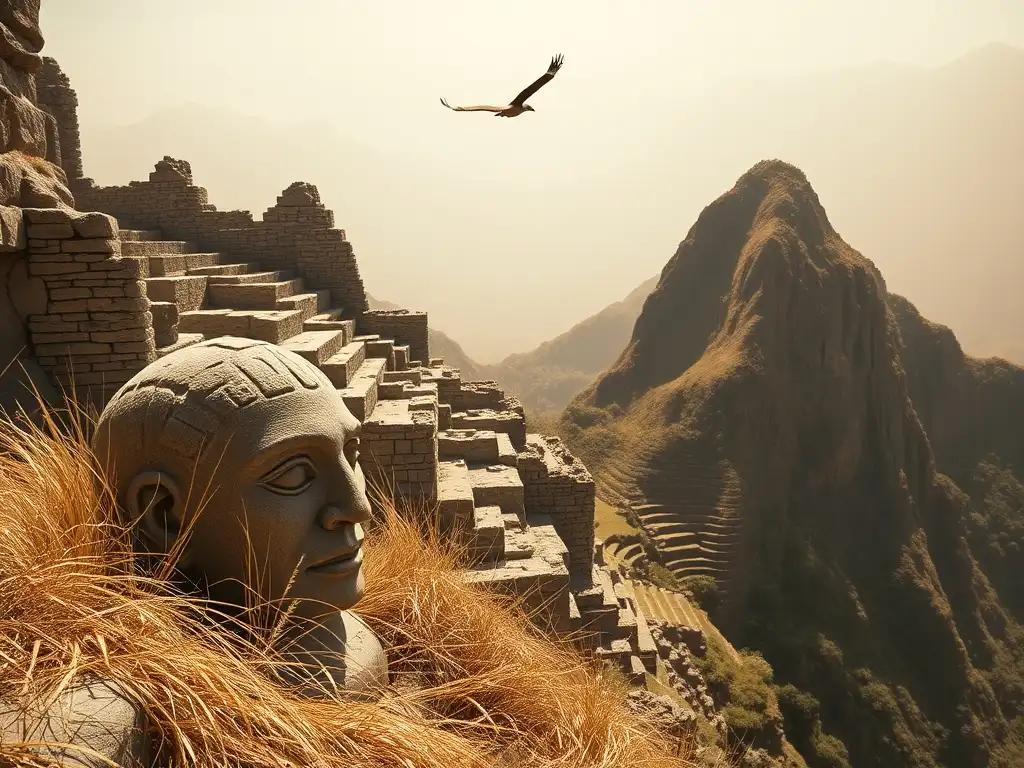
The impact of climate change on Ancient Andean civilizations is a complex and multifaceted subject. While environmental shifts undoubtedly presented significant challenges, leading to societal upheavals and the abandonment of certain settlements, it's crucial to understand the remarkable resilience and adaptive capacity demonstrated by these societies. Their sophisticated understanding of their environment and their innovative strategies for resource management allowed them to thrive, often for centuries, in the face of considerable environmental pressures. The story isn't simply one of decline and collapse, but one of remarkable ingenuity and adaptation in the face of "Ancient Andean civilizations climate change".
Innovative Agricultural Techniques to Combat Climate Challenges
Ancient Andean societies developed incredibly sophisticated agricultural techniques to mitigate the impacts of fluctuating climates. These weren't merely survival strategies; they were integral to their social and political structures. For example, the Incas implemented a system of mit'a, a form of labor tax, which ensured the construction and maintenance of vital irrigation systems and terraced fields.
This ensured food security even during periods of drought or unusual weather patterns. Their agricultural innovations weren't limited to large-scale projects; they also included diverse crop cultivation, minimizing risks associated with crop failure due to climate variability. They employed techniques like crop rotation and intercropping, maximizing yields and soil fertility, crucial elements in mitigating the effects of "Ancient Andean civilizations climate change".
Evidence suggests that they also selectively bred crops for resilience to drought and frost, a testament to their profound understanding of plant genetics and environmental adaptation. This proactive approach to agriculture was key to their survival and prosperity for centuries.
Terracing and Irrigation Systems: Andean Ingenuity
The construction of extensive terrace systems and intricate irrigation networks stands as a powerful example of Andean ingenuity in the face of environmental challenges. Terracing, often carved into steep mountain slopes, increased arable land significantly, maximizing agricultural productivity in challenging terrains. These terraces not only provided more space for cultivation but also helped to control soil erosion and water runoff, crucial for maintaining soil fertility in areas prone to heavy rainfall or drought.
The sophisticated irrigation systems, often involving canals, aqueducts, and reservoirs, ensured a reliable water supply for crops, even during periods of low rainfall. The scale and complexity of these projects are breathtaking, reflecting a high level of organizational capacity and engineering skill. The precise alignment of some irrigation canals, often following contour lines to minimize water loss, demonstrates a deep understanding of hydrology and a commitment to efficient resource management.
This impressive infrastructure played a vital role in buffering the impact of "Ancient Andean civilizations climate change". Detailed studies of these systems continue to reveal new insights into their complexity and effectiveness.
The response of Andean societies to environmental stress wasn't solely technological; it also involved significant social and political adaptations. Evidence suggests that during periods of drought or other environmental crises, social structures adapted to manage resource scarcity. This might have involved changes in governance, redistribution of resources, or even the migration of populations to more favorable environments.
The development of complex social hierarchies and centralized states in some Andean societies may have been partially driven by the need to coordinate responses to environmental challenges. Strong leadership was essential for organizing large-scale infrastructure projects and for managing resource allocation during times of scarcity. Furthermore, religious and cosmological beliefs often played a crucial role in shaping societal responses to environmental change.
Rituals and ceremonies related to water, agriculture, and the weather were common, reflecting the importance of these elements in Andean societies and their attempts to influence the environment. Understanding these social and political dimensions is crucial for a complete picture of how Ancient Andean civilizations navigated the challenges posed by "Ancient Andean civilizations climate change". Further research into these aspects promises to uncover even more about their remarkable adaptability.
Lessons from the Past: Understanding Modern Climate Challenges
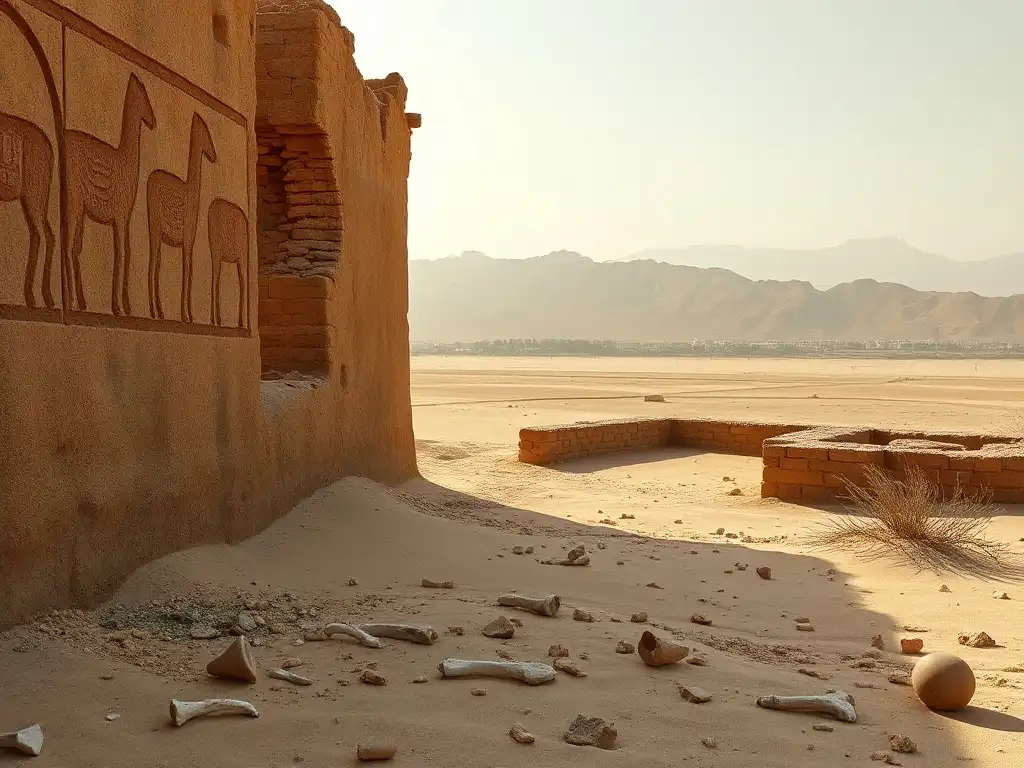
The study of Ancient Andean civilizations and their relationship with climate change offers invaluable insights into the vulnerabilities of societies facing environmental shifts. By examining the rise and fall of these impressive cultures, we can gain a deeper understanding of how climate change impacts social structures, agricultural practices, and ultimately, survival. This understanding is not merely historical curiosity; it's a crucial tool for mitigating the effects of present-day climate change and building more resilient communities.
The impacts of past climate fluctuations on these societies serve as stark warnings and potential solutions for our modern world. Analyzing the past helps us anticipate and adapt to future challenges, fostering a proactive rather than reactive approach to climate change.
Parallels Between Ancient and Modern Climate Change Impacts
The Ancient Andean civilizations faced significant climatic shifts, including droughts, floods, and temperature fluctuations. These events directly mirrored the challenges we see today. For instance, the collapse of the Tiwanaku civilization around 1100 CE is strongly linked to a prolonged megadrought, impacting agricultural yields and leading to social unrest and population displacement.
This mirrors modern concerns about drought-induced food insecurity and mass migration in vulnerable regions. Similarly, the Moche civilization, known for its sophisticated irrigation systems, experienced periods of intense rainfall and flooding that damaged infrastructure and agricultural lands. These events resonate with contemporary anxieties about extreme weather events and their devastating impact on infrastructure and livelihoods.
Studying the adaptive strategies employed by these civilizations—such as the development of sophisticated irrigation techniques and terraced farming—provides valuable lessons for modern adaptation efforts to climate change. We can learn from their successes and failures, refining our own strategies for sustainable development and disaster preparedness in the face of a changing climate.
The Importance of Studying Ancient Climates for Future Predictions
Understanding past climate variability in the Andes is critical for predicting future climate scenarios. Paleoclimatological data, derived from ice cores, lake sediments, and archaeological evidence, provides a long-term perspective on climate change, revealing patterns and trends that instrumental records (which only span a few centuries) cannot capture. This long-term perspective is essential for developing accurate climate models and predicting the potential impacts of future climate change on water resources, agriculture, and human settlements in the Andes region.
For example, analyzing pollen records from ancient lake sediments can reveal shifts in vegetation patterns over millennia, indicating changes in temperature and precipitation. This data can be used to calibrate climate models and improve predictions of future changes in Andean ecosystems. The study of ancient Andean civilizations' responses to past climate change enhances our ability to anticipate and effectively manage future challenges posed by climate variability.
Preserving Andean Heritage in the Face of Environmental Threats
The legacy of the Ancient Andean civilizations is not only historical but also deeply intertwined with the present-day environment. Many archaeological sites and cultural landscapes are vulnerable to the impacts of climate change, including erosion, landslides, and flooding. The preservation of this invaluable heritage requires a concerted effort to mitigate climate change impacts and develop effective conservation strategies.
This includes implementing sustainable land management practices, protecting vulnerable sites from environmental hazards, and raising awareness about the importance of preserving Andean cultural heritage for future generations. Furthermore, understanding how past climate change affected the distribution of resources and settlement patterns helps us develop more effective strategies for preserving vulnerable sites and protecting communities from future environmental risks. The preservation of these sites is not only crucial for understanding our past but also vital for shaping a more sustainable future.
The integration of climate change considerations into heritage management plans is essential for ensuring the long-term survival of these irreplaceable cultural treasures. The work is urgent, as the effects of climate change continue to accelerate.
The Future of Andean Research and Climate Change Studies
The study of how climate change impacted Ancient Andean civilizations is a dynamic field, constantly evolving with new discoveries and methodologies. Understanding the intricate relationship between environmental shifts and societal collapse, adaptation, or transformation requires a multidisciplinary approach, encompassing archaeology, climatology, paleoecology, and more. The future of this research hinges on several key advancements and collaborations. Successfully integrating these elements will allow for a far more nuanced and complete understanding of the past, informing our understanding of present and future climate challenges. This section will focus on the key elements driving this exciting field forward.
New Technologies for Uncovering Ancient Climatic Data
Advances in technology are revolutionizing our ability to reconstruct past climates in the Andes. High-resolution dating techniques, such as Accelerator Mass Spectrometry (AMS) radiocarbon dating, provide increasingly precise chronologies for archaeological sites and environmental samples. This allows for a more accurate correlation between climatic events and societal changes.
Furthermore, the development of sophisticated geochemical analyses of sediment cores, ice cores, and other environmental archives allows researchers to reconstruct past temperature, precipitation patterns, and even the intensity of extreme weather events with unprecedented detail. For example, analyzing the isotopic ratios of oxygen in ancient pottery shards can reveal information about past rainfall patterns. Similarly, analyzing pollen preserved in lake sediments can reconstruct past vegetation changes, providing indirect evidence of climate fluctuations.
The application of these advanced techniques promises to significantly refine our understanding of the specific climatic pressures faced by Ancient Andean civilizations. The integration of these data with archaeological findings, such as changes in settlement patterns or agricultural practices, will provide a far richer narrative of human-environmental interactions. The ongoing development of even more precise and sensitive analytical methods holds the key to unlocking a deeper understanding of the intricate interplay between climate and society in the Andes.
Collaborative Efforts in Archaeology and Climate Science
Effective research into the impact of climate change on Ancient Andean civilizations requires robust collaboration between archaeologists and climate scientists. Traditionally, these disciplines have operated somewhat independently, but the increasing recognition of the interconnectedness of human societies and their environment necessitates a more integrated approach. Archaeologists bring their expertise on ancient societies, their lifeways, and their responses to environmental challenges.
Climate scientists, on the other hand, contribute their knowledge of past climate variability, the reconstruction of paleoclimates, and the development of climate models. By combining these different perspectives and methodologies, researchers can develop more holistic and nuanced interpretations of the past. Successful collaborations often involve joint fieldwork, shared data analysis, and co-authored publications.
These collaborations are vital for moving beyond simple correlations between climate and societal change, and towards a more profound understanding of the complex causal mechanisms at play. For instance, a collaborative project might involve archaeologists excavating a site and climate scientists analyzing nearby sediment cores to reconstruct the local climate history during the period of occupation. This synergistic approach is essential for generating robust and reliable conclusions about the impact of climate change on Ancient Andean societies.
Integrating Indigenous Knowledge into Climate Research
Integrating Indigenous knowledge into climate research is crucial for a more complete and accurate understanding of the past and present impacts of climate change on the Andes. Indigenous communities possess a deep and extensive body of traditional ecological knowledge (TEK) accumulated over generations of living in close proximity to the environment. This knowledge includes detailed observations of climate patterns, weather forecasting techniques, and strategies for adapting to environmental variability.
By incorporating TEK into research projects, scientists can gain valuable insights into the long-term history of climate change in the region, as well as the effectiveness of traditional adaptation strategies. This collaborative approach not only enriches scientific understanding but also respects and empowers Indigenous communities, recognizing their invaluable contributions to knowledge production. Moreover, incorporating Indigenous perspectives can help to address issues of environmental justice and ensure that research benefits those most affected by climate change.
For example, working with local communities can help researchers identify sites of particular significance for understanding past climate variability, or even uncover previously unknown information on climate-related events. Respectful collaboration and knowledge sharing are essential for ensuring that this integration is conducted ethically and effectively. The integration of Indigenous knowledge is not merely an additive process, but rather a transformative one, enriching both the scientific understanding and the social relevance of climate research in the Andes.
Frequently Asked Questions
How did climate change affect the Ancient Andean civilizations?
Climate change significantly impacted Andean societies. Droughts and floods, linked to El Niño events, caused crop failures and societal upheaval, leading to migrations and the collapse of some settlements. This instability often triggered warfare and social unrest.
Which Andean civilizations were most affected by climate change?
Many were affected, but the Inca Empire, due to its large size and reliance on complex irrigation systems, suffered greatly. The Moche and Nazca civilizations also experienced significant challenges related to water scarcity during periods of drought.
What evidence exists to support the link between climate change and the decline of Andean civilizations?
Archaeological evidence, such as abandoned settlements, changes in agricultural practices, and shifts in settlement patterns, strongly suggests a link. Paleoclimatological data, like ice core samples and lake sediment analysis, further corroborates these findings by showing fluctuations in precipitation and temperature.
How did Andean civilizations adapt to climate change?
Andean societies developed sophisticated irrigation systems, terracing, and water storage techniques to cope with variability in rainfall. They also practiced diverse agricultural strategies, cultivating different crops at various altitudes to minimize risks. Social structures also adapted, with some communities developing more resilient organizational systems.
What can we learn from the Andean civilizations' experience with climate change?
Studying their responses to climate change offers valuable lessons for today. Their innovations in water management and agricultural diversification provide insights into sustainable practices. Their experiences highlight the vulnerability of societies to environmental shifts and the importance of preparedness and adaptation.
Final Reflection: Echoes of the Andes, Warnings for Our Time
The crumbling stones of ancient Andean cities aren't just relics of a bygone era; they are stark warnings echoing across millennia, reminding us of the devastating power of climate change. The intricate relationship between societal collapse and environmental shifts, meticulously documented in these lost civilizations, holds a chillingly relevant mirror to our own precarious present. The patterns of drought, famine, and societal upheaval observed in the Andean highlands are not unique to the past; they are a preview of potential futures if we fail to heed the lessons etched in stone.
The enduring legacy of these civilizations extends far beyond their physical remains; their stories serve as a potent reminder of humanity's vulnerability in the face of environmental pressures. The intricate systems of water management, agricultural innovation, and social organization, developed over centuries, ultimately proved insufficient against the relentless forces of a changing climate. The past is never dead. It's not even past,
wrote William Faulkner, and the echoes of Andean ingenuity and ultimate vulnerability resonate deeply with our current climate crisis. Understanding their struggles allows us to better appreciate the urgency of our own situation and the necessity of proactive solutions.
Consider the choices we make today. Will we allow the lessons learned from the lost cities of the Andes to fade into obscurity, or will we actively embrace sustainable practices and build a future resilient to the challenges of a changing climate? The fate of these ancient civilizations should not be a mere historical footnote; it should serve as a powerful catalyst for change, inspiring us to act decisively and build a future where the stories of resilience and collapse are not repeated. The future is not predetermined; it is ours to shape. Let's choose wisely.
Uncover the Secrets of Lost Civilizations Today!
Thank you for joining us on this journey through the fascinating world of lost cities and shifting climates! We hope you've gained valuable insights into the interplay of history and nature. Now, let's explore ways to further connect with these remarkable stories.
Here are a few suggestions:
- **Join a local historical society or environmental group** to learn more about how climate change has affected civilizations in your region.
- **Share your newfound knowledge** with friends and family, or spark a conversation on social media about the lessons from the past that can help protect our future.
- **Explore local historical sites and ruins. ** You might be surprised by the hidden history waiting to be discovered in your own community!
Which ancient city or civilization captivates you the most, and how can we apply its lessons to the challenges we face today?