
The Sacred Valley: A Case Study in Climate and Civilization

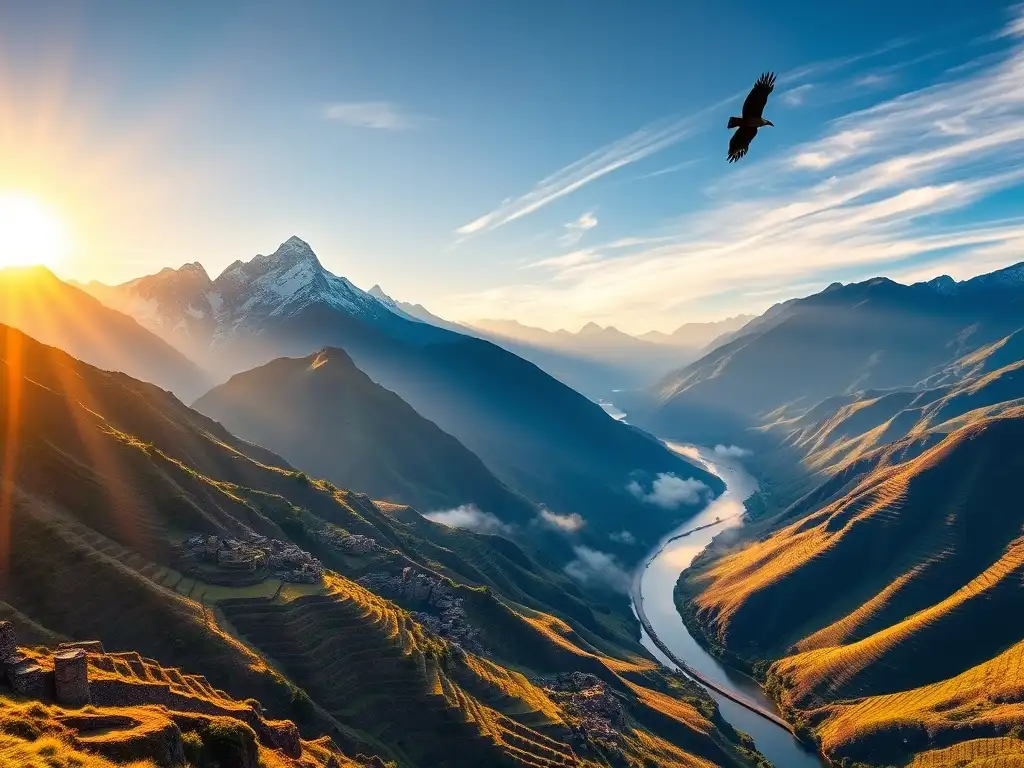
Step into a world lost to time, yet echoing with the whispers of empires. Journey with us through the breathtaking landscapes and astonishing achievements of the Ancient Andean civilizations. But what secrets do the towering peaks and fertile valleys hold? Discover how the very climate shaped the rise and fall of these magnificent societies, and unravel the intricate relationship between the environment and the Inca, Moche, Nazca, and Tiahuanaco in our exploration of Ancient Andean civilizations climate impact. Prepare to be amazed.
- The Sacred Valley: A Microcosm of Ancient Andean Climate Adaptation
- Pre-Incan Civilizations and Their Climate Strategies in the Valley
- The Inca Empire and Climate Control in the Sacred Valley
- Climate Change and the Decline of the Sacred Valley Civilizations
- Case Study: Analyzing the Impact of Specific Climate Events
- The Sacred Valley Today: Modern Challenges and Ancient Wisdom
- Conclusion: Understanding the Interconnectedness of Climate and Civilization in the Andes
-
Frequently Asked Questions
- How did climate affect the development of Andean civilizations?
- What specific climate challenges did the Andean civilizations face?
- How did the Inca adapt to the harsh Andean climate?
- What evidence shows the impact of climate change on Andean societies?
- How does understanding the climate's impact help us understand Andean civilizations?
- Final Reflection: Echoes of the Andes: Climate, Civilization, and Our Future
- **Embrace the Wisdom of the Sacred Valley! **
The Sacred Valley: A Microcosm of Ancient Andean Climate Adaptation
The Sacred Valley of the Incas, nestled in the Peruvian Andes, offers a compelling case study in the intricate relationship between climate, environment, and the development of ancient Andean civilizations. This fertile valley, cradled between towering mountain ranges, wasn't simply a picturesque landscape; it was a sophisticated agricultural hub and a vital center of Inca power, whose prosperity and resilience were profoundly shaped by, and in turn, shaped the response to, its unique and often challenging climate.
Understanding the Sacred Valley's climatic history reveals crucial insights into the ingenuity and adaptability of Andean societies in the face of environmental pressures – a critical lens through which to examine the broader impact of climate on the rise and fall of these remarkable civilizations. This exploration delves into the geographical features, climatic nuances, and ecological evidence that illuminate the complex interplay between climate and civilization in the Sacred Valley, providing a microcosm of the larger story of ancient Andean adaptation to environmental change.
The impact of climate change on Andean societies is a multifaceted issue, and the Sacred Valley offers a compelling case study for understanding its nuances. This analysis will examine the specific ways in which climate shaped the development of this crucial region, providing crucial insights into the broader impact of climate on Ancient Andean civilizations.
Geographical Overview of the Sacred Valley
The Sacred Valley's geography played a crucial role in shaping its unique climate and its suitability for agriculture. Situated at an altitude ranging from approximately 2,800 to 3,500 meters above sea level, the valley is characterized by its relatively flat floor, enclosed by steep, towering mountains that create a distinct microclimate. The Urubamba River, a major tributary of the Amazon, flows through the valley, providing a vital source of irrigation.
The valley's varied topography, ranging from the high-altitude puna grasslands to lower-altitude agricultural terraces, supported a diversity of crops and livestock. This diversity was key to the resilience of the societies that inhabited the valley, allowing them to adapt to fluctuations in climate. The strategic location of the valley, connecting the Inca capital of Cusco to other important regions, also contributed to its significance as an economic and political center.
The dramatic changes in altitude within a relatively small area created distinct ecological zones, each with its own climate and agricultural potential. This complexity is a key factor in understanding the sophisticated agricultural techniques employed by the Incas and their predecessors.
The Unique Climate of the Sacred Valley
The Sacred Valley experiences a unique climate characterized by distinct wet and dry seasons, influenced by both altitude and its geographical position within the Andes. The dry season, typically from April to October, is characterized by relatively low rainfall and high sunshine hours, ideal for growing certain crops. The wet season, from November to March, brings significant rainfall, crucial for irrigation but also posing challenges to agriculture if not managed effectively.
The valley's microclimate, moderated by the surrounding mountains, helped to mitigate some of the extremes of the Andean climate, creating a more stable environment than many surrounding areas. However, the valley was not immune to climatic variability. Evidence suggests periods of both drought and extreme rainfall, which profoundly impacted agricultural productivity and, consequently, the societies that depended on it.
Data on temperature fluctuations throughout the year, as well as historical records of rainfall patterns, would provide valuable insights into the long-term climatic conditions experienced by the valley's inhabitants. [specific information pending]
Evidence of Climate Impact on the Sacred Valley's Ecosystem
Archaeological and paleoclimatological evidence points to the significant impact of climate change on the Sacred Valley's ecosystem and the societies that inhabited it. Studies of pollen and other organic remains preserved in the valley's sediments offer insights into past vegetation patterns and the responses of plant communities to climatic shifts. Changes in the types and abundance of crops cultivated in the valley, as evidenced by archaeological excavations, suggest adaptations to changing climatic conditions.
For instance, the construction of extensive irrigation systems testifies to the Incas' efforts to manage water resources effectively, especially during periods of drought. The abandonment of certain settlements in the valley may also be linked to periods of prolonged drought or other climatic extremes. Furthermore, analysis of the remains of animals found in archaeological sites can reveal shifts in animal populations and their relationship with changing climate conditions.
These combined lines of evidence paint a picture of a dynamic relationship between climate, environment, and human society in the Sacred Valley, highlighting the resilience and adaptability of ancient Andean civilizations, but also their vulnerability to significant climatic shifts. Understanding this past relationship is crucial for assessing the potential impacts of future climate change on the region.
Pre-Incan Civilizations and Their Climate Strategies in the Valley
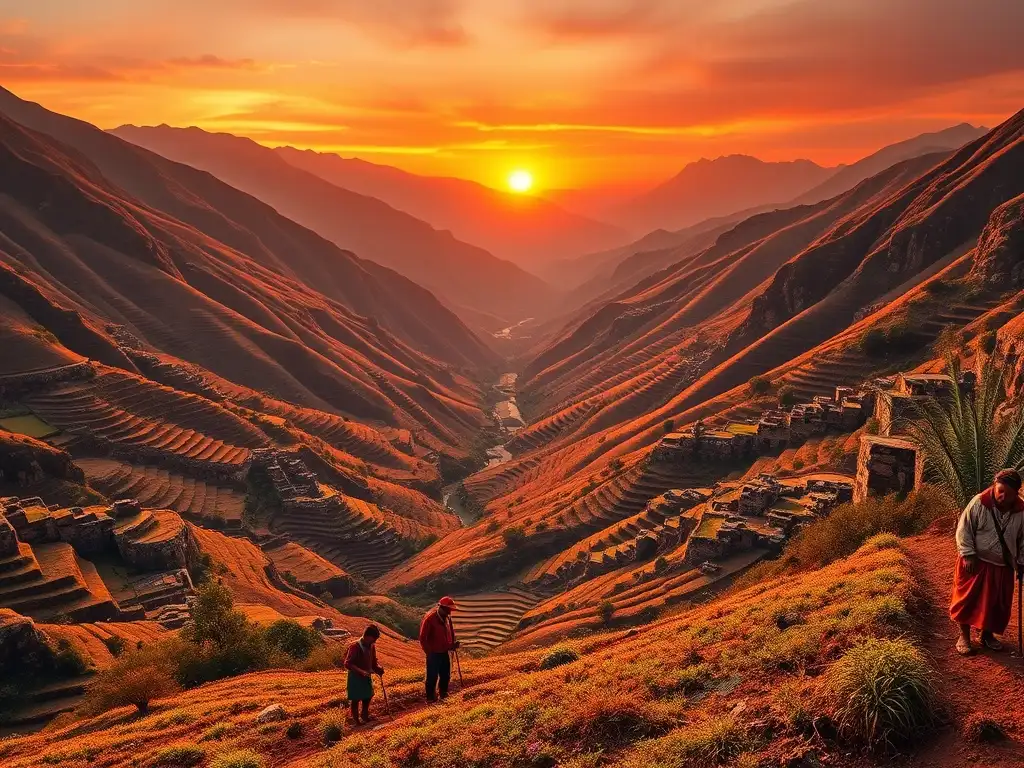
The Sacred Valley, a geographically diverse region nestled in the Andes Mountains, provided a challenging yet rewarding environment for the development of numerous pre-Inca civilizations. Understanding their success hinges on appreciating their sophisticated strategies for adapting to the highly variable climate. These strategies, ranging from ingenious agricultural techniques to complex water management systems, allowed these societies to thrive for centuries, leaving behind a rich legacy that continues to fascinate archaeologists and historians alike.
The impact of climate on these Ancient Andean civilizations is undeniable, shaping their societal structures and technological advancements. Analyzing their responses offers valuable insights into the intricate relationship between humans and their environment, a relationship particularly relevant in the context of modern climate change.
Early Agricultural Practices and Climate Resilience
Early inhabitants of the Sacred Valley, long before the Inca Empire, developed remarkably resilient agricultural practices tailored to the region's unique microclimates. The valley boasts a range of altitudes, each with its own distinct temperature and rainfall patterns. To maximize agricultural yields, these communities employed a system of terracing, creating level platforms on steep slopes to increase arable land and reduce soil erosion.
This technique, still visible today, allowed for efficient water management and protected crops from strong winds and heavy rains. Furthermore, they utilized a sophisticated understanding of crop rotation and intercropping, diversifying their food sources and minimizing the impact of potential crop failures due to climatic variability. Evidence suggests that they cultivated a wide range of crops, including potatoes, maize, quinoa, and beans, each adapted to specific altitudes and environmental conditions.
This diversification was crucial in ensuring food security in the face of unpredictable weather patterns. The ingenuity of these early agricultural practices highlights the deep understanding of their environment possessed by these Ancient Andean civilizations.
The Wari Adaptation to Local Climatic Conditions
The Wari civilization, which flourished between 600 and 1000 CE, left a significant mark on the Sacred Valley. Their adaptation to the local climatic conditions involved a complex interplay of agricultural innovations and urban planning. Unlike some other Andean cultures, the Wari were not solely reliant on the valley floor for agriculture. They expanded their agricultural activities to higher altitudes, utilizing the waru waru system, a type of raised-field agriculture that allowed for better water retention and frost protection.
This innovative technique significantly increased agricultural productivity, even in areas with limited water resources. Additionally, their urban centers, characterized by intricate networks of canals and reservoirs, provided efficient water distribution and storage systems. These systems allowed them to manage water resources effectively, even during periods of drought.
The Wari's success demonstrates the crucial role of technological innovation in mitigating the impacts of climate variability on Ancient Andean civilizations. Further research is needed to fully understand the extent of their climate-related infrastructure and its impact on societal resilience. [Specific information pending on Wari water management systems' capacity]
Water Management Techniques of Early Inhabitants
Water, or rather the lack thereof, was a significant factor shaping the lives of the Ancient Andean civilizations inhabiting the Sacred Valley. The ingenious systems they developed to manage water resources are a testament to their deep understanding of hydrology and engineering. Beyond terracing and the waru waru system, they constructed sophisticated irrigation canals, diverting water from rivers and streams to irrigate their fields.
These canals were often built along contour lines, minimizing erosion and maximizing water distribution. The construction of reservoirs and storage tanks allowed them to store excess water during the rainy season for use during drier periods. The precise engineering involved in these systems, many of which are still functional today, is remarkable.
Careful observation of water flow, an understanding of the terrain, and sophisticated construction techniques were all essential elements of their water management strategies. The effectiveness of these systems is evident in the longevity of the societies that employed them, highlighting the critical importance of water management for the sustainability of Ancient Andean civilizations. The intricate interplay between climate, agriculture, and water management in the Sacred Valley reveals a deep connection between humans and their environment, a relationship that played a crucial role in shaping the trajectory of Andean societies.
The Inca Empire and Climate Control in the Sacred Valley
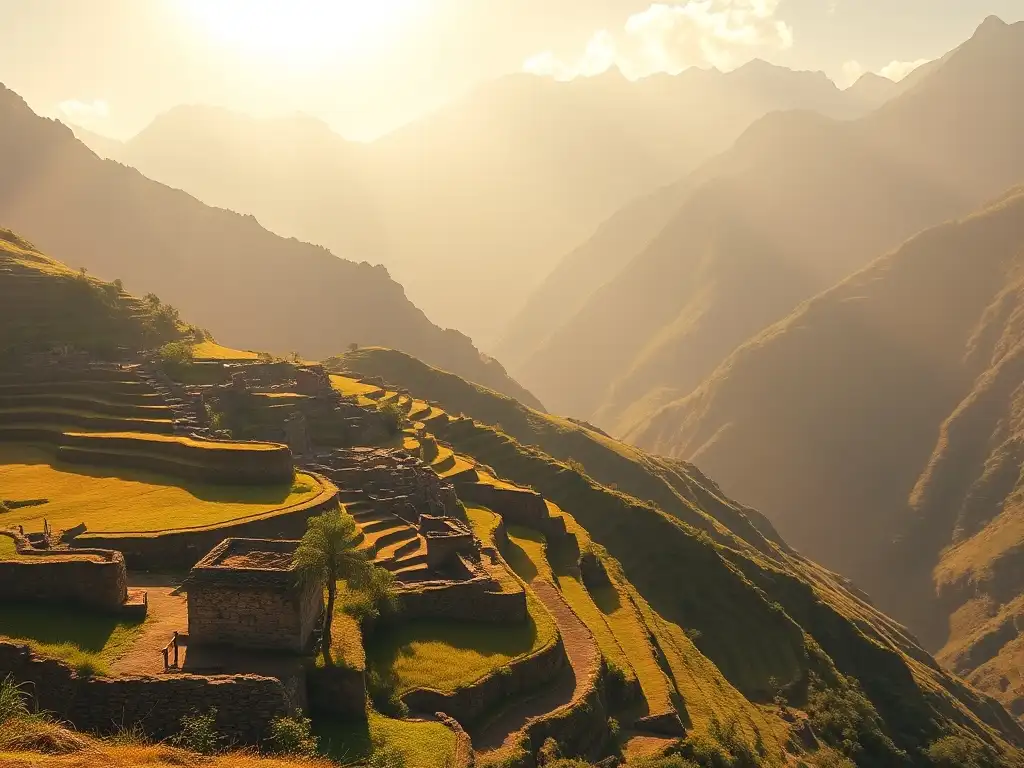
The Inca Empire's success in the challenging Andean environment was intrinsically linked to its sophisticated understanding and manipulation of climate. The Sacred Valley, a fertile oasis nestled within the Andes Mountains, serves as a prime example of Inca ingenuity in adapting to and even influencing their environment. Their mastery of water management, agricultural techniques, and infrastructural development allowed them to thrive in a region characterized by diverse microclimates and unpredictable weather patterns.
This section will explore specific examples of Inca climate control strategies within the Sacred Valley, showcasing their remarkable ability to shape their surroundings to support a large and complex society. The impact of these strategies extended beyond mere survival, contributing to the overall prosperity and cultural flourishing of the Inca civilization. Understanding this intricate relationship between the Inca and their environment is crucial to understanding the broader context of "Ancient Andean civilizations climate impact".
Inca Agricultural Innovations for Varying Climates
The Sacred Valley boasts a variety of ecological zones, each with distinct climatic conditions. From high-altitude puna grasslands to lower-altitude valleys with warmer temperatures, the Inca developed innovative agricultural practices to maximize yields in each zone. They weren't simply adapting to the climate; they were actively engineering it to suit their needs. This involved a deep understanding of microclimates, soil types, and water availability.
For example, the Inca employed diverse crop rotation techniques, strategically planting different crops with varying water requirements in sequence. This prevented soil depletion and optimized the use of scarce water resources. They also developed specialized varieties of crops adapted to specific altitudes and climatic conditions. Potatoes, a staple crop, were cultivated in a remarkable range of varieties, each suited to a particular ecological niche.
This diversification significantly reduced the risk of crop failure due to adverse weather events. Furthermore, the Inca understood the importance of frost protection, employing techniques like covering crops with straw or relocating them to sheltered areas during particularly cold periods. This proactive approach minimized losses from unexpected freezes, ensuring a consistent food supply.
Terracing and Irrigation Systems: Adapting to the Andean Terrain
The steep slopes of the Andean mountains presented a significant challenge to agriculture. However, the Inca overcame this obstacle through the masterful construction of extensive terrace systems. These terraces, carved into the hillsides, not only increased arable land but also significantly altered local microclimates. The terraces slowed water runoff, preventing erosion and allowing for more efficient irrigation. The walls separating the terraces acted as windbreaks, moderating temperature fluctuations and protecting crops from strong winds.
In addition to terracing, the Inca developed intricate irrigation systems to channel water from rivers and springs to their agricultural fields. This involved the construction of canals, aqueducts, and reservoirs, demonstrating a sophisticated understanding of hydraulic engineering. These systems ensured a reliable water supply, even during periods of drought, allowing for consistent crop production.
The effectiveness of Inca irrigation systems is evidenced by the valley's continued agricultural productivity even today, a testament to the durability and ingenuity of their design. The scale and precision of these engineering feats highlight the Inca's commitment to sustainable agriculture and their profound impact on the valley's environment, further illustrating the influence of "Ancient Andean civilizations climate impact".
The Impact of Inca Infrastructure on the Valley's Climate
The extensive network of Inca infrastructure in the Sacred Valley had a measurable impact on the local climate. The terracing and irrigation systems, while primarily designed for agriculture, also played a significant role in regulating water cycles and mitigating the effects of extreme weather events. The terraces reduced soil erosion and slowed water runoff, preventing flash floods and maintaining soil moisture levels. The irrigation systems ensured a stable water supply, reducing the vulnerability of crops to drought.
Furthermore, the Inca's construction of settlements and roadways also influenced local microclimates. Settlements often provided shelter from wind and sun, creating more favorable conditions for certain crops. Roadways, in addition to facilitating trade and communication, may have also influenced air circulation patterns within the valley.
The combined effect of these infrastructural elements likely contributed to a more stable and predictable climate within the Sacred Valley, creating a more favorable environment for both agriculture and human habitation. This intricate interplay between human activity and environmental modification provides a compelling case study for understanding the long-term consequences of "Ancient Andean civilizations climate impact".
Climate Change and the Decline of the Sacred Valley Civilizations
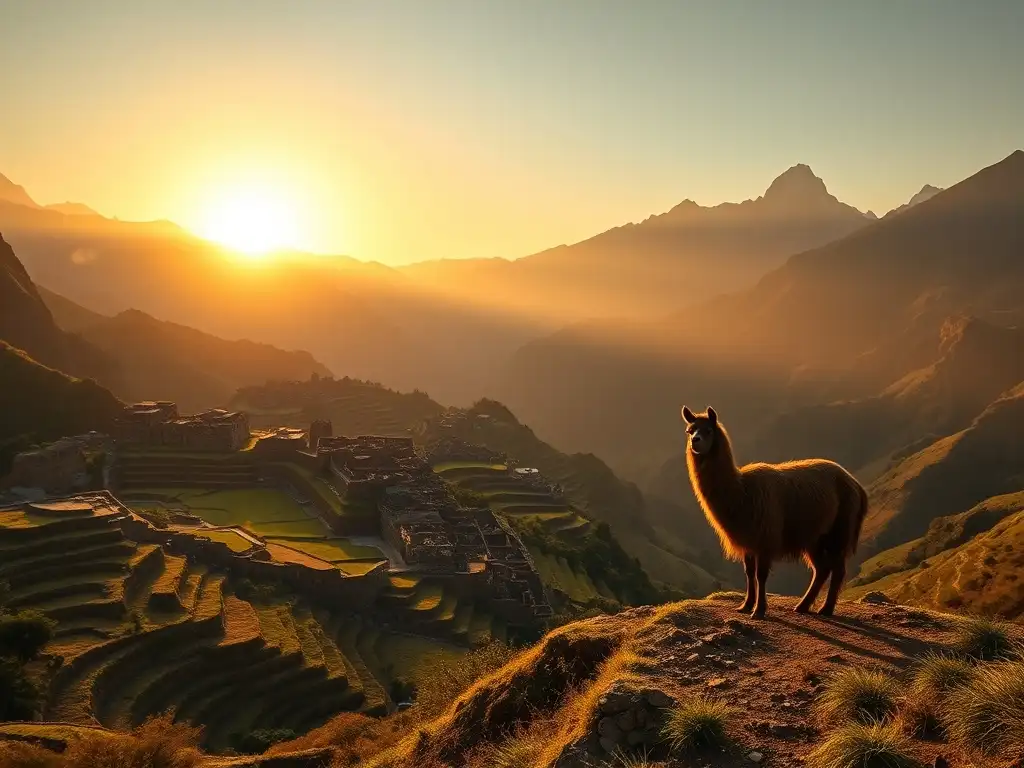
The Sacred Valley of the Incas, a verdant oasis nestled in the Andes Mountains, wasn't always so idyllic. While renowned for its agricultural bounty and its role as a crucial center for Inca power, archaeological and paleoclimatological evidence suggests that climate change played a significant role in shaping – and potentially hindering – the development and eventual decline of the civilizations that thrived there.
Understanding the intricate relationship between climate and society in the Sacred Valley offers valuable insights into the resilience and vulnerability of Ancient Andean civilizations climate impact. This section will explore the ways in which climate fluctuations impacted the Sacred Valley, focusing on agricultural productivity and the resulting socio-political consequences.
Evidence of Past Climate Fluctuations in the Andean Region
Reconstructing past climates in the Andes is a complex endeavor, relying on a combination of techniques. Ice core analysis from glaciers like Quelccaya in Peru provides invaluable data on past precipitation and temperature variations over millennia. These ice cores reveal periods of both significant drought and unusually wet conditions, often correlating with shifts in societal patterns observed in archaeological records.
Furthermore, lake sediment cores from high-altitude lakes in the region offer additional insights into past hydrological changes. Pollen analysis within these cores allows researchers to reconstruct past vegetation patterns, reflecting changes in temperature and precipitation. For example, the presence of drought-tolerant plant species in sediment layers dating to specific periods indicates drier conditions.
Analyzing these diverse datasets allows for a more complete picture of past climate variability in the Andean region, directly influencing the lives of Ancient Andean civilizations. The detailed study of these climate proxies reveals a complex history of climate fluctuations, offering crucial context for understanding the impact on the civilizations of the Sacred Valley. Understanding these fluctuations is key to comprehending the vulnerability of these societies to climate change.
How Climate Shifts Affected Agricultural Productivity
The Sacred Valley's agricultural success relied heavily on sophisticated irrigation systems, terrace farming, and a diverse range of crops adapted to varying altitudes. However, even these advanced techniques couldn't completely buffer against the impacts of severe climate fluctuations. Periods of prolonged drought, evidenced by both ice core and lake sediment data, would have severely impacted crop yields.
Reduced water availability would have limited the effectiveness of irrigation systems, leading to crop failures and food shortages. Conversely, periods of excessive rainfall could have resulted in flooding and soil erosion, damaging crops and infrastructure. The impact on agricultural productivity was not simply a matter of reduced yields; it also affected the diversification of crops.
Periods of stress may have forced farmers to rely on more drought-resistant, but potentially less nutritious, crops, impacting the overall health and well-being of the population. This interplay between climate variability and agricultural practices highlights the delicate balance between human adaptation and environmental limitations. The vulnerability of the Andean agricultural systems to climate change underscores the significant impact of environmental factors on societal stability.
Climate-related stress in the Sacred Valley likely triggered a cascade of social and political consequences. Periods of drought and famine could have led to increased social unrest, conflict over scarce resources, and potentially even population migrations. Archaeological evidence, such as changes in settlement patterns or the appearance of defensive structures, might reflect these tensions.
Furthermore, the Inca state's ability to manage resources and maintain order would have been directly challenged by climate-related crises. The effective functioning of the Inca administrative system, known for its sophisticated organization and resource distribution networks, would have been compromised by widespread crop failures and food shortages. This could have led to internal instability, weakening the empire's power and potentially contributing to its eventual decline.
The interconnectedness of climate, agriculture, and political stability in the Sacred Valley serves as a powerful example of how environmental factors can shape the trajectory of civilizations. Analyzing the evidence of societal responses to climate stress provides crucial insights into the resilience and vulnerability of Ancient Andean civilizations to environmental change. The interplay between environmental pressure and social structures is essential to understanding the complex history of the region.
Case Study: Analyzing the Impact of Specific Climate Events
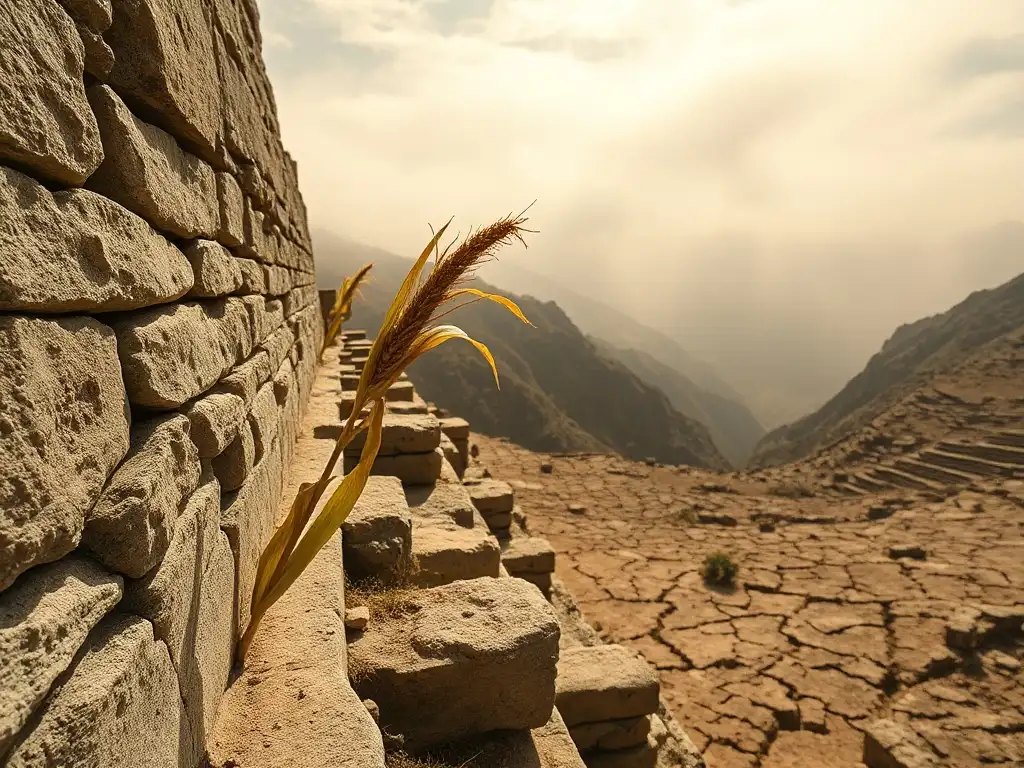
This section delves into specific climate events that significantly impacted Andean civilizations, focusing on the interplay between environmental shifts and societal responses. Understanding these historical episodes offers valuable insights into the vulnerability of these societies to climate variability and their remarkable capacity for adaptation – crucial for comprehending the long-term relationship between Ancient Andean civilizations climate impact.
The El Niño Event of 1578 and its Impact on the Inca
The El Niño event of 1578 stands out as a particularly devastating climatic anomaly affecting the Inca Empire. While precise records are scarce, accounts from Spanish chroniclers detail widespread flooding in coastal regions and severe droughts in the highlands. This duality highlights the complex and regionally varied impact of El Niño events, impacting agricultural production across the empire.
The flooding destroyed infrastructure, including vital irrigation systems crucial for Inca agriculture. The disruption to the agricultural calendar severely hampered food production, leading to widespread famine and social unrest. The already strained Inca Empire, weakened by internal conflicts and the recent Spanish conquest, was particularly vulnerable to this climatic shock. The resulting food shortages exacerbated existing tensions, contributing to the further decline of the Inca state and facilitating the Spanish conquest. This demonstrates how climate events can act as a catalyst for societal collapse, especially when coupled with existing political and social vulnerabilities. The impact extended beyond immediate food shortages; chroniclers noted increased disease outbreaks, likely linked to poor sanitation and malnutrition resulting from the agricultural disruption. The 1578 El Niño serves as a stark reminder of the devastating consequences of extreme weather events on even the most sophisticated pre-Columbian societies, influencing the trajectory of Ancient Andean civilizations climate impact.
The Little Ice Age and its Influence on Agriculture
The Little Ice Age (LIA), a period of regional cooling lasting roughly from the 14th to the 19th centuries, profoundly influenced Andean agriculture. While not a singular event like the 1578 El Niño, the LIA represented a prolonged period of cooler temperatures and altered precipitation patterns. These changes, though gradual, had significant long-term effects on agricultural practices and societal organization across the Andes.
The decreased temperatures shortened the growing season, reducing crop yields, particularly in higher altitude regions. The altered precipitation patterns, often resulting in more frequent and intense droughts or floods, further disrupted agricultural production. This led to adaptations in agricultural techniques, including the development of more drought-resistant crops and improved irrigation systems. Evidence suggests increased terracing and the cultivation of frost-tolerant varieties of potatoes and other staple crops.
However, these adaptations were not always sufficient to counteract the negative impacts of the LIA. The reduced agricultural productivity likely contributed to population shifts, increased competition for resources, and potentially, social unrest within various Andean communities. The LIA's prolonged impact exemplifies the long-term consequences of climate change on the sustainability of agricultural practices in the Andes, providing further context to the discussion of Ancient Andean civilizations climate impact.
Lessons Learned From Past Climate Adaptations
Analyzing the responses of ancient Andean civilizations to climate variability reveals several key lessons relevant to contemporary challenges. The Inca, for example, developed sophisticated irrigation systems and storage facilities to mitigate the impact of droughts and floods. Their understanding of microclimates and diverse agricultural techniques allowed them to cultivate a wide range of crops at different altitudes, creating a degree of resilience against climate shocks. This diversification of agricultural practices remains a valuable lesson for modern-day sustainable agriculture.
Moreover, the Inca's centralized administrative system, while ultimately failing to prevent the empire's decline, demonstrated a capacity for resource management and disaster response. Their ability to redistribute food and resources during times of scarcity, though not always effective, highlights the importance of social organization in mitigating the impact of climate change.
The lessons learned from past Andean adaptations demonstrate the vital role of integrating traditional ecological knowledge with modern scientific understanding to develop effective strategies for climate change mitigation and adaptation. Understanding these historical responses provides valuable perspectives for contemporary societies facing similar challenges, enriching our understanding of Ancient Andean civilizations climate impact and its relevance to the present day.
The Sacred Valley Today: Modern Challenges and Ancient Wisdom
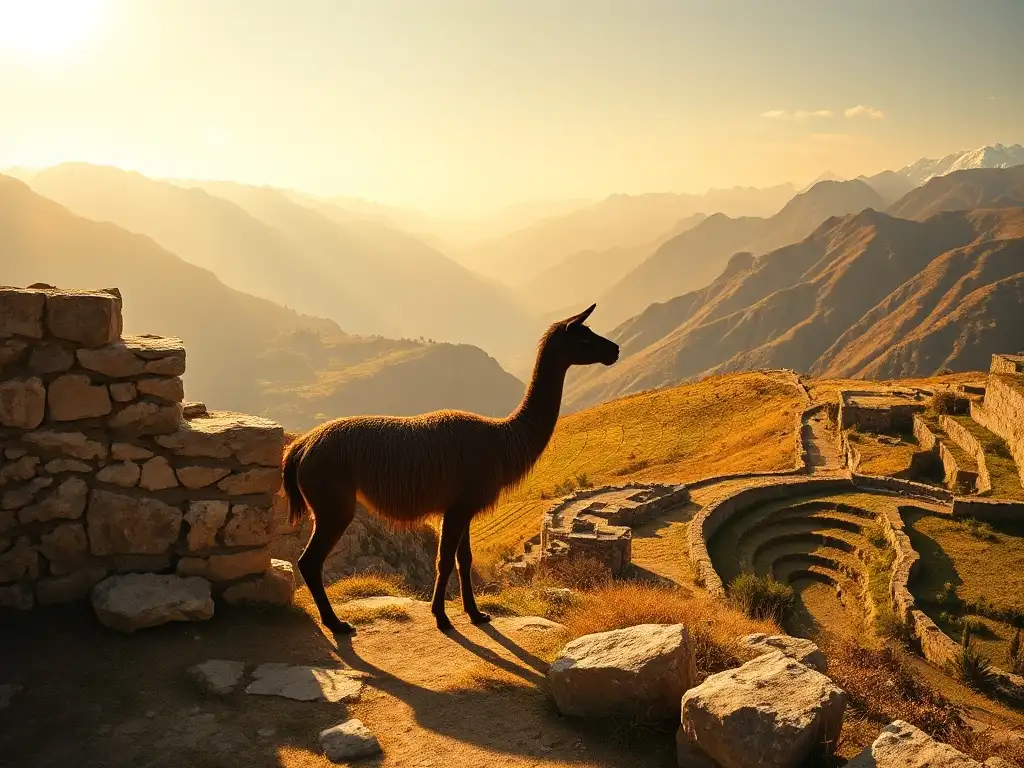
The Sacred Valley of the Incas, a breathtakingly beautiful region nestled in the Peruvian Andes, faces significant challenges in the 21st century, many directly linked to climate change. While the valley boasts a rich history of adapting to environmental fluctuations, the scale and speed of contemporary climate shifts present unprecedented obstacles. Understanding the interplay between past adaptations and present-day realities is crucial for ensuring the valley's future sustainability. This section explores the current climate-related threats and examines how insights from ancient Andean civilizations might offer valuable solutions.
Contemporary Climate Change Impacts on the Valley
The Sacred Valley's unique geography, characterized by varied altitudes and microclimates, makes it particularly vulnerable to climate change impacts. Recent decades have witnessed significant alterations in rainfall patterns, with increased frequency and intensity of both droughts and floods. This variability directly impacts agriculture, the lifeblood of the valley's economy and culture. Potato and maize yields, staples of the Andean diet for millennia, are increasingly unpredictable, threatening food security and livelihoods.
Furthermore, glacial retreat in the surrounding mountains is a growing concern. These glaciers, vital sources of freshwater for irrigation and drinking water, are shrinking at an alarming rate. This poses a serious threat to water availability, particularly during the dry season, and exacerbates the challenges already posed by erratic rainfall.
The consequences extend beyond agriculture, affecting hydropower generation and impacting the overall ecosystem balance. Studies show a significant correlation between glacial melt and increased frequency of landslides in the region, further jeopardizing infrastructure and human safety. Accurate data on glacial retreat rates in specific areas within the Sacred Valley is still being collected and analyzed, but preliminary findings are alarming and highlight the urgency of proactive measures.
Applying Ancient Techniques for Modern Climate Resilience
Ancient Andean civilizations developed sophisticated techniques for adapting to the challenging Andean environment. These methods, honed over centuries, offer valuable lessons for contemporary climate resilience strategies. For example, the intricate andenes (terraces) carved into the mountainsides not only increased arable land but also played a crucial role in water management, slowing runoff and reducing soil erosion. Reviving and adapting these techniques could significantly improve water conservation and agricultural productivity in the face of climate change.
Another crucial element of ancient Andean agricultural practices was crop diversification. By cultivating a wide range of crops with varying water requirements and growing seasons, communities minimized their vulnerability to climate shocks. This principle of biodiversity remains crucial today.
Promoting traditional Andean crops alongside modern varieties can enhance resilience and ensure food security. Furthermore, the ancient understanding of microclimates – the subtle variations in temperature and rainfall across small areas – informs the strategic placement of crops and the selection of appropriate varieties. Mapping these microclimates using modern technologies, combined with traditional knowledge, could optimize agricultural yields and reduce vulnerability to climate variability.
The Legacy of Ancient Andean Civilizations in Climate Adaptation
The legacy of ancient Andean civilizations extends far beyond impressive ruins and intricate artifacts. Their profound understanding of their environment and their ingenuity in adapting to its challenges offer a powerful blueprint for navigating the complexities of contemporary climate change.
Their sophisticated water management systems, diverse agricultural practices, and deep respect for ecological balance provide invaluable insights for building climate resilience in the Sacred Valley and beyond. By integrating traditional knowledge with modern scientific understanding, we can develop effective and sustainable strategies to safeguard this precious region's future.
This approach, combining ancient wisdom with contemporary technology, offers a powerful model for climate adaptation in other vulnerable regions worldwide, particularly those with a rich history of interaction with their environment like many other Ancient Andean civilizations. Further research focusing on specific ancient techniques and their modern applications within the Sacred Valley is needed to fully understand their potential and ensure their effective implementation.
Conclusion: Understanding the Interconnectedness of Climate and Civilization in the Andes
The Sacred Valley's story powerfully illustrates the intricate relationship between climate and the trajectory of Ancient Andean civilizations. Fluctuations in rainfall, temperature, and glacial melt profoundly shaped agricultural practices, societal structures, and even the spiritual beliefs of these remarkable cultures. Understanding this interconnectedness is crucial not only for appreciating the achievements of past Andean societies but also for informing contemporary strategies for sustainable development in a region still highly vulnerable to climate change.
The impact of climate variability on the Ancient Andean civilizations serves as a stark reminder of the fragility of human societies in the face of environmental pressures. Ignoring the lessons learned from these past societies risks repeating historical mistakes in the present.
The legacy of the Ancient Andean civilizations offers valuable insights into resilience and adaptation, crucial for navigating the challenges of the 21st century. Analyzing the ways in which past Andean societies adapted to fluctuating climates provides a rich source of knowledge for modern environmental management and sustainable practices.
The Importance of Studying Ancient Andean civilizations climate impact
Studying the impact of climate on Ancient Andean civilizations offers invaluable insights into the complex interplay between human societies and their environment. This research is not merely an academic exercise; it holds profound implications for understanding present-day challenges. For example, analyzing past agricultural techniques used in the Sacred Valley—such as terracing and irrigation systems—can inform contemporary sustainable agricultural practices designed to mitigate the effects of climate change. Furthermore, understanding how past societies responded to droughts and floods can help us develop more effective disaster preparedness and risk management strategies.
The study of Ancient Andean civilizations climate impact also provides a critical long-term perspective on climate variability. By examining paleoclimatic data alongside archaeological evidence, researchers can reconstruct past climate patterns and their impact on human populations over centuries or even millennia. This long-term perspective is essential for developing accurate climate models and predicting future climate scenarios.
The data gathered from studying these ancient societies helps to refine our understanding of the potential consequences of climate change, allowing for more effective mitigation and adaptation strategies. Ultimately, this research contributes to a more comprehensive understanding of climate change's impact on human societies, both past and present, enhancing our ability to manage the challenges of a changing world. The detailed study of these past societies is essential for building a more resilient future.
Future Research Directions on Climate and Andean Societies
Future research on climate and Andean societies should focus on several key areas. Firstly, there is a need for more interdisciplinary collaborations, bringing together archaeologists, climatologists, geographers, and other specialists to create a holistic understanding of the past. This integrated approach will facilitate a more nuanced interpretation of the complex interplay between climate and societal development.
Secondly, advanced dating techniques and high-resolution climate proxies should be employed to refine our understanding of past climate variability and its precise impact on human activities. For instance, more precise dating of archaeological sites can help determine the timing and severity of past droughts and their influence on population movements and societal changes.
Further research should also prioritize the development of more sophisticated climate models that incorporate detailed information on local topography and microclimates. The Andean region is characterized by significant topographic diversity, leading to highly variable microclimates. Incorporating this variability into climate models will improve our ability to predict future climate scenarios with greater accuracy. Finally, more research is needed to understand the long-term resilience and adaptive capacity of Andean societies to climate change.
This includes examining the effectiveness of traditional agricultural practices, water management strategies, and social institutions in mitigating the effects of climate variability. This investigation will provide important lessons for contemporary societies facing similar challenges. The potential for discovering innovative adaptation strategies from these ancient societies is significant.
The Sacred Valley as a Model for Sustainable Living
The Sacred Valley, with its ingenious agricultural systems and evidence of successful adaptation to past climate variability, serves as a potent model for sustainable living in the Andes today. The intricate network of terraces, canals, and irrigation systems developed by the Inca and pre-Inca civilizations demonstrates a deep understanding of water management and resource conservation. These methods, adapted to the specific conditions of the valley's varied topography, allowed for intensive agriculture even in challenging environments. Their ingenuity in utilizing the natural resources available to them provides a blueprint for modern sustainable practices.
The legacy of the Sacred Valley highlights the importance of integrating traditional knowledge with modern scientific techniques to create resilient and sustainable agricultural systems. The revival and adaptation of traditional farming practices, combined with modern technologies for water conservation and crop management, can contribute significantly to food security and environmental sustainability in the region. The valley's history underscores the necessity of community-based approaches to resource management, emphasizing cooperation and shared responsibility for the preservation of the environment.
Ultimately, the Sacred Valley stands as a testament to the potential for human societies to thrive in harmony with their environment, offering valuable lessons for a world grappling with the challenges of climate change. It's a powerful example of how careful observation of the environment and collaboration can lead to long-term sustainability.
Frequently Asked Questions
How did climate affect the development of Andean civilizations?
The climate of the Andes was a major factor in shaping Andean civilizations. The diverse climates, from coastal deserts to high-altitude plains, influenced agricultural practices, settlement patterns, and overall societal structures. Adaptation to varied climates was crucial for survival.
What specific climate challenges did the Andean civilizations face?
Andean civilizations faced challenges like droughts, floods, and unpredictable weather patterns, impacting agricultural yields and water resources. El Niño events, causing extreme weather, posed significant threats. Successful civilizations developed sophisticated irrigation systems and agricultural techniques to mitigate these risks.
How did the Inca adapt to the harsh Andean climate?
The Inca developed impressive water management systems, including canals and reservoirs, to cope with water scarcity and irregular rainfall. They also cultivated a diverse range of crops adapted to different altitudes and microclimates, demonstrating remarkable agricultural innovation. Terracing was a key technique to optimize land use.
What evidence shows the impact of climate change on Andean societies?
Archaeological evidence reveals shifts in settlement patterns, agricultural practices, and even societal collapse linked to climate variability. Changes in pollen and sediment layers indicate fluctuations in rainfall and temperature. Studies of past El Niño events highlight the vulnerability of these societies to climate extremes.
How does understanding the climate's impact help us understand Andean civilizations?
Understanding the climate's influence is vital for a complete picture of Andean civilizations. It helps explain their remarkable adaptability, technological innovations, and social structures. Acknowledging the role of climate change provides crucial context for interpreting their history and decline.
Final Reflection: Echoes of the Andes: Climate, Civilization, and Our Future
The delicate dance between climate and civilization, as witnessed in the Sacred Valley, is not a relic of the past; it's a stark warning for our present. The vulnerability of ancient Andean societies to climatic shifts offers a chillingly relevant lesson as we grapple with the accelerating impacts of modern climate change. Their ingenuity in adapting to environmental pressures, however, also provides a beacon of hope and a blueprint for sustainable practices.
The enduring legacy of the Andean civilizations, their sophisticated agricultural techniques, and their deep spiritual connection to the land continue to resonate today. Their story serves as a powerful reminder of humanity's interconnectedness with the natural world. The earth is what we all have in common.
– Wendell Berry. This simple truth, often overlooked in our modern, technologically driven world, holds profound implications for how we approach environmental stewardship and the preservation of our shared heritage. The fragility of their civilization, built on a delicate balance with the environment, underscores the urgency of addressing the climate crisis.
Consider the choices you make daily. How can you, in your own life, contribute to a more sustainable future? From reducing your carbon footprint to supporting responsible environmental practices, your actions, however small, ripple outwards, creating a collective impact. Let the echoes of the Andes inspire you to become a steward of our planet, ensuring that future generations can learn from the past and build a resilient future, one where the delicate balance between climate and civilization is not just preserved, but strengthened.
**Embrace the Wisdom of the Sacred Valley! **
Thank you for exploring the rich interplay between the Sacred Valley's unique climate and the enduring legacy of Andean civilizations. Your discoveries highlight the profound connection between environment and culture in this remarkable region. Now, let's put this knowledge into action!
- **Deepen your understanding:** Explore documentaries and books about Andean cultures and their sustainable practices at your local library or online.
- **Share your insights:** Discuss your newfound knowledge with friends, family, or online communities. Inspire others to appreciate and protect this invaluable cultural heritage!
- **Engage with your community:** Seek out local workshops or events that focus on sustainable living or indigenous cultures. Participate and learn directly from those involved!
What aspect of the Sacred Valley's civilization most challenges your own understanding of the relationship between sustainability and cultural preservation?