
Drought's Dominion: How Water Scarcity Shaped Andean Life

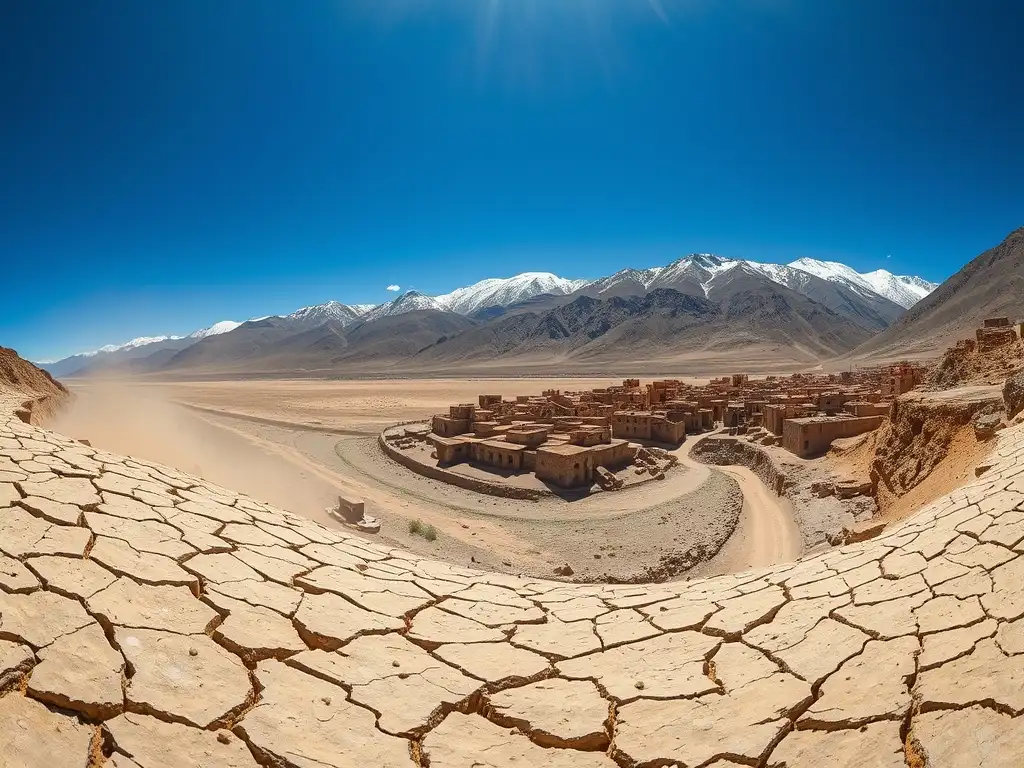
Step into a world lost to time, yet echoing with the whispers of a mighty civilization. For centuries, the Andes Mountains have witnessed the rise and fall of empires, their destinies intricately woven with the capricious hand of nature. But what happened when the lifeblood of these societies – water – became scarce?
Discover the untold story of Andean civilization drought impact and uncover how this relentless force shaped the very fabric of Andean life in our in-depth exploration of "Drought's Dominion." Prepare to be captivated by the resilience and ingenuity of these ancient peoples, as we delve into the fascinating interplay between humanity and the elements.
The Andes Mountains, a spine of towering peaks stretching along the western coast of South America, have witnessed the rise and fall of numerous remarkable civilizations. While often celebrated for their ingenuity in engineering, agriculture, and societal organization, the story of these Andean societies is inextricably linked to the capricious nature of their environment. This article delves into the profound impact of drought on Andean life, exploring how water scarcity shaped their daily existence, agricultural practices, political structures, and ultimately, their legacies.
We will examine the arid reality of the Andes, the geographical factors influencing water availability, and the historical patterns of rainfall that dictated the success and, at times, the demise of these fascinating cultures. Understanding the relationship between Andean civilizations and water scarcity is crucial to comprehending their resilience, adaptability, and the challenges they faced in navigating a volatile climate.
This exploration will reveal how the seemingly insurmountable obstacle of drought fostered innovation and shaped the cultural landscape of the Andes, providing valuable insights into the complex interplay between human societies and their environment, particularly relevant in the context of modern climate change. The keyword "Andean civilization drought impact" is strategically used to optimize search engine ranking.
The Arid Reality of the Andes: Understanding the Environmental Challenge
The Andes are not uniformly arid; however, significant portions experience chronic water stress. The high altitude, steep slopes, and complex topography create diverse microclimates, resulting in varied precipitation patterns. Some regions enjoy relatively abundant rainfall, while others grapple with persistent drought.
This variability significantly impacted the distribution and prosperity of Andean civilizations. The challenges posed by water scarcity were not merely logistical; they deeply influenced social structures, resource allocation, and even religious beliefs. For example, the intricate canal systems built by the Inca, such as the impressive network around Cusco, demonstrate a sophisticated understanding of water management, born out of necessity in a frequently water-stressed environment.
The scarcity of water also shaped agricultural practices, leading to the development of innovative techniques like terracing and sophisticated irrigation systems. These adaptations were essential for survival and highlight the ingenuity of Andean peoples in their response to environmental challenges. The impact of drought was far-reaching, influencing everything from daily life to the very survival of entire communities.
Geographical Context: The Andean Landscape and Water Availability
The Andes' geographical diversity is a key factor in understanding water availability and its impact on Andean civilizations. The western slopes are generally drier due to the rain shadow effect created by the mountains, while the eastern slopes receive more rainfall. The altitude also plays a significant role, with higher elevations often experiencing colder temperatures and increased snowfall, which melts into vital water sources during the warmer months.
However, the timing and amount of this meltwater are unpredictable, leading to periods of both abundance and scarcity. Glaciers, once a crucial source of meltwater for many Andean communities, are now receding at an alarming rate due to climate change, exacerbating water scarcity and posing a significant threat to modern populations.
The location of settlements and agricultural lands was therefore carefully chosen based on access to water resources, reflecting a deep understanding of the local geography and its influence on water availability. This careful consideration highlights the importance of water in shaping the spatial distribution of Andean societies.
Climate Patterns and Historical Rainfall in the Andes
Historical records, including archaeological evidence and indigenous oral traditions, reveal cyclical patterns of drought and flood in the Andes. These fluctuations significantly impacted agricultural production and the overall stability of Andean societies. Periods of prolonged drought often led to food shortages, social unrest, and even the collapse of entire settlements.
Conversely, periods of abundant rainfall could lead to agricultural surpluses and periods of relative prosperity. Understanding these historical climate patterns is crucial for comprehending the resilience and adaptability of Andean civilizations in the face of environmental variability. Detailed analysis of paleoclimatic data, such as ice core samples and pollen records, provides further insights into long-term climate trends and the frequency and intensity of past droughts.
This data can help us better understand the relationship between climate change and the trajectory of Andean societies throughout history, offering valuable lessons for addressing contemporary challenges related to water scarcity. Analyzing these patterns helps us to better understand the relationship between climate and societal stability in the Andes.
The Significance of Water Resources for Andean Civilizations
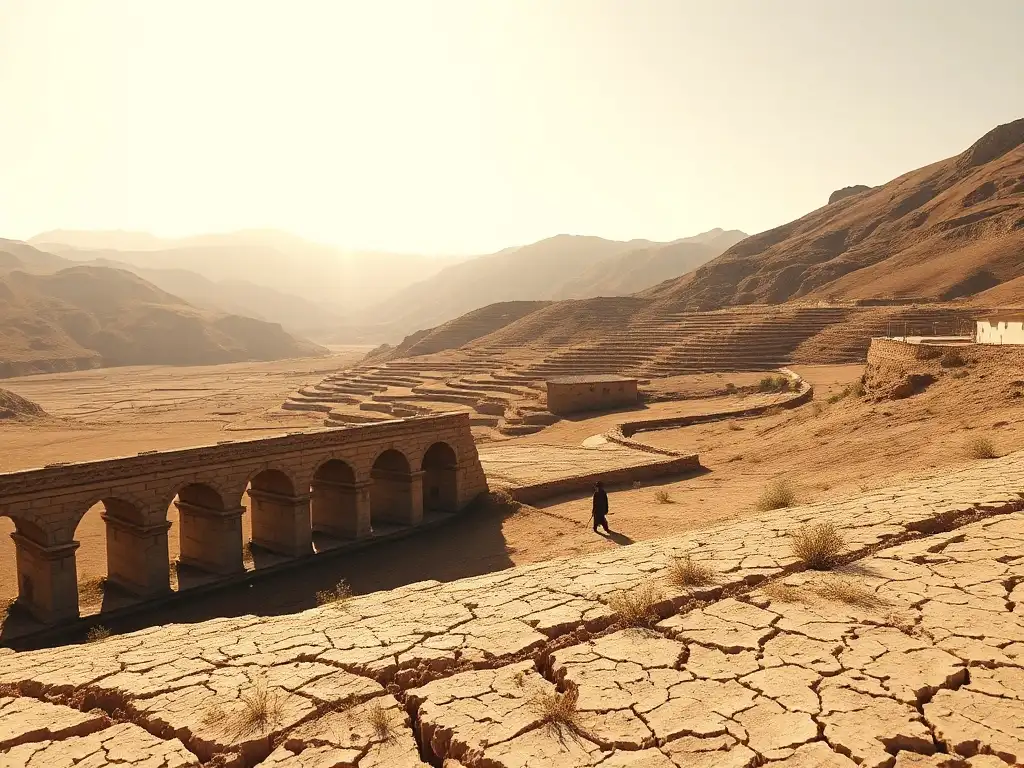
Water was, and remains, the lifeblood of Andean civilizations. Its availability directly dictated the success or failure of agricultural endeavors, the growth of settlements, and the overall prosperity of these societies. The Andes' diverse geography, ranging from arid coastal deserts to high-altitude plains and lush cloud forests, presented both opportunities and challenges. Access to reliable water sources, whether from rivers, springs, or carefully managed irrigation systems, was paramount. Without it, survival was precarious.
The ingenuity of Andean peoples in harnessing water resources is a testament to their deep understanding of their environment and their remarkable adaptability. Their sophisticated irrigation techniques, such as canals, terraces, and aqueducts, allowed them to cultivate crops even in seemingly inhospitable terrains. These systems weren't merely engineering marvels; they were integral to the social fabric, often requiring communal effort and cooperation for their construction and maintenance. The control and distribution of water frequently played a role in political power structures, highlighting its crucial role in shaping Andean societies. The impact of water scarcity on Andean civilizations, therefore, cannot be overstated; it was a constant factor influencing their daily lives, their social structures, and their very survival.
Understanding the significance of water resources is key to grasping the complexities of Andean history and the challenges these societies faced. The intricate relationship between Andean people and their water sources is a powerful illustration of human ingenuity and resilience in the face of environmental adversity. The careful management of water resources was not just a matter of practicality; it was deeply embedded in their spiritual beliefs and worldview. Many Andean cultures saw water as a sacred element, a vital force connected to the gods and the cosmos.
Adapting to Aridity: Ingenious Water Management Techniques
The diverse Andean landscape presented significant challenges in terms of water availability. Coastal regions, for example, are extremely arid, requiring innovative solutions for securing water for agriculture and daily life. Andean civilizations developed a range of ingenious techniques to overcome these obstacles. The construction of intricate canals and aqueducts allowed them to divert water from rivers and streams to fields located at considerable distances.
These systems, sometimes spanning kilometers, were carefully planned and maintained, demonstrating advanced engineering capabilities. Terracing, another crucial technique, enabled the creation of level agricultural plots on steep slopes, maximizing the utilization of available water and reducing soil erosion. The construction of reservoirs and storage systems further enhanced water security, allowing communities to cope with seasonal variations in rainfall. These techniques weren't developed in isolation; they were often integrated into a complex network of water management strategies.
For example, the use of underground water channels (qanats) was employed in some regions to tap into subterranean water sources, providing a reliable supply even during periods of drought. The effectiveness of these water management techniques is evident in the extensive agricultural production achieved by Andean civilizations, even in harsh environmental conditions. These adaptations are a powerful testament to the ingenuity and resourcefulness of Andean societies in responding to environmental challenges. The development and maintenance of these systems also fostered social cohesion and cooperation, reflecting the importance of collective action in ensuring water security.
The Impact of El Niño and Other Climatic Events
The Andean region is highly susceptible to climate variability, particularly the effects of El Niño–Southern Oscillation (ENSO). El Niño events, characterized by unusually warm ocean temperatures in the Pacific, can lead to devastating floods in some areas and severe droughts in others. These unpredictable climatic shifts had a significant impact on Andean civilizations, often causing widespread agricultural failures and social disruption. The consequences of El Niño events could range from crop failures and famine to the displacement of populations and even societal collapse.
Archaeological evidence shows that periods of prolonged drought coincided with significant changes in settlement patterns and societal organization. For instance, [specific information pending on a specific Andean civilization impacted by El Niño] illustrates the devastating consequences of extended drought periods. Similarly, other climatic events, such as prolonged periods of drought unrelated to El Niño, also posed significant challenges.
The ability of Andean civilizations to adapt to and mitigate the effects of these climatic events varied depending on factors such as the severity and duration of the event, the availability of water resources, and the resilience of their social and political structures. The study of past climatic events and their impact on Andean societies provides valuable insights into the vulnerability of these communities to climate change and the importance of developing strategies for climate change adaptation. Understanding these past events is crucial for preparing for future challenges posed by climate variability in the region.
- The Arid Reality of the Andes: Understanding the Environmental Challenge
- Geographical Context: The Andean Landscape and Water Availability
- Climate Patterns and Historical Rainfall in the Andes
- The Significance of Water Resources for Andean Civilizations
- Adapting to Aridity: Ingenious Water Management Techniques
- The Impact of El Niño and Other Climatic Events
- The Moche Civilization: Collapse Attributed to Prolonged Drought and El Niño Events
- The Nazca Culture: Utilizing Subterranean Aqueducts (Puquios) for Water Access
- The Tiahuanaco Empire: Raised Field Agriculture (Sukam Kollus) to Combat Floods and Droughts
- The Inca Empire: Extensive Canal Systems and Terracing for Agricultural Water Control
- How did drought impact Andean civilizations?
- Which Andean civilizations were most affected by drought?
- What strategies did Andean civilizations use to cope with drought?
- What evidence exists to show the impact of drought on Andean societies?
- How did drought contribute to the decline of specific Andean civilizations?
Ancient Andean Societies and the Struggle Against Drought
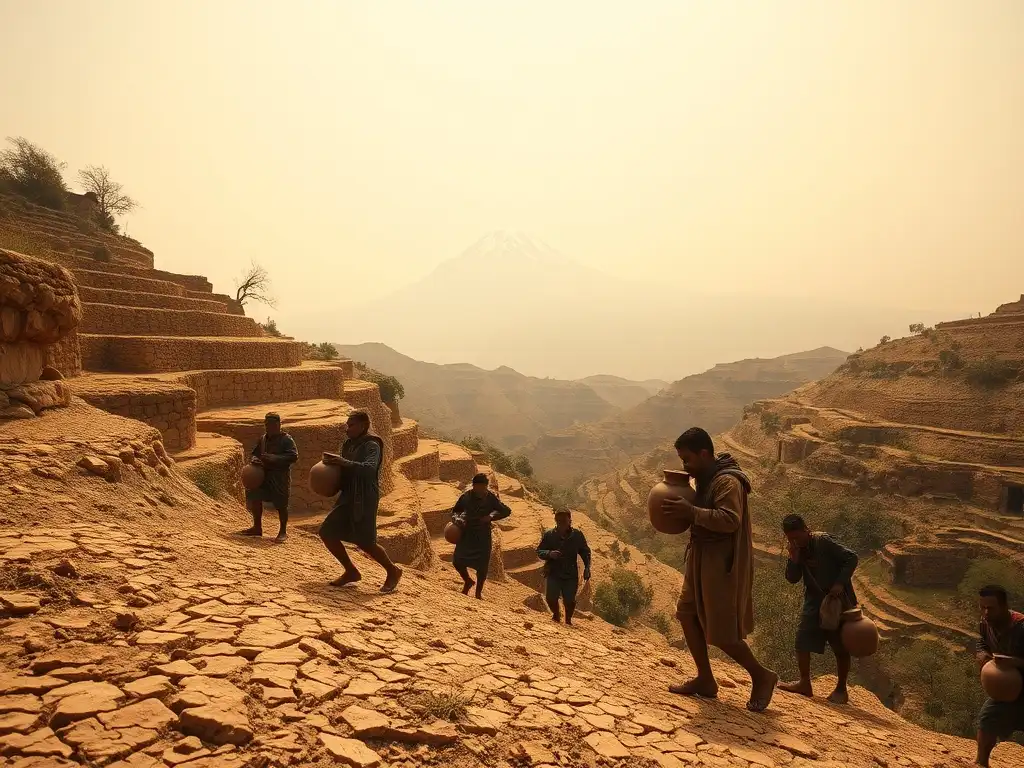
The impact of drought on Andean civilizations is a crucial aspect of understanding their resilience and ingenuity. The Andes Mountains, while offering fertile valleys and high plateaus, are also characterized by highly variable rainfall patterns and frequent periods of severe drought. This unpredictable climate significantly shaped the development of Andean societies, driving innovation in agriculture, water management, and social organization.
Understanding the Andean civilization drought impact requires examining the complex interplay between environmental challenges and human adaptation. The very survival of these cultures often hinged on their ability to effectively manage scarce water resources. This section will explore some key examples of how Andean peoples grappled with this persistent challenge, demonstrating remarkable adaptability and resourcefulness in the face of adversity.
Analyzing the long-term effects of drought reveals not only the fragility of these societies but also their impressive capacity for innovation and survival. This analysis will focus on pre-Inca and Inca periods to highlight the diverse strategies employed across different Andean cultures.
The Impact of Drought on Early Andean Agriculture
Droughts profoundly impacted early Andean agriculture, a cornerstone of their societal structures. The consequences extended beyond simple crop failure; they triggered social unrest, migration, and even the collapse of entire settlements. For example, archaeological evidence from the Norte Chico civilization (3000-1800 BCE) suggests that periods of prolonged drought coincided with significant societal shifts, including changes in settlement patterns and a decline in population density.
The impact varied depending on the specific location and the agricultural practices employed. Coastal communities reliant on marine resources were less vulnerable than those in the high-altitude valleys entirely dependent on rainfall for agriculture. Analysis of pollen and sediment cores from various Andean lake basins reveals cyclical patterns of drought and their devastating effects on crop yields, particularly for maize, potatoes, and other staple crops.
These periods of scarcity often led to increased competition for resources, potentially exacerbating existing social inequalities. The frequency and intensity of these droughts, combined with the challenges of cultivating in mountainous terrain, necessitated the development of sophisticated water management techniques.
Water Management Techniques in Pre-Inca Andean Cultures
Pre-Inca Andean cultures developed remarkably sophisticated water management techniques to mitigate the impact of drought. These techniques, developed over millennia, demonstrated a deep understanding of hydrology and an impressive capacity for engineering. The Nazca culture (100-800 CE), famed for its geoglyphs, also constructed extensive canal systems that channeled water from rivers and streams to irrigate their fields.
These canals, often carved into the arid landscape, allowed them to cultivate crops even during periods of low rainfall. Similarly, the Moche (100-800 CE) employed sophisticated irrigation systems, including reservoirs and aqueducts, to ensure a reliable water supply for their agricultural lands. These systems were often integrated into their religious and social structures, highlighting the crucial role of water in their worldview.
The construction and maintenance of these systems required considerable communal effort, reflecting a high degree of social organization and cooperation. The success of these pre-Inca water management strategies underscores the importance of collective action in confronting the challenges of drought. Evidence suggests that these systems were often adapted and improved over time, reflecting a continuous process of learning and refinement in response to changing climatic conditions.
Adapting to Water Scarcity: Innovations in Irrigation and Terracing
Beyond canal systems and reservoirs, Andean cultures implemented innovative irrigation and terracing techniques to optimize water use and enhance agricultural productivity. Terracing, the creation of level platforms on slopes, allowed for efficient water distribution and reduced soil erosion. This technique, widely employed throughout the Andes, dramatically increased arable land, maximizing the utilization of available water resources. Different types of terracing were developed to suit varying topographic conditions.
The combination of sophisticated irrigation systems and terracing allowed for the cultivation of a wide range of crops, ensuring dietary diversity and resilience against drought. Furthermore, the careful selection of drought-resistant crops played a significant role in adapting to water scarcity. The cultivation of quinoa, known for its tolerance to arid conditions, is a prime example of this adaptive strategy.
These innovations in irrigation and terracing, combined with the selection of resilient crops, showcase the remarkable ingenuity of Andean societies in their struggle against drought. The enduring legacy of these techniques is evident in the agricultural practices still employed in many parts of the Andes today. These techniques are not only crucial for food security but also for preserving the fragile Andean ecosystem.
Case Studies: Drought's Impact on Specific Andean Cultures
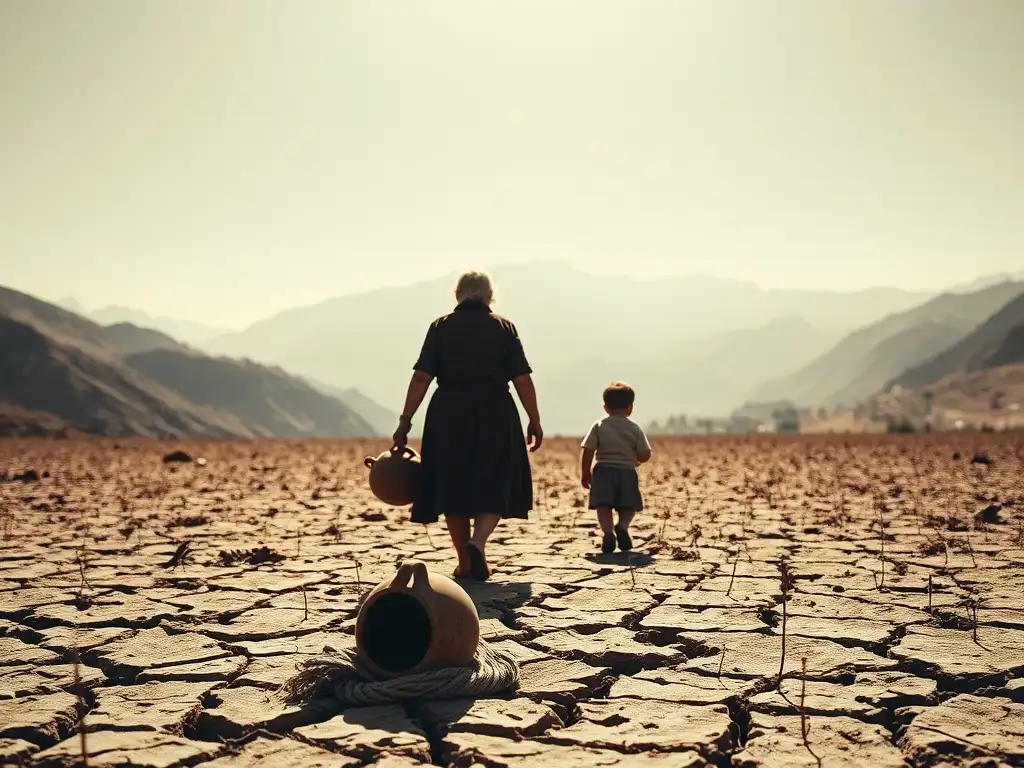
This section delves into the documented effects of drought on several prominent Andean civilizations, highlighting their adaptive strategies and the ultimate consequences of prolonged water scarcity. Understanding these historical examples provides crucial insight into the vulnerability of Andean societies to climate change and the long-term implications of water stress on societal development and even collapse. The impact of Andean civilization drought is a recurring theme throughout the region's history.
The Moche Civilization: Collapse Attributed to Prolonged Drought and El Niño Events
The Moche civilization (c. 100-800 CE), renowned for its sophisticated irrigation systems and elaborate artistic expression, experienced a period of significant societal upheaval, largely attributed to prolonged drought and intensified El Niño events. Archaeological evidence suggests a gradual decline beginning around the 7th century CE.
Analysis of sediment cores from river valleys reveals a pattern of reduced rainfall and increased sediment deposition, indicating both prolonged drought and increased flooding from El Niño-related events. This environmental instability likely disrupted agricultural production, the foundation of the Moche economy. The resulting food shortages and resource competition may have contributed to social unrest and ultimately to the civilization's decline.
Furthermore, the Moche's reliance on a relatively small number of major river valleys for irrigation made them especially vulnerable to fluctuations in water availability. The combination of drought and extreme weather events, therefore, severely impacted their agricultural capacity and led to a complex chain of events resulting in societal collapse. The severity of the impact of Andean civilization drought on the Moche is a testament to the fragility of even highly advanced irrigation systems in the face of extreme climate variability.
The Nazca Culture: Utilizing Subterranean Aqueducts (Puquios) for Water Access
The Nazca culture (c. 100 BCE – 800 CE), famous for its enigmatic geoglyphs, demonstrated remarkable ingenuity in managing water resources in an arid environment. Facing chronic water scarcity in the coastal desert of southern Peru, the Nazca developed an elaborate system of subterranean aqueducts known as puquios. These ingenious structures tapped into underground water sources, channeling water to the surface for agricultural use.
The puquios weren't simply tunnels; they were sophisticated engineering feats, incorporating shafts, ventilation systems, and strategically placed drainage points. Their construction required advanced understanding of hydrology and engineering principles, showcasing the Nazca's exceptional adaptation to their challenging environment. While the puquios mitigated the impact of drought to a significant extent, evidence suggests that even this advanced system couldn't fully compensate for periods of extreme aridity.
The effectiveness of the puquios varied depending on the availability of groundwater, and prolonged droughts still exerted considerable pressure on Nazca society. The long-term success of the Nazca in the face of Andean civilization drought is a testament to their innovative engineering and resource management.
The Tiahuanaco Empire: Raised Field Agriculture (Sukam Kollus) to Combat Floods and Droughts
The Tiahuanaco empire (c. 500 – 1000 CE), centered around Lake Titicaca in the Altiplano region, developed a unique agricultural technique known as sukam kollus or raised fields. This involved creating artificial islands of fertile soil within the marshlands, allowing for efficient water management in a region characterized by both seasonal flooding and drought.
These raised fields served as a buffer against both extreme rainfall and prolonged drought. During periods of heavy rain, the fields prevented flooding and soil erosion. During dry periods, the raised fields retained moisture, providing a consistent water supply for crops.
The sukam kollus system demonstrates a sophisticated understanding of hydrology and soil science, reflecting the Tiahuanaco's remarkable adaptation to the challenges of the Altiplano's unique environment. While the raised fields were highly effective, the impact of Andean civilization drought on the Tiahuanaco was still felt, particularly during periods of exceptionally severe and prolonged drought that depleted even the stored water resources of the sukam kollus. The ability to adapt to both extremes of water availability, however, played a significant role in the empire's longevity.
The Inca Empire: Extensive Canal Systems and Terracing for Agricultural Water Control
The Inca Empire, renowned for its sophisticated engineering feats, developed impressive strategies to mitigate the impact of drought on its agricultural practices. Their mastery of hydraulic engineering is evident in the extensive network of canals and terraces that crisscrossed the Andes Mountains. These weren't simply rudimentary irrigation systems; they represented a complex understanding of water management tailored to the varied topography and climatic conditions across their vast empire. The Inca's ingenuity allowed them to harness water sources efficiently, even in the driest regions.
The construction of these systems required immense labor and meticulous planning. Canals, often carved into rock faces, were meticulously graded to ensure a consistent flow of water, transporting it over considerable distances to irrigate fields located at lower elevations. This was crucial, as the Inca's agricultural success depended on reliable irrigation, especially in areas prone to droughts. The precision involved in the canal construction is a testament to the Inca's advanced understanding of surveying and hydraulic principles. Their ability to predict and manage water flow was paramount to their survival and prosperity.
In addition to canals, the Inca also employed extensive terracing techniques. These terraced fields, carved into hillsides, created a series of level platforms that maximized arable land and facilitated efficient water management. Terraces not only increased the available land for cultivation but also slowed down the runoff of rainwater, allowing it to soak into the soil more effectively. This innovative approach minimized soil erosion and conserved water, enhancing agricultural productivity even during periods of drought. The effectiveness of Inca terracing is evident in the survival of many of these agricultural systems even today.
The Inca's approach to water management went beyond simply constructing canals and terraces. They also implemented sophisticated water storage systems, including reservoirs and cisterns, to collect and store rainwater. These systems provided a crucial buffer during periods of drought, ensuring a reliable water supply for irrigation and domestic use. The careful integration of these different water management strategies demonstrates the holistic and integrated nature of Inca engineering.
Their advanced techniques highlight their proactive approach to mitigating the risks posed by drought and ensuring food security across their empire. The legacy of these systems is a powerful reminder of the Inca's remarkable adaptability and resilience in the face of environmental challenges. The sophisticated nature of these systems demonstrates that the impact of Andean civilization drought wasn't simply a matter of survival; it was a driver of innovation and technological advancement.
Socio-Political Consequences of Water Scarcity in the Andes
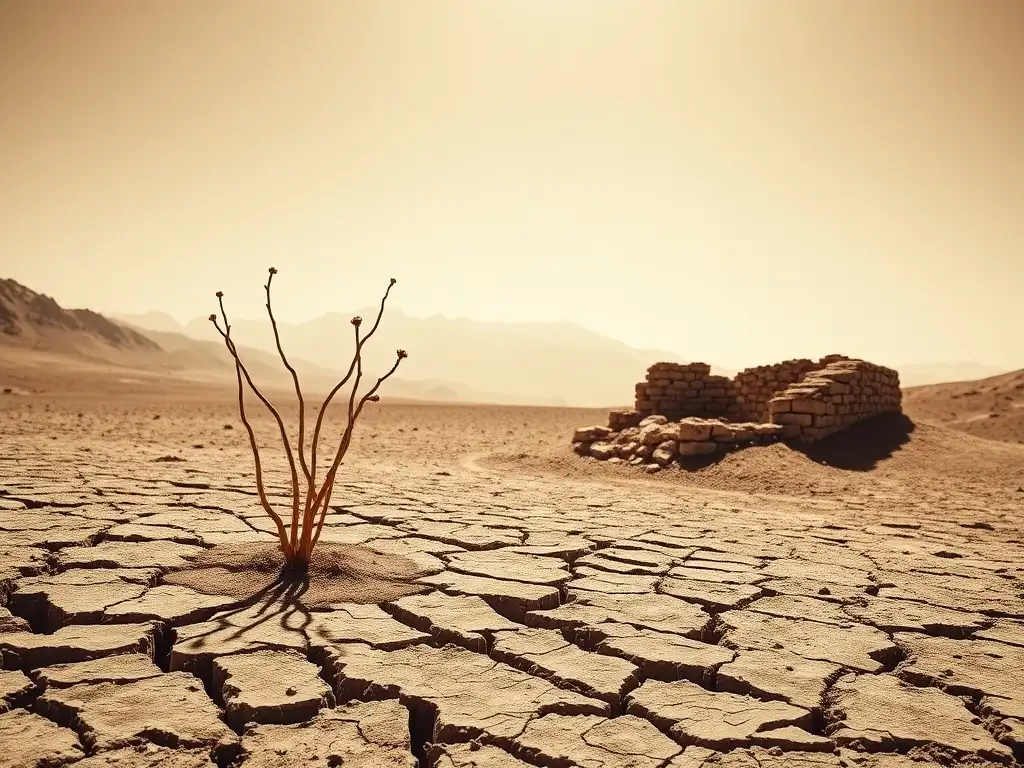
The impact of drought on Andean civilizations was far-reaching, extending beyond mere agricultural challenges to significantly reshape socio-political structures and dynamics. The availability, or lack thereof, of water dictated power structures, fueled conflicts, and profoundly influenced religious practices. Understanding the Andean civilization drought impact requires examining these interwoven consequences.
Chronic water scarcity acted as a powerful catalyst for both cooperation and conflict, profoundly altering the social fabric of these complex societies. The extent of this impact varied across different Andean cultures and time periods, influenced by factors such as geographic location, technological advancements in water management, and the overall strength of a civilization's political organization.
Conflict and Competition over Water Resources
Competition for dwindling water resources frequently escalated into conflict among Andean communities. Access to reliable water sources, particularly during prolonged droughts, became a crucial factor determining a group's survival and prosperity. Archaeological evidence suggests that disputes over irrigation canals, springs, and other vital water points were common.
The control of such resources often translated directly into political and economic dominance. For instance, the Inca Empire, known for its sophisticated water management systems, strategically managed water access to consolidate power and maintain control over conquered territories. Their sophisticated network of qanats (underground canals) not only ensured agricultural productivity but also served as a tool for political control.
Conversely, the lack of centralized control over water resources in other Andean societies likely contributed to increased inter-community conflicts and even warfare during periods of extreme drought. The severity of these conflicts varied; sometimes resulting in minor skirmishes over limited resources, and other times leading to larger-scale wars that dramatically reshaped regional power dynamics. Further research into specific case studies is needed to fully quantify the extent of drought-induced conflict across different Andean cultures.
The Role of Water in Andean Religious Beliefs and Rituals
Water held immense religious significance for Andean civilizations. It wasn't merely a resource for survival; it was a sacred element, deeply entwined with their spiritual beliefs and practices. The Andean civilization drought impact, therefore, went beyond the physical realm, significantly influencing religious practices and beliefs. During periods of drought, religious rituals aimed at appeasing the gods and ensuring the return of rainfall became even more prominent.
These rituals often involved elaborate ceremonies, offerings, and sacrifices, reflecting the desperation and profound dependence on the capricious nature of water. The Moche culture, for example, displayed a strong connection between their religious beliefs and water management. Their impressive irrigation systems were not just feats of engineering; they were also deeply symbolic, representing the vital link between the earthly and spiritual realms.
The depiction of water deities and rain-related imagery in Moche pottery further underscores the profound religious significance of water. Furthermore, the construction and maintenance of sacred sites associated with water sources, such as springs and lakes, reinforced the social and religious importance of water in Andean societies. The impact of drought on these religious practices is a critical area for ongoing research, potentially revealing further insights into the complex interplay between religion, environment, and social organization in the Andes.
The Andean civilization drought impact significantly shaped social organization, leading to the development of sophisticated water management systems as a crucial mechanism for survival and social cohesion. These systems varied considerably depending on the specific geography, technology, and social structure of each culture. The Inca Empire, for example, developed a highly centralized system of water management, with specialized officials responsible for maintaining canals, reservoirs, and other infrastructure. This system not only ensured equitable distribution of water but also reinforced the Inca's centralized authority.
In contrast, smaller, less centralized societies often relied on community-based water management practices, often involving complex systems of cooperation and reciprocal labor. These systems, however, could become strained during prolonged droughts, potentially leading to social tensions and conflicts. The development and maintenance of these water management systems required significant social organization, expertise, and labor, demonstrating the adaptive capacity of Andean communities in the face of environmental challenges.
The intricate networks of canals, terraces, and reservoirs not only provided a reliable water supply but also fostered social cooperation and reinforced existing social hierarchies. Understanding these systems provides valuable insights into the resilience and adaptive strategies of Andean societies in the face of prolonged drought. The effectiveness of these strategies varied across different groups and periods, highlighting the complex interplay between environmental pressures and social adaptation in the Andes.
Long-Term Effects and Legacy of Drought in the Andes
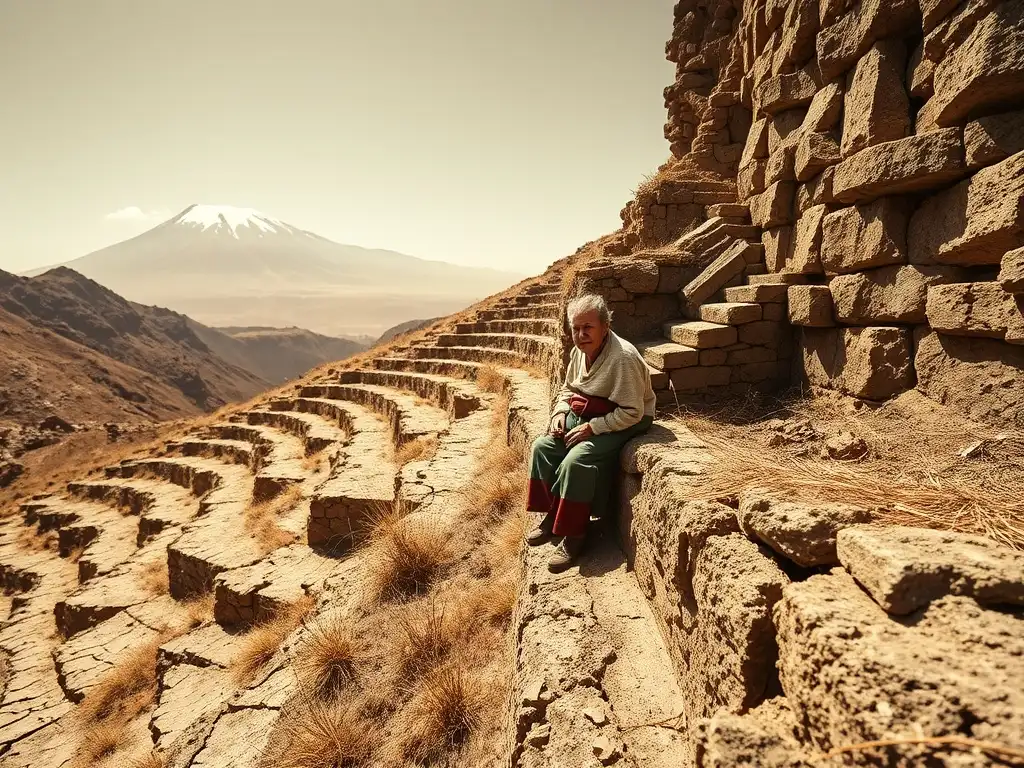
The impact of drought on Andean civilizations wasn't merely a temporary setback; it left an indelible mark on the societies, shaping their cultural practices, technological advancements, and ultimately, their very survival. Understanding these long-term effects is crucial to comprehending the resilience and adaptability of Andean communities, as well as the challenges they face today. The legacy of drought is woven into the fabric of Andean history, influencing everything from agricultural techniques to societal structures.
The recurring nature of drought forced these societies to develop sophisticated water management systems, a testament to their ingenuity and understanding of their environment. These systems, while impressive, also highlight the vulnerability inherent in relying on unpredictable water sources.
The constant struggle against drought fostered a deep-seated respect for water, a resource viewed not just as essential for survival, but as a sacred element intricately linked to their spiritual beliefs. This reverence is still visible in contemporary Andean cultures.
The Resilience of Andean Communities in the Face of Water Challenges
Andean communities displayed remarkable resilience in the face of repeated droughts. Their survival wasn't a matter of luck, but rather the result of carefully developed strategies and adaptations. For example, the Inca empire, famed for its sophisticated infrastructure, implemented extensive irrigation systems, terraced farming techniques, and water storage solutions like qochas (artificial lakes) to mitigate the effects of water scarcity.
These weren't simply engineering feats; they were integral parts of a complex social and political system designed to ensure the equitable distribution of water resources. The intricate network of canals and reservoirs, meticulously maintained, showcased a deep understanding of hydrology and a commitment to communal well-being. Furthermore, their agricultural practices, such as the cultivation of drought-resistant crops and crop diversification, significantly reduced their vulnerability to water shortages.
This adaptability, honed over centuries of grappling with drought, is a crucial lesson for understanding their enduring legacy. Evidence suggests that periods of severe drought did lead to societal upheaval and migration, but the overall capacity for adaptation was remarkable. The development of sophisticated agricultural techniques, like the waru waru system (raised field agriculture), exemplifies their proactive approach to water management.
Lessons from the Past: Understanding Modern Water Management in the Andes
The ingenious water management strategies employed by ancient Andean civilizations offer invaluable lessons for modern water management in the region. The intricate systems they developed, many of which are still visible today, showcase a deep understanding of water cycles, soil conservation, and community collaboration. Studying these ancient techniques provides insights into sustainable water resource management strategies that are particularly relevant in the face of climate change and increasing water scarcity.
For example, the integration of traditional knowledge with modern technologies could lead to more effective water conservation and management practices. The ancient emphasis on community-based water management, ensuring equitable access and distribution, is a stark contrast to some current challenges. Understanding the ancient balance between human needs and environmental sustainability can inform modern policies and practices, leading to more equitable and sustainable water management in the Andes.
Further research into ancient Andean techniques could lead to innovative solutions to current water challenges, including the development of drought-resistant crops and water-efficient irrigation systems. The study of Andean civilization drought impact provides valuable insights.
The Connection Between Ancient Droughts and Current Water Issues
The historical record of drought in the Andes provides a crucial context for understanding current water issues in the region. The frequency and intensity of droughts throughout Andean history demonstrate the region's inherent vulnerability to climate variability. The patterns of past droughts, revealed through archaeological and paleoclimatological data, can help predict future drought events and inform mitigation strategies.
The increasing frequency and severity of droughts in recent decades, exacerbated by climate change, highlight the need to learn from past experiences. The challenges faced by ancient Andean communities, and their strategies for adaptation, provide valuable insights for addressing modern water scarcity. Analyzing the historical responses to drought can inform the development of resilient water management systems capable of withstanding future climate shocks.
The long-term perspective offered by studying ancient Andean civilizations provides a deeper understanding of the complex interplay between climate, society, and water resources in the Andes, emphasizing the urgent need for sustainable water management practices. Understanding the Andean civilization drought impact is vital for future planning.
The “Andean civilization drought impact” and its Relevance Today
The impact of drought on Andean civilizations is a crucial area of study, offering invaluable insights into the resilience and vulnerability of societies in arid and semi-arid environments. Understanding how past Andean societies coped with water scarcity provides a critical lens through which to view contemporary challenges related to climate change and water management in the region. The phrase "Andean civilization drought impact" encapsulates the multifaceted ways in which prolonged water shortages affected the social, economic, and political structures of these remarkable cultures.
This section explores the historical evidence and its relevance to modern-day concerns. The study of past droughts helps us develop more effective strategies for mitigating the effects of future water crises, not only in the Andes but also in other regions facing similar challenges. This historical perspective is essential for building a sustainable future.
Analyzing the historical impact of water scarcity
Water scarcity profoundly shaped the development and decline of numerous Andean civilizations. Archaeological evidence reveals sophisticated water management systems, including intricate canal networks, terraced agriculture, and reservoirs, demonstrating ingenious adaptations to arid conditions. For instance, the Nazca civilization (100-800 CE) is renowned for its extensive network of aqueducts, which channeled water from distant sources to sustain its population and agriculture.
The decline of some Andean societies has been linked to periods of prolonged drought, underscoring the fragility of these systems when faced with environmental stress. Analysis of ice core samples and sediment layers provides valuable paleoclimatic data, revealing the frequency and intensity of past droughts and their correlation with societal changes.
These findings highlight the critical role that water availability played in shaping the trajectory of Andean civilizations, from their impressive achievements in water management to their eventual vulnerabilities. The study of ancient Andean hydraulic engineering offers a rich source of knowledge that can inform contemporary water resource management strategies.
The impact wasn't solely environmental. Drought frequently led to social unrest, conflicts over scarce resources, and even societal collapse in some cases. Evidence suggests that shifts in agricultural practices, population migrations, and even changes in religious beliefs were all responses to prolonged periods of drought. For example, the abandonment of certain settlements and the rise of new ones can often be linked to changes in water availability. This highlights the interconnectedness of environmental factors and societal structures. Understanding these historical dynamics is key to predicting and mitigating the social consequences of future droughts in the region.
The importance of studying ancient civilizations for sustainable water solutions
Studying the successes and failures of past Andean civilizations in managing water resources offers invaluable lessons for contemporary water management strategies. Their innovative techniques, such as the construction of sophisticated irrigation systems and the development of drought-resistant crops, demonstrate a deep understanding of their environment and a capacity for adaptation. By analyzing these past practices, we can identify effective strategies for water conservation and sustainable use, particularly in the face of increasing climate change impacts.
The study of ancient Andean water management systems is not merely an academic exercise. It provides tangible solutions that can be applied today. For instance, the principles of terraced agriculture, which reduce soil erosion and optimize water use, are still relevant and can be adapted to modern farming practices.
Similarly, the design and construction of ancient aqueducts and reservoirs offer insights into engineering solutions that are both sustainable and effective. Furthermore, understanding how past societies responded to drought—both in terms of technological adaptations and social organization—provides a roadmap for building more resilient communities in the face of future water scarcity.
The knowledge gained from studying ancient civilizations can inform policy decisions, technological innovations, and community-based approaches to water management, ultimately contributing to a more sustainable future for the Andean region. This interdisciplinary approach—combining archaeology, hydrology, climatology, and social sciences—is crucial for addressing the complex challenges of water scarcity in the 21st century.
Future challenges and the legacy of drought in the Andes
The Andes region continues to face significant challenges related to water scarcity, exacerbated by climate change and population growth. Projections indicate increased frequency and intensity of droughts in the future, posing a serious threat to water security and societal stability. Understanding the historical impact of drought on Andean civilizations provides a crucial framework for anticipating and mitigating these future challenges. The legacy of drought in the Andes is a complex interplay of environmental vulnerability and societal resilience.
The lessons learned from the past should inform proactive strategies for water resource management, including improved water infrastructure, drought-resistant agriculture, and effective water governance. These strategies must be tailored to the specific needs of the Andean region, considering its unique geography, climate, and socio-economic context. Furthermore, fostering community participation and building local capacity for water management are essential for long-term sustainability.
The Andean region’s future depends on learning from its past, adapting to the changing climate, and implementing innovative solutions to ensure water security for generations to come. The ongoing study of "Andean civilization drought impact" is not just a historical endeavor; it is a critical component of building a sustainable future for the region.
Frequently Asked Questions
How did drought impact Andean civilizations?
Droughts significantly impacted Andean civilizations, causing widespread famine and social unrest. Agricultural failures led to population decline and even societal collapse in some cases.
Which Andean civilizations were most affected by drought?
Many Andean civilizations were vulnerable, but the Inca Empire, Moche, and Nazca are particularly well-documented examples of societies significantly impacted by periods of prolonged water scarcity.
What strategies did Andean civilizations use to cope with drought?
Andean societies developed sophisticated water management systems, including terracing, irrigation canals, and reservoirs. They also practiced crop diversification to mitigate the effects of drought.
What evidence exists to show the impact of drought on Andean societies?
Archaeological evidence, such as abandoned settlements, changes in agricultural practices, and shifts in settlement patterns, reveals the profound impact of drought on Andean life. Climate data also supports these findings.
How did drought contribute to the decline of specific Andean civilizations?
While drought wasn't the sole cause of decline for any single civilization, it acted as a significant stress factor, weakening societies and making them more vulnerable to internal conflicts and external pressures. Combined with other factors, drought contributed to the downfall of several empires.
Final Reflection: The Enduring Legacy of Water in the Andes
The specter of drought continues to haunt the Andes, a stark reminder of the fragility of life in a region profoundly shaped by water scarcity. While ancient Andean civilizations developed ingenious strategies to cope with aridity, the challenges they faced resonate powerfully with the contemporary struggles of communities grappling with climate change and its devastating consequences. The lessons learned from their resilience and ingenuity remain vital for navigating the uncertainties of our future.
The impact of drought on Andean life transcends mere historical record; it's woven into the very fabric of the culture, its art, its social structures, and its spiritual beliefs. The ingenuity displayed in water management systems, from sophisticated irrigation techniques to intricate religious rituals centered around water deities, underscores the profound importance of this resource. Water is life, and without it, there is no civilization.
This simple truth, understood deeply by the ancient Andeans, holds even greater weight in our era of escalating environmental crises.
Consider the enduring legacy of these ancient civilizations. Their innovative solutions to water scarcity offer valuable insights for modern-day challenges. You, the reader, are now equipped with a deeper understanding of the profound connection between water, culture, and survival in the Andes. Let this knowledge inspire you to consider your own relationship with water, to advocate for sustainable practices, and to appreciate the ingenuity of those who came before us in their fight for survival against the dominion of drought. The future of the Andes, and indeed the world, depends on our collective commitment to responsible water management.
**Unleash Your Curiosity: Dive Deeper into Andean Water Wisdom! **
Thank you for exploring the profound impact of water scarcity on Andean life. Your interest underscores the vital connection between culture and environment, revealing the remarkable ingenuity of societies adapting to challenging landscapes. Let's translate this understanding into action.
- **Join online discussions** with others passionate about Andean history to share insights and learn from diverse perspectives.
- **Visit a museum or cultural center** showcasing Andean artifacts to gain a deeper appreciation for their innovative water management techniques.
- Consider **supporting or initiating a local water conservation project** to honor the legacy of Andean ingenuity and contribute to sustainable practices.
How can we apply the resilience of Andean civilizations to develop innovative water management solutions in our own communities?