
The Unwritten Record: Climate Data from Andean Artifacts

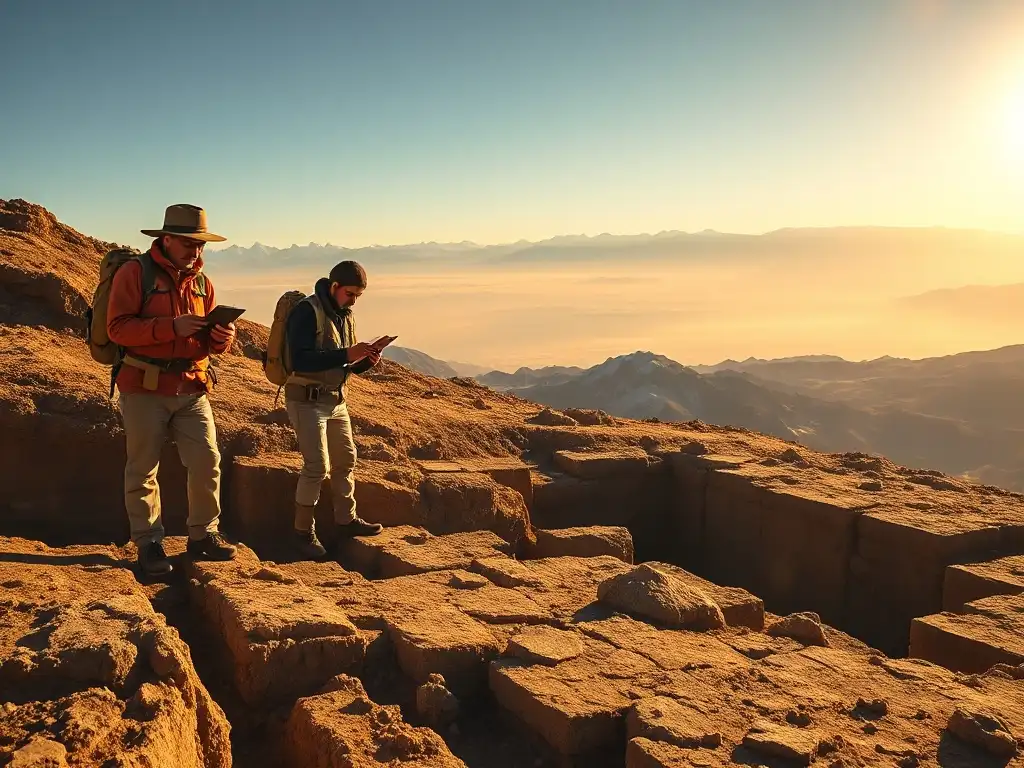
Uncover the secrets whispered by the mountains! For centuries, the Andes have held their breath, their stories etched not just in stone and gold, but in the very fabric of their ancient civilizations. Dive into the fascinating world of Andean artifacts climate data, revealing how these incredible objects hold the key to understanding the impact of environmental change on the rise and fall of empires like the Inca, Moche, and Nazca. Prepare to be amazed by the unwritten record – a story waiting to be discovered.
- The Unwritten Record: Unlocking Climate Secrets from Andean Artifacts
- Deciphering Climate Data from Ancient Andean Objects
- Specific Examples of Andean Artifacts Revealing Climate Patterns
- Methodologies for Extracting Climate Information from Andean Artifacts
- The Impact of Climate Change on Andean Societies: Insights from Artifacts
- Conclusion: The Value of Andean Artifacts in Reconstructing Past Climates
-
Frequently Asked Questions
- How do Andean artifacts reveal climate data?
- What specific climate information can be gleaned from these artifacts?
- Which Andean cultures are primarily represented in this type of research?
- How does this data compare to other climate reconstruction methods?
- What is the significance of understanding past Andean climates?
- Final Reflection: Echoes of the Andes, Whispers of the Future
- **Unveil the Secrets of Our Climate History! **
The Unwritten Record: Unlocking Climate Secrets from Andean Artifacts
The Andes Mountains, a spine of towering peaks running down the western edge of South America, have witnessed millennia of human civilization. From the sophisticated irrigation systems of the Nazca to the vast empire of the Inca, Andean societies thrived in a challenging environment characterized by dramatic altitudinal variations and highly variable climates. Understanding the relationship between these ancient societies and their environment is crucial to comprehending their successes and eventual transformations.
This article delves into the fascinating field of paleoclimatology, exploring how the analysis of Andean artifacts provides invaluable insights into past climate conditions. We will uncover how seemingly mundane objects—from pottery shards to textiles—hold the key to deciphering the unwritten record of climate change in the Andes, offering crucial data to better understand the impact of climate variability on Andean societies and informing our understanding of climate change today.
This exploration will focus on how the analysis of specific materials and manufacturing techniques within Andean artifacts allows for the reconstruction of past climatic conditions, providing a unique perspective on the interplay between human societies and their environment. The study of Andean artifacts offers a compelling example of how interdisciplinary research, combining archaeology, climatology, and material science, can illuminate the complex history of human-environmental interactions.
Introduction: Andean Civilizations and the Quest for Climate History
The study of Andean civilizations often relies on written records, but these are scarce and often incomplete, particularly for pre-Inca cultures. To fill this gap, archaeologists and climatologists have increasingly turned to the meticulous examination of material culture – the tangible remains of past societies – to reconstruct past environmental conditions.
The Andes, with their diverse ecosystems and geographically isolated communities, provide a particularly rich landscape for this type of research. Understanding past climate fluctuations in the Andes is essential for several reasons: it helps us interpret the rise and fall of specific Andean societies, it allows us to assess the resilience of past communities to environmental stress, and it provides valuable context for understanding the impacts of current climate change in the region.
The quest for this climate history is not simply an academic exercise; it has profound implications for our understanding of the vulnerability of modern Andean communities to climate-related challenges. This section will lay the groundwork for understanding how different Andean artifacts, through their materials and manufacturing processes, act as unique climate archives.
The Power of Andean Artifacts as Climate Proxies
Andean artifacts offer a remarkable array of opportunities for paleoclimate reconstruction. Different materials respond differently to climatic variables like temperature and precipitation. For instance:
- Pottery: The type of clay used, the firing techniques employed, and even the presence of specific minerals in the clay can reflect local environmental conditions. Variations in the chemical composition of pottery samples can be indicative of changes in rainfall patterns or soil characteristics. Analysis of pottery shards can reveal information about the availability of water resources and agricultural practices, which are directly influenced by climate.
- Textiles: The fibers used in textiles – such as cotton, wool, or camelid fibers – are sensitive to climatic conditions. The type of fiber used, the quality of the yarn, and the weaving techniques reflect both the available resources and the climatic conditions influencing their growth and availability. Furthermore, the dyes used in textiles can also provide clues about the availability of specific plants and minerals, which are climate-dependent.
- Metalwork: The types of metals used and the techniques employed in metalworking can also reflect climatic conditions. The availability of specific ores, for example, can be influenced by changes in precipitation and erosion patterns. The presence of certain corrosion patterns on metal artifacts can also indicate exposure to specific environmental conditions.
The analysis of these artifacts, using techniques such as isotopic analysis, X-ray fluorescence, and microscopic examination, can reveal subtle but significant variations in past climate conditions. These analyses provide detailed data on past temperature fluctuations, rainfall patterns, and even the occurrence of extreme weather events.
The combination of data from multiple artifact types provides a more comprehensive picture of past climate variability, allowing for a more nuanced understanding of the complex interplay between climate and Andean societies. Further research into these areas promises to significantly enhance our understanding of the region's rich history and its vulnerability to future climate change.
Deciphering Climate Data from Ancient Andean Objects
The study of Andean artifacts offers a unique window into past climates, providing invaluable data to understand the impact of environmental change on these sophisticated societies. While traditional historical records are limited, the ingenuity of Andean civilizations left behind a wealth of material culture that inadvertently encodes crucial climatic information. By meticulously analyzing textiles, ceramics, and architecture, researchers can piece together a surprisingly detailed picture of past rainfall patterns, temperature fluctuations, and even the frequency of extreme weather events.
This section will explore three key avenues of research that utilize Andean artifacts to reconstruct past climates, contributing significantly to our understanding of the interplay between environment and society in the Andes. The analysis of Andean artifacts climate data has revolutionized our understanding of the resilience and adaptability of these ancient populations.
Textile Analysis: Unveiling Past Rainfall Patterns through Andean Fabrics
Andean textiles, renowned for their intricate designs and vibrant colors, also hold clues about past rainfall patterns. The type of fiber used (alpaca, llama, cotton), the dye composition, and even the weaving techniques themselves can reflect the climatic conditions prevalent during their production.
For example, a higher proportion of cotton in textiles from a specific period might suggest a wetter climate conducive to cotton cultivation, while a predominance of alpaca wool could indicate drier conditions. Furthermore, the analysis of dye plants used, like the Bixa orellana (achiote) or Indigofera species, offers insight into the availability of specific resources and therefore the prevailing environmental conditions.
Detailed analysis of textile fragments from various Andean sites, spanning centuries, has revealed fascinating correlations between textile composition and independent climate proxies, such as ice core data and lake sediment analysis. This corroboration strengthens the validity of using textile analysis as a reliable indicator of past rainfall. For instance, studies have shown a clear shift towards more alpaca wool in textiles during periods of prolonged drought, providing concrete evidence of climate-driven changes in fiber production and economic strategies.
Such meticulous analysis allows researchers to build more comprehensive models of past climate variability and its influence on Andean societies. The intricate relationship between Andean fabrics and climate data is a testament to the resourceful nature of Andean cultures and their ability to adapt to environmental challenges.
Ceramic Evidence: Using Pottery Styles to Track Climate Shifts in the Andes
Ceramic artifacts, abundant throughout the Andean region, provide another rich source of climate data. The type of clay used, the firing techniques employed, and even the decorative motifs can reflect environmental influences. For instance, the availability of specific clay types might be affected by rainfall patterns, impacting the production of pottery. Variations in the firing techniques might reflect changes in fuel availability, which could be linked to shifts in vegetation patterns resulting from climatic changes.
Furthermore, the stylistic changes in pottery, such as the size and shape of vessels or the prevalence of certain decorative elements, can sometimes be correlated with climate shifts. Although this correlation requires careful consideration of other socio-cultural factors, it can provide additional insights. For example, a shift towards smaller, more portable vessels might suggest a response to resource scarcity associated with drought.
The study of Andean ceramic technology and artistic expression, therefore, offers a multi-faceted approach to understanding past climate variability, providing a more nuanced picture than single-source data might offer. The detailed analysis of ceramic shards often reveals subtle changes in composition and style that can be linked to climate fluctuations, providing a continuous record of environmental change.
Architectural Clues: Analyzing Building Techniques for Climate Adaptations in Andean Societies
Andean architecture displays remarkable adaptation to diverse and often challenging environmental conditions. The construction techniques, materials used, and the orientation of buildings all reflect climate considerations. For example, the construction of houses with thick walls and small windows in high-altitude regions suggests adaptation to cold and windy conditions. Conversely, the use of lighter materials and larger openings in lower-altitude, warmer regions indicates a different climatic response.
The precise arrangement of buildings within settlements, reflecting wind patterns and solar exposure, further underscores the sensitivity of Andean architects to environmental conditions. The study of irrigation systems and water management techniques also provides crucial insights into strategies employed to cope with droughts and water scarcity. Researchers are using advanced techniques like 3D modelling and Geographic Information Systems (GIS) to analyze the spatial distribution of settlements and their relationship to water sources, further illuminating the impact of climate on settlement patterns.
By combining architectural analysis with other data sources, a more holistic understanding of the relationship between climate, technology, and social organization in Andean societies emerges. The ingenuity of Andean architectural solutions to climate challenges showcases a sophisticated understanding of their environment.
Specific Examples of Andean Artifacts Revealing Climate Patterns
This section delves into specific examples of Andean artifacts that offer invaluable insights into past climate patterns, enriching our understanding of how these civilizations adapted to environmental challenges. Analyzing these artifacts allows us to reconstruct past climates with remarkable precision, providing crucial data for understanding the impact of climate change on Andean societies and informing contemporary climate change mitigation and adaptation strategies.
The intricate relationship between Andean artifacts and climate data offers a unique perspective on the resilience and ingenuity of these ancient cultures. We will explore several examples, highlighting the diverse ways in which climatic information is encoded within these objects.
Analyzing Moche Ceramics for El Niño Events
Moche pottery, renowned for its exquisite artistry and detailed depictions of daily life, also serves as a rich source of paleoclimatological data. The Moche civilization (c. 100-800 CE) flourished along the arid northern coast of Peru, a region highly susceptible to the effects of El Niño-Southern Oscillation (ENSO). Careful examination of Moche ceramics reveals recurring motifs of flooding, marine life abundance, and changes in agricultural practices, strongly suggesting a correlation with El Niño events.
For instance, depictions of overflowing rivers and flooded settlements in Moche pottery correlate with periods of increased rainfall indicated by other paleoclimatic proxies such as lake sediment analysis. Conversely, a decrease in depictions of marine life, often associated with El Niño's disruption of coastal upwelling, suggests periods of reduced marine productivity. Furthermore, changes in the depiction of agricultural practices, such as the prevalence of irrigation systems, can be linked to the need for adaptation to prolonged droughts or intense rainfall following El Niño events.
The detailed nature of Moche iconography provides a nuanced understanding of the societal impacts of these climate fluctuations, demonstrating the civilization's sophisticated adaptation strategies. Quantitative analysis of the frequency of these motifs across different Moche pottery styles could further refine our understanding of the temporal dynamics of El Niño events during the Moche period.
Inca Textiles and Evidence of Drought Conditions
Inca textiles, known for their intricate weaving techniques and vibrant colors, offer a different perspective on Andean climate history. The Inca Empire (1438-1533 CE) controlled a vast territory spanning diverse ecological zones, from the arid coastal deserts to the high Andes. Analysis of Inca textile production reveals valuable information about the availability of resources, particularly agricultural yields, which are highly sensitive to climate variability. Changes in the type of fiber used, the color palette, and the complexity of weaving patterns can reflect variations in climatic conditions, particularly drought events.
For example, a shift from the use of cotton, which requires abundant water, to camelid fibers like alpaca or llama, which are more drought-tolerant, might indicate a prolonged period of drought. Similarly, a decrease in the use of certain dyes obtained from plants sensitive to water stress could also reflect a scarcity of resources due to drought. The Inca’s meticulous record-keeping, though primarily textual, is complemented by the information encoded in their textiles, providing a multifaceted perspective on the climatic challenges faced by the empire.
Further research, focusing on isotopic analysis of the fibers and dyes, could provide more precise quantitative data on the timing and intensity of past droughts. The integration of textile analysis with other archaeological and historical data strengthens our understanding of the Inca's adaptation to climate variability, contributing to a more comprehensive picture of the Andean climate history.
Tiahuanaco Architecture and Adaptation to High Altitude Climate Changes
The Tiahuanaco civilization (c. 500-1000 CE), located on the Altiplano of the Andes at a high altitude, faced unique climatic challenges. Their monumental architecture, including the famous Akapana pyramid, reflects sophisticated engineering techniques designed to cope with the harsh environmental conditions of the high Andes. Analysis of Tiahuanaco architecture reveals insights into the civilization's adaptations to high-altitude climate changes, including fluctuations in temperature, precipitation, and solar radiation.
For example, the orientation and design of structures, such as the precise alignment of doorways and windows, suggest an attempt to optimize solar gain during winter months, mitigating the effects of low temperatures and reduced sunlight. The sophisticated water management systems, including intricate canals and reservoirs, demonstrate an understanding of water scarcity and the need to efficiently manage available water resources.
The construction techniques themselves, using massive stone blocks precisely fitted together, indicate a high level of engineering skill necessary to build durable structures capable of withstanding harsh weather conditions, including potential seismic activity. Detailed analysis of the stone used in construction, including its isotopic composition, could provide further insights into the sourcing of materials and the impact of climate change on resource availability.
The study of Tiahuanaco architecture offers a compelling example of human adaptation to a challenging high-altitude climate, demonstrating the remarkable ingenuity of Andean civilizations in the face of environmental adversity. This exemplifies the intricate interplay between Andean artifacts and climate data, revealing the resilience and adaptability of past societies in the face of environmental change.
Methodologies for Extracting Climate Information from Andean Artifacts
This section details the scientific approaches used to glean climate data from Andean artifacts, offering a crucial lens through which we can understand the impact of climate variability on ancient Andean societies. The extraction of such information is a multi-faceted process, requiring sophisticated techniques and rigorous analysis. Understanding these methodologies is key to interpreting the valuable insights these artifacts provide about past Andean climates. The study of Andean artifacts climate data allows for a more nuanced understanding of past environmental conditions and their influence on these remarkable cultures.
Scientific Dating Techniques: Determining the Age of Climate-Sensitive Artifacts
Accurately dating Andean artifacts is paramount for establishing a chronological framework within which to interpret climate-related changes. Several scientific dating techniques are employed, each with its strengths and limitations. The most commonly used methods for dating artifacts relevant to climate studies include:
- Radiocarbon Dating (14C): This technique is invaluable for organic materials like textiles, wood, and bone found in Andean contexts. By measuring the remaining 14 C isotopes, researchers can determine the artifact's age, providing a temporal context for analyzing climate-related variations. However, limitations include the age range (generally effective up to ~50,000 years) and potential contamination issues.
- Thermoluminescence Dating (TL): This method is particularly useful for dating ceramic artifacts. TL measures the accumulated radiation absorbed by the ceramic material since its last heating, providing an estimate of its age. The precision of TL dating can be affected by factors such as the firing temperature and the mineral composition of the ceramic.
- Dendrochronology (Tree-Ring Dating): Where applicable, analyzing the growth rings of ancient wood samples provides high-resolution chronological data. This method is particularly useful in regions where suitable tree species existed, offering precise dating and potentially valuable climate proxies embedded within the ring patterns themselves. However, its applicability is limited by the availability of well-preserved wood samples.
The selection of the appropriate dating technique depends heavily on the specific artifact and the research question. Often, multiple dating methods are used to cross-validate results and ensure accuracy. Careful consideration of potential error margins is crucial for robust interpretation of the data. The integration of multiple dating techniques strengthens the reliability of the overall chronological framework for analyzing Andean artifacts climate data.
Analysis of the material composition of Andean artifacts can reveal subtle clues about past climatic conditions. Several techniques are employed to study these variations:
- Isotopic Analysis: Examining the stable isotope ratios (e.g., 18 O/ 16 O in bone or 13 C/ 12 C in plant remains) within artifacts can provide insights into past precipitation patterns, temperature fluctuations, and water sources. These isotopic signatures act as powerful recorders of environmental conditions at the time the artifact was created or used.
- Elemental Analysis: Techniques like X-ray fluorescence (XRF) and inductively coupled plasma mass spectrometry (ICP-MS) allow researchers to determine the elemental composition of artifacts. Variations in the concentrations of certain elements can reflect changes in soil composition, which in turn may be linked to climatic shifts. For example, variations in trace elements within pottery clay can reflect changes in rainfall and soil erosion patterns.
- Microscopic Analysis: Microscopic examination of artifacts, such as the study of pollen grains embedded in textiles or the analysis of wear patterns on tools, can provide additional information about past vegetation, agricultural practices, and human adaptation to climatic changes. This detailed analysis allows for a more nuanced understanding of the relationship between climate and human activity.
By combining these material analysis techniques, researchers can build a comprehensive picture of the environmental context in which Andean artifacts were produced and used, providing valuable data to reconstruct past climates and understand their impact on Andean societies.
Comparative Studies: Cross-Referencing Artifact Data with Paleo-Climate Records
The information derived from Andean artifacts is most powerful when integrated with independent paleo-climate data. This comparative approach allows researchers to validate their findings and contextualize the artifact data within a broader environmental framework. Several sources of paleo-climate data are used for comparison:
- Ice Core Records: Ice cores from Andean glaciers contain valuable information about past temperature, precipitation, and atmospheric composition. By comparing the artifact data with ice core records, researchers can establish correlations between climatic events and changes in Andean societies.
- Lake Sediment Cores: Lake sediments preserve a record of past environmental conditions, including changes in vegetation, water levels, and erosion patterns. These records can be used to corroborate the findings from artifact analysis and provide a more complete picture of past environmental changes.
- Speleothem Records: Speleothems (cave formations) provide a long-term record of climate variability, including information about rainfall, temperature, and atmospheric circulation patterns. Comparing artifact data with speleothem records can help to establish the temporal context of climatic shifts and their impact on Andean societies.
This cross-referencing allows for a more robust understanding of the relationship between climate and human activity in the Andes. The integration of multiple data sources strengthens the interpretation of Andean artifacts climate data, leading to more comprehensive and reliable conclusions about the impact of climate change on ancient Andean civilizations.
The Impact of Climate Change on Andean Societies: Insights from Artifacts
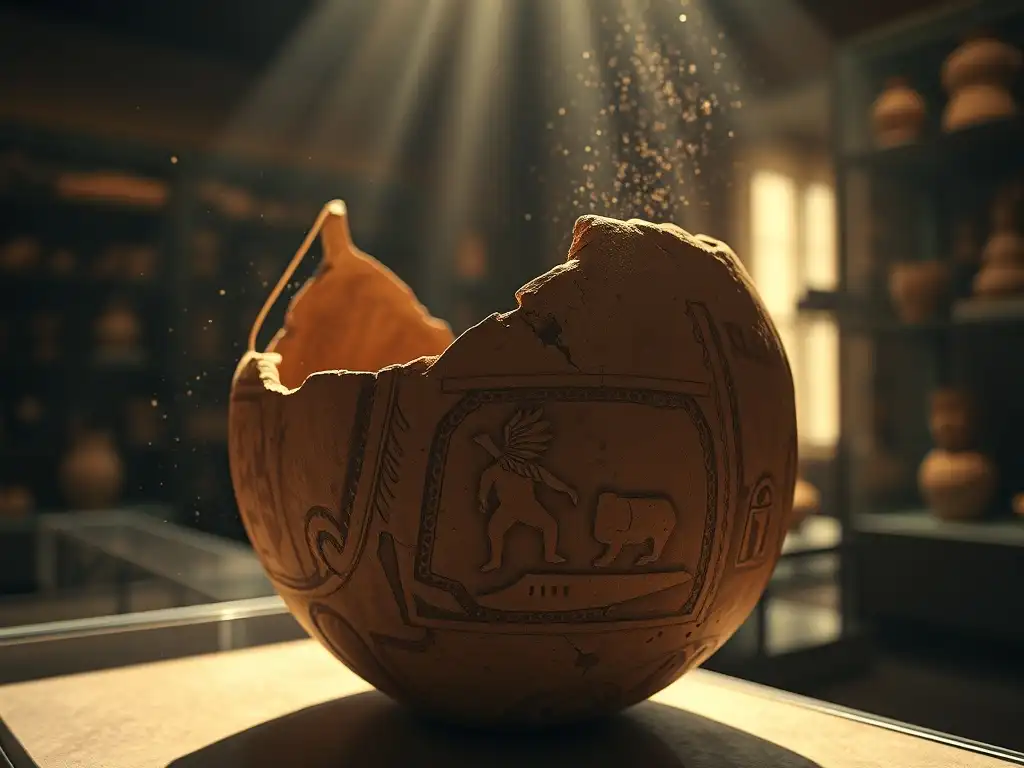
This section explores how analysis of Andean artifacts provides crucial data on past climate variability and its impact on ancient Andean societies. By examining these tangible remains, we can reconstruct past environmental conditions and understand the complex interplay between climate and societal development, offering valuable insights into the resilience and vulnerability of these civilizations. The study of Andean artifacts offers a unique lens through which to view the intricate relationship between humans and their environment, particularly in the face of climate change.
The meticulous analysis of these objects allows us to piece together a narrative of adaptation, innovation, and, at times, societal collapse, driven by fluctuating climatic conditions. This detailed examination of "Andean artifacts climate data" provides invaluable context for understanding the challenges faced by these ancient societies and the potential lessons they hold for us today.
The intricate social structures of Andean civilizations were profoundly shaped by climate variability. Evidence suggests a strong correlation between periods of drought or increased rainfall and significant shifts in societal organization, agricultural practices, and even political power dynamics. For instance, analysis of pottery shards from the Moche civilization reveals changes in agricultural production patterns mirroring fluctuations in rainfall indicated by paleoclimatological data.
Similarly, the construction of sophisticated irrigation systems by the Nazca people demonstrates a direct response to the arid coastal climate and the need for efficient water management. These infrastructural projects reflect both the technological ingenuity and the societal necessity to adapt to environmental challenges. Furthermore, the distribution and type of Andean artifacts themselves can reveal population movements and shifts in settlement patterns, often linked to periods of climate stress.
The abundance of specific types of tools, pottery styles, or agricultural implements in certain regions can offer valuable clues about the impact of climate on resource availability and population density. This intricate relationship, deciphered through the careful study of Andean artifacts, showcases the adaptive capacity of these societies, but also their vulnerability when faced with prolonged periods of climate instability. The artifacts serve as tangible evidence of how climate variability influenced social organization, agricultural strategies, and ultimately, the trajectory of these remarkable civilizations.
Lessons from the Past: How Ancient Andean Societies Responded to Climate Stress
Ancient Andean societies developed remarkable strategies to cope with climate stress, leaving behind a rich legacy of adaptation reflected in their artifacts. The intricate network of terraced agriculture, for example, allowed the Incas to cultivate crops on steep slopes, maximizing land use and mitigating the impact of droughts. This innovative approach is clearly evidenced by the precise stonework and careful planning visible in surviving terraces.
Furthermore, the use of diverse crop varieties and sophisticated storage techniques, as indicated by the presence of large granaries and specialized pottery for food preservation, helped to ensure food security during periods of climate variability. These methods, documented through the analysis of Andean artifacts, demonstrate a deep understanding of environmental dynamics and the capacity for long-term planning and resource management. The study of textiles also provides insights into societal responses to climate stress.
Changes in fiber types, weaving techniques, and dye colors often correlate with shifts in available resources and environmental conditions. The analysis of these textiles reveals a complex interplay between material culture and environmental adaptation, highlighting the ingenuity of Andean societies in responding to the challenges posed by their environment. The lessons learned from these past adaptations are invaluable for understanding contemporary challenges and developing sustainable strategies for managing climate change in the Andes today.
Future Research Directions: Utilizing Andean Artifacts for Climate Change Modeling
The potential of Andean artifacts in climate change modeling is vast and largely untapped. Future research should focus on integrating artifact-based data with other climate proxies, such as ice core samples and pollen records, to create more comprehensive and nuanced climate reconstructions. This interdisciplinary approach will allow for a more accurate understanding of past climate variability and its impact on Andean societies.
Furthermore, advanced analytical techniques, such as stable isotope analysis of human remains and plant matter found alongside artifacts, can provide detailed insights into diet, health, and migration patterns, further illuminating the relationship between climate and human populations. The development of sophisticated statistical models that incorporate artifact-based data will allow for better predictions of future climate impacts and the potential vulnerability of Andean communities to climate change. By combining the rich information contained within Andean artifacts with modern scientific methodologies, we can gain a deeper understanding of past climate change, improve our ability to model future scenarios, and inform strategies for building resilience in the face of ongoing environmental challenges.
The potential for leveraging "Andean artifacts climate data" in climate modeling offers a significant opportunity to advance our understanding of climate change and its impact on human societies, both past and present. This interdisciplinary approach represents a promising avenue for future research.
Conclusion: The Value of Andean Artifacts in Reconstructing Past Climates
The study of Andean artifacts offers a unique and invaluable window into the past climates of the Andes Mountains. By meticulously analyzing these objects, researchers can piece together a detailed picture of past environmental conditions, providing crucial insights into the complex interplay between climate and Andean societies. This information is not merely historical; it's profoundly relevant to understanding current climate change and its potential impact on the region.
The meticulous record-keeping, albeit unintentional, embedded within these artifacts provides a crucial dataset that complements and enhances other climate proxies, such as ice cores and pollen records. The sheer diversity of artifacts, ranging from intricately woven textiles to meticulously crafted ceramics, offers a wealth of information about past precipitation patterns, temperature fluctuations, and agricultural practices, all deeply intertwined with climate variability.
This interdisciplinary approach, blending archaeology, climatology, and other scientific disciplines, is essential for a complete understanding of Andean climate history. The data gleaned from Andean artifacts strengthens our ability to model future climate scenarios and inform effective mitigation and adaptation strategies.
The Importance of Preserving Andean Heritage for Climate Research
The preservation of Andean heritage sites and artifacts is paramount not only for cultural reasons but also for the advancement of climate science. The degradation or destruction of these objects represents an irreplaceable loss of valuable climate data. Many artifacts contain subtle yet crucial indicators of past climate conditions, such as the isotopic composition of materials used in construction or the presence of specific plant remains in textiles.
Damage to these artifacts, whether through natural processes or human intervention, compromises the integrity of this data, hindering our ability to accurately reconstruct past climates. Therefore, robust conservation efforts, coupled with ethical and responsible research practices, are crucial for ensuring the long-term availability of this invaluable resource for future climate research. Furthermore, engaging local communities in preservation efforts is vital, fostering a sense of ownership and ensuring the sustainability of these crucial initiatives.
The collaborative approach, involving both scientists and community members, guarantees not only the preservation of the physical artifacts but also the preservation of the associated traditional ecological knowledge (TEK) which can further enrich our understanding of past climate-society interactions. This holistic approach ensures that the invaluable insights contained within Andean artifacts continue to benefit both scientific understanding and cultural heritage preservation.
Connecting Ancient Climate Data with Modern Climate Challenges
Understanding past climate variability in the Andes, as revealed through the analysis of Andean artifacts, is crucial for predicting and mitigating the effects of modern climate change. For instance, the study of past droughts recorded in archaeological sites can help researchers model the frequency and intensity of future droughts, allowing for the development of more effective drought mitigation strategies. Similarly, analyzing past shifts in agricultural practices in response to climate fluctuations can inform the development of climate-resilient agricultural techniques for the region.
The insights gained from Andean artifacts provide a long-term perspective on climate variability, helping scientists to discern natural climate fluctuations from those driven by anthropogenic factors. This historical context is essential for developing accurate climate models and predicting future climate scenarios with greater precision. By comparing past climate responses with current observations, researchers can gain a deeper understanding of the vulnerability of Andean ecosystems and communities to climate change, leading to more effective adaptation strategies.
The data from Andean artifacts provides a crucial baseline for assessing the magnitude and impact of modern climate change on the Andes, ultimately informing more effective policies and interventions to protect this fragile environment and its inhabitants. The continued analysis of Andean artifacts is thus not just a historical endeavor but a vital contribution to addressing the urgent challenges posed by climate change in the Andes region.
Frequently Asked Questions
How do Andean artifacts reveal climate data?
Analysis of plant and animal remains found within artifacts, such as textiles and pottery, provides insights into past climates. Pollen analysis and isotope ratios in bones and teeth offer further clues.
What specific climate information can be gleaned from these artifacts?
Researchers can determine past temperatures, precipitation levels, and even environmental changes like droughts or floods that impacted Andean civilizations. This helps reconstruct past climatic conditions.
Which Andean cultures are primarily represented in this type of research?
Studies frequently involve artifacts from the Inca, Moche, Nazca, and Tiahuanaco cultures, providing a broad view of climate changes across different time periods and geographic locations.
How does this data compare to other climate reconstruction methods?
Artifact-based data complements other methods like ice core analysis and tree ring data, offering a unique perspective on past climate variability, particularly concerning its impact on human societies.
What is the significance of understanding past Andean climates?
Understanding past climates helps us predict future climate changes and their potential impacts on the region. It also sheds light on the adaptability and resilience of Andean civilizations to environmental challenges.
Final Reflection: Echoes of the Andes, Whispers of the Future
The meticulous study of Andean artifacts reveals not just the artistry of past civilizations, but a chillingly prescient record of climate change, a record that resonates deeply with the urgent challenges we face today. The patterns of drought and abundance etched into pottery, woven into textiles, and inscribed in the very architecture of ancient settlements offer undeniable evidence of climate's profound influence on human societies, a stark warning echoing across millennia. Ignoring this historical context is not an option; understanding it is crucial for our survival.
The enduring legacy of Andean civilizations, their ingenuity in adapting to environmental shifts, serves as both a testament to human resilience and a humbling reminder of our vulnerability. Their story, painstakingly pieced together from fragmented pottery shards and weathered stone structures, underscores the interconnectedness of human history and the natural world. The past is never dead. It's not even past.
– William Faulkner. This quote rings particularly true when considering the climate data locked within these ancient artifacts, data that speaks directly to the present and future. The insights gleaned from these objects force us to confront the cyclical nature of climate change and the profound consequences of neglecting its lessons.
Consider the implications of this research. What can you learn from the ingenuity and adaptability of Andean cultures? How can we, armed with the knowledge gleaned from these ancient records, build more resilient communities and forge a sustainable future? Let the echoes of the Andes inspire you to action, to become a steward of our planet, and to ensure that the lessons of the past are not lost to the winds of time. The future, like the climate, is not predetermined; it is shaped by the choices we make today.
**Unveil the Secrets of Our Climate History! **
Thank you for exploring the fascinating world of Andean artifacts and their crucial role in understanding past climates. Your interest in how these ancient treasures reveal our environmental history is commendable and vital for raising awareness.
Here's how you can continue your exploration:
- **Explore Our Artifacts:** Delve into our online gallery and discover how each artifact reveals insights into the interplay between climate and civilization.
- **Share Your Thoughts:** Join our online forum and discuss how the Andean civilization's relationship with nature can inform modern approaches to climate action. Share your perspectives and learn from others.
- **Get Involved:** Support local conservation efforts to protect these invaluable historical sites. Your contribution can make a significant difference in preserving our shared heritage and understanding of climate change.
What lessons from the past will inspire your commitment to a sustainable future?